• N&PD Moderators: Skorpio

ULDN - The magic weapon to reduce and keep tolerance to Opioids low

This is a great thread — thanks to yall.

I just started ULDN today, experimenting with a first dose of 0.8mcg. I was going to take my first oxy dose 30 minutes later, but wasn’t really craving it so I’m waiting… My question now is: should I take another ULDN dose 30 minutes before I take my oxy in another couple hours?
 
This is a great thread — thanks to yall.

I just started ULDN today, experimenting with a first dose of 0.8mcg. I was going to take my first oxy dose 30 minutes later, but wasn’t really craving it so I’m waiting… My question now is: should I take another ULDN dose 30 minutes before I take my oxy in another couple hours?
My answer comes late unfortunately. What did you do? How did it go?
 
No sweat at all.
I took another 0.8mcg about 6 hours later. Either by itself or in concert with that earlier 0.8mcg, it very much dulled my meds, both the analgesia and euphoria.
Yesterday, I tried 0.5mcg 40 mins prior, and it also blunted my meds to a similar extent. I resisted trying to break through the naltrexone with more meds, thankfully.
Today I’m skipping the ULDN. I need the relief. When I try it again, I’ll start with 0.2mcg, as I read one user had to go down this low to get effective results.
I also just heard from another person who was unable to take any amount of ULDN without knocking out all the analgesia and euphoria that her meds would typically provide…
 
No sweat at all.
I took another 0.8mcg about 6 hours later. Either by itself or in concert with that earlier 0.8mcg, it very much dulled my meds, both the analgesia and euphoria.
Yesterday, I tried 0.5mcg 40 mins prior, and it also blunted my meds to a similar extent. I resisted trying to break through the naltrexone with more meds, thankfully.
Today I’m skipping the ULDN. I need the relief. When I try it again, I’ll start with 0.2mcg, as I read one user had to go down this low to get effective results.
I also just heard from another person who was unable to take any amount of ULDN without knocking out all the analgesia and euphoria that her meds would typically provide…
Wow. I'm really surprised by this. You're taking ULDN in the nanogram range and it actually dulled the effects of your oxy?! Damn. Goes to show how wild the effective dosage ranges between individuals. This guy over here at the swiss drug forum was taking 150 mcg with 3mg Oxy (no tolerance) and it actually got him high. LOL 3mg Oxy!!! https://forum.eve-rave.ch/viewtopic.php?t=78616
 
I have a question it might be similar to some of the others, maybe not.

I understand the starting dosage, but is that dosage per day? Or per dose? Let's say you're prescribed Oxycodone 3x a day, are you taking ULDN an hour before each of those doses? Or just once a day total, regardless of your prescription schedule?

I would assume once per day since dosing multiple times a day of ULDN could blunt the effects, but we all know what they say about assuming!

Thanks in advance, this is a great thread.
 
Hey never posted on this forum before; I'm unfamiliar with the guidelines of it, so if this post is not relevant, I apologize.

But I have been extensively testing ULDN for about 3 months on different opiates and measuring the tolerance accumulation and subjective analgesia and euphoria of the experience with the goal of creating a sustainable level of positive mood with the goal of treating my long-term depression, which has only ever really been helped by opiates (at least in the period of time where the euphoria was the dominating characteristic of the experience).

In my research I found that with 7oh, the effectiveness of this is EXTREME, to the point where my tolerance to the analgesic effects will go back to baseline by simply skipping a couple doses with minor withdrawals. In fact, at multiple points as a result of being oriented towards more of the aspect of euphoria, I tried my hardest to take the highest tolerable dose every 1 hour, tolerance would build within the day but quickly diminish from that point even quicker.

I theorize this may be in part of beta arrestin recruitment with 7oh is low by itself, thus after finding my sweet spot with ULDN (8.5mcg), my body does not seem to retaliate with tolerance at all.
FOR REFERENCE, my higher end 7oh dose on average is about 5mg (which is what I started with when naive), and I can push myself to get to the point where I just barely tolerate 10mg. In the past without ULDN I could easily build up to 20mg within a week of daily moderate dosing.

My testing on other full agonist opiates such as DPP-26 and O-DSMT is not fully complete, but what I can gather is due to the nature of them, they seem to activate the body's tolerant mechanisms even under ULDN and as a result your baseline naive dose will still go up, slowly, but still will rise.

I absolutely hate the effect opiates have had on my life by showing me a way of existing that feels like every moment is worth it. Within the grips of euphoria, it feels as though I can finally do the things I have always wanted to do but have been hidden under a deep fog brought on by my anhedonia and naturally pessimistic mindset.
The biological mechanisms of the brain designed for survival in stressful situations has been overactivated as a result of my past and all my years of living have been a constant sludge of persisting under the immense challenges this brings. I just want to function and move on in life but I have tried LITERALLY everything, and consistently most things work for a little and then fail leaving a new deficit of pain to overcome. The brain naturally wants me to go back to my homeostasis, but it is not the place that I thrive in.

My major issue is, despite ULDN lowering my tolerance, the analgesic effects of opiates simply dulls my mood further and makes me content with doing nothing, but ONLY nothing. I know the tale of chasing that naive state where opiates are almost like stimulants in how they provide motivation is extremely naive and just another testament of a person chasing the dragon of the first time glory. SR-17 has shown the exact same formula of just restoring analgesic tolerance rather then the sought after euphoria.

I have been desperate, trying various NDMA agonists at various doses and frequencies, trying everything from studying and experimenting with the roles of androgens and estrogen on the opiate receptor and trying various cycles of them, to eliminating prolactin, to even trying an extremely experimental KOR blocker called Nor-BNI at 100mg to try and block the role of dynorphin.

Nothing has restored the consistent full range euphoria of the past; the MOR receptor seems to uncouple from dopamine expression regardless of the actual MOR receptor tolerance state. At least if I ever need pain treatment, I have a protocol that would work indefinitely. But at the same time I am very defeated in this venture. I am left with brief flashes of 5-10 minutes of the exact feeling I have been chasing each time I dose followed by a crash of disappointment and persisting analgesia. I still intend to chase some solution to this problem and learn more about the brain, as in the midst of this I have found great purpose and interest in pharmacology in general, but to a much less obsessive and risky degree, as soon I am starting my next semester of college.

I implore ANYONE with any insights on this subject to chime in or with any questions.

I thank you deeply Hexenstahl for bringing attention to this fascinating mechanism of tolerance prevention and the wonderful insights you provide to others in this forum.
I wish you and all people who contributed this forum the best in life <3
 
I have been desperate, trying various NDMA agonists at various doses and frequencies, trying everything from studying and experimenting with the roles of androgens and estrogen on the opiate receptor and trying various cycles of them, to eliminating prolactin, to even trying an extremely experimental KOR blocker... I implore ANYONE with any insights on this subject to chime in or with any questions.
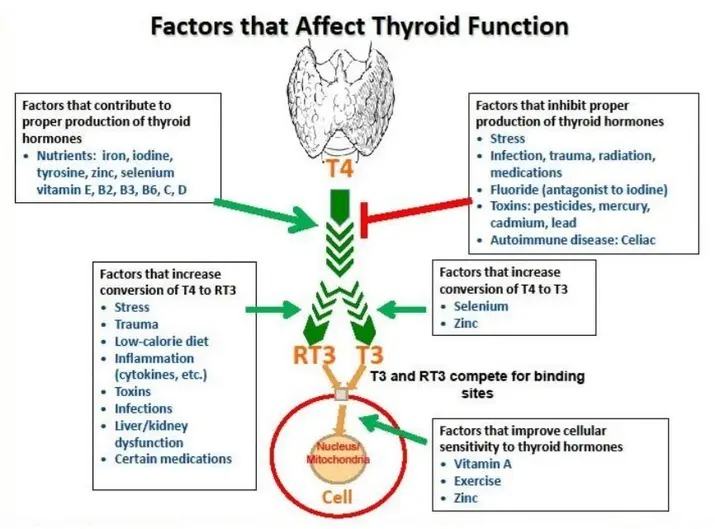
This fairly inexpensive combo should feasibly do the job. I designed it to repair the core metabolic system alongside restoring the dopamine and opioid systems. It doesn't utilise any experimental, expensive or prescription-only items.

To properly resolve drug related issues (eg reducing withdrawals, and repairing any damage) you need to acknowledge & address the metabolic (thyroid, mitochondrial) component as well as the classic opioid/dopamine/glutamate/etc aspect.

All the "drug recovery protocols" I've seen on BL don't properly address the metabolic aspect. This means relapse is far more likely to occur since the underlying metabolic issue was never addressed.
 
Last edited:
Not by using ULDN, but rather the other Camp of NMDA modulation.

I’ve been naughty this past week and used 990mg of Codeine across the week, from last Saturday, dosing Saturday, Sunday, Tuesday, Thursday.

I also used 200mg ish of codeine split across two doses 3-4days before the intial period with no Agmatine etc, only dosing it at nighttime.

I’ve been coadminstering around 1.5g of Agmatine and 1000mg Magnesium L Threonate with each dose, I’ve been doing from 120-180mg a dose with either a single dose or a redose of 60-210mg.

If I didn’t redose codeine I took 1.5gs of Agmatine before bed as I usually take 3GS, and if I dosed codiene twice I skipped it entirely as I’ve never used more than 3G of Agmatine and I haven’t found any reports of it.

Each time I have received very robust effects, each dose will last quite a while more like 8 hours, and will come in waves rather than just when I dosed without any Agmatine co aside it would be only 2-3 hours before abruptly finishing any postive effect.

Usually when using I very quickly get abursdly diminishing positives, worsening negatives, and then quite intense “comedown” like symptoms for a week or so once stopping or days inbetween my dosing when on a Chip.

I’ve never had physical withdrawal symptoms all the times I’ve used Opioids as I’ve never dosed past a week (not done a week of dosing for 5+ years though) but I have messed around for month long periods using anywhere from 1-2gs of either Codeine or DHC.

but I seem to get mental symptoms akin to what I see described as PAWs, but I feel really good and I am not gaining much tolerance this time round.

This isn’t a miracle, but the research I did pointed to needing concurrent NMDA blocked administration with Opioid dosage to possibly prevent any tolerance.

Having some Agmatine later at night still is very helpful but will not help protect tolerance the same way at all, as you are instead alleviating more of the problems from the neuroadaption rather than perhaps stopping them in the first place.

Other reports I’ve seen stated- you need to be as Opioid Naive as possible to begin with, and then when using coadminster a NMDA agent,

Other tidbits is to dose 3 days in a row max, and id say day dosing so the opioid is clear overnight, will likely help prevent neuroadaption.

That’s why I used codeine which has a short half life, and would dose no later than 2pm.
 
Last edited:
Having some Agmatine later at night still is very helpful but will not help protect tolerance the same way at all, as you are instead alleviating more of the problems from the neuroadaption rather than perhaps stopping them in the first place.
Very good point. There's another aspect of opioids which is involved in the side-effects, called TLR4. Turns out agmatine interacts with it in a beneficial way that reduces opioid tolerance and habituation:
The current investigated data signifies the novel role of agmatine in ameliorating both PD and dyskinesia through mediating NMDA receptors, Nrf2, and HMGB1/RAGE/TLR4/NF-κB signaling pathways.
— 10.1016/j.lfs.2022.121049

Part of the opioid tolerance/WD involves the TLR4 receptor. It's part of the process of opioid-induced hyperalgesia which drives reuse/relapse.

Opioid receptor agonists non-stereoselectively activate the TLR4 signaling pathway
https://doi.org/10.3389/fimmu.2020.01455
Further, representative members of clinically relevant opioids such as morphine, oxycodone, buprenorphine, methadone, pethidine/meperidine, and fentanyl showed efficacy in driving TLR4 signalling in a TLR4 overexpressing cell line.
https://doi.org/10.1016/j.bbi.2022.02.001
While the role of the immune system, specifically, Toll-like receptor 4 (TLR4) in drug-induced reward is becoming increasingly appreciated...
https://doi.org/10.1016/j.bbi.2017.08.021

One such side effect is opioid-induced hyperalgesia (OIH), which includes a transition from opioid-induced analgesia to pain enhancement. Evidence in rodents supports the suggestion that OIH may be produced by the action of opioids at Toll-like Receptor 4 (TLR4)
...low dose morphine directly sensitizes human as well as rodent dorsal root ganglion (DRG) neurons, an effect of this opioid analgesic that is antagonized by LPS-RS Ultrapure, a selective TLR4 antagonist.
http://dx.doi.org/10.1177/17448069241227922

Naltrexone is one of many things which blocks TLR4. Several of the endogenous neurosteroids also block TLR4, eg pregnenolone (it's OTC).

The researchers focused their attention on the immune receptor Toll-like receptor 4 (TLR4). They administered the drug (+)-Naltrexone which is known to block TLR4, to mice. "Our studies showed a significant reduction in alcohol drinking behavior by mice that had been given (+)-Naltrexone, specifically at night time when the reward for drug-related behavior is usually at its greatest," Mr Jacobsen says. "We concluded that blocking a specific part of the brain's immune system did in fact substantially decrease the motivation of mice to drink alcohol in the evening."
 
Last edited:
Ok so I tried everything: Memantine, DXM, Ketamine and just about any NMDA Antagonist to keep my tolerance to Opioids low but none of it worked in a satisfying and reliable way. A while ago I stumbled upon a couple very interesting scientific papers discussing the use of ultra low dose naltrexone and how it reduces tolerance to Opioids. This discovery was accidental though, because the researchers were originally looking for a way to potentiate the analgesic effects of Opioids but found out that ULDN also obliterates tolerance up to 70%!
The effective dosage seems to vary wildly in humans, ranging anywhere from 5μg to 100μg depending on your body weight, sex, metabolism, genetics and other factors. This is why you have to experiment a bit until you find out your right dose, but don't take more than 100μg, otherwise you might go into precipitated wd!!

I will describe here how you can make ULDN and take it in a way that is safe and easy to dose. I tried this out myself and I confirm that it works. I take it every evening since then, half an hour before doing Heroin and I went from 200mg (intranasal) to 70mg! PLEASE BE CAREFUL AFTER TAKING ULDN AND DO NOT UNDER ANY CIRCUMSTANCE TAKE YOUR NORMAL OPIOID DOSE AS IT MIGHT LEAD TO A LETHAL OVERDOSE!!!
All right, now that I have warned you, let me show you how it's done: first you need to get your hands on a 50mg Naltrexone pill (don't buy generica from the DN, they're often fake pills sold by indian scammers). As it is not a controlled substance, it is fairly easy to get a script for it depending on where you live. Simply tell your doctor that you would like to try Naltrexone in order to get your alcohol cravings under control (many alcoholics get NTX prescribed, so alternatively you could ask them to give/sell you one pill in case the doctors in your area are a bunch of uneducated dumbfucks). Next thing you need is a 2L bottle (avoid plastic bottles for this purpose because you'll be using this Naltrexone solution for many years to come and you don't wanna ingest microplastic!). Let's do some math:

2L = 2000ml
50mg = 50,000μg
50,000μg / 2000ml = 25μg per 1ml
1ml = 20 drops
25μg / 20 drops = 1.25μg per drop

Now fill your bottle with water and add your Naltrexone pill. You don't need to pulverize it as it is easily water-soluble. Now shake the ship out of the bottle until the pill has dissolved. It takes around a minute or so. Now go and buy yourself a dropper. Upon returning, shake your bottle once more and suck up your mix in the dropper. As we have computed, each drop is 1.25μg. Start with 5μg, wait 30 minutes and then take a newbie dose of your Opioid of choice. If you feel it hasn't worked, wait a minimum of 10h until you redose!
This isn't your usual NMDA bullshit drug where you talk yourself into believing that your tolerance has been lowered. This actually works and has been scientifically proven, so be careful!!

EDIT (31.01.2024):
I have bought a couple NTX blisters from various indian vendors via the darknet since I created this thread and it appears that the number of scammers has drastically decreased since then as all of my orders have arrived (even though one order took like 2 months until it was in my PO box), so disregard what I have said earlier about not buying online. Avoid the clearnet though. It's full of fake online pharmacies, especially those that only offer credit card and crypto purchases. Simply choose one of the big marketplaces on the DN and buy from the most reputable vendor. And please be patient. Stuff from India can take AGES until it arrives.
I have another question, is there any reason we're staring with 5mcg and not 1? Is there any reasoning behind this? Thanks!
 
staring with 5mcg [Naltrexone] and not 1?

FYI (and for anyone reading) Naltrexone also helps because it's a TLR4 blocker (antagonist) which is well-known to alleviate opioid wd and promote recovery (as I described in my last post). I mentioned several OTC TLR4 antagonists in this practical recovery guide. It's designed to facilitate recovery from any drug (particularly opioids) specifically focusing on long-term recovery.
 
I've been playing around with it a bit.

Yesterday, 1.3mcg I noticed a difference in euphoria and strength, it was definitely the uldn because I'm a chronic pain patient and take the same meds daily.

Today I tried 2.3mcg and it wasn't anything like yesterday, does this mean my spot is between 1.3 and 2.3, or is it worth trying to go higher?
 
Hey never posted on this forum before; I'm unfamiliar with the guidelines of it, so if this post is not relevant, I apologize.

But I have been extensively testing ULDN for about 3 months on different opiates and measuring the tolerance accumulation and subjective analgesia and euphoria of the experience with the goal of creating a sustainable level of positive mood with the goal of treating my long-term depression, which has only ever really been helped by opiates (at least in the period of time where the euphoria was the dominating characteristic of the experience).

In my research I found that with 7oh, the effectiveness of this is EXTREME, to the point where my tolerance to the analgesic effects will go back to baseline by simply skipping a couple doses with minor withdrawals. In fact, at multiple points as a result of being oriented towards more of the aspect of euphoria, I tried my hardest to take the highest tolerable dose every 1 hour, tolerance would build within the day but quickly diminish from that point even quicker.

I theorize this may be in part of beta arrestin recruitment with 7oh is low by itself, thus after finding my sweet spot with ULDN (8.5mcg), my body does not seem to retaliate with tolerance at all.
FOR REFERENCE, my higher end 7oh dose on average is about 5mg (which is what I started with when naive), and I can push myself to get to the point where I just barely tolerate 10mg. In the past without ULDN I could easily build up to 20mg within a week of daily moderate dosing.

My testing on other full agonist opiates such as DPP-26 and O-DSMT is not fully complete, but what I can gather is due to the nature of them, they seem to activate the body's tolerant mechanisms even under ULDN and as a result your baseline naive dose will still go up, slowly, but still will rise.

I absolutely hate the effect opiates have had on my life by showing me a way of existing that feels like every moment is worth it. Within the grips of euphoria, it feels as though I can finally do the things I have always wanted to do but have been hidden under a deep fog brought on by my anhedonia and naturally pessimistic mindset.
The biological mechanisms of the brain designed for survival in stressful situations has been overactivated as a result of my past and all my years of living have been a constant sludge of persisting under the immense challenges this brings. I just want to function and move on in life but I have tried LITERALLY everything, and consistently most things work for a little and then fail leaving a new deficit of pain to overcome. The brain naturally wants me to go back to my homeostasis, but it is not the place that I thrive in.

My major issue is, despite ULDN lowering my tolerance, the analgesic effects of opiates simply dulls my mood further and makes me content with doing nothing, but ONLY nothing. I know the tale of chasing that naive state where opiates are almost like stimulants in how they provide motivation is extremely naive and just another testament of a person chasing the dragon of the first time glory. SR-17 has shown the exact same formula of just restoring analgesic tolerance rather then the sought after euphoria.

I have been desperate, trying various NDMA agonists at various doses and frequencies, trying everything from studying and experimenting with the roles of androgens and estrogen on the opiate receptor and trying various cycles of them, to eliminating prolactin, to even trying an extremely experimental KOR blocker called Nor-BNI at 100mg to try and block the role of dynorphin.

Nothing has restored the consistent full range euphoria of the past; the MOR receptor seems to uncouple from dopamine expression regardless of the actual MOR receptor tolerance state. At least if I ever need pain treatment, I have a protocol that would work indefinitely. But at the same time I am very defeated in this venture. I am left with brief flashes of 5-10 minutes of the exact feeling I have been chasing each time I dose followed by a crash of disappointment and persisting analgesia. I still intend to chase some solution to this problem and learn more about the brain, as in the midst of this I have found great purpose and interest in pharmacology in general, but to a much less obsessive and risky degree, as soon I am starting my next semester of college.

I implore ANYONE with any insights on this subject to chime in or with any questions.

I thank you deeply Hexenstahl for bringing attention to this fascinating mechanism of tolerance prevention and the wonderful insights you provide to others in this forum.
I wish you and all people who contributed this forum the best in life <3

How did you land on 8.5mcg?
 
I apologize to everyone for not having replied sooner. BL has for some reason not notified me about new comments even though I haven't clicked the "unwatch" button.

Däm Hex is still alive, what a great day to be alive
I really am glad to be alive. I am also glad that you are still active 🤗

I still intend to chase some solution to this problem and learn more about the brain, as in the midst of this I have found great purpose and interest in pharmacology in general, but to a much less obsessive and risky degree, as soon I am starting my next semester of college.
I have always believed that this could be the secret reason why medicinal chemists and neuropharmacologists who specialize in opioid research (*cough* Robert T. Parfitt *cough* Alan F. Casy *cough cough* oh damn I must have catched a cold, how weird) have this obsessive interest in either discovering opioid agonists that don't cause tolerance or some antagonist that functions in a highly selective way, resulting in a sort of tolerance amnesia or rejuvenation of the endogenous opiate system: because they're all junkies lol. I just don't understand why else someone would dedicate his life to the almost autistic pursuit of finding the holy grail of the opioids. Pharmacomps don't really benefit from this because the higher the tolerance, the greater the pecuniary sum insurance has to pay for the patient, which results in greater profits for big pharma. Tolerance is good for the industry and always has been. Dealers love tolerant customers. This whole obsession about finding some special way to block tolerance or which (sub)receptor causes what effects (oh no no, we absolutely aren't doing this for the "side effect" euphoria, we're just doing it for analgesia ;)) is 100% motivated by the desire to eliminate the diminishing rate of return that opioids have in regards to their full-spectrum effects when taken long-term. The only shortcoming of this beatiful substance class is that it doesn't work like weed. It doesn't matter if you have been smoking weed for 1 year, or 30 years. As long as you increase the dosage you'll still feel the same spectrum of effects you felt the first time toking that joint. Not so with opioids. If I wouldn't know it better I'd believe that it must be a sadistic curse the creator infused the poppy plant with.
But yeah, I believe the drive within the scientific community to find a solution to this problem is primarily a junky drive 😁
I would have never studied and finished my organic chemistry classes and would have never accumulated an entire library dedicated to the chemistry of opioids and its antagonists if I hadn't been a junk lol.

About your issue with ULDN helping you only in regards of sedation instead of euphoria: there is, as with any substance, a potentially immense interindividual variance in the drug's action and the body's reaction. This means every body reacts more or less differently to the same substance. It could be that you belong to the small minority who doesn't experience the full range of benefits that ULDN usually provides one with. I have tried ULDN with just about any opioid (except RCs) and in every case it resets a good amount of both sedation and euphoria (50% - 70% of the original opioid naive state). I remember how, before discovering ULDN, I kept losing more and more of the positive range of effects that opioids provided me with, especially those lovely rose-colored daydreams you have. And then, after finding my sweet spot I regained that effect over time. So, it could be that your body just doesn't react in the way it should with ULDN. There seems to be however a certain amount of objectivity in the way ULDN affects opioid users, because I noticed that the great majority of success stories regarding ULDN are posted in the kratom community on reddit. You mentioned having used 7-oh with ULDN. Do you mean you took the isolated compound, or Kratom in its natural plant powder form? If the former is the case, maybe try the full spectrum alkaloid Kratom and see how you react to that. I haven't encountered anyone who hasn't had success with ULDN + Kratom. If however the latter is true, then maybe you really are a partial non-responder. I really don't know. I am glad however you added your experience report here into this thread.

I absolutely hate the effect opiates have had on my life by showing me a way of existing that feels like every moment is worth it. Within the grips of euphoria, it feels as though I can finally do the things I have always wanted to do but have been hidden under a deep fog brought on by my anhedonia and naturally pessimistic mindset.
The biological mechanisms of the brain designed for survival in stressful situations has been overactivated as a result of my past and all my years of living have been a constant sludge of persisting under the immense challenges this brings. I just want to function and move on in life but I have tried LITERALLY everything, and consistently most things work for a little and then fail leaving a new deficit of pain to overcome. The brain naturally wants me to go back to my homeostasis, but it is not the place that I thrive in.
You have eloquently described my past struggle with depression. It felt like being weighed down by an invisible anvil of astronomical size that at the same time sucks out all of your energy. You have the motivation but lack the energy to do stuff which creates this incredibly agonizing state of existence where you are not living but just vegetating. I remember very vividly how, after the first time experiencing opioid euphoria, I thought to myself "THIS is how it must feel to be normal! This is how normal people with no lack of endogenous morphines must feel!". I was blown away. I started to eat (and not just eat, but really enjoy), I did all the things I wanted to do, I even kept developing new interests periodically, I became more creative (all the poetry I have written in my life so far was caused by opioid euphoria), I felt emotionally balanced and thick-skinned, became more of an optimist which is required to be successful in life and I also felt physically lighter for some reason (I always enjoy that light-as-a-feather feeling when on opioids, almost as if I am floating through the room rather than walking). I will never ever understand why cannabis (which I hate) maintains its effects while the poppy alkaloids lose them over time. It shouldn't be this way. A drug that is a natural antidepressant, and an immensely successful one at that, should not lose the sparkling diamond that makes it so special. As I said, if I wouldn't know it better I'd think of it as an incredibly sadistic joke. It's like me taking you to paradise, you spend some time there and just when you get really comfortable I kick you back down into the shithole you came from, leaving you with nothing but a bittersweet memory of what could have been. That is just cruel...

I have another question, is there any reason we're staring with 5mcg and not 1? Is there any reasoning behind this? Thanks!
No, you can start with whatever dose you want. I even mentioned a study that dosed somewhere in the nanogram range. Try and see what works.
 
Quick note to OP - We know from experience that gender can be VERY important. In the UK it was discovered that while nalbufene was a reasonable analgesic in females, it could actually increase pain scores in males.

What little I know of butorphanol is that unexpectedly, the one opioid (ab)used by more females than males.

I have almost no information on buprenorphine save that females on a mg/kg basis demonstate higher peak plasma levels than in males.

You will note all three have that N-methylcyclobutyl motif.

As for naltrexone, it appears females are subject to more side-effects but at tiny doses, I think it would be unexpected for that to become an issue.

But it IS a fantastic piece of research on your part and certainly SHOULD be in 'The Best of Bluelight' if not actually becoming part of the broader HR efforts. You stayed with it so supporting clients, a rare example of altruism.


Oxytrex failed the stage 3 trials end-points due to dropout rates, apparently.

Anyway, a newer one for you to add if you think fit for purpose.

 
Quick note to OP - We know from experience that gender can be VERY important. In the UK it was discovered that while nalbufene was a reasonable analgesic in females, it could actually increase pain scores in males.

What little I know of butorphanol is that unexpectedly, the one opioid (ab)used by more females than males.

I have almost no information on buprenorphine save that females on a mg/kg basis demonstate higher peak plasma levels than in males.

You will note all three have that N-methylcyclobutyl motif.

As for naltrexone, it appears females are subject to more side-effects but at tiny doses, I think it would be unexpected for that to become an issue.

But it IS a fantastic piece of research on your part and certainly SHOULD be in 'The Best of Bluelight' if not actually becoming part of the broader HR efforts. You stayed with it so supporting clients, a rare example of altruism.


Oxytrex failed the stage 3 trials end-points due to dropout rates, apparently.

Anyway, a newer one for you to add if you think fit for purpose.

Ah I was not aware of gender having such an important influence in this case.
I am aware that men and women react differently when it comes to drugs, but it is quite interesting that the same opioid agonist is abused more by women than men. And people these days say that gender is just a "social construct". Most certainly NOT as we can see here.

Regarding the N-methylcyclobutyl- functional group: I remember someone here on BL once posted a link to a blog where he published some research on various functional groups and how they affect opioids if introduced into them, and I think he mentioned something about N-methylcyclobutyl resulting in an atypical effect when introduced into the cleaved 14-oxo group of a 14-hydroxymorphinan, which if I remember correctly hasn't been done before. It involved 2-(1-(Nitromethyl)cyclobutyl)acetic acid and a bunch of other reactants. I don't remember the exact process he described and what the result really did pharmacologically. It was complicated and uneconomical though.

Speaking of his blog: it was very informative and contained some extremely hard to come by data. I contacted the guy and asked him if he would be interested in writing a book that would be thematically kind of a cross between Professor Buzz' Recreational Drugs and Opioid Analgesics by Parfitt and Casy. He agreed and it turned out he was also in Germany which would have opened up an opportunity for me to work with him in his/my lab (although his lab would have been better since he was university affiliated). Unfortunately his blog has since vanished from the internet and all efforts to establish contact have failed so far. To make matters worse, nobody has saved his blog on the wayback machine. I cannot begin to express how frustrating that is. His blog was a little treasure trove of knowledge and now it's all gone. I think he also wanted to publish research he did on Dihydrodiacetylmorphine and a 4,5-epoxymorphinan with a glucose group (think about this, GLUCOSE lol) which would have interested me tremendously.
Maybe he is silent because of a court judgment against him and I wouldn't blame him for that if that is the case. Who wants to go to prison over this? That man has a career to lose...


Oh and the scientists over at ldnresearchtrust.org are great. They are doing a lot of work making (U)LDN more known. If I remember correctly they even made a documentary about ULDN which I have posted here in this thread somewhere.
 
We have known for 70+ years that there are two lipophilic pockets and one produces agonist, the other antagonism.

So I suggest that methylcyclobutyl slightly favours the agonist conformation. But only slightly hence partial agonism (overall).

But they ALL seem to be quite promiscuous i.e. bind to multiple off-target receptors. I think the KOR may be a target - yes it IS an analgesic but it produces hallucinations and dysporia. IF a medication just causes anhedonia, obviouly that won't be 'well tolerated' i.e. people just think 'I'm OUT'.

I would rather just offer the optimal dose of methadone to reatain clients (90-95mg) as we know that clients live longer and I suppose 90mg of methadone will blunt most things. But we also need a way to at once not place barriers in front of clients hence my frustration that the 1c derivative of R-4066 is potentially a three times per week dosing regime. Is it costly, yes, but it's also x218 more potent THAN methadone so in truth it's cheaper.
 
It's looking like methadone necessities a specific harm reduction strategy as it incurrs significant harm to the user. ULDN would be an ideal candidate since it efficiently blocks TLR4 (which makes it so effective for countless other things) but for methadone TLR4 is only half the story as I've outlined below.

According to the present DATA, methadone affects the TLR4 expression. It may however cause adverse consequences by increasing the TLR4 expression. Therefore, the useful analgesic properties of methadone should be separated from the unwanted TLR4-mediated side effects.
— 10.4103/abr.abr_97_21
Drugs like opioids, alcohol and psychostimulants activate TLR4 signaling and subsequently induce proinflammatory responses, which in turn contributes to the development of drug addiction.
— 10.3389/fphar.2020.603445

It seems mu agonism triggers production of TLR4 agonists:
Also in addition to directly activating TLR4, opioids, through mu receptor agonism cause the production of high mobility group box 1 proteins which are on there own agonists of TLR4.

https://www.frontiersin.org/journals/immunology/articles/10.3389/fimmu.2020.01455/full

Though both pathways should be blocked by TLR4 antagonists (eg naltrexone).

Besides TLR4, it looks like methadone promotes MS-type conditions:
Interestingly, we observed that the co-incubation with the pro-myelinating hormones T3 and T4 leads to a three-fold increase in the MBP+ population in methadone-treated oligodendrocytes, suggesting that methadone-induced impairments could potentially be reversed by stimulating alternative salvage pathways. This finding suggests that co-therapies accompanying opioid replacement therapy could be beneficial in normalizing the reduced myelination observed after methadone exposure.
10.1038/s41598-024-67860-7

A property shared by other opioids:
Oligodendrocytes, the myelin-producing cells of the central nervous system, are highly affected by chronic opioid exposure, as opioids can directly induce apoptosis of myelinating oligodendrocytes after activation of opioid receptors, leading to an important reduction in myelination [31]. Similar effects have been reported for chronic alcohol exposure [32]. Moreover, opioid-mediated production of pro-inflammatory cytokines by microglia and astrocytes can impair the differentiation of oligodendrocyte precursor cells and increase the apoptosis of mature oligodendrocytes, ultimately resulting in additional demyelination [33,34] and axonal degeneration [35] that contribute to the impairment of cognitive abilities commonly observed in opioid-dependent individuals.
https://doi.org/10.3390/ijms242317081

This highlights the need for pro-myelinating strategies to mitigate and reverse opioid-induced demyelination. This would be equally relevant for uncontrolled self-medication as it is for those with a "formal prescription". Arguably the most efficient strategy would be to support the body's natural production of it's pro-myelinating substances (as outlined here). Note of caution: I don't recommend using these items without a prescription.

img-1-1766501558976.jpg
 
Last edited:
Top