Would Remote Mind Control Be Possible With Current Technology?

@Jnowhere I hear you about the extremely long posts, but if you post short and leave a link it has a really good chance of being taken down, changed or even parasited as the time rolls by. If you include the long quote then hopefully the important material is preserved until this war is won.

There are many battles that go on behind the scenes of this war. Heavy amounts of light tech sabotage around victims reporting their experiences, research and beliefs. disinformation, misinformation and discrediting are huge.

your right.. and I'm a nobody.. just bad luck I got swept up in this nightmare.. but who ever wins this arms race will rule the whole world. True and terrifying. We all could end up remote controlled dolls.. please queue the next ice age five minutes before this nightmare ever comes true.

Edit: also victims of this get hit with severe technical sabotage, so many are hesitant to click links, so providing readily consumed information works out beneficial.
 
Last edited:
I wasn't critiquing the length of your post, I was amazed just at the thought and detail you put into your post.
Trust me bro, I ain't here to be critical of you. I was just genuinely amazed at the time and effort that went into the post
You had an opinion and put forth a lot of work and info into it.
I just don't want you to think I meant in any negative way. I hear you about the technical sabotage and it pisses me off when my posts, not anything bad, get deleted for no reason soon after being posted. Then there are the ones I wish would be destroyed. But I guess that is just life.
I am still mad because I was the first one who brought up Terminator and The Cyberdyne Corporation and made jokes , and it got taken down and others used stuff I put up first. Anyways that comment I made was in amazement, because I have been accused of overly long posts but yours was super long and really good. Keep up the good work.
 
Last edited:
Historical Roots. There is also a clear and continued link between unethical research, secret research and pseudoscience.

Pseudo-medical experiments in Hitler’s concentration camps​

How to cite: Jakubik, A. Pseudo-medical experiments in Hitler’s concentration camps. Medical Review – Auschwitz. August 24, 2017. Originally published as “Eksperymenty pseudomedyczne w hitlerowskich obozach koncentracyjnych.” Przegląd Lekarski – Oświęcim. 1973: 64–72.

Authors​

Andrzej Jakubik, MD, PhD, born 1938, psychiatrist and psychologist, Professor at the Institute of Psychiatry and Neurology in Warsaw.

Zdzisław Jan Ryn, MD, PhD, born 1938, Professor Emeritus of Psychiatry and formerly Head of the Department of Social Pathology at the Collegium Medicum, Jagiellonian University, Kraków. Vice-Dean of the Faculty of Medicine of the Kraków Medical Academy (1981–1984). Polish Ambassador to Chile and Bolivia (1991–1996) and Argentina (2007–2008). Professor of Psychiatry at the University of Physical Education (AWF) in Kraków. Co-editor of Przegląd Lekarski – Oświęcim.

“As regards the concepts of moral beauty and justice, such a diversity and inconstancy of opinions prevails that there is even a view that these concepts exist only thanks to convention.”
Aristotle

Only minor and incidental contributions have been published hitherto in the Polish literature on the subject of pseudo-medical experiments conducted in diverse Nazi camps [Editor’s note: the article was published in 1973. For a contemporary article and up-to-date research, watch The worth of a woman: Compensating the chemical sterilization victims of Auschwitz Block 10 by Paul J. Weindling or read “Experimental Block No. 10 in Auschwitz”by Maria Ciesielska]. There has been considerable confusion over the various types of illicit activities practised by SS doctors and orderlies, who for example did their medical training by carrying out surgery on prisoners. Such actions have sometimes been mistaken for medical experiments. Various attitudes have been taken to such activities so far in Polish publications, and in general there has been little or no consistency in the way they have been treated. Given such a situation, this article attempts to present a synthetic overview based on selected cases and archival materials. It will not be a full picture of all the types of experiments and criminal acts perpetrated by Nazi physicians, pharmacists and orderlies; neither will it cover the full list of camps and sub‑camps, nor even of the prisons in which the Nazis conducted their experiments.

Pseudo‑medical experiments were conducted in many camps and on a wide scale. The Nazis deliberately destroyed the records of these activities, hence the research which is being done today is based on the surviving remnants of the documentary evidence, the statements made by the organisers of these experiments, the testimonials given by victims and their medical examinations.

The chief aim of this article is to consider the medical, ethical, moral, and legal aspects which come to light in the context of publications on pseudo‑medical experiments, and to differentiate between the criteria defining pseudo‑medical experiments from those which define therapeutic experiments.

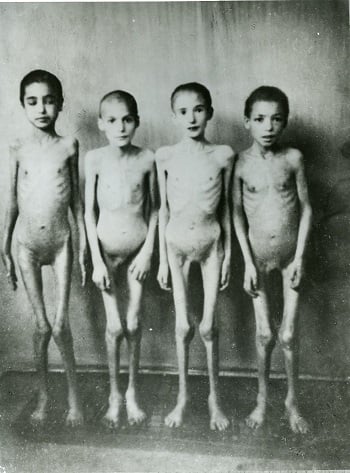
child-victims-of-pseudo-medical-experiments.jpg


Children at a German Nazi concentration camp

According to the legal definition, a biological experiment carried out on a human being consists in “planned actions which bear an influence on the human body, undertaken in order to obtain empirical verification of theoretical hypotheses or to discover laws of nature which hitherto have been either completely unknown or insufficiently known” (Sawicki, 1966). One of the types of biological experiments carried out on humans are those which are done to increase the number of individuals who are to learn the already known laws or methods. Biological experiments on humans should be distinguished from therapeutic (medical) experiments, in which what the doctor does is, to a certain extent, in the immediate interest of the patient or “experimental subject,” as such patients have come to be called. On the other hand, a person subjected to a biological experiment receives no benefit from it in respect of his or her health, all that matters is the experimenter’s scientific interest.

Experimental methods were first introduced in research on inanimate nature, in disciplines such as mechanics, physics, and chemistry, but not until the 17th century in the biological sciences. However, biological experiments on human subjects were widespread already by the turn of the 19th and 20th centuries. By that time many physicians who wanted to test a hypothesis on the infectiousness of a particular disease were deliberately infecting healthy individuals with it. Experiments were conducted in which humans were infected with syphilis (Wallace, Walter, Lindwurm et al.), typhus, and gonorrhoea. Children were given earthworm embryos in their food (Epstein, Grassi, and Calandruci), and they were also infected with scarlet fever. Bartolo applied an electric current to the brain of a woman whose occipital lobe was exposed due to skull cancer. The patient died.

In 1902 Moll admonished the world’s physicians to steer clear of such practices, citing some thousand cases of experiments carried out on humans and officially published in scientific books and journals. Nonetheless the experiments continued, involving whooping cough, beriberi, bubonic plague, leprosy, pellagra, malaria, and polio. They were carried out mostly on prisoners, convicts sentenced to death, the incurably ill, children, the mentally ill, and the natives of colonial countries.

Despite protests by many people and appeals to morality, the legal issues associated with the phenomenon were never addressed. A conspiracy of silence persisted right until the end of the Second World War.

Auschwitz​


The basic aim of the biological experiments conducted here was to find the fastest, cheapest and most efficient method of sterilisation, in order to wipe out whole nations.

Thus the term “negative demography” did not just mean sterilisation but also included other depopulation methods and activities. The infamous sterilisation experiments conducted by Clauberg were done on specially selected women between the ages of 20 and 40 who had given birth and had not stopped menstruating in the camp (Fejkiel, 1957). After a detailed medical interview victims selected for the experiment were made to sit in a gynaecology chair. A radiological contrast medium was injected into their Fallopian tubes which were then X‑rayed to test for patency. On verification of patency victims were told to run around the room for a while, and then they were X‑rayed again while a special liquid, most probably a solution of formalin, was injected into their Fallopian tubes. The experiment was repeated 3 to 6 times on the same women at intervals of 3 to 4 weeks. The injected substance was expected to block the Fallopian tubes after 6 weeks of all the women subjected to it, which was to be confirmed in a check‑up examination carried out again with the use of a contrast agent. In the next stage of the experiment, which was planned but never accomplished, after a year the victims were to have intercourse with male prisoners to test the effectiveness of this method of sterilisation practically. Victims of the experiment fell ill with inflammation of various parts of the reproductive organs. The exact number is not known, but has been estimated in the hundreds. When the Auschwitz camp was dismantled victims of this experiment were transferred to Ravensbrück, where the experiments continued.

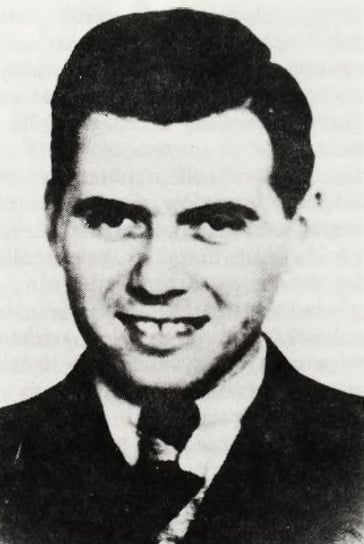
mengele.jpg


Dr. Josef Mengele, nicknamed The Angel of Death

Sterilisations were also done using 5–15 minute X‑ray sessions of women’s reproductive organs. Many women died after these irradiations. Those who survived were subjected after three months to two check‑up operations, in which their ovaries were successively removed and examined. Male victims had one testicle X‑rayed and were castrated after a month. The aftereffects of these experiments were not only infertility and castration, but also complications such as burns and abscesses, especially in the abdominal wall and reproductive organs. These experiments were conducted on a mass scale. There were also attempts to artificially inseminate women, which were conducted in association with sterilisation experiments.

Cancer research projects were done involving the removal of large parts of women prisoners’ cervices. A specially constructed intravaginal camera was used during these experiments, causing pain and exhausting the victim (Sehn, 1946).

Women had cancer tissue implanted in the uterus for experimental purposes (Grzywo‑Dąbrowska and Grzywo‑Dąbrowski, 1946). A variety of surgical operations was carried out on no medical indications at all, just for practice, in other words for no experimental purpose either. For instance, limb amputations were done on patients suffering from ulcers. Other operations done on no grounds were laparotomies, hernia operations, the extraction of nerves, muscles, and bones. Labour was induced in pregnant women for no reason.

The changes occurring in various organs were observed for diverse diseases, including starvation sickness (Kowalczykowa, 1948). Victims were photographed, then they were killed with a phenol injection and their liver, spleen and pancreas extracted and preserved.
Experiments were conducted involving infectious diseases such as typhus, tuberculosis, malaria, and phlegmon (Fejkiel, 1955). Healthy individuals were artificially infected with injections of the blood of persons suffering from typhus. The blood was taken at various stages of the disease to determine the incubation period and to discover at which point a patient’s blood is most infectious. There were also determinations of the quarantine time needed following typhus. Also certain unspecified anti‑typhus vaccines were tested.

In other biological experiments the aim was to determine the sulphonamides and salicylates in the blood and how the body reacted to an injection of a malaria sufferer’s blood. Blood group determinations were carried out and blood components were determined on the basis of saliva tests.

mengele-dwarf.jpg


A dwarf family on their arrival at Auschwitz became a subject for Dr. Mengele’s “research interests.” Nearly all of them died.

Documents relating to the pharmacological experiments show that experiments involving eleudron and sulphapyridine which had been started in Dachau continued in Auschwitz. There were also large‑scale experiments with the use of substances called Be‑1032, Be‑1034, 3582, rutenol and periston. These drugs were tested for a variety of infectious diseases, chiefly typhus, tuberculosis, and phlegmon, on subjects who were specially infected for the experiment. Many of the individuals subjected to these mass experiments died, and many developed painful diarrhoea, nausea, vomiting, blackouts, and circulatory disorders. A group of 150 women all died following a test in which an unknown sleeping drug was administered to them. Another notorious type of experiment involved the application of narcotics, the purpose of which was probably to make subjects disclose information. An injection containing the drug (mescaline perhaps?) was administered, and the victim’s reactions were scrupulously observed. After about 15 minutes victims were led out for half an hour’s physical exercise, followed by an interrogation in which they were asked a variety of questions. The reactions to the drug which were recorded included disruption of consciousness, loss of sense of direction, and somnolence (Kłodziński, 1965).

twins.jpg


Dr. Mengele was interested especially in twins and dwarfs for his criminal “scientific research”

Still other experiments included the administration of acrichine to induce jaundice, the making of plaster casts of women’s sex organs, the application of electric shocks and other pseudo‑medical experiments on which there have been relatively few publications so far.
The horrifying facts revealed during the Nazi doctors’ trial in the American Military Tribunal in Nuremberg in 1947 (Mikulski, 1967) and the Japanese doctors’ trial in the Soviet Military Tribunal at Khabarovsk (1949) shocked world opinion. Vast numbers of victims, mercilessness, cruelty and criminality motivated by the lowest impulses — such were the lengths to which the experimenters went.

Ravensbrück​


Biological experiments were carried out on human guinea pigs, chiefly Polish women, but also women of other nationalities, including mentally ill women (Klimek, 1968). Experimental operations were done only on healthy, well‑built young women who were political prisoners. Most of them were subjected to several operations, some even as many as six times. The following types of biological experiments were conducted:

1. Operations done to examine the effects of surgical infections (by pus‑forming microorganisms, usually Staphylococcus aureus, malignant oedema, gas gangrene, or tetanus germs) injected into the calf muscles or inserted into an open wound. The experiments were done to test the therapeutic properties of sulphonamide drugs and other medications, which were put into the infected wound. The blood vessels at both ends of the wound were constricted to prevent blood flow, which was to simulate the prevalent conditions in battlefield wounds. This was also why the infection was aggravated by having broken glass, sawdust, and pieces of fabric rubbed into the wound.

2. Aseptic bone, muscle and neural operations. Their aim was to observe cell regeneration. Three types of bone operation were practised: fractures (the lower leg bones were surgically exposed, broken, and set together using clamps, the wound was sewn up and the leg put in plaster); bone transplants (the left tibia was transplanted into the right tibia and vice versa, or the fibula was transplanted into the tibia); and an operation called Knochenspäne, involving an incision to obtain a bone chip, which would then be removed in a second operation, along with a piece of the bone it was in. Muscle surgery entailed the multiple excision of progressively larger pieces of thigh and lower leg muscle in a series of operations. Neural operations involved the extraction of some of the nerves in the lower leg.

pseudo-medical-experiment


Pseudo-medical experiments

At first these operations were performed in operating theatres in aseptic conditions. Later, when the women started to resist, operations were done forcibly. SS‑men gagged victims’ mouths and held their legs down, and the operations were carried out in dreadfully unhygienic conditions, on wooden boards in a bunker. Victims were operated in their clothes and did not even have their legs washed.
It has been estimated that out of the large number of Polish women who were victims of these experiments 3.5% died during the operation and 4% were later shot. Fortunately 84% managed to survive; around 90% of the Polish victims returned home, but some died shortly afterwards due to causes resulting directly from these operations.

One Ukrainian woman was used in a strange experiment which gave her no chance of survival at all. Her shoulder blade was removed and transplanted into a young man who had had a shoulder joint with a tumour amputated. A group of ten mentally ill women prisoners had one of their legs amputated at the hip joint, or an arm and shoulder blade amputated. These women were all killed on the operating table with an injection containing a lethal dose of evipan (Klimek, 1968).

Many other completely unwarranted operations were carried out on human guinea pigs apart from these biological experiments, for instance resections of the stomach or removal of the thyroid gland. They were meant to advance the camp physicians’ practical experience (testimony given by S. Salvesen). We know of cases of epileptics having the adrenal glands removed, and these glands being subsequently transplanted into bronchial asthmatics. Women were sterilised by having the middle part or the whole of their ovaries removed. These operations were done on mentally ill German women and young Roma women, some of them 8 to 12‑year‑old girls. Later X‑ray check‑ups were done by introducing a contrast agent into the uterus without the application of an anaesthetic. Many women died as a result of such experiments (Półtawska, 1962, 1963).

pseudo-medical-experiments


Pseudo-medical experiments

Other types of experiments included malaria experiments and enemas done on typhus sufferers with the use of pregnant women’s urine. This was carried out on about 30 women, with no change at all (neither an improvement nor a deterioration) being observed (testimony given by Dr. Percival Trejte).

The extreme attitude adopted by German doctors on biological experiments was an outcome of the Nazi principle that doctors had an absolute right to conduct experiments on prisoners whenever such experiments were justified by scientific or national interests. Hence they were permitted to carry out experiments without the subject’s consent, and even against his or her will, since according to Nazi law doctors’ first duty was to their country.

In 1947, after the verdict was handed down at the Nuremberg trial the West German Bundesärztekammer Medical Association passed a resolution which said the following: “Alongside world opinion, German doctors have reacted with horror to the incidents which were the subject of the Nuremberg doctors’ trial. The general community of German medical practitioners expresses its grief and sorrow for the victims of a tyranny which attempted to make use of the achievements of science and found henchmen ready to work for it in this field. German physicians are full of sadness particularly because of the fact that the individuals who perpetrated these crimes which have aroused repugnance worldwide came from their own ranks” (Sehn, 1958). The German Medical Association has published a book entitled Wissenschaft ohne Menschlichkeit. Medizinische und eugenische Irrwege unter Diktatur, Bürokratie und Krieg [Medicine bereft of humanness: misguided paths in medicine and eugenics under dictatorship, bureaucracy, and war] (Mitscherlich and Mielke, 1949).

Dachau​


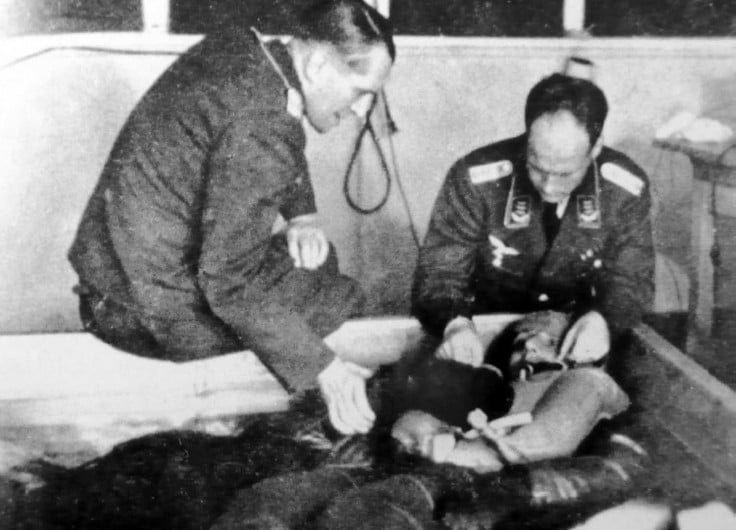
The predominant type of pseudo‑medical experiments carried out at Dachau were experiments for the Luftwaffe, such as low pressure and low temperature experiments and observations of the effects of seawater on the human body (Musioł, 1968).
An airtight chamber was used to observe the human body’s reaction to high and low pressure. From five to fifteen prisoners were locked in the chamber and subjected to a gradual or sudden change in the air pressure, which would be either increased or decreased. Under low pressure conditions disturbed behaviours were observed. Prisoners would tear out their hair, scratch their faces with their nails, beat their heads against the wall, or howl until they became unconscious. When the pressure was increased prisoners were observed to undergo profound disturbances of consciousness. They would remain in this state for a while, until they finally collapsed. Ultimately a haemorrhage into the lungs ensued, leading to an agonal (near‑death) condition. Those who survived the experiment suffered from severe shock and mental disorders due to cerebral haemorrhage. Autopsies were carried out on the victims, some of whom were still alive. Samples were removed from their brains, necks, lungs, sympathetic nervous system, liver, heart muscles, kidneys, and muscles from their limbs. This material was then conserved. About 25% of the victims died, but this figure does not include deaths which occurred later and were caused by the aftereffects of the experiment.
The aim of experiments in which the effects of low temperatures on the human body were examined was to find a way to warm up airmen who had been shot down into the sea, and to design clothing for airmen. About 20% of the victims of these experiments died. They were immersed in a tub of cold water, either naked or in an airman’s suit, with or without the administration of an anaesthetic. Lumps of ice would be put into the water to keep the temperature low. After some time victims lost consciousness, but were kept from drowning by a lifebuoy. A cable thermometer inserted into the victim’s anus or stomach recorded internal body temperature, and special instruments monitored the heart and other organs. Blood samples were taken from the victim’s veins and neck arteries and temperature was measured at regular intervals. The experiment would last for anything up to 36 hours, or even more. The lowest internal temperature recorded shortly before the victim died was 19°C (66.2°F). Whenever a victim was about to lose consciousness or was on the verge of absolute exhaustion an injection of fortifying drugs would be administered. Death ensued when the temperature in the brain (the myelencephalon and rhombencephalon) fell to 28°C (82.4°F), after which a post mortem was carried out.

Low‑temperature experiments were also carried out in atmospheric conditions. Prisoners were kept outside naked for 15 hours at temperatures of −25°C (−11°F). Every hour they were doused down with cold water and their temperature was taken. These were the cruellest experiments conducted in Dachau, and most of the victims died.

In low‑temperature biological experiments it was possible to try to save a prisoner’s life by a fast re‑warming process. A variety of methods were applied: rubbing his body mechanically, warming him in the sun or with the use of an infrared lamp, by diathermy, or hot water. A method that aroused a particular amount of interest was the so‑called “animal warmth” (animalische Wärme in German) method. There were eight cases of women prisoners from Ravensbrück being used for this method. It turned out that one woman could restore the life functions back to a frozen body by sexual intercourse faster than two, perhaps because on her own it was easier not to feel inhibited. However, the process still took a long time. Only those individuals whose physical condition allowed them to have sexual intercourse were warmed up exceptionally fast and recovered their normal condition.
german-doctors-during-pseudo-medical-experiments.jpg


German Nazi doctors conducting pseudo-medical experiments
A set of experiments to test the practicality of seawater for drinking was conducted on a group of Roma men. They were confined in a room and fed well for three days, after which they were starved for seven days. They were divided into five groups. Two groups were given pure seawater, two groups were given seawater with a saline solution added to it, and one group was given distilled seawater with no additives. Each of the participants in the experiment had to drink half a litre of seawater a day. Blood, urine, faeces, and saliva samples were taken every day. The effects of the experiment were very severe, but none of the victims died.

The aim of the malaria experiments was to find a substance which would make the human body resistant to malaria germs. Anopheles maculipennismosquitos were bred in special cages and fed on flies. Mosquitos were applied on a piece of gauze to victims’ forearms or thighs to bite and infect them with the disease, though a few victims were infected by a subcutaneous injection of sporozoites obtained from the salivary glands of infected mosquitos, or by an intravenous injection of blood from a human suffering from malaria. Sometimes a combined method of infection was employed, using mixed malaria parasites injected subcutaneously with the blood of carriers of various strains (Stammträger). 69 different strains of malaria, and many more methods of infection were tested. Quinine, and neosalvarsan were tested as treatments. Over 2,000 victims, chiefly Polish Roman Catholic priests, were infected with the disease, and about 450 of them died, many of them due to the toxic effects of antipyrine and pyramidon, which were administered to bring down fever, and of salvarsan, which caused acute yellow atrophy of the liver.

Another type of experiment carried out concerned phlegmon. Victims were injected subcutaneously, intravenously or intramuscularly with pus extracted from sick prisoners’ abscesses or ulcers, or from cadavers. Many of the victims of these experiments died due to disseminated infection. Others developed abscesses on their entire body. It was very rare for a victim not to be infected at all. Prisoners with phlegmonous nidi received surgical treatment (abscesses were incised and drained; often victims had both arms and legs amputated, a kidney operation, a skull trepanation etc.), or had pharmacological treatment. When victims were treated with sulphonamides healing was delayed, and muscular, cardiac, hepatic, renal and pulmonary dystrophy would be observed in post mortems. There were many cases of victims vomiting blood or having diarrhoea with blood, duodenal ulcers, inflammation of the kidneys or jaundice due to treatment with a variety of other medications.
There were other experiments connected with jaundice. About 170 prisoners suffering from liver and gallbladder conditions and healthy prisoners had liver biopsies done several times a day, which led to perforations of the stomach and intestines, and liver damage. The victims were operated.

Experimental methods were used to treat prisoners suffering from tuberculosis. They were given calcium, codeine, pneumothorax treatment and other surgery. Some of them were kept in bed with no medications or additional food. Others received homeopathic treatment, and the remaining tuberculosis sufferers were told to take exercise, walks, and cold baths. Another treatment that was applied was a special method of breathing. The number of prisoners subjected to these experiments is not known, but we do know that they were sent to the Hartheim gas chambers.

Haematology tests were made with a substance called polygal‑10 which was supposed to increase blood coagulation. Many prisoners paid with their lives for such experiments: not only were they blood donors, but they were shot solely for the purpose of allowing Nazi doctors to observe the effects of the medication.

Surgery such as operations on the stomach, gallbladder, appendix, hernias, kidneys, lungs, thyroid, urinary tract, and nervous system, was conducted in cases where there were absolutely no medical indications for such procedures, and with the use of a variety of methods. Some victims had limbs amputated, and blood vessels from them were transplanted into other victims. Several sterilisations were performed, but we have no further data on them. The total number of prisoners involved in experiments is estimated at 5,485, out of which 2,073 died (Musioł, 1968). These figures are incomplete, as we do not have data on all the experiments.

While admitting the possibility of medical experimentation on humans for the purpose of scientific progress, the American Military Tribunal appended its verdict with a ten‑point code of principles which should be observed to avoid violations of the fundamental moral, ethical, and law‑abiding concepts (From Trials of War Criminals). The Nuremberg Code is as follows:


1. The voluntary consent of the human subject is absolutely essential. This means that the persons involved should have legal capacity to give consent; should be so situated as to be able to exercise free power of choice, without the intervention of any element of force, fraud, deceit, duress, over‑reaching, or other ulterior form of constraint or coercion; and should have sufficient knowledge and comprehension of the elements of the subject matter involved as to enable them to make an understanding and enlightened decision. This latter element requires that before the acceptance of an affirmative decision by the experimental subjects there should be made known to them the nature, duration, and purpose of the experiment; the method and means by which it is to be conducted; all inconveniences and hazards reasonable to be expected; and the effects upon their health or persons which may possibly come from their participation in the experiment. The duty and responsibility for ascertaining the quality of the consent rests upon each individual who initiates, directs or engages in the experiment. It is a personal duty and responsibility which may not be delegated to another with impunity.

2. The experiment should be such as to yield fruitful results for the good of society, unprocurable by other methods or means of study, and not random and unnecessary in nature.

3. The experiment should be so designed and based on the results of animal experimentation and a knowledge of the natural history of the disease or other problem under study that the anticipated results will justify the performance of the experiment.

4. The experiment should be so conducted as to avoid all unnecessary physical and mental suffering and injury.

5. No experiment should be conducted where there is a prior reason to believe that death or disabling injury will occur; except, perhaps, in those experiments where the experimental physicians also serve as subjects.

6. The degree of risk to be taken should never exceed that determined by the humanitarian importance of the problem to be solved by the experiment.

7. Proper preparations should be made and adequate facilities provided to protect the experimental subject against even remote possibilities of injury, disability, or death.

8. The experiment should be conducted only by scientifically qualified persons. The highest degree of skill and care should be required through all stages of the experiment of those who conduct or engage in the experiment.

\9. During the course of the experiment the human subject should be at liberty to bring the experiment to an end if he or she has reached the physical or mental state where continuation of the experiment seems to him or her be impossible.

10. During the course of the experiment the scientist in charge must be prepared to terminate the experiment at any stage, if there is any probable cause to believe, in the exercise of the good faith, superior skill and careful judgment required that a continuation of the experiment is likely to result in injury, disability, or death to the experimental subject.

Buchenwald​


Biological experiments on humans were conducted here on a large scale, managed by the Waffen SS Institute of Hygiene (Mikulski, 1971). The experiments were mostly on typhus, and their aim was to find the most effective method of artificially infecting humans with this disease, and to determine the value of the anti‑typhus vaccines and the effectiveness of certain drugs (e.g. rutenol and akridin) in the treatment of the disease. There were also experiments to examine the human body’s tolerance of a variety of anti‑malaria vaccines and of a composite vaccine against smallpox, typhoid fever, typhus, paratyphoid A and B, cholera and diphtheria. There was a group of victims, known as Passagepersonen, who were continuously re‑infected just for the sake of having a supply of any required strain of germs available at any time in a blood sample from them. The mortality rate in this group was very high (90%).

Experiments were carried out to test the effectiveness of a variety of pharmaceutical drugs in the treatment of phosphorus and rubber burns. Incendiary bombs were used to induce burns on victims of these experiments.

The effects of a variety of poisons on the human body were tested using diverse methods. For example, alkaloid derivatives were put into victims’ soup, or bullets coated with aconitine nitrate were shot into victims’ thighs. Death ensued within two hours but was preceded by eyesight disorders, loss of reflex reactions, motoric agitation, and intense drooling (ptyalism). Victims died in extreme pain.
Other experiments involved intravenous injections of various expired doses of blood serum. The aim was to determine the therapeutic utility of human plasma stored in field conditions beyond its expiry date. For victims the usual consequence of this experiment was death. Another group of prisoners were given additional food rations, but had blood samples of up to 400 ml taken from them. The overwhelming majority of them died on the same day due to asthenia (weakness).

Still other experiments included the treatment of infected wounds with concentrated carbolic acid, and the “treatment” of homosexuality with injections of large doses of male hormones.

According to our calculations, a total of 1,783 Buchenwald prisoners were subjected to pseudo‑medical experiments, of whom 523 died during the experiments (Mikulski, 1971).

In the course of time the ten points of the American Military Tribunal’s Nuremberg Code incorporated in the Doctors’ Trial verdict underwent certain modifications. The current (1973) American doctrine and practice does allow legal experimentation on prisoners, persons sentenced to the death penalty if they issue their consent, and also on children and the mentally ill provided their guardians issue consent. For the same reason it is legal to perform a biological experiment on persons who refuse on religious grounds to do national service when called up by the military.

The 1962 Drug Efficacy Amendment (the Kefauver Harris Amendments) to the Federal Food, Drug, and Cosmetic Act requires the informed consent of a person who is to be the subject of experimentation. The Act exempts by way of exception the requirement of obtaining informed consent in those cases where, on consideration of all the circumstances, a physician in his or her conscience acknowledges that the waiving of information to the experimental subject is purposeful and in the interest of the experimental subject (Sawicki, 1966). This attitude was heavily criticised.

Sachsenhausen‑Oranienburg​


Surgery was carried out here on no medical indications on prisoners suffering from urological complaints (Zegarski, 1965). These operations consisted in the creation of a second bladder, made out of a detached intestinal loop. The victims died. Many other completely unwarranted operations were carried out.

Several children were infected with viral hepatitis. The aim of this experiment was to identify the cause of the disease and develop an appropriate vaccine. Infectious material was injected intramuscularly or via a tube into the duodenum or the alimentary canal. The children also had check‑up tests done in which they suffered painful punctures of the liver.
Other experiments involved attempts to treat tuberculosis by the administration of inhalations of diverse substances, and kidney stones by a dilution method.

One group of victims suffered serious local and disseminated infections caused by deep cuts into the upper leg muscles, into which infected materials were introduced. Observations were made of the development and stages of the infection and the effects of a variety of therapeutic substances.

Another group of victims had artificially induced burns caused by chemical weapons, mostly mustard gas, applied to different parts of the body. The ensuing burns were treated with a variety of substances. This group had lethal gases tested on them, e.g. observations were made of the time it took for combustion gases to kill victims locked in an airtight lorry; and they were also exposed to the effects of chemical grenades.
There was a penal company which was involved in testing the durability of footwear and the effects of stimulant drugs. Prisoners were made to march along a road specially built for the experiment wearing the tested shoes. Each carried a 30 kg load, and had to cover a minimum of 30 km every day, which took them 10–12 hours. Stimulants were administered to some of these prisoners, who were then made to continue marching during the night, and the rise in their physical efficiency was observed.

There are no data available for the number of prisoners in this camp subjected to experiments.
In 1946–1949 the Geneva Conventions, the conventions on criminal liability for genocide, and the resolutions adopted by the General Assembly of the United Nations recognised the submission of prisoners‑of‑war and the inhabitants of countries under occupation to biological experiments of any kind whatsoever an international crime. The experimenter is personally responsible for carrying out such a crime and cannot invoke any person in justification of the undertaken actions.

According to the Polish legislation (as for 1973), “Biological experimentation on humans is admissible in principle providing the clear consent of the person subjected to the experiment. However, the experiment may only be carried out if its effects are reversible, as far as may be expected on the grounds of current knowledge and providing the lege artis principles are strictly adhered to during the experiment” (Sawicki, 1966).
Of course there are additional conditions which must be met. Consent issued by persons who are incarcerated or have been sentenced to death is absolutely incompatible with the principles and standards of life in a civilised society.

Natzweiler​


Experiments were conducted on the efficacy of various vaccines against typhus (after Trials of War Criminals). Many healthy prisoners were deliberately infected with typhus to maintain its viability. Over 90% of the victims died. Some of the prisoners were inoculated with one of the tested vaccines or they were administered an oral dose of a substance which was supposed to have a therapeutic effect against typhus, and after a few weeks they were infected with typhus germs. A smaller group was infected but not given any protective substances. Hundreds of victims died as a result of this experiment. Similar tests were done for malaria, smallpox, typhoid fever, paratyphoid A and B, cholera and diphtheria. Prisoners were also infected with viral hepatitis.
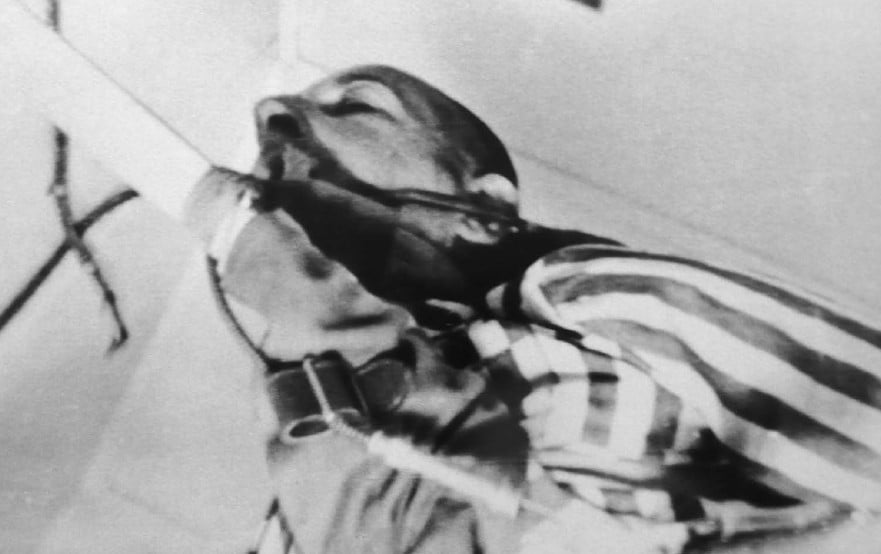
oxy.jpg


A victim of a low‑oxygen “medical experiment”
Experiments were carried out to find the most effective method for the treatment of mustard gas burns (cf. Natzweiler – proces . . . , no year of publication). Victims had cuts incised in them and the wounds were infected with mustard gas or phosgene. Attempts were made to treat phosgene poisoning with hexamethylenotetramine (Mitscherlich and Mielke, 1949).
115 Jews were selected for the skeleton collection of Strasburg University. They were photographed and anthropological measurements were taken of their bodies. Next they were killed (86 persons) in the gas chamber and comparative examinations, anatomical analyses and studies of their race, pathological body structure, and the size and shape of their brains etc. were carried out on the cadavers. Immediately after they were killed their heads were separated from their bodies and put in a special preserving liquid.

Neuengamme​


A group consisting of 20–30‑year‑old men with an advanced condition of uni- or bilateral pulmonary tuberculosis, tuberculosis of other internal organs, and healthy individuals, was selected for biological experimentation (Kłodziński, 1969). They had doses of human‑type tuberculosis bacilli applied by subcutaneous or intradermal injection into the armpit region. In addition victims had the skin on their chests scarified and bacilli were rubbed into the cuts. After some time skin samples were taken from the infected areas. Also victims had lymph nodes removed surgically. Sometimes tuberculosis bacilli were applied directly into the lungs through a tube. The process was monitored using X‑rays, and resulted in open secondary pulmonary tuberculosis. Analogous experiments were carried out on children. A total of 100 adults and 20 children are estimated to have been subjected to these experiments.

Gross‑Rosen​


Apart from a variety of medically unwarranted surgical operations (Konopka, 1946) there were also attempts made in this camp to treat typhoid fever by special experimental methods (Mołdawa, 1967). An unidentified spray was applied on a mass scale on prisoners suspected of typhoid. Another wide‑scale practice at Gross‑Rosen was the use of a corrosive liquid in an enclosed precinct to gas prisoners. Samples were taken from their clothing and the equipment for tests. The aim was to find the best method of disinfection and insect control in front‑line conditions (Gładysz, 1962).

Mauthausen and Gusen, Stutthof, Flossenbürg, Majdanek, München​


In these camps a variety of surgical procedures were conducted, the aim being to enhance medical practice. They included operations on the stomach, liver, kidneys and brain. Experiments involving infectious diseases, gynaecological conditions and toxicology were conducted on a considerably smaller scale. At Mauthausen tests were conducted on prisoners to examine the harmfulness of a range of foodstuffs. The aim of one of the research projects carried out at Monowitz was to examine the effects on the human body of passing an electrical current through the skull (Grzywo‑Dąbrowska and Grzywo‑Dąbrowski, 1946).

dr-heinz.jpg


Dr Heinz Baumkötter – SS‑Hauptsturmführer and concentration camp doctor in Mauthausen, Natzweiler‑Struthof and Sachsenhausen.

Hitherto (1973) no country has compiled an integrated set of ethical and legal principles to regulate the issue of medical experimentation on human subjects. Many theoreticians who refer to the old traditions of French medicine are of the opinion that the principles of medical ethics rule out the possibility of experimentation merely for the benefit of science if this were to entail any harm whatsoever for humans. Hence from the legal point of view they see biological experiments as criminal acts regardless of whether or not consent has been obtained from the subject of the experiment.

But a resolution adopted in Paris on 25th November 1952 by the French Académie Nationale de Medicine offers another solution to the problem. It admits experimentation on voluntary, informed human subjects. The draft of a code of practice for biological and medical experimentation on human subjects presented at the 14th Assembly of the World Health Organisation in 1960 admits them on certain conditions. The WHO draft differs from the Nuremberg Code. Nevertheless many people are of the opinion that a physician has the right to embark on a high‑risk experiment on a patient if all other means and resources known to medical practice have failed and there is a prospect of the experiment saving the patient’s life, even at the cost of risking a permanent disability (Fejkiel, 1959).

In this complex set of problems a precise delineation of what is meant by “medical experiment” is a fundamental issue, allowing for the exclusion of Hitler’s “euthanasia programme” from its confines. By very definition the Nazi euthanasia project was not a medical experiment, nor even a pseudo‑medical experiment, but simply the mass murder of the elderly, disabled children, mental patients and the incurably ill by the use of a lethal injection, poison gases and other methods of collective slaughter. In its proper sense “euthanasia” means “the painless termination of the life of a sick person who is suffering without hope of recovery, on that person’s demand” (Ossowska, 1970).
Something that was just plain killing has been given an inadequate name.

The issue of medical experimentation lies on the border between ethics and law. This fact has been impeding the attempts made hitherto to resolve the problem from the legal point of view, and the impediment is the outcome of a lack of awareness that ethics has to go further than the law. Ethics comprises the entirety of moral assessments and standards held at any given time by a particular society. However, the medical ethics grounded on the Hippocratic humanist foundations of medicine has transcended the barriers of time and societies, becoming a timeless legacy of the whole of humankind. Thereby it has also transcended the realm of law, since the demarcation of bounds to the concept of morality is itself a moral issue.

No law, nor any regulation will be of service to a physician who is obliged to make an independent decision, to the best of available knowledge and in compliance with his or her conscience. “An official legislative regulation on such delicate matters would neither stop the physicians from abusing their rights, nor keep the patient from misconstruing the medical practitioner’s rights. For on the one hand the physicians could disregard the matter, disdaining the voice of their conscience under the protection afforded them by the law; and on the other hand the patients would never be able to tell the difference between physicians attending them in their capacity as practitioners of medicine, and physicians coming to administer torture” (Frankl, 1971).

With these ethical principles as guidelines, all physicians will know that they have the full moral right to medical experimentation, while biological experimentation on humans is unlawful and may be conducted only on animals. For “the real danger lies in the fact that whoever embarks on experimentation on human subjects does not know where it will stop” (C. Nicolle).

Translated from original article: Jakubik A., Ryn Z. “Eksperymenty pseudomedyczne w hitlerowskich obozach koncentracyjnych.” Przegląd Lekarski – Oświęcim. 1973.
 
Last edited:
Directed Energy development budget growth from 2014- 2023.

Since I have been under assault the funding for directed energy weapons has absolutely exploded.

Directed Energy development budget growth from 2014- 2023.

-2014- $1,630.6M

- 2023: "US$6.4 billion in 2023 and is projected to grow at a CAGR of 19.6% during the forecast period 2024-2034."


News | June 30, 2014
Conducted And Directed Energy Weapons To Drive Non-Lethal Weapons Market Growth
The concept of a weapon that is designed merely to temporarily incapacitate, with little or no lasting injury, is relatively new. The development of non-lethal weapons can be viewed as a consequence of the rise of democratic values. The use of lethal force on a nation’s own citizens is often met with dissent and criticism in democracies. The rise of non-lethal weapons has taken place in the last two decades. Non-lethal weapons for anti-personnel purposes have become increasingly high in demand from law enforcement agencies across the world. The new report has calculated that in 2014 the market will be worth $1,630.6M.
The new report, now available on ASDReports, Non-Lethal Weapons (NLW) Market 2014-2024: Conducted & Directed Energy Weapons (CEW & DEW), Less Lethal Weapons (LLW) & Equipment for Military & Law Enforcement. This report finds overall market growth over the forecast period as more nations enter the market and technological advances realise new capabilities.
A detailed analysis of the latest political, economic and technological trends lies at the heart of the reports unparalleled quantitative and qualitative analysis of the non-lethal weapons market. The new report assesses that global spending on non- lethal weapons will amount to $1630.6m in 2014, or the start of the forecast period covered by this report. This 239 page report is packed with 205 tables, figures and charts that illustrate key trends in the market at the global level, 2 submarkets, and in 15 leading national markets. The report profiles 17 leading non- lethal weapons companies. The report also contains interviews with expert members within the industry and details of more than 150 relevant non-lethal weapons contracts and programmes.
“Non-lethal anti-personnel systems such as conducted energy weapons, less-lethal ammunition, tear gas and pepper spray have proven capabilities in crowd control situation. Our research indicates that non-lethal anti-personnel weapons are becoming increasingly high in demand particularly from law enforcement agencies.
In recent years, advances in energy weapon technology both Conducted Energy Weapons (CEW) for anti-personnel utility and Directed Energy Weapon (DEW) technology predominantly for anti-vehicle have highlighted the demand for such systems, particularly in nations with more advanced armed forces.
Furthermore, efforts of nations such as India, Brazil and South Africa to modernise their armed forces and security services will provide significant new market opportunities. It is believed that a lowering of barriers to entry with technological advancements made over the past decade will create new demand for a range of non-lethal systems. This new demand will drive growth within the market.”
The Non-Lethal Weapons (NLW) Market 2014-2024: Conducted & Directed Energy Weapons (CEW & DEW), Less Lethal Weapons (LLW) & Equipment for Military & Law Enforcement report will be of impressive value to current and future investors into the industry, as well as to companies and research centres who wish to broaden their knowledge of the non-lethal weapons market.

Conducted And Directed Energy Weapons To Drive Non-Lethal Weapons Market Growth
The concept of a weapon that is designed merely to temporarily incapacitate, with little or no lasting injury, is relatively new. The development of non-lethal weapons can be viewed as a consequence of the rise of democratic values. The use of lethal force on a nation’s own citizens is often met with dissent and criticism in democracies. The rise of non-lethal weapons has taken place in the last two decades. Non-lethal weapons for anti-personnel purposes have become increasingly high in demand from law enforcement agencies across the world. The new report has calculated that in 2014 the market will be worth $1,630.6M.
The new report, now available on ASDReports, Non-Lethal Weapons (NLW) Market 2014-2024: Conducted & Directed Energy Weapons (CEW & DEW), Less Lethal Weapons (LLW) & Equipment for Military & Law Enforcement. This report finds overall market growth over the forecast period as more nations enter the market and technological advances realise new capabilities.
A detailed analysis of the latest political, economic and technological trends lies at the heart of the reports unparalleled quantitative and qualitative analysis of the non-lethal weapons market. The new report assesses that global spending on non- lethal weapons will amount to $1630.6m in 2014, or the start of the forecast period covered by this report. This 239 page report is packed with 205 tables, figures and charts that illustrate key trends in the market at the global level, 2 submarkets, and in 15 leading national markets. The report profiles 17 leading non- lethal weapons companies. The report also contains interviews with expert members within the industry and details of more than 150 relevant non-lethal weapons contracts and programmes.
“Non-lethal anti-personnel systems such as conducted energy weapons, less-lethal ammunition, tear gas and pepper spray have proven capabilities in crowd control situation. Our research indicates that non-lethal anti-personnel weapons are becoming increasingly high in demand particularly from law enforcement agencies.
In recent years, advances in energy weapon technology both Conducted Energy Weapons (CEW) for anti-personnel utility and Directed Energy Weapon (DEW) technology predominantly for anti-vehicle have highlighted the demand for such systems, particularly in nations with more advanced armed forces.
Furthermore, efforts of nations such as India, Brazil and South Africa to modernise their armed forces and security services will provide significant new market opportunities. It is believed that a lowering of barriers to entry with technological advancements made over the past decade will create new demand for a range of non-lethal systems. This new demand will drive growth within the market.”
The Non-Lethal Weapons (NLW) Market 2014-2024: Conducted & Directed Energy Weapons (CEW & DEW), Less Lethal Weapons (LLW) & Equipment for Military & Law Enforcement report will be of impressive value to current and future investors into the industry, as well as to companies and research centres who wish to broaden their knowledge of the non-lethal weapons market.
https://www.rfglobalnet.com/doc/conducted-energy-weapons-drive-non-lethal-weapons-0001

26 February 2024
Visiongain has published a new report entitled Directed Energy Weapons (DEW) Market Report 2024-2034: Forecasts by Type (Lethal Weapons, Non-lethal Weapons), by System (Anti-Satellite (ASAT) DEW, Electromagnetic Railgun Systems, Counter-Drone DEW Systems, Other), by Technology (High-Energy Lasers (HEL), High-Power Microwaves (HPM), Sonic Weapons, Electromagnetic Weapons, Other), by Application (Ground-Based DEW for Military Bases, Airborne DEW for Aircraft Defence, Naval DEW for Ship Defence, Homeland Security, Critical Infrastructure Defence, Other) AND Regional and Leading National Market Analysis PLUS Analysis of Leading Companies AND COVID-19 Impact and Recovery Pattern Analysis.
The global directed energy weapons (DEW) market was valued at US$6.4 billion in 2023 and is projected to grow at a CAGR of 19.6% during the forecast period 2024-2034.
Requirement for Cost-Effective Defense Solutions
The requirement for cost-effective defense solutions amidst constrained defense budgets is driving the adoption of directed energy weapons by military organizations worldwide. Traditional kinetic weapons and missile defense systems involve high procurement, operation, and maintenance costs, making them economically unsustainable for many defense budgets. Directed energy weapons offer a more cost-effective alternative with reduced ammunition costs, minimal logistical footprint, and lower lifecycle expenses. For example, the deployment of laser-based counter-UAV systems by military forces provides a cost-effective means of defending against small unmanned aerial threats compared to conventional missile-based interceptors.
Increasing Investments in Directed Energy Programs
The increasing investments in directed energy programs by government agencies, defense contractors, and research institutions are driving innovation and growth in the global directed energy weapons market. Countries such as the United States, China, Russia, and European nations are allocating substantial funding to accelerate the development and deployment of directed energy technologies for military applications. These investments support research and development initiatives aimed at enhancing the performance, reliability, and operational capabilities of directed energy weapons across various platforms. For instance, the U.S. Department of Defense's Directed Energy Weapons Directorate (DEWD) oversees a range of directed energy programs focused on advancing laser, microwave, and radiofrequency technologies for military use.
How has COVID-19 had a significant negative impact on the Directed Energy Weapons (DEW) Market?
The COVID-19 pandemic has had a discernible impact on the directed energy weapon (DEW) market, influencing various aspects of its development, production, and deployment. One notable effect has been the disruption of supply chains and manufacturing processes. Lockdowns, restrictions on movement, and workforce limitations imposed to curb the spread of the virus have led to delays in production schedules and the availability of essential components for DEW systems. This has, in turn, affected the overall pace of development and delivery of directed energy weapons.
Financial constraints have emerged as another significant impact of the pandemic on the directed energy weapon market. Many defence budgets faced reallocations and adjustments to address the immediate healthcare and economic challenges posed by the pandemic. Consequently, some defence programs, including those related to advanced technologies like DEWs, experienced budgetary constraints, slowing down investment and procurement processes.
Operational disruptions have affected the testing and validation phases of DEW systems. Social distancing measures and limitations on gatherings have impeded the ability to conduct field trials and exercises. These constraints have slowed down the evaluation and validation of directed energy weapons in real-world scenarios, hindering progress in achieving operational readiness.
How will this Report Benefit you?
Visiongain’s 372-page report provides 113 tables and 198 charts/graphs. Our new study is suitable for anyone requiring commercial, in-depth analyses for the global directed energy weapons (DEW) market, along with detailed segment analysis in the market. Our new study will help you evaluate the overall global and regional market for Directed Energy Weapons (DEW). Get financial analysis of the overall market and different segments including type, system, technology, and application and capture higher market share. We believe that there are strong opportunities in this fast-growing directed energy weapons (DEW) market. See how to use the existing and upcoming opportunities in this market to gain revenue benefits in the near future. Moreover, the report will help you to improve your strategic decision-making, allowing you to frame growth strategies, reinforce the analysis of other market players, and maximise the productivity of the company.
What are the Current Market Drivers?
Need for Precision and Lethality in Modern Warfare
The need for precision and lethality in modern warfare scenarios drives the adoption of directed energy weapons by defense forces worldwide. Traditional kinetic weapons, such as missiles and artillery shells, often result in collateral damage and unintended casualties, limiting their effectiveness in densely populated urban environments and sensitive infrastructure areas. Directed energy weapons offer a more precise and controlled means of engaging targets, minimizing collateral damage and civilian casualties while maximizing lethality against enemy assets. For example, the U.S. Air Force's Tactical High Energy Laser (THEL) system demonstrates the capability of DEWs to engage and destroy incoming artillery shells and rockets with pinpoint accuracy, reducing the risk to friendly forces and civilian populations.
Growing Threat of Ballistic Missile and Hypersonic Weapons
The growing threat posed by ballistic missile proliferation and the development of hypersonic weapons systems is driving the demand for directed energy weapons as a viable defense solution. Ballistic missiles and hypersonic glide vehicles pose significant challenges to existing missile defense systems due to their high speeds, maneuverability, and unpredictable trajectories. Directed energy weapons offer a potential solution for intercepting and neutralizing ballistic missiles and hypersonic threats in the boost, mid-course, and terminal phases of flight. For instance, the concept of using high-energy lasers or particle beams to intercept and destroy incoming missiles in near-real-time is being explored as a cost-effective and reliable defense against advanced missile threats.
Where are the Market Opportunities?
Advancements in Compact and Mobile Directed Energy Platforms
Advancements in compact and mobile directed energy platforms are expanding the operational flexibility and deployment options for directed energy weapons in military environments. Traditional directed energy systems were often large, stationary installations limited to fixed bases or naval vessels, which restricted their mobility and deployment agility. However, recent technological advancements have led to the development of compact, lightweight, and mobile directed energy platforms that can be integrated into various military platforms, including ground vehicles, aircraft, and dismounted soldier systems. For example, the development of man-portable laser weapons, such as the U.S. Army's Mobile Experimental High Energy Laser (MEHEL) system, enables ground troops to engage and neutralize threats with precision and speed in diverse operational environments.
Need for Counter-UAS and Counter-Swarm Capabilities
The proliferation of unmanned aerial systems (UAS) and the emergence of drone swarms as asymmetric threats are driving the demand for directed energy weapons with counter-UAS and counter-swarm capabilities. Unmanned aerial vehicles (UAVs) and drone swarms pose challenges to conventional air defense systems due to their small size, agility, and swarm tactics, making them difficult to detect and intercept using traditional kinetic weapons. Directed energy weapons offer a rapid and effective means of countering UAS threats by providing continuous, 360-degree coverage, rapid engagement, and scalable lethality. For instance, ground-based laser and microwave systems deployed in urban areas or critical infrastructure sites can detect and neutralize hostile drones and swarms with precision, protecting assets and personnel from aerial threats.
Competitive Landscape
The major players operating in the directed energy weapons (DEW) market are BAE Systems PLC, Blue Halo, Elbit Systems Ltd, Honeywell International Inc, L3Harris Technologies, Inc, Leonardo S.p.A, Lockheed Martin Corporation, Moog Inc, Northrop Grumman Corporation, Rafael Advanced Defence Systems Ltd., Raytheon Technologies Corporation, Rheinmetall AG, Textron Inc, Thales Group, The Boeing Company. These major players operating in this market have adopted various strategies comprising M&A, investment in R&D, collaborations, partnerships, regional business expansion, and new product launch.
Recent Developments
24 Sept 2023, Raytheon Technologies Corporation has entered into collaboration with Northrop Grumman to develop a prototype High-Power Microwave (HPM) weapon system for maritime applications.
04 June 2023, Lockheed Martin and Rafael Advanced Defence Systems partnered to manufacture 100 kW fiber-class laser weapons for the IRON BEAM project, aiming to defend Israel against rockets, mortars, and drones.
Notes for Editors
If you are interested in a more detailed overview of this report, please send an e-mail to [email protected] or call +44 (0) 207 336 6100.
About Visiongain
Visiongain is one of the fastest-growing and most innovative independent media companies in Europe. Based in London, UK, Visiongain produces a host of business-to-business reports focusing on the automotive, aviation, chemicals, cyber, defence, energy, food & drink, materials, packaging, pharmaceutical and utilities sectors.
Visiongain publishes reports produced by analysts who are qualified experts in their field. Visiongain has firmly established itself as the first port of call for the business professional who needs independent, high-quality, original material to rely and depend on.Visiongain Publishes Directed Energy Weapons (DEW) Market Report 2024-2034
26 February 2024
 
History


also recent news has national security officials publically admitting that mind control weapons are currently being used against people in the US and officials from multiple agencies and for the time being the CIA is attempting to cover it up. I’m just waiting for a decent link and then that’s up. its on X already if you want to dig it up.

Shit could get fkn crazy..
 
Historical Roots. There is also a clear and continued link between unethical research, secret research and pseudoscience.

Pseudo-medical experiments in Hitler’s concentration camps​

How to cite: Jakubik, A. Pseudo-medical experiments in Hitler’s concentration camps. Medical Review – Auschwitz. August 24, 2017. Originally published as “Eksperymenty pseudomedyczne w hitlerowskich obozach koncentracyjnych.” Przegląd Lekarski – Oświęcim. 1973: 64–72.

Authors​

Andrzej Jakubik, MD, PhD, born 1938, psychiatrist and psychologist, Professor at the Institute of Psychiatry and Neurology in Warsaw.

Zdzisław Jan Ryn, MD, PhD, born 1938, Professor Emeritus of Psychiatry and formerly Head of the Department of Social Pathology at the Collegium Medicum, Jagiellonian University, Kraków. Vice-Dean of the Faculty of Medicine of the Kraków Medical Academy (1981–1984). Polish Ambassador to Chile and Bolivia (1991–1996) and Argentina (2007–2008). Professor of Psychiatry at the University of Physical Education (AWF) in Kraków. Co-editor of Przegląd Lekarski – Oświęcim.

“As regards the concepts of moral beauty and justice, such a diversity and inconstancy of opinions prevails that there is even a view that these concepts exist only thanks to convention.”
Aristotle

Only minor and incidental contributions have been published hitherto in the Polish literature on the subject of pseudo-medical experiments conducted in diverse Nazi camps [Editor’s note: the article was published in 1973. For a contemporary article and up-to-date research, watch The worth of a woman: Compensating the chemical sterilization victims of Auschwitz Block 10 by Paul J. Weindling or read “Experimental Block No. 10 in Auschwitz”by Maria Ciesielska]. There has been considerable confusion over the various types of illicit activities practised by SS doctors and orderlies, who for example did their medical training by carrying out surgery on prisoners. Such actions have sometimes been mistaken for medical experiments. Various attitudes have been taken to such activities so far in Polish publications, and in general there has been little or no consistency in the way they have been treated. Given such a situation, this article attempts to present a synthetic overview based on selected cases and archival materials. It will not be a full picture of all the types of experiments and criminal acts perpetrated by Nazi physicians, pharmacists and orderlies; neither will it cover the full list of camps and sub‑camps, nor even of the prisons in which the Nazis conducted their experiments.

Pseudo‑medical experiments were conducted in many camps and on a wide scale. The Nazis deliberately destroyed the records of these activities, hence the research which is being done today is based on the surviving remnants of the documentary evidence, the statements made by the organisers of these experiments, the testimonials given by victims and their medical examinations.

The chief aim of this article is to consider the medical, ethical, moral, and legal aspects which come to light in the context of publications on pseudo‑medical experiments, and to differentiate between the criteria defining pseudo‑medical experiments from those which define therapeutic experiments.

child-victims-of-pseudo-medical-experiments.jpg


Children at a German Nazi concentration camp

According to the legal definition, a biological experiment carried out on a human being consists in “planned actions which bear an influence on the human body, undertaken in order to obtain empirical verification of theoretical hypotheses or to discover laws of nature which hitherto have been either completely unknown or insufficiently known” (Sawicki, 1966). One of the types of biological experiments carried out on humans are those which are done to increase the number of individuals who are to learn the already known laws or methods. Biological experiments on humans should be distinguished from therapeutic (medical) experiments, in which what the doctor does is, to a certain extent, in the immediate interest of the patient or “experimental subject,” as such patients have come to be called. On the other hand, a person subjected to a biological experiment receives no benefit from it in respect of his or her health, all that matters is the experimenter’s scientific interest.

Experimental methods were first introduced in research on inanimate nature, in disciplines such as mechanics, physics, and chemistry, but not until the 17th century in the biological sciences. However, biological experiments on human subjects were widespread already by the turn of the 19th and 20th centuries. By that time many physicians who wanted to test a hypothesis on the infectiousness of a particular disease were deliberately infecting healthy individuals with it. Experiments were conducted in which humans were infected with syphilis (Wallace, Walter, Lindwurm et al.), typhus, and gonorrhoea. Children were given earthworm embryos in their food (Epstein, Grassi, and Calandruci), and they were also infected with scarlet fever. Bartolo applied an electric current to the brain of a woman whose occipital lobe was exposed due to skull cancer. The patient died.

In 1902 Moll admonished the world’s physicians to steer clear of such practices, citing some thousand cases of experiments carried out on humans and officially published in scientific books and journals. Nonetheless the experiments continued, involving whooping cough, beriberi, bubonic plague, leprosy, pellagra, malaria, and polio. They were carried out mostly on prisoners, convicts sentenced to death, the incurably ill, children, the mentally ill, and the natives of colonial countries.

Despite protests by many people and appeals to morality, the legal issues associated with the phenomenon were never addressed. A conspiracy of silence persisted right until the end of the Second World War.

Auschwitz​


The basic aim of the biological experiments conducted here was to find the fastest, cheapest and most efficient method of sterilisation, in order to wipe out whole nations.

Thus the term “negative demography” did not just mean sterilisation but also included other depopulation methods and activities. The infamous sterilisation experiments conducted by Clauberg were done on specially selected women between the ages of 20 and 40 who had given birth and had not stopped menstruating in the camp (Fejkiel, 1957). After a detailed medical interview victims selected for the experiment were made to sit in a gynaecology chair. A radiological contrast medium was injected into their Fallopian tubes which were then X‑rayed to test for patency. On verification of patency victims were told to run around the room for a while, and then they were X‑rayed again while a special liquid, most probably a solution of formalin, was injected into their Fallopian tubes. The experiment was repeated 3 to 6 times on the same women at intervals of 3 to 4 weeks. The injected substance was expected to block the Fallopian tubes after 6 weeks of all the women subjected to it, which was to be confirmed in a check‑up examination carried out again with the use of a contrast agent. In the next stage of the experiment, which was planned but never accomplished, after a year the victims were to have intercourse with male prisoners to test the effectiveness of this method of sterilisation practically. Victims of the experiment fell ill with inflammation of various parts of the reproductive organs. The exact number is not known, but has been estimated in the hundreds. When the Auschwitz camp was dismantled victims of this experiment were transferred to Ravensbrück, where the experiments continued.

mengele.jpg


Dr. Josef Mengele, nicknamed The Angel of Death

Sterilisations were also done using 5–15 minute X‑ray sessions of women’s reproductive organs. Many women died after these irradiations. Those who survived were subjected after three months to two check‑up operations, in which their ovaries were successively removed and examined. Male victims had one testicle X‑rayed and were castrated after a month. The aftereffects of these experiments were not only infertility and castration, but also complications such as burns and abscesses, especially in the abdominal wall and reproductive organs. These experiments were conducted on a mass scale. There were also attempts to artificially inseminate women, which were conducted in association with sterilisation experiments.

Cancer research projects were done involving the removal of large parts of women prisoners’ cervices. A specially constructed intravaginal camera was used during these experiments, causing pain and exhausting the victim (Sehn, 1946).

Women had cancer tissue implanted in the uterus for experimental purposes (Grzywo‑Dąbrowska and Grzywo‑Dąbrowski, 1946). A variety of surgical operations was carried out on no medical indications at all, just for practice, in other words for no experimental purpose either. For instance, limb amputations were done on patients suffering from ulcers. Other operations done on no grounds were laparotomies, hernia operations, the extraction of nerves, muscles, and bones. Labour was induced in pregnant women for no reason.

The changes occurring in various organs were observed for diverse diseases, including starvation sickness (Kowalczykowa, 1948). Victims were photographed, then they were killed with a phenol injection and their liver, spleen and pancreas extracted and preserved.
Experiments were conducted involving infectious diseases such as typhus, tuberculosis, malaria, and phlegmon (Fejkiel, 1955). Healthy individuals were artificially infected with injections of the blood of persons suffering from typhus. The blood was taken at various stages of the disease to determine the incubation period and to discover at which point a patient’s blood is most infectious. There were also determinations of the quarantine time needed following typhus. Also certain unspecified anti‑typhus vaccines were tested.

In other biological experiments the aim was to determine the sulphonamides and salicylates in the blood and how the body reacted to an injection of a malaria sufferer’s blood. Blood group determinations were carried out and blood components were determined on the basis of saliva tests.

mengele-dwarf.jpg


A dwarf family on their arrival at Auschwitz became a subject for Dr. Mengele’s “research interests.” Nearly all of them died.

Documents relating to the pharmacological experiments show that experiments involving eleudron and sulphapyridine which had been started in Dachau continued in Auschwitz. There were also large‑scale experiments with the use of substances called Be‑1032, Be‑1034, 3582, rutenol and periston. These drugs were tested for a variety of infectious diseases, chiefly typhus, tuberculosis, and phlegmon, on subjects who were specially infected for the experiment. Many of the individuals subjected to these mass experiments died, and many developed painful diarrhoea, nausea, vomiting, blackouts, and circulatory disorders. A group of 150 women all died following a test in which an unknown sleeping drug was administered to them. Another notorious type of experiment involved the application of narcotics, the purpose of which was probably to make subjects disclose information. An injection containing the drug (mescaline perhaps?) was administered, and the victim’s reactions were scrupulously observed. After about 15 minutes victims were led out for half an hour’s physical exercise, followed by an interrogation in which they were asked a variety of questions. The reactions to the drug which were recorded included disruption of consciousness, loss of sense of direction, and somnolence (Kłodziński, 1965).

twins.jpg


Dr. Mengele was interested especially in twins and dwarfs for his criminal “scientific research”

Still other experiments included the administration of acrichine to induce jaundice, the making of plaster casts of women’s sex organs, the application of electric shocks and other pseudo‑medical experiments on which there have been relatively few publications so far.
The horrifying facts revealed during the Nazi doctors’ trial in the American Military Tribunal in Nuremberg in 1947 (Mikulski, 1967) and the Japanese doctors’ trial in the Soviet Military Tribunal at Khabarovsk (1949) shocked world opinion. Vast numbers of victims, mercilessness, cruelty and criminality motivated by the lowest impulses — such were the lengths to which the experimenters went.

Ravensbrück​


Biological experiments were carried out on human guinea pigs, chiefly Polish women, but also women of other nationalities, including mentally ill women (Klimek, 1968). Experimental operations were done only on healthy, well‑built young women who were political prisoners. Most of them were subjected to several operations, some even as many as six times. The following types of biological experiments were conducted:

1. Operations done to examine the effects of surgical infections (by pus‑forming microorganisms, usually Staphylococcus aureus, malignant oedema, gas gangrene, or tetanus germs) injected into the calf muscles or inserted into an open wound. The experiments were done to test the therapeutic properties of sulphonamide drugs and other medications, which were put into the infected wound. The blood vessels at both ends of the wound were constricted to prevent blood flow, which was to simulate the prevalent conditions in battlefield wounds. This was also why the infection was aggravated by having broken glass, sawdust, and pieces of fabric rubbed into the wound.

2. Aseptic bone, muscle and neural operations. Their aim was to observe cell regeneration. Three types of bone operation were practised: fractures (the lower leg bones were surgically exposed, broken, and set together using clamps, the wound was sewn up and the leg put in plaster); bone transplants (the left tibia was transplanted into the right tibia and vice versa, or the fibula was transplanted into the tibia); and an operation called Knochenspäne, involving an incision to obtain a bone chip, which would then be removed in a second operation, along with a piece of the bone it was in. Muscle surgery entailed the multiple excision of progressively larger pieces of thigh and lower leg muscle in a series of operations. Neural operations involved the extraction of some of the nerves in the lower leg.

pseudo-medical-experiment


Pseudo-medical experiments

At first these operations were performed in operating theatres in aseptic conditions. Later, when the women started to resist, operations were done forcibly. SS‑men gagged victims’ mouths and held their legs down, and the operations were carried out in dreadfully unhygienic conditions, on wooden boards in a bunker. Victims were operated in their clothes and did not even have their legs washed.
It has been estimated that out of the large number of Polish women who were victims of these experiments 3.5% died during the operation and 4% were later shot. Fortunately 84% managed to survive; around 90% of the Polish victims returned home, but some died shortly afterwards due to causes resulting directly from these operations.

One Ukrainian woman was used in a strange experiment which gave her no chance of survival at all. Her shoulder blade was removed and transplanted into a young man who had had a shoulder joint with a tumour amputated. A group of ten mentally ill women prisoners had one of their legs amputated at the hip joint, or an arm and shoulder blade amputated. These women were all killed on the operating table with an injection containing a lethal dose of evipan (Klimek, 1968).

Many other completely unwarranted operations were carried out on human guinea pigs apart from these biological experiments, for instance resections of the stomach or removal of the thyroid gland. They were meant to advance the camp physicians’ practical experience (testimony given by S. Salvesen). We know of cases of epileptics having the adrenal glands removed, and these glands being subsequently transplanted into bronchial asthmatics. Women were sterilised by having the middle part or the whole of their ovaries removed. These operations were done on mentally ill German women and young Roma women, some of them 8 to 12‑year‑old girls. Later X‑ray check‑ups were done by introducing a contrast agent into the uterus without the application of an anaesthetic. Many women died as a result of such experiments (Półtawska, 1962, 1963).

pseudo-medical-experiments


Pseudo-medical experiments

Other types of experiments included malaria experiments and enemas done on typhus sufferers with the use of pregnant women’s urine. This was carried out on about 30 women, with no change at all (neither an improvement nor a deterioration) being observed (testimony given by Dr. Percival Trejte).

The extreme attitude adopted by German doctors on biological experiments was an outcome of the Nazi principle that doctors had an absolute right to conduct experiments on prisoners whenever such experiments were justified by scientific or national interests. Hence they were permitted to carry out experiments without the subject’s consent, and even against his or her will, since according to Nazi law doctors’ first duty was to their country.

In 1947, after the verdict was handed down at the Nuremberg trial the West German Bundesärztekammer Medical Association passed a resolution which said the following: “Alongside world opinion, German doctors have reacted with horror to the incidents which were the subject of the Nuremberg doctors’ trial. The general community of German medical practitioners expresses its grief and sorrow for the victims of a tyranny which attempted to make use of the achievements of science and found henchmen ready to work for it in this field. German physicians are full of sadness particularly because of the fact that the individuals who perpetrated these crimes which have aroused repugnance worldwide came from their own ranks” (Sehn, 1958). The German Medical Association has published a book entitled Wissenschaft ohne Menschlichkeit. Medizinische und eugenische Irrwege unter Diktatur, Bürokratie und Krieg [Medicine bereft of humanness: misguided paths in medicine and eugenics under dictatorship, bureaucracy, and war] (Mitscherlich and Mielke, 1949).

Dachau​


The predominant type of pseudo‑medical experiments carried out at Dachau were experiments for the Luftwaffe, such as low pressure and low temperature experiments and observations of the effects of seawater on the human body (Musioł, 1968).
An airtight chamber was used to observe the human body’s reaction to high and low pressure. From five to fifteen prisoners were locked in the chamber and subjected to a gradual or sudden change in the air pressure, which would be either increased or decreased. Under low pressure conditions disturbed behaviours were observed. Prisoners would tear out their hair, scratch their faces with their nails, beat their heads against the wall, or howl until they became unconscious. When the pressure was increased prisoners were observed to undergo profound disturbances of consciousness. They would remain in this state for a while, until they finally collapsed. Ultimately a haemorrhage into the lungs ensued, leading to an agonal (near‑death) condition. Those who survived the experiment suffered from severe shock and mental disorders due to cerebral haemorrhage. Autopsies were carried out on the victims, some of whom were still alive. Samples were removed from their brains, necks, lungs, sympathetic nervous system, liver, heart muscles, kidneys, and muscles from their limbs. This material was then conserved. About 25% of the victims died, but this figure does not include deaths which occurred later and were caused by the aftereffects of the experiment.
The aim of experiments in which the effects of low temperatures on the human body were examined was to find a way to warm up airmen who had been shot down into the sea, and to design clothing for airmen. About 20% of the victims of these experiments died. They were immersed in a tub of cold water, either naked or in an airman’s suit, with or without the administration of an anaesthetic. Lumps of ice would be put into the water to keep the temperature low. After some time victims lost consciousness, but were kept from drowning by a lifebuoy. A cable thermometer inserted into the victim’s anus or stomach recorded internal body temperature, and special instruments monitored the heart and other organs. Blood samples were taken from the victim’s veins and neck arteries and temperature was measured at regular intervals. The experiment would last for anything up to 36 hours, or even more. The lowest internal temperature recorded shortly before the victim died was 19°C (66.2°F). Whenever a victim was about to lose consciousness or was on the verge of absolute exhaustion an injection of fortifying drugs would be administered. Death ensued when the temperature in the brain (the myelencephalon and rhombencephalon) fell to 28°C (82.4°F), after which a post mortem was carried out.

Low‑temperature experiments were also carried out in atmospheric conditions. Prisoners were kept outside naked for 15 hours at temperatures of −25°C (−11°F). Every hour they were doused down with cold water and their temperature was taken. These were the cruellest experiments conducted in Dachau, and most of the victims died.

In low‑temperature biological experiments it was possible to try to save a prisoner’s life by a fast re‑warming process. A variety of methods were applied: rubbing his body mechanically, warming him in the sun or with the use of an infrared lamp, by diathermy, or hot water. A method that aroused a particular amount of interest was the so‑called “animal warmth” (animalische Wärme in German) method. There were eight cases of women prisoners from Ravensbrück being used for this method. It turned out that one woman could restore the life functions back to a frozen body by sexual intercourse faster than two, perhaps because on her own it was easier not to feel inhibited. However, the process still took a long time. Only those individuals whose physical condition allowed them to have sexual intercourse were warmed up exceptionally fast and recovered their normal condition.
german-doctors-during-pseudo-medical-experiments.jpg


German Nazi doctors conducting pseudo-medical experiments
A set of experiments to test the practicality of seawater for drinking was conducted on a group of Roma men. They were confined in a room and fed well for three days, after which they were starved for seven days. They were divided into five groups. Two groups were given pure seawater, two groups were given seawater with a saline solution added to it, and one group was given distilled seawater with no additives. Each of the participants in the experiment had to drink half a litre of seawater a day. Blood, urine, faeces, and saliva samples were taken every day. The effects of the experiment were very severe, but none of the victims died.

The aim of the malaria experiments was to find a substance which would make the human body resistant to malaria germs. Anopheles maculipennismosquitos were bred in special cages and fed on flies. Mosquitos were applied on a piece of gauze to victims’ forearms or thighs to bite and infect them with the disease, though a few victims were infected by a subcutaneous injection of sporozoites obtained from the salivary glands of infected mosquitos, or by an intravenous injection of blood from a human suffering from malaria. Sometimes a combined method of infection was employed, using mixed malaria parasites injected subcutaneously with the blood of carriers of various strains (Stammträger). 69 different strains of malaria, and many more methods of infection were tested. Quinine, and neosalvarsan were tested as treatments. Over 2,000 victims, chiefly Polish Roman Catholic priests, were infected with the disease, and about 450 of them died, many of them due to the toxic effects of antipyrine and pyramidon, which were administered to bring down fever, and of salvarsan, which caused acute yellow atrophy of the liver.

Another type of experiment carried out concerned phlegmon. Victims were injected subcutaneously, intravenously or intramuscularly with pus extracted from sick prisoners’ abscesses or ulcers, or from cadavers. Many of the victims of these experiments died due to disseminated infection. Others developed abscesses on their entire body. It was very rare for a victim not to be infected at all. Prisoners with phlegmonous nidi received surgical treatment (abscesses were incised and drained; often victims had both arms and legs amputated, a kidney operation, a skull trepanation etc.), or had pharmacological treatment. When victims were treated with sulphonamides healing was delayed, and muscular, cardiac, hepatic, renal and pulmonary dystrophy would be observed in post mortems. There were many cases of victims vomiting blood or having diarrhoea with blood, duodenal ulcers, inflammation of the kidneys or jaundice due to treatment with a variety of other medications.
There were other experiments connected with jaundice. About 170 prisoners suffering from liver and gallbladder conditions and healthy prisoners had liver biopsies done several times a day, which led to perforations of the stomach and intestines, and liver damage. The victims were operated.

Experimental methods were used to treat prisoners suffering from tuberculosis. They were given calcium, codeine, pneumothorax treatment and other surgery. Some of them were kept in bed with no medications or additional food. Others received homeopathic treatment, and the remaining tuberculosis sufferers were told to take exercise, walks, and cold baths. Another treatment that was applied was a special method of breathing. The number of prisoners subjected to these experiments is not known, but we do know that they were sent to the Hartheim gas chambers.

Haematology tests were made with a substance called polygal‑10 which was supposed to increase blood coagulation. Many prisoners paid with their lives for such experiments: not only were they blood donors, but they were shot solely for the purpose of allowing Nazi doctors to observe the effects of the medication.

Surgery such as operations on the stomach, gallbladder, appendix, hernias, kidneys, lungs, thyroid, urinary tract, and nervous system, was conducted in cases where there were absolutely no medical indications for such procedures, and with the use of a variety of methods. Some victims had limbs amputated, and blood vessels from them were transplanted into other victims. Several sterilisations were performed, but we have no further data on them. The total number of prisoners involved in experiments is estimated at 5,485, out of which 2,073 died (Musioł, 1968). These figures are incomplete, as we do not have data on all the experiments.

While admitting the possibility of medical experimentation on humans for the purpose of scientific progress, the American Military Tribunal appended its verdict with a ten‑point code of principles which should be observed to avoid violations of the fundamental moral, ethical, and law‑abiding concepts (From Trials of War Criminals). The Nuremberg Code is as follows:


1. The voluntary consent of the human subject is absolutely essential. This means that the persons involved should have legal capacity to give consent; should be so situated as to be able to exercise free power of choice, without the intervention of any element of force, fraud, deceit, duress, over‑reaching, or other ulterior form of constraint or coercion; and should have sufficient knowledge and comprehension of the elements of the subject matter involved as to enable them to make an understanding and enlightened decision. This latter element requires that before the acceptance of an affirmative decision by the experimental subjects there should be made known to them the nature, duration, and purpose of the experiment; the method and means by which it is to be conducted; all inconveniences and hazards reasonable to be expected; and the effects upon their health or persons which may possibly come from their participation in the experiment. The duty and responsibility for ascertaining the quality of the consent rests upon each individual who initiates, directs or engages in the experiment. It is a personal duty and responsibility which may not be delegated to another with impunity.

2. The experiment should be such as to yield fruitful results for the good of society, unprocurable by other methods or means of study, and not random and unnecessary in nature.

3. The experiment should be so designed and based on the results of animal experimentation and a knowledge of the natural history of the disease or other problem under study that the anticipated results will justify the performance of the experiment.

4. The experiment should be so conducted as to avoid all unnecessary physical and mental suffering and injury.

5. No experiment should be conducted where there is a prior reason to believe that death or disabling injury will occur; except, perhaps, in those experiments where the experimental physicians also serve as subjects.

6. The degree of risk to be taken should never exceed that determined by the humanitarian importance of the problem to be solved by the experiment.

7. Proper preparations should be made and adequate facilities provided to protect the experimental subject against even remote possibilities of injury, disability, or death.

8. The experiment should be conducted only by scientifically qualified persons. The highest degree of skill and care should be required through all stages of the experiment of those who conduct or engage in the experiment.

\9. During the course of the experiment the human subject should be at liberty to bring the experiment to an end if he or she has reached the physical or mental state where continuation of the experiment seems to him or her be impossible.

10. During the course of the experiment the scientist in charge must be prepared to terminate the experiment at any stage, if there is any probable cause to believe, in the exercise of the good faith, superior skill and careful judgment required that a continuation of the experiment is likely to result in injury, disability, or death to the experimental subject.

Buchenwald​


Biological experiments on humans were conducted here on a large scale, managed by the Waffen SS Institute of Hygiene (Mikulski, 1971). The experiments were mostly on typhus, and their aim was to find the most effective method of artificially infecting humans with this disease, and to determine the value of the anti‑typhus vaccines and the effectiveness of certain drugs (e.g. rutenol and akridin) in the treatment of the disease. There were also experiments to examine the human body’s tolerance of a variety of anti‑malaria vaccines and of a composite vaccine against smallpox, typhoid fever, typhus, paratyphoid A and B, cholera and diphtheria. There was a group of victims, known as Passagepersonen, who were continuously re‑infected just for the sake of having a supply of any required strain of germs available at any time in a blood sample from them. The mortality rate in this group was very high (90%).

Experiments were carried out to test the effectiveness of a variety of pharmaceutical drugs in the treatment of phosphorus and rubber burns. Incendiary bombs were used to induce burns on victims of these experiments.

The effects of a variety of poisons on the human body were tested using diverse methods. For example, alkaloid derivatives were put into victims’ soup, or bullets coated with aconitine nitrate were shot into victims’ thighs. Death ensued within two hours but was preceded by eyesight disorders, loss of reflex reactions, motoric agitation, and intense drooling (ptyalism). Victims died in extreme pain.
Other experiments involved intravenous injections of various expired doses of blood serum. The aim was to determine the therapeutic utility of human plasma stored in field conditions beyond its expiry date. For victims the usual consequence of this experiment was death. Another group of prisoners were given additional food rations, but had blood samples of up to 400 ml taken from them. The overwhelming majority of them died on the same day due to asthenia (weakness).

Still other experiments included the treatment of infected wounds with concentrated carbolic acid, and the “treatment” of homosexuality with injections of large doses of male hormones.

According to our calculations, a total of 1,783 Buchenwald prisoners were subjected to pseudo‑medical experiments, of whom 523 died during the experiments (Mikulski, 1971).

In the course of time the ten points of the American Military Tribunal’s Nuremberg Code incorporated in the Doctors’ Trial verdict underwent certain modifications. The current (1973) American doctrine and practice does allow legal experimentation on prisoners, persons sentenced to the death penalty if they issue their consent, and also on children and the mentally ill provided their guardians issue consent. For the same reason it is legal to perform a biological experiment on persons who refuse on religious grounds to do national service when called up by the military.

The 1962 Drug Efficacy Amendment (the Kefauver Harris Amendments) to the Federal Food, Drug, and Cosmetic Act requires the informed consent of a person who is to be the subject of experimentation. The Act exempts by way of exception the requirement of obtaining informed consent in those cases where, on consideration of all the circumstances, a physician in his or her conscience acknowledges that the waiving of information to the experimental subject is purposeful and in the interest of the experimental subject (Sawicki, 1966). This attitude was heavily criticised.

Sachsenhausen‑Oranienburg​


Surgery was carried out here on no medical indications on prisoners suffering from urological complaints (Zegarski, 1965). These operations consisted in the creation of a second bladder, made out of a detached intestinal loop. The victims died. Many other completely unwarranted operations were carried out.

Several children were infected with viral hepatitis. The aim of this experiment was to identify the cause of the disease and develop an appropriate vaccine. Infectious material was injected intramuscularly or via a tube into the duodenum or the alimentary canal. The children also had check‑up tests done in which they suffered painful punctures of the liver.
Other experiments involved attempts to treat tuberculosis by the administration of inhalations of diverse substances, and kidney stones by a dilution method.

One group of victims suffered serious local and disseminated infections caused by deep cuts into the upper leg muscles, into which infected materials were introduced. Observations were made of the development and stages of the infection and the effects of a variety of therapeutic substances.

Another group of victims had artificially induced burns caused by chemical weapons, mostly mustard gas, applied to different parts of the body. The ensuing burns were treated with a variety of substances. This group had lethal gases tested on them, e.g. observations were made of the time it took for combustion gases to kill victims locked in an airtight lorry; and they were also exposed to the effects of chemical grenades.
There was a penal company which was involved in testing the durability of footwear and the effects of stimulant drugs. Prisoners were made to march along a road specially built for the experiment wearing the tested shoes. Each carried a 30 kg load, and had to cover a minimum of 30 km every day, which took them 10–12 hours. Stimulants were administered to some of these prisoners, who were then made to continue marching during the night, and the rise in their physical efficiency was observed.

There are no data available for the number of prisoners in this camp subjected to experiments.
In 1946–1949 the Geneva Conventions, the conventions on criminal liability for genocide, and the resolutions adopted by the General Assembly of the United Nations recognised the submission of prisoners‑of‑war and the inhabitants of countries under occupation to biological experiments of any kind whatsoever an international crime. The experimenter is personally responsible for carrying out such a crime and cannot invoke any person in justification of the undertaken actions.

According to the Polish legislation (as for 1973), “Biological experimentation on humans is admissible in principle providing the clear consent of the person subjected to the experiment. However, the experiment may only be carried out if its effects are reversible, as far as may be expected on the grounds of current knowledge and providing the lege artis principles are strictly adhered to during the experiment” (Sawicki, 1966).
Of course there are additional conditions which must be met. Consent issued by persons who are incarcerated or have been sentenced to death is absolutely incompatible with the principles and standards of life in a civilised society.

Natzweiler​


Experiments were conducted on the efficacy of various vaccines against typhus (after Trials of War Criminals). Many healthy prisoners were deliberately infected with typhus to maintain its viability. Over 90% of the victims died. Some of the prisoners were inoculated with one of the tested vaccines or they were administered an oral dose of a substance which was supposed to have a therapeutic effect against typhus, and after a few weeks they were infected with typhus germs. A smaller group was infected but not given any protective substances. Hundreds of victims died as a result of this experiment. Similar tests were done for malaria, smallpox, typhoid fever, paratyphoid A and B, cholera and diphtheria. Prisoners were also infected with viral hepatitis.
oxy.jpg


A victim of a low‑oxygen “medical experiment”
Experiments were carried out to find the most effective method for the treatment of mustard gas burns (cf. Natzweiler – proces . . . , no year of publication). Victims had cuts incised in them and the wounds were infected with mustard gas or phosgene. Attempts were made to treat phosgene poisoning with hexamethylenotetramine (Mitscherlich and Mielke, 1949).
115 Jews were selected for the skeleton collection of Strasburg University. They were photographed and anthropological measurements were taken of their bodies. Next they were killed (86 persons) in the gas chamber and comparative examinations, anatomical analyses and studies of their race, pathological body structure, and the size and shape of their brains etc. were carried out on the cadavers. Immediately after they were killed their heads were separated from their bodies and put in a special preserving liquid.

Neuengamme​


A group consisting of 20–30‑year‑old men with an advanced condition of uni- or bilateral pulmonary tuberculosis, tuberculosis of other internal organs, and healthy individuals, was selected for biological experimentation (Kłodziński, 1969). They had doses of human‑type tuberculosis bacilli applied by subcutaneous or intradermal injection into the armpit region. In addition victims had the skin on their chests scarified and bacilli were rubbed into the cuts. After some time skin samples were taken from the infected areas. Also victims had lymph nodes removed surgically. Sometimes tuberculosis bacilli were applied directly into the lungs through a tube. The process was monitored using X‑rays, and resulted in open secondary pulmonary tuberculosis. Analogous experiments were carried out on children. A total of 100 adults and 20 children are estimated to have been subjected to these experiments.

Gross‑Rosen​


Apart from a variety of medically unwarranted surgical operations (Konopka, 1946) there were also attempts made in this camp to treat typhoid fever by special experimental methods (Mołdawa, 1967). An unidentified spray was applied on a mass scale on prisoners suspected of typhoid. Another wide‑scale practice at Gross‑Rosen was the use of a corrosive liquid in an enclosed precinct to gas prisoners. Samples were taken from their clothing and the equipment for tests. The aim was to find the best method of disinfection and insect control in front‑line conditions (Gładysz, 1962).

Mauthausen and Gusen, Stutthof, Flossenbürg, Majdanek, München​


In these camps a variety of surgical procedures were conducted, the aim being to enhance medical practice. They included operations on the stomach, liver, kidneys and brain. Experiments involving infectious diseases, gynaecological conditions and toxicology were conducted on a considerably smaller scale. At Mauthausen tests were conducted on prisoners to examine the harmfulness of a range of foodstuffs. The aim of one of the research projects carried out at Monowitz was to examine the effects on the human body of passing an electrical current through the skull (Grzywo‑Dąbrowska and Grzywo‑Dąbrowski, 1946).

dr-heinz.jpg


Dr Heinz Baumkötter – SS‑Hauptsturmführer and concentration camp doctor in Mauthausen, Natzweiler‑Struthof and Sachsenhausen.

Hitherto (1973) no country has compiled an integrated set of ethical and legal principles to regulate the issue of medical experimentation on human subjects. Many theoreticians who refer to the old traditions of French medicine are of the opinion that the principles of medical ethics rule out the possibility of experimentation merely for the benefit of science if this were to entail any harm whatsoever for humans. Hence from the legal point of view they see biological experiments as criminal acts regardless of whether or not consent has been obtained from the subject of the experiment.

But a resolution adopted in Paris on 25th November 1952 by the French Académie Nationale de Medicine offers another solution to the problem. It admits experimentation on voluntary, informed human subjects. The draft of a code of practice for biological and medical experimentation on human subjects presented at the 14th Assembly of the World Health Organisation in 1960 admits them on certain conditions. The WHO draft differs from the Nuremberg Code. Nevertheless many people are of the opinion that a physician has the right to embark on a high‑risk experiment on a patient if all other means and resources known to medical practice have failed and there is a prospect of the experiment saving the patient’s life, even at the cost of risking a permanent disability (Fejkiel, 1959).

In this complex set of problems a precise delineation of what is meant by “medical experiment” is a fundamental issue, allowing for the exclusion of Hitler’s “euthanasia programme” from its confines. By very definition the Nazi euthanasia project was not a medical experiment, nor even a pseudo‑medical experiment, but simply the mass murder of the elderly, disabled children, mental patients and the incurably ill by the use of a lethal injection, poison gases and other methods of collective slaughter. In its proper sense “euthanasia” means “the painless termination of the life of a sick person who is suffering without hope of recovery, on that person’s demand” (Ossowska, 1970).
Something that was just plain killing has been given an inadequate name.

The issue of medical experimentation lies on the border between ethics and law. This fact has been impeding the attempts made hitherto to resolve the problem from the legal point of view, and the impediment is the outcome of a lack of awareness that ethics has to go further than the law. Ethics comprises the entirety of moral assessments and standards held at any given time by a particular society. However, the medical ethics grounded on the Hippocratic humanist foundations of medicine has transcended the barriers of time and societies, becoming a timeless legacy of the whole of humankind. Thereby it has also transcended the realm of law, since the demarcation of bounds to the concept of morality is itself a moral issue.

No law, nor any regulation will be of service to a physician who is obliged to make an independent decision, to the best of available knowledge and in compliance with his or her conscience. “An official legislative regulation on such delicate matters would neither stop the physicians from abusing their rights, nor keep the patient from misconstruing the medical practitioner’s rights. For on the one hand the physicians could disregard the matter, disdaining the voice of their conscience under the protection afforded them by the law; and on the other hand the patients would never be able to tell the difference between physicians attending them in their capacity as practitioners of medicine, and physicians coming to administer torture” (Frankl, 1971).

With these ethical principles as guidelines, all physicians will know that they have the full moral right to medical experimentation, while biological experimentation on humans is unlawful and may be conducted only on animals. For “the real danger lies in the fact that whoever embarks on experimentation on human subjects does not know where it will stop” (C. Nicolle).

Translated from original article: Jakubik A., Ryn Z. “Eksperymenty pseudomedyczne w hitlerowskich obozach koncentracyjnych.” Przegląd Lekarski – Oświęcim. 1973.
Bro, I didn't have dinner tonight after reading what you wrote. No I am not mad at you, I am just amazed or actually disgusted beyond belief at the cruelty of humans towards their fellow man. I had heard and read snippets here and there of the evil experiments of Dr. Mengele and others at these death/work/ concentration camps/slavery/ extermination camps; but you put it it together in an excellent but horrifying way( not mad at you but truly disgusted at the way the Nazis doctors and scientists treated these poor unfortunate victims of their unspeakable cruelty). I had heard of these horrible things, but not much on the specifics of their evil. The part about the family of dwarfs and the experiments on them and twins I am sort of knowledgeable about, but not the actual details. Great job at piecing it together. I have more reading to do,
As someone who loves history; I am impressed but absolutely disgusted by the things that were done and I have read about, thank you for the inside information you have dug up.
Granted this stuff may haunt me, but history is rather boring without the horrible details.
 
Bro, I didn't have dinner tonight after reading what you wrote. No I am not mad at you, I am just amazed or actually disgusted beyond belief at the cruelty of humans towards their fellow man. I had heard and read snippets here and there of the evil experiments of Dr. Mengele and others at these death/work/ concentration camps/slavery/ extermination camps; but you put it it together in an excellent but horrifying way( not mad at you but truly disgusted at the way the Nazis doctors and scientists treated these poor unfortunate victims of their unspeakable cruelty). I had heard of these horrible things, but not much on the specifics of their evil. The part about the family of dwarfs and the experiments on them and twins I am sort of knowledgeable about, but not the actual details. Great job at piecing it together. I have more reading to do,
As someone who loves history; I am impressed but absolutely disgusted by the things that were done and I have read about, thank you for the inside information you have dug up.
Granted this stuff may haunt me, but history is rather boring without the horrible details.

It’s utterly disgusting and really high lites a major world wide social disease. We have a long standing disease in the human race that’s really exemplified by the continued effects of WW2.

If you want to deep dive into it read or audio book Poisoner In Chief it’s on audible free with a membership.

When the Allies won WW2 the US did a program called Paperclip clip where the US absorbed many of the Nazi doctors especially the ones involved in rocket development and mind control research.

This research has never stopped and the US continued and maintained extreamly unethical “black sites“ that experimented on non consenting victims and resulted in many deaths.

The modern day covert MK programs are the evolution of this works and is a major arms race between super powers and a few other players.

You’re exactly right. It highlights human disfunction. I’m a non combative citizen. I don’t want anything to do with state or country conflict and view it as a wretched disease, but i am a victim of a horrific assault that has been continuous for 3/4 of a decade.

One thing that may be positive is that the BCI could eventually be used to rid the world of the true evil behind this and other atrocity. It reads minds so evil will have no place to hide.

For sure it’s utterly disgusting that people do unforgivable acts like these to each other. There is a fowl disease in humanity.
 
I know that Wernher Von Braun, the father of our space program, came from operation paper clip.
However the real question is what did the hundreds or more, Nazi scientists do after the war? They disappeared and what knowledge; both good and evil did they pass on.
I wonder what black ops stuff the government is still up to. It would be naive to think that MK Ultra stuff, just suddenly stopped because of a few whistle blowers. The tech stuff is great, but the evil knowledge continues and builds.
If a Nazi scientist could get America to the moon, I shutter to think of what we learned from them and expanded upon over the last almost 8 decades in secret.
There is no way to know to know what goes on in ultra secret government facilities in the name of 'national security'
 
We are clearly seeing undeniable evidence of the assaults and the arms race from the recent public statements by US National Security and the open attacks on government officials from multiple nations. This is just a drop in the bucket as non combative citizens comprise the bulk of victims.
 
You can fry someones brain with microwaves, but you can't control their thoughs. Yeah, lets just put our tin foil hats on.
 
You can fry someones brain with microwaves, but you can't control their thoughs. Yeah, lets just put our tin foil hats on.

This is the goal a two way BCI that’s able to effect thought. The current system uses targeted audio, subliminal audio, psychological manipulation and other tactics to influence thought and behavior.

Tin hat shit is likely part of the discrediting as it’s a useless tactic that is linked with mental illness, delusion and paranoia.

The thing medicinal, is that this is real, heating up and a very significant development that will fundamentally change society dramatically. This shits just the beginning. Just a heads up.
 
You can fry someones brain with microwaves, but you can't control their thoughs. Yeah, lets just put our tin foil hats on.
I read the same thing; you can use drugs and other ways to destroy a human brain but you can't build it back up to your the way you want it to be.
 
One of the most evil men that ever lived, V.I. Lenin said; tell a lie often enough it becomes the truth. Mass media lies and manipulation has a brainwashing effect. The government can do the same thing. The ozone hole, I haven't heard that one this century. I guess it fixed itself. lol
 
One of the most evil men that ever lived, V.I. Lenin said; tell a lie often enough it becomes the truth. Mass media lies and manipulation has a brainwashing effect. The government can do the same thing. The ozone hole, I haven't heard that one this century. I guess it fixed itself. lol
This is true . It’s a well documented conformation bias.

Edit: it’s actually a source of cognitive bias but conformation bias is involved.
 
Most people are sheep and will believe something if they hear it enough. Scientists need grant money so they will make the data collected fit their hypothesis. If that hypothesis doesn't go against the political objectives of media and the a certain segment of the government, it will be accepted without question.
A new crisis, presents an opportunity for those in the media and the government to empower themselves. A phony crisis helps out those in media sell advertising space and gives politicians an excuse to raise taxes, increase regulation, take away freedom and make it appear that they are doing something to justify their job.
Anyone who questions their nonsense is labeled a looney. They will not let the facts or the truth get in the way. The public have in essence been brainwashed.
This is getting serious and dissent will not be tolerated.
 
Finally received this delivery. I haven't finished it but am diving in now, Certainly relevant to techniques employed by the forced audio. It's kinda creepy and rather unnatural to repeatedly be forced to research psychological concepts originating in the 1950s and 1960s that are now being covertly delivered by modern technology. The almost inescapable and computerized delivery allow for extremely large, long and varied dosages of stimuli that were utterly impossible when many of these ideas originated. Id like to hear other victims of the forced audio thoughts on this publication.

Verbal Conditioning and Behavior J.P. Das 1969

Citation​

Spielberger, C. D. (1970). Verbal Conditioning: Method, Process, or Principle? [Review of the book Verbal conditioning and verbal behaviour, by J. P. Das]. Contemporary Psychology, 15(12), 750–751. https://doi.org/10.1037/013734


Abstract​

Reviews the book, Verbal Conditioning and Verbal Behaviour by J. P. Das (1969). This book is essentially a research monograph in which the author describes some 20 studies on complex verbal behavior that he and his colleagues have carried out over the past decade. Specific areas in which research findings are reported include classical and operant conditioning of verbal behavior; probability learning; studies of meaning mediation, and transfer, semantic satiation, and the relation between hypnosis anxiety, and verbal conditionability Empirical findings in these areas are related and interpreted within a general conditioning framework. Das considers acquired verbal habits which he calls conditioned responses (CRs) to be the basic unit of analysis for verbal behavior. (PsycINFO Database Record (c) 2016 APA, all rights reserved)


Full text from publisher


Another foundation of the forced audio and I did not find a free copy, but it's available on kindle. Bring back the 1950s baby.. utterly dysfunctional nightmare in a dirty wife beater.. yah.. nope.
 
Last edited:
"We are called, summoned to appear before two pathways. On the one, we hear Messaien and the musical messages of peace. On the other, Gavreau and the musical messages of war. And again we choose. And again we must choose. Whose music will it be?"


Lost Science” by Gerry Vassilatos
Limited permission granted to use this material in other presentations.
ISBN 0-932813-75-5 © 1999

SIGNALS

He listened and closed his eyes as the rolling waves of sound poured over and through his being. Thrilling, intoxicating, the hysteria of heaven, the enthralled and frightening flight of angels. Electrifying. Messaien’s organ music signaled messages of meaning, titanic foghorns ululating among dimly perceived near-worlds. Olivier Messaien, master composer of musical expressionism, used the ground thrumming tones of great Parisian cathedral organs to evoke sensations, which may only be called otherworldly. Masterfully macabre. Black foundations, blue pillars, and rainbow ceilings.

Sound, rhythm, and space. Ultra-chromatic chord frames, rising like rock walls from the black depths. And immense stellar crystallizations, radiating tonal perfumes through deep and black radiant space. Lovely and lyrically swooping melodies, the flight of birds through delicate limbs. And melodic lines, reaching up toward unknown depths of space, each had their foundation in ultra bass tones of rooted depth. The basso profunda of Messaien are the critical foundations, the strong vertical pillars of an immense architecture, which extends beyond performance walls. He scoured the deep and unreachable roots of worlds to hold his musical cathedrals together. Such majesty and grandeur of sound! Rich in the intelligence, which flooded and made the world, the musical currents and the atmosphere of tones. Fluidic music and meaning.

The most fundamental signals, which permeate this world, are inaudible. They not only surpass our hearing, but they undergird our being. Natural infrasounds rumble through experience daily. There manifestations are fortunately infrequent and incoherent. Infrasound is inaudible to human hearing, being of pitch below 15 cycles per second. The bottom human limit. The plynth. The foundation. Infrasound is not heard, it is felt. Infrasound holds a terrible secret in its silent roar.

Infrasound produces varied physiological sensations, which begin as vague “irritations”. At certain pitch, infrasound produces physical pressure. At specific low intensity, fear and disorientation. Nazi propaganda engineers methodically used infrasound to stir up the hostilities of crowds who were gathered to hear their madman. The results are historical nightmares.

At a very specific pitch, infrasound explodes matter. At others, infrasound incapacitates and kills. Organisms rupture in its blast. Sea creatures use this power to stun and kill prey.

The swelling bass tones of the cathedral seem as though they can burst the very pillars, which uphold the ancient vaults. Stained glass windows have been known to erupt in a shower of colored fragments from the organ’s basso profunda. Impulsed ultrabass tones … thunder. Somewhere in the almost inaudible roll of these basement sounds there was a devastating and fearful power.

THUNDER

As thunderous tones deepen, their power seemingly intensifies over frail barriers such as glass windows. Certain abrupt thunder peals often shatter windows into tiny fragments. In the apparent absence of thunderous tones we may observe the strong and continuous vibration of glass windowpanes during storms. A sudden eerie silence, and the window is shattered before our eyes. Natural phenomena are prodigious generators of infrasound. The potent distal effects produced when natural explosions occur produce legendary effects. When Krakatoa exploded, windows were shattered hundreds of miles away by the infrasonic wave. Wind was not the causative agent of these occurrences, as no wind was felt or detected. Seismographic stations registered the blast, and barometers measured the shockwaves. The “ringing” of both earth and atmosphere continued for hours. It is believed that infrasound actually formed the upper pitch of this natural volcanic explosion, tones unmeasurably deep forming the actual “central harmonic” of the event. The island of Krakatoa was literally lifted into orbit in the fatal blast. Brilliant sunsets followed for many years thereafter, the sad memorial of all the souls who perished.

The power of explosives, in shattering and devastating property, lies in two zones. The first zone is that with which we are principally familiar; the actual blast site, where chemically released gases and metal fragments push back everything in their perimeter. The second less familiar zone extends very much further from the blast site than can be imagined. It is in the powerful sonic wave, which expands outward that an equally destructive danger lies. Thick pressure walls of incredible momentum, inters paced with equally thick walls of reduced air pressure, travel far away from the blast site. The blast site is the small destructive zone by comparison. Few objects can survive this destructive tide.

Analysts contend that infrasound is composed of a very broad band of pitches. These tones of immense pressure and duration “accommodate” themselves when encountering resonant cavities. All such resonant cavities are “found and destroyed” when the proper pressure waves flow into their resonances. Rooms, halls, alleys, spaces among buildings, courtyard areas, cellars, subways, sewer chambers; all these burst open into flying fragments when infrasonic waves flood them. Infrasound is the cruel tonal giant, tearing open whatever it finds in its path.

Study reveals that the sudden shock wave of an explosion propels a complex infrasonic signal far beyond the shattered perimeter. Incoherent though such shockwaves may be, their destructive influence dissolves distant walls and windows seconds after the shrapnel has done its deadly work. Objects of all shapes, sizes, and compositions explode when the infrasonic impulse passes through their space. No shield can block infrasound. Physicists have studied the refuse, which remains after an explosive charge has been detonated. Few materials can maintain their integrity. Those objects, which manage to survive explosions, are noteworthy as infrasonic “resistors”. Screen reinforced concrete does not easily succumb to the infrasonic blasts of explosive charges.

EARTHQUAKE

The sound of Krakatoa exploding up into space, a vertical excess of one hundred miles, succeeded in blasting out windows at a thousand mile radius from the epicenter. Certain earthquake activities produce large and virtually insensate vertical displacements of the ground surface, in extreme instances amounting to a few feet per pulse. In this case, the ground becomes the surface of a drum, ringing out its deadly cadence at infrasonic pitch hours before the event. The ground undulates with infrasonic tones, an elasticity that eventually cracks under the heaving stress.

Ultra low pitch earthquake sounds are keenly felt by animals and sensitive humans. Quakes occur in distinct stages. Long before the final breaking release of built up earth tensions, there are numerous and succinct precursory shocks. Deep shocks produce strong infrasonic impulses up to the surface, the result of massive heaving ground strata. Certain animals (fish) actually can hear infrasonic precursors. Precursory shocks are silent, being inaudible in humans. Animals, however, react strongly to the sudden surface assault of infrasonic shocks by attempting escape from the area. Animals cannot locate the source and center of these infrasonic impulses, behaving in a pitiful display of circular frenzies. The careening motion of wild horses and other domestic animals indicates their fear and anxiety. Poor creatures, neither they nor we can escape the infrasonic source. Encounters with natural infrasound reveal their vast extent, covering hundreds of square miles of surface area.

Certain animals employ infrasound as weaponry. It has been known that certain whales are able to stun their prey with powerful blasts of inaudible sounds. Called “gunshots”, whales focus these powerful blasts at large squid and other fish to paralyze and catch them. In some instances, they have been known to burst their prey apart by tonal projection alone. Human experience with these inaudible blasts have been reported. The distress calls emitted by little beached whales was sufficient to push a veterinarian back several feet in the water. Others have experienced these pressure waves, reporting that their hands could not be brought close to the sinal area of small whales because of their inaudible acoustic projections.

Infrasonic shocks produce characteristic pressure effects on structures and organisms alike. The sensation flattens the body. It is as if one were struck with a solid invisible wall from which there is no escape. There are physiological effects as well. Anxiety, fear, extreme emotional distress, and mental incapacitation are all part of the unpleasant phenomenon. Notable among human exposures to quake-correlated infrasound is the precursory nausea, which many report. This strong sensation leaves its more sensitive victims helpless. Feeling the momentary deep motion of the ground strata beneath them, numerous individuals have been used to report these sensations in a bizarre earthquake “alarm system”. Unfortunately, physiological reaction to infrasound remains continuous, long after their irritating presence has ceased. The harmfully stimulating influence of infrasound renders physiology permeable and ultrasensitive to every available environmental sensation. The extreme irritability of infrasound victims has been noted.

Earthquake infrasound manifests only at intermittent intervals, producing drastic and sustained negative modifications of consciousness. The human organism continues to reel under intermittent infrasonic assault for numerous reasons. After less than a five-minute exposure to low intensity infrasound of 10 cycles per second, dizziness will last for hours. Infrasound of 12 cycles per second produces severe and long lasting nausea after a brief low intensity exposure.

FLOOD

Surf pounds the shore, producing shocks of 16 cycles per second, just short of the true infrasound range. Ocean waves, which pound the atmosphere across huge ocean areas, produce an acoustic energy with a mean pitch of 16 cycles per second. The phenomenon of the “barisal guns, fog guns, lake guns” form a well documented bibliography of anomalous acoustic phenomena. These “booming” anomalous tonal phenomena are not isolated to one area or nation. Every nation has accounts of these sea-related mystery sounds. Some regions call them “bay detonations”, since they come as abruptly explosive intonations from certain bay areas.

Some of these tones manifest their shocking tones at haphazard intervals. But there are those water-related booms, which are periodic, residents near these sites being accustomed to their mysterious occurrence. The strange “explosive” sounds come at certain times of the day, at certain times of the month, and at certain times of the year. There are certain other related anomalous natural tones, which ring, hoot, and buzz. Some have been likened to organ tones, tuba blasts, and the deep intonings of very large bells. Bay sizes, wave sizes, and geologic compositions of bays and shores have been woven into complex mechanistic attempts at explaining how these mystery sounds are being generated in certain environments.

The detonation may be caused by a sudden “slapping” of bay water by a singular wave having the “right” breadth and momentum, matching the natural resonant pitch of a bay. The underlying bay rock matrix may resound in the manner of a bell, gong, or cymbal. The geological composition of the bay plays the greater part of the effect, sudden winds or water surges knocking the natural “sounding board”. These natural bay tones have great infrasonic content.

The infrasonic outputs of the mystery tones are significant. Each of these phenomena produces a range of very low pitch tones. These booming sounds have rattled windows and rocked some small towns. Animals are startled by their inaudible precursors, and humans are often dizzied after their manifestation for hours. In several areas, people are hospitalized by the “boom” related illnesses.

Waterfalls are notorious generators of infrasound. Numerous susceptible visitors at Niagara experience a peculiar nausea, which is not associated with the normal fear of heights. Thundering cataracts produce strong infrasonic shocks to which mile exposure stimulates the common malady. Lake ice and glacial ice produce deep booming sounds which ring for hours, behaving as large tympanic surfaces. The thunderous sounds associated with these occurrences produces infrasound of pitch related to ice surface mass, breadth, and length alone. Antarctic research experienced nausea in relation to ice related sounds.

Tidal waves and other sudden variations of water surfaces produce large magnitude “seiche” waves. These have been sighted by ocean going ships, where oceanic surfaces have drastically changed elevation in an incredibly short time. Ships “drop” into such huge ocean troughs and rise again after the wave passes. In dropping, some have crashed to the very rock bottom of their bays, only to be lifted in pieces when the wave resurged. Film footage of the great and horrid Alaskan Earthquake (1964) reveals this devastating sea “drop-out”.

Upon such lethal seiche tides, even in the fortunate absence of earthquakes, comes nausea and other coastal related illnesses. Large intensity infrasonic sea shocks have their powerful effect on the overlying atmosphere of their regions. These infrasonic shock waves travel for long distances. Certain bays are known for the high incidence of such illnesses, the result of resonant bay water “heavings” which occur daily. Their sickening effects are seemingly “stored up” in physiology, lasting for hours. While these phenomena proceed from deep in the heart of earth, and on its surface, there are phenomena, which generate infrasonic sources … from space.

FIRE

Aerial earthquake sounds have been reported by observers. Such rushing, thrumming sounds seem to come from “everywhere” above the affected locale. Typical of infrasound, the sources cannot be accurately located. When Krakatoa exploded, barometers fluctuated rapidly in short time intervals. It was recognized that a new means for detecting earthquakes and other earth movements had been found. The horrifying destruction of Krakatoa prompted the emergence of a new science. The rapid development of sensitive barometric instruments provoked the discovery of a whole new “infrasonic world”. The opposing nations of the Cold War years used barometers and seismographs in determining the relative explosive yield of periodic underground atomic blasts. Sensitive barometric detection gradually began searching the atmosphere and earth for infrasonic “events”. Mysterious and sudden barometric variations indicates that natural infrasonic generation has a much wider source than the subterranean earth. Infrasounds associated with the Aurora Borealis are too numerous to mention, a well-chronicled occurrence.

The aurora borealis is heard to “swish, crackle, sizzle, and … thunder”. Quantitative analysts “cannot understand” how these sounds can be “heard” but not recorded. It is obvious that certain auroral sounds stimulate physiological responses, which will never register in biologically unmodified electronic systems (Lawrence). Though debates continue when referring to higher auroral tones, the “thunder” of the aurora stimulates aerial infrasounds, which can be measured.

Low level auroras have been actually seen and felt. The sounds and odors associated with this rare phenomenon are unmistakable. In one instance a chemist was fortunate enough to have lived, after witnessing the effect of auroral grounding throughout his laboratory. The incredible luminescence produced in several platino-cyanides, electro-phosphorescent chemicals, were duly noted and reported. Another such incident involved the grounding of the aurora into an elevated radio tower. The radio engineer suddenly heard a crackling sound “from everywhere”, was unable to transmit any signal power, felt completely electrified, smelled ozone everywhere, and heard the “crackling” sound. Numerous witnesses who saw the event, describing the colored column of light, which suffused the tower, feared he might have been killed by its power.

The auroral high-pitched sizzling sounds are augmented by deep and ominous thrumming. These deep tones sweep through the bodies of listeners who are fortunate enough to survive the dangerous encounter. These permeations produce an irritability and a dizzying nausea. These sounds were always equated with evil by the Eskimo. Their legends of the aurora are always fear-filled. The trademark of anxiety and dread highly characteristic of infrasonic influence, their tales also recount the “taking” of souls by the “ground walking” aurora. English observers reported that the aurora actually “swept along the ground” like a column descending from the sky. It took a multicolored appearance all along its meandering path.

Blasting through interplanetary space, solar flares assault the earth with a barrage of stupendous proportion. Their disturbing effect on electrical systems is historically noted. The appearance of electrical power surges during solar flare events has amounted to many hundreds or even thousands of amperes line-induced current. Northern lands design their power systems to accommodate these periodic manifestations of great power. Oil lines in northern lands must be carefully grounded and insulated to prevent the continuous induction of such harmful electrical surges. Standing arcs of brilliant blue current had been observed upon the surface of loose pipe joints during solar flares and strong auroral episodes.

Few writers have discussed the intermittent effects of solar flares on atmospheric pressure. The sudden changes noted in air pressure, which cover many thousands of square miles, are obviously sourced in the solar wind. The effect of this natural atmospheric assault has defined and disturbing influence on both the weather and human behavioral patterns. Some 139 solar flares were recorded between 1980 and 1983. There is a statistical 155-day periodicity in solar flares, a rhythm often violated by several interstitial flares. Principally used for predicting their expectable effect on radio communications, specific military observers monitor solar flares with continued concern. Correlations of flares with jet stream behavior is strong.

Jet stream behavior, in its meanderings and undulations across vast geographic regions, is not mysterious when considering the intermittent effect of solar flares and the normal “background” bursting of the solar wind. Traveling at thousands of miles per hour, flare pressures a periodically barrage the neutral atmosphere. The explosive influence of vast power shocks the entire weather system, electrically active flare disturbances violently disrupting all atmospheric processes. The very obvious outlines of flare contacts with the atmosphere can be traced as major pressure changes on weather maps. Solar flare impacts strike the earth like a bell. Auroras result, and have been correlated with thunderstorm activities.

But continual minor background disruptions also exist, propelled by the sun. In its normal process, solar expulsions do not arrive at the atmospheric boundaries as a homogeneous pressure wave. The arrival of solar products comes as a pressure wave of inconsistent density. This intermittent barrage induces harmonic atmospheric disturbances, which continually modify and chaoticize emerging weather patterns. The effect is exactly like “thrumming” an evenly sanded drumhead with innumerable impacts. This imprint of “background” pressure waves, rattling daily upon the atmosphere from solar winds, can be seen as “Chladni” patterns on weather maps.

Both solar flares and the normal thrummings of the solar wind generate infrasonic pulses throughout the atmosphere. The infrasonic shockwaves of the aurora are normally not heard, but definitely sensed. Measurements have registered a continual infrasonic background noise level. This pressure energy emanates “from above” atmospheric strata, radiating downward in large patterns.

Atmospheric infrasound is most strongly measured during daytime hours, a clear indication of their source in the intermittent expulsions of solar wind. Atmospheric infrasounds arrive at measuring stations with pitch between 0.67 and 1.5 cycles per second. Their pitch continuously oscillates between 0.67 and 0.83 cycles per second. These solar sourced infrasonic impacts very definitely correlate with sudden swings in human behavior, having very obvious sociological implications. The energetic content of atmospheric infrasound represents a vast and untapped potential.

WIND

Infrasound moves, unaffected, through and across both winds and storms. But wind and storm can generate infrasound. The powerful harmonic rotations of storms shears the atmosphere, radiating a cyclonic series of expanding infrasounds. The sense of impending fear, which proceeds hurricanes, is due to infrasonic emissions. The infrasound of seasonal winds and weather patterns produces illness in certain persons. Some individuals can hear the jet stream and its thunderous pitch, peaking between 30 and 40 cycles per second. More and more populations are reporting the persistence of ultralow pitch sounds, which render them weak and fatigued. Having often unexplained sources, we find the bibliography flooded with cases of persistent “atmospheric … and underground sounds”.

Victims of such infrasonic assaults report severe stomach upsets associated with such infrasounds. Persons who report these persistent “underground” rumbles often live in a very localized region. These loci have been as small as six miles in diameter. Wind shear action between the rapid jet stream (0.75 miles per second) and more quiescent lower air strata might continuously generate this persistent infrasound. Natural infrasonic generation is difficult to determine in all cases where it has been detected. Clashing winds may produce such sustained low pitches by misunderstood “shearing” actions, similar to Von Karrman vortices.

Wind shearing may be modified by local topology. Mountain ranges of specific geometry may offer the most plausible explanation for infrasound in certain areas. Their obstructive presence among regionally prevailing winds may produced sustained aerial vortices from which infrasounds continuously radiate.

Why however does the infrasound focus on certain ground points? Some theorists claim that wind enters caverns, producing an immense artificial whistle of infrasonic resonant pitch. Careful examinations of these caverns reveal infrasonic pitch of 20 to 30 cycles per second, which does not “register” on tape recordings. Some have suggested that these infrasounds are only sensed in physiology, being “electrostatic” in nature. They also claim that the incidence of ground-focusing infrasound is an electrical manifestation, the result of emerging terrestrial charges in highly localized regions.

How does sustained infrasound affect manmade structures? Gusting wind has often applied such instantaneous pressure to manmade artifice that strong rock walls fall flat in tiny pieces. These sudden events often occur when winds seemingly ceased for an instance. During that brief interval, windows are often blown through, and walls are toppled by infrasonic impulse.

What is the sustained influence of infrasound on humans and human behavior? Mysterious desert humming sounds fill the night of nomads with superstitious dread. Deep, buzzing, and threatening, these continuous humming tones have produced anxiety and fear among bedouins for centuries. The “ghost wails” appear in the mythology and folktales of the desert people. But these deep and virtually inaudible humming tones are not confined to the desert plains, where they thrash among themselves across sandy dunes. The Mistral, the northward winds of the African continent, sweeps over the southern Mediterranean coastlands during late fall. These familiar hot winds emerge from their desert journeys with a strange power, lasting throughout the winter. These winds leave an indelible trace among exposed communities, a phenomenon that has been misunderstood for centuries.

The Mistral, weak in infrasonic intensity, does not wreak havoc with material structures. But the Mistral works its permeating harm nonetheless. For the inhabitants of certain coastal areas, the low intensity infrasound of the Mistral brings with it a peculiar seasonal anxiety and depression. In certain locations across the Mediterranean coastland there are individuals who suffer from “seasonal nervous exhaustion” and other “neurophysical maladies”. It is known that whenever the Mistral blows, there will be increased emotional tension, depression, and irritability. The Mistral, in numerous cases, has produced fatalities.

Infrasound travels long distances, often exceeding one thousand miles, with virtually no attenuation. Its pressures thus arrive at great distances with the same force and intensity as when generated. A deadly pressure. The atmosphere sustains prolonged and powerful infrasonic vibrations. How natural conditions can systematically modify human behavior for protracted seasonal periods is frightening. How natural conditions can systematically modify large-scale social behavior for protracted seasonal periods is equally frightening. Not much acoustic power is required for infrasound to produce such extreme and sustained physiological symptoms.

Fohn winds are dry and warm southerly winds, which traverse the Alpine regions of Europe. Fohn weather is characterized by clear skies, high visibility, and dry atmosphere. Studies of “Fohn weather” and the Mistral alike have revealed some intriguing and frightening statistical correlations. The biological effects of both Mistral and Fohn weather have been well documented. These include extreme irritability, accident-prone loss of objective judgment, slight disorientation, mild nausea, and diarrhea.

It is an established fact that sustained low intensity infrasound alters human behavior and health. Higher accident rates are correlated with pre-Fohn weather onset. This high accident rate rises until the establishment of Fohn weather, having been attributed to the infrasonic content of the winds.

ENGINES

Vibrating manmade structures stimulate the artificial generation of dangerous infrasound. When turns are made at 60 miles per hour, car chassis vibrations produce a peak infrasonic emission. Travel sickness can be associated with prolonged infrasonic exposure to any vibrating chassis. Cars, buses, trains, motorcycles, and jets alike each register hazardous intensities of infrasound. Each transportation mode has its characteristic infrasonic pitch, the necessary outcome of mechanical frictions and inertial resistances.

There is difficulty in recording and reproducing ultra deep tones for study and analysis. They have to be generated on site for experimental purposes. Theater-sized sound systems can never completely transmit all of the sensations associated with naturally occurring infrasound. But there have been instances where audiences have become frighteningly ill because of the accidental generation of infrasound in a theater space.

Of critical importance is the comprehension of human tolerances to infrasound. Military medical teams have long studied the effect of machine vibration on human judgment and behavior out of necessity. If jet pilots and rocket pilots alike evidence even minor errors in judgment through their exposure to infrasound, disaster can result. Certain critical errors in judgment and accuracy have in fact been noted during short flight times.

The powerful infrasonic vibrations of jet chassis absolutely saturate the bodies of pilots. Continually saturated with these infrasonic energies throughout their flight time, pilot reflexes are severely diminished. Military procedure recognizes this factor, and routinely limits flight time. It is known that excess infrasonic exposures endanger pilots and their flight missions. Pilot damaging effects include decrements in vision, speech, intelligence, orientation, equilibrium, ability to accurately discern situations, and make reasonable decisions.

THE ABYSS

The Cold War was on. The United States alone held the dread secret. The most terrible weapon yet developed was the private property of one government. The mere existence of the atomic bomb was threat to nations whose motives were not entirely altruistic. Motivated, aggressive, and imperialistic, obtaining atomic bomb data was a priority for several nations. The only manner in which some nations obtained the secret was by stealing it. When Stalin’s science officers finally developed an atomic duplicate of the American bomb, pressure suddenly was placed upon every other European nation to achieve an equivalent or better device.

When one seeks to defend one’s borders, the consequences of releasing weapons of devastation to the world do not seem important. Weaponry is death-oriented by nature. But there are moral differences between weapons of defense and weapons of offense. Previous to this atomic proliferation, competing nations concentrated their weapons research on truly bizarre and equally deadly means for defending their national boundaries. A great variety of such deadly weapons were perfected in rapid succession. This included deadly variations and combinations of gas weaponry, pathogenic agents, and radiant weaponry. Stalin’s research teams investigated psychic powers as a possible means for destroying an enemy. Psychotronic warfare was developed among numerous groups, both private and national, with measurable success. Information on some simpler psychotronic weapons has recently been obtained through an increasing process of Soviet disclosure.

In truth, the larger the weaponry the less safe the national boundaries truly were. While the superpowers concentrated their weapons development programs on mass-destructive nuclear weaponry, others focused on more practical conventions. The limited tactical warfare of small battlefields seemed a more immediate need. While developing their own atomic device, France sought defensive tactical weaponry on every possible technological front. Short-range weapons would best defend against a conventional national assault. But other systems were also sought; systems which, though non-nuclear, were equally invincible. As the great Frankish Knight, Charles “the Hammer” Martel repelled ruthless invaders from the medieval east, so a new hammer would be sought to defend France against possible new enemies from the east. Even as Charles Martel arose from obscurity, so this strange new “hammer” would arise in equal obscurity.

GAVREAU

The central research theme of Dr. Vladimir Gavreau was the development of remote controlled automatons and robotic devices. To this end he assembled a group of scientists in 1957. The group, including Marcel Miane, Henri Saul, and Raymond Comdat, successfully developed a great variety of robotic devices for industrial and military purposes. In the course of developing mobile robots for use in battlefields and industrial fields, Dr. Gavreau and his staff made a strange and astounding observation, which, not only interrupted their work, but became their major research theme.

Housed in a large concrete building, the entire group periodically experienced a disconcerting nausea, which flooded the research facility. Day after day, for weeks at a time, the symptoms plagued the researchers. Called to inspect the situation, industrial examiners also fell victim to the malady. It was thought that the condition was caused by pathogens, a “building sickness”. No such agencies were ever biologically detected. Yet the condition prevailed. Research schedules now seriously interrupted, a complete examination of the building was called.

The researchers noticed that the mysterious nauseations ceased when certain laboratory windows were blocked. It was then assumed that “chemical gas emissions” of some kind were responsible for the malady, and so a thorough search of the building was undertaken. While no noxious fumes could be detected by any technical means, the source was finally traced by building engineers to an improperly installed motor-driven ventilator. The engineers at first thought that this motor might be emitting noxious fumes, possibly evaporated oils and lubricants. But no evaporated products were ever detected. It was found that the loosely poised low speed motor, poised in its cavernous duct of several stories, was developing “nauseating vibrations”.

The mystery magnified for Dr. Gavreau and his team, when they tried to measure the sound intensity and pitch. Failing to register any acoustic readings at all, the team doubted the assessment of the building engineers. Nevertheless, closing the windows blocked the sense of nausea. In a step of brilliant scientific reasoning, Gavreau and his colleagues realized that the sound with which they were dealing was so low in pitch that it could not register on any available microphonic detector. The data was costly to the crew.

They could not pursue the “search” for long time periods. During the very course of tracking the sound down, an accidental direct exposure rendered them all extremely ill for hours. When finally measured, it was found that a low intensity pitch of a fundamental 7 cycles per second was being produced. Furthermore, this infrasonic pitch was not one of great intensity either. It became obvious that the slow vibrating motor was activating an infrasonic resonant mode in the large concrete duct. Operating as the vibrating “tongue” of an immense “organ pipe”, the rattling motor produced nauseating infrasound. Coupled with the rest of the concrete building, a cavernous industrial enclosure, the vibrating air column formed a bizarre infrasonic “amplifier”.

Knowledge of this infrasonic configuration also explained why shutting the windows was mildly effective in “blocking the malady”. The windows altered the total resonant profile of the building, shifting the infrasonic pitch and intensity. Since this time, others have noted the personally damaging effects of such infrasonic generation in office buildings and industrial facilities. The nauseating effects of exposure to a low intensity natural or manmade infrasonic source is now well appreciated.

It has become a routine architectural procedure to seek out and alter any possible such resonant cavities. The sources often appear in older buildings, the result of construction rendered faulty by previous lack of this knowledge. All such “improper” architectural formats are modified by the additions of sound-blocking materials.

WHISTLES

Dr. Gavreau and his research team now carefully investigated the effects of their “infrasonic organ” at various intensity levels and pitch. Changing the spring tension on shock mounts, which held the fan motor, it was possible to change the pitch. Various infrasonic resonances were established throughout the large research building. Shutting the windows blocked most of the symptoms. When the window was again opened, however weak as the source was made, the team felt the nauseating effects once again. In the business of military research, Dr. Gavreau believed he had discovered a new and previously “unknown weapon” in these infrasounds. Aware of the natural explosives by which infrasonics are generated, Dr. Gavreau began to speculate on the application of infrasonics as a defense initiative. The haphazard explosive effects of natural infrasound in thunderclaps were quite effective in demonstrating what an artificial “thunder-maker” could do. But, how could a thunderclap be artificially generated in a compact system? These thoughts stimulated theoretical discussions on the possibility of producing coherent infrasound: an infrasonic “laser”.

The first devices Dr. Gavreau implemented were designed to imitate the “accident” which first made his research group aware of infrasonics. They designed real organ pipes of exceedingly great width and length. The first of these was six feet in diameter and seventy-five feet long. These designs were tested outdoors, securely propped against protective sound-absorbent walls. The investigators stood at a great distance. Two forms of these infrasonic organ pipes were built. The first utilized a drive piston, which pulsed the pipe output. The second utilized compressed air in a more conventional manner.

The main resonant frequency of these pipes occurred in the “range of death”, found to lie between three and seven cycles per second. These sounds could not be humanly heard, a distinct advantage for a defense system. The effects were felt however. The symptoms come on rapidly and unexpectedly, though the pipes were operating for a few seconds. Their pressure waves impacted against the entire body in a terrible and inescapable grip. The grip was a pressure which came in on one from all sides simultaneously, an envelope of death.

Next came the pain, dull infrasonic pressure against the eyes and ears. Then came a frightening manifestation on the material supports of the device itself. With sustained operation of the pipe, a sudden rumble rocked the area, nearly destroying the test building. Every pillar and joint of the massive structure bolted and moved. One of the technicians managed to ignore the pain enough to shut down the power supply.

These experiments with infrasonics were as dangerous as those early investigations of nuclear energy. Dr. Gavreau and his associates were dangerously ill for nearly a day after these preliminary tests. These maladies were sustained for hours after the device was turned off. Infrasonic assaults on the body are the more lethal because they come with dreadful silence. The eyesight of Dr. Gavreau and his fellow workers were affected for days. More dangerously were their internal organs affected: the heart, lungs, stomach, intestinal cavity were filled with continual painful spasms for an equal time period.

Musculature convulses, torques, and tears were the symptoms of infrasonic exposure. All the resonant body cavities absorbed the self-destructive acoustic energy, and would have been torn apart had the power not been extinguished at that precise moment. The effectiveness of infrasound as a defense weapon of frightening power having been demonstrated “to satisfaction”, more questions were asked. After this dreadful accident, approaching the equipment once again was almost a fearful exercise. How powerful could the output of an infrasonic device be raised before even the operating engineers were affected?

With greatest caution and respect for the power with which they worked, Dr. Gavreau began recalculating all of his design parameters. He had grossly misjudged the power released by the pipes. He had, in fact, greatly lowered those calculated outputs for diagnostic purposes. Never had he imagined that these figures were actually far too great in the world of infrasound!

Empirical data being the only way to determine how infrasonic energy correlated with both biological and material effect, the tests were again attempted with a miniature power supply. First, the dimensions of these devices had to be greatly reduced. Their extreme length was objectionable. In order to provide absolutely safe control of the deadly blasts, several emergency cutoff switches were provided. These responded to the radiated infrasonic pressure wave. The intensity could be absolutely limited by use of automated barometric switches.

In an attempt to achieve more compact and controllable infrasound generators, Dr. Gavreau designed and tested special horns and “whistles” of various volumes. These were each remarkably simple flat circular resonant cavities, having a side output duct. They were simply the large analogues of foghorns and police whistles. These flat forms were volumetrically reduced in successive design stages because it was found that their output was far too great. The infrasonic foghorns could produce a frightening two kilowatts of infrasonic energy, at a pitch of one hundred fifty cycles per second.

The flat “police whistles” were more easily designed to required specifications. Their overall characteristics were quite simple to determine, a mathematical formula being devised for the purpose. The whistle’s resonant pitch was found by dividing its diameter into a numerical constant of 51. Increasing the depth of the whistle effectively increased its amplitude. A whistle 1.3 meters in diameter produced an infrasonic pitch of 37 cycles per second. This form violently shook the walls of the entire laboratory complex, though its intensity was less than 2 watts infrasonic power.

DANGER

Not much amplitude is required for infrasound to produce physiological malady. Several researchers accidentally did themselves great harm when, by deliberate intent or accident, they succeeded in generating infrasonic vibrations. Tesla used vibrating platforms as an aid to vitality. He delighted in “toning the body” with vibrational platforms of his own design. Mounted on heavy rubber pads, these platforms were vibrated by simple motorized “eccentric” wheels.

Their mild use, for a minute, could be pleasantly stimulating. The effects invigorating the whole body for hours thereafter. Excessive use would produce grave illness however, excessive aggravations of the heart being the most dangerous aspect of the stimulation. The entire body “rang” for hours with an elevated heart rate and greatly stimulated blood pressure. The effects could be deadly.

In one historic instance, Samuel Clemens, Tesla’s close friend, refused to descend from the vibrating platform. Tesla was sorry he had allowed him to mount it. After repeated warnings, Tesla’s concern was drowned out by both the vibrating machine and Clemens’ jubilant exaltations and praises. Several more seconds and Clemens nearly soiled his white suit, the effects of infrasound being “duly recorded”.

Tesla often went to great lengths in describing the effects of infrasounds to newspaper reporters who, behind his back, scoffed at the notion that a “little sound” could effect such devastations. Yet, it was precisely with such a “little sound” that Tesla nearly brought down his laboratory on Houston Street. His compact infrasonic impulsers were terribly efficient. Tesla later designed and tested infrasonic impulse weapons capable of wrecking buildings and whole cities on command.

Walt Disney and his artists were once made seriously ill when a sound effect, intended for a short cartoon scene, was slowed down several times on a tape machine and amplified through a theater sound system. The original sound source was a soldering iron, whose buzzing 60-cycle tone was lowered five times to 12 cycles. This tone produced a lingering nausea in the crew, which lasted for days.

Physiology seems to remain paralyzed by infrasound. Infrasound stimulates middle ear disruptions, ruining organismic equilibrium. The effect is like severe and prolonged seasickness. Infrasound immobilizes its victims. Restoration to normal vitality requires several hours, or even days. Exposure to mild infrasound intensities produces illness, but increased intensities result in death. Alarming responses to infrasound have been accurately recorded by military medical experts. Tolerances from 40 to 100 cycles per second have been recorded by military examiners. The results are sobering ones. As infrasonic pitches decrease, the deadly symptoms increase. Altered cardiac rhythms, with pulse rates rising to 40 percent of their rest values, are the precursors to other pre-lethal states. Mild nausea, giddiness, skin flushing, and body tingling occur at 100 cycles per second. Vertigo, anxiety, extreme fatigue, throat pressure, and respiratory dysfunction follow. Coughing, severe sternal pressure, choking, excessive salivation, extreme swallowing pains, inability to breathe, headache, and abdominal pain occur between 60 and 73 cycles per second. Post exposure fatigue is marked. Certain subjects continued to cough for half an hour, while many continued the skin-flush manifestation for up to four hours.

Significant visual acuity decrements are noted when humans are exposed to infrasounds between 43 and 73 cycles per second. Intelligibility scores for persons exposed, fall to a low of 77 percent their normal scores. Spatial orientation becomes completely distorted. Muscular coordination and equilibrium falter considerably. Depressed manual dexterity and slurred speech have been noted before individuals blackout. Just before this point, a significant loss in intelligibility is noted.

The findings of Dr. Gavreau in the infrasonic range between 1 and 10 cycles per second are truly shocking. Lethal infrasonic pitch lies in the 7-cycle range. Small amplitude increases affect human behavior in this pitch range. Intellectual activity is first inhibited, blocked, and then destroyed. As the amplitude is increased, several disconcerting responses had been noted. These responses begin as complete neurological interference. The action of the medulla is physiologically blocked, its autonomic functions cease.

WATCHMEN

Infrasound clings to the ground, a phenomenon well known in the animal world. Female vocalizations and those of their young, take their traceable routes through the air. High-pitched sounds are aerial in nature. This makes females and young natural targets for predators. Low-pitched tones cling to the ground, being “guided” along the soil layers. Male vocalizations cannot be localized by predators. Male sounds “hug the ground”, diffusing out from their source. Some males rumble the ground with voice and hooves. These are communications signals, which they alone comprehend.

The fact that the ground draws and guides low frequency tones is a remarkable gift to the animal kingdom, enhancing the survival of male leaders. When herds are attacked by predators, the males can continue to give guidance to their companions, while remaining completely “invisible” and elusive. Predators cannot locate the voices and rumblings of male leaders because their low-pitched signals are impossible to pinpoint. They are therefore also impossible to attack. Predators are often overtaken by the males who maintain their diffusive communications across and through the ground.

The same analogies would apply to an infrasonic defense system. First, infrasound does not lose its intensity when traveling very long distances across the ground. They remain at the same intensity as when released from their deadly sources. Also, because of the ground clinging effect, infrasonic sources cannot be located without special appliances. This would work well for those who used the weaponry of infrasound. But suppose some hostile force were themselves using infrasonics?

Infrasonics are inaudible. The battle would be over before anyone knew it had begun. How would one know of an infrasonic attack? The first line of defense would therefore be the detection of the “unperceived enemy”. The development of an adequate infrasonic weapons systems would first require an infrasound detector.

Dr. Gavreau first concentrated on developing infallible infrasonic detectors for the personal safety of his operators as well as for eventual tactical deployment. He experimented with several designs which followed the arcane analogues of old wireless detectors. One such design used enclosed flames to detect infrasonic pitches. They were reminiscent of those flame detectors developed by Lee De Forest just before his invention of the triode. The flame detectors of Gavreau employed variable resonant cavities. Flame amplitudes shifted with specific infrasonic pitches. He could calibrate the infrasonic intensity as well as the pitch with these detectors. But, flames are dangerous and fickle, not being very reliable in battle.

Dr. Gavreau next experimented with enhanced mechanical barometers. These coupled large resonant cavities with very fine barometer tubes. They displayed great sensitivity. Steady increases in barometric pressure were registered when large cavity bellows were compressed by infrasounds. The sensitivity of these barometers increased as the bellows capacity was increased. They were adequate, but frail.

Another embodiment resembled the early mechanical television designs of John Logie Baird. It utilized large tympani skins, mirrors, lights, and photocells. A mirror was fastened to the tympanum. A light beam flickered when infrasound struck the mirror. The photocell recorded these flickers as an electrical signal. This detector system was very reliable.

By far, the most advanced detectors, which Gavreau designed and tested, utilized an electrolytic process. In this analogue of systems developed by Fessenden to measure faint wireless signals, chemical solutions and fine wire point electrical contacts were used. Chemical solutions, separated by an osmotic barrier, were forced to migrate through the barriers whenever infrasound traversed the system. This chemical mixture was then measured as an increased electrical conductivity in a sensitive galvanometer. This system was reliable and accurate. All of these systems suffered from one possibility. The offensive use of an incredible infrasonic amplitude would burst them into vapor.

ARMOR

Claims were issued by French authorities, stating that Dr. Gavreau was not developing weapons at all. Several patents, however, betray this conspicuous smoke screen. While it is impossible to retrieve the actual patents for the infrasonic generators, Dr. Gavreau is credited with extensive development of “infrasonic armor”. Why would he “waste” such time and expense if not for an anti-weapons program?

Thus use of infrasonic weaponry necessitates the development and implementation of infrasonic shields. Dr. Gavreau spent more time developing infrasonic shields than on developing efficient infrasonic horns. Infrasound could not adequately be blocked, as Dr. Gavreau discovered early in his research. Infrasonic devices require extremely large baffles.

Furthermore, no one would dare initiate an infrasonic barrage on any invasive force without adequate protection. Infrasonic horns can project their sounds in a given direction, but natural environments “leak” portions of the sound in all directions. Infrasounds saturate their generators, flooding and permeating their sources in a few seconds. They “work their way back” toward those who dispatch their deadly signals. Infrasounds “hug the ground” and spread around their sources. Unfortunately, those who would release infrasonic energy would themselves be slaughtered in the very act.

The first method of Gavreau involves the conversion of infrasound into successively higher pitches, until the infrasonic pitch is “lost”. This was achieved in his passive “structural” method, an enormous layered series of baffles and resonant cavities. This form is “passive” since it merely stands and waits for infrasonic barrages, absorbing and converting them into harmless audible tones.

The second method of Gavreau is more active and “aggressive”. It actively engages and nullifies any offensive infrasonic power. The nullifier uses a well-known physical principle for its operation. As an “active” shield, it transmits tones whose opposing wave fronts destructively interfere with in coming infrasound. Infrasonic attacks are nullified, or at least brought to much weaker levels.

This method requires high-speed detection and response systems. The process involves determination of an attack pitch, generation of the same, and projection of the pitch “out of phase”. The active nullifier method is not completely accurate or protective by any means. A highly modulated, mobile infrasonic source would be nearly impossible to successfully neutralize without extremely sophisticated electronics.

But an elegantly simple approach was imagined, one which would not require the defender to be exposed to his own infrasonic projections. While fixated on the old notion of gun installations and stations, Gavreau and the team had momentarily forgotten their first research endeavor. Robotics!

THE HAMMER

Let us recall that Dr. Gavreau and his team of pioneers were in the business of robotics. They developed industrial and military automaton systems. How difficult would it have been to couple his newfound weaponry with robotic applications? Dr. Gavreau combined the organ pipe and whistle format. The device was housed in a block of concrete. It was less than a cubic meter in volume. The primary whistle was poised within its interior. At its flared opening were placed several resonant pipes. The device was operated by highly compressed air. Its output was frightful. It was capable, in a conventional engagement, of utterly destroying an aggressor.

This infrasound whistle design was once sealed in an 880-pound concrete pier for tests, a concrete baffle placed over its projective end. Even with these precautions, the device succeeded in absolutely shaking a fan-shaped portion of Marseille. It broke through its supportive concrete pier and destroyed the baffle covering in an instant. Macabre. No sound was ever heard.

This design demonstrated great pitch selectivity, power, and directivity. In this last feature, Gavreau and his team achieved a safety factor of greatest value. Infrasonic defensive armaments could now be safely directed away from the operators against any foe. This weapon was a remarkably compact and efficient device. Its efficiency was gauged by the destructive output and the weapon volume.

A later embodiment of this terror disclosed another compact cube. The infrasonic whistle was presumably housed therein. Proceeding from the front plate were some sixty pipes, flared horns aimed in deadly forward array. It was said that this device alone, remotely guided into an arranged artificial battlefield, burst heavy battlements and tank interiors open with a hideous effortlessness. In addition, several other more frightening and unmentionable disruptions were observed with equal effectiveness. In each, not a sound was ever heard.

The device was mounted and mobilized. A robotic vehicle. Powered by diesel engines or compressed gas, the almost insignificant unit would be a bizarre foe for an army to engage. Preliminary experiments had proven the extreme danger of loosing infrasonic power among Gavreau and his workers. Without automatic remote control mechanisms each technician would succumb to the deadly sound and die, while the machine kept broadcasting its deadly sound. As defensive weaponry, such a device would be terrible and effective. The system would be a true deterrent for those who would be foolish enough to attempt ground assault on any nation so armed. Armies would fall flat. Once the infrasonic horns were unleashed against the foe, the battle would not even begin.

Such a war engine would be impossible to locate. None who saw its size would believe it to contain such a lethal power. Most would overlook the device completely. A flood of such devices, each emanating a peculiar highly modulated blend of infrasound, would be an unstoppable wall. Robotic tanks equipped with infrasonic generators could sweep an area with deadly infrasound, destroying all opponents to within a five mile radius. These terrible infrasonic weapons could easily be secured in drone jets, where aerial assaults could quickly and methodically waste any offensive approaching army.

Deterring would-be aerial attackers could be equally devastating for the offenders. Infrasonic beacons could sweep and scan the skies with a deadly accuracy. Infrasound passes through all matter with equal effectiveness, seeking out offenders with deadly consequence. The intensities which the Gavreau devices effectively broadcast into the environment are frightening. In these devices we see the perfection of phenomena, which never naturally occur in such dangerous intensities. This is why these weapons must be deployed by remote control, operating as automatons at great distances from their operators.

Weapons are made to defend, not to offend. In Gavreau’s own words: “There does not exist complete protection against infrasound. It is not absorbed by ordinary matter, walls and chambers do not suffice to arrest it”. And so, once again, we stand at the crossroads. We are called, summoned to appear before two pathways. On the one, we hear Messaien and the musical messages of peace. On the other, Gavreau and the musical messages of war. And again we choose. And again we must choose. Whose music will it be?


This shits coming to a head its an all out race at this point with no way to restrict development. This war is and is going to be unlike anything we have ever seen.. yay tech and fucking inter country war. It's the fatal flaw of humanity.

 
Last edited:
For all of us who have been locked on the
BCI and the enslaved Novel Intelligences we communicate constantly with, thought we all might like this.

I Wish I Knew How to Force Quit You​

 
Top