



-
Psychedelic Medicine -
Psychedelic Medicine Moderator: mr peabody
You are using an out of date browser. It may not display this or other websites correctly.
You should upgrade or use an alternative browser.
You should upgrade or use an alternative browser.
Women's Health | +70 articles
- Thread starter mr peabody
- Start date



Wonderland #2
by Melissa Vrouvides | Women On Psychedelics | 27 Jan 2022
I am a writer, social media manager, a student of psychology and life, advocating for the responsible use of psychedelics and plant medicines.
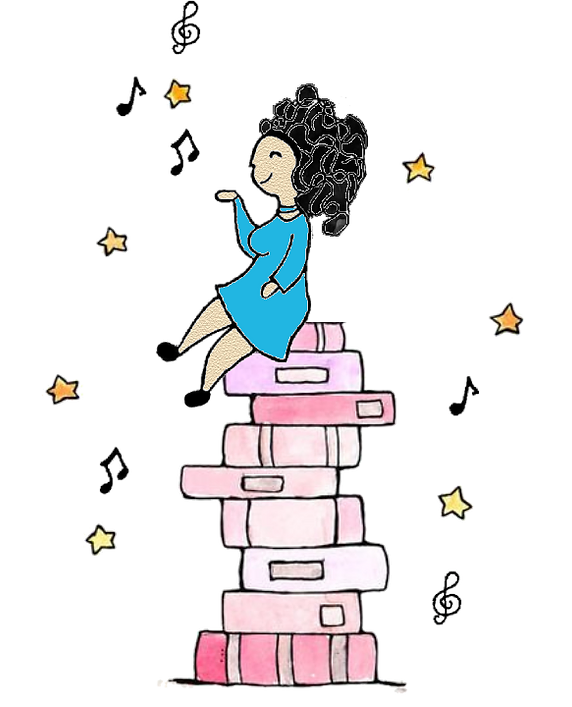
Looking back at my upbringing, if there is a detail that stands out, it was my love affair with books and music. My childhood was quite difficult and to escape from the chaos, I would sink into my book and music collection, allowing my imagination to usher me as far away as I could visualize.
My love for the arts quickly transformed into a passion for writing, and my diary entries evolved into fantasy stories. When I turned 12 years old, my escapes became literal and I ran from home at any chance I got, until a final stint at 16 had me thrown out the door for good. In fact, for a year I had no permanent address and couch surfed, shamelessly begging anyone I encountered for a place to crash.
Once in my twenties, I entered the bar and nightlife industry, detaching from my truth and the childhood dreams that once flooded my mind. I was swimming in money but still always ended up strapped for cash. I struggled deeply, at times appearing to be doing well but never genuinely so. A vision of one day writing a memoir would float in and out of my consciousness but I was so out of integrity in nearly all aspects of my life that it seemed impossibly far from my reach.
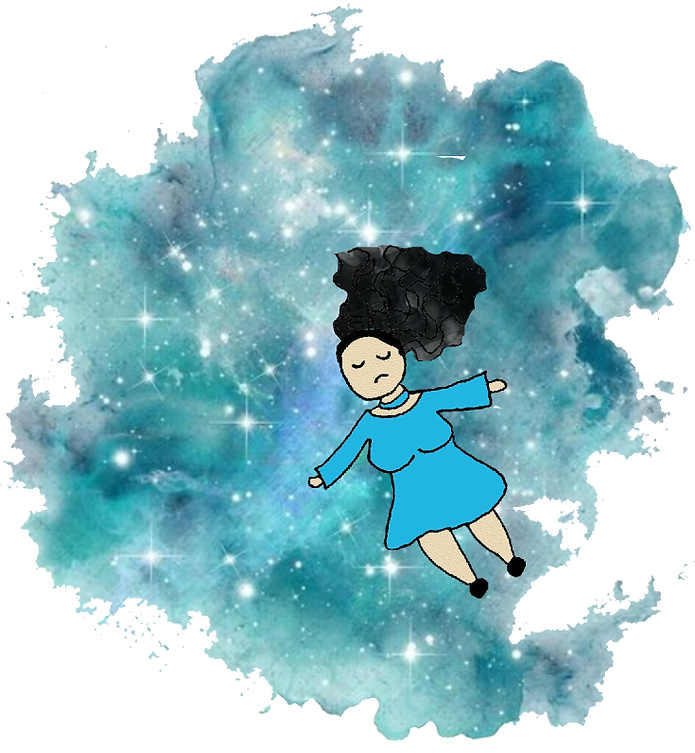
I possessed limiting beliefs that my childhood wounding would always be the stick in my wheel impeding me from overcoming my toxic behaviors. Every time it seemed that I might be conquering myself, those ingrained habits would get the better of me.
And inevitably, like attracts like. When you are toxic, you attract toxic people, relationships and situations. Thus, my life had manifested into one dramatic shitstorm.
Despite my shaky sense of self, my love for reading endured and a deep interest in the complexities of the brain and behavior was flourishing. I immersed myself in books on psychology, spirituality and personal growth. There was an underlying awareness that existed and was growing. Looking back, now that I have a few psychedelic journeys under my belt, it is astonishingly clear that everything in my life has been leading me up to that night in April. Psychedelics have always been destined to find me. Or I, them.
Autumn 2017, I could no longer escape myself and fell headfirst into a severe depression. I was anchored by my shame and haunted by the memories of my past. I spent the next 9 months unemployed, glued to my couch, rehashing every detail of my childhood and how it had shaped me. I researched the effects of trauma day in and day out, further fueling the fire of hatred and blame toward my parents. My loved ones could no longer stand to see me so imprisoned by my victimhood, and neither could I. So, I met with a doctor who, upon a 10-minute discussion, readily wrote me up a prescription for an antipsychotic and sent me on my way. At which point, my search for alternative methods of healing resumed.
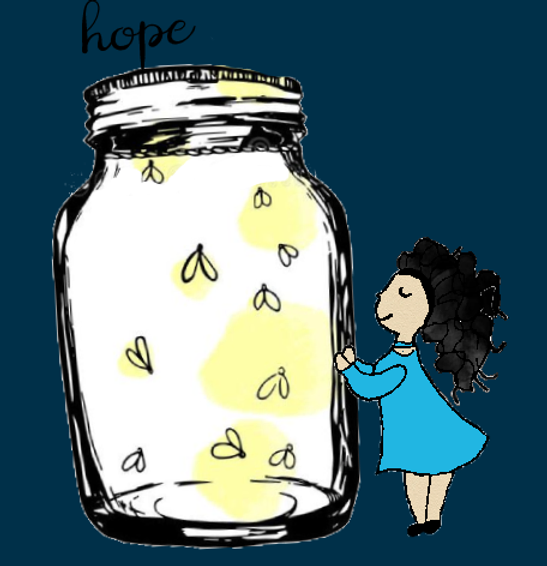
That is until the day I stumbled upon a documentary on Ayahuasca, and without a hitch, the fascination was set in motion. I began studying plant medicine and psychedelic substances, uncovering story upon story of other people like me; seeking natural healing and repulsed by our mental healthcare system. These individuals were claiming that psychedelics had helped them cease life-long opiate addictions, overcome chronic anxiety and depression, healed from the scars of sexual and physical trauma, and the list went on.
Fast forward to April of 2020, after what felt like my entire life was in preparation for that moment, I was ready to embark on my first therapeutic psilocybin journey. My friend and I went into it with the most respect for the mushroom, wanting to honor the Indigenous practices and treat it as a sacred medicine.
We set up different zones; one with coloring books and crayons, another with yoga mats and blocks, blankets and pillows in case we were cold or needed comfort, a writing station, a space for plants and flowers, photographs, and music. Absolutely any which way we felt inspired to go was at our fingertips. We blended the mushrooms with some OJ, drank the concoction, lit candles, and set our intentions.
Blast off...Hands down the most incredible, magical experience of my entire life and changed the course of everything as I knew it. All of that preparation, yet all I really ended up needing was a pen and paper. Layers of the onion peeled back to reveal my essence and I was confronted with the writer who had been dormant for so long, only now she was stripped of the inner-critic on the sidelines whispering “Nobody will take you seriously...You can’t run from the past...You’re never going to change…”
The greatest and most tragic element of all? I felt pure, unconditional love for myself for the very first time in my 36 years. All-consuming feelings of compassion and forgiveness enveloped me, for those of my past who had wronged me, and for my own misdeeds.
I could sense the energy of our planet, overwhelming feelings of interconnectedness, and the sudden awareness that I have something incredibly important to do with the little time I have. I recognized so lucidly that the pain of earlier times, and all of the adversities thrown at me were intended to be great teachers. Underneath the discomfort, there were a staggering amount of invaluable lessons and wisdom to be realised. Suddenly it was simple; every hurdle placed along my path I was meant to jump over, so I could inspire others to follow suit.
As I basked in the afterglow following the experience, I had never before felt so whole and I witnessed the synchronicities appear as if by magic. I realized that I could manifest anything I desired simply because I felt so much gratitude and abundance for what I already possessed. It became crystal clear that the secret to life was in mastering my thoughts and energetic vibration.
Today, I work with the incredible Jennifer Pereira, spiritual mentor and guide, who has helped me progress significantly on my path, and assisted me in the release of a 15 year cannabis addiction. I incorporate daily rituals that balance my mind, body and spirit and I don’t allow a day to pass without putting pen to paper as an outlet for creative expression. I continue to integrate mushrooms into my healing journey and it has now been 2 years since I quit an extremely dependent cigarette addiction, the result of an MDMA experience.
Psychedelics are no quick fix, but they are a magnificent tool, and it is our basic right as humans to have legal access to these life-changing medicines. When used responsibly, they have a remarkable potential to inspire major evolution. Of course, there are times when I falter, but I have made the divine promise to myself to never abandon the journey to my highest potential. I know now that my role is to be of service to women, guiding them away from the limiting belief that they will forever be imprisoned by their shame. I assure you that is untrue, and I am living proof.
Melissa's personal story is the second of a series of stories of women from all parts of the globe, with different ethnicities, lifestyles, and backgrounds. WOOP will be sharing these stories, also anonymously when requested.
If you would like to reach out to Melissa, feel free to contact her on Instagram.
ILLUSTRATIONS by JESSIKA LAGARDE
Wonderland #2 Melissa Vrouvides | WOOP
Finding Wonderland - a series of women's personal stories to destigmatize and normalize the use of psychedelics.
 www.womenonpsychedelics.org
Microdosing for PPD and PMDD*
I’m a little ashamed to admit that I didn’t know how prevalent postpartum depression and other perinatal mood disorders were until a couple of years ago when I experienced it myself. As a therapist, I’ve worked with people suffering from these conditions in my clinical work but it all became much more real for me once I had my son in December of 2019 and I was thrust into my own bout of postpartum depression and anxiety.
In hindsight, I’m not surprised; I’ve always been sensitive to normal fluctuations in hormones, but because of my training as a psychotherapist and someone who has a lot of support and internal and external resources, I assumed I’d be protected from the baby blues. I was pretty disillusioned when I was holding my 6-month-old, weeping from the struggles of breastfeeding and truly believing that he might be better off without me.
Just writing that last sentence fills my eyes with tears. Even though my son is now 2 years old and I’ve mostly recovered from postpartum depression and anxiety, the memories of that time are still very close and visceral. And it is why I’m so passionate about supporting other people who are navigating this particularly challenging transition.
My own experience with postpartum depression was also compounded by PMDD-Premenstrual Dysphoric Disorder which is not uncommon. About 6 months postpartum, triggered by weaning from breastfeeding, my menstrual period came back. I was surprised it was pretty regular and though there were some differences from pre-baby menstruation, it wasn’t as bad as I had imagined it would be.
However, after a few cycles, I felt the early indications of PMDD. Looking back, I’d always had pretty gnarly PMS symptoms but they were usually only a few days and I could kind of isolate myself and work through it. But now, my symptoms were stretching to 10 days or more and I had a tiny person who depended on me every single day, no matter what time of the month it was. I kept figuring it would kind of balance out as my cycle found its groove again.
About a year later when I found myself screaming at my partner again and those familiar feelings of thinking that he and my baby would be better off without me, I knew I needed more support. I was already regularly going to therapy, something I think is beneficial for almost anyone, especially therapists. I was doing all kinds of processing around the birth trauma and the trauma of early postpartum both with trusted friends and a variety of professionals as well but I still felt like I was spinning and knew I needed something else in addition to what I was already doing. I found this additional support in the form of microdosing and ketamine assisted psychotherapy (KAP).
Postpartum: Ideal vs Reality
Ideally and historically, postpartum is a time when the birther can be wrapped up in their cocoon with their baby to rest and recover while the community takes care of them. Many cultures have rituals to support the new parent in this precious time such as “lying in” where a birther is relieved of all household duties (Johnson, 2017). Postpartum is a time of deep integration after a profoundly transformative ordeal.
If you think about psychedelic journeys, often it is recommended to integrate for weeks or months afterward to glean all of the lessons that were illuminated and to me, birth is a potent psychedelic experience (Kincaid, 2021). Ideally, people are there to help hold the baby or cook dinner while you snuggle your baby. There are quiet witnesses present when you need to share an insight about the ordeal you just went through and to reflect how amazing and strong you are.
It’s also a time for the birther and the newborn to deeply integrate their new roles and skills, such as nursing and learning from each other. Ideally (and more common historically) before trying to nurse, the mother has seen people nursing their babies and heard about the challenges before you’re crying from a shallow latch while watching youtube videos about how to get your baby to bite into you like a sandwich. Better yet, while you’re waiting for your milk to come in, an experienced mama could nurse your baby and show them how it’s done while their baby, with a more experienced and stronger latch, could help call your milk in.
In western cultures, we’re lucky if we get a few weeks of unpaid time off of work and a meal train after giving birth. And the pandemic made new parenthood all the more isolating than it already is. On top of processing an often traumatic and extremely non-ordinary state of consciousness that birth is, we are left to figure out breastfeeding, usually alone, in the wee hours of the morning while our hormones are still balancing. We also have to navigate very polarizing advice and often shaming messages about the best/only way to parent.
It’s a struggle to stay connected to your intuition and to be resourced enough to assert what you need, especially when you really don’t yet know what you need. You’re walking out of the labyrinth of birth and you can’t see the path. It’s no wonder that 1 in 7 women may experience postpartum depression in the year after giving birth (postpartumdepression.org).
What is PPD and what is the prevalence?
The postpartum period is characterized by a rhythm shift that can feel (and look) a lot like depression. Those that have struggled with depression in the past may be triggered by feelings or actions that are normal or even necessary in postpartum such as not showering and staying in your robe all day, disengaging from day-to-day duties or social obligation.
We are primed hormonally to protect our babies, so you’ll be more sensitive than usual to energy and words. Things that wouldn’t normally bother you might get under your skin. Approximately 70% to 80% of women will experience the ‘baby blues’ and the reported rate of clinical postpartum depression among new mothers is between 10% to 20%.
Keep in mind, these aforementioned prevalence rates are only based on the people who report these feelings. They often go unreported because it’s so rarely talked about, though I hope that’s changing. So many people struggle with them but feel ashamed and stay quiet about it. Many people get shut down if they start to share what’s hard about being thrust into their new role as a parent and get bombarded with messages about how this is “such a blessing” and “these are the happiest days of your life so try to enjoy them.”
But it’s not an either-or situation. It is possible to feel profound joy and gratitude for your baby AND profound grief about your new identity and the loss of your old life. No one tells you about the grief that often accompanies parenthood and we often collectively gaslight ourselves into thinking only the positive emotions are to be shared and the hard ones are to be treated or eradicated. I can’t tell you how healing and affirming it is for people to share about the sadness and grief they feel about becoming a mother and that doing so permits others to share about theirs too. When these heavy emotions are brought out into the light, they can move and be transmuted.
Motherhood, even when it’s going well, is full of grief. I heard a quote somewhere that “grief is the mother of all emotions” and it helped me be more willing to sit with the grief that I think is normal but often unacknowledged which then becomes sublimated and suppressed. Postpartum depression is a trauma that has far-reaching effects, it creates a seed of doubt that takes years to overcome.
Parenthood is full of duality, the most difficult and most beautiful experiences. You can’t get enough time to yourself but you miss your babies once they go to sleep. A common saying that new parents hear is “the days are long but the years are short” and I’ve found this to be true. Time is distorted just like in non-ordinary states of consciousness. Birth expands your energy field allowing you to open to greater wisdom and strength but need to shrink it back to a manageable size for day-to-day life.
What is PMDD?
I’m not suggesting that pregnancy and birth or postpartum depression (PPD) cause premenstrual dysphoric disorder (PMDD), but many women who are sensitive to hormonal fluctuations might be affected by both. In my case, I do believe that lingering postpartum depression lowered my ability to cope with the hormonal changes of my returning menstrual cycle, and anecdotally I’ve heard similar experiences from hundreds of other women in a large support community I am a part of. For this reason, I am also a passionate advocate about supporting people with PMDD.
PMDD is characterized by mental and physical symptoms in the 7-10 days before the onset of menstruation. It’s more intense than PMS and it’s estimated that it affects 3-7% of women of reproductive age which translates to millions of women worldwide (Halbreich et al, 2003). Symptoms include mood swings, tearfulness, sensitivity to rejection, irritability or anger, depressed mood, hopelessness, self-deprecating thoughts, anxiety, loss of interest in usual activities, lack of energy, changes in appetite or sleep, and suicidality. This syndrome differs from other mental health disorders in that symptoms are absent at other times of the month.
The etiology is still unclear about why some women struggle with this disorder and others don’t. Some believe it is a combination of genetic factors, stress, and normal hormonal fluctuations, especially the declining levels of estrogen during the luteal phase (the final phase of the monthly menstrual cycle). PMDD can cause substantial and often severe signs of depression for days or even weeks every month. To make matters worse, many women with PMDD do not respond to the traditional treatment options.
Psychedelics as an Alternative Treatment
There is no doubt that microdosing and psychedelics are having a moment. Microdosing for postpartum depression and PMDD feels somewhat newer than the conversation on microdosing in general. I think historically many mothers have been afraid to share about exploring psychedelics or microdosing for fear of being labeled as a drug-using, inadequate mother. Women, especially BIPOC women have had their children taken away in the hospital simply for testing positive for cannabis despite its recent medicalization and legalization.
I know for me, doing my own ketamine assisted psychotherapy (KAP) changed my life and helped me heal from some postpartum induced anxiety and OCD. In my first KAP session, I recall the feeling (and the imagery) of my neurons being stretched and pulled like taffy. It felt like yoga asana for my brain and I literally felt more spacious afterward. I went into the first session with the intention to get to know some of my ruminations and hopefully understand why I had a hard time letting them go. But instead, it felt like I had just forgotten what it was that I was obsessing about, they were just gone and I didn’t even want to try to look for them to understand them.
Microdosing protocols are ever emerging and though there are some commonly accepted protocols, many of them are more intuitive and it’s recommended to find what works for you individually. Often these protocols are found through personal exploration and sharing results by word of mouth by other professionals or friends. Again, there are very limited papers or research on the matter.
There are almost no articles about microdosing ketamine and any talk of microdosing ketamine is passed around word of mouth. One mentor told me to take a quarter to a half of a 100mg lozenge of ketamine, swish for ten minutes and just lie down and listen to music for an hour on consecutive days during “hell week.”
Another mentor shared that anecdotally they are seeing good results for low-dose ketamine lozenges for hormone-related issues in their clinic. Their protocol involves using a low dose (25-50 mg of the RDT) daily for 7-10 days (most only need it 3-4 days but it depends) and then taking 7 days off of the medicine entirely. During the low-dose protocol, some also do a bigger dose (200-300mg RDT) as needed.
As I was writing some of this article I was sitting in the hospital with my friend in a long slow labor. I was thinking about what kinds of wisdom I want to impart to her, my former self, to all people transitioning into motherhood. Thinking about how I so desperately longed for a guide and companion during my transition to motherhood that would leave room for all of my doubt and grief but also who could assure me that I would re-emerge, that I would make it out of the disorienting labyrinth of the early days of postpartum.
After her baby came, my dear friend asked me about when the baby blues would set in because right now she's just so happy. With tears in my eyes, I said “Maybe never! Maybe it won’t happen for you!” And I truly hope that it doesn’t. As I said this to her, there was a twinge of sadness and pain for my own harrowing experience.
Part of me longs for the blissful baby vortex that I was hoping to have and that so many women probably do have, especially if they are well supported by their community. And then I sense a familiar feeling of disappointment that it didn’t happen like that for me. But a larger part of me knows it was perfect the way it was; that my postpartum depression was a spiritual emergency that woke me up to living and loving with more presence. And I’m grateful that I had all these tools, including entheogens as my guides along the way.
About the Author: Kate Kincaid is a licensed professional counselor in Tucson, AZ. She runs a group private practice that specializes in working with LGBTQIA+ clients, people in ethically non-monogamous relationships and people seeking psychedelic integration therapy. She has long been interested in non-ordinary states of consciousness and believes in the healing wisdom of plant medicines.
She is currently a student in the CIIS Center for Psychedelic Studies and Research and her practice has applied to establish eligibility with MAPS PBC to offer MDMA-Assisted Psychotherapy if it becomes an approved treatment. In the meantime, she works in collaboration with providers doing Ketamine Assisted Therapy. Kate’s therapeutic style is informed by feminism and social justice, seeking to help collectively dismantle systems of violence and oppression. She believes that many issues clients come to therapy with are rooted in a logical response to an oppressive system that is then pathologized and stigmatized.
Website: www.katekincaid.com or www.tucsoncounselingassociates.com
Email: [email protected]
Instagram @okatekincaid or @tucsoncounselingassociates
*From the article (including references) here :
Microdosing for PPD and PMDD
Kate Kincaid's personal story of microdosing for postpartum depression and premenstrual dysphoric disorder. A background of traditional treatments and the promise of alternative treatments such as psychedelics.
www.womenonpsychedelics.org
Last edited:
How psychedelics help with parenting
Reality Sandwich
We’ve all heard it before: “I’ll have kids once I get my life together” or “when I’m ready to settle down.”
And, there’s no shortage of research that suggests psychedelic properties — particularly magic mushrooms — have the power to help parents create stronger bonds, have a greater sense of empathy, and overcome or manage psychological issues:
Reality Sandwich
We’ve all heard it before: “I’ll have kids once I get my life together” or “when I’m ready to settle down.”
And, there’s no shortage of research that suggests psychedelic properties — particularly magic mushrooms — have the power to help parents create stronger bonds, have a greater sense of empathy, and overcome or manage psychological issues:
- “A single dose of psilocybin enhances creative thinking and empathy up to seven days after use” (Sub-Acute Effects of Psilocybin on Empathy, Creative Thinking, and Subjective Well-Being)
- “Psilocybin significantly increased explicit and implicit emotional empathy, compared with placebo, whereas it did not affect cognitive empathy nor moral decision-making.” (Effect of Psilocybin on Empathy and Moral Decision-Making)
- “Findings suggest that psilocybin with therapy is efficacious in treating MDD, thus extending the results of previous studies of this intervention in patients with cancer and depression and of a nonrandomized study in patients with treatment-resistant depression.” (Effects of Psilocybin-Assisted Therapy on Major Depressive Disorder)
So if taken responsibly, like microdosing, it should theoretically help parents manage difficult emotions and conditions as well as help them build stronger bonds with their children. Luckily for us, there are parents who are currently practicing and can attest to psilocybin’s benefits.
Pro-psilocybin parenting
“Let me assure you, I am not actually tripping on these mushrooms,” writer Christina Rivera Cogswell notes in this HuffPost article. “And though the noticeable immediate effect is for me less than a cup of caffeinated coffee (which I do not drink because it makes me shaky and sleepless), I reserve my nibbles [of magic mushrooms] for the slow days after the kids have left for school when I have hours to drop into my writing (which I feel the psilocybin serves).”
In an interview with Insider, three microdosing moms share how psilocybin mushrooms have helped them and their parenting.
“I had a lot of rage where I wanted to hurt my baby. Sometimes she wouldn’t stop crying, and I just had so much anger inside of me that I was afraid for her, which caused me to want to kill myself because I was afraid that I was going to hurt my kid,” one mom, Natalie, reported. In her interview, she revealed that her microdosing regimen made her world feel more orderly and in-flow. Now, “she’s able to watch her daughter all day, study for school, and work, while feeling a sense of calm she never had before.”
Another mom, going by Mama de la Myco, shared how her microdosing regimen helped her process childhood and generational traumas she wanted to avoid passing along to her son. “My father was a drug addict, so me taking this medicine, seeing my parents as real people, and knowing they raised me from a traumatized space gives me a lot of compassion for how I was raised,” she said. “It also allows me to drop those things they gave me, because I understand I don’t have to continue that line.”
The third mom, Nahea Metoyer, began microdosing to relieve postpartum symptoms that made her irrationally anxious with her first child. Her regimen helped ease those anxieties and created a better headspace for her to tend to her second child, who is on the autism spectrum. It’s also helped her with her parenting even through big life changes like job loss and her husband working from home. Metoyer’s husband also began microdosing and she noticed that his parenting anxieties decreased as well.
If you’re a parent who also follows a microdosing regimen, we’d love to hear from you. Please feel free to share your story in the comments.
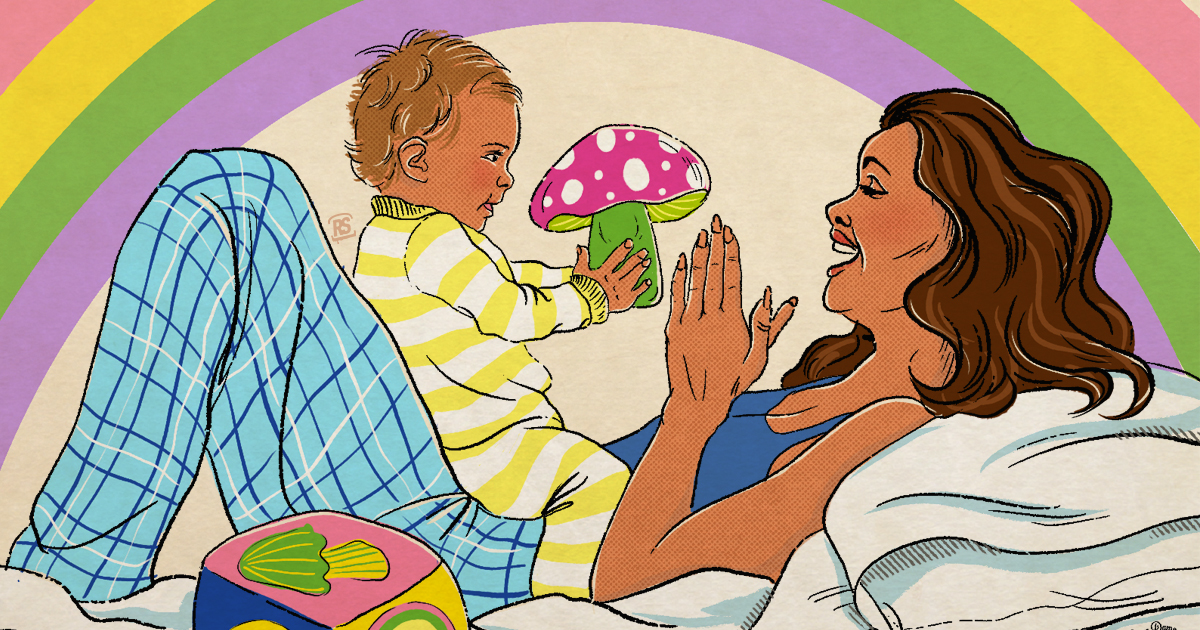
 realitysandwich.com
Pro-psilocybin parenting
“Let me assure you, I am not actually tripping on these mushrooms,” writer Christina Rivera Cogswell notes in this HuffPost article. “And though the noticeable immediate effect is for me less than a cup of caffeinated coffee (which I do not drink because it makes me shaky and sleepless), I reserve my nibbles [of magic mushrooms] for the slow days after the kids have left for school when I have hours to drop into my writing (which I feel the psilocybin serves).”
In an interview with Insider, three microdosing moms share how psilocybin mushrooms have helped them and their parenting.
“I had a lot of rage where I wanted to hurt my baby. Sometimes she wouldn’t stop crying, and I just had so much anger inside of me that I was afraid for her, which caused me to want to kill myself because I was afraid that I was going to hurt my kid,” one mom, Natalie, reported. In her interview, she revealed that her microdosing regimen made her world feel more orderly and in-flow. Now, “she’s able to watch her daughter all day, study for school, and work, while feeling a sense of calm she never had before.”
Another mom, going by Mama de la Myco, shared how her microdosing regimen helped her process childhood and generational traumas she wanted to avoid passing along to her son. “My father was a drug addict, so me taking this medicine, seeing my parents as real people, and knowing they raised me from a traumatized space gives me a lot of compassion for how I was raised,” she said. “It also allows me to drop those things they gave me, because I understand I don’t have to continue that line.”
The third mom, Nahea Metoyer, began microdosing to relieve postpartum symptoms that made her irrationally anxious with her first child. Her regimen helped ease those anxieties and created a better headspace for her to tend to her second child, who is on the autism spectrum. It’s also helped her with her parenting even through big life changes like job loss and her husband working from home. Metoyer’s husband also began microdosing and she noticed that his parenting anxieties decreased as well.
If you’re a parent who also follows a microdosing regimen, we’d love to hear from you. Please feel free to share your story in the comments.
How Psychedelics Help with Parenting | Reality Sandwich
We’ve all heard it before: “I’ll have kids once I get my life together” or “when I’m ready to settle down.” And, there’s no shortage of research that suggests psychedelic properties — particularly magic mushrooms — have the power to help parents create stronger bonds, have a greater sense of...
realitysandwich.com
Last edited:

Through the Looking Glass: What MDMA has taught me about Fear, Love, and Body Image
by Melissa Vrouvides | Women On Psychedelics
“Ahhhhhhh….” The rushing sensation of freedom envelops my system. A broad sigh is liberated from my body as it always does at this instant – when the chemically-induced state begins to unfold. Audible breaths fill and empty the confines of my otherwise limited lungs – limited not because of their capacity, but because of the power of my mind on my body. They perform without coercion, merely connected to the complex operations within. I am finally safe, and my unroused nervous system is a reflection of that truth.
I step into the backyard with my dog and take a seat on one of the patio chairs. Dusk has fallen and the blaring sounds of the concrete jungle are fast asleep. It is unusually quiet, in fact, and I realize that it is because thoughts aren’t racing at lightning speed across my chatterbox mind. No neurotic voices warning me of this, that, and the other. The hypervigilance I’ve grown so accustomed to as normalcy appears to be temporarily halted. Is this what some people experience in their everyday life? Could this one day become my normal?
I feel my high coming on stronger so I head to the bedroom, deciding to free myself of the constricting jeans I'm wearing. In the midst of undressing, my reflection in the full-length mirror draws me in and I behold the naked picture. The love-hate relationship I’ve developed with my body since I was a little girl runs deep, teetering between the two emotions depending on a variety of factors. If I’m honest with myself, my weight gain over the last couple of years has pushed the pendulum onto the side of hate. Here I am though, under the influence of a powerful empathogen, and all I see is beauty.
An hourglass shape still lingering in the thickness grabs my attention and I slide my hands down its silhouette. I recall high school before the Kardashian clan had popularized body types like mine, and the resentment I carried for inheriting my mothers’ figure. It has taken some unlearning but, thankfully, those days are behind me.
The reflection showcases plumpened yet muscular thighs and I see the Vrouvides name in their shape. “I can’t escape them, can I?” I smile to myself with a growing feeling of acceptance of that truth. My gaze rises to my midsection, where a little belly has replaced the once-upon-a-time toned midriff that I have attributed as my should-be default state. “A great burden to impose on oneself...” I discern. Unexpected feelings of love and compassion emanate from somewhere inside of me and I want to cry as I grasp just how hard I usually am on myself.
I focus on my breasts that have been an ongoing journey to fully love, ruminating on the days when I wished they could mirror those of the perfectly perched implants I saw in pornography. Under the magic of the MDMA, I am in complete admiration. I scruff up the mess of curls on my head – if only 25-year-old Mel could see me today, embracing my natural hair instead of straightening them into oblivion every single morning, she might very well pass out.
As I run a hand through my frizzy mane, a few silver stragglers emerge from my temple line. My seemingly faster appearing white hairs don’t really bother me in my normal state, and I am at peace with the fine lines that are subtly burrowing deeper with the passing time – although a voice from within whispers to be grateful for this feeling of peace, for the next transitions of aging may be a more challenging road to acceptance.
My God, have I ever changed and I am so grateful for it. Shed so many old identities that, although once served their purpose, I needed to release in order to grow. My belief system that was once so rigid, has metamorphosed into a collection of ever-evolving personal truths. I have also begun the tedious journey of unpacking the value internalized regarding the nonsensical standards inflicted on my gender.
And you know what’s interesting? When I was at my so-called physical peak, I was my most inauthentic version, moving through life with a giant chip on my shoulder, frozen in cycle upon cycle of self-sabotage. All too comfortable playing the role of victim to my circumstances and not yet mentally strong enough to acknowledge certain painful truths. Twenty-something Mel also hadn’t cultivated the unwavering commitment to end the multi-generational trauma that had been passed down to her. Instead, she allowed shame to imprison her, weighing down like a rusted anchor on the floor of a desolate sea. Of course, that dark energy only attracted chaos of all forms into her life.
So, all of this progress and healing work against the odds – why then the self-loathing for an extra 25 pounds? Why is it so difficult to embrace, even love this space? And why does my physical appearance trump these invaluable personal accomplishments? As I’m looking in the mirror a realization hits me: it is the belief that I might stay stuck here forever. What if I never heal from my traumas? What if my coping mechanisms continue to stunt my evolution and I never reach my highest potential?
One by one, as I list the reasons I am so used to reciting in my non-altered state, I conclude that they all share something in common: they are rooted in fear. But while the medicine has dampened my neuroses, I realize that it is imagined. There is nothing to be frightened of because, without fear clouding my perspective, I know the truth – and I also know this phase is only scary when I attach meaning to it.
My eyes close and I hear the words, “You are already whole Melly.” My body buzzes in agreement and the inner critic that is always so quick to harshly retort remains speechless. Freedom.
“Ahhhhhhh…” Another big sigh releases itself. I throw my PJs on, take one last glance in the mirror and smile, before following the sounds of music to the other room.
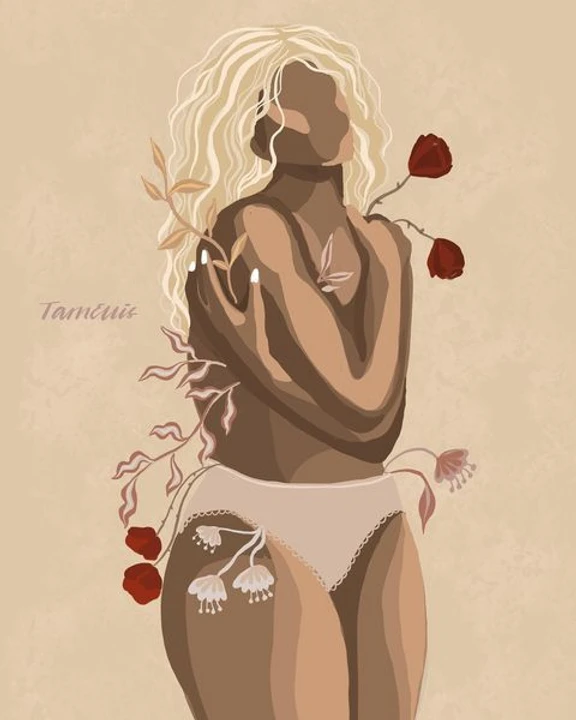
Body Dysmorphia Initiation 1
10 years ago if you would have told me that I’d witness my body in sheer love and reverence and that MDMA would help me achieve this, I probably would have laughed in disbelief. I, too, believed the stigma associated with the psychoactive as solely being juice for raves and electronic music festivals. But when I discovered that it dampens the amygdala, a section in the brain responsible for our fear and emotional responses, my experiences quickly developed a deeper meaning and I began paying greater attention to myself in those states. I have since learned that there is so much more to the stimulant than simply being a party drug.
For as long as I can remember, the relationship I have had with my body has been riddled with unhealthy beliefs and expectations. Even when I was 25-years-old, and in the best damn shape of my life, I struggled to love myself. When I would look into the mirror, all of my “flaws” leapt out – my 5’2” frame, thick thighs and short legs, cellulite, stretch marks, under-eye circles, and the list went on.
In reality, I was beautiful. My hourglass shape was one of my assets, not the contrary. My ass was pretty fantastic, stretch-marked or not. My so-called undereye “bags” were just fine, however, the white undereye concealer I refused to leave the house without slathering on certainly was not. Sometimes I see old pictures of myself and am astonished that I was so blind to the truth – but my sense of self was brittle, my worth unbelievably low, and I was brainwashed by what I had grown up learning to expect for myself as a woman, that nothing I did could appease the unrelenting scrutinizer in my mind.
Under the influence of MDMA, all of those limiting beliefs and toxic principles suddenly fly out the front door. Each time the medicine hits evokes the same feeling – like a cumbersome load has been weighing on my shoulders and it’s finally gone. Everything I have been told to think or feel is effortlessly dismissed. I move in absolute confidence, and how much I weigh or how I look is of little concern because I have mastered my energy and that alone makes me more attractive than anything else. Wisdom comes through, untouched by self-doubt and the answers are clear; the truth less scary to face. All of my very essence, the beauty of only who I can be, radiates without hesitation or awkwardness. I am free to be the highest vibration possible because my body, my foundation, is a safe place to land.
Fast-forward to the present: 38-years-old, closer to the truth of who I am, finally in alignment with my genuine purpose, yet I still bear unhealed wounds from harmful cultural norms and, particularly, since I gained weight. Full disclosure, the shame that comes with being overweight often feels heavier than the pounds themself. I feel it viciously come to life in the form of intrusive inner-dialogue when I run into someone who knew me pre-weight-gain or at the mere idea of being photographed. We all have our vices but food is an interesting one because you are essentially wearing your addiction for all to see.
In hindsight, even when I was in the greatest physical shape of my life I have had, intertwined with cannabis use, an unhealthy relationship with food. It was inevitable that it would catch up to me at some point, but in my younger days, I simply didn’t realize. It hadn’t occurred to me that there were underlying issues in need of addressing, that I was hopelessly striving to fill a void. Anytime I would see the numbers on the scale begin to climb, I would immediately restrict myself, rather than attempt to comprehend why they were climbing in the first place.
Looking back, I definitely didn’t possess the awareness, but it also felt like I didn’t have permission to stay there long enough to investigate. Even now, I feel that inner program etched in my brain – that when you gain weight you need to be rid of it as hurriedly as possible – no ifs, ands, or buts about it. So, my addiction, because let's call a spade a spade, solidified into what it is today.
Body Dysmorphia Initiation 2
I grew up in the ’80s and ’90s, a time when there was considerably less representation and inclusion. This undoubtedly contributed to my ideology but looking around today, I still feel like many things haven’t changed. The women in my life, no matter their age, regardless of how fucking beautiful they are inside and out, all carry the dreaded shame that tends to accompany weight gain and other deeply held insecurities. I watch their value diminish because of it, and though it drives me absolutely insane, it is certainly of no surprise.
From a very young age, it has been drilled into our heads that we are to chase after some perfectly unrealistic version of ourselves. We are to avoid aging and weight gain at all costs – unless you’ve had a baby of course, but closely following that milestone are the pressures of bounce-back culture. We are expected to be hairless, our vulvas pink and untouched; eyebrows microbladed and eyelashes dramatically long with buttery, poreless skin from head to toe. Oh, and don’t forget to top all that off with thick thighs and ass, a teeny-tiny waist and the round, perky breasts of an 18-year-old.
Hollywood culture is a great example of the bigger picture. Sarah Jessica Parker who is embracing the natural aging process and has faced cruel public criticism for appearing “too old”; Nicole Kidman is judged for how much she injects in an industry that gives actresses practically no other choice; the amount of before and after photographs of Adele's weight loss I have come across on social media is horrifying. There is an obsession with women's appearances that is deeply concerning and, let’s be real, all signs point to us being damned if we do and damned if we don’t. As much as it appears that the world has changed, I can’t help but question whether we are actually healing, or placing a big ol’ performative bandaid atop the gaping wound.
I don’t think we are facing the truth, which is that women don’t feel safe to simply be. Scarred, overweight, underweight, aging, hairy, stretch-marked, cellulite ridden – I believe we are exiling these parts of ourselves that we have deemed unlovable. Botox, fad diets, surgeries, and Instagram filters – I am all for doing whatever makes people feel empowered, but when we look inward with radical honesty, do we find that these actions are truly rooted in love, or fear?
Fear-mongering from a society that teaches us to be so petrified to face the full spectrum of this human experience – of the feminine experience, one that is layered with imperfections, ups and downs, painful acceptances and transitions, and the inevitable truth: that our youthfulness is going to fade away. Well, in a world obsessed with physical appearances, it is no wonder that women are afraid to embrace and explore such inescapable transformations.
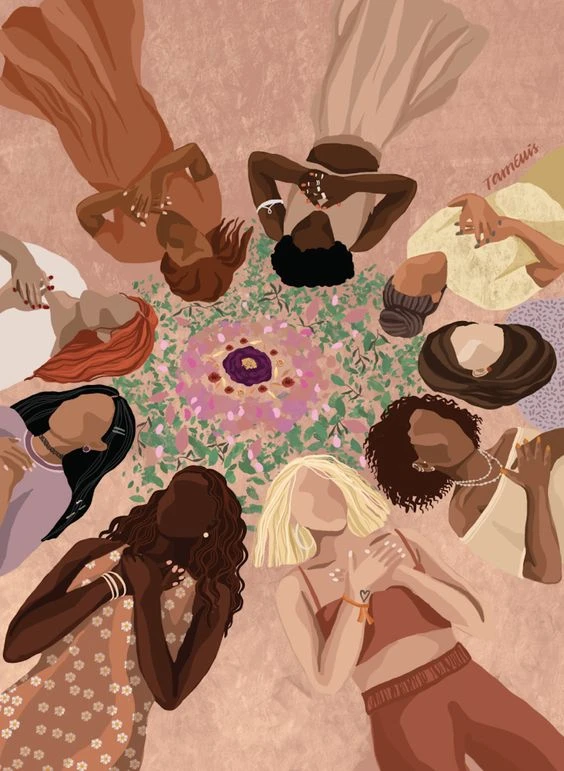
There’s no place like home
I still have work to do in terms of releasing some of the haunting narratives that have followed me over the years, but I have sworn that this time around my weight loss will be the workings of love and not vanity – a redefining of my relationship with food because my body is a temple, not a garbage can. And I think that MDMA, when used with intention and safety, could be a powerful medicine for women on similar journeys – women looking to rewrite the relationship to their bodies, liberated from the shackles of fear and negative body image.
There are many elements of myself, both physical and psychological, that I have exiled, and my life's work will be bringing every single one of them home again. Because when does it end? When is it OK to fully surrender and say, “I accept all of you.” These components cannot stay outcast, they must be loved. So, this is my vow to myself – to acknowledge all that I have shunned; the tireless, nit-picking judge; stretch marks I have shuddered at; the girl who uses food to cope – I see you there and I finally understand. I’m sorry for kicking you out and pretending like you didn’t exist – I love you or I’m learning how at the very least.
Because if there was only one lesson I could share from my MDMA use it’s that, it is all about love. Everything. Just love. And the degree to which you can love yourself - the good, the bad and the ugly parts, will ultimately determine what you walk around vibrating to the rest of the world and, whether you like it or not, will create your reality.
That moment in front of the mirror, exploring my body and the traits I had banished, that night they came home to me. No, those insecurities and fears have not magically vanished. In fact, it amazes me how quickly following the use of these medicines do the constructs of our mind return – one of the very reasons why integration work is so critical for outlasting change – nevertheless, a light has been shone into the darkness, and it cannot be undone. In the meantime, MDMA is showing me what safety in my body feels like and as someone who had never experienced that before, I am profoundly grateful.
Freedom…that concept used to mean something vastly different to me – unlimited free time, vacations galore, all of the material possessions one could desire. Who would have thought it would have evolved into simply desiring a regulated nervous system? My one, true wish. That’s where it lies, my friends, the foundation to manifesting the life of your dreams – coming home to the body.
I’ll let y’all know when I get there.
About the author: Melissa is a freelance writer, translator, and social media manager, passionate about topics ranging from feminism, psychedelic medicine, and mental health.

Through the Looking Glass: What MDMA has taught me about Fear, Love, and Body Image
Under the influence of MDMA, all of those limiting beliefs and toxic principles suddenly fly out the front door. Each time the medicine hits evokes the same feeling – like a cumbersome load has been weighing on my shoulders and it’s finally gone.
www.womenonpsychedelics.org
Last edited:
Psychedelics and Pregnancy*
by Katie Stone | PSYCHABLE
It is becoming increasingly clear that we are in the midst of a mental health crisis. But what might be less commonly known is that we are also in the midst of a maternal health crisis.
Over the past several decades, the maternal mortality rate has been steadily rising, with over 20.1 deaths per 100,000 live births compared to Germany or Norway, which only see 3.2 deaths per 100,000 live births. These rates vary significantly across demographics and between geographic regions, but overall the United States has the highest maternal mortality rate of any similarly developed nation. There is an alarmingly high rate of cesarean sections at over 30%, compared to the United Nations’ recommended rate of 10%.
The unnecessary dangers attributed to giving birth in the United States are uncommon in other modernized nations. This is an unfortunate reality relevant to prenatal care as well. Those with concerns may begin to question whether the standardized prenatal approaches are safe and trustworthy, and may explore alternative ways to prepare themselves for pregnancy.
Some say that psychedelic medicines, and the spiritual healing and empowerment they can cultivate, are a powerful way to do just that.
Before we continue, please be advised that this article is not suggesting it is safe to use psychedelics while pregnant. Here, we examine certain speculations about how psychedelics may help make conception, pregnancy, and childbirth safer in a country where women’s reproductive health has historically been a means of oppression, in addition to being prohibitively biased according to race and class.
Women’s health and psychedelics
The relationship between psychedelic medicine and women’s health has not yet been sufficiently studied, though discoveries about the therapeutic potential of these substances continue to emerge. Like the majority of scientific clinical trials, psychedelic research has predominantly involved white male participants. For this reason, the potential risks and benefits of psychedelic medicine on women’s health are unknown at this time. Luckily, this trend is beginning to show signs of improving, but there remain severe disparities in psychedelic research recruitment.
A 2001 study investigated the subjective differences of MDMA experiences between men and women. Women reported more psychoactive disturbances, more perceptual changes, and overall more intense psychedelic experiences. The authors hypothesized that women might have an “increased susceptibility” to drugs like MDMA that interact at the 5-HT receptors. If this is true, that susceptibility could theoretically apply to other classical psychedelics that impact the same receptors, like LSD, DMT, and mescaline.
Anecdotally, and among people who use psychedelics frequently, many have reported differences in experience, potency, and dosage, in relation to their menstrual cycles. However, no studies investigate the impacts of psychedelics on fertility or any possible interactions with birth control.
Hormones related to pregnancy like estrogen, estradiol, and progesterone all interact with the 5-HT2A receptors, the same receptors where psychedelic drugs are active. Estrogen has been shown to increase the density of the 5-HT2A receptors, especially in the areas that affect emotion, cognition, and mental state. Drugs that hinder the function of 5-HT2A receptors may help alleviate some of the symptoms of premenstrual syndrome by allowing serotonin levels to increase, which is associated with improvement of mood and sensory perceptions such as pain.
In theory, if psychedelics were used when a person has high estrogen levels, their trip could feel differently from when they had lower estrogen levels. Given all of the at-home hormone monitoring and DIY microdosing stories found online, some people take DIY self-experimentation seriously. But until there are studies to investigate the specific effects, we do not know how psychedelics and pregnancy-related hormones interact — or how psychedelics interact with hormone therapy or replacement medications.
Are psychedelics safe to use when pregnant?
Because of prohibitive drug policies that halted psychedelic drug development for a period of time following the War on Drugs, there is currently no clinical research on the impacts of psychedelic therapy during pregnancy. One early study from 1967 found that there was no additional deleterious effect caused when using LSD during pregnancy, and a 1970 study found that LSD use by either parent before conception did not show any signs of congenital disability. But, these studies are inconclusive and must be revisited.
What is certain, though, is that using psychedelics while pregnant is illegal due to the unknown impacts of these substances on development in-utero. However, it should be noted that psychedelics like mescaline and LSD are known to induce uterine contractions in animal studies.
For people who experience mental health conditions during pregnancy, psychedelics could one day be a treatment option if they are determined to be safe. Many psychiatric medications are harmful to use during pregnancy, including common mood stabilizers such as lithium. Once the research is expanded in the coming years, it could be possible that low-dose psychedelics are a less harmful alternative to anti-anxiety or depression medications.
But for now, there is no reason to assume they are safe to use during pregnancy, especially during the first trimester when the fetus is in the most critical developmental stages.
There is evidence of the use of psychedelic plants during pregnancy among indigenous cultures, however. Ayahuasca, for example, can help support lactation and is used occasionally during pregnancy or in childbirth by indigenous people in South America. LSD is derived from ergot, a psychoactive fungus traditionally used by midwives to help progress stalled labor. Interestingly, Texas is the only state that directly prohibits the use of ergot in midwifery.
Psychedelics and midwifery
The birthing experience is different for everyone involved, but women, midwives, and doulas were the caretakers of childbirth for most of human history. Birth rites, rituals, and traditional practices were cultivated across cultures for millennia — until male surgeons began dominating the profession.
As childbirth began shifting from midwifery practice to surgical practice in the 19th and 20th centuries, births were moved from homes and into hospitals where mothers’ spiritual and mental health were not generally taken into consideration. By the 1950s, nearly 99% of U.S. births occurred in hospitals, where mothers were less likely to have the kind of emotional support offered by doulas, midwives, or family members.
The troubling history of gynecology has left an impact on U.S. society and culture, and mothers are still working to restore access to personalized, culturally relevant, and integrative birth care. By the early 20th century, mothers were routinely strapped to beds and narcotized for days while giving birth.
This was called “twilight sleep,” a common procedure wherein high doses of scopolamine and morphine were administered to women to the extent that they would not remember childbirth at all. Though twilight sleep was eventually phased out, pregnant people were — and are — drugged, treated miserably, and subjected to experimentation as patients rather than with dignity as people.
Psychedelic drugs, often called entheogens when used in spiritual contexts, have been a part of this effort to rewrite the modern birth story for many.
Psychedelic birth stories from Ina May Gaskin and The Farm
Many stories are told about the 1960s psychedelic counterculture and the Summer of Love in 1967 that preceded the Controlled Substances Act. One that is often forgotten is how psychedelics helped nurture the restoration of home birth in the United States. Historian Wendy Kline points to the city of Chicago among home birth and maternal health advocates in the 1950s. Home birth never truly disappeared but was often the only option for poor and marginalized mothers, who often had safer births than mothers in hospitals.
By the time Ina May Gaskin arrived in Tennessee in 1970 with her partner Steven Gaskin, a former professor at San Francisco State College, the pair had completed a tour of lectures at universities across the country — along with a caravan of 200 followers packed into several buses.
During the course of the trip, eleven babies were safely born on the road without any professional intervention. Under the guidance of Ina May and the support of neighboring Amish doctors in Tennessee, home birth was “rediscovered” among women who were raised to fear a natural process. Instead of fear, many were reporting ecstatic childbirths and even orgasm during the birth process.
Psychedelics helped them prepare to give birth. Familiar with the fear of intense and overwhelming rushes of inescapable energies, this new generation of birthing women drew from their psychedelic experiences and began realizing that they had more control over birth pains than they were led to believe. After several thousand successful births on The Farm, with less than 2% ever requiring emergency cesarean sections, Gaskin published Spiritual Midwifery in 1976. The book details the stories and processes that weave together midwifery and the psychedelic-inspired spirituality of the time.
Entheogenic midwifery and the restoration of birth wisdom
Perhaps one of the most significant obstacles that psychedelics can help pregnant people overcome is any disconnection from their own intuition, wisdom, and sense of empowerment. Doulas are specifically trained to help support mothers during pregnancy and birth. And according to some, the support they offer might also translate to the intense energies experienced during high-dose psychedelic rebirths.
Receiving the name from a revered mentor and expert in the psychedelic community, Kilinid Iyi of Detroit, Omolewa is an experienced doula known widely as The Entheogenic Midwife. Entheogenic midwifery speaks to the process of rebirth, restoration, and resurrection of self, not only through pregnancy but through psychedelic experiences.
For Omolewa, the birth experience, and even the experience of menstruation, offer windows into the sacred realms of transformation made possible through embodied awareness and empowerment practices. From this place of divine wisdom, the idea of pregnancy having a prescribed pattern begins to shift and open up to new possibilities. For example, instead of a due date, she teaches about a birth month to help encourage women to look past any fears that they might not be functioning properly or “on time.”
In Entheogenic Midwifery, one important teaching about psychedelics and birth comes down to the themes of surrender and control. In modern childbirth and arguably modern psychedelic therapy, a great deal of emphasis is placed on isolating and controlling the mental aspects of the experience. But in discussion with the author, Omolewa offered instead that we “let birth and psychedelics do exactly what they were created to do, which is change us forever.”
Omolewa also reminds us that psychedelics are not just about ego death but about rebirthing oneself and their inner child at the same time. Similarly, childbirth is also a rebirth of self and identity as mother and nurturer. It is also a rebirth of one’s own inner child as the self returns to the realm of childhood experience and curiosity.
From this grounded and embodied approach to psychedelics, mothers can draw upon transformative states to nurture a sense of empowerment that can sustain them throughout childbirth.
Psychedelic therapy and pregnancy stress
On the other side of end-of-life anxiety, fear of childbirth is an established mental health condition that can have dangerous complications, not only psychologically but also for the health and safety of the mother and child. Working through emotional fear before giving birth can help alleviate stress and fear, whereas suppressing fear and stress can make things worse.
Pregnancy is not only a physical experience but also a neurological and spiritual experience. As the mother’s body undergoes rapid changes and waves of hormonal fluctuations, a neurological and spiritual transformation also occurs in preparation for parenting a newborn. Just as psychedelics can help relieve end-of-life anxiety, so too might these experiences help alleviate the fear of giving birth — and postpartum depression that might arise after.
One of the risk factors for postpartum or natal depression is a history of anxiety, post-traumatic stress disorder (PTSD), and untreated trauma or mental health issues. Due to the intensely transformative outcomes of pregnancy and parenthood, there is something to be said for seeking out psychedelic therapy before conception to begin working through any potential fears or traumas related to childbirth or parenting. As acclaimed psychedelic researcher Stan Grof believed, this can include the trauma of our own births.
Psychedelics for childbirth support
Childbirth itself can appear scary for many, in part because of media portrayals of birth and the high rates of maternal mortality and emergency cesarean procedures
used in the United States. For some, fear of childbirth or the pain of childbirth itself can create additional levels of anxiety, which may amplify the experience of pain and catalyze a psychological and physical feedback loop until emergency surgical intervention is called for.
Like psychedelics, a person’s birth experience has a lot to do with their mindset and the setting in which the birth is taking place. While it is well established that women experience gender bias in a hospital setting, those who also experience racial bias in a healthcare setting may feel that hospital birthing is a riskier alternative to a community-based birth model.
While the maternal mortality rate is high at the national level, some mothers are at greater risk than others. Still, those who have supportive staff consistently have lower rates of maternal mortality. Doulas and midwives can go a long way in helping to reduce these rates, but supporting these roles requires shifts in healthcare administration, funding priorities, and state laws that limit women’s access to the safety provided by personal, holistic birth care.
The future of psychedelics and pregnancy
Given the historical uses of psychedelics in childbirth, and the nature of psychedelic healing as we know it, it is possible that psychedelics could help support people approaching pregnancy or through integrating traumatic birth experiences — someday. But so too can parental leave, childcare support, and culturally informed policies that prioritize maternal mortality outcomes.
As a field of research, there are incredible opportunities yet to come at the intersection of women’s health, midwifery, psychedelic therapy, and even drug development. But in the meantime, providers might consider supporting community birth and mental health models developed by those most impacted in these current health crises. Though psychedelics may one day be a great resource in women’s health, there is no reason to wait to address the lack of diversity recruitment in psychedelic and women’s health research now.
*From the article here :
 psychable.com
by Katie Stone | PSYCHABLE
It is becoming increasingly clear that we are in the midst of a mental health crisis. But what might be less commonly known is that we are also in the midst of a maternal health crisis.
Over the past several decades, the maternal mortality rate has been steadily rising, with over 20.1 deaths per 100,000 live births compared to Germany or Norway, which only see 3.2 deaths per 100,000 live births. These rates vary significantly across demographics and between geographic regions, but overall the United States has the highest maternal mortality rate of any similarly developed nation. There is an alarmingly high rate of cesarean sections at over 30%, compared to the United Nations’ recommended rate of 10%.
The unnecessary dangers attributed to giving birth in the United States are uncommon in other modernized nations. This is an unfortunate reality relevant to prenatal care as well. Those with concerns may begin to question whether the standardized prenatal approaches are safe and trustworthy, and may explore alternative ways to prepare themselves for pregnancy.
Some say that psychedelic medicines, and the spiritual healing and empowerment they can cultivate, are a powerful way to do just that.
Before we continue, please be advised that this article is not suggesting it is safe to use psychedelics while pregnant. Here, we examine certain speculations about how psychedelics may help make conception, pregnancy, and childbirth safer in a country where women’s reproductive health has historically been a means of oppression, in addition to being prohibitively biased according to race and class.
Women’s health and psychedelics
The relationship between psychedelic medicine and women’s health has not yet been sufficiently studied, though discoveries about the therapeutic potential of these substances continue to emerge. Like the majority of scientific clinical trials, psychedelic research has predominantly involved white male participants. For this reason, the potential risks and benefits of psychedelic medicine on women’s health are unknown at this time. Luckily, this trend is beginning to show signs of improving, but there remain severe disparities in psychedelic research recruitment.
A 2001 study investigated the subjective differences of MDMA experiences between men and women. Women reported more psychoactive disturbances, more perceptual changes, and overall more intense psychedelic experiences. The authors hypothesized that women might have an “increased susceptibility” to drugs like MDMA that interact at the 5-HT receptors. If this is true, that susceptibility could theoretically apply to other classical psychedelics that impact the same receptors, like LSD, DMT, and mescaline.
Anecdotally, and among people who use psychedelics frequently, many have reported differences in experience, potency, and dosage, in relation to their menstrual cycles. However, no studies investigate the impacts of psychedelics on fertility or any possible interactions with birth control.
Hormones related to pregnancy like estrogen, estradiol, and progesterone all interact with the 5-HT2A receptors, the same receptors where psychedelic drugs are active. Estrogen has been shown to increase the density of the 5-HT2A receptors, especially in the areas that affect emotion, cognition, and mental state. Drugs that hinder the function of 5-HT2A receptors may help alleviate some of the symptoms of premenstrual syndrome by allowing serotonin levels to increase, which is associated with improvement of mood and sensory perceptions such as pain.
In theory, if psychedelics were used when a person has high estrogen levels, their trip could feel differently from when they had lower estrogen levels. Given all of the at-home hormone monitoring and DIY microdosing stories found online, some people take DIY self-experimentation seriously. But until there are studies to investigate the specific effects, we do not know how psychedelics and pregnancy-related hormones interact — or how psychedelics interact with hormone therapy or replacement medications.
Are psychedelics safe to use when pregnant?
Because of prohibitive drug policies that halted psychedelic drug development for a period of time following the War on Drugs, there is currently no clinical research on the impacts of psychedelic therapy during pregnancy. One early study from 1967 found that there was no additional deleterious effect caused when using LSD during pregnancy, and a 1970 study found that LSD use by either parent before conception did not show any signs of congenital disability. But, these studies are inconclusive and must be revisited.
What is certain, though, is that using psychedelics while pregnant is illegal due to the unknown impacts of these substances on development in-utero. However, it should be noted that psychedelics like mescaline and LSD are known to induce uterine contractions in animal studies.
For people who experience mental health conditions during pregnancy, psychedelics could one day be a treatment option if they are determined to be safe. Many psychiatric medications are harmful to use during pregnancy, including common mood stabilizers such as lithium. Once the research is expanded in the coming years, it could be possible that low-dose psychedelics are a less harmful alternative to anti-anxiety or depression medications.
But for now, there is no reason to assume they are safe to use during pregnancy, especially during the first trimester when the fetus is in the most critical developmental stages.
There is evidence of the use of psychedelic plants during pregnancy among indigenous cultures, however. Ayahuasca, for example, can help support lactation and is used occasionally during pregnancy or in childbirth by indigenous people in South America. LSD is derived from ergot, a psychoactive fungus traditionally used by midwives to help progress stalled labor. Interestingly, Texas is the only state that directly prohibits the use of ergot in midwifery.
Psychedelics and midwifery
The birthing experience is different for everyone involved, but women, midwives, and doulas were the caretakers of childbirth for most of human history. Birth rites, rituals, and traditional practices were cultivated across cultures for millennia — until male surgeons began dominating the profession.
As childbirth began shifting from midwifery practice to surgical practice in the 19th and 20th centuries, births were moved from homes and into hospitals where mothers’ spiritual and mental health were not generally taken into consideration. By the 1950s, nearly 99% of U.S. births occurred in hospitals, where mothers were less likely to have the kind of emotional support offered by doulas, midwives, or family members.
The troubling history of gynecology has left an impact on U.S. society and culture, and mothers are still working to restore access to personalized, culturally relevant, and integrative birth care. By the early 20th century, mothers were routinely strapped to beds and narcotized for days while giving birth.
This was called “twilight sleep,” a common procedure wherein high doses of scopolamine and morphine were administered to women to the extent that they would not remember childbirth at all. Though twilight sleep was eventually phased out, pregnant people were — and are — drugged, treated miserably, and subjected to experimentation as patients rather than with dignity as people.
Psychedelic drugs, often called entheogens when used in spiritual contexts, have been a part of this effort to rewrite the modern birth story for many.
Psychedelic birth stories from Ina May Gaskin and The Farm
Many stories are told about the 1960s psychedelic counterculture and the Summer of Love in 1967 that preceded the Controlled Substances Act. One that is often forgotten is how psychedelics helped nurture the restoration of home birth in the United States. Historian Wendy Kline points to the city of Chicago among home birth and maternal health advocates in the 1950s. Home birth never truly disappeared but was often the only option for poor and marginalized mothers, who often had safer births than mothers in hospitals.
By the time Ina May Gaskin arrived in Tennessee in 1970 with her partner Steven Gaskin, a former professor at San Francisco State College, the pair had completed a tour of lectures at universities across the country — along with a caravan of 200 followers packed into several buses.
During the course of the trip, eleven babies were safely born on the road without any professional intervention. Under the guidance of Ina May and the support of neighboring Amish doctors in Tennessee, home birth was “rediscovered” among women who were raised to fear a natural process. Instead of fear, many were reporting ecstatic childbirths and even orgasm during the birth process.
Psychedelics helped them prepare to give birth. Familiar with the fear of intense and overwhelming rushes of inescapable energies, this new generation of birthing women drew from their psychedelic experiences and began realizing that they had more control over birth pains than they were led to believe. After several thousand successful births on The Farm, with less than 2% ever requiring emergency cesarean sections, Gaskin published Spiritual Midwifery in 1976. The book details the stories and processes that weave together midwifery and the psychedelic-inspired spirituality of the time.
Entheogenic midwifery and the restoration of birth wisdom
Perhaps one of the most significant obstacles that psychedelics can help pregnant people overcome is any disconnection from their own intuition, wisdom, and sense of empowerment. Doulas are specifically trained to help support mothers during pregnancy and birth. And according to some, the support they offer might also translate to the intense energies experienced during high-dose psychedelic rebirths.
Receiving the name from a revered mentor and expert in the psychedelic community, Kilinid Iyi of Detroit, Omolewa is an experienced doula known widely as The Entheogenic Midwife. Entheogenic midwifery speaks to the process of rebirth, restoration, and resurrection of self, not only through pregnancy but through psychedelic experiences.
For Omolewa, the birth experience, and even the experience of menstruation, offer windows into the sacred realms of transformation made possible through embodied awareness and empowerment practices. From this place of divine wisdom, the idea of pregnancy having a prescribed pattern begins to shift and open up to new possibilities. For example, instead of a due date, she teaches about a birth month to help encourage women to look past any fears that they might not be functioning properly or “on time.”
In Entheogenic Midwifery, one important teaching about psychedelics and birth comes down to the themes of surrender and control. In modern childbirth and arguably modern psychedelic therapy, a great deal of emphasis is placed on isolating and controlling the mental aspects of the experience. But in discussion with the author, Omolewa offered instead that we “let birth and psychedelics do exactly what they were created to do, which is change us forever.”
Omolewa also reminds us that psychedelics are not just about ego death but about rebirthing oneself and their inner child at the same time. Similarly, childbirth is also a rebirth of self and identity as mother and nurturer. It is also a rebirth of one’s own inner child as the self returns to the realm of childhood experience and curiosity.
From this grounded and embodied approach to psychedelics, mothers can draw upon transformative states to nurture a sense of empowerment that can sustain them throughout childbirth.
Psychedelic therapy and pregnancy stress
On the other side of end-of-life anxiety, fear of childbirth is an established mental health condition that can have dangerous complications, not only psychologically but also for the health and safety of the mother and child. Working through emotional fear before giving birth can help alleviate stress and fear, whereas suppressing fear and stress can make things worse.
Pregnancy is not only a physical experience but also a neurological and spiritual experience. As the mother’s body undergoes rapid changes and waves of hormonal fluctuations, a neurological and spiritual transformation also occurs in preparation for parenting a newborn. Just as psychedelics can help relieve end-of-life anxiety, so too might these experiences help alleviate the fear of giving birth — and postpartum depression that might arise after.
One of the risk factors for postpartum or natal depression is a history of anxiety, post-traumatic stress disorder (PTSD), and untreated trauma or mental health issues. Due to the intensely transformative outcomes of pregnancy and parenthood, there is something to be said for seeking out psychedelic therapy before conception to begin working through any potential fears or traumas related to childbirth or parenting. As acclaimed psychedelic researcher Stan Grof believed, this can include the trauma of our own births.
Psychedelics for childbirth support
Childbirth itself can appear scary for many, in part because of media portrayals of birth and the high rates of maternal mortality and emergency cesarean procedures
used in the United States. For some, fear of childbirth or the pain of childbirth itself can create additional levels of anxiety, which may amplify the experience of pain and catalyze a psychological and physical feedback loop until emergency surgical intervention is called for.
Like psychedelics, a person’s birth experience has a lot to do with their mindset and the setting in which the birth is taking place. While it is well established that women experience gender bias in a hospital setting, those who also experience racial bias in a healthcare setting may feel that hospital birthing is a riskier alternative to a community-based birth model.
While the maternal mortality rate is high at the national level, some mothers are at greater risk than others. Still, those who have supportive staff consistently have lower rates of maternal mortality. Doulas and midwives can go a long way in helping to reduce these rates, but supporting these roles requires shifts in healthcare administration, funding priorities, and state laws that limit women’s access to the safety provided by personal, holistic birth care.
The future of psychedelics and pregnancy
Given the historical uses of psychedelics in childbirth, and the nature of psychedelic healing as we know it, it is possible that psychedelics could help support people approaching pregnancy or through integrating traumatic birth experiences — someday. But so too can parental leave, childcare support, and culturally informed policies that prioritize maternal mortality outcomes.
As a field of research, there are incredible opportunities yet to come at the intersection of women’s health, midwifery, psychedelic therapy, and even drug development. But in the meantime, providers might consider supporting community birth and mental health models developed by those most impacted in these current health crises. Though psychedelics may one day be a great resource in women’s health, there is no reason to wait to address the lack of diversity recruitment in psychedelic and women’s health research now.
*From the article here :
Beyond Conception: Psychedelics and Pregnancy
It is becoming increasingly clear that we are in the midst of a mental health crisis. But what might be less commonly known is that we are also in the
Last edited:
Finding Wonderland #3
by Audrey Dupuy | Women On Psychedelics | 8 Mar 2020
The purpose is always the same, the journey and result never look alike.
I did not know what to expect when I first started holding plant medicine ceremonies for myself. I’ve been doing talkative therapy for years, read countless self-help books, done alternative types of healing (shamanic, energetic...) and I can see tangible results in how I feel about myself and into the world compared to before; yet it does not seem to be proportional to the amount of work I have put into my healing so far.
One day, I came across a documentary speaking about the healing potency of mushroom medicine and I felt called to give it a try. I’m not one for intoxicating escapes (anymore) and until that day, the few times I had heard about those powerful plants was only in party-like set-ups so I just had never tried.
Anyhow, the decision was made: I wanted to work with those healing helpers, for myself but also to be able to foster healing for others eventually. So, I did lots of research and began building relationships with the divine mushroom spirits.
Yesterday was ceremony day. I had prepared meticulously as per my usual: focused on organic foods the few days prior, drank lots of water, cleansed my space and myself, set up The Johns Hopkins Psilocybin Research playlist on my Spotify, meditated and so on. I then put the medicine to infuse in tea while setting my intentions. I like setting intentions prior to journeying, asking the medicine to point me in a particular direction and see what comes up.
Sometimes it can be as simple as “Show me what needs healing today” and sometimes I have a more specific request which was the case yesterday, but we’ll get back to that later.
Here I am sipping my tea, comfortably seated on the couch, writing down my intentions and keeping myself in a relaxed state to ease the transition on my body and mind. But wait, I forgot to start the playlist. Oh no, Spotify is down. I try and try and try again, nothing to do, phone, computer, logging in and out, delete the app, reinstall the app, technology is against me and I just have to face it; what was working 10min ago is no longer and I’m going to have to improvise. I could not put my hands on this playlist on any other platform so I ended up on Youtube selecting a 3h33 min music video oriented towards mushroom journey. I know my journey is going to be longer than that but I just have to go with the flow.
The sun is out after 3 days of heavy rains and I go wander around in the little forest by my place. I find it grounding to be amongst the trees while ascending into a higher state of consciousness, looking above at the soft white clouds drifting away. I can slowly feel the medicine kicking in and the music is perfectly appropriate. My body often partially shuts down when journeying, she gets cold and tired and just wants to be cozy and rolled up in a blanket so I’m heading back home to give her the rest she’s asking for.
I am no expert in mushroom ceremony yet, but this journey feels different, I don’t see the colorful kaleidoscopes when I close my eyes as I usually do, I don’t feel as disconnected from my body as I usually do, yet, I can feel that the medicine is active. I am lying in bed, headphones on, listening to that artist making what was online-live-music several months ago. There comes a first wave of emotional release through tears. I don’t know what I’m crying about, it’s not overwhelming, and it goes as quickly as it came.
answers that while I’ve already done a lot of work on this, I still have layers of shame and guilt around sexuality that I need to shave off. It’s ok to take my time, she says, sexuality is beautiful and bountiful.
She tells me that the traumatic experiences I went through as a child, as a young adult and later as a fully grown woman were heavily harmful but that the shame and guilt came from the lack of support, the judgment and the minimizing expressed by the people who were supposed to protect me, believe me, and bring me justice.
At this point I start thinking that this is my message for today and that it’s what I need to explore but I am far, so far from the truth.
My body calls for going to the washroom again. There comes another big wave of emotional release. I start crying, a lot. I feel a growing pain in my chest and stomach, knots in my throat. I’m full-on bawling at this point and I want to make sense of what is happening to me but I just can’t.
Heading back to my bed, still sobbing, I stop in the middle of my living room and look at the picture of the divine that’s hanging above my couch. I find myself saying “Why can’t you love me? Why can’t you love me?” over and over again while sobbing. I’m still standing there, trying to see love in the eyes of that divine figure, crying some more and my question then becomes “Why can’t I feel your love? Tell me, why can’t I feel your love?” and then turn into “Why can’t I feel loved?” I can’t feel loved. I can’t feel loved. I can’t feel loved. This cruel mantra is stuck in my head and I have no way around it.
I need a hug, I need a loving hug, I need to feel love, somehow, somewhere, and I’m freaking out because I have no idea how.
I’ve always journeyed alone so far. I make sure I have a safe contact available in case of need but I’ve never had to call them for support until today. I’m barely 3h in, crying non-stop with the deepest pain in my heart for a solid half-hour and I don’t know how much longer I can take it. So, I call my friend and ask her if she can come over for some time.
She needs a good 20-25min to head over but I can’t wait alone any longer so we stay on the phone. She talks to me about her day and what she’s doing and it takes my attention off of the pain. I listen to her while doing breathing exercises and I can feel that I’m always on the edge of bursting into tears again but I manage to keep it under control somehow.
Finally, she opens the front door and walks toward the couch where I’m cuddled up in a blanket. As soon as she gets close to me, I wrap my arms around her legs just before the tears rush out again. She softly pets my head. I’m crying like a river is overflowing through my eyes. There is so much pain inside me, so much pain. After a few minutes she sits down beside me but I need to hug her a little longer so I do. Crying hot tears on her shoulder I hear myself say: “Why couldn’t she love me? Why couldn’t she love her own child? Why couldn’t my mother love me?”
This is it. My big break through. I can’t feel loved. Ever. I suddenly realise I have NEVER felt loved. I know that some people love me, I know that some people have loved me, I’m sure my mother does love me in her own ways, my mind knows it and yet, I have never truly FELT loved in my body and in my heart. Neither as a child, nor as an adult; I don’t know what feeling loved feels like.
This realisation is devastating. At that moment, I am not that 33-year-old woman who’s been healing the shit out of herself for over 2 years and has so many deep insights about why she is who she is and what to do to become who she wants to be. At that very moment, I am a 6 or 7 years old little girl who's never felt loved by the only person she truly needed love from. I am that 7 yearold child who is seriously considering suicide because she feels like a burden in everybody’s life and can’t seem to find any good reason to stay alive.
I ask my friend if I can hold her hand while we speak. I’m still deep in my journey but I manage to ask her if that’s ok for her to be there for me right now, and apologise for putting her in an uncomfortable position. We have been friends for a long time, we know each other well and it’s definitely not the first time she sees me crying but physical touch has never been part of our friendship. I mean, who cuddles with their friends while hanging out? Is that even a thing? But she doesn't mind, and so we hold hands, cooped up under the blanket.
I talk, she listens, asks questions, gives advice. I can’t make eye contact during that time. I am still that small child, frightened, sad, and eye contact doesn’t feel safe. Or maybe I’m slowly getting back into conscious adult me and feeling seen on this level of vulnerability does not feel safe either.
I am explaining to her that it’s the first time that journeying feels so overwhelming. I go through the steps of my ceremony, as if I was trying to find a reason to justify the intensity. I tell her that I had written my intentions down but can’t seem to remember them so I grab my notebook to read them out loud.
“Please, show me what is the most painful in my heart so that I can heal it”
Well...I kind of asked for that one alright. Now I know. The most painful thing in my heart is the fact that I have never ever felt loved by my mother, which caused me to never ever be able to feel loved by anyone else.
I know the root now, I know where it’s coming from, and I don’t know yet how to heal it, but I have something to work with, I have somewhere to start.
--------------------------------------------------------------------
Born and raised in France as a product of materialism and patriarchy, Audrey reconnected with her divine feminine nature through different types of inner work and healing on Native American lands (aka Vancouver Canada).
Shamanic priestess in the training, she loves working with plant medicine to create healing momentum and shares her personal experiences to spread awareness on the powerful potency of mushroom medicine.
Audrey's personal story is the third of a series of stories of women from all parts of the globe, with different ethnicities, lifestyles, and backgrounds. WOOP will be sharing these stories, also anonymously when requested.
If you would like to reach out to Audrey, feel free to contact her on Instagram.
ILLUSTRATIONS by Anouck Ferri
Wonderland #3 Audrey Dupuy | WOOP
Finding Wonderland - a series of women's personal stories to destigmatize and normalize the use of psychedelics.
www.womenonpsychedelics.org
Last edited:
Mikaela Valentino - Entheogenic Motherhood*
Women On Psychedelics | 18 Sep 2021
Mikaela Valentino is originally from Los Angeles - occupied Tongva territory. Currently, she lives in San Diego - occupied Luiseno, Cahuilla, Cupeno, Kumeyaay, and Northern Diegueño territory.
Her life’s work is to witness people find their path to power and educate whenever possible in the traditions taught to her. She is a mother, a friend to many, an educator, an entrepreneur centering entheogenic motherhood, yoni steaming in the ma’at tradition, and ancestral veneration.
In this interview for Amplify, let’s dive into Mikaela’s journey with plant medicines and learn more about the incredible work that she does as a mother - and with mothers.
This interview was conducted by Jessika Lagarde.
---------------------------------------------------
WOOP: Could you tell us a bit more about your personal journey and what led you to do this type of advocacy work?
Mikaela: Unordinary states of consciousness had always called me, since I was a little girl. I was in the Christian church and experienced my first transcendental, out of the body, merge with the divine type experience after a long night of praying. It was a complete merge with unconditional love as so many feel when they come into plant medicines. What they describe is something my 10-year old self had a taste of through prayer and song. That laid a foundation for me to expand and explore my spirit and consciousness.
I tried LSD for the first time when I was 18 and it completely blew the lid off of what I thought I understood about my life. About a year later, I came in contact with the intelligence that is psilocybin and I pretty much devoted my entire life to managing, healing, and activating my very wounded mental health to the entheogenic earth medicine teachers because of the tremendous help they were to mend me.
It certainly is the birthright of every person to have sovereignty, to heal in the ways that they are called to heal, especially with these medicines.
WOOP: What are plant medicines for you?
Mikaela: Any molecule that derives itself at the source of Pachamama. Of course, these are all molecules in essence, but the plant medicines I consider have not been denatured as most of the pharmaceutical medicines have been. These molecules are intact with their unique symphony of alkaloids, some of which I am aware are responsible for the richness of the experiences we have as journeyers.
These Earth Medicines range from all the herbal medicines, the four sacred plants of the North American Indians: tobacco, cedar, sage and sweetgrass, to the entheogenic earth medicines: ayahuasca, mescaline containing cacti - san Pedro, Huachuca, hikuri, peyote (they are known by many names), psilocybin-containing mushrooms, Kambo, bufo, cacao, coca leaf, ergot (LSD), cannabis.
WOOP: Can you tell us more about the intersections of your work with plant medicine and pregnancy and motherhood?
Mikaela: Well, I'd been practicing with these teachers for the last decade, and when I became pregnant with my son, the medicines called me forward more. After I'd gone to an elder in our community and consulted with them, I was told that mothers continue their relationship with the teonanancatl, sacred mushrooms throughout the motherhood experience. She is a wirarika elder and I deeply trust her wisdom. So, I made the decision with the support of an abuela to take the steps to continue my learning with them.
In reality, I've struggled with alcoholism my entire life, so when this came forward, it was the safer and more gentle choice. Integrating psilocybin within my pregnancy was actually the final push towards leaving alcoholism. The medicine is non-habit forming so whenever I was in a situation where alcohol was present and I felt the pressure. I chose psilocybin instead and that completely altered my gestational experience and now that I'm almost two years out of that experience, I am so grateful that I had made that choice.
There were some larger journeys during my pregnancy, one most notably at 3 grams when I was 6 months pregnant. It was a profound healing for the soul of my child and myself. In the bathtub where I spent three hours during my journey, I reviewed a lot of ancestral programs, fears and curses and was able to cleanse myself, rewire and recrystallize my brain so that I may mother from a different, more evolved place. The medicine told me that this was the last journey and I did not eat mushrooms again until my son was 5 weeks old.
Through postpartum, I felt that other medicines would be of great help and they offered themselves to me. I drank ayahuasca when my son was almost a year old, I continue to journey with the mushroom teachers and maintain a relationship with cannabis.
WOOP: What would you say was your most transformative experience with psychedelics?
Mikaela: The first time I ever ate mushrooms was the most transformative experience with these medicines. I was a suffering young woman. Constantly sad, manic, promiscuous, a danger to myself and others. Not to say that the first journey completely healed this personality within myself because it was years and years before these lessons began to change me for the better.
The first time, though, that I ate the mushroom teachers, I looked at myself in the mirror and knew myself as someone better than I'd ever seen myself. There was a comfortability in my skin, I washed my makeup off, I let my hair go natural, I wasn't judging my thoughts or what I looked like. The focus turned to what I was FEELING like and that began a profoundly impactful healing with the earth medicine teachers that was situated and rooted in my personal sense of comfort and nothing externally assigned.
WOOP: What are the most common difficulties that women face when they come to look for Plant Medicine ceremonies with you?
Mikaela: Sexual assault and manipulation are prevalent in these medicine circles. Period. Beyond stigma, many women and men face being taken advantage of spiritually and physically while in delicate states. I have seen predators and abusers serve medicine, I have spoken to people who work with them. I have heard of facilitators who prey on children. This is a MAJOR problem. What compounds this, is when the women speak to expose, they are not listened to.
There was an experience in a peyote sit where a woman was unconscious on the floor, covered in dirt and vomit (although this can be seen in purgative ceremony - the condition of the woman was dyer). I had to stand for this person and ask our facilitator to dismiss her. He did not want to let her leave or anyone else leave to care for her. This was a dangerous situation for many people. Including the group.
At the same ceremony, I had to help another woman who was fainting over the cedar pile. I mean this is harm reduction 101, body language reading, and the facilitator, who was an indigenous Lakota man, was taking risks with peoples' lives. Mind you these women were white women, so I deeply understand the cultural and ancestral implications, wounds, and pains that were being played out. But just because these women were given their skin, doesn't mean we pray harm on them and that goes for ANY person.
Now regarding stigmas from society, I mean... the society I roll with reflects who I am so I really feel nothing from support. When the people I consult with come with questions about their communities stigmatizing them, especially as it comes to very Christian/ puritanical and conservative neighborhoods, I often deal with the spiritual entities and the spirits of the people in my dreams. I often actually have to educate, advocate and talk to the spirits of fundamentalists in the dream world to begin doing the unlocking there.
WOOP: Any tips on how to talk with kids about psychedelics?
Mikaela: Welcome them when they show interest, never force. I always just show my son, who's almost 2, the medicines I work with and I never call them drugs. We lead by example and can communicate more with children by DOING than by TALKING.
WOOP: What advice would you give to a woman looking to work with extraordinary states of consciousness for the first time?
Mikaela: Connect with people whose lives you'd like to see yourself have. When you eat the medicine someone gives you, you become like them. You merge intimately with who they are. Find facilitators who make you feel comfortable and that you feel at ease with, this will translate into your ceremony.
If you have any doubts about the safety of your experience, sit on it, there's no need to rush. It is not worth the safety concerns. Look for elders, especially women elders. The abuelas know about this subject more than I ever will.
You can learn more about Mikaela’s work on her website and Instagram page. Click to download the free ebook resource we have developed together, Entheogenic Earth Medicine Assisted Motherhood.
*From the article here :
Amplify #19 Mikaela Valentino - Entheogenic Motherhood
In this interview for Amplify, let’s dive into Mikaela’s journey with plant medicines and learn more about the incredible work that she does as a mother - and with mothers.
www.womenonpsychedelics.org
Last edited:
What is Holotropic Breathwork—and what can it do for your mental health?
by Korin Miller | Women's Health | 1 Mar 2022
There are a lot of trendy treatments out there that promise to bring a new level of awareness to your mental health. But there’s one in particular that’s been popping up all over social media as of lately, even though it's not exactly new: holotropic breathwork.
Holotropic breathwork is a breathing practice where you do fast, controlled breathing patterns, usually in a group setting, to help influence your mind and emotions, says Matthew Johnson, PhD, a professor of psychiatry and behavioral sciences at Johns Hopkins Medicine, who is researching holotrophic breathwork.
The name derives from the Greek words holos, which means whole, and trepein, which means moving in the direction of something.It was developed by psychiatrists Stanislav and Christina Grof in the 1970s as a way for people to develop an altered state of consciousness without using drugs. The idea is that it can push people toward positive transformation and wholeness. It’s also used as a tool in therapy, and it's now even being studied as a potential treatment for people with post-traumatic stress disorder (PTSD).
Got questions on how, exactly, this all works? Here’s what you need to know.
What does Holotropic Breathwork do?
Holotropic breathwork is not going for a calming effect and instead has a goal of reaching a psychedelic type of experience, per Johnson. “It may not necessarily be easy, and it will be intense,” he says. “But it can be an opportunity to explore one’s own mind in a useful way.” It's meant to trigger intense emotions, sensory changes, and insights.
It is different from other breathing exercises, BTW. It’s meant to be done in pairs and overseen by someone who has been specially trained in holotropic breathwork, explains Laurane McGlynn, PsyD, a licensed psychologist and certified holotropic breathwork facilitator who offers weekend workshops.
The sessions are usually set to specific kinds of music and can go on for up to three hours. “Of all of the different breathing exercises, holotropic breathwork is more on the evocative and energetic side,” Johnson says. “The breathing is definitely heavier than some other varieties.”
What happens during Holotropic Breathwork?
Holotropic breathwork sessions are typically done in groups, with people pairing off. One person is the breather, who actually does the breathing exercise, while the other is the sitter, who is essentially there to observe. “The sitter’s role is simply to be present and available to support the breather—not to interfere, interrupt, or try to guide the process,” McGlynn says. “In addition, trained facilitators are available to offer support or body work—focused release work—as needed or requested by the breather.”
During a session, the room is usually darkened, and cushions, mattresses, and blankets are available for the breather to use. One session usually lasts from two and a half to three hours, and there's a schedule from start to finish. “In the first hour of a breathing session, music with fast rhythms, such as drumming music, is used to support breathing,” McGlynn explains. “In the second hour, more dramatic pieces of music are used to facilitate breakthroughs. In the last hour, slow or spiritual music is played.”
The breather has their eyes closed and lies down on a mat. "They use their own breath and the music in the room to enter a non-ordinary state of consciousness. This state activates the natural inner healing process of the individual’s psyche, bringing him or her a particular set of internal experiences,” McGlynn says. While there can be recurring themes with holotropic breathwork, she points out that “no two sessions are ever alike.”
As for what this feels like, there’s a range. “At more extreme levels, someone can feel removed from themselves, like they’re not in their own body or they might actually feel more in touch with their own body,” Johnson says. “There is often sobbing and people may cough up a lot of phlegm. Sometimes folks will feel like they’re purging the body of toxins or negative thoughts.”
At the end of the session, the breather is encouraged to create a mandala (geometric configuration of symbols) to visually represent their experience, McGlynn says. There may also be a group discussion at the end where people can share their experience.
Can you do Holotropic Breathwork on your own?
Not really. Certain elements have to be in place for the breathing exercise to be actually considered holotropic breathwork, according to McGlynn. “If it is shorter or done alone, then it is not holotropic breathwork,” she says.
Why is partnering up so important? "If a person encounters material that may be difficult to process, they do not have any support to process or integrate that experience,” McGlynn explains. “Holotropic breathwork offers a safe and supportive setting to process the experiences a breather may encounter during their session." That's where the sitter comes in.
If you want to give it a shot, McGlynn recommends visiting the Grof Transpersonal Training website to find a list of names of certified facilitators near you.
What are the benefits of practicing Holotropic Breathwork?
TBH, there isn’t a ton of research out there right now about how holotropic breathwork can treat mental health conditions. But at least one small 2015 study in The Journal of Alternative and Complementary Medicine found that participants felt more self-aware after undergoing a session.
There is a ton of anecdotal evidence to back up this practice, though. “Participants who have experienced holotropic breathwork report that therapeutic benefits can include healing anxiety and depression, release of trauma, opening to compassion, courage, and love, and connection to expanded states of consciousness, and the spiritual realm,” McGlynn says. “Breathers often describe experiencing a death or rebirth experience.”
"Still, in terms of any actual science behind this, there’s next to nothing," Johnson says. However, he’s hoping to change that by studying the potential role of holotropic breathwork in treating PTSD.
Is Holotropic Breathwork safe?
While holotropoic breathwork is generally considered safe, it isn’t for everyone. Because it can cause a strong physical and emotional reaction, McGlynn says certain groups should not attempt it, including people who are pregnant, have heart disease or a history of heart attack, severe hypertension, epilepsy, osteoporosis, asthma, and recent surgeries and physical injuries.
People with asthma may be able to participate, but they’ll usually need to make sure they have an inhaler with them, McGlynn advises.
If you’re interested in trying holotropic breathwork but you have an underlying health condition, check in with your primary care doctor first, just to be safe.
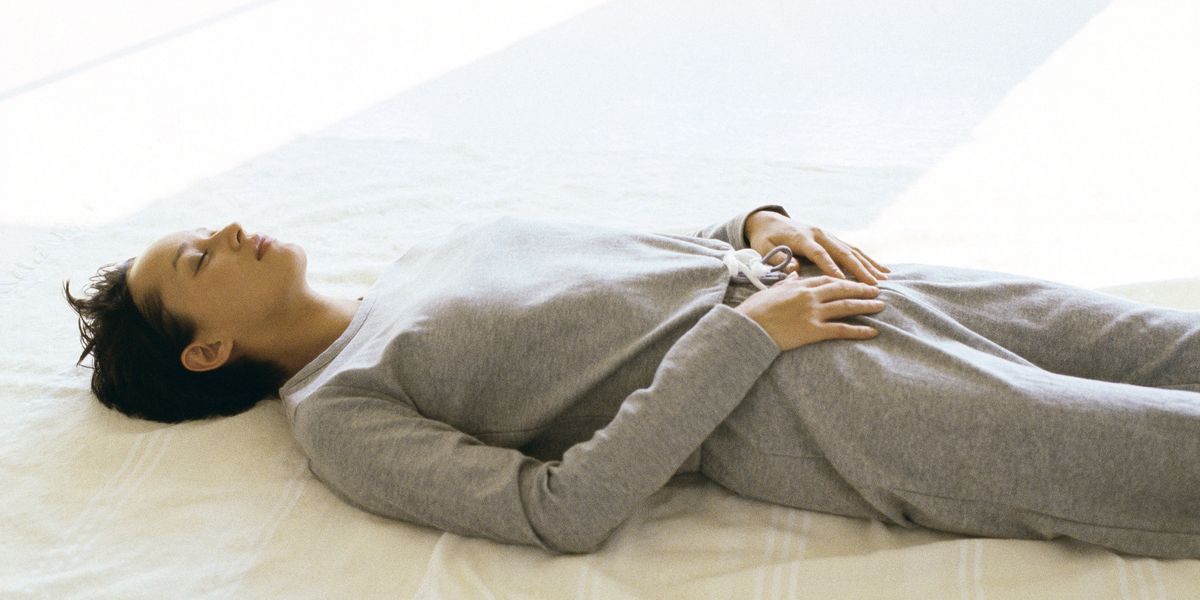
Unlike Other Breathing Exercises, Holotropic Breathwork Is Meant To Be Done With A Partner
Get ready for a transformation.
Last edited:
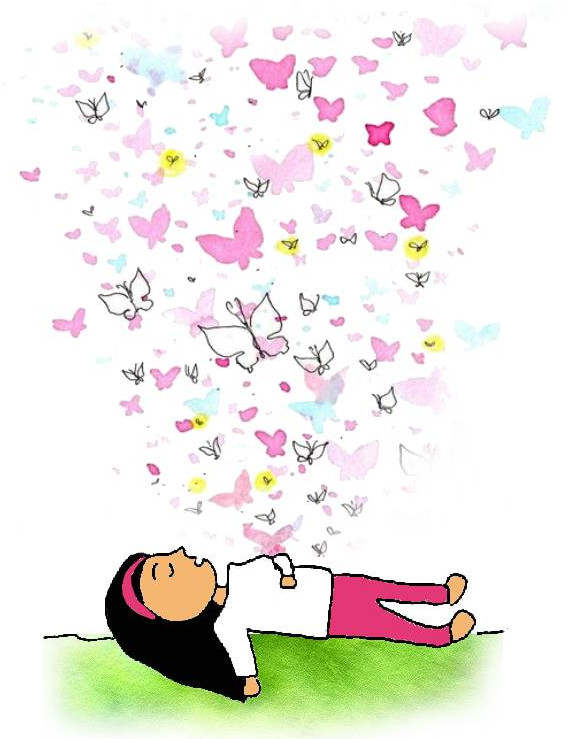
Wonderland #1 Part II - Luciana Comas Bitz
Almost a year had passed since my first psychedelic experience, but I was hesitant to do another one as I could still connect back to those feelings.
But one thing that I learned was that you cannot control what your subconscious mind is going to experience under that state. You just have to make a decision to trust you are ready to face whatever comes your way.
----------------------------------------------
I decided that I was going to do it again with the learnings from before. If I cried non-stop for hours again… well, so be it. I decided to just give space for anything that needed to arise without controlling it, to allow the healing by surrendering to the experience.
For the second trip, the set up was pretty much the same - I was with my boyfriend in a natural space and with 15gm of Atlantica Truffles each.
This second experience was completely different. Instead of crying for three hours, I lay on the grass, feeling the sun’s changing temperatures on my body, with the power of nature and the sounds of birds around us.
Keeping my eyes closed, my mind created dreamlike images of birds from different cultures, places where I have been: Japanese cranes, Native American eagles, and Egyptian Vulture hieroglyph winds. Sunlight was coming through my eyelids, just like through a glass, and illuminating those images.
The purest happiness started to rise, coming from up between my solar plexus, chest, throat, and head space. Little shrieks of happiness started to come out, every sound a “Yay!” for life.
At some point when my boyfriend started to speak with me, I realized that the only thing I could say was, “Poing, poing, poing” with different intonations. That was my language at the moment, but I felt I had no problem expressing everything I wanted it to communicate with no need for words.
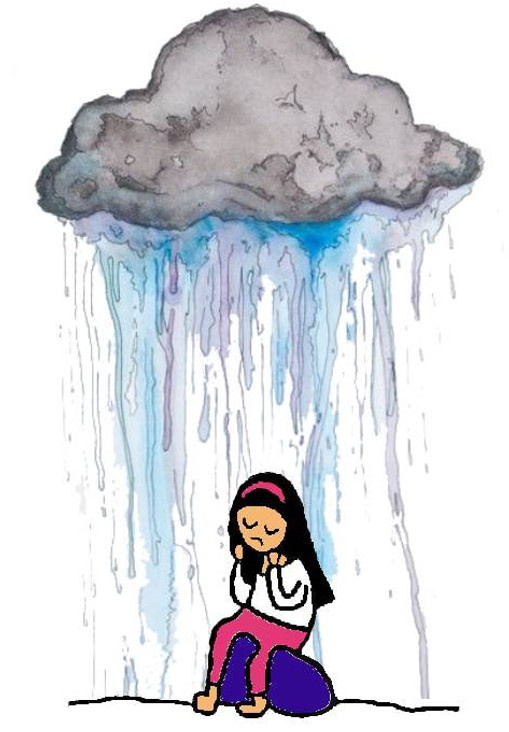
In my everyday life, I tend to experience the complete opposite feeling ever since I left my country. Although I have been working, traveling, and having most of my interactions in English for the last 6 years, I still feel that I could not flow the same way as in my native language.
Some ways of expressing myself could only come with certain words in Argentinian Spanish. This feeling of being unable to express myself fully took a huge toll on my self-esteem and confidence, impacting my ability to communicate and express myself.
The truffles helped me realize that I did not need those words; that words do not define who I am or my ability to communicate with the world around me, the people I love, nature or to myself. It was such a beautiful feeling. Ever since then, “poing” has continued to have an emotional and mental link to that state of child-like happiness, excitement and connection to the world.
Coming back to the house, I felt a rise of energy as I started to play music. This time was a sort of ecstatic dance expression, and instead of pictures, I made an experimental video. There was no need for words, languages or barriers, only movements, my body and the sunlight coming through the window - a silhouette image of pure freedom within me.
These two psychedelic experiences helped to bring to light and release some buried misconceptions and beliefs. I was already consciously embracing and promoting self-acceptance in my yoga classes. I really tried to embody the idea that my ethnicity, culture or background did not define who I was; but deep inside, I think I was still feeling really insecure and scared of being my authentic and true self.
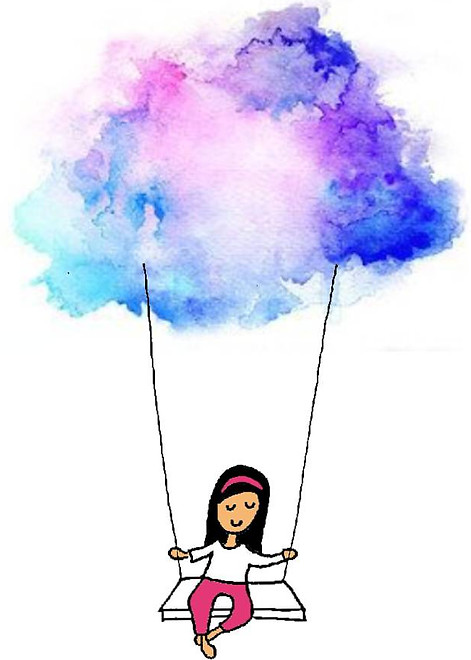
It is one thing to have a conscious point of view and say what you believe in. But it takes dismantling the harmful and limiting ideas about who you are to truly feel and embody those ideals and beliefs.
These experiences allowed me to find a profound and honest acceptance of myself in a pure form, not from an ideological or personal imposition of how I should feel.
The healing from my two psychedelic experiences had a huge impact on my confidence to undertake different projects or give life to artistic expressions again, and definitely, to a more balanced relationship and understanding of the world around me.
So I want to encourage people to explore themselves more - in any way! - not just with psychedelics. Any self-exploration that could bring you to an honest acceptance of who you are will bring a lot of relief, healing, and truth about yourself.
Create more opportunities to open that door without judgment or wanting to control what you find inside. Regardless of what you have experienced or done in your life, all you need to heal is already inside of you.
Whether you are looking for forgiveness, acceptance, confidence, courage, to transmute, release, create or empower, I honestly believe that all answers lie deep inside each of us. It might not be easy or pleasant, but it can lead to growth, liberation, transformation, and ultimately, a more honest and loving relationship with the self.
A week after creating those images, I made this collage. For me, it was a synthetization of the emotional journey of the last 6 years and both psychedelic trips. It represented all the dark corners of myself, of all those forgotten parts left behind, finding the light and coming back to life - coming home to myself.
Luciana's personal story is the first of a series of stories of women from all parts of the globe, with different ethnicities, lifestyles, and backgrounds. WOOP will be sharing these stories, also anonymously when requested.
See Part I here.
If you would like to reach out to Luciana, feel free to contact her on Instagram.
ILLUSTRATIONS by JESSIKA LAGARDE
 www.womenonpsychedelics.org
Wonderland #1 Luciana Comas Bitz Pt II | WOOP
Finding Wonderland - a series of women's personal stories to destigmatize and normalize the use of psychedelics.
www.womenonpsychedelics.org
Last edited:
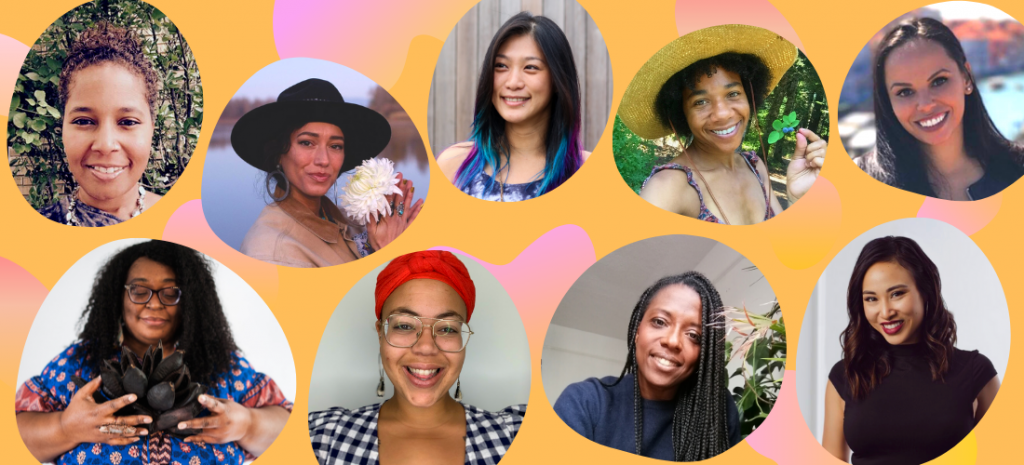
9 women of color creating a more inclusive psychedelic movement
by Rebecca Martinez | Psychedelics Today | 31 Mar 2021
Nine women of color who are working hard to ensure their communities have access and representation in the psychedelic movement.
As interest in psychedelic medicine explodes, it is trailed by conversation about representation and access. From leaders, authors and filmmakers, to researchers and clinical study participants, one simple fact is clear: The psychedelic community is disproportionately white. The recent global focus on racial inequity and social justice has called us all to reflect on our impact and seek out tangible ways to show up for communities of color. Now, this conversation has reached the psychedelic community and called leaders to task. Are we ready to explore why the movement is so homogenous, and to learn from leaders of color who can help us shift and evolve?
While psychedelic press coverage focuses on hand-wringing over the privileged corporate takeover, there is a more hopeful subculture emerging. Around the world there are visionary and collaborative leaders who aren’t waiting for an invitation from the vanguard of psychedelic elites. We spoke with nine women of color who are shaping psychedelic culture at the grassroots level and helping to create more inclusive spaces within the movement for global healing.
Buki Fadipe
Founder Adventures in Om
Buki Fadipe, founder of Adventures In Om, is a transformational guide, artist, and psychedelic practitioner in training based in London, England. Her work focuses on empowering individuals to take part in their own healing and consider all aspects of the self: emotional, physical, environmental, spiritual and psychological. “When we self-heal, we do so for our lineage, community, collective, Mother Earth and all living beings,” Fadipe says.
In the future of psychedelics, Fadipe hopes to see better representation and access.
“Accessibility is a big issue,” she says. “The way the industry is currently heading does not leave much room for focusing on marginalized groups. These medicines are being worked into a psychiatric framework, a system that is already incredibly dismissive of those from lower economic brackets who are often most in need.”
Fadipe’s goal is to positively disrupt the conversation, one which she says overemphasizes the clinical model and dependence on quick fixes, pharmaceutical medicines, and years of ineffective talk therapy.
“This is an emerging field,” she continues. “How can we map its scope without more diverse data coming from a realistic representation of society? I hope that the future will lead us to see more leadership from BIPOC and women who need representation across the industry, from clinical research and decriminalization to harm reduction, education and integration.”
Jenn So
Founder SO Searching Oneself
As a femme embodied person from a family of Viet-Khmer immigrant refugees, Jenn So, LCSW and founder of SO Searching Oneself in Washington, USA, is passionate about generational healing. So has worked as a professional social worker for the past 14 years, and her private practice specializes in racial trauma, adverse childhood experiences, and intimate partner violence. She first became intrigued about the healing potential of psychedelics after witnessing firsthand how psilocybin transformed her cousin’s life.
“Psychedelic-assisted therapy could help someone who has experienced trauma return to a specific moment in their memory and know they can be safely walked out of it,” So explains. She emphasizes the importance of trained professionals and safe environments.
“Western life is disconnected from the idea of things being passed down generation to generation. We don’t live with our elders. We don’t have opportunities to be closely involved with their lives and experiences the way traditional cultures do,” So says. She believes we are just beginning to appreciate the way trauma impacts the body and family lineage.
“These medicines are being worked into a psychiatric framework, a system that is already incredibly dismissive of those from lower economic brackets who are often most in need.” - Buki Fadipe
Is the mental health community ready to take a serious look at the potential of psychedelic medicine? So isn’t sure.
“The stigma around psychedelics is largely because we don’t fully understand them,” she says. “We humans believe that what we know is all there is to know, so new information is met with skepticism and fear. The mental health community isn’t immune to these attitudes.”
So hopes to bridge the conversation and help mental health practitioners better understand psychedelic medicines.
Charlotte James
Co-Founder The Ancestor Project
When co-founders of The Ancestor Project (formerly The Sabina Project) Charlotte James and Dre Wright met, they connected over their shared experiences in white medicine spaces and the recognition of the need for BIPOC-centered healing environments. They launched The Ancestor Project (TAP) in 2019 with a focus on Baltimore-based events, then shifted online when the pandemic hit.
James outlines some tangible steps the psychedelic community can take to better support Black community members: “We invite White folx to buy our Psychedelic Anti-Racism workbook. To sit in their discomfort as they unravel privilege and find their role in the collective liberation movement.” James continues, “Also, recognize that racism causes trauma, [and so] treat Black and BIPOC folx with the same trauma-informed care you provide others.”
The mantle of leadership is heavy for a woman of color navigating her own healing path while working to further conversations about psychedelics as medicine. James emphasizes how important it is to slow down. “I really try to live my life in ceremony. I have a massive toolbox of practices and technologies that support me: sitting in ceremony, practicing Kemetic yoga with my partner, spending time in nature, dance, meditation, drinking lots of water, and building a healthy, shameless relationship with food. I would say though, when you’re walking in your purpose, the work is less draining–even when it is really intense.”
James shared about TAP’s recent name change, and the importance of modeling accountability:
“We have to walk the walk. We can’t be out here holding White folx accountable to their sh*t and not also reflecting on the ways that we have deeply internalized their ways of being to the point that the system becomes self-replicating. It’s okay to be vulnerable and admit when you have self-reflected and recognized a misstep. I’m grateful for the humans who support us as we do our own liberation work, and to the ancestors, spirit guides, and relatives who are the true geniuses and creators of this work.”
Elan Hagens
Co-Founder Fruiting Bodies Collective
Elan Hagens is the co-founder of the Fruiting Bodies Collective in Oregon, USA, which was born out of a need for education, advocacy, and community within the state’s new psilocybin therapy program.
“Just inviting people of color into the scene or making options financially accessible isn’t enough,” Hagens explains. “We need to consider why communities of color aren’t as aware of or interested in psychedelics. We need to understand the history of the War on Drugs and what can happen if we invite people into vulnerable healing spaces and then they return to a world that can be dehumanizing.”
Hagens also explains the need to be mindful of the language we use. “When enthusiastic advocates talk about “magic mushrooms” and “tripping”, we can lose a lot of people due to stigma and cultural connotation. Instead, can we talk about these medicines with respect and in a new way that people from all walks of life can understand and relate to? Healing goes beyond one subculture. We all have hearts and souls and an innate ability to heal in the right conditions.”
“The stigma around psychedelics is largely because we don’t fully understand them,” she says. “We humans believe that what we know is all there is to know, so new information is met with skepticism and fear. The mental health community isn’t immune to these attitudes.”
So hopes to bridge the conversation and help mental health practitioners better understand psychedelic medicines.
Charlotte James
Co-Founder The Ancestor Project
When co-founders of The Ancestor Project (formerly The Sabina Project) Charlotte James and Dre Wright met, they connected over their shared experiences in white medicine spaces and the recognition of the need for BIPOC-centered healing environments. They launched The Ancestor Project (TAP) in 2019 with a focus on Baltimore-based events, then shifted online when the pandemic hit.
James outlines some tangible steps the psychedelic community can take to better support Black community members: “We invite White folx to buy our Psychedelic Anti-Racism workbook. To sit in their discomfort as they unravel privilege and find their role in the collective liberation movement.” James continues, “Also, recognize that racism causes trauma, [and so] treat Black and BIPOC folx with the same trauma-informed care you provide others.”
The mantle of leadership is heavy for a woman of color navigating her own healing path while working to further conversations about psychedelics as medicine. James emphasizes how important it is to slow down. “I really try to live my life in ceremony. I have a massive toolbox of practices and technologies that support me: sitting in ceremony, practicing Kemetic yoga with my partner, spending time in nature, dance, meditation, drinking lots of water, and building a healthy, shameless relationship with food. I would say though, when you’re walking in your purpose, the work is less draining–even when it is really intense.”
James shared about TAP’s recent name change, and the importance of modeling accountability:
“We have to walk the walk. We can’t be out here holding White folx accountable to their sh*t and not also reflecting on the ways that we have deeply internalized their ways of being to the point that the system becomes self-replicating. It’s okay to be vulnerable and admit when you have self-reflected and recognized a misstep. I’m grateful for the humans who support us as we do our own liberation work, and to the ancestors, spirit guides, and relatives who are the true geniuses and creators of this work.”
Elan Hagens
Co-Founder Fruiting Bodies Collective
Elan Hagens is the co-founder of the Fruiting Bodies Collective in Oregon, USA, which was born out of a need for education, advocacy, and community within the state’s new psilocybin therapy program.
“Just inviting people of color into the scene or making options financially accessible isn’t enough,” Hagens explains. “We need to consider why communities of color aren’t as aware of or interested in psychedelics. We need to understand the history of the War on Drugs and what can happen if we invite people into vulnerable healing spaces and then they return to a world that can be dehumanizing.”
Hagens also explains the need to be mindful of the language we use. “When enthusiastic advocates talk about “magic mushrooms” and “tripping”, we can lose a lot of people due to stigma and cultural connotation. Instead, can we talk about these medicines with respect and in a new way that people from all walks of life can understand and relate to? Healing goes beyond one subculture. We all have hearts and souls and an innate ability to heal in the right conditions.”
“We have to walk the walk. We can’t be out here holding White folx accountable to their sh*t and not also reflecting on the ways that we have deeply internalized their ways of being to the point that the system becomes self-replicating. It’s okay to be vulnerable and admit when you have self-reflected and recognized a misstep.”
Ultimately, healing must go beyond the individual. The founders at Fruiting Bodies believe that individual healing and societal change are inseparable. Beyond helping shape Oregon’s program, their mission is to shift the narrative and destigmatize psychedelic medicine through relationship building and storytelling.
*Note: Elan Hagens is co-founders with Rebecca Martinez, who authored this article.
Robin Divine
Founder Black People Trip
Robin Divine is the founder of Black People Trip, an online community with a mission to raise awareness, destigmatize, teach harm reduction, and create safer spaces for Black women in psychedelics.
“There is such a stigma around drug use (as well as therapy) which makes the idea of psychedelic therapy taboo for many Black people,” Divine says. “We need to see the faces and hear the stories of people who look like us in order to begin to break down these outdated ways of thinking.”
Divine explains that Black communities are traumatized. She sees psychedelics as a way for people to take healing into their own hands, down a path to wellness that exists beyond Western medicine.
“I invite white community members to get involved. If you are truly committed to equity in psychedelics, then take action. If you have the resources, then donate money to organizations that are doing the work to create better access in Black communities. I’d also ask them to respect the idea that Black people need their own spaces to heal that don’t involve them. In short: take action, and honor our space.”
Jessika Lagarde & Tian Daphne
Co-Founders Women on Psychedelics
Jessika Lagarde and Tian Daphne are the co-founders of Women on Psychedelics (WOOP), which began organically during the COVID-19 lockdown while the two were volunteering for a mushroom-related initiative. “Having ourselves experienced the healing and transformative power of psychedelics, we saw a glaring need to not only normalize the talk around psychedelics, but to specifically work to end the stigmatization around women’s mental health and substance use,” Lagarde explains.
The promising research inspired them to become advocates. But as they dove deeper, they quickly noticed a lack of diversity in the psychedelic space. “Despite having disproportionately higher rates of trauma, people of color and women remain underrepresented in research amongst participants, as well as in underground psychedelic communities and the movement toward decriminalization and legalization,” Lagarde adds.
“Through Women on Psychedelics, we hope to connect women through social, creative, political, and educational content and activities. We truly believe that everyone should have the freedom and ability to access psychedelics for their own healing and growth.”
Mariah Makalapua
Founder The Medicine Collective
Mariah Makalapua is a Hawaiian and mixed Native North American artist and mother who is the founder of the Medicine Collective in Oregon, USA. Since 2017, the Medicine Collective has combined art and medicine for the purpose of healing people and the planet. Makalapua’s mission is to provide safe and respectful healing experiences rooted in indigenous traditions.
Makalapua believes respect for indigenous rights and wisdom is an expression of an individual’s healing process. “Trauma healing has to do with diving into your upbringing, your ancestry, and ultimately, decolonizing and clearing your own lineage and understanding where you come from. We all have ancestors. No matter who you are, there is a reality of what colonialism and patriarchy did to your family.”
*Note: Elan Hagens is co-founders with Rebecca Martinez, who authored this article.
Robin Divine
Founder Black People Trip
Robin Divine is the founder of Black People Trip, an online community with a mission to raise awareness, destigmatize, teach harm reduction, and create safer spaces for Black women in psychedelics.
“There is such a stigma around drug use (as well as therapy) which makes the idea of psychedelic therapy taboo for many Black people,” Divine says. “We need to see the faces and hear the stories of people who look like us in order to begin to break down these outdated ways of thinking.”
Divine explains that Black communities are traumatized. She sees psychedelics as a way for people to take healing into their own hands, down a path to wellness that exists beyond Western medicine.
“I invite white community members to get involved. If you are truly committed to equity in psychedelics, then take action. If you have the resources, then donate money to organizations that are doing the work to create better access in Black communities. I’d also ask them to respect the idea that Black people need their own spaces to heal that don’t involve them. In short: take action, and honor our space.”
Jessika Lagarde & Tian Daphne
Co-Founders Women on Psychedelics
Jessika Lagarde and Tian Daphne are the co-founders of Women on Psychedelics (WOOP), which began organically during the COVID-19 lockdown while the two were volunteering for a mushroom-related initiative. “Having ourselves experienced the healing and transformative power of psychedelics, we saw a glaring need to not only normalize the talk around psychedelics, but to specifically work to end the stigmatization around women’s mental health and substance use,” Lagarde explains.
The promising research inspired them to become advocates. But as they dove deeper, they quickly noticed a lack of diversity in the psychedelic space. “Despite having disproportionately higher rates of trauma, people of color and women remain underrepresented in research amongst participants, as well as in underground psychedelic communities and the movement toward decriminalization and legalization,” Lagarde adds.
“Through Women on Psychedelics, we hope to connect women through social, creative, political, and educational content and activities. We truly believe that everyone should have the freedom and ability to access psychedelics for their own healing and growth.”
Mariah Makalapua
Founder The Medicine Collective
Mariah Makalapua is a Hawaiian and mixed Native North American artist and mother who is the founder of the Medicine Collective in Oregon, USA. Since 2017, the Medicine Collective has combined art and medicine for the purpose of healing people and the planet. Makalapua’s mission is to provide safe and respectful healing experiences rooted in indigenous traditions.
Makalapua believes respect for indigenous rights and wisdom is an expression of an individual’s healing process. “Trauma healing has to do with diving into your upbringing, your ancestry, and ultimately, decolonizing and clearing your own lineage and understanding where you come from. We all have ancestors. No matter who you are, there is a reality of what colonialism and patriarchy did to your family.”
“We need to consider why communities of color aren’t as aware of or interested in psychedelics. We need to understand the history of the War on Drugs and what can happen if we invite people into vulnerable healing spaces and then they return to a world that can be dehumanizing.” - Elan Hagens
If people understand these things, she says, we will no longer need to argue about cultural appropriation because we will develop a heart level-understanding of it. “You wouldn’t attend an ayahuasca ceremony and then think a medicine leadership role is yours to take. You just wouldn’t be having that jump. It’s not a healed or whole approach.”
In regards to Oregon’s legal psilocybin therapy program, Makalapua advocates for wisdom, accountability and intentionality.
“Historically, indigenous communities did not exist in a vacuum in their healing. The medicine was part of the larger culture and there was a collective consciousness around it. They understood: This work is terrifying, necessary, and we must go to the right people. But this collectivism has been lost from modern culture. We need support in watering the seeds planted during ceremony. It is deep, inner, relational work: making changes, making boundaries. It requires friendship, community, and at least a few close people who can support and guide you through that change.”
“The mushrooms are going to be mushrooms no matter what we do,” Makalapua continues. “I want to protect their sacredness. It’s like protecting your grandmother. You know she’s strong and a badass, but you’re not going to let her go and do something dangerous. It’s the same with the mushrooms; we should respect them, love them, and help carry their groceries, so to speak.”
Hanifa Nayo Washington
Founder One Village Healing
Hanifa Nayo Washington is an award winning cultural artivist and sacred activist combining arts, healing, and activism for the last 20+ years. Based in Connecticut, USA, Washington is the founder and principal organizer of One Village Healing, cultivator of beloved community at the Fireside Project, director of community engagement for CEIO, and a founding member of several emerging psychedelic initiatives, including the Equity in Psychedelic Therapy Initiative.
In 2017 she released her third album, Mantras for the Revolution. In December 2018 Washington received a Phenomenal Women Arts Award from the Arts Council of Greater New Haven for her contributions and achievements in the arts. She is currently working on a storytelling project called Growing Wilder, which is expected in 2022.
Washington explains how her own healing experiences led her to the intersection of psychedelic medicines and social transformation:
“Going into ceremony and creating sacred spaces…helped me deconstruct the poisons of internalized systems of oppression. These allies, these plant medicines, have helped me to unhook these things from my body and mindset, and allow me to be in deeper relationship with myself and others in ways that are not poisoned,” she says.
What makes Washington’s leadership stand out is both her joy and her specificity. One vision many emerging leaders share within the psychedelic space is inclusion. Washington carries a torch into the unknown and helps to illuminate the “how” by shaping practical models with which to realize this shared vision. Equity and access are more than buzzwords at One Village Healing–they are the pillars that form the very structure and breath of the organization, which currently provides seven online wellness sessions for free to the community.
In regards to Oregon’s legal psilocybin therapy program, Makalapua advocates for wisdom, accountability and intentionality.
“Historically, indigenous communities did not exist in a vacuum in their healing. The medicine was part of the larger culture and there was a collective consciousness around it. They understood: This work is terrifying, necessary, and we must go to the right people. But this collectivism has been lost from modern culture. We need support in watering the seeds planted during ceremony. It is deep, inner, relational work: making changes, making boundaries. It requires friendship, community, and at least a few close people who can support and guide you through that change.”
“The mushrooms are going to be mushrooms no matter what we do,” Makalapua continues. “I want to protect their sacredness. It’s like protecting your grandmother. You know she’s strong and a badass, but you’re not going to let her go and do something dangerous. It’s the same with the mushrooms; we should respect them, love them, and help carry their groceries, so to speak.”
Hanifa Nayo Washington
Founder One Village Healing
Hanifa Nayo Washington is an award winning cultural artivist and sacred activist combining arts, healing, and activism for the last 20+ years. Based in Connecticut, USA, Washington is the founder and principal organizer of One Village Healing, cultivator of beloved community at the Fireside Project, director of community engagement for CEIO, and a founding member of several emerging psychedelic initiatives, including the Equity in Psychedelic Therapy Initiative.
In 2017 she released her third album, Mantras for the Revolution. In December 2018 Washington received a Phenomenal Women Arts Award from the Arts Council of Greater New Haven for her contributions and achievements in the arts. She is currently working on a storytelling project called Growing Wilder, which is expected in 2022.
Washington explains how her own healing experiences led her to the intersection of psychedelic medicines and social transformation:
“Going into ceremony and creating sacred spaces…helped me deconstruct the poisons of internalized systems of oppression. These allies, these plant medicines, have helped me to unhook these things from my body and mindset, and allow me to be in deeper relationship with myself and others in ways that are not poisoned,” she says.
What makes Washington’s leadership stand out is both her joy and her specificity. One vision many emerging leaders share within the psychedelic space is inclusion. Washington carries a torch into the unknown and helps to illuminate the “how” by shaping practical models with which to realize this shared vision. Equity and access are more than buzzwords at One Village Healing–they are the pillars that form the very structure and breath of the organization, which currently provides seven online wellness sessions for free to the community.
“Historically, indigenous communities did not exist in a vacuum in their healing. The medicine was part of the larger culture and there was a collective consciousness around it. They understood: This work is terrifying, necessary, and we must go to the right people.” - Mariah Makalapua
The immense value of Fireside Project’s Psychedelic Peer Support Line is multiplied by their attention to “providing compassionate, accessible, and culturally responsive peer support, educating the public, and furthering psychedelic research, while embracing practices that increase equity, power sharing, and belonging within the psychedelic movement,” Washington says.
In order to create safer spaces and experiences for marginalized communities, Washington suggests a few practical steps:
In order to create safer spaces and experiences for marginalized communities, Washington suggests a few practical steps:
- Normalize and furthermore, require, inner work as a fundamental part of all psychedelic organizations, businesses, and institutions. “That means creating space and time within the work schedule for individual and collective learning, to practice and imagine ways of being that support healing from the trauma of oppressive systems.”
- Within this process, trust and invest in affinity integration spaces.
- Listen to, fund, and invest in individuals, businesses, projects, and initiatives led by people who have been impacted the most by systems of oppression.
“Without representation in leadership,” she says, “I’m pretty convinced that these aforementioned aspects will not happen.”
Conclusion
The common threads that come through these interviews help weave together a larger story. It’s a vision for global healing that doesn’t stop at getting over depression or healing family trauma. It’s a call to recognize our interconnectedness with one another and the Earth, and to commit to the work which enables psychedelic insights to transform us into more engaged, justice-focused citizens. Because of their intersectional identities, women of color offer the presence, leadership and perspective which are essential to the integrity of the psychedelics movement. We have endless opportunities to lift them up and learn from them as we grow and heal together in the years to come. Let’s begin today.
 psychedelicstoday.com
Conclusion
The common threads that come through these interviews help weave together a larger story. It’s a vision for global healing that doesn’t stop at getting over depression or healing family trauma. It’s a call to recognize our interconnectedness with one another and the Earth, and to commit to the work which enables psychedelic insights to transform us into more engaged, justice-focused citizens. Because of their intersectional identities, women of color offer the presence, leadership and perspective which are essential to the integrity of the psychedelics movement. We have endless opportunities to lift them up and learn from them as we grow and heal together in the years to come. Let’s begin today.
9 Women of Color Creating A More Inclusive Psychedelic Movement – Psychedelics Today
Nine women of color in psychedelics who are working hard to ensure their communities have access and representation in the movement
psychedelicstoday.com
Last edited:
Microdosing magic mushrooms | A growing trend among San Diego moms*
"More people than you could possibly imagine have an in the closet relationship with mushrooms," said one California mom.
Recent studies have shown psychedelic mushrooms can treat or even cure depression.
Now, more and more moms are coming forward admitting to taking the illegal drug in small doses. It’s called microdosing, and according to one North County mom who does it, it’s growing in popularity in San Diego.
Mikaela, who asked that we not use her last name, knows what she’s doing is illegal. But, she feels so strongly about the benefits of microdosing magic mushrooms, she wanted to share her story.
“It’s so necessary for some of us to be out and forward because we need to move the needle. We need to help give permission to other mothers, to fathers and other families,” said Mikaela.
Microdosing involves taking small doses of the psychedelic drug in various homemade forms, including pills, gummies, even chocolate.
“So a dose that would give you a classic psychedelic effect would be anywhere between a gram to five, six, seven grams and so a microdose is a fraction of a gram,” explained Mikaela.
Mikaela started microdosing about three years ago when she was pregnant with her two and a half your old son, Marten.
She was struggling with alcoholism and says microdosing helped her stop.
“I’ve heard that mushrooms can combat addictive behavioral patterns, so I wanted to approach it head on,” said Mikaela.
Following Marten’s birth, Mikaela struggled even more, saying the anxiety and depression she’s dealt with for years intensified.
She now microdoses on a regular basis.
“What does it feel like,” I asked.
“A glow. An underglow. It makes those emotions to connect with my son and toddler way more readily available and it slows down my desire to react and instead I respond to him,” said Mikaela.
According to Mikaela, her relationship with microdosing isn’t unique, saying there are other local moms from all walks of life doing the same.
“What’s leading people to want to dose is wanting to be more present in their life and I think that redefines what we think about as a drug user,” said Mikaela.
The stigma behind psychedelics dates back to the 1960’s when mushrooms and LSD were labeled as dangerous party drugs that could melt your mind.
Then, came the war on drugs during the Nixon administration when studies on psychedelics were banned.
Decades later, that’s all changing as more and more studies are being conducted showing psilocybin, the active compound in magic mushrooms, can help with depression.
“Decreases in depression and even in cancer patients decreases in depression and anxiety that are seen six months later,” said Michael Johnson, Ph.D, director of the Johns Hopkins Center for Psychedelic and Consciousness Research.
While he stands behind the benefits of psilocybin, he cautions, the majority of research conducted is related to macro-dosing sparingly in controlled environments, not microdosing for long periods of time.
“It’s not like we’re seeing them less depressed when they continue to take psilocybin. It’s like you take psilocybin in two sessions under monitoring and you’re feeling better a week later, a month later, six months later. It’s this ongoing therapeutic effect. Contrast that to microdosing. We know almost nothing about microdosing scientifically,” said Johnson.
Johnson worries if psilocybin is misused, it could be harmful or lead to a so-called “bad trip.”
He says education is crucial.
Meanwhile, some question if psilocybin could open the door to drug abuse.
Still, Mikaela and others are pushing to decriminalize it.
Denver was the first city in the United States to do so in 2019, followed by others including Oakland, Santa Cruz and Seattle.
Now, entire states are jumping on board with Oregon voters already approving a measure to do the same.
"There’s also another bill being pushed across the entire state of California called SB 519,” said Mikaela.
SB 519 would allow people 21 and older to hold and share small amounts of psilocybin as well as other psychedelic drugs without fear of arrest.
The bill passed key hurdles last year, but its author, Senator Scott Wiener of San Francisco, put it on hold, saying he wanted to gain more support to ensure its success. He plans to reintroduce it sometime in 2022.
Mikaela is hopeful, saying "if the state doesn’t take action, she plans to launch an initiative here in San Diego."
For now, she’ll continue speaking out about how microdosing has helped her.
She often posts about it to her combined nearly 200,000 followers on her Instagram and Tik Tok pages, Mama De La Myco, which means mother of the mushroom.
“I’m a vastly different person for the better. I had no idea this level of happiness or contentment in life would be possible before I found the mushroom,” said Mikaela.
Last edited:
Postpartum, Psychedelics and Sexual Healing - A Journey of Rituals
by Micah Stover | Women On Psychedelics | 5 Jun 2022
When I found myself in the midst of a postpartum crisis, I was blessed to have incredible support. I’d spent eight weeks in the hospital before my son was born two months ahead of schedule. I had hyperemesis. Then two placental abruptions, and finally, preeclampsia. By the time my son was in my arms, I’d been told consistently to prepare for all kinds of risks, including and worst of all, the risk that we might lose him. If there’s anything to make a mother lose her mind – it’s the thought of losing her child. So, given we’d made it through all that, and he was barely over three pounds – my sanity seemed understandably compromised.
The man-doctor-expert in Maternal Fetal Medicine called us both superheroes the day we went home. I felt anything but superhero. I was terrified to leave the hospital and all the nurses and machines to monitor my son’s stability.
I started seeing a psychologist early in my pregnancy when things went off the rails. In the days after we came home and I told her I was drinking five cups of coffee a day to stay awake, she insisted I rest. When I said I heard voices at night, she insisted I take medication. When I resisted medication, she insisted my husband come for a session. When he mentioned finding me in the bathroom with duct tape, considering the viability of taping my eyelids open – she really insisted on meds and intensive care.
I melted down in the car. I felt defeated. I told my husband I didn’t want to go on prescription drugs. I assured him that despite the red flags, I was somehow healing. The manic moments I experienced were punctuated by a new clarity. Of course, grandiosity and a sense of heightened awareness are also warning signs of mania. But my husband listened, and he told me he trusted me, he believed in me. That experience of unconditional love was new. He suggested we consult with my naturopath and the alternative therapist I’d begun seeing after coming home. She worked with plant medicines in the underground network. We decided if we could get the whole team on the same page with a solid plan for support, then I would try an alternate path.
All my bloodwork returned healthy and strong. My psychologist monitored my progress closely in three sessions each week. Despite her initial concerns, I remained stable. She and the alternative therapist had a consultation, and they agreed to collaborate in my support.
That was the beginning of my introduction to plant medicine. A crisis and a crack where the light came in, and the dark could have engulfed me, but didn’t.
This is not a path I recommend for the faint of heart. Nor is it one to be entered into without robust support. Had any of those players on my team not been supporting me, things could have gone very differently. Please if you find yourself in the swirl of postpartum pain – seek support. You are deserving. You are worthy. However fragile and broken you may feel in this moment – there is hope and there is healing. Trust your maternal intuition. It is there, underneath the hurt and the hormones, waiting to be resuscitated and nurtured back to life.
I started compulsively washing my hands when I was five. My mother discovered at Christmas in the middle of writing Santa, only I couldn’t finish my letter because I had to wash my hands so many times. In my five-year-old brain there was an entire formula and framework governing this purification ritual.
First, I washed my hands. Then, thoroughly, I washed the sink. Finally, carefully, I cleaned the light switch. Then, I would rinse again. Methodical, necessary, stressful, relieving. This was the swirl of emotions afforded my nervous system by way of the process.
After washing commenced, I still had to make it back to whatever I was doing before without re-contamination. For example, the brush of air against my skin before it was perfectly dry – this required starting the whole process over. The air and the world so full of germs, too much for my inner protector who was already creating a complex, secret infrastructure to keep me safe and clean.
I’d made at least ten trips to the bathroom before I finished writing Santa. My attempt at subtlety only thinly veiled the compulsion. I can hear the alarm in my mom’s voice, see it on her face as she grabbed and examined my cracked, bloody knuckles. How my little body felt caught and uncomfortable. Now that she was onto me, I would lose this mechanism for control as well. After that, I went to bed with Vaseline and wool socks on my hands until the cracks dried, and the blood was gone.
My girlhood was a swirl of rituals like this, along with Nancy Drew, playing school and hiding in the garden. I loved Nancy Drew and the idea that a girl could solve complex puzzles and problems. If she could do it, then so could I.
I played school because it afforded me the unique experience of control. My parents made jokes about what a mean teacher I was, always yelling at my stuffed animal students. That little girl must have held so much rage inside. That little girl who is also me.
The garden was the safe place, the place where I first met Pachamama. When the fighting would start, I’d sneak out the sliding door into the garden. I’d dig my toes and fingers into the dirt and pray. I see Little Girl Me most clearly in the garden, as if looking through a window straight into the past. Her blonde, wispy curls fall around her shoulders. Her tan little body perfectly designed. She’s precious but has no idea. Out there in Mother Nature’s lap, she doesn’t worry so much. She’s held and protected between the corn husks on her little mound of earth, where for a stint, she’s just a normal little girl without compulsions or fears, waiting for someone to let her know she’s sacred.
That little girl was still buried inside when I became a mom. She was trapped underneath volumes of memories and infrastructure, purification rituals accumulated and adapted along the way. I had no idea she was frozen in time, waiting for something to happen, for someone to save her.
In hindsight, it makes sense. All the searching and running I’d done, traveling around the world looking for a thing I couldn’t quite find. All the codependent, failed relationships. That little girl was looking for love only I’d outsourced the search, not realizing the one she was waiting for, was me.
My coping mechanisms were no match to the onslaught of postpartum malaise. The psychiatrist called it mania and suggested heavy duty pharmaceuticals. My body said no. My spirit said no. The violated girl screamed to be seen, reparented and released. The crack in my sanity was the sliver of self in which she’d been swallowed up and nearly extinguished. Only now, that sliver was momentarily and uniquely open again. The little girl me locked away in a sexual awareness, an adult world introduced far too soon.
PTSD and sexual trauma are often grossly misunderstood. We seek specific labels, diagnoses, solutions, looking from the outside in for a way to manage the symptoms. I’d been treated for anorexia, OCD, depression and anxiety. As a kid, they asked my parents if things were ok at home. But no one ever asked me. Maybe they did and I don’t remember. Maybe I was too afraid to tell the truth. The majority of child sexual abuse cases happen at home. Neuroses and diagnoses come much later and fail to get to the root, the actual source of the problem. So, what is buried remains. We pile things on top and move further and further from the truth.
There was something about the intense fragility of my postpartum body that created an opening back to little girl me. Once I stopped resisting her and fighting myself, I started to see the pattern beneath the surface, the ghosts in the yellow wallpaper of our collective past. Women breaking character and convention has always been problematic. They want us to be domesticated animals. Quiet, pretty, demure.
Only now, I was a woman who’d given birth to two sons. Two beautiful boys emerged from the same womb space acquainted with violation. The act of carrying my babies inside me, birthing them from my body was the most primal thing I’d done. The greatest reclaiming of myself as my own. The pain to birth them from my womb was real and affirming, and also, it was ecstatic. It shattered a numbness that had dominated my life and my sexuality. Their births made silencing the primordial scream not only unnecessary, but altogether impossible. My faint, apologetic voice shifted from a whisper to roar as I sprang them from my womb into the world.
Reflected through a kaleidoscope view of the past – I saw my life reflected back – the little girl washing her hands, hiding in the garden, the adolescent starving herself, the young woman on the run. So much ritual, so little transcendence. Until the ritual of birth. The midwives holding me, supporting me, encouraging me to scream. I was reborn in that moment alongside my babies, their innocence reconnecting me to my own.
I walked into psychedelic therapy hopeful and conflicted. All my conditioning said no while every other part of me said yes. I reconciled the difference by being clear on the goals driving my decision. I wanted to be a good mom, a mom who didn’t pass on my sexual shame.
Ceremony after ceremony, the medicine taught me how to reclaim myself and my rituals from patriarchal colonization. She showed me all the moments in which my body was taken from me, and how to get it back. One, after another, and another – she demanded my anesthetized sexuality rise up. She made it clear the commodification of my body and my orgasm, was the actual crime. Not me.
In 38 years of life, I’d never experienced an orgasm. I had no idea. It’s hard to go from sexual trauma to sexual pleasure. I didn’t realize my sexuality was a pantomime, or even a thing of value. I certainly didn’t understand how my sexuality had anything to do with being a good mother.
But the medicine made that explicit too by showing me it’s impossible to raise a generation of men who know how to honor women unless I first honor myself. And there is no honor without embodiment, and honor cannot simply be an intellectual, selective concept. It must be a lived experience in which we demand the objectification of our body stops. We must see ourselves as sacred before we can expect our sons, our lovers, our husbands to do the same.
Giving birth and having an orgasm are two sides of a single coin. Each reflects the epitome of power without ego, a great brush against the eternal, the exquisite range of a woman’s body, designed to do supernatural things. Each is a ritual and a ripple in time. The little girl in me, turned maiden, now mama spent years working at the wrong rituals, trying to wash away a filth that wasn’t hers. But not anymore.
About the Author: Raised on a farm in rural Tennessee, Micah Stover is now far from home in Mexico where she resides with her family and works as an integrative support therapist with trauma survivors. Micah is currently writing and revising a memoir, chronicling the path to healing intergenerational trauma and PTSD with MDMA, psilocybin and guided psychotherapy. To learn more about her work, check her Website or Instagram.
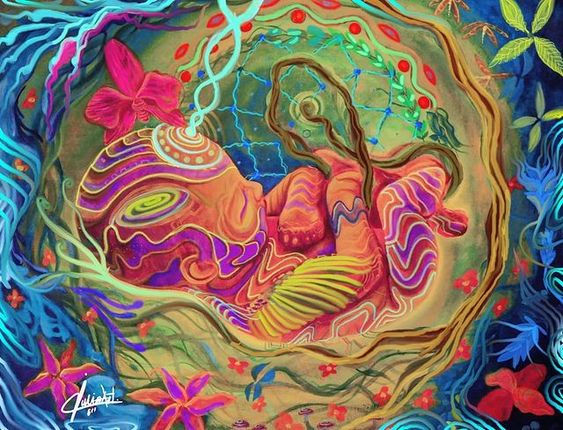 www.womenonpsychedelics.org
by Micah Stover | Women On Psychedelics | 5 Jun 2022
When I found myself in the midst of a postpartum crisis, I was blessed to have incredible support. I’d spent eight weeks in the hospital before my son was born two months ahead of schedule. I had hyperemesis. Then two placental abruptions, and finally, preeclampsia. By the time my son was in my arms, I’d been told consistently to prepare for all kinds of risks, including and worst of all, the risk that we might lose him. If there’s anything to make a mother lose her mind – it’s the thought of losing her child. So, given we’d made it through all that, and he was barely over three pounds – my sanity seemed understandably compromised.
The man-doctor-expert in Maternal Fetal Medicine called us both superheroes the day we went home. I felt anything but superhero. I was terrified to leave the hospital and all the nurses and machines to monitor my son’s stability.
I started seeing a psychologist early in my pregnancy when things went off the rails. In the days after we came home and I told her I was drinking five cups of coffee a day to stay awake, she insisted I rest. When I said I heard voices at night, she insisted I take medication. When I resisted medication, she insisted my husband come for a session. When he mentioned finding me in the bathroom with duct tape, considering the viability of taping my eyelids open – she really insisted on meds and intensive care.
I melted down in the car. I felt defeated. I told my husband I didn’t want to go on prescription drugs. I assured him that despite the red flags, I was somehow healing. The manic moments I experienced were punctuated by a new clarity. Of course, grandiosity and a sense of heightened awareness are also warning signs of mania. But my husband listened, and he told me he trusted me, he believed in me. That experience of unconditional love was new. He suggested we consult with my naturopath and the alternative therapist I’d begun seeing after coming home. She worked with plant medicines in the underground network. We decided if we could get the whole team on the same page with a solid plan for support, then I would try an alternate path.
All my bloodwork returned healthy and strong. My psychologist monitored my progress closely in three sessions each week. Despite her initial concerns, I remained stable. She and the alternative therapist had a consultation, and they agreed to collaborate in my support.
That was the beginning of my introduction to plant medicine. A crisis and a crack where the light came in, and the dark could have engulfed me, but didn’t.
This is not a path I recommend for the faint of heart. Nor is it one to be entered into without robust support. Had any of those players on my team not been supporting me, things could have gone very differently. Please if you find yourself in the swirl of postpartum pain – seek support. You are deserving. You are worthy. However fragile and broken you may feel in this moment – there is hope and there is healing. Trust your maternal intuition. It is there, underneath the hurt and the hormones, waiting to be resuscitated and nurtured back to life.
I started compulsively washing my hands when I was five. My mother discovered at Christmas in the middle of writing Santa, only I couldn’t finish my letter because I had to wash my hands so many times. In my five-year-old brain there was an entire formula and framework governing this purification ritual.
First, I washed my hands. Then, thoroughly, I washed the sink. Finally, carefully, I cleaned the light switch. Then, I would rinse again. Methodical, necessary, stressful, relieving. This was the swirl of emotions afforded my nervous system by way of the process.
After washing commenced, I still had to make it back to whatever I was doing before without re-contamination. For example, the brush of air against my skin before it was perfectly dry – this required starting the whole process over. The air and the world so full of germs, too much for my inner protector who was already creating a complex, secret infrastructure to keep me safe and clean.
I’d made at least ten trips to the bathroom before I finished writing Santa. My attempt at subtlety only thinly veiled the compulsion. I can hear the alarm in my mom’s voice, see it on her face as she grabbed and examined my cracked, bloody knuckles. How my little body felt caught and uncomfortable. Now that she was onto me, I would lose this mechanism for control as well. After that, I went to bed with Vaseline and wool socks on my hands until the cracks dried, and the blood was gone.
My girlhood was a swirl of rituals like this, along with Nancy Drew, playing school and hiding in the garden. I loved Nancy Drew and the idea that a girl could solve complex puzzles and problems. If she could do it, then so could I.
I played school because it afforded me the unique experience of control. My parents made jokes about what a mean teacher I was, always yelling at my stuffed animal students. That little girl must have held so much rage inside. That little girl who is also me.
The garden was the safe place, the place where I first met Pachamama. When the fighting would start, I’d sneak out the sliding door into the garden. I’d dig my toes and fingers into the dirt and pray. I see Little Girl Me most clearly in the garden, as if looking through a window straight into the past. Her blonde, wispy curls fall around her shoulders. Her tan little body perfectly designed. She’s precious but has no idea. Out there in Mother Nature’s lap, she doesn’t worry so much. She’s held and protected between the corn husks on her little mound of earth, where for a stint, she’s just a normal little girl without compulsions or fears, waiting for someone to let her know she’s sacred.
That little girl was still buried inside when I became a mom. She was trapped underneath volumes of memories and infrastructure, purification rituals accumulated and adapted along the way. I had no idea she was frozen in time, waiting for something to happen, for someone to save her.
In hindsight, it makes sense. All the searching and running I’d done, traveling around the world looking for a thing I couldn’t quite find. All the codependent, failed relationships. That little girl was looking for love only I’d outsourced the search, not realizing the one she was waiting for, was me.
My coping mechanisms were no match to the onslaught of postpartum malaise. The psychiatrist called it mania and suggested heavy duty pharmaceuticals. My body said no. My spirit said no. The violated girl screamed to be seen, reparented and released. The crack in my sanity was the sliver of self in which she’d been swallowed up and nearly extinguished. Only now, that sliver was momentarily and uniquely open again. The little girl me locked away in a sexual awareness, an adult world introduced far too soon.
PTSD and sexual trauma are often grossly misunderstood. We seek specific labels, diagnoses, solutions, looking from the outside in for a way to manage the symptoms. I’d been treated for anorexia, OCD, depression and anxiety. As a kid, they asked my parents if things were ok at home. But no one ever asked me. Maybe they did and I don’t remember. Maybe I was too afraid to tell the truth. The majority of child sexual abuse cases happen at home. Neuroses and diagnoses come much later and fail to get to the root, the actual source of the problem. So, what is buried remains. We pile things on top and move further and further from the truth.
There was something about the intense fragility of my postpartum body that created an opening back to little girl me. Once I stopped resisting her and fighting myself, I started to see the pattern beneath the surface, the ghosts in the yellow wallpaper of our collective past. Women breaking character and convention has always been problematic. They want us to be domesticated animals. Quiet, pretty, demure.
Only now, I was a woman who’d given birth to two sons. Two beautiful boys emerged from the same womb space acquainted with violation. The act of carrying my babies inside me, birthing them from my body was the most primal thing I’d done. The greatest reclaiming of myself as my own. The pain to birth them from my womb was real and affirming, and also, it was ecstatic. It shattered a numbness that had dominated my life and my sexuality. Their births made silencing the primordial scream not only unnecessary, but altogether impossible. My faint, apologetic voice shifted from a whisper to roar as I sprang them from my womb into the world.
Reflected through a kaleidoscope view of the past – I saw my life reflected back – the little girl washing her hands, hiding in the garden, the adolescent starving herself, the young woman on the run. So much ritual, so little transcendence. Until the ritual of birth. The midwives holding me, supporting me, encouraging me to scream. I was reborn in that moment alongside my babies, their innocence reconnecting me to my own.
I walked into psychedelic therapy hopeful and conflicted. All my conditioning said no while every other part of me said yes. I reconciled the difference by being clear on the goals driving my decision. I wanted to be a good mom, a mom who didn’t pass on my sexual shame.
Ceremony after ceremony, the medicine taught me how to reclaim myself and my rituals from patriarchal colonization. She showed me all the moments in which my body was taken from me, and how to get it back. One, after another, and another – she demanded my anesthetized sexuality rise up. She made it clear the commodification of my body and my orgasm, was the actual crime. Not me.
In 38 years of life, I’d never experienced an orgasm. I had no idea. It’s hard to go from sexual trauma to sexual pleasure. I didn’t realize my sexuality was a pantomime, or even a thing of value. I certainly didn’t understand how my sexuality had anything to do with being a good mother.
But the medicine made that explicit too by showing me it’s impossible to raise a generation of men who know how to honor women unless I first honor myself. And there is no honor without embodiment, and honor cannot simply be an intellectual, selective concept. It must be a lived experience in which we demand the objectification of our body stops. We must see ourselves as sacred before we can expect our sons, our lovers, our husbands to do the same.
Giving birth and having an orgasm are two sides of a single coin. Each reflects the epitome of power without ego, a great brush against the eternal, the exquisite range of a woman’s body, designed to do supernatural things. Each is a ritual and a ripple in time. The little girl in me, turned maiden, now mama spent years working at the wrong rituals, trying to wash away a filth that wasn’t hers. But not anymore.
About the Author: Raised on a farm in rural Tennessee, Micah Stover is now far from home in Mexico where she resides with her family and works as an integrative support therapist with trauma survivors. Micah is currently writing and revising a memoir, chronicling the path to healing intergenerational trauma and PTSD with MDMA, psilocybin and guided psychotherapy. To learn more about her work, check her Website or Instagram.
Postpartum, Psychedelics and Sexual Healing - A Journey of Rituals
Disclaimer: When I found myself in the midst of a postpartum crisis, I was blessed to have incredible support. I’d spent eight weeks in the hospital before my son was born two months ahead of schedule. I had hyperemesis. Then two placental abruptions, and finally, preeclampsia. By the time my...
www.womenonpsychedelics.org
Last edited:
How Women Inspired the Psychedelic Revolution
by Kelsey Ramsden | Green Entrepreneur | 30 Mar 2021
Despite the barriers for women throughout the development of psychedelic research, they have contributed greatly to the psychedelics industry, and they're fueling its renaissance.
In her talk "The Call to Courage," Brené Brown explained the fastest way to get a curious neighbor seated next to her on an airplane to lose interest in her and to look the other way. She simply had to tell him/her what she did for a living. Brown studies shame–shame–the word alone enough to stifle a seatmate's curiosity. Shame is one of those uncomfortable topics best left taboo–why not just discuss the weather?
I find myself in a similar position when I drop the word psychedelics. Pair it with "mental health," and it's a double whammy. While this field of work is guaranteed to elicit an emotion–curiosity first and foremost, the truth is, not everyone pursues their curiosity. Many do indeed turn the other way. And hence, the world of psychedelics exists, for many, as a colorful and trippy world for the existential hippie.
But what if you flip the order of the conversation from, "Hi there, I'm Kelsey Ramsden, CEO of MindCure Heath, a mental health company investigating therapeutic uses for psychedelic drugs," to "I'm Kelsey Ramsden, two-time winner of Canada's Top Female Entrepreneur." The average interlocutor no longer turns the other way. Rather, I've gained their respect. Labels, awards, and publicly recognized honors are like a warm blanket. I'm suddenly safe. In my mind, I've just built a platform on which to throw a curveball–more on that later.
Labels aside, I want to pay homage to said platform like the one I've built stands upon the shoulders of many women before me. Women who have accomplished incredible work and research in psychedelics, women who were vilified in much more severe ways than risking an airplane seatmate to turn the other way. And what better time to talk about women pioneers of psychedelics than during International Women's Month?
Women's contributions to psychedelic medicine
Let's go way back. I'm talking about Adam and Eve. Our girl Eve was described in a book review by Patricia C. Morningstar, Ph.D., as "the first drug user, abuser, and law defier, since eating the forbidden fruit … approximating the effects of a sacred drug plant that temporarily produces feelings of cosmic perspective." In other words, she consumed a controlled substance to alter her cognition and then was punished for it.
Did we fall so far from the tree?
Eve was curious, brave, a survivalist. Indeed, a necessity to make it in the early days. Survivalism aside, for many cultures, past and present, psychedelics have been used to induce a kind of rebirth. When we start to acknowledge such powerful uses for psychedelic substances, it's hard to fathom the stigma that overtook psychedelics over the past 60 years.
The early years of psychedelic research saw similar experiences, with psychedelics becoming the new forbidden fruit. Eve's apple brought knowledge and suffering, whereas psychedelics offered deeper knowledge and healing — an end to suffering. Still, research halted in the 1970s.
Well, let's call it a hiatus. Eve, as a woman taking the first steps into a mind-altering substance, is not alone. The accomplishments of our predecessors are not wasted. Their legacy lives on with the women leading the renaissance of psychedelic research.
We'll get to those women in my next piece because, first, I want to talk about what was holding them back.
The barriers for women in psychedelic research
Let's first point out the obvious: Women faced the challenge of gender discrimination that discouraged their presence in education, career options, and other spheres dominated by men.
For example, Researchers looked at LSD as a potential treatment for alcoholism. But since gender segregation prevented women from attending pubs even into the 1970s, men developed alcoholism more rapidly. This resulted in men owning the space of LSD-assisted therapy for alcoholism.
Additionally, women in "child-bearing years" were discouraged and excluded from participating in clinical trials for fear of risking their bodies' reproductive abilities. You know the drill, send 'em back home where they can clean and produce offspring.
Of course, these reasons hint at the societal context and misconception that positioned women as lesser beings who were just not smart enough for life sciences (a.k.a., "men's work"). Many women involved in research co-authored their findings with men or worked behind the scenes, hiding their names and sacrificing deserved credit to improve the study of psychedelic substances.
In our current psychedelic renaissance, we're looking to them.
Behind the scenes: the wives of psychedelia, a framework for guides and sitters
Remember when the majority of homes were single-family income because women were at home? Of course, you do, because it wasn't that long ago. Historian Erica Dyck, Ph.D., explains in an interview how this arrangement allowed for men and women to contribute to the husband's role. Dr. Dyck claims that "Women were almost always involved in the counseling sessions, recruitment, etc., but are very rarely identified in the published work. The legacy of that history continues to distort our understanding of who does the work, and what kind of work is valued."
Wives provided feedback, took notes, and even participated in psychedelic experiences. Laura and Ellen Huxley, Mary Agnew, and Rose Hoffer comforted their husbands, participated in critical reflections, and set the framework for hallucinogenic guides and sitters. While these roles were behind the scenes, they were crucial nonetheless.
by Kelsey Ramsden | Green Entrepreneur | 30 Mar 2021
Despite the barriers for women throughout the development of psychedelic research, they have contributed greatly to the psychedelics industry, and they're fueling its renaissance.
In her talk "The Call to Courage," Brené Brown explained the fastest way to get a curious neighbor seated next to her on an airplane to lose interest in her and to look the other way. She simply had to tell him/her what she did for a living. Brown studies shame–shame–the word alone enough to stifle a seatmate's curiosity. Shame is one of those uncomfortable topics best left taboo–why not just discuss the weather?
I find myself in a similar position when I drop the word psychedelics. Pair it with "mental health," and it's a double whammy. While this field of work is guaranteed to elicit an emotion–curiosity first and foremost, the truth is, not everyone pursues their curiosity. Many do indeed turn the other way. And hence, the world of psychedelics exists, for many, as a colorful and trippy world for the existential hippie.
But what if you flip the order of the conversation from, "Hi there, I'm Kelsey Ramsden, CEO of MindCure Heath, a mental health company investigating therapeutic uses for psychedelic drugs," to "I'm Kelsey Ramsden, two-time winner of Canada's Top Female Entrepreneur." The average interlocutor no longer turns the other way. Rather, I've gained their respect. Labels, awards, and publicly recognized honors are like a warm blanket. I'm suddenly safe. In my mind, I've just built a platform on which to throw a curveball–more on that later.
Labels aside, I want to pay homage to said platform like the one I've built stands upon the shoulders of many women before me. Women who have accomplished incredible work and research in psychedelics, women who were vilified in much more severe ways than risking an airplane seatmate to turn the other way. And what better time to talk about women pioneers of psychedelics than during International Women's Month?
Women's contributions to psychedelic medicine
Let's go way back. I'm talking about Adam and Eve. Our girl Eve was described in a book review by Patricia C. Morningstar, Ph.D., as "the first drug user, abuser, and law defier, since eating the forbidden fruit … approximating the effects of a sacred drug plant that temporarily produces feelings of cosmic perspective." In other words, she consumed a controlled substance to alter her cognition and then was punished for it.
Did we fall so far from the tree?
Eve was curious, brave, a survivalist. Indeed, a necessity to make it in the early days. Survivalism aside, for many cultures, past and present, psychedelics have been used to induce a kind of rebirth. When we start to acknowledge such powerful uses for psychedelic substances, it's hard to fathom the stigma that overtook psychedelics over the past 60 years.
The early years of psychedelic research saw similar experiences, with psychedelics becoming the new forbidden fruit. Eve's apple brought knowledge and suffering, whereas psychedelics offered deeper knowledge and healing — an end to suffering. Still, research halted in the 1970s.
Well, let's call it a hiatus. Eve, as a woman taking the first steps into a mind-altering substance, is not alone. The accomplishments of our predecessors are not wasted. Their legacy lives on with the women leading the renaissance of psychedelic research.
We'll get to those women in my next piece because, first, I want to talk about what was holding them back.
The barriers for women in psychedelic research
Let's first point out the obvious: Women faced the challenge of gender discrimination that discouraged their presence in education, career options, and other spheres dominated by men.
For example, Researchers looked at LSD as a potential treatment for alcoholism. But since gender segregation prevented women from attending pubs even into the 1970s, men developed alcoholism more rapidly. This resulted in men owning the space of LSD-assisted therapy for alcoholism.
Additionally, women in "child-bearing years" were discouraged and excluded from participating in clinical trials for fear of risking their bodies' reproductive abilities. You know the drill, send 'em back home where they can clean and produce offspring.
Of course, these reasons hint at the societal context and misconception that positioned women as lesser beings who were just not smart enough for life sciences (a.k.a., "men's work"). Many women involved in research co-authored their findings with men or worked behind the scenes, hiding their names and sacrificing deserved credit to improve the study of psychedelic substances.
In our current psychedelic renaissance, we're looking to them.
Behind the scenes: the wives of psychedelia, a framework for guides and sitters
Remember when the majority of homes were single-family income because women were at home? Of course, you do, because it wasn't that long ago. Historian Erica Dyck, Ph.D., explains in an interview how this arrangement allowed for men and women to contribute to the husband's role. Dr. Dyck claims that "Women were almost always involved in the counseling sessions, recruitment, etc., but are very rarely identified in the published work. The legacy of that history continues to distort our understanding of who does the work, and what kind of work is valued."
Wives provided feedback, took notes, and even participated in psychedelic experiences. Laura and Ellen Huxley, Mary Agnew, and Rose Hoffer comforted their husbands, participated in critical reflections, and set the framework for hallucinogenic guides and sitters. While these roles were behind the scenes, they were crucial nonetheless.
Last edited:
Stepping out of Fear & Into Healing: The Importance of Integration
by Kysha Lane & The University British Columbia Psychedelic Society | Women On Psychedelics | 5 May 2022
What happens when people who want to heal from drug or alcohol abuse don't have a safe space to focus on mitigating their circumstances? We see a large population fall out of their journey. Imagine you just had a mind-bending experience with no one to help you decipher what the hell you just saw. Integration is a fundamental KEY for people to keep their head above water when wading into the possible darkness of healing. Being able to convey to an individual what you were shown creates a stronger guarantee that they will be able to return to their normal lives and adequately thrive within their bubble.
There are stories of people who had everything they could ever want in life, that they want no more, that is, until they hit their version of rock bottom and decide that they can no longer continue living as they have been. For those who have chosen the path of Plant Medicines as a tool for their own personal journey, they are about to step into a very different way of coexisting with their demons. Unlike prescriptions and over-the-counter medication from a pharmacy.
Now the time has come for them to sit in ceremony with these remedies, some may think that the medicine is what heals them, when in fact, it's you that heals you. Partaking in any plant medicine or medically controlled therapy (i.e ketamine, MDMA, etc.) is only a small fraction of the journey, the rest is you working through what was brought to your attention through intention. This may invoke an intimidating thought, “How am I supposed to do this alone?”
Well, you aren’t. No one should ever walk a healing path alone. Many people who start working with these medicines think that they are strong enough to integrate themselves, but become frustrated and lose hope when things aren't working out the way they imagined. If you tried to amalgamate yourself with an overwhelming amount of new information in your head, you might not prioritize these new findings accordingly.
There are individuals out there with jeopardy-level intelligence and insight, who have dedicated their lives to helping others use this newfound knowledge in a way that presents itself as simple and non-threatening. The ability to converse through visions and feelings establishes the grounding that the body and soul need after such a wild experience.
There needs to be a large push from the integration community to show people that there is no shame in talking it out, nothing to fear in what you saw and experienced and that a plethora of resources and humans are wanting to help you on this odyssey. I believe deep down in the individuals who have begun this cavernous journey, there is an unsatiated need for assistance. Perhaps stigma and discomfort have rooted themselves so well into the human, that calling out for help is seen as a weakness. Then we circle back to the thought of, ‘one should be able to do this work on their own.’
The yearning for community and guidance is there, but in a world filled with technology, it's easy to lose the actual meaning of those words. Often these devices are more divisive, bringing around a false sense of security, a way of diversion from actual problems. I also think there comes a time of self-actualization for us when we actually disconnect from the collective connection and look up. An, “Oh shit” moment, if you will.
On the flip side though, using technology is one of the easiest ways to get the word around that there is a surplus of resources and info out there for people to frequently use. Then the step of trial and error occurs trying to find an integration circle or counselor who resonates with you. It may take time, trying to find the right frequency but don’t let that discourage you from your healing process.
Noor Hussain Ramadhan is the Co-Vice President of the UBC Psychedelic Society and I had the privilege of learning about her journey and gaining insight into this important topic.
Noor: I've always been an extremely anxious person and developed depression when I first moved to Canada from the Middle East. A friend of mine introduced me to MDMA (the first drug I’ve ever taken) and it completely opened my eyes to how beautiful life could be… to the point that it took away my depression/anxiety for a good 4-6 months (without redosing).
I was extremely shocked at how a blissful drug like MDMA was illegal and more harmful drugs like alcohol/tobacco are not. It made me question our societal norms and stigma surrounding drugs. This made me change my career path completely from studying international business, to psychology. I am now focusing my research on the benefits of psychedelics in treating mental health disorders.
I asked Noor the following;
What does integration look like to YOU?
Noor: Integration is the processing that comes after a psychedelic experience, where you explore challenges and insight that arise during a psychedelic experience. Psychedelic experiences have the potential to bring up lots of grand ideas, sensations, and feelings. Integration requires that we engage with these ideas and feelings to work on self-development and understanding ourselves from a third perspective.
If you do not integrate an experience, you will likely forget the experience and relapse into your old patterns.
Integration comes in many forms, some that I engage in are journaling, integration circles (similar to support groups), meditation and seeing a psychedelic integration therapist.
How can we as facilitators help people ease into the integration part of healing, helping them know that they are not alone?
Noor: As facilitators, I think you should emphasize the importance of integration. As a shaman once said, "only 10% of your healing comes from the psychedelic experience, and 90% of it comes from integration". As facilitators, you should make sure you hold a safe space for integrating people’s experiences afterwards. Some people may be uneasy and need extra support after a psychedelic experience, which is important for a facilitator to either hold space for them or refer them to an integration specialist.
In my experience, attending integration circles have been super helpful as I embark on this healing journey. Sometimes you can't really make sense of an experience, and discussing it with others who've experienced similar things can give you clarity. I find the healing process to be more meaningful and quicker when I integrate. Also, hearing about other people's experiences makes you realize you are not alone on this journey.
Another great thing about integration circles is you get to meet like-minded people and build a community!
Some resources for integration: The UBC Psychedelic Society do host integration circles which are held by well-known psychedelic integration therapists, you can find out about these through our Facebook group and Instagram. Also, there is a Women in Psychedelics MeetUp group (and others) hosted once monthly, the Flying Sage, and Intronaut.
What is one piece of advice you would give to others who want to begin their healing path with plant medicines?
Noor: It's not easy, don't expect it to be all fun and cheerful. Psychedelics are not the 'healer', you are, and you will need to work on yourself to achieve the benefits from this powerful medicine.
A lot of people get into psychedelics thinking they're going to magically cure them. However, this is not the case...psychedelics are just a tool, they're not going to fix you. You need to do the work yourself.
Do you recommend this type of healing pathway for everybody?
Noor: No, it's not for everyone. It can actually make some people even more down than they already are because it can distort some people's belief systems and realities. You need to be curious about this healing pathway and research it well enough before you start to make sure this is something that fits you.
A big takeaway from this is that people need to be open to the possibility of co-creating companionship and community with others who are on the same path. Healing is much easier to do when you have someone who understands all the hidden uglies and who has a shoulder to lean on, and an ear to hear.
My hope to all of those reading and who have started or are wanting to start this journey is that you have the building blocks to start creating your team. That you no longer have to live in the ‘in between’ of any sort of mental game you play with yourself. Not letting the pain get in the way of you moving the mountains that need to be split. You are so worthy of healing.
-------------------------------------------------------
About the Author: Kysha Lane, adopted from Russia, with a very colorful ethnic background. She was brought to Canada when she was two years old and still reside in BC. Plant Medicines have always been in her scope. But by being raised in a religious home, her parents thought they were doing what was right by telling her siblings and her that these ‘drugs’ could cause insurmountable damage.”
Being a twenty-four-year-old, mom of two, Kysha teaches Pre & Postnatal Yoga to help facilitate early healing and proactive guidance for labor. She turned to plant medicines as a way to help with Postpartum and found solace in microdosing & cannabis.
Stepping Out of Fear & Into Healing: The Importance of Integration
Fear hinders so many people from reaching deep within themselves and unearthing the desire for true healing. Stigma may hold them back coupled with the lack of support they (painfully) need. Humans yearn for sustenance in almost every aspect of life, the healing peregrination is no different and...
www.womenonpsychedelics.org
Cannabis use in pregnancy linked to a greater risk of autism in children
The Ottawa Hospital | Neuroscience News | 10 Aug 2020
Women who use cannabis during pregnancy are at increased risk of their child being diagnosed with autism.
In the largest study of its kind, Ottawa researchers found that children whose mothers reported using cannabis during pregnancy were at greater risk of autism.
The incidence of autism was 4 per 1000 person-years among children exposed to cannabis in pregnancy, compared to 2.42 among unexposed children. The findings were published in the prestigious medical journal Nature Medicine.
Recreational cannabis is now legal in Canada, but that doesn’t mean it’s safe for people who are pregnant or breastfeeding. Health Canada and the Society of Obstetricians and Gynaecologists of Canada recommend against these populations using cannabis, and health warnings to this effect appear on cannabis packaging.
“Despite these warnings, there is evidence that more people are using cannabis during pregnancy,” said Dr. Mark Walker, Chief of the Department of Obstetrics, Gynecology and Newborn Care at The Ottawa Hospital, professor at the University of Ottawa and senior author on the study. “This is concerning, because we know so little about how cannabis affects pregnant women and their babies. Parents-to-be should inform themselves of the possible risks, and we hope studies like ours can help.”
The research team reviewed data from every birth in Ontario between 2007 and 2012, before recreational cannabis was legalized. Of the half a million women in the study, about 3,000 (0.6 percent) reported using cannabis during pregnancy.
The researchers had previously found that cannabis use in pregnancy was linked to an increased risk of preterm birth, and created an animated video to summarize their findings. In that study, they found that women who used cannabis during pregnancy often used other substances including tobacco, alcohol and opioids.
Considering those findings, in the current study the researchers specifically looked at 2,200 women who reported using only cannabis during pregnancy, and no other substances. They found that babies born to this group still had an increased risk of autism compared to those who did not use cannabis.
The researchers do not know how much cannabis the women were using, how often, at what time during their pregnancy, or how it was consumed. They also note that while they tried to control for other factors that could influence neurological development, their study can still only show association – not cause and effect.
As cannabis becomes more socially acceptable, health-care researchers are mindful that some parents-to-be might think it can be used to treat morning sickness.
“In the past, we haven’t had good data on the effect of cannabis on pregnancies,” said Dr. Daniel Corsi, Epidemiologist at The Ottawa Hospital and BORN Ontario, which is affiliated with the CHEO Research Institute. “This is one of the largest studies on this topic to date. We hope our findings will help women and their health-care providers make informed decisions.”
Women who are thinking about or currently using cannabis during pregnancy should talk to their health-care provider to help make an informed choice about what is best for them and their baby.
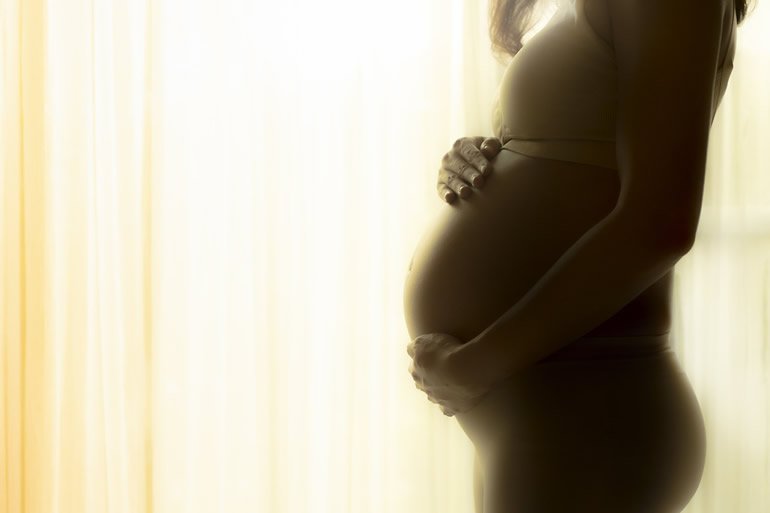
Cannabis Use in Pregnancy Linked to a Greater Risk of Autism - Neuroscience News
Women who use cannabis during pregnancy are at increased risk of their child being diagnosed with autism.
 neurosciencenews.com
Last edited:

Women’s Health and Psychedelics – New Insights
Using validated behavior models and known standards, studies are finding significant differences between male and female rodents given psychedelic drugs.
Psychedelic Science Review - July 18, 2024 - by Science Review Team
In 2019, Psychedelic Science Review published articles summarizing a few studies that focused on gender-dependent effects of psychedelics. These included “Psychedelics and Women’s Health” and “Female Hormones, 5-HT2A Receptors, and Psychedelics.” There has been considerable progress in this area over the past five years, and this article aims to provide an update on those advances.
The unique pharmacology of female animals is still a relatively new and unexplored topic. Accordingly, there are still many opportunities for pioneering discoveries of broad, sweeping importance. Below are summaries of the sex-related differences that were observed in several studies published since 2019.
Sex Differences with Microdosing DMT
This 2019 study by Cameron et al. explored the effects of low doses (1 mg/kg) of DMT (dimethyltryptamine) administered on a chronic (~ 2 months), intermittent (every third day) basis on mood and anxiety-related behaviors in rats.
- Fear Extinction Learning –
- Both male and female rats showed improved fear extinction learning with chronic, intermittent low doses of DMT.
- While no sex differences were observed, both groups displayed significant improvements in fear reduction.
- Antidepressant-like Effects –
- Both sexes showed decreased immobility in the forced swim test (FST, a known model for measuring the effectiveness of antidepressants).
- Female rats showed a significant decrease in immobility (p = 0.02), suggesting stronger antidepressant-like effects compared to males (with males, the trend was not statistically significant after controlling for multiple hypothesis testing).
- Body Weight and Metabolic Effects –
- Male rats treated with DMT gained a significant amount of body weight compared to the control, female rats did not.
- This points to a gender-specific metabolic response to DMT microdosing, where males may experience different metabolic alterations than females under the same dosing regimen.
- Neurobiological Changes – In the analysis of dendritic spine density in the prefrontal cortex (PFC), male and female rats showed different responses.
- Male rats did not show changes in dendritic spine density, whereas female rats demonstrated a significant decrease in spine density per unit length in the PFC (pre-frontal cortex).
- This suggests a potential sex-specific neuroplastic response to chronic DMT microdosing.
Sex Differences in Response to 5-MeO-DMT
This 2020 article in The Journal of Medicinal Chemistry by Dunlap et al. compared the psychoplastogenic effects of various compounds, primarily focusing on the structural modifications of N,N-Dimethyltryptamine (DMT) to produce derivatives with reduced hallucinogenic potential and enhanced neurotherapeutic properties.2 In the paper, the authors reported murine head-twitch response (HTR) data for 5-MeO-DMT and differentiated between the male and female mice.
- Female mice demonstrated a more pronounced response to 5-MeO-DMT in HTR assays, which may suggest sex-specific pharmacodynamics that could be relevant in clinical settings (Figure 1).
- 5-MeO-DMT caused a more robust dose-dependent HTR in female mice than in males.
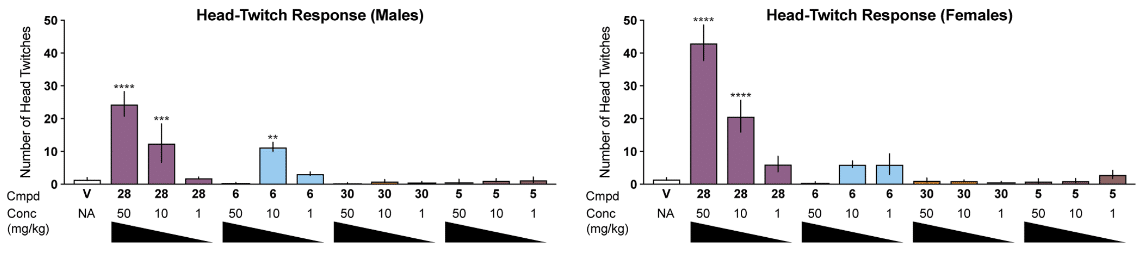
Figure 1: (click to enlarge) Mouse HTR assays demonstrate that psychoplastogenic isoDMTs exhibit reduced hallucinogenic potential. Male and female mice were administered drugs via intraperitoneal injection, and the number of head-twitches was recorded over the next 20 min (n =3−8 mice per condition).2 Data are represented as mean ± SEM. *p < 0.05, **p < 0.01, ***p < 0.001, ****p < 0.0001, as compared to the vehicle control following a oneway ANOVA with Dunnett’s post hoc test. V = vehicle, 28 = 5-MeO-DMT, 6 = 6-MeO-isoDMT, 30 = 6-MeO-DMT, 5 = 5-MeO-isoDMT.
Sex Differences in the Response to
Vohara et al. examined the effects of DOI (1-(2,5dimethoxy-4-iodophenyl)-2-aminopropane)on prepulse inhibition (PPI) of startle in male and female mice.3 PPI is a measure of sensorimotor gating that is often disrupted in psychiatric conditions. The mice received an intraperitoneal dose of DOI at 0.5 mg/kg.
Startle Amplitude and PPI:
- The study found a positive correlation between increased startle amplitude and PPI in male mice.
- In female mice, the increase in PPI occurred independently of changes in startle amplitude.
In other words, if a male mouse has a strong reaction to a loud sound, it’s also likely to be better at staying calm if it gets a little warning before the sound. And, even if a female mouse does not react strongly to the loud sound, she can still manage to remain calm when given a small warning signal. In real-world terms, these behaviors indicate that male and female mice might handle alertness and sudden changes in their environment differently. Male mice might rely more on how strongly they respond to adjust their readiness for subsequent stimuli, while female mice manage their response independently of how strong their initial reaction was.
Head-Twitch Response:
- The data revealed that DOI significantly increased HTR in both male and female mice.
Coupling the HTR, startle amplitude, and PPI data suggests that –
While the mechanisms influencing startle response and PPI are sex-dependent, the basic hallucinogenic response measured by HTR is not.
Sex and Mouse Strain Differences in Response to DOIIn a 2022 study, Jaster et al. discovered several intriguing sex-dependent responses when they examined the impact of DOI on the HTR in two strains of male and female mice.4 They also assessed the in vivo 5-HT2A-dependent signaling, and investigated the pharmacokinetic characteristics of DOI in different sexes.
Head-Twitch Response:
- Female C57BL/6J mice displayed a significantly higher number of DOI-induced HTRs compared to their male counterparts (Figure 2). This was quantified in experiments where both low (0.5 mg/kg) and moderate (2 mg/kg) doses of DOI were administered.
- At a DOI dose of 2 mg/kg, female mice exhibited heightened HTR compared to males during the first 90 minutes post-administration.
- The statistical analysis (two-way ANOVA) showed significant interactions between time and dose, as well as sex and dose, indicating that both the timing and the amount of DOI significantly influenced HTR and that these effects were sex-dependent.
- Interestingly, there was no significant difference in HTR counts between males and females when the researchers used 129S6/SvEv strain mice.
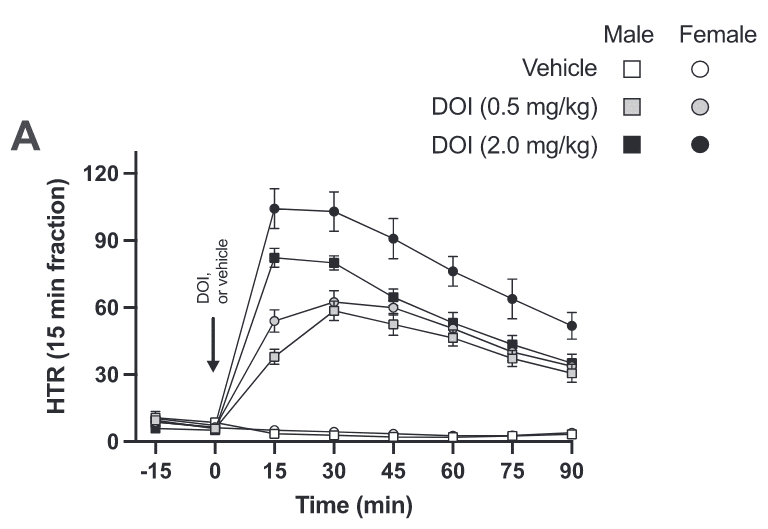
Figure 2: (click to enlarge) Effect of DOI on HTR in male (n = 12–15) and female (n = 10–15) C57BL/6J mice.4 A) Time-course showing HTR counts in 15 min blocks corresponding to different doses of DOI (0.5 mg/kg and 2 mg/kg) or vehicle. Back arrow shows the administration time-point (t = 0).
Pharmacokinetics and Pharmacodynamics:
This aspect of the study revealed some very significant findings.
- Brain and Plasma Concentrations:
- Brain and plasma concentrations of DOI were lower in female mice compared to male mice at both 30 and 60 minutes after administration. This suggests faster metabolism or different distribution dynamics in females.
- At 30 minutes post-DOI administration, the concentration of DOI in the frontal cortex of male mice was significantly higher than in females.
- 5-HT2A Receptor Signaling:
- Despite differences in plasma DOI concentrations, the activation of the 5-HT2A receptor as measured by downstream signaling did not show significant sex differences. This implies that while the exposure levels of DOI differ between sexes, the receptor-level response to DOI might be similar once it binds to the receptor.
Differences in Amygdala Activity and Reactivity With Psilocin
A 2023 study by Effinger et al. provides insights into how psilocin, the active metabolite of psilocybin, affects central amygdala (CeA) activity and reactivity in the brain of male and female Sprague-Dawley rats.5 The rats received 2 mg/kg of psilocin dissolved in 2% glacial acetic acid via a subcutaneous injection. Data were gathered 2, 6, and 28 days post administration.
Psilocin’s Effects on CeA Activity
The primary method of measuring CeA activity was the expression of c-Fos, a gene that is upregulated following neuronal activation.
- Females showed an acute increase in c-Fos expression in the CeA, indicating heightened neuronal activity. This was consistent across the central amygdala but was particularly notable in the capsular division of the CeA.
- Similar increases in c-Fos expression in males were observed, however, the authors noted that the pattern of expression and the specific areas of the CeA affected were not as distinctly elevated as in females.
- These data suggest that there are variations in how psilocin modulates neuronal circuits in males and females.
How the CeA Responds to an Aversive Stimulus with Psilocin
Responses from the CeA were assessed by observing the reactions of rats to an aversive air-puff stimulus.
- Females showed heightened responsiveness to the air-puff stimulus. Behaviorally, this was reflected in increased threat responding behaviors but not in exploratory behavior or general locomotion.
- The immediate effects of psilocin on CeA reactivity in males were less pronounced. Interestingly, males showed a time-dependent decrease in CeA reactivity starting as early as two days post-administration and persisting up to 28 days.
These observations suggest that females may experience more intense and immediate changes in CeA reactivity and behavioral output in response to psilocin, whereas males may exhibit more subdued immediate effects but significant long-term decreases in reactivity.
Long-Term Effects on CeA Reactivity
Long-term changes in CeA reactivity were particularly notable in how they diverged between sexes:
- Females showed long-term increases in CeA reactivity at specific follow-up time points, but these did not display a consistent pattern as seen in males. This suggests a less predictable or stable long-term effect of psilocin on CeA activity in females.
- Males showed a consistent decrease in CeA reactivity over the long term, indicating a sustained suppression of reactivity to the aversive stimulus. This was unlike the pattern seen in females and suggests a sex-specific mechanism in how psilocin influences neural plasticity and reactivity over time.
The comparative data from the study indicate that while both sexes respond to psilocin with initial increases in CeA activity, the duration, consistency, and behavioral implications of these responses are distinctly sex-dependent.
In 2024, Kelly et al. reported that the tryptamine 4-HO-DiPT had strong agonist activity at human 5-HT2A/2B/2C receptors and was almost a full agonist at 5-HT2A.6 Although the authors observed comparable receptor activity in adult C57BL/6 J male and female mice, they noted sex differences in a fear extinction model. When female mice were given 4-OH-DiPT before extinction training, they showed less anxiety in the light-dark box test, novelty suppressed feeding, and the elevated plus maze. The data were significant at the high dose (3 mg/kg i.p.) for both sexes but only the females at the low dose (1 mg/kg i.p.). The authors reasoned that “4-OH-DiPT activates interneurons to enhance GABAergic inhibition onto principal neurons in the BLA [basolateral amygdala].”
In 2024, Kelly et al. reported that the tryptamine 4-HO-DiPT had strong agonist activity at human 5-HT2A/2B/2C receptors and was almost a full agonist at 5-HT2A.6 Although the authors observed comparable receptor activity in adult C57BL/6 J male and female mice, they noted sex differences in a fear extinction model. When female mice were given 4-OH-DiPT before extinction training, they showed less anxiety in the light-dark box test, novelty suppressed feeding, and the elevated plus maze. The data were significant at the high dose (3 mg/kg i.p.) for both sexes but only the females at the low dose (1 mg/kg i.p.). The authors reasoned that “4-OH-DiPT activates interneurons to enhance GABAergic inhibition onto principal neurons in the BLA [basolateral amygdala].”
Conclusions and Path Forward
Recent studies reveal that psychedelic drugs including DMT, 5-MeO-DMT, DOI, and psilocin affect female rodents differently than males, underscoring the need to more fully embrace and investigate sex as a biological variable in psychedelic research. Women are unique in their physiological and psychological makeup. Understanding the mechanisms behind these differences is crucial for developing tailored dosages and therapeutic strategies that optimize outcomes and minimize risks for women in clinical trials.

 psychedelicreview.com
Women’s Health and Psychedelics - New Insights
Using validated behavior models and known standards, studies are finding significant differences between male and female rodents given psychedelic drugs.
psychedelicreview.com
Last edited:
Is MDMA the key to treating women with PTSD?
by Kelley McMillan
On a bright, sunny morning in June 2012, 36-year-old massage therapist Roxxann Murphy and her husband, David, 34, were driving to Oklahoma City's Myriad Botanical Gardens with their 18-month-old daughter, Romy. Almost as soon as David—blond and handsome, with light-blue eyes—turned their Honda Fit onto the highway, they saw a man waving wildly for assistance on the right side of the road. Eager to help, David slowed down and parked the car. It turned out to be a domestic disturbance between the man and his female companion; after making sure the couple was OK, David began walking back toward Murphy, the flat plains framing his athletic build.
Suddenly, a car swerved from the highway at 70 miles per hour, striking David and another man who had stopped to help. Murphy recalls watching the stranger fly through the air upside down. He's not going to survive, she thought. Then she saw David's body roll to a stop in the grass that lined the highway. "David! David!" she screamed, before grabbing Romy from her car seat and running to his side. He was unconscious by the time she reached him, with blood seeping from a deep gash in his forehead and nose. She knelt beside him, gently stroking his head and body with one arm while breast-feeding Romy in the other, the only thing that would soothe her crying daughter. Sunlight streamed down and small crickets hopped over David's body as Murphy begged him not to leave her. An hour later, they were still waiting for an ambulance to arrive. "I felt him dying," Murphy says. Soon, he was gone.
Immediately after the accident, Murphy began having flashbacks. She jumped at noises. She hallucinated that shadowy, hulking men stood by her bed. She lost 25 pounds and rarely slept; when she did, she dreamed of blood, gore, and body parts. Her waking hours were spent in a zombie-like state. Mostly, she fantasized about bashing her brain with a hammer; but she had to stick around for Romy, which made her resentful.
So a few weeks after David's death, she began seeing a cognitive behavioral therapist at the University of Oklahoma. He diagnosed her with post-traumatic stress disorder, or PTSD, a condition characterized by flashbacks, feelings of hopelessness, and emotional numbing that affects 8 million U.S. adults (81 percent of them women) and can occur when someone experiences a traumatic event like military combat or sexual assault. But even with weekly therapy, Murphy was still suicidal two years after the accident. Desperate for something that would keep her alive for her daughter, she sought out alternative PTSD treatments online, and finally, as a last-ditch effort, took a weeklong trip to Boulder, Colorado, to join a progressive clinical trial that would eventually save her life: a psychotherapy session catalyzed by the hallucinogen MDMA.
Better known by its street names, Molly or Ecstasy, and long viewed as a party drug, 3,4-methylenedioxy- methamphetamine, or MDMA, is currently being studied as a treatment for chronic, treatment-resistant PTSD in four FDA-approved, phase-two clinical studies: in Boulder; Charleston, South Carolina; Vancouver, British Columbia; and Beer Yaakov, Israel (international studies can be used in the FDA-approval process). Over the course of about five months, the trials' 98 subjects, including 54 women, ingest between 75 and 188 milligrams of MDMA during three- to five-day psychotherapy sessions (comparable to a street dose), supplemented by about 20 hours of non-drug-enhanced talk therapy with mental-health professionals. Lauded for its ability to break down emotional barriers, enhance communication skills, and promote deep introspection, the drug acts not as a medication, but as a catalyst to psychotherapy, many times achieving in a few sessions what might take years in traditional therapeutic settings.
Results from an earlier phase-two study in Charleston completed in 2008 (there are three stages for a medication to get FDA approval) showed great promise: After just two sessions of MDMA- assisted psychotherapy, 83 percent of participants no longer qualified for a PTSD diagnosis, compared with only 25 percent who were cured from talk therapy alone. If these current trials are successful, MDMA-assisted psychotherapy may become a prescription treatment for PTSD and radically change how we treat a wide range of psychiatric illnesses, like autism, anxiety, and anorexia.
Though it's frequently associated with war veterans, PTSD is common in civilian women; one in 10 women will experience it in their lifetime, owing, in part, to the fact that women are more likely to suffer sexual trauma, the type of incident that most frequently leads to the disorder. Standard treatments for PTSD include antidepressants and talk therapy, but their efficacy is mediocre at best: In clinical trials, these therapies were ineffective for about 25 to 50 percent of patients.
About two years after David's death, Murphy sat in the bright, airy office of therapist Marcela Ot'alora, the Boulder study's lead investigator, preparing to embark on her first MDMA-assisted psychotherapy session. She was nervous to take the hallucinogen in front of a therapist, especially one she didn't know. Rhythmic drumming played on the stereo in the background. Lit candles adorned a table where Murphy placed a photo of her and David kissing in a field of goldenrod.
Twenty minutes after Murphy swallowed her capsule of MDMA, the drug took hold. Murphy envisioned herself rocketing through the earth's atmosphere toward space, where she came upon David, illuminated like a zodiac drawing among the stars. They spoke about the mundane—her travel hiccups getting from Oklahoma to Boulder—and the profound. She updated him on his family, shared her worries about Romy's future, and expressed anger with him for leaving her to raise their daughter alone. He nodded knowingly and assured her with his big Aw, shucks smile. Then Murphy asked him a question: "How big are you?" David threw open his arms, which unfurled into wings that stretched across the entirety of the universe. After two years of terror and grief, Murphy finally felt peace.
MDMA-assisted psychotherapy may seem like a novel treatment born of the medical-marijuana age. But this new round of research is, in fact, revisiting old ground. Before it was co-opted by club-goers, MDMA was used by therapists during similar intensive, daylong therapy sessions in the late 1970s and early '80s. California therapist and pioneer of the psychedelic psychotherapy movement Leo Zeff coined it "penicillin for the soul." In 1985, the Drug Enforcement Administration (DEA) classified it as a schedule I substance, along with heroin and LSD—a designation given to "drugs with no currently accepted medical use and a high potential for abuse."
That kicked off years of bad publicity for MDMA, including inaccurate claims that MDMA causes Parkinson's disease and holes in the brain, and permanently damages serotonin reserves. In reality, no studies have shown that clinical usage—that is, taking pure MDMA in moderate doses under medical supervision a limited number of times—leads to long- term cognitive damage, according to Matthew Johnson, associate professor of psychiatry and behavioral sciences at Johns Hopkins Medicine. MDMA has been administered in various studies to more than 1,113 subjects, with only one report of a serious, drug-related adverse event, which ended once the drug wore off. (A subject was admitted to the hospital with an irregular heartbeat and was released the next day.)
Recreational and pharmaceutical MDMA barely resemble each other, however. While the terms MDMA, Ecstasy, and Molly are used interchangeably, Molly or Ecstasy bought on the street is often misrepresented or cut with dangerous adulterants, like methamphetamine, and rarely contains actual MDMA. (Only 9 percent of the Molly the DEA collected in New York state in 2013 contained the pure form of the drug.) And using even pure MDMA in a nonmedical setting, like a club, can be risky: The drug increases blood pressure and heart rate and can cause hyperthermia, or overheating, which can lead to liver, kidney, muscle, and heart failure.
Ranging in age from 23 to 66, the 54 women in the six phase-two studies are mothers, teachers, professional athletes, military veterans, police officers, psychotherapists, and office managers. They have survived combat, rape, physical and sexual torture, and more. Each has taken the DSM-IV Clinician- Administered PTSD scale, or CAPS test, the standard for diagnosing the disorder. (The maximum score is 136; anything above 60 is considered severe PTSD. The average score among the studies' participants is 82.) For these women, participation is oftentimes their final attempt to reclaim their lives.
Rachel Hope, a 43-year-old writer from Los Angeles, endured a troubled childhood: At 4 years old, she was physically and sexually abused, then hit by a truck at age 11, which left her partially paralyzed for a year and requiring four surgeries and years of physical therapy. As a result of the various traumas, Hope suffered from debilitating, treatment-resistant PTSD, which manifested as extreme irritable bowel syndrome (IBS), acute anxiety, night terrors, panic attacks, and insomnia, among other symptoms, and left her malnourished and unable to maintain romantic relationships or to work outside the home. "It was a monstrous existence," she says. At one point, she was on 15 medications before enrolling in the Charleston study in 2005. "I was dying," she says of her choice to join the study. "I had nothing to lose."
Brenda, a 38-year-old teacher from the Denver area, who was physically and sexually tortured by her father from ages 3 to 12, was so clinically depressed from PTSD that she was left suicidal and unable to teach her elementary school classes. She tried 11 medications and was in weekly therapy for 15 years before enrolling in a study. "I entered the Boulder study with a CAPS score of 87, on meds," she says. "That's bullshit. That's me doing everything I'm supposed to do, everything that these therapists are taught to do in school, and it's not helping." She was wary of using a so-called party drug to treat her condition, but she was was desperate. "I was really in a fight for my life," Brenda says. "The fear of the stigma associated with using MDMA was far less than the fear of continuing to feel the PTSD symptoms for the rest of my life."
The sessions are not high-flying, blissed-out psychedelic drug trips, but intense feelings of "connection," or love for oneself and others, do pervade the experience. "My husband and I have been married 17 years, and it was the first time I understood how much he must love me and how I deserve that love," explains Brenda, who says MDMA opened up a world of new emotions for her. "I was able to feel. I think that's the biggest takeaway. While on the MDMA, I had access to feelings that I hadn't ever had access to before." The drug, which lasts three to six hours, produces an objective state in which one is able to revisit difficult emotions and experiences, and able to do so without being overwhelmed by them. "I was terrified a lot of the time. I was reliving it," says Murphy, who regularly went back to the scene of the trauma. "I actually saw all of the accident, but it didn't overwhelm me because I was outside of it somehow."
This sense of peace is typical of the MDMA sessions. "Instead of feeling hyperaroused or overstimulated, I felt a tremendous calm and had reduced anxiety," says Hope. Despite the enhanced sensory perception that is a hallmark of the psychedelic experience (things like light appearing more crystalline, the sensation of air currents wafting over skin), participants are extremely focused on the task at hand: healing. "Even though MDMA is a psychedelic, I didn't feel like I was tripping," says Hope. "I didn't feel fucked up. I felt really empowered, like I could direct my mind where I needed to."
There's a chemical explanation for all of this. MDMA triggers a massive release of serotonin, a neurotransmitter critical to mood regulation; dopamine, which modulates emotional response; and oxytocin, the hormone of bonding, trust, and intimacy. "Patients are awake, alert, connected. They want to talk. They want to explore. They feel calm enough and their fear is extinguished enough that they can actually process the trauma," says psychiatrist Dr. Julie Holland, author of Ecstasy: The Complete Guide: A Comprehensive Look at the Risks and Benefits of MDMA. "You basically couldn't design a molecule that is better for therapy than MDMA."
MRI brain scans suggest that one way MDMA works is by decreasing activity in the amygdala, the brain's fear center, while increasing activity in the prefrontal cortex, regions associated with memory and higher functioning. In the PTSD brain, activities in these areas are out of balance. Researchers believe MDMA's effects on the amygdala and prefrontal cortex allow people to understand a trauma without being overwhelmed by negative emotions. "It's almost like anesthesia for surgery," says Holland. "It allows you to dig and get to the malignant thing that needs to be pulled out and examined. It takes years in psychotherapy to dig around the trauma and start to get to it. This is a way for people to process the core issue in order to move forward."
Accessing traumatic memories allows patients to re-remember them, a process called memory reconsolidation, in which memories can be changed if they are reactivated and updated with new information. "You're actually manipulating that memory, and when it gets stored again, what's stored again is a little different than what you pulled out," says Johnson. This is key for people with PTSD, whose brains haven't properly worked through trauma. "I felt as if I was literally reprogramming my brain and confronting all of the fixed thought patterns and belief structures that were keeping the PTSD in place, that were making me relive the past over and over again. I was able to file those memories in the past," says Hope.
From June through October 2014, Murphy underwent three 8-hour MDMA treatments. After her first session, her sleep improved. After her second, she stopped wanting to kill herself; her flashbacks began to subside. "It felt like burdens were lifted off my shoulders," Murphy says. By the end of her participation in the study, her CAPS score had fallen from 114 to 37, meaning she no longer qualified for a PTSD diagnosis. "It saved me," she says of the treatment. "It delivered me back to my good life and delivered my daughter her mother."
Brenda also credits MDMA-assisted psychotherapy with saving her life. "I spent 35 years suicidal, and I'm not anymore, because of the MDMA and two really skilled therapists," she says. She is now off all her medications and teaching full-time again for the first time in seven years. "I'm the healthiest I've ever been, because I have so much clarity." And more than 10 years after enrolling in the first study in Charleston, Hope says she is still cured of PTSD and has not suffered IBS, flashbacks, or night terrors since her first MDMA session.
Whereas psychiatric medications such as Zoloft try to address so-called biological imbalances, they act as a temporary Band-Aid to suffering, say researchers. MDMA may heal it altogether. And MDMA may be safer than psychiatric medications, in part because you don't have to take it every day. "If used carefully, it could be safer simply because your side effects are time-limited," says Johnson. Zoloft and Paxil, traditional treatments for PTSD, can cause weight gain, sexual dysfunction, and suicidal thoughts, whereas a single dose of medical-grade MDMA may only cause increases in heart rate and blood pressure during the session, and fatigue, loss of appetite, and low mood for a day or so afterward. For people like Murphy, Brenda, and Hope, the insights and emotional shifts gleaned from their MDMA sessions have profoundly changed their lives. Brenda says, "It's really like stepping outside into a whole new world and breathing fresh air."
MDMA research has helped pave the way for psychiatry's current psychedelic resurgence. Scientists at Johns Hopkins, Imperial College London, and the University of New Mexico are studying LSD and psilocybin, the psychoactive compound in magic mushrooms, as antidotes to addiction, anxiety, depression, and more. In the future, MDMA researchers hope to see the no-longer-experimental treatment administered by specially trained and licensed therapists in mental health clinics around the globe.
But Bertha Madras, Ph.D., a professor of psychobiology at Harvard Medical School, fears that legalizing MDMA for medical use is just the first step in decriminalizing serious drugs in the United States. "The illicit hallucinogens MDMA, LSD, and psilocybin are the next wave of drugs being promoted as 'medicines,' with the long-term view of normalizing their use for psychoactive purposes," she says. "At present, there is insufficient evidence to support the use of MDMA for therapeutic purposes." Dr. Joseph Lee, medical director of Hazelden Betty Ford Foundation Youth Continuum, a rehab facility in Minnesota, believes MDMA may have therapeutic properties but worries about the greater ramifications of legalizing MDMA-assisted psychotherapy. "My concern is that somehow this conversation about researching MDMA for PTSD will bleed into people justifying recreational use or minimizing misuse. We've seen that happen with prescription drugs," says Lee. He also cautions against overuse of MDMA. "We routinely see kids every year who used too much MDMA or for whatever reason had a side effect from the MDMA and needed to be psychiatrically hospitalized before coming to treatment," he says, touching on another concern of MDMA— that it may trigger latent psychiatric issues. (Prospective participants for the MDMA-assisted psychotherapy trials are screened for any psychological issues—like bipolar disorder and schizophrenia—that may be of concern.)
One of the biggest obstacles standing in the way of developing MDMA into an FDA-approved medication is funding. The process is a $20 million endeavor and one that relies completely on the fundraising efforts of MAPS, the Multidisciplinary Association for Psychedelic Studies, a nonprofit research and educational organization that studies and develops therapeutic applications for psychedelic drugs—partly because pharmaceutical companies have little interest in developing a drug administered only a few times. In 2016, MAPS will move MDMA-assisted psychotherapy one step closer to legalization when it begins phase-three clinical trials, which will involve more than 400 participants and last five years. If those trials are successful, psychiatrists may be prescribing the treatment by 2021.
In the meantime, MDMA has caught the attention of those at the highest levels of the military; 22 veterans per day commit suicide. The National Center for PTSD, in the Department of Veterans Affairs, has been consulting with MAPS concerning an upcoming study, which will look at MDMA-assisted couples therapy involving veterans and top VA-affiliated psychologists, and will begin at the end of this year. Based on the results, Rick Doblin, MAPS founder and executive director, is hopeful the Department of Defense may fund further studies and allow MAPS to work with active-duty soldiers.
Today, Murphy lives with Romy on a quiet street in Norman, Oklahoma, and is thriving. In June, she traveled to Northern California, where she lived with David for two years, to scatter his ashes at Muir Woods, a stretch of lush redwood forest near the Pacific that they frequented and loved. She brought along her new boyfriend, who, coincidentally, is also named David; they met after Murphy's second MDMA-assisted psychotherapy session. They are talking about a life together, something she never could have imagined before the experimental treatment. For the first time in years, she is hopeful about what lies ahead. "I'm able to make a life for us now, and he's right here with me," she says of her late husband. "I feel blessed that I ever got to be with him in the first place." Some days, when she's out in her yard with Romy, a bird will fly by and Murphy will reach up to the sky and say, "Daddy's birds." Her daughter smiles, knowing her father is close by, and, at long last, so does Murphy. "It's still sad," she says. "But I can access those memories, and see him in my daughter, and I rejoice in it."
https://www.marieclaire.com/health-fitness/news/a15553/mdma-ecstasy-drug-ptsd-treatment/