• ⭐️ ⭐️ ⭐️ ⭐️ ⭐️ ⭐️ ⭐️ ⭐️ ⭐️ ⭐️ ⭐️ ⭐️ ⭐️ ⭐️


    Film & Television

    Welcome Guest


    ⭐️ ⭐️ ⭐️ ⭐️ ⭐️ ⭐️ ⭐️ ⭐️ ⭐️ ⭐️ ⭐️ ⭐️ ⭐️ ⭐️
  • ⭐️ ⭐️ ⭐️ ⭐️ ⭐️ ⭐️ ⭐️ ⭐️ ⭐️ ⭐️ ⭐️ ⭐️ ⭐️ ⭐️
    Forum Rules Film Chit-Chat
    Recently Watched Best Documentaries
    ⭐️ ⭐️ ⭐️ ⭐️ ⭐️ ⭐️ ⭐️ ⭐️ ⭐️ ⭐️ ⭐️ ⭐️ ⭐️ ⭐️
  • Film & TV Moderators: ghostfreak

Film What's the Last Film You Saw? v. Tell Us What You Thought!

Status
Not open for further replies.
the-descendants03.jpg


The Descendants

Alexander Payne steps away from his cartoon-like, Wes Anderson-esque, origins. Unlike Citizen Ruth & Election, there are no cheap gags here. The characters are not caricatures. There is no over-acting. While Citizen Ruth is superior in terms of subtext, The Descendants is the difficult film - of the two - to produce. Payne doesn't have an outrageous glue-sniffing red neck woman to rely on (Citizen Ruth); he doesn't have an over-zealous high-school presidential candidate (Election); nor, does he have a sex-crazed washed-up television actor or a wine guzzling alcoholic (Sideways). There is nothing extraordinary, or particularly interesting, about the main characters in the Descendants - it is about a family dealing with loss - yet it still manages to incorporate the same dark style of humour we've come to expect from Payne's films. In that sense it's more like About Schmidt that anything. Still, Shmidt relied on an ensemble of minor eccentric characters - namely the balding pony-tailed water-bed salesman and his extended family. The Descendants has none of this. There are no cheap shots at the expense of the characters; even Sid - the pot smoking teenager - is multi-dimensional, despite first appearances. It isn't his funniest film, but it is the most human film he has produced; as a fan, I was not disappointed.

4/5
 
VIFR006731_250.jpg

Shake hands with the devil, not sure if I mentioned this one yet but saw it a few weeks ago.
Was alright I suppose.
 
I've been meaning to see The Descendants.

The last movie I watched was Drive Angry. I was unimpressed with the cheese. 2/5.

Next I'll be seeing The Darjeeling Limited, as recommended to me by someone who has a long history of recommending excellent movies.
 
Jack and Jill - I made it ten minutes into the movie before deleting it from my computer. It wasn't even fun to mock - it was just weirdly unsettling to watch because no one involved in the making of the movie gave any kinda fuck whatsoever. It felt physically awkward to watch.
 
Hugo - Meh/10

Metropia - Cool animation, pretty good writing, and an interesting take on the Dystopian Future genre. 7/10
 
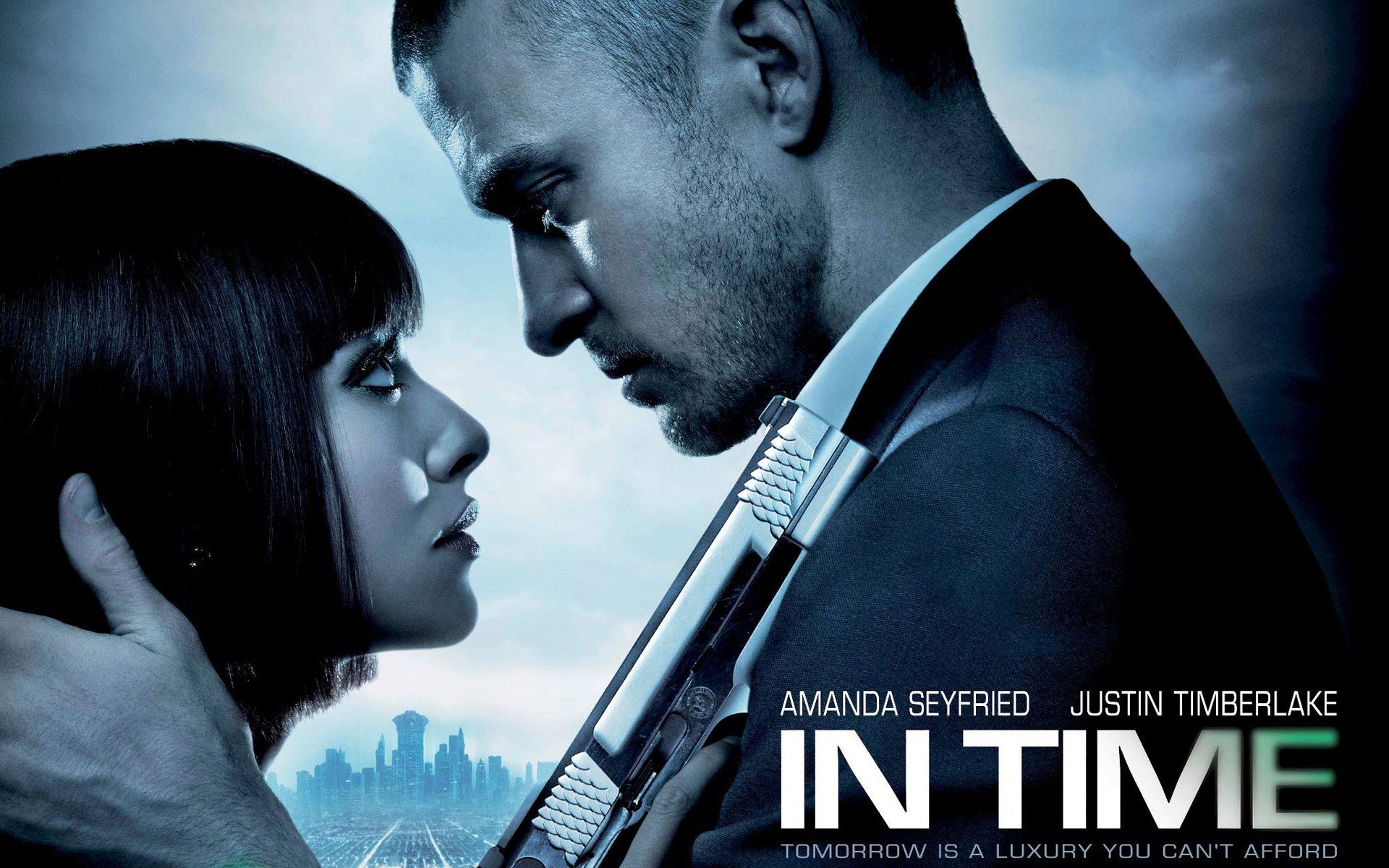
From Andrew Niccol, the writer of Gattaca & The Truman Show.

In-Time-Poster.jpg


NSFW:
TIMMY: (voice over narration)

There’s no time like the present. That’s what they used to say before people had huge digital clocks grafted into their forearms. Now there is no time but the present. It is all we have. I don’t have time to tell you any more than that. Time is money. You’re going to have to just accept it. This is my story. My name is Timmy.

SCENE ONE, in which Timmy and his mother Mary share unrealistically explanatory dialogue.

TIMMY: You’re smoking hot.

MARY: That’s no way to speak to your mother.

TIMMY: It’s just that you look so young.

MARY: We all look young, Timmy.

TIMMY: Why is that again?

MARY: We were genetically modified to stop ageing when we turn twenty-five.

TIMMY: Okay, right. Got that everybody?

SCENE TWO, in which we meet Timmy’s albino friend and witness another forced conversation.

TIMMY: Is that your baby?

TIMMY’S ALBINO FRIEND: Fuck yeah, bitch.

TIMMY: Kind of black, isn’t it?

TIMMY’S ALBINO FRIEND: Yeah, so?

TIMMY: Shouldn’t it be like half-black, or something?

TIMMY’S ALBINO FRIEND: No. I’m an albinegro. It skips a generation.

TIMMY: You’re a white black man?

TIMMY’S ALBINO FRIEND: You know I am, mother fucker.

TIMMY: Well, I’m impressed. You’ve convinced me that you’re more than just a TV science geek.

TIMMY’S ALBINO FRIEND: Thank you very much… Bitch.

TIMMY: One thing I don’t get.

TIMMY’S ALBINO FRIEND: Speak brother.

TIMMY: The baby’s got small numbers on its arm.

TIMMY’S ALBINO FRIEND: Yeah?

TIMMY: When did they install that, as soon as he was born?

TIMMY’S ALBINO FRIEND: We’re born with that shit, man.

TIMMY: We’re born with small numbers on our arm, and as we grow the numbers grow with us?

TIMMY’S ALBINO FRIEND: Yeah.

TIMMY: But how does that work? I mean, say you work on your biceps and your arm gets bigger; do the numbers stretch out or something?

TIMMY’S ALBINO FRIEND: I don’t know.

TIMMY: I have a headache.

TIMMY’S ALBINO FRIEND: Let’s get a cup of coffee.

SCENE THREE, in which TIMMY and his ALBINO FRIEND get coffee.

TIMMY: Ten minutes for a cup of coffee? I only have eighteen hours to live.

COFFEE VENDOR: Take it or leave it, ass gnome.

TIMMY: What’s an ass gnome?

COFFEE VENDOR: It’s like a garden gnome. Except, instead of putting it in the garden, you shove it up your ass.

TIMMY: That’s not even a thing.

COFFEE VENDOR: Look, do you want the fucking coffee or don’t you?

TIMMY’S ALBINO FRIEND: We’ll take two. Charge my arm for both of them, yo.

SCENE FOUR, in which TIMMY and his ALBINO FRIEND drink their coffees.

TIMMY: You just spent twenty minutes on two cups of lousy coffee. How long have you got to live, fifteen-sixteen hours? You should be careful with your time.

TIMMY’S ALBINO FRIEND: I’ll earn eight more hours tonight. Don’t worry about it.

TIMMY: Yeah but I mean what if you’re sick? Say you’re out of work for two days. Twenty minutes might mean life or death.

TIMMY’S ALBINO FRIEND: People don’t get sick anymore, Timmy. We’ve been genetically modified, remember?

TIMMY: What if there’s some new illness that doctors haven’t encountered before?

TIMMY’S ALBINO FRIEND: We’re immune to those, too.

TIMMY: Shouldn’t we save up our time, just in case? If we stop drinking coffee and beer every day, it won’t take long until we have a couple of days.

TIMMY’S ALBINO FRIEND: That’s crazy talk, nigger.

SCENE FOUR, in which Timmy inherits a century.

OLD MAN: I’m over a century old. I just want to die.

TIMMY: I don’t get it. It can’t be the whole vampire curse thing. I mean, it’s immortality with no down side. You don’t have to eat people. You don’t have to watch your family die.

OLD MAN: I’ve lived long enough. I’m a hundred and five years old.

TIMMY: A hundred and five? Your life must suck balls if you want to die.

OLD MAN: There is a fair amount of scrotal salivation. But we don't have time to go into it. I have a hundred years on my arm. It’s yours.

TIMMY:That’s very noble of you. Thanks.

OLD MAN: Before I die, I want to tell you the truth.

TIMMY: Will it take long? I’m kind of busy.

OLD MAN: The government is raising public transport costs as a means of population control.

SCENE FIVE, in which Mary has an argument with a bus driver.

MARY: I’d like a bus ticket please.

BUS DRIVER: Certainly madam, that’ll be two hours.

MARY: Two hours? I only have an hour and a half in change, and it’s a two hour walk.

BUS DRIVER: You’d better run then… cunt features.

SCENE FIVE, in which the bus arrives without Mary.

TIMMY: Damn. She’s not on the bus.

SCENE SIX, in which Mary runs.

MARY: I really should have given myself a bigger window. This was bound to happen sooner or later. If not due to rising public transport costs, it’d be something else. Like, maybe the bus breaks down one day. Why do we even ride buses? Wouldn’t there be a more reliable form of transport in the future?

SCENE SEVEN, in which Timmy loses his mother.

TIMMY: You died. You died seconds before I got to you. I could have given you a decade. Oh, how fortune mocks me.

SCENE EIGHT, in which Timmy goes grocery shopping.

TIMMY: I’d like to buy some thyme. How much is it?

GROCER: You want to buy time?

TIMMY: No, thyme. I want to buy some thyme.

GROCER: I’ll give you ten minutes for ten minutes.

TIMMY: The fucking herb. Thyme, with an ‘h’.

GROCER: Oh, it’s half an hour for a gram.

TIMMY: That’s outrageous.

GROCER: Thyme isn’t cheap.

SCENE NINE, in which Timmy says goodbye to poverty.

TIMMY: Goodbye poverty.

SCENE TEN, in which Timmy checks into an expensive hotel, buys a tuxedo, and makes a donation at the local casino.

TIMMY: I’d like a room.

CONSIERGE: The regular rooms are eight months, per night.

TIMMY: Give me a suite.

CONSIERGE: Certainly, madam.

TIMMY: I’m a man.

CONSIERGE: My sincerest apologies, sir. I am blind and you have, how do you say, a woman’s voice?

TIMMY: I need a tuxedo.

CONSIERGE: Absolutely, madam.

TIMMY: I told you I’m a man.

CONSIERGE: I apologize again, sir. I thought you’d gone.

TIMMY: Well I haven’t. I’m still here and I need a tuxedo.

CONSIERGE: Are you sure you wouldn’t be more comfortable in a dress?

TIMMY: I’m positive.

CONSIERGE: The tuxedo charge is two years. Should I add it to the bill?

TIMMY: Please.

CONSIERGE: Might I ask why you want the item?

TIMMY: I need to get into the casino.

CONSIERGE: Are you here to gamble?

TIMMY: No. I’m here to take down the machine.

CONSIERGE: The gambling machine?

TIMMY: No, the metaphorical machine. You know, the government. And stuff.

CONSIERGE: Ah, of course. The machine. How silly of me.

TIMMY: I figure the conspirators spend their time in the casino. Because, it was like the first thing I noticed when I got to the hotel. And stuff.

CONSIERGE: Wise reasoning, sir. Can I have your occupation?

TIMMY: I am a machine operator.

CONSIERGE: A metaphorical machine operator?

TIMMY: No. I operate a machine that makes time readers. You know, those scanner things that people put their arms under to pay for stuff.

CONSIERGE: You don’t sound like a machine operator. Your voice is soft, womanly. You sound like you’ve never done a hard day’s work in your life.

TIMMY: I’m the real deal, skipper. I’m a working man.

SCENE ELEVEN, in which Timmy inexplicably bets his life on a game of poker.

SUSPECTED CONSPIRATOR: I bet you fifty years.

TIMMY: I see your fifty and raise you twenty-five.

CONSPIRATOR: You’re a dangerous man, Mr. Bond.

TIMMY: My name isn’t Bond. It’s Timmy. Timmy Time.


0/5
 
Last edited by a moderator:
Lucky Number Slevin - 7/10 (for real, I'm not trying to be clever)


I thought it was pretty good. I couldn't help but notice a lot of "Tarantino-isms", though.
 
Madonna%27s+Pig+%282011%29.jpg

Madonna's pig, didn't think it was great, it might appeal more to young kids but they wouldn't be able to read the subtitles.
 
Bridge to Terabithia.

Recommended by a friend. Uhh, it was cool I suppose. Kinda cute. Reminded me of being a kid. That's about it.
 
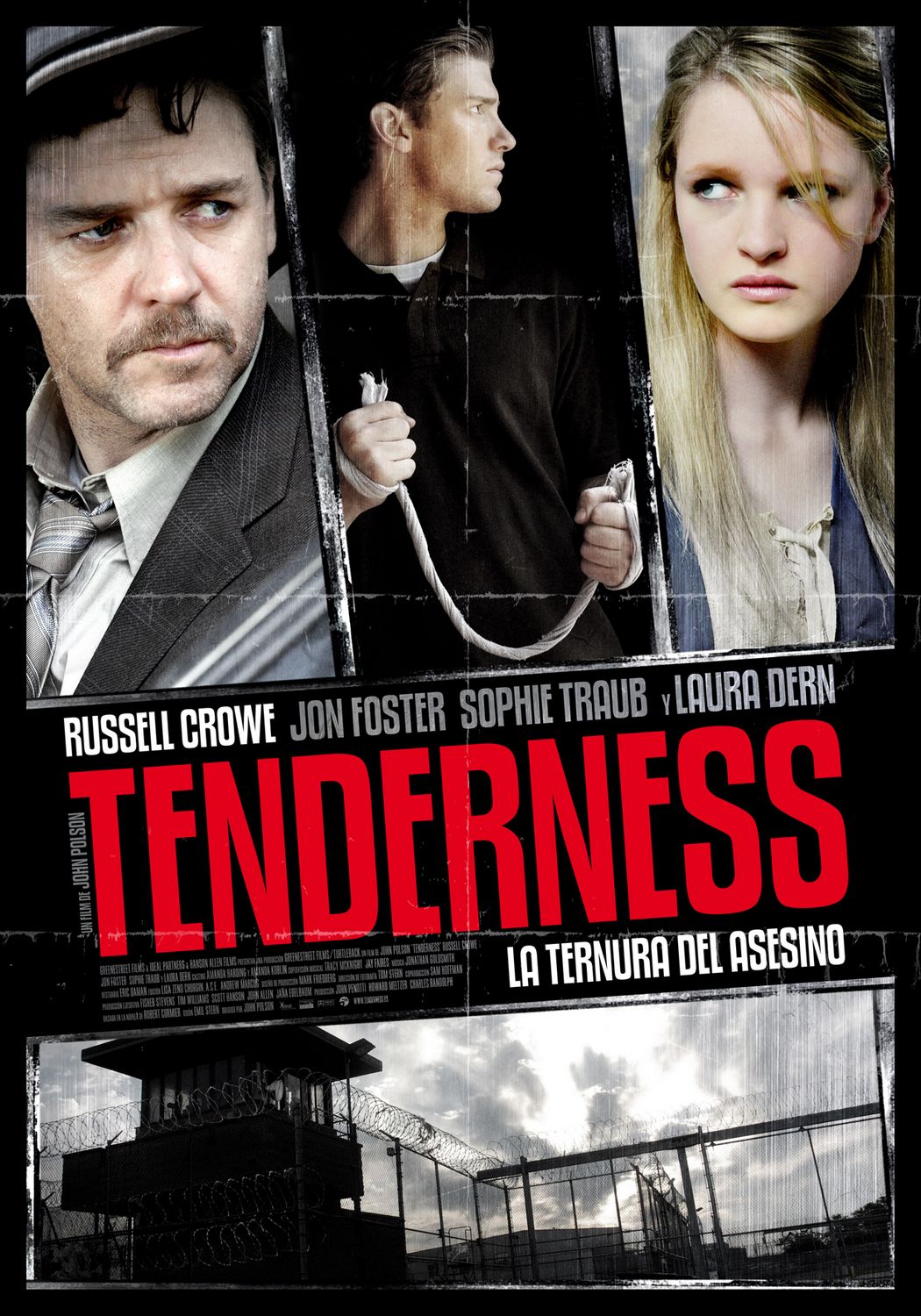
tenderness_ver2_xlg.jpg


Tenderness is so well written that, at moments, it ceases to function as a story. Every scene is crammed full of subtext and double-meanings. The dialogue is layered, loaded, award-worthy. It is the sort of script applauded by those who opt for cleverness over effectiveness. Like Shakespeare, there is so much going on between the words that - assuming, you're capable of picking it up - the narrative takes second place to the purpose of the narrative. Some scenes are worse than others; the balance is inconsistent. I found myself drifting between immersion and analysis; between the story and how it was being told. It's a shame, because I really like the film on the surface. I like it, too, below; it is just a little too clever for it's own good. The characters are unbelievably complex. Particularly Russell Crowe's character; he knows too much, he has fragments of the authors omniscient knowledge. The author of Tenderness, or whoever adapted it, was seemingly incapable of killing their darlings; compromising wonderful words, for the sake of believability/ continuity/ character consistency. Whoever wrote it, I get the impression that poetry is more important than story; in which case, they should stop telling stories and write poems.

2.5/5
 
the-artist-460x307.jpg


Watching The Artist is like watching, as a man prods a dead body with a stick: sometimes he hits pressure points and it appears for a moment as if the corpse is re-animated; but, it’s just an illusion. The silent picture is dead, for good reason. The Artist is not a great film, nor is it a great silent film. The appeal relies on homage. It is quaint; a throwback; simultaneously a celebration of cinema and a mockery of it. It is not, however, complex. The silent film era is an easy target. It’s been eighty years since talkies changed the face of cinema. The smell of death has long since departed. Enough time has passed. Now, we excavate the corpse. We study it. The cyclical nature of human obsession ensures that what once was lost will be found, for whatever reason. Here, there is no reason. The Artist is a silent film about silent films and, while the premise is cute, it doesn’t transcend itself. Watching it, I find myself overwhelmed with tedium. There are long scenes of lips moving without dialogue. Clearly, due to the critical acclaim and the truck-load of awards that this picture garnered, some find this curious spectacle fascinating enough to not only justify the existence of such a film but also applaud it. Enough time has passed. What was once worm food is now worthy of museums.

This film proudly bears all the flaws of its genre. It justifies its imperfections by making it very clear that it is a resurrection of the imperfect. Facial expressions and mannerisms are exaggerated to cartoonish proportions; dialogue is missing: essentially scenes are limited to what can be conveyed physically. There is no subtlety to the film, none whatsoever; it is the opposite of subtle. The actors break all the rules. They do backflips instead of nodding. They grin instead of smiling. While I find this kind of storytelling to be tiresome, I am open-minded to it. There are certain silent films that transcend the genre. The Cabinet of Doctor Caligari comes to mind. The Artist does not.

It is not only a silent film about silent films. It is a silent film about the death of silent films, allowing the characters to literally discuss the question at hand. The corpse: it is saying, “I am dead for a reason. Look how much I have decomposed over time. Observe - if you will - the empty space where my heart once beat; the rotten cavity that once supported life.” Dead men are easy targets.

For a silent film to exist in this day and age, it needs to be more than just self-referential. It needs to also function as a film. We need to care about the characters, or failing that, about the plot. In The Artist, there is nothing to care about. The dilemma that the protagonist faces is something we’ve seen before. During the film, Robert Downey Junior’s portrayal of Charlie Chaplin in the film Chaplin kept bubbling up to the surface of my psyche; it is essentially the same film, without the gimmick.

French actor Jean Durjadin plays George Valentin, a silent film star at the end of the silent era. His performance, essentially an impersonation of an actor from another time, is perfect. But it’s not a challenging role. Perfecting cheese on toast is much easier than perfecting a soufflé. All Durjadin has to create is the appearance of character. The limitations of the silent film allow him to bypass many of the hurdles that actors face. He is, admittedly, charismatic. He has screen presence. His facial expressions are extraordinary. Durjadin does a lot with very little. His performance is more than satisfactory. But it’s not enough to justify a best actor award. The film, too, is satisfactory.

It is not a bad film. In fact, given the limitations of the premise and the script, I would go as far as saying that it is highly accomplished. The film suffers from the limitations that it places upon itself. It does not suffer from the limitations of silent films. Well, it does. But that’s not the problem. The reasons The Artist fails are not inherent to the genre; the wounds, they are self-inflicted.

It is poorly written. Not because it is a silent film and silent films cannot be well written; rather, because it makes this assumption. If you take Dead Man by Jim Jarmusch and removed all the audible dialogue, replacing it with a series of speech cards, the result would be a superior product. Dead Man is a better film, silent or not. Silence does not increase the quality of film; it decreases it.

The Artist relies heavily on shtick, on gimmick, on quaintness. It is a concept film that does very little with its concept; because, apparently, the concept is enough. Apparently, it is so clever to make a silent film about the death of silent films that we excuse it for being sub-standard. We give the film concessions that other films don’t receive. Silent films were flawed, after all, so why shouldn’t this one be? That’s the justification. But, really, there’s nothing stopping The Artist from being both flawed and perfect. The flaws, imposed by the subject matter, could work in the films favour. They don’t. The Artist is an affectionate mockery. The flaws and limitations of the silent film era are used for cheap laughs, rather than serious consideration or contemporary relocation. It’s easier that way. After all, cinematic origins are silly in a lovable kind of way. Those goofy early twentieth century actors, how absurd they are. Look. Watch them do the Charleston. Observe these ignorant artists. And, distract yourself from your own ignorance. Feels good, doesn’t it?

Here’s a film that is so simple it is accessible to everyone, yet at the same time it is acclaimed to be high art. Because the premise is, apparently, so amazing: it doesn’t need to be complex. No, The Artist doesn’t require the standard prerequisites of cinematic excellence. It is immune to criticism; that, being its greatest accomplishment. What is clever about this film is how it exploits a niche in order to elevate itself to an undeserved plateau. In The Artist, the art takes second place to the artist; it is Andy Warhol, painting a can of soup.

2/5

 
dvd_room25.jpg


Once upon a time, art was reserved for the wealthy. Not just in terms of ownership, but also in terms of publication. Poetry has, for the greater part of human civilization, been written by Lords and Ladies. The same can be said for literature. Often what separates the classic from the contemporary is not time but rather class. Lord Byron is famous not because he was a great poet, but rather because he had the means to become a poet. English literature is rife with ineptitude.

Great art has nothing to do with vocabulary. Spoilt royalty-types who grow up on caviar and champagne have little understanding of the human condition. Consequently, the art produced by the upper class does not explore humanity. Artists can only explore what they know and, since art was reserved for the wealthy, that was what it explored: wealth and poverty. English film and literature both revolves around and exploits the class divide. Programs like Downton Abbey; films like Gosford Park: they rely heavily on this contrast. English art, it constantly plays off the juxtaposition of the educated and the ignorant.

For the greater part of the English empire, aspiring writers had little to absorb – in terms of real life – but servants. As a result, the butler is the most common every day character in English literature. There are countless novels written about the relationships between master and servant. So many, that it becomes cliché. This trend, it becomes a permanent fixture of English expressionism. Writing is no longer restricted according to social hierarchies. Lord Byron, today, would not be successful. Yet, English writers continue to focus – to some extent – on the top half of society.

In Downton Abbey, Maggie Smith plays the same role she did in 1986; the same role she has played her entire life. That goggle-eyed, stick up the ass, English woman; the one we always see confronted by the modern world; confronted by undesirables; confronted by class. And it’s humorous to watch, this self-satire; this English woman, exploiting the English cliché. Observing someone more repressed than ourselves serves as a distraction. The uptight English guy is an easy villain, like the greedy capitalist or the soulless politician. We like them because they are worse than us. They take human qualities and exaggerate them. These amoral personifications of guilt and repression, they are adequately magnified for us to be able to separate ourselves and, therefore, criticize in only one direction; out, rather than in. We don’t learn anything about ourselves from villains, because we’re the good guys. The uptight English guy, he isn’t us; Maggie Smith, she’s not human.

It has been so long-established that high art is associated with the wealthy, that we continue to do so; the ability to express oneself being – apparently – a result of education rather than life experience. Novels must be well written. Grammar and vocabulary are more important than story. We expect a certain standard from words; a standard that is limited to a small percentage of the population. We read novels by, and watch films directed by, men and women with degrees. We also read novels about, and watch films about, men and women with degrees. Of course, there are also the butler characters; the ignorant, from an educated perspective.

A Room with a View stars Helena Bonham-Carter, Maggie Smith, Judi Dench, Daniel Day Lewis and Julian Sands. It is a critically acclaimed, classic English comedy. The opening scene consists of Helena Bonham Carter and Maggie Smith observing the view from their room. Maggie, who might as well call herself Margaret; her character says that the view is not what they expected. The following scene is a brunch in which a man offers to trade rooms with the two ladies, so that they might have the view they desire: such an offer, of course, being tantamount to treason; how dare he be so presumptuous as to offer them a room with a view. The room, it is something the ladies want but cannot – for fear of compromising their social standing – accept. This wholly unsubtle metaphor is the basis for the entire narrative. Bonham-Carter’s character, Lucy Honeychurch, is a woman yet to be liberated; restricted by the social stigma imposed upon her. Her name is Honeychurch because this is a classic English comedy, and silly names are not offensive to the status quo.

The entire film is titular. It is about what can be seen or dreamt rather than what is immediately attainable. I imagine that whatever repressed son of a bitch penned it was gazing out of a window one day. “I do declare,” he said. “What I see yonder through this window frame constitutes a novel. Perhaps even a series of novels.” For, this is all he had to contemplate. Having had no experience living the dream; no understanding of what things look like up close: he settled. What followed was a repressed book about repression. Just as Downton Abbey is a repressed show about repression. This author, he continued the English tradition of anti-expression; writing about the stilted; describing, paradoxically, the inability to express oneself; capitalizing on nothing.

A Room with a View is a story for people who do not aspire to change. It is the opposite of challenging. It serves primarily as re-affirmation of social stigma. The ultimate liberation – social transcendence – is so far beyond Maggie Smith that we are distracted from our own inability to transcend. We see this villain and we think, “Well, I’m not so bad.”

The film is a yes man. It panders to the wants of audiences, not the needs. If you feel like you’re fucked, it says don’t worry. Because: this fictional person is much worse than you. Look at her. See that stick up her ass; it’s not invisible like yours. No, you’re more like Helena Bonham Carter. The disease, it hasn’t spread to the lymph nodes yet. There’s hope for you still. So, have a laugh at your own expense. Watch a film about class. Don’t worry, it doesn’t penetrate.

0/5
 
728_loved.jpg


French cinema wears itself on its sleeve. If English cinema is stilted, French is the opposite. We are told every second, every frame, what the character is thinking; we are told what she, or he, feels; we are given the subtext, as text. The French are so obsessed with expression in its rawest form that they overtake it. We are provided, instead, with over-expression. In “Il y a Longtemps que Je T'aime,” we are told everything. If a character feels something, they say it. To a lesser extent, if a French person feels something they say it. That is what they know, the French: to express. I have criticized one end of the expressionistic spectrum, the stick-up-the-ass English. So, now, how perfect that I should sit down to watch a heart-on-their-sleeve French film. If repressed is wrong, then surely liberated is right; or, surely not. In terms of narrative, or fiction, there needs to be a bit of mystery; we cannot be told everything directly without approaching non-fiction. This is where French cinema fails; it provides the audience with too much information.

Kirsten Scott Thomas plays a French-speaking role. This is where the majority of the appeal lies. Her ability to leap from English to French is astonishing. But it is a linguistic accomplishment, not – specifically – a performance-related one; the fact that she speaks fluent French does not make her a better actress. In fact, there are a number of issues with her performance; it is very good, but imperfect. She seems to be aware, on-screen, to some extent, of this issue. Either that or she is just wearing herself on her sleeve.

The film concerns a woman who has recently been released from jail for killing her son, only to be adopted by her sister. This convict woman, she goes to live with her sister and her sister’s family. There are two children in the home, both adopted from Vietnam. The convict asks her sister why she didn’t have children naturally. The sister responds admitting that although she and her husband are physically capable of having children, the idea of childbirth was unfathomable. The convict immediately says, “You couldn’t have children because of what I did,” referring to the murder of her son. This is just one small example of the sleeve-wearing mentality of the film. We could have been left to work the subtext out for ourselves. But, we are given it. We are told what is being said, how it is being said, and what it means.

I guess you could argue that this dialogue is realistic. That, maybe, the characters are just like that. They say stuff, flat out. Well, then answer me this. Why did the couple who adopted bother to get tested to see if they were sterile, considering the fact that – regardless of the outcome – they were predisposed towards adoption? There is no answer aside from sleeve-wearing. This is why I dislike French cinema; it often compromises the story for the sake of absolute truth. Absolute truth being something more suited to philosophy or non-fiction. If you want to just tell people how you feel, there’s no point in narration. You might as well just tell them. Characters in stories don't always know.

In “Il y a Longtemps que Je T'aime,” like in most French movies, there are a thousand frowns. The characters are always in some sort of extremely dramatic state; they are drama queens, every single one of them. If they aren’t showing how they feel physically, they are saying it flat out. “This is how I feel.” Followed by, “But, if that is how you feel, then you must understand how I feel.” And so on, and so forth.

In terms of fiction, the truth is best delivered indirectly. In order to avoid being expressionistic or over-expressionistic, there should be some restraint but not a lot. Reality observes this rule. People do not wear themselves on their sleeves, nor do they have sticks up their ass.

2/5
 
Last edited:
The last few movies that i have seen that i can recommend

Bellflower
Submarine
Tree of Life
Another Earth
 
12 Angry Men (50s)

i've seen this title mentioned a lot around here as of late. so last night i jumped at an opportunity to watch it. it was at like 4 am after a night of drinking. but it's from an age of american cinema i dislike in general, so i was not too worried about being too drunk. there's my disclaimer. i do not like this movie. it has no cool whatsoever. contrived. no pretty girl and nothing except for a clever premise to make up for it.
 
Last edited:
12 Angry Men (50s)

i've seen this title mentioned a lot around here as of late. so last night i jumped at an opportunity to watch it. it was at like 4 am after a night of drinking. but it's from an age of american cinema i dislike in general, so i was not too worried about being too drunk. there's my disclaimer. i do not like this movie. it has no cool whatsoever. contrived. no pretty girl and nothing except for a clever premise to make up for it. i mean "clever" to be belittling.

One of my favorites. The strength is in the dialogue. and Henry Fonda.
 
Status
Not open for further replies.
Top