• Psychedelic Drugs Welcome Guest
    View threads about
    Posting RulesBluelight Rules
    PD's Best Threads Index
    Social ThreadSupport Bluelight
    Psychedelic Beginner's FAQ
  • PD Moderators: Esperighanto | JackARoe |

Phenethylamines Shulgins missing ETs

I think it was also patented by Trachsel in 2023.

There is a report of a HyperLab user. During one of the first trials at a low dosage, there was a weird incident with what felt like a sharp drop in blood pressure (not measured). Further bioassays were mixed with low doses of other psychedelics and did not induce any medical concerns or off-normal bp, but other than hinting at long duration of action, no comments regarding the qualitative nature were made, other than the dose still being within "microdosing" range. This was at the highest dose of 7.3 mg Desoxyescaline and 4.8 mg 2C-T-2.

Desoxymescaline itself is active:
The entire family and their synthesis was patented, eventually found the patent linked through Wikipedia…

All the routes to synthesis these magic compounds are now publically available to adventurous Chemists…
 
Last edited:
Please do actually take a look at mescaline synthesis. Either biosynthesis or synthesis will do. You may learn something.

EDIT: Actually what you are implying may just work. But there is a reason why literature starts from the phenol to ensure selectivity of the dihalogenation.
In hindsight I should have clarified - I was referring to mammalian biosynthesis which when applied to mescaline is novel and generally unheard of. Specifically the process that occurs when mescaline is metabolised.

DESOXY wasn’t inactive. It’s actually quite active but not as active as something like DOM.

But more active than mescaline… pihkal states around 120mg for full effects.
I'm of the opinion that mescalines 3,4,5-trimethoxy pattern is a "special case" for the PEA class and this has some bearing on the activity of 2-×, 4-× and 6-× mescaline analogs.

Essentially it seems that mescaline is a weakly active prodrug which is metabolised into at least 1 active metabolite which hasn't been characterised afaik. This active metabolite is likely more potent than mescaline itself, I estimate in the 20-80mg range. The implications are that all potency comparisons with mescaline need revising including Shulgins MU (mescaline units) concept; and that all receptor activity analyses of mescaline are inaccurate in the sense that they refer to a prodrug (eg Vyvanse behaves very unlike amphetamine). It's ironic that mescaline is the prototypical PEA psychedelic yet appears to be the only PEA which behaves as a weakly active prodrug. Other potential candidates include TOMSO and metaescaline from PiHKAL which both produce a tomso effect.

The efficacy of this "bioactivation" process varies from person to person due to subjective differences in the biochemical environment (enzyme levels, endogenous secondary amine levels etc). Some people report sub-500mg doses to be sufficiently active but others require larger doses. A small percentage of people find mescaline completely inactive.

This "bioactivation" begins when SSAO deaminates mescaline into it's aldehyde which is a key intermediate (I theorise that using 3,4,5-TMeO-phenylethanol will form the same aldehyde via the ADH enzyme). As convenient as it might be for the mescaline-derived aldehyde to somehow be aminated with an endogenously produced secondary amine (of which there are several), I (and the people who rediscovered this in 2013) consider it unlikely since dimethyl-M is largely inactive and the piperidyl- & pyrrolidinyl- analogs aren't likely to be active (at least not at the desired receptors or in the desired manner).

This "bioactivation" idea was rediscovered in 2013 by accident (I was a member of the now inactive forum) and during the course of investigations an older webpage was found which highlighted the uniqueness of mescalines metabolism and importance of it's aldehyde metabolite (so clearly someone was already aware). One user tried it with intriguing results.

Further clues into the endogenous amines involved were given by Oswald who found that allylbenzene intermediate metabolites are aminated with endogenous piperidine, dimethylamine and pyrrolidine. These secondary amines can be formed from dietary precursors (lysine, choline and arginine respectively) which allows the psychonaut to tailor the bioactivation process and influence the outcome. Tests performed using this understanding led to very interesting results.

Since the mescaline aldehyde metabolite is a key intermediate in this scenario it must be protected from attack by ALDH which forms the carboxylic acid (phenacetylaldehyde → phenylacetic acid). Thus the use of ALDHIs becomes relevant and equally avoidance of common items which induce ALDH as this would effectively make mescaline less active by suppressing it's key intermediate metabolite (many common foods & supplements induce ALDH). Things which inhibit SSAO would also make mescaline less active by impeding the formation of it's key intermediate aldehyde metabolite (with the exception of caffeine).

Of course, if the presupposition is that mescaline is the primary active drug then using an SSAOI should make mescaline more potent. YMMV.​

I digress... this "aldehyde-centric" potentiation concept is applicable to all phenethylamines and tryptamines which are deaminated by MAO or SSAO, but the 3,4,5-trimethoxy PEA substitution appears to be a special case. The current consensus overlooks the relevance of ALDH and tends to assume that drugs are the "primary active" per se, with little consideration for the possibility that they might also be acting as prodrugs. This has implications in the design of 3,4,5 substituted PEAs and related analogs (eg 2-×, 4-× or 6-× mescaline).
 
Last edited:
In hindsight I should have clarified - I was referring to mammalian biosynthesis which when applied to mescaline is novel and generally unheard of. Specifically the process that occurs when mescaline is metabolised.


I'm of the opinion that mescalines 3,4,5-trimethoxy pattern is a "special case" for the PEA class and this has some bearing on the activity of 2-×, 4-× and 6-× mescaline analogs.

Essentially it seems that mescaline is a weakly active prodrug which is metabolised into at least 1 active metabolite which hasn't been characterised afaik. This active metabolite is likely more potent than mescaline itself, I estimate in the 20-80mg range. The implications are that all potency comparisons with mescaline need revising including Shulgins MU (mescaline units) concept; and that all receptor activity analyses of mescaline are inaccurate in the sense that they refer to a prodrug (eg Vyvanse behaves very unlike amphetamine). It's ironic that mescaline is the prototypical PEA psychedelic yet appears to be the only PEA which behaves as a weakly active prodrug. Other potential candidates include TOMSO and metaescaline from PiHKAL which both produce a tomso effect.

The efficacy of this "bioactivation" process varies from person to person due to subjective differences in the biochemical environment (enzyme levels, endogenous secondary amine levels etc). Some people report sub-500mg doses to be sufficiently active but others require larger doses. A small percentage of people find mescaline completely inactive.

This "bioactivation" begins when SSAO deaminates mescaline into it's aldehyde which is a key intermediate (I theorise that using 3,4,5-TMeO-phenylethanol will form the same aldehyde via the ADH enzyme). As convenient as it might be for the mescaline-derived aldehyde to somehow be aminated with an endogenously produced secondary amine (of which there are several), I (and the people who rediscovered this in 2013) consider it unlikely since dimethyl-M is largely inactive and the piperidyl- & pyrrolidinyl- analogs aren't likely to be active (at least not at the desired receptors or in the desired manner).

This "bioactivation" idea was rediscovered in 2013 by accident (I was a member of the now inactive forum) and during the course of investigations an older webpage was found which highlighted the uniqueness of mescalines metabolism and importance of it's aldehyde metabolite (so clearly someone was already aware). One user tried it with intriguing results.

Further clues into the endogenous amines involved were given by Oswald who found that allylbenzene intermediate metabolites are aminated with endogenous piperidine, dimethylamine and pyrrolidine. These secondary amines can be formed from dietary precursors (lysine, choline and arginine respectively) which allows the psychonaut to tailor the bioactivation process and influence the outcome. Tests performed using this understanding led to very interesting results.

Since the mescaline aldehyde metabolite is a key intermediate in this scenario it must be protected from attack by ALDH which forms the carboxylic acid (phenacetylaldehyde → phenylacetic acid). Thus the use of ALDHIs becomes relevant and equally avoidance of common items which induce ALDH as this would effectively make mescaline less active by suppressing it's key intermediate metabolite (many common foods & supplements induce ALDH). Things which inhibit SSAO would also make mescaline less active by impeding the formation of it's key intermediate aldehyde metabolite (with the exception of caffeine).

Of course, if the presupposition is that mescaline is the primary active drug then using an SSAOI should make mescaline more potent. YMMV.​

I digress... this "aldehyde-centric" potentiation concept is applicable to all phenethylamines and tryptamines which are deaminated by MAO or SSAO, but the 3,4,5-trimethoxy PEA substitution appears to be a special case. The current consensus overlooks the relevance of ALDH and tends to assume that drugs are the "primary active" per se, with little consideration for the possibility that they might also be acting as prodrugs. This has implications in the design of 3,4,5 substituted PEAs and related analogs (eg 2-×, 4-× or 6-× mescaline).
I haven't read your entire message, but based on a quick glance, you should checkout The Shulgin Foundation youtube channel here if you haven't yet -> https://www.youtube.com/@ShulginFoundation
 
A variety of these have been made and bioassayed too, DOM-CR, DOB-CR, METH-CR, Beatrice-CR, TDIQ, etc.

As far as I'm aware, none are psychedelic, some (if not all) are adrenergic agonists I think? They seemed rather uninteresting.

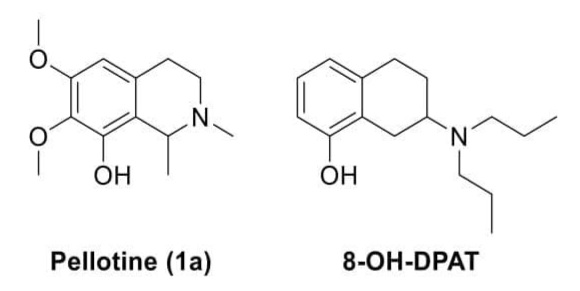
The cactus isoquinolines have potential but the isoquinoline structure calls for a different substitution pattern compared to PEAs like DOx, 2Cx, MDx etc. The isoquinolines aren't quite phenethylamines nor tetralins like 8-OH-DPAT (5-HT1A, HT7 agonist):

WA-1784799135259.jpg


In Vitro and In Vivo Evaluation of Pellotine: A Hypnotic Lophophora Alkaloid
...
At 10 μM, pellotine displayed over 50% displacement at the M4, α1B, α2A, α2B, and α2C and at all the tested 5-HT receptors. Notably, 10 μM pellotine mediated >90% inhibition of radioligand binding to the 5-HT1D, 5-HT6, and 5-HT7 receptors. (source)
Tested 5-HT receptors includes:
5-HT1A, 1B, 1D / 2A, 2B, 2C / 4E​
 
Last edited:
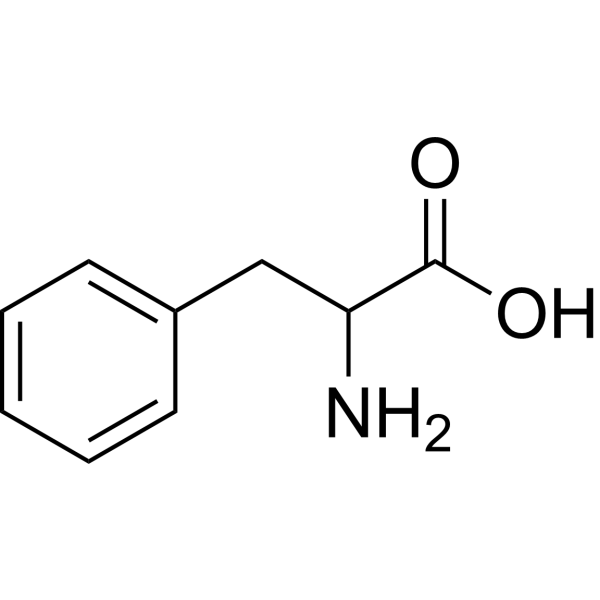
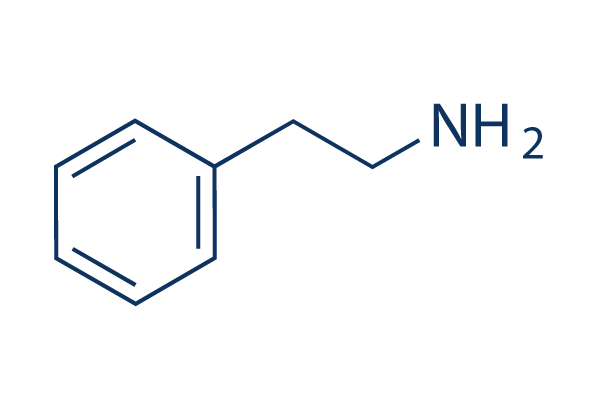
I went deep diving on Phenylalinine and PEA
(edit in progress trying get structures in here)

Phenylalanine
hy-b1732.gif


PEA
2-phenylethylamine-chemical-structure-s5347.gif


I looked at the carboxyl substituent on phenylalinine -COOH and was like start here deep dive


Phenylalanine-to-Phenethylamine (PEA): Research Summary
1. Thermal Decarboxylation of L-Phenylalanine
1.1. Reaction overview
Thermal decarboxylation is the conversion of L-phenylalanine into phenethylamine (PEA) through the removal of a carboxyl group as carbon dioxide.
The desired product is 2-phenylethylamine, commonly called phenethylamine or PEA.
However, heating phenylalanine can produce several products through competing reaction pathways. Consequently, the formation of PEA does not necessarily mean it will be the only, or even the predominant, product under every set of conditions.

1.2. Relevant research
Study 1: Chen et al. (2014)
Hydrothermal reaction of phenylalanine as a model compound of algal protein
Source: ScienceDirect
This study investigated the hydrothermal decomposition of phenylalanine at elevated temperatures.
Key findings:
- PEA was identified as a major product at temperatures of approximately 220–280°C.
- Conversion was very low at 130–190°C under the conditions investigated.
- HCN formation
- Styrene formation increased at higher temperatures and with longer reaction times.
Significance: The study establishes that phenylalanine can form PEA through thermal treatment, while also demonstrating that temperature and reaction duration influence product distribution. However, HCN and Styrene are enough to toxify you and more than enough reasons to not muck this up

Study 2: Changi, Zhu, and Savage (2012)
Hydrothermal kinetics and pathways of phenylalanine
Source: DOI: 10.1002/cssc.201200146
This study examined phenylalanine conversion in high-temperature water.
Key findings:
- Experiments investigated temperatures of 220, 250, 280, and 350°C.
- PEA was identified as a major product.
- Styrene and phenylethanols were among the secondary products.
- Added salts increased phenylalanine conversion but decreased PEA yield under the conditions studied, indicating that increased overall conversion does not necessarily improve selectivity for PEA.
Significance: The work highlights the importance of distinguishing between substrate conversion, product yield, and selectivity. These measures are not interchangeable.

Study 3: Aspin et al. (2025)
Survivability and pathways of amino acids in oceanic hydrothermal systems: A mechanistic study of phenylalanine
Source: ScienceDirect
This study investigated phenylalanine degradation and its reaction pathways under hydrothermal conditions.
Key findings:
- Solution pH affected phenylalanine degradation.
- Strongly acidic and strongly alkaline conditions inhibited degradation under the conditions examined.
- PEA could undergo further reactions, including deamination.
Significance: PEA may be an intermediate in a broader reaction network. Its formation and subsequent degradation both influence the final product composition.

1.3. Interpretation of the thermal research
Taken together, these studies establish that thermal treatment can convert phenylalanine into PEA. They also demonstrate several important limitations:
- Competing reactions: Other products may form alongside PEA.
- Further degradation: PEA itself may react further under sufficiently severe conditions.
- Condition sensitivity: Temperature, reaction time, pH, and solution composition affect the observed product distribution.
- Experimental context: The cited research investigates hydrothermal conditions, so its results should not automatically be extrapolated to other heating environments.
It is therefore important to evaluate a thermal process by measuring not only phenylalanine conversion but also PEA yield, selectivity, and final purity.


2. Enzymatic Decarboxylation of L-Phenylalanine
2.1. Reaction overview
The enzymatic route uses a decarboxylase enzyme to catalyze the conversion of L-phenylalanine into PEA and carbon dioxide.

The enzyme is known as L-phenylalanine decarboxylase, classified as EC 4.1.1.53.
Enzymatic catalysis offers a fundamentally different approach from thermal treatment: instead of relying primarily on heat to drive a complex network of reactions, it uses a biological catalyst to facilitate a particular chemical transformation.

2.2. Enzyme and cofactor
L-phenylalanine decarboxylase is the relevant enzyme class for this transformation.
Some amino-acid decarboxylases are pyridoxal-5′-phosphate (PLP)-dependent. PLP is the active coenzyme form of vitamin B6 and participates in the catalytic mechanism of many amino-acid decarboxylation reactions.
However, the cofactor requirements must be verified for the specific enzyme preparation rather than assumed from the general enzyme class.
Authoritative enzyme reference:
- IUBMB Enzyme Nomenclature: EC 4.1.1.53

2.3. Potential enzyme source
Creative Enzymes lists information on L-phenylalanine decarboxylase associated with Streptococcus faecalis.
Reference: Creative Enzymes — L-Phenylalanine Decarboxylase
This listing provides a potential starting point for sourcing an enzyme. However, commercial availability alone does not establish that a preparation is suitable for a particular application.
Before selecting a preparation, confirm:
- Whether the enzyme is currently available.
- Whether its identity and catalytic activity have been experimentally verified.
- Whether it accepts L-phenylalanine as a substrate under the intended conditions.
- Whether it requires PLP or another cofactor.
- Its stability, purity, and storage requirements.
- Whether the supplier provides activity measurements and relevant characterization data.
2.4. Interpretation of the enzymatic route
The enzymatic approach has several potential advantages:
- Catalytic specificity: An appropriate enzyme may favor the desired decarboxylation reaction over competing transformations.
- Milder operating conditions: Enzymatic reactions can often proceed without the extreme temperatures used in hydrothermal studies.
- Potentially improved selectivity: A suitable enzyme may reduce the formation of unwanted thermal degradation products.
- Biocatalytic process development: Enzyme activity, stability, and selectivity can be evaluated independently to determine whether the catalyst is appropriate for the intended application.
Nevertheless, these are potential advantages, not guaranteed outcomes. The actual performance depends on the specific enzyme, its preparation, reaction environment, and substrate compatibility.
In particular, an enzyme listing or enzyme classification is not sufficient evidence that a commercially available preparation will produce a high PEA yield.


3. Comparison of the Two Methods
Characteristic Thermal decarboxylation Enzymatic decarboxylation
Basic principle Heat-driven chemical conversion Enzyme-catalyzed chemical conversion
Starting material L-phenylalanine L-phenylalanine
Desired product Phenethylamine (PEA) Phenethylamine (PEA)
Byproduct of decarboxylation Carbon dioxide Carbon dioxide
Conditions demonstrated in the cited research High-temperature hydrothermal environments Dependent on the selected enzyme
Reaction specificity Competing rnx pathway can produce other compounds Potentially high, depending on enzyme specificity

Important complications Secondary reactions, degradation, and changes in product distribution Enzyme stability, substrate compatibility, and cofactor requirements
Key performance measurements Conversion, PEA yield, selectivity, and product purity Enzyme activity, conversion, PEA yield, selectivity, and product purity

Main research question:
How does the reaction environment affect PEA formation and subsequent degradation?
Can an appropriate enzyme catalyze the reaction efficiently and selectively? - yes this is proven


4. Overall Conclusion
Both thermal and enzymatic decarboxylation provide scientifically established routes for investigating the conversion of L-phenylalanine into phenethylamine.
The thermal route is supported by hydrothermal studies that identify PEA as a major reaction product under certain conditions. However, these studies also demonstrate competing reactions and subsequent degradation, meaning that PEA production must be assessed in the context of the full reaction network.
The enzymatic route offers a potentially more selective alternative. Its feasibility depends on identifying an enzyme with verified activity toward L-phenylalanine and establishing its catalytic performance, cofactor requirements, stability, and product selectivity.
The central distinction is that thermal treatment relies on the overall chemistry of a heated reaction system, whereas enzymatic treatment relies on the catalytic properties of a particular biological molecule.

The cited thermal studies establish PEA formation under their tested conditions, but the degradation byproducts are toxic
Meanwhile, still deep diving (I always appraoch these synthesis with mindstate can i avoid catalyst metal and high pressures)
The 2025 research hydrothermal process still had a silica tube vial SEALED

 
Last edited:
Last edited:
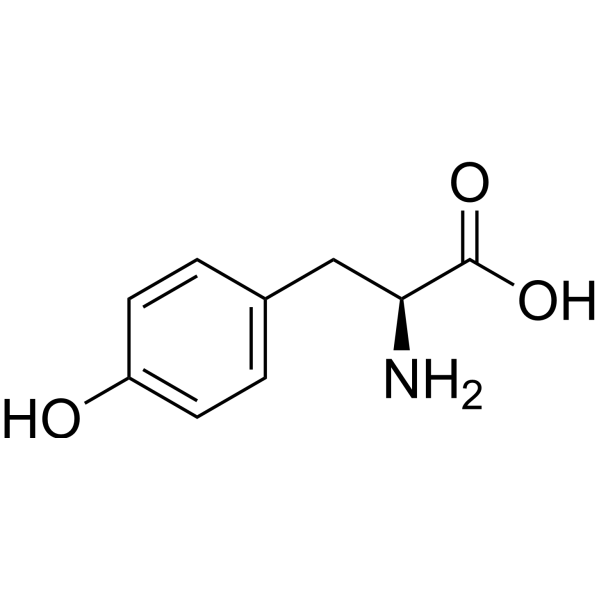
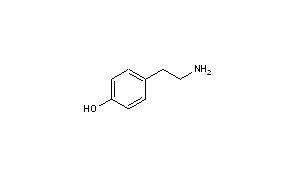
L-Tyrosine
hy-n0473.gif

couple research papers on its decarboxylation forming the 4-hydroxyphenylethylamine
leaves ya with hydroxyl functional group on the 4th position para to ethylamine chain

Tyramine.gif


all legal by the kilo

but still the byproducts in some these research papers list couple ehhhh potentials but didnt list at what levels found (but then i say people cook with this shit. Ie., aspartame - which yields methanol- )
 
damn
960px-Phenylethyl_Amine_General_Formula_V1.svg.png


well now, potential Sites for Methylation in Phenethylamine are:
α-Methylphenethylamine — amphetamine.
β-Methylphenethylamine — methyl group on the β-carbon.
N-Methylphenethylamine — methyl group on the nitrogen.
2-Methylphenethylamine — methyl group at position 2 on the aromatic ring
3-Methylphenethylamine — methyl group at position 3 on the aromatic ring
4-Methylphenethylamine — methyl group at position 4 on the aromatic ring

Ar2,Ar3,Ar4 are all out of the picture- requires a Friedel-Crafts alkylation (methyl halide + Lewis acid, e.g., CH3Cl/AlCl3). Different class of reaction entirely that requires harsh conditions, and the amino group would likely need to be protected first to prevent side reactions with the Lewis acid

alpha-carbon: involves forming a new C-C bond and typically proceeds via P2P
beta-carbon: same issues as alpha-carbon synthesis pathway

leaving me with this somewhat of a stimulant N-Methylphenethylamine or N,N-Dimethylphenethylamine (leave that to you to google that stuff) that is supposedly 1/350th pressor (blood pressure increase) to that of epinephrine ( It does not mean the compound is 350 times weaker as a CNS stimulant, nor does it establish a safe or effective dose)

Phenethylamine reacts with formaldehyde, mine is then reduced to the secondary amine using reducers like (any of the below):
Sodium Borohydride (NaBH4)
Sodium Cyanoborohydride (NaCNBH3) (milder, more selective)
Catalytic Hydrogenation (H2 over Pd/C or PtO2)
Formic Acid (Eschweiler-Clarke reaction): Uses formaldehyde and formic acid; formic acid serves as the reducing agent. This method often directly yields the N,N-dimethylated product if excess reagents are used, or the N-monomethylated product with careful stoichiometry

Eschweiler-Clarke doesnt create alpha-carbon methyl group and further couldnt produce a second methyl for N-methyl-α-methylphenethylamine (methamphetamine)


So, no amphetamines no methamphetamines, no going fast n smooth. The easiest N-methylation site are both stimulants per-se, something to be further rabbit hole dove into
just Olympic illegal declared sport enhancer belongs on the https://www.bluelight.org/community/forums/sports-and-image-enhancing-drugs.148/ thread

lulz

straight-jacket-stewie-griffin-0xj7zutt2mo1ja6r.gif

just wanted to go fast n smooth, find earth's secrets


smh these kinda "damn" moments
Imoh i still think these are potential shulgin paths with the intermediates (let alone methylations) someone more know how 2C family could correct me here
 
Last edited:
Top