



-
Neuroscience & Pharmacology Discussion Welcome Guest
Posting Rules Bluelight Rules Recent Journal Articles Chemistry Mega-Thread FREE Chemistry Databases! Self-Education Guide -
N&PD Moderators: Skorpio
You are using an out of date browser. It may not display this or other websites correctly.
You should upgrade or use an alternative browser.Ketamine salts solubility
- Thread starter fastandbulbous
- Start date
- Status
- Not open for further replies.


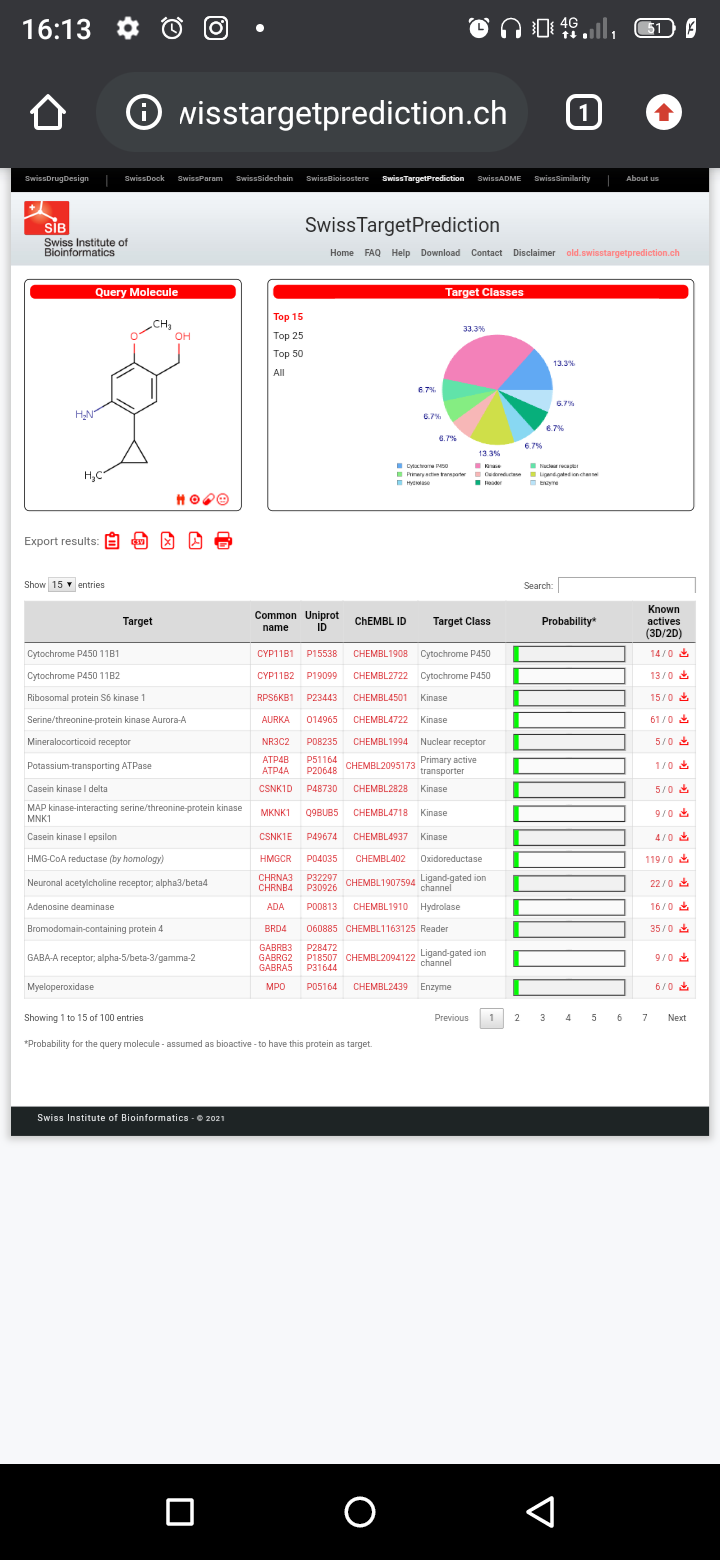
PEPTIS
I want my FLUCTINYL to be 10/1 with this
Nice enzymatic activity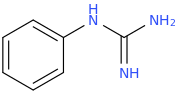
ARG!
1-phenylguanidine
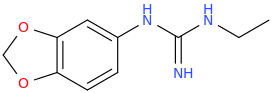
MARSHA EMERY
1-(3,4-methylenedioxyphenyl)-3-ethylguanidineMy PEPTIS FLUCTINYL will be called Pup Flex. Same as pew pills, wrong to get.
Some additional surprises, different packages
BREATHY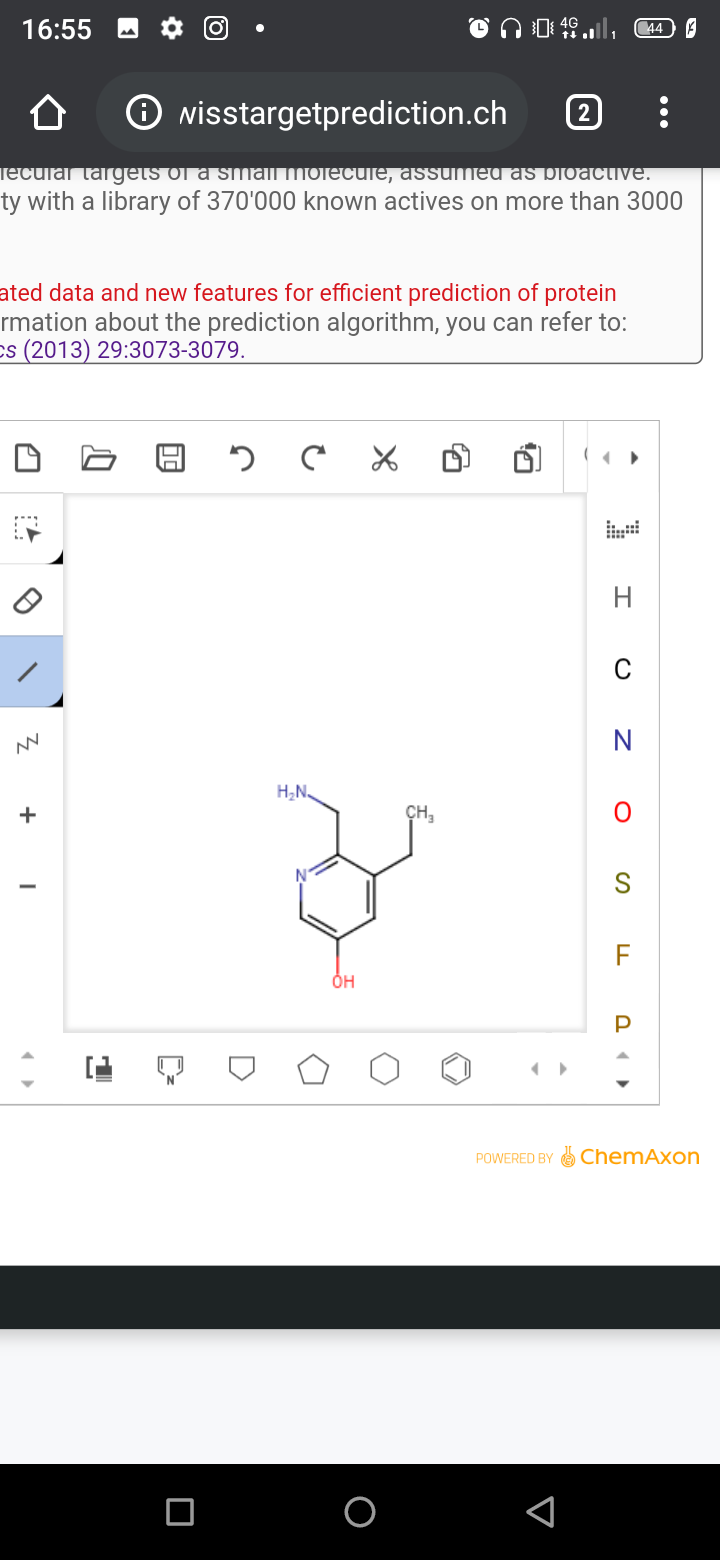
makes you breath
SLEPTOMALIS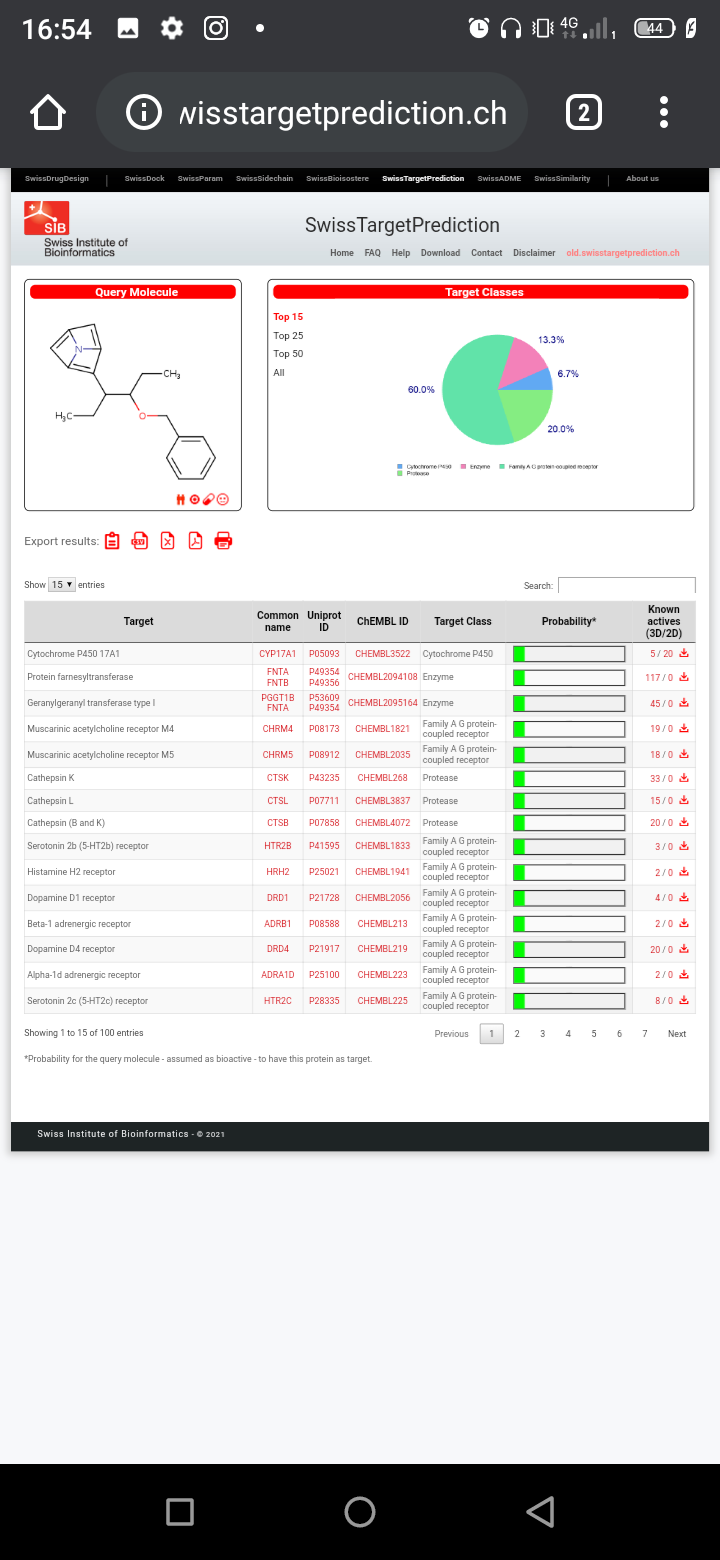
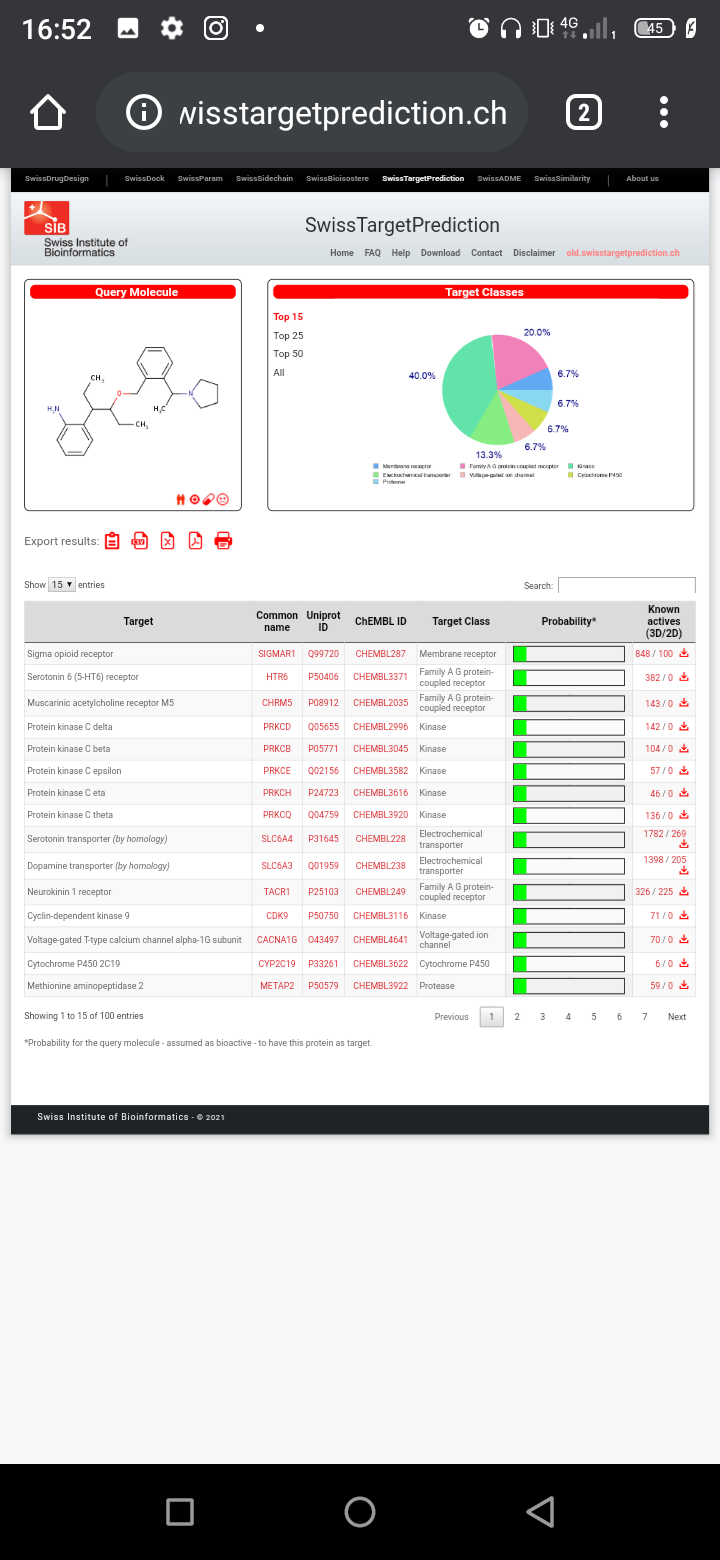
FLACTAMAXLast edited: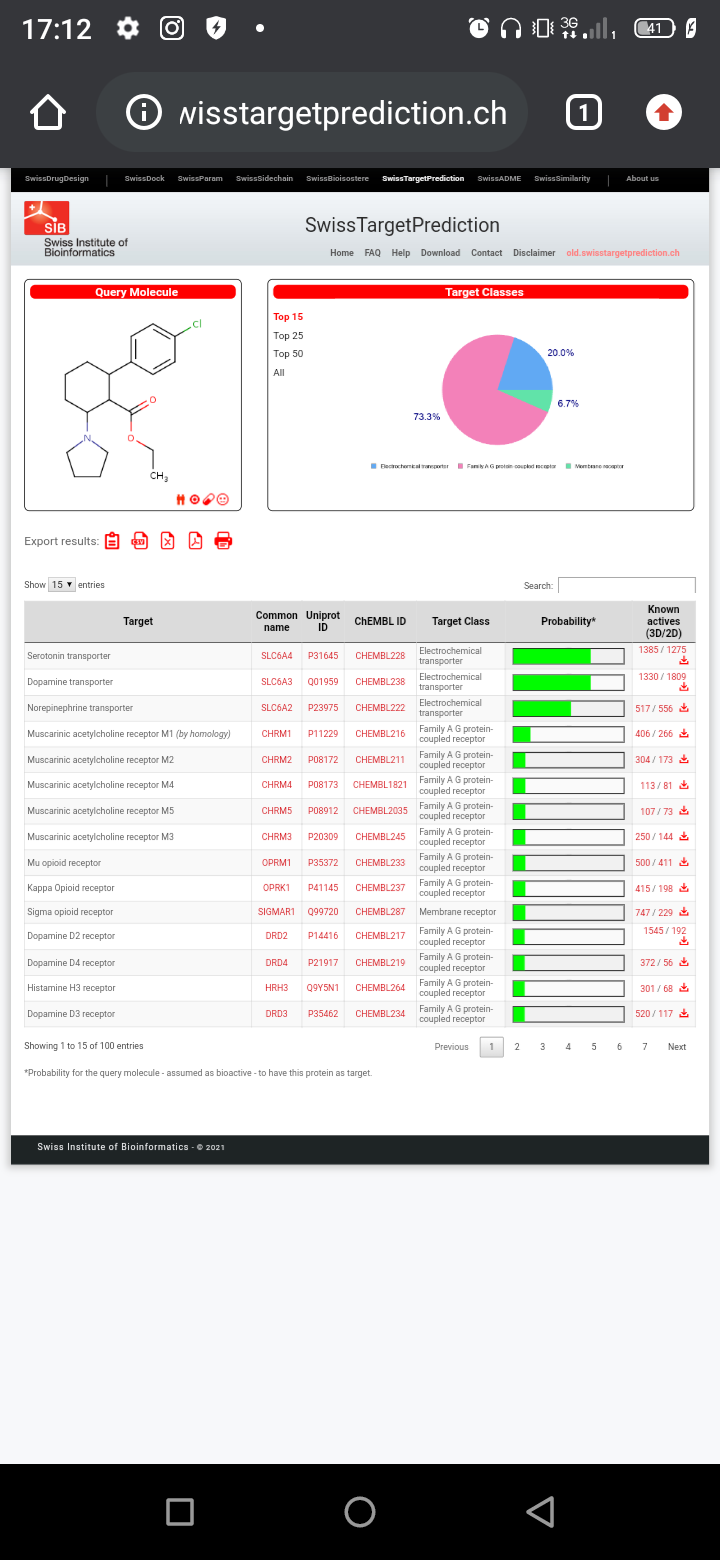
JERRY COKE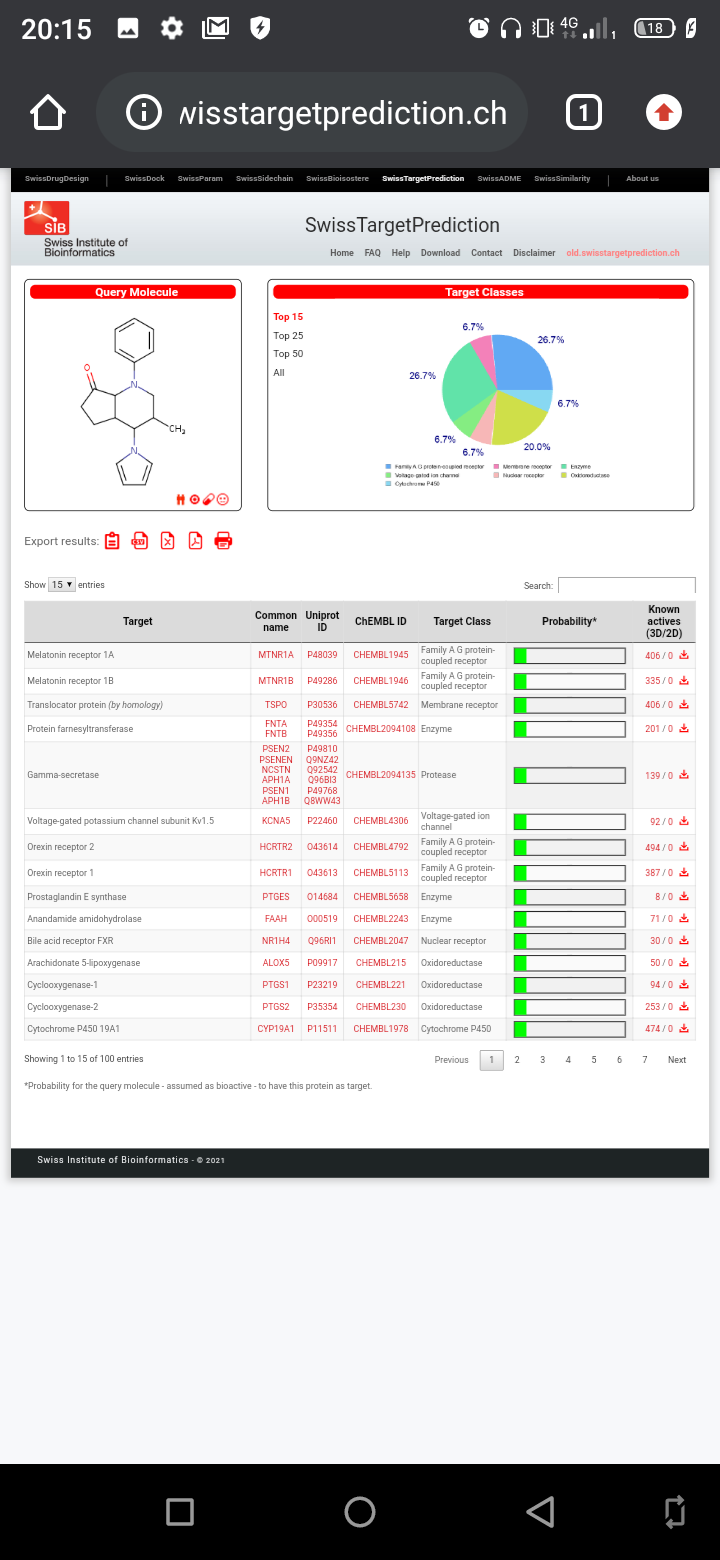
LITTERALLY CALL THIS ONE: UTOPIUM
Melanocortin
Orexin
Oxytocin
Gamma secretase
Gaba gamma etc
Monoamine oxidase
Adenosine
Vanilloid receptor
Tadadimtatadam
0.5mg for 7mg PUP FLEX for 0.1mg BREATHY for 2.4mg of my sister's little secret. This one is actually patented by my sister, so we pep it up!Last edited:
izo
Bluelighter
ARG!
1-phenylguanidine
1-phenylbiguanides are 5ht-3 subtype selective agonists.
snipped:
It is of note
that the affinities of 3-chlorophenyl- (130) and 2-naphthylgua-
nides (131) which also act as 5-HT3 receptor agonists manifest the
highest (by one or two orders of magnitude) affinities among other
structurally related arylguanides 233 and can thus be regarded as
representatives of a new structural class of serotonin receptor
agonists.
i think most of small molecule ligands have been done by now.
Rectify
Bluelighter
- Joined
- Oct 20, 2008
- Messages
- 11,411
POSITIVE AFFIRMATION MANTRA TO BRING ABOUT FINANCIAL ABUNDANCE: I Allow Myself To Receive These Messages As I Relax From The Tips Of My Toes To The Hairs On My Head. My Whole Body Relaxes. I Am So Happy & Grateful Now That Money Comes To Me Continuously, In Increasing Quantities, From Many Sources. I Am One With The Infinite Riches Of My Subconscious Mind. It Is My Right To Be Rich, Happy, And Successful. Money Flows To Me Freely, Endlessly, And In Avalanches Of Abundance. I Am Forever Conscious Of My True Worth. I Give My Talents With Love, And I Am Wonderfully Blessed Financially. It Is Amazing. jakeducey.com
Rectify
Bluelighter
- Joined
- Oct 20, 2008
- Messages
- 11,411
POSITIVE AFFIRMATION MANTRA TO BRING ABOUT FINANCIAL ABUNDANCE: I Allow Myself To Receive These Messages As I Relax From The Tips Of My Toes To The Hairs On My Head. My Whole Body Relaxes. I Am So Happy & Grateful Now That Money Comes To Me Continuously, In Increasing Quantities, From Many Sources. I Am One With The Infinite Riches Of My Subconscious Mind. It Is My Right To Be Rich, Happy, And Successful. Money Flows To Me Freely, Endlessly, And In Avalanches Of Abundance. I Am Forever Conscious Of My True Worth. I Give My Talents With Love, And I Am Wonderfully Blessed Financially. It Is Amazing. jakeducey.com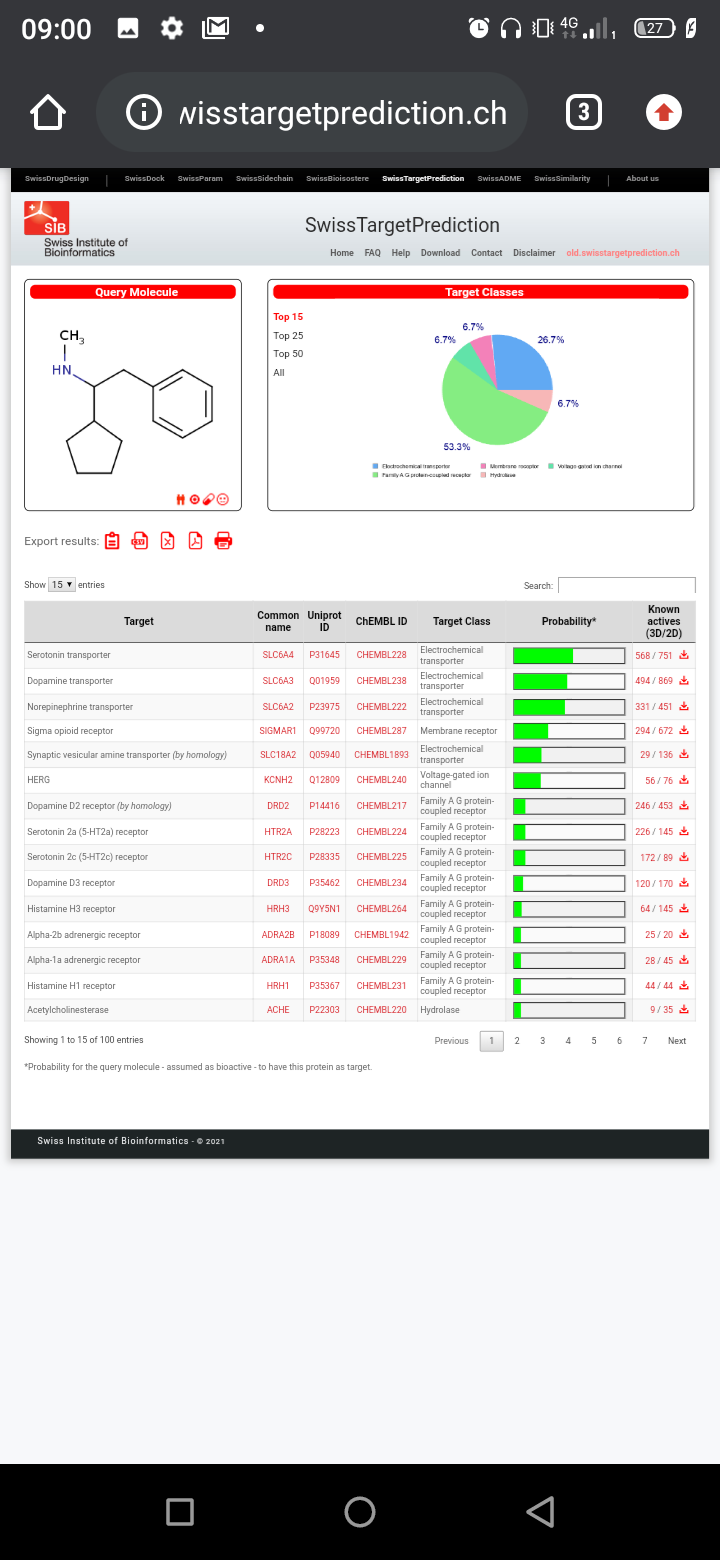
HORSEPOWER
izo
Bluelighter
HORSEPOWER
this stuff will fuck you up.Last edited:
izo
Bluelighter
Latest advances in cannabinoid receptor agonists
Abstract
Background: Since the discovery of cannabinoid receptors and their endogenous ligands in early 1990s, the endocannabinoid system has been shown to play a vital role in several pathophysiological processes. It has been targeted for the treatment of several diseases including neurodegenerative diseases (Parkinson's disease, Alzheimer's disease, Huntington's disease and MS), cancer, obesity, inflammatory bowel disease, neuropathic and inflammatory pain. The last decade has witnessed remarkable advances in the development of cannabinergic ligands displaying high selectivity and potency towards two subtypes of cannabinoid receptors, namely CB1 and CB2.
Objective: In this review, we highlight the latest advances made in the development of cannabinoid agonists and summarize recently disclosed, novel chemical scaffolds as CB-selective agonists in patents that appeared during January 2008 - June 2009.
Methods: Data presented here are obtained through the search of PubMed for research articles and reviews, and the website of European patents (http://ep.espacenet.com), SciFinder Scholar and US patents (www.uspto.gov).
Conclusions: Our analysis reveals prolific patenting activity mainly in the CB2 selective agonist area. Limiting the BBB penetrability, thereby, leading to peripherally restricted CB1/CB2 agonists and enhancing CB2-selectivity emerge as likely prerequisites for avoidance of adverse central CB1 mediated side effects.

Latest advances in cannabinoid receptor agonists - PubMed
Our analysis reveals prolific patenting activity mainly in the CB2 selective agonist area. Limiting the BBB penetrability, thereby, leading to peripherally restricted CB1/CB2 agonists and enhancing CB2-selectivity emerge as likely prerequisites for avoidance of adverse central CB1 mediated side... pubmed.ncbi.nlm.nih.gov
2009 - Latest advances in cannabinoid receptor agonists.pdf
 drive.google.com
best paper on the recent ongoing in cannabinoid ligands, lots of interesting structures.Last edited:
Rectify
Bluelighter
- Joined
- Oct 20, 2008
- Messages
- 11,411
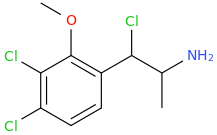
PHISH
1-(3,4-dichloro-2-methoxyphenyl)-2-amino-1-chloropropane
A LIVE ONE
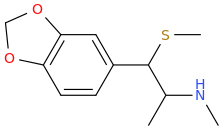
SADDUCE
1-(3,4-methylenedioxyphenyl)-2-methylamino-1-(methylthio)propane
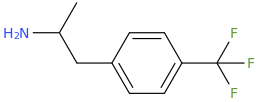
PHARISEE
1-(4-trifluoromethylphenyl)-2-aminopropane
(
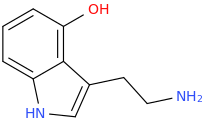
4-HOT
1-(4-hydroxyindole-3-yl)-2-aminoethane
4-HydrOxyTryptamine
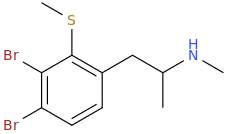
THE_GOOD_SAMARITAN
1-(2-(methylthio)-3,4-dibromophenyl)-2-methylamino-propane
![(2S,5R,6R)-2-carbomethoxy-3,3-dimethyl-7-oxo-6-[(2-phenylacetyl)amino]-4-thia-1-azabicyclo[3.2.0]heptane.png](/community/proxy.php?image=https%3A%2F%2Fopsin.ch.cam.ac.uk%2Fopsin%2F%282S%2C5R%2C6R%29-2-carbomethoxy-3%2C3-dimethyl-7-oxo-6-%5B%282-phenylacetyl%29amino%5D-4-thia-1-azabicyclo%5B3.2.0%5Dheptane.png&hash=fc4745a014918cfbb73458fb9fc77b16)
PENICILLIN_M
(2S,5R,6R)-2-carbomethoxy-3,3-dimethyl-7-oxo-6-[(2-phenylacetyl)amino]-4-thia-1-azabicyclo[3.2.0]heptane
aka penicillin G methyl ester
so obvious it hurts
penetrates CSF much better than its parent compound, pen G (benzyl penicillin)Last edited:- Status
- Not open for further replies.



![(2S,5R,6R)-2-carbomethoxy-3,3-dimethyl-7-oxo-6-[(2-phenylacetoxy)]-4-oxa-1-azabicyclo[3.2.0]heptane.png](/community/proxy.php?image=https%3A%2F%2Fopsin.ch.cam.ac.uk%2Fopsin%2F%282S%2C5R%2C6R%29-2-carbomethoxy-3%2C3-dimethyl-7-oxo-6-%5B%282-phenylacetoxy%29%5D-4-oxa-1-azabicyclo%5B3.2.0%5Dheptane.png&hash=b0da77bf6248227c38c6db2d2f0afebc)
![(2S,5R,6R)-2-carbomethoxy-3,3-dimethyl-7-oxo-6-[(2-phenylacetoxy)]-4-oxa-bicyclo[3.2.0]heptane.png](/community/proxy.php?image=https%3A%2F%2Fopsin.ch.cam.ac.uk%2Fopsin%2Fhttps%3A%2F%2Fopsin.ch.cam.ac.uk%2Fopsin%2F%282S%2C5R%2C6R%29-2-carbomethoxy-3%2C3-dimethyl-7-oxo-6-%5B%282-phenylacetoxy%29%5D-4-oxa-bicyclo%5B3.2.0%5Dheptane.png&hash=5a671a15973b8224e229dbd8206f377f)