




poledriver
Bluelighter
- Joined
- Jul 21, 2005
- Messages
- 11,543
DOES alcohol cause violence or do violent people cause violence?
It’s a surprisingly complex question which has led to a furious war of words between rival health experts.
And the answer could have severe ramifications for how, where and at what time Australians are permitted to have a drink.
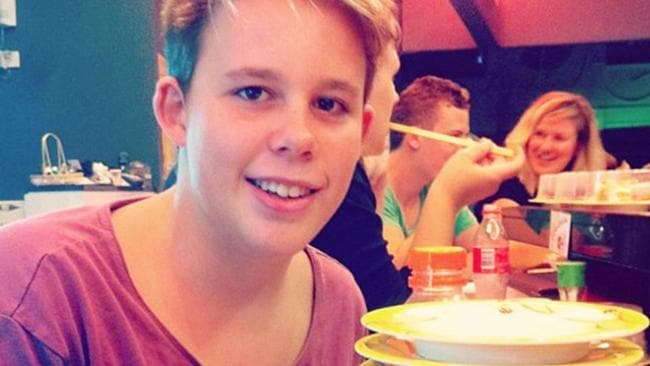
Last week, 18-year-old Cole Miller died after he was allegedly felled in a one-punch attack in Brisbane’s night life district of Fortitude Valley.
In the wake of the tragedy, Queensland acting premier Jackie Trad said the teenager’s death highlighted that more needed to be done to limit access to alcohol.
“It really does speak to the fact this Government has decided to take very seriously stamping out this sort of senseless drunken violence,” reported the ABC.
“We will be moving ahead with our alcohol-fuelled violence laws later on this year.”
If they pass parliament, Queensland’s new liquor laws will be similar to those that are already in force in New South Wales where all bottle shops have to close by 10pm and punters are locked out of licensed venues after 1.30am.
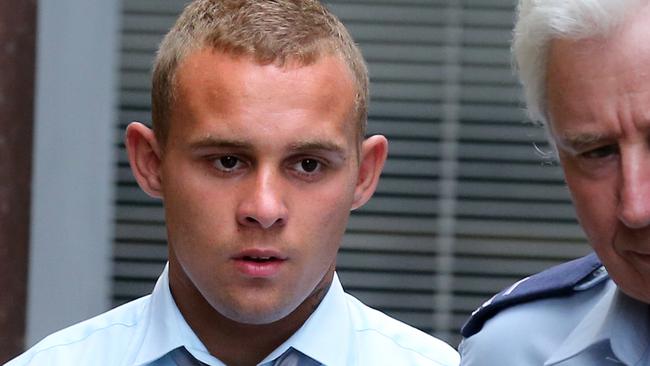
NSW’s restrictions came into force after another 18-year-old, Thomas Kelly, was killed in a random assault in the party zone of Kings Cross in 2012. His killer, Kieran Loveridge, had been roaming the area that evening and had already assaulted several other people. He had consumed 20 units of alcohol.
While violence has reduced in the area, the laws have also been blamed for devastating the night-time economy in Kings Cross and Darlinghurst with pubs, bars and even newsagents closing down since the lockouts came into force.
British anthropologist Dr Anne Fox last year released a paper, commissioned by Lion, which brews XXXX and Tooheys, which said alcohol was not a direct cause of violence.
Talking to ABC radio at the time, she said if there was a simple link between alcohol and violence, there would be uniform levels of violence among all drinkers.
Alcohol “cannot hijack someone’s better nature and make them violent,” she said.
“People who are already aggressive or have other underlying tendencies which predispose them to aggression, such as depression or bipolar disorder or schizophrenia or hyper-aggressivity, poor impulse control — these people tend to drink heavily.
“This creates a sort of illusion of correlation that it’s the alcohol causing the problem. But if 100,000 people go out drinking on a Friday night and one person throws a punch, we call it alcohol-fuelled violence, but what about the other 99,999 people who were drinking at the time who managed to stay perfectly controlled?” Dr Fox said, pointing to countries such as Iceland where more alcohol is consumed but less violence occurs.
Her recommendations included young boys being taught not to react aggressively to every perceived slight, taunt or jest and media campaigns about acceptable drinking behaviour.
However, two academics have now hit back with a stinging critique of Dr Fox’s report.
In the journal Addiction, Nicki Jackson from the University of Auckland, said, “Dr Fox has overstated the effectiveness of social marketing and alcohol education, and underplayed the causal role of alcohol in violence,” and the paper failed to acknowledge the evidence concerning effective strategies for reducing violence including lockouts.
Professor Kypros Kypri from the University of Newcastle said, “Despite failing to meet even basic standards of research the report cannot be ignored, because the findings are being used by the alcohol industry to overturn licensing decisions and in submissions on public policy.”
Dr Fox has not taken the criticism lying down, questioning the basis for Prof Kypri and Ms Jackson’s comments and asserting that Lion had no undue influence over her findings. “For decades, many esteemed social scientists have been challenging the unfounded hypothesis that there is a direct causal link between alcohol and violence,” she said.
CONFLICT OF INTEREST
While she was clear about Lion’s involvement in her work, she lashed out at Prof Kypri for failing to declare he is a member of an anti-alcohol organisation.
Prof Kypri is listed as a director of the Australian Rechabite Foundation whose aim is to build “knowledge of the harmful effects of alcohol”.
He denied this was a conflict of interest. “It attaches me to the point of view that reducing alcohol-related harm is desirable and that using evidence to do that is acceptable. I don’t resile from that,” he told the New Zealand Herald.
“That’s relevant to someone who is a public health practitioner. Public health research is an applied discipline.”
Cont -
http://www.news.com.au/lifestyle/he...e/news-story/d48fe42baedf7c505cf32569cf762030
It’s a surprisingly complex question which has led to a furious war of words between rival health experts.
And the answer could have severe ramifications for how, where and at what time Australians are permitted to have a drink.
Last week, 18-year-old Cole Miller died after he was allegedly felled in a one-punch attack in Brisbane’s night life district of Fortitude Valley.
In the wake of the tragedy, Queensland acting premier Jackie Trad said the teenager’s death highlighted that more needed to be done to limit access to alcohol.
“It really does speak to the fact this Government has decided to take very seriously stamping out this sort of senseless drunken violence,” reported the ABC.
Cole Miller died from an assault in Brisbane’s party district of Fortitude Valley.Source:No Source
“We will be moving ahead with our alcohol-fuelled violence laws later on this year.”
If they pass parliament, Queensland’s new liquor laws will be similar to those that are already in force in New South Wales where all bottle shops have to close by 10pm and punters are locked out of licensed venues after 1.30am.
NSW’s restrictions came into force after another 18-year-old, Thomas Kelly, was killed in a random assault in the party zone of Kings Cross in 2012. His killer, Kieran Loveridge, had been roaming the area that evening and had already assaulted several other people. He had consumed 20 units of alcohol.
While violence has reduced in the area, the laws have also been blamed for devastating the night-time economy in Kings Cross and Darlinghurst with pubs, bars and even newsagents closing down since the lockouts came into force.
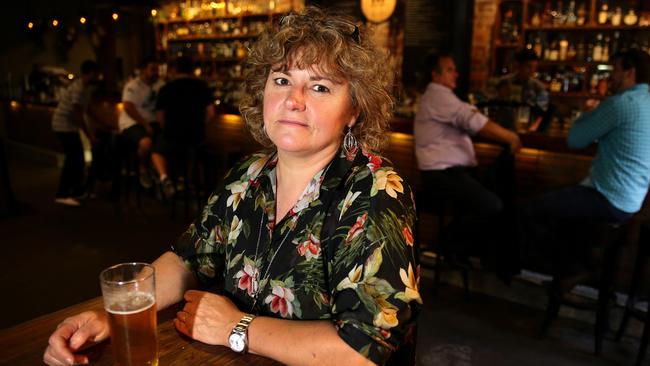
British anthropologist Dr Anne Fox last year released a paper, commissioned by Lion, which brews XXXX and Tooheys, which said alcohol was not a direct cause of violence.
Talking to ABC radio at the time, she said if there was a simple link between alcohol and violence, there would be uniform levels of violence among all drinkers.
Anthropologist Dr Anne Fox has had her study looking at Australia and New Zealand’s drinking culture slammed by academics who favour a crackdown on the availability of alcohol.Source:News Corp Australia
Alcohol “cannot hijack someone’s better nature and make them violent,” she said.
“People who are already aggressive or have other underlying tendencies which predispose them to aggression, such as depression or bipolar disorder or schizophrenia or hyper-aggressivity, poor impulse control — these people tend to drink heavily.
“This creates a sort of illusion of correlation that it’s the alcohol causing the problem. But if 100,000 people go out drinking on a Friday night and one person throws a punch, we call it alcohol-fuelled violence, but what about the other 99,999 people who were drinking at the time who managed to stay perfectly controlled?” Dr Fox said, pointing to countries such as Iceland where more alcohol is consumed but less violence occurs.
Her recommendations included young boys being taught not to react aggressively to every perceived slight, taunt or jest and media campaigns about acceptable drinking behaviour.
However, two academics have now hit back with a stinging critique of Dr Fox’s report.
In the journal Addiction, Nicki Jackson from the University of Auckland, said, “Dr Fox has overstated the effectiveness of social marketing and alcohol education, and underplayed the causal role of alcohol in violence,” and the paper failed to acknowledge the evidence concerning effective strategies for reducing violence including lockouts.
Professor Kypros Kypri from the University of Newcastle said, “Despite failing to meet even basic standards of research the report cannot be ignored, because the findings are being used by the alcohol industry to overturn licensing decisions and in submissions on public policy.”
Kieran Loveridge, who was found guilty of the death of Thomas Kelly, had a violent past.Source:News Limited
Dr Fox has not taken the criticism lying down, questioning the basis for Prof Kypri and Ms Jackson’s comments and asserting that Lion had no undue influence over her findings. “For decades, many esteemed social scientists have been challenging the unfounded hypothesis that there is a direct causal link between alcohol and violence,” she said.
CONFLICT OF INTEREST
While she was clear about Lion’s involvement in her work, she lashed out at Prof Kypri for failing to declare he is a member of an anti-alcohol organisation.
Prof Kypri is listed as a director of the Australian Rechabite Foundation whose aim is to build “knowledge of the harmful effects of alcohol”.
He denied this was a conflict of interest. “It attaches me to the point of view that reducing alcohol-related harm is desirable and that using evidence to do that is acceptable. I don’t resile from that,” he told the New Zealand Herald.
“That’s relevant to someone who is a public health practitioner. Public health research is an applied discipline.”
Cont -
http://www.news.com.au/lifestyle/he...e/news-story/d48fe42baedf7c505cf32569cf762030




