




Link to listen https://www.wpr.org/news/wisconsin-policy-forum-report-prisons-jails-access-opioid-abuse-medication
More prisons and jails in Wisconsin now provide access to treatment through medication for people with substance use disorders, according to a new report.
The Wisconsin Policy Forum report found that all of the Wisconsin Department of Corrections adult facilities and a majority of county jails that responded to a survey provide access to medication for opioid use disorder to certain incarcerated people. However, the report found at least eight county jails do not provide any medication for the disorder.
A 2023 study found that opioid overdose is a leading cause of death for people who are released from custody. A recent study funded by the National Institutes of Health found that incarcerated people who received medication for opioid use disorder while they were in custody had a lower risk of overdose.
The Wisconsin Policy Forum report found treating incarcerated people with drugs that combat addiction has been shown to reduce overdose deaths after their release “and can also alleviate the suffering of those who are still in custody.”
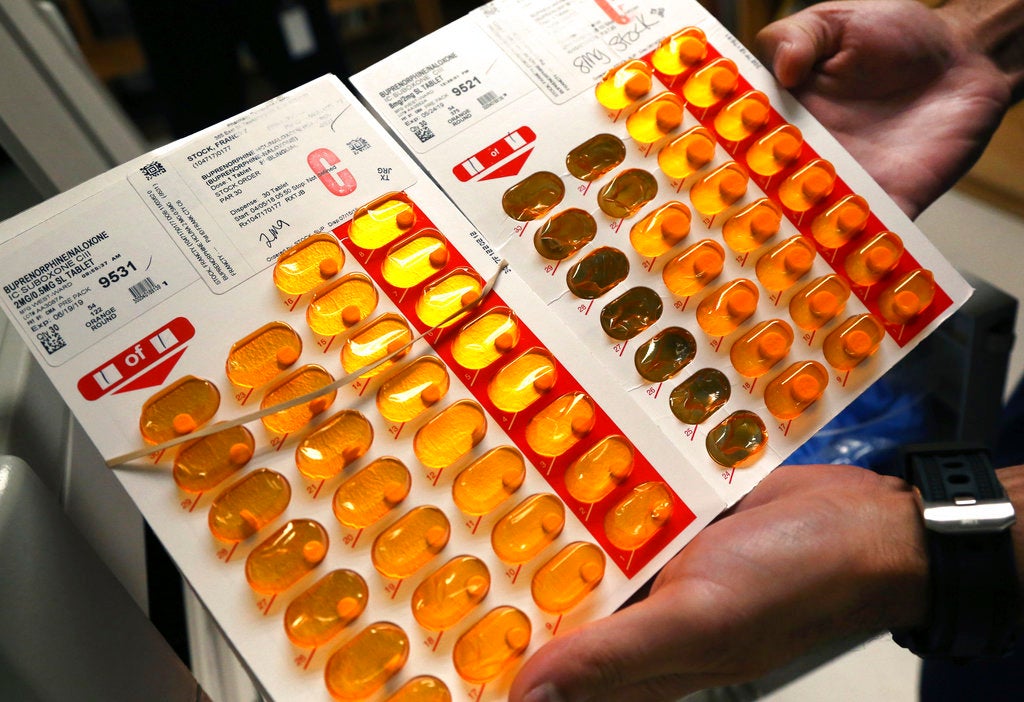
Medications used include buprenorphine, methadone and naltrexone. The drugs can help with withdrawal symptoms and reduce cravings for opioids.
All 36 Wisconsin Department of Corrections adult facilities now allow individuals with a disorder to “start naltrexone or continue an existing buprenorphine prescription,” according to the report. That’s up from 13 state DOC facilities that provided access to any form of the medication in 2021.
Meanwhile, the report found that 53 of 65 county jails that responded to a survey said they provide access to at least one medication for the disorder, up from 25 county jails in 2021.
Over 4,000 people at county jails across the state or Wisconsin DOC facilities received medication for substance use disorders in 2024, the report found. During a Wednesday press conference, Jason Stein, president of Wisconsin Policy Forum, said there is increased availability of the medications for people in custody across the state.
“But, at the same time, there are some gaps in access,” Stein said.
“There are now 24 counties that provide some access to methadone, but that is still a minority, and we have a number of jails that, while they may provide continuation of existing prescriptions, they do not initiate individuals on those medications,” Stein added.
David Stockton, 48, started buprenorphine a few weeks before he was released from custody at the Milwaukee County Community Reintegration Center in 2022. Before he was in custody, he said he was addicted to cocaine and heroin.
Four years later, he said he’s still sober. He credits the medication for his success.
“I feel like it probably saved my life,” Stockton said.
Stockton said he was worried he’d start using drugs again when he was released.
“If I would have went out to the streets and gotten something, chances are I probably would overdosed immediately,” Stockton said.
8 county jails still do not offer medication
The report found at least eight county jails, in “mostly small and rural counties,” do not offer any medication for people with substance use disorders. Five other county jails did not respond to the survey.
“Though these counties may face particular hurdles to taking this step, they also have potential tools to draw on, including opioid settlement funds and neighboring counties and health care providers that are already delivering this service,” the report said.
The duration of stay for incarcerated people in jails can be a barrier for county jails to provide access to the medications, according to the report.
“The short and sometimes unpredictable duration of jail stays means that jail staff may face logistical challenges” in providing treatment medication in some cases, the report said.
“A significant portion of jails do not initiate individuals on the medications, particularly when a person spends only a short time in jail,” the report added.
Other challenges for county jail programs include cost and staffing required to operate the program, according to the survey results in the report. Twenty-three county jails that responded to the survey in the report reported using opioid settlement funds for either staffing or purchasing medications for the program.
The initiation and continuation, or starting people on the medication or allowing them to continue their treatment or medication, differ county by county, according to the survey results. Stein said around a third of county jails that responded to the survey do not initiate, or start incarcerated people on treatment medications when they enter custody.
For the state Department of Corrections, the estimated cost of the program in 2024 was around $321,000, “including the salaries and benefits of staff who provide these medications,” according to the report.
“For context, the budget of the agency from all funding sources for fiscal year 2024 was $1.5 billion,” the report said.
Wisconsin Public Radio, © Copyright 2026, Board of Regents of the University of Wisconsin System and Wisconsin Educational Communications Board.
 www.wpr.org
More prisons and jails in Wisconsin now provide access to treatment through medication for people with substance use disorders, according to a new report.
The Wisconsin Policy Forum report found that all of the Wisconsin Department of Corrections adult facilities and a majority of county jails that responded to a survey provide access to medication for opioid use disorder to certain incarcerated people. However, the report found at least eight county jails do not provide any medication for the disorder.
A 2023 study found that opioid overdose is a leading cause of death for people who are released from custody. A recent study funded by the National Institutes of Health found that incarcerated people who received medication for opioid use disorder while they were in custody had a lower risk of overdose.
The Wisconsin Policy Forum report found treating incarcerated people with drugs that combat addiction has been shown to reduce overdose deaths after their release “and can also alleviate the suffering of those who are still in custody.”
Medications used include buprenorphine, methadone and naltrexone. The drugs can help with withdrawal symptoms and reduce cravings for opioids.
All 36 Wisconsin Department of Corrections adult facilities now allow individuals with a disorder to “start naltrexone or continue an existing buprenorphine prescription,” according to the report. That’s up from 13 state DOC facilities that provided access to any form of the medication in 2021.
Meanwhile, the report found that 53 of 65 county jails that responded to a survey said they provide access to at least one medication for the disorder, up from 25 county jails in 2021.
Over 4,000 people at county jails across the state or Wisconsin DOC facilities received medication for substance use disorders in 2024, the report found. During a Wednesday press conference, Jason Stein, president of Wisconsin Policy Forum, said there is increased availability of the medications for people in custody across the state.
“But, at the same time, there are some gaps in access,” Stein said.
“There are now 24 counties that provide some access to methadone, but that is still a minority, and we have a number of jails that, while they may provide continuation of existing prescriptions, they do not initiate individuals on those medications,” Stein added.
David Stockton, 48, started buprenorphine a few weeks before he was released from custody at the Milwaukee County Community Reintegration Center in 2022. Before he was in custody, he said he was addicted to cocaine and heroin.
Four years later, he said he’s still sober. He credits the medication for his success.
“I feel like it probably saved my life,” Stockton said.
Stockton said he was worried he’d start using drugs again when he was released.
“If I would have went out to the streets and gotten something, chances are I probably would overdosed immediately,” Stockton said.
8 county jails still do not offer medication
The report found at least eight county jails, in “mostly small and rural counties,” do not offer any medication for people with substance use disorders. Five other county jails did not respond to the survey.
“Though these counties may face particular hurdles to taking this step, they also have potential tools to draw on, including opioid settlement funds and neighboring counties and health care providers that are already delivering this service,” the report said.
The duration of stay for incarcerated people in jails can be a barrier for county jails to provide access to the medications, according to the report.
“The short and sometimes unpredictable duration of jail stays means that jail staff may face logistical challenges” in providing treatment medication in some cases, the report said.
“A significant portion of jails do not initiate individuals on the medications, particularly when a person spends only a short time in jail,” the report added.
Other challenges for county jail programs include cost and staffing required to operate the program, according to the survey results in the report. Twenty-three county jails that responded to the survey in the report reported using opioid settlement funds for either staffing or purchasing medications for the program.
The initiation and continuation, or starting people on the medication or allowing them to continue their treatment or medication, differ county by county, according to the survey results. Stein said around a third of county jails that responded to the survey do not initiate, or start incarcerated people on treatment medications when they enter custody.
For the state Department of Corrections, the estimated cost of the program in 2024 was around $321,000, “including the salaries and benefits of staff who provide these medications,” according to the report.
“For context, the budget of the agency from all funding sources for fiscal year 2024 was $1.5 billion,” the report said.
Wisconsin Public Radio, © Copyright 2026, Board of Regents of the University of Wisconsin System and Wisconsin Educational Communications Board.
Wisconsin's incarcerated have more access to medications that fight addiction, report finds
More prisons and jails in Wisconsin now provide access to medication for people with substance use disorders, according to a new report.
www.wpr.org


