slimvictor
Bluelight Crew
Iran's counter-narcotics programme results in hundreds of executions each year, yet western powers still support it
Representatives of more that 50 countries will meet in Vienna shortly to determine the level of international support that Iran receives for its continuing war on drugs.
This comes amid concern about the increasing number of executions for drug-related offences in Iran. Six more people were recently hanged in the city of Kermanshah – executions that a senior figure in the judiciary described as "one of the triumphs of Iran".
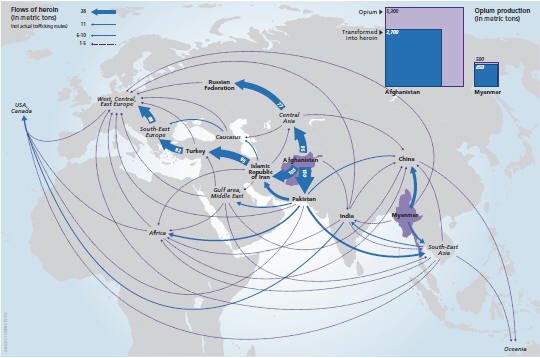
As part of the counter-narcotics programme, Iran receives a constant flow of technical support from the UK, the US and other western governments, either directly or through the United Nations Office on Drugs and Crime (UNODC).
Last month, Yury Fedotov, head of the UNODC, said he would "encourage the international community to bolster counter-narcotics" efforts in Iran, Afghanistan and neighbouring countries. However, he made no mention of the consequences of supporting the current Iranian government in this way.
The UNODC started its work in Iran in 1998 – one year after the reformist president Muhammad Khatami came to power on a platform of respect for civil society and the rule of law. It played a crucial role in supporting Iran's health ministry from 2002 to 2005 to implement a "harm reduction" programme to tackle rising rates of drug addiction and HIV.
But progress was reversed when Mahmoud Ahmadinejad became president in 2005. One of his first acts was to appoint a new interior minister: Mostafa Pourmohammadi, an infamous cleric who had ordered and supervised the execution of several thousand political prisoners in 1988.
cont at
http://www.guardian.co.uk/commentisfree/2011/dec/06/iran-war-on-drugs-executions