• Psychedelic Medicine
  • Psychedelic Medicine Moderator: mr peabody

TOBACCO ADDICTION | +60 articles

bladerunner_052pyxurz.jpg


Could magic mushrooms help you stop smoking?

A new study examined whether psilocybin could help long-time smokers put down their butts for good.

Once dismissed as a remnant of '60s counterculture, and eventually banned as a Schedule I drug, psilocybin—the naturally-occurring psychedelic compound found in certain species of mushrooms, thus earning them the sobriquet "magic mushrooms"—has in recent years been ushered to the forefront of medical and psychological research for its reported efficacy in treating any number of health conditions, including depression and alcoholism.

Now, a new study suggests that psilocybin may also help to curb smoking, as evidenced by the results of six years of research involving smokers who had tried and failed to quit smoking on multiple occasions.

The study found that through controlled psilocybin use and cognitive behavioral therapy (CBT), more than half of the participants had successfully quit smoking after a six-month period—a higher rate of abstinence than with CBT alone, according to researchers.

The study, conducted by researchers from Johns Hopkins University, involved 15 study participants—10 men and 5 women, all at an average age of 51, and who smoked, on average, slightly less than a full pack (19 cigarettes) daily for 31 years. All had attempted to stop smoking on previous occasions, but had failed.

The study authors administered treatment to the participants and then followed up with them over a period of six years, between 2009 and 2015.

The treatment consisted of carefully controlled and monitored psilocybin use in conjunction with CBT. After a period of more than two years, the researchers invited the participants to take part in a follow-up interview to determine if and how the treatment affected their smoking. Twelve of the original 15 participants took part in the interview.

What researchers found was that the 12 participants had not only succeeded in complete smoking cessation after six months, but also experienced a host of additional emotional and psychological responses to the treatment.

Participants said that through a combination of the treatment, counseling, a "strong rapport" with the study team, and a sense of momentum after taking part in the study all contributed to their achieving abstinence.

They also reported "gaining vivid insights into self-identity and reasons for smoking" from the psilocybin treatment, and the sense of "interconnectedness, curiosity and awe" continued after the treatment had ended. Participants also said that they felt an array of "persistent" positive feelings, including "increased aesthetic appreciation, altruism, and pro-social behavior" as a result of their participation.

The researchers concluded that the results of their study underscored the value in continuing research into what some have labeled "psychedelic therapy," and recommended future research trials.

Their findings also supported previous study findings by Johns Hopkins researchers, which suggested that lifetime smokers treated with psilocybin experienced twice the rate of abstinence than those who used the FDA-approved drug Chantix.

https://www.thefix.com/could-magic-mushrooms-help-you-stop-smoking
 
fef631cb-0b09-4b8a-baf4-183365affaa4-psychedelics-2.jpg


Researchers report that a small number of longtime smokers who had failed many attempts to drop the habit did so after a carefully controlled and monitored use of psilocybin in the context of a cognitive behavioral therapy treatment program. The abstinence rate for study participants was 80 percent after 6 months, a quit rate unprecedented in smoking cessation research. A follow-up study from the same group found that 16 months after the therapy, 60% of the participants were still abstinent.

http://howtousepsychedelics.org/quit-smoking/

-----

I was a smoker addicted to nicotine for 37 years. 10 years ago, I planned a psilocybin trip that changed my life. I potentiated the psilocybin with Syrian Rue seed extract, which intensifies the dosage and deepens the journey. The experience allowed me to see my life (and all life) in transcendent overview. And to quite vividly be reborn into this life with the realization that no, I was not born a smoker.

I quit in my mind in that present moment. And while it was emotionally tough over the next few months - I never looked back except to thank the mushrooms that made my liberation possible. Clearly, they hold fantastic potential to help others with addictions, depression etc. or simply as a profound way to reset the compass of our lives.

https://hub.jhu.edu/2014/09/11/magic-mushrooms-smoking/
-----

Just talked to a friend who underwent Ibogaine treatment in Mexico. He did this because of heroin and cocaine use. His results were miraculous. Besides quitting heroin and cocaine, he ended a 25 yr smoking habit overnight. He said the trip was intense, comparable to 5-15 hits of the most powerful LSD. But different. He mentioned touching the eternal, but was really unable to describe. I am on suboxone and thinking about taking treatment myself. It sounds incredible.

-blahmfingblah

-----

I asked a friend who works with ibogaine in Mexico his recommended dose for smoking cessation - keep in mind we are both about 60kg, he said "120mg" no hesitation, so about 2mg/kg. I went home, weighed it out, looked at it skeptically, was hesitant and then took it. An hour later I could feel it washing over me, soothing away all the nicotine jitters. I am sitting here now 17 hours tobacco free with no anxiety at all. I'll be continuing the 120mg a day until I run out, which is to say today I am absolutely shocked at how well this has worked.

-cdin​
 
p02ts6ff.jpg


Psychedelics could hold the key to helping nicotine-addicted people quit smoking

by Kyle Jaeger | 22 Oct 2015

For cigarette smokers, quitting can be an incredibly challenging experience. Approximately 480,000 Americans die every year from cigarettes, making it the single largest preventable cause of disease and death in the country. If that's not enough to convince smokers to quit, it's evidence enough of the power of nicotine addiction. So when Johns Hopkins University came out with a study on the effects of using psilocybin in helping longtime smokers kick the habit, the results impressed many.

In a carefully controlled setting, smokers were introduced to magic mushrooms three times over the course of two months, upping the dose of psilocybin each time. The study, which was published in the Journal of Psychopharmacology, showed a smoking abstinence rate of 80 percent after six months. Compare that to the 35 percent success rate for varenicline, a prescription drug that is considered one of the most effective addiction treatment options for smokers, after six months, and it's easy to understand why this study provoked such excitement.

Nicotine replacement and other behavioral therapies have success rates of less than 30 percent, according to the researchers.

The average age of the study participants was 55, and they smoked an average of 19 cigarettes per day for 31 years. All had repeatedly tried and failed to quit; and while some had experimented with psychedelics in the past (on average, 27 years before participating in the study), none had thought to use magic mushrooms to treat their nicotine addiction. But researchers are increasingly finding that psilocybin may have unexplored health benefits that could be applied in the context of cognitive behavioral therapy treatment programs.

For example, psilocybin has also proven to be effective at treating depression, anxiety, and obsessive compulsive disorder (OCD), as CNN reported.

Researchers emphasize that these results are not meant to encourage smokers to perform do-it-yourself, magic mushroom therapy sessions for smoking cessation. Rather, the success of this clinic trial appears to demonstrate that, in controlled settings overseen by medical professionals, longtime smokers who are administered psilocybin pills can be effectively coaxed out of their addiction through behavioral therapy.

"Quitting smoking isn't a simple biological reaction to psilocybin, as with other medications that directly affect nicotine receptors," Dr. Matthew Johnson, the study's lead author and an associate professor of psychiatry and behavioral sciences at the Johns Hopkins University School of Medicine, wrote. "When administered after careful preparation and in a therapeutic context, psilocybin can lead to deep reflection about one's life and spark motivation to change."

Johnson plans to pursue further research into the use of psilocybin to treat smoking addiction, comparing the results to the success of using nicotine patches, and the researchers will "use MRI scans to study brain activity in participants."

https://www.attn.com/stories/3773/mu...itting-smoking
 
maxresdefault.jpg


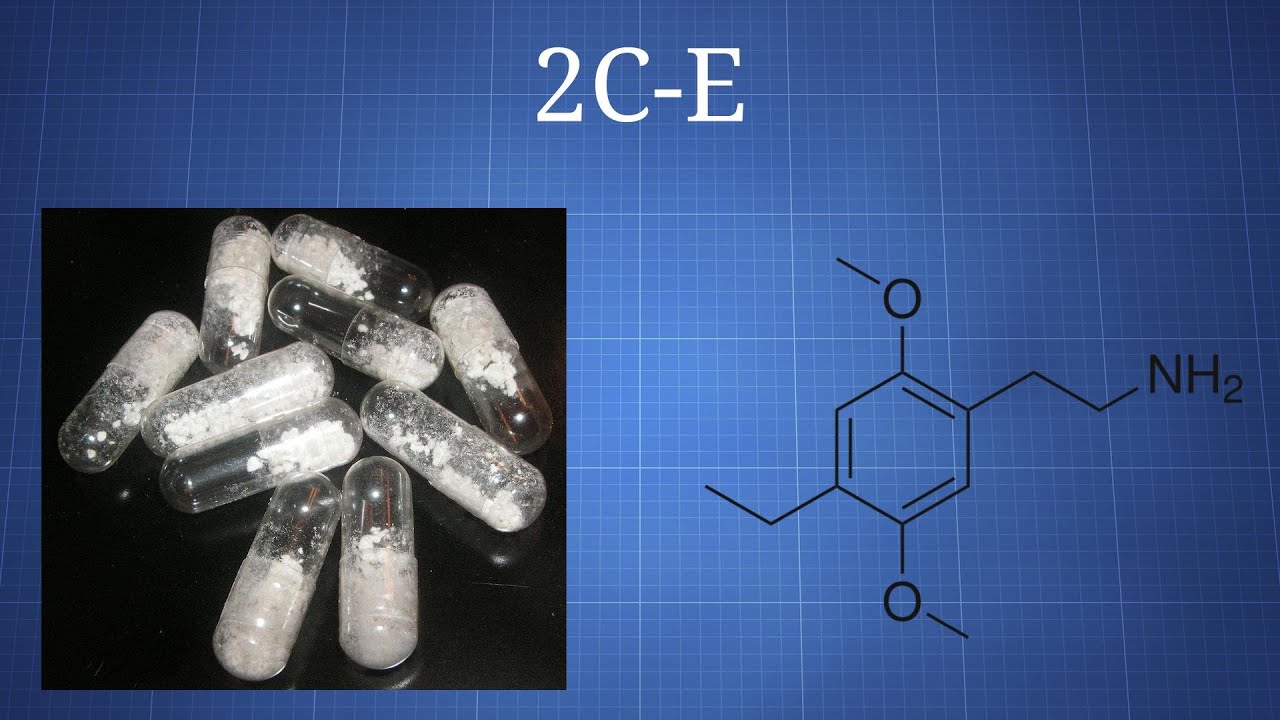
2C-E "an incredible tool" for arresting cigarette addiction

My girlfriend, J, and I acquired six grams of 2C-E HCl powder from an online vendor, and had four amazingly powerful 2C-E trips in a month. I was a smoker prior to this for 6 years. I'd been trying to quit on an off with all attempts failing miserably for about 2 years prior to this experience; I didn't like being a smoker, and I felt seriously addicted to nicotine. It was a filthy habit, but quitting didn't seem like an option, as I was working a shitty kitchen job and living with people who drank and smoked.

I can't recall exactly the chronology of my quitting and 2C-E use, but it was something like this. I remember smoking on my first 2C-E trip, and still feeling like I "enjoyed" my cigarette, but I was thinking an awful lot about the sheer stupidity of it. I also engaged in this type of thinking when sober, but it was different somehow on 2C-E. The 2nd and 3rd time I tripped on 2C-E, I think I may have had 1 cigarette. However, these times the cigarette's dry acrid smoke was especially potent to my heightened senses, and I had taken larger doses of 2C-E, and my mind was working much faster and was way further outside the box so to speak.

I'm having difficulty describing how I felt 2C-E was important in helping me stop my addiction to nicotine. It wasn't like 2C-E helped any physical symptoms. What helped me to quit was the positive mental reinforcement I gained from 2C-E. The reinforcement manifested in several ways during the trip, such as realizing the emotional impact of needing a cigarette in order to feel satisfied, crazy psychedelic imaginings and mental imagery of the damage I was doing to myself when I smoked. Although this was not unpleasant, it was like "well if you?re going to put formaldehyde and tar in there, then this is what you might look like in 40 years!"

The fourth trip I remember not smoking a single cigarette, and all my cravings felt very manageable mentally. It felt as through 2C-E helped me find the strength to remind myself why I don't want to be a smoker any longer, EVERY time I felt a craving arise. It was like I thought about my addiction on 2C-E so intense, that I could never again pretend to ignore the fact that it really bothers me to be a smoker. I used a nicotine patch for a short time immediately after I quit smoking, but I didn't use it for anywhere near as long as directed (10 weeks). And after I stopped using the patch, no symptoms returned, and still 4.5 months later, no relapse.

As a side note, J was never a smoker, and did not like me being a smoker. So although I say 2C-E helped me quit smoking, I also wanted to quit prior to using 2C-E. But I felt as thought 2C-E helped me quit in a very unexpected way. Quitting smoking was never an issue I wanted to tackle by using psychedelics, it was just a bonus this incredible teacher gave me. The best thing about 2C-E is that all the changes it brings about feel as if they come from the heart. It was very natural feeling, despite the synthetic nature of the drug.

https://erowid.org/experiences/exp.php?ID=70931
 
Psilocybin-occasioned mystical experiences in the treatment of tobacco addiction

Albert Garcia-Romeu, PhD, Roland R. Griffiths, PhD, Matthew W. Johnson, PhD1

Psilocybin-occasioned mystical experiences have been linked to persisting effects in healthy volunteers including positive changes in behavior, attitudes, values, and increases in the personality domain of openness. In an open-label pilot-study of psilocybin-facilitated smoking addiction treatment, 15 smokers received 2 or 3 doses of psilocybin in the context of cognitive behavioral therapy (CBT) for smoking cessation. Twelve of 15 participants demonstrated biologically verified smoking abstinence at 6-month follow-up. Participants who were abstinent at 6 months were compared to participants still smoking at 6 months on measures of subjective effects of psilocybin. Abstainers scored significantly higher on a measure of psilocybin-occasioned mystical experience. No significant differences in general intensity of drug effects were found between groups, suggesting that mystical-type subjective effects, rather than overall intensity of drug effects, were responsible for smoking cessation. Nine of 15 participants met criteria for “complete” mystical experience. Smoking cessation outcomes were significantly correlated with measures of mystical experience on session days, as well as retrospective ratings of personal meaning and spiritual significance of psilocybin sessions. These results suggest a mediating role of mystical experience in psychedelic-facilitated addiction treatment.

The association between psilocybin-occasioned mystical experience and higher order psychological constructs relevant across addictions (e.g. craving, temptation, self-efficacy), is consistent with prior research showing efficacy of psychedelics for treatment of alcoholism and opioid dependence. Perhaps the most exciting implication is that this drug class could be used to treat a wide variety of drug addictions, including smoking, alcoholism, and opioid dependence, as well as non-drug addictions (e.g. gambling addiction). Given the relatively low success rates of current addiction treatments, and the global morbidity and mortality associated with addictive disorders, further research into psychedelic-facilitated treatment of addiction is both timely and important.

The idea that a single discrete experience can result in lasting beneficial effects in an individual’s attitudes or behavior is highly unusual if not unprecedented within the modern biomedical paradigm, wherein curative or therapeutic processes are often conceptualized as occurring gradually. Yet there does exist a parallel phenomenon that seems to function similarly, though in the opposite direction; that is, a salient adverse event (i.e. trauma) may result in lasting negative effects in a person’s physical and mental life. The acquired nature of PTSD and the observation that acute adverse events are capable of producing enduring detrimental brain changes are well-documented. It is our contention that in a similar fashion, the psychedelic-occasioned peak experience may function as a salient, discrete event producing inverse PTSD-like effects-that is, persisting changes in behavior (and presumably the brain) associated with lasting benefit. By “PTSD-like” we are not presuming that these experiences necessarily share common biological mechanisms with PTSD. Rather, we are proposing that these experiences are “PTSD-like” in the sense that a single discrete event can cause lasting behavioral (and likely biological) changes, and “inverse” in the sense that these lasting changes are beneficial in nature, as opposed to deleterious. We hope that this conceptualization may prompt further research into this potentially important class of experiences.

https://www.ncbi.nlm.nih.gov/pmc/articles/PMC4342293/
 
Last edited:
Longtime smokers kick the habit with help from magic mushrooms

Johns Hopkins researchers report that a small number of longtime smokers who had failed numerous attempts to kick the habit have successfully quit smoking with the aid of psilocybin.

The abstinence rate for study was 80%, with 12 of the 15 participants remaining smoke free after six months, a rate much higher than typical in smoking cessation trials, according to Matthew Johnson, associate professor of psychiatry at the Johns Hopkins University School of Medicine. Just 2 or 3 experiences with the psychedelic drug helped a dozen long-term smokers quit, succeeding in a study where numerous other approaches failed.

"Quitting smoking isn't a simple biological reaction to psilocybin, as with other medications that directly affect nicotine receptors," Johnson says. "When administered after careful preparation and in a therapeutic context, psilocybin can lead to deep reflection about one's life and spark motivation to change."

10 men and 5 women, all mentally and physically healthy, participated in the study. The average age of the study participants was 51. They smoked, on average, 19 cigarettes a day for 31 years; and had repeatedly tried and failed to stop smoking. Ten participants reported minimal past use of psychedelics, with the most recent use being an average of 27 years before study intake. Five had never used psychedelics.

After informing subjects about what their experience with the drug might be like, the first dose of psilocybin was administered by pill the day each participant planned to quit smoking. Two subsequent sessions, with higher doses of the mind-altering drug, were held two weeks and eight weeks later.

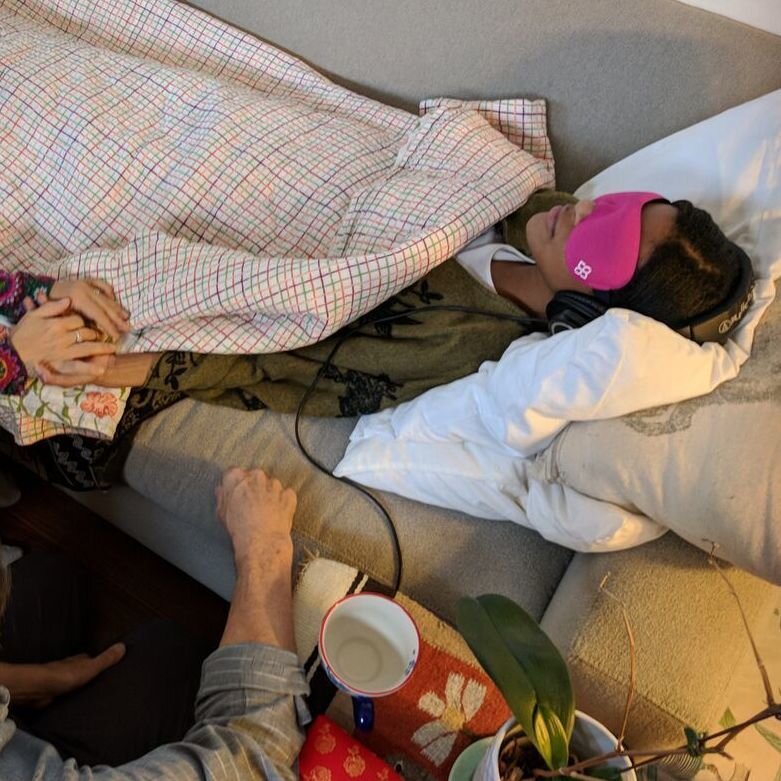
During each psilocybin session, which lasted six to seven hours, participants were closely monitored by 2 members of the research team in a comfortable, homelike setting. Most of the time, participants wore eyeshades and earphones that played music, and they were encouraged relax and focus on their inner experiences.

The hallucinogenic compound was administered as part of a comprehensive cognitive behavior therapy smoking cessation program that included weekly one-on-one counseling sessions and techniques such as keeping a diary before quitting in order to assess when and why cravings occur.

The researchers, who are part of a team that has long had federal funding to study the psychoactive effects of psychedelic drugs, suggest psilocybin may help break the addictive pattern of thoughts and behaviors that have become ingrained after years of smoking. The benefits also seem to last after the drug has worn off.

Johnson?s next study will compare smoking success rates for people who take psilocybin to those for people who use nicotine patches. He will use MRI scans to study brain activity in participants.

https://nutritionreview.org/2014/12/...gic-mushrooms/
 
Last edited:
pris.jpg


Kicking the Habit: Psilocybin mushrooms proven to help long-term smokers quit

by Wesley Thoricatha

In a recent study published in the Journal of Psychopharmacology, Johns Hopkins researchers reported that using psilocybin mushrooms in tobacco addiction therapy achieved an unprecedented 80% success rate, helping 12 of 15 heavy smokers to be tobacco-free 6 months after their psychedelic treatment sessions. The participants’ smoking habits were roughly a pack a day for over three decades on average, which makes the results even more incredible. Some of the subjects had tried psychedelics before, but only minimally and in the distant past.

The results of the Johns Hopkins study are particularly exciting due to the fact that the leading prescription drug for tobacco addiction treatment, Varenicline, has only a 35% success rate and comes with a slew of side effects including headaches, nausea, and even of suicidal behavior. Instead of being on a regular regiment of dangerous prescription drugs like Varenicline, the subjects in the psilocybin study were only administered three doses of mushrooms in a safe and supportive therapeutic environment, and the effects were long lasting. This has major implications for the future of tobacco addiction treatment and psychedelic therapy in general, as the process is far safer than using prescription drugs, and the results are exemplary.

As with most addictions, the substance of choice is not so much the cause of a person’s problems, but a symptom of unreleased stress, trauma, unhealthy patterns, or emotions that have not had a chance to heal and be released. Psychedelics like psilocybin mushrooms are uniquely equipped to reorient people’s perspectives on their life choices, and allow them a rare opportunity to make meaningful and lasting positive changes in how they live their lives. As Matthew Johnson of the Johns Hopkins University School of Medicine says, “Quitting smoking isn’t a simple biological reaction to psilocybin, as with other medications that directly affect nicotine receptors. When administered after careful preparation and in a therapeutic context, psilocybin can lead to deep reflection about one’s life and spark motivation to change.”

Addiction to cigarettes can ruin a person’s life. It can harm everyone around them. The costs can be extraordinary, to both the individual and to society. As a country we spend billions every year in treatment, oftentimes after people are past the point of no return. With treatment from psilocybin mushrooms, our ability to understand and stop addiction before it becomes ruinous, increases.

https://psychedelictimes.com/2015/0...hrooms-proven-to-help-long-term-smokers-quit/
 
Enhanced-MRI-scan-of-the-brain-by-Wellcome-Images-Creative-Commons.jpg


CBD found to reduce cigarette consumption

Morgan CJ, Das RK, Joye A, Curran HV, Kamboj SK

The role of the endocannabinoid system in nicotine addiction is being increasingly acknowledged. This randomised double blind placebo controlled study set out to assess the impact of the ad-hoc use of cannabidiol (CBD) in smokers who wished to stop smoking. 24 smokers were randomised to receive an inhaler of CBD or placebo for one week, they were instructed to use the inhaler when they felt the urge to smoke. Over the treatment week, placebo treated smokers showed no differences in number of cigarettes smoked. In contrast, those treated with CBD significantly reduced the number of cigarettes smoked by ~40% during treatment. Results also indicated some maintenance of this effect at follow-up. These preliminary data suggest CBD to be a potential treatment for nicotine addiction that warrants further exploration.

https://www.ncbi.nlm.nih.gov/pubmed/23685330
 
Personal account of a woman who overcame her cigarette addition during an LSD experience

I had the intention to quit smoking cigarettes for some time. My history with tobacco is long, beginning when I was in elementary school and continuing through the most part of my twenties. I can attest to the change in cigarettes over the years, namely the increase in added chemicals, which make it more difficult to quit. My struggle to quit had many twists and turns, coughs and illnesses over the years.

The night I finally quit was like most, initially. I had three cigarettes left upon heading out for the night. I intentionally did not buy another pack beforehand. I was with a great group of people, most of whom were non-smokers; a great night to try again, third time that week.

We were at a party where taking LSD was only proper. I hadnt taken acid in some years. My relationship with LSD also goes back a long time, the age of 13 to be exact. I must say that LSD has been a lifesaver, in no exaggeration of the word. The most valuable thing Ive consistently gained from this teacher is clarity. As a teen, I called it my reality check, especially when I would come down from the happy, happy high. Clarity was invaluable for me in my chaotic youth. Many of my decisions, directions and redirections were aided by my acid journeys. This journey was no different.

Upon being asked if I wanted to journey, I was reminded that LSD is powerful medicine. I took a moment to reflect. Some time had passed since my last adventure and we were in a very public environment with many people around, which always deserves special consideration of energy flow. I felt a pull to embark on the trip and responded, Yes.

With my three remaining cigarettes in their pack, I started to feel the effects of the LSD. As the bodily sensations came over me, I greeted my old friend with warm familiarity and a big smile. Tripping between dimensions in public spaces is always an interesting experience.

I had never attempted to quit smoking while tripping before and wasnt quite sure what to expect. A short while into my journey, my nerve synapses fired a craving for nicotine around the same time a friend asked me for a cigarette. I offered to share one with her. Upon the first inhale, the familiar smoke filled my lungs. The experience was more pronounced than the usual mindless habitual action I was accustomed. The nerve reaction that set off the craving was sedated, but with each new inhale, my bodys reaction was intensifying. I refrained from pressuring myself not to smoke, something that had traditionally resulted in smoking more. With as many times as Id returned to my relationship with tobacco, even though I didnt enjoy smoking much, I was generally deaf to my bodys cries.

Back to dancing, watching performers on the stage, conversing with friends, watching the dreamweave dance with the rhythm of the music along the walls and in the faces of those around me.

Generally, my frequency of smoking was an average of 30 minutes, give or take depending on the environment. The time between my cravings was at least tripled. This of course is a rough estimate, as time is distorted during trips. Upon the next firing of my nerve synapses, I had no interest in smoking an entire cigarette alone. I sought out a fellow smoker to share in the smoke.

The experience was more powerful than the last. I could feel the real-time impact of smoking tobacco in my body. The harsh feeling in my mouth and lungs was more intense. My throat felt instantly swollen. I could feel my nasal passages fill with phlegm and drip down my throat. My lungs hurt. I felt constricted. My breath was shallow and short. Air was not flowing freely through my body. The cigarette tasted hideous; more so than I am able to taste in the first few puffs after at least 3 weeks of being smoke-free, an experience that should be enough to inspire anyone to be a nonsmoker. (Im always fascinated by how quickly our bodies adapt and adjust, even to things that are unhealthy.) LSD enabled me to feel in real-time what was happening within the cells of my body and it was quite disturbing.

The value of this instantaneous feedback cannot be underestimated. We generally don't feel much of the abuse we inflict on our bodies until we are much older. Smoking tobacco is a leading killer in America though the onset of lung and heart disease usually occurs later in life, sometimes even after a person has stopped smoking for several years. This made it easier for me to deny the infliction of a slow, painful death from smoking cigarettes; easier to ignore the coughs and more frequent colds that later result from a chronic, heavy nicotine addiction. I am healthy and young. I am invincible. I was no longer able to fool myself into this false sense of security.

My desire to bid cigarettes a final farewell felt closer than ever. Many of my attempts to quit incorporated the one day at a time philosophy. Forever seemed so long and caused me mild panic, even slight emotional remorse. Tobacco had been a source of strength in my turbulent teenage years. I found the tobacco plant to be a powerful ally; consistently offering a habit to take comfort in, a surefire way to stop crying, and a connection to my dream of adulthood and independence.

Back to dancing, the dreamweave, music, enjoying the company of friends, and contemplating my addiction and relationship to my body

One more cigarette to consume and contemplate Off to find a friend to share my last cigarette. After time to reflect and integrate the feeling of smoking the two previous cigarettes, I was ready to part farewell. As I lit the remaining cigarette, I gave thanks for it being my last and for all the positive things I had gained from the tobacco plant over the years. I stopped halfway through the cigarette, which again had the special effects and amplified feelings, with a sense of completion and peace.

I, like many, consider LSD and other teacher plant experiences as opening doors, broadening perspectives and warming the heart. To walk through the doors and integrate lessons learned is our responsibility. LSD is powerful medicine. Through this journey, I was able to connect to the role tobacco had filled in my life and that resolution entails refraining from smoking and finding new ways to experience life. The most significant difference between this experience and those of earlier years is intent. I would anticipate the reality check in my earlier years experiences, while I was not an active participant in the direction of the trip. On this night, my intent was to heal myself from my addiction. I was able to connect with the roots of my habit, the chain reaction of returning to old habits in uneasy times, and then connect with the desire and possibility of creating new and different ways to experience my life.

Six moons have passed since that special reunion with LSD and my farewell smokes. I remain an ever grateful nonsmoker for the clarity and connections LSD once again brought me and its enhancement of my ability to create positive change within my life.

 
Rapid method for interrupting tobacco dependency

The administration of ibogaine to a nicotine or tobacco addict has been discovered to interrupt the physiological and psychological aspects of nicotine or tobacco dependency. A single treatment or series of treatments is effective for 1-18 months or longer. Treatment consists of oral, rectal infusion or suppository administration of ibogaine in dosage ranges of 1 mg/kg to 60 mg/kg.

A single treatment or series of treatments of ibogaine in doses ranging from 1 mg/kg-60 mg/kg, administered orally or rectally, interrupted the use of nicotine and/or tobacco dependency. Studies in the rat have shown the most efficacious doses to be 40 mg/kg to 60 mg/kg, but the dose can be within the range of 1-60 mg/kg.

In the administration of acceptable dosage forms, any of a variety of preparations may be compounded, for example: capsules, tablets, pills, powder, solutions, injections or suppositories. In addition to the active agent, there may be present additional substances used in the manufacture of pharmaceutical preparations such as binders, fillers and other inert ingredients.

The advantage of this invention is that it allows for the rapid interruption of physical and psychological withdrawal symptoms associated with nicotine/tobacco use.

The following examples are given to illustrate the present and improved method of treating nicotine abuse or dependency and are not intended to limit the scope of the present invention.

EXAMPLE 1

Subject, age 42, was smoking two or more packs of filter cigarettes per day. Subject was administered a single dose of 15 mg/kg of ibogaine. Subject suffered no nicotine withdrawal and has not smoked cigarettes for more than 24 months, at which time tracking ceased.

EXAMPLE 2

Subject, age 34, was smoking 1-1/2 half packs of cigarettes per day when given 15 mg/kg of ibogaine HCl. Cigarette smoking continued, but diminished over a 30 day period at which time the subject ceased to smoke cigarettes and maintained this state for sixty days, at which time tracking was discontinued.

EXAMPLE 3

Subject, age 36, had been smoking four to six cigarettes a day for a year. A single treatment with 25 mg/kg of ibogaine interrupted all tobacco use. Subject has had no desire to continue smoking and suffered no discomfort of nicotine withdrawal. Tracking was discontinued after 60 days.

http://www.google.sr/patents/US5026697
 
Last edited:
Psychedelics: entering a new age of addiction therapy*

By Janna Lawrence

Gordon McGlothlin is 65 years old and, until recently, he smoked 20 cigarettes a day, a habit he formed when he was just 15 years old. He tried to stop, using nicotine replacement therapy, psychological therapy or going cold turkey. But each time he relapsed. Then, McGlothlin’s friend told him about an advertisement for participants in a clinical trial of a new treatment for tobacco addiction.

So one December morning, McGlothlin walked into the research centre at Johns Hopkins University in Baltimore, Maryland, where he took a small, blue capsule and sat in a room listening to classical music. The idea was that after he walked out of the research centre in the evening he would never smoke another cigarette again. That was almost two years ago and McGlothlin says he is still smoke-free.

McGlothlin was part of a small, proof-of-concept trial using psilocybin to help heavy smokers quit. Psilocybin (pronounced silo-sie-bin) is what makes magic mushrooms psychedelic and, despite its reputation as a recreational drug for hippies, it is showing promise as a therapeutic agent for a number of psychiatric illnesses including addiction, depression and anxiety. “I think psilocybin gave me the impetus to stay abstinent. It opens up a whole new dimension to your personality. It is almost as though quitting smoking is peripheral during the experience,” says McGlothlin.

In the 1950s, 1960s and early 1970s, psychedelic drugs were extensively researched, with the effects of lysergic acid diethylamide (LSD) being studied in some 40,000 participants. But then LSD was made illegal and research ground to a halt. A retrospective analysis of six trials from the late 60s and early 70s involving 536 patients, published in 2012, found that LSD helped people overcome alcohol addiction and was “as successful as any treatment since,” says David Nutt, professor of neuropsychopharmacology at Imperial College London and a campaigner for rational drug laws that do not inhibit research. “We’re talking about one or two doses producing life-long effects.”

Psilocybin and LSD have similar, but not identical, patterns of activity in the brain. “Psilocybin hits the same primary brain receptor as LSD, called serotonin 2A,” says Matthew Johnson, associate professor of psychiatry and behavioural sciences at Johns Hopkins, who carried out the tobacco addiction trial. "But, compared with LSD, psilocybin is more appealing to researchers for two reasons: its duration of action is about 6 hours compared with LSD’s 10–12 hours, which makes it more manageable to work with in a clinical setting; and, unlike LSD, it does not have the same strong association with the counterculture of the 1960s," explains Johnson. “All major drugs of abuse have accepted clinical applications, bar psychedelics. It is really exciting that these drugs could open up novel treatments,” he says, adding that “more and more” scientists are coming into the field.

Johnson recalls how the idea for his smoking cessation study came after looking at historical trials of psychedelics and noticing that their effects could be applicable to a range of addictions, since the reports of experiences were always similar. “Smoking seemed to be a good place to start.” Johnson continues: “People may say we are using a sledgehammer for smoking but it is the leading cause of preventable death worldwide and 70% of smokers in the US want to quit.”

Testing time

Johnson and his team enrolled 15 patients in the trial. “We wanted to demonstrate feasibility of the intervention,” says Johnson. On average the patients had smoked 19 cigarettes a day for 31 years and had six failed attempts to quit behind them. They all received 15 weeks of structured smoking cessation treatment, which included regular sessions of cognitive behavioural therapy (CBT) and administration of psilocybin once each at week 5 and week 7, and optionally also at week 13. It was at the first of these sessions that McGlothlin was given a blue capsule containing pure psilocybin, which takes about 20 minutes to have an effect, and told that this should be his last day smoking. After receiving the treatment, he and the other study participants would stay at the clinic for the whole day, listening to music and being encouraged by the ever-present healthcare professionals to have an introspective experience. At six months follow up, 80% of patients were not smoking.

“The results are not conclusive, but we strongly suspect that it is the psilocybin playing a role, because the quit rates are so much higher than even the best current psychological or pharmacological treatments for tobacco addiction, which are typically around 35%,” says Johnson. Based on the success of the initial trial, he and fellow researchers at Johns Hopkins have now embarked on a phase II randomised controlled trial with 80 participants, which started in October 2014.

Robert West, a health psychologist at University College London who specialises in tobacco addiction, says that the study seems to have been well thought out and conducted, and there is a plausible rationale. “While probably only a minority of smokers would be interested in using a psychedelic drug to stop smoking, these early results are worth pursuing with a comparative trial,” he says. He adds that "the proposed mode of action is interesting in that it involves promoting a new outlook on life that may lead to changes in other self-destructive behaviours."

Evidence is mounting that this approach could tackle addiction more generally. A recent study of the psychedelic drug ibogaine found it to be effective at treating addiction to alcohol, cannabis, cocaine and crack. However, Johnson says ibogaine can have cardiovascular side effects and, in comparison, psilocybin is “very safe at a physiological level”.

Psychedelics seem to work in a different way from other treatments for addiction, such as nicotine replacement therapy, which target the same brain receptors as the drug patients are trying to wean themselves off. This difference may be central to why the treatment of addiction is just one of psilocybin’s potential uses. Recently, researchers have started to unpick its effects on brain function — with some striking results. Psilocybin decreases activity in the parts of the brain that are overactive in depression, addiction and ingrained behaviours.

Deactivating cravings

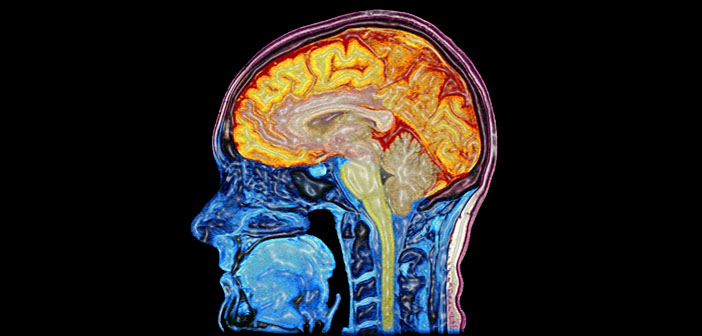
Serotonin 2A receptors, the primary target of psilocybin and other psychedelics, are located in the outer layer of the brain, the cortex. Using functional magnetic resonance imaging (fMRI), Nutt’s team found that stimulation of these receptors by psychedelics decreased rather than increased activity in certain areas of the brain, particularly those in what is known as the default mode network (DMN). The DMN is believed to be involved in introspective thought, our sense of self and our ingrained thought patterns and behaviours. “During illnesses like depression or addiction, the default mode network in the brain becomes over-engaged with negative thoughts or cravings,” explains Nutt. "When the DMN ceases to be so over-engaged it “allows people to break free” from these destructive neural patterns," he says.

"Psychedelics make the brain more flexible, with this neuroplasticity potentially underlying their usefulness," says Franz Vollenweider, director at the Neuropsychopharmacology and Brain Imaging Research Unit at the University Hospital of Psychiatry in Zürich, Switzerland. But he emphasises that such agents will probably only work in conjunction with psychological therapy.

His team has discovered that the brain becomes less sensitive to negative information when under the influence of psychedelics. “In healthy volunteers we found that psilocybin reduces the processing of negative emotional stimuli. This is why we think it can be used in depression,” says Vollenweider. "Part of this effect could be due to a decrease in reactivity of the amygdala after administration of psilocybin," he says. The amygdala is deep in the centre of the brain and is responsible for emotions like fear and anxiety. Psilocybin stimulates a specific serotonin receptor which in turn induces a cascade of downstream effects.”

McGlothlin says that because of his treatment with psilocybin, he feels freed from the hold that cigarettes had over him. “It became non-important, like who cares?” He adds that the experience affected much more than just his addiction to tobacco. “Psilocybin changed my life. It’s not that I was afraid of dying, but during the experience you come to grips with the fact that life is transient and death a continuation of that process, but that your thoughts persist,” he recalls. “I had a friend dying of cancer and I think it would have been good for them, it gives tremendous piece of mind, it puts life and death in the right place, it gives you hope.” Indeed, Johnson is one of several researchers who are examining using psilocybin for exactly this purpose.

*From the article here :
 
Last edited:
The lifelong smoker

CBC Radio | Dec 28, 2018

For nearly 40 years, cigarettes were Alice O'Donnell's constant companion.

"Cigarettes were the crutch," she said. "I finally reached the point that I could not go to sleep at night unless I knew I had at least a half a pack of cigarettes available for morning."

Over the years, she tried unsuccessfully to quit many times. But after a Pilates class left her on the verge of collapse, she decided to ditch the habit for good.

Shortly thereafter, in 2012, she enrolled in a Johns Hopkins University study using psilocybin as a tool for smoking cessation.

The drug induced powerful hallucinations, including a disturbing vision of her own damaged lungs.

Alice never smoked again, but she says the drugs had other benefits as well: "Just the whole expansion of my thought processes; realizing how great the universe is out there," she said.

Researcher Matthew Johnson, who helped facilitate Alice's psychedelic therapy, likened the experience to a "crash course in meditation."

During her psychedelic therapy session, O'Donnell says she felt as though she traveled inside her own body.

Those apparent benefits lead some academics, including Jules Evans, a philosopher who studies "ecstatic experiences," to speculate that psychedelic drug therapy could eventually become a mainstream wellness practice.

Evans believes many people could benefit from access to the drugs. But he also warns that experiences like Alice's are far from inevitable.

Rather, they tend to be shaped by the expectations of researchers and therapists who serve as guides.

"The music that they play is going to affect your trip; the instructions that you get on the trip are going to guide it," Evans said. "The way that your therapist helps you to make sense of your experience will shape it as well."

Moreover, for people who are predisposed to conditions like schizophrenia, the drugs can have negative long-term consequences.

Nonetheless, O'Donnell hopes clinical psychedelic therapy will become more widely available in the future.

"I definitely think more people could benefit from it."

 
Last edited:
03e10bcb0efe0015b1b8ea65faac7d1f--fiction-movies-science-fiction.jpg


Can psilocybin help smokers quit?

Quitting cigarettes can be tough, but there are many strategies smokers can try. Matt Johnson wants to add another: he says he can help smokers quit by giving them another drug, psilocybin, that has been illegal for years in much of Europe and North America. And yes, herealises that sounds unconventional.

"The idea that this research sounds counterintuitive, it makes sense to me,"he tells me as we sit in his office at Johns Hopkins Behavioural Pharmacology Research Unit in Baltimore.

Johnson is a behavioural pharmacologist who has been researching the relationship between drugs and human behaviour for more than 20 years. The last 10 of those have been spent here at Johns Hopkins, where he and his team have focused on psilocybin, a naturally occurring psychedelic and the active ingredient in magic mushrooms. "Illegal it might be, but if psilocybin is given to smokers a few times in a carefully controlled way, it can be a remarkably effective aid to help them kick the habit," he says.

"Most people will naturally assume that we're looking at substitution therapy in the spirit of methadone for heroin addiction or nicotine patch or nicotine gum to replace smoking. But we're not talking about putting someone on psilocybin or mushrooms every day. It's not trading one addiction for the other."

This new research was inspired by work done in the 50s and 60s that looked at using psilocybin and LSD as treatments for addiction. Although results back then were hugely promising, the research hit a dead end as use of these substances spread from labs and into the emerging drug counter-culture.

"It's been off limits for all the wrong reasons," Johnson explains. "We know these substances continue to be used, and because of not wanting to encourage uncontrolled recreational use, we've been so restrictive that we haven't allowed research. We're really playing a catch-up game. This stuff should've been done in the mid 70s, the whole research agenda was just put in deep freeze for multiple decades."

In 2008 Johnson co-authored a paper which outlined how to conduct medical trials with psilocybin. The paper signaled a change in attitude towards these compounds, reflected by the fact that more than 460 psilocybin sessions have now been conducted at Johns Hopkins alone, ranging from investigating its use by cancer patients through to its effects on meditation. But its the Smoking Cessation programme, which has just finished its pilot stage, that has attracted the most recent attention.

The program seems deceptively simple at first. Fifteen volunteers, all long time smokers from the Baltimore area who have tried and failed to quit smoking multiple times, start with a course of cognitive behavioural therapy. CBT is the standard psychological approach to quitting smoking, encouraging subjects to reflect on their established thinking patterns.

A vital part of the Hopkins programmes CBT approach is the writing and reciting of a personal mantra; a simple phrase that each volunteer creates that encapsulates why they want to quit. "This is really our mission statement. If you had one sentence that you could remind yourself down the road why you quit. We've had people for whom its about family: I want to be there for my granddaughter. For other people, it's more philosophical, The air that I breathe. I want it to be free."

This mantra becomes even more central on the day they take their first psilocybin. After four sessions of CBT, the volunteers smoke what is meant to be their last cigarette. For some this is the night before, for others its literally just before the session. "We've had people smoke in the parking lot right before they come in here," Johnson tells me.

Then, its time for the drug. Albert Garcia-Romeu, a post-doctoral fellow at Johns Hopkins, who guides the volunteers through the CBT and the psilocybin sessions, describes how it works: "We have them take the capsule and give them some slippers. We want them to relax into the day and feel almost like they're in a spa."

"We practice before. Give them our hand so that they have the support if they need it,"
explains Mary Cosimano, another of the guides who has been working in the field for more than 15 years. "We tell them, We're here for you as much as you like."

"Once the drug effect starts to kick in, we encourage them just to lie down,"
continues Garcia-Romeu. "They put on headphones. They cover their eyes. We have them just lay back and watch and wait"

From this point, the researchers step back. What we do here is psychedelic therapy, explains Garcia-Romeu. "That's high-dose, generally not a talking therapy. We encourage them to go inward. That's really where a lot of the important work happens. I'm mostly just there as a safety-monitor."

The aim is to give the volunteers a profound experience that causes them to reassess their relationship with smoking. That might sound New Age, but Garcia-Romeu explains it to me in a way that sounds much more grounded.

"Research shows there is a 71% success rate for people who quit smoking just after they had a heart attack. A heart attack would certainly qualify as a profound experience, but it's not something you can go around triggering in people in order to stop them from smoking. Instead the aim is to use a powerful psychedelic trip to trigger a similar effect, an intense, abstract experience that changes the patients perspective."

The secret to triggering this kind of experience is setting and context, Johnson explains. "Our clinical impression is that those experiences are most likely to happen under conditions where the person is made to feel as safe as possible, that they've developed a very strong rapport with the people that they're with. We ask them to bring pictures of themselves over the years, family, people, places, and things. We've had people who have filled the room with pictures," explains Cosimano. "Things that could be important to them, objects. People have set up altars. People bring stuffed animals or a blanket. Things that can make them feel comfortable, safe, cosy, meaningful."

Garcia-Romeu and Cosimano show me the session room, the place where these rituals take place. Its pretty much exactly as they'd described it to me, a small, cosy room, softly lit with a comfortable couch. Books on Michelangelo and Van Gogh are scattered around. There's an undeniable feeling of safety and comfort in the almost womb-like room, where volunteers spend up to six hours until the drugs effects have worn off, after which they are taken home by a member of their family.

The trial program, small though it is, has produced tantalising results. Out of the 15 people, 12 were still smoke-free six months following the trials, according to the researchers. "We think and hope there is something new going on here," says Johnson.

"We've had people in this study claim extraordinary things, like that they don't feel nicotine withdrawal and they've been smoking for pack a day for 40 years. Just seeing that in one person is pretty profound."

http://www.bbc.com/future/story/2015...e-smokers-quit
 
I quit smoking with psilocybin

The Psychedelic Scientist

We have already seen the potential of psychedelics to help people with alcohol addiction; and next to alcohol, tobacco is the one of the most addictive and harmful drugs in the UK. Recent evidence suggests that psilocybin could be used to help treat smoking addiction – and it could even be an improvement on current treatments.

In 2014, a group in Baltimore began a pilot study using psilocybin-assisted therapy to help people quit smoking, funded in part by the pioneering Beckley Foundation. They recruited 15 smokers, who on average had been smoking for 30 years and attempted to quit several times. The smokers went on a 15-week course of psychotherapy, during which they were given three doses of psilocybin. Six months after the study, 80% of the participants were abstinent from smoking – as indicated by physiological tests and questionnaires.

The same group then released a follow-up study: 12 months after the treatment, 67% of participants were abstinent. At 16 months, 60% still weren’t smoking. These results are much more impressive than those from typical smoking cessation treatments, that show around 30% abstinence after 12 months.

Unfortunately, like many open-label trials, there are flaws in this study. The group of participants was small, which could affect the results. There were no controls, so we have no idea how well the participants would have done on a long course of psychotherapy alone (although other studies using a similar length of therapy showed lower abstinence rates than this psilocybin study). Additionally, the physiological measures of smoking cessation only cover six days prior to the test; so it’s possible that at the long-term follow-ups, participants had been smoking since the initial treatment (however, these are standard measures in most smoking cessation studies).

A final note: Most treatments for smoking addiction approach it like a disease of brain, with receptors that need to be targeted. But the beneficial properties of psilocybin could stem from something closer to behavioral therapy. Almost all of the participants in this psilocybin study said their experience was one of the five most meaningful experiences of their lives: and that doesnt sound much like a typical medication. Previous studies have shown that psilocybin can help people break free of robotic thinking, and help them become more open (a personality trait that usually remains stable during adulthood). It’s possible that psilocybin, used as a therapeutic tool rather than a drug attacking a disease, could help us in many areas of psychiatry.

 
Last edited:
surreal-402830_640_0f1a2a69a972695df7b220e65d3770cf.jpg


Smoking cessation and psychedelic use linked*

Matthew Johnson, Albert Garcia-Romeu, Patrick Johnson, Roland Griffiths

Data suggest psychedelics such as psilocybin and LSD may hold therapeutic potential in the treatment of addictions, including tobacco dependence. This retrospective cross-sectional anonymous online survey characterized 358 individuals who reported having quit or reduced smoking after ingesting a psychedelic in a non-laboratory setting. On average, participants smoked 14 cigarettes/day for 8 years, and had five previous quit attempts before their psychedelic experience. Of the 358 participants, 38% reported continuous smoking cessation after psychedelic use (quitters).

Among quitters, 74% reported >2 years’ abstinence. Of the 358 participants, 28% reported a persisting reduction in smoking, from 300 cigarettes/month before, to 1 cigarette/month after the experience. Among reducers, 62% reported >2 years of reduced smoking. Finally, 34% of the 358 participants (relapsers) reported a temporary smoking reduction before returning to baseline smoking levels, with a mode time range to relapse of 3–6 months. Relapsers rated their psychedelic experience significantly lower in personal meaning and spiritual significance than both other groups.

Participants across all groups reported less severe affective withdrawal symptoms (e.g. depression, craving) after psychedelic use compared with previous quit attempts, suggesting a potential mechanism of action for psychedelic-associated smoking cessation/reduction. Changes in life priorities/values were endorsed as the most important psychological factor associated with smoking cessation/reduction. Results suggest psychedelics may hold promise in treating tobacco addiction as potentially mediated by spiritual experience, changed priorities/values, and improved emotional regulation.

It is our hypothesis that administration of psychedelics under structured conditions may strongly increase the likelihood of motivational insights leading to persisting behavior change such as smoking cessation. Further, we propose that while these motivational insights from psychedelics occur and sometimes prompt people to quit smoking in recreational or non-clinical contexts, such effects are likely to lead to substantially higher probability of abstinence when smoking cessation is the a priori goal of the psychedelic experience, and when combined with effective behavioral therapy. Our findings, in combination with pilot laboratory results suggest that psilocybin and other serotonergic psychedelics may hold considerable potential in the treatment of tobacco, and possibly other substance use disorders, and should therefore continue to be examined as a pharmacological aid in the treatment of nicotine addiction.

*From the article here :
http://www.csp.org/psilocybin/Johnso...kingSurvey.pdf
 
photo-1536183801678-ecc5eaf42bf9


Psilocybin for nicotine addiction

Smoking causes half a million deaths in the U.S. each year and is related to annual health care expenditures of $170 billion. Overcoming nicotine addiction poses a real challenge to smokers. Smoking cessation programs such as the popular Quit for Life program achieve abstinence rates of only 17% at six months. Supported with medication and weekly counseling meetings, the success rate can rise to 35 percent, dependent on the medication used. The highest success rates were seen in programs containing extensive cognitive-behavioral therapy, plus pharmaceuticals, plus nicotine replacements. Such comprehensive programs show abstinence rates of 45 to 59 percent at six months.

Matthew Johnson, expert in drug dependence at Johns Hopkins, wanted to see if psilocybin could help smokers to quit their addiction. In an open-label pilot study, 15 nicotine-dependent smokers were guided through a 15-week smoking cessation protocol which provided high levels of psychological support, but no pharmaceuticals or nicotine replacements. The participants had smoked on average 19 cigarettes per day for 31 years and had attempted to quit smoking six times before. After the program, which included up to three psilocybin sessions, 80 percent of the participants were smoke free at the six-month mark.

At 12 months after the quitting date, 67 percent of participants were smoke free, and 87 percent rated their psilocybin sessions amongst the five most personally meaningful and spiritually significant experiences of their lives. Even at around 2.5 years after the quitting date, a solid 60 percent of study participants remained smoke-free.

The numbers produced by these three studies are impressive to say the least. Equally impressive is hearing what the participants have to say about these treatment experiences.

https://www.psymposia.com/magazine/p...mental-health/
 
Last edited:
16-x-9-lung-CT.jpg


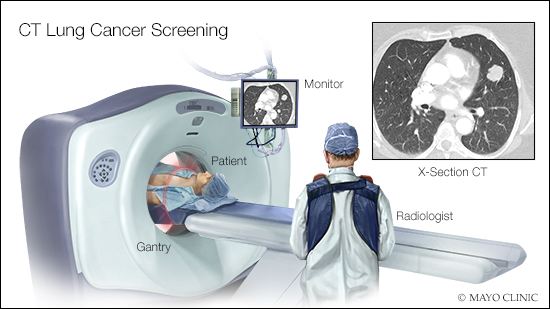
CT lung cancer screening could save tens of thousands of long-time smokers

by Richard Gunderman | Medical Xpress | Sep 2 2019

A test called CT Lung Cancer Screening could save the lives of tens of thousands of American smokers and former smokers every year, but only only 4% of those eligible are getting it.

One such patient, a 58-year-old woman I'll call Marie, battled cigarette smoking for over three decades before finally quitting on her 50th birthday. A few years later, Marie had the test, and the radiologist found an 8 millimeter nodule in her right lung, which proved to be a small cancer. She had the tumor removed, and now she is five years out from surgery, with no signs of cancer. In two months, she will welcome her first grandchild.

Marie's story is not unusual. While U.S. smoking rates have fallen to a historic low, 38 million Americans still smoke. Men who currently smoke have a risk of lung cancer about 23 times that of nonsmokers, while the risk for women is about 13 times higher. Naturally, the best thing smokers can do to lower their risk of lung cancer is to quit, but the increased risk of cancer does not disappear immediately. It gradually declines over decades.

Battling lung cancer matters, because it is the number one cancer killer in the U.S., causing an estimated 154,000 deaths a year—more than all colon, breast and prostate cancer deaths combined. The American Lung Association estimates that 234,000 Americans will be diagnosed with lung cancer this year, 85% of whom will have been cigarette smokers.
Five-year survival rates are about 19%, which is relatively poor compared to most other cancers, such as breast and prostate. Until recently, this has meant that the only highly effective means of combating mortality is smoking avoidance. But now there is a new tool for reducing death rates even among smokers.

CT screening

As a radiologist, I am familiar with CT lung cancer screening. CT stands for computed tomography, a sophisticated type of X-ray imaging. When lung cancer is diagnosed at an early stage, long-term survival is 70%, compared to only 5% when it has spread to other parts of the body. Its value was established in the National Lung Screening Trial, a US$300 million National Cancer Institute study launched in 2002 that followed 53,000 current or former smokers for five years. Investigators found a 20% mortality reduction among those screened by CT. A more recent Japanese study showed a 51% reduction in mortality.

CT scanning is not new. It was invented in the 1960s by a British engineer, Godfrey Hounsfield, who shared the 1979 Nobel Prize in Physiology or Medicine for it. Unlike standard X-ray imaging, which sends X-rays through the patient in only one direction, CT transmits and detects X-rays in many different directions, dramatically improving imaging of the body's interior.

Like any cancer, lung cancer consists of abnormal cells that proliferate in an uncontrolled fashion, do not obey normal signals to die and cannot repair their DNA. Normal lung cells become cancerous through exposure to tobacco smoke, radon gas, asbestos or airborne pollutants.

In recent years, low-dose CT has begun to be used to screen for lung cancer. Regular chest X-rays detect lung cancers only when they measure centimeters in diameter—the size of a penny or bigger—but CT can find them much earlier, when they are only millimeters wide. As with any cancer, early detection is key to improved survival. Unfortunately, once lung cancer causes symptoms—such as persistent cough, coughing up blood, and weight loss—it has already reached an advanced stage. These newer CT scans also use a lower dosage of X-rays, lowering the risk of causing other health problems.

Saving lives

The U.S. Preventive Services Task Force recommends annual low-dose CT screening in adults between the ages of 55 and 80 who have a 30 pack-year smoking history—meaning that they have smoked the equivalent of one pack a day for 30 years, two packs per day for 15 years, and so on. This includes current smokers and those who have quit within the past 15 years.

The benefits of CT lung cancer screening depend on the population in question. There appears to be no benefit to screening people who do not have an increased lung cancer risk, such as nonsmokers. On the other hand, the benefits of screening appear to be highest in those at highest risk for lung cancer—in other words, those who have smoked the most cigarettes. With more research, it is possible that these screening guidelines will be modified.

So why are only 4% of patients being screened? One barrier is cost: Some patients lack insurance, and others may face high deductibles and copayments. Depending on location, costs can range from hundreds of dollars to a few thousand dollars. Another factor is the anxiety associated with a positive result. Yet another is education—many patients and even some physicians simply don't know about the test, and even patients who do may decline to undergo it.

By spreading the word about CT lung cancer screening, my colleagues and I hope to save many more lives like Marie's. By and large, lung cancer is only curable when detected early. Current and former smokers wondering if this test is right for them should talk with their doctor.

 
erah7ckwlh411.jpg


Psilocybin mushrooms proven to help long-term smokers quit*

by Wesley Thoricatha

In a recent study published in the Journal of Psychopharmacology, Johns Hopkins researchers reported that using psilocybin mushrooms in tobacco addiction therapy achieved an unprecedented 80% success rate, helping 12 of 15 heavy smokers to be tobacco-free 6 months after their psychedelic treatment sessions. The participants’ smoking habits were roughly a pack a day for over three decades on average, which makes the results even more incredible. Some of the subjects had tried psychedelics before, but only minimally and in the distant past.

The results of the Johns Hopkins study are particularly exciting due to the fact that the leading prescription drug for tobacco addiction treatment, Varenicline, has only a 35% success rate and comes with a slew of side effects including headaches, nausea, and even of suicidal behavior. Instead of being on a regular regiment of dangerous prescription drugs like Varenicline, the subjects in the psilocybin study were only administered three doses of mushrooms in a safe and supportive therapeutic environment, and the effects were long lasting. This has major implications for the future of tobacco addiction treatment and psychedelic therapy in general, as the process is far safer than using prescription drugs, and the results are exemplary.

As with most addictions, the substance of choice is not so much the cause of a person’s problems, but a symptom of unreleased stress, trauma, unhealthy patterns, or emotions that have not had a chance to heal and be released. Psychedelics like psilocybin mushrooms are uniquely equipped to reorient people’s perspectives on their life choices, and allow them a rare opportunity to make meaningful and lasting positive changes in how they live their lives. As Matthew Johnson of the Johns Hopkins University School of Medicine says, “Quitting smoking isn’t a simple biological reaction to psilocybin, as with other medications that directly affect nicotine receptors. When administered after careful preparation and in a therapeutic context, psilocybin can lead to deep reflection about one’s life and spark motivation to change.”

Addiction to cigarettes can ruin a person’s life. It can harm everyone around them. The costs can be extraordinary, to both the individual and to society. As a country we spend billions every year in treatment, oftentimes after people are past the point of no return. With treatment from psilocybin mushrooms, our ability to understand and stop addiction before it becomes ruinous, increases.

*From the article here :
https://psychedelictimes.com/2015/0...hrooms-proven-to-help-long-term-smokers-quit/
 
maps-2018-01-boulder-staged-lana-marcela-bruce-bryce-img_20180128_134056_preview1_sq-9b2d352759f60908154ec91ba812d8d6c09b7c2f-s800-c85.jpeg


Psychedelic therapy offers promise for smoking cessation*

by Stephanie O'Neill | NPR | Dec 22 2019

For many Americans, psychedelics still evoke the psychedelic '60s, bringing to mind the sex-and-drugs lifestyle of the hippie counterculture.

But that stereotype lags behind reality, by several decades. Today, psychedelic experimentation is more likely to refer to dozens of clinical trials taking place at universities and research facilities. The psychedelics under study range from psilocybin, the active ingredient in psychedelic mushrooms, to MDMA, to LSD, among others. Researchers are studying them for their therapeutic potential in treating hard-to-treat conditions such as PTSD, addiction, depression and anxiety.

The promise of freedom from cigarettes was what compelled Carine Chen-McLaughlin, 65, to enroll in an experimental study of psilocybin therapy for smokers. She was desperate to break free from her decades-long physical addiction to nicotine. Quitting smoking had felt impossible for so long.

"It's basically saying good-bye to a very old friend, and worrying about: 'Am I going to be OK without this good friend?'" the Baltimore resident says.

Like many of the 49 million tobacco users in the U.S., Chen-McLaughlin wanted to quit and had tried various methods: nicotine gum, the nicotine patch and even stopping cold turkey. But no
thing worked for more than a couple days.

The clinical trial she joined took place in her hometown of Baltimore, at Johns Hopkins School of Medicine. While she was a bit anxious about the experiment, Chen-McLaughlin was "nevertheless hopeful about trying something totally different."

"I think I was more excited that...maybe, maybe this is it!"
she says with a laugh.

A research revival

Therapeutic research on psilocybin, LSD and other psychedelic drugs isn't new. Beginning in the 1950s, researchers investigated them as potential treatments for alcohol addiction, cancer-related anxiety, depression and other common psychological ills.

But then came the "psychedelic '60s," a time when American counterculture embraced these then-legal drugs. The resulting widespread use — and abuse — of psychedelics ultimately triggered a backlash that led the federal government to criminalize these substances. By the early 1970s, many ongoing studies into the potential medical benefits of psychedelics had halted.

"Unfortunately, all of that legitimate research was really sacrificed because of the association between psychedelics and the counterculture," says Matthew Johnson, an associate professor of psychiatry at Johns Hopkins School of Medicine and the lead investigator in the psilocybin study for smoking cessation.

Today, however, a new wave of psychedelic research has taken hold, with dozens of clinical studies happening at U.S. academic institutions. In fact, some of the experimental therapies involving psilocbyin have recently received "breakthrough therapy" designations from the FDA, which can help speed their progress towards eventual market approval.

Although the studies are legal, the federal government does not provide any financial support for psychedelic research, so the researchers must rely on private organizations for funding. The Johns Hopkins study, for instance, is supported by the non-profit Heffter Research Institute in New Mexico.

"We're ever hopeful and we're continuing to put in funding applications," Johnson says. "But so far, the National Institutes of Health has not funded any therapeutic research with psilocybin."

Dr. Charles Grob, a psychiatrist at UCLA's David Geffen School of Medicine, has studied the therapeutic potential of psychedelics since the 1980s. His four-year-long pilot study of psilocybin-assisted therapy on patients with anxiety and advanced-stage cancer was among the first studies to launch this modern-day era of psychedelic research. It was published in the Archives of General Psychiatry in 2011.

Grob attributes the resurgence of research interest in psychedelics to several factors: a dire need for new mental health treatments, a more sophisticated understanding of the underlying psychedelic compounds and a growing body of research literature showing promising results from around the world.

"All those trends are helping to destigmatize the use of psychedelics for psychological healing," Grob says.

"Slowly but surely, our colleagues throughout the health fields have started to recognize that these treatment models may have something very positive and very unique to offer," he says.

Therapeutic advantages — and risks

Studies show psychedelics aren't physically addictive. And research has shown them to be safe when administered properly to healthy patients. But Johnson cautions that psychedelics can be abused.

"We are not encouraging people to take psilocybin on their own," Johnson says. "There are definitely risks, we know what those are ... and we have a way to address them in these research studies."

In particular, a study by Johnson and his team, published in 2018, shows psilocybin can cause harm to those with a predisposition to psychosis. So potential study participants undergo "a couple of very long days" of screening before they can be admitted into the clinical trial," he says.

For those deemed healthy and able to undergo this therapy, there are no long-term or ongoing prescriptions, as is the case with other therapies for quitting smoking, like Chantix.

In Johnson's current study, the patient ingests only one dose of psilocybin during a special session that takes place about halfway through a series of 10 cognitive behavioral therapy sessions.​

Promising results in those quitting cigarettes

So far, about 40 out of 80 participants have completed the 13-week protocol for the Johns Hopkins study. It begins with four hours of preparatory counseling before the patient takes the lab-produced psilocybin in pill form.

The psilocybin session lasts about six hours and is supervised by two therapeutic "guides" who provide comfort and assurance as needed. As the psychedelic kicks in, patients are counseled to close their eyes, go inward and experience whatever shows up.

"So far, half of the 40 participants who've completed the current Johns Hopkins smoking cessation program have quit smoking, as confirmed by urine and breath samples," Johnson says.

"That compares to a 10% to 35% success rate for conventional therapies such as nicotine-replacement medications or cognitive behavioral therapy alone," says Johnson.

Johnson says the evidence collected so far suggests a couple more doses of psilocybin might prove even more successful.

In his pilot study published in 2014, 15 participants received a similar amount of counseling as those in Chen-McLaughlin's group. But instead of one dose of psilocybin, they got three. "Six months later, 80% were smoke-free," Johnson says.

Still, Johnson cautions against too much enthusiasm just yet, because the studies at this point are small.

He says if his current study maintains a favorable success rate, the U.S. Food and Drug Administration would then require him to replicate that success in larger, Phase 3 clinical trials before the agency could consider approving psilocybin-assisted therapy as a treatment for addicted smokers.

"The caveat to all this is that we have so much more to learn and to explore, to really understand what's going on," he says.

A shift in perspective

How psilocybin might help with addiction is not yet clear.

"Our best guess at this point is that while the drug is active, the brain is operating in a dramatically, qualitatively different fashion," Johnson says.

Most notably, areas of the brain that normally don't communicate begin to do so, while well-worn neural pathways go quiet. What's more, because psychedelics don't numb the mind in the way alcohol and some other drugs do, patients report leaving the session with their newfound insights intact.

"People often report a remarkable clarity," Johnson says."They know what's going on during the experience and they can observe their life and themselves from a much different vantage point – a much broader vantage point."

This perspective shift is part of the "mystical experience" that recreational psilocybin users report, and that spiritual users, such as shamans, have described for centuries. One theory of how these drugs may help is that experiencing feelings of unity, sacredness and transcendence can help change thought patterns that fuel addiction.

That doesn't mean the experience is necessarily easy, or even enjoyable. Chen-McLaughlin reported that as she lay for hours on the couch, the psilocybin unleashed a host of fears, which took the form of swirling dark clouds that she believed were trying to suffocate her.

"And that was really super, super scary," she says. "And I cried, I think at least four out of five, six hours."

Yet, she says, through the entire experience, she had a vision of her recently-deceased mother, who seemed to stand by as a sort of spiritual sentry, helping her to face those dark, cloud-like fears. At that very point, as she became determined to confront them, Chen-McLaughlin says, the dark clouds dissipated — and so did her desire to smoke.

"I haven't smoked since March 23, 2018," she says, adding that she has no clear idea why it worked.

Since her psilocybin experience, Chen-McLaughlin has not only quit smoking, she reports feeling physically repulsed by cigarettes. One day when she was feeling stressed, she asked her cigarette-smoking husband for a puff of his. But when she reached for it, she says, she couldn't even make herself touch it.

"You could pay me $5,000 and I couldn't do it," she says. "I know it sounds really weird, but that's what happened: Something in my brain sort of got switched."

Still, she attributes her success in quitting smoking not just to psilocybin, but to a combination of the drug and all the hours of cognitive behavioral therapy she received along with it.

"If I just walked in and took a psilocybin pill," she says, "I don't think it would have worked."

*From the article here :
 
Last edited:
How magic mushrooms are helping smokers kick the habit*

by Madeline Sofia and Geoff Brumfiel | NPR | Oct 15 2019

Carine Chen-McLaughlin smoked for more than 40 years.

She didn't want to be a smoker. She'd tried to stop dozens of times over the decades. But she always came back.

"Smoking was one of my oldest, dearest friends," she said of her habit. "To not have that relationship was very, very scary."

Then she heard about a clinical trial to treat nicotine addiction with something a little unusual: magic mushrooms. Well, not actual magic mushrooms, but a little pill of a drug called psilocybin. It's the ingredient in mushrooms that gives people hallucinogenic visions.

New research shows that psilocybin might be an effective treatment for diseases such as depression and addiction. While the work is still in its early stages, there are signs that psilocybin might help addicts shake the habit by causing the brain to talk with itself in different ways.

"These brain changes lead to, oftentimes, a sense of unity," says Matthew Johnson, an experimental psychologist at Johns Hopkins University. "It all may sound a little 'woo-woo,' " he admits, "but it seems to be working. Early results suggest that psilocybin, coupled with therapy, may be far more effective than other treatments for smoking, such as the nicotine patch."

Magic mushrooms have been used by indigenous communities for thousands of years, and research on psilocybin isn't all that new either. Work began in the 1950s and 1960s. But studies involving it and other psychedelics dropped off following the passage of the Controlled Substance Act in 1970, which outlawed hallucinogens and other drugs.

"The medical applications became, really, a casualty of a political war," Johnson says.

Chen-McLaughlin started smoking in 1971, around the same time that the first round of research was shutting down. By 2017, she was ready to quit once and for all. She decided to take part in the experimental therapy run by Johnson, which used psilocybin to treat smokers.

She didn't just show up and pop a pill. Instead, she spent weeks prepping with the researchers, undergoing tests and hours of talking with counselors about why she smoked.

Then it was game time.

Chen-McLaughlin showed up to the Johns Hopkins Bayview Medical Center Campus in Baltimore and was led to a "trip room," with a big, comfortable couch for the patient, soft lighting and some nature art on the walls — a bit like a fancy yoga studio.

Just before 9 a.m., she took the pill.

Even though she'd never tripped before, "I wouldn't say I was, like, shaking in my boots nervous," she recalls. "I didn't feel like they would let anything happen to me." About 40 minutes later, things started getting weird. She experienced a sensation of floating. She closed her eyes.

"I saw monsters, I saw aliens," she recalls. "I had these big, gray, puffy clouds that kept sinking in from the ceiling, and I thought I was going to suffocate."

While she was tripping, she didn't talk very much to the clinicians. Instead, she just focused on letting go of two things that had long defined her: her job as a social worker, which she was set to retire from, and smoking.

Several hours later, "when I woke up, I was processed out. I was exhausted and I wasn't scared anymore," she recalls.

Psilocybin seems to work because it temporarily rewires the brain, according to Johnson. Sections that don't normally talk to each other appear to communicate more, and parts of the brain that normally do talk to each other talk less.

Johnson says an analogy is to imagine living in a city where you suddenly stop talking to your neighbors, and start talking to people way across town you don't normally talk to. "That can lead to novel ways of looking at oneself, thinking about the world in a different way, having insightful experiences," Johnson says.

David Nutt, a professor of neuropsychopharmacology at Imperial College London, says that in addition to making connections, psilocybin also seems to break negative linkages in the brain. His studies on treating depression with psilocybin show that the drug can disrupt negative feedback networks in the brain. "That network is nonfunctioning for many hours," he says. "By breaking down those networks, there's a chance they won't re-form."

It seemed to work for Chen-McLaughlin. Just hours after her psychedelic trip, she went out for dinner with her husband. When he lit up, she thought she'd try a puff. But she found that she couldn't.

"My hand would not let me touch that cigarette," she says. "To this day, if you paid me a million dollars to touch a cigarette with my hand, I cannot."

A year-and-a-half later, she remains smoke-free. "I think something in my brain got turned off," she says.

Johnson's small initial psilocybin study was extremely promising. So now he is doing a larger, more rigorous trial comparing the nicotine patch to psilocybin. Results are still coming in, but right now, half of the people who took psilocybin are smoke-free after a year. That's about twice as effective as the patch.

Nutt, who's now conducting his own follow-up trials on depression treatments, is impressed with Johnson's work. Nutt believes psilocybin potentially also could be used to treat other addictions, such as alcohol and opioids.

But there are some reasons to be cautious.

First, don't try this at home. The amount of psilocybin Johnson administers in his trials is considered a high dose, and it's paired with months of counseling. Nutt of Imperial College says that bad trips of the sort Chen-McLaughlin experienced can be common for those using the drug for treatment of diseases. Memories and experiences dredged up by the drug can be challenging and disturbing.

"You need therapists to help guide them and also prevent those memories from turning into traumatic memories," Nutt says.

Second, the treatment is really expensive and the whole process takes months.

Finally, not everybody should use psilocybin. People with predispositions for schizophrenia and other psychotic illnesses may be harmed by taking the drug.

Research on psilocybin is still in its early phases, but there appears to be growing interest from the medical community. And it isn't just researchers who are reconsidering psilocybin. This year, Oakland, Calif., and Denver decriminalized magic mushrooms. Similar efforts are underway in Oregon.

Matthew Johnson welcomes the resurgence in interest, and he says this is the time to give psychedelics another look.

"Depression and addiction are major causes of death in our society, and it's not getting better — it's getting worse," he says. "I think there's a broader societal recognition that we need to be creative and not dismiss things because of arbitrary associations."

*From the article here :

 
Last edited:
Top