• Psychedelic Medicine
  • Psychedelic Medicine Moderator: mr peabody

SUICIDALITY | +40 articles

mr peabody

Moderator: PM
Staff member
Joined
Aug 31, 2016
Messages
6,074
Location
Frostbite Falls, MN
CAMBS.jpg

Cambridge

Ketamine, the new suicide prevention weapon

by Mark Shenefelt | Feb 24, 2019

Ketamine, with a long record as both a dependable surgery anesthetic and a notorious club and date-rape drug, has gained new life in northern Utah as a weapon against severe depression and thoughts of suicide.

"I am so blown away by how it has changed me," said Laura Warburton, who runs a local teen suicide prevention nonprofit and learned about ketamine's latest emergence as part of her work.

Practitioners and patients describe the new intravenous ketamine treatments as a last-resort stab against cases of depression so deep that other forms of therapy have not worked.

Ketamine's new path has grown rapidly in the past several years with clinical research that identified its usefulness against depression, suicidal thoughts, anxiety, post traumatic stress disorder and chronic pain, according to National Institutes of Mental Health documents.

Stan Summers, a Box Elder County commissioner, is excited by the prospect that ketamine may help his son, Talan. The 27-year-old has an incurable and excruciatingly painful disease that attacks his internal tissues. He's now on palliative care.

"He's been on narcotics for years," Stan Summers said. "We're very interested in ketamine as another good alternative, like medical marijuana."

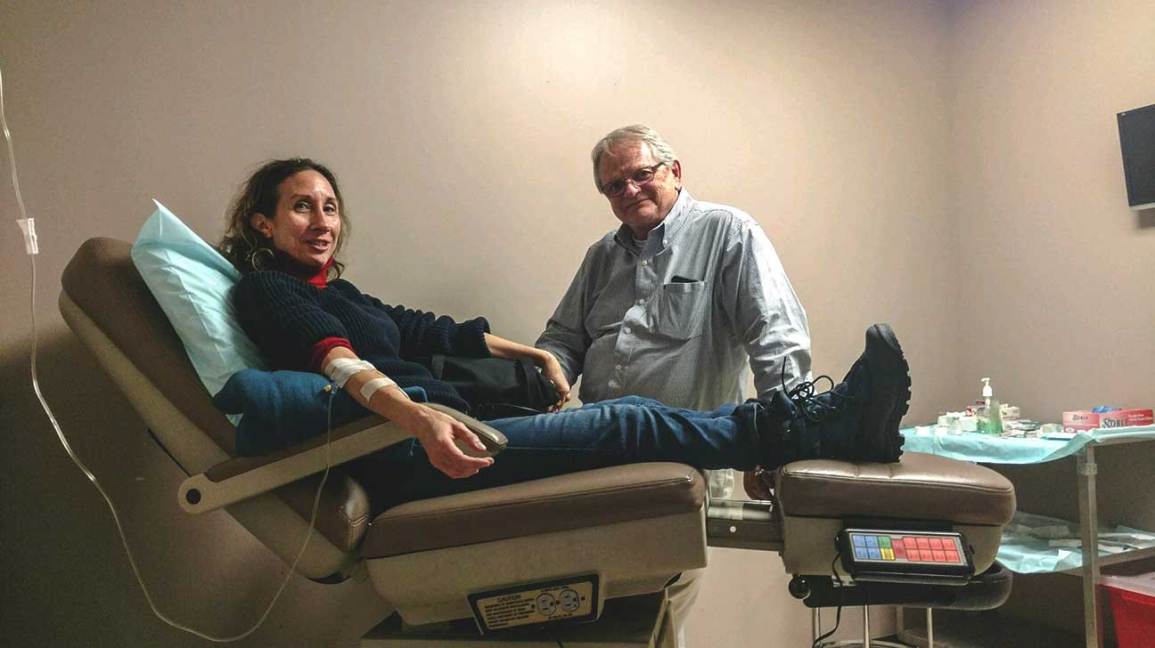
Warburton and other local patients have been receiving periodic intravenous infusions of ketamine, including those administered at the Therapy Reset clinic in Washington Terrace.

The intravenous treatments of ketamine being offered locally are off-label applications of the drug, meaning the U.S. Food and Drug Administration has not approved it for use against depression, and therefore it is not covered by insurance.

Meantime, an FDA advisory panel Feb. 12 recommended approval of a derivative medication, called esketamine, that would be administered by nasal spray as a treatment for therapy-resistant depression.

"At Therapy Reset, a six-infusion course of treatment runs about $2,000," says co-owner Chris Weston. "Similar treatments in the Salt Lake City area and in other states may cost as much as $1,500 per dose," he said.

After the initial infusion, most people no longer have suicidal thoughts, Weston said. Over the following treatment course, further improvement in depression is seen by most, he said.

"Many people we see are in a state of mind where they're ready to end life or just have severe depression," Weston said. "Weeks later they are a bright, vibrant, functioning person again."

Warburton said she decided to try ketamine herself after a friend's daughter attempted suicide and then underwent ketamine treatment.

"This child has completely changed," Warburton said.

Her own daughter, Hannah, was lost to suicide, which is what led her to establish her nonprofit, Live Hannah's Hope.

Warburton also continued to struggle with her past. She said she was abused as a child and was abandoned by her father.

After seeing others helped by ketamine infusions, Warburton said she decided, "Before I can fix anybody else, I have to fix myself first."

She said the infusions have greatly reduced her depression and anxiety.

BOOSTER TREATMENTS, OTHER THERAPY

Practitioners caution that other care from therapists and primary care physicians also may need to be continued and that booster treatments of ketamine are needed by some after the initial course.

Nurse anesthetist Krystal Tipping said she had been administering ketamine for anesthesia for 10 years before she began giving infusions for Therapy Reset.

"Most patients have tried traditional anti-depressants, mental health counseling and other treatments, with little success," she said.

"They are at the end of their rope when they come to us," Tipping said.

"Most patients receiving the infusions have been suicidal," she said, "including teenagers whose suffering is so severe that they have been institutionalized."

She has treated some teenagers who are plagued by "suicidal thoughts they can't get out of their head."

"But after the first ketamine treatment,"
she said, "that's one of the most amazing things, that's one of the first things they say is gone."

"The next largest groups the clinic sees are first-responders - nurses, police officers, EMTs, and veterans who have suffered from "very significant PTSD,"
she said.

KETAMINE RESEARCH

Some small clinical studies have evaluated intravenous ketamine therapy.

A 2017 study published by the National Institute of Mental Health said an initial treatment "brings about rapid and marked attenuation of depressive symptoms; the benefits are observed within hours of administration, peak after about a day, and are lost 3-12 days later."

Benefits can be maintained for weeks to months by periodic additional treatments, the study said.

Potential side effects include temporarily elevated blood pressure and heart rate and mild dissociative thoughts, the study said.

A 2016 Mayo Clinic study concluded "the anti-depressive effect of ketamine persisted for several weeks after the end" of treatments administered over several weeks.

MISCONCEPTIONS

The National Institute of Drug Abuse said ketamine, which was created in the 1960s and has been used ever since as an effective surgical anesthetic, gained a reputation as a club drug because it can distort perceptions and produce feelings of detachment.

It also has been used as a date-rape drug, administered by a predator to incapacitate a victim.

Ketamine has been diverted for illegal street use mostly through thefts from veterinary clinics, where it's also used as an anesthetic, or from supplies smuggled in from Mexico, according to the U.S. Drug Enforcement Administration.

"I think people have a misconception or fear about mental illness and a misconception about ketamine as well," Tipping said. "They just think ketamine is being abused, it's a club drug, it is unsafe, but that just isn't true. It's very safe to give, especially to the right patient."

She said she's administered ketamine in a surgical setting to many people, from newborns to 100-year-olds.

Warburton said that had intravenous ketamine been available for her daughter Hannah, "I would have mortgaged my house."

"People have no idea how expensive funerals are, on so many levels,"
she said.

https://www.standard.net/news/educa...cle_1ee6926a-44d0-5c24-a2a5-cb3c60f91066.html​
 
Last edited:
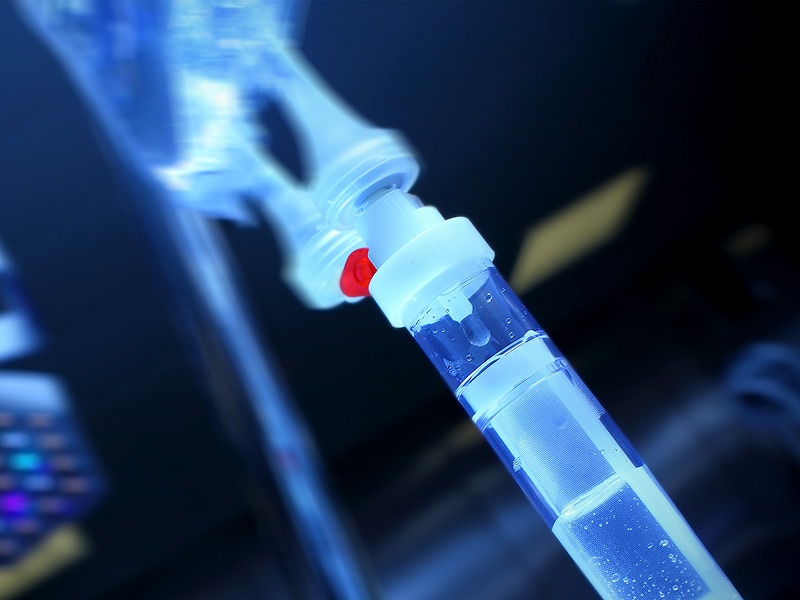
dt_170606_iv_drip_800x600.jpg

Ketamine found to rapidly reduce suicidal ideation

Ketamine infusions eliminate suicidal ideation in more than two-thirds of patients
by M. Alexander Otto | Clinical Psychiatry News | May 31 2019

Report of 235 cases is the largest series to date on the impact of the infusions.

Serial ketamine infusions eliminated suicidal ideation in more than two-thirds of patients at a psychiatry office in Connecticut but at significantly higher doses than those recently approved for Janssen’s new esketamine nasal spray (Spravato).
The patients were treated by Lori V. Calabrese, MD, at Innovative Psychiatry, her private outpatient practice in South Windsor. She presented her first 235 IV ketamine cases at the American Psychiatric Association annual meeting. It was likely the largest real-world series to date of ketamine infusions for treatment-resistant depression and suicidality.

The patients, 14-84 years old but mostly middle-aged, received six infusions over 2-3 weeks, starting at 0.5 mg/kg over 40-50 minutes, then titrated upward for dissociative effect to a maximum of 1.7 mg/kg. Subjects filled out the nine-item Patient Health Questionnaire (PHQ-9) at baseline and before each infusion. Item nine – “thoughts that you would be better off dead or of hurting yourself in some way” – was used to gauge suicidality. That item has been validated as a predictor of suicide risk.

Among 144 patients (62 percent) who were markedly suicidal, ketamine infusions were tied to diminished ideation in 118 (82 percent) and eliminated ideation in 98 (68 percent). They were severely depressed at baseline; PHQ-9 scores fell in 127 (89 percent), and depression went into remission in 89 (62 percent). There were no suicide attempts, ED visits, or hospitalizations during treatment and at 4-week follow-up.


“Even if they had been suicidal for a long time, been hospitalized, and made suicide attempts, 68% had full remission of suicidality. This is a life-saving treatment, a breakthrough option for psychiatrists,” Dr. Calabrese said.

The results are “fabulous,” said Jaskaran Singh, MD, who said he was clinical leader of the esketamine program at Janssen.

“You prevented hospitalizations and saved lives,” Dr. Singh said. “This is a marvelous study that we should have done.”

Dr. Calabrese’s report, however, raises the question of whether the nasal spray will be potent enough to achieve the same results. She found that cessation of suicidal thoughts required an average dose of 0.75 mg/kg IV ketamine, which is higher than the 0.5 mg/kg used by many ketamine infusion programs in the United States. It’s also significantly higher than Spravato dosing. The spray was cleared by the Food and Drug Administration in March for use with an oral antidepressant for treatment-resistant depression. It was the subject of much buzz at the APA meeting.

Esketamine is approved in doses of 56 mg, which works out to almost 0.2 mg/kg, and 84 mg, which works out to less than 4 mg/kg. Dosing is twice weekly at first, then weekly or biweekly for maintenance.

When asked whether he thought those doses would be enough to prevent suicide, Dr. Singh said his company has finished two trials in suicidal patients and would present results later in 2019.

Dr. Calabrese, meanwhile, plans to incorporate intranasal esketamine into her practice, but will continue to offer ketamine infusions. “How can I not? I’ve seen how effective they are,” she said.

She charges $500 per session, $2 for the ketamine plus nursing and other costs. Insurance companies have sometimes covered it for patients with a history of psychiatric ED visits and hospitalizations, on the grounds that infusions will prevent future admissions. But patients have to fight for coverage – and feel well enough to do so.

That’s the main reason Dr. Calabrese plans to start offering Spravato; coverage will likely be less of a hassle for patients once Janssen works out the insurance issues. Spravato has been reported to cost about $600-$900 per treatment session.

She noted that response among her infusion patients was bimodal, with suicidal ideation eliminated in some patients after one infusion, but most of the rest needed three or more. “Don’t give up,” she said.

Infusion response correlated with suicidality and depression severity, with the sickest patients having the most benefit. Among 91 moderately depressed, nonsuicidal patients, just over half responded to the infusions, and depression went into remission in about a third.

Side effects were minimal, transient, and easily handled in the office. A little bit of IV midazolam calmed patients who got too anxious, and IV ondansetron (Zofran) helped those who got nauseous. Blood pressure can bump up a bit with ketamine, so Dr. Calabrese follows it closely.

 
Last edited:
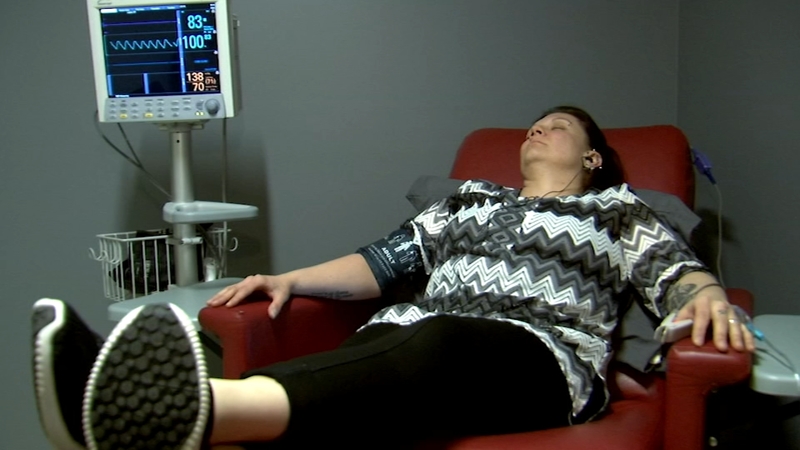
5234862_040419-wls-iteam-ketamine-10p-vid.jpg


Is ketamine the new wonder drug for treating suicidal patients?

Henry Boilini, Madeleine Baldwin, Georgine Lamvu

Recently, researchers have identified ketamine as a potential therapeutic option for depression and SI. A single ketamine infusion treatment has a rapid response, minimal AEs, and potentially long-lasting efficacy with SI, which would make it ideal for the treatment of acutely suicidal patients.

Although AEs such as hallucinations and sedation create the potential for dangerous recreational use, ketamine is safely used in health care settings for a variety of indications. Effects are noted within 5 minutes of administration if given by infusion, and the main effects can last between 20 and 40 minutes.

Ketamine has a complex pharmacology and plays a role in other cell signaling mechanisms, but the significance of these additional mechanisms in the therapeutic effects of ketamine have only recently been elucidated. Preclinical studies indicate a probable NMDAR inhibition-independent mechanism responsible for the antidepressant response to ketamine.

Suicide Ideation Treatment

The many challenges faced by researchers and clinicians trying to develop ketamine treatment for TRD may not apply to the treatment of SI. Whereas repeated doses of ketamine cannot reliably produce sustained remission of depression, the few studies that have looked at the long-term effects of ketamine treatment on SI indicate the potential for long-term efficacy after a single IV infusion. Although treatment with IV infusions have additional costs and logistics, if it is found beneficial, it could be given in the emergency department (ED) prior to hospitalization and potentially lead to better outcomes.

In 2011, a small preliminary observational study of patients with depression and SI presenting to the ED indicated that SI was rapidly reduced following an infusion of ketamine. This study showed that both depressive symptoms and suicidality rapidly and significantly diminished within 40 minutes with no evidence of the recurrence of symptoms 10 days postadministration.

A more recent study used ketamine in a military field hospital to treat SI and also concluded that it could be effective and safe when administered in an ED setting. This preliminary study suggests that ketamine could be a safe and potentially effective medication for rapid reduction of depression and suicidality in a busy ED setting. These limited studies involving the use of ketamine in patients with SI show promise with long-term effectiveness. However, more research is needed to clarify whether the efficacy with SI will be similar to the clinical experience seen in TRD; a duration of effect limited to 2 weeks with recurrence after treatment discontinued.

Conclusion

There has been a compelling accumulation of scientific data since 2000 to support the use of ketamine for the treatment of depression and SI. Ketamine use in patients with these diagnoses showed a rapid decrease of symptoms and minimal AEs among a significant number of patients.

Although the initial findings involving the use of ketamine in suicidal patients are promising, the clinical use of ketamine needs further research, using larger sample sizes and exploring both the short-term and long-term effects of this medication. Researchers need to further establish the safe and effective route, point of care, and patient type that would best respond to this novel treatment. The initial evidence would suggest that health care providers have every right to be hopeful that ketamine will become the first pharmacologic treatment of acute SI in a majority of patients presenting to EDs, mental health clinics, community hospitals, and VA medical centers.

 
Last edited:
2B25EC4700000578-3370542-image-a-22_1450800312717.jpg


Cannabis found to reduce suicidal thoughts in people suffering from PTSD*

by Chris Moore | Nov 6, 2019

The study found that PTSD patients who did not use cannabis were 70 percent more likely to be depressed, and 66 percent more likely to think of suicide, than PTSD patients who did.

A new Canadian research study recently published in the Journal of Psychopharmacology has found that cannabis could help decrease the risk of depression and suicide for individuals suffering from post-traumatic stress disorder (PTSD).

“Post-traumatic stress disorder sharply increases the risk of depression and suicide,” the study authors wrote. “Individuals living with post-traumatic stress disorder frequently use cannabis to treat associated symptoms. We sought to investigate whether cannabis use modifies the association between post-traumatic stress disorder and experiencing a major depressive episode or suicidal ideation.”

The research team sourced their data from the 2012 Canadian Community Health Survey on Mental Health, a nationwide analysis of Canadians age 15 and older. Out of 24,089 people who answered the survey, 420 (!) had been previously diagnosed with PTSD. And out of those 420 PTSD patients, 106 admitted to using cannabis more than once in the past year.

The study found that PTSD patients who did not use cannabis were 70 percent more likely to be depressed, and 66 percent more likely to think of suicide, than the PTSD patients who used pot. PTSD patients who didn't use cannabis were 7 times more likely to be depressed, and 5 times more likely to think about suicide, than Canadians who did not suffer from PTSD. But the PTSD patients who used marijuana were no more likely to exhibit symptoms of depression or suicidal ideation than the average Canadian.

"We know that with limited treatment options for PTSD, many patients have taken to medicating with cannabis to alleviate their symptoms,” said lead study author Stephanie Lake, according to Newsweek. "However, this is the first time that results from a nationally representative survey have shown the potential benefits of treating the disorder with cannabis.”

“This study provides preliminary epidemiological evidence that cannabis use may contribute to reducing the association between post-traumatic stress disorder and severe depressive and suicidal states,”
the researchers concluded. “There is an emerging need for high-quality experimental investigation of the efficacy of cannabis/cannabinoids for the treatment of post-traumatic stress disorder.”

These results are promising, and support other research studies that show that cannabis can help treat PTSD. But the study is not without its limitations. Respondents of the survey did not indicate how often they were using cannabis, nor did they report the form or dosage of any cannabis products that they took. The relatively small number of PTSD patients covered in the study, and the lack of a double-blind control group, also makes it difficult to draw definitive conclusions from the research.

“It is important to develop this line of research, in particular how much and how often does cannabis need to be taken to potentially reduce suicidal thoughts and symptoms of depression,” suggested Ian Hamilton, senior lecturer in addiction and mental health at York University, to the Daily Mail. “Rather than rely on street cannabis it would be far better and safer to provide medical grade cannabis and have this supervised by a doctor or nurse.”

*From the article here :
 
Last edited:
Knowable-listening-to-ketamine_RESIZE.png


Listening to Ketamine*

by Emily Underwood | Knowable Magazine

Raquel Bennett was looking for a reason to live. She’d struggled with severe depression for more than a decade, trying multiple antidepressants and years of talk therapy. The treatment helped, but not enough to make it seem worth living with a debilitating mental illness, she says. “I was desperate.”

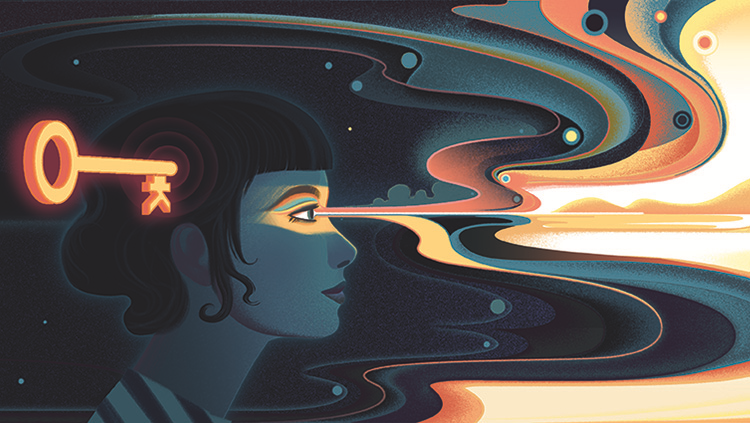
In 2002, following a friend’s suggestion, Bennett received an injection of ketamine, an anesthetic and psychedelic party drug. During her first ketamine trip, Bennett hallucinated that God inserted a giant golden key into her ear, turning on her brain. “It was as if I was living in a dark house and suddenly the lights came on,” she says. “Suddenly everything seemed illuminated.”

The drug lifted Bennett’s depression and dispelled her thoughts of suicide within minutes. The effect lasted for several months, and, she says, the respite saved her life. She was fascinated by the drug’s rapid effects and went on to earn a doctoral degree in psychology, writing her dissertation about ketamine. Today, she works at a clinic in Berkeley, California, that specializes in using ketamine to treat depression. “This medicine works differently and better than any other medication I’ve tried,” she says.

When Bennett experimented with ketamine, the notion of using a psychedelic rave drug for depression was still decidedly fringe. Since the first clinical trials in the early 2000s, however, dozens of studies have shown that a low dose of ketamine delivered via IV can relieve the symptoms of depression, including thoughts of suicide, within hours.

Even a low dose can have intense side effects, such as the sensation of being outside one’s body, vivid hallucinations, confusion and nausea. The antidepressant effects of ketamine typically don’t last more than a week or two. But the drug appears to work where no others have — in the roughly 30 percent of people with major depression who, like Bennett, don’t respond to other treatments. It also works fast, a major advantage for suicidal patients who can’t wait weeks for traditional antidepressants to kick in.

Bennett has now been receiving regular ketamine injections for 17 years, with few negative side effects, she says. She doesn’t consider herself addicted to ketamine because she feels no desire to take it between scheduled appointments. But she does feel dependent on the drug, in the same way that a person with high blood pressure takes medication for hypertension, she says.

Thousands of people are already flocking to private clinics like Bennett’s, which provide intravenous ketamine infusions. Physicians can legally provide the drug as an “off-label” depression treatment. Many ketamine clinics have long waiting lists or are so swamped that they aren’t accepting new patients, and Janssen’s nasal spray could rapidly expand access to treatment.

*From the article here :
 
Last edited:
p-1-the-unique-puzzling-antidepressant-effects-of-ketamine.jpg


How ketamine saved me from suicidal thoughts*

by Alice Levitt | Vox | Mar 6 2019

I am going to die in this dentist’s chair. My eyes are closed, but I can still see skulls outlined with white against a black background. I have an epiphany: God is death. I’m on a real-life version of the psychedelic ride in Willy Wonka and the Chocolate Factory, all in my own mind.

A monitor emits a steady beep, and for a second, I think I’m flatlining. But no: I’ve just completed my first infusion of Ketamine, sometimes used illegally as a club drug called Special K.

I'm here because I cannot stop thinking about suicide. I’ve been in therapy for more than 30 years, and on depression medication for more than a decade. Nothing seemed to work. I couldn’t stop imagining killing myself in increasingly vivid daydreams.

As a journalist who covers health and medicine, I had read about the success of experimental trials that used ketamine to treat depression. My therapists had recommended extreme treatments like electroshock therapy, a procedure that frightened me due to reports of memory loss from those who had undergone it, but had never mentioned this. But I was getting desperate for a serious intervention.

After some research, I concluded that ketamine was not only more affordable but just as effective as sending electrical pulses through my brain. (About 70 to 85 percent of patients with severe depression who try ketamine treatment say it’s effective, compared with 58 to 70 percent of ECT patients.) I told my doctor I wanted to try it.

It wasn’t my goal to be on the vanguard, just to get better, but I am an early adopter of a treatment that could one day help millions of people with chronic depression. After a full treatment cycle, my suicidal thoughts went away. And depression isn’t the only psychiatric illness the drug may combat. Studies are being conducted on ketamine’s efficacy on anxiety, bipolar disorder, post-traumatic stress disorder, and even obsessive-compulsive disorder.

That’s how I wound up glued to that dentist-style chair at a clinic in Houston envisioning skulls, as an IV drip steadily infused me with a drug I’d thought was reserved for rave-goers.

An anesthetic that triggers happiness

Most people familiar with ketamine know it as either a veterinary medicine or an illegal street drug. But it’s been approved by the Food and Drug Administration for anesthetic use for humans since 1970. Its rise as a treatment for depression, a legal but off-label usage not yet approved by the FDA, is even more recent. On Tuesday, the FDA approved the use of the drug for depression treatment.

Ketamine’s antidepressant effects were revealed in a Yale study in 2000. Over the next decade, researchers continued to explore its potential as a treatment for major depressive disorder. Asim Shah, a professor and executive vice chair at Baylor College of Medicine who co-led several of these studies, told me that "doctors have long been curious about the euphoric effects of ketamine. A lot of people given ketamine as an anesthetic“would start smiling or laughing,” he says. “That’s the reason that many people before have said, ‘Oh, maybe it can be used for depression.’”

As of now, selective serotonin reuptake inhibitors (SSRIs) like Prozac and multiple-receptor antidepressants such as trazodone are among the most commonly prescribed drugs to treat depression. Yet studies show that only around 37 percent of people who use these drugs experience full remission. The number drops past the first year of use.

Ketamine is an NMDA (N-methyl-D-aspartate) receptor antagonist, which means that it targets glutamate absorption in the nerve cells, unlike traditional antidepressants, which raise serotonin levels by blocking the reabsorption of the neurotransmitter. Glutamate is associated with excitability — among many other brain functions such as memory. Researchers like Shah believe that as the brain metabolizes the ketamine, new neural pathways are created that help restore function obliterated by depression. It’s this effect, not the experience of hallucinations or dissociation, that can help treat depression.

Despite its association with the platform sneakers and vinyl pants of the 1990s club scene, ketamine abuse began in the ’80s. People who take ketamine recreationally do so for its fast-acting high, which is typically a floating or out-of-body experience coupled with euphoria. But it’s not the kind of party drug that will bump up your social skills. After all, it is an anesthetic: Users retreat into their minds and experience hallucinations, sometimes reporting religious experiences or even a feeling some compare to rebirth. Drawbacks of recreational use of the drug include risk of overdose, dependence, and high blood pressure.

But for someone experiencing intense depression, that “rebirthing” can be therapeutic.

Depression feels like blunt force trauma

What people who have never battled depression don’t understand is that it has little to do with “feeling sad.” Sadness is a flesh wound, a knife cut that might sting but eventually heals. Chronic depression is blunt force trauma to the head, locking you into a pattern of negative thought and throwing away the key.

On my quest to find a fix for my depression, I was shuffled from practitioner to practitioner like a poorly behaved foster kid. By the beginning of 2018, my psychiatrist said I had tried (and failed) nearly every class of drug aimed at treating depression. I was fresh out of options and desperate enough to try something more experimental.

When I decided I wanted to try ketamine, I went to the Menninger Clinic in Houston, a respected psychiatric clinic I had written about, to figure out next steps. I was an obvious candidate, as I had been on antidepressants for more than a decade and had shown little improvement; I just needed to be approved for the treatment after a consultation.

I met with Justin Coffey, the medical director of Menninger’s Center for Brain Stimulation Services, to discuss my history and we reached an agreement: I’d try two infusions of the drug, and if it had a positive effect, I’d do four more. At Menninger, this cost $600 for each session, and it’s not covered by insurance. If not, electroshock therapy would be my next step.

I arrived and got a basic work-up in the pre-treatment room. In addition to weighing me and taking my blood pressure, a nurse tested my reading ability, memory, and basic awareness (the date, where I was). Dr. Coffey came in to discuss what to expect over the course of my six treatments. That number is typical for this treatment, but because it’s still experimental, so is the number of doses necessary to work. Coffey was open to the idea of me needing more if six didn’t provide lasting results.

His frightening warning: Since ketamine is a dissociative anesthetic, I might feel like I’m leaving my body and experience a “bad trip,” as opposed to a more euphoric hallucinatory state. But if I were to go into this state, I could tell my nurse, who would stop the infusion or add a counteractive drug, the anesthetic midazolam, to lessen that effect.

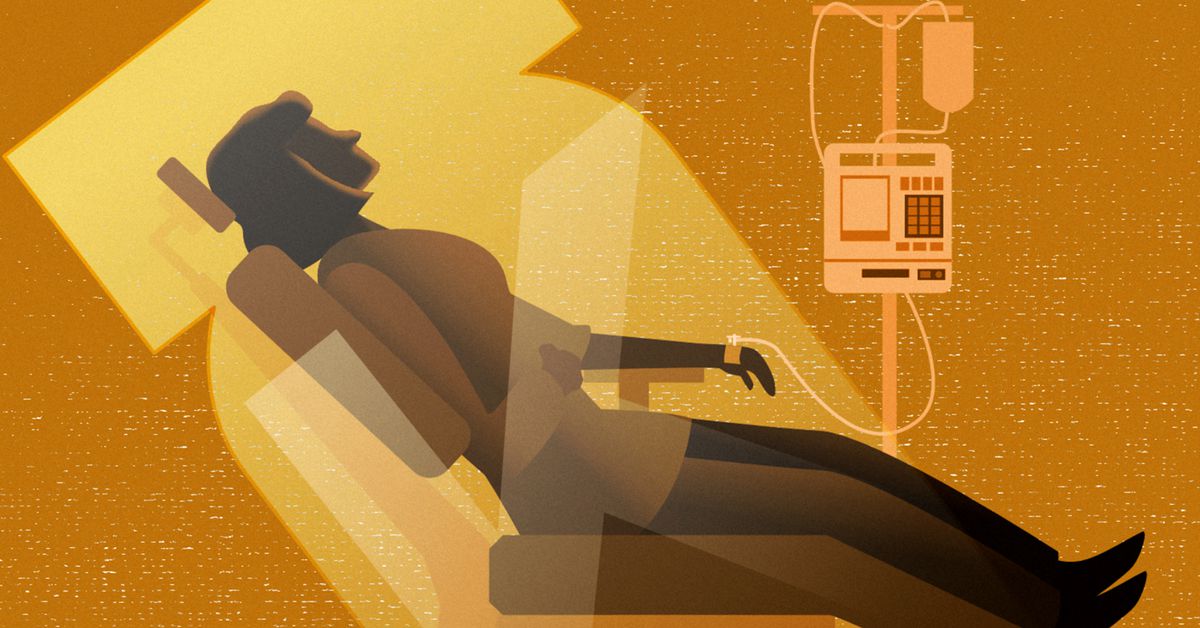
The nurse inserted an IV and flushed it with saline to make sure it was flowing correctly; then we moved into the treatment room with its dentist-style chair for my infusion to begin. I would receive half a milligram of the drug for every kilogram of my weight, a very low dose compared to what recreational users inhale or inject. About 10 minutes into the treatment, the tree I was watching through the window separated into two. Soon, it was difficult to keep my eyelids open at all.

And then I was gone, down the rabbit hole of hallucination. My mind skipped through grid-style maps of city parks. I occasionally took a deep breath or wiggled my fingers just to remind myself I still could. I later learned that what I was experiencing is known as a “K-hole,” which is rare at the low dose I took.

Hope for the future. At last.

Each infusion lasted 45 minutes. After my first one, I had a nurse play the cast album of my favorite musical as the drip began. Instead of running wild, my mind became immersed in the music, albeit in a deeply dreamlike state. Each time, it took about 15 to 20 minutes after the effects of the treatment wore off for me to be able to open my eyes and start walking. Afterward, I was exhausted. The half-hour Uber ride home felt like hours as I longed for the warm embrace of a nap.

Immediately after each treatment, I felt down. But by the time I woke up the next day, I was in less psychic pain and had more purpose. I would start the day on my long-neglected spin bike, feeling motivation that I’d lacked for months. Lunches with friends no longer felt like they existed just to show them I was still alive and making an effort to get out of the house. I was beginning to connect with the world outside my head again. I noticed myself smiling more. According to Shah, feeling the effects of ketamine within 24 hours of treatment is typical. “It is the most rapid-acting treatment for depression,” he said.

After the final infusion, I had the initiative to start writing again. The following week quickly filled up with activities, both work and fun. I was living for the first time in months. It’s been three months since my last treatment, and I’ve even started to feel excited about my future. Shah says I am unlikely to need another dose — I was in the roughly 70 percent who achieve remission after one series of ketamine infusions.

In technical terms, as I’ve said, taking ketamine had caused my brain to release glutamate, the neurotransmitter responsible for “excitatory” responses. But despite all his years of research into the drug’s chemistry, Shah admits, “No one knows the exact mechanism of any medicine.”

If I do need additional doses of ketamine, it probably won’t be an infusion. Thanks in part to Shah’s work, an intranasal version of the drug is expected to receive FDA approval as soon as next year. The side effects of the nasal inhaler, known as esketamine, are practically nonexistent next to the K-hole I experienced; patients would even be able to take the treatment at home. I’m a testament that it can work. And soon, ketamine will be accessible to people who have all but given up on fixing their depression.

I had come to believe that my depression was a terminal illness. But ketamine may have saved my life.

*From the article here :
 
Last edited:
sleep-apnea-reduced-neurosceinces-public-1155x770.jpg


Does ketamine rapidly reduce suicidal ideation?

American Foundation for Suicide Prevention

Suicide is preventable, yet still remains a worldwide cause of death in part due to a lack of available medical interventions that can work during a suicidal crisis. Most potentially helpful medications take days or weeks to work: time that is not feasible in an emergency. Novel biological targets and interventions are urgently needed for those in such pain that they are at risk of taking their life.

Ketamine, a commonly used anesthetic, has shown rapid therapeutic effects as an antidepressant for those with depression, especially when the depression is resistant to treatment. The antidepressant effect is rapid, and many have wondered if Ketamine could have the same effect specifically for suicidal behavior. This has yet to be examined in larger studies over an extended period of time.

Additional information is needed regarding whether it is feasible to use Ketamine for immediate or even longer standing suicide risk. It will also be important to determine the best dosage and means of administration for it to be considered an effective form of medical intervention for highly suicidal individuals.

The Study

Dr. James Murrough, an Assistant Professor of Psychiatry and Neuroscience at Mount Sinai Medical Center in New York, conducted a randomized clinical trial in which the treating clinician and participant did not know if they were receiving Ketamine or Midazolam, a calming sedative medication typically used before medical procedures. The treatment group received a single IV infusion of Ketamine. This study is unique in that the control group was receiving an active intervention, rather than a non-effective, non-active placebo.

Participants included 24 people who were being treated as inpatients and outpatients at Mount Sinai Hospital with a range of primary mood disorders and high levels of suicidal ideation (SI). Those excluded from the study because of potential negative consequences of ketamine were people with a lifetime history of schizophrenia, primary psychotic disorders or symptoms, unstable medical illnesses or clinically significant abnormal laboratory findings; those screening positive for drug use upon admission or drug use or abuse within one month preceding their admission; pregnant or breastfeeding women; and women who planned to become pregnant.

Depression, suicidal ideation and side effects were measured prior to treatment and at 24hr, 48hr, 72hr, and one week after treatment. Suicidal ideation was measured using two measurement tools, the Beck Scale for Suicidal Ideation (BSI) and the Montgomery-Asberg Depression Rating Scale (MADRS).

The Results

Both groups experienced reduced suicidal ideation after treatment. At the 24hr post measurement, the Beck Scale for Suicidal Ideation (BSI) showed no significant difference between the Ketamine and Midazolam group. However, reduced effects for suicidal ideation were significant at 48 hours following treatment intervention. Those receiving Ketamine treatment showed significantly lower suicidal ideation than those who received the control treatment.

On the other hand, MADRS-SI, a measurement tool for depression and suicidal ideation, showed a marked difference between the two treatment groups at 24hr and 48hr, with the Ketamine group showing lower rates of depression and suicidal ideation than the Midazolam group. By 72 hours there was no longer a difference between groups.

This study is one of the first demonstrations showing the rapid therapeutic effects of Ketamine as an intervention for those with increased suicidal ideation and suicidal behavior. Results are promising regarding the rapid effects of Ketamine for reducing depression and suicidal ideation.

The Takeaway

Although the effects of Ketamine are not known over extended periods of time, this novel medical intervention may have a major impact saving lives by disrupting the suicidal crisis.

 
Last edited:
4492-Becca_Belofsky_Shuer-1296x728-header.jpg

Becca Belofsky Shuer getting her ketamine infusion.

Battling severe depression with ketamine*

by Doreen Gentzler and Patricia Fantis | May 20 2019

There have been few options to quickly help people who go to the emergency room because they're suicidal. But now the FDA has approved an old drug called ketamine for a new use, and it's already helping patients who haven't responded to other anti-depressants or treatments.

"I wasn't even living, I was just a shell of a person," said Kellie Mason. "It's scary. You feel like you're in a fog, like you're a zombie."

Kellie Mason and Katie Bathersfield both struggle with treatment-resistant depression and thoughts of suicide.

"Suicide was always kind of there for me because I felt so miserable," Bathersfield said. "I felt so trapped, trapped in your own mind."

Bathersfield, a stay-at-home mother of two girls, says she sometimes couldn't get out of bed, crippled by her feelings of hopelessness. She says she and her doctors tried 30 different medications. Nothing helped, until her psychiatrist recommended she try ketamine — a party drug with the street name Special K. She says the improvement was immediate.

"I felt happy, I felt so light," Bathersfield said. "I remember walking to the car and I couldn't believe that I ever thought that suicide was something that was OK. That's something that I lived with for 17 years."

Mason, who was diagnosed with PTSD after several deployments with the Army, says she "tried everything" and nothing worked, until she began receiving ketamine infusions.

Mason had been haunted by her past and went to Walter Reed National Military Medical Center for help. She also struggled through different drugs and treatments that left her feeling even more troubled.

"As soon as I received the infusion, I just felt happy," she said. "It just felt like I was floating. The intrusive thoughts that I was having dissipated. I was able to think one thought at a time."

Clinical trials found that ketamine, administered in controlled doses in a doctor's office, could help many others with severe hopeless depression.

In March, the FDA approved a ketamine nasal spray called esketamine. Side effects include dizziness, nausea and an unpleasant feeling of dissociation, Reuters reported, citing the company.

"It acts through a different area in the brain than what most typical depressants are acting," said Dr. Erica Richards, the medical director of the Department of Psychiatry and Behavioral Health at Sibley Memorial Hospital and who took part in the clinical trials.

She calls the treatment a game changer because ketamine is the first depression drug that can work quickly, within hours. All other anti-depressants available can take six to eight weeks to find out if they work or not.

"What we're noticing is that not only is relief from the depression happening, it's actually sustained," Richards said. "It's lasting for longer as well."

For Bathersfield and Mason, the drug has given them hope, and they say it's helping them apply the tools they've learned in therapy to deal with life's highs and lows.

"I feel so happy, I feel free," Bathersfield said. "I look forward to waking up every day. I look forward to life. I look forward to the future."

The women we spoke to received four ketamine treatments through IV infusions, but the FDA-approved version is a nasal spray which has a compound similar to ketamine. Ketamine has been around for years. It's been used safely as an anesthetic in the operating room since the 60s, but it has also been abused as a party drug.

Doctors say ketamine is safe when given in low dosages and in a medical setting. The treatment is also supposed to be used with an anti-depressant medication, though it may not be fully covered by insurance.

*From the article here :
 
Last edited:
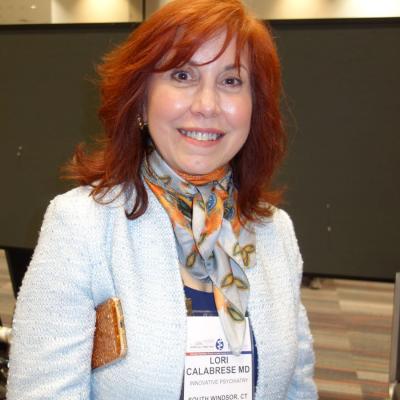
loricalabresemd-laughing-with-joy-savs-511898-unsplash.jpg


How ketamine liberated me from thoughts of suicide*

by Emily Bellaire | Sep 12 2019

The first time I remember feeling depressed was when I was six years old. Like many first-graders, I had a little potbelly, but I never paid much attention to it until I caught my side profile in the mirror one day. As I inspected my body from all angles, thinking about how much rounder I was than my friends, I began to feel something heavier than self-consciousness — I felt ashamed. Repugnant. Worthless.

A terrible thought crossed my mind: Who could ever love me like this? My eyes filled up with hot tears. It was the beginning of a lifelong feeling of inadequacy.

Depression has been an unwelcome guest in my life ever since, albeit to varying degrees of severity. Most of the time, it’s not much more than a small voice in the back of my head whispering, “You can’t do it” or “You’ll never be good enough.” But occasionally, the whisper turns into a scream so loud, it drowns out everything else.

That was the state I found myself in this past February after my then-psychiatrist instructed me to stop taking two antidepressants I had been on for 10 years—cold turkey. I’ve since learned that drastic medication changes are ill-advised at best and dangerous at worst, but I trusted him at the time. He was the one with the MD, not me. When I started to feel a bit down after stopping my meds, I was certain that my mood would even out soon enough. Over the course of the next six weeks, though, I went from sad to despondent.

It’s impossible to convey what true mental anguish feels like in words. Suffice it to say, I now believe that hell is real, and it exists within the human mind. Imagine if every mistake you ever made and every negative thought you ever had about yourself played on a 24/7 loop in your brain. Add a sense of detachment, anhedonia, and a deep conviction that nothing will ever get better. Trying to fight it is a Sisyphean task, like swimming against a riptide that pulls you farther out to sea. If the torment lasts long enough, you become convinced that it would be better to feel nothing ever again than to continue suffering.

In sheer despair, I wrote a farewell note and prepared to go to the Golden Gate Bridge for the last time. But something — maybe fear, maybe the image of my devastated mother, maybe some dim hope that things would get better — held me back. I drove to the ER, admitted that I was actively suicidal, and received a mandatory three-day commitment to the inpatient psychiatric ward.

My stay in the hospital, combined with weeks of intensive group therapy, a return to my previous medication, and exercise all helped me improve — but not enough. While I was having more good days, the bad days were devastating. Beyond feeling depressed, I was exhausted. I had been in agony for about four months, and I was desperate for some relief.

I remembered a New York Times article I had read a few years back. It discussed the emergence of ketamine as a wonder drug for depression—some said it was the most revolutionary antidepressant since the development of selective serotonin reuptake inhibitors (SSRIs) nearly three decades prior. Although widely known as an anesthetic (and, due to its hallucinogenic properties, a street drug called Special K), ketamine, when administered through intravenous infusions, has been shown to induce feelings of serenity and well-being for even the most severely depressed patients within hours of administration.

Since the article was first published in 2014, a growing body of research further validated ketamine’s therapeutic properties. In March of this year, Johnson & Johnson received FDA approval to begin selling an antidepressant nasal spray derived from ketamine. Still, intravenous ketamine infusions are considered the gold standard.

I became fixated on the idea that ketamine might be my salvation. I started researching local ketamine clinics and reading testimonials from patients, many of whom described feeling as if they had a new lease on life. Some even said that their depression and anxiety disappeared entirely.

But the treatment isn’t without its drawbacks. Since intravenous ketamine hasn’t been officially cleared by the FDA to treat depression, it had to be administered off-label, typically at an expensive clinic, and with little chance of reimbursement from health-insurance companies. And because ketamine research is in its infancy, ketamine’s long-term effects are still unknown. At that point, though, I was just trying to survive the short-term.

In mid-June, I found myself in a drab medical building in Russian Hill that’s nestled among trendy restaurants and nightclubs, waiting for a consultation. After a few minutes in the waiting room, a shy but friendly nurse practitioner called me into her office to discuss my current depressive episode and previous medical history. On the basis of the severity and treatment-resistant nature of my depression, along with the fact that I had no disqualifying medical conditions, like hypertension or schizophrenia, the nurse practitioner confirmed me as a good candidate for therapeutic ketamine. I signed up for an initial treatment round of six infusions — each at $500 a pop, since the treatment wasn’t covered by my insurance.

Although I had experience with hallucinogens before, I couldn’t help but feel a little nervous when I showed up for my first session. Once I stepped into the treatment room, though, I felt at ease despite the vital-signs monitor and IV stand. The walls were powder blue and adorned with modern art. Natural light permeated the room. A gray leather reclining chair sat in the center, while a diffuser let out puffs of cucumber-melon-scented air.

It wasn’t long before the nurse came in and handed me an eye mask and a small MP3 player. With a small pinch, he inserted the IV, cautioning, “You might feel nauseous or anxious or even like you’re having an out-of-body experience. But try not to let it scare you — just relax and let everything unfold naturally.” I nodded, put on the eye mask and headphones, and waited for something other than soothing instrumental music to kick in.

I was transported to a childhood memory of floating on my back in a northern Michigan lake during a light rainfall. My mind’s eye was so vivid, I felt as if I could reach out and touch the cold water if I wanted to.

“Isn’t this a beautiful feeling?” a singer crooned through my headphones.

A series of images flashed before me. I saw myself lifting a gray veil from over my face; my thoughts as falling leaves floating through the sky; a series of undulating, transforming 3D shapes (not entirely dissimilar from an old Windows 98 screen saver). As I allowed myself to be carried away by the visions and sensations, my inner dialogue became a stream of consciousness, revealing what seemed at the time to be profound universal truths.

I can’t live my life waiting around for a miracle. If I want change, I have to make it happen.

There is no one meaning of life. It’s up to me to define what gives me joy and what goals I work toward.

Just because you think something doesn’t make it true.

I recognize now that this sounds like the wannabe-profound ramblings of a college freshman who smokes weed for the first time, but through these frameworks, I was able to challenge the distorted, depressed thoughts that had been plaguing me. I wasn’t a failure, a disappointment to my family, a burden to my friends — these were just thoughts that stuck to me like tar in my depressed state.

Toward the end of my trip, a voice instructed, “You will now awaken.”

I took off my blindfold, and the nurse came in to remove the IV. I felt content but dizzy. I laid back, waiting for the vertigo to subside. After a few minutes, a doctor came in to talk to me. She asked me how it went.

I sat for a moment trying to think of how in my still-dreamlike state, I could describe what I had just experienced. “I went somewhere else,” I said, “and I saw things differently.”

She smiled.

The next four infusions were similar to the first. After the IV was inserted, I began tripping, a series of visions unfolding in front of me. Once I saw myself paddling a canoe down a creek, deftly navigating around eddies of toxic thoughts. Another time, I watched myself grow from fetus to child and all the way to adult. I had a series of epiphanies about how deeply I valued my relationships with friends and family, and how there is still an endless amount of things to look forward to. I realized that life is worth living precisely because it is fleeting.

Every time I came to the end of my trip, the sense of euphoria quickly faded, but the revelations that came to me had been internalized, at least on some level.

I’d be lying if I said I wasn’t a little disappointed, though. I didn’t undergo a magical transformation from depressed to not depressed. It was more like a series of incremental improvements that made living a bit more bearable. I didn’t feel like I had been reborn, but maybe that was too much to ask for. For now, maybe it’s enough to know that I’m through the worst of it and that I can face the future, whatever it might hold.

During the last infusion, my six-year-old self — the one who had first looked at herself in the mirror and felt so much shame — paid me a visit.

“What’s going to happen to me?” she asked, her voice quivering.

I knelt down to her, wrapping her in my arms. “Life is going to be scary at times,” I said, “but it’ll be worth it.”

*From the article here :
 
Last edited:
cbt-main.jpg


CBT found to reduce suicidal behavior

Psychiatry Advisor | Sep 13 2019

Cognitive behavioral therapy (CBT) and dialectical behavior therapy (DBT) are effective psychological treatments that may be used to reduce suicidal risk among adults, according to a study published in the Annals of Internal Medicine. Ketamine and lithium are also effective to mitigate risk, but more evidence on the safety of these compounds is needed.

The investigators of this study sought to evaluate the benefits and harms of both nonpharmacologic and pharmacologic interventions in reducing suicidal behaviors and preventing suicide in at-risk adults.

The investigators searched databases, such as MEDLINE, EMBASE, and PsycINFO, for relevant systematic reviews and randomized controlled trials published between November 2011 and May 2018. The investigators identified 8 systematic reviews and 15 randomized controlled trials that assessed the impact of psychological and pharmacologic interventions for managing suicide risk. The data were abstracted and assessed for quality and accuracy.

Compared with treatment as usual, findings suggest that CBT is effective at reducing suicide attempts, suicidal ideation, and hopelessness. A limited amount of evidence also showed that DBT could reduce suicidal ideation when compared with controls or crisis response planning. Regarding pharmacologic treatments, the investigators found that ketamine reduced suicidal ideation with minimal adverse events compared with treatment with midazolam or placebo. Among patients with unipolar or bipolar mood disorders, treatment with lithium was more effective at reducing suicide rates compared with placebo; however, there was no observable difference between lithium and other medications in their ability to reduce suicide rates.

Limitations of the study included the qualitative (not quantitative) nature of synthesizing new evidence with previously reported meta-analyses and potential methodological shortcomings of the existing systematic reviews, which may result in bias or over-representation of some study findings. Finally, the investigators acknowledge the heterogeneity of non-pharmacologic therapies and limited information regarding whether or not these treatments are harmful.

The investigators concluded that both CBT and DBT demonstrated modest benefit in terms of the reduction in rate of suicidal behaviors, including suicidal ideation and attempts. Similarly, ketamine and lithium were shown to help reduce the rates of suicide among at-risk adults. However, the studies did not report on potential harms; future studies should provide evidence supporting the efficacy and safety of other non-pharmacologic or pharmacologic treatments.

 
Last edited:
Ketamine fast-tracked for acute suicidal ideation and behavior in patients with Major Depressive Disorder

by Steve Duffy | MPR | Nov 21 2019

The Food and Drug Administration (FDA) has granted Fast Track designation to an investigational intranasal formulation of racemic ketamine for the potential treatment of acute suicidal ideation and behavior in patients with major depressive disorder.

The ketamine program, SLS-002, is being developed by Seelos Therapeutics. A phase 1 study evaluating the pharmacokinetics, pharmacodynamics, and drug-drug interactions of SLS-002 is expected in the first quarter of 2020. The study is expected to include 48 healthy volunteers randomized to receive a combination of SLS-002 and either venlafaxine extended-release or sertraline.

Fast Track designation allows for more frequent meetings and discussions with the FDA and eligibility for Priority Review if the right criteria are met.

“We will be working diligently in close collaboration with the FDA to finalize the protocol for the proof of concept study and future clinical development,” said Seelos CEO, Raj Mehra, PhD.

Earlier this year, the Agency approved esketamine nasal spray (Spravato; Janssen) to treat treatment-resistant depression, in conjunction with an oral antidepressant. Additionally, in recommendations recently published for reducing suicide among veterans, it was found that ketamine reduced suicidal ideation compared with placebo or midazolam.

 
Last edited:
1


Psychiatrist shows titrated IV ketamine can STOP suicidality

by Lori Calabrese, M.D., LLC | Oct 08 2019

Data published from a real world psychiatry practice shows how ketamine infusions can avert ER trips and hospitalizations.

Local psychiatrist publishes data demonstrating that the use of a series of IV ketamine infusions, with dose adjustments, can stop suicidal thoughts and avert ER trips and hospitalizations. The research, published in the International Journal of Psychiatry Research, comprised a retrospective chart review of 231 patients with treatment resistant depression and co-occurring complex psychiatric illnesses treated in a large psychiatry office.

"This is the first report from a real-world psychiatry practice treating severely ill, suicidal patients with treatment resistant depression and complex psychiatric co-morbidities. It involved looking back at the treatment we provided to a large number of patients with treatment resistant depression who were suicidal. For them, serial, titrated ketamine infusions were life-saving. There were no suicide deaths or suicide attempts, no need for ER trips or psychiatric hospitalizations," says Lori Calabrese, M.D., Medical Director of Innovative Psychiatry in South Windsor, CT.

"This is the first report of IV ketamine used to treat suicidal thoughts in patients with treatment resistant depression in a real outpatient practice setting, the first report of the use of serial titrated infusions in comprehensive psychiatric practice, and the largest group of patients reported from one site in published studies of IV ketamine for treatment resistant depression and suicidality," she says. "It's a lot of firsts."

Dr. Calabrese explains that this population of adolescents and adults is the most challenging to treat because their lives are at risk. Medicines that can rapidly treat suicidal ideation are few and far between, and desperately needed.

"Remarkably, most of these patients had already tried at least 4 different antidepressants without improvement. The majority had made previous suicide attempts, had been hospitalized, and were currently being treated with complicated medication regimens without relief. Others had no relief from ECT or TMS (transcranial magnetic stimulation). Yet most of them responded dramatically to ketamine infusions,"
she stated.

In many cases, a single ketamine infusion stopped suicidal thoughts completely, even if they'd persisted for months. If they didn't stop, a short series of treatments significantly reduced suicidal thoughts in 79%, and completely stopped suicidal thoughts in 59%. "This is a dramatic result," Calabrese states. "We've never had anything like this to offer patients."

Of the 231 severely ill and high risk patients, there were no suicide deaths, no suicide attempts, no need for trips to the ER for suicidality, and no psychiatric hospitalizations during treatment and for an additional 4 weeks.

The lack of available treatment options, other than ECT, for people with treatment resistant depression who are suicidal, and often have several other psychiatric conditions associated with agitated states and increased suicidal risk, causes a critically high burden for these patients—financially, in quality of life, and in survival. This treatment can offer these patient an extraordinary possibility," Calabrese states. "The potential to avert suicide, preserve life, reduce patient and family suffering, and reduce healthcare costs is enormous."

 
Last edited:
07977ff870ecc0e133ed0b98c7cc3d76170ddcc7


We need a more nuanced discussion about drugs and suicide

by Poorna Bell | iNews | 9 October 2019

When my husband died, I realised the poor understanding I had about drugs, risk and suicide.

A BBC report recently attempted to draw a connection between the combined use of cocaine and alcohol, and suicide. “Mixing cocaine and alcohol together creates a 'deadly combination' which can increase violent and impulsive behaviour, doctors are warning,” the report states.

It acknowledges there are no standardised statistics around these type of deaths, and highlights the suicides of Love Island contestants Mike Thalassitis and Sophie Gradon and her boyfriend, Aaron Armstrong.

While the report itself does due diligence explaining the way cocaine and alcohol affect the brain in a clear and concise way, and highlights a harmful conclusion to taking both drugs that certainly requires more exploring, I worry about the broad, sweeping connections being made around suicide, and whether this could hinder how we think and behave towards drug use.

The report - which was widely covered by other national media - risks conflating and over-simplifying the relationship between the two drugs and suicide.

My life has been affected by both. Not the combined use of cocaine and alcohol, but the heroin use of my husband Rob, who struggled with depression and addiction, and died by suicide in 2015.

Harm reduction

When Rob died, I realised how much I had gotten wrong about addiction and drug use, the moralistic judgements I had made before he confessed he was an addict, the poor understanding I had around risk and suicide, and how the clear accurate understanding of both would have made a huge difference. Maybe not to the outcome of Rob’s survival, but in terms of his own harm reduction.

The first issue to consider is the language we use around drug use. While it’s responsible to report the link between drugs and harm, the implication to me is that these drugs mentioned in a report make a person “violent and impulsive.”

I’m not advocating taking drugs, but the stigma around drug use is high – it is still highly taboo, and both things combined create a high wall of shame around usage, particularly when it tips over into addiction. “Cocaine and alcohol create a deadly combination,” says the headline, which for me dips into ‘drugs kill’ territory – a message I was taught in school, to my detriment.

Like many in the 90s, the death of teenager Leah Betts was used to scare us away from drugs. Leah took ecstasy, and we were told she died of taking ecstasy. Leah died of water intoxication – the drug can cause you to feel dehydrated – but what wasn’t well reported was that a lot of the harm reduction messaging at the time was to drink lots of water if you took the drug. If you were a 17-year-old worrying about over-heating, you could see how that tragic outcome occurred.

"Given that Britain is the biggest consumer of cocaine in Europe, accuracy matters. The problem with conflating drug use with suicide is that as a harm reduction method, it alienates people who don’t feel suicidal when they take the two drugs," says Roz Gittins, Director of Pharmacy at drugs, alcohol and mental health charity Addaction. She adds: “It is good to raise awareness, and yes that does include awareness around increasing negative effects on mental health, and that could include suicidal thoughts, however, there also needs to be perspective. Let’s not sensationalise this. It needs to be proportional so people understand and are more likely to listen to those harm reduction steps.”

The most common use of cocaine is on the weekend, likely recreational, and anecdotally most users I know almost always mix it with alcohol, so talking about harm reduction can help. Harm reduction steps include not sharing rolled notes to snort cocaine, or swapping in alcoholic drinks for non-alcoholic drinks. It also includes being mindful of whether other people you’re using with are okay afterwards. “Check in on each other anyway,” says Roz.

Complicated factors

When reporting around things that carry a risk of suicide, it is important to lay out how complicated the reasons may be for why someone takes their own life - something I felt was missing in the discussion about cocaine and alcohol.

Suicide is never this simple, says Professor of Psychiatry Louis Appleby, who leads the National Suicide Prevention Strategy for England. “It's well known that alcohol and drugs of different kinds contribute to suicide risk, but this is suggesting a specific chemical effect of alcohol and cocaine in combination, mediated by impulsiveness.”

It isn’t as clear cut as you take cocaine and drink alcohol, and then you feel suicidal. Knowing the risk factors in suicide matters because it means friends and family are better equipped. Rob was someone who had a mental health problem and misused substances for about 20-odd years before he died. When he was alive, I didn’t know that 50 per cent of mental health patient suicides are also people who have a long history of alcohol or drug misuse, which made him high-risk.

A major reason behind much of my campaigning is that for many years, I veered away from knowing or learning about drugs because the outcomes seemed so scary, violent and dangerous. A large part of that had to do with the negative way in how we were taught, and how drug use is reported in the media. To me, there is a lot of nuance missing when reporting around drug use, and that can go a long way not just to understand why someone might take drugs, but to also be better educated to support loved ones who may be using.

When you then layer on suicide, the responsibility to do so accurately becomes even greater. Because the best way of reducing numbers and setting up prevention strategies is to accurately identify why people self-harm in this way, and what might be driving it beyond a recreational way of taking drugs into a harmful way of taking drugs.

A distinction needs to be drawn between reducing risk for people who recreationally combine both drugs for fun and are unaware perhaps of the damaging impact it may be having on their mental wellbeing, and people who choose to self-medicate pre-existing mental health conditions with drugs and alcohol. When we can do that, we can draw up an effective means of preventing deaths via drug use, but most importantly provide help and intervention for people before it even gets to that stage.

If you have been affected by issues in this article:

Samaritans can be contacted in the UK 24 hours a day, seven days a week, on 116123, or you can visit their website here.

Frank's website has information on local and national services for people experiencing drug addiction.

Adfam has local support groups for families affected by drugs and alcohol.

 
Last edited:
iu


The case for treating suicidal ideation with ketamine

Eugene Rubin, Charles Zorumski

Should ketamine be used in the emergency room to treat suicidal patients?

In an article published recently in the American Journal of Psychiatry, Samuel Wilkinson and colleagues examined the effect of ketamine in reducing suicidal ideations. They utilized a technique called meta-analysis to combine data from ten clinical studies that fulfilled specific rigorous criteria. They found that a single intravenous infusion of ketamine, at doses akin to those used in other studies to treat major depression, led to a rapid decrease in suicidal ideations. Within a day, about 55 percent of individuals who received ketamine no longer had suicidal ideations, compared to 20 percent who received a placebo. This reduction in suicidal ideations lasted for at least seven days.

Does this mean that emergency room physicians should routinely administer infusions of ketamine to patients who voice suicidal ideations? Should ketamine be used as an anti-suicide medication regardless of the patient’s diagnosis or the circumstances associated with the suicidal ideations?

At least for now, our opinion is an emphatic “no.” Let us explain.

Several disorders are associated with suicidal ideation and completed suicide, including depressive disorders, substance use disorders, and certain personality disorders. Short-term and long-term treatments differ for these illnesses. Suicidal ideation associated with a major depressive episode substantially increases the risk for medically or psychologically significant suicide attempts. The degree of risk varies as a function of age and gender. For example, elderly men with depression and suicidal ideations are at high risk for killing themselves. Although administering ketamine in the emergency room might lower suicidal ideations and decrease depressive symptoms, would it be safe to discharge such an individual without observing them on a psychiatric inpatient unit first and seeing how they do over several days?

Suicidal ideations are a common reason why some individuals with personality disorders (for example, borderline personality disorder) seek treatment in the emergency room. Most research investigating the influence of ketamine on suicidal ideations has involved patients with major depression. Data do not exist about the effectiveness of ketamine in patients suffering from a personality disorder in the absence or presence of major depression. These individuals frequently benefit from counseling that helps to alleviate current stressors. With appropriate support and follow-up arrangements, the individual often can be discharged from the emergency room. It is unknown what a ketamine infusion would do in these circumstances. Would it alleviate the suicidal ideation? Would it give the treatment team the sense that they could substitute an infusion of ketamine for a careful diagnostic interview and counseling?

There is also no information available about the use of ketamine for suicidal ideation in patients with substance-use disorders. These disorders are major contributors to completed suicides, and ketamine itself is an abused drug. It also remains unclear what to do for patients who have recurrent suicidal ideation. Should they be exposed to repeated infusions of ketamine? At what interval can they be treated safely, and what are the risks of repeated ketamine infusions?

As more is learned about the effects of ketamine, it may become appropriate to utilize this medication in individuals with suicidal ideation who are suffering from severe depression and are admitted to an inpatient psychiatric unit. The medication might rapidly help with depressive symptoms, including suicidal thoughts, and allow the inpatient treatment team to more effectively work with these individuals. It is conceivable that such a treatment might allow for more rapid improvement, leading to a shortened hospital stay. In any event, even a short hospitalization allows for careful monitoring of the patient and more time to confirm the diagnosis and institute appropriate follow-up plans.

In our opinion, administering an infusion of ketamine to a suicidal patient in an emergency room and then discharging the patient a few hours later isn’t, in general, a good therapeutic approach. More research is needed to determine the influence of ketamine in individuals with and without major depression, as well as its influence on the prognosis of a person presenting to the emergency room with depression and suicidal thoughts.

https://www.psychologytoday.com/us/...e-case-ketamine-in-treating-suicidal-ideation​
 
Last edited:
jungle-1807476_1280-1024x682.jpg


Stopping veteran suicide with ayahuasca

by Wesley Thoricatha | Psychedelic Times | Sep 25, 2019

The number of US military veterans committing suicide every day is staggering, and traditional medications and therapies are clearly not up to the task of healing veterans of post-traumatic stress disorder. Breakthrough therapies that use psychedelics to treat PTSD are on the horizon but not yet legally available, leaving many veterans on their own to discover effective modalities outside the mainstream.

In this often desperate voyage of healing, some veterans have discovered ayahuasca. While MDMA-assisted psychotherapy is the most referenced emerging treatment for PTSD, there are no MDMA treatment centers a short flight away in South America. Ayahuasca, on the other hand, boasts hundreds or perhaps thousands of centers throughout Brazil, Ecuador, and Peru, and many people—veterans included—have found great healing through ayahuasca journeys.

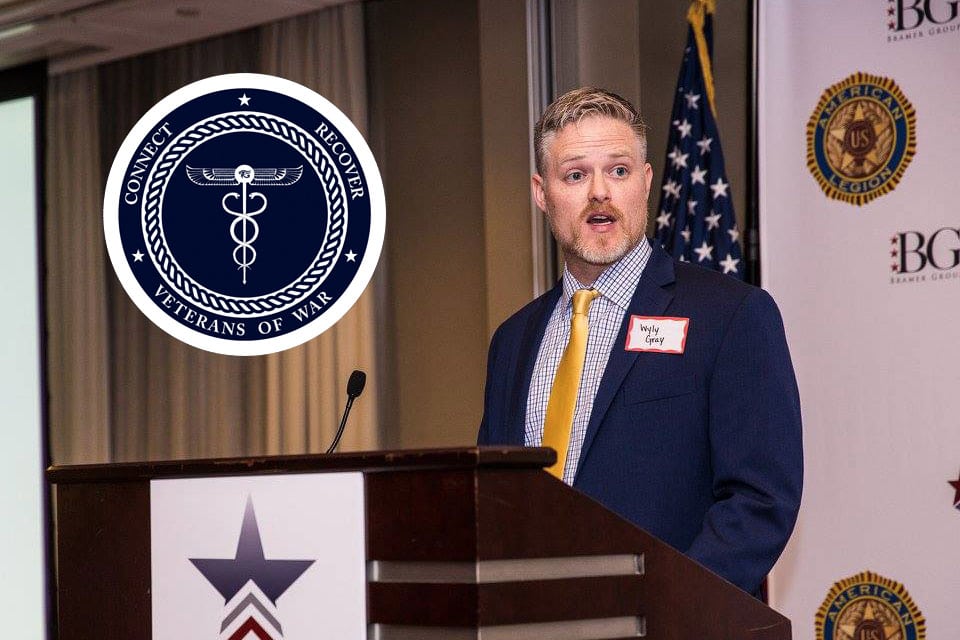
The following interview with Wyly Gray documents his own story of suicidal ideation to personal transformation, and why he shifted the focus of his veteran advocacy group Veterans of War after finding great healing with ayahuasca.

Thanks so much for speaking with us, Wyly. Can you share your personal story of discovering ayahuasca and what led you to plant medicine?

I got out of the military in December of 2008 after spending 8.5 years in active duty. Prior to that I was in foster care. I came from a broken family and didn’t really have a steady support structure, so the military was a way for me to be part of something bigger than myself, and gave me access to outcomes that wouldn’t have been traditionally in my trajectory.

When I got out of the Marines, on paper I looked fantastic—but after the death of my grandparents, things got a little touchy and PTSD really started to set in. It presented along a fairly typical route: I had insomnia, suicidal ideation, hyperawareness, hypervigilance, predisposition with safety and security concerns, and I was incredibly quick to anger. I used to be a very slow burn kind of person; it was very hard to get me angry, but it switched to where I was very explosive very quickly.

For a while I trucked along and felt like I could still manage it, and then two years ago my wife and I had a miscarriage.

The military can be a suspicious bunch. You go into harm’s way a few times and build these ideas for how life works, to cope with the situations that you’re facing. One of the things that I always said to God in my mind’s eye was, “Whatever happens to me I’m okay with, because I have big shoulders, but my family—that’s off the table. Protect my family, and I’ll do whatever I got to do in this world.” So when we lost our baby, it was like all bets were off.

I found myself spiralling as deep and as dark as I ever had before. It was incredibly hard for me to do even basic daily tasks. Absolute depression, incredible anxiety, lack of connection, lack of purpose—I was really hurting. And for the second time in my life, I found myself really contemplating suicide. I felt as though I had sustained the maximum amount of trauma that I was able to sustain, so it was time to check out.

Up until that point, my clinicians had told me that this is just something you deal with and there’s no way to get rid of it. It affected me in so many ways that I was just abhorrent to the person that I wanted to be. My memory was incredibly poor, whereas before I had close to a photographic memory. Now it was cloudy, muddy, and frustrating. That led me down the research path, and I looked at some of the physical presentations of PTSD. One of the things I found was it causes an imbalance in your limbic system. According to some research, that’s because the telomeres or “spark plug caps“ in your brain that cause neurons to fire have a protein sheath that gets degraded. Because your neurons can’t fire, your system spins itself up and you start overreacting to everything.

One of the papers I ended up finding was by Gabor Mate, and it spoke about the neuroregenerative aspects of ayahuasca. What was hypothesized in another paper was that it could perhaps regrow the caps at the ends of the telomeres. And then I read that even if that doesn’t happen, it seems to promote the growth of brand new neurons, so I thought, “Well, I may not be able to fix the ones that are busted, but regardless I can get some back.”

So I started doing some research on ayahuasca, and I was terrified. Even with my background, I knew it was a journey into something not well understood and very personal. I was very afraid, so I put it off for years.

Did you have any psychedelic experience before this point?

Two times in my life before I had done psychedelics. I tried mushrooms one time and that made me laugh a lot, but I didn’t feel a character change or major catharsis. Just after the miscarriage I got a hold of LSD for the first time, and when I took it, I took a lot of notes. I found that when I was writing, I was trying to write the heartbeat for my kid, and it just came out as this straight line, and I just started crying. I was absolutely fighting it, but it just kept coming out as a straight line. I cried and cried and cried; it was not a good experience for me. I thought after, “What was I thinking?” But I knew I needed to do something, and while these experiences made me nervous about ayahuasca, I knew I needed to go into the darkness.

So I did more research and found what I thought at the time was a reputable shaman. But like anything, you don’t really know what you don’t know. The guy that I worked with came highly recommended, and had some documentaries done about him. I don’t know what changed between those documentary times and when I got to him, but by the time I met him, his ego was leading the show. He was all about the amount of respect he was getting in the culture, which was none, and the amount of money he could make. For example, he told us, “This is a sacred journey, and all of you have been specially chosen to participate. I don’t just take anyone because money is on the line.” And then a few days later, three new people show up and he says, “They’re just drinking for tonight because they offered me some cash.” His words didn’t match his actions by any means. There was no doubt that his brew was strong, but he cut it with other admixtures like toé, which today I realize is a big no-no, but of course I didn’t know that then.

I had three ceremonies. I was scheduled for a fourth, but the third one with those extra people was so scary in a “my soul is at risk” kind of way, that I literally left the next morning. I got on a plane early, came back to the States, and for two years I didn’t go back. But I knew I needed to revisit ayahuasca again. I was scared by what had happened, but knew much more this time around. I found a very good place in Iquitos, Peru and had an incredible experience.

I had four more ceremonies. The first was basically cleaning up the remnants of the dark work that I had done on accident before. I was still feeling that I was connected to that man and that place, almost like it was haunting me in some way, so the first was uncomfortable but cleansing. But after that, I had some major breakthroughs and understandings of how my trauma can serve me, rather than allowing it to rule me. I received some amazing gifts, and the first was that I could sleep again. I still have difficult dreams, but I realized that although I may not be able to control the dreams, I can control how I react to them. I’m still going to be deaf in my left ear and have tinnitus, but I don’t have to focus on it. I can choose to accept it as it is.

One of the visions I saw really vividly was of Texas bluebells in bloom across a field, and it zooms in and one of them is me. I can see and feel myself in it. I look at it, and it notices me and says, “I don’t want to be a flower.” And I started laughing because I realized how ridiculous it was to deny your purpose. You’re a flower, be the flower! It’s crazy to fight yourself and what you are. From there I was in the maloka, the sacred ceremonial tent, and I’m looking around and there’s a group of veterans that I could tell were struggling with the same things I was, trying to reintegrate into their purpose and make sense of their trauma. I looked at them and they were all laughing, and I realized that I had brought them there and taken them to this spot, and the question was posed to me, “What kind of man are you if you don’t bring this medicine to the people who need it the most?” And then I started crying; I was absolutely shamed. I thought, “How can I go home to my wife if I’m not willing to step out of my comfort zone to help others?’”

One of the things that my shaman said to me was his belief that no matter what your purpose is, it costs everything. He told me the story of starting his ayahuasca center and how it took everything out of him to create it. Will you put your credibility on the line to advocate for this? If you want to help people, are you willing to go out on the edges? I felt as though I couldn’t be who I am without doing this.

So my organization Veterans of War made a huge pivot this year. We went from preserving and sharing veteran stories to preventing veteran suicide. And the way we do that is by creating a curriculum for veterans who are on that edge, and have tried other modalities: the psychopharmacology route, EMDR, talk therapy, adventure therapy, equine therapy… and still need deeper healing. Ayahuasca is just one tool. I know it’s not for everybody. It’s not a silver bullet. It only works if you do; that’s the best way I can say it. It will do as much work as you’re willing to put in. It’s so desperately needed in my community, to find an effective solution. I know that there is hope. I realize that psilocybin and MDMA are in Stage 3 trials, and maybe we’re in the midst of a psychedelic renaissance, but ayahuasca still seems to be an outlier. And I feel that’s a travesty.

 
Last edited:
article-1348624-0245DC650000044D-979_470x290.jpg


Ketamine a breakthrough treatment for suicidal children

by Jack Turban | July 18, 2017

Initial research finds fast, dramatic benefits for a vulnerable population.

Fourteen-year-old Nicole, whose name I changed for her privacy, told her mother every day for years that she wanted to end her own life. Between suicide attempts were more psychiatric hospital visits than she or her mother could count. She refused to get out of bed, shower, or go to school, missing sixty school days in a single year. In one visit with her therapist, she admitted to praying every night that she would not wake up the next morning. After countless psychiatrists and psychotherapists were unable to improve her depression, her mother converted a bathroom cabinet into a locked safe, containing all of the sharp objects and pills in the house. Her parents were certain it was only a matter of time until Nicole killed herself.

Today, a now seventeen-year-old Nicole greets me with a big smile. Her blonde hair is pulled back into a ponytail to reveal her bright blue eyes. She tells me she hasn’t missed a day of school and is preparing for college. Blushing, she lets me know that her first date is coming up, a prom date to be precise. For the first time in years, she is happy and wants to live.

What happened to cause this dramatic change? In December, Nicole started infusions of a psychedelic drug called ketamine. Though she had failed to respond to endless medication trials for her depression (selective serotonin reuptake inhibitors, mirtazapine, topiramate, antipsychotics, and lithium to name just a few), ketamine cleared her depression within hours. The effect lasts about two weeks before she needs a new infusion.

Ketamine is a drug with many identities. For anesthesiologists, it’s a sedative for painful procedures. For partiers, it’s a fun way to hallucinate and have an out-of-body experience. For critics, it’s a dangerous addictive drug that can cause memory problems, bladder disease, and psychosis when abused. In the past few years, it has taken on a new identity: miracle psychiatric drug that works within hours. Its use as a psychiatric medication is relatively new, and it’s possible that regular infusions could cause significant long-term side effects. We currently lack the long-term data to know. Still, the National Institute of Mental Health has called it “the most important breakthrough in antidepressant treatment in decades.”

The ketamine for mental health story goes back as far as the 1980s, when neuroscientists examined the brains of people who had committed suicide. They found that suicide victims had structural abnormalities in a protein called NMDAR, a neurotransmitter receptor that is sprinkled throughout the brain. It also happens to be the receptor to which ketamine binds. Though some animal models suggested that ketamine improved depression in mice, it wasn’t until 2000 that researchers tried giving the drug to adults with depression. Surprisingly, many patients’ depression completely resolved within hours. The quick and dramatic result was unprecedented for an anti-depressant medication.

Since then, physicians have given the drug to thousands of depressed adults, including patients in eight successful clinical trials. But fewer have been willing to infuse the drug into the veins of minors. Yale School of Medicine is an exception, and I recently watched a few adolescents receive the infusions with Yale’s clinical trial team. It was less dramatic to watch than I expected, but the kids were definitely high. There was a lot of giggling involved, and they often said that they felt like time was changing and that their bodies felt ‘funny’ and sometimes numb. Nicole admitted, “I’m not gonna lie. I like the feeling of it.”

Perhaps more dramatic than the trips themselves, which happened in a carefully controlled procedure room with a psychiatrist and anesthesiologist ready to intervene if needed, were the interviews that came after. I could see the weight of depression lifted from these patients within hours. Adolescents who were previously ready to end their own lives became bright and hopeful. Psychiatry has never seen a drug intervention so powerful and fast acting. While most anti-depressants take weeks to work and offer modest improvement, ketamine offers dramatic improvement in less than a day.

Because of early success in adult patients, there has been explosion of ketamine clinical trails for adolescents. Frustrated by a lack of effective treatments for children experiencing severe, debilitating, psychiatric disease, doctors have new clinical trials underway for adolescents with depression, anxiety, obsessive-compulsive disorder, and even a rare autism-like condition called Rett’s syndrome. Dr. Gerard Sanacora at Yale School of Medicine explained it like this: “We know high blood pressure causes all kinds of things: heart attacks, strokes, vision problems, and kidney diseases. We treat all of those with blood pressure pills. Ketamine may be the blood pressure pill of psychiatry — altering basic physiology [of neuronal connections] and having a wide range of beneficial effects.”

But there is also reason to be concerned. Before now, ketamine has only been used as a one-time injection for anesthesia. The FDA approved the drug based on trials where the drug was given just once. For depression, however, it is given every few weeks with an unclear end point. Will repeated administration reveal new risks? Studies in adolescent mice show that ketamine can cause long-term cognitive problems. Ketamine-treated mice can also develop a schizophrenia-like illness, with a pattern of neuron loss in the brain that is similar to schizophrenia. However, it’s important to note that the majority of these studies use mice given ketamine doses equivalent to 10 times that which is given to patients.

Dr. Michael Bloch, Yale child psychiatrist and principal investigator of several controlled trials for ketamine for adolescents, points out that the drug is only used for select patients who have severe mental health problems that have not responded to other medications. The infusions are provided in a clinical trial setting, where doctors collect efficacy data and carefully watch for side effects. For each of his patients, the theoretical risks of ketamine are carefully weighed against the risk of suicide. For Nicole, who seemed likely to die from suicide, the calculus was not difficult.

Though Dwyer and Bloch stress that doctors need to be careful, they are also quick to point out the potential promise of this research. Dr. Bloch explains, “Suicide is the second leading cause of death in adolescents. 40% of depressed adolescents don’t respond to first-line treatments. Another half of those don’t respond to multiple trials of medication paired with psychotherapy. Other than electroconvulsive therapy, which carries its own risk of memory problems, doctors have almost no other choice.” Suicidal patients are also at a high risk for suicide after leaving the hospital. Existing anti-depressants like Prozac take weeks to work, while ketamine can take effect in less than 24 hours. This could decrease deaths from suicide after patients leave the hospital.

For Nicole, one of those suicidal teens, everyone involved seems convinced that ketamine saved her life. According to her, her family, and her doctors, the theoretical risk of long-term side effects was less frightening than what might happen in the face of chronic hopelessness and suicidality.

https://www.scientificamerican.com/article/the-ketamine-breakthrough-for-suicidal-children/\
​
 
Last edited:
Ketamine holds promise in derailing veteran suicide

by Gerson Barahona | CISION PRWeb | Nov 7 2019

A new study published in the November issue of the Annals of Clinical Psychiatry provides dramatic evidence that ketamine can be an effective treatment for combat related post-traumatic stress disorder (PTSD) in veterans.

A new study published in the November issue of the Annals of Clinical Psychiatry provides dramatic evidence that ketamine can be an effective treatment for combat related post-traumatic stress disorder (PTSD) in veterans. Ketamine is a time-tested medication that is receiving a significant amount of positive attention recently. It is proving itself to play a valuable role in the treatment of mental health conditions such as depression and PTSD. The study looked at 30 veterans who had debilitating PTSD due to combat experience. Psychological testing was done before and after a series of ketamine infusions that were delivered at escalating doses. The study was performed at Klarisana, which operates ketamine infusion centers in Texas, Colorado, and New Mexico. Tyler Schmidt, a nurse practitioner Klarisana and former Special Forces medic, summarizes the findings by saying, “we saw a 44% decrease in the average score on the PCL-5 which is psychological testing tool that shows the severity of PTSD symptoms in patients.The score decreased in 28 out of 30 veterans which has huge implications for preventing veteran suicide.”

Froy Cervantes, who is the Supervising Medic for Klarisana and a Marine Corps Veteran, served as the liaison for the veterans in the study. Cervantes said, “as an Afghanistan veteran, this study really affected me on a personal level. The VA reported in 2016 that the national veteran suicide rate was 30.1 per 100,000 veterans whereas the suicide rate in the general population was 17.5 per 100,000 people. It was great to be a part of something that might actually do something tangible to decrease the veteran suicide rate.”

Gerson Barahona, the Director of Operations for Klarisana adds, “one of the first studies showing that ketamine could be an effective treatment for PTSD was published by the US Army Institute of Surgical Research in 2008. Unfortunately, ketamine didn’t receive the research dollars or attention one might have expected, given the conflicts in Iraq and Afghanistan. The veteran suicide rate is the whole reason that Klarisana opened its first center in San Antonio, Texas. Our goal is not just to provide clinical treatment but to also advance medical knowledge regarding how ketamine can treat PTSD.”

Dr. John Huber PsyD, a forensic psychologist and member of the Klarisana Medical Advisory Board, further describes the implications of this study. He said, “one of the most significant aspects of this study is that we used much higher doses of ketamine than have been used previously in other studies. One of our hypotheses is that the ‘experiential’ effects of ketamine are not a side effect but rather an essential part of the treatment effect. While many studies use an arbitrary, and rather low, dose of 0.5 milligrams (mg) per kilogram (kg) of body weight, our average dose on the sixth infusion was 1.94 mg/kg.”

Zackery A. Tedder, Licensed Psychological Associate and Klarisana advisor builds on this by saying, “this is really exciting because, the finding that we could safely produce such a robust treatment response at dramatically higher doses really challenges the old paradigm that the effect of ketamine is purely biochemical and otherwise unrelated to the non-ordinary state of consciousness and ego disruption that ketamine causes.” Tedder adds, “in our follow up study, we are repeating this protocol in paramedics who have developed PTSD from their careers in prehospital care. This time we are adding specific survey instruments that assess the role that the experiential or “psychedelic” aspect of ketamine produces. This is not surprising as it is the same effect that has received a lot of attention in the popular press such as with Michael Pollan’s book on the science of psychedelics. Our paramedic study will shed some interesting light on the role of the experiential aspect of ketamine.”

Carl J. Bonnett, MD, is the Medical Director for Klarisana and one of the study’s authors. Bonnett said, “ketamine has the potential to be an incredibly disruptive technology for the treatment of PTSD. It is exciting to be a part of something that could potentially have a positive effect on the suicide rate in this country. That being said, it is important to look at this in an evidence-based fashion. There are a number of clinicians who are flocking to the field of ketamine infusion therapy for the wrong reasons. We have clinicians in our own backyard in San Antonio who are making wild and completely unsubstantiated claims about ketamine. Some of these individuals are trying to pass off ‘proprietary blends’ of ketamine and other ingredients that have not been subject to scientific inquiry. Our goal at Klarisana has always been to practice evidence-based medicine and contribute to the field of ketamine therapy in a positive and constructive fashion."

 
Last edited:
90


Ketamine fast-tracked for acute suicidal ideation*

by Steve Duffy | MPR | Nov 21 2019

The Food and Drug Administration (FDA) has granted Fast Track designation to an investigational intranasal formulation of racemic ketamine for the potential treatment of acute suicidal ideation and behavior in patients with major depressive disorder.

The ketamine program, SLS-002, is being developed by Seelos Therapeutics. A phase 1 study evaluating the pharmacokinetics, pharmacodynamics, and drug-drug interactions of SLS-002 is expected in the first quarter of 2020. The study is expected to include 48 healthy volunteers randomized to receive a combination of SLS-002 and either venlafaxine extended-release or sertraline.

Fast Track designation allows for more frequent meetings and discussions with the FDA and eligibility for Priority Review if the right criteria are met.

“We will be working diligently in close collaboration with the FDA to finalize the protocol for the proof of concept study and future clinical development,” said Seelos CEO, Raj Mehra, PhD.

Earlier this year, the Agency approved esketamine nasal spray (Spravato; Janssen) to treat treatment-resistant depression, in conjunction with an oral antidepressant. Additionally, in recommendations recently published for reducing suicide among veterans, it was found that ketamine reduced suicidal ideation compared with placebo or midazolam.

*From the article here :
 
Last edited:
architecture-016-lg.jpg

Centers for Disease Control and Prevention

Ketamine's effects on depression identified in new study

by Timothy Huzar | Medical News Today | 9 June 2020

A new study has identified how ketamine combats difficult-to-treat depression.

New research has revealed the specific parts of the brain that ketamine affects when doctors use it to treat people with difficult-to-treat depression.

The study, which appears in the journal Translational Psychiatry, may open the door to new therapies in the treatment of depression.

According to the CDC, in the United States, about 8% of people over the age of 12 have depression during any 2-week period. The CDC describe depression as a sad mood that extends for a long period and affects a person’s ability to live a normal life.

When severe, depression can have a serious negative effect on a person’s life, sometimes leading to suicidal thoughts.

Experts do not fully understand why some people experience depression, although the National Institute of Mental Health suggest that genetic, environmental, biological, and psychological factors may play a role. It is treatable with medication, psychological therapy, or a combination of the two.

Previous research has made it clear that the drug ketamine can be an effective antidepressant, and some scientists have proposed it as a treatment in cases of depression that do not respond to conventional treatments.

However, precisely how and why ketamine functions as an antidepressant is less clear. As a consequence, the authors of the present study wanted to identify precisely what effects ketamine has on the brain of a person who is not responding to conventional treatments. They hope that this research may lead to better treatment options for these individuals.

Suicide prevention

If you know someone who is at immediate risk of self-harm, suicide, or hurting another person:

1. Ask the tough question: “Are you considering suicide?”

2. Listen to the person without judgment.

3. Call 911 or the local emergency number, or text TALK to 741741 to communicate with a trained crisis counselor.

4. Stay with the person until professional help arrives.

5. Try to remove any weapons, medications, or other potentially harmful objects.


If you or someone you know is having thoughts of suicide, a prevention hotline can help. The National Suicide Prevention Lifeline is available 24 hours per day at 800-273-8255. During a crisis, people who are hard of hearing can call 800-799-4889.

Click here for more links and local resources.

ketamine-resized-569fe6853df78cafda9efea2.jpg


Looking at ketamine’s effects in the brain

To do this, the researchers gave participants doses of ketamine that were low enough not to have an anesthetic effect and then took images of their brains using a positron emission tomography (PET) camera.

According to the study’s first author, Dr. Mikael Tiger, a researcher at the Department of Clinical Neuroscience at the Karolinska Institutet in Solna, Sweden, “In this, the largest PET study of its kind in the world, we wanted to look at not only the magnitude of the effect but also if ketamine acts via serotonin 1B receptors.”

“We and another research team were previously able to show a low density of serotonin 1B receptors in the brains of people with depression.”


By using a radioactive marker that binds to a person’s serotonin receptors, the PET images could highlight what effects ketamine was having on these receptors, which play a crucial role in depression by modulating the amount of serotonin that a person receives. Experts believe that low levels of serotonin correlate to more severe experiences of depression.

The authors of the study recruited people through internet advertising. After receiving 832 volunteers, the authors reduced this number to 30 to make sure that the participants were as relevant to the study as possible.

Other than having major depressive disorder (MDD), the participants were healthy. They had not responded to previous treatment for MDD.

The researchers split the participants into two groups, treating 20 people with ketamine and the other 10 with a placebo.

The study was a randomized, double-blind, placebo-controlled study, meaning that neither the doctors nor the participants initially knew to which group each participant belonged.

Prior to the treatment, the researchers took a baseline scan of the participants’ brains. They took a second scan in the days following the treatment.

For the second phase of the study, 29 of the participants agreed to take ketamine twice a week for 2 weeks.

Serotonin reduced, dopamine increased

Using a rating scale for depression, the researchers found that 70% of the participants in the second phase of the study responded to the ketamine.

Furthermore, after analyzing the PET images, the authors found that the ketamine was affecting the participants’ brains in a previously unidentified manner, reducing the output of serotonin but increasing the output of dopamine, which is also important for mood regulation.

According to the last author of the study, Dr. Johan Lundberg, research group leader at the Department of Clinical Neuroscience, Karolinska Institutet, “We show for the first time that ketamine treatment increases the number of serotonin 1B receptors.”

“Ketamine has the advantage of being very rapid-acting, but at the same time, it is a narcotic-classed drug that can lead to addiction. So it’ll be interesting to examine in future studies if this receptor can be a target for new, effective drugs that don’t have the adverse effects of ketamine.”
- Dr. Johan Lundberg

 
Last edited:
800x-1.jpg

Joe Wright in New York City

Is Ketamine the key to reversing America’s rising suicide rate?

by Cynthia Koons and Robert Langreth | Bloomberg Businessweek | 5 Feb 2019

Joe Wright has no doubt that Ketamine saved his life. A 34-year-old high school teacher who writes poetry every day on a typewriter, Wright was plagued by suicidal impulses for years. The thoughts started coming on when he was a high schooler himself, on Staten Island, N.Y., and intensified during his first year of college. “It was an internal monologue, emphatic on how pointless it is to exist,” he says. “It’s like being ambushed by your own brain.”

He first tried to kill himself by swallowing a bottle of sleeping pills the summer after his sophomore year. Years of treatment with Prozac, Zoloft, Wellbutrin, and other antidepressants followed, but the desire for an end was never fully resolved. He started cutting himself on his arms and legs with a pencil-sharpener blade. Sometimes he’d burn himself with cigarettes. He remembers few details about his second and third suicide attempts. They were halfhearted; he drank himself into a stupor and once added Xanax into the mix.

Wright decided to try again in 2016, this time using a cocktail of drugs he’d ground into a powder. As he tells the story now, he was preparing to mix the powder into water and drink it when his dog jumped onto his lap. Suddenly he had a moment of clarity that shocked him into action. He started doing research and came upon a Columbia University study of a pharmaceutical treatment for severe depression and suicidality. It involved an infusion of Ketamine, a decades-old anesthetic that’s also an infamous party drug. He immediately volunteered.

His first—and only—Ketamine infusion made him feel dreamlike, goofy, and euphoric. He almost immediately started feeling more hopeful about life. He was more receptive to therapy. Less than a year later, he married. Today he says his dark moods are remote and manageable. Suicidal thoughts are largely gone. “If they had told me how much it would affect me, I wouldn’t have believed it,” Wright says. “It is unconscionable that it is not already approved for suicidal patients.”

The reasons it isn’t aren’t strictly medical. Over the past three decades, pharmaceutical companies have conducted hundreds of trials for at least 10 antidepressants to treat severe PMS, social anxiety disorder, and any number of conditions. What they’ve almost never done is test their drugs on the sickest people, those on the verge of suicide. There are ethical considerations: Doctors don’t want to give a placebo to a person who’s about to kill himself. And reputational concerns: A suicide in a drug trial could hurt a medication’s sales prospects.

The risk-benefit calculation has changed amid the suicide epidemic in the U.S. From 1999 to 2016, the rate of suicides increased by 30 percent. It’s now the second-leading cause of death for 10- to 34-year-olds, behind accidents. (Globally the opposite is true: Suicide is decreasing.) Growing economic disparity, returning veterans traumatized by war, the opioid crisis, easy access to guns—these have all been cited as reasons for the rise in America. There’s been no breakthrough in easing any of these circumstances.

But there is, finally, a serious quest for a suicide cure. Ketamine is at the center, and crucially the pharmaceutical industry now sees a path. The first ketamine-based drug, from Johnson & Johnson, could be approved for treatment-resistant depression by March and suicidal thinking within two years. Allergan Plc is not far behind in developing its own fast-acting antidepressant that could help suicidal patients. How this happened is one of the most hopeful tales of scientific research in recent memory.

800x-1.jpg

Dennis Charney

Dennis Charney, dean of the Icahn School of Medicine at Mount Sinai in New York, works from an office filled with family pictures, diplomas, and awards from a long career in research. One thing on the wall is different from the rest: a patent for the use of a nasal-spray form of ketamine as a treatment for suicidal patients. The story of the drug is in some ways the story of Charney’s career.

In the 1990s he was a psychiatry professor, mentoring then associate professor John Krystal at Yale and trying to figure out how a deficit of serotonin played into depression. Back then, depression research was all about serotonin. The 1987 approval of Prozac, the first selective serotonin reuptake inhibitor, or SSRI, ushered in an era of what people in the industry call me-too drug development, research that seeks to improve on existing medicines rather than exploring new approaches. Within this narrow range, pharmaceutical companies churned out blockbuster after blockbuster. One in eight Americans age 12 and older reported using antidepressants within the past month, according to a survey conducted from 2011 to 2014 by the U.S. Centers for Disease Control and Prevention.

Charney was a depression guy; Krystal was interested in schizophrenia. Their curiosity led them to the same place: the glutamate system, what Krystal calls the “main information highway of the higher brain.” (Glutamate is an excitatory neurotransmitter, which helps brain cells communicate. It’s considered crucial in learning and memory formation.) They had already used ketamine to temporarily produce schizophrenia-like symptoms, to better understand glutamate’s role in that condition. In the mid-1990s they decided to conduct a single-dose study of ketamine on nine patients (two ultimately dropped out) at the Yale-affiliated VA Connecticut Healthcare System in West Haven to see how depressed people would react to the drug.

“If we had done the typical thing … we would have completely missed the antidepressant effect.”

Outside the field of anesthesiology, ketamine is known, if it’s known at all, for its abuse potential. Street users sometimes take doses large enough to enter what’s known as a “K hole,” a state in which they’re unable to interact with the world around them. Over the course of a day, those recreational doses can be as much as 100 times greater than the tiny amount Charney and Krystal were planning to give to patients. Nonetheless, they decided to monitor patients for 72 hours—well beyond the two hours that ketamine produces obvious behavioral effects—just to be careful not to miss any negative effects that might crop up. “If we had done the typical thing that we do with these drug tests,” Krystal says, “we would have completely missed the antidepressant effect of Ketamine.”

Checking on patients four hours after the drug had been administered, the researchers saw something unexpected. “To our surprise,” Charney says, “the patients started saying they were better, they were better in a few hours.” This was unheard of. Antidepressants are known for taking weeks or months to work, and about a third of patients aren’t sufficiently helped by the drugs. “We were shocked,” says Krystal, who now chairs the Yale psychiatry department. “We didn’t submit the results for publication for several years.”

When Charney and Krystal did publish their findings, in 2000, they attracted almost no notice. Perhaps that was because the trial was so small and the results were almost too good to be true. Or maybe it was ketamine’s reputation as an illicit drug. Or the side effects, which have always been problematic: Ketamine can cause patients to disassociate, meaning they enter a state in which they feel as if their mind and body aren’t connected.

But probably none of these factors mattered as much as the bald economic reality. The pharmaceutical industry is not in the business of spending hundreds of millions of dollars to do large-scale studies of an old, cheap drug like Ketamine. Originally developed as a safer alternative to the anesthetic phencyclidine, better known as PCP or angel dust, ketamine has been approved since 1970. There’s rarely profit in developing a medication that’s been off patent a long time, even if scientists find an entirely new use for it.

Somehow, even with all of this baggage, research into Ketamine inched forward. The small study that almost wasn’t published has now been cited more than 2,00
Suicide is described in medicine as resulting from a range of mental disorders and hardships—a tragedy with many possible roots. Conditions such as severe depression, bipolar disorder, and schizophrenia are known risk factors. Childhood trauma or abuse may also be a contributor, and there may be genetic risk factors as well.

From these facts, John Mann, an Australian-born psychiatrist with a doctorate in neurochemistry, made a leap. If suicide has many causes, he hypothesized, then all suicidal brains might have certain characteristics in common. He’s since done some of the most high-profile work to illuminate what researchers call the biology of suicide. The phrase itself represents a bold idea—that there’s an underlying physiological susceptibility to suicide, apart from depression or another psychiatric disorder.

Mann moved to New York in 1978, and in 1982, at Cornell University, he started collecting the brains of people who’d killed themselves. He recruited Victoria Arango, now a leading expert in the field of suicide biology. The practice of studying postmortem brain tissue had largely fallen out of favor, and Mann wanted to reboot it. “He was very proud to take me to the freezer,” Arango says of the day Mann introduced her to the brain collection, which then numbered about 15. “I said, ‘What am I supposed to do with this?’ ”

1800x-1.jpg

Some of Mann's brain collection.

They took the work, and the brains, first to the University of Pittsburgh, and then, in 1994, to Columbia. They’ve now amassed a collection of some 1,000 human brains—some from suicide victims, the others, control brains—filed neatly in freezers kept at –112F. The small Balkan country of Macedonia contributes the newest brains, thanks to a Columbia faculty member from there who helped arrange it. The Macedonian brains are frozen immediately after being removed and flown in trunks, chaperoned, some 4,700 miles to end up in shoe-box-size, QR-coded black boxes. Inside are dissected sections of pink tissue in plastic bags notated with markers: right side, left side, date of collection.

In the early 1990s, Mann and Arango discovered that depressed patients who killed themselves have subtle alterations in serotonin in certain regions of the brain. Mann remembers sitting with Arango and neurophysiologist Mark Underwood, her husband and longtime research partner, and analyzing the parts of the brain affected by the deficit. They struggled to make sense of it, until it dawned on them that these were the same brain regions described in a famous psychiatric case study.

In 1848, Phineas Gage, an American railroad worker, was impaled through the skull by a 43-inch-long tamping iron when the explosives he was working with went off prematurely. He survived, but his personality was permanently altered. In a paper titled “Recovery From the Passage of an Iron Bar Through the Head,” his doctor wrote that Gage’s “animal propensities” had emerged and described him as using the “grossest profanity.” Modern research has shown that the tamping iron destroyed key areas of the brain involved in inhibition—the same areas that were altered in the depressed patients who’d committed suicide. For the group, this was a clue that the differences in the brain of suicidal patients were anatomically important.

1800x-1.jpg

Victoria Arango

"Most people inhibit suicide. They find a reason not to do it,” Underwood says. Thanks to subtle changes in the part of the brain that might normally control inhibition and top-down control, people who kill themselves “don’t find a reason not to do it,” he says.

About eight years ago, Mann saw Ketamine research taking off in other corners of the scientific world and added the drug to his own work. In one trial, his group found that ketamine treatment could ease suicidal thoughts in 24 hours more effectively than a control drug. Crucially, they found that the antisuicidal effects of ketamine were to some extent independent of the antidepressant effect of the drug, which helped support their thesis that suicidal impulses aren’t necessarily just a byproduct of depression. It was this study, led by Michael Grunebaum, a colleague of Mann’s, that made a believer of Joe Wright.

“It’s like you have 50 pounds on your shoulders, and the ketamine takes 40 pounds off.”

In 2000, the National Institutes of Health hired Charney to run both mood disorder and experimental drug research. It was the perfect place for him to forge ahead with ketamine. There he did the work to replicate what he and his colleagues at Yale had discovered. In a study published in 2006, led by researcher Carlos Zarate Jr., who now oversees NIH studies of ketamine and suicidality, an NIH team found that patients had “robust and rapid antidepressant effects” from a single dose of the drug within two hours. “We could not believe it. In the first few subjects we were like, ‘Oh, you can always find one patient or two who gets better,’ ” Zarate recalls.

In a 2009 study done at Mount Sinai, patients suffering from treatment-resistant depression showed rapid improvement in suicidal thinking within 24 hours. The next year, Zarate’s group demonstrated antisuicidal effects within 40 minutes. “That you could replicate the findings, the rapid findings, was quite eerie,” Zarate says.

Finally, Ketamine crossed back into commercial drug development. In 2009, Johnson & Johnson lured away Husseini Manji, a prominent NIH researcher who’d worked on the drug, to run its neuroscience division. J&J didn’t hire him explicitly to develop ketamine into a new pharmaceutical, but a few years into his tenure, Manji decided to look into it. This time it would come in a nasal-spray form of esketamine, a close chemical cousin. That would allow for patent protection. Further, the nasal spray removes some of the challenges that an IV form of the drug would present. Psychiatrists, for one thing, aren’t typically equipped to administer IV drugs in their offices.

While these wheels were slowly turning, some doctors—mostly psychiatrists and anesthesiologists—took action. Around 2012 they started opening ketamine clinics. Dozens have now popped up in major metropolitan areas. Insurance typically won’t touch it, but at these centers people can pay about $500 for an infusion of the drug. It was at one time a cultural phenomenon—a 2015 Bloomberg Businessweek story called it “the club drug cure.” Since then, the sense of novelty has dissipated. In September the American Society of Ketamine Physicians convened its first medical meeting about the unconventional use of the drug.

“You are literally saving lives,” Steven Mandel, an anesthesiologist-turned-Ketamine provider, told a room of about 100 people, mostly doctors and nurse practitioners, who gathered in Austin to hear him and other early adopters talk about how they use the drug. Sporadic cheers interrupted the speakers as they presented anecdotes about its effectiveness.

There were also issues to address. A consensus statement in JAMA Psychiatry published in 2017 said there was an “urgent need for some guidance” on Ketamine use. The authors were particularly concerned with the lack of data about the safety of prolonged use of the drug in people with mood disorders, citing “major gaps” in the medical community’s knowledge about its long-term impact.

The context for the off-label use of Ketamine is a shrinking landscape for psychiatry treatment. An effort to deinstitutionalize the U.S. mental health system, which took hold in the 1960s, has almost resulted in the disappearance of psychiatric hospitals and even psychiatric beds within general hospitals. There were 37,679 psychiatric beds in state hospitals in 2016, down from 558,922 in 1955, according to the Treatment Advocacy Center. Today a person is often discharged from a hospital within days of a suicide attempt, setting up a risky situation in which someone who may not have fully recovered ends up at home with a bunch of antidepressants that could take weeks to lift his mood, if they work at all.

A Ketamine clinic can be the way out of this scenario—for people with access and means. For Dana Manning, a 53-year-old Maine resident who suffers from bipolar disorder, $500 is out of reach. “I want to die every day,” she says.

After trying to end her life in 2003 by overdosing on a cocktail of drugs including Xanax and Percocet, Manning tried virtually every drug approved for bipolar disorder. None stopped the mood swings. In 2010 the depression came back so intensely that she could barely get out of bed and had to quit her job as a medical records specialist. Electroconvulsive therapy, the last-ditch treatment for depressed patients who don’t respond to drugs, didn’t help.

Her psychiatrist went deep into the medical literature to find options and finally suggested Ketamine. He was even able to get the state Medicaid program to cover it, she says. She received a total of four weekly infusions before she moved to Pennsylvania, where there were more family members nearby to care for her.

The first several weeks following her Ketamine regimen were "the only time I can say I have felt normal in 15 years," she says. “It’s like you have 50 pounds on your shoulders, and the ketamine takes 40 pounds off.”

She’s now back in Maine, and the depression has returned. Her current Medicare insurance won’t cover Ketamine. She lives on $1,300 a month in disability income. “Knowing it is there and I can’t have it is beyond frustrating,” she says.

800x-1.jpg

Mark Underwood

Ketamine is considered a “dirty” drug by scientists—it affects so many pathways and systems in the brain at the same time that it’s hard to single out the exact reason it works in the patients it does help. That’s one reason researchers continue to look for better versions of the drug. Another, of course, is that new versions are patentable. Should Johnson & Johnson’s esketamine hit the market, the Ketamine pioneers and their research institutions stand to benefit. Yale’s Krystal, NIH’s Zarate, and Sinai’s Charney, all of whom are on the patent on Charney’s wall, will collect royalties based on the drug’s sales. J&J hasn’t said anything about potential pricing, but there’s every reason to believe the biggest breakthrough in depression treatment since Prozac will be expensive.

The company’s initial Esketamine study in suicidal patients involved 68 people at high risk. To avoid concerns about using placebos on actively suicidal subjects, everyone received antidepressants and other standard treatments. About 40 percent of those who received esketamine were deemed no longer at risk of killing themselves within 24 hours. Two much larger trials are under way.

When Johnson & Johnson unveiled data from its Esketamine study in treatment-resistant depression at the American Psychiatric Association meeting in May, the presentation was jammed. Esketamine could become the first-ever rapid-acting antidepressant, and physicians and investors are clamoring for any information about how it works. The results in suicidal patients should come later this year and could pave the way for a Food and Drug Administration filing for use in suicidal depressed patients in 2020. Allergan expects to have results from its suicide study next year, too.

“The truth is, what everybody cares about is, do they decrease suicide attempts?” says Gregory Simon, a psychiatrist and mental health researcher at Kaiser Permanente Washington Health Research Institute. “That is an incredibly important question that we hope to be able to answer, and we are planning for when these treatments become available.”

Exactly how Ketamine and its cousin Esketamine work is still the subject of intense debate. In essence, the drugs appear to provide a quick molecular reset button for brains impaired by stress or depression. Both Ketamine and Esketamine release a burst of glutamate. This, in turn, may trigger the growth of synapses, or neural connections, in brain areas that may play a role in mood and the ability to feel pleasure. It’s possible the drug works to prevent suicide by boosting those circuits while also reestablishing some of the inhibition needed to prevent a person from killing himself.

“We certainly think that Esketamine is working exactly on the circuitry of depression,” Manji says. “Are we homing in exactly on where suicidal ideation resides?” His former colleagues at NIH are trying to find that spot in the brain as well. Using polysomnography—sleep tests in which patients have nodes connected to various parts of their head to monitor brain activity—as well as MRIs and positron emission tomography, or PET scans, researchers can see how a patient’s brain responds to ketamine, to better understand exactly what it’s doing to quash suicidal thinking.

Concerns about the side effects of Ketamine-style drugs linger. Some patients taking esketamine have reported experiencing disassociation symptoms. Johnson & Johnson calls the effects manageable and says they cropped up within an hour of the treatment, a period in which a person on the drug would likely be kept in the doctor’s office for monitoring. Some patients also experienced modest spikes in blood pressure within the same timeframe.

University of New South Wales

Nasal-spray dosing brings other issues. The Black Dog Institute in Australia and the University of New South Wales in Sydney, which teamed up to study a nasal-spray form of Ketamine, published their findings last March in the Journal of Psychopharmacology. The researchers found that absorption rates were variable among patients. J&J says its own studies with Esketamine contradict these findings.

But in the wake of the opioid crisis, perhaps the biggest worry is that loosening the reins too much on the use of Ketamine and similar drugs could lead to a new abuse crisis. That’s why Wall Street analysts are particularly excited by Allergan’s rapid-acting antidepressant, rapastinel, which is about a year behind esketamine in testing. Researchers say it likely acts on the same target in the brain as Ketamine, the NMDA receptor, but in a more subtle way that may avoid the disassociation side effects and abuse potential. Studies in lab animals show the drug doesn’t lead creatures to seek more of it, as they sometimes do with Ketamine, says Allergan Vice President Armin Szegedi. Allergan’s medicine is an IV drug, but the company is developing an oral drug.

For its suicide study, Allergan is working hard to enroll veterans, one of the populations most affected by the recent spike in suicides, and has included several U.S. Department of Veterans Affairs medical centers as sites in the trial. More than 6,000 veterans died by suicide each year from 2008 to 2016, a rate that’s 50 percent higher than in the general population even after adjusting for demographics, according to VA data.

“How the brain mediates what makes us who we are is still a mystery, and maybe we will never fully understand it,” Szegedi says. “What really changed the landscape here is you had clinical data showing ‘This really does the trick.’ Once you find something in the darkness, you really have to figure out: Can you do something better, faster, safer?”

If you or someone you know is having suicidal thoughts, the National Suicide Prevention hotline is 1 (800) 273 8255.

https://www.bloomberg.com/news/feat...could-soon-be-used-to-treat-suicidal-ideation​
 
Last edited:
Top