• Psychedelic Medicine
  • Psychedelic Medicine Moderator: mr peabody

RESEARCH | +80 articles

sub-shulgin-obit-articleLarge.jpg


Phase 2 clinical trials to begin using psilocybin to treat Major Depressive Disorder

By Barb Bauer | PSR | Sep 27 2019

Enrollment of study volunteers is expected to start within the next two months.

This fall, the Usona Institute will launch its phase 2 clinical trial studying the safety and efficacy of psilocybin for treating a condition known as major depressive disorder (MDD). Approximately 80 volunteers will be recruited to participate in the study that will take place in seven sites in the US (see below). The first sites are expected to begin enrolling volunteers in the next two months.

MDD (also known as clinical depression or simply depression) is a mood disorder characterized by persistent feelings of sadness and loss of interest. The condition affects how a person thinks, feels, and behaves and can lead to emotional and physical problems. People suffering from MDD not only have trouble with their normal day-to-day activities, but they may also feel that life isn’t worth living. Along with feeling sad and losing interest, symptoms of MDD may include angry outbursts, sleep disturbances, fatigue, anxiety, and frequent or recurring thoughts of death, thinking about suicide or attempting suicide.

The study site locations and principal investigators at each include:

- Johns Hopkins University (Roland Griffiths, Ph.D.)
- NYU School of Medicine (Stephen Ross, MD)
- University of California San Francisco (Josuha Woolley, MD, Ph.D.)
- Yale University (Gerard Sanacora, MD, Ph.D.)
- University of Wisconsin-Madison (Randall Brown, MD)
- Great Lakes Clinical Trials, Chicago (Rupal Trivedi, MD)
- Segal Trials, Miami (Rishi Kakar, MD)

More information, including what is involved in the clinical trial, who can qualify, and how to enroll is found at the website UsonaClinicalTrials.org.

Usona Institute is a 501(c)(3) nonprofit medical research organization (MRO) that conducts and supports pre-clinical and clinical research to further the understanding of the therapeutic effects of psilocybin and other consciousness-expanding medicines. The institute focuses on alleviating depression and anxiety in people for whom current medical treatments fall short in offering relief and a better quality of life.

 
Last edited:
Psilocybin trial for Treatment Resistant Depression at University of Texas, Houston*

Medical Xpress | Oct 3 2019

Psilocybin, a psychedelic drug believed to help rewire the brain, is now being studied to relieve treatment-resistant depression at The University of Texas Health Science Center at Houston (UTHealth) as part of a global Phase II clinical trial.

"It is a medication that can change or alter perceptions, cognition, thinking, and how minds see the environment," said Sudhakar Selvaraj, MD, Ph.D., an assistant professor in the Faillace Department of Psychiatry and Behavioral Sciences at McGovern Medical School at UTHealth. "This therapy, if it works, could help at least a portion of people get relief from their depression and get back to day-to-day life."

A 2012 study on the effects of psilocybin on the brain revealed that the drug may help create new circuits in the brain while potentially quieting others that may link to depression. Though the body will clear the drug in a matter of hours, the potential effects could last for several months or longer.

A previous study at Johns Hopkins University on the effects of the drug in cancer patients suggested that psilocybin therapy may lessen depressive symptoms. Psilocybin is broken down by the body to produce psilocin, which affects the serotonin system that regulates mood.

"It is not a drug that's given to someone and then you just wait and see what happens. The therapists guide the patients through the experience after the administration of the medication," Selvaraj said.

Participants in the double-blind study receive a single dose of the medication, either 25 mg, 10 mg or 1 mg. Neither the patient nor the study physician will know which dose participants are receiving. After taking the medication, patients are supervised by two therapists for eight hours in a specially designed, home-like, treatment room. Patients have preparation sessions with their therapists before the dosing day, and integration sessions afterwards.

Individuals participating in the trial will answer a questionnaire to measure depression symptoms the day before and the day after taking the single dose—and again one, three, six, nine and 12 weeks out.

Currently, psilocybin is a controlled Schedule 1 substance and is not approved in the U.S. to treat depression. However, the Food and Drug Administration has approved its use in this trial, and has designated this program of psilocybin therapy for treatment-resistant depression a Breakthrough Therapy.

To qualify, participants must be between the ages of 18 and 55 and have a diagnosis of treatment-resistant depression. Participants are being recruited in the Houston area.

*From the article here :
 
Last edited:
0006666116_100.png


RESEARCH INTO PSYCHEDELIC-ASSISTED THERAPY AND NEUROSCIENCE

Neuro Assessment & Development Center

Since 2006, the Third Wave of clinical research and therapeutic applications of psychedelics has been underway. Far from the recreational stigma, Psychedelics have evolved into an accepted treatment of significant issues. Microdosing has become an established method for dealing with ADHD, Depression, and Unlocking creativity. Anyone trapped by the old paradigms will be very surprised.

LSD versus placebo. Research investigating classic psychedelics as treatments for addiction was initiated in the first wave of classic psychedelic research in the mid twentieth-century, but was ultimately terminated as a result of misinformation, stigma, lack of funding, and legal proscription. For the most part, plant medicine and use of psychedelics is misrepresented. There is a taboo in society still. The outspoken work of Michael Pollan, Paul Stamets and many researchers has ushered us to the Third Wave, a tipping point where modern research and communication is informing the public. People are talking about the benefits, though often in corners and in whispers. Ancient and Sacred ceremonies by shamans have been part of every culture, though often demonized. This led to the First Wave of investigation and the discovery of LSD in 1938 by Albert Hoffman, a chemist working for a pharmaceutical company. The benefits evolved quickly and by the 1950's and 60's, the Scientific Method was applied to create the Second Wave. The clinical benefits of psychedelics were well established by research and clinical application was wide spread for those that suffered with Depression, Anxiety, PTSD, Addiction, and other debilitating conditions within major institutions and rehabilitaton centers. The research and clinical applications came to a crashing halt when recreational use and mind expansion efforts overtook clinical application. Psychologists such as Timothy Leary and Ram Dass at Harvard opened the floodgates with uncontrolled experimentation. Then the conservative Nixon-era shut down funding for research and created a negative stigma around these substances with false images and many exaggerations about deaths related to use. This scared the public and created the taboo. It is noted by many researchers that LSD and Psilocybin has no known lethal dosage level and is non-addictive.

It is noted that in the 60's, these drugs were classified as Schedule I, indicating they have a high potential for abuse, not currently accepted as a medical treatment, and lack safety even under the supervision of a doctor. We believe this is not correct and will be re-evaluated very soon. LSD and Psilocybin are about to enter Stage 3 Clinical Trials for Depression and Addicion, meaning that their status will have to change from Schedule I to Schedule III, with widespread clinical application around the corner. There needs to be an End to the Ban and a change in social thought. For further history and why these medicines have been demonized by government and pharmaceutical lobbies, the interested reader is referred to Michael Pollan's 2018 book How to Change your Mind. It likely will.

After remaining hidden for three decades, researchers began bringing Psychedelic Medicine out of the shadows in 2006. Griffiths' 2006 study, funded by NIH, opened the doors to legitimate study once again. Many researchers are now investigating the benefits in double-blind trials with major funding. As of 2018, 50 U.S. based researchers hold Class I drug licenses from the DEA to investigate the benefits of LSD, Psilocybin, MDMA, Ketamine, Ayahuasca, and many other substances. Although there is still a taboo amongst the majority when the word "Psychedelic" is said, we believe that like Cannabis, the majority will see the benefits of Psychedlics very soon and that it will be legalized and used in therapy, under the guidance and supervision of doctors. The data from research is very hard to argue with. The effectiveness of LSD and Psilocybin to treat Depression and Addiction in research trials has reached rates as high as 80%, without a return of symptoms for six months. There are no treatments (medications or therapies) that come close to the effective benefit. Government will resist and society will remember the stigma. Pharmaceuticals will fight against, because their expensive medications are not as effective. But the conversation has become universal and the benefits are undeniable. This is why large scale studies are beginning and reseachers are opening their vision to the world.

 
Last edited:
TELEMMGLPICT000208702298_trans_NvBQzQNjv4BqrpfQw2hJyG_yckwxPAr0ggGNY_A2dHyghdflyNWj5P8.jpeg


New center at Johns Hopkins builds the case for psychedelic research*

by Tori Rodriguez, MA, LPC | Psychiatry Advisor | Nov 4 2019

Nearly 15 years after experts at Johns Hopkins University School of Medicine helped to reinvigorate research on the potential therapeutic effects of psychedelic substances, experts have launched the Center for Psychedelic and Consciousness Research, the first of its kind in the United States and the largest in the world. The center is fully funded by private donors, including The Steven and Alexandra Cohen Foundation and 4 philanthropists, who altogether contributed $17 million to cover operational expenses for the first 5 years.

Initial research on psychedelics that began in the 1950s and 1960s “abruptly ended in the early 1970s in response to unfavorable media coverage, resulting in misperceptions of risk and highly restrictive regulations,” according to the new Center’s website. Additionally, psilocybin was classified as a schedule I drug during the Nixon administration. However, researchers have subsequently demonstrated relatively low abuse potential and toxicity associated with the agent.

After obtaining regulatory approval in 2000 to reinitiate psychedelics studies, Johns Hopkins researchers published a landmark double-blind study in Psychopharmacology in 2006 showing positive, sustained effects of psilocybin on the attitudes and behavior of healthy volunteers. The study also demonstrated the safety of the substance when administered under well-controlled conditions. This “sparked a renewal of psychedelic research worldwide,” according to a press release announcing the new center. In the aftermath, a sizable body of research has demonstrated therapeutic benefits of psilocybin and other psychedelic substances, including ketamine, LSD, MDMA, ayahuasca, and ibogaine, some of which have long been used by indigenous cultures in medicine and spiritual practices.

Overall, results thus far support the efficacy of psychedelics in a wide range of conditions and populations, typically in combination with psychotherapy. For example, an open-label trial published in 2018 in Psychopharmacology examined the effects of psilocybin on treatment-resistant depression in 20 patients (6 female). Patients received 2 doses (10 and 25 mg) of the drug 7 days apart, along with psychological support at each session.

At weeks 1 and 5, significant reductions in depressive symptoms were noted. Many patients met criteria for response or remission at 5 weeks. In addition, results were sustained for months after the intervention. No serious adverse events were observed. Several other trials have also found improvements in depressive symptoms following psilocybin-assisted psychotherapy.

In a randomized, double-blind crossover trial published in 2016 in the Journal of Psychopharmacology, 51 patients with life-threatening cancer were treated with high-dose psilocybin and had substantial reductions in self- and clinician-rated depressed mood, anxiety, and death anxiety, as well as increased quality of life, optimism, and life meaning. At 6 months, clinically significant improvement in depressed mood and anxiety were sustained in approximately 80% of patients.

Numerous other studies have demonstrated the efficacy of psilocybin in combination with cognitive behavioral therapy for smoking cessation, psilocybin and LSD for alcohol use disorder, ayahuasca for treatment-resistant depression, ibogaine for opioid dependence, ketamine (alone and as a part of ketamine-assisted psychotherapy) for treatment-resistant depression, and MDMA-assisted psychotherapy for posttraumatic stress disorder and other conditions.

Limitations of psychedelics research include the inability to conduct blinded studies with these agents for both ethical and practical reasons. Thus, participants are aware of whether they have ingested a drug or not. Additionally, research is limited by the lack of objective measures of improvement.

“The investigation of hallucinogens as treatments may be endangered by grandiose descriptions of their effects and unquestioning acceptance of their value,” wrote Guy Goodwin, MD, senior research fellow at the University of Oxford, in a 2016 paper. He also cautions that the legalization of psychedelics for medical purposes, such as marijuana in many American states, could potentially lead to widespread recreational drug use.

*From the article here :
 
Last edited:
fef631cb-0b09-4b8a-baf4-183365affaa4-psychedelics-2.jpg


Ease rules on research into psychedelic drugs, urges David Nutt

by Nicola Davis | The Guardian | 2 April 2020

Ex-government adviser says substances such as psilocybin could have medical value.

Restrictions on the use of psychedelic drugs in research should be relaxed to help find new treatments for conditions including mental health disorders, the former government adviser Prof David Nutt has said.

Nutt was sacked as chair of the advisory committee on the misuse of drugs in October 2009 over his views that ecstasy and LSD are less dangerous than alcohol.

He said the potential benefits of psychedelics – suggested from research in the 1950s and 60s – were failing to be properly explored because of draconian regulations imposed for political reasons.

While heroin and psilocybin (the active compound in magic mushrooms) are both class A drugs, only the latter is a “schedule 1” controlled drug – a category of drugs deemed to have no medical value.

“The implication is if you want to use psychedelics, you must be doing something wrong, even though it is research,” said Nutt.

He said the upshot was that research into drugs such as psilocybin involved an expensive and lengthy bureaucratic process to gain licences, and it was also difficult to gain ethical approval.

“You’ve got to get permissions, multiple permissions from the Home Office, and they include inspections,” he told the Guardian, adding that transporting such drugs required special couriers and extensive documentation, and higher levels of security were required than for other drugs that are more harmful.

“A lot of research isn’t done because people just can’t go through the rigmarole of getting the licence,” he added.

Despite the tight restrictions, some new research is being conducted, including by Nutt and his team who have conducted brain scans on people who are tripping on LSD.

Writing in the journal Cell, Nutt and colleagues outline evidence suggesting that psilocybin could be a powerful form of therapy for conditions ranging from depression to anorexia.

“Both the depression and tobacco smoking trials have shown that in some people psilocybin can produce clinical remission, in some cases persisting for years,” the team write, adding that they are now working on a trial comparing psilocybin with the antidepressant escitalopram in major depressive disorder.

Nutt and colleagues say that psychedelics are thought to produce such results by disrupting activity in the brain involved in habits of thought and behaviour, possibly by interacting with a receptor predominately found in the cerebral cortex of the brain called 5-HT2A.

They say that disruption can not only help individuals gain insights into their conditions during the trip but also provide a window of opportunity in the days that follow, while the participant is experiencing an “afterglow” and thinking differently, for them to engage better with psychotherapy.

However, the team note many questions remain, including how long a trip needs to last for benefits to be seen, whether so-called “microdosing” with the drugs – where levels are so low that there is no trip – could be beneficial, and why some patients relapse after psychedelic therapy.

In the meantime, with psychedelics legal in some parts of the world, the team are hoping to collect data on people’s experiences through an online survey.

Nutt cautioned against people using psychedelics for self-medication, noting that participants in trials were prepared for the trip, and the psychedelics were administered in the presence of therapists.

“Our depressed patients almost always have a very tough trip and we don’t think they’d be safe having a trip like that in the middle of a field or in their own bedroom without professional care,” he said, adding that the psychotherapy afterwards was also important to gain benefits.

Ultimately, said Nutt, the schedule 1 restrictions on psychedelics need to change. “We have been arguing for years there should be exemption for research,” he said. “That magic mushrooms can be alongside crack cocaine is absurd. But even worse is the putting it in schedule 1 so you can’t use psychedelics for research.”

 
Last edited:
Medical University of South Carolina to launch new Psychedelic Research Center

by Adam Drury | Jan 7 2020

MUSC’s new Psychedelic Research Center will be at the center of major developments in psychiatric medicine.

Expanding access to legal cannabis and a surge of research into medical cannabis-based treatments have brought with them a renewed interest in the healing powers of another class of mind-altering substances: psychedelics. Cultural attitudes toward psychedelic drugs and experiences are shifting dramatically, and psychedelic-based treatments are rapidly gaining legitimacy among medical and health professionals.

But when it comes to evidence-based treatments, researchers have some catching up to do. Psychedelic compounds present myriad opportunities for major medical breakthroughs, but doctors and scientists need opportunities to study them. And The Medical University of South Carolina’s new Psychedelic Research Center, slated to open in mid-2021, will offer researchers exactly such a space to explore the vast medical and therapeutic potential of psychedelics.

MUSC partners with psychedelic studies association to launch research center


Despite rekindled interest in the ancient traditions of psychedelic medicine, tripping to heal remains a fringe concept for many health practitioners. But over the past couple of decades, more scientists have begun to investigate the effects of psychedelic compounds on psychiatric problems. Their work has produced a number of exciting and promising studies that point the way toward groundbreaking treatments for mental illness.

Indeed, one of those studies was conducted by Dr. Michael Mithoefer, a researcher in MUSC’s department of psychiatry and behavioral sciences who’s also spearheading the development of the new psychedelic research center. Mithoefer recently co-authored a study on using MDMA alongside psychotherapy to help veterans, firefighters and police officers overcome chronic PTSD.

Other studies have found that the use of psychedelics can help treat anxiety and depression, ween people off of addictions to nicotine, alcohol and opioids, and improve psychological well-being for people suffering from a range of mental health problems.

Beyond medical applications, the study of psychedelics could also revolutionize our understanding of the mind and human psychology.

To pursue all of these avenues of research, MUSC is partnering with the Multidisciplinary Association for Psychedelic Studies (MAPS), a non-profit research and educational organization working to develop “medical, legal and cultural contexts for people to benefit from the careful uses of psychedelics and marijuana,” according to the group’s website.

With Dr. Mithoefer heading the project, MUSC and MAPS hope to bring the psychedelic research center online within 18 months.

New research center will study MDMA, psilocybin and more

MUSC researcher in psychiatry and behavioral sciences Dr. Michael Mithoefer couldn’t conduct his research on MDMA and PTSD on the MUSC campus. But once the medical university’s new psychedelic research center comes online, Mithoefer and other researchers will be able to conduct clinical trials right on campus.

An on-campus research center will allow doctors and researchers to work together on larger studies involving more people. It will also give them the opportunity to study multiple psychedelic compounds. In addition to MDMA, MUSC’s new research center will investigate naturally occurring psychedelics like psilocybin, DMT and mescaline.

“I saw that we needed better treatments,” Mithoefer said of his early interest in finding new options for people with PTSD. “MDMA was used with therapy by maybe several thousand therapists and psychiatrists before it became illegal in 1985.”

Thirty years later, in 2015, the DEA approved large-scale studies of MDMA. And in August 2017, the FDA gave approval to MAPS, the same group partnering with MUSC to launch its new psychedelic research center, to conduct phase III clinical trials on treating PTSD with MDMA. Additionally, the FDA has designated MDMA as a potential breakthrough therapy.

All of that means that MUSC will be at the center of the clinical trials that could bring MDMA treatments to market. Medical ecstasy might not be far off. Indeed, it could be available for use in psychotherapy as early as 2021.

 
Last edited:
Screen+Shot+2019-02-03+at+8.18.08+PM.png


World’s first textbook on psychedelic research

by David Wilder | Psychedelic Times | Jan 21 2020

Have you ever wondered where to find a reputable overview of psychedelic research? Maybe you’re a clinician with patients who would benefit from working with psychedelics and you want to read up on the latest research so you can feel confident implementing them into your practice. Or perhaps you are a well-seasoned psychonaut with an interest in learning about the scientific side of psychedelics. No matter your reasons for seeking out this information, look no further—the world’s first academic textbook covering this topic was published earlier this year.

Oliver Hovmand is a psychiatry resident in Denmark who decided to write Medical Psychedelics after realizing that although there have been plenty of psychedelic studies conducted over the past several decades, there has been an absence of academic textbooks available for people who want to study the existing body of psychedelic research. I spoke with Oliver about why having your own psychedelic experiences can help you to fully understand what has been reported in the research, about the factors that helped him decide which studies to include in his textbook, and about how he plans to keep the book updated moving forward.

Thanks for taking the time to speak with me today, Oliver. What is your background and how did you get interested in psychedelics?

After high school I went to medical school, which I finished two years ago. Now I have an internship in psychiatry in order to make it my specialty. I have been interested in psychedelics for the last four or five years, and I’m interested in non-ordinary states of mind and how we can achieve them. I got into a group that has an interest in psychedelics and then I tried them myself and found them really interesting. So I started to study the medical literature of psychedelics, which was beginning to develop back then. And I just kept developing more of an interest in them. Then back in medical school, I wrote my masters thesis on MDMA as a possible treatment for PTSD. There was a lot of media focus on that paper and that attention helped me realize that we sort of needed a textbook on psychedelics, which I decided I wanted to write.

That’s cool. I enjoyed reading your book. It’s the first academic textbook of this type?

Yes, that’s right.

Have you found that your experiences with psychedelics have benefitted you in any particular ways?

My experiences gave me a personal understanding of what I have read in the medical literature. It has been a lot easier trying to understand the literature now because of course a psychedelic experience is the kind of thing that you can’t understand until you try it.

That’s very true.

I think that if I hadn’t read the literature, I wouldn’t understand what it was talking about. Other than it has specific effects like raising your heart rate or something else along those lines. But I wouldn’t think that I would understand so much about it if I hadn’t tried psychedelics myself.

Personal experience with psychedelics can go a long way toward helping us understand them better. Is that what inspired you to write this book?

Well, I saw that there was a gap and I wanted to contribute, but I also wanted to write this book as a means for my personal growth because I wanted to know everything there was to know about psychedelics and I figured that this was a good way to educate myself. Then also I figured that if I ever wanted to go for a PhD, it would be a good jumping off point in terms of financing that goal.

In what way?

Well, because I think that writing this textbook has made me one of the people in the field who knows the most about them from a medical point of view, and that knowledge would make me more credible if I ever wanted to ask for funds.

That makes sense—it will probably go a long way to be the first person to have ever written an academic textbook on the topic.

I also felt that it was very important to write this book because I believe that during my career psychedelics will play a huge part in psychiatry. Right now there is a lot of evidence, but it is hard to find because it’s scattered throughout the medical journals and the Internet. I wanted to present the evidence as a textbook so that people could have access to the current body of research in one place, and I plan to update the textbook regularly to show how much the evidence is growing year by year.

That’s awesome. I really appreciate your work and I’m sure that I’m not alone. We do need to have a textbook on medical uses for psychedelics available for clinicians and researchers.

I think psychedelics will return to clinical practice in 5-10 years, and when that happens doctors and psychiatrists will need somewhere to learn about psychedelics and their medical use. I hope that in five years Medical Psychedelics will be the textbook to go to if you want to prepare yourself to use psychedelics in a medical practice.

The book focuses on a few different psychedelics—LSD, psilocybin, ayahuasca, DMT, MDMA, and ketamine. Why did you choose those specific substances to cover in the book?

Simply because those substances have been researched for clinical use. There are lots of other psychedelic substances but there hasn’t been any clinical research done on them. The only studies conducted on other psychedelics were safety studies and animal studies—there hasn’t really been any research into the therapeutic prospects of those drugs. So that’s why I chose to focus on the drugs that I did in the book.

So Medical Psychedelics is the first edition of what you hope to be multiple editions of the book?

Yeah, I plan to make an update in April.

Well that’s coming up mighty soon—are you actively working on that now?

Of course! I’m working on it as we speak.

What kind of updates are you planning to include in the next edition?

I’m planning to include all the clinical research that has been published during the last year, which is about 10 or 15 studies. And I will also be removing some unnecessary text from the first edition—making some passages shorter, that sort of thing. Concerning the MDMA chapter, a meta-analysis of MDMA studies was published earlier this year, so that will make its way to the MDMA chapter in the next edition.

What do you think is your target audience for the book? Who would be most interested in reading it?

I think the audience for this book consists of people like us, who are just generally interested in psychedelics. The average guy who is interested in psychedelics and wants to learn some more, but also people who think it’s helpful to speak about psychedelics from a scientific standpoint and maybe not as much from a spiritual or recreational standpoint.

So your book is really for someone who wants to have an evidence-based argument about psychedelics rather than a recreational or spiritual argument. Personally I think there are also valid arguments for those use cases, but I’m also in favor of having strong scientific evidence to back up any type of pro-psychedelic argument.

Yes, and also I think this book is good for psychologists and medical professionals working in psychiatry who have seen the evidence from the mainstream news sources and really want to dive into the evidence and learn more.

Well, I think what you’ve put together with the first edition of Medical Psychedelics is a great start, and I can definitely see where it would come in handy for anyone who wants to learn more about the clinical uses of psychedelics. Thanks for your time today, Oliver.

My pleasure. Thank you for talking with me.

 
Last edited:
shutterstock_1118458562-2048x1536.jpg


Understanding drug potency and its importance in psychedelic research

by Barb Bauer | Psychedelic Science Review | 21 March 2020

Understanding the potency of the compounds in nature’s cocktails is essential for formulating effective doses.

The potency of drugs is becoming a more frequent topic in studying novel naturally occurring compounds. When creating formulations from nature’s chemical cocktails, scientists need an understanding of more than just the effects each compound has. They also need to know how much of each they need to get the desired results from a formulation. The amounts depend, in part, on each compound’s potency.

Reading psychedelic studies can be challenging. Things get complicated at the molecular level. There are physiological pathways, acronyms, and measuring tiny quantities. Breaking down some of the concepts of drug potency helps with understanding when reading these studies. Here are some of the basics of drug potency.

What does drug potency mean?

The discipline of pharmacology defines potency as follows:

"An expression of the activity of a drug, in terms of the concentration or amount needed to produce a defined effect; an imprecise term that should always be further defined."

The acronym EC50 quantifies the potency of a compound. It stands for half the maximal effective concentration. The EC50 of a compound tells how much of it is needed to give the response that is halfway between the baseline measurement and the maximum effect for a given exposure time.

In other words, EC50 measures 50% of the compound’s maximal response. Another way to look at it is that a drug with high potency causes a strong effect at a low dose. Thus, the lower the EC50, the more potent the drug. The EC50 is the most common measure used in agonist/stimulation assays.

For example, below is the EC50 for three psychedelic compounds at the 5-HT2A receptor. Notice the high potency of LSD compared to the other compounds.

- LSD = 9.8 nM (rat)3
- Psilocin = 2,300 nM (rat)4
- Psilocybin = 3,480 nM (human)5

Conversely, IC50 stands for half the maximal inhibitory concentration. This value measures the potency of an antagonist compound.

Other factors influencing potency

Another concept in pharmacology, known as efficacy, influences drug potency. Efficacy is defined as,

"…the degree to which different agonists produce varying responses, even when occupying the same proportion of receptors."

Scientists measure efficacy using the quantity called Emax. As discussed earlier, EC50 measures 50% of the drug’s maximal response. Emax measures the maximum response of the drug.

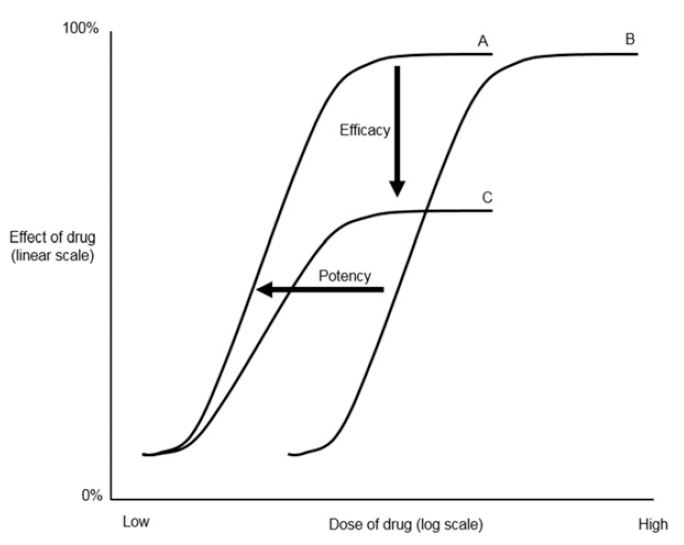
The image below illustrates the relationship between potency and efficacy.

Dose-response-curve.jpg

These dose-response curves show the relationship between potency and efficacy.
The higher the potency of the drug, the steeper the curve and the more it shifts to
the left (i.e., a steeper curve corresponds to a lower dose at 50% response). Therefore,
Curve A shows higher potency than Curve B. Also, curves A and B have similar efficacy
(Emax), but A is more potent. For comparison, Curve C shows a drug with lower potency
and efficacy.


Drugs can have high potency but low efficacy and vice versa. Ideally, the most desirable situation is a drug that strikes the ideal balance of these and other variables
depending on the application, route of administration, etc. The metabolism, absorption, and excretion rate also play significant roles in the efficacy of drugs.

But high potency isn’t always a good thing. For example, if a drug is potent in a variety of tissues in the body, it can cause undesirable and sometimes dangerous side effects.

The potency of compounds is critical for making effective formulations

The potency of all the compounds in magic mushrooms, for example, should be tested on the full spectrum of serotonin receptors. Potency is just one part of elucidating the mechanisms of the entourage effect in naturally occurring compounds. Harnessing the entourage effect allows researchers to make formulations that preserve the benefits of nature’s cocktails while also having pharma’s precise dosing.

 
Last edited:
5ht2a.jpg

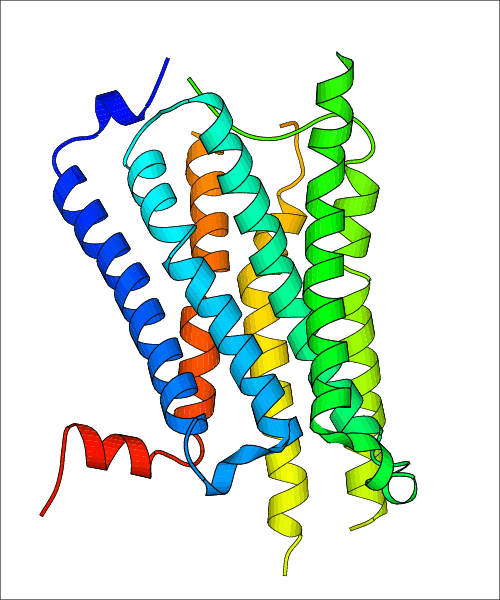
Human 5-hydroxytryptamine (serotonin) receptor 2A

The serotonin receptors, and their importance in psychedelic research

by Barb Bauer | Psychedelic Science Review | 2 December 2019

Serotonin receptors play many roles in addition to the psychedelic effect.

The growing interest in psychedelic drug research is bringing serotonin receptors to the forefront of interest for scientists as well as laypeople. There is much more to understanding serotonin receptors and psychedelics than just the well-known 5-HT2A receptor that is known to elicit the psychedelic effect.

PSR has published articles discussing how the entourage effect observed with cannabis compounds may also be at work with psychedelics. Because the entourage effect of psychedelics may involve more than 5-HT2A and the different compounds found in naturally occurring organisms like psychedelic mushrooms, it is helpful to look at the whole family of serotonin receptors for a better understanding.

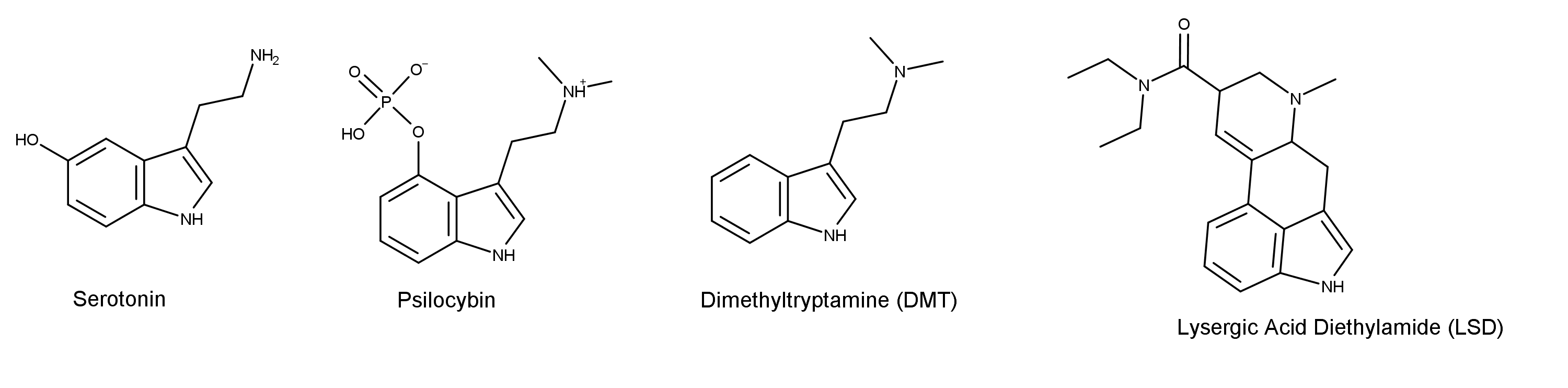
Keep in mind the common thread that connects serotonin receptors and psychedelics. Not only do serotonin receptors have a high affinity for the neurotransmitter serotonin, but the chemical structure of many psychedelics is similar to serotonin. For example, Figure 1 shows the chemical structure of serotonin along with three psychedelic compounds. Therefore, understanding how serotonin receptors work is critical to understanding how psychedelic compounds work.

3000-serotonin-psilocybin-DMT-LSD-scaled.png

Figure 1: The chemical structures of serotonin, psilocybin, DMT, and LSD. Note the indoleamine structure in serotonin that is also present in the psychedelic
compounds. This similarity is one reason some psychedelics have an affinity for serotonin receptors.


Serotonin receptors are G Protein-Coupled Receptors

Serotonin receptors belong to a family known as GPCRs or G protein-coupled receptors. GPCRs are membrane proteins that are responsible for mediating most of the cellular responses to hormones and neurotransmitters. They are also involved in vision, smell, and taste.

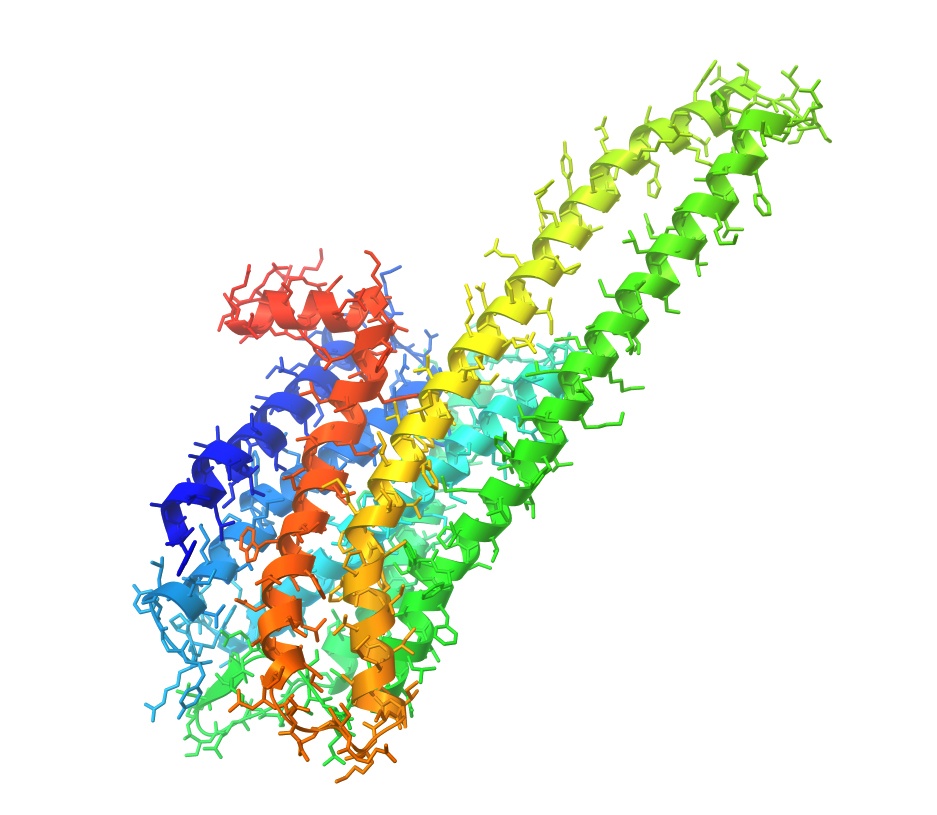
GPCRs have a basic form consisting of seven membrane-spanning alpha-helices (Figure 2). The helices are separated by alternating sections of the receptor that form intracellular and extracellular loops. Although GPCRs share many similarities, each is unique in terms of the signaling pathways they use, other receptors with which they interact, and the regulatory processes they support.

GPCR.png

Figure 2: A cartoon representation of the basic structure of a GPCR receptor
showing the seven protein helices that span the cell membrane.


The importance of Allosteric Modulation

Researchers studying drug development often use GPCRs in conjunction with small molecules called allosteric modulators. These molecules do not bind to the primary binding site (aka the orthosteric site) on GPCRs, but rather an alternate binding site (the allosteric site). When this binding occurs, the receptor changes conformation (i.e. changes shape). This changes how the GPCR interacts with a different molecule (also called a ligand) at the orthosteric site.

An allosteric modulator comes in handy, for example, when binding a ligand directly to the orthosteric site causes unwanted side effects. Positive allosteric modulators (PAMs) increase the response of the receptor and negative allosteric modulators (NAMs) reduce responsiveness. There are also neutral allosteric modulators that bind to the allosteric site but have no effect on binding at the orthosteric site. These neutral allosteric molecules can be used when researchers want to block the allosteric site.

Getting to know the 14 serotonin receptors

Here is a list of the known serotonin GPCRs along with some general information about each one.

5-HT1A – This was the first serotonin receptor cloned and characterized by researchers. It is found densely populating the limbic areas in the brain, particularly in the hippocampus, lateral septum, cortices, and the dorsal and median raphe nuclei. The levels of 5-HT1A binding sites are almost non-existent in the cerebellum and basal ganglia. The 5-HT1A receptor may have roles in anxiety, the action of selective serotonin reuptake inhibitor (SSRI) drugs, schizophrenia, Parkinson’s disease, addiction, protection against ischemic brain damage.

5-HT1B – This receptor is found at high levels in the basal ganglia and low levels in the cerebral cortex, hypothalamus, amygdala, and dorsal horn of the spinal cord. Within neurons in the brain, 5-HT1B receptors are found on axon terminals. This receptor is being studied for its roles in aggression, learning, memory, addiction, and in the action of SSRI drugs.

5-HT1D – Compared to the rat and mouse, the expression of this receptor appears limited in humans. It has been detected in the trigeminal fibers in the spinal trigeminal tract and the brainstem in the human brain. The biggest claim to fame for 5-HT1D is its role as a target for the antimigraine drug sumatriptan and subsequent triptan drugs.

5-HT1E – This is an intriguing serotonin receptor because although it is expressed in humans and Guinea pigs, it has not been detected in rats or mice—these rodents don’t even have a gene for it. Another interesting feature is that 5-HT1E and 5-HT1B share approximately 60% of the DNA that codes for their transmembrane helices but the receptors retain distinct pharmacological properties. 5-HT1E is thought to be important for cognition and memory processes due to its abundant presence in the hippocampus, frontal cortex, and olfactory bulb, all key brain areas for these functions.

5-HT1F – Like 5-HT1D, this receptor is studied primarily for its importance in migraine therapies. 5-HT1F has the added advantage of being a target for newer migraine drugs that have fewer side effects (e.g., coronary vasoconstriction) than drugs like sumatriptan. Using radioactive sumatriptan in post mortem human brains, researchers have found expression of 5-HT1F in the globus pallidus, substantia nigra (brainstem), and the spinal cord.

5-HT2A – In 1988, Vollenweider et al. were the first to publish data indicating that the 5-HT2A receptor was the key site for the action of hallucinogenic drugs in humans.6 This receptor is found in high levels across many species in the forebrain, particularly the cortices, caudate nucleus, nucleus accumbens, olfactory tubercle, and hippocampus. In peripheral areas of the body 5-HT2A receptors are found in cardiovascular and smooth muscle tissues. In addition to eliciting hallucinogenic effects, 5-HT2A is of great interest to researchers studying antipsychotic drugs.

5-HT2B – This receptor has the distinction of being the only serotonin receptor that is necessary for life. The primary function of 5-HT2B is coordinating the proper formation of critical structures in the brain and heart during development. 5-HT2B Knockout mice, which don’t have the gene for 5-HT2B, are lethal and display severe embryonic defects. In mammals, 5-HT2B is expressed primarily in the liver, kidneys, fundus of the stomach, and gut. There is a moderate expression in the lungs and cardiovascular tissues. Interestingly, there is only weak, limited expression in the brain. Scientists study 5-HT2B because it may have important roles in drug abuse and hearing loss.

5-HT2C – There is considerable interest in studying the 5-HT2C receptor for several reasons. It is believed to play a role in drug abuse, the action of SSRIs, and obesity. Also, 5-HT2C is highly expressed in the amygdala, the area of the brain that mediates feelings of anxiety. According to leading psychedelic researcher Dr. David Nichols, all known psychedelics are agonists at 5-HT2A and -HT2C.7 Other areas of the brain with a high density of 5-HT2C include choroid plexus, cortex, basal ganglia, thalamus, and hippocampus.

5-HT3 – Unique among the serotonin receptors is 5-HT3. It is the only serotonin receptor that is not a GPCR. 5-HT3 is a ligand-gated ion channel.3 This means that when it is activated by agonist binding, channels open allowing ions (such as sodium, potassium, and calcium) to flow in and out of the cell. With neuron cells, this ion flow causes an excitatory response. These receptors are found in both the central (CNS) and peripheral nervous systems (PNS), both pre- and postsynaptically (i.e., the receptor both sends and receives signals). The 5-HT3 receptor is most notably studied for treating nausea and vomiting and irritable bowel syndrome (IBS).

5-HT4 – In the human CNS, this receptor is expressed in the basal ganglia, cortex, hippocampus, and subtantia nigra. In the PNS, 5-HT4 is particularly important in gastrointestinal function. Similar to 5-HT3, therapeutic drugs target 5-HT4 for treating constipation and constipation-predominant IBS. Interestingly, 5-HT4 specific agonists can enhance learning and memory in animal models.

5-HT5A – Of the two receptors in the 5-HT5 family, only 5-HT5A has been described in humans (it is also present in rodents). The receptor is expressed broadly but has high densities in the olfactory bulb, neocortex, and medial habenula. The expression of 5-HT5A mRNA (the code for making proteins) in human brain sections was found primarily in the cerebral cortex, hippocampus, cerebellum, various layers of the neocortex. These findings correlate with the concept of 5-HT5A involvement in higher cortical and limbic functions. 5-HT5 is perhaps the least studied serotonin receptor family and not much is known about their function. These receptors may have a role in controlling circadian rhythms, mood, and cognitive functions. From this, it has been proposed that agonist drugs may be useful in treating sleep disturbances and schizophrenia.

5-HT5B – To date, this receptor is only found in rodents. It appears that 5-HT2B is receiving less research attention that its 5A counterpart. See 5-HT5A for more information on the 5-HT5 receptor family.

5-HT6 – This receptor is found almost exclusively in the CNS in mammals. The highest concentrations of 5-HT6 are in the striatum, nucleus accumbens, cortex, olfactory tubercle, hippocampus, thalamus, amygdala, hypothalamus, and cerebellum. Because it is primarily confined to the CNS, scientists suspect 5-HT6 functions in higher cognitive processes. Research on this receptor is constrained due to the lack of selective agonists.

5-HT7 – This is the most recently identified serotonin receptor. In the human CNS, the receptor is expressed in the hypothalamus, thalamus, hippocampus, and cortex. In the human PNS, it is found in blood vessels (where it causes relaxation of the smooth muscle) and the smooth muscle of the colon (where, interestingly, it doesn’t seem to be involved in muscle relaxation). Again, the lack of selective agonists for this receptor has constrained research efforts. The difficulty in identifying receptor-specific agonists is compounded by agonists having a high affinity for 5-HT7 also having high agonist activity for 5-HT1A and other receptors. Despite these drawbacks, researchers believe 5-HT7 is involved in regulating sleep, circadian rhythms, and mood.

Continuing research on serotonin receptors

It is clear that there are still many mysteries surrounding the structure and function of serotonin receptors. Further research into their structure, function, and allosteric modulators would help in understanding how psychedelic drugs work, including the influence of the entourage effect. From this, researchers could make formulations with precise amounts of specific compounds. Scientists have only started to scratch the surface to reveal the capabilities and potential of psychedelic compounds.

 
Last edited:
LSD "off-switch" developed by psychedelic pharmaceutical company

by Rich Haridy | New Atlas | 26 April 2020

Psychedelic pharmaceutical company MindMed has announced the development of a novel compound designed to stop the effects of an LSD experience. The compound is claimed to function as an “off-switch” for LSD, allowing clinicians a way to make psychedelic therapy sessions safer if patients become uncomfortable.

The new announcement comes several weeks after MindMed revealed the signing of an exclusive, multi-year contract with the Liechti Lab, a psychedelic research lab headed by Matthias Liechti at the University of Basel in Switzerland.

"The innovative and original work of the Liechti Laboratory is a treasure trove of novel data on LSD,” says JR Rahn, co-CEO of MindMed. “We are just at the beginning of several significant discoveries that have the potential to further the application of psychedelics as therapeutic medicines.”

MindMed says it has filed a patent application for “a neutralizer technology intended to shorten and stop the effects of an LSD trip during a therapy session.”

It is unclear exactly what this LSD neutralizing compound actually is. New Atlas contacted Matthias Liechti directly for clarification to ask if there were any pre-existing published research offering insights into how this proposed compound works. Liechti said the research is ongoing, and could not supply specific details.

“I can say that we have a planned program exploring the use of a range of compounds to be used to treat negative acute experiences with hallucinogens to increase their clinical safe use,” Liechti responded to New Atlas in an email. “Classically, such treatments included benzodiazepines or haloperidol. Ketanserin has so far been used to investigate the mechanism of action of psychedelic substances.”

Ketanserin is a compound most recently used by psychedelic researchers in studies to block the subjective and neural effects of LSD. Ketanserin, clinically used as an antihypertensive drug, is thought to disrupt the effects of LSD by blocking serotonin 2A receptors in the brain. Liechti did not offer any indication as to whether this novel new compound works to block the effects of LSD in similar ways, however, he did offer insights into the general purposes and goals of the research.

“The novel concept is to reduce the duration of action and the effect intensity of a psychedelic in high doses, for example, in cases where panic develops or in overdoses and after the hallucinogen has been ingested,” writes Liechti to New Atlas. “The rapidity of the effect will depend on the specifics of the formulation that is being tested and developed.”

MindMed claims the development of an effective LSD-neutralizing compound would greatly amplify the safety profile of psychedelic therapy. As LSD’s effects can often last eight to 12 hours, the clinical potential of the drug would be limited. MindMed believes if there were a compound that could stop the subjective effects of LSD it may allow for broader clinical uses.

Other collaborative psychedelic science projects ongoing between MindMed and the Liechti Lab include a currently underway Phase 2 trial testing high-dose LSD as treatment for anxiety, and a soon to start Phase 2 trial testing LSD microdoses for adult ADHD.

 
Last edited:
1*YnhkashnTNst7OkLb34lRQ.png

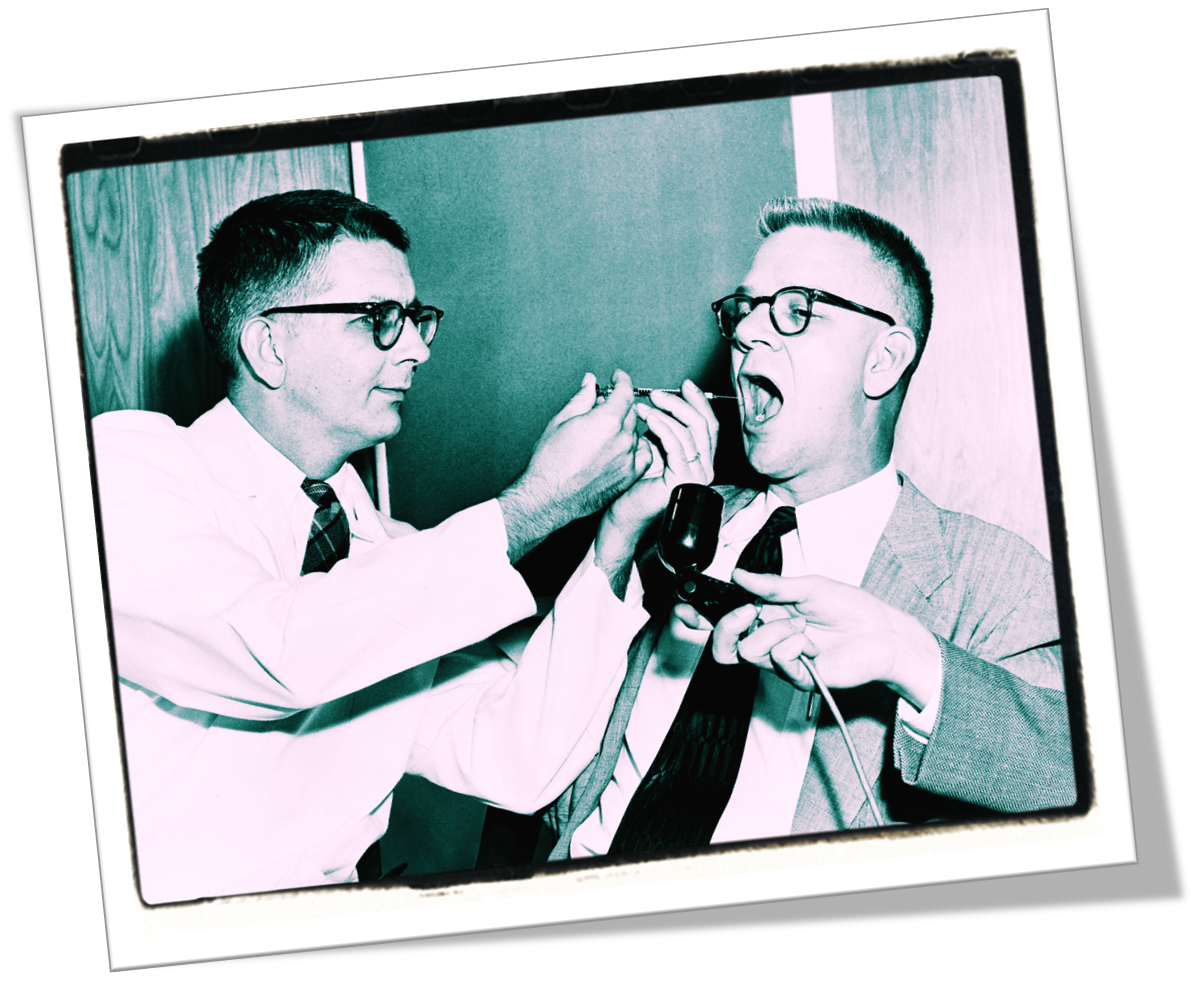
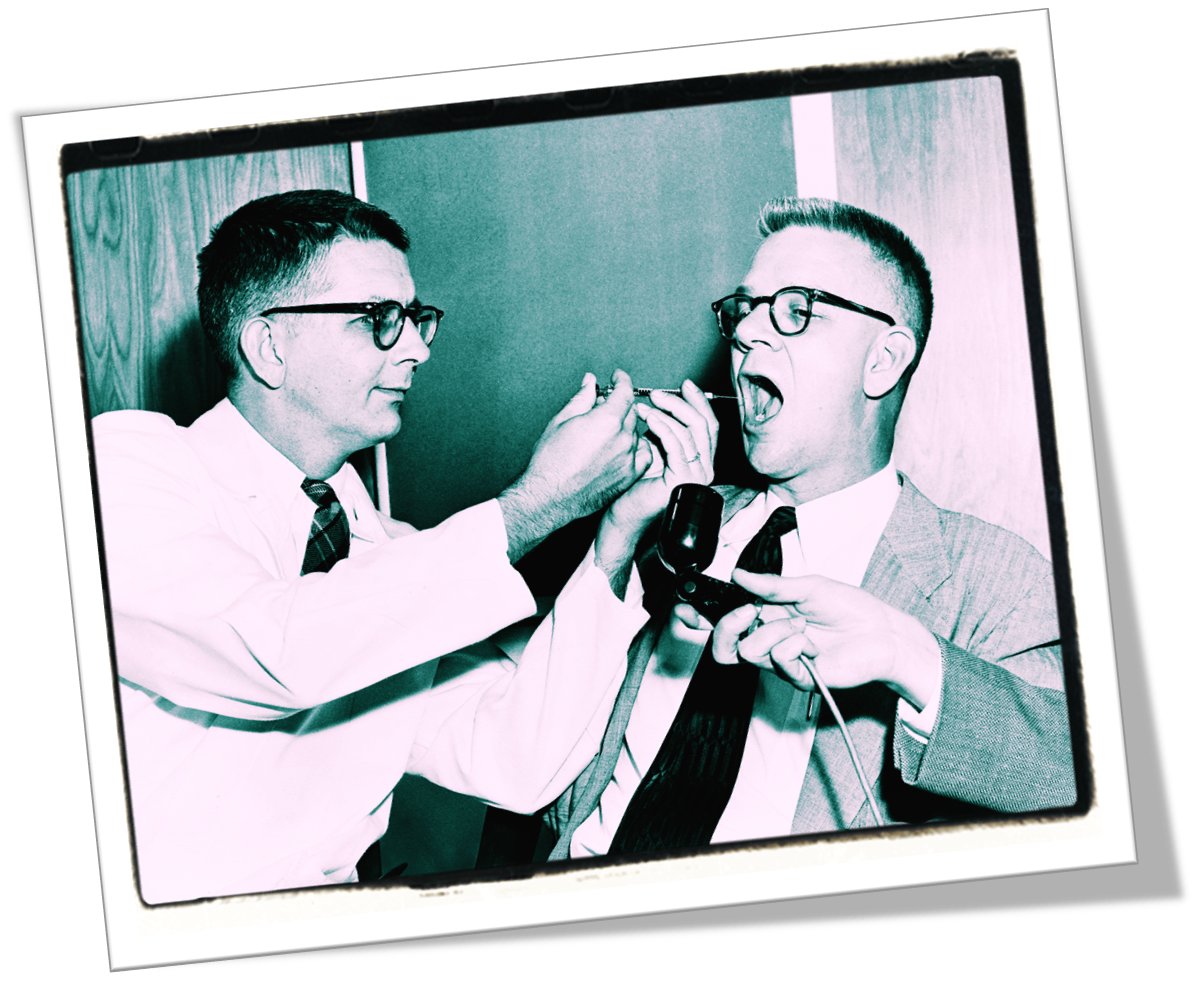
Dr. Harry L. Williams squirts LSD into the mouth of Carl Curt Pfeiffer, M.D., Ph.D.

The 50-year psychedelic research hiatus and its relevance today

by Mans Bergkvist | Psychedelics Daily | 4 May 2020

The psychedelic renaissance (i.e. the resurgence of scientific research into psychedelic substances) concerns evaluating substances such as LSD and psilocybin in the treatment of mental illness such as depression, anxiety and PTSD. Preliminary small-scale studies yielded impressive results and psilocybin-assisted psychotherapy was recently designated a breakthrough therapy by the FDA.

Western medicine once showed great interest in these substances, as they constituted a major and promising field of study, starting late in the 1940s and lasting until the early 1970s. Although still in the infancy of the field, by 1963, one thousand research papers had been published.

By 1968, NIMH had spent $30 million on intramural psychedelics research programs (Asher, 1975). Despite the massive interest, the research almost dried up almost completely in the early 1970s.

Some 50 years later, this hiatus in research is about to end as the research is gaining pace. Still, a persistent misconception lingers on, as prohibition is invariably being blamed for the hiatus of research. As students in the theory of science will testify — correlation doesn’t necessarily equal causation.

The misconceptions are partly illustrated by recent claims that the NIMH stopped funding research with LSD in 1968 because LSD was made illegal at that time (Nutt et al., 2020). Furthermore, in Dr. Nutts way of arguing, the UN narcotic conventions may constitute “the worst censorship of scientific research ever.” and even compared them to the Catholic Church banning Copernicus writings in 1616 and threatening him with death, should he not desist in his research.

This text details why the common perception of why the research dried up is (mostly) false and why the topic still holds relevance.

The ‘truth is rarely pure and never simple’ (in the words of Oscar Wilde).

The first class of antipsychotic drugs (such as Chlorpromazine) were developed in the early 1950s. Such drugs fit like a hand in a glove into a system relying on statistical methods and replicable results. The psychedelics on the other hand offered all but replicable results/experiences that could be forced into the same system of classification.

In essence, psychedelics represented a paradigm that did not allow them to be included in the medical framework. Surely, enabling experiences involving religious and mystical elements did not reduce the clash of paradigms?

The development of antipsychotic drugs partly catapulted society into the future by leaving behind some medieval treatments of mental illness.

For the first time, efficient psychopharmacological treatments against illnesses involving hallucinations and delusions were being utilised. Promoting psychedelics in this context must have been laborious as they (appeared to) prompt just such effects.

Coupled with that, the antipsychotic drugs required merely one pill to take effect, while the ‘psychedelic approach’ required sessions lasting upwards of 10 hours with assistance from a team of medical professionals. This made it a time-consuming and expensive practice.

The 1960s witnessed the “Thalidomide catastrophe” erupting, induced by mothers using a new sedative drug, causing their offspring to suffer birth defects as a result. This brought the medical community and society at large to realise that drugs could potentially have such adverse effects. Coincidentally, medical findings indicated that the offspring of LSD users were at serious risk of contracting chromosome damages. The findings have been disproved since, but deterred many researchers at the time from pursuing research, and sensational news coverage aggravated the situation.

1*HMbXtxXgcEdxTQhwlIOipQ.png


Swedish newspapers reported in 1968 on how ‘yet another Thalidomide catastrophe’ erupted, as a mother with a history of LSD usage gives birth to a deformed child. Contemporary Swedish articles described scientific agreement that LSD provokes leukemia, tumours and ‘mongoloidism.’

As a response to the Thalidomide catastrophe, the U.S introduced a legion of regulations in the field of clinical drug research (Turner, 2012) to ensure that drugs administered to humans were safe and had proven efficacy.

The experimentation of Thalidomide on humans prior to clinical evaluation was made possible due to a regulatory loophole that enabled substances to be subject to “investigational use by experts qualified by scientific training and experience to investigate the safety of drugs."

The initial experimental phase of psychedelic research is partly in debt to this particular loophole in making research possible, despite the lack of documented safety and efficacy. Upon enforcing the regulations, a range of improper research practices decreased. However, these adjustments, unfortunately turned out to severely impair psychedelic research.

The golden standard of clinical drug research — randomized controlled trial (RCT), became standardised. The standard was targeted at taking the direct biological actions of drugs into account for evaluation. All other factors constituted biases to be eliminated. RCT however, is fundamentally incompatible with the psychedelic treatment. LSD is perceived as lacking inherent therapeutic effects, but rather displaying therapeutic effects through its ‘extra-pharmacological’ effects (the experiences) it exerts.

Besides, the RCT model assumes that neither the research subjects nor the researchers are able to determine if the drug or placebo has been administered. Naturally, this constitutes a major challenge with regards to psychedelics. The researchers tried adjusting in accordance with the new regulations, but in doing so, renounced established methods that had proved to be effective. This paved way for the research to produce mediocre results, aggravating already dwindling scientific interest into psychedelics. Ensuing discussions on appropriate methodology in the research protocols pitted researchers against each other.

In 1963, the aforementioned regulations had caused scientists who wished to conduct research with LSD to be forced to provide data on its chemistry and manufacturing details to the FDA.

However, Sandoz was reluctant to share such proprietary and patented data. When required by the FDA, the company only provided very limited animal toxicity data to prove safety. Sandoz never conducted trials to properly assess the safety and efficacy of LSD. In the 1950s, Sandoz ignored FDAs request to submit an application that would constitute a first step towards the formal registration of LSD as an approved drug.

1*2xKaFVWSsEHMpTowPtAxQg.png

Unpublished documents indicate that Sandoz applied to have LSD registered in Sweden, but later withdrew their application.

More than a decade later, the NIMH could not allow LSD to indefinitely remain in limbo, without the goal of it being an approved drug.

Practically, the limbo violated the new regulations as well. This contributed to NIMH shutting down their intramural (inhouse) human research with LSD in 1968. At this point, it had only included limited trials, with poor design, lacked controls and randomisation. In 1975, NIMH shut down the extramural research grants (funding of external clinical trials) into human research with LSD. This event has been linked with the revelation of the highly controversial ‘MKULTRA’ program that NIMH may have wanted to distance itself from.

Psychedelics were of little interest to pharmaceutical companies as the intervention seemed to treat illness, rather than alleviate symptoms. Consequently, the financial imperatives were lacking; fully recovered patients would not require continued medication. The patent for LSD expired in the 1960s, certainly making it even less appealing for pharmaceutical companies at that point in time.

It is important to note that the early research was indeed promising by its contemporary standards, but the methodological discrepancies are too severe to be overlooked by modern standards. The old data cannot be used in regulatory decision making as the results are neither reliable nor valid.

Regarding earlier statements on the role of prohibition in the curtailment of research, it cannot be completely ruled out that this played some role.

But, most importantly, researchers at the time were unable to comply with regulations in the field of drug evaluations and the actions of Sandoz exacerbated the situation. The actions of the US government in the 1960s with regards to medical research have been largely misunderstood as their actions are not at all as reactionary or repressive as they often are represented as being.

The UN’s Convention of Psychotropic Substances (CPS) of 1971 placed psychedelics in Schedule 1 (high potential for abuse and without acknowledged medicinal value). This was prompted by widespread abuse and the fact that science still had failed at determining their efficacy and safety as therapeutic interventions.

Modern population studies however have failed to find evidence that the use of psychedelics constitutes an independent risk factor for mental health problems (Johansen & Krebs, 2015).

The preamble of CPS speaks of how: “the use of psychotropic substances for medical and scientific purposes is indispensable and […] their availability for such purposes should not be unduly restricted.”

Despite that CPS stipulates the importance of research being conducted with such substances, it currently acts impeding on research by creating obstacles through making special permits a requirement.

It still remains fully possible to conduct such research though.

1*1R0gtKXF7Uili8ss4yr5Sw.png


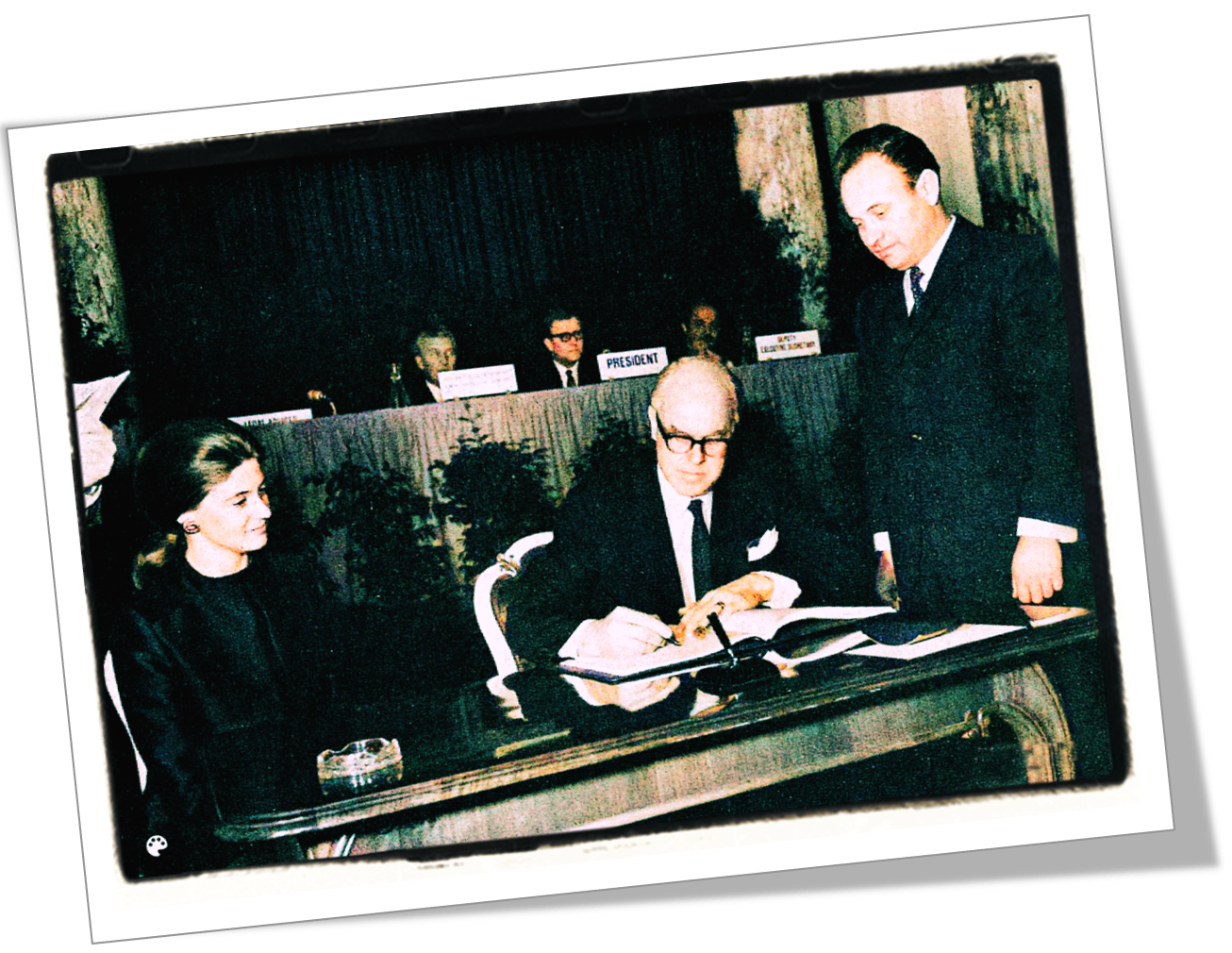
CPS may not ever have been taken into effect, should Sweden not have exerted great diplomatic pressure on the US, as its pharmaceutical industry heavily opposed the treaty. Depicted is Bror Rexed signing CPS on behalf of Sweden.

Not only didn’t prohibition singlehandedly end research or ban it from being conducted, but a complete legalisation may actually cause a backlash to the research, and science still “has a lot to learn about the immense power and potential risk of these molecules, not to mention the consequences of unrestricted use.” (Pollan, 2019).

The need for contemporary research is pressing and the field of psychedelic science will face challenges such as:

- Designing appropriate clinical drug trial evaluation protocols that resolve the issue of double-blinding and how to account for the ‘extra-pharmacological’ effects of LSD and similar psychedelics.

- The substances will likely not carry an appeal to pharmaceutical companies. This is an issue that must properly be addressed as pharmaceutical companies are ordinarily the driving force behind drug development and marketing.

- The field of psychiatry and medicine at large must study the distinct characteristics of these extraordinary pharmacological agents to investigate whatever possible treatment modalities they have to offer. When entertaining this notion, such investigations may unveil anomalies in the medical paradigm to such extent that a scientific model crisis ensues in the Kuhnian sense of the word.

The path forward must consider all facts at hand and build on honesty, not only with regard to potential medical findings and adverse reactions. Cherry picking, even in the field of historiography, is unlikely to be fruitful in the long run for the growing field of research into the therapeutic potentials of psychedelics.

Let us give psychedelics an honest chance by facing the actual challenges at hand — humankind and the world at large are in desperate need of what these curious compounds purportedly have to offer.

 
Last edited:
0006666116_100.png


Decoding the Tripping Brain

by Diana Kwon | The Scientist

Scientists are beginning to unravel the mechanisms behind the therapeutic effects of psychedelic drugs.

Lying in a room at Imperial College London, surrounded by low lighting and music, Kirk experienced a vivid recollection of visiting his sick mother before she passed away. “I used to go and see my mum in the hospital quite a lot,” recalls Kirk, a middle-aged computer technician who lives in London. “And a lot of the time she’d be asleep... but she’d always sense I was there, and after about five minutes she’d wake up, and we’d interact. I kind of went through that again—but it was a kind of letting go.”

Kirk choked up slightly while retelling his experience. “It’s still a little bit emotional,” he says. “The thing I realized was that I didn’t want to let go. I wanted to hold on to the grief, because that was the only connection I had with my mum.”

While this may sound like an ordinary therapy session, it was not what you would typically expect. Kirk was experiencing the effects of a 25-mg dose of psilocybin—the active ingredient in psychedelic “magic” mushrooms—which he had ingested as part of a 2015 clinical trial investigating the drug’s therapeutic potential.

After his mother died, Kirk says, he "fell into a deep, dark pit of grief.” Despite antidepressants and regular sessions with a therapist, his condition was not improving. “I was stuck in it for years,” he recalls. So when he heard Imperial College London was recruiting participants for an upcoming trial studying the impact of psilocybin on depression, Kirk decided to sign up.

The study, led by psychologist and neuroscientist Robin Carhart-Harris as part of the Beckley/Imperial Research Program, enrolled 12 patients with varying stages of treatment-resistant depression. Each participant took part in two guided treatment sessions, first with a low dose (10 mg) of psilocybin in pill form, then a high dose (25 mg) one week later. During each psychedelic session, subjects were closely monitored by at least one psychiatrist and an accompanying counselor or psychologist. “The guides help provide a safe space for the patient to have their experience,” Carhart-Harris explains.

In addition to the deeply emotional encounter with his deceased mother, Kirk also recalls "moments of absolute joy and pleasure” during his sessions. He remembers having a vision of the Hindu deity Ganesh (the “remover of obstacles”) and feeling an altered sense of self and his surroundings. “Your mind is always chattering and observing things,” Kirk says. “And that was all shut down. For me, there was a feeling of new space.”

Experiences like Kirk’s are common among people who have participated in a psychedelic session. Reports consistently include feeling intense emotions, having mystical experiences, and entering a dreamlike state. Many also articulate a dissolving sense of a bounded self, coupled with a feeling of increased connectedness with others and the rest of the world.

When Carhart-Harris and his team assessed their study’s participants three months after treatment, they found that most of the participants showed reduced depressive symptoms, with 5 of the 12 in complete remission—including Kirk. It’s now been two years since he received psilocybin therapy, and he says that he has not needed antidepressants or therapy since. “I got a new positivity that I didn’t have for some time,” he says.

These results are preliminary—the study tested a small sample size with no control group. But other recent trials, including some that were larger and included controls, have revealed additional therapeutic benefits. Last December, for example, two randomized placebo-controlled clinical trials of psilocybin in terminal cancer patients (51 and 29 patients, respectively) found that giving participants psilocybin in guided sessions could substantially decrease depression and anxiety—an improvement that persisted for at least six months after treatment. In smaller pilot studies, psilocybin has also shown success in treating addiction. In two small trials, one involving smokers and the other alcoholics, most participants remained abstinent for months after treatment with the psychedelic.

A number of early studies have also reported evidence that other psychedelics, primarily lysergic acid diethylamide (LSD), have similar effects. Roland Griffiths, a psychiatry professor at Johns Hopkins University, describes the effects of psychedelics as a sort of 'reverse PTSD.' "With PTSD, there is some discrete, traumatic event that produces some alteration in neurology and perception that produces psychological dysregulation going forward,” he says. "In a similar but opposite way, treatment with psychedelic is a discrete event that occurs to which people attribute positive changes that endure into the future.” While scientists are only beginning to understand the mechanisms behind these effects, what they’ve found so far already tells quite a compelling story.

Most psychedelics researchers believe that the session itself—the profound experiences individuals have during a trip—is key to the drugs’ therapeutic effects. But whether this is a cause or consequence of underlying neurobiological effects is still unclear. Studies show that psychedelics disrupt established networks in the brain, potentially allowing new connections to form. Recent work has also begun to reveal that these drugs’ effects—such as promoting neuroplasticity and reducing inflammation—are exerted through the serotonin 2A receptor.

“It’s very exciting that we seem to be at a threshold of establishing the neurobiological basis for the range of effects that psychedelics have, and specifically, the therapeutic range of action,” says Charles Grob, a psychiatry professor at Harbor-UCLA Medical Center who conducted a pilot study of psilocybin for terminal cancer patients that was published in 2011. “I think there is growing knowledge and appreciation that this work can be conducted responsibly and safely, and that it has the quite compelling potential to offer us very new and exciting treatment models.”

Psychedelic-trees.jpg


The tripping brain

While on psychedelics, people commonly experience ego dissolution, a loss of the sense of a separate self, and an enhanced feeling of connectedness with the outside world. Recent neuroimaging studies have revealed that the intensity of this experience correlates with changes in brain activity, primarily in the default mode network (DMN)—a system of brain regions that is more active at rest than during tasks, and that is thought to be involved in, among other things, processing information related to the self.

To understand what happens in the brain during a trip, Carhart-Harris and colleagues have been dosing healthy participants with psychedelics and scanning their brains using functional magnetic resonance imaging (fMRI) to measure cerebral blood flow, a proxy measure of neural activity. In 2012, for example, the researchers found that, following an intravenous injection of 2 mg of psilocybin, 15 subjects displayed an overall decrease in cerebral blood flow as well as decreased connectivity between the posterior cingulate cortex and the medial prefrontal cortex, two hubs of the default mode network.

Follow-up studies using both fMRI and magnetoencephalography (MEG)—a technique to detect the tiny magnetic fields generated by electrical activity in the brain—on subjects dosed with LSD have revealed similar effects. This work also revealed a correlation between decreased connectivity in the default mode network and subjective ratings of ego dissolution.

"But while the two psychedelic drugs share signature psychological effects,” Carhart-Harris notes, “they differ in the potency and in their kinetics. The psilocybin trip is shorter, and for that reason is more manageable than an LSD trip.”

Researchers have found similar neurological effects during meditation—another altered state of mind associated with psychological well-being. Expert meditators also show an acute reduction in the activity of the default mode network. Conversely, an increase in activity and connectivity in this network has been found in some individuals with depression. “In some ways, it kind of makes sense that psilocybin, which brings people very powerfully into the present moment, would be more similar to meditation than it would be to depression,” says Griffiths. “In other words, people are riveted with interest in the present moment and what’s happening here and now, rather than in the future or in the past.” Griffiths and his colleagues at Johns Hopkins are currently conducting a neuroimaging experiment probing the brains of expert meditators on psychedelic trips.

Using MEG, Carhart-Harris and colleagues have also discovered that psilocybin and LSD alter neural oscillations, rhythmic brain activity linked to various perceptual and cognitive functions, across the default mode network. Individuals under the influence of these drugs experience a drop in so-called alpha rhythms, oscillations in the range of around 8 to 13 hertz, that correlate with their reports of ego dissolution. “When you plot out what rhythms contribute to the brain’s overall oscillatory activity, you get this huge peak in the alpha band—this really prominent frequency that, in some ways, sort of dominates the rhythmicity of the brain,” Carhart-Harris explains. “It’s a really curious rhythm, because it’s more prominent in humans than in any other species, and its prominence increases as we develop into adulthood. I see it as a kind of signature of high-level consciousness that adult humans have.”

In contrast to the decrease in activity and connectivity within the DMN, imaging studies have revealed an increase in functional links between normally discrete brain networks during a trip, and such activity also correlates with reports of ego-dissolution. Together with findings of changes in the default mode network and reduced alpha rhythms, these results are contributing to a hypothesis that the brain becomes “entropic”—more disordered, fluid, and unpredictable—during psychedelic use, disrupting certain pathways while allowing for new connections to be made. “What’s been consistently found is that the brain or the mind during psychedelic states is in a different state of consciousness, and this is also reflected in how the brain is behaving,” says Rainer Krähenmann, a psychiatrist and researcher at the University of Zurich. "But more research is needed to understand just what these changes mean. I would not say that we can reduce it to certain areas or certain mechanisms,” Krähenmann says. “The brain is still too complex to really understand what’s going on.”

And of course, the biggest question that remains is how these neurological changes might be therapeutic. In a soon-to-be published study, Carhart-Harris and his colleagues found that changes in the connectivity of the default mode network predicted how well patients would do after psilocybin treatment, but the results are preliminary. “We know that there’s fascinating things happening acutely in terms of these changes in the synchronization across brain areas,” says Matthew Johnson, a behavioral pharmacologist at Johns Hopkins. “But the really tantalizing possibilities that a number of groups, including ours, are looking at is whether those types of changes persist and are related to long-standing clinical benefits.”

shutterstock_1026845830.jpg


Mind-bending molecules

All the classic psychedelic drugs—psilocybin, LSD, and DMT, the active component in ayahuasca—activate serotonin 2A (5-HT2A) receptors, which are distributed throughout the brain. In all likelihood, this receptor plays a key role in the drugs’ effects. Krähenmann and his colleagues in Zurich have discovered that ketanserin, a 5-HT2A receptor antagonist, blocks LSD’s psychedelic properties, and prevents individuals from entering a dreamlike state or attributing personal relevance to the experience.

Other research groups have found that, in rodent brains, DOI, a highly potent and selective 5-HT2A receptor agonist, can modify the expression of brain-derived neurotrophic factor (BDNF)—a protein that, among other things, regulates neuronal survival, differentiation, and synaptic plasticity. This has led some scientists to hypothesize that, through this pathway, psychedelics may enhance neuroplasticity, the ability to form new neuronal connections in the brain. “We’re still working on that and trying to figure out what is so special about the receptor and where it is involved,” says Katrin Preller, a postdoc studying psychedelics at the University of Zurich. “But it seems like this combination of serotonin 2A receptors and BDNF leads to a kind of different organizational state in the brain that leads to what people experience under the influence of psychedelics.”

This serotonin receptor isn’t limited to the central nervous system. Work by Charles Nichols, a pharmacology professor at Louisiana State University, has revealed that 5-HT2A receptor agonists can reduce inflammation throughout the body. Nichols and his former postdoc Bangning Yu stumbled upon this discovery by accident, while testing the effects of DOI on smooth muscle cells from rat aortas. When they added this drug to the rodent cells in culture, it blocked the effects of tumor necrosis factor-alpha (TNF-α), a key inflammatory cytokine.

“It was completely unexpected,” Nichols recalls. "The effects were so bewildering," he says, "that they repeated the experiment twice to convince themselves that the results were correct." Before publishing the findings in 2008, they tested a few other 5-HT2A receptor agonists, including LSD, and found consistent anti-inflammatory effects, though none of the drugs’ effects were as strong as DOI’s. “Most of the psychedelics I have tested are about as potent as a corticosteroid at their target, but there’s something very unique about DOI that makes it much more potent,” Nichols says. “That’s one of the mysteries I’m trying to solve.”

After seeing the effect these drugs could have in cells, Nichols and his team moved on to whole animals. When they treated mouse models of system-wide inflammation with DOI, they found potent anti-inflammatory effects throughout the rodents’ bodies, with the strongest effects in the small intestine and a section of the main cardiac artery known as the aortic arch. “I think that’s really when it felt that we were onto something big, when we saw it in the whole animal,” Nichols says.

The group is now focused on testing DOI as a potential therapeutic for inflammatory diseases. In a 2015 study, they reported that DOI could block the development of asthma in a mouse model of the condition, and last December, the team received a patent to use DOI for four indications: asthma, Crohn’s disease, rheumatoid arthritis, and irritable bowel syndrome. They are now working to move the treatment into clinical trials. "The benefit of using DOI for these conditions," Nichols says, "is that because of its potency, only small amounts will be required—far below the amounts required to produce psychedelic effects."

In addition to opening the door to a new class of diseases that could benefit from psychedelics-inspired therapy, Nichols’s work suggests “that there may be some enduring changes that are mediated through anti-inflammatory effects,” Griffiths says. Recent studies suggest that inflammation may play a role in a number of psychological disorders, including depression and addiction.

“If somebody has neuroinflammation and that’s causing depression, and something like psilocybin makes it better through the subjective experience but the brain is still inflamed, it’s going to fall back into the depressed rut,” Nichols says. "But if psilocybin is also treating the inflammation," he adds, “it won’t have that rut to fall back into.”

If it turns out that psychedelics do have anti-inflammatory effects in the brain, the drugs’ therapeutic uses could be even broader than scientists now envision. “In terms of neurodegenerative disease, every one of these disorders is mediated by inflammatory cytokines,” says Juan Sanchez-Ramos, a neuroscientist at the University of South Florida who in 2013 reported that small doses of psilocybin could promote neurogenesis in the mouse hippocampus. “That’s why I think, with Alzheimer’s, for example, if you attenuate the inflammation, it could help slow the progression of the disease.”

10853022_1516897318587441_1622664491_n.jpg


Research revival

Although researchers have only recently started to test psychedelics’ effects in controlled clinical trials, evidence that these drugs could help treat conditions such as depression and terminal cancer–related anxiety has existed since the middle of the 20th century. Despite promising results, the counterculture that emerged around LSD use led to the criminalization of it and other psychedelics in 1966. Since 1970, almost all of these compounds have been Schedule I controlled substances, which imposes strict prohibitions on their use, even in research.

“If the drug war hadn’t started, and we didn’t have this demonization of psychedelics, we’d know a lot more about what makes people happy, sad, depressed,” says David Nichols, a professor emeritus of pharmacology at Purdue University and a pioneering psychedelics researcher (also the father of Charles Nichols). “That’s the tragedy—that none of that has happened because the research basically died in 1970.”

Now, psychedelics research is slowly starting to regain ground, though it’s still not easy to win federal funding for these studies. But with support from private organizations such the Heffter Research Institute and MAPS, scientists have begun to probe the mechanisms underlying the drugs’ psychological effects and the enduring changes they can bring about. The answers to these mysteries may help scientists gain insight into what happens to the brain in disease, and perhaps learn more about the nature of consciousness itself.

“There are many different questions to ask, and in some ways, the therapeutic ones are among the most mundane,” says Griffiths. “Our understanding is so primitive that I think it’s important that we not be so naive as to think that our current technologies are going to be able to unravel the many, many subtleties that account for some of these kinds of sustained effects. That’s why the study of psychedelics is such an interesting, important, and rich field of investigation for neuroscience.”

 
Last edited:
Scientists explain how psychedelic drugs can lead people to lose their sense of self

by Rajvi Desai | The Swaddle | 2 Jun 2020

People who use psychedelic drugs — psychoactive substances that produce profoundly altered states of consciousness — often report a loss of sense of self and dissolution of their ego, also called ‘ego-death.’ They report their sense of “I,” usually distinct from the rest of the world, disintegrating when they trip on psychedelic drugs, such as magic mushrooms or LSD. For the longest time, scientists have attempted to trace the process of this ego dissolution in the brain, often having ended up with anecdotal or observational evidence. Now, a new first-of-its-kind study evaluating the effect of psilocybin (magic mushrooms) on the human brain reveals a possible neurotransmitter pathway that could hold the answer.

Previous theories suggest people who are tripping on psychedelics have elevated levels of neurotransmitter glutamate in the part of the brain that is believed to be linked to self-awareness. This hypothesis, however, had not been tested in humans until now. Scientists from the Maastricht University in the Netherlands conducted a double-blind, controlled trial with 60 participants using magnetic resonance imaging (MRI), to monitor their glutamate levels while they tripped on magic mushrooms.

The study, published in the journal Neuropsychopharmacology, shows people who had negative experiences of their ego death had higher levels of glutamate in their pre-frontal cortex, which is responsible for personality expression, social behavior, and decision-making. People who had positive experiences with the disintegration of their ego had lower levels of glutamate in the hippocampus, the part of the brain that’s involved in the formation of memories, and is associated with emotions and self-esteem. This fluctuation in glutamate — considered one of the most common neurotransmitters in the brain — could explain the loss of autobiographical information (and loss of personal identity) that previous research has established accompanies the use of psychedelics.

While these findings have taken scientists one step closer to establishing a proven connection between glutamate and ego-death, they don’t yet show exactly how this process of ego death comes about. While further investigation into the phenomenon of psychedelics-induced ego death is needed, scientists stress that the findings chart a way forward into researching the therapeutic effects of psychedelics. Charting the effects of reality-altering psychedelics could help better understand mental health issues that are characterized by distortions of self-perception, such as depression.

Drugs like ketamine and MDMA have already been tapped to treat drug-resistant depression and post-traumatic stress disorder, respectively. With further research into how the brain perceives altered realities caused by drugs, scientists believe they can better understand, and therefore treat, altered realities caused by mental health issues.

 
Last edited:
sleepingbrain_wide-e40290d47221863e13990f78f86b983781d5673e-s800-c85.jpeg


How psychedelic drug psilocybin works on brain

Johns Hopkins Medicine | Science Daily | 5 Jun 2020

To see how psychedelics impact the claustrum, a mysterious region of the brain believed to control the ego, researchers compared the brain scans of people after they took psilocybin with their scans after taking a placebo.

Perhaps no region of the brain is more fittingly named than the claustrum, taken from the Latin word for "hidden or shut away." The claustrum is an extremely thin sheet of neurons deep within the cortex, yet it reaches out to every other region of the brain. Its true purpose remains "hidden away" as well, with researchers speculating about many functions. For example, Francis Crick of DNA-discovery fame believed that the claustrum is the seat of consciousness, responsible for awareness and sense of self.

What is known is that this region contains a large number of receptors targeted by psychedelic drugs such as LSD or psilocybin. To see what happens in the claustrum when people are on psychedelics, Johns Hopkins Medicine researchers compared the brain scans of people after they took psilocybin with their scans after taking a placebo.

Their findings were published online on May 23, 2020, in the journal NeuroImage.

The scans after psilocybin use showed that the claustrum was less active, meaning the area of the brain believed responsible for setting attention and switching tasks is turned down when on the drug. The researchers say that this ties in with what people report as typical effects of psychedelic drugs, including feelings of being connected to everything and reduced senses of self or ego.

"Our findings move us one step closer to understanding mechanisms underlying how psilocybin works in the brain," says Frederick Barrett, Ph.D., assistant professor of psychiatry and behavioral sciences at the Johns Hopkins University School of Medicine and a member of the school's Center for Psychedelic and Consciousness Research. "This will hopefully enable us to better understand why it's an effective therapy for certain psychiatric disorders, which might help us tailor therapies to help people more."

Because of its deep-rooted location in the brain, the claustrum has been difficult to access and study. Last year, Barrett and his colleagues at the University of Maryland, Baltimore, developed a method to detect brain activity in the claustrum using functional magnetic resonance imaging (fMRI).

For this new study, the researchers used fMRI with 15 people and observed the claustrum brain region after the participants took either psilocybin or a placebo. They found that psilocybin reduced neural activity in the claustrum by 15% to 30%. This lowered activity also appeared to be associated with stronger subjective effects of the drug, such as emotional and mystical experiences. The researchers also found that psilocybin changed the way that the claustrum communicated with brain regions involved in hearing, attention, decision-making and remembering.

With the highly detailed imaging of the claustrum provided by fMRI, the researchers next hope to look at the mysterious brain region in people with certain psychiatric disorders such as depression and substance use disorder. The goal of these experiments will be to see what roles, if any, the claustrum plays in these conditions. The researchers also plan to observe the claustrum's activity when under the influence of other psychedelics, such as salvinorin A, a psychedelic derived from a Mexican plant.

 
Last edited:
VTOcZkbq_400x400.jpg

Barbara Bauer, MS

Why are Crystal Structures important in psychedelic research?

by Barb Bauer, MS | Psychedelic Science Review | 20 Dec 2019

Crystal Structures help researchers understand changes at the molecular level that affect the physical properties of compounds.

X-ray crystallography is a technique that scientists use to figure out the three-dimensional structure of organic, inorganic, or biological material. It’s similar to having a microscope that operates at an atomic level. Crystallography is used in several scientific disciplines, including material science, physics, chemistry, molecular biology, and biochemistry. Scientists use crystal structures to study and develop drugs (especially antibiotics and cancer drugs), polymers, and textiles, to name a few.

The process works by first purifying and concentrating the compound. The compound is then crystallized and exposed to a beam of X-rays. The beam is diffracted (bent) by the compound, creating a pattern of spots that are analyzed. The analysis gives information on the size of the repeating unit that forms the crystal and how the crystals are packed together. The data also allows calculating the electron density of the crystals.

Crystal Structures of psychedelic compounds

In 2019, researchers solved the crystal structure of fumarate salt forms of the psychedelic compounds:

MiPT – N-Methyl-N-isopropyltryptamine
4-HO-DPT – 4-hydroxy-N,N-dipropyltryptamine
4-AcO-DMT – 4-acetoxy-N,N-dimethyltryptamine
4-HO-MiPT – 4-hydroxy-N-methyl-N-isopropyltryptamine

These new crystalline forms could be used to modulate the effects of each compound in a drug formulation (i.e., the entourage effect). Also, determining the crystal structures of psychedelic compounds is essential to understanding their physical properties and for probing their activity at receptors by using modeling studies.

Protein crystallization is critical for understanding receptors

Scientists also use crystallography to understand the structure and function of larger molecules like proteins (e.g., enzymes, receptors, structural proteins) and nucleic acids (e.g., DNA and RNA).

For example, the 2012 Nobel Prize in chemistry was awarded to two scientists who used X-ray crystallography to see a receptor in action. The scientists captured the moment when a G protein-coupled receptor (GPCR) transferred a signal from the outside of a cell to the inside. The signal was initiated by a hormone binding to the receptor in the cell membrane. In other words, they caught the receptor in its active state. This is a groundbreaking discovery because it provides critical information that can be used in drug development. Discoveries about GPCRs are particularly important for psychedelic research because the serotonin receptors (except for 5-HT3) belong to the GPCR family.

Another excellent example is a 2017 study that reported the crystal structure of LSD bound to the human serotonin 5-HT2B receptor. This work allowed the researchers to propose explanations for the receptor binding, kinetics, stereochemistry, and signaling of LSD at human serotonin receptors. In a 2018 interview with ALIUS, chemist and psychedelics expert Dr. David Nichols described the importance of the crystal structure solved in this study in understanding the long-lasting effects of LSD. Dr. Nichols noted how the crystal structure indicated a ‘lid’ or loop in the receptor:

"In the x-ray crystal structure of LSD in the 5-HT2B receptor, that loop could be seen laying over LSD within the receptor, and Leucine 209 [an amino acid in the receptor] sort of wedged down between the LSD molecule and the receptor. In essence, EL2 [extracellular loop 2] was able to ‘lock’ LSD into the receptor."

In the same interview, Dr. Nichols also explained the importance of crystal structures of compounds in work he did with NBOMe (N-benzyl methoxy) compounds. He said that the crystal structure,

"…gave us an idea of how the side chain of the NBOMe compounds must bind to the receptor."

It is clear that crystal structures are essential for helping researchers ‘see’ what’s going on at a molecular level. This gives them a better understanding of how receptors and compounds look and act in nature.

Crystal Structures and the Entourage Effect

It is important to remember that small changes at the molecular level can translate into significant changes in effect when it comes to drugs. Therefore, working with compounds at the molecular level is essential for unraveling the mysteries of how drugs work and how other compounds affect them.

Crystal structures can never fully explain the interaction of drugs on receptors. However, the information scientists obtain from these studies helps to clarify some aspects of their structure, interaction, and function. These small discoveries add up, resulting in a clearer understanding of complex biochemical processes and pathways.

 
Last edited:
GettyImages-168715138-jr-booth-mri-scans.jpg


Imaging psilocybin's actions in the brain*

Genetic Engineering & Biotechnology News | 8 Jun 2020

The psychedelic drug, psilocybin, which is present in a number of species of mushroom, is particularly interesting to scientists as it may have potential use in the treatment of a variety of neuropsychiatric disorders. However, the mechanism by which the chemical works in the brain isn’t well understood. Scientists at Johns Hopkins University School of Medicine now report on brain imaging studies in human volunteers that have shown how psilocybin alters signaling in a somewhat enigmatic region of the brain known as the claustrum, which is derived from the Latin word for “hidden” or “shut away.”

“Our findings move us one step closer to understanding mechanisms underlying how psilocybin works in the brain,” said Frederick Barrett, PhD, assistant professor of psychiatry and behavioral sciences at the Johns Hopkins University School of Medicine and a member of the school’s Center for Psychedelic and Consciousness Research. “This will hopefully enable us to better understand why it’s an effective therapy for certain psychiatric disorders, which might help us tailor therapies to help people more.”

Barrett and colleagues reported their findings in NeuroImage, in a paper titled, “Psilocybin acutely alters the functional connectivity of the claustrum with brain networks that support perception, memory, and attention.”

u-g-PZJNC60.jpg


The claustrum is an extremely thin sheet of neurons deep within the cortex, yet it reaches out to every other region of the brain. Its true purpose also remains “hidden away,” with researchers speculating about many functions. Francis Crick, for example, believed the claustrum to be the seat of consciousness, responsible for awareness and sense of self.

What is known is that this region contains a large number of receptors targeted by psychedelic drugs such as LSD or psilocybin, a chemical that acts as a serotonin 2a (5-HT2A) receptor partial agonist. Psilocybin alters sensory perception, but it may have long-term therapeutic value in treating a range of neuropsychiatric disorders, without the adverse reactions associated with current medication, the team noted. “Understanding how psilocybin alters large-scale brain networks may reveal mechanisms of therapeutic effects and shed light on new therapeutic targets for many mental disorders. The effects of psilocybin are largely achieved through its action as a partial agonist of the serotonin 2a (5-HT2A) receptor which likely modulates glutamatergic signaling across a range of cortical and subcortical afferents.”

Because of its deep-seated location in the brain, the claustrum has been difficult to access and study. Last year, however, Barrett and his colleagues at the University of Maryland, Baltimore, developed a method to detect brain activity in the claustrum using functional magnetic resonance imaging (fMRI). To see what happened in the claustrum when people were given the psychedelic, the Johns Hopkins Medicine researchers compared the brain scans of 15 healthy volunteers both before, and after they took psilocybin, or a placebo. The participants all received psychological support before, during, and after drug administration and scanning procedures, consistent with guidelines for the safe administration of psilocybin in a research context.

The scans indicated that psilocybin reduced neural activity in the claustrum by 15–30%, suggesting that the area of the brain that is believed to be responsible for setting attention and switching tasks is turned down in response to the drug. “Psilocybin reduced measures of activity (variance and amplitude of low-frequency fluctuations) of both left and right claustrum during the acute effects of psilocybin, and led to alterations in both left and right claustrum connectivity with brain networks that support sensory and cognitive processes,” the researchers wrote. "This ties in with what people report as typical effects of psychedelic drugs, including feelings of being connected to everything and reduced senses of self or ego."

0380ca38b52d3266af3465dcc0ce5da1.jpg


Lowered activity in the claustrum also appeared to be associated with stronger subjective effects of the drug, such as emotional and mystical experiences. The researchers in addition found that psilocybin changed the way that the claustrum communicated with brain regions involved in hearing, attention, decision-making, and remembering.

The authors acknowledged that their study did have a number of limitations, and suggested future directions for research, noting that reductions in the volume of the claustrum have been reported in depression and schizophrenia. “The current report utilizes a pharmacological intervention to provide empirical evidence for a significant role of 5-HT2A signaling in claustrum function, provides evidence for the potential effects of psilocybin on claustrum activity and connectivity, and highlights the need for additional efforts to further explore the potential role of the claustrum in both the subjective and therapeutic effects of psilocybin,” they concluded.

With the highly detailed imaging of the claustrum provided by fMRI, the researchers next hope to further investigate this brain region in people with certain psychiatric disorders such as depression and substance use disorder. Their aim will be to see what roles, if any, the claustrum plays in these conditions. The researchers also plan to observe the claustrum’s activity when under the influence of other psychedelics, such as salvinorin A, a psychedelic derived from a Mexican plant.

*From the article here :
 
Last edited:
Opening-Image.jpg


Ease restrictions on medical psychedelics to aid research, experts say

by Ian Sample | The Guardian | 26 Jul 2020

Psilocybin may be safe for treating depression but research is stymied by government controls.

Potential treatments for severe depression, addiction and other mental health disorders are being held up by excessive restrictions on psilocybin, the active ingredient in magic mushrooms, scientists and politicians have said.

Clinical trials suggest that psilocybin may be a safe and effective medicine for patients with certain psychiatric illnesses who do not respond to talking therapies, antidepressants and other drugs. But researchers say their work is being stymied by the government placing the strictest possible controls on the chemical compound.

In a report published on Monday, the Adam Smith Institute, a free market thinktank, and the Conservative drug policy reform group, urge ministers to order a review of psilocybin and remove the obstacles faced by researchers.

Under Home Office regulations, psilocybin is classified as a schedule 1 drug, along with raw opium, LSD, ecstasy and cannabis, and is not considered a medicinal compound. "While clinical trials are allowed under licence, obtaining one takes more time and money than many researchers can afford," the authors say.

The report calls on government to make psilocybin a schedule 2 drug, a move that would dramatically cut the cost and time taken to obtain a licence and remove the stigma surrounding research into the drug.

Jo Neill, a co-author on the report and professor of psychopharmacology at Manchester University, said: “Patients are losing out because it’s taking an awful lot longer and it’s costing a lot more money to get the research evidence we need to have psilocybin approved for use. And there are patients dying in the meantime, there are people killing themselves."

“There are people who would be doing this research who aren’t because they can’t afford it and they know it’s going to take them a year to get the licence. They cannot wait that long. If psilocybin were rescheduled, all the universities would have a programme on this. It’s very frustrating.”


Early trials suggest that one or two doses of psilocybin can lead to an immediate improvement in anxiety and depression, but such trials are often prohibitively expensive. Neill, who is also chair of the medical psychedelics working group for the nonprofit DrugScience, said one trial cost £20,000 because six separate licences at £3,000 each were needed to cover everything from manufacture to dispensing the drug.

“We have a huge unmet medical need in psychiatry,” she said. “There are a lot of good treatments on the NHS, lots of talking therapy, and antidepressants work for some people. But there’s a huge amount of people who are just not being treated. We need to heal people and these drugs are healing.”

David Nutt, professor of neuropsychopharmacology at Imperial College London, who was not involved in the report, said schedule 1 licenses cost thousands of pounds and took a year or more to get.

“Most universities won’t pay for them so research is stymied,” he said. “Schedule 1 status serves no role in stopping recreational use as there has never been diversion from a research lab to street use. Heroin and fentanyl – two much more sought-after drugs – are schedule 2, so I say let us store our psilocybin alongside them. It will be perfectly safe and much easier as all universities and hospitals are given schedule 2 status free as a right.”

Crispin Blunt, the Tory MP for Reigate and chair of the Conservative drug policy reform group, said the schedule 1 classification "led to a scientific blackout lasting nigh on 50 years, that precluded new treatments, and with them, the prospect of a better life for millions.”

A Home Office spokesperson said: “We need to strike the right balance between enabling legitimate research to take place in a secure environment while ensuring that harmful drugs are not misused and do not get into the hands of criminals. The current classification of psilocybin under schedule 1 does not prevent research or clinical trials under a Home Office licence.”

 
Last edited:
shutterstock_1450698257-2048x1360.jpg


Beneficial synergy: Teaming psilocybin with mindfulness meditation

by Emma Stone, MA, PhD | Psychedelic Science Review | 6 Aug 2020

A double-blind study reveals that mindfulness meditation practice may amplify the positive effects of psilocybin while reducing the likelihood of a bad trip.

Set and setting are both acknowledged to shape one’s experience of psychedelic medicine profoundly. Set refers to an individual’s expectation of the experience, their personality, and current mood. Setting, on the other hand, speaks to the physical and social environment in which the experience takes place.

Armed with this knowledge, a team of researchers recently set out to explore the effects of a 5-day mindfulness meditation retreat combined with a psychedelic experience. The double-blinded placebo-controlled study, which was published in the October 2019 issue of Nature Scientific Reports, revealed some fascinating findings.

Meditation and psilocybin: Parallel pathways to self-dissolution?

Throughout history, both meditation and psilocybin have offered gateways to self-transcendence, non-dual awareness, mystical awareness, and personal change. Both meditation and psychedelic experiences offer the potential for beneficial therapeutic outcomes, such as prosocial behavior and the alleviation of depression, stress, and anxiety. Despite the similarities that both meditation and psychedelics may induce in one’s sense of self, these two experiences have never been systematically investigated.

While psychedelic experiences that induce self-dissolution occur at relatively high rates (up to 60 percent), profound states of selflessness occur more infrequently during meditation and are usually confined to long-term meditators. However, the self-dissolution induced by psychedelic experience can also be accompanied by severe anxiety and a groundswell of emotion. Smigielski et al. hypothesized that a mindfulness meditation practice teamed with psychedelic experience could lead to greater changes than mindfulness meditation alone and reduce the likelihood of ‘a bad trip.’

Mindfulness meditation represents a specific type of meditation. Simply put, it is “nonjudgemental attention to present-moment experiences.” Smigielski et al. describe it as “a temporary state of intentional self-regulation of attention to foster greater awareness of one’s sensations, emotions, and thoughts with a non-judgmental attitude.”

The study

Thirty-nine expert Buddhist meditation practitioners were recruited for a five-day mindfulness meditation retreat. Two-thirds of the participants had never experienced psychedelics before, and one-third had experienced limited previous exposure. On the fourth day of the retreat, 19 participants received a placebo capsule, and 20 received a psilocybin capsule in a double-blind manner. The psilocybin dose within the capsule was calculated based on the individual’s weight and contained 315 micrograms of psilocybin per kilogram of body weight.

The researchers evaluated the spectrum and extent of change in consciousness, the loss of cognitive control and anxiety, and the level of mystical-type experience using a range of tools. These tools included the Freiburg Mindfulness Inventory, the Meditation Depth Questionnaire, the Toronto Mindfulness Scale, the 5-Dimensional Altered States of Consciousness rating scale (5D-ASC) which is designed to quantify both positive and negative forms of ego dissolution, and the M-scale which assesses external and internal aspects of mystical experience.

After four months had elapsed, participants completed the Life Changes Inventory, Revised (LCI-R) questionnaire, which evaluates changes in attitudes and behaviors. Each participant additionally designated a closely-related person to complete a third-person LCI-R questionnaire concerning the participant. Finally, the researchers asked the participants how personally meaningful the experience was, and whether they had perceived any enduring changes in their behavior or attitudes in themselves.

The findings

The outcome of the research offers some compelling findings. The combination of psilocybin and mindfulness meditation produced markedly more pronounced alterations of consciousness than mindfulness meditation alone. The alterations that were more profoundly experienced included a sense of unity, spiritual experience, blissfulness, insightfulness, disembodiment, complex imagery, audiovisual synesthesia, and changed meanings of precepts.

Those who received the psilocybin capsule also noted a deeper sense of self-dissolution than those who received the placebo. Nineteen out of the 20 participants who received psilocybin met the criteria for having had an intense mystical experience, compared with 3 out of 10 participants in the placebo group. While the depth of mindfulness meditation increased throughout the retreat, the participants who received psilocybin were able to deepen their mindfulness meditation practice significantly. Ultimately, the evidence suggests that incorporating mindfulness meditation into psychedelic experiences may positively shape the experience.

 
Last edited:
Stephen-Ross-Image.jpg

Samoon Ahmad M.D.

Magic mushrooms and the future of psychology

by Samoon Ahmad M.D. | Psychology Today | 22 Jul 2020

A conversation with Stephen Ross about the frontiers of psychological research.

The following is an abridged version of Dr. Ahmad’s recent interview with Stephen Ross, M.D. Dr. Ross is the Director of Addictive Disorders and Experimental Therapeutics Research Laboratory at NYU and an Associate Professor in the Department of Psychiatry at the NYU Grossman School of Medicine.

Dr. Ross has conducted extensive research into the effects of psychedelics, for example psilocybin on addiction and cancer-related existential distress.

Dr. Samoon Ahmad: To start, could you give me a little bit of an overview about what drew you to psilocybin?

Dr. Stephen Ross: I had just taken over the leadership of the Substance Abuse Division and I was being supervised by Jeff Guss, who’s a longtime faculty member. One day in supervision he starts talking to me about some conference he’s going to in Switzerland commemorating the discovery of LSD. I was like, "What are you talking about? Why would anybody commemorate the discovery of LSD?" And he said, "Well, actually, psychedelics were a big part of psychiatry."

So, I started looking, and you don't have to look very far because it's all kind of hidden in plain sight. There’s this enormous body of research in psychiatry spanning 30 years. There were APA conferences dedicated to LSD; it was hailed to be a wonder drug, and it was used in all these clinical indications. What really got my attention was that the most studied indication with LSD was the treatment of alcoholism.

There were thousands of people in clinical trials. What they found was that a single dose of LSD led to improvements in drinking compared to placebo even after six months. I just thought that was fascinating. The other most studied indication for LSD was for the treatment of terminal cancer—specifically psychiatric and existential distress.

I just thought all this was so fascinating that we decided to form a reading group. We called ourselves the Psychedelic Reading Group at NYU. About a month after we formed the group, I heard that psychedelic research had resumed in the US in the late 90s and that one of the sites was UCLA. Now, I had gone to UCLA for medical school, and my favorite rotation was at Harbor-UCLA, which is kind of like Bellevue. And though I never met him at the time, there was a guy, Charlie Grob, doing psilocybin research for terminal cancer—studying people who had anxiety, depression, and existential distress—at UCLA.

I was introduced to him when I went to visit my family in late 2006. I went to Harbor and we had like a three-hour lunch. He was Division Chief like me, running their child division, and he's just this amazing guy who said, ‘This is a really promising part of psychiatry and it's starting to come back and I'm doing this trial.’ And then he said, ‘Why don't you do a bigger trial at NYU? My daughter is an NYU student. I love NYU.’

You know how much I love Bellevue, but they would not let me do it. I thought that was the end of it, but the NYU College of Dentistry reached out to me, and they said they were interested in part because the head of their clinical research center was dying of lung cancer. So we did this study, this psilocybin and cancer study at the Bluestone Center for Clinical Research at the Dental School.

At the end of that trial, we designed this psilocybin for alcoholism trial, but the dental school said, "We can't have drunk people running around the dental school. You have to do that at Bellevue." And I said, "But Bellevue doesn't allow us to do that." Turns out after several years and positive media portrayals, Bellevue has accepted me back, and so we now have our psychedelic lab at Bellevue. We have several full-time studies. We're finishing up psilocybin for alcoholism. That's going into a Phase 3. We're just starting psilocybin and for major depression. That's a Phase 2. I'm hoping to restart the psilocybin and cancer work soon. We're finishing up use of psilocybin and religious professionals.

Interestingly, in the age of COVID-19, we’re hoping to move in that direction, as well. I designed a trial using psilocybin to treat frontline healthcare workers—you know, ICU docs, ER docs, nurses, and so on—who have COVID-related anxiety, depression, and existential distress. Depending on getting funding, we may be doing something COVID-related.

Dr. Ahmad: In your opinion, are these the kinds of conditions that psilocybin has the most potential to treat?

Dr. Ross: Well, there are three main areas that are likely going to get psilocybin rescheduled in the next three to five years: Cancer-related existential distress, alcoholism, major depression. I mean, the trials could fail, but I would doubt it at this point—certainly for cancer and alcohol. We know that there’s a very strong efficacy signal.

We're finishing up the trial on psilocybin and alcoholism in about 100 people, and we’ll analyze the data in a month or so. My sense is that it’s going to be a positive trial. It's going to be helpful compared to placebo. Psilocybin is [also] being studied for tobacco addiction at Johns Hopkins, and they're finishing up a controlled trial of psilocybin versus nicotine replacement, and we'll know more there soon, too. Their pilot trial, you know, was like in 12 people, and it’s astonishing. Like 80 percent of people after two doses of psilocybin were not smoking at six months—but, again, that was open label. It was very small. We have to see what the control trial shows.

There’s also a trial at the University of Alabama finishing up with the use of psilocybin to treat crack cocaine addiction. We should know in a year or so about that. There's now a trial starting up using psilocybin to treat opiate addiction, but that's in the very early stages.

I think psychedelics can be very helpful for addiction. Certainly, that was the most promising area historically, but we'll have to see the results of all these trials to see how helpful they are for these other disorders. If they are, then they’ll have a huge public health impact.

Dr. Ahmad: I’m sort of thinking of the path of marijuana and how long that took to become accepted. Do you think a similar amount of cultural or societal change needs to happen in terms of educating people about psychedelics like psilocybin?

Dr. Ross: I think it's going to be vital to educate the public. Otherwise, history will repeat itself. When psychedelics escaped from the lab and started to be used by the general public, people realized that these drugs were dangerous. Because of that, they were demonized and thoroughly repressed.
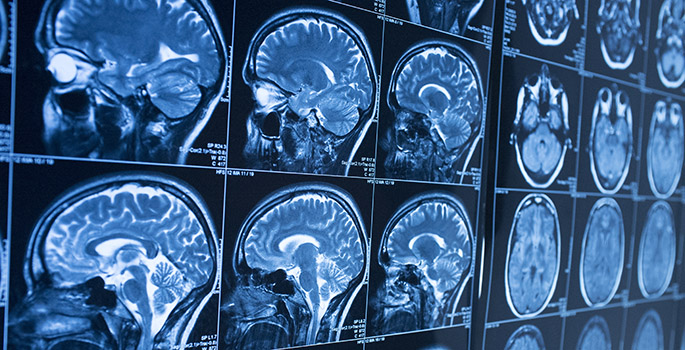
Now they're coming back and it’s like the echoes of history. There's this exuberance phase and the public is hearing about it through the Pollan book and other sources, and they're thinking, “My God! This is going to cure me. One or two doses of psilocybin will cure me." And then they realize it's not legal, so then they find it in the underground.

And now you get into dangerous territory. I think if we're not careful, we can have a cultural backlash again. I think what we need to do is be very cautious. Continue to do the research, to do good research to see what the data shows and how good or not the effects are, and then educate the public that, yeah, these are new treatments, but they have risks associated with them and they should only be used in these kinds of ways.
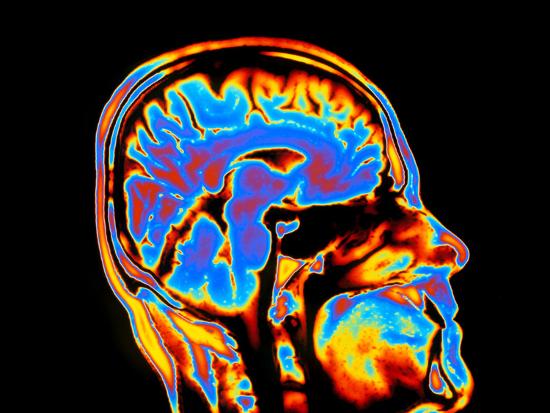
I think the right model is that this is medication-assisted psychotherapy. All our treatments are done with two dyad therapy teams, and there is an enormous amount of preparation before the dosing session.

On the dosing day, you know, it's very controlled. There's a kind of living room in the Clinical Translational Science Institute. We make sure they're ready. We then give them the pill. We turn on preselected music that we play for the whole time. We have them lying supine on the couch. They put eye shades on, they listen to the music, and the default is to focus internally while the two therapists are there to support them.

With psilocybin, it’s a six-hour experience. It comes on gradually, it peaks for about two or three hours, and it comes down gradually. Following the dosing session with the psilocybin, there's a lot of integrative psychotherapy. I really think that the arc is at the heart of the therapeutic experience. The drug is part of it, but the drug facilitates the psychotherapy as opposed to the model of ketamine for depression, which is that it's a biological effect that is changing glutamate or BDNF [brain-derived neurotrophic factor].

Our cancer patients—and this is throughout the study—75 percent said the experience was the single or top-five most meaningful most spiritual experience of their lives. I think these are highly memorable, difficult, transformative experiences that kind of get people thinking in a different way, and then it's what happens after that's key. So, again, I think it’s drugs plus psychotherapy and not just drugs alone.

Months, sometimes years, later we ask them to reflect on the experience, and they're often able to say, precisely, "I had this experience. I remember this thing happening and that's stuck with me to this day. It had a profound effect on me at the time and it still has a profound effect on me. I can remember very clearly when I had that confrontation with cancer" or "When I experienced my death" or "When I came to another insight." And that's why these are so memorable. They have this kind of spiritual content to them.

Dr. Ahmad: You recently published your long-term follow-up study on the treatment of existential distress in patients with life-threatening cancer. Could you share some of your key findings?

Dr. Ross: Yes. The original sample was about 30 and we were able to follow up with about half of them, about 15 or 16, because the other half had died. It was pretty astonishing. Four and a half years after a single dose, we found pretty much what we found one day after giving them the dose. It was that 80 percent of people were in remission from their depression or anxiety symptoms.

But... you have to be very skeptical of that. To really demonstrate that you need a much bigger study. It needs to be a parallel design. But the idea that people with cancer who have a very bad reaction with it, who feel anxious and depressed and wish they were dead already or that life has no meaning, it appears that psilocybin really works for those people. In the majority of them, it can rapidly transform them out of that state and into a much better orientation to cancer and life, and that it can last for a long time.

Dr. Ahmad: Have you found that these spiritual experiences are any more or less pronounced in people who are not struggling with the issue of personal mortality?

Dr. Ross: Well Hopkins did a study they published in 2006. They gave psilocybin to normal volunteers. They didn't have any psychiatric problems, but these were spiritually oriented people. In that study, they found that three out of four said the psilocybin experience was the singular or among the top-five most spiritual or most meaningful experiences of their lives.

Our religious professional trial that we're doing with Hopkins, these are, again, “normal” volunteers, but they’re rabbis, priests, imams. We're still analyzing the data, but, just anecdotally, they've been some of the most profound experiences I've seen. These religious professionals are having really intense spiritual and mystical experiences and they are having, for the most part, a positive impact on their religious practice, and sort of deepening their religion or giving them new insights into the nature of reality and God. So I think that the use in “normal” volunteers is interesting to consider and how it may help people that don't necessarily have a psychiatric illness, but want to have some kind of spiritual growth.

Dr. Ahmad: For patients who have a negative experience, what do you do to manage them?

Dr. Ross: We have a whole algorithm to deal with somebody having a difficult psychological experience. Interestingly, psilocybin is extremely safe medically. It's not associated with organ damage or overdose death. It can cause a mild increase in blood pressure and we measure that a lot, but the main thing is that people can have anxiety reactions or psychotic-like experiences. That's why we carefully rule out people with psychotic illnesses or a family history of these illnesses. We rule out people with severe personality disorders. We also rule out people where there is not a good rapport.

We're very careful to only go into a dosing session if we feel comfortable. If somebody does have a difficult experience, we’ve rehearsed it ahead of time. 'If you feel like you're going crazy and you're never going to come back, that's common. If that happens, this is what you should do: Dive into the experience, don't run away from it. Try to go with it and be curious as the first step.' If they're still having a hard time, we will then sit them up and we might provide therapeutic touch to them. Somebody may hold their hand or their shoulder and reassure them that they’re under the influence of a drug and that they are going to be okay.

And those are often the therapeutic moments. If someone is having a really hard time and they're resisting, and we remind them, 'Go back into it. Don't be scared. We’ve got you.' It's typically those moments that people have these kinds of psychological breakthroughs.

If someone is really having a hard time though, we can give them Valium, but we rarely have to do that—maybe two or three times in 150 patients. If we need to abort the experience, there is an anti-psychotic you can give them. Psilocybin is a 5-HT2A agonist, and we have Zyprexa, which is a 5-HT2A antagonist. If we give them that, it will essentially stop the experience. I think we've done that once.

Dr. Ahmad: Are there any directions that you hope the research will take in the future?

Dr. Ross: We're getting close to forming a Center for Psychedelic Medicine at NYU, and the novel direction we want to go is to use psychedelic therapeutics within medicine and neurology—or at the intersection between psychiatry and medicine. This is an area that is completely new, and this would be for pain disorders. There's evidence that psychedelics have potent anti-inflammatory properties, so we're going to be looking at inflammatory conditions like rheumatoid arthritis and some of these kinds of conditions, too. There's also some evidence that psilocybin is associated with neural regeneration, and there are some people now thinking of using it for neurodegenerative disorders like Alzheimer's or Parkinson's.

The anti-inflammation stuff is interesting. It comes from studies of a psychedelic drug called DOI down at LSU by guy named Chuck Nichols. He took rats that had asthma. When you biopsy them before they get the drug, there’s all this inflammation and all these inflammatory cells. When they gave them DOI, one dose of it, a day later they did the biopsies again of the pulmonary tissue, and what they found was remarkable: There was no more inflammation. All the inflammatory cells were gone. The entire inflammatory process was not there.

Psychedelics exert their psychological effects by activating the serotonin 2A receptor, but how they work as anti-inflammatories is actively being worked on. It definitely appears that they have rapid and sustained anti-inflammatory properties, but there's a lot more research to be done there to see if that's true effect, how universal it is, and then what the exact mechanism is.

It’s wild to think of utilizing them not for their psychological effects, but for their biological effects. And I think the area that, to me, encapsulates putting all this together would be this use of LSD in metastatic cancer pain. There, LSD may have direct analgesic effects, but it also may indirectly help pain by making depression and anxiety better.

So, yeah, the interface with medicine and neurology, I think, is the newest thing. There’s also this concept of microdosing. Rather than these big macro-doses that cause mystical experiences, how can you leverage things and use them daily? There's a lot of hype about LSD and psilocybin microdosing, but there's no data. Those trials are starting.

I was invited by the Journal of Psychopharmacology because they did a review article on microdosing. I think my title was like ‘All Hype, No Data, and the Implications of Microdosing Within Psychiatry.’ It's funny. My mom, who’s in her seventies, asked me, ‘Do you think I should microdose with LSD?’ And I was like, ‘Mom! What are you talking about?’ And she goes, ‘I hear it's great. It's been proven to be great!’

So it just goes to show you that there’s so much out there, and that people think that it's going to help their creativity and their energy and their sex lives and their sleep and on and on. The reality is we know nothing about microdosing. We don't know anything about its potential benefits or its potential harms. If you give a psychedelic a lot, it may be harmful. The serotonin 2B receptor that psilocybin also activates is associated with valvulopathy [disease or disorder of the valves of the heart]. That’s associated with, like, the Fen-phen drug; that was a [serotonin] 2B agonist.[ii] So it may that we find out that microdosing causes cardiac problems, but we just don't know.

People are now just beginning to look at microdosing in human populations, number one, to take normal volunteers and see what are the psychological effects; and then, right around the corner from that group, there are those starting to design trials for microdosing to see if it can help treat psychiatric disorders like major depression, ADHD, addiction.

With microdosing, we just don't know. It's one of these examples of the over-exuberance among the public. People think that something is a real thing, they want to try it, and then they get into trouble.

I have another research program with CBD (cannabidiol), and we're using that daily to treat pain disorders. There's psychedelics, like bromo-LSD as an example, that don't cause any psychological effects, but appear to be helpful for cluster headaches.

Dr. Ahmad: Could psychedelics be used to reduce levels of anxiety and stress?

Dr. Ross: I think so. There's the whole inflammatory hypothesis of depression—that depression is associated with hyper-activation of cytokines and increased inflammation. People with depression have shorter rates of survival compared to people without depression.

We looked at this in cancer. We actually looked at inflammatory and immune markers because cancer-related distress, whether anxiety or depression, is associated with decreased rates of survival, so the implication is that there's something going on We know that depression, in particular, drives this hyper-inflammatory response and decreases immuno-response, but unfortunately we never got to analyze those samples because of Hurricane Sandy. When Sandy hit Bellevue, our samples were in the Bellevue CTSI (Clinical & Transitional Science Institute) and because all the generators are in the basement, and, as you remember, the lights went out, so we lost our samples. We never we never got to analyze them. It would be really interesting to…and, again, this is, like, you have to be very careful here because there really is no data yet, but some people get really excited that psilocybin will cure cancer—not just cancer anxiety, but that it'll make their anxiety and depression so much better that their immune system will get better and they'll fight off the cancer.

That's a real stretch, but you could look at that. You could properly design a trial to actually look at that, and if that were the case, it would be pretty big. But I would think that just improving someone’s state of mind that has cancer is going to have some positive effect on the rate of survival.

Dr. Ahmad: I want to thank you for enlightening us. I really appreciate it. I also want to thank you again for the very kind words about my marijuana book, which is now scheduled to come out September 9.

The full interview was published on Dr. Ahmad’s site, samoonmd.com. You can read it here.

 
Last edited:
shutterstock_196470953.jpg


The mystical experience is critical for the therapeutic effects of psilocybin

by Alex Criddle, MA | Psychedelic Science Review | 14 Aug 2020

Two studies indicate that higher doses of psilocybin are necessary for sustained reductions in depression and anxiety.

Research indicates that a mystical experience is a mediator between the therapeutic effects of psilocybin and the patient. Two studies conducted in 2016 found that in end-of-life cancer patients, those who reported having a mystical experience were more likely to have decreased depression and anxiety in addition to an increased sense of well-being.

What is a mystical experience?

A mystical experience is an altered state of consciousness that exhibits a few key features. These features can include a sense of internal or external unity, a transcendence of time and space, feelings of ineffability and paradoxicality, a sense of awe or sacredness, a noetic quality of direct knowledge of an ultimate or higher reality, and a deeply felt positive mood. The exact characterization of the experience varies from person to person, but these features are common among most mystical experiences.

Griffiths, et al., 2016

The first study was a randomized, double-blind, cross-over trial conducted by Roland Griffiths and colleagues. 51 patients were given low (placebo-like) doses of 1 or 3 mg/70kg or a high dose of 22 or 30 mg/70kg of psilocybin in conjunction with psychotherapy. The doses were in a counterbalanced sequence with 5 weeks between sessions with a 6-month follow-up afterward.

Prior to each session participants scored their depression, anxiety, and other negative emotions on clinical questionnaires. After each session, participants were given a series of questionnaires to assess the experience and outcomes. These included the 5-Dimension Altered States of Consciousness (5D-ASC), Hallucinogen Rating Scale (HRS), and the Mystical Experience Questionnaire (MEQ30).

What Griffiths et al. found was that high doses of psilocybin produced significant decreases in self- and clinician-rated scores of depression and anxiety. This was in addition to an increased rating of their quality of life, sense of meaning, and optimism, despite being end-of-life cancer patients immediately after the high-dose psilocybin sessions. This result was largely dependent on a high mystical experience score (rated on the MEQ30). These positive outcomes were sustained at the 6-month follow up, with 80% of participants showing clinically significant benefits.

Both clinicians and participants associated the benefits with the high-dose psilocybin sessions that contained a mystical experience rather than the low-dose, non-mystical experience sessions or the psychotherapy itself. This suggests that the mystical experience is key in mediating the positive outcomes.

This study’s limitations include pharmacological effects from the placebo dose (the authors suggest 0.01 mg/70 kg should be used instead), the nature of a crossover trial which inhibits the accuracy of interpretations of clinical benefits after the crossover has occurred, and the difficulty in using stringent exclusion criteria for these end-of-life cancer trials.

Ross et al., 2016

A second study, a double-blind, placebo-controlled, cross-over trial conducted by Stephen Ross and his colleagues, corroborated these findings. In this study, 29 patients were given either psilocybin or niacin (placebo) at a dose of 21 mg/70 kg in conjunction with psychotherapy. There were 7 weeks between sessions with a 6.5-month follow-up to assess continued outcomes.

The data indicated that psilocybin, but not niacin, produced immediate, clinically-significant reductions in depression and anxiety levels, even prior to the crossover. At the 6.5-month follow-up exam, patients who had had higher scores on the MEQ30 during their psilocybin session had higher sustained reductions in depression and anxiety levels long-term in addition to decreases in cancer-related demoralization and hopelessness. Patients experienced improved spiritual wellbeing, quality of life, and attitudes towards death. The researchers concluded that

"...the psilocybin-induced mystical experience mediated the therapeutic effect of psilocybin on anxiety and depression."

There are, however, a few limitations to this study. This trial included a small sample size (29 patients), the majority of whom were white women. This crossover style of trials limits the accuracy of the interpretation of clinical benefits after the crossover has occurred.

Summary

Both Griffiths and Ross’s studies suggest that psilocybin produces sustained reductions in depression and anxiety levels in end-of-life cancer patients over at least 6 months. It does appear from these studies that the strength of the mystical experience, provided by a dose of psilocybin around 21 to 30 mg/70kg, is attributed to the sustained reductions in depression and anxiety providing direct and/or indirect benefits to the therapeutic potential of psilocybin.

It is important to note that these studies used pure psilocybin, not psilocybin-containing mushrooms. The dose required for a mystical experience using magic mushrooms may be very different from using pure psilocybin. The features of the two mystical experiences may differ as well. These differences may be due to the entourage effect that occurs with the compounds in cannabis and is hypothesized to occur with the compounds in magic mushrooms.

 
Last edited:
Top