




poledriver
Bluelighter
- Joined
- Jul 21, 2005
- Messages
- 11,543
Prohibition to Blame for UK Ecstasy Deaths

A father-of-three from the West Midlands is among four young men who have died in the UK during the past ten days after using ecstasy. Police suspect that Daniel Bagnall, 27, Gediminas Kulokas, 24, John Hocking, 20, and Eustace Ropas, 22, had all consumed ecstasy from a certain batch – in which the pills (pictured) had been coloured red and imprinted with a Superman logo – before their deaths.
Detective Chief Inspector Sean Paley urged people to avoid using illicit drugs due to the inherent risk: “you don’t know what they are made of or where they have come from,” he stated.
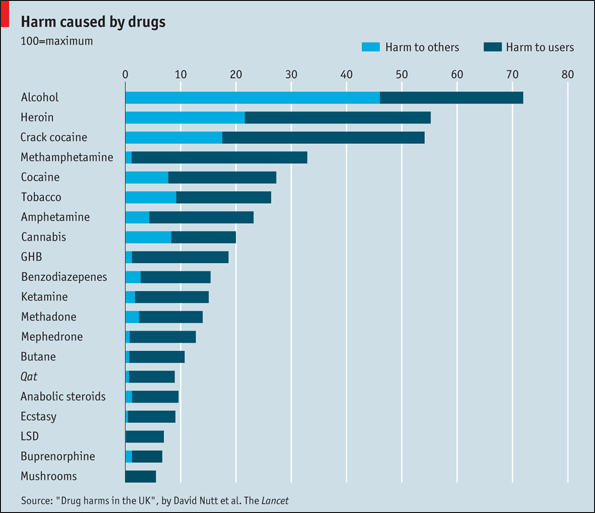
Despite the tragic and deadly outcome of drug use for these young men, ecstasy is not to blame for their deaths. These four men had their lives cut short because of an irresponsible government policy that puts the production and trade of ecstasy in the hands of an unregulated criminal black market. Ecstasy, the pill form of MDMA, is a relatively safe narcotic – although it has been categorised by the government as a Class A drug. Despite having negative side effects, the harm posed to the user, as well as to others, is far lower with ecstasy than with many other illegal and legal drugs.
The safety of ecstasy is significantly compromised by its illegality. As the substance is illegal and its production is unregulated, ecstasy pills are often adulterated with dangerous ingredients. In the case of the Superman pills, investigation has found a large concentration of PMMA (para-Methoxy-N-methylamphetamine) – a substance which mimics some effects of MDMA but is vastly more dangerous due to the small quantity needed to cause accidental overdose deaths. These recent deaths are not the first PMMA-related fatalities; at least ten people have died due to the drug in the United Kingdom and Ireland since 2010, and many more such deaths have been reported around the world.
Approximately half a million Britons are estimated to consume some form of MDMA each year, and most of them have safe experiences. However, the continued prohibition of the drug allows dealers to profiteer by diluting the substance with other ingredients or chemicals; clandestinely selling a cheaper alternative product to users improves the seller’s revenue while simultaneously increasing the user’s risk. This is a status quo that exists among the sales of all illegal narcotics, solely due to the War on Drugs. However it is particularly dangerous for drugs that are sold in a pill or powder form, as such substances are easier to adulterate. For example, users of the dried flowers and leaves of the marijuana plant would be more likely to recognise an adulterated batch of their preferred drug than users of a MDMA, a nondescript white powder.

In a bid to prevent further deaths from the Superman ecstasy, the police have offered a temporary drug amnesty for any individuals with such pills who wish to surrender them without fear of legal proceedings. Superintendent Louisa Pepper asked for any members of the public with the drug to come forward: “please don’t be worried about any sort of prosecution because we genuinely just want the drugs off the streets. We view this particular drug as especially dangerous and want to prevent further deaths and save lives”. Despite this well-intentioned move by the police, it is unlikely to have any lasting effect on the health of drug users, as it is inevitable that further dangerous batches of drugs will emerge in the future.
Creating a legal and regulated market for MDMA/ecstasy (as well as other currently illegal drugs) would be the most effective method to remove the risk of adulterated substances. Individuals who choose to drink alcohol do not have to fear that their lager or vodka has been diluted with unknown poisonous substances because the production of alcohol is strictly regulated. Due to the repressive political climate surrounding drug policy in Britain, it is unlikely that legislation on Class A drugs will be repealed or altered in the near future. However, there is an innovative way for users to reduce the possibility of harm from illegal substances: drug-testing facilities.
Cont -
http://theprohibitionpost.com/prohibition-to-blame-for-uk-ecstasy-deaths/
A father-of-three from the West Midlands is among four young men who have died in the UK during the past ten days after using ecstasy. Police suspect that Daniel Bagnall, 27, Gediminas Kulokas, 24, John Hocking, 20, and Eustace Ropas, 22, had all consumed ecstasy from a certain batch – in which the pills (pictured) had been coloured red and imprinted with a Superman logo – before their deaths.
Detective Chief Inspector Sean Paley urged people to avoid using illicit drugs due to the inherent risk: “you don’t know what they are made of or where they have come from,” he stated.
Despite the tragic and deadly outcome of drug use for these young men, ecstasy is not to blame for their deaths. These four men had their lives cut short because of an irresponsible government policy that puts the production and trade of ecstasy in the hands of an unregulated criminal black market. Ecstasy, the pill form of MDMA, is a relatively safe narcotic – although it has been categorised by the government as a Class A drug. Despite having negative side effects, the harm posed to the user, as well as to others, is far lower with ecstasy than with many other illegal and legal drugs.
The safety of ecstasy is significantly compromised by its illegality. As the substance is illegal and its production is unregulated, ecstasy pills are often adulterated with dangerous ingredients. In the case of the Superman pills, investigation has found a large concentration of PMMA (para-Methoxy-N-methylamphetamine) – a substance which mimics some effects of MDMA but is vastly more dangerous due to the small quantity needed to cause accidental overdose deaths. These recent deaths are not the first PMMA-related fatalities; at least ten people have died due to the drug in the United Kingdom and Ireland since 2010, and many more such deaths have been reported around the world.
Approximately half a million Britons are estimated to consume some form of MDMA each year, and most of them have safe experiences. However, the continued prohibition of the drug allows dealers to profiteer by diluting the substance with other ingredients or chemicals; clandestinely selling a cheaper alternative product to users improves the seller’s revenue while simultaneously increasing the user’s risk. This is a status quo that exists among the sales of all illegal narcotics, solely due to the War on Drugs. However it is particularly dangerous for drugs that are sold in a pill or powder form, as such substances are easier to adulterate. For example, users of the dried flowers and leaves of the marijuana plant would be more likely to recognise an adulterated batch of their preferred drug than users of a MDMA, a nondescript white powder.
MDMA, or is it PMMA?
In a bid to prevent further deaths from the Superman ecstasy, the police have offered a temporary drug amnesty for any individuals with such pills who wish to surrender them without fear of legal proceedings. Superintendent Louisa Pepper asked for any members of the public with the drug to come forward: “please don’t be worried about any sort of prosecution because we genuinely just want the drugs off the streets. We view this particular drug as especially dangerous and want to prevent further deaths and save lives”. Despite this well-intentioned move by the police, it is unlikely to have any lasting effect on the health of drug users, as it is inevitable that further dangerous batches of drugs will emerge in the future.
Creating a legal and regulated market for MDMA/ecstasy (as well as other currently illegal drugs) would be the most effective method to remove the risk of adulterated substances. Individuals who choose to drink alcohol do not have to fear that their lager or vodka has been diluted with unknown poisonous substances because the production of alcohol is strictly regulated. Due to the repressive political climate surrounding drug policy in Britain, it is unlikely that legislation on Class A drugs will be repealed or altered in the near future. However, there is an innovative way for users to reduce the possibility of harm from illegal substances: drug-testing facilities.
Cont -
http://theprohibitionpost.com/prohibition-to-blame-for-uk-ecstasy-deaths/




