• Psychedelic Medicine
  • Psychedelic Medicine Moderator: mr peabody

MICRODOSING | +80 articles

737f63883c6f1550e89e1a184f343ff4.jpg


Guide to Microdosing LSD

by Amelia Walsh and Dr. Lynn Marie Morski, MD, Esq | Psychable | 5 Jun 2022

There has been a surge of interest in psychedelics recently as researchers and those exploring alternatives to traditional pharmaceuticals seek to understand their benefits. One psychedelic used in studies and personal experiments is LSD.

LSD has demonstrated positive effects for psychotherapeutic purposes at full dosage, but many people wonder if smaller, more consistent applications might offer different benefits. This practice is called microdosing, and many people claim that it has significantly improved their lives in various ways.

Curious about microdosing LSD and the potential benefits and risks? Here is a brief rundown of the basics.

LSD is a classical psychedelic substance known for its hallucinogenic effects. It can enhance or distort stimuli such as sight, sound, and texture, unlock inspiration and creativity, induce profound personal and spiritual experiences, and help a person find deeper connection or meaning.

LSD affects the brain in complex ways. One study showed an increase of activity in the visual cortex, while regions of the brain that create the constructs of self were temporarily hindered, allowing for a dissolution of the ego and disruption of thought patterns that can result in (sometimes negative) habitual behaviors.

The LSD experience varies depending on the mindset, setting, and mental or physical health conditions at the time of application. People typically report an elevated mood, increased energy, a distorted sense of time, deep thinking, and increased feelings of connectedness to others, the universe, or a higher power.

LSD is being studied as a potential aid to psychotherapy in treating certain mental health conditions like alcohol use disorder, opiate dependency, and anxiety related to life-threatening illness. Additionally, there have even been studies demonstrating the possible benefits of LSD for pain relief.

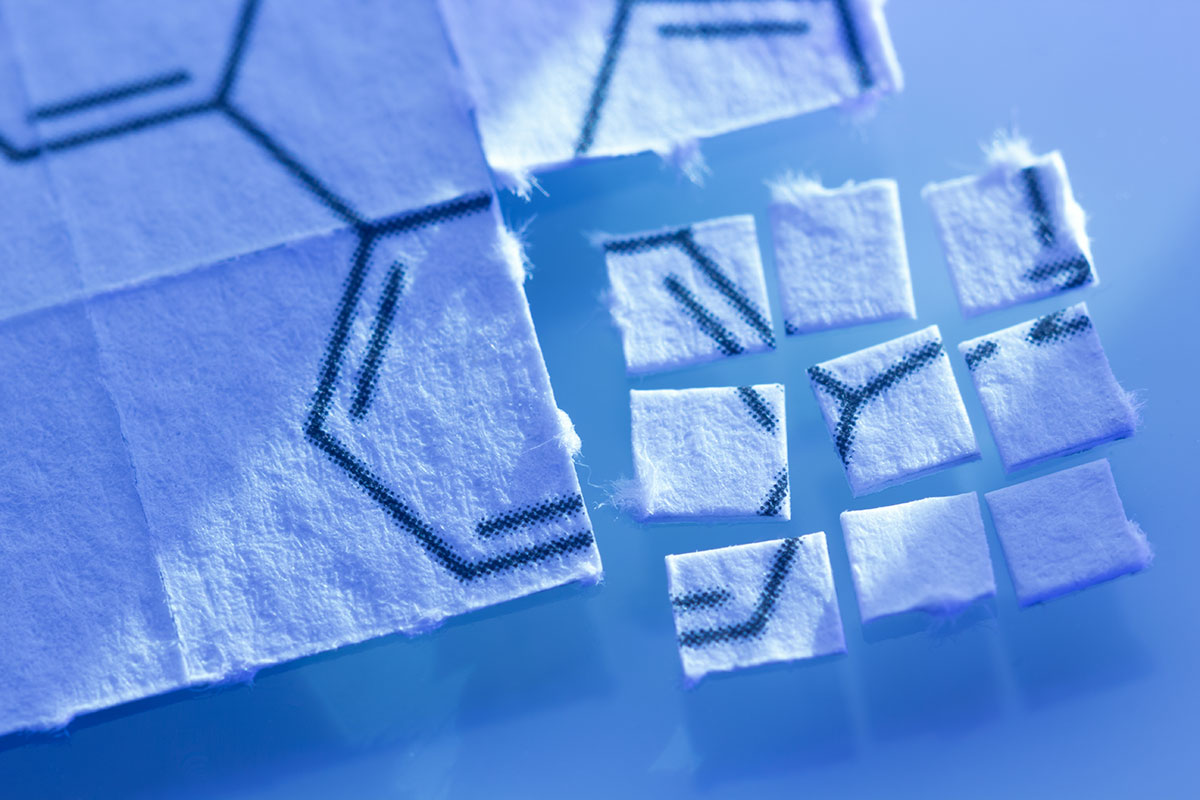
LSD is mostly consumed orally in liquid form, either as droplets or applied to a tab of blotting paper.

The term microdosing refers to taking a very small, sub-perceptual amount of a psychedelic substance on a planned schedule in an attempt to benefit from certain effects while avoiding impaired functionality. In fact, the idea is not to alter consciousness but to sharpen it. Advocates of microdosing tout its potential to enhance their ability to perform and enjoy life without the impairments commonly experienced when taking a full dose.

Some people claim microdosing makes them more productive and motivated, improves their mood, alleviates anxiety, helps with cognitive function, bolsters creativity, and elevates the capacity to empathize with others. Others have reported reduced dependency on caffeine or declined inclination to consume alcohol and other illicit drugs like cocaine. Additionally, LSD may have the potential to provide effective pain relief, even at a sub-perceptual dose.

However, research to investigate these claims has been insufficient and somewhat inconclusive. Most of the touted personal benefits of microdosing are self-reported or anecdotal, leaving many questions about other factors that could influence individual results from microdosing.

There is a possibility that some people who experience benefits from microdosing experience a placebo effect. In the largest placebo-controlled study on microdosing, both the placebo group and those who microdosed psychedelics reported a similar rate of positive psychological effects. This also highlights the power of the human mind.

How do you microdose LSD?

Because so little is definitively known about microdosing, it is difficult to say with certainty what the ideal dosage or frequency should be for different individuals. However, there seem to be some guidelines commonly shared by the psychedelic community and substance experts that seem to have yielded positive results for those who have tried them.

James Fadiman, a clinical psychologist and author with expertise in the exploratory use of psychedelic substances, has been one of the leading sources of information about how to experiment with microdosing. He recommends a microdose that is one-tenth of a typical dose; this equates to about 10-20 micrograms of LSD.

It’s recommended to be conservative in the beginning, as taking too much may result in unintentional, inconvenient, or unsafe impairment. A general rule with ingesting any dose or type of psychedelic is to “start low, go slow” to determine how the body will react to the particular medicine. The best way to avoid taking too much is to properly measure each dose and maintain a record of when and how much LSD has been consumed.

Common practice is to have a “dose day” every three days, taking two days to rest between them. Many who microdose LSD report adhering to this schedule for a period of two weeks several times a year as a form of occasional maintenance.

What are the side effects and risks of LSD?

Sometimes, the experience feels immensely meaningful in a positive way, but it is also possible for the effects of LSD to be challenging, frightening, or even disturbing. Though the small dose is not likely to cause overwhelming, negative hallucinations, there is a lack of research to determine the possibility of negative psychological reactions to LSD when microdosing.

It is not recommended for people with a personal or family history of psychosis to use psychedelics like LSD. While rare, there have been reports of “flashbacks,” where a person continues to recall certain unpleasant hallucinations that occurred while taking LSD. Because of the sub-perceptual dosage used to microdose psychedelics, this phenomenon is highly unlikely but still ought to be a consideration (particularly for those at risk of mania and psychotic episodes).

Some physical side effects of LSD may include dilated pupils and elevated blood pressure and/or heart rate. People with heart conditions are advised not to use LSD, as it can cause additional health complications that may become dangerous. Even in small doses, LSD has the potential to cause anxiety or physical discomfort.

For more information about the side effects and risks of LSD, check out Psychable’s Beginner’s Guide to LSD.

Closing thoughts and resources

There have been many reported benefits of microdosing, but because most advocates present personal or anecdotal evidence that has not yet been scientifically confirmed, it is difficult to say whether or not the practice has proven benefits. However, studies and analyses of findings seem to indicate a promising future for discoveries of potential uses for psychedelic medicine, including the practice of microdosing.

It should be noted that LSD is currently a Schedule I drug, making it illegal for personal use in the United States. Seeking to obtain or use LSD outside of an approved clinical trial setting is punishable by law at this time.

For additional information about microdosing, read Psychables Beginner’s Guide to Microdosing as well as our Pros and Cons of Microdosing .
 
Last edited:
KITE.jpg


Microdosing can enhance athletic performance

Wholecelium | 19 Jun 2020

Sports and psychedelics do not traditionally go hand in hand. In fact, the thought of someone tripping whilst trying to dribble a ball or lift weights is actually rather amusing. The idea being, that when tripping on psychedelics your interior world is so engaged, that your exterior world, (which may include a ball flying at your head) falls by the wayside, so to speak. However, with the trend for microdosing psychedelics continuing to dominate the ‘Wellness’ market, (not to mention all the current therapeutic research) it was only a matter of time before the athletic industry fancied a slice of the psychedelic pie.

An increase in cognitive rather than physical ability

Of course, the sports world is constantly rocked by ‘doping’ scandals. This happens when athletes are discovered to have unfairly improved their skills through performance enhancing drugs. From Lance Armstrong’s fall from grace, to Russia’s 2020 Olympic ban, there is something uniquely ‘dishonourable’ associated with the practice.

Psychedelics are not currently included on the list of banned substances according to the World Anti-Doping Agency (WADA). This is because they do not bequeath physical advantages on the player that traditional ‘doping’ drugs like steroids do. Rather, in microdose amounts (1/10- 1/20 of a tripping dose) they increase cognitive ability. This has been reported to improve creativity and productivity— the biohackers of Silicon Valley swear by it. But how can this benefit athletes— from the professional basketball player to the weekend footballer, to the morning jogger?

Tales of psychedelic enhancement

At present, there have been no official studies or research into whether microdosing psychedelics, such as psilocybin, can benefit athletic performance. However, there is a wealth of anecdotal evidence.

One of these tales of psychedelic enhancement comes from baseball pitcher Doc Ellis. A major league baseball player, on June 12th 1970 he was called in to play a match. Unfortunately, he had been under the impression it was his day off, and had taken LSD with friends. Ellis played the game under the influence and proceeded to throw a no-hitter. The only one of his career. In fact, in over 175,000 professional baseball games played, only 269 no-hitters have been thrown in history. Ellis recounted

“…I was psyched... a feeling of euphoria. I was zeroed in on the glove.”

Getting into the ‘zone’

Many athletes self-report that their stamina and ability are improved at micro or ‘psycholytic’ doses (much less than Doc Ellis had taken!) They are able to focus more upon the task at hand, and find it easier to ‘get into the zone’. The ‘flow states’ that those who microdose for creativity or productivity report, apply here too. All concentration can be put into your sport when the mind is quietened and anxieties reduced. Additionally, this focus has been reported to improve endurance, as you are more likely to continue for longer, thus building your stamina.

‘The point of perfection’

James Oroc, an extreme sports athlete, recently wrote an article for the Multidisciplinary Association for Psychedelic Studies (MAPS) in which he gushed about the power of the microdose.

“ According to the combined reports of 40 years of use by the extreme sports underground, LSD can increase your reflex time to lightning speed, improve your balance to the point of perfection, increase your concentration until you experience “tunnel vision,” and make you impervious to weakness or pain.”

Release your inner athlete

With such bold claims as these, seemingly backed up by anecdotal evidence, it is likely only a matter of time until scientific institutions start research into the subject. In the meantime, whether you’re a professional sportsperson or simply someone who wants to feel more ‘at one’ with the water while doing lengths at the local swimming pool, maybe microdosing is for you! It could be just the thing to release your inner athlete! Check out our microdosing guide here.

 
UnderlineStudio_HugoMarie_MerijnHos_UA_Final_644.jpg


New evidence microdosing reduces anxiety and depression*

by Emily Jarvie | PSYCHEDELIC SPOTLIGHT

There is growing evidence that consuming small doses of psychedelics can provide various mental health benefits, with a new study showing that adults with mental health concerns who were microdosing psychedelics reported lower depression, anxiety, and stress levels.

The study, published in Scientific Reports, evaluated the microdosing practices, motivations, and mental health of self-selected microdosers and non-microdosers.

The practice of microdosing — consuming a small fraction of what is considered a recreational dose of a hallucinogen such as psilocybin or LSD — has become increasingly popular over the last decade. The authors of this study note that what constitutes microdosing is yet to be articulated, but it is generally described as: “successive self-administration, within a limited time window, of doses of psychedelics that do not impact normal functioning and are predominantly sub-sensorium.”

Evidence supporting microdosing’s claimed benefits, such as boosted creativity and productivity, and reduced anxiety, has been mainly anecdotal to date. Multiple studies are underway to scientifically validate these claims.

This study is the first to identify associations between microdosing and reduced severity of symptoms of depression, anxiety, and stress among adults with reported mental health concerns. “The present results add to prior research that has identified positive associations between microdosing and mental health,” the researchers said.

“Carefully controlled clinical trials are required to more confidently elucidate the potential risks and benefits of psychedelic microdosing, however, the present findings suggest that microdosing psychedelics does not appear to be associated with increased acute negative outcomes, even among potentially vulnerable groups such as those with mental health concerns.”

The researchers also identified that participants’ top motivations for microdosing were health and wellness-related, and this was more prominent for females and among individuals who reported mental health concerns. The most widely endorsed motivations for microdosing were “enhancing mindfulness,” followed by “improving mood,” “enhancing creativity,” and “enhanced learning.”

Psilocybin — a psychoactive compound found in certain species of mushrooms — was the most popular choice for microdosing, with 85% of participants reporting using this substance. This is higher than earlier studies, which the researchers attributed to the destigmatization of psilocybin that has been amplified by policy changes such as the decriminalization of psilocybin possession in several jurisdictions. About 11% of participants reported using LSD.

The researchers also identified a diverse range of microdosing practices regarding dosage, frequency (ranging between one and four times per week), and the practice of stacking: combining microdoses of psychedelics with other substances proposed to increase health benefits. In this study, more than half of the participants reported combining psilocybin with non-psychedelic substances such as Lion’s Mane mushrooms, chocolate, and niacin.

This study also showed microdosers were less likely to use alcohol and were most likely to abstain from consuming alcohol entirely. Similarly, microdosers were also more likely to refrain from using nicotine, with more than 25% of participants saying reducing their use of this substance was a motive for microdosing.

*From the article here :

 
Last edited:
90bb177052ab02de1aa1d180aa5e40ff.gif


More people are microdosing psychedelic drugs

by Tia Ghose | NBC News | 12 Jul 2015

For Martijn Schirp, it's a way to make an ordinary day just a little bit better. A former poker player and recent graduate in interdisciplinary science in Amsterdam, Schirp has been experimenting with a new way to take psychedelic drugs: Called microdosing, it involves routinely taking a small fraction of a normal dose of lysergic acid diethylamide (LSD) or magic mushrooms (the latter is legal to purchase in coffee shops in Amsterdam but not the former).

Microdosing has gained a cult following amongst a small group of hallucinogen enthusiasts like Schirp, who now writes at HighExistence.com. Proponents report improvements in perception, mood and focus, minus the trippy tangerine trees and marmalade skies normally associated with psychedelics.

Schirp said he prefers to microdose when he's immersed in creative or contemplative activities, such as writing, painting, meditating or doing yoga.

"It's like the coffee to wake up the mind-body connection. When I notice it's working, depending on the dose, time seems to be slowing down a bit, everything seems covered with a layer of extra significance," Schirp told Live Science in an email.

Given his positive experiences with higher doses of psychedelics, "microdosing offered a way to get a taste of this without the experience completely overwhelming me," Schirp said.

"But while the effects Schirp and others describe are plausible from a physiological perspective, microdosing is uncharted territory," said Matt Johnson, a psychologist at Johns Hopkins University in Baltimore, Maryland, who has studied the behavioral effects of psychedelic drugs. Scientists have yet to run a clinical trial to assess the effects (or lack thereof) of microdosing. Johnson added that taking a smaller dose of a psychedelic is safer than taking a large dose, but the way people tend to do it, regularly taking small doses every several days, could have long-term side effects.

Just a little bit

The idea of taking small doses of psychedelics has been around for a while. The inventor of LSD, Albert Hofmann, was known to microdose in his old age and told a friend that microdosing was an under-researched area. But microdosing gained greater visibility when James Fadiman, a psychologist and researcher at Sofia University in Palo Alto, California, described it in his book The Psychedelic Explorer's Guide.

Since then, Fadiman has received about 50 anecdotal reports from microdosers around the world. "Most report positive, barely perceptible shifts while microdosing," Fadiman said.

"What people say is that whatever they're doing, they seem to be doing it a little better", Fadiman told Live Science. "They're a little kinder, a little bit nicer with their kids."

"People with creative jobs report improved focus and an ability to enter the state of flow more easily. Some report a desire to eat healthier or start meditating,"
Fadiman said.

"It's like they tend to live a little better," Fadiman said.

"Still others report taking the teeny doses of psychedelics for psychiatric conditions," said Brad Burge, the director of marketing and communications at MAPS in Santa Cruz, California, where scientists study the effect of psychedelics on medical conditions such as PTSD.

"I've heard anecdotally of people using it for depression, seasonal affective disorder, anxiety, and OCD, Burge told Live Science. With microdoses, the point would be to create subtle changes in people's psychopharmacology or experience, in much the same way as most traditional pharmaceuticals are used now."

Plausible mechanism, no evidence

"The effects people report with microdoses of LSD, psilocybin, DMT or other classic psychedelics aren't completely implausible," Johnson said. "All these drugs work by activating a particular receptor in the brain known as the serotonin 5HT-2A receptor. This receptor fuels the release of the feel-good brain chemical, serotonin, which creates a domino effect in the brain that leads to many other brain changes."

"At high doses, these drugs temporarily, but radically, reshape brain networks; for instance, one study found that magic mushrooms create a hyperconnected brain. But antidepressants like Prozac also target serotonin receptors, so it's possible that a low, constant dose of a psychedelic might work in a similar manner,
" Johnson said.

"Still, there's absolutely no evidence to suggest microdosing works as people claim it does," Johnson said. "The effects described are so subtle, on par with having the caffeine in a cup of coffee, that they fall within that category of barely perceptible, and it's right in the range where people can so easily fool themselves," Johnson told Live Science. "That means microdosing is particularly susceptible to the placebo effect, in which people taking a sugar pill who believe they're taking a drug report perceptible effects," he said.

"To prove that microdosing has an effect, psychedelics researchers would need to do a double-blind study, in which neither the people administering the drug nor the recipients know whether a particular participant is getting a microdose of a psychedelic or something inert, like a little sugar dissolved in water," Johnson said.

"Some groups of people are allegedly doing these trials, but because LSD is illegal, and is only approved for research use in a few small trials in a few locations. All of these people are off the grid and not publicizing their efforts," Fadiman said.

 
1*_88e5RA5EjuBZ7Vjir7NBg.png


James Fadiman on the benefits of microdosing

Hi James, and welcome to the Psychedelic Frontier! Your upcoming talk at Altered Conference (in Berlin, 3-4 November 2017) looks absolutely fascinating.

I understand your global research project is all about microdosing with psychedelics. What exactly is microdosing, and why are people trying it?

JF: Microdosing is taking a very small amount of a psychedelic every few days. People are trying it because other people and the media are reporting that it seems to be beneficial for a wide variety of conditions, and, for well people, they report that it improves overall functioning.

What kinds of substances do people use? LSD, mushrooms, modern research chemicals? What would be a typical dose?

JF: People have reported to us their use of LSD, mushrooms, research chemicals that are similar to LSD, and other psychedelics. A typical dose is 1/10 to 1/20 of a recreational dose. With the LSD that would mean approximately 10?g, for dried mushrooms 0.2 to 0.4 grams, etc.

We have not looked at any use of DMT, or MDMA, 5-MeO, or any of the more exotic ones.

Lets talk about the research. How many subjects who you have enrolled? What have you discovered about microdosing?

JF: While I have accumulated several hundred written reports over the past 7 years, in the last year Sophia developed and ran a formal study where people checked in on a daily basis. That study has 1500 people from 59 countries. We are in the early stage of our analysis of this data, and will report in more detail at the conference, but overall people report that over the course of approximately a month, they feel more positive emotions and improved health. They also report less negative emotions and many report improvements, especially from depression.

Anything emerge from the data that surprised you?

JF: There are a number of surprising results that have not appeared in any of the research over the past 50 years with higher does. In a number of cases, but not all, women whove had painful or emotionally upsetting periods report that their periods are pain-free and normal. We also have a number of reports of people whove had many years of migraine headaches tell us that those headaches are greatly reduced in intensity and number. A number of students have reported that they have improved their grades and can focus more easily on schoolwork. We expect more surprises as we go through the summary reports written by people in our sample.

How did this project get off the ground? What drew you to study microdoses, rather than full-on psychedelic trips?

JF: I learned from a friend, Robert Forte, that Albert Hofmann, who first synthesized LSD, said that this very low dose area had not been studied, and that he personally microdosed himself and found it was helpful for his own thinking. I had devoted some large part of my career to research with full doses and like every other high-dose researcher had ignored this low-dose area. One of the striking differences is that microdosing, produces none of the classic psychedelic visual effects nor does it lead to major therapeutic breakthroughs or mystical experiences. It seems, however, to improve general health.

The theme of the upcoming Altered Conference in Berlin is Altered States, Crisis And Opportunity. Do you think the altered state induced by psychedelics, including both microdoses and full-blown trips, help us confront the numerous crises of the modern age?

JF: High-dose psychedelics taken in a safe and supportive setting almost inevitably lead people to care more about themselves, nature, and one another. We need as much of that as we can get. Reports from people taking microdoses often described that they are kinder to those they care for and have more compassion for those they don't. Once again, these are vital aspects of human nature that benefit us all.

Where full-blown psychedelic trips often shatter long-held assumptions and induce deep questioning, microdoses are much less dramatic. Many people use low doses for a boost in productivity and creativity during a normal workday. Some purists would argue that microdosing this way merely reinforces the embedded power structures of capitalism and the 9-to-5 grind. Any thoughts on the contrast between psychedelic revolutionaries and microdosing worker bees?

JF: The problem is deeper than your question supposes. In the 60s, psychedelic explorers were genuine revolutionaries and began the ecology movement, the womens movement, much of the social justice movements and the antiwar movement. I see very little of that today. However, this conference may be the beginning of resurgence of that energy. As for the idea that people who microdose support capitalism, it is hard to fault people who wish to enjoy their work more, have healthier diets, be more likely to do exercise and meditation and be less likely to use standard pharmacological medications. To say they are only doing so in capitalist countries is nonsense. We have similar reports from all over the world independent of what form their government is taking. Improving the quality of your life may be a political act, but it is not an ideological one.

Most recent psychedelic research focuses on helping people with a medical condition, such as PTSD or anxiety. But your research project includes many healthy individuals. Do you think the power of psychedelics lies primarily in healing, or in improving the lives of healthy people? Are we limiting ourselves by focusing so heavily on medical aspects?

JF: While the goal of much of psychedelic research projects is medical, the larger goal behind all these projects is to overcome the unscientific and undemocratic repression of these substances, which we know have been used worldwide for thousands of years for healing and spiritual understanding. In our current culture, the medical profession controls much of what you put into your body. Therefore, they are the gatekeepers for now. There are also religious groups using psychedelics legally in country after country, with the same intention of having these substances used as safely and as well as possible.

Microdosing falls somewhere between the growing interest in plants and chemicals that helps well people and the continuing interest in alleviating suffering. Both groups have a great deal to learn from one another. The third group, and perhaps the largest, is using psychedelics recreationally. Perhaps in the future, they will be the group demanding and succeeding in having wiser regulations for all of us.

http://psychedelicfrontier.com/james...n-microdosing/

5c122c4276a3faedbe565aa553af70ac--colorful-houses-blue-houses.jpg

 
Top