• Psychedelic Medicine
  • Psychedelic Medicine Moderator: mr peabody

METH DETOX

737f63883c6f1550e89e1a184f343ff4.jpg


African psychedelic ibogaine a drug of last resort*

by Tyler Nyquvest | SCMP | 26 Dec 2019

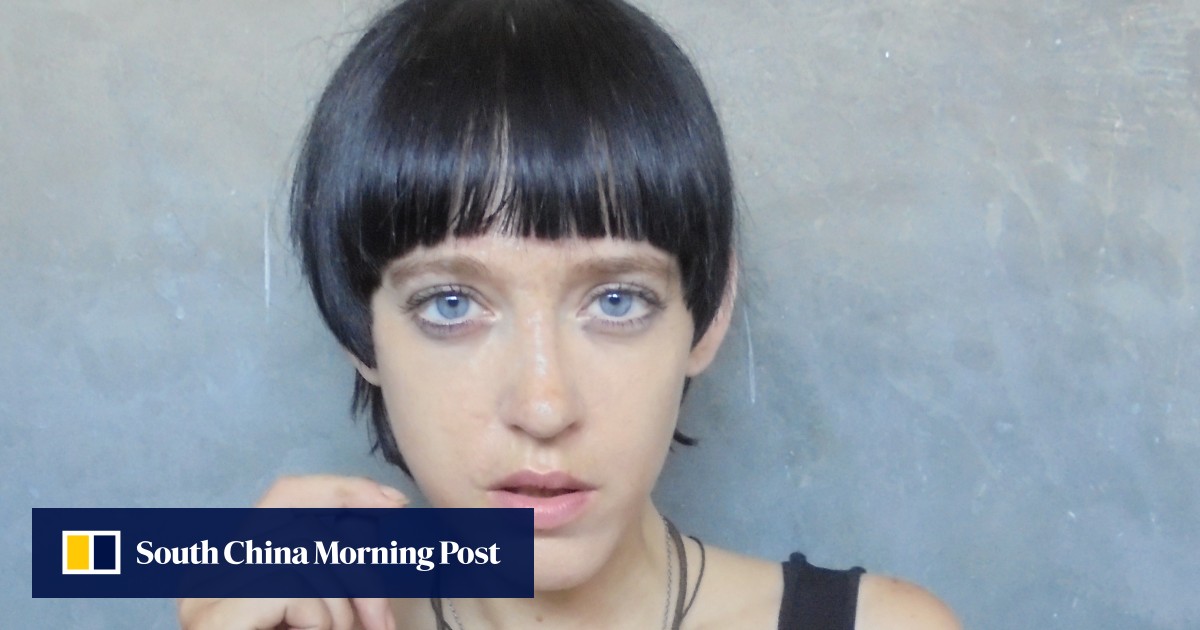
After moving to New York at the tender age of 18, fashion model Shea Prueger quickly found herself caught up in that city’s drug-fuelled party scene.

“I never intended to become physically and psychologically dependent on opiates – I don’t think anyone sets out for that – but it happened,” recounts Prueger.

Her drug use started with cocaine, and led Prueger to acquire prescriptions for oxycodone for a series of unexplained migraines, then moved on to street opiates, and finally heroin. After being treated in hospital in London and cycling through several rounds of suboxone and methadone treatments – opioids used to help in detoxification – she believed nothing would work. Then her boyfriend told her about ibogaine.

Now, after nearly a decade of using the powdered root of the iboga plant, Prueger is clean and healthy, providing ibogaine treatments for others and splitting her time between treatment facilities in Asia and Costa Rica. So what is ibogaine?

Iboga is a shrub that is typically found in the Congo Basin in the Central West African rainforest.

According to Trevor Millar, owner of Liberty Root Therapy in Vancouver, Canada, ibogaine is used in a number of treatments – including as an aid to psychotherapy and in the treatment of substance abuse disorder, particularly opioid abuse. Iboga is used in initiation ceremonies in Gabon and other parts of West Africa that follow the Bwiti spiritual tradition.

“Treatment protocols around the world vary, and it’s been used ceremonially for centuries, but in 1962 someone who was addicted to heroin tried ibogaine and after his experience, he realised he wasn’t craving heroin, nor had he experienced the painful withdrawal symptoms normally associated with stopping heroin use,” Millar says.

That someone was Howard Lotsof, the founder of GITA, the not-for-profit corporation supporting the sacramental and therapeutic uses of iboga and its various strains through awareness, scientific research, medical conferences and more.

“That was when ibogaine’s anti-addictive properties were discovered and it has been used in this regard ever since, both underground and in clinics within countries where ibogaine is not illegal.”

Experts have been surprised by ibogaine’s ability to significantly lessen or nearly eliminate the withdrawal phase of addiction recovery, which is typically an extremely painful part of the process and the part where most recovery attempts fail.

In a 2017 study published in The American Journal of Drug and Alcohol Abuse, 30 subjects with opioid dependency who were users of oxycodone and/or heroin received a calculated dose of ibogaine over 12 months. After one month, half of participants reported no relapse into drug use. Study participants were followed up every two to four months; the study ended at 12 months and did not show any improvement above 50 per cent.

The study concluded that “ibogaine was associated with substantive effects on opioid withdrawal symptoms and drug use in subjects for whom other treatments had been unsuccessful, and may provide a useful prototype for discovery and development of innovative pharmacotherapy of ‘addiction.’”

The results of another study in The American Journal of Drug and Alcohol Abuse, done in conjunction with medical providers in New Zealand, showed that “a single ibogaine treatment reduced opioid withdrawal symptoms and achieved opioid cessation or sustained reduced use in dependent individuals as measured over 12 months.”

Still, ibogaine is a contentious substance. The slim body of research that exists on ibogaine also indicates treatments can be dangerous, even deadly. Britain’s Royal College of Psychiatrists has reported several ibogaine deaths, but admits that, because of the treatment’s underground nature, it is hard to know just how many.

Ibogaine works in part by slowing the heartbeat, which makes it dangerous for some drug users, and those with pre-existing heart conditions. Dosage is difficult to prescribe, as its impact can vary widely among users. Ibogaine also induces intense psychedelic episodes that can last for a number of hours; these can be difficult to process, and even overwhelming.

Prueger encountered this experience first-hand, and calls the episode, and ibogaine itself, ineffable. In her first treatment, she entered a dreamlike state in which she saw thunderstorms, purple clouds, trains and much more. While she admits to the intensity of the visions or “trip,” Prueger also acknowledges the power ibogaine had on her recovery path.

According to Dr Marvin Seppala, chief medical officer at the Hazelden Betty Ford Foundation in the US state of Minnesota, treatment for addiction recovery has changed dramatically over the years.

“Historically, people would come into a residential setting like one of our own and stay for four weeks and then return home to outpatient therapy or 12-step meetings,” says Seppala.

“There has been a recognition over the last 20 years that addiction is a chronic illness and you don’t treat most chronic illnesses with subacute medical care for a month … you follow people long term and ensure there is long-term stability.”

The foundation, founded in 1949, is the largest non-profit treatment provider in the United States and one of the most widely recognised addiction treatment facilities in North America. The foundation does not provide ibogaine or any kind of experimental therapy.

Seppala says that he has heard of and followed news on ibogaine for some time, and echoes medical professionals’ concerns over its use. He notes that psychiatric illnesses that are complicated by multiple types of substance abuse are becoming more commonplace.

This makes recovery far more complex, requiring multiple layers of care. Even conservative establishments such as Betty Ford are researching new ways to help those suffering from addiction.

Laws governing ibogaine possession and use vary.

In Costa Rica, Central America, where many treatments take place in rented rooms, ibogaine’s use in medicine is illegal, but it is not illegal for an individual to possess it. In New Zealand, Mexico, Canada, the Netherlands, South Africa and Asia, independent ibogaine treatment clinics operate in a legal grey area, and offer various treatments.

At her facility in Thailand, Prueger sees requests from people from South Asia to the United States.

She has no formal medical training but has shadowed doctors and nurses and taken courses in the Philippines, as there are few opportunities to get involved. Money, marketing and support remain large barriers.

For those who have tried ibogaine, the consensus is largely consistent.

“I really believe in the power that iboga and ibogaine have,” says Prueger. “It’s a beautiful thing, and in terms of how much of it we understand, there is still so much to learn.” And that has only heightened her interest.

*From the article here :
 
ibogaine-and-ketamine.jpg


​
Combining Ibogaine and Ketamine Treatments for Addiction Recovery*

Interview with Lindsey Slater of Root Recovery

by Wesley Thoricatha | Psychedelic Times

Lindsey Slater is the founder of Root Recovery, an ibogaine aftercare center in Austin, Texas. She is also a licensed psychotherapist and CIIS psychedelic therapy and research program graduate who is able to offer medical ketamine-assisted psychotherapy as an option in her aftercare program. Since combining ibogaine and ketamine treatments is a new frontier, I spoke with Lindsey about how these two treatments interact with each other, and when ketamine treatment is a good option for people recovering from addiction or trauma and integrating a recent ibogaine experience. We also discussed ibogaine integration more broadly, and touched on how cannabis can also play a role in the integration process.

Thanks again for speaking with me, Lindsey. Since you’ve been engaged in this work, what have you learned about ibogaine integration, and specifically about ibogaine integration as it relates to recovery? What lessons surprised you?

Ibogaine is a wonderful medicine, but it does leave room for people to do work themselves. Not all people don’t show up here feeling awesome per se, but they do come here without hardcore withdrawals. We give them time to adapt to their environment and nurse them for a while. It’s really important to give them magnesium and other supplements that ibogaine depletes, and then engage them in integration therapy. I’ve developed a protocol using EMDR to help them integrate their ibogaine journey, and I trust the medicine and each person’s psyche to bring up the material they need to work on.

Ibogaine, like other psychedelics, is very archetypal and ancestral. People don’t always know how to make sense of their journey until they engage in integration therapy. So helping people make sense of whatever came up through EMDR connects back to their childhood experiences and to the root of their addiction.

In the first week to two weeks after ibogaine, people have a hard time sleeping. We essentially take the role of mother/father during that period while people are coming back to themselves. We nurture them and care for them until they are more capable, but along the way we are also encouraging them to take more and more responsibility for their day-to-day routines. So we don’t create a dynamic of dependence, but we do show a lot of care and nurturance in the period right after the experience until they get strong. Many addicts don’t have the experience of proper care and affection, and we get to provide that nurturing that often led to addiction in the first place.

You are also a ketamine psychotherapist. Do you ever integrate ketamine therapy in people’s recovery process?

I work at a psychiatric clinic a couple days a week doing ketamine-assisted psychotherapy. It’s not an integral part of our aftercare program, but it’s available for people if they want to explore it. I’ve seen it do some really amazing things for people. We had someone going through benzodiazepine withdrawals and it was extremely helpful in calming those symptoms. Another person who had a lot of trauma in their past found the ketamine treatment to be very transformative. It’s not here on site—it’s at a separate clinic, and available to those who are interested.

How do ibogaine and ketamine interact with each other?

They actually interact really beautifully. The only thing I’m aware of that interrupts the ibogaine process and noribogaine is alcohol. Ketamine seems to work really well with it. A good example of this is that ibogaine can’t address certain issues that ketamine can. I’ve seen some really amazing results with them working together. For example, ibogaine can’t really touch benzo withdrawals, but ketamine does. When people are withdrawing from both opiates and benzos, ibogaine and ketamine work great together. Ketamine can also help people with strong ego defenses to open up during therapy, and go a lot deeper and get more benefits from their therapy with ketamine.

We don’t just do ketamine infusions; we also do ketamine-assisted psychotherapy, so I’m with them for two hours during their peak state and then for that last hour, we’re processing and doing therapy. Ketamine does not undermine the noribogaine at all. They work beautifully together in our experience so far.

That’s fascinating. Speaking of ibogaine and other substances, a friend told me that cannabis and ibogaine work really well together, that their “spirits” are really resonant with each other. Can you comment on that?

Yes, I can see that. Cannabis is of course illegal in Texas, but we do provide CBD to our clients. Ibogaine can cause insomnia for roughly ten days, so we offer CBD to help with that. If it were legal, we’d probably also offer THC as a sleep aid. Addressing the sleep deficit and some of the anxiety that comes along with the production of noribogaine, I can see how cannabis could be an ally in that process.

*From the article here :
 
LONDON.jpg


Treating Addiction with LSD​

by Amelia Walsh & Dr. Lynn Marie Morski, MD, Esq | Psychable

LSD is most well known for its popularity during the 1960s, but it has since re-emerged as the subject of continued speculation for its potential uses as a therapeutic tool.

While some critics of psychedelics claim otherwise, LSD is a drug with a low potential for abuse. In fact, researchers are beginning to consider the possibility of its efficacy in the treatment of addiction. Even the Alcoholics Anonymous founder Bill Wilson believed that LSD could offer hope to those struggling with certain substance use issues.

Is there any evidence to support the theory that LSD can help treat addiction? In this article, we will unpack what is known and has yet to be determined, as well as what the future might hold for research efforts.​

What is LSD?​

LSD is a semi-synthetic psychedelic substance derived from a fungus called Claviceps purpura, a type of ergot. LSD can cause intense examination of emotions and events in the past or present, speculation for the future, perception of additional dimensions, and profound awareness of that which was previously unrealized. Of course, every substance affects each individual somewhat differently, but these are some of the most common experiences.

LSD works on the brain by altering the communication between the regions that are believed to limit a person’s intake of sensory information and create the subjective experience of the ego, or our narrative sense of “I.” These brain regions are referred to as the default mode network (DMN), which may be responsible for repressing consciousness. LSD appears to temporarily dampen the activity of the DMN, leading to greater communication between other brain regions. The dampened activity of the DMN has been shown to correlate with the subject experience of “ego-death” or “ego-dissolution.” Although experiencing ego-death can be scary, it often culminates in feelings of connectivity to something greater than oneself. It is just one example of the kinds of mystical experiences that psilocybin might induce that are thought to have therapeutic benefits.

There are several ways to ingest LSD. It is most commonly ingested orally as a portion of blotter paper or dissolved in liquid, however, LSD can also be administered topically, nasally, or through other forms of inhalation. It should be noted that currently, it is not legal for personal use or possession outside of a federally-approved clinical research setting.

Any substance or medicine used in or outside of a clinical setting may cause side effects that are sometimes serious and may be dangerous for those with existing mental and physical health conditions. The effects of a full dose can include hallucinations and dissociation accompanied by a distorted or enhanced relationship to reality and interpretation of sensations. For more information about LSD and its potential side effects and risks, read Psychable’s Beginner’s Guide to LSD.​

Treating addiction with LSD: Does it work?​

From the 1950s to the 1970s, LSD was studied for its potential benefit in treating conditions like mood and personality disorders, anxiety, depression, as well as substance use disorders. Recent efforts have reopened certain inquiries (such as how LSD might help alleviate anxiety in adults dealing with a life-threatening illness), but there is still so much more to know before LSD can be considered as a possible treatment for additional mental health issues.

Even so, its early role in addiction recovery treatments from the 1950s to 70s had shown promising results. In an analysis of clinical studies conducted at inpatient alcohol recovery centers between 1966 and 1970, 58 percent of participants who were given one dose of LSD during a single therapy session reduced or eliminated their alcohol intake, as opposed to 38 percent of the subjects who were not given doses of LSD. Those treated with LSD were also 15 percent more likely to remain sober six months after the completion of inpatient treatment.

While studies from the 1960s and 70s do not satisfy the requirements of a modern clinical trial, they certainly suggest that deeper investigation into the possibility of using LSD in the treatment of addiction is warranted.

Researchers are exploring the possibility of studying the temporary state of disruption in the DMN during an experience with LSD that might be able to increase neural plasticity and change habitual thought patterns. If studies demonstrate this to be a reality, it might open doors for testing how the substance can reset behavioral patterns that influence addiction.

When LSD is administered, the limitations imposed by the DMN are temporarily removed and there is greater cognitive fluidity. LSD binds to both serotonin 2A and dopamine receptors in the brain and initiates a subsequent biological response, which may explain the common effects of emotional openness, peace, and connectedness to something that feels meaningful (like the universe as a whole or the divine). Such a mental state, though temporary, could offer a long-term solution to some of the underlying problems of addiction such as feelings of worthlessness, inability to cope with trauma, or disconnectedness to greater meaning (should the ultimate results prove to be lasting).

Recent evidence for the efficacy of treating addiction with LSD largely consists of personal, anecdotal accounts, though organizations like MAPS are proposing new studies for its use in other areas of mental health. If trials show promising results, it is possible that modern studies directly related to LSD for addiction may be initiated.

Though evidence in the 1960s and 70s suggested that LSD might be effective in treating addictive behavior related to alcohol, it is possible that further research could indicate similar applications in cases of other substance use disorders in the future.​

Closing thoughts and resources​

LSD is currently a Schedule I drug in the United States and is illegal for use outside of clinical settings or to formulate for personal use. Beyond this, LSD obtained illegally is sometimes adulterated with other substances and may be dangerous.

If you or someone you know is struggling with addiction, do not wait to find help. Substance use can be a serious problem and pose risks to your overall health and well-being. Severe situations might be life-threatening, so it is crucial to seek treatment immediately.

If you need help or more information about options for treatment, the Substance Abuse and Mental Health Administration (SAMHSA) offers a toll-free helpline at 1-800-662-HELP (4357). Resources are also available at https://www.findtreatment.gov.

If you have had an independent experience with LSD and would like to process it with a knowledgeable practitioner who specializes in integration, there are listings available here on Psychable or on the MAPS website.

 
gallery_medium.jpg


Ibogaine and meth addiction

Many law enforcement officials say the only way off methamphetamine is death or prison. The drug is reputed to be more addictive than crack cocaine. Yet this week we talked to a Traverse City native who was severely addicted to methamphetamine for 2 years, but has been clean for 90 days. Before recovery, his addiction cost him 2 marriages, his home, two businesses, most of his family relationships and his health. He credits his success to ibogaine, a psychedelic from the root of a shrub found in West Africa.

NE: Tell me a little about yourself.

A: I just turned 40. I turned 40 in the treatment center in Miami, Florida. To be honest, I'm so glad I was there. I grew up in Northern Michigan. I have fond memories of school and I spent a quarter at MSU and flunked out. And then I got an opportunity to move to the West Coast. I was a chef and went to one of the best culinary schools in Europe, and I've run a restaurant and two very successful catering companies. But my drug addiction brought them both down. I was forced out of my catering company because I wasn't performing. It's been one tragedy after another, but I'm in a great place today. And I know I will continue on this path. There is nothing left to lose. I have such a firm grip on what life's about, I can't say I'm fearless, but I know I've seen the worst.

NE: How did you ever get addicted to meth?

A: The crazy story is I went to a treatment facility for alcohol in 2002 and my wife at the time sold my business to my business partner for a dollar because she had power of attorney and packed up her stuff and split. So the day I got out of the treatment center, there was a big moving van in front of my house. I did have a nice house. I was up and coming, I had been up and coming, I've been written up in the newspaper several times for good things.

She couldn't deal with the intensity of my business. Owning your own catering business is very stressful. I'm a go-getter and not afraid to take risks. We took a few hits, with 9-11 and opening a restaurant. There were times I thought I'd never be poor again, and then I was. She wasn't hip to the business climate. She got scared when I was in treatment. My business partner, who didn't have our best interests in mind, convinced her to sell my interest so that there wouldn't be a debt load.

NE: Tell me what happened at the treatment center?

A: In the treatment center you learn all sorts of stuff, you learn all about other drugs, and I found out about crystal meth. When my wife sold my first business and then with her leaving, I was just devastated. I was so attached to my business. I thought it was everything I was. Instead of coming out of the treatment center clean, I immediately started drinking. Then it turned itself into finding drugs, and then the crystal meth became available. I was looking for cocaine, but the dealer guy sold me crystal meth. He told me it's cheaper and lasts longer.

NE: But didn't you know how addictive it was?

A: I didn't know how addictive it was, no. I was kind of depressed, seriously depressed, and didn't care too much about wanting to live. I thought, who cares? This is making me feel better. I didn't want to feel the pain and I didn't know how to get out of the pain, other than to use drugs. I became disinterested in alcohol and cocaine and I was solely going with the crystal meth. I started a second catering company that was competing with my old one. I still had my old reputation. So I had more investors and business partners willing and able to get going. It was very successful, but the crystal meth took over and it became really clear to my business partners that I wasn't performing.

NE: But doesn't meth make you more productive?

A: It does for awhile. I catered for the TV show Extreme Home Makeover. It was 10-day event; 24 hours a day, and I pretty much did it all. We were serving 500 meals a day for 10 days straight. I pretty much went the whole 10 days and slept two hours a day. I was highly productive, highly productive.

NE: Were you grouchy?

A: Only when I was out of the drug. The thing about crystal meth is, I was on it for two years straight with only six days of not using. There are drugs similar to meth, that help people with ADD and ADHD, and I've been diagnosed with ADHD. So finding crystal meth kind of made me feel like I was normal. I had all this creative energy going on in my head so that a lot of times it was hard to focus. In a strange way, it allowed me to bring things together and focus. It makes you feel like you're large and in charge. It's crazy. It increases libido by 500%, but it can get out of control.

NE: Tell me about the six days you didn't use meth.

A: One was where my drug dealer got deported to Mexico, and the other time, I didn't have enough money to get it together. It was a very tough three days. I was still working, and I had to keep it together. It's challenging. Every cell of your body is craving what you don't have - it's a pain you can't even describe. And all I wanted to do was sleep. You can't keep your eyes open no matter what. It was scary when I caught myself falling asleep while I was driving.

NE: Was it expensive?

A: Not as expensive as cocaine, I guess. My habit was $50 to $100 a day. When I started, it was much less, $25 a day. I started to sell cocaine to keep up with the meth. I tried to sell meth, but I couldn't keep it around to sell. I was getting meth for $330 for a quarter ounce, which is a pretty good price. I tried to buy enough for other people, but I just got in the way.

NE: Who were your fellow smokers?

A: I was leading this weird double life. I would hang out with a bunch of hardcore lowlife drug users -- I put myself in that category as well -- and I also had this peer group that I had from my culinary career who had no idea what I was doing. Those worlds never crossed in the 2 years I was using meth. It's a not very glamorous drug. I was somewhat ashamed. Had I been a big-time coke junkie, who knows?

NE: Did your skin break out? Did you lose a lot of weight?

A: My teeth didn't fall out, never got meth mouth or acne and my blood pressure was good. But I went from 220 to 140 pounds when I checked into the treatment center in Miami. I was very near death, completely malnourished skin and bones. I had stopped exercising; I stopped everything except smoking crystal meth. And I had a new baby on the way. I used right up until after she was born, and then things rapidly fell apart after she was born. It was the universe's way of getting me straight.

NE: So how did it all come down?

A: My partners kicked me out of the business right before the baby was born. They were forcing me out, and I made a fatal error and got mad, F--- you, I'm out of here. You guys suck! They were very intelligent -- they used the old business school ploy to force me out by taking a lot of my creative control away, which is my thing, and I became an employee and I said, Forget this! I'm a highly creative individual, and that's why my companies have done so well. I often find that drug addicts are highly creative and highly intelligent. When I wasn't using, my life was great. The moment I started using, it disintegrated in just two years. It just devastates people faster than anything else.

My girlfriend knew something was up. She was pregnant at the time with my daughter and she also has three other children - it's not as out of the trailer park as it sounds. God bless her, she loved me so much, she didn't want the truth to be what it was. Denial was a good word in that situation. My brother intervened, he is savvy. He told her and said we have to get him some help. As soon as she got hip to it, she pretty much said, you gotta go and get help. At first, I was convinced I had it under control, except I fell from grace.

I sensed an intervention coming on and I told them not to, I didn't want to go through another intervention. That first treatment center was a horrible, horrible experience. I didn't get a lot out of it. They beat you down, make you feel unworthy, an addict, and you'll always be that way unless you do it their way. I thought, forget it. I'll kill myself because I don't want to do this. I didn't want to live without the drug. I just didn't want to feel the pain of being human. I had not learned how to cope as a child. Instead I would just escape. I had finally found the perfect escape. Most addicts don't have the coping skills that other people who don't use drugs regularly have. So we are these crippled adolescents in 40-year-old bodies who stick their heads in the sand.

My brother was very concerned for my life, and he's a spiritual guy, a practicing Buddhist and an alternative thinker. Certain kinds of experiences with drugs can take you back to yourself, before you poisoned your body, to a time of innocence. The whole experience can serve as a reset button. I don't think that drugs and alcohol are necessarily bad, although some people are naturally inclined to be addicts. They can be great teachers, but once we start abusing something, no matter what it is, physically and spiritually it abuses us back. You have to treat these plant masters as if they're spiritual entities.

My brother discovered a psychedelic called ibogaine, an anti-addiction drug which comes from the eboga plant in Africa. He did a lot of research, and thought it was something worth trying. I said, F--- you, I'm not interested, and continued using. I finally submitted -- I wanted to raise my daughter, and I felt I still had something to live for.

NE: But isn't ibogaine banned in the United States? Where did you go for treatment?

A: I went through recovery in Miami through the Holistic Addiction Treatment Center and they have a loose relationship with Dr. Mash (a professor of neurology at the University of Miami and a leading proponent of the drug). The drug was administered in Cancun Mexico and I was there for five or six days.

NE: Tell me what your treatment was like.

A: I was prepped for two days in Cancun and then at 10 a.m. on the morning of Friday, I was given the ibogaine. And then I was under the influence for close to 36 hours, which was an extraordinarily long time, but my body absorbed it. It was too long for me. There were times I thought, Oh god, please let me come down?

There aren't a lot of words for some of the stuff that I saw or experienced, other than I was close to God in so many different ways. It was administered under a very clinical setting -- it was given to me in the form of capsules. I was hooked up to an IV and a blood pressure cuff, and a body temperature sort of deal. I thought, I'm in a safe place. I was with a doctor and two nurses who watched me around the clock. They hooked me up to this machine; I was in a really comfortable bed, the room is completely dark, and I had these eye goggle things, headphones, and an mp3 player with six to eight hours of tribal drumming with some underlying tracks of rhythms that your neuro-pathway responds to.

Dr. Mash is one of the world's leading brain scientists. She's hip to how your brain responds to sound and music. I wouldn't say it was hypnosis. In traditional ceremonies there are similar approaches on a more fundamental level. With peyote, an Indian sits at the door of the teepee and plays a rhythmic drum -- it's slow and it's fast, heavy and then it's light. It helps the person with their journey.

Incredible visions

I started to feel it after 45 minutes; it's a huge body rush. You feel warm, your fingers and toes are tingly, and then it comes on really fast. You can see what your mind is suddenly creating. I created these incredible visions -- so fast that I couldn't process what the experiences were. After awhile, it slowed down. I tell people, with the slot machines, the three columns are spinning at different rates of speed. Within these columns were experiences I remembered, some I didn't know what they were, strange random things. There were these incredible patterns of geometric patterns that I would become, I would look at them and they would change. If I focused on one, I'd get pulled into it, or become part of it. Some of it was childhood trauma that I would re-experience in a peaceful, gentle way. It allowed me to process some of this stuff that I hadn't processed before.

It allowed me to see me, the 8-year-old child, and have compassion for him and kind of tell him he was okay and he was safe in all those things that were not terminal and he could get on with his life. Some of it was random crazy stuff. Like these childhood toys.

We had this thing called a Big Wheel. I was able to ride this Big Wheel and play. When you get on it and peddle really fast and the wheel spun, it was like being a child. I was never scared. Some get scared. I think it's not letting yourself go with the experience.

There are so many people who have profound experiences where someone came to them and said stop using drugs. But that didn't happen to me. I had an overwhelming experience of peace and harmonic connection with myself, the planet and the universe. There were some dark scary moments of things I couldn't describe. Some people see snakes or spiders. I didn't see any of that, but I felt the presence of darkness. I didn't push it away. I hung with it for a period of time and that passed on. Most of my ibogaine experience was in a beautiful bright light with lots of colors. I could smell colors.

Afterwards, I first tried to sleep and I couldn't sleep. I was not tired at all and I was up for another three to four days. You get a huge hit of serotonin. I went back to Miami. I did have some counseling. They let me process it; not everybody at this treatment center opts for the extra credit of ibogaine; I was one of the few people and we kind of stuck together. Some didn't understand taking drugs to get off drugs. But the people that did were of the same mind, and we processed our stuff tighter with a therapist as well. There were six people who opted for ibogaine and they are still not using.

NE: I know that part of the counseling involved being told not to return to your old group of friends who used meth. Was this difficult for you?

A: No it wasn't because of my dual life element. But a lot of people who were with me at the center were doing really good until they went home. Their friends are still using and they fell right back into it.

NE: How much did your treatment cost?

A: The treatment center alone was $21,000 and the ibogaine experience was $5,500. I didn't have any insurance at the time. I was there for in-patient treatment, which included six days in Cancun. We went to a gym, did aikido, yoga, went to a spa every Saturday. Then we lived in this outpatient house, it was reality based. Some centers lock you up and keep you out of the general population. These are called lock-down facilities. With this treatment center, you had to want recovery because you could easily use drugs. There were people who left halfway through and you don't get your money back.

NE: How do you feel now?

A: Dr. Mash has done studies that show our receptor sites are put to pre-drug abuse status after the ibogaine experience. Some of that can be argued because it's just one study, but I know in my heart of hearts that I'm physically and mentally as good or better than I was in my 20s. My body is coming back faster than I expected it to. I'm 175 pounds. I exercise daily, do yoga. I have a couple of dogs, and I'm always busy with them.

I'm not working right now by choice because I can float a little bit longer. I'm going to go back to school and get a degree in herbal medicine, if not go for a natural pathics degree. I'm going to take my culinary background and wrap it with nutritional science and get into the healing field. It's one way to stay on track, and I can help people. Which I'm good at.

Im also going to do some marketing for ibogaine, work as a liaison between Dr. Mash and the treatment facilities on the West Coast. I have to wait another three months. No one is going to take 90 days of recovery seriously. It'll help me stay clean.

NE: Do you have cravings now?

A: I don't ever want to go back to where I was. I don't want to lose my family, my life, the things I created. Every once in awhile when stress hits, or pressure hits, it crosses my mind, but it goes through my head so fast. To think of crystal meth today - what was I doing? What was I thinking? It definitely wasn't me.

Some people don't have as many resources as others. And you pray for them. You see people in the treatment facility and think, oh gosh, they're not getting it. Or there's so much pain. One 19 year-old kid, a world class surfer, he didn't do ibogaine -- his dad was in prison. He grew up with that whole concept, and he admired his dad, but he did things that put him in a place where he went to prison. He started to get it, but he was one of the kids who didn't make it.

NE: Any last words on your recovery?

A: Ibogaine is so important. It's not too good to be true and I'm a living example of it. I/m so lucky to have found it, and I wouldn't be clean without it.

https://www.northernexpress.com/news/feature/article-2192-addiction-to-meth/​
 
giphy.gif


Ibogaine a 'near miracle' therapy for addicts*

by Ufrieda Ho | South Africa Times Live

The heavens didn't come crashing down on Johann Hattingh's head, more like the blue emptied out of the former photojournalist's sky little by little and left in its place a grey haze. And the grey grew steely with rage and melancholy, guilt and despair.

Hattingh worked on SA newspapers and for the UN, finding angles and bending light with a camera even as he stepped over bodies at crime scenes and cheated death by near misses while embedded with the US military in Iraq.

In 2007 he was diagnosed with PTSD (post traumatic stress disorder), but "I felt like I was born to this job," he says of how easily he ignored the root of his mental illness.

In 2012 he says "the industry spat me out." His couldn't pick up a camera again, his relationship ended and he was forced to move in with his parents in Brits in the North West. He didn't emerge from his cottage for days at a time as the dark hells of remembering and regret turned in pursuit, chasing him to the edge of suicide.

Today Hattingh says it was ibogaine treatment that saved him.

Ibogaine is a psychoactive alkaloid derived from the bark of a plant called iboga, native to Gabon. Hattingh had tried several types of treatments and therapists over the years with little success and had heard about ibogaine four years earlier but couldn't afford the treatment.

There's also scant clinical data on ibogaine and lingering concerns and controversies over its safety. Even though the plant is non-addictive it is toxic in high levels and can cause heart failure. There's also a blurred legal and regulatory framework in which treatment facilities operate. In countries like the US ibogaine is banned outright.

By chance Hattingh found the Magalies Ibogaine Wellness Centre in January. "My dad worked on a labour law issue for them, so we met with the clinical psychologist and I remember just crying my eyes out," says Hattingh.

"It was a like a nuclear bomb was dropped on my head," he says of taking the first dose of ibogaine in a five-day-long supervised treatment. It started a 24-hour trance of visions, looping through emotions and brutal confrontation of Hattingh's truths and lies.

This was followed by a "grey day" of physical weakness and purging.

Next came reflection, but with clarity and compassion, not judgment and guilt, and his treatment ended with re-integration therapy, focusing on coping mechanisms for everyday life.

"It was profound; I feel connected now to myself and everyone around me; I can see beauty in the world again and I have a sense of purpose," says Hattingh, seven months after his treatment.

He continues to microdose intermittently - using a sub-perceptual amount of the iboga root for particularly down days.

He's also become an unapologetic ibogaine treatment evangelist and plans to give talks to help others process trauma and he volunteers at the wellness centre.

Clinical psychologist Anso Taljaard started the centre in 2013. Taljaard says the iboga plant has long been used in Gabon as a healing plant and in traditional initiation ceremonies.

It hasn't had significant uptake in the West because it's never been a club drug and big pharma hasn't seen commoditising potential in a maintenance drug that is used once or maybe twice by a patient and is microdosed intermittently.

"Since 2013 we've had about 1,400 patients, with a relapse rate of about 25%," she says.

Those seeking a psycho-spiritual experience with ibogaine also check in to the centre.

Taljaard says meticulous screening and assessment of patients are essential, so is having an on-site doctor, nursing staff, counselling and integration therapy.

Her centre is in the process of being registered, which Taljaard says will introduce minimum-standard guidelines for all facilities and reduce costs through medical aid coverage.

"Ibogaine is not a magic bullet, it's not for everyone, but patients call it 'a lifetime of therapy in a night' and a 'near miracle'," says Taljaard.

She plays back voice messages on her phone from former patients who arrived with trauma, depression, anxiety and substance abuse.

They speak about a deeper understanding and acceptance of things just as they are, worrying less and loving themselves more. Others speak about being able to "defrag" or "reset" their lives.

Kerryn Matthews (Elske), a therapist at the centre, says this "resetting" is the beauty of ibogaine.

"Psychoactive drugs like ibogaine allow us to alter our default neural mode that can be full of negative programming, trauma and anxiety."

"Ibogaine can actually fix parts of our brain through processes called neural regenesis and neural plasticity; it gives us new chemical pathways and new perspectives to create new realities."


She adds that ibogaine's dissociative power makes visions lucid while being experienced with objective distance.

Pitman had buried trauma from abuse she endured till she was 12 years old. Then in 2016, when she was expecting her first child, the emotions came flooding back.

Seeing a psychologist weekly and being prescribed drugs didn't work and when her baby was born, severe post-partum depression set in. Ten years earlier she had been in rehab for alcohol, cat (methcathinone) and cocaine abuse.

"The basics like taking a shower were impossible. I would clench my jaw all day and I was just sad. I had a beautiful baby, a wonderful husband and a gorgeous home but I felt like I wasn't good enough," she says.

Ibogaine treatment turned out to be the alternative she needed, even though she experienced apocalyptic, warlike visions and the purging wiped her out.

"It was hard, but by the third day my head felt lighter, like the files full of negative thoughts were cleaned out and I could start again," she says.

Pitman is expecting a second child and says: "Things haven't been 100% since my treatment; some days are really tough. The point, though, is I'm not depressed about it anymore. I can own my story, I feel connected and I know what I need to do to cope better."

*Brian (identity withheld) had his ibogaine treatment in 2014 with a practitioner in Cape Town. Brian's tik (crystal methamphetamine) addiction took over his life in a matter of months, destroying his relationships and bringing out his most destructive nature.

When he was eventually "ready to not die" he started on microdoses of ibogaine for six weeks before his supervised treatment.

"I would call it an experience, not a trip. It was insane. I remember a presence I call an iboga god sitting on me and I couldn't move".

"Everything slowed down and he showed all the parts of me that needed fixing and told me I had to fix it. I was also shown stuff not worth fixing or stuff I would never be able to fix and told to just throw these away,"
says Brian.

Five years on Brian has successfully changed his career to be involved in lifesaving, as he had wanted to do before his drugging.

"Your craving for the drugs just goes, I eventually even quit smoking. But ibogaine treatment is hard work - it can kill you. I also had to break from the old relationships that took me to drugs in the first place," he says.

For Hattingh, meanwhile, his next chapter is just beginning. On the step at his parents' home he sits down to coffee with them and his dog, Kodak. It's something that hasn't happened for years.

Hattingh's mother, Anne, talks about her own ibogaine treatment that she underwent this autumn after watching her son's transformation. At 70, her victory has been coming off years of anti-depressant medication and setting down anxieties and tiptoeing around others.

She says she's found her voice - she also found her son again.

THE RESURGENCE OF PSYCHEDELIC DRUGS

Clinical psychologist Jennie Ashwal puts the resurgence of psychedelic drugs and the trend of microdosing on natural healing plants down to humans' eternal questing.

"People are always searching for a richer meaning to life and for psychological wellbeing and good health."

"The likes of ibogaine and psilocybin (magic mushrooms, which are illegal in SA) are showing huge potential and there's an allure to using ancient healing plants combined with modern methods like microdosing."


Ashwal says research is showing that psychoactive plants have positive effects on serotonin and dopamine - the feel-good chemicals in the brain.

"More than a pseudo-spiritual effect, ibogaine and psilocybin can build and change the brain chemically," she says.

"They appear to have long-term effects and unlike club drugs there isn't the after-effect of depleting feel-good chemicals. Ibogaine also appears to be able to tap into early traumas quicker."

Her caution is to do the homework in researching distributors, medical professionals and treatment facilities. As she says, "Ibogaine is not play-play; it's not for fun."

"Conventional therapy has its place, as does supervised ibogaine treatment and microdosing in a world where people need to make sense of incessant rushing, isolation and empty goals,"
she says.

"We need more connection, rapport and love. We need to know that anger, sadness and pain are also healthy feelings and that getting through bad days is how we learn to build resilience and coping skills."​
 
Top