



Hi,
there's a recent uprising in psychopharmcodynamics that are using the naptha-analogues of basic tryptamines as marketable drugs.
For instance, the main exhibit is Agomelatine, a naptha variant of the melatonin molecule. Replace the 5-membered [indole] N-ring with another benzo, and Bingo! you've got a drug that has been released into various countries as a sleep agent, and an antidepressant. Also, thank god, as a 5htc-2c antagonist, which gives it anti-depressant activity, probably legitamising it in some way.
But have you heard of the naptha-analogue of AMT? It is called napthylaminopropane, PAL-287; currently under research as a SRA and NRA, also DRA. So why not the 4-hydroxy or the 4-hydroxy n,n dimethyl naptha?
How about going even further and trying the cyclohexan-analogue of AMT and melatonin? In the same way that companies introduced cyclohex[ethyl]amine in nasal medications.
there's a recent uprising in psychopharmcodynamics that are using the naptha-analogues of basic tryptamines as marketable drugs.
For instance, the main exhibit is Agomelatine, a naptha variant of the melatonin molecule. Replace the 5-membered [indole] N-ring with another benzo, and Bingo! you've got a drug that has been released into various countries as a sleep agent, and an antidepressant. Also, thank god, as a 5htc-2c antagonist, which gives it anti-depressant activity, probably legitamising it in some way.
But have you heard of the naptha-analogue of AMT? It is called napthylaminopropane, PAL-287; currently under research as a SRA and NRA, also DRA. So why not the 4-hydroxy or the 4-hydroxy n,n dimethyl naptha?
How about going even further and trying the cyclohexan-analogue of AMT and melatonin? In the same way that companies introduced cyclohex[ethyl]amine in nasal medications.




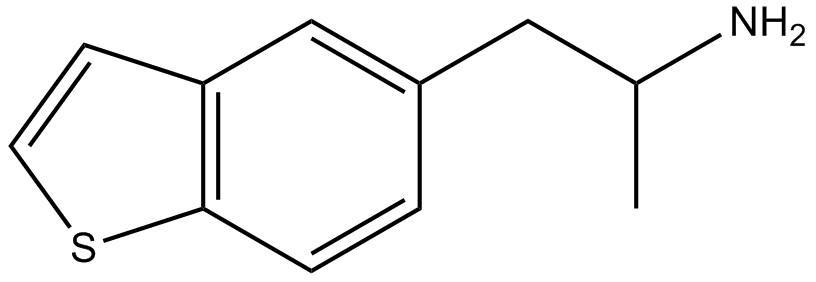
 ). Napthalene groups are active and are only slightly smaller than benzothiophenes.
