• Psychedelic Medicine
  • Psychedelic Medicine Moderator: mr peabody

FENTANYL DETOX

mr peabody

Moderator: PM
Staff member
Joined
Aug 31, 2016
Messages
6,109
Location
Frostbite Falls, MN
tingri-everest-base-camp-trek.jpg


The Promise of Psilocybin-Assisted Therapy for Opioid Use Disorder

Author(s)Craig Kimble, PharmD, MBA, MS, BCACP, TTS, Alberto Coustasse, DrPH, MD, MBA, MPH

Traditional pharmacological approaches for treating opioid dependence—including methadone, buprenorphine, and naltrexone—work by interacting with μ-opioid receptors, helping to relieve withdrawal symptoms and cravings without inducing euphoria.6,10 With or without adequate counseling, these treatments have inconsistent efficacy and high relapse rates (40%-60%).

In West Virginia, researchers offer a compelling case study on the barriers preventing individuals who inject drugs from accessing evidence-based treatment programs. The West Virginia University Comprehensive Opioid Addiction Treatment program aims to address these challenges by integrating various therapeutic modalities, including medication and adjunctive support for psychosocial needs.13 This program and the ongoing crisis highlight an urgent need for alternative treatment options, particularly for individuals who have not responded to conventional therapies.​

Psilocybin for OUD

Psilocybin has garnered attention and even been given a breakthrough therapy designation by the FDA for treatment-resistant depression. It is also being studied for its potential therapeutic effects in treating substance use disorders (eg, alcohol, nicotine) and OUD.

Unlike traditional pharmacotherapies, psilocybin may operate on the brain’s neurotransmitter systems and promote neuroplasticity, which could facilitate lasting changes in the behavior and thought patterns associated with addiction.5 Although research into the efficacy of psilocybin for OUD is still in its early stages, preliminary findings suggest that psilocybin may help reduce opioid cravings by agonism at serotonergic receptors, particularly 5-HT2A, and to a lesser extent, 5-HT1A; this activity has been shown to alleviate withdrawal symptoms and lower relapse rates.

Psilocybin treatment models typically take an assisted-therapy approach, which incorporates a licensed care practitioner within a controlled therapeutic setting; clinical trials have shown this approach can enhance introspective and emotional processing for patients, improving treatment outcomes. These therapeutic sessions, in conjunction with psilocybin treatment, may enable patients to recognize underlying psychological factors, such as trauma, and comorbidity of other mental health issues that may be contributing to addiction.​

Research Gaps and Future Directions

Despite promising findings using psilocybin in OUD, several critical research gaps must be addressed before psilocybin can be widely adopted as a treatment option; particularly, challenges remain around the efficacy of blinding in clinical trials. Because of this challenge, the FDA published guidance for clinical trials with psychedelic drugs on June 23, 2023, which aims to help overcome some of the challenges noted by investigators in prior trials. Future studies must aim to 1) clarify optimal integration with existing pharmacological and psychosocial interventions, and 2) ensure a holistic treatment approach to maximize outcomes. Long-term research is also necessary to assess the sustainability of psilocybin therapy in preventing relapses and improving overall well-being in OUD.

It is also essential to evaluate the safety profile of psilocybin. Although early studies indicate a favorable safety record, high-quality randomized controlled trials are needed to confirm psilocybin’s safety for treating OUD. Furthermore, ethical oversight is essential in psychedelic clinical trials to ensure participant safety and prevent investigator misconduct. Recent challenges in 3,4-methylenedioxymethamphetamine clinical trials for posttraumatic stress disorder—which led to the rejection of the drug by the FDA on August 9, 2024—highlight the need for robust ethical frameworks to protect participants and maintain scientific integrity.​

Collaboration

Pharmacists have an opportunity to play a pivotal role in the advancement of addiction treatment with psilocybin-assisted therapy. Organizations such as the Psychedelic Pharmacists Association (PPA) are championing efforts to include pharmacists at the table in discussions around guideline recommendations for states and federal organizations looking at introducing psychedelic-assisted therapy programs. PPA also has materials available for pharmacists on how they can get involved in these discussions at state and federal levels, if they are interested in doing so.

As medication experts, pharmacists can contribute to the development of psychedelic medicine treatment protocols, assist with caring for patients transitioning from OUD to psilocybin therapy, and provide valuable insights into the medication management process. Psilocybin is currently available through various treatment program models in Oregon and Colorado, and New Mexico recently passed the nation’s first legislature-driven psilocybin access model (vs Oregon’s and Colorado’s ballot measures) as a part of SB 219, the Medical Psilocybin Act, which establishes the third state-legal psilocybin access system in the US.

Additionally, 6 cities in California (Berkeley, Oakland, Santa Cruz, Arcata, San Francisco, and Eureka), 1 city in Maine (Portland), 5 cities in Michigan (Ferndale, Detroit, Hazel Park, Ann Arbor, and Ypsilanti), 1 city in Minnesota (Minneapolis), 4 cities in Washington (Seattle, Port Townsend, Olympia, and Tacoma), and 8 cities in Massachusetts (Easthampton, Somerville, Northampton, Cambridge, Amherst, Salem, Provincetown, and Medford) as well as Washington, DC, have decriminalized psilocybin.

Decriminalization ultimately does not support legal medical access to the drug, but it does allow individuals to access the drug without criminal liability, which may result in patients using psilocybin for treatment outside medical programs and having questions for health care professionals about their treatment plans.

In addition, pharmacists can build partnerships with mental health professionals and addiction specialists to create a collaborative framework that incorporates psilocybin within a comprehensive treatment model. Such collaboration can address all facets of a patient’s recovery journey, from medication management to psychological support.​

Conclusion

Exploration of psilocybin as a treatment for opioid use disorder represents a step forward in addressing the opioid epidemic. As research unfolds, evidence supporting the therapeutic efficacy and cost-effectiveness of psilocybin is likely to increase, resulting in more patients having access to this treatment and potentially lowering the overall costs associated with the opioid crisis.

Despite challenges such as federal rescheduling, incorporating psilocybin-assisted therapy into existing treatment frameworks could greatly benefit individuals in recovery from OUD. By embracing evidence-based practices, pharmacists can help shape future addiction treatment, with psilocybin potentially playing a key role in addressing the opioid crisis and reducing financial burden.

 
Last edited:

The Case for Ibogaine | Thomas Kingsley Brown


Scientist and researcher, Thomas Brown, discusses the potential benefits of ibogaine, an African shrub that is being used to treat opioid addiction. Recently, Brown worked on a study on how effective ibogaine treatment is for opioid addiction. The study showed that ibogaine is effective for detoxing, reducing opioid use, and providing long-term improvement in social and family status.
 
Last edited:
2CezPcm.gif


Addicts turning to ibogaine as a last resort

by Stefanie Cohen

After suffering from anxiety and depression, freelance writer Stefanie Cohen sought help at an ibogaine clinic similar to the one where banking heir Matthew Mellon had received treatment and was about to check into again before his death last week. Cohen found the results so effective, she worked for a time for the Ibogaine Institute, writing web copy for the center. Here, she tells what it’s like taking the drug and why so many people are turning to it for help…

I’ve been running through a gauntlet of people for the past four hours, answering questions, laughing at jokes, getting spit on and hit on and molested. At every turn there’s another person who wants something from me. Some shout. Some whisper so quietly I can barely hear them. And their faces and bodies keep morphing, too — they get fat and thin and tall and short all within a matter of seconds. My parents are there, somewhere, and my sisters, too, but I can’t find them right now because a giant man with six faces is coming right for me.

None of these visions are real. I’m actually lying on my back with a heart monitor taped to my chest in an ibogaine clinic in Rosarito, Mexico. Earlier in the night I swallowed three pills of ibogaine — an alkaloid derived from the African Tabernanthe iboga plant — and I’m in the middle of what feels like the most demented fever dream my mind could possibly imagine. Which is exactly what it is.

Last week, the banking heir Matthew Mellon died on his way to an ibogaine clinic in Cancun, where he was to receive treatment for his $100,000-a-month OxyContin addiction. He reportedly died before he checked into the center, which he had been treated at in the past. Although he was not receiving ibogaine therapy when he died, his passing has brought attention to the plant medicine, which has been used as a remedy for opioid addiction since the 1960s. Every year, more and more desperate Americans hooked on heroin and pharmaceuticals like OxyContin flood to clinics in Mexico and other countries to receive the cutting-edge addiction treatment. Ibogaine is illegal in the US, but it’s unregulated in many other countries, including Mexico.

I found myself at the Ibogaine Institute in Rosarito not because I was addicted to heroin, but because I was anxious and depressed and couldn’t figure out why.

I’d been working as a journalist in New York for years, having climbed every ladder I thought I was supposed to climb, but found myself leaning against the wrong wall. I was drinking way too much and waking up each day wishing I hadn’t. I felt like I had lost touch with my soul, so I quit my job and went in search of it. But what followed was even worse — a year of not working with no idea what I was going to do with my life.

I’d taken Xanax to calm me in the past, but it was only masking the problem. I wanted to dig out.

I decided to seek out alternative cures, so I went to a conference on psychedelic science in Oakland last April, where doctors and researchers shared the most cutting-edge science on the subject of psychedelics and mental health. I was fascinated, but I wasn’t feeling any better. So when a man came up to me in the hotel lounge and asked what was wrong, I surprised myself by being honest. “I am filled with anxiety and I don’t know why,” I said.

“You know,” he responded, “ibogaine can treat that.”

I had heard about ibogaine and its positive effects on people suffering from heroin addiction, but the man explained it can be used to treat other issues, too. He explained that one “flood dose” of ibogaine can reset the neural pathways in the brain, breaking the destructive thought patterns that keep a person locked into bad habits. The man, Scott Ankeny, explained that he ran an ibogaine clinic near Tijuana and I should come do a treatment and write about it.

I couldn’t imagine anything more anxiety-fueling than the thought of flying to a rehab in Tijuana to take a psychedelic plant. But Ankeny kept in touch with me, and a month later, when I was in a particularly bad state, I figured I had nothing to lose.

So in May of last year, I checked myself into the Clinic. Consisting of a few connected houses on a cliff overlooking the Pacific Ocean, it didn’t feel like a clinic. The other patients were from all over the country and they seemed really happy, considering where we were. I, meanwhile, was nervous and wondering if I’d made a huge mistake.

A month’s stay at the institute includes not only ibogaine, which adherents claim detoxes the body and mind, but also a rigid schedule of classes meant to teach new coping skills to handle stress without turning to drugs. Yoga was offered daily, along with qigong, an ancient Chinese system of breathing and movement. An acupuncturist visited a few times a week. Everyone was expected to attend therapy and AA sessions. The clinic made full use of other alternative medicines, too. A week after the ibogaine session, patients would be given 5-MeO-DMT, a psychedelic made from the venom of a desert toad that, when smoked, brings on an emotional and often deeply spiritual experience. And a week after that, they would also take part in three ceremonies administering ayahuasca, a hallucinogen used for therapeutic and spiritual insights. The whole program was designed by Ankeny (who has since left to work with another clinic) not only to detox but to heal the body, mind and spirit.

In between classes, patients talked about movies, life, their families, their sadnesses. Laughter rang through the houses all day. But some were also angry. Getting clean, seeing what damage they’d caused to themselves and others was painful.

When I first arrived, I was given an EKG to make sure my heart could handle ibogaine because one of its side effects is that it can slow the heart to a point where heart failure, especially among those with an abnormal heartbeat, is a possibility. I wasn’t at risk, but nonetheless every patient is hooked up to a heart monitor throughout the treatment.

Five days into my stay, I was led to a room with a bed where a nurse hooked me up to an IV so I’d receive fluids and nutrients before treatment while she explained the procedure.

I was told I’d take three pills and a little bit later I’d begin to see swirling patterns on the ceiling, which meant the medicine was in my system. The actual trip would begin when I heard a buzzing noise, she said. An ambulance was parked outside the clinic and a paramedic would be on hand throughout my treatment, just in case.

I lay down, put on my blindfold, and said a prayer. While I waited, I heard a motorcycle pull up behind the house. Then another. I called the nurse over. “Why is there a motorcycle gang outside?” I asked. She smiled. “There’s no gang,” she said. “That’s the medicine kicking in. That noise is inside your own head.”

It was so loud, I couldn’t believe it. Moments later I saw two giant wooden doors descend from the ceiling. Slowly they opened. I left the bed and floated through them. The trip had begun. Then I was in the gauntlet of people, a looping maze that went down at first, and then up, endlessly. I must have talked to 1,000 people that night.

After what I’m guessing was about six hours, the medicine finally wore off. I had hardly moved, although I asked the nurses later and they told me that I was talking out loud at some points and laughing even. I sat up, took off my blindfold and felt .?.?. clear. My head, normally filled with so many racing thoughts, was completely quiet.

"Researchers are not entirely sure how ibogaine works. One theory is that it may suppress an enzyme that causes the flu-like symptoms associated with opioid withdrawal," said Dana Beal, a science writer and ibogaine expert. "It may also regenerate cells damaged by drug use."

In addition, ibogaine-induced hallucinations reportedly help users see their lives in a new way, allowing them to understand what caused them to use in the first place.

But there are risks involved. There are no hard numbers, but University of California, San Diego, researcher Thomas Kingsley Brown, who studies ibogaine, estimates that about 30 people have died from taking the medication for opioid addiction since the 1960s, when it was found to treat heroin addiction.

“The majority of ibogaine-related deaths are cardiac-related, generally involving preexisting cardiovascular disease or problems with electrolyte levels often caused by poor nutrition, which drug users often have,” said Kenneth Alper, a psychopharmacologist at NYU who studies ibogaine. “Meaning, many of these risk factors are to a great extent preventable,” he said. “Appropriate screening, preparation, monitoring during treatment and personnel trained to deal with cardiac issues are needed when administering the plant medicine, but even in that perfect world you may still have fatalities.”

At the same time, addicts have to weigh the risks of ibogaine treatment against the dangers of heroin and other opioids. According to data released this month by the Centers for Disease Control and Prevention, drug overdoses in the US have increased by 13.3 percent from August 2016 to August 2017, and now total 67,344 deaths per year. Drug overdoses now kill more people than gun homicides and car crashes combined. The vast majority of those overdoses are caused by opiates, said Alper.

Kingsley Brown estimates that, conservatively, about 12,000 to 15,000 people have undergone ibogaine treatment in the West since 1962. There are roughly 80 clinics worldwide, he said. Others believe the number of patients is much higher. But everyone agrees the use of ibogaine as a treatment is growing exponentially as the opioid epidemic explodes. Meanwhile, 15 percent of the Ibogaine Institute’s clientele are people suffering from depression and anxiety, said Thom Leonard, who now runs the clinic.

“Ibogaine does bring with it a serious risk and should never be taken lightly,” Leonard said. “But with the proper screening and testing carried out, that risk drops to an acceptable level. And if you look at the fact that the average life expectancy of an IV drug user is somewhere around 6 years and overdose has taken over as the No. 1 cause of accidental death in the United States, it starts to become clear that the minimal risk involved in undergoing an ibogaine treatment done in a safe setting by a reputable provider is the least dangerous choice an addict can make.”

A study by Alper and Kingsley Brown published last year in Mexico found that among the 30 addict participants, 50 percent reported no opiate use one month after ibogaine treatment and 33 percent reported no use after three months. According to the results of that study, ibogaine’s rate of success is higher than traditional anti-addiction medications, like methadone and suboxone, which only 15 to 25 percent of addicts said led to no opioid use four to six weeks after stopping treatment, according to Alper.

People do relapse after ibogaine treatment. Many return to their lives only to be tempted to use again by the same triggers that got to them before. But it’s different, said one former patient who asked not to be named. “Ibogaine isn’t a cure,” she said. “I can say that for me, I could never put more than a few days sober together for 28 years. After ibogaine, I’ve used heroin one time this year. I also didn’t enjoy it, and I immediately asked for help and am sober again now.”

Kevin Franciotti’s oxycodone habit turned into heroin addiction in 2010 while he was a student at Northeastern. He claims the ibogaine he took at a clinic in Mexico in 2011 stopped his addiction, at least for a time.

When the inevitable craving for a fix came, he wanted to call his dealer. “Previously it would be off to the races, no fighting it,” he said. But this time he thought, “I’m going to wait five minutes to make this phone call.”

Five years later, he did have a relapse. But after about six months, he pulled out of it. He credits ibogaine with a fundamental life change that allowed him to be open-minded enough to go through 12-step recovery. Now 31, he is at The New School, getting a master’s in clinical psychology.

Almost one year after ibogaine treatment, I can also attest to the plant’s positive effects. I’m calmer now and more naturally drawn to nicer, more loving people. I guess maybe I’m nicer and more loving myself. I still have moments where my brain kicks into high gear, filled with thoughts it has no business thinking. But I can control them better now.

But my experience is nothing compared with my fellow patients at the clinic. While there, I saw addicts walk in ashen and grey, their cheeks hollow, their eyes dull. After treatment, they smiled. They gained weight. Their eyes sparkled. And many have since turned their lives around.

Jeremy Shank, 43, of Seattle, is one of them. After battling a heroin addiction for 12 years while living on the streets and “welcoming death,” he has been clean since visiting the Ibogaine Institute in April last year and is now a college student.

“I’d like to say that these plant medicines gave me back my life,” Shank told me. “But really I can’t say that, because this is so much better than the life I had before.”

https://nypost.com/2018/04/21/is-a-m...-to-addiction/
 
Can This End Addiction for Good?


In West Virginia, one of the states hardest hit by the addiction crisis, neurosurgeon Ali Rezai is pioneering a new, non-invasive approach to treating addiction. Using highly focused beams of ultrasound, his team at the Rockefeller Neuroscience Institute targets the specific regions of the brain hijacked by compulsive behavior. This modulates neural circuits without surgery, without drugs, and without a single incision. Patients who have struggled with addiction for decades — including opiods, methamphetamine, and binge eating — describe striking results.
 
LONDON.jpg


Talking ibogaine research for opioid addiction with Thomas Kingsley Brown*

By Jordan May | Psymposia

Thomas Kingsley Brown, PhD, studied the long-term outcomes of people who received ibogaine for the treatment of opioid addiction. We talked about the results. Read the full series.

Thomas Kingsley Brown began conducting research on ibogaine treatment for drug dependence in 2009, when he carried out interviews with patients at a clinic in Tijuana, Mexico. In 2010, he began an observational study with the Multidisciplinary Association for Psychedelic Studies (MAPS) on the long-term outcomes for individuals who received ibogaine for the treatment of opioid addiction. The study was published in 2017.

Psymposia had the opportunity to speak with Kingsley about his work. Specifically, we explore the methodology and outcomes of the study with MAPS, ibogaine’s mechanism of action, and we pick his brain about the future of ibogaine research and ibogaine’s non-psychoactive analog, 18-MC.​

Thanks for talking with us. So, when did you first hear about ibogaine?

I didn’t know about ibogaine before 2008. A friend of mine was working as a counselor at one of the clinics in Baja, California, and she started talking to me about it. She actually was the one who got me into the research, because she knew I was interested in psychedelics. She introduced me to Rick Doblin at Burning Man one year, I think in 2008, and about a year later MAPS was looking for somebody to do their ibogaine study in Mexico. I was well situated here and I had already started doing interviews with people at the clinic in Tijuana. That was Pangea Biomedics, where Clare Wilkins is director. Anyways, I said, “Well, I’m here in San Diego.” It was a good match, not only for them, but for me.​

Could you talk about that study a bit?

We were looking at a treatment for substance abuse, more specifically we were looking at treatment for opioid use disorder. We were looking at opioids in particular for a couple reasons. Opioid addiction seems to be more intractable than pretty much any other kind of addiction, and more people go to treatment for opioids than for any other [substance]. The number one thing that people are going to ibogaine treatment sites for is to treat their opioid addiction.

So we enrolled 30 people in the study, whose primary problem was with an opioid. Roughly half of them were using heroin and the other half were coming in with problematic use of some kind of prescription opioid painkiller, like Oxycontin. We did pre-treatment measures and then did after-treatment by following up in the days after the treatment. I followed up monthly, for 12 months, to see how the treatment was working for them in the long term. That was the basic set up.​

And was it effective? What were the outcomes?

We were looking to answer 2 main questions. One is to see if ibogaine is effective for detox, that is the short term efficacy in regards to whether or not it’s reducing withdrawal symtpoms. We used the SOWS measure, which is a scale of subjective opioid withdrawal symptoms, before treatment and after treatment to see if there was an effect after ibogaine was administered. We looked at 1 month following treatment, and then we followed up at later time points. The second question is, is it effective for reduction in drug use and other associated problem narratives for 12 months after treatment? We found that yes, it’s effective for both detox and reduction in drug use for 12 months.

We found at 1 month that there was a strong effect in terms of drug use severity. We were using what we call the addiction severity index. There’s about 7 different problem areas, including drug use severity. Areas where we found that it had increased were treatment effects in family and social status, and also in legal status. Legal status is asking if you’re in trouble with the law, family/social status is asking how well you get along with people in your life that matter to you. We saw a good treatment effect at 1 month in all 3 of those areas – drug use severity, family/social status, and legal status.

We looked at the time after 1 month and found that the treatment effect was still significant. The scores in those areas were all significantly increased throughout the follow up period, although the strength of the treatment effect did drop off after 1 month, particularly drug use severity. Even though they continued to do well throughout the 12-month period, relative to the pretreatment baseline, the effect wasn’t as strong at later time points as it was at 1 month.​

That’s interesting. Could follow-up treatments be useful here for maintaining the initial effect of ibogaine treatment?

I think getting another treatment within 3 to 6 months of the initial treatment is useful for a lot of people. It seems to be effective for people when they relapse or just need to have a booster. The animal studies that were done also show that if you have more than 1 treatment, its more likely to be effective. So on the whole I would say, yeah, if you can get multiple treatments – that’s a good idea.​

Another thing that’s also effective is following up with smaller dosages, but there isn’t any research that’s been done with people to see how often that’s necessary.

Was there anybody in the study who it didn’t work for at all?

That’s a good question. Out of the 30 people in the study, there were 3 whose SOWS scores actually increased from pre-treatment to post-treatment. You might say, “Oh, this didn’t work for them.” But those 3 people, their baseline SOWS scores were among the lowest, and they had the least severe withdrawal symptoms going into treatment. It also could be that they were coming off of longer acting opioids like methadone, so it’s not clear what’s going on there.

Everyone in the study stopped using for at least 3 days to a week. There were 15 people in the study who at 1 month had not used any opioids at all. And everybody reduced the amount and the frequency of their opioid use in the months following treatment. So from that perspective I’d say it worked for everybody but it really depends on what you define as efficacy in this case. Some people might say if you relapse at all then it didn’t work. But they did actually stop using for a while, and when they go back to using, the dosage they’re using is a lot less than it was before they were treated. So all in all, I’d say it works for everybody – it’s just a matter of how well it works for them.​

What are the potential implications of this study for the future of ibogaine research?

Well, I think the implications are that the Mexico and New Zealand studies are both showing that ibogaine is effective for detox, and for allowing people to significantly reduce their use of opiods. So that’s a big deal all by itself.

In the Mexico study, at least in some ways, it was sort of a worst-case scenario for giving ibogaine. You’re giving somebody this treatment, and then typically 5 to 7 days after, they’re going back home. This is not what you usually want to do if you’re trying to get somebody off of opioids, is put them right back in the context they were using in on a regular basis without any follow up at all. So even though we got good results there wasn’t any follow up. I think one thing that we should be looking at is the potential impact of any follow up care, whether it’s a second or third ibogaine treatment following up with microdosing, psychotherapy, any kind of follow up care. What would be the impact of that?

There’s 2 parts to this next question. Firstly, what do we know about ibogaine’s mechanism of action? Secondly, do you think ibogaine’s psychedelic effects play a role in its ability to interrupt addiction, or is it strictly pharmacological?

So to answer the first question, we know a lot about the pharmacology of ibogaine. We know enough to be sure that it doesn’t act in the same way as conventional treatments. It’s not an opioid agonist like methadone or buprenorphine. We also know that it’s acting at many different receptor sites and doesn’t have a strong affinity for any one receptor type. So it’s kind of a dirty molecule in that respect, that it doesn’t really have a clean profile in its activity in different receptors.

That said, we don’t know what its mechanism of action is at the pharmacological level. We don’t know why it’s reducing withdrawal symptoms or why it potentiates the activity of opioids. We don’t know why it reduces cravings either. There aren’t any real clear answers there. So that’s the big question, how is it working? I think there must be some kind of pharmacological mechanism, at least with the reduction in withdrawal symptoms. I just don’t imagine the psychedelic effect having any direct impact on withdrawal symptoms. We know it’s not a placebo effect because placebos aren’t effective for opioid withdrawal. So there’s some kind of underlying biochemical effect that hasn’t been elucidated yet.

As far as reducing people’s use of opioids in the long term, I think there must be some kind of impact from the psychedelic effect. The experiences people have with ibogaine, and the insights they get, must have some kind of effect – but that’s something that hasn’t really been studied very much. There’s a bit of data in our study that seems to indicate some kind of correlation between positive treatment outcomes and the intensity of the effect, in terms of psycho-spiritual impact. But the main reason I think there’s some kind of impact from the psychedelic effect is that people tell me. They have regrets about the way they’re living their life, they have regrets about their relationships with other people in their lives, they see the impact of their behavior and they see where they’re heading if they continue on their current path. It seems like there must be some effect when people have these powerful transformative experiences. That’s my sense of it, anyway.

That’s actually a good segway into the next question. Could you explain what 18-MC is?

18-MC is a synthetic congener to ibogaine, so it’s structurally related. It’s basically using the same chemical backbone that ibogaine has, the same basic ring structure -but its got some different functional groups on it. It’s also been tested in animal studies in the same ways that ibogaine has, and has been shown to be effective in the same sort of ways, reducing withdrawal-like symptoms in animals and also reducing the self administration of drugs.

So it seems to be effective in animal models, but it’s thought that it’s probably not psychoactive. That’s a question that still hasn’t been answered, to my knowledge. I don’t know of anybody who’s ingested 18-MC to be able to say whether or not there’s some kind of psychoactivity. It’s quite possible that there could be, but we don’t know for sure. The company that got a grant to do human studies with 18-MC haven’t released anything about it. I don’t know if they’ve actually carried out the study.

Are there any major barriers to further research with ibogaine?

It’s kind of a complicated answer, but essentially ibogaine is made illegal because it’s psychoactive. So that’s obviously a big barrier to doing research in the US. We’re not allowed to do research on it without getting permission, which hasn’t been granted. There’s also the fact that there are risks associated with ibogaine usage. The estimates are that around 1 in 300 or 400 people will die. That’s actually cited by the FDA as the main reason why they won’t consider taking it off schedule 1.

It’s a legitimate concern, but I think it’s overblown. The risks of not treating people in the midst of this opioid crisis are much greater than the risks of administering ibogaine, especially when you can have medical personnel present during the treatment. There’s no reason not to make ibogaine treatments accessible and available to people in this country. They probably aren’t taking it off schedule 1 anytime soon, maybe ever – but there are states, such as New York and Vermont, looking into possibly allowing its use. They’ve both introduced some legislative efforts attempting to allow ibogaine treatment and research. So maybe at a state level those kinds of changes can be made, and we can work around the federal regulations.

That’d be interesting to see, if different states started to challenge the federal laws on that. It’s one thing to go after medical marijuana; you know the federal government can go into Oakland and shut down a dispensary, but it’d be another thing entirely to try to stop people from getting ibogaine treatments when you have hundreds of people dying from overdoses everyday.

Is there anything you’d recommend for people interested in getting involved with psychedelic research?

For someone who’s interested in psychedelic research, I would say choose a program that will allow you to follow that interest. My advice is to find a graduate program where you can work with somebody who is, if not doing something directly related to what you want to do, at least somebody who you can talk with freely about these substances.​

The main thing is don’t give up. If you say, “I’m gonna study psychedelics,” don’t let anybody else tell you that shouldn’t do it.

*From the article here :
 
giphy.gif


Ibogaine presents unique challenges to the ways we approach addiction treatment*

by Jordan May | Psymposia

This series explores the unique challenges ibogaine presents in how we approach plant medicine, harm reduction, and treatment for addiction, through the lens of ibogaine researchers, providers, patients, and advocates from around the world.

My addiction started when I was 13, with prescription medications. I knew it was over the very first time I took an opiate. It was set, that this was going to be my addiction for a long time.”

There’s a brief silence as the woman sitting across from me takes a moment to swallow the lump in her throat. Her name is Amy. She’s a nurse from Canada, and she’s spent the majority of her life addicted to opioids.

“It developed into a more serious addiction over time, to the point where I was using them intravenously, when I became a nurse and had access to injectable medications. So my use got really, really out of control.”

We’re sitting amidst a hustle and bustle of people as they come and go through the hotel lobby. The sound of excited chatter dominates the space, and despite the heavy undertones of our conversation, you can feel the electricity in the room.

This is the setting for the European Ibogaine Forum, a small conference that took place in Vienna, Austria this past September. The event attracted an unlikely crowd of people from all walks of life. Doctors, researchers, drug users, and hippies from around the world came together for their shared interest in an obscure hallucinogenic alkaloid – ibogaine.

Sourced from the African shrub Tabernanthe iboga, or simply iboga, ibogaine is reputed to have the profound ability to eliminate opioid cravings and withdrawals. And unlike other psychedelics, ibogaine can be fatal. As such, it presents unique challenges in how we approach drug policy and addiction.

Iboga has a long history of use in west-central Africa. Consumption of the root bark, specifically, is intimately tied to the ancient spiritual discipline known as Bwiti, which is believed to have originated with the Babongo people in the Southern forests of Gabon. It’s said that the Babongo shared their knowledge of iboga with a migrant Bantu tribe that settled nearby, the Mitsogho.

Bwiti continued to evolve as the Mitsogho people came into contact with other tribes, such as the Fang, and now exists in the form of many diverse and interconnected syncretic belief systems that use iboga as part of their practice. In these contexts, iboga is typically ingested during initiatory rites of passage, for healing, and to make contact with ancestors.

Iboga and its constituents remained relatively unknown in the West until recent years. Ibogaine was first isolated in 1901, and in 1939 it was marketed in France under the brand name Lambarène for the treatment of depression and fatigue. It wasn’t until 1962, on the streets of the Lower East Side in New York City, that the drug would attract any serious international attention.

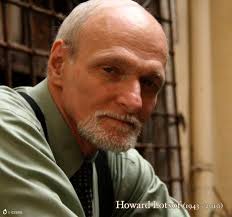
Howard Lotsof was only 19 years old when he first tried ibogaine. He was addicted to heroin and willfully experimenting with any substance he could get his hands on. The story goes that he was given ibogaine by a friend of his, who happened to be a chemist. Howard had never heard anything about the strange compound, and he chose to ingest it for no reason other than curiosity. Yet curiously enough, by the time the experience was over, he realized he no longer had any cravings for heroin whatsoever.

He went on to share the drug with his friends, who were also addicted to heroin, and it seemed to have the same miraculous effect on them. From that point on, Howard became a kind of evangelist for the addiction-interrupting potential of ibogaine. Between 1985 and 1992 he was awarded numerous patents for utilizing ibogaine as a rapid method for the interruption of various addictions, and he provided pilot data for a research program that eventually resulted in an FDA-approved Phase I clinical trial for ibogaine in the treatment of addiction.

At the same time, Lotsof also offered underground treatments and provided ibogaine for the Junkie Bond, an advocacy group for drug users. This work served as the foundation for the users-helping-users movement, a treatment modality rooted in harm reduction and self-care.

Howard died in 2010. Ultimately, his crusade involved a small army of devoted individuals, some of whom are featured in this series. Howard’s journey laid the groundwork for a movement that’s been steadily growing since his fateful experiment in 1962. Since his death there has been a tremendous resurgence of interest in psychedelics, and drug-related overdoses have continued to rise at exponential rates around the world. In fact, overdose is now the number 1 leading cause of death in Americans under 50. Given these circumstances, perhaps it’s inevitable that the ibogaine movement has grown so significantly since Lotsof’s passing.

Though still relatively obscure, the premise that ibogaine can be used for the treatment of addiction is becoming more accepted. Since 2010 there have been over 200 scientific papers about ibogaine published in academic journals, and legislation to legalize it for medical use has been introduced in states like Vermont. With all of this attention, one might wonder why it’s still so unheard of.

Ibogaine is unlike other psychedelics in that it is potentially cardiotoxic and physically dangerous. The National Institute on Drug Abuse abandoned clinical trials with the drug due to safety concerns spurred by neurotoxicity observed in rat trials (however, the doses were substantially larger than equivalent doses that would be given to humans). Ibogaine is also classified as a Schedule 1 narcotic in the United States, and thus individuals seeking to use it must either find it through the black market or travel to foreign clinics in countries where it is not strictly prohibited.

“Because of the unregulated nature of ibogaine treatments, people are playing a lottery as to what kinds of results they will get,” says Hattie Wells of the Beckley Foundation. “Ibogaine clinics range from very good to pretty dangerous, and I wouldn’t recommend people take it without experienced medical supervision and a proper post-treatment program of support in place.”

That it elicits powerful visionary experiences lasting for up to 3 days is yet another factor contributing to the lack of acceptance for ibogaine as a legitimate treatment in the medical world.

“There are examples of licensed medications that carry cardiac risks, but none which also exert long lasting ataxia and a psychedelic trip. It’s not what conventional medicine would call very useable,” Hattie explains.

Ibogaine sits at the intersections of numerous social issues, tossed between movements for drug users advocacy, drug policy reform, and psychedelic research like a political hot-potato. Nobody seems to want to touch it, and yet there seems to be no better option in sight.

Amy was one of several people I spoke with at the Ibogaine Forum who had tried conventional treatments, such as methadone maintenance and 12-step programs, with limited or no success. Desperate, she ultimately turned to ibogaine as a last resort.

This conversational series is an exploration of these stories, a comprehensive look at the use of ibogaine as a medical intervention, a religious sacrament, and a source of misinformation and controversy. Opinions about ibogaine seem to vary from one extreme to the other in virtually every context– its efficacy as a treatment for addiction, its safety, and even whether or not it should be regulated at all are contested by advocates and opposition alike.

I found Amy’s story particularly important to include because of how effectively it highlights the nuances of the ibogaine world. For example, it didn’t really work all that well for her, initially.

“I did a lot of research before going to the clinic in Mexico, but it actually was not a very positive experience,” she told me. “I left the clinic in a wheelchair. I couldn’t even walk. I was still having serious withdrawal that lasted for weeks after the ibogaine experience.”

When I first heard about ibogaine, I was given the impression that it’s a straightforward cure for drug addiction, a kind of magic pill that you take once to solve all your problems forever. Most of the information I could find online seemed to follow this same narrative. Yet quite frankly, there’s nothing straightforward about ibogaine at all.
Many advocates are cautious of how ibogaine may be integrated into a medicalized pharmaceutical framework, with access to it overseen by regulatory agencies with little accountability. Some voices have expressed concerns about the long-term sustainability of international demand for ibogaine, claiming that iboga is becoming scarce due to unsustainable overharvesting. Others believe these claims are politically and economically motivated.

Over the next month, Psymposia will be releasing a series of interviews and conversations featuring key figures in the ibogaine movement. Our goal is to explore diverse, and often conflicting, perspectives on the relevant issues. We spoke with clinical researchers and facilitators, underground providers, activists, policy workers, and of course, individuals who have taken ibogaine for medical, spiritual, and recreational purposes.

Amy did eventually get through withdrawal and her cravings disappeared, temporarily. Her exposure to ibogaine provided a valuable window of opportunity for her to begin making the changes necessary for her recovery.

“I had some serious trauma in my life prior to taking that ibogaine dose, and the experience helped me resolve that trauma in a way I hadn’t been able to with years of counseling. I walked out thinking, once my withdrawal was completely over with and I realized my cravings were gone, ‘This is pretty amazing.’”

The political stigma attached to ibogaine is so strong that I had to agree not to use Amy’s real name in anything published by Psymposia. Amy could lose her job and see the end of her career as a nurse if her employers were to learn that she had ever used ibogaine, despite the fact that it’s a legally prescribed medication in her country.
Like ibogaine itself, there’s much more to Amy’s story than what’s presented here. As we dive into the complexities of the ibogaine world, we’ll revisit Amy on her path to recovery. For now, we’ll start by taking a look at the cultures that have used iboga the longest. Our exploration begins in the heart of the equatorial rainforests of west-central Africa, specifically, in Gabon.

*From the article here :
 

CAMBS.jpg

Former underground provider, Dimitri Mugianis, on the regulation of Ibogaine

by Jordan May | Psymposia

“Prescription is not about accessibility, by definition it’s about restriction. Unless we start to use psychedelics as a way to tear apart these structures and build new ones in their place, then I think it’s all a revolving door.”

Dimitri Mugianis is well known in the ibogaine world for his work as an underground provider in the early 2000’s, and for his fiery no-nonsense approach to psychedelics, drug policy, and social justice. Dimitri currently works at the New York Harm Reduction Educators and is the founder of We Are The Medicine, a group working to center conversations surrounding spirituality and drug use.

What follows are the highlights of our conversation. Knowing that Dimitri infuses a political praxis into his work, we were particularly interested in his perspective on the regulation of ibogaine in the United States.
So, what’s your relationship with ibogaine?

I first heard about ibogaine probably in 1991 or 1992. I was injecting heroin, getting high with some people, Greta and Adam Nodelman. They were involved with Howard Lotsof in Holland. Adam was American and Greta was Dutch. They were involved in the anarchist movement, the squatters movement, and so forth. They told me about this thing called ibogaine that they had both taken. They said it was a life changing experience. That was the first time I ever heard anything about it.

It took me probably about 10 years before I actually took ibogaine. I was around it in New York, so I ended up contacting Dana Beal and he told me where to go. I went to Holland to do it. At that point I had been using for 20 years, injecting heroin and cocaine. I was also on methadone, so my habit was very big. My pregnant common-law wife had died, many of my friends had died, so I just made the move.

I did the treatment right outside of Amsterdam, and afterwards I never had a desire to use again. It was an incredibly grueling process. I went right off of methadone into the treatment. I took iboga actually, not ibogaine, for the first time. It was a powerful experience. I didn’t go through the process of physical withdrawal that I knew would be associated not only with heroin withdrawal, but methadone withdrawal – which is crushing. I spent the next 3 months in Greece, where my people are from.

I came back to the States and continued in my recovery. I enrolled in 12 steps, but I had a burning desire to help others who didn’t have access to this treatment. So I began to administer ibogaine to people in the underground. For some of that I worked with Eric Taub, one of the pioneers in the ibogaine world, and we handed out fliers in front of methadone clinics. I treated over 500 people and was eventually initiated into Bwiti, in Gabon. I went back 6 times, studying and being involved in ceremony, and eventually I incorporated the ceremonies into my work.

And then in 2011, I was preparing for the last treatment I was going to do in the States before burning out, and I was arrested by the DEA – and that’s a whole other story.
Have you remained in touch with any of the people who you provided treatments for?

I’m still in touch with a lot of them. Many people that I’ve worked with have framed it in a positive light. Not everyone, some of them just say they threw up a lot and saw weird shit, or didn’t see anything.

But I can tell you one story about a guy named Marcus. When I met Marcus he was kicking methadone and in really rough shape. We were doing the treatment and on the 2nd day he ended up running off. This was very early in my practice and we didn’t know how to keep people in, and it was just a bad scene.

Weeks later, I was really worried about him and happened to see him in the park. He was carrying CD’s under his arm, to sell for money, and he was wearing the same t-shirt he was wearing when he ran out. He was greasy and looked tired. And when he saw me he dropped the CD’s, burst into tears, put his arms around me, and told me it had changed his life. But he was still using, and Marcus eventually OD’d and died. He’s been dead maybe 6 years now.

I’ve stayed in touch with a lot of people and some haven’t used. Some have. I think the idea of a linear healing, with sobriety as the final result, produces shame. When people come back from these experiences, there’s all kinds of things that can be learned. Whether it’s around abuse and trauma, identity, sorrow, grief, all those things.
I’ll tell you something. Tomorrow I’m going to the funeral of someone who’s done ibogaine more than anyone I’ve ever met. I mean he probably did ibogaine over 20 times, flood doses. He died from an overdose last weekend, and he was like my little brother.

So I think that yes we need more maintenance. Methadone, Subutex, etc… should be more available. Yes, we need more treatment facilities. Yes, we need 12 step models and alternative models for those folks whom 12 steps doesn’t work for. Yes, we need harm reduction facilities. Yes, we need holistic healthcare. Yes, we need psychedelics.

But this brother did it all. And he still couldn’t stop.

You’ve been on both sides of the coin, so to speak – as someone who’s personally faced addiction and lost friends to it, and as a provider for people who didn’t have access to traditional treatment models. Given your experiences, and your politics, what are your thoughts on the movement to regulate ibogaine in the United States?

I think it’s a really complex question. My first thought is that it could be a helpful drug, but I think the existing medical paradigm is extremely damaging. Not only the medical paradigm, but our economic structure, which I think the psychedelic movement is desperately trying to be a part of. To me, it really shows the limitations of these drugs and these practices. The problem is that we come out of these powerful experiences and we immediately try to find a way to reintroduce them to these destructive paradigms that are destroying life on the planet.

So I think we need to have a structural analysis and approach to any sort of treatment modality. You have to look at what that system is looking for, and that system is not looking for detox – it’s looking for maintenance. There’s a lot of good reasons for maintenance approaches, but we also have to look at the prospect of turning someone into a perpetual consumer.

Many of the proponents of ibogaine are calling it a cure, but they’re looking at it in a linear way – with a beginning, a middle, and an end. In my experience with iboga it simply doesn’t work that way. How many people have actually taken it and changed their lives, or have stopped using drugs permanently? It’s in the thousands. Not the hundreds of thousands, and I don’t even think in the tens of thousands. So the numbers aren’t even there.

And if it were to get through the entire legislative process it would be put into a clinical setting. So what I would ask your readers is, “Why is the best place to take psychedelics with a shrink?”

I think that if you look at it, we’re handing these tools over to folks who have not stood the test of moral authority. I think they failed it drastically. I don’t think that the medical establishment has the moral authority to be the gatekeepers of this or any drug.

Again, when we talk about sobriety as the final result, it produces shame. It produces the same toxic relationship to oneself that brings people into addiction in the first place. I call it “psychedelic gaslighting”, the idea that there’s no such thing as a bad trip. That if you had a bad experience it was because you didn’t “work” hard enough, you didn’t let go. Fuck letting go. It’s just more shaming. We shouldn’t always try to reframe the experience when somebody has a bad time. We should stop the gaslighting.

So do I think it’s a good thing? I think that almost everything that comes out of the system at this point is just poisoned fruit. Say we bring ibogaine into the for-profit medical model we have now, that gives insurance companies the power to decide who gets treated – so who’s got good insurance, who’s got bad insurance, right?
We have to remember that prescription is not about accessibility, by definition it’s all about restriction. Unless we start to use psychedelics as a way to tear apart these structures and build new ones in their place, then I think this is all a revolving door.

You mentioned that someone may only take ibogaine a few times throughout their life, but microdosing is a hot topic right now. How do you feel about microdosing ibogaine, and how does it fit into a regulatory model?

I don’t think we can look at it in a vacuum. Let me just say that microdosing has been happening for thousands of years in Gabon. People take small amounts of it – and it’s great.

I just want to say it out loud. These drugs – psilocybin, MDMA, LSD, iboga, ayahuasca – are drugs that get you high. And they can be fun. I know it’s not politically correct to say that. No matter how many fucking naked Burning Man parties you’ve been to, you’re Protestant and you want to call this shit work. Ibogaine is a great aphrodisiac, it’s great to dance on, and it’s great to just walk around on.

We’re always looking for work. You know, all this shit about LSD helping people in Silicon Valley be more productive; I would hope that the opposite is true. I’d hope that we take psychedelics to be less productive in this system. Again, we’re in a Protestant, capitalist society and we can’t think outside of that.

So what I’d say about microdosing is let’s take the professionalism out of it. Why do we have to professionalize it? You don’t need a professional to microdose. I’ll break it down for you: take a little bit. If it’s not enough, take a little bit more. If it’s too much, take a little bit less next time. End of story. You don’t need a fucking shaman. You don’t need a fucking shrink. You don’t need a doctor, or a social worker, or a corporation to tell you how to do that. Real simple. And if it doesn’t seem to be doing you any good, stop taking it.​

Microdosing done.

Do you have any closing thoughts for us?

Although ibogaine can be dangerous, I think the greatest impact from it will come from access without the even more dangerous contact with professionals. I think one reaction to the over-medicalization and high price of boutique ibogaine clinics is that a lot of people are just getting it off the internet to dose themselves. I think this is the most important trend in the movement today, and something that’s not really being talked about – or is only being talked about negatively.

Obviously there are great dangers involved, but there are also benefits. It’s a great failure of the ibogaine community, that we often fall into prohibitionist attitudes such as “Just Say No.”

Collectively, we need to come up with a harm reduction strategy for self-administration. People are taking ibogaine themselves and will continue to do so, so we need to address it.

I’m heartened to see folks being able to buy the drug online and self administer; however, I don’t believe iboga has the potential to significantly impact the so-called heroin epidemic. The plant itself is in great danger – some people are even saying it’s on the verge of extinction – so we need to be mindful that with accessibility comes exploitation.

Yet, despite my misgivings about the medicalization and commodification of ibogaine, the truth is that my life has been transformed, my body transmuted, and my spirit forever changed by this molecule. It set me on a journey of healing that has taken me around the world, even to jail. And it continues to inform me, challenge me, and propel me. I am blessed.​

 
sd-aspect-1480371105-ibo-juliana-4.jpg


How not to do ibogaine, with Juliana Mulligan*

by Jordan May| Psymposia

This is not a do-it-at-home type thing.

Juliana Mulligan is a former heroin/opiate dependent person, formerly incarcerated, and an overdose survivor. She has also worked as an ibogaine provider and is currently an ibogaine educator who has presented at multiple conferences. Juliana is studying to be a therapist at the New School in New York and is developing a new project called the Peer Counseling Network, which will provide free peer counseling to individuals who have had ibogaine treatment and cannot afford therapy.

You had a pretty remarkable encounter with ibogaine. What was your experience like, and what led you to try it?

I was an opioid-dependent person for 7 years, from when I was 20 to when I was 27.

I had been through all of the typical mainstream treatments. I went to jail and was sent to rehab there, and of course I went to a million 12-step groups. I kept trying, but none of it ever really clicked for me.

I would have periods of time where I wouldn’t be doing opiates. When I was 25, I went to India for a while and wasn’t doing any drugs there, and then after that I moved to Bogotá, the capital of Colombia. I wasn’t doing any drugs when I first got there, but I figured out pretty quickly that I could buy whatever prescription opioids I wanted over the counter with no prescription, which was quite a discovery for an opiate enthusiast.

I kind of just went to town. I had all the fentanyl I could want, all the morphine, Dilaudid, all of it.

Somehow, I had always been close to psychedelics from a young age. My first acid trip was at 15. I don’t know why, it was just like a random thing, but I always had these people around me who were very interested in psychedelics. So I had actually heard about iboga maybe like 3 or 4 years before I used it.

When I was in Colombia, I was on really high amounts of fentanyl. I finally got to the point where I had as many drugs as I could want and I was like, “You know, this actually sucks. I’m in a really dark place and it’s time to get out of this.” I knew I needed to figure out how to take ibogaine.

I didn’t really want to tell my family what was going on because I had already put them through so much and I thought they were probably exhausted with me. A good friend talked me into telling my mom that I wanted to try ibogaine, and my mom said, “Yes, let’s do it.” No question about it. She just knew that it was the right thing.

So I called around and found this clinic in Guatemala City, and I clicked with the guy on the phone more than I did with people at other clinics. He has a bad reputation in the ibogaine community because he has a lot of adverse events and fatalities, but I didn’t know that at the time. So I pretty much left my life in Colombia and flew to Guatemala.

I arrived in Guatemala City and…knowing what I know now about ibogaine, the clinic staff basically did everything wrong. My drug of choice was fentanyl. Someone should be off fentanyl at least 2 weeks before taking ibogaine. They gave me some OxyContin when I got there so I wasn’t sick, and the next day they gave me ibogaine – which is not what you should do. You really need to stabilize people and watch them for at least 5 days to see where they’re at health-wise, see what their tolerance is, see if maybe they were doing some other drugs that they didn’t tell you about.

So they began giving me ibogaine. [They said] the withdrawal would subside – but it wasn’t subsiding, so I started freaking out. The doctor gave me a bunch of Valium and I don’t really remember anything else after that, until I was throwing up and being taken to the bathroom by the nurses.

I had a kind of whiteout. When I came out of it, they had called paramedics because they couldn’t get an IV in my arm. I guess my EKG wasn’t good, so they took me to the hospital.

It was a state-run Guatemalan hospital and it was like a warzone inside. I remember trying to ask for water and they told me they didn’t have any. They X-rayed me, which seems like an odd choice of test given that it was a problem with my EKG, and then they said, “We can’t deal with this right now,” and they sent us on our way.

We went to a second hospital that turned us away, and the third hospital was like a smaller private hospital. They kept me for maybe like 6 hours and did a series of EKG’s. They seemed to get better, so they released me. We went back to the clinic and I vaguely remember trying to Skype someone, and then they were saying my EKG was really bad and I don’t remember anything after that.

I was told later that we got to a fourth hospital that wasn’t really taking us seriously. We were in the emergency waiting room and apparently I went to the back and just collapsed.

What happened was that I went into cardiac arrest. This is something that’s completely avoidable if you follow safety protocols with ibogaine, but they didn’t follow any of them. Come to find out later, I had about twice the dose of ibogaine that you should ever give anybody. So my treatment is basically ‘How Not to Do Ibogaine 101’.
I had 6 cardiac arrests over a 24-hour period of time and I was put on an external pacemaker for about 10 days in the ICU.

When I woke up, all I could think was, “I’m not in withdrawal right now. How is this possible?”

I didn’t care that I’d had a medical emergency. I just knew that I wanted to work with ibogaine in some capacity. I felt like something really huge had been lifted off me, like I had broken free from something. I didn’t feel guilty, I didn’t feel bad, I just felt as if I had found the final piece of the puzzle.

So even though I didn’t have that huge visionary experience that a lot of people have with iboga, it was like a lightbulb finally got turned on, and I was just on fire about life.

They took me off the pacemaker after about 10 days in the ICU. I was fine. There was no damage to my heart.

I guess it would have been a year later, I went to my first ibogaine conference. I remember figuring out, “Oh, my treatment went wrong because they totally screwed it up, they didn’t do what you’re supposed to!”

You didn’t have any visions at all?

I did eventually remember a vision maybe like 3 months later, as I was falling asleep one night.

When I was getting all that Valium, the room looked like it had turned into this decaying hospital room, and I was on a table with a bunch of wires going into me – which is interesting because that’s how I woke up at the end of the ibogaine experience. In this vision, I got up on the table and pulled out all of the wires. I went over to the window and looked out onto this grey-brown, post-apocalyptic, decaying city. I went to climb out of the window, and I knew that I was escaping from the psychic trap I had been in with opiates.

So even after all that, you’re still an advocate for ibogaine treatment?

100%. Especially for opiates, I think it’s the future. It’s the only thing in the world that takes away withdrawal, other than more opiates.

Not only does it do that, but, for me, I felt reborn after. I was so excited about life. I got out of the hospital, and I was cooking food for the whole clinic. I was just excited and motivated and filled with a new life force. I had quit opiates maybe 30 other times before, and usually you do not feel excited about life. Even 6 months later you don’t feel excited about life because of the way that opiates fuck up your brain chemistry. Ibogaine resets everything somehow, and we don’t really understand how it works, what the reset mechanism is, but something big happens. It takes years to happen coming off of hard drugs usually, but this happened overnight for me.
This drug is miraculous.

Do you know if that provider is still offering treatments?

Yeah. I’ve heard through the grapevine of 2 other fatalities he’s had over the past 3 years. What’s hard for me about this is I don’t actually want to villainize him because even though they didn’t do my treatment right, he stayed with me the whole time I was in the hospital. This guy has a really big heart and my experience really affected him deeply.

But he is not practicing safely and people are dying, and that’s obviously not acceptable. It’s tough because ibogaine is in this legal grey zone, so anyone can open a clinic, but if you’re not following safety protocol, anyone could die – even if you have no pre-existing conditions. I didn’t have any pre-existing conditions. This is not a do-it-at-home type thing. I don’t even suggest doing it underground, in the US, with experienced people. Just go to a medically staffed clinic.

Given that you had to fly to another country for ibogaine treatment and had this adverse event, what are your thoughts on its regulation in the United States? What would the ideal regulatory framework for ibogaine treatment look like?

It’s complicated. First of all, the FDA doesn’t approve one-time treatments like ibogaine. If ibogaine gets approved, they’re gonna figure out a way to make it something that you have to come back and do a bunch of times, and they’re gonna charge 20 grand each time. That’s what concerns me about bringing ibogaine into our medical framework.

There’s already doctors trying to make a maintenance patch out of 18-MC [a non-psychoactive analog to ibogaine], and anything that helps with opioid detox is great, but the total experience of ibogaine is so important. So already they’re picking it apart to make it profitable.

I think, for ibogaine treatment to be adapted in this country successfully, our whole system has to shift. I’m conflicted about it. I want as many people as possible to have access to it, but I don’t want to see ibogaine exploited for profit the same way every other medical treatment is.

Though your experience with it was different from most, how would you compare the visionary aspects of ibogaine to other psychedelics?

Well I did do it again 2 and a half years later. I went to go work at an ibogaine clinic in South Africa and did another flood dose there.

Comparing it to other psychedelics, it’s just totally different. Ibogaine is an oneirogen [causing waking dream states], so it’s a whole other thing. That second experience was harder for me psychologically than my detox treatment. It unraveled a lot of anxiety and depression that I was dealing with, and I was kind of spun out for a few weeks. So I actually think that ibogaine is potentially a lot harder than other psychedelics.

I didn’t have a lot of support or people to talk to after that experience in South Africa. I think it’s really important to be in therapy or have some kind of group to be there with you afterwards. You really have to be prepared. If you take ibogaine thinking, “I want to fix this,” the way ibogaine helps is that it’s going to bring up the worst of that issue, put it all in your face at one time like, “Okay, here you go.” Sometimes people do have that miraculous ibogaine experience, but pretty much everyone has at least 3 days of having a really hard time afterward. It’s not a weekend thing, you really have to be prepared for this.

What are you working on these days?

I’m in school right now to become a therapist, to do ibogaine related work. I’m also starting this thing right now called the Peer Counseling Network. People go and take ibogaine, and a lot of people barely scrape together enough money just to go and do it. They come home, and they don’t have the resources to go to therapy, and the only free support available is with 12 step meetings, which has like a 5% to 8% success rate and doesn’t recognize ibogaine as being legitimate because it’s a drug. So what I’m trying to do is to build a network of people that are basically going to be amateur therapists to help people integrate their ibogaine experiences over the phone.
So far it’s me, Kevin Franciotti, and a couple other friends who are all in school to do therapeutic work. The main focus is for people that have done ibogaine, but I would be open to bringing in other psychedelics as well in the future. I really want to focus on ibogaine for now because a big question facing the community is, what do we do with people afterward?

A lot of people do it, they go home to the same life they were living, and they relapse because they thought ibogaine was just going to be magical and fix everything, and it’s not. You really need to have a plan for afterwards. I hate hearing about people going home and not having any support, so I really want to offer this as a free form of support.​

*From the article here :
 
-FpOq8U5jpNq0Ztxhf4RyYetAtuSHvtDkR9Hmv3QwFOF6zm6s7vnLnNpg7zJkC7aqOxmPRizbymVBZMgCxmUM_q7AeuGEtKaP3DOLoL8K80LfVTrRLWV4pkFR2A3XiEZifR-Xrvb

Howard Lotsof

Ibogaine addiction therapy: Then and now

by Sean Lea | Truffle Report

In response to the opioid crisis, therapy with ibogaine has become an increasingly attractive prospect for many. At the right dose, ibogaine has the effect of being an “addiction interruptor” —it does not eliminate addiction, but can curb withdrawal and cravings for varying lengths of time. This provides a recovering addict with a much-needed period of respite to pursue other forms of therapy and reclaim parts of their lives. Used in combination with psychotherapy, this has proven to be an effective addiction treatment. It has been widely used in the treatment of heroin addiction, but is also an increasingly common intervention for cocaine and alcohol use, smoking, and more.

On the other hand, ibogaine is not an entirely safe psychedelic, even in the best of circumstances. With proper medical screening and other processes, around 1 in 400 estimated users are in danger of a lethal reaction. Even if a patient decided to take this risk, it remains vitally important to find treatment centres that are safe and above-board, since the medication is far more dangerous when taken improperly.

Although ibogaine has been consumed in West Africa for centuries via the T. Iboga plant’s root bark, ibogaine did not gain attention for its anti-addictive qualities until the early sixties. The story is a pretty unique one.

Howard Lotsof: The original ibogaine advocate

Born in the Bronx, Howard Lotsof and several friends had become addicted to heroin. In 1962, they tried ibogaine recreationally and observed among themselves a marked reduction in their withdrawal and cravings for heroin. Although he was not a medically-accredited researcher, psychedelic substances were still uncontrolled at this point in time and Lotsof was able to access a steady supply of the drug. He would open S&L Laboratories for the purpose of administering psychedelics to anyone interested. He offered ibogaine to more heroin users and gathered further data on its efficacy in curbing the effects of addiction. When the FDA noticed large amounts of substances being delivered to S&L, they cut off their supply and the lab was closed in 1963. This did not stop Lotsof, however.

In 1982, he formed the Dora Weiner Foundation, with the intention of advocating for development in ibogaine treatment. His petition was unsuccessful, mostly due to the pharmaceutical industry’s lack of financial interest in treating addiction. We’ll consider that in itself an indicator of how much times have changed.

In 1986, Lotsof founded NDA International, gaining the patent for treatment of opioid addiction with ibogaine and filing for others. Through NDA, he provided ibogaine and worked with researchers in the Netherlands at the University of Erasmus. This time, he was successfully able to establish treatments for many addicts until 1993 when a patient died following treatment. The tragic death of a patient hampered interest and funding for these therapies in the Netherlands, and NDA ceased its treatment activities.

Lotsof continued his activism for ibogaine treatment until his death in 2010. Much, if not all, of the advances in ibogaine research can be attributed to Lotsof’s activities, and he did it all without a doctorate.

pR92l4ht6kSgrVNhJN-ihYlsIpsbbSUbET33uE5-R2nAf5hZXj1W5FB_cxAvBcV1bpbzL1ODMjO657FiRdJErJEcHR2QGwaJyL20U2iNwpuzcgla3DBZ5oB4fKcN8CHjX8l2f-WV


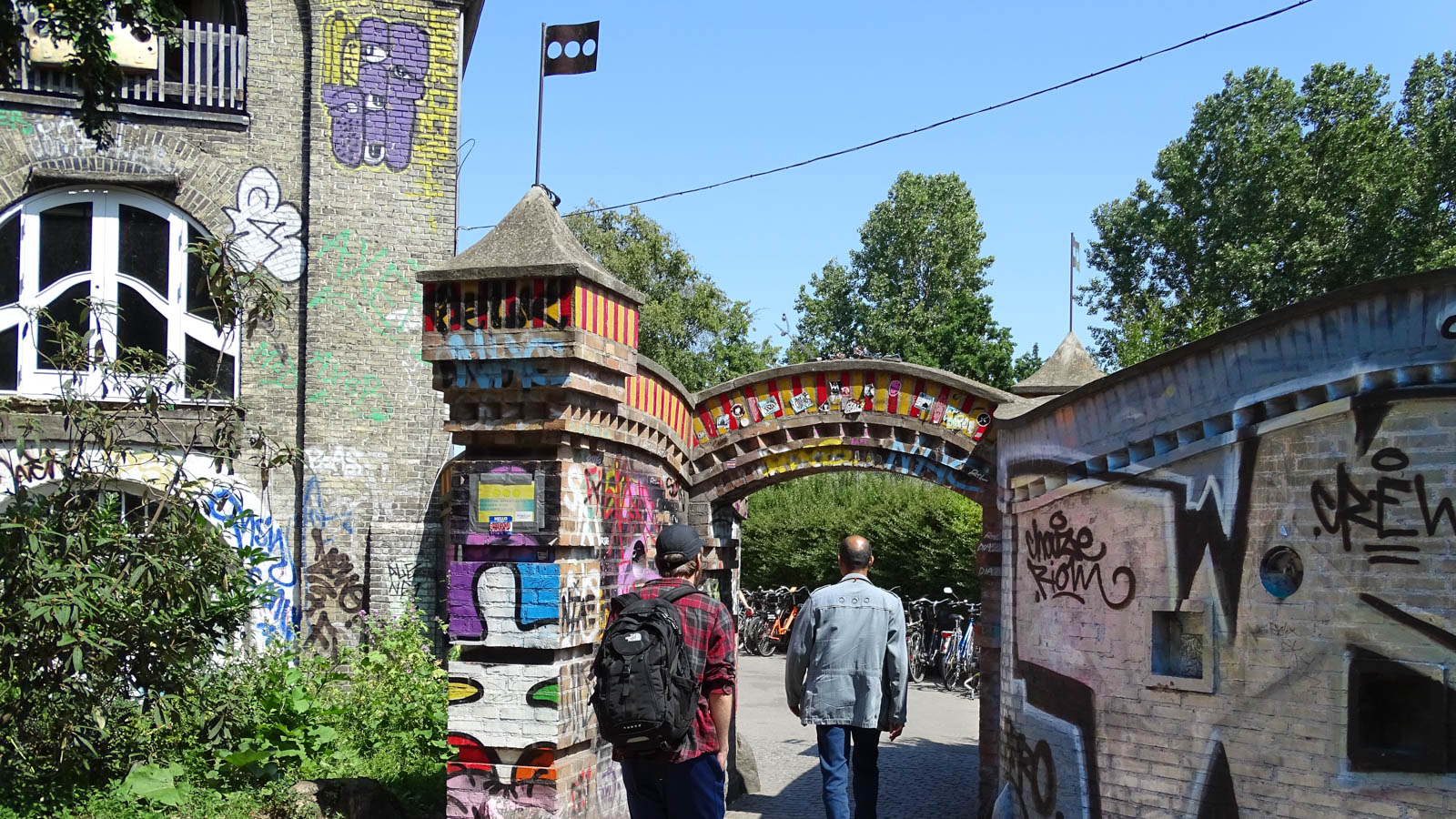
Christiania and Carl Waltenburg

This story is mysterious in many ways. It begins with an unnamed European manufacturer producing 44kg of ibogaine extract from around 500kg of T. iboga root in 1981. Carl Waltenburg, who had taken a lifelong interest in hallucinogens, purchased this supply and began using it to treat addicted heroin users. Waltenburg had been a resident of a commune in Copenhagen called Christiania, set up in a former military base, since it was first established in 1972. By this time, Christiania had developed a strong prevalence of heroin addiction and Waltenburg, naming his ibogaine “Indra Extract”, is said to have treated over 1000 addicts here.

The commune of Christiania remains in place today, although with restrictions placed on hard drugs. Waltenburg’s story is difficult to verify, and there are some conflicting reports from residents who argue that a “blockade” policy was put in place —barring addicts from Christiania until they quit heroin “cold turkey.”

Supposedly, Indra Extract remained available for purchase online until at least the early 2000s. It’s unknown if this was part of the original Waltenburg supply —and, if so, whether or not it could even have still been effective or safe after two decades of storage.

Ibogaine addiction treatment today

Ibogaine is still classified as a Schedule I controlled substance in the U.S., although many former users suggest that the experience is not pleasant enough to create any recreational dependence. U.S. citizens seeking treatment with ibogaine will have to find facilities in other countries where treatment is legal, like Canada, Mexico, Brazil and Europe. In such an instance, rigorous standards should be followed and personal research conducted to ensure that the facility is safe.

The Global Ibogaine Therapy Alliance has been formed for the purpose of creating safe, standardized medical practices and oversight for ibogaine therapy, as well as developing training programs for physicians. Any ibogaine therapy centres that you investigate should follow their guidelines. Medical screening must include a cardiac examination for heart conditions or a family history of heart conditions; drug contraindications, and psychological preparation for the experience.

Again, treatment with ibogaine should not be considered one hundred percent safe even after all of this. Hopefully, research into its mechanisms will continue and therapists will be able to provide a better guarantee for safety —but until then, there will always be a small risk.

https://www.truffle.report/ibogaine-addiction-therapy-then-and-now/
 
The-Ibogaine-Conversation-pt1-plant.jpg


How ibogaine fights stubborn prescription painkiller addictions

by Katie Bain | reset.me

When he was 13 years old, Jeremy Suttons mother passed away, and he began drinking alcohol to help cope with the trauma. Liquor became cocaine and cocaine became prescription drugs including oxycontin, hydrocodone and methadone. By the time he turned 18, Sutton was fully addicted to prescription painkillers. His days were designed around getting a fix.

"Opiates were the ones that really stuck with me," he says, "because they gave me a sort of superpower to deal with the void of being alive."

While Sutton and a friend who also abused prescription opiates continually made plans to get clean, these plans never stuck. The friend mentioned an alternative addiction therapy he had heard of called ibogaine, but they had no access to the underground treatment. When he was 25, Sutton checked into rehab. It was here that he met a fellow patient who told him about her experience with ibogaine.

"Obviously this person was in rehab, meaning that they had relapsed," Sutton says, "but their testimonial was incredible."

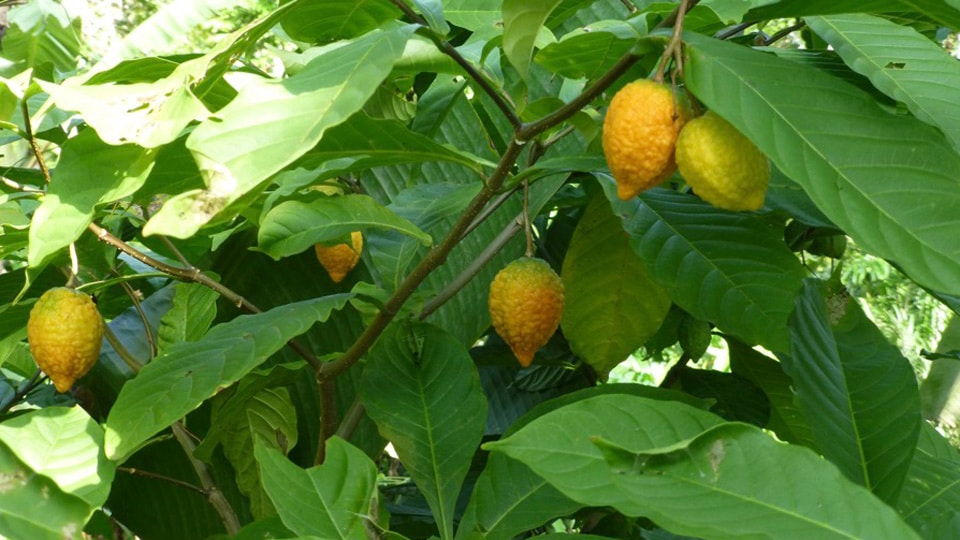
The Tabernanthe iboga shrub from West Central Africa

Ibogaine is a naturally occurring substance that causes users to experience an intense psychedelic experience that lasts for 24-36 hours, sometimes longer. This treatment clears the brain of addictive cravings while offering deep psycho-spiritual insights. "They made it clear that theres still a lot of work afterwards," Sutton says, "but the experience can be profound and can give you the chance to make changes for yourself."

Derived from the root bark of Tabernanthe iboga shrub, ibogaine is an alkaloid, a group of naturally occurring chemical compounds, that has been used as a ceremonial sacrament by the Bwiti tribe of Western Central Africa for thousands of years. It has also been used as a treatment for addiction since 1962, when the late medical researcher and former heroin addict Howard Lotsof, often referred to as the father of ibogaine, discovered its usefulness as what he called an addiction interrupter.

Ibogaine has proven particularly effective in treating opiate addiction, with the majority patients requiring only one session. It not only useful in removing the symptoms of drug withdrawal and reducing drug-cravings, but it has also been shown to help users understand and reverse their drug-using behaviors.

Suttons fellow rehab patient gave him the phone number of Beverly Weaver, an ibogaine facilitator at a treatment center in Baja, Mexico. Weaver has guided roughly 200 people through treatments during the past six years. Mexico is home to many such centers, as ibogaine is illegal in the United States, as well as various European countries, Brazil and Australia.

While its U.S. classification as a Schedule I drug categorizes ibogaine as a highly addictive substance with no medical properties, there is no scientific evidence that it is habit forming. The Internet offers thousands of anecdotal accounts regarding people successfully overcoming drug addictions via ibogaine. Controlled studies of its medicinal properties have taken place in New Zealand and Canada. The YouTube documentary Ibogaine: Rite of Passage chronicles its use. Author Daniel Pinchbeck has also written about traveling to Africa for ceremonial work with Iboga in his 2002 book Breaking Open the Head: A Psychedelic Journey into the Heart of Contemporary Shamanism.

In 2012, the then 26-year-old Sutton flew from his native Houston to San Diego, where a representative from the treatment center picked him up and drove him across the border to Mexico. It was his first time leaving the country, and he was to stay for six days at a total cost of $3,000.

Before arriving in Mexico, Sutton had gotten an EKG and a liver panel to determine the health of his heart and liver. Such tests are critical, as ibogaine can cause death in patients with compromised cardiac and/or liver function. Its also vital that patients are displaying visible signs of withdrawal such as pulse increase and sweating.

After settling in at the center, Sutton took a walk on the beach and began his treatment at 4pm. He was first given a small dose to test his tolerance. Within an hour, this dose had alleviated his withdrawals.

"That's a really lovely experience," Weaver says, "because in about 45 minutes the withdrawal symptoms go away and the person relaxes. It instills confidence in the person that what's going to happen is actually going to work."

Weaver emphasizes that it is essential to have a group of facilitators for each patient, as treatments are long and demanding, often multi-day ordeals. "Not just for sleep relief," she says, "but energetically, if everyone is together rooting for this person, it has a big impact." Surrounded by facilitators, Sutton ingested gradually higher doses of ibogaine, administered via capsules, until a predetermined dose based on his weight was reached.

"The first thing I experienced was anxiety and a feeling of electricity going through my whole body. It felt like my heart was beating out of my chest, but they took my blood pressure and everything was in order."

Sutton then descended into the journey. After taking his third and final capsule, he began losing his motor skills. "I couldn't lift up my head and was very light sensitive. I noticed a buzzing sound, and it felt like someone had plugged me into an electrical socket. My vision became static, like a static television, when my eyes were shut. I became very nauseous and even more scared. I was starting to lose sensation in my body. At this point, however, this period of electricity and frantic thinking slowed to a visionary state."

The vision aspect seemed like I was traveling through the corridors of my own brain. The whole time there was a voice saying, "It's okay; we don't care what you did. We love you. We've always loved you. It was very frightening because of the circumstances, but there was always something in the back of my head telling me it was okay, and to relax."

Sutton continues: "The vision tapered down into this experience where I could ask myself any question and get an immediate answer that was crystal clear. Seven hours after I took the ibogaine, I entered the reflective state and felt like I was getting all of the questions I had answered very clearly." He laid in contemplative silence for another 12 hours.

21 hours after the ordeal began, Sutton emerged from the journey and found "there was nothing in my head that was bothering me anymore. I cried a lot too. I remember very specifically that the reason I started crying was because I was not being nice to myself. I realized that I needed to start loving myself, and how much I had not been loving myself up until that point."

Sutton then drifted to sleep. "I felt like I was floating above my body watching myself lay in bed. I woke up the next day feeling sort of beat up and tired, but in the best place I ever had been in up until that point."

While there is limited scientific research about how ibogaine works, evidence suggests that the substance resets neurotransmitters that have been programmed for addiction via consistent drug use.

"The simple way I like to explain it," Weaver says, "is that when you do opiates, they touch receptors in your brain. You do them enough to grow an addiction and you form more of those receptors. When there's no opiates on those receptors, you've got a lot of hungry little mouths yelling I want opiates! Iboga goes in and heals all of those hungry little mouths and takes them back to their original state so they're not hungry anymore."

Weaver emphasizes that ibogaine does not just treat the addiction, but addresses underlying reasons for the addiction such as abuse and trauma. While profound personal insights are gained, it is vital for users to set themselves up for success after the treatment. "Ibogaine will take care of 49 percent of what you have going on," Weaver says, "and you're responsible for the other 51 percent." Twelve step programs, creative endeavors and overall lifestyle changes are all encouraged.

"It's not going to make you not an addict anymore," Sutton says. "It's going to scramble your brain and reset your head in a way that gives you insight into who you are."

Sutton had struggled with depression and anxiety his entire life, and found that his ibogaine session had alleviated these issues along with his cravings for opiates. After another few days in Mexico, Sutton returned home and began the work of incorporating the lessons ibogaine had taught him. He moved into a new house, cut out unhealthy relationships and focused on his passion for making music.

Four months later, though, his anxiety and depression returned. He found, however, that ibogaine had provided him with new tools to deal with these challenges. I was able to look back on my experience and saw that my brain operated differently when I was done. I was able to think things through clearer.

The success rates for ibogaine treatment is still largely unknown, as most of the work is done underground. Weaver says that 70 percent of her patients kick their addictions, and that the overall success rate is 40-50 percent. Comparatively, the success rates for opiate addiction treatment at standard rehab facilities remain low.

Despite its usefulness, Ibogaine is still rare. Weaver believes that on any given night, there are, outside of Africa, 3-5 people in the world doing ibogaine. Still, the small areas of forests in Africa which ibogaine producing trees grow are being harvested at an unsustainable rate. Ibogaine can also be extracted from an African tree called Voacanga, which grows abundantly and is easier to plant.

Sutton's craving for opiates returned five months after his treatment, and which point he did a second session on his own at home, under the supervision of a family member. Such self-treatment is highly dangerous and not recommended.

Sutton has been clean for two years and is now in Mexico training to be an ibogaine facilitator. "The problem that was eating my life up is pretty much gone, he says. Ibogaine was a teacher that told me what needed to be done and to do with the knowledge it gave me what I would."

http://reset.me/story/addiction-inte...ate-addiction/
 
ba0f343239d0e2d4ce6f0d6ad04202c9.jpg


Microdosing Iboga

From Bancopuma @ DMT Nexus :

Here is a guide for microdosing iboga that I helped compile with the guy who runs Reset.nu, I thought it may be of interest to some. It was made with TA tincture in mind, but also applies to the root bark as is. Microdosing is an accessible and low cost way of working with iboga safely and in a controlled manner for those that are curious and wish to work with the plant, and done this way it can be easily integrated into day to day life. It may also be wise for anyone contemplating a flood session with iboga to consider microdosing with the plant prior to this.

An iboga treatment provider told me that 500mg of root bark taken every four days works well as an anti-addiction treatment and antidepressant, and this can be taken in a '00' capsule for convenient dosing. Doses much lower than this will be effective, as the effects are cumulative. It is important to taste a tiny pinch of the root bark, so all your senses are able to experience the plant. It is important to set intent and state a positive affirmation on ingesting the root bark, and this is discussed below. This affirmation, in whatever form iboga comes in, is a vital part of the treatment not to be neglected.

Iboga (Tabernanthe iboga)

Iboga is an evergreen, flowering shrub, native to the rain forests of western Central Africa. The plant prefers well composted, well drained soils in a protected, partly shady position. Under the right conditions it can grow up to a height of 10 meters. The stem is erect and branching, its leaves are dark green, its flowers white to pink or yellowish, its fruits are orange and oval shaped. The magic of the iboga is to be found in the root bark, home to the powerful teacher that lingers in this extraordinary plant.

Historical origin of Iboga rites

For many generations, the iboga plant has played an important role for practitioners of the indigenous Bwiti religion in Central Africa. The Bwiti initiation rite to obtain spiritual maturity consists of the ingestion of a very strong dose of iboga, followed by an intense, mind-altering experience. Lower doses are taken during weekly ceremonies, as collective religious fervour, a moment for intense love and mutual understanding, while fuelling dancing and drumming late into the night. Through the iboga plant, the Bwitists feel that they strengthen their connection with the divine realm and experience a deep understanding for the cycle of life, death, and rebirth.

Bwiti is considered by its members as a universal religion, accessible to anyone who approaches it with respect and humility. Among the Bwitists, there is a widespread hope that one day the Bwiti and its iboga rituals will become known at the very core of western culture. A noble thought...

Iboga therapy in drug rehabilitation

Over the past decades, iboga treatment indeed found its way into western practices. Professionally guided, intense therapy with iboga has proven to be extremely successful in curing drug addictions. Recent studies have shown that iboga reduces dopamine concentrations in the body, hereby reducing the affects of certain abusive and highly addictive drugs. The plant will have to undergo more clinical research in order to become an officially registered medicament, but so far the results have been promising.

Iboga as a way to personal liberation / freedom of the soul

Iboga can play a powerful curative role but not only for drug addicts. Rooted in unpleasant past experiences and subsequent negative emotions, many of us are in one way or another caught up in patterns of thought and behaviour which limit us in our freedom. Those patterns are quite similar to addictions: despite their harmful character, we deceive ourselves into believing that they provide us a shortcut to comfort.

Iboga digs down into the depths of our mind. It will surface what is hidden and treasured, that what shapes us and keeps us in shape. Iboga can help any one of us to eliminate self-induced oppression, accelerate personal growth, and bring more joy to life.

Master your mind

Our environment nowadays demands us to operate on mind-based logic, it feels like there is very little space left to follow our hearts. Through the uncontrollable production of all kinds of thoughts, your mind is constantly influencing your behaviour. Don’t believe everything you think! The mind can be a useful practical tool, but should not be your guide.

The problem is that your mind feeds on old emotions and outdated information, thereby distracting your soul from its presence in the happenings of the now. The very Now is always New and should be experienced in total openness, allowing any new impulse to freely flow into your perception. You can be freed from your mind if you become aware of this dichotomy. Ask yourself: Who is this making me behave or react like this? Am I not free to have a new challenge and emotion in every new situation? Why should I be a slave to my thoughts, my preferences, my likes and dislikes, my... You, you are free!

Letting in the spirit of Iboga

One possibility to let the spirit of iboga in is to take what is considered a full dose. The journey that follows is not a journey for the faint at heart. Though there are a number of guidelines which can be followed to minimize any risks, the experience will not be of an easy nature.

A more gentle way of communicating with the spirit of the iboga plant is to take in much lower doses. If used in the right way, tiny amounts of this powerful plant are sufficient to regain control over one’s thoughts and actions. I discovered a new technique for self-treatment with Iboga tincture, which will be explained further in this guideline. The experience of myself and others have taught me that treatment with no more than a few drops a day can be surprisingly effective.

The Iboga TA 1:50 tincture

This tincture holds the essence of the iboga plant. Firstly, the root bark of the iboga is extracted into its purest form, being the combined Iboga alkaloids, while keeping the full spectrum of the plant uncompromised. Afterwards, the extract is dissolved in pure alcohol. The tincture that results from this technique is so strong that one drop suffices as one therapeutic dose.

A drop of iboga tincture contains 0.58 milligram of iboga TPA extract. This is the highest possible concentration pure alcohol can contain. The alcohol instantly carries the iboga extract into the bloodstream and the nervous system. One drop, entirely saturated with the iboga alkaloids, contains all of the plant’s properties, its spirit, its voice, and its vibration. This one single drop is your gateway to communication with the iboga spirit. However, to treat yourself successfully it takes a bit more.

The properties of the Ibogaine

The special characteristic of ibogaine (after being converted to noribogaine, by the liver) is that it occupies the receptors which are urging you into the repetition of a behavioural pattern or addiction. That is what makes it effective even in the most serious cases of drug addiction. Most addicts are cured within a day or four, without any withdrawal symptoms and with little chance for relapse.

With the micro dosage therapy it is possible to send the tiny bit of ibogaine that is captured in one drop of the tincture to exactly that receptor which is responsible for the thoughts and behavioural patterns that are keeping you in their grip. This method works most efficiently if you use the strength of your spirit to guide the healing to the right place. By expressing a powerful affirmation or intent at the very moment the iboga enters your senses and nervous system, your voice carries the iboga and you give directions to the plant teacher via your intent. This technique is a combination of Neuro-Linguistic Programming and iboga therapy, between a very accessible, holistic approach to psychotherapy and the most powerful healing plant in the world.

Implications for usage

With this self-treatment, you will pinpoint and reset one behavioural pattern or addiction at a time. Before you start with the drops, it is very important first to unravel your problem. Look into to the root of the addictive patterns in your thoughts and behaviour. Search for old emotions that have become embedded in your system along the way. It will take some time and practice to get deep enough and find the naked truth under the surface of your behaviour. Once you found the root, or the soil in which your habits are rooted, you are ready to formulate your intention in the form of a positive affirmation.

This affirmation must be exactly the opposite of what you discovered to be the root of your addictions. For example, if you discovered your base problem to be "I feel lonely", a possible affirmation could be "I am complete". An affirmation should not contain "I wish" or "I will" and it should not contain a "not". It should not affirm your current state.

Once you are sure you have located a troublesome emotion and its opposite positive affirmation, stand in front of a mirror and take a single drop under the tongue. Let the bitter, woody taste fully enter your senses and welcome the spirit into your being to do its healing. Do not wash down the drop with water, experiencing the bitterness is an integral part of the healing. Your senses will be immersed with bitterness while you say ‘yes’ to the spirit. Then, look yourself in the eyes, hold one hand on your throat, and express your intention. Firmly, use your voice and feel the vibration come back into your body while you see, hear, and feel yourself speak. The iboga travels into your nervous system, healing exactly the place you point it to.

Imagine the plant teacher simply closing the door to the old, hindering emotion. Remember, the mind has the tendency to make you believe in twisted versions of reality. Those mind-made lies are based on experiences from the past. While speaking your intention out loud, your voice overwrites the lie your mind has been misleading you with. While the thoughts your mind produces are constructed out of the past, the sound of your voice comes from and into the very Now. Sound is so much louder than thoughts. Feel the liberation from your past and the beauty of the Now.

Potentiating and manifesting

Other than this described technique to reset negative behavioural patterns, the tincture can also be used to connect and reconnect to the positive and bring good things in your life. Nothing is more powerful than ones intent he vibration you set before you start your day will definitely impact it.

Start your day in front of the mirror and set the positive vibe. You will experience the result all day. Where your mind would be constantly judging any situation and loop you into its trap of doubt or insecurity, your affirmation has already overwritten all negativity. My favourite affirmation for the day is: “Everything is good”. With this I have already decided that whatever comes that day has my full acceptance and approval, be it good or bad, I am in peace with the day. EVERYTHING is good. No mind-based misconception can go around that.

Examples of positive affirmations

I am complete
Everything is good
I am love
I am my self
Everything is light
I am happy
This day is perfect
I choose
My body is healing itself
Life is generous
I can do it
I am free
I am

Reset the robot

Through your voice, your intention vibrates outwards into the entire universe. It becomes imprinted in the totality of the whole and resonates back to you. The iboga travels with your intention to exactly those receptors that were urging you to fall in repetition of the pattern you want to be freed from. Your intention or positive affirmation will keep those receptors occupied. You are healing yourself, you are no longer caught up in a loop of oppressive or destructive thoughts. You reset the robot inside you, the robot that defines the boundaries of how you think and behave, fed by emotions from the past, negative ideas of others, or media induced images of reality.

After a week’s time, you start to notice the freedom you have gained. You find the willpower to unplug from previous conceptions and discover you are free to make your own decisions. You find fresh soil for the roots of your being to extract new energy from and sunlight to grow towards your full potential.

When eliminating your old habits, it is very possible that other negative patterns come to the surface. After you feel like you have completely cured the problem you were focusing on, you can repeat the treatment with a new intention. This revolutionary technique allows you to work slowly and focus at one problem at a time. In the end, the tincture gives you the potential to surface all that needs to be dealt with and heal all that limits the freedom of your soul.

Warnings

Without an affirmation, the treatment is ineffective. If not used properly, with the wrong intentions, ingestion of the tincture may even cause damage. Make sure you spend enough time to dig into the soil of your emotions and find the roots of your behaviour. Don’t worry, you do not need to be a psychologist to get to these depths. All the knowledge you need lies inside yourself.

Iboga accumulates in the body. It remains in the body for more than 4 weeks. This means that all the drops you take within 5 weeks will accumulate and remain in the body until they slowly wear off. If the dose you take exceeds 10 drops a day, physical and psychological effects, and perhaps even disorientation and ‘trippy’ effects can occur. Be aware of that some people respond highly sensitively to a few drops only. It is important to listen to the signs of your body at all times and adjust your dosage accordingly. Do not take the iboga tincture before going to sleep. The plant gives you energy and might cause insomnia.

During the period you treat yourself with iboga, it is advised not to use any drugs and keep stimulants such as coffee to a minimum, as well as smoking tobacco or certain herbs. Your receptors will become very sensitive and you may have an unexpectedly strong reaction to them. Also, it is strongly discouraged to combine the healing of iboga with ayahuasca or other visionary or hallucinogenic substances. Lastly, iboga should never be combined with anti-depressant medication such as SSRI's, such a combination would be very dangerous.

Iboga Microdosing Guide - Iboga - Welcome to the DMT-Nexus
 
tingri-everest-base-camp-trek.jpg


Inside ibogaine, one of the most promising and perilous psychedelics for addiction

by Mandy Oaklander | TIME

Amber Capone had become afraid of her husband. The “laid-back, bigger than life and cooler than cool” man she’d married had become isolated, disconnected and despondent during his 13 years as a U.S. Navy SEAL. Typically, he was gone 300 days of the year, but when he was home, Amber and their two children walked on eggshells around him. “Everyone was just playing nice until he left again,” Amber says.

In 2013, Marcus retired from the military. But life as a civilian only made his depression, anger, headaches, anxiety, alcoholism, impulsivity and violent dreams worse. Sometimes he’d get upset by noon and binge-drink for 12 hours. Amber watched in horror as his cognitive functioning declined; Marcus was in his late 30s, but he would get lost driving his daughter to volleyball, and sometimes he couldn’t even recognize his friends. Psychologists had diagnosed him with PTSD, depression and anxiety, but antidepressants, Ambien and Adderall didn’t help. He visited a handful of brain clinics across the country, which diagnosed him with Postconcussive Syndrome after a childhood of football—then a career punctuated by grenades, explosives, rifles and shoulder-fired rockets. But all they offered were more pills, none of which helped either.

Marcus wasn’t the only one suffering in his tight-knit community of Navy SEALs and special-operations veterans. A close friend killed himself, and Amber knew her husband could be next. “I truly thought that Marcus would be the one having the suicide funeral,” Amber says.

There was one last option.

One of Marcus’ retired Navy SEAL friends, who had similarly struggled, had traveled internationally to take ibogaine, a psychedelic drug illegal in the U.S. The ibogaine experience had been transformative for him, and he thought it might be the same for Marcus. “I thought it was crazy,” Marcus says. “How can you take another pill to solve all your problems?” But Amber begged him to try it, and Marcus gave in. On Veterans Day in 2017, Marcus checked into a treatment center in Mexico, popped an ibogaine pill, slipped on eyeshades and noise-canceling headphones, and went on his first-ever psychedelic trip. After an hour or so, he entered a waking dream state and watched a movie of his life play out before his eyes. It lasted 12 hours, and it was awful at times. “Imagine some of the worst experiences of your life,” Marcus says. “You’re going to experience these again.”

Life events flipped through his mind’s eye in rapid fire. Other times, painful memories slowed to a crawl. Marcus saw himself having conversations with his dead father, with buddies he’d lost to the wars over the years, with God. “You can’t hide from the medicine,” he says. “It’s just going to go down there and basically pull up any traumas, anything hiding in your subconscious that may be affecting you that you don’t even realize.”

When it was over, Marcus felt as if he’d finally put down a heavy load he’d been carrying for years. For the first time in a long time, he didn’t want a drink, and he didn’t touch alcohol for a year after. “I was thinking clear. I wasn’t impulsive anymore. I had no anxiety. I wasn’t depressed,” he says. Amber couldn’t believe it, but when she picked him up, she knew she had her husband back. “When he walked into the room, it was as though I was witnessing him the first time I met him,” she says. “His anger and his darkness and his whole demeanor had changed. All of that was gone. He was easy. He was light. He was present. He was happy. It just absolutely blew my mind.”

Once dismissed as a fringe, counterculture vice, psychedelics are rapidly approaching acceptance in mainstream medicine. These drugs uniquely change the brain, and a person’s awareness of experiences, in the span of just a few hours. This fast-acting shift could be useful in mental-health treatments, and research is already supporting this notion. Just one dose of psilocybin, the active ingredient in magic mushrooms, was recently shown to ease depression and anxiety in cancer patients—an outcome that lasted for years after their trip. Researchers are recognizing that psychedelics can provide a radical new approach to mental-health treatments at a time when innovation is desperately needed.

For addiction in particular, the need has never been greater. More Americans died from drug overdoses last year than ever before, aggravated by the COVID-19 pandemic. Weekly counts of drug overdoses were up to 45% higher in 2020 than in the same periods in 2019, according to research from the U.S. Centers for Disease Control and Prevention.

Ibogaine is one of the most promising psychedelics for addiction. Few people have heard of it, it’s illicit in the U.S., and nobody does it for fun. It’s not pleasant. It could kill you. But for extinguishing addiction—and a range of other issues—many people swear there’s nothing like it. The drug hails from a shrub called Tabernanthe iboga, which is native to Central Africa. Since at least the 1800s, members of the Bwiti religion in Gabon have eaten iboga bark shavings during initiations and coming- of-age ceremonies; those who consume it report visions of and contact with their ancestors and even God. The wider world encountered the hallucinogenic plant in the form of ibogaine, a compound extracted from iboga bark and packed into a pill.

In France, ibogaine was sold and prescribed as an antidepressant and stimulant called Lambarene for more than 30 years until the 1960s, when the government outlawed the sale of ibogaine. But its antiaddictive effects weren’t well known in the U.S. until 1962, when Howard Lotsof—then a 19-year-old completely outside the medical establishment—experimented with it and noticed it wiped out his heroin addiction. It did the same for several of Lotsof’s peers when he organized 20 lay drug experimenters, all in their late teens and early 20s, to try many hallucinogens including ibogaine. Seven people in the group were hooked on heroin at the time. After they took ibogaine, all seven said they were no longer in heroin withdrawal, and five of them lost their desire to use heroin for six months or longer. Ibogaine was the only drug to have this effect. “Suddenly, I realized that I was not in heroin withdrawal,” Lotsof later said of his own ibogaine experience. Nor did he crave it. “Where previously I had viewed heroin as a drug which gave me comfort, I now viewed heroin as a drug which emulated death. The very next thought into my mind was, I prefer life to death.”

Lotsof found ibogaine so helpful that he launched a campaign to get researchers to dig into it more deeply. But pharmaceutical companies didn’t bite. Ibogaine is a naturally occurring plant compound and therefore difficult to patent; plus, nobody knew exactly how it worked, and drug companies historically did not see addiction medications as profitable. In 1970, the federal government classified ibogaine (along with other psychedelics) as a Schedule I drug, declaring it had no medical use and a high potential for abuse. But case studies in which ibogaine had helped heroin users successfully detox—including Lotsof’s New York City group and another from the Netherlands in the early ’90s—were promising enough that one U.S. government agency took notice.

In 1991, the National Institute on Drug Abuse (NIDA) decided to fund animal research into ibogaine; the resulting studies (and later ones) in rodents found that ibogaine reduced how much heroin, morphine, cocaine and alcohol the animals consumed. This work primed the U.S. Food and Drug Administration (FDA) to greenlight a clinical trial of ibogaine in humans for cocaine dependence, but it fell apart in early stages because of a lack of funding and contractual disputes. NIDA abandoned its interest in ibogaine, citing safety as one concern. There still has been no completed clinical trial in the U.S. to test ibogaine in people.

Now, for the first time, some upstart pharmaceutical companies, including ATAI Life Sciences and MindMed, are realizing there’s money to be made here, and they’re racing to develop ibogaine or drugs that act like it. But as they start the long slog of chasing FDA approval through clinical trials—with outcomes far from clear—many people are desperate enough to skip the U.S. and try ibogaine in parts of the world where it’s unregulated.

Plenty of these people have shared their experiences with researchers through case reports and survey data. The success stories sound eerily alike: a single dose of ibogaine can take you on a visual journey of your most significant life events. You’re able to forgive yourself and others for past traumas, and the drug seems to rewire your brain, zapping withdrawal symptoms and extinguishing opioid cravings within hours—with results that can last for weeks, months and sometimes even longer. Unlike buprenorphine and methadone, two common approved medications to overcome opioid addictions, ibogaine is not an opioid substitute. “Ibogaine seems to resolve these signs of opioid withdrawal by a mechanism that is different from an opioid effect, and I think that is what is so interesting about it,” says Dr. Kenneth Alper, a longtime ibogaine researcher and an associate professor of psychiatry and neurology at New York University School of Medicine.

Scientists don’t know exactly what ibogaine does to the brain. There’s some recent evidence—in rats—that ibogaine may increase neurotrophic factors in the brain, which are proteins that encourage neuron growth and plasticity (the ability of the brain to change even in adulthood). These appear to be key in helping the brain remodel to overcome an assault like a substance-use disorder. But since other psychedelics also increase neural plasticity, something more is likely going on.

Human clinical trials for ibogaine and addiction are under way. In October, researchers in Spain began testing ibogaine in 20 people trying to wean themselves off methadone. And in an upcoming clinical trial set to begin in Brazil once the pandemic is under control, researchers at the University of São Paulo will give different doses of ibogaine to 12 alcoholic patients to see if it’s safe and effective at reducing the amount they drink.

But many are not waiting for studies. If there’s even a chance that taking ibogaine will help a person overcome addiction, many are willing to try it. Ibogaine is unregulated in many countries, neither illegal nor approved, and that gray zone has allowed dozens of ibogaine treatment centers to pop up worldwide. Americans desperate to shake their addictions spend thousands of dollars at these clinics, which vary wildly in their practices and treatment standards. Some facilities use licensed physicians and monitor heart activity and other vital signs throughout the trip, while other clinics don’t.

Success rates also vary. Some people stop using drugs completely and stay sober for years. Others die. Because of a lack of controlled ibogaine trials, it’s difficult to quantify the risks, but the threats to cardiovascular health are particularly concerning. The drug may block certain channels in the heart and slow down heart rate, which can cause fatal arrhythmias. In one observational study published in 2018, researchers followed 15 people as they received ibogaine treatment for opioid dependence in New Zealand, where ibogaine is legal by prescription, and interviewed them for a year after. Eight of the 11 patients who completed the study cut back on or stopped using opioids, and depression improved in all of them. One person died during the treatment, likely because of an ibogaine-induced heart arrhythmia.

But how much risk is too much when nothing else works?

Four rounds of rehab hadn’t touched Bobby Laughlin’s heroin addiction. He didn’t believe the hype about ibogaine but figured it was his last shot, so he traveled to a clinic in Rosarito Beach, Mexico. Before the flight, he used heroin—and it was the last opiate he ever took. The most valuable outcome of Laughlin’s 30-hour ibogaine experience was that it let him bypass withdrawals, he says, opening a window of opportunity. “One thing that was made very clear to me was that I had to change my life dramatically after the experience if I wanted to capitalize on it and have long-term sobriety,” he says. Laughlin started a private-equity firm in L.A., then a family. “I’ve been able to establish myself,” he says, eight years later. “All roads lead back to ibogaine as the start.”

Alan Davis, a Johns Hopkins University adjunct assistant professor researching psychedelics, has been hired by several clinics outside the U.S.—including the one Laughlin visited—to follow up with clients to see what, if anything, changed in their lives after the treatment. In 2017, Davis published a study in the Journal of Psychedelic Studies in which he surveyed 88 people—most of whom had been using opioids daily for at least four years—who had visited an ibogaine clinic in Mexico from 2012 to 2015. About 80% said ibogaine eliminated or drastically reduced their withdrawal symptoms; half said their opioid cravings diminished, and 30% said that after ibogaine, they never used opioids again. Ibogaine “is not a magic bullet,” Davis says, but even a short-term disruption of the sort the psychedelic provides can give addicted people the space and time to make needed changes to their environment, behavioral patterns and relationships.

Addiction may be only the beginning. In a 2020 research paper published in the journal Chronic Stress, Davis and his team found that among 51 U.S. veterans who had taken ibogaine in Mexico from 2017 to 2019, there were “very large reductions” in symptoms related to every domain they measured, including suicidal thoughts, PTSD, depression, anxiety and cognitive impairment. “Their improvement was way above what we would see with typical currently approved treatments,” Davis says. “Even if you cut these effect sizes in half”—assuming that the data aren’t as accurate as they’d be in a rigorous, controlled trial—”that’s still two to three times more powerful than our currently approved treatments.” More than 80% of the vets surveyed said the psychedelic experience was one of the top five most meaningful experiences of their lives.

“We’re not actually healing problems with medications that we currently have; we’re just trying to treat the symptoms,” Davis says. Psychedelics like ibogaine, on the other hand, "seem to be showing that we might actually be getting below just symptom reduction into a place where true healing can happen.”

Despite intriguing initial data like these, modern pharmaceutical companies until recently had not touched ibogaine. Now they’re interested. ATAI Life Sciences, a three-year-old German biotech company focused on psychedelics for mental health, is trying to develop ibogaine as an FDA-approved drug to treat opioid-use disorder. If clinical trials, which are slated to begin in the U.K. in May, support ibogaine’s efficacy, the company’s hope is that an ibogaine capsule would be used at detox centers in the U.S. “I’m a hardcore neuropharmacologist and physician by training,” says Dr. Srinivas Rao, co-founder and chief scientific officer at ATAI. “I’ve viewed it a little skeptically … but the stories with ibogaine keep surfacing and very similar. People seem to get a lot out of this experience.” ATAI is also pursuing noribogaine—the substance ibogaine breaks down to in the body—as a possible addiction treatment.

Fears about how ibogaine affects the heart have scared away most establishment pharmaceutical companies, but Rao calls those worries overblown. “It does hit some of these channels in the heart, and in very uncontrolled settings, it’s certainly been associated with issues of arrhythmia,” he says. “In the context of more controlled settings with medical support, it has not really been associated with any kind of arrhythmia or significant adverse outcome.” Careful dosing and monitoring can lessen risk, Rao says, and trials will eventually uncover ibogaine’s true cardiovascular impact. However, some risk might be worth it in the context of the drug’s potential benefits. “If this were treating acne, of course—this is not a great choice,” he says. But for opioid addiction, which kills about 128 Americans per day, “some degree of cardiovascular risk is probably acceptable.”

MindMed, a U.S.-based company aiming to develop medicines based on psychedelics, is pursuing a synthetic derivative of ibogaine called 18-MC for opioid addiction. “We do see merit in hallucinogenic drugs,” says J.R. Rahn, CEO and co-founder of MindMed. “We just don’t see the merit of ibogaine, because I don’t think anyone wants to take medicine and have the risk of having a heart attack.” The company’s hope is that 18-MC will have the same impact on withdrawal as ibogaine but won’t come with the psychedelic or heart effects. MindMed’s Phase 1 trial in Australia has so far found no adverse cardiovascular effects with 18-MC. Phase 2 trials, to test if 18-MC lessens opioid withdrawal, are expected to begin this year.

Other synthetic compounds that act like ibogaine are on the horizon. In a study published in December in the journal Nature, researchers at the University of California, Davis, engineered a compound that’s structurally similar to ibogaine but less damaging to the heart. It also appears to be non-psychedelic, at least in mice. Called tabernanthalog, or TBG, it increased neural plasticity, reduced heroin- and alcohol-seeking behavior, and even had antidepressant effects in rodents; researchers are considering pursuing a study of TBG’s effects on humans.

These innovations are still years off. But in the meantime, Marcus Capone knows that his community of special-operations veterans can’t afford to wait. In 2019, he and his wife Amber started a nonprofit called Veterans Exploring Treatment Solutions (VETS) to fund those who want to receive psychedelic therapies like ibogaine abroad. They’ve funded about 300 veterans so far, with more than 100 currently on the waitlist. VETS is also financing research exploring what ibogaine does to the brains of veterans with symptoms of head trauma.

Marcus hopes that someday, Americans who need it will be able to receive the treatment that, in a single dose, saved his life and gave him a new mission. “This word has to get out,” he says.

 
full_7231058.jpeg


Ibogaine, a drug to end all drugs

by Tristram Korten

On his 30th birthday, Patrick Kroupa was arrested for possession of heroin in Manhattan. “I turned 30 in the Tombs,” he says, referring to the notorious jail beneath the criminal courthouse. In the dank concrete cell, the magnitude of what he had lost overwhelmed him, and he resolved to quit.

It wouldn’t be his first effort. “I probably tried 18 to 20 medically supervised detox programs over the years, and maybe another 75 do-it-yourself attempts,” he says. Among the programs he tried: substitution therapies like methadone and buprenorphine, which replace heroin with a milder opiate; ultra-rapid detox, in which the addict is anesthetized to help with the withdrawal process; and a medical procedure using a TENS unit in which electrical currents stimulate the brain. But with each method, withdrawal was unavoidable, and Kroupa winces at the memories: “All of them just mean't pain, real pain.” And none of them worked.

Then he heard about a treatment center on the Caribbean island of St. Kitts. In October 1999 Kroupa rounded up the $10,000 necessary to enroll. When he first arrived, he was in the throes of withdrawal— cramping, cold sweats. “My spine felt like it was being crushed,” he recalls.

Kroupa’s treatment consisted of wearing a blindfold on a bed in a darkened room, listening to soothing music through earphones, and ingesting about 12 milligrams per kilogram of body weight of ibogaine hydrochloride in capsule form, all the while attached to a bank of machines that monitored his vital signs. “Within 30 to 35 minutes, this ball of heat went up my spine and the pain just let go,” Kroupa recounts. “Nothing has ever done that. It was like my habit was a bad dream, a mirage. And before I can focus on what just happened, I start tripping. Eight and a half hours later, they take the blinds off.”

Kroupa felt cured. He no longer craved heroin. But it didn’t change 16 years of behavioral patterns that led him to heroin in the first place. On his way back to the U.S., Kroupa’s plane stopped over in Puerto Rico, where he immediately copped a bag of heroin. A month later, strung out again, he returned to St. Kitts for another treatment. He’s been clean ever since.​
 
BUS.jpg


Ibogaine significantly reduces opioid withdrawal and cravings

by Eric Dolan | PsyPost

New scientific research provides more evidence that the psychedelic drug ibogaine can help treat opioid withdrawal and cravings. The new findings are reported in the Journal of Psychoactive Drugs.

Ibogaine a psychoactive substance found in the root bark of the African Tabernanthe iboga plant, which has been used in the shamanic rituals of the Bwiti religion in West Africa. The drug is outlawed in the United States and many other countries, but remains legally available in Mexico. The new research examined 50 patients addicted to heroin or prescription opioids who participated in a week-long ibogaine treatment program in Tijuana.

“As a lover of biology, spiritual experience, indigenous cultures, and consciousness I developed a curiosity and passion for psychedelic substances, as they perfectly intersect these interests. This led me to pursue formal education and training in psychiatric pharmacy as well as public health, which further inspired me to be involved in researching the utility of psychedelic substances in the treatment of illness,” explained study author Benjamin J. Malcolm of Western University of Health Sciences’ College of Pharmacy.

“Recent (and older) research suggests that many psychedelic substances have potential clinical benefits in a variety of psychiatric illnesses, although ibogaine is seemingly unique in its ability to interrupt opioid addiction,” he told PsyPost. “Given the epidemic of death and harm associated with opioids in the United States presently and limitations of current therapies in treating opioid use disorders it seems very timely to study ibogaine further.”

Malcolm and his colleagues found ibogaine treatment was associated with significant reductions in opioid cravings and withdrawal symptoms. Most of the patients (78 percent) did not exhibit clinical signs of opioid withdrawal 48 hours after receiving ibogaine.

“It seems that ibogaine can interrupt the underlying neurocircuitry of opioid use disorder while delivering a profound psychological experience that reinforces recovery efforts,” Malcolm explained to PsyPost. “In our study ibogaine appeared to be able to reduce both the physical signs and symptoms of opioid withdrawal as well as reduce cravings for opioids.”

“This means that ibogaine may simultaneously address both physical and psychological aspects of opioid use disorder, whereas other therapeutic agents for opioid use disorders address either physical aspects through continued opioid dependence (methadone, buprenorphine) or psychological aspects of addiction like craving (naltrexone), but do not address both and cannot be used together.”

“Furthermore, the psychedelic nature of ibogaine tends to induce a dream-like state in which many report autobiographical subjective experiences, like watching their life as a movie from the vantage point of an observer,”
Malcolm continued. “They see the moments of hurt or traumas from the past that predisposed them for substance use and undergo an emotional processing that allows for resolution of the underlying pain.”

In the early 1960s, anecdotal reports surfaced that ibogaine could help defeat drug addiction, prompting some scientists to investigate the anti-addictive properties of the drug. But ibogaine became a Schedule I substance in the United States in 1970, severely limiting the research into the psychedelic drug’s potential.

“Ibogaine and other psychedelic substances that are deemed illegal by the U.S. federal government have demonstrated therapeutic potential, albeit mostly in preliminary studies and anecdotally. This means that many psychedelics are likely subjected to erroneous classification as it is part of the definition of an illegal substance that it has no medical utility.”

“The other piece of the government’s definition of an illegal substance is a high potential for abuse, which is also very questionable with psychedelics, particularly ibogaine that tends to produce less euphoria than others like LSD. This regulatory framework results in oppression of legitimate scientific inquiry, and ultimately hurts the public given epidemic harms of opioids as well as enormous therapeutic need for better treatments.”


However, the new research — like all studies — has limitations.

“There are some caveats to this study as well as many unanswered questions in ibogaine research,” Malcolm explained. “The largest caveat of this type of study is the research design. This study did not have a control group and participants were not randomized to treatment or placebo, which introduces potential biases that can skew results.”

“It was a chart review of participants that received ibogaine at one center and different centers may have different administration or dosing protocols or practices that could enhance or diminish the therapeutic or adverse effects so it’s unclear how generalizable or optimal the studied setting is in the treatment of opioid use disorder.”

“This study also only followed participants through the acute withdrawal phase so lacks information on relapse rates after opioid detoxification with ibogaine. However, there are some other small studies that have partially addressed longer term outcomes and overall appear promising.”


Ibogaine can also have potentially fatal side effects.

“There are cardiac safety concerns with ibogaine and there are some reports of death in the literature, even in clinical settings,” Malcolm said. “Factors that increase risk for adverse cardiac effects require further study (we have some clues) and a cautious approach to participant selection in research is advisable.”

“Some would argue that a drug with a risk of death is too risky to continue clinical research with, although the current mainstay of opioid use disorder treatment is methadone which has FDA black box warnings for addiction, abuse, and misuse as well as fatal respiratory depression (death due to not breathing).”

“Furthermore, opioid use disorder is a deadly illness with 115 deaths per day reported by the Centers for Disease Control and Prevention (CDC) for 2016 in the US. So it appears that due to the risk of death from both the illness and current treatments that in this example further research is favorable despite known cardiac safety concerns.”

“Overall, the current body of research would probably be sufficient in other areas of medicine to garner enthusiasm and funding for research, yet due to the stigmas associated with psychedelic substances as well as drug addiction (opioid use disorder), the approach has been to attempt prohibition of research,”
Malcolm remarked.

“Studies with more stringent methods are costly, yet due to the illegal regulatory status of ibogaine, are unlikely to be paid for by government or pharmaceutical sponsors without further action such as re-scheduling to a controlled substance instead of an illegal one.”

Malcolm also cautioned that ibogaine should not be over-hyped as the solution to opioid addiction.

“While results are very promising, ibogaine is surely not a magic bullet for the treatment of opioid use disorder and is in experimental stages of drug development as a therapeutic entity. If ibogaine proves to be safe and effective in controlled trials then one possible treatment model could feature ibogaine as the experiential core of a larger treatment intervention that incorporates preparatory counseling/psychotherapy before and after ibogaine as well as residential or inpatient aftercare programming-care to give individuals the best chances at successful recovery.”

“This type of model would combine elements of successful psychedelic protocols from MDMA or psilocybin research with traditional rehabilitation programs used in substance use disorders.”

“I also think for this type of model to work that a fundamental shift away from the stigmatized conceptions society holds for substance use disorders as well as psychedelics are necessary to earnestly facilitate rehabilitation,”
Malcolm added.

“As far as substance use disorders, we should also be investigating and aggressively intervening on societal drivers of substance use (isolation, loneliness, lack of spirituality or connectedness, boredom, lack of alternatives to drug use, physical or emotional pain), which would probably offer the greatest rewards for society in the prevention of drug use."

“Lastly, maybe a disclaimer: due to known risks of ibogaine and illicit status in the US, please do not try a home detoxification. Consult medical professionals if you have a problem with opioids. Nothing in this interview is meant to encourage illegal activity.”


http://www.psypost.org/2018/04/trea...-reduces-opioid-withdrawal-and-cravings-51041
 
people-are-using-a-1-test-strip-to-check-their-dr-2-2840-1525802147-0_dblbig.jpg

Low-tech, low-cost test strips show promise for reducing fentanyl overdoses.

Ibogaine helped me kick my opioid addiction overnight

When I started doing heroin and other opioids in 2004, I never imagined that it would take thousands of dollars and a trip to Guatemala to finally break free from drugs 7 years later. By that point, I had tried 12-step programs and quit cold turkey countless times, only to start again a short time later. My parents had spent a lot of money sending me to rehab after rehab. Nothing worked.

Most rehab programs take a one-size-fits-all approach. Either you submit to the system or you're guaranteed to end up in jail or dead. There's no middle ground or room for personal exploration. That philosophy never resonated with me, so I could not connect with the 12-step program. I would relapse every time.

But ibogaine is different because it addresses the biochemical issues that rehab and 12-step programs don't, and is said to "reset" serotonin and dopamine receptors which, in the case of opioid addicts, have been damaged by years of drug abuse. It also reduces about 80 percent of the withdrawal symptoms, like vomiting, sweats and body aches, usually associated with coming off opioids.

Ibogaine is a substance extracted from the bark of the root of the African shrub iboga and although it's illegal in the U.S., it's been used in healing and initiation rituals for thousands of years. In large doses, it induces a dream-like state, and some people have visions.

I called a number of different clinics around the world that administer ibogaine legally and decided on a clinic in Guatemala City. I felt a personal connection with the guy I spoke to on the phone there. He asked a lot of questions about me and listened carefully to what I had to say. My mom paid for the nearly $4,000 treatment and for my airfare.

Before I decided to try ibogaine, I had been living in Colombia, South America, with my boyfriend for a year and a half. I had been off drugs for about six months before I moved there, but in Colombia the anxiety and depression I'd always had was enhanced by the circumstances. I was having issues in my relationship and I felt isolated in a country where I didn't speak the language well. Opioids, like morphine and fentanyl, were the only thing that gave me relief from my inner pain. I felt like I needed to be sedated just to get through the day. I was hiding my drug use from my boyfriend. I barely ate, and when I did, my diet consisted only of ice cream. I lost tons of weight. My life had become a series of dramatic events. So many people were upset with me.

What it's like to take ibogaine

In November 2011, I checked into the clinic in Guatemala City and the clinicians started my ibogaine treatment the next day. Every clinic does things a little differently. Some adhere to strict medical protocol with trained staff and machines monitoring your vital signs; others do things according to a west African religious tradition. The clinic I went to was of the medical model.

Over the next two or three hours, I was given several capsules containing ibogaine powder. Pretty quickly after I took the first dose, I fell into a dream-like state in between waking and sleeping.

In one of my visions, the room I was in at the clinic transformed into a medical examination room, but it was crumbling. I had a vision in which I was alone and hooked up to various wires and devices. I started pulling them out of me and I climbed down off an examination table. I went to the window and when I looked out I saw a decaying, post-apocalyptic city.

When you're going through heavy drug addiction like I was, there's a lot of negative energy around you. You feel really weighed down with guilt, shame, and hopelessness. That's what my vision was about, it symbolized me finally removing some of the negative energy that I'd been carrying around for more than a decade.

During the treatment, I vomited a couple of times, which is fairly common. An aide had to help me to the bathroom because I completely lost my sense of balance. Taking ibogaine is not an easy experience, physically or psychologically. A lot of times the visions bring your past traumas and buried emotions to the forefront and you're forced to deal with them.

Unfortunately, the clinic that I chose was not abiding by many of the safety protocols that I now know need to be followed. Ibogaine can be dangerous because it can cause a low pulse rate and even cardiac arrest. People have died during treatment. In the U.S. there are people doing "underground" treatments in homes and hotel rooms, which can be even more dangerous because there's no doctor present.

In Guatemala, they gave me too high of a dose of ibogaine and my heart developed an irregular rhythm. Even though a doctor was present at the clinic, I suffered six cardiac arrests and ended up in the ICU in Guatemala for two weeks. As I learned later, what happened to me was completely avoidable had they used proper safety protocols. Thankfully, I haven't had any heart issues since then.

My new life

I woke up in the hospital knowing that ibogaine had worked for me. My cravings for opioids were pretty much gone, and I haven't felt tempted. That was five years ago and I haven't touched drugs or alcohol since then.

After my treatment, I felt like I had a purpose in life. I wanted to spread the word about ibogaine and help keep people safe in clinics that administered it. I moved to San Francisco and got my EMT certification, and I took some classes to learn more about the heart. Then I worked in ibogaine clinics in South Africa, Costa Rica and Mexico.

In 2015, I moved to New York City to pursue a master's degree to become a therapist. I want to work with people struggling with addiction. I still work with ibogaine through an organization called the Global Ibogaine Therapy Alliance (GITA), which has published guidelines for clinics and treatments providers.

My advice for anyone considering taking ibogaine is to go to a clinic that has a doctor on staff, uses heart monitoring equipment and is located near a hospital. If you must use underground treatment (if you can't leave the country for legal reasons or don't have the financial resources to travel) choose someone with a lot of experience administering ibogaine, and who uses a pulse monitor and has a defibrillator and CPR certification.

I'm very grateful to have found ibogaine when I did. The way that ibogaine initiated the healing process of my brain chemistry allowed me to let go of much of the shame and guilt I felt after years of addiction. Being able to skip the majority of the withdrawal is nothing short of a miracle. Usually this process goes on for months and it's incredibly difficult to stay away from drugs because of the constant pain and sickness that you feel. I'm convinced that ibogaine is the future for opiate dependency treatment and I think it has the potential to help those with other substance dependencies and even those suffering from depression or PTSD.

When I see people who struggle with opioid addiction, I can't help but reach out. I messaged a heroin addict on Facebook just the other day and asked her if she knew about ibogaine. I'll do that in the middle of the night when I can't sleep. I'm just very passionate about it. There's such a lack of good information about how people can get help. I want to spread the word about alternative treatments like ibogaine.

https://www.womansday.com/health-fitness/wellness/a57087/ibogaine-treatment-for-opioid-addiction/
 
25337281294_31700aaa0a_z.jpg


Studies show Ibogaine's promise for treating opioid addiction

SANTA CRUZ, CALIF. The promising results of two observational studies into treating opioid dependence with ibogaine, a naturally occurring psychedelic compound, have been published in the peer-reviewed American Journal of Drug and Alcohol Abuse. Sponsored by MAPS in Mexico and New Zealand, both studies show that ibogaine should be further studied as a potential treatment for opioid dependence through rigorously controlled studies.

Ibogaine is a psychoactive compound usually extracted from the West African Tabernanthe iboga plant. In animals, a single dose of ibogaine decreases signs of opioid withdrawal and produces sustained reductions in the self-administration of heroin, morphine, cocaine, nicotine and alcohol. Ibogaine is illegal in the U.S., and legal but unregulated in Canada and Mexico. New Zealand, South Africa, and Brazil authorize the use of ibogaine by licensed medical practitioners. While its mechanism of action is not yet fully understood, it differs from standard opioid agonist treatments such as methadone and buprenorphine which maintain dependence, and thus may show promise as an innovative pharmacotherapy for opioid addiction.

The results are particularly notable given the growing opioid epidemic, which the U.S. Centers for Disease Control and Prevention estimate caused 91 deaths per day in the United States in 2016, and which has been recognized as a health policy priority by the White House Commission on Combating Drug Addiction and the Opioid Crisis.

The Mexico study, published on May 25, showed that ibogaine administration was associated with substantive effects on opioid withdrawal symptoms and drug use in subjects for whom other treatments had been unsuccessful. Using the Addiction Severity Index and Subjective Opioid Withdrawal Scale as primary outcome measures, the study enrolled 30 participants who received ibogaine treatment at an independent clinic in Mexico. 12 out of 30 participants reported 75% reductions in their drug use 30 days following treatment, and 33% reported no opioid use three months later. The paper is co-authored by Thomas Kingsley Brown, Ph.D. (University of California, San Diego) and Kenneth Alper, Ph.D.

As one participant in the Mexico study reported: "Iboga could give an opiate addict several months to half a year of freedom from craving, and a period of time in which to get their life together and learn to face things straightforwardly, directly and honestly. Iboga will not do the work for you."

The New Zealand study, published on April 12, showed that a single ibogaine treatment could reduce opioid withdrawal symptoms and achieve either cessation from opioids or sustained, reduced use for up to 12 months following treatment. The results indicate that ibogaine may have a significant pharmacological effect on opiate withdrawal. All participants in the study described their ibogaine experience in positive terms. The analysis includes data from 14 out of 15 participants enrolled, with one participant disqualified, and one who died during treatment while under the supervision of a qualified medical practitioner.

A number of ibogaine treatment deaths have occurred outside of medically supervised environments. Although there was no evidence that the deceased participant had a preexisting cardiac condition, the coroners report suggested that the death was likely related to ibogaine ingestion, though not necessarily to cardiotoxicity. Though an experienced physician, the practitioner nonetheless was adjudged to have failed in their duty of care, through a failure to appropriately monitor the patient, according to a second investigation into the death. The authors acknowledge the potential shortcoming of ibogaine treatment highlighted by the mortality associated with the therapy, especially in non-medical settings, specifically concerns about potential cardiovascular complications related to ibogaine's metabolism in the body.

Although the Mexico study had no adverse events, the authors acknowledge specific limitations to this study including the number of participants, the lack of a control group, and the reliance on self-reporting. The authors of both studies emphasize the need for further studies, stating that randomized controlled clinical studies are required to further explore ibogaine's potential as a legal, regulated treatment option in the U.S.

Ultimately, the studies conclude that given ibogaine's substantive treatment effect in opioid detoxification, its novel pharmacological mechanism of action, and its clinical effect in opioid-dependent subjects who have not satisfactorily responded to other treatments, ibogaine has promise for future research and development as a novel pharmacotherapy for opioid addiction.

Many more studies can be found here: https://ibosafe.org/resources/
 
Top