• Psychedelic Medicine
  • Psychedelic Medicine Moderator: mr peabody

FENTANYL DETOX

mr peabody

Moderator: PM
Staff member
Joined
Aug 31, 2016
Messages
6,074
Location
Frostbite Falls, MN

iboga-institute-logo-black.png.webp

What to expect from Ibogaine for Fentanyl Detox

If you are researching ibogaine for fentanyl detox, you are likely looking for something different from what you have already tried. Many people who explore ibogaine have gone through Suboxone, methadone, or multiple detox attempts and still feel caught in a cycle of withdrawal, cravings, and relapse.

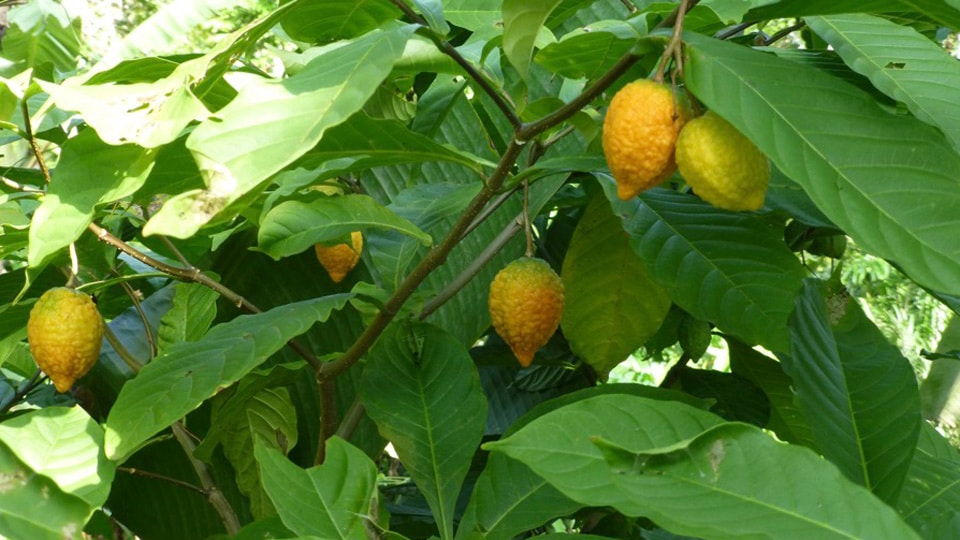
Ibogaine is a psychoactive compound found in the root bark of the Tabernanthe iboga shrub, native to Central and West Africa. It interacts with several brain systems, including opioid receptors, which may explain its potential to interrupt opioid dependence and reduce withdrawal and cravings [1]. Although ibogaine is illegal in the United States and classified as a Schedule I substance, it is used in some medically supervised clinics in countries like Mexico and New Zealand for opioid detox, including fentanyl.

Understanding what to expect from ibogaine for fentanyl detox helps you make a safer and more informed decision about whether this approach fits your situation.​

Why people turn to ibogaine for fentanyl

Fentanyl addiction can feel uniquely relentless. Its high potency, short duration of action, and severe withdrawal profile often make standard detox and maintenance approaches feel insufficient or unsustainable.

You might be drawn to ibogaine because:​
  • You have tried medication-assisted treatment (MAT) like Suboxone or methadone and still struggle with cravings or repeated relapse.​
  • You want a detox option that may shorten the acute withdrawal phase and reduce post-acute symptoms.​
  • You are looking for a treatment that addresses both the physical and psychological roots of addiction.​
Research and observational reports suggest that ibogaine can significantly reduce or in some cases almost eliminate acute opioid withdrawal for many people. A 2017 observational study of 88 patients who received ibogaine treatment in Mexico found that about 80 percent reported that ibogaine eliminated or drastically reduced opioid withdrawal symptoms during treatment. For those who responded well, reductions in cravings and improvements in mood and well-being often lasted beyond the immediate detox period.

If you want to understand more broadly how this treatment is used for opioids, you can explore resources such as ibogaine opioid detox treatment and ibogaine therapy for opioid addiction.​

How ibogaine works in opioid detox

Neurochemical “reset” and withdrawal reduction

Ibogaine is often described as creating a neurochemical “reset” in people with opioid dependence. While scientists are still clarifying exactly how it works, research suggests several overlapping mechanisms:​
  • It interacts with opioid receptors, which may blunt withdrawal and cravings.​
  • It affects glutamate and serotonin systems, which can influence mood, learning, and habit circuits.​
  • It may increase brain-derived neurotrophic factor (BDNF), which is associated with neural repair and plasticity.​
Across more than 30 studies, ibogaine has been observed to reduce opioid withdrawal symptoms and cravings, with some reports indicating that more than 70 percent of patients did not show signs of opioid withdrawal within 24 to 48 hours after treatment [3]. In the Mexico observational study noted above, about half of the patients reported reduced opioid craving for at least one week and 25 percent reported reductions for three months or more.

When you look at ibogaine treatment specifically for different opioids, you may see similar themes. For example, ibogaine treatment for heroin addiction and ibogaine treatment for oxycodone addiction often emphasize withdrawal reduction and craving relief as central outcomes.
Ibogaine and addiction interruption

Ibogaine is not only a detox medication. It also induces an extended psychoactive experience, often described as an intense, dreamlike state that can last many hours. Many people report vivid memories, emotional processing, and a strong sense of gaining insight into the roots of their addiction.

In the Mexico observational study, participants who described their ibogaine experience as spiritually meaningful and insightful were more likely to achieve favorable outcomes, including reduced use or abstinence from opioids [2]. Treatment responders also reported lower depression and anxiety and higher subjective well-being compared to non-responders.

This combination of withdrawal reduction and psychological insight is why ibogaine is often described as an “addiction interruption” rather than just a detox. It may give you a window of physical relief and mental clarity that can be used to build a longer-term recovery plan.

If you want to see how this framework is applied across opioid types, you can also review ibogaine treatment for opiate dependence and ibogaine therapy for prescription opioid addiction.​

Medical risks and why supervision is essential

Ibogaine is not a benign or risk-free substance. Serious and sometimes fatal complications have been reported, especially when it is used without proper screening and medical supervision.​

Cardiac and neurological risks

A descriptive open-label study in the Netherlands looked at 14 patients with opioid use disorder who received a single oral ibogaine dose of 10 mg/kg. The researchers found:​
  • Clinically relevant but reversible QTc prolongation and bradycardia within 24 hours.​
  • Half of the patients had QTc intervals longer than 500 ms, a range associated with a high risk of dangerous arrhythmias such as torsades de pointes, although no torsades events occurred during 24-hour monitoring.​
  • All patients experienced severe transient ataxia, meaning significant problems with balance and gait that required support, which resolved within 24 to 48 hours.​
Psychological side effects in this study were generally mild, including wakeful dreaming and temporary disorientation for 3 to 7 hours, with no severe delirium or psychosis reported.

Beyond this small study, ibogaine has been linked to more than 30 deaths over about 40 years, most often tied to heart issues such as arrhythmias. These risks are made worse when people access ibogaine through unregulated sources, where dose, purity, and medical oversight are unknown.​

Screening and preparation before ibogaine treatment

Medical and psychiatric assessment

Responsible ibogaine programs typically follow a thorough screening process. Before you are accepted for treatment, you can expect:​
  • Comprehensive medical history, including cardiovascular, liver, and neurological health.​
  • Physical examination and laboratory tests, often including liver function, electrolytes, and metabolic panel.​
  • 12-lead ECG to screen for baseline QTc prolongation or other conduction problems.​
  • Review of all current medications and supplements to identify potential interactions, especially drugs that prolong QTc or lower seizure threshold.​
  • Psychiatric assessment to evaluate for psychosis, bipolar disorder, or unstable mental health conditions that might be worsened by a powerful psychoactive experience.​
Many clinics will decline or delay treatment if they find significant heart disease, uncontrolled hypertension, certain psychiatric conditions, or liver impairment. Although this can be disappointing, it reflects the reality that ibogaine is not safe for everyone.

If you are researching different providers, you can compare how they describe their intake process and medical standards. This is especially important if you are looking for a structured ibogaine detox clinic for opioid addiction.​

Pre-detox planning for fentanyl

Fentanyl poses some unique challenges because of its potency and the way it accumulates in body tissues. You may be asked to:​
  • Taper to a lower daily fentanyl dose or transition to a longer-acting opioid under medical supervision before ibogaine.​
  • Stop fentanyl sufficiently ahead of time to reduce the risk of overlapping toxicity, while still timing ibogaine to address withdrawal.​
  • Avoid substances that interact with ibogaine or increase cardiac risk, including certain antidepressants, antipsychotics, and stimulants.​
The goal of this preparation phase is to bring you into treatment as medically stable as possible while positioning ibogaine to relieve withdrawal effectively. If you want to see how clinics position this step, you can look at descriptions of ibogaine detox for opioids and ibogaine opioid withdrawal treatment.

Because of these risks, reputable programs emphasize continuous cardiac monitoring, careful dosing, and strict exclusion criteria for anyone with heart disease, QTc prolongation, or medications that affect heart rhythm.​

What the ibogaine experience is like

The dosing session

On the day of treatment, you can usually expect:​
  • Fasting for several hours to reduce nausea risk.​
  • Placement of cardiac monitoring equipment and often an IV line.​
  • Administration of a test dose to check your sensitivity, followed by a full dose if tolerated.​
The subjective experience typically unfolds in phases:​
  1. Onset phase
    Within 1 to 2 hours you may feel body heaviness, dizziness, and visual alterations. Severe ataxia, or difficulty walking and balancing, is very common. In the Dutch study, all patients required support to move and this ataxia lasted up to one or two days [4]. Because of this, you are usually kept in bed under close observation.​
  2. Acute psychoactive phase
    For several hours, you may experience intense inner imagery, “wakeful dreaming,” replay of past memories, and strong emotional content. In the Netherlands study, these psychomimetic effects were generally mild in terms of distress and did not lead to severe delirium or psychosis. Many people describe this period as psychologically demanding but meaningful.​
  3. Processing and reflection phase
    As the intense imagery subsides, you may feel mentally clear but physically tired. You might begin to reflect on your experience, insights, and how they relate to your addiction and life patterns. Staff support at this stage is important, since you may already be noticing a change in withdrawal or craving levels.What you may feel physically​
What you may feel physically

If ibogaine is effective for you, several physical changes are often reported:​
  • Substantial reduction in acute withdrawal symptoms within 24 to 48 hours.​
  • Little or no traditional detox experience such as severe muscle pain, diarrhea, restless legs, or vomiting.​
  • Continued fatigue, ataxia, or mild nausea during the first 1 to 2 days.​
In the Netherlands OUD study, mild opioid withdrawal symptoms were noted but most patients did not immediately return to maintenance treatment after ibogaine, suggesting that the medication offered meaningful relief in the early detox window.

The Mexico observational study described earlier found that a significant portion of patients also experienced reduced cravings for weeks or longer, which can be critical during the high-risk period after detox.

If you are specifically interested in what to expect for fentanyl, some clinics provide detailed descriptions under terms like ibogaine treatment for fentanyl withdrawal and ibogaine treatment for fentanyl addiction.​

The days after ibogaine treatment

Immediate recovery and stabilization

Following the main dosing session, you typically remain under observation for at least 24 to 72 hours:​
  • Cardiac monitoring may continue until your QTc interval and heart rhythm are clearly stable.​
  • Medical staff track your vital signs, hydration, and any delayed side effects.​
  • You may start light meals and gentle movement once the ataxia has improved.​
Many people describe this early recovery period as a mix of relief and emotional sensitivity. You might feel less physically sick than in a standard detox, yet more emotionally open or reflective because of the experience you just went through.​

Mental health effects

Although ibogaine is often discussed in the context of addiction, emerging research suggests that it may also have powerful effects on mood and trauma symptoms in some people. The Stanford Medicine study of special operations veterans treated at a Mexico clinic found average reductions of 88 percent in PTSD symptoms, 87 percent in depression, and 81 percent in anxiety one month after treatment, with no serious heart complications observed when ibogaine was combined with magnesium and careful monitoring.

For you, the specific mental health benefits will depend on your history and how you integrate the experience. Some people feel a dramatic lifting of depression or anxiety, while others notice subtler changes that develop over weeks. If you have co-occurring mental health conditions, it is important to coordinate with qualified professionals before and after treatment.

If you are seeking ibogaine partly because of repeated relapse or emotional triggers, you may want to focus your search on programs that emphasize ibogaine therapy for opioid relapse recovery and broader ibogaine therapy for opioid recovery, not just detox.​

Why aftercare planning matters

Ibogaine may interrupt your addiction and give you a window of reduced withdrawal and cravings. What you do with that window will strongly influence your long-term outcome.

Before you commit to ibogaine treatment, it is helpful to define a clear aftercare plan that might include:​
  • Ongoing therapy or counseling, ideally with someone familiar with psychedelic integration or trauma-informed care.​
  • Peer support groups or recovery communities.​
  • Practical changes in your environment, relationships, and routines to reduce exposure to triggers.​
  • Contingency planning if cravings return, including rapid access to support and potentially traditional MAT if needed.​
Some clinics position ibogaine as an entry point into a broader recovery journey rather than a stand-alone solution. When you explore options like an ibogaine detox program for heroin addiction or ibogaine detox for painkiller addiction, look for those that emphasize long-term support, not just a single session.
Deciding if ibogaine for fentanyl detox is right for you

Choosing ibogaine for fentanyl detox is a serious decision that involves weighing potential benefits against significant medical and legal risks. You may want to ask yourself:​
  • Have you fully explored and optimized standard treatments, including MAT and evidence-based therapy?​
  • Do you have medical conditions or medications that would increase your risk with ibogaine?​
  • Are you able to access a reputable, medically supervised program rather than an unregulated setting?​
  • Do you have a realistic aftercare plan to support long-term recovery once detox is complete?​
Ibogaine can be powerful, and for some people it can be life-changing. At the same time, it is not universally safe or effective, and it is not a shortcut that replaces the ongoing work of recovery.

If you choose to move forward, look for programs that clearly explain their medical screening, dosing protocols, cardiac monitoring, and integration support. Use resources like ibogaine detox for opioids and an ibogaine opioid addiction treatment center directory or guide to compare options carefully.

Most importantly, try to view ibogaine not as a single event, but as one component in a broader strategy to reclaim your life from fentanyl.

*Feom the article here:
 
Last edited:
experience-ibogaine-high-res.png.webp


Ibogaine Treatment for Fentanyl Addiction

Ibogaine treatment uses the psychedelic substance ibogaine, which is extracted from the iboga plant commonly found in Africa. This plant-based medication is used for treating various addictions, including fentanyl, methadone, methamphetamine, heroin, alcohol, cocaine, and prescription opioids. Ibogaine treatment for fentanyl addiction works by targeting the brain’s opiate receptor sites. The substance can restore your health by reducing fentanyl cravings and offering relief from withdrawal symptoms.​

Withdrawal Relief

Fentanyl withdrawal symptoms may include pain, insomnia, irritability, tiredness, nausea, vomiting, diarrhea, sweating, sneezing, restless legs, and opioid cravings. Ibogaine treatment can help manage or even eliminate withdrawal symptoms associated with fentanyl addiction and offer relief by interacting with the brain’s neurotransmitters.​

Psychological Healing

Ibogaine therapy can help address the psychological problems, such as depression and anxiety, resulting from fentanyl addiction. It also involves identifying and resolving the underlying emotional trauma that might have contributed to fentanyl addiction.​

Long-Term Recovery Support

Our ibogaine therapy supports long-term recovery by offering assistance throughout your recovery journey. We provide you with two supplementary therapy sessions once you leave our facility to support your ongoing sobriety.​

Reduces Post-Acute Withdrawal Syndrome (PAWS)

Ibogaine therapy can help significantly reduce post-acute withdrawal symptoms in patients recovering from fentanyl addiction. It can help you detox without severe pain, anxiety, and cravings.​

How Does Ibogaine Treatment for Fentanyl Addiction Work?

Our comprehensive ibogaine treatment for fentanyl addiction involves the following phases:​

Pre-Treatment Preparation

Our pre-treatment preparation involves counseling with our experienced psychologists and medical testing to ensure that you are a safe candidate for ibogaine treatment. Before treatment can begin, fentanyl is flushed from your system using an IV saline system for around 12 days before treatment.​

Assessing Potential Risks and Screening

We assess your health condition through a detailed screening process to determine the potential risk factors of ibogaine treatment. Our professionals test your urine, blood, liver function, and heart function to evaluate if you are a suitable candidate for treatment. If our head doctor does not believe you can be treated safely, we will send you home with a full refund.​

Ibogaine Dosage Assessment

Based on your medical evaluation and test results, our doctors plan a regulated ibogaine dosage that is safe for you. The personalized dosage ensures your safety and the effectiveness of the treatment.​

Ibogaine Treatment Procedure

After you have completed medical tests and a therapy session, we begin your ibogaine treatment. You’ll receive ibogaine in the evening after fasting for half a day. Each patient receives ibogaine in a private room with medical staff nearby to check on them frequently. Patients also have a call bell in case they need attention right away. Patients receive treatment overnight while connected to a heart monitor. During your stay in our treatment facility, we ensure your comfort and speedy recovery with constant care from our professionals.​

Post-Treatment Care

After receiving ibogaine, most patients experience what we call a “gray day” as they recover from the intensive phase of treatment. This is a recovery period that may involve some withdrawal symptoms, which we provide medication for. Even after treatment is complete, you will have access to post-treatment resources for consistent support in your sobriety journey. We will offer you two ibogaine boosters for use after you leave our facility. We also support you with counseling sessions with our therapists and provide you with resources and guidelines to develop new habits for a healthier lifestyle.​

Ibogaine Treatment Options Tailored for Fentanyl Addiction

You can choose from the following ibogaine treatment plans for fentanyl addiction recovery:​
  • 16-Day Fentanyl Detox Program: For more extensive support, we offer a 16-day fentanyl detox program. During the 16 days of treatment, you will receive constant support and counseling for your speedy recovery.​
  • 16-Day Fentanyl and Meth/Cocaine Poly Substance Detox: This program is designed to cater to individuals who have been dependent on multiple substances. It includes strategies to prevent relapse and the incorporation of guided 5-MeO-DMT sessions.​

Why Choose Experience Ibogaine for Fentanyl Addiction?

Here is why we stand out as a trusted and reliable ibogaine treatment specialist for fentanyl addiction:​
  • Relaxed, Safe Environment: Our treatment facility is designed to support your recovery by offering a relaxing, safe, and serene atmosphere. Surrounded by supportive medical staff, you can completely focus on your recovery.​
  • Luxurious Amenities: Comfort plays a crucial role in the treatment process. To ensure your comfort, we have equipped our facility with luxurious amenities, such as private suites, a jacuzzi with an ocean backdrop, gourmet meals, and a steam room.​
  • Holistic Treatment Approach: Our holistic treatment approach addresses your mental and physiological health for a sustainable recovery. It may involve integrating holistic practices such as mindfulness, meditation, balanced nutrition, and counseling.​
  • 24/7 Medical Supervision: We provide round-the-clock nursing to offer you the care you need for your recovery. Our medical supervision ensures that your health issues are addressed immediately without the risk of complications.​

Contact Ibogaine Treatment Center in Mexico for Fentanyl Addiction Treatment

Experience Ibogaine aims to optimize your health and elevate your life quality through specialized ibogaine treatment for fentanyl addiction. We are equipped with the finest resources and experienced Ibogaine specialists who can help you get over your addiction with a personalized treatment plan. Book a call with our experts today.

 
Last edited:
giphy.gif

MINDSCAPE RETREAT - Ibogaine Treatment for Fentanyl Addiction

The withdrawal you fear does not have to happen. Ibogaine resets fentanyl-damaged opioid receptors in a single medically supervised session, eliminating acute withdrawal and interrupting the dependency cycle at its neurological source.​

Why Fentanyl Is Different, and Why Standard Detox Fails

Fentanyl is not just another opioid. It is 50 to 100 times more potent than morphine, with a binding affinity to mu-opioid receptors that fundamentally alters the brain's neurochemistry faster and more deeply than heroin, oxycodone, or any prescription painkiller. The result is a dependency profile that conventional detox was never designed to address.

Standard detox programs manage withdrawal symptoms with comfort medications while the body processes the drug out of the system. This approach was designed for drugs with predictable half-lives. Fentanyl breaks that model. It accumulates in fatty tissue and releases unpredictably, causing delayed withdrawal waves that can strike days or even weeks after the last use. Patients who believed they were through the worst suddenly find themselves back in acute crisis.

This is why relapse rates for fentanyl exceed 80% after conventional treatment. The problem is not willpower. The problem is neurological, and it requires a neurological solution.​

How Ibogaine Addresses Fentanyl at the Receptor Level

Ibogaine and its long-acting metabolite noribogaine bind to the same mu-opioid receptors that fentanyl has hijacked, but without producing euphoria or dependency. Within hours of administration, ibogaine modulates receptor sensitivity, restores the brain's capacity for natural endorphin production, and interrupts the acute withdrawal cascade at its neurochemical source.

For fentanyl patients specifically, this mechanism is critical. Fentanyl creates what researchers describe as 'receptor superhighway': massively upregulated tolerance that makes the brain incapable of functioning without the substance. Ibogaine resets this superhighway. Noribogaine then remains active for weeks to months, providing sustained receptor stabilization that prevents the delayed withdrawal waves unique to fentanyl's lipophilic storage profile.

The result is something most fentanyl patients have been told is impossible: the withdrawal they feared does not arrive at the severity they expected. This is not a metaphor. It is a pharmacological outcome of receptor-level intervention.​

What Is Fentanyl?

Fentanyl is a synthetic opioid 50 to 100 times more potent than morphine. Unlike heroin or prescription opioids, fentanyl accumulates in fatty tissue and releases unpredictably, causing delayed withdrawal waves that standard detox cannot address. It is now the leading cause of overdose death in Americans ages 18-45.​
  • Binds mu-opioid receptors with extreme affinity, creating rapid tolerance escalation​
  • Fat-soluble storage causes unpredictable delayed withdrawal 1-3 weeks after last use​
  • Nearly 58,000 synthetic opioid deaths in 2024, about 72% of all U.S. overdose fatalities (CDC final data)​
  • Conventional detox relapse rate exceeds 80% because it cannot address receptor-level damage​

What Makes Our Fentanyl Protocol Different

Pre-Treatment Stabilization

Fentanyl's short half-life demands careful pre-treatment management. Our protocol includes a controlled stabilization period before ibogaine administration to ensure the safest possible transition. This step is not optional. It is medically essential for fentanyl patients.​

Ibogaine TA Booster Pre-Loading

Before the primary HCl flood dose, fentanyl patients receive two ibogaine TA booster doses. These pre-loading sessions initiate noribogaine accumulation, begin receptor modulation, and prime the metabolic pathway, ensuring the flood dose encounters a partially stabilized system rather than one in acute withdrawal.​

Extended Cardiac Monitoring

Fentanyl use can alter cardiac rhythm in ways that other opioids do not. Every patient receives a 12-lead EKG before, during, and after treatment. Our on-site physician and nurse team maintain continuous cardiac monitoring throughout the session and recovery period.​

Fat-Tissue Withdrawal Management

Fentanyl and many of its analogs accumulate in fatty tissue and release unpredictably post-treatment. Our 10-14 day protocol accounts for these delayed withdrawal waves with continued medical observation and supplemental noribogaine support when indicated.​

The Fentanyl Protocol: Step by Step

Confidential Consultation

Speak honestly with our medical team about your fentanyl use: amount, frequency, duration, prior treatment attempts, and what has failed. We will tell you candidly whether ibogaine is appropriate for your specific situation. No cost, no commitment.​

Medical Screening & Clearance

Comprehensive bloodwork, 12-lead EKG cardiac evaluation, liver panel, and full physician intake. Fentanyl patients receive additional screening for cardiac complications associated with long-term synthetic opioid use. Safety clearance is absolute. If any risk is identified, we address it before proceeding.​

Pre-Treatment Stabilization

Unlike other opioid protocols, fentanyl treatment requires a controlled stabilization period. Our medical director manages this phase to ensure your body is in the optimal state for ibogaine administration. This step is what separates a medical protocol from a reckless one.​

Ibogaine Protocol in Cozumel

Two TA booster pre-loads followed by your calibrated HCl flood dose, administered at our medically equipped retreat on Cozumel Island. Physician and nurse supervision runs continuously. You are never unsupervised. NAD+ infusions support neurological recovery throughout.​

Extended Recovery & Monitoring

Fentanyl patients remain under medical observation longer than standard opioid patients to account for fat-stored fentanyl release. Our team monitors for delayed withdrawal and provides supplemental support as needed.​

Integration & 90-Day Aftercare

Depart with a structured 90-day integration framework, scheduled coaching calls, and access to our private patient community. Noribogaine continues working in your system for weeks to months, but lasting freedom requires intentional integration work.

MINDSCAPE RETREAT
Ave. Rafael E. Melgar 29
San Miguel de Cozumel, Quintana Roo 77600
Mexico

+1 786-435-0272

[email protected]

 
Last edited:
IbogaIbogaine-e1681259974421.png

Offshore ibogaine clinics in Mexico, Portugal, and Brazil

by William Leonard Pickard - October 7, 2024

Therapeutic centers for the administration of ibogaine have been proliferating for over a decade, operating exclusively in countries with less reactivity to the treatment of patients with ibogaine for addictions and emotional trauma. Mexico is the primary offshore jurisdiction, although clinics have also been established in Portugal, Brazil, Eastern Europe, Thailand, Canada, the Caribbean, and other areas with less severe regulatory environments than the United States and Britain. Ibogaine is a Schedule 1 substance in the U.S. and no state has yet decriminalized its use.

For this series, phone and video interviews were conducted with the founders of the principle ibogaine clinics in Mexico. They include Beond in Cancun, Transcend (formerly Clear Sky) and Ambio Bio in Tijuana, Awakening the Dream in San Miguel de Allende, and Ibogaine Clinic in Playa del Carmen. I also conducted interviews with Bruno Rasmussen’s clinic in Sao Paulo, Brazil, and Tabula Rasa in Quinta da Fe, Portugal. The present list is non-exhaustive, with additional ibogaine clinics emerging and which may be reviewed in the course of this series.

One positive discovery is that the clinics, while somewhat competitive, also aim to improve treatment protocols through sharing of their experiences. For example, with fentanyl dependency having effectively replaced classic heroin addictions, clinics say they are now seeing patients with polydrug mixtures in their bodies including the veterinary tranquilizer xylazine, many of whom are unaware their fentanyl is diluted with this drug.

Detoxification from such drug combinations presents continuing challenges to ibogaine clinicians, prompting the exchange of relevant data on treatment episodes to be exchanged among clinics. As noted in a recent story in the New York Times, “Ibogaine is known to induce arrhythmia, or an irregular heartbeat, which in severe cases can lead to fatal cardiac arrest.”

While hundreds of thousands of people are estimated to have taken ibogaine worldwide and research data is sparse, a total of 33 ibogaine-related deaths have been publicly reported to date. In contrast, the federal Substance Abuse and Mental Health Services Administration recorded 3,362 deaths among the more than 1.4 million people who sought non-ibogaine related treatment for alcohol or drug addiction from inpatient, outpatient and residential treatment programs in 2015.

Ibogaine treatment centers are often founded by those who have experienced ibogaine for the treatment of trauma or addiction, and by physicians who, in the course of their medical training, encountered ibogaine and recognize the promise of this class of compounds. Among offshore clinics, the field is rapidly maturing, protocols are becoming more refined and effective, and follow-up centers for integration are appearing.

Integration is now recognized as essential to successful ibogaine treatment, and select retreats in Mexico are referring patients to a month-long, drug-free, post-ibogaine setting in a remote area. Interestingly, several ibogaine facilities offer a 5-MeO-DMT followup experience after the “gray days” of ibogaine where people often feel sluggish after treatment. Although an unanticipated development among the centers, anecdotal reports affirm the validity of this approach.

Beond Ibogaine Clinic, established by Tom Feegel and Talia Eisenberg, is one of the largest treatment centers in Mexico that provides a model for other clinics. Beond’s clinical, scientific, and ethical foundations may be exemplary in terms of safety and effectiveness for those seeking to create ibogaine facilities. Beond has 8 full-time licensed physicians, 19 full-time ICU-certified RNs, and extensive adjunct therapeutic team members. Feegel notes that they are “one team, with one purpose: to help people benefit from ibogaine assisted therapy for health and optimization.”

Beond treats patients “no matter where they start,” says Feegel. “Chemical dependency, PTSD, traumatic brain injury, or none of these conditions.”

Beond’s patients include those addicted to opiates (primarily fentanyl), along with cocaine and methamphetamine, those with mental health issues, and those seeking to optimize their lives. A most promising aspect of Beond is its Horizons program designed to enhance cognitive abilities, this program aligns with the findings of a Nature Medicine paper published January, 2024, in which Stanford researchers, co-led by Nolan Williams, investigated magnesium-ibogaine therapy in veterans with traumatic brain injuries.

“Neuropsychological testing (NPT) revealed areas of improvement after treatment, particularly in processing speed and executive function, without any detrimental changes observed,” write the study’s authors.

Current Research Applied at Clinics

Beond is the first clinic to apply the Stanford observations to healthy adults seeking improvement in performance. The results of these treatments, like the outcomes of all of Beond’s patients, are recorded in detail to match U.S. standards (i.e. “HIPAA compliant”). The Beond database will not only serve as support for clinical trials of ibogaine in the U.S., but also potentially validate the Stanford observation on heightened cognition in adults.

Using robust digital technologies, Beond collects 176 data points on every patient and client throughout their visit, including a range of physiotherapeutic assessments, and employs a dozen standard diagnostic instruments for quantitative monitoring of common psychiatric disorders to measure treatment outcomes and improve efficacy.

Beond also is politically involved with several states’ legislators and governors, and actively engages in discussion with Native American tribes and universities to expand ibogaine treatment for fentanyl addiction.The clinic also treats a variety of law enforcement and special forces combat veterans. Beond, in a remarkable act of transparency, recently publicly offered an ibogaine retreat to congressional and government officials. Beond carefully refers patients to Inscape Recovery after their ibogaine experience, where Carlos Lopez, MD and staff encourage extensive drug-free reintegration.

Ambio Life Sciences, co-founded by Jonathan Dickinson, Trevor Milnar, and Jose Inzunza, provided patients for the study at Stanford conducted by Williams. In this study, special forces veterans with traumatic brain injury (TBI) from blast exposures were given psychometric testing at Stanford before and after treatment with ibogaine. With no university involvement in handling ibogaine, Williams and Ambio provided a path for accelerated study of novel drugs by not requiring FDA approval for human research. This work was supported by Marcus and Amber Capone, the founders of Veterans Exploring Treatment Solutions (VETS).

Mission Within, also in Tijuana, was founded by Martin Polanco, MD, and similarly focuses on special forces veterans. Together with Jesse Gould of the Heroic Hearts project, the clinic is supporting a study at the University of Texas in Austin for addressing prolonged grief among families of deceased warfighters through treatment with psilocybin or 5-MeO-DMT.

Awakening the Dream (Botanicos Desintoxicacion Tratamiento Natural S.C.), operated by Rocky Caravelli, provides comfortable but mandatory detoxification prior to the ibogaine experience.

Tabula Rasa, directed by the Alvaro de Ferranti, applies rational and more holistic treatments, with extensive aftercare at its facility and upon return to the community.

The primary clinic in Brazil is directed by Bruno Rasmussen, MD in Sao Paulo. Now Chief Medical Officer at Bienstar Wellness, Dr. Rasmussen has worked with ibogaine for 28 years and has treated over 2000 patients. His treatment cohort is composed primarily of those addicted to crack and powder cocaine endemic to the region. Rasmussen also conducts the MAPS study in Brazil on the use of MDMA for PTSD in Latin America.

New in Cancun is Transcend, still under reformation from the prior Clear Sky clinic. As one staff member explained, “We are applying everything that we’ve learned from 12 years in Clear Sky.” Dr. Fernando Rivas, the Chief Medical Officer at Transcend, has an ICU trauma background and is a specialist in critical care. “We have the best of Clear Sky, at an upscale facility, and intend to lift the bar for safety and monitoring by utilizing best-in-class technology.”

Before inexplicably shutting its doors, Clear Sky treated “4,800 patients, with no fatalities.” Transcend then acquired Clear Sky’s intellectual property after being founded by Jon Vinnik, a Wharton MBA. Vinnik worked for the late international financier and trader Marc Rich in Switzerland as head of Rich’s investment operation in Moscow before Rich’s conviction for tax evasion and his eventual pardon by Clinton. Vinnik, the founder of the Vinnik companies and Rock Spring Investments currently also serves as the consul general for the Republic of Serbia to the State of Wyoming.

Until government regulation and mandated treatment regimens are adopted after rigorous clinical trials, several other clinics also remain quite varied in their character, approaches, and beliefs. The cordial Rabbi David Dardashti and his son Gavriel operate the retreat “Ibogaine Clinic by David Dardashti” in Playa del Carmen. Notably, the Playa del Carmen staff suggests that detoxification protocols are unnecessary, and that patients are directly exposed to ibogaine and withdraw during the event. Many are alleged to report “no withdrawal symptoms.”

According to Dardashti, tuning into the lunar cycle may have an impact on ibogaine treatment’s efficacy. “Our findings suggest that the combination of quantum electrodynamics and the gravitational pull of the moon can have an incredibly powerful impact on electrons,” Dardashti wrote in an article for Yahoo Finance earlier this year. “We believe that this discovery could provide useful insight into the production of glial cells and determine the best times to use ibogaine.”

Summary Thoughts

This overview of the most prominent ibogaine clinics suggests that, while treatment centers are in their infancy, most appear to be guided by rigorous principles of effectiveness and patient safety. Notably, and to the benefit of patients, clinics compete to acquire competent staff from each other, with high value placed upon the more experienced and credentialed. Clinics often exchange information on refining treatment protocols and accessing the most advanced technologies, support and advise academic research, and retain records pertinent to eventual clinical trials in the U.S.

The clinics I spoke with emphasize the importance of vetting those with cardiac conditions or who are too debilitated for treatment. They also assist with political aspects of supporting ibogaine treatment for warfighters and the public, and research new applications of ibogaine for trauma, TBI, addictions, and cognitive performance.

This series will explore details of the most recent treatment protocols developed by ibogaine clinics and also offer perspectives from those following this rapidly growing market. It will examine the future of ibogaine treatment, both abroad and in the U.S.

 
Last edited:
2CezPcm.gif


Addicts turning to ibogaine as a last resort

by Stefanie Cohen

After suffering from anxiety and depression, freelance writer Stefanie Cohen sought help at an ibogaine clinic similar to the one where banking heir Matthew Mellon had received treatment and was about to check into again before his death last week. Cohen found the results so effective, she worked for a time for the Ibogaine Institute, writing web copy for the center. Here, she tells what it’s like taking the drug and why so many people are turning to it for help…

I’ve been running through a gauntlet of people for the past four hours, answering questions, laughing at jokes, getting spit on and hit on and molested. At every turn there’s another person who wants something from me. Some shout. Some whisper so quietly I can barely hear them. And their faces and bodies keep morphing, too — they get fat and thin and tall and short all within a matter of seconds. My parents are there, somewhere, and my sisters, too, but I can’t find them right now because a giant man with six faces is coming right for me.

None of these visions are real. I’m actually lying on my back with a heart monitor taped to my chest in an ibogaine clinic in Rosarito, Mexico. Earlier in the night I swallowed three pills of ibogaine — an alkaloid derived from the African Tabernanthe iboga plant — and I’m in the middle of what feels like the most demented fever dream my mind could possibly imagine. Which is exactly what it is.

Last week, the banking heir Matthew Mellon died on his way to an ibogaine clinic in Cancun, where he was to receive treatment for his $100,000-a-month OxyContin addiction. He reportedly died before he checked into the center, which he had been treated at in the past. Although he was not receiving ibogaine therapy when he died, his passing has brought attention to the plant medicine, which has been used as a remedy for opioid addiction since the 1960s. Every year, more and more desperate Americans hooked on heroin and pharmaceuticals like OxyContin flood to clinics in Mexico and other countries to receive the cutting-edge addiction treatment. Ibogaine is illegal in the US, but it’s unregulated in many other countries, including Mexico.

I found myself at the Ibogaine Institute in Rosarito not because I was addicted to heroin, but because I was anxious and depressed and couldn’t figure out why.

I’d been working as a journalist in New York for years, having climbed every ladder I thought I was supposed to climb, but found myself leaning against the wrong wall. I was drinking way too much and waking up each day wishing I hadn’t. I felt like I had lost touch with my soul, so I quit my job and went in search of it. But what followed was even worse — a year of not working with no idea what I was going to do with my life.

I’d taken Xanax to calm me in the past, but it was only masking the problem. I wanted to dig out.

I decided to seek out alternative cures, so I went to a conference on psychedelic science in Oakland last April, where doctors and researchers shared the most cutting-edge science on the subject of psychedelics and mental health. I was fascinated, but I wasn’t feeling any better. So when a man came up to me in the hotel lounge and asked what was wrong, I surprised myself by being honest. “I am filled with anxiety and I don’t know why,” I said.

“You know,” he responded, “ibogaine can treat that.”

I had heard about ibogaine and its positive effects on people suffering from heroin addiction, but the man explained it can be used to treat other issues, too. He explained that one “flood dose” of ibogaine can reset the neural pathways in the brain, breaking the destructive thought patterns that keep a person locked into bad habits. The man, Scott Ankeny, explained that he ran an ibogaine clinic near Tijuana and I should come do a treatment and write about it.

I couldn’t imagine anything more anxiety-fueling than the thought of flying to a rehab in Tijuana to take a psychedelic plant. But Ankeny kept in touch with me, and a month later, when I was in a particularly bad state, I figured I had nothing to lose.

So in May of last year, I checked myself into the Clinic. Consisting of a few connected houses on a cliff overlooking the Pacific Ocean, it didn’t feel like a clinic. The other patients were from all over the country and they seemed really happy, considering where we were. I, meanwhile, was nervous and wondering if I’d made a huge mistake.

A month’s stay at the institute includes not only ibogaine, which adherents claim detoxes the body and mind, but also a rigid schedule of classes meant to teach new coping skills to handle stress without turning to drugs. Yoga was offered daily, along with qigong, an ancient Chinese system of breathing and movement. An acupuncturist visited a few times a week. Everyone was expected to attend therapy and AA sessions. The clinic made full use of other alternative medicines, too. A week after the ibogaine session, patients would be given 5-MeO-DMT, a psychedelic made from the venom of a desert toad that, when smoked, brings on an emotional and often deeply spiritual experience. And a week after that, they would also take part in three ceremonies administering ayahuasca, a hallucinogen used for therapeutic and spiritual insights. The whole program was designed by Ankeny (who has since left to work with another clinic) not only to detox but to heal the body, mind and spirit.

In between classes, patients talked about movies, life, their families, their sadnesses. Laughter rang through the houses all day. But some were also angry. Getting clean, seeing what damage they’d caused to themselves and others was painful.

When I first arrived, I was given an EKG to make sure my heart could handle ibogaine because one of its side effects is that it can slow the heart to a point where heart failure, especially among those with an abnormal heartbeat, is a possibility. I wasn’t at risk, but nonetheless every patient is hooked up to a heart monitor throughout the treatment.

Five days into my stay, I was led to a room with a bed where a nurse hooked me up to an IV so I’d receive fluids and nutrients before treatment while she explained the procedure.

I was told I’d take three pills and a little bit later I’d begin to see swirling patterns on the ceiling, which meant the medicine was in my system. The actual trip would begin when I heard a buzzing noise, she said. An ambulance was parked outside the clinic and a paramedic would be on hand throughout my treatment, just in case.

I lay down, put on my blindfold, and said a prayer. While I waited, I heard a motorcycle pull up behind the house. Then another. I called the nurse over. “Why is there a motorcycle gang outside?” I asked. She smiled. “There’s no gang,” she said. “That’s the medicine kicking in. That noise is inside your own head.”

It was so loud, I couldn’t believe it. Moments later I saw two giant wooden doors descend from the ceiling. Slowly they opened. I left the bed and floated through them. The trip had begun. Then I was in the gauntlet of people, a looping maze that went down at first, and then up, endlessly. I must have talked to 1,000 people that night.

After what I’m guessing was about six hours, the medicine finally wore off. I had hardly moved, although I asked the nurses later and they told me that I was talking out loud at some points and laughing even. I sat up, took off my blindfold and felt .?.?. clear. My head, normally filled with so many racing thoughts, was completely quiet.

"Researchers are not entirely sure how ibogaine works. One theory is that it may suppress an enzyme that causes the flu-like symptoms associated with opioid withdrawal," said Dana Beal, a science writer and ibogaine expert. "It may also regenerate cells damaged by drug use."

In addition, ibogaine-induced hallucinations reportedly help users see their lives in a new way, allowing them to understand what caused them to use in the first place.

But there are risks involved. There are no hard numbers, but University of California, San Diego, researcher Thomas Kingsley Brown, who studies ibogaine, estimates that about 30 people have died from taking the medication for opioid addiction since the 1960s, when it was found to treat heroin addiction.

“The majority of ibogaine-related deaths are cardiac-related, generally involving preexisting cardiovascular disease or problems with electrolyte levels often caused by poor nutrition, which drug users often have,” said Kenneth Alper, a psychopharmacologist at NYU who studies ibogaine. “Meaning, many of these risk factors are to a great extent preventable,” he said. “Appropriate screening, preparation, monitoring during treatment and personnel trained to deal with cardiac issues are needed when administering the plant medicine, but even in that perfect world you may still have fatalities.”

At the same time, addicts have to weigh the risks of ibogaine treatment against the dangers of heroin and other opioids. According to data released this month by the Centers for Disease Control and Prevention, drug overdoses in the US have increased by 13.3 percent from August 2016 to August 2017, and now total 67,344 deaths per year. Drug overdoses now kill more people than gun homicides and car crashes combined. The vast majority of those overdoses are caused by opiates, said Alper.

Kingsley Brown estimates that, conservatively, about 12,000 to 15,000 people have undergone ibogaine treatment in the West since 1962. There are roughly 80 clinics worldwide, he said. Others believe the number of patients is much higher. But everyone agrees the use of ibogaine as a treatment is growing exponentially as the opioid epidemic explodes. Meanwhile, 15 percent of the Ibogaine Institute’s clientele are people suffering from depression and anxiety, said Thom Leonard, who now runs the clinic.

“Ibogaine does bring with it a serious risk and should never be taken lightly,” Leonard said. “But with the proper screening and testing carried out, that risk drops to an acceptable level. And if you look at the fact that the average life expectancy of an IV drug user is somewhere around 6 years and overdose has taken over as the No. 1 cause of accidental death in the United States, it starts to become clear that the minimal risk involved in undergoing an ibogaine treatment done in a safe setting by a reputable provider is the least dangerous choice an addict can make.”

A study by Alper and Kingsley Brown published last year in Mexico found that among the 30 addict participants, 50 percent reported no opiate use one month after ibogaine treatment and 33 percent reported no use after three months. According to the results of that study, ibogaine’s rate of success is higher than traditional anti-addiction medications, like methadone and suboxone, which only 15 to 25 percent of addicts said led to no opioid use four to six weeks after stopping treatment, according to Alper.

People do relapse after ibogaine treatment. Many return to their lives only to be tempted to use again by the same triggers that got to them before. But it’s different, said one former patient who asked not to be named. “Ibogaine isn’t a cure,” she said. “I can say that for me, I could never put more than a few days sober together for 28 years. After ibogaine, I’ve used heroin one time this year. I also didn’t enjoy it, and I immediately asked for help and am sober again now.”

Kevin Franciotti’s oxycodone habit turned into heroin addiction in 2010 while he was a student at Northeastern. He claims the ibogaine he took at a clinic in Mexico in 2011 stopped his addiction, at least for a time.

When the inevitable craving for a fix came, he wanted to call his dealer. “Previously it would be off to the races, no fighting it,” he said. But this time he thought, “I’m going to wait five minutes to make this phone call.”

Five years later, he did have a relapse. But after about six months, he pulled out of it. He credits ibogaine with a fundamental life change that allowed him to be open-minded enough to go through 12-step recovery. Now 31, he is at The New School, getting a master’s in clinical psychology.

Almost one year after ibogaine treatment, I can also attest to the plant’s positive effects. I’m calmer now and more naturally drawn to nicer, more loving people. I guess maybe I’m nicer and more loving myself. I still have moments where my brain kicks into high gear, filled with thoughts it has no business thinking. But I can control them better now.

But my experience is nothing compared with my fellow patients at the clinic. While there, I saw addicts walk in ashen and grey, their cheeks hollow, their eyes dull. After treatment, they smiled. They gained weight. Their eyes sparkled. And many have since turned their lives around.

Jeremy Shank, 43, of Seattle, is one of them. After battling a heroin addiction for 12 years while living on the streets and “welcoming death,” he has been clean since visiting the Ibogaine Institute in April last year and is now a college student.

“I’d like to say that these plant medicines gave me back my life,” Shank told me. “But really I can’t say that, because this is so much better than the life I had before.”

https://nypost.com/2018/04/21/is-a-m...-to-addiction/
 
Last edited:

1773156335946x318896809044717500-feature.png.webp


IBOGA WELLNESS INSTITUTE

Understanding ibogaine treatment for fentanyl withdrawal

If you are looking at ibogaine treatment for fentanyl withdrawal, you are likely searching for an option that works when other approaches have not. Fentanyl is highly potent and fast acting, and many people find that traditional detox or maintenance medications do not fully address withdrawal, cravings, or the emotional drivers of opioid use.

Ibogaine is a psychoactive alkaloid being explored as a potential tool to interrupt opioid dependence, reset some of the brain’s reward pathways, and reduce acute withdrawal and cravings. At the same time, it carries real medical risks, particularly for your heart, so safety and medical supervision are essential.

This guide helps you understand how ibogaine is used for opioid detox, what the research shows, the specific safety concerns with fentanyl, and what to look for if you are considering a medically supervised ibogaine program.​

Why people seek ibogaine after traditional treatment

Many people who turn to ibogaine treatment for fentanyl withdrawal have already tried more conventional options. You might recognize yourself in one or more of these situations.

You may have:​
  • Completed detox several times, only to relapse during intense cravings or post-acute withdrawal​
  • Spent months or years on Suboxone or methadone and feel “stuck” on maintenance​
  • Experienced repeated overdoses related to fentanyl-contaminated supplies​
  • Tried tapering and found withdrawal symptoms too intense to manage​
Ibogaine is not a first-line, FDA approved treatment for opioid use disorder. However, some people view it as a possible “interruption” of the addiction cycle, particularly when they feel that standard approaches have not worked for them.

If you are exploring alternatives, it can help to learn how ibogaine detox is intended to work and how it differs from familiar options like ibogaine opioid detox treatment or longer term ibogaine therapy for opioid addiction.​

How ibogaine may help with fentanyl withdrawal

Ibogaine appears to act in several overlapping ways that are especially relevant to opioid withdrawal, including fentanyl.
Rapid reduction of acute withdrawal

Observational studies suggest that ibogaine can significantly reduce many physical signs of opioid withdrawal within 24 hours of dosing.

In a case series of 33 people treated for acute opioid withdrawal, mostly heroin users, 25 people had resolution of withdrawal signs and no further drug seeking behavior within 24 hours, and this improvement was maintained through 72 hours of observation. Others in the same series had partial improvements, and there was one reported fatality, likely related to hidden heroin use, which underscores the importance of medical oversight.

In a 2017 study of 88 people who traveled to Mexico for ibogaine treatment for problematic opioid use, 80 percent reported that ibogaine eliminated or drastically reduced their opioid withdrawal symptoms. For someone facing the intense discomfort of fentanyl or other opioid detox, this rapid reduction is one of the main reasons ibogaine is considered.​

Temporary reduction in cravings and use

Beyond the acute withdrawal period, ibogaine may blunt cravings and reduce opioid use for weeks to months in some people.

In the same 2017 study:​
  • 50 percent reported a reduction in opioid craving​
  • About 25 percent said their craving reductions lasted at least 3 months​
  • 30 percent reported never using opioids again after treatment​
  • Over half of those who remained abstinent did so for at least one year, and 31 percent stayed abstinent for two or more years.​
However, relapse was still common: 70 percent of all participants reported relapsing at some point after ibogaine. Even among those who relapsed, almost half used fewer opioids than before, and another 11 percent later achieved abstinence.

For you, this means ibogaine may create a window of reduced withdrawal and craving, but long term change still requires ongoing support, therapy, and lifestyle adjustments. Ibogaine is not a stand alone cure.​

Possible “neurochemical reset” effects

Ibogaine interacts with multiple neurotransmitter systems involved in addiction, including NMDA receptors, opioid receptors, serotonin, and dopamine pathways. Clinically, this is often described as a partial “reset” of the brain’s reward circuits, which may help interrupt deeply ingrained patterns of opioid use.

People who respond well to ibogaine often report:​
  • Feeling “unstuck” from repetitive, compulsive drug seeking​
  • Experiencing less obsessive thinking about opioids​
  • Gaining insight into the roots of their addiction​
In the 2017 Mexico study, individuals who experienced meaningful insight into the causes of their addiction and spiritually significant sessions had lower depression and anxiety scores, plus higher subjective well being than non responders.

If you are considering ibogaine therapy for opioid recovery, this psychological component can be as important as the physical detox.
What ibogaine treatment for fentanyl withdrawal involves

While protocols vary by clinic, ibogaine treatment for fentanyl withdrawal typically includes several distinct stages. Understanding each step can help you evaluate whether a program is prioritizing your safety.
1. Pre treatment evaluation and screening

A rigorous screening process is essential because ibogaine can stress the heart and nervous system.

A medically sound program will usually require:​
  • Comprehensive medical history, including any heart disease, arrhythmias, seizures, or liver problems​
  • Current medication list to evaluate potentially dangerous interactions​
  • Physical examination with particular attention to cardiovascular and neurological status​
  • Laboratory tests, such as liver and kidney function panels and electrolytes​
  • 12 lead ECG to measure QTc interval and screen for underlying heart rhythm issues​
Ibogaine is known to prolong the QTc interval on an ECG, which can increase the risk of potentially life threatening arrhythmias. In a 2022 open label study in the Netherlands, a single oral dose of ibogaine HCl (10 mg/kg) in 14 people with opioid use disorder led to clinically significant QTc prolongation. Half of the participants had QTc values over 500 milliseconds, a level associated with a marked increase in risk for arrhythmias, although no torsades de pointes was observed in that study.

If you have pre existing heart disease or you are taking other QT prolonging medications, this risk becomes even greater, which is why thorough screening is not optional.​

2. Medication taper and fentanyl transition planning

Fentanyl presents special challenges due to its potency, rapid onset, and presence in many illicit opioid supplies. A thoughtful ibogaine protocol will:​
  • Determine whether you are using prescription fentanyl, illicit fentanyl, or fentanyl contaminated heroin or pills​
  • Assess any current maintenance medications like methadone or buprenorphine​
  • Plan a transition period to minimize the risk of precipitated withdrawal and interactions​
If you are using other opioids, some clinics may gradually transition you to a shorter acting opioid before dosing, aligning with similar strategies used in ibogaine treatment for heroin addiction or ibogaine treatment for oxycodone addiction. The specifics should be individualized and medically supervised.​

3. Ibogaine dosing and the acute experience

On dosing day, you can expect close medical monitoring for at least 24 hours. Common elements include:​
  • Baseline vital signs and continuous or frequent cardiac monitoring​
  • A test dose in some protocols, followed by a full dose if tolerated​
  • Dimly lit, quiet environment with staff support throughout the experience​
In the 2022 clinical study, all participants developed severe but reversible cerebellar ataxia after ibogaine, meaning they could not walk without assistance for a period of time. This resolved within 24 hours [3]. Mild bradycardia, with heart rates around 50 beats per minute, and decreased blood pressure were also observed, confirming that ibogaine places additional load on the cardiovascular system.

Psychological effects during the acute phase often include:​
  • Vivid visual imagery or “wakeful dreaming”​
  • Replays of past memories or emotionally intense scenes​
  • Shifts in perspective around your life and substance use​
In the Dutch study, these psychomimetic effects were generally mild and manageable, and delirium scores stayed below the threshold for delirium. Some people experienced brief disorientation lasting 3 to 7 hours.

A medically supervised setting with trained staff helps you stay safe through these effects so that you can focus on the therapeutic value of the experience.​

4. Immediate post detox stabilization

Over the 24 to 72 hours after dosing, your care team should:​
  • Continue monitoring your vitals and heart rhythm​
  • Evaluate your withdrawal symptoms and offer supportive medications if needed​
  • Assess your mental status, mood, and orientation​
  • Begin gentle integration conversations, focused on safety and stabilization rather than deep processing​
Research suggests that many people experience marked reduction in withdrawal and cravings in this window, similar to outcomes reported in ibogaine detox for opioids and related protocols like ibogaine opioid withdrawal treatment. However, some people still experience residual symptoms and three of fourteen participants in the Dutch study requested a return to morphine substitution within 24 hours because of persistent discomfort.​

5. Integration and long term planning

The period after you complete an ibogaine detox is critical. Without follow up care, the initial benefits can fade, and the risk of relapse returns.

A comprehensive program should help you develop:​
  • An individualized continuing care plan with therapy, support groups, or residential care​
  • A relapse prevention strategy, including overdose prevention education and naloxone access​
  • A plan around work, housing, family relationships, and daily structure​
  • Ongoing mental health support for depression, anxiety, or trauma​
Many people find that combining ibogaine detox with ongoing ibogaine therapy for opioid relapse recovery or conventional counseling, peer support, and sometimes even carefully planned medication assisted treatment offers the best chance for long term change.
Safety risks you must weigh carefully

Ibogaine is not a benign or risk free treatment. When you evaluate ibogaine treatment for fentanyl withdrawal, it is important to weigh potential benefits against well documented risks.​

Cardiac risks and QTc prolongation

The most serious known risk is cardiac toxicity. Ibogaine can significantly prolong the QTc interval, which increases the chance of dangerous arrhythmias.

Key findings from clinical research include:​
  • In the 2022 Dutch study, 50 percent of participants had QTc intervals greater than 500 ms, a threshold associated with a markedly increased risk of torsades de pointes and sudden cardiac events​
  • Mild bradycardia and lower blood pressure were common, adding to cardiovascular stress​
  • In the earlier open label case series, one death occurred, likely related to hidden ongoing heroin use, emphasizing the interaction between ibogaine, opioids, and cardiac risk​
These risks are the primary reason ibogaine remains a Schedule I substance in the United States, and why many countries still prohibit its use for opioid withdrawal treatment.​

Neurological and balance effects

Severe but transient cerebellar ataxia was universal in the 2022 study, meaning participants were unable to walk without support for a period of time [3]. While this resolved within 24 hours for all patients, it confirms that ibogaine temporarily impairs coordination and balance, making a supervised, controlled environment essential.
Psychological effects

Most people experience intense psychological content during ibogaine sessions, which can be beneficial but may also be destabilizing if not properly supported. In the Dutch study, these effects were generally mild, and scores stayed below delirium thresholds, but uncomfortable wakeful dreams and disorientation were common].

If you have a history of psychosis, bipolar disorder, or severe untreated mental illness, you may be at higher risk for adverse psychological reactions. A thorough psychiatric assessment is therefore as important as the medical screening.​

Why medical supervision is non negotiable

Taken together, these risks mean ibogaine should never be attempted:​
  • Alone or “DIY” at home​
  • In informal or underground settings without medical equipment​
  • Without ECG and lab testing before, during, and after treatment​
A reputable ibogaine detox clinic for opioid addiction or ibogaine opioid addiction treatment center will have protocols in place to minimize these risks, respond quickly to complications, and decide when ibogaine is not safe for you at all.​

Where treatment is available

The legal environment around ibogaine is changing, particularly as opioid and fentanyl related overdoses continue to rise, but it remains tightly restricted in many places.​

Mexico and Brazil

Many people in the United States and other countries travel abroad for ibogaine detox for fentanyl or other opioids.

According to a 2026 global overview:​
  • Mexico has no regulations restricting ibogaine, so clinics there can legally offer medically supervised ibogaine treatment for opioid dependence, including fentanyl withdrawal. This makes Mexico a major destination for ibogaine programs [4].​
  • Brazil legalized hospital based, prescription ibogaine use starting in 2016, and regulatory approval has expanded since, recognizing its potential role in addiction recovery, including opioid withdrawal therapies.​
If you are considering treatment outside your home country, take extra care to vet any ibogaine clinic for opioid addiction treatment for medical standards, transparency, and post treatment support.

 
The Case for Ibogaine | Thomas Kingsley Brown


Scientist and researcher, Thomas Brown, discusses the potential benefits of ibogaine, an African shrub that is being used to treat opioid addiction. Recently, Brown worked on a study on how effective ibogaine treatment is for opioid addiction. The study showed that ibogaine is effective for detoxing, reducing opioid use, and providing long-term improvement in social and family status. The steady and rapid growth of ibogaine treatment could change the future of opioid treatment.​
 
Last edited:
tingri-everest-base-camp-trek.jpg


The Promise of Psilocybin-Assisted Therapy for Opioid Use Disorder

Author(s)Craig Kimble, PharmD, MBA, MS, BCACP, TTS, Alberto Coustasse, DrPH, MD, MBA, MPH

Traditional pharmacological approaches for treating opioid dependence—including methadone, buprenorphine, and naltrexone—work by interacting with μ-opioid receptors, helping to relieve withdrawal symptoms and cravings without inducing euphoria.6,10 With or without adequate counseling, these treatments have inconsistent efficacy and high relapse rates (40%-60%).

In West Virginia, researchers offer a compelling case study on the barriers preventing individuals who inject drugs from accessing evidence-based treatment programs. The West Virginia University Comprehensive Opioid Addiction Treatment program aims to address these challenges by integrating various therapeutic modalities, including medication and adjunctive support for psychosocial needs.13 This program and the ongoing crisis highlight an urgent need for alternative treatment options, particularly for individuals who have not responded to conventional therapies.​

Psilocybin for OUD

Psilocybin has garnered attention and even been given a breakthrough therapy designation by the FDA for treatment-resistant depression. It is also being studied for its potential therapeutic effects in treating substance use disorders (eg, alcohol, nicotine) and OUD.

Unlike traditional pharmacotherapies, psilocybin may operate on the brain’s neurotransmitter systems and promote neuroplasticity, which could facilitate lasting changes in the behavior and thought patterns associated with addiction.5 Although research into the efficacy of psilocybin for OUD is still in its early stages, preliminary findings suggest that psilocybin may help reduce opioid cravings by agonism at serotonergic receptors, particularly 5-HT2A, and to a lesser extent, 5-HT1A; this activity has been shown to alleviate withdrawal symptoms and lower relapse rates.

Psilocybin treatment models typically take an assisted-therapy approach, which incorporates a licensed care practitioner within a controlled therapeutic setting; clinical trials have shown this approach can enhance introspective and emotional processing for patients, improving treatment outcomes. These therapeutic sessions, in conjunction with psilocybin treatment, may enable patients to recognize underlying psychological factors, such as trauma, and comorbidity of other mental health issues that may be contributing to addiction.​

Research Gaps and Future Directions

Despite promising findings using psilocybin in OUD, several critical research gaps must be addressed before psilocybin can be widely adopted as a treatment option; particularly, challenges remain around the efficacy of blinding in clinical trials. Because of this challenge, the FDA published guidance for clinical trials with psychedelic drugs on June 23, 2023, which aims to help overcome some of the challenges noted by investigators in prior trials. Future studies must aim to 1) clarify optimal integration with existing pharmacological and psychosocial interventions, and 2) ensure a holistic treatment approach to maximize outcomes. Long-term research is also necessary to assess the sustainability of psilocybin therapy in preventing relapses and improving overall well-being in OUD.

It is also essential to evaluate the safety profile of psilocybin. Although early studies indicate a favorable safety record, high-quality randomized controlled trials are needed to confirm psilocybin’s safety for treating OUD. Furthermore, ethical oversight is essential in psychedelic clinical trials to ensure participant safety and prevent investigator misconduct. Recent challenges in 3,4-methylenedioxymethamphetamine clinical trials for posttraumatic stress disorder—which led to the rejection of the drug by the FDA on August 9, 2024—highlight the need for robust ethical frameworks to protect participants and maintain scientific integrity.​

Collaboration

Pharmacists have an opportunity to play a pivotal role in the advancement of addiction treatment with psilocybin-assisted therapy. Organizations such as the Psychedelic Pharmacists Association (PPA) are championing efforts to include pharmacists at the table in discussions around guideline recommendations for states and federal organizations looking at introducing psychedelic-assisted therapy programs. PPA also has materials available for pharmacists on how they can get involved in these discussions at state and federal levels, if they are interested in doing so.

As medication experts, pharmacists can contribute to the development of psychedelic medicine treatment protocols, assist with caring for patients transitioning from OUD to psilocybin therapy, and provide valuable insights into the medication management process. Psilocybin is currently available through various treatment program models in Oregon and Colorado, and New Mexico recently passed the nation’s first legislature-driven psilocybin access model (vs Oregon’s and Colorado’s ballot measures) as a part of SB 219, the Medical Psilocybin Act, which establishes the third state-legal psilocybin access system in the US.

Additionally, 6 cities in California (Berkeley, Oakland, Santa Cruz, Arcata, San Francisco, and Eureka), 1 city in Maine (Portland), 5 cities in Michigan (Ferndale, Detroit, Hazel Park, Ann Arbor, and Ypsilanti), 1 city in Minnesota (Minneapolis), 4 cities in Washington (Seattle, Port Townsend, Olympia, and Tacoma), and 8 cities in Massachusetts (Easthampton, Somerville, Northampton, Cambridge, Amherst, Salem, Provincetown, and Medford) as well as Washington, DC, have decriminalized psilocybin.

Decriminalization ultimately does not support legal medical access to the drug, but it does allow individuals to access the drug without criminal liability, which may result in patients using psilocybin for treatment outside medical programs and having questions for health care professionals about their treatment plans.

In addition, pharmacists can build partnerships with mental health professionals and addiction specialists to create a collaborative framework that incorporates psilocybin within a comprehensive treatment model. Such collaboration can address all facets of a patient’s recovery journey, from medication management to psychological support.​

Conclusion

Exploration of psilocybin as a treatment for opioid use disorder represents a step forward in addressing the opioid epidemic. As research unfolds, evidence supporting the therapeutic efficacy and cost-effectiveness of psilocybin is likely to increase, resulting in more patients having access to this treatment and potentially lowering the overall costs associated with the opioid crisis.

Despite challenges such as federal rescheduling, incorporating psilocybin-assisted therapy into existing treatment frameworks could greatly benefit individuals in recovery from OUD. By embracing evidence-based practices, pharmacists can help shape future addiction treatment, with psilocybin potentially playing a key role in addressing the opioid crisis and reducing financial burden.

 
Last edited:
nri-logo-original-size-1536x579.webp


Medications to Avoid Before Ibogaine Therapy

Ibogaine interacts dangerously with medications that prolong QT interval including antipsychotics like haloperidol and antidepressants like citalopram, CYP2D6 inhibitors such as fluoxetine requiring 5-6 week washout periods, and long-acting opioids like methadone needing 4-6 week cessation with short-acting opioid substitution. Benzodiazepines require careful tapering to prevent withdrawal seizures during treatment, while certain antibiotics, anti-nausea medications, and supplements including grapefruit must be avoided. Complete medication disclosure to treatment providers is mandatory as undisclosed drug interactions can cause fatal cardiac arrhythmias or toxic buildup.

Ibogaine is metabolized by the liver through the CYP2D6 enzyme and affects the heart's electrical rhythm by prolonging the QT interval. Mixing ibogaine with certain medications can lead to fatal cardiac arrhythmias or dangerous toxicity requiring careful medication management before treatment begins.

Understanding which medications to avoid and required washout periods is essential for safe ibogaine treatment. This comprehensive guide details critical medication categories requiring cessation, typical washout timelines, and the specific risks each drug class presents. Complete disclosure of every substance you take—including supplements and over-the-counter pills—to your medical provider is mandatory for preventing potentially fatal interactions.​

Key Takeaways

  • QT-prolonging medications including antipsychotics, certain antidepressants, macrolide antibiotics, and anti-arrhythmics cumulatively stress the heart's electrical system, significantly increasing Torsades de Pointes risk when combined with ibogaine requiring 2-week minimum washout periods before treatment.​
  • CYP2D6 inhibitors like fluoxetine, paroxetine, and bupropion prevent ibogaine metabolism causing toxic buildup, with fluoxetine requiring exceptionally long 5-6 week washout due to extended half-life of active metabolites persisting in the bloodstream.​
  • Long-acting opioids including methadone and buprenorphine linger in the system for weeks blocking ibogaine efficacy while increasing cardiac risk, requiring 4-6 week cessation with short-acting opioid substitution managed by medical professionals before treatment proceeds.​
  • Benzodiazepine cessation requires careful medical tapering preventing withdrawal seizures that are life-threatening during ibogaine treatment, as abrupt discontinuation triggers severe neurological complications that cannot be safely managed during the ibogaine experience requiring supervised withdrawal protocols.​
  • Dietary restrictions include grapefruit juice avoiding for 72 hours prior as potent CYP3A4 inhibitor, quinine found in tonic water prolonging QT interval, and St. John's Wort affecting serotonin levels requiring disclosure of all supplements.​
  • Complete medication disclosure is non-negotiable including prescription drugs, over-the-counter medications, herbal supplements, and recreational substances, as undisclosed interactions discovered during treatment can lead to medical emergencies that proper preparation would have prevented.​

Understanding Medication-Ibogaine Interactions

Ibogaine's interactions with common medications create serious safety concerns requiring thorough medication review before treatment. These interactions fall into two primary categories: cardiac effects and metabolic complications.

The heart's electrical system relies on precise timing of cardiac muscle contractions and relaxations. The QT interval measures this timing, and prolongation increases fatal arrhythmia risk. Multiple medications prolong QT intervals independently, and combining them with ibogaine creates cumulative dangerous effects.

Metabolic interactions occur when medications interfere with how the liver processes ibogaine. The CYP2D6 enzyme system breaks down ibogaine, and drugs blocking this enzyme cause toxic accumulation. Some medications speed up metabolism reducing ibogaine effectiveness, while others slow it down causing dangerous buildup.

Understanding these interaction mechanisms helps explain why seemingly unrelated medications require cessation before treatment. Each medication class presents unique risks requiring specific precautions and washout protocols.​

Medications That Prolong the QT Interval

These drugs cumulatively stress the heart's electrical system. Combining them with ibogaine significantly increases Torsades de Pointes risk, a potentially fatal heart rhythm disorder requiring absolute avoidance.​

Antipsychotic Medications

Antipsychotic drugs commonly prolong QT intervals creating dangerous cardiac conditions when combined with ibogaine. These medications are prescribed for schizophrenia, bipolar disorder, and severe depression requiring careful discontinuation planning.

Contraindicated antipsychotic medications:
  • Haloperidol (Haldol): Used for acute psychosis and agitation​
  • Quetiapine (Seroquel): Common for bipolar disorder and sleep​
  • Ziprasidone (Geodon): Particularly high QT prolongation risk​
  • Thioridazine (Mellaril): Severe cardiac effects documented​
  • Chlorpromazine (Thorazine): First-generation antipsychotic with cardiac risks​
Patients taking antipsychotics typically require minimum 2-week washout periods. However, psychiatric stability must be maintained during this transition requiring close medical supervision. Some individuals cannot safely discontinue antipsychotics making them poor candidates for ibogaine treatment.​

Antidepressant Medications

Certain antidepressants prolong QT intervals while also affecting serotonin systems. The combination of cardiac and neurochemical effects creates multiple interaction pathways with ibogaine.

SSRIs (Selective Serotonin Reuptake Inhibitors) with cardiac risks include citalopram (Celexa) and escitalopram (Lexapro). These commonly prescribed antidepressants require 2-week washout periods minimum. Tricyclic antidepressants like amitriptyline (Elavil) present even greater cardiac risks due to their effects on multiple receptor systems.

The serotonin syndrome risk adds another layer of danger. While ibogaine isn't primarily a serotonergic drug, combining it with SSRIs can trigger this potentially fatal condition characterized by confusion, agitation, rapid heart rate, and high blood pressure.​

Antibiotic and Anti-Nausea Medications

Common medications people might not consider dangerous can interact severely with ibogaine. Antibiotics and anti-nausea drugs frequently prolong QT intervals requiring careful screening.
QT-prolonging antibiotics include:
  • Azithromycin (Zithromax, "Z-Pak"): Very commonly prescribed​
  • Erythromycin: Similar macrolide structure​
  • Clarithromycin (Biaxin): Extended-release formulations particularly risky​
  • Levofloxacin (Levaquin): Fluoroquinolone class​
  • Moxifloxacin: Highest QT risk among fluoroquinolones​
Ondansetron (Zofran), commonly used for nausea, also prolongs QT interval. This creates irony as nausea is common during ibogaine treatment, yet the standard anti-nausea medication cannot be used safely.

Anti-arrhythmic medications including amiodarone, sotalol, quinidine, and procainamide are absolute contraindications. These drugs are prescribed specifically for heart rhythm problems, and combining them with ibogaine creates unacceptable cardiac risks.​

CYP2D6 Inhibitor Medications

Ibogaine relies on the CYP2D6 liver enzyme for metabolism and elimination. Drugs that inhibit this enzyme prevent your body from clearing ibogaine, causing toxic accumulation in the bloodstream.​

Strong CYP2D6 Inhibitors

Certain antidepressants act as powerful CYP2D6 inhibitors creating dangerous metabolic interactions. These medications require exceptionally long washout periods due to extended half-lives and active metabolites.

Fluoxetine (Prozac) requires the longest washout period of any common medication at 5-6 weeks minimum. This SSRI has an extremely long half-life, and its active metabolite norfluoxetine persists even longer. Taking ibogaine too soon after fluoxetine discontinuation can cause toxic buildup leading to cardiac arrest.

Paroxetine (Paxil) strongly inhibits CYP2D6 requiring 2-week minimum washout. Bupropion (Wellbutrin), prescribed for depression and smoking cessation, also inhibits this enzyme system. Duloxetine (Cymbalta) affects both CYP2D6 and other metabolic pathways creating complex interaction profiles.​

Antifungal and Other Inhibitors

Antifungal medications including terbinafine (Lamisil) and ketoconazole powerfully inhibit CYP2D6. Terbinafine is commonly prescribed for nail fungus with treatment courses lasting months. The medication accumulates in tissues and continues affecting metabolism long after cessation.

Ritonavir, an HIV medication, drastically inhibits multiple liver enzymes including CYP2D6. Patients on HIV medications require specialized consultation as discontinuing antiretrovirals creates serious health risks unrelated to ibogaine treatment.

Even diphenhydramine (Benadryl) in high chronic doses can inhibit CYP2D6. While occasional Benadryl use doesn't present major concerns, daily high-dose use for sleep or allergies requires disclosure and potential cessation.​

Substances Requiring Special Washout Protocols

Certain addictive substances cannot be combined with ibogaine safely. These drugs require carefully managed transition periods ensuring patient safety during the vulnerable washout window.​

Long-Acting Opioids

Long-acting opioids including methadone and buprenorphine (Suboxone/Subutex) present unique challenges. These medications linger in the system for weeks and block ibogaine's therapeutic effects while simultaneously increasing cardiac risk.
Methadone transition protocol: Methadone requires 4-6 week cessation period with short-acting opioid substitution. Most ibogaine clinics in Mexico require switching to short-acting opiates like morphine or oxycodone for 2-6 weeks before treatment. This ensures methadone has fully cleared the system while managing withdrawal symptoms.

Methadone also significantly prolongs QT interval independent of ibogaine. The combination creates extreme cardiac risk that has resulted in multiple documented fatalities. No reputable facility will treat patients with recent methadone use without proper washout.
Buprenorphine (Suboxone) management: Buprenorphine requires 3-6 week cessation typically with short-acting opioid substitution. This partial opioid agonist binds tightly to receptors and blocks ibogaine's effects. The medication's long half-life means it remains active in the body far longer than patients realize.

The transition from long-acting to short-acting opioids must be medically supervised. Withdrawal symptoms during this transition can be severe, and proper dosing of short-acting substitutes requires medical expertise ensuring patient comfort and safety.​

Benzodiazepines

Benzodiazepines including alprazolam (Xanax), diazepam (Valium), and clonazepam (Klonopin) require careful tapering rather than abrupt cessation. Stopping these suddenly triggers withdrawal seizures that are life-threatening during ibogaine treatment.

The seizure risk from benzodiazepine withdrawal is severe and unpredictable. Seizures can occur days after last use, potentially coinciding with ibogaine administration. During the intense psychoactive experience, managing seizures becomes extremely difficult and dangerous.
Benzodiazepine tapering requirements:
  • Gradual dose reduction over weeks or months depending on usage duration​
  • Medical supervision throughout tapering process​
  • Potential substitution with longer-acting benzodiazepines for smoother taper​
  • Complete cessation confirmed before ibogaine treatment begins​
  • Alternative anxiety management strategies implemented​
Some facilities will not accept patients who cannot complete benzodiazepine taper before arrival. Others may have medical protocols allowing stabilization on specific regimens, but this requires extensive medical infrastructure and expertise.​

Alcohol Considerations

Active alcohol withdrawal carries severe seizure risk similar to benzodiazepine withdrawal. Patients must complete alcohol detoxification before ibogaine treatment with documented abstinence period.

Alcohol withdrawal syndrome peaks 24-72 hours after last drink. The timeline must account for complete withdrawal completion with medical clearance before ibogaine administration. Those with severe alcohol dependence may require medically supervised detoxification in separate facilities before ibogaine treatment.​

Dietary and Supplement Restrictions

Beyond prescription medications, certain foods and supplements interact with ibogaine requiring avoidance before treatment. These restrictions may seem minor but create serious risks when ignored.​

Grapefruit and Grapefruit Juice

Grapefruit is a potent CYP3A4 inhibitor affecting drug metabolism significantly. While ibogaine primarily uses CYP2D6, it also involves CYP3A4 to lesser extent. Grapefruit consumption within 72 hours before treatment can alter ibogaine metabolism unpredictably.

The interaction persists longer than most people realize. Even single grapefruit consumption affects enzyme activity for days. Complete avoidance for minimum 72 hours before treatment is mandatory with longer periods recommended if consumption was regular.​

Quinine-Containing Products

Quinine found in tonic water and some leg cramp medications prolongs QT interval. While small amounts in occasional tonic water likely don't present major risks, regular consumption or therapeutic quinine doses require disclosure.

Leg cramp medications often contain significant quinine doses. Patients using these products regularly should discontinue them at least one week before treatment informing medical staff of prior use.​

Herbal Supplements

St. John's Wort affects both serotonin levels and liver enzymes creating multiple interaction pathways. This common herbal antidepressant can induce certain liver enzymes while inhibiting others, making drug interactions unpredictable.

Other herbal supplements may contain undisclosed ingredients or contaminants. Complete disclosure of all supplements including vitamins, minerals, and herbal products allows medical staff to assess potential interaction risks.​

Creating Your Personal Medication Timeline

Understanding washout requirements allows creating personalized timeline for safe ibogaine treatment. This planning process requires medical guidance but benefits from patient understanding and engagement.​

Initial Medication Assessment

Begin by listing every substance you currently take or have taken recently. Include prescription medications with dosages and duration of use, over-the-counter medications including pain relievers and allergy medications, supplements and vitamins including herbal products, and recreational substances with frequency and amounts.

Working with prescribing physicians, determine which medications are essential for health maintenance and which can be safely discontinued. Some medications require continuation making ibogaine treatment inappropriate, while others can be safely stopped or substituted.​

Developing Transition Plan

For medications requiring washout, create specific timeline accounting for each drug's half-life and interaction profile. The longest washout period determines overall timeline—if you take both fluoxetine (5-6 weeks) and methadone (4-6 weeks), plan for minimum 6-8 weeks preparation.
Timeline planning considerations:
  • Start with medications requiring longest washout periods​
  • Coordinate tapers for multiple medications avoiding simultaneous withdrawal​
  • Schedule medical check-ins monitoring progress and symptoms​
  • Plan for short-acting opioid substitution if transitioning from long-acting​
  • Allow buffer time beyond minimum washout for safety margin​
Some patients may need psychiatric consultation for antidepressant or antipsychotic transitions. Managing underlying mental health conditions during medication changes prevents crisis while maintaining stability through the preparation period.​

Communication With Treatment Facility

Top ibogaine treatment centers require detailed medication histories before accepting patients. Provide complete information allowing medical staff to assess feasibility and safety of your specific situation.

Honesty about medication use is essential. Concealing drug use to gain treatment acceptance creates life-threatening situations. Responsible facilities will refuse treatment when medication profile presents unacceptable risks rather than compromising patient safety for financial gain.

Ask specific questions about facility protocols for medication management, what monitoring they provide during washout periods if applicable, and how they handle complications from medication interactions if they occur.​

Special Populations and Considerations

Certain patient groups require additional consideration for medication management before ibogaine treatment. These populations face unique challenges requiring specialized protocols.​

Psychiatric Medication Management

Patients taking psychiatric medications face difficult decisions about ibogaine treatment. Many mental health conditions that benefit from medication make patients poor candidates for ibogaine, while others may allow carefully managed transitions.

Schizophrenia and bipolar disorder with history of hospitalization or mania represent absolute contraindications regardless of medication status. The underlying conditions create too much risk even if medications could be safely discontinued. Severe depression managed with multiple medications may also present unacceptable risks.

Some patients with mild to moderate depression or anxiety successfully transition off medications before treatment. This requires psychiatric oversight ensuring stability without medication and backup plans if symptoms worsen during preparation period.​

Chronic Pain Management

Patients on long-term opioid therapy for chronic pain present complex scenarios. While ibogaine can address opioid dependence, the underlying pain conditions requiring treatment remain unchanged.

These patients must develop comprehensive pain management strategies that don't rely on opioids before pursuing ibogaine treatment. Alternative approaches might include non-opioid medications, physical therapy, interventional procedures, or other modalities addressing pain without creating contraindications.

The transition from long-acting pain medications to short-acting opioids before ibogaine creates particular challenges for chronic pain patients. Maintaining adequate pain control with short-acting medications requires careful dosing and may increase pill burden substantially.​

Polypharmacy Patients

Individuals taking multiple medications simultaneously face increased complexity assessing safety and managing transitions. Each medication must be evaluated individually, but combinations create additional concerns.

Some medication combinations have synergistic effects on QT interval or liver enzymes. Even if individual drugs seem manageable, together they may create unacceptable risk. Comprehensive medical review by providers experienced with ibogaine interactions becomes especially critical for polypharmacy patients.​

Conclusion

Safe ibogaine treatment requires thorough medication management avoiding dangerous interactions with QT-prolonging drugs, CYP2D6 inhibitors, and substances requiring specialized washout protocols. Medications like fluoxetine require 5-6 weeks cessation, while methadone and buprenorphine need 4-6 week transitions with short-acting opioid substitution.

Complete disclosure of all substances including prescription drugs, over-the-counter medications, supplements, and recreational drugs is mandatory for preventing fatal interactions. Working with experienced medical providers ensures proper medication assessment, appropriate washout timelines, and safe transitions preparing you for treatment. Ibogaine therapy success depends on meticulous preparation recognizing that proper medication management is non-negotiable for safety.
NEW ROOTS
Calle Mision de San Javier #10643-400
Tijuana B.C. México CP 22010

[email protected]

(855) 923-0845


1773161309942x869043563505646300-feature.png.webp


IBOGA WELLNESS INSTITUTE

Ibogaine for Opioid Addiction: How It Interrupts the Cycle Where Other Rehabs Fail

When your loved one comes home from their third or fourth treatment stay and you watch the same patterns start again within weeks, the question isn’t whether they tried hard enough. It’s whether the approach itself can reach what’s actually driving the cycle.

You already know the sequence by heart. The hopeful phone calls from the facility. The graduation. The two good weeks. Then the flatness, the pulling away from the family, the missing money, and the phone that stops getting answered.

You are not looking for a miracle. You are looking for something that finally reaches the part of this that thirty days of talk therapy and a taper never touched.

That is the honest reason families across the country find their way to us. Their son, daughter, spouse, parent, sibling, or best friend has done everything that was asked of them, more than once, and it still did not hold. Ibogaine for opioid addiction is not a magic bullet, and we will never sell it as one. It works on a different layer of the problem than conventional rehab does, and for a person who has exhausted the conventional path, that difference may matter. Individual experiences vary considerably.​

What Ibogaine Actually Does That Another 30-Day Stay Cannot

Ibogaine is a plant alkaloid drawn from the root bark of the iboga shrub, native to West Africa. Given in a single high dose under medical supervision, it approaches the problem differently than conventional rehab. It may interrupt opioid withdrawal and cravings at the level of the brain’s own chemistry, rather than asking a person to build new habits on top of a nervous system that is still signaling for the drug.

Here is the plain-language way to think about it. Most treatment tries to install new software (coping skills, meetings, routines) on top of code that is already altered by dependence. The person leaves detox with the same rewired reward system that contributed to their use in the first place, and within weeks the old patterns may reemerge.

Ibogaine works differently. Research published in the Journal of Psychopharmacology describes how ibogaine acts on dopamine, serotonin, and opioid receptors at the same time, which appears to influence receptor activity and may open a window of reduced craving and clearer thinking in some individuals.

What that means for your loved one is concrete. Some people move through the acute phase during the session itself and report experiencing the transition differently than they did during previous detox attempts. Individual responses to treatment vary widely. That is not the same as being cured. It may be a door being opened. The medicine may open the door, but lasting recovery comes from the choices a person makes once they walk through it.

One thing you must understand before you go further: ibogaine is not FDA-approved in the United States. Legitimate, medically supervised treatment requires travel to a licensed facility, and any program that tells you otherwise is not being honest with you.​

Why Fentanyl and Methadone Change Everything About Preparation

The single most dangerous mistake in this field is treating every opioid the same. Fentanyl and methadone are not like the pills or heroin of a decade ago, and preparing for ibogaine without accounting for that is how people get hurt.

Fentanyl is one of the most complex cases we prepare for, and we would rather tell you why than pretend it is simple. Two things set it apart. It is extremely potent, and it is highly fat-soluble, which means it stores in the body’s fatty tissue and releases back into the bloodstream slowly and unpredictably. Your loved one cannot simply “wait it out” and assume they are clear of it. The washout is longer and less predictable than with shorter-acting opioids. That is exactly what our pre-treatment process is built to handle. We do not dose ibogaine directly on top of fentanyl. We transition the person to shorter-acting opioids first, under medical management, before a session can begin.

Methadone is even more involved. It has an exceptionally long half-life, accumulates in tissue, and clears slowly, so it requires the longest pre-treatment transition of any opioid we work with. Methadone has to be tapered down to roughly 2 mg of residual or less before ibogaine can be given safely. That is a real taper, not a brief washout. Research referenced by the Multidisciplinary Association for Psychedelic Studies (MAPS) notes that ibogaine has been administered around 24 hours after a person’s last methadone dose, which gives you a sense of how carefully the timing must be handled. Someone on Suboxone or buprenorphine transitions to short-acting opioids roughly 8 days ahead of treatment, handled on-site through our detox program.

To make all of this smoother and safer, we are bringing on a US-based physician to run telehealth consultations before travel, building each client a personalized tapering schedule and preparation plan ahead of time. Part of that is safety. The other reason is that arriving properly prepared may support a better experience for your loved one.​

The Safeguards That Separate Real Medical Care From a Retreat

Ibogaine carries a genuine cardiac risk, and this is the part of the conversation that separates a medically supervised program from a retreat model that should concern you. Ibogaine can prolong the QT interval, the electrical rhythm of the heart, and without the right screening and monitoring, that can become life-threatening. The reason we take this so seriously is simple. Would we trust this with someone we love?

Before anyone is dosed, we run a full workup: detailed medical history, medication review, laboratory testing (a complete blood count, comprehensive metabolic panel, liver and kidney function, and electrolytes), plus a 12-lead ECG. Physicians target a QTc below roughly 450 ms in men and 470 ms in women, and we will not proceed with a QTc over 460 ms. We correct electrolytes to a specific window, with potassium at 4.2 to 4.8 mmol/L and magnesium at least 2.0 mg/dL, and an echocardiogram or full cardiology clearance may be required. This is also why methadone matters so much. Methadone prolongs the QT interval on its own, the same risk ibogaine carries, so stacking the two without a proper transition and extended screening is simply not something we do.

During the flood dose, which lasts 8 to 10 hours, your loved one is on continuous cardiac telemetry with 24/7 nursing. We watch QTc trends, heart rate, blood pressure, oxygen saturation, respiratory rate, and neurological status in real time. If the QTc lengthens, we pause and correct with IV magnesium. Monitoring continues for at least 24 to 72 hours afterward, because ibogaine’s metabolite noribogaine has a long half-life and cardiac effects can appear later.

We say this plainly to every family: safety will always come before filling a bed. We would rather lose a patient than compromise our standards, and if screening shows treatment is not safe for your loved one, we will tell you the truth.​

What the Session Itself Is Like, Hour by Hour

Families almost always ask what the day actually looks like, because the unknown is its own kind of fear. The ibogaine flood dose is a single high-dose administration given under continuous monitoring over 8 to 10 hours. Your loved one is never alone during it.

There is a physical layer and an emotional layer, and both happen at once. Physically, this is where the opioid receptors may be influenced and where some people report that acute withdrawal symptoms are reduced during the session itself, though individual responses vary. This is a large part of why ibogaine for opioid addiction reaches some people that repeated detox stays did not.

Emotionally, many people enter what is often called an introspective or visionary phase, a deeply internal state where they may revisit trauma, memories, and pivotal moments from their life. This is not entertainment. It can be the first time in years a person looks directly at what they have been using to escape. For someone carrying untreated PTSD, grief, or old wounds, this phase may be the beginning of deeper work.

After the active session, your loved one stays under nursing care through a stabilization period, typically the next 24 to 48 hours, hydrated, rested, and monitored before any deeper integration work begins. We do not rush this. The body and the mind both need to settle.

You should hold one truth firmly here, because it is the one most oversold programs bury: the flood dose alone is a detox, not a complete treatment on its own. It may address the physical component. It does not, by itself, change the life the person was trying to escape. That is why what comes next matters so much.​

Why the Weeks After the Session Matter for Long-Term Recovery

The session may create a window of opportunity. Integration is what helps turn that window into sustainable change. We’re not just building a treatment center. We are trying to support someone’s ongoing recovery.

Integration in our program begins only after the patient is medically stable, comfortable, hydrated, and grounded. It starts with non-directive listening, giving the person room to say what surfaced during the session without an agenda imposed on top of it, and with journaling to preserve the insights before they fade. From there, we help build those insights into a personalized action plan: the specific relationships to consider repairing, the trauma to keep working on, the daily structure that may support ongoing sobriety. Then comes the weekly post-integration program that runs through the first 12 weeks, designed both to reinforce the work and to identify early warning signs before they progress.

Here are our real numbers, given honestly. Roughly 75% of patients complete the recommended weekly post-integration program through those first 12 weeks, and we observe about a 25% relapse rate during the first year, with engaged patients showing different patterns than those who do not participate fully in aftercare. Individual outcomes vary. We do not promise you a guarantee, because no one honest can.

What we can show you is Zach. He completed treatment with us and has maintained sobriety for more than seven months at the time of this writing. He is back to full-time work as a cook, his family relationships have improved, and he still shows up for weekly integration. Zach is not a miracle. He is a person who walked through the door the medicine may have opened and kept walking. That is what this work looks like when ibogaine for opioid addiction is part of someone’s recovery journey. Individual results vary.​

Where Families Across the Country Begin

Ibogaine is not FDA-approved in the United States and remains an investigational substance here, so treatment itself requires travel to a medically supervised facility. What we do from our base in Columbus, OH is coordinate the entire path around that reality, so families in Ohio and across the country are not left to figure it out alone.

That coordination aims to support a more prepared transition. Our telehealth physician consultations handle the pre-treatment tapering schedule and preparation before anyone travels, which is where fentanyl and methadone cases require particular attention. After treatment, the integration program and follow-up continue to support your loved one through the weeks that may influence whether changes hold. This is built for the specific family we hear from most: the one whose loved one has cycled through detox, 12-step programs, and residential rehab, sometimes three or four times, without sustained recovery.

We want to be clear-eyed with you about who this is for. It may not be appropriate for someone who has not yet tried other approaches, and it is not suitable for those with serious cardiovascular conditions that screening rules out. It is an alternative for people who have genuinely worked with conventional options and are still struggling, and for the families beside them who continue to seek support.​

Frequently Asked Questions

Can ibogaine cause a fatal heart arrhythmia?
Yes. Ibogaine can prolong the QT interval and trigger a dangerous arrhythmia if cardiac screening, electrolyte correction, and continuous telemetry monitoring are not in place. This is precisely why medical supervision is non-negotiable, and why we screen with a 12-lead ECG, correct electrolytes, and monitor continuously during and after the session.

How long does someone need to be off fentanyl before ibogaine treatment?
There is no fixed number. Because fentanyl is fat-soluble and stores in tissue, we transition the person to shorter-acting opioids under medical management first, and the washout timeline depends on their dose, duration of use, and history. The tapering schedule is built individually by our physician before travel, never run off a generic calendar.

Does insurance cover ibogaine treatment?
No. Because ibogaine is not FDA-approved in the United States, insurance does not cover it and families pay out of pocket. We offer financing options and work directly with families to build a workable payment plan.

What happens if someone relapses after ibogaine treatment?
Relapse is possible, particularly when the integration work is left unfinished or the underlying trauma stays unaddressed. Our weekly post-integration program through the first 12 weeks is designed to support ongoing recovery and to identify early warning signs before a slip becomes a full relapse. Individual outcomes vary.

Is ibogaine legal in the U.S.?
Ibogaine is not FDA-approved anywhere in the United States, so treatment requires travel to a medically supervised facility. We coordinate that care from Columbus, OH, including telehealth pre-treatment preparation and post-treatment integration support for families here and nationwide.

Can someone on Suboxone or methadone go straight to ibogaine?
No. Suboxone and buprenorphine patients transition to short-acting opioids roughly 8 days before treatment. Methadone patients require a taper down to about 2 mg of residual, because methadone’s long half-life and its own QT prolongation stack dangerously with ibogaine’s cardiac effects.

If your loved one has cycled through multiple treatment stays without sustained recovery, contact Iboga Wellness Institute in Columbus, OH for a confidential consultation. It is a real clinical conversation, not a sales call, where our medical team determines whether medically supervised ibogaine for opioid addiction may be appropriate and, if so, builds a personalized pre-treatment preparation plan before anyone travels. Ask specifically about the telehealth physician consultation, because for fentanyl and methadone cases, that preparation is where safety and careful planning begin.​

There’s Another Path Forward

If traditional rehab hasn’t brought the lasting change you hoped for, ibogaine treatment offers a fundamentally different approach to interrupting opioid dependence. Iboga Wellness Institute in Columbus, OH understands that reaching out after previous disappointments takes courage, and our team is here to answer your questions about whether this therapy might be right for your situation.

IBOGA WELLNESS INSTITUTE​
7965 N High Street Suite #350
Columbus, OH 43235

Phone: 800-604-7294

 
Last edited:
Top