• N&PD Moderators: Skorpio

Ethanol+Benzo in one molecule

wungchow

Bluelighter
Joined
Dec 12, 2006
Messages
893
Location
nyc
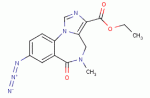
Recently I read about a benzo derivative called Ro15-4513 which actually blocks the effects of ethanol.

This is due to the azido group blocking the binding site of ethanol on the α4β3δ subtype of the GABA-A receptor. (courtesy wikipedia)

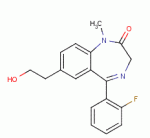
If this is true, then what if we attach a hydroxyethyl or hydroxypropyl group to that position? Would it bind in the same fashion ethanol does?

If so, this would create a very euphoric (and possibly dangerous) benzo.

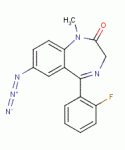
Or alternatively, we could fashion a regular benzo with the azido group, which would prevent alcohol+benzo combination overdoses.

left to right:
Ro15, ethanol benzo, anti-ethanol benzo
 

Attachments

  • Rho.gif
    Rho.gif
    2.9 KB · Views: 106
  • rho2.GIF
    rho2.GIF
    2.7 KB · Views: 99
  • rho3.GIF
    rho3.GIF
    2.7 KB · Views: 88
there is a team at UCLA chasing these targets, I understand they are already most of the way there.

ah that is where you got the info from. :)
 
Better yet, could this benzo have a higher binding affinity that ethanol? Then we could use it to reverse some of the effects of intoxication prematurely. I ready to drive home, lets eat some benzo's....
 
Yea, why wouldn't it block the channel from causing the effects or at least not cause an effect because it doesn't fit right to cause the effects of EtOH(i believe this is the definition of an antagonist but I always get the technical definition muddled)
 
I was under the impression alcohol intoxication was more complicated than just GABA receptor involvement? One thing that comes to mind is naloxone is mean't to reduce some of the pleasant effects of alcohol but not the intoxication (although maybe this is downstream of its effects on GABA receptors??)

^Anyway Very interesting molecule(s). You could definately see it being used for alcohol addiction (if it turns out safe)
 
Yes very true reminisant B. Alcohol effects several GABA subtypes, K channels, and also acts as a dissasociative in higher blood concentrations. Among many other effects. But perhaps some of the intoxication can be reversed?
 
Ro15-4513 is an antagonist of the benzo allosteric modulation site on the GABA(A) receptor, whereas the abuseable benzos are all agonists. Therefore, I highly doubt that any Ro15-4513 derivative with an ethanol-mimetic moiety would produce pleasurable effects.
 
I'm not very familiar with the specifics of ethanol pharmacology, but considering the size of the molecule I think it would be difficult to fully antagonize the effects with a large molecule -- it would be hard to administer enough of a large ethanol antagonist to plug up all the binding sites without risking toxicity from the antagonist. I still need to read that info from the UCLA researchers though...
 
Top