• Psychedelic Medicine
  • Psychedelic Medicine Moderator: mr peabody

DIABETES | +30 articles

19793256-0-image-a-88_1571239607261.jpg


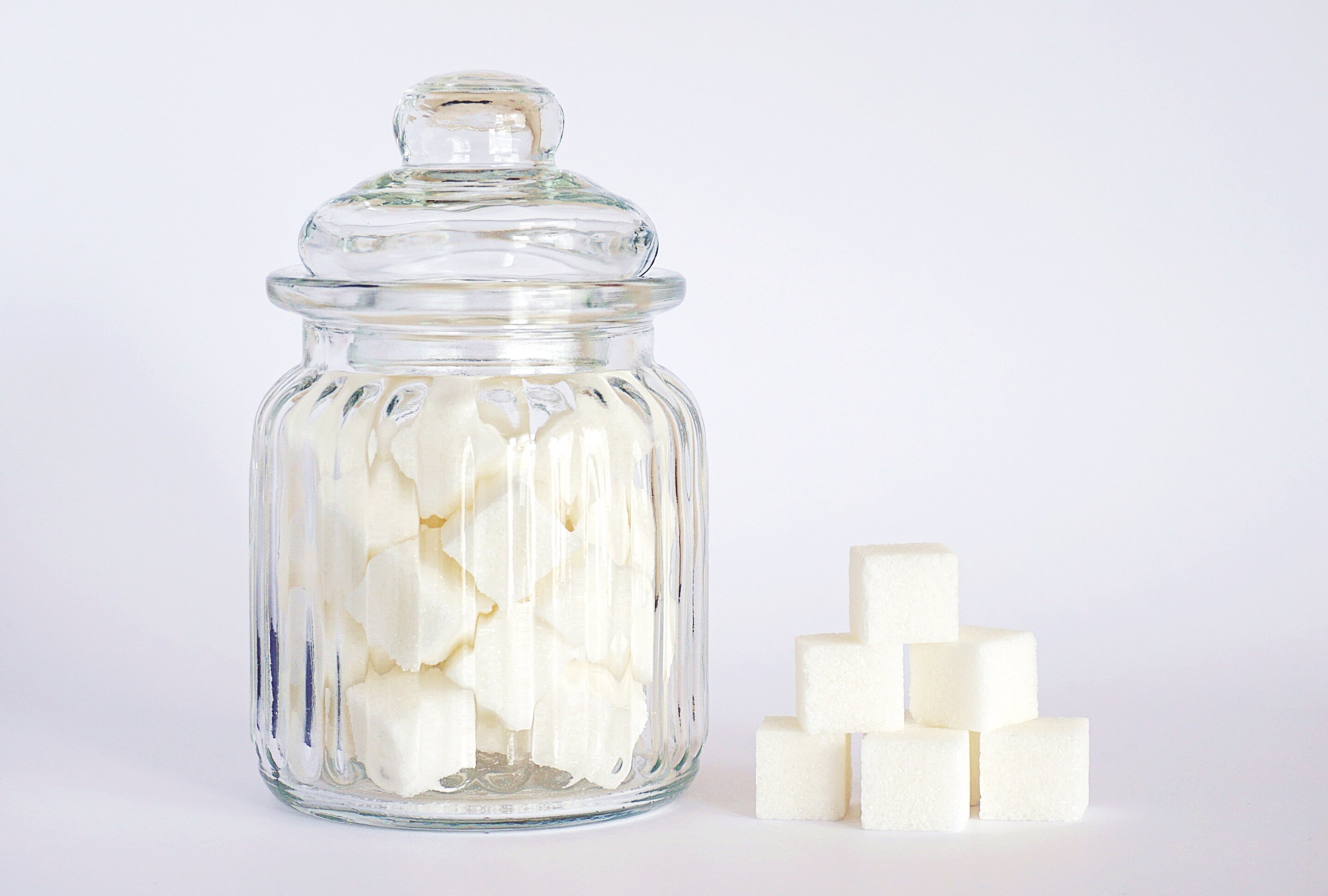
Sugar leads to early death, but not due to obesity

by MRC London Institute of Medical Sciences | Medical Xpress | 19 Mar 2020

Sugar-rich diets have a negative impact on health independent of obesity reports a new study led by the MRC London Institute of Medical Sciences, UK.

Researchers discovered that the shortened survival of fruit flies fed a sugar-rich diet is not the result of their diabetic-like metabolic issues.

The findings, published in the journal Cell Metabolism, instead suggest that early death from excess sugar is related to the build-up of a natural waste product, uric acid.

We all know that consuming too much sugar is unhealthy. It increases our risk of developing metabolic disorders, such as obesity and diabetes, and can shorten our life expectancy by several years. While this reduction in lifespan is widely believed to be caused by metabolic defects, this new study in fruit flies reveals that this may not be the case.

"Just like humans, flies fed a high-sugar diet show many hallmarks of metabolic disease—for instance, they become fat and insulin resistant," says Dr. Helena Cochemé, the principal investigator of the study. "Obesity and diabetes are known to increase mortality in humans, and so people always assumed that this was how excess sugar is damaging for survival in flies."

However, like salt, sugar also causes dehydration. In fact, thirst is an early symptom of high blood sugar and diabetes. Dr. Cochemé continues: "Water is vital for our health, yet its importance is often overlooked in metabolic studies. Therefore, we were surprised that flies fed a high-sugar diet did not show a reduced lifespan, simply by providing them with an extra source of water to drink. Unexpectedly, we found that these flies still exhibited the typical metabolic defects associated with high dietary sugar."

Based on this water effect, the team decided to focus on the fly renal system. They showed that excess dietary sugar caused the flies to accumulate a molecule called uric acid. Uric acid is an end-product from the breakdown of purines, which are important building blocks in our DNA. But uric acid is also prone to crystallise, giving rise to kidney stones in the fly. Researchers could prevent these stones, either by diluting their formation with drinking water or by blocking the production of uric acid with a drug. In turn, this protected against the shortened survival associated with a sugar-rich diet.

So, does this mean we can eat all the sugary treats we want, as long as we drink plenty of tea? "Unfortunately not." says Dr. Cochemé. "The sugar-fed flies may live longer when we give them access to water, but they are still unhealthy. And in humans, for instance, obesity increases the risk of heart disease. But our study suggests that disruption of the purine pathway is the limiting factor for survival in high-sugar-fed flies. This means that early death by sugar is not necessarily a direct consequence of obesity itself."

To understand the impact of dietary sugars on human health, collaborators from Kiel University in Germany explored the influence of diet in healthy volunteers. "Strikingly, just like flies, we found that dietary sugar intake in humans was associated with worse kidney function and higher purine levels in the blood," says Prof. Christoph Kaleta, co-author of the study.

Accumulation of uric acid is a known direct cause of kidney stones in humans, as well as gout, a form of inflammatory arthritis. Uric acid levels also tend to increase with age, and can predict the onset of metabolic diseases such as diabetes. "It will be very interesting to explore how our results from the fly translate to humans, and whether the purine pathway also contributes to regulating human survival," concludes Dr. Cochemé. "There is substantial evidence that what we eat influences our life expectancy and our risk for age-related diseases. By focusing on the purine pathway, our group hopes to find new therapeutic targets and strategies that promote healthy ageing."

Long-term high-sugar diet -> systemic inflammation -> arterial lesions -> plastering-over of arterial lesions -> arterial narrowing -> heart attack / stroke

-pb​
 
Last edited:

onceaweekins.jpg


Once-a-week insulin bolstered by results of phase 2 clinical trials

by Michael Irving | NEW ATLAS | 19 Apr 2021

For millions of patients with diabetes, daily insulin injections are a necessary nuisance. A once-a-week shot might be more palatable, and new results from phase 2 clinical trials suggest just such a drug is safe and effective.

The drug at the heart of the studies is called icodec, an insulin analog with a half-life of 196 hours – a little over eight days. Developed by Novo Nordisk, the drug works by modifying the insulin molecule to keep it from being broken down by enzymes, and maintains a steady insulin release by binding to proteins produced in the liver.

Back in September 2020, the results of a phase 2 trial of icodec were released, showing that the weekly shot was just as effective at managing patients’ blood sugar levels as the usual daily doses, and had similar numbers of adverse events. The two new studies support this finding.

The first study describes a trial involving 205 patients with Type 2 diabetes from seven countries, to test the efficacy and safety of icodec over 23 weeks. They were divided into four groups – a control group that continued receiving daily injections of insulin, and three experimental groups that received weekly icodec shots. These three groups were treated with different titration algorithms, which are used to calculate the dose required to stabilize a patient’s blood glucose levels.

In all three test groups, the new drug worked well and was well tolerated, with no episodes of severe hypoglycemia recorded.

The second study, involving 154 patients from five countries, focused on determining the best way to transition patients from a daily to a weekly dose. The switch was, again, effective and well tolerated by the patients, but the team found that doubling the first dose significantly increased the time patients spent within their required blood glucose range, without increasing the risk of hypoglycemia.

“A weekly insulin is a game-changer that will decrease the treatment burden for patients while also improving compliance,” says Ildiko Lingvay, an author of both studies. “This treatment will also decrease the burden on those who care for patients with diabetes requiring insulin. For example, for patients who need help injecting, those living in long-term care facilities, and those with memory problems, a once-weekly insulin will facilitate treatment and decrease the burden on the care providers.”

A large phase 3 clinical trial is already underway, which will evaluate the efficacy of weekly icodec doses in patients with either Type 1 or Type 2 diabetes.

The two studies were both published in the journal Diabetes Care.

Source: UT Southwestern

 
insulin.jpg


Getting off the blood sugar roller coaster

by McGill University | Medical Xpress | 27 Feb 2020

For the 250,000 Canadians living with type 1 diabetes, the days of desperately trying to keep their blood sugar stable are coming to an end. A team of researchers at McGill University's Faculty of Medicine is working to optimize an artificial pancreas with the ability to minimize the glucose highs and lows that diminish quality of life and contribute to long-term health complications.

Creating smart insulin pumps

Insulin pumps have been around for more than 30 years. Using these portable devices, people living with diabetes manually select the amount of insulin released into their bloodstream. While the majority still prick their finger to test their blood glucose level in order to determine the right amount of insulin, a growing number use an automatic glucose sensor. Even using the automatic sensor, however, the average person hits their glucose target less than 50 percent of the time. As a result, they spend most of their time in a state of hyperglycemia, which produces headaches and weakness, or hypoglycemia, which causes dizziness, confusion, and difficulty speaking.

Dr. Ahmad Haidar began his Ph.D. studies at McGill just as the automatic glucose sensor became commercially available. "It was the best coincidence of my life," he claims, "because the automatic sensor made it possible to create an artificial pancreas system." Drawing upon his background in control engineering, Dr. Haidar devised an algorithm that tells the insulin pump how much insulin to release based on the sensor reading entered by the user. He then teamed up with three clinicians in the McGill Faculty of Medicine—Drs. Laurent Legault, Michael Tsoukas, and Jean-Francois Yale—to form the McGill Artificial Pancreas Lab. Their team of 12 full-time and 45-part time researchers has become the only group in Canada to develop artificial pancreas systems.

Advances through the artificial pancreas systems can improve quality of life

A study recently published in Diabetes Care by the McGill Artificial Pancreas Lab represents a breakthrough in the understanding of what makes an artificial pancreas system effective. With funding from the Juvenile Diabetes Research Foundation, the group ran an experiment to deliver a second hormone, pramlintide, in addition to insulin in hopes that the combination would be superior to insulin alone. In the end, the study found that the combination of drugs significantly improved the percentage of time that a person's blood glucose level stayed within a target range. By slowing down meal absorption, pramlintide gave the insulin more time to work.

"I was surprised at the results," Dr. Haidar admits. "I didn't expect the experiment to be this successful." The patients who received both insulin and pramlintide during Dr. Haidar's study reported a high level of satisfaction with the new treatment regime. "By improving their glucose control, we can greatly improve their quality of life," Dr. Haidar explains.

For the McGill Artificial Pancreas Lab, the next frontier is creating a fully automated artificial pancreas that eliminates the burden of having to manually enter carbohydrate numbers and activate the insulin pump at mealtimes. "There has been an enormous amount of interest in the patient community as we develop this second-generation technology," Dr. Haidar shares. As he works to improve the artificial pancreas system, Dr. Haidar thinks of his colleagues living with type 1 diabetes and the patients he encounters every day. "I'm feeling optimistic about what's ahead for them," he reflects. "We're working to make an impact that goes far beyond our lab."

 
Last edited:
bb_7bfaf738-dafc-4119-953c-6f0e970e1d4e_480x480.jpg


Why we need to cut back on sugar

by James Muecke | The Conversation | 27 Feb 2020

Humans are physiologically hardwired to love and seek out sweet things. It's an ancient survival mechanism that evolved to prepare our bodies for periods of fasting when food supplies were scarce.

Like nicotine, alcohol and other drugs, sugar activates the reward system in our brains, resulting in the release of the neurotransmitter dopamine. It feels good, so we want to do it again.

It can also give us solace when we're down and can alleviate stress, as the dopamine hit counters cortisol, a stress hormone which is released during anxious times.

The problem is, the more sugar we ingest, the more we need to make us feel good. It's a vicious cycle that's hard to break.

Excessive and sustained sugar consumption increases the risk of developing type 2 diabetes, a metabolic disorder where the body can't maintain healthy levels of glucose (sugar) in the blood.

Globally, the number of adults with type 2 diabetes, which is related to diet and lifestyle, has quadrupled over the past 40 years. In 2017-18, one million Australians had type 2 diabetes and many more were at risk of developing the condition.

It's not impossible to cut down on sugar. Some strategies require change on a personal level, while others must be taken on by industry and governments.

Personal strategies

At the personal level, it's a matter of slowly winding down our addiction. Going cold turkey would be incredibly difficult, given 75% of our food and drinks have added sugar.

I started omitting the obvious products loaded with sugar—soft drinks, fruit juices, dried fruit, chocolate, candy, ice cream, cakes and sweet biscuits. I stopped sprinkling sugar on my cereal and stirring it into my tea and coffee.

Even these simple strategies gave me withdrawal symptoms such as irritability, headache, sluggish thoughts, and fatigue, which began on the very first day. These symptoms and the cravings were unpleasant but only lasted three days.

Progressing to the next level might include cutting out commercially produced foods that contain excessive amounts of added sugar such as jams, condiments, and most breakfast cereals.

It might also mean cutting out or down on heavily processed products that contain refined carbohydrates such as white flour (white bread, pastries and pasta), white rice, and white potatoes (especially fries and crisps). Such carbs are broken down to glucose in the gut, and are really just another form of sugar consumption.

It helps to be aware of the times we're consuming sugar out of habit, such as eating a bag of sugary treats at the movies or a block of chocolate in front of the TV, or using sugar as a reward for a job well done.

It's also important to be aware of those times when we're using sugar to make us feel better or alleviate stress. The brain doesn't care where it gets its feel-good chemicals from, so try going for a walk, run or cycle, listen to your favourite music playlist, or try doing a good deed instead.

Government response

From a public health perspective, the government must play a pivotal role in helping people cut down on sugar.

Strategies at the government level should be aimed at accessibility, addition and advertising.

Making sweet products less obvious and accessible in supermarkets, delicatessens, post offices and service stations would be a good start. Moving them away from check-out counters means those reflex purchases are less likely to happen.

Second, we need a levy (or a tax) on products containing high levels of added sugar, particularly on sugar-sweetened drinks. There is strong evidence a tax on such drinks would reduce consumption and result in a decline in type 2 diabetes.

Third, a more transparent system for labelling of the added sugar content of products should be implemented. The current health star rating system is only voluntary and is in need of reform.

Fourth, advertising time and space for sugary products should be restricted, as we have done for cigarettes, starting with ads targeting children on TV and social media.

Fifth, powerful and hard-hitting awareness campaigns should be introduced, as we have done for cigarettes. Who could forget those graphic TV adds of tar being poured over lungs or fat being squeezed out of an artery?

Finally, we need a multi-disciplinary think tank to raise awareness about the health dangers of sugar. Such a body could engage endocrinologists (medical doctors who treat diabetes), public health physicians, neuroscientists, nutritionists, marketers, PR experts, and government representatives to deliver clear and united messages.

The sugar industry and the food and beverage industries will need to be included in discussions about reform, but we can't let commercial interests stop us from acting.

Type 2 diabetes is a growing epidemic and one of the nation's biggest health challenges. It's time for Australia to declare war on type 2 diabetes.

 
Last edited:
Drug duo speeds regeneration of key cells lost in Diabetes*

by Serena Gordon | HealthDay | MedicineNet | 6 Apr 2022

A novel combination of two drugs appeared to spur faster regeneration of insulin-producing beta cells in the pancreas, a preliminary study in mice and human tissue found.

Beta cells are crucial to making insulin, a hormone that's deficient in people with type 1 and type 2 diabetes.

The new drug combo pairs an already approved class of type 2 diabetes medication called GLP-1, with Harmine, a natural β-carboline alkaloid found in Banisteriopsis caapi, a vine used in the preparation of the psychedelic beverage ayahuasca.

"In the United States, 30 million people have diabetes. As many as 80 million have prediabetes. Worldwide, there are 400 million people with diabetes. All of those people have inadequate numbers of beta cells," explained senior study author Dr. Andrew Stewart, Director of the Mount Sinai Diabetes, Obesity and Metabolism Institute in New York City.

Stewart and his team have been working on developing drugs that will make beta cells regenerate. The hope is that if enough beta cells can be created, people won't need any additional diabetes treatment.

In 2015, the researchers found that harmine could coax the beta cells into regenerating. But only about 2% of cells regenerated in a day. "In someone with type 1 diabetes, they've lost about 90% of their beta cells. Two percent a day isn't fast enough," Stewart explained.

The team found another drug that boosted beta cell regeneration, but that drug might have caused significant side effects.

One graduate student and member of Stewart's team from Mount Sinai's Icahn School of Medicine, Courtney Ackeifi, looked at a number of potential drugs to combine with harmine, with the hope of boosting its beta cell regeneration power. A popular class of medications used to treat type 2 diabetes, GLP-1 receptor agonists (Trulicity, Ozempic, Victoza and others), turned out to offer a potent combination when added to harmine.

"If you combine harmine with any member of the GLP-1s, which are used in millions of people with diabetes, they're converted into beta cell-regenerating drugs that replicate at a rate of 5 to 8% a day," Stewart said.

The study showed that the researchers were able to get normal human beta cells and beta cells from people with type 2 diabetes to regenerate.

The researchers also transplanted human beta cells into mice. When those mice were given the drug combination, the beta cells regenerated. There were no serious short-term side effects in the weeklong treatment.

But whenever medications can prompt cells to replicate, there's always a concern that other cells might also regenerate -- and that's not always a good thing. Stewart said the research team has received a grant from JDRF to study the long-term safety of this drug combination.

The researchers also don't know how long the beneficial effects of the drug combination will last -- and if the effects wear off, how often the treatment might need to be given.

Another issue to be addressed is for people with type 1 diabetes. The autoimmune attack that destroys beta cells and causes type 1 diabetes in the first place may still be ongoing. That means it's possible that any new beta cells created could be destroyed. Research into suppressing this autoimmune attack is ongoing.

One expert not involved with the study called it a novel approach, but had questions.

"This is a very interesting finding," said Matthias Hebrok, director of the University of California, San Francisco Diabetes Center. "The advance is in seeing that a combination of drugs -- one of which is being used in people with diabetes already -- overrides the internal blocks that exist in beta cells to prevent them from proliferating."

Hebrok said as with any study, there are many questions still to be answered. "The biggest concern is that the researchers may be trying to proliferate cells that might be compromised," he said.

"For someone to get type 2 diabetes, beta cells don't function as they should. Most people who are obese don't get diabetes. Their beta cells can keep up with the demand. In type 2, the beta cells are inadequate. Even if you make more, it might not work because you've just increased inadequate cells," Hebrok explained.

Stewart said he is hopeful. "We've gone from thinking this was impossible and undoable just five years ago to showing that substantial increases in the rates of beta cell regeneration are possible. Things are moving at a rate that is unprecedented," he said.

The study was published Feb. 12 in the journal Science Translational Medicine.

*From the article here :
 
Last edited:
16748082_303.jpg


Associations between lifetime classic psychedelic use and diabetes*

Otto Simonsson, Walter Osika, Robin Carhart-Harris & Peter Hendricks | July 2021

The objective of the current study was to investigate the associations between lifetime classic psychedelic use and cardiometabolic diseases. Using data from the National Survey on Drug Use and Health (2005–2014), the present study examined the associations between lifetime classic psychedelic use and two types of cardiometabolic disease: heart disease and diabetes. Respondents who reported having tried a classic psychedelic at least once in their lifetime had lower odds of heart disease in the past year and lower odds of diabetes in the past year (adjusted odds ratio. Classic psychedelic use might be beneficial for cardiometabolic health, but more research is needed to investigate potential causal pathways of classic psychedelics on cardiometabolic diseases.

Introduction

Cardiometabolic diseases such as heart disease and diabetes are leading contributors to the global burden of disease. While pharmacological treatment, intensive lifestyle modification, or both can delay or reverse the development of cardiometabolic diseases, no study has thus far investigated the long-term cardiometabolic effects of classic psychedelics, which could potentially be administered both as a pharmacological treatment and as part of a program to facilitate healthy lifestyle changes.

The term classic psychedelics broadly refers to psychoactive substances known to act as agonists primarily at serotonin 2A receptors, which are often categorized into three main classes: tryptamines, lysergamides, and phenethylamines. Most notably, DMT, and the DMT-containing admixture ayahuasca, and psilocybin; LSD comprises the lysergamide class; and phenethylamines include mescaline and the mescaline-containing cacti peyote and San Pedro. The evidence to date suggests that classic psychedelics have a good risk profile, and that classic psychedelics may also have beneficial effects for a range of physical illnesses, including heart disease and diabetes.

There are several mechanisms through which classic psychedelics might influence cardiometabolic health. First, research suggests that classic psychedelics may facilitate healthy lifestyle changes associated with a beneficial impact on cardiometabolic risk factors (e.g., diet, alcohol and tobacco consumption, and exercise). Second, classic psychedelics administered in a safe and supportive setting have been shown to improve mental health conditions associated with cardiometabolic diseases. Third, classic psychedelics have anti-inflammatory and immunomodulatory properties of importance for both mental and cardiometabolic health. Fourth, classic psychedelics have high affinity to serotonin receptor subtypes associated with cardiometabolic diseases (e.g., serotonin 2A and 2C receptors). In sum, classic psychedelics could have both direct and indirect effects that lead to better cardiometabolic health.

Previous research has found associations between lifetime classic psychedelic use and lower odds of being overweight or obese as well as lower odds of having hypertension in the past year, which are risk factors of cardiometabolic disease. Using pooled data from the National Survey on Drug Use and Health (2005–2014), the present study therefore sought to investigate the associations between lifetime classic psychedelic use and two types of cardiometabolic disease: heart disease and diabetes. We hypothesized that lifetime classic psychedelic use would be associated with lower odds of heart disease in the past year as well as lower odds of diabetes in the past year.​

Results

Table 1 ~ Percentage of respondents with heart disease or diabetes in the past year
Lifetime classic psychedelic use Heart disease in the past year
Yes No
Yes 658 54,077
No 6,495 314,977
Lifetime tryptamine use Yes No
Yes 383 39,683
No 6,770 329,371
Lifetime LSD use Yes No
Yes 529 36, 836
No 6,624 332,218
Lifetime phenethylamine use Yes No
Yes 303 13,007
No 6,850 356,047
Lifetime classic psychedelic use Diabetes in the past year
Yes No
Yes 1,322 53,400
No 12,913 308,532
Lifetime tryptamine use Yes No
Yes 722 39,336
No 13,513 322,596
Lifetime LSD use Yes No
Yes 1,013 36,341
No 13,222 325,591
Lifetime phenethylamine use Yes No
Yes 546 12,758
No 13,689 349,174
Table 1 displays the percentage of respondents reporting heart disease or diabetes in the past year. As seen in the table, the prevalence of heart disease or diabetes in the past year among respondents who had ever used a classic psychedelic was approximately 51% and 52%, respectively, of that among respondents who had never used a classic psychedelic. Notably, the prevalence of heart disease or diabetes in the past year among respondents who had ever used a tryptamine (DMT, ayahuasca, or psilocybin) was approximately 45% and 41%, respectively, of that among respondents who had never used a tryptamine. It is noted, however, that these relationships do not control for the range of potential confounding factors.​

Table 2 ~ Lifetime classic psychedelic use and cardiometabolic diseases​


Variable​
aOR (95% CI)​
p value​
Heart disease in the past year
Model 1
Lifetime classic psychedelic use 0.77 .006
Model 2
Lifetime tryptamine use 0.85 .152
Lifetime LSD use 0.88 .199
Lifetime phenethylamine use 0.92 .402
Diabetes in the past year
Model 1
Lifetime classic psychedelic use 0.88 .036
Model 2
Lifetime tryptamine use 0.86 .055
Lifetime LSD use 0.92 .236
Lifetime phenethylamine use 1.01 .891
Table 2 presents results from the regressions on the associations between lifetime classic psychedelic use and heart disease in the past year as well as diabetes in the past year. As illustrated below, lifetime classic psychedelic use was uniquely associated with a 23% lower odds of heart disease in the past year and a 12% lower odds of diabetes in the past year. Among the three main classes of classic psychedelics, neither lifetime tryptamine use, lifetime LSD use, nor lifetime phenethylamine use were uniquely associated with heart disease or diabetes in the past year when simultaneously entered into the regression models, though the association between lifetime tryptamine use and diabetes in the past year approached conventional levels of significance.

Discussion

The results of this national survey-based study showed that lifetime classic psychedelic use was associated with both lower odds of heart disease in the past year and lower odds of diabetes in the past year, which indicates that classic psychedelic use might be beneficial for cardiometabolic health. The findings are novel and build on previous findings on the associations between lifetime classic psychedelic use and various markers of physical health, but there are several limitations inherent in the study design that merit consideration. First, the cross-sectional design used in the present study limits causal inference. The regression models controlled for several potential confounders, but the associations could have been affected by latent variables that were not included in the dataset and could not be controlled for. Second, there was no information in the dataset on the context of classic psychedelic use, dose used, or frequency of use. The analysis could therefore not evaluate context, dose, or frequency-specific associations. Third, the term “heart disease” covers a wide range of conditions and the term “diabetes” can refer to several metabolic disorders, including type 1 and type 2 diabetes. It is therefore possible that associations might vary across types of heart disease and diabetes.

There has been extensive research during the last decades on prevention and treatment of cardiometabolic diseases, including several comprehensive interventions designed to reduce lifestyle risk factors. Yet the potential long-term effects of classic psychedelic use on cardiometabolic health remains largely unknown. The findings in the present study reveal associations between lifetime classic psychedelic use and lower odds of heart disease in the past year as well as lower odds of diabetes in the past year. It demonstrates the need for further research to investigate potential causal pathways of classic psychedelics on cardiometabolic health (i.e., lifestyle changes, mental health benefits, anti-inflammatory and immunomodulatory characteristics, and affinity to specific serotonin receptor subtypes).

*From the study here :
 
Peganum_harmala.jpg

Peganum harmala
Harmine found to induce high rates of human Beta Cell Regeneration in those with Diabetes*

by Jill Murphy | Pharmacy Times | 20 Feb 2020

Combining a drug known to cause beta cells to proliferate with another drug already in widespread use in people with diabetes caused the cells to proliferate at a rate of 5% to 6% per day, according to the study authors.

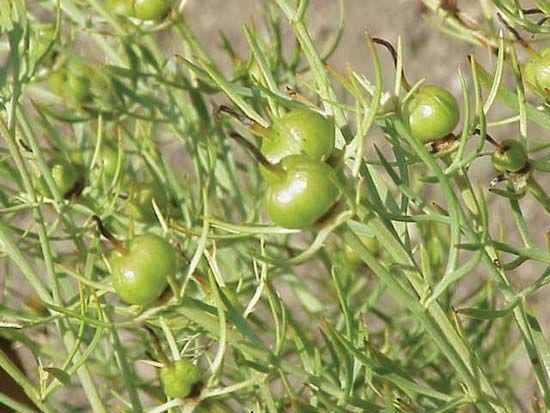
Harmine is a natural β-carboline alkaloid found in several botanical species, such as the Banisteriopsis caapi vine used in the preparation of the psychedelic beverage ayahuasca and the seeds of Syrian rue (Peganum harmala).

Researchers at the Icahn School of Medicine at Mount Sinai have discovered a novel combination of 2 drug classes that cause the highest rate of proliferation ever observed in adult human beta cells without harming most other cells in the body when together. These data are an important step toward a diabetes treatment that restores the body's ability to produce insulin.

When combining harmine, a drug known to cause beta cells to proliferate, with another drug that is already in widespread use in people with diabetes, it will cause the cells to proliferate at a rate of 5% to 6% per day, according to the study authors.

In type 1 diabetes, the immune system mistakenly attacks and destroys beta cells; this deficiency of functioning beta cells is also an important contributor to type 2 diabetes. In terms of the most recent developments in diabetes research, creating medications that can increase the number of healthy beta cells is the biggest priority.

According to the lead author of the study, Andrew Stewart, MD, director of the Mount Sinai Diabetes, Obesity, and Metabolism Institute, none of the drugs currently on the market can induce beta cell regeneration in people with diabetes. Other researchers in the field are studying pancreatic transplantation, beta cell transplantation, and stem cell replacement of beta cells for people with diabetes; however, none of these approaches is in widespread use.

In a 2015 study by Stewart and his team, the results showed that harmine, a drug that inhibits the enzyme dual specificity tyrosine-regulated kinase 1A (DYRK1A), induced multiplication of adult human beta cells. In addition, the team also discovered that harmine treatment led to normal control of blood sugar and proliferation in human beta cells. Although the discovery was a major advance in diabetes treatment, the proliferation rate was lower than needed to rapidly expand beta cells in people with diabetes.

In a December 2018 study, Stewart and his team continued to build upon prior research, discovering that DYRK1A inhibitors combined with another drug that inhibits transforming growth factor beta superfamily members (TGFβSF) could cause beta cells to proliferate at a rate of 5% to 8% per day. Even with this rate, TGFβSF would most likely have adverse effects on other organs in the body that would prevent clinical use, according to the authors.

In the February 2020 study, the researchers combined DYRK1A inhibitors, such as harmine, with a class of beta cell-targeting drugs, also known as GLP1R agonists, which are already in widespread use is people with type 2 diabetes. The results showed that in beta cells from people both with and without type 2 diabetes, harmine combined with any of the many GLP1R agonist drugs currently on the market for diabetes yields high rates of human beta cell replication.

“The beauty here is that the combination of DYRK1A inhibitors with GLP1R agonists achieves the highest rate of human beta cell replication possible, and does so in a highly specific way,” said Courtney Ackeifi, postdoctoral fellow in Stewart’s lab and first author of the paper in a prepared statement to Mount Sinai. “This is an important advance in the field of diabetes because we may have found a way to convert a widely used class of diabetes drugs into a potent human beta cell regenerative treatment for all forms of diabetes.”

*From the article here :
 
Last edited:
Psychoactive alkaloid Harmine may hold the key to reversing diabetes*

A chemical found in ayahuasca has the potential to regenerate pancreas cells that have been lost to diabetes.

by Rachel Barclay | HEALTHLINE

New research published in Nature MedicineTrusted Source may have unlocked a new line of treatment for diabetes.

The researchers honed in on the main culprits in diabetes: beta cells. These cells concentrate in the pancreas in little clusters called islets, and they produce the insulin necessary to keep the body’s blood sugar levels stable.

“In children and adults with type 1 diabetes, they’ve lost 99 percent of their beta cells, so they cannot make enough insulin. That’s the cause of their diabetes,” said Andrew Stewart, director of the Diabetes, Obesity and Metabolism Institute at the Icahn School of Medicine at Mount Sinai, New York City and senior author of the study, in an interview with Healthline. “People with type 2 diabetes also have about a 50 or 60 percent reduction in their number of beta cells in their pancreas, and so they too cannot make enough insulin.”

Growing Beta Cells

Although many drugs exist to control the symptoms of diabetes, there currently is no reliable way to replace beta cells and cure the disease. Stewart joined with lead author Peng Wang and others on a multidisciplinary team to tackle the problem.

“In the world of beta cell regeneration, you can do it in two ways. You can either use stem cells, create stem cells and then transplant them. Or you could take a drug that makes your own beta cells grow,” Stewart explained.

"Although the stem cell transplant research is promising, it involves an invasive procedure and will have difficulty meeting the massive demand," he said.

Diabetes affects more than 20 million AmericansTrusted Source, according to the Centers for Disease Control and Prevention (CDC).

“The need vastly outstrips the stem cell islet supply,” said Stewart. “It would be simply much simpler to take a pill to make your beta cells grow.”

Using a high-volume screening method, Stewart’s team checked more than 100,000 different chemicals to see which had the potential to make beta cells grow. They identified 86 possible solutions and tested each manually. Of these, a single drug triggered beta cell growth: harmine.

Harmine occurs naturally in a number of plants around the world. It’s one of the ingredients in the psychoactive mixture ayahuasca, which is used by some indigenous people for religious purposes.​

The Path to New Treatments

To confirm that harmine would cause beta cell growth, the team took islets from the pancreases of deceased human organ donors.

Then, they transplanted the islets into diabetic mice. They used far fewer than were necessary to cure the mice’s diabetes. Dosing the mice with harmine triggered the beta cells to multiply enough that they could restore the mice’s blood sugar levels to normal.

Stewart cautions that harmine itself isn’t the answer. Instead, harmine might inspire similar drugs that hone in on beta cells and leave the rest of the body, especially the brain, alone.

“We have no way to target drugs specifically to human beta cells,” Stewart said. “That’s what we need to do next. We need to figure out a way to get harmine directed to beta cells specifically and to no other tissue.”

It also won’t cure diabetes on its own. Even if the beta cells regrow, there’s still the problem that damaged them in the first place.

For example, in people with type 1 diabetes, the body’s own immune system has attacked and destroyed the beta cells. Without complementary drugs to keep the immune system in check, newly grown beta cells might also be destroyed.

Still, the team’s discovery is another important step toward developing a medication that may someday reverse diabetes.

Stewart adds that this research would not have been possible without the support of the National Institutes of Health and the Juvenile Diabetes Research Foundation.

*From the article here :
 
Last edited:
The 5 Best Sugar Substitutes for Baking, according to this baker with Diabetes

And I’ve tried a whole lot of them.

by Carolyn L. Todd | SELF | 2 Jun 2022

As a person with diabetes, a massive sweet tooth, and a set of anti-diet values, sugar and sugar substitutes are something I’ve wrestled with quite a bit. Sugar restriction crashed into my orbit when I was diagnosed with type 1 diabetes at age seven. During my hospital stay, I learned that sugary foods were now a challenge for my body, and found comfort in the candy-red cups of sugar-free Jello that I was allowed to safely enjoy—my first taste of a substance that tasted sweet, but wouldn’t affect my blood glucose like actual sugar.

I came home to a pantry cleared of sweets, soon replaced by sugar-free versions of everything. Sugar-free pudding after school and sugar-free Swiss Miss at bedtime. Sugar-free chocolate Santas on Christmas and bunnies on Easter. At restaurants, little pink and blue packets of white powder mixed in with lemon water for sugar-free lemonade.

In theory, these sugar-free treats satisfied my sweet tooth without spiking my blood sugar. In reality, they delivered an artificial approximation of the real thing that tasted just close enough to what I really wanted—without ever actually hitting the spot—that I kept coming back for more. But as I got older, I was increasingly turned off by the saccharine overload, icky aftertaste (hello, aspartame), serious stomach upset (thanks, sugar alcohols), and sense of perpetual dissatisfaction. By my mid-teens, I admitted to myself that the miraculous promise of sugar substitutes was too good to be true after all, and all but cut them out.

Today, sugar substitutes and I are on happier terms. First, I now eat plenty of the real thing. I think the demonization of sugar in recent years—similarly to the austere medical guidance I received as a kid—has done real harm to people’s relationships with food. I firmly believe that eating real sugar every damn day can be part of a balanced and varied diet, people with diabetes very much included. At the same time, it’s a biological reality that processing a large amount of sugar is different for me. A healthy pancreas can handle an influx of simple sugars no problem, but the insulin pump I use to try and mimic my pancreas is imperfect. (Even if I precisely calculate and time my insulin dose, my blood sugar can soar.)

Sometimes this trade-off is 100% worth it, and sometimes I want to enjoy a tray of homemade brownies without worrying about my blood sugar or feeling like crap shortly after—which is where sugar substitutes come in handy. “Sugar alternatives can be a helpful tool to add sweetness without the blood sugar spikes of actual sugar,” Hailey Crean, RD, a Boston-based certified diabetes care and education specialist and certified intuitive eating counselor, tells SELF.

While I still generally avoid most sugar-free packaged foods, sugar substitutes have become a helpful (and fun!) ingredient in one of my favorite hobbies: baking. I love creatively tinkering with recipes—muffins, quick breads, cookies, bars—to lower the final product’s glycemic load (impact on my blood sugar) without sacrificing taste. I often swap out anywhere from one fourth to three fourths of the sugar in a recipe for a sugar substitute (in addition to adding yummy sources of blood sugar-friendly fiber, like nuts, fruit, and whole wheat flour). While it depends on the sweetener and the recipe, I generally notice very modest effects on my blood sugar (and digestive system), and the baking results are excellent.

Originally, I felt conflicted about using sugar substitutes because I worried it clashed with my anti-diet stance and intuitive eating aspirations. But I realized that shunning sugar alternatives because I feel like I should mirrors the black-and-white thinking around food that makes diet culture so harmful. Today I embrace the nuance of being an anti-diet diabetic sweets lover and see sugar substitutes not as a silver bullet but a tool for helping me find balance with priorities that can sometimes feel in competition: enjoying food and my life while also taking care of my body. As Crean puts it, “For someone living with diabetes, we ideally want to keep the diet as liberal and enjoyable as possible while still keeping blood sugar in mind. Using sugar alternatives can sometimes support this goal.”

Of course everyone’s body and relationship with food is different, and the physical effects and emotional implications of sugar substitutes are very individualized, Courtney Darsa, RD, a Manhattan-based certified diabetes care and education specialist and owner of Nourishing NY, tells SELF. It really depends on the person’s health history, food history, tolerance for various sweeteners, and preferences.

Darsa’s advice is to pay close attention to how sugar substitutes affect your system in a holistic way—from your blood sugar’s response to gastrointestinal issues to your sense of satisfaction—to learn what’s best for you. After eating sugar substitutes, “ask yourself, ‘How do I feel, mentally, physically, and emotionally?’” Darsa advises. If you have diabetes and/or other challenges surrounding sugar, it’s best to discuss all this with a health care provider who understands how sugar substitutes can impact your body and well-being, like an endocrinologist, registered dietitian, or certified diabetes care and education specialist.

All that said, if you are looking to experiment with sweet alternatives in the kitchen (or just in your morning coffee), then let’s talk about the best sugar substitutes. There are a ton of options on the market today, and I’ve sampled a lot of them. Thankfully, the overall quality has improved significantly over the last couple of decades—thank you, science!—and many come much closer to the real thing than the Splendas, liquid stevias, and maltitols of years past. Again, these recommendations are based on my personal experience, but you should trust your gut, monitor your blood sugar, and consult your health care team (and taste buds!) about what works for you. Here are my favorite sugar substitutes.


all-purpose-in-the-raw.jpg

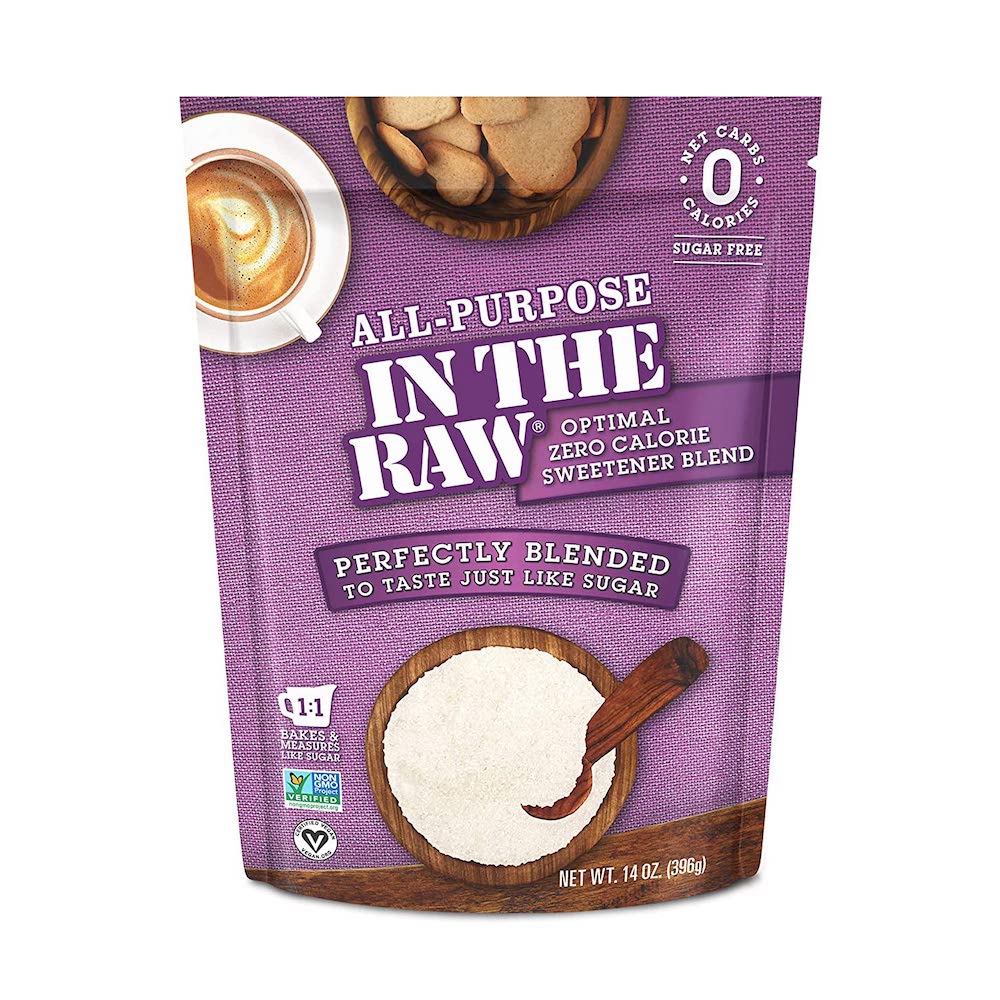
All-Purpose In The Raw Optimal Sweetener Blend

Blends like this one have a couple of advantages over single-ingredient sweeteners in baking. For one, they leave the tinkering with combinations and proportions of different sugar substitutes—often necessary for achieving the optimal taste and baking properties—to the food scientists. In my experience, they also cut back on the risk of an offensive aftertaste. This particular blend is dominated by erythritol, a type of sugar alcohol that research suggests, in moderation, is generally better tolerated (kinder to your G.I. tract) than others and affects blood sugar minimally, SELF has reported. (This is true for me as long as I don’t overdo it but, again, everybody is unique—so listen to your body.) Also containing the unique sweetener allulose (more on that in a minute) and plant-derived high-intensity sweeteners stevia leaf extract and monk fruit extract, this product measures, bakes, and tastes much like good ol’ granulated sugar and has helped me make some excellent brownies and banana bread.​


wholesome-allulose.jpg


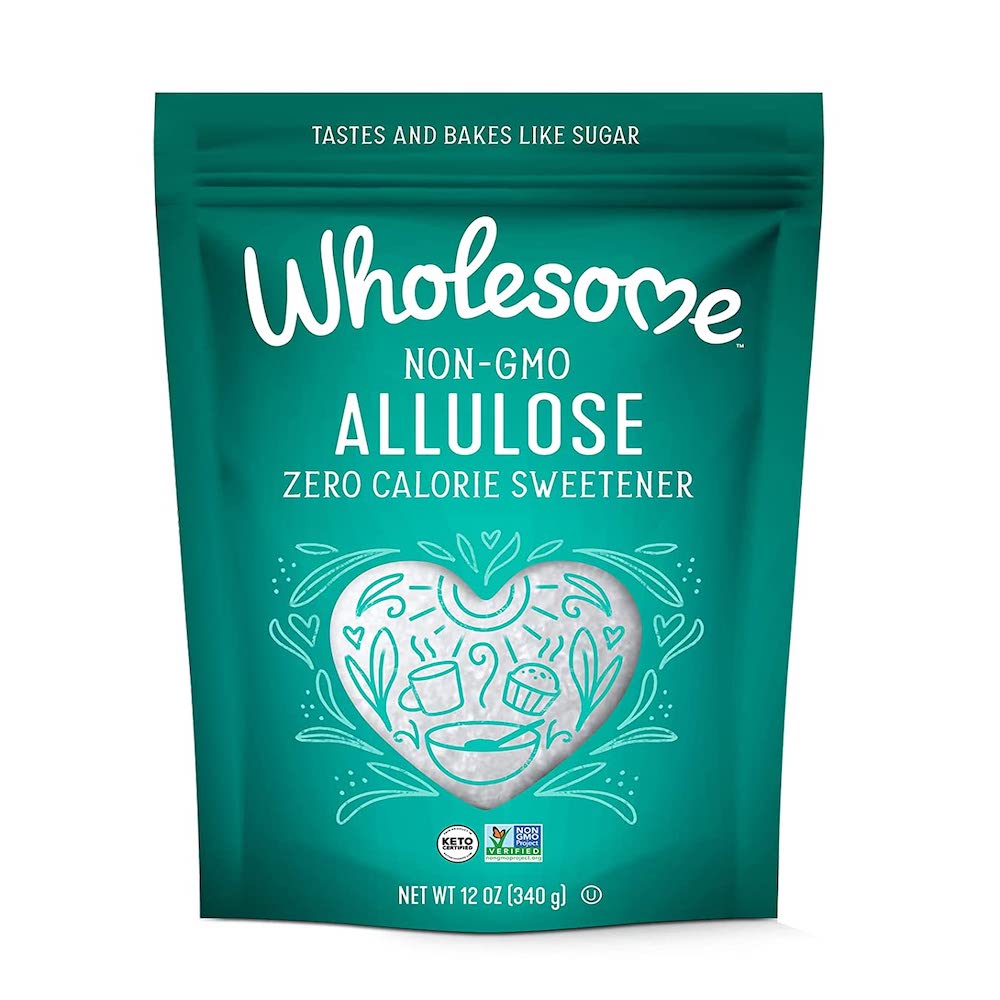
Wholesome Allulose

For a single-ingredient sweetener, this granulated allulose is my go-to. Naturally occurring in small amounts in some plants (like raisins), allulose is actually not a sugar substitute but a “rare sugar” with the same molecular formula as the simple sugars glucose and fructose, as SELF has reported. (Since most of the molecules are not broken down by our digestive system, though, evidence indicates that allulose appears to have a small impact on blood sugar.) And because allulose is chemically so close to regular sugar, it bakes extremely well—measuring, holding moisture, and even caramelizing much like regular sugar. Taste-wise, the flavor profile is familiar, but slightly less sweet than real sugar (about 30% less, Crean says). It’s awesome for cookies.

miss-jones.jpg


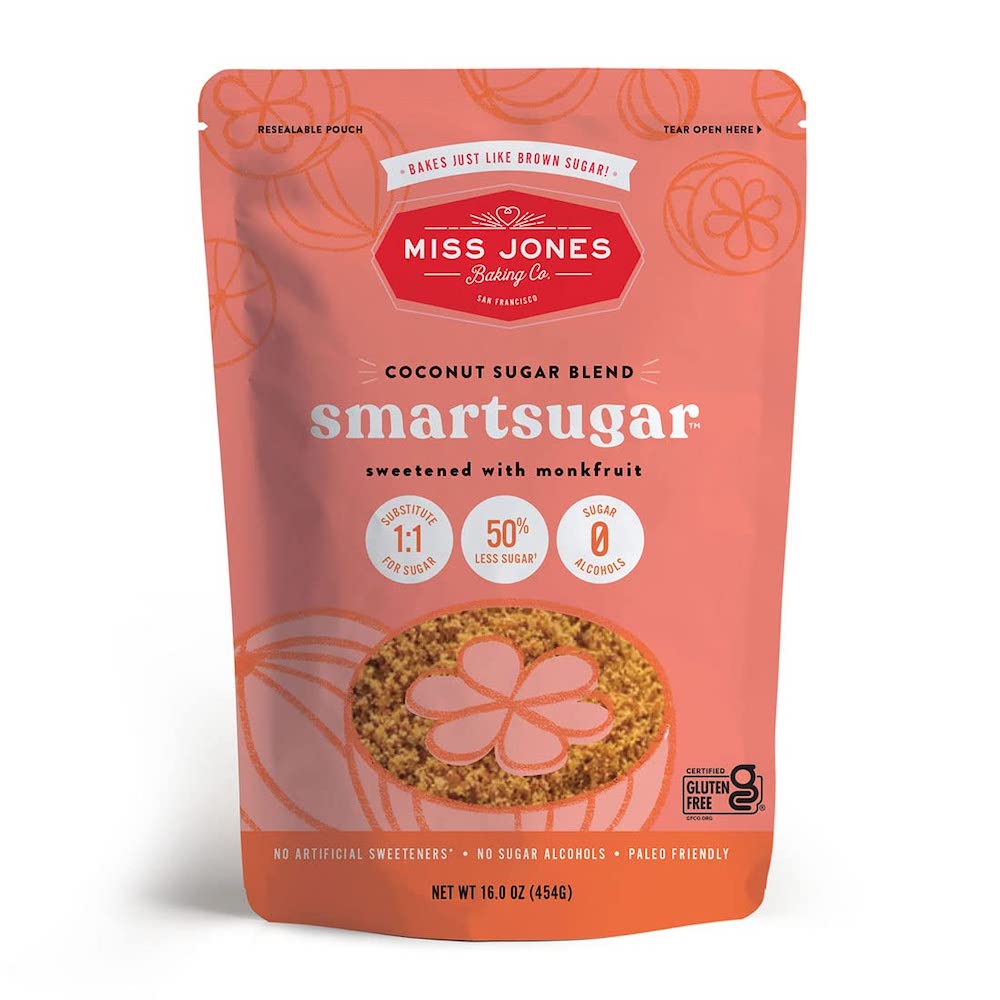
Miss Jones Baking Co. SmartSugar Coconut Sugar Blend

I don’t love swapping out 100% of the sugar in a recipe because the properties of sugar are often integral to chemical and physical reactions in the baking process, as SELF has explained—and the more you swap out, the higher the odds of a baking fail. This unique blend, created specifically for baking, has become one of my favorites—it’s half real sugar, half sugar substitutes. The first ingredient is finely ground coconut sugar, which has a toasty, brown sugar-like flavor that I prefer to white sugar. The rest is a mixture of starches and alternative sweeteners that provide bulk and sweetness: chicory root or tapioca fiber, tapioca syrup, and monk fruit extract. Used cup-for-cup in place of sugar, it bakes like a dream, especially in muffins and quick breads. (The brand’s cane sugar blend is excellent too.)

allulose-maple-syrup.png


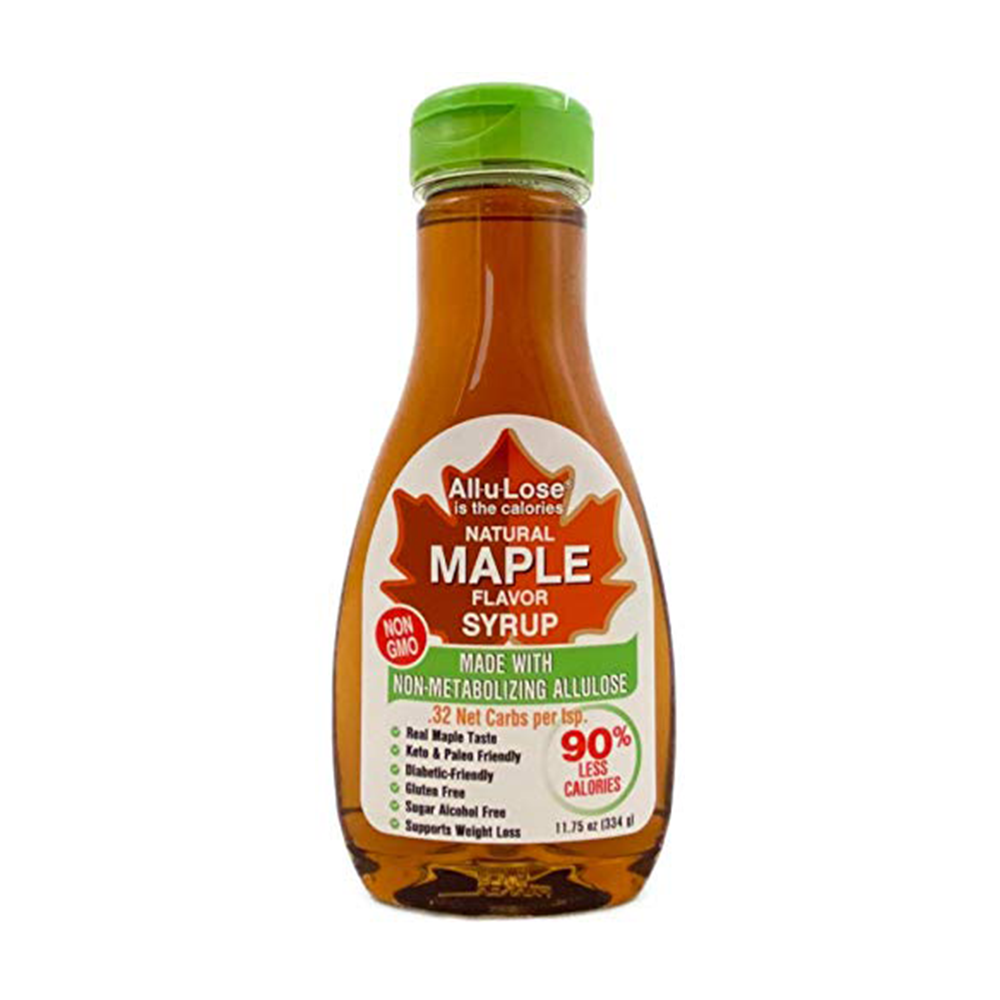
All-u-Lose Natural Maple Flavor Syrup

100% pure maple syrup may be my favorite sweet taste in the world and nothing can compete with it. That said, a couple of tablespoons of the stuff on pancakes will reliably make my blood sugar skyrocket, which is a horrible way to start the day. I first used this syrup—made with allulose and natural maple flavor—on waffles, mixed in equal parts with the real stuff. (While the taste hits the mark, the thin texture misses the inimitable viscosity of the real thing.) I’ve since baked with it in recipes that call for liquid sweeteners like maple syrup, honey, or agave. It imparts a lovely, warm maple flavor to muffins and granola bars, and the thinness is less of an issue in baking—though I’ll still use some amount of real maple syrup for optimal taste and texture results.

king-arthur-baking-blend.jpg


King Arthur Baking Company Baking Sugar Alternative

I was psyched when I first saw this blend at the store—the King Arthur brand is revered among home bakers as a supplier of high-quality ingredients—and this beautifully blended 1:1 sugar replacement does not disappoint. The finely tuned formula uses a whole bunch of ingredients—erythritol, soluble corn fiber, allulose, cane sugar-derived fructan fiber, monk fruit extract, natural flavor, and stevia leaf extract—to approximate the volume, taste, and baking properties of sugar. I’ve used it in brownies and berry-oat bars with great success. (The one potential drawback is that you’re not supposed to use it at temperatures above 350 degrees Fahrenheit, but that’s not a problem in most of my baking.)

Carolyn covers all things health and nutrition at SELF. Her definition of wellness includes lots of yoga, coffee, cats, meditation, self help books, and kitchen experiments with mixed results.
 
Last edited:
Cannabis protective against diabetes in overweight persons

by NORML | Jul 9 2019

A history of cannabis use is associated with lower fasting insulin levels in obese subjects, according to data published in The Journal of Diabetes.

Canadian researchers have assessed the relationship between cannabis consumption and fasting insulin levels and insulin resistance in a nationally representative sample of over 129,000 adults. They reported that both current and past cannabis use was associated with significant and persistent changes in insulin levels in obese subjects compared to non-users. However, these changes were only evident in overweight subjects.

“We found that lifetime marijuana use is significantly associated with lower fasting insulin and HOMA-IR (a measure of insulin resistance) in obese individuals,” authors concluded. “We also found that, a long time (> 10 years) after cessation, former users showed significant lower levels of fasting insulin and HOMA-IR scores than did never users, independent of their frequency of use in the past.”

Preclinical and observational studies indicate that cannabinoids are inversely associated with diabetes, may modify disease progression, and that they also may provide symptomatic relief to those suffering from the disease. A 2006 study published in the journal Autoimmunity reported that injections of 5 mg per day of the non-psychoactive cannabinoid CBD significantly reduced the incidence of diabetes in mice. Investigators reported that 86 percent of untreated control mice in the study developed diabetes. By contrast, only 30 percent of CBD-treated mice developed the disease. In a separate experiment by this same research team, investigators reported that control mice all developed diabetes at 15-20 weeks, while a majority (60 percent) of CBD-treated mice remained diabetes-free at 26 weeks.

Commenting on this study, the journal's Editor-in-Chief wrote in an accompanying commentary: "These are indeed remarkable observations that are supported, as the authors note, by basic science experiments that came to similar conclusions. ... We desperately need a great deal more basic and clinical research into the short- and long-term effects of cannabis in a variety of clinical settings such as cancer, diabetes, and frailty of the elderly. I would like to call on the NIH and the DEA to collaborate in developing policies to implement solid scientific investigations that would lead to information assisting physicians in the proper use and prescription of THC in its synthetic or herbal form."

 
Last edited:
Is Alzheimer's a form of diabetes?

The accumulated evidence is now so strong that many specialists are comfortable referring to Alzheimer's as type 3 diabetes.

Insulin doesn't merely signal the body's somatic cells to take up glucose; it also governs the brain's uptake of glucose. And glucose is what powers the brain. It's the brain's primary energy molecule.

We've known for some time that the brain itself makes a certain amount of insulin, and various parts of the brain are rich in insulin receptors. It's also well established that cognitive decline is correlated with both obesity and metabolic abnormalities involving insulin.

Dr. David Perlmutter lays the blame squarely on diet, and details the case for eating more fats and cholesterol (yes, more cholesterol) and cutting gluten from your diet entirely, pointing to studies that have linked low cholesterol to cognitive impairment.

-Kas Thomas

-----

Studies carried out at Warren Alpert Medical School at Brown University identified the possibility of a new form of diabetes after finding that insulin resistance can occur in the brain.

Lead researcher, Dr Suzanne de la Monte, carried out a further study in 2012 to further investigate the link.

The researchers pinpoint resistance to insulin and insulin-like growth factor as being a key part of the progression of Alzheimer’s disease.

Whereas type 1 and type 2 diabetes are characterized by hyperglycemia (increased blood sugar), a separate study, carried out by the University of Pennsylvania and published in 2012, excluded people with a history of diabetes, indicating that Alzheimer’s can develop without the presence of significant hyperglycemia in the brain.

People that have insulin resistance, in particular those with type 2 diabetes have an increased risk of suffering from Alzheimer's disease estimated to be between 50% and 65% higher.

Researchers have discovered that many type 2 diabetics have deposits of a protein called amyloid beta in their pancreas which is similar to the protein deposits found in the brain tissue of Alzheimer's sufferers.

-diabetes.co.uk

----

New research shows insulin resistance is one of the major factors that starts the brain-damage cascade, which robs the memory of over half the people in their 80s, leading to a diagnosis of Alzheimer’s disease.

Eating sugar and refined carbs can cause pre-dementia and dementia. But cutting out the sugar and refined carbs and adding lots of fat can prevent, and even reverse, pre-dementia and early dementia.

Studies show people with diabetes have a four-fold risk for developing Alzheimer’s. People with pre-diabetes or metabolic syndrome have an increased risk for having pre-dementia or mild cognitive impairment (MCI).

You don’t have to have full blown type 2 diabetes to develop brain damage and memory loss from high insulin levels and insulin resistance.

-Dr. Mark Hyman​
 
MSDE85-Location-770x420.jpg


Ayahuasca component Harmine found to restore the body's ability to make insulin*

by Catharine Paddock | Medical News Today

Scientists have taken a key step in the pursuit of a cure for diabetes that restores the body's ability to make insulin.

They have created a new drug cocktail that can induce insulin-producing cells to regenerate at a rate that is fast enough to work in human treatments.

The recent study by researchers at the Icahn School of Medicine at Mount Sinai in New York City, NY, reveals how a novel combination of two classes of drug can make adult human beta cells replicate at a rate of 5–8 percent per day.

The team reports the findings in a paper that features in the journal Cell Metabolism.

"We are very excited about this new observation," says lead author Dr. Andrew Stewart, who is director of the Mount Sinai Diabetes, Obesity, and Metabolism Institute, "because, for the first time, we are able to see rates of human cell beta cell replication that are sufficient to replenish beta cell mass in human beings."

In earlier work, the team had investigated a small molecule that blocks an enzyme called dual-specificity tyrosine-phosphorylation-regulated kinase 1A (DYRK1A). This molecule led to a beta cell proliferation rate of 1.5 to 3 percent.

In the new study, the team demonstrated how adding a small molecule from a different class of drug raised the proliferation rate to an average of 5–8 percent. The second drug blocks members of the transforming growth factor beta superfamily (TGFβSF).

However, while the study has taken an important step by showing that the drug combination can regenerate beta cells fast enough for treatment, there is still some work to do.

'Achieved previously unattainable rates'

Dr. Stewart says that none of the drugs currently available for the treatment of diabetes are sufficiently effective in getting human beta cells to regenerate.

Researchers are investigating other approaches, such as transplantation of beta cells or the pancreas and treatments that use stem cells to generate new beta cells. "However, none of these are in widespread use, Dr. Stewart notes."

In the earlier work, he and his colleagues had shown that a DYRK1A inhibitor called harmine was able to stimulate a sustained proliferation of adult human beta cells in laboratory cultures.

In addition, mice with human beta cells in place of their own were able to keep blood sugar levels in the normal range following treatment with harmine.

This was a major step forward. However, the rate of new beta cell production was too low for the treatment to be effective in humans with diabetes.

The researchers got the idea of adding a TGFβSF inhibitor to harmine while they were investigating a type of benign tumor that forms in beta cells. This uncovered a novel set of targets for drugs that might enhance beta cell proliferation.

So, the aim of the recent study was to investigate whether combining the two classes of drug might work — and it did.

The investigators write that the study reveals how blocking "DYRK1A and TGFβSF signaling induces remarkable and previously unattainable rates of human beta cell proliferation [...] and actually increases human and mouse beta cell numbers."

The study also explores the mechanisms behind the "remarkable rate of proliferation." The findings show that the drug combination works "not only in beta cells that scientists recovered from normal cadaveric human islets, but also in beta cells that they grew from human stem cells and those from people with type 2 diabetes."

*From the article here :
 
Peganum-harmala-Seed-capsules-harmine.jpg


Ayahuasca compound Harmine may completely reverse diabetes

by Emily Willingham | Scientific American | Dec 21 2018

A potent molecular cocktail containing a compound from ayahuasca spurs rapid growth of insulin-producing cells.

For centuries, indigenous groups in South America have relied on a brew made from the parts of a local vine and a shrub. The effects of this drink, called ayahuasca, were visionary.

Modern techniques have revealed that one of the compounds underlying these mystic experiences is the psychoactive drug Harmine. What these first users of ayahuasca couldn’t have known was that, one day, this ingredient would be positioned as a key to treating diabetes.

Such a cure is a long way off, but researchers took another step toward it when they combined naturally occurring Harmine with a compound synthesized in the lab. Together, the pair can coax the insulin-producing pancreatic cells, called beta cells, into replicating at the fastest rates ever reported, according to findings published December 20 in Cell Metabolism.

Type 1 diabetes arises when the body turns on these cells and destroys them. Type 2 diabetes develops when these same cells wear out and can no longer make insulin. Either effect is a point of no return because the beta cells we make in early life are the only ones we’ll ever have.

If this pair of compounds eventually inches into the treatment toolbox, refreshing a faded cell population could become a reality and a possible treatment for diabetes. “Looking back 10 years or so, we questioned whether human beta cells could even be coaxed into dividing," says Justin Annes, assistant professor of medicine and endocrinology at Stanford University, who also works on beta cell proliferation, with a separate investigator group. “But what began as a fantasy has become aspiration, and perhaps in the coming years, will be a reality.”

One stop on the trip to that reality was a 2015 study showing that Harmine treatment of beta cells in a dish promoted their increase at a rate of about 2 percent per day. A promising beginning, says study author Andrew Stewart, scientific director of the Diabetes, Obesity, and Metabolism Institute at the Icahn School of Medicine at Mount Sinai, but a little too slow for someone who needs a replacement population.

In this newest study, Stewart and his colleagues show that combining Harmine with a synthetic inhibitor of another molecule kicks up the rate to 5–8 percent on average, and as high as 18 percent using some growth recipes. "The one–two punch of this chemical pair isn’t the only possible combination, and other groups also are working on various pairings," Stewart says. Annes and his colleagues have identified several compounds that hold similar promise for pushing insulin-producing cells to reproduce.

“Basically, we’re all competing, but we all know each other so we share reagents and ideas,” says Stewart. “Different people have identified different drugs that make beta cells replicate.” His lab chose Harmine because it’s the one they pulled out of their screening of 100,000 compounds in 2015, but “I don’t think Harmine is especially better than any other one,” he says.

In 2006, another group of researchers plucked Harmine from a molecular haystack in a search for chemicals that interact with a protein associated with Down syndrome. Studies that followed showed Harmine’s role in many body systems, including the gut and the brain, explaining in part the effects of ayahuasca on its earliest adopters.

Harmine interferes with an enzyme called dual-specificity tyrosine-regulated kinase 1A, or DYRK1A. Like Harmine, DYRK1A operates in a host of tissues. It helps, for one, in shaping the central nervous system during embryonic development. First identified because of its key involvement in Down syndrome, its routine duty is to add chemical tags to molecules to switch them on or off.

The other molecule in the synergizing pair is an inhibitor of a group of proteins in the transforming growth factor-beta superfamily (TGFβSF). As with DYRK1A, these proteins are active in a large number of body processes, including cell proliferation.

Stewart and his team homed in on TGFβSF and DYRK1A after probing the secrets of cells from benign pancreatic tumors called insulinomas. They reasoned that if they could pinpoint what made these tumors grow, they could co-opt that information to encourage growth of normal beta cells. Their exploration uncovered DYRK1A and TGFβSF-related targets.

Inhibiting these molecules in human beta cells in a dish shuts down the cell regulators that usually keep the brakes on cancer’s out-of-control cell growth. Because Harmine and TGFβSF inhibitor release this brake and DYRK1A and TGFβSF are active in many tissues, any treatment involving the pair of inhibitors must be closely targeted. “Certainly, we have a long way to go before these medications can be used in humans,” says Annes, calling the concern about cancer risk “reasonable.”

"Adding to that concern is that Harmine affects other cell types," says Klaus Kaestner, professor of genetics and associate director of the Penn Diabetes Research Center at the University of Pennsylvania. In 2016, his group has reported that Harmine triggers many types of hormone-producing cells to divide, including other cells in the pancreas.

"Type 1 diabetes poses another hurdle. Although the immune system targets and destroys these cells in this form of diabetes, a small pool of beta cells often remains," Stewart says. "What’s unknown is whether a new population grown from these cells would simply attract further immune destruction."

"If the Harmine-TGFβSF inhibitor combination ever makes it to trials, the population it might initially suit best are those who have type 2 diabetes. Then the journey to a South American rainforest for clinical treatment might be justified,"
said Stewart.

*From the article here :
 
Top