• Psychedelic Medicine
  • Psychedelic Medicine Moderator: mr peabody

DIABETES | +30 articles

mr peabody

Moderator: PM
Staff member
Joined
Aug 31, 2016
Messages
6,082
Location
Frostbite Falls, MN
PP.jpg


Can cannabis help people with diabetes?*

by Jayne Leonard | Wed 27 March 2019

Many people in the United States use marijuana, or cannabis, as a recreational drug, but the compounds that it contains also show promise for medicinal use. Does marijuana have potential as an alternative treatment for diabetes?

Diabetes is a chronic condition that affects blood sugar regulation and can lead to dangerous complications relating to the nervous system, heart, blood vessels, and kidneys.

In this article, we look at how the medicinal properties of marijuana might benefit people with diabetes by alleviating some of the symptoms of this condition.

Benefits for people with diabetes

An advocacy group called the American Alliance for Medical Cannabis (AAMC) suggest that marijuana might have the following beneficial effects in people with diabetes:

- stabilizing blood sugar levels
- lowering arterial inflammation due to its antioxidant properties
- reducing neuropathic pain, a complication of diabetes
- keeping blood vessels open, which may reduce blood pressure over time and improve circulation
- providing relief from muscle cramps
- relieving gastrointestinal pain and cramping

However, the AAMC also caution that the results of studies on these benefits are contradictory. Research into medicinal marijuana is still ongoing, and further studies are necessary to help both medical professionals and patients understand the therapeutic and adverse effects more clearly.

Marijuana may offer other benefits for people with diabetes.

Smaller waist size and lower risk of obesity

Being overweight or having obesity is one of the most significant risk factors for the development of type 2 diabetes.

Studies show that marijuana may help reduce the risk of obesity, which may decrease a person's likelihood of diabetes in turn. For example, a 2013 study of 4,657 people, including 579 current marijuana users and 1,975 past users, identified an association between smaller waist size and marijuana use.

On average, people who were still using marijuana at the time of the study had a waist circumference that was 1.5 inches (3.8 centimeters) less than that of people who were not.

This finding supports earlier research, which found that the occurrence of obesity was lower among people who used cannabis than among those who did not.

Increased insulin sensitivity

The body's ability to use insulin effectively is vital for health. However, in people with type 2 diabetes, the body is less sensitive to the effects of insulin and, therefore, less responsive to this hormone.

Research has shown that marijuana users may have increased insulin sensitivity.

In a large study, scientists observed that the fasting insulin levels of users were 16 percent lower than those of both former users and nonusers. The levels of insulin resistance among this group were also 17 percent lower on average.

The results of a 2016 study, which recruited people with type 2 diabetes who were not taking insulin, indicated that a form of the cannabinoid THC had the following effects:

- a significant drop in fasting blood glucose
- improved production of insulin
- raised levels of adiponectin, a protein that regulates blood sugar

Topical CBD hemp oil

A 2014 study found that a topical marijuana treatment that combined CBD and THC led to reduced symptoms in participants with peripheral neuropathic pain.

Using a spray, people can apply these cannabinoids directly to their hands and feet to reduce the pain and tingling sensations that are symptomatic of diabetic neuropathy.

A variety of CBD and hemp oils, lotions, and balms are available to purchase online.

People should always purchase these products from a reputable supplier and check with a doctor first to ensure that they are safe to use. If sellers store marijuana in damp areas, it can produce dangerous molds that can cause serious lung disease.

Anti-inflammatory properties

Inflammation plays a role in the development of types 1 and 2 diabetes and other chronic diseases.

Some 2015 research suggests that the anti-inflammatory properties of CBD can treat the inflammation that contributes to diabetes and some of its associated complications.
Protection against retinopathy

Diabetic retinopathy is the leading cause of vision loss in people living with diabetes.

According to the National Eye Institute, it is also the most common cause of blindness in adults of working age.

The results of research on animals suggest that 1 to 4 weeks of CBD treatment can provide significant protection from diabetic retinopathy.

Managing neuropathy pain

Diabetic neuropathy is a common complication of diabetes.

It is a form of nerve damage that occurs most often in the legs and feet but might also develop in other parts of the body. Neuropathy is often extremely painful, and it can be fatal in some cases.

The authors of a 2015 study involving people with neuropathic foot pain concluded that inhaling cannabis can provide several hours of relief from diabetic neuropathic pain.

The researchers noted that higher doses of THC provided greater pain relief.

Medicinal properties

Marijuana contains many different chemicals, more than 100 of which are called cannabinoids. This term means that they have chemical links to tetrahydrocannabinol (THC), the psychoactive substance in marijuana that produces its "high."

Of all the cannabinoids in marijuana, researchers tend to focus on THC and cannabidiol (CBD). CBD is not a psychoactive substance as it does not produce a "high," but it has several medicinal uses.

Cannabinoids interact with receptors in the central nervous system of the body. This interaction can affect several processes in the brain and nervous system, such as:

- mood
- pain
- memory
- coordination
- appetite

Some cannabinoids, including CBD, may also have anti-inflammatory properties.

The various cannabinoids all have different properties, and they may be useful for treating a range of health conditions.

"There have been studies that showed how the whole plant was more effective than the single-molecule compounds of one CBD or another. This was true even when the whole plant had lower doses of the active components. There is some theory that the different parts of the plant work together to boost effectiveness, without increasing dose or side effects. I think more research will come but, currently, the whole plant is still illegal in many places so using only one component of the plant might be your only legal choice." - Debra Rose Wilson, PhD, MSN, RN, IBCLC, AHN-BC, CHT

*From the article here :
 
Last edited:

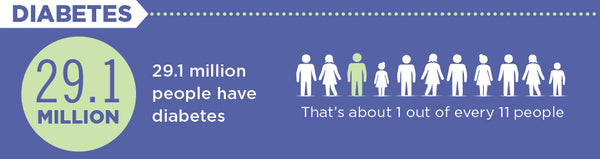
29-1-people-diabetes-banner-8_grande.jpg


Can cannabis treat, or even prevent diabetes?

by Andre Bourque | Dec 5, 2018

The legalization of cannabis has dominated the news, recently, but medical marijuana research continues to advance apace. Earlier this year, the FDA approved the first prescription drug derived from cannabis to treat epilepsy. This approval marks a watershed moment for legitimizing its active ingredients as a viable treatment for diseases, even though cannabis advocates have been promoting its treatment possibilities for decades.

One of the most promising—and pressing—areas of research has to do with the effects of medical marijuana on people with diabetes. Millions of people suffering from the disease are looking for relief from both the symptoms and the high costs healthcare associated with treating the disease.

The diabetes epidemic and the need for change

Diabetes is one of the most prevalent, and hard to treat, diseases today. According to the Center for Disease Control (CDC), over 100 million U.S. adults are now living with diabetes or pre-diabetes. Worldwide, it is estimated that 8.5% of adults have diabetes, up from 4.7% in 1980. Besides contributing to early deaths, diabetes is also a “major cause of blindness, kidney failure, heart attacks, stroke, and lower limb amputation.”

The disease not only has a profound effect on the people diagnosed with it. Increasingly, the costs of treating the disease are placing a strain on individuals and the U.S. healthcare system. According to the American Diabetes Association, in 2017 the total estimated cost of diagnosed diabetes was $327 billion--$90 billion of which was attributed to reduced productivity. A staggering 1 in 4 health care dollars in the U.S. were spent on people diagnosed with diabetes.

Diabetes is deadly, debilitating, and costly. There is a dire need for solutions to help prevent the disease and treat the myriad symptoms without the inflated costs associated with the U.S. healthcare and pharmaceutical industries.

Can cannabis treat, or even prevent diabetes?

Diabetes is a complicated disease, and the causes of both Type 1 and Type 2 are not well understood. Though the causes are murky, how the disease affects the body is well known. Both forms of the disease stem from irregularities with the body’s ability to produce and regulate insulin—a hormone created by the pancreas that allows your body to process sugar. As the disease progresses, many people may need to supplement their insulin or go on expensive insulin replacement therapy.

For people with diabetes, it is critical to manage blood-glucose levels and manage the associated symptoms of the disease to avoid the worst outcomes, including vision loss, kidney damage, and limb amputations.

For the most part, research investigating the relationship between marijuana use and diabetes has shown promising results, but a lack of large-scale testing showing definitive correlations between diabetes treatment and marijuana still needs to be undertaken.

Of the studies conducted, they fall into two categories: prevention and treatment. The correlation between marijuana and diabetes prevention is largely inconclusive. A 2012 study published in BMJ Open found a 58% reduced risk of developing diabetes associated with marijuana use. A larger 2016 study published in the Journal of Diabetes Research found no correlation between cannabis use and diabetes.

However, according to The Diabetes Council, the correlation between marijuana and the treatment of the symptoms of Type 1 and Type 2 diabetes, as well as pre-diabetes, may lie in anti-inflammatory capabilities of cannabinoids. According to cannabisMD.com, research that has been conducted has implied that the use of cannabis may help with stabilizing blood sugars, preventing nerve inflammation, lowering blood pressure over time, keeping blood vessels opened and improving circulation. Research has also found that cannabinoids may be more effective than existing diabetes medication.

For people with Type 1 diabetes, The Diabetes Council research has found that CBD can reduce the occurrence and delay the onset of the disease. Furthermore, the THC enzyme has been found to suppress the autoimmune response of the disease, reducing the amount of insulin needed during treatment. People suffering from Type 2 diabetes that use CBD may fix an endocannabinoid imbalance that makes it harder for people to lose weight, which is an important step in treating Type 2. And, CBD may also help reduce insulin resistance, the crucial mechanism that causes the disease to progress.

More broadly, the anti-inflammatory properties of marijuana may be critical to helping treat the secondary symptoms of the disease, including heart problems, pain, and eye issues. Research from the American Alliance for Medical Cannabis (AAMC) found other benefits from cannabis use on secondary symptoms, including:

- A “neuroprotective” effect that can reduce nerve pain
- “Anti-spasmodic agents” that can relieve GI cramping and pain
- A “vasodilator” effect that can improve circulation
- Calming of diabetic “restless leg syndrome” that can help people sleep better

Marijuana should not be seen as a cure-all, but it does offer a potentially safer—and less expensive—way to treat and manage the disease. The anecdotal success of marijuana as a treatment for diabetes and the promising initial scientific findings certainly warrants further, and more serious study into the correlation.

Changing the lives of diabetics with CBD products

Leading the charge in creating cannabis-based solutions for people with diabetes is Phoenix Life Sciences International (PLSI), an adaptive healthcare solutions company looking to create a global platform for the reintroduction of plant-based pharmaceuticals, including medical cannabis products into the mainstream of healthcare. PLSI is researching new products to target and treat diabetes, pain, cancers, gastrointestinal, autoimmune, neurological, and sleep disorders.

I met with PSLI CEO and founder, Martin Tindall, at last month's MJ Biz Con. the struggle to treat and cure diabetes is personal, as his wife and much of her family suffer from diabetes. Tindall had seen the effects of CBD and THC on his own brother-in-law’s blood sugar levels, which led him to develop an FDA-approved medication for treating diabetes.

"The opportunity to treat diabetes with cannabis allows us to develop 'progressive pharma' solutions," Tindall told me. "Unlike cancer being treated with CBD with longer cycles, diabetes is the type of disease conducive to consistent testing as blood levels can be tested every day," Tindall explained.

In this charter, PLSI named Col. Philip Blair, M.D. as the Diabetes Director of Medical Advisory Council. Dr. Blair, a graduate from West Point and the University of Miami School of Medicine, has been studying, treating, and lecturing about the body’s natural endocannabinoid system and the medicine behind cannabis since 2014.

On top of naming Dr. Blair as Diabetes Director, PLSI has recently received clearance to import its new cannabis diabetes drug into the Republic of Vanuatu, a small South Pacific island nation, where 13 percent of its 265,000 residents suffer from diabetes. Like the U.S., the Republic of Vanuatu’s national healthcare system is overburdened by the costs of treating the disease.

With the clearance, PLSI is on course to begin clinical trials of the drug for its first 1,000 patients. PLSI is hoping to improve the lives of people with diabetes on the islands and reduce the costs of treating the disease. If the trials are a success in Vanuatu, people with diabetes in the U.S. can only hope that the drug can begin the long journey through the FDA approval process.

In the end, the success of cannabis as a treatment for diabetes may not lay in the efficacy of the plant alone. Medical acceptance and use of treatments all comes down to the money in the end. "If you can save the insurer money, it works everywhere else," Tindall concluded.​
 
Last edited:

Cannabis and its effect on diabetes*

There is growing research investigating cannabis use and its effects on diabetes.

Possible benefits of cannabis

A number of animal-based studies and some human studies have highlighted a number of potential health benefits of cannabis for diabetes.

Research by the American Alliance for Medical Cannabis (AAMC) has suggested that cannabis can help:

- Stabilise blood sugars - a large body of anecdotal evidence is building among people with diabetes to support this.
- Suppress some of the arterial inflammation commonly experienced by people with diabetes, which can lead to cardiovascular disease
- Prevent nerve inflammation and ease the pain of neuropathy - the most common complication of diabetes - by stimulating receptors in the body and brain.
- Lower blood pressure over time, which can help reduce the risk of heart disease and other diabetes complications
- Keep blood vessels open and improve circulation.
- Relieve muscle cramps and the pain of gastrointestinal (GI) disorders
- Be used to make topical creams to relieve neuropathic pain and tingling in hands and feet

Cannabis compounds have also been shown to reduce intra-ocular pressure (the fluid pressure within the eye) considerably in people with glaucoma - a type of eye disease that is caused by conditions that severely restrict blood flow to the eye, such as severe diabetic retinopathy.

Insulin benefits

THCV and CBD have been shown to improve metabolism and blood glucose in human and animal models of diabetes.

A 2016 study found that THCV and CBD decreased blood glucose levels and increased insulin production in people with type 2 diabetes, indicating a “new therapeutic agent for glycemic control.”

Previously, tests in mice have shown the compounds boosted metabolism, leading to lower levels of cholesterol in the blood and fat in the liver.

UK-based company GW Pharmaceuticals is currently in the process of developing a cannabis spray called Sativex, a prescription medication used to treat muscle spasms in multiple sclerosis. GW is aiming to utilise the CBD and THCV compounds in the product to help with blood sugar regulation in people with type 2 diabetes.

Meanwhile, a separate 2017 study found that cannabis use was linked with lower insulin resistance in a cohort of people with and without diabetes.

Treatment for inflammation

CBD has long been known to possess anti-inflammatory properties, and because chronic inflammation is known to play a role in the development of insulin resistance and type 2 diabetes, research is investigating its efficacy in reducing inflammation in diabetes.

A 2017 study by the Medical College of Georgia revealed that CBD treatment reduced inflammation in animal models of diabetes, concluding “the nonpsychotropic CBD is a promising candidate for anti-inflammatory and neuroprotective therapeutics.”

In 2015, Israeli researchers at the Hebrew University of Jerusalem reported that the anti-inflammatory properties of CBD, could treat different illnesses such as diabetes, atherosclerosis and cardiovascular disease.

In August 2015, cannabis pills containing only CBD, and not THC, were sold legally in Europe for the first time.

Treatment for peripheral neuropathy

Peripheral neuropathy is another complication reported to be eased by cannabis.

The Medical College of Georgia Study in 2017 also revealed that CBD treatment reduced the severity of diabetic retinopathy in diabetic animal models.

Another study in 2015 saw University of California researchers gave 16 patients with painful diabetic peripheral neuropathy either placebo, or single doses of cannabis, which varied in dose strength.

Tests were first performed on baseline spontaneous pain, evoked pain and cognitive function. The higher the content of THC participants inhaled, the less pain they felt.

Treatment for obesity

Furthermore, GW Pharmaceuticals research has revealed that cannabis could be used to treat obesity-related diseases such as type 2 diabetes by increasing the amount of energy the body burns.

In December 2014, cannabis was linked to a lower likelihood of obesity, lower BMI and reduced risk of type 2 diabetes in an Inuit population.

Cannabis drug class

Laws regarding the production, possession, use and sale of cannabis came into effect in the early 20th century.

But despite being illegal in most countries, including the UK, its use as a recreational drug is still very common.

In fact it is the most used illicit drug in the world, according to the United Nations, with approximately 22.5 million adults across the globe estimated to use marijuana on a daily basis.

Legal status

In the UK, cannabis is categorized as a Class B drug under the UK Misuse of Drugs Act.

Individuals caught in possession of marijuana are therefore given more lenient punishment - often confiscation and a 'cannabis warning' for small amounts.

Effects of cannabis

Cannabis causes a number of noticeable but mild (in comparison with other recreational drugs) physical and mental effects. These include:

- Increased pulse rate
- Dry mouth
- Increased appetite
- Bloodshot eyes
- Light-headiness
- Occasional dizzy spells
- Problems with memory, concentration, perception and coordinated movement

Pro-cannabis groups and campaigners often highlight its pain relief benefits and stress the fact that not one cannabis-related death has ever been recorded.

Treatment for peripheral neuropathy

Another study in 2015 saw University of California researchers gave 16 patients with painful diabetic peripheral neuropathy either placebo, or single doses of cannabis, which varied in dose strength.

Tests were first performed on baseline spontaneous pain, evoked pain and cognitive function. The higher the content of THC participants inhaled, the less pain they felt.

Experts from Diabetes New Zealand, a national non-profit organization, also claim that cannabis indirectly affects blood glucose levels due to the drugs’ effect on the brain, which they say can lead to users not recognizing symptoms of hypoglycemia (low blood sugar) or confusing such symptoms with the effects of the drug.

*From the article here :
 
Last edited:
dt_191230_brewed_filtered_coffee_800x450.jpg


Filtered coffee tied to lower diabetes risk

by Marlene Busko | Medscape | Dec 31 2019

In a Swedish case-control study, drinking filtered coffee was associated with a lower 10-year risk of developing type 2 diabetes than abstaining from coffee completely, but the same was not true for drinking boiled coffee.

The researchers used liquid chromatography–mass spectrometry to identify metabolites in the serum of adults who drank filtered coffee rather than boiled coffee.

Adults who drank two to three cups of filtered coffee a day had a 58% lower risk of developing type 2 diabetes within 10 years than those who drank fewer than one cup of filtered coffee a day after adjusting for multiple confounders.

The protective effect on the risk of developing type 2 diabetes was not seen with boiled coffee.

With filtered coffee, finely ground coffee beans are placed in a filter, through which water then passes, either in a machine or manually. Boiled coffee is made with coarsely ground coffee beans that are then added directly to the water. This method includes Turkish and Greek coffee, or espresso-based drinks, which are most common in Southern Europe.

Sweden is among the countries with the highest filtered coffee intake worldwide, but in Sweden the consumption of boiled coffee is also high, especially in the large, rural areas of northern Sweden.

In the United States, filtered coffee is the most common variety. Instant coffee is predominant in the United Kingdom.

Does filtering get rid of harmful molecules?

The study findings therefore support "a protective role of habitual intake of filtered coffee on type 2 diabetes development," say Lin Shi, PhD, a postdoctoral researcher at Chalmers University of Technology in Gothenburg, Sweden, and colleagues in their study, published online December 9 in the Journal of Internal Medicine.

Senior author Rikard Landberg, PhD, professor of food and nutrition science at Chalmers University of Technology, further qualified this in an email to Medscape Medical News: "We found that the molecules previously associated with increased risk of cardiovascular disease (diterpenes) were highly present among boiled coffee consumers but not among filtered coffee consumers."

"We think that these molecules may have adverse effects on type 2 diabetes risk,"
he continued, "and studies have previously shown that these molecules get stuck in the filter paper."

Intake of instant coffee, espresso, cafetière (French press) coffee, and percolator coffee was not common among the Swedish population studied when the data were collected.

But given that espresso coffee ― or the now popular coffee-pod ― is also brewed without filter paper, Landberg believes the health effects could be similar to that of boiled coffee regarding the risk for type 2 diabetes. Thus, "it is likely that these harmful metabolites are still present (unless other means are taken to remove them)," he said. He cautioned that this would need to be confirmed in further studies.

And coffee made in a cafetière, or French press, is prepared in a way similar to that of boiled coffee, so drinking coffee made that way may also not reduce type 2 diabetes risk, he added. Again, he and his fellow researchers are careful to note that no firm conclusions can be drawn yet regarding these other preparation methods.

Moreover, "one should also remember that the levels of the 'adverse' molecules are dependent on several factors, such as roasting, cultivation, etc," he added, "and it is difficult to generalize unless the different brews are analyzed independently."

In Sweden, a cup of coffee is defined as containing 1.5 dL, he explained, "so two to three cups a day corresponds to 300 to 450 mL of coffee." Other countries may differ in this respect.

Nevertheless, according to the researchers, "the present study demonstrates the potential of using metabolite biomarkers specific for coffee brews as a complement to traditional dietary assessment in investigating their role in type 2 diabetes development, especially in existing cohorts where consumption data of different coffee brews are lacking."

"Identified metabolites should be further investigated as candidate biomarkers of specific intakes of filtered and boiled coffee in future studies,"
they concluded.

Could plasma metabolites in coffee drinkers predict diabetes risk?

Previous studies that have examined the association between coffee consumption and risk of developing type 2 diabetes utilized food frequency questionnaires and did not distinguish between different types of coffee preparation, the authors write.

In the current study, the investigators aimed to identify plasma metabolites associated with the two common types of coffee consumed in northern Sweden (filtered and boiled) and then see how coffee consumption was associated with risk for type 2 diabetes.

They identified 149 adults (86 men, 63 women) who enrolled in the prospective Västerbotten Intervention Programme (VIP) study from 1995 to 2005 and who developed type 2 diabetes during the next 10 years.

These participants were matched with 149 similar participants who did not develop diabetes.

The researchers identified 12 metabolites in plasma that predicted boiled coffee intake and 10 metabolites that predicted filtered coffee intake.

The strongest predictors of boiled coffee intake were the diterpenes.

However, this was an observational study, so it cannot show a causal effect, nor was it designed to investigate a potential biological mechanism, the authors stress.

Nevertheless, the research illustrates how "metabolomics is a fantastic tool, not just for capturing the intake of specific foods and drinks, but also for studying the effects that that intake has on people's metabolism," said Shi in a press release issued by the university.

"We can derive important information on the mechanisms behind how certain foods influence disease risk," she concluded.

 
Last edited:
stem-cell-science-with-novel-transplantation-technologies-diabetes-x.png

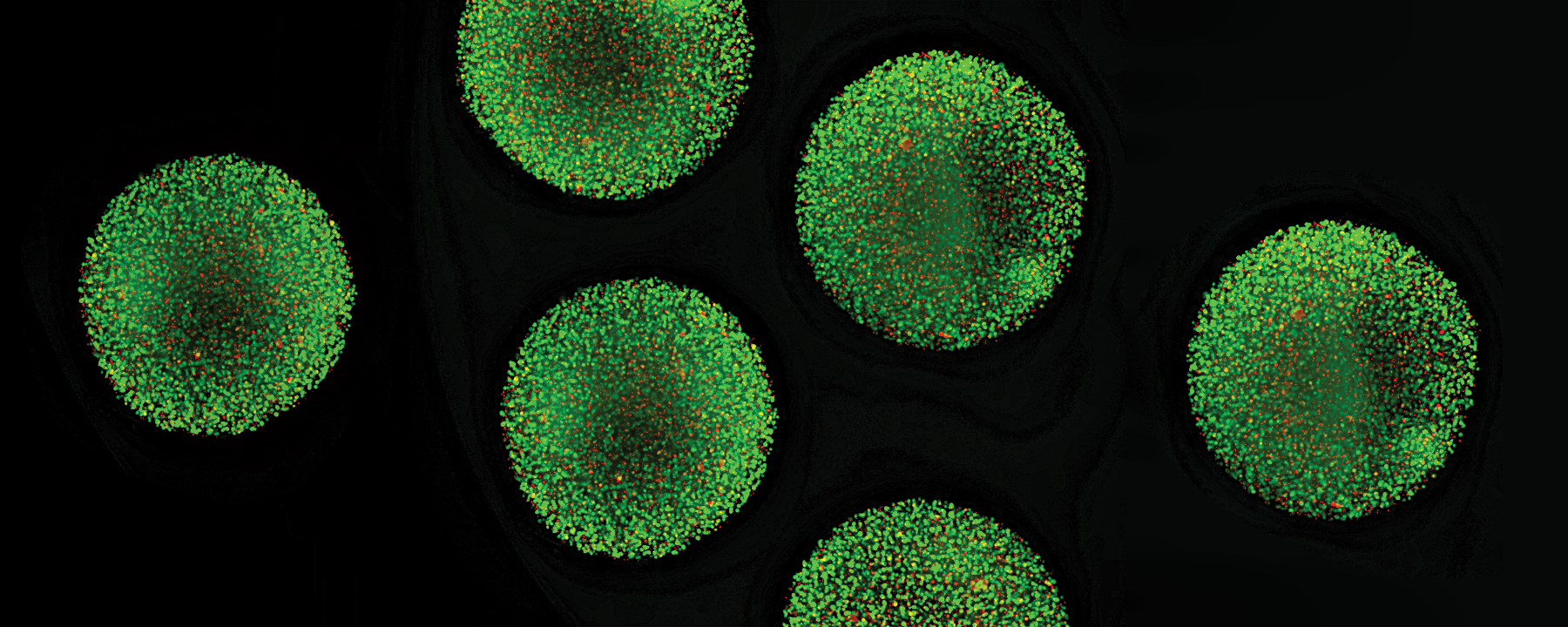
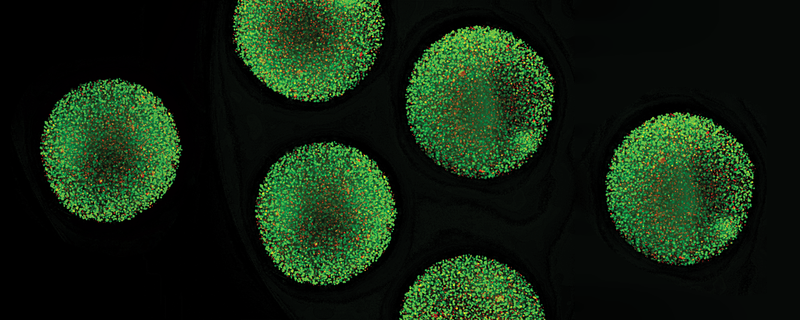
Sigilon Therapeutics has developed an approach that encases thousands of human cells (living cells in green, dead cells in red) in 1.5-millimeter gel-based spheres
that facilitate the cells’ long-term function and protect them from attack by the patient’s immune system.


Biotechs racing to develop stem cell treatment for diabetes

by Eric Bender | The Scientist | Jul 15, 2019

Each year, 40,000 people in the United States are diagnosed with type 1 diabetes, an autoimmune disease that wipes out insulin-producing pancreatic beta cells and raises blood glucose to dangerously high levels. Patients deal with the condition by self-administering insulin and managing their blood glucose levels around the clock—no easy feat, even for those who are aided by insulin pumps and continuous glucose monitors that help determine insulin dosage. A small number of patients who find it particularly difficult to control their blood glucose levels are treated successfully by beta-cell transplants from cadaver donors. But the supply of these cells is tiny, and patients have to take immunosuppressive drugs to tolerate the transplanted cells.

In recent years, advances in the lab have drawn attention to an alternative approach. Perhaps most dramatically, in 2014, a research group at Harvard University reported using insulin-producing cells derived from human embryonic stem cells (ESCs) and induced pluripotent stem cells (iPSCs) to lower blood glucose levels in mice. Spurred by such successes, numerous labs now are exploiting rapid progress in human stem cell technology to develop functional equivalents of beta cells and the other pancreatic cell types. Other groups are developing novel biomaterials to encapsulate such cells and protect them against the immune system without the need for immunosuppressants.

Given progress on both of these fronts, “there has been a sea change” in how the biomedical industry views beta-cell transplants, says cell biologist Matthias Hebrok, who researches diabetes at the University of California, San Francisco. Perhaps most notably, major pharmaceutical companies and life sciences venture capital firms have invested more than $100 million in each of the three most prominent biotechs hoping to bring such treatments into clinical use: Cambridge, Massachusetts–based companies Semma Therapeutics and Sigilon Therapeutics, and ViaCyte of San Diego.

“I’m glad to see that industry is becoming involved, because that will give the push to move forward the ability to do beta-cell replacement and do it on a wide scale,” says Jay Skyler, an endocrinologist at the University of Miami Miller School of Medicine and deputy director of clinical research and academic programs at the school’s Diabetes Research Institute (DRI). “I think the whole field is about to really explode.”

Making insulin-producing cells from stem cells

Basic research keeps elucidating new aspects of beta cells—for instance, there seem to be several subtypes—so the gold standard for duplicating the cells is not entirely clear. "Today, however, there is a handful of groups in the world that can generate a cell that looks like a beta cell,” says Hebrok, who currently acts as scientific advisor to Semma and Sigilon, and has previously advised ViaCyte. “Certainly, companies have convinced themselves that what they have achieved is good enough to go into patients.”

The stem cell reprogramming methods that the three companies use to prompt cell differentiation in fact create a mixture of islet cells. Beta cells sit in pancreatic islets of Langerhans alongside other types of endocrine cells. Alpha cells, for example, churn out glucagon, a hormone that stimulates the conversion of glycogen into glucose in the liver and raises blood sugar. Incorporating a mixture of these cell types is probably not a bad thing for transplants, says Olivia Kelly, Sigilon’s head of islet cell therapy research. “We definitely want a high proportion of beta cells, but at the end of the day, we might want to mimic the natural composition of the mature islet, with the cells all talking to each other.”

Although the companies agree on the positive potential of islet cell mixtures, they take different approaches to developing and differentiating their cells. Sigilon and Semma focus on developing beta cells from iPSCs, while ViaCyte instead starts with ESCs. The companies also differ in the level of differentiation they achieve before implant.

Semma, which was launched in 2014 to commercialize the Harvard group’s work and counts Novartis among its backers, describes its cells as fully mature, meaning that they are completely differentiated into beta or other cells before transplantation. “Our cells are virtually indistinguishable from the ones you would isolate from donors,” says Semma chief executive officer Bastiano Sanna.

cells.png

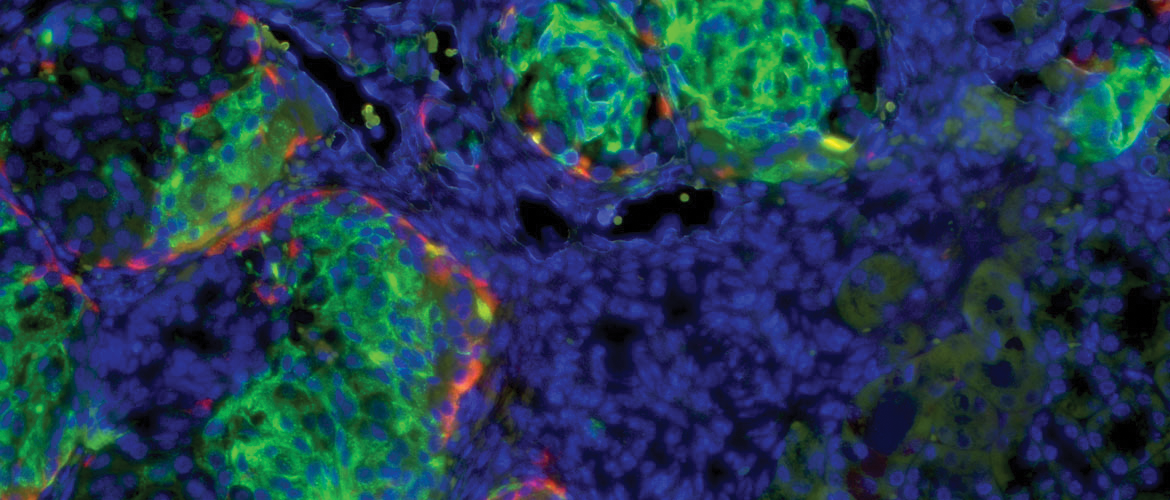
Cambridge, Massachusetts–based company Semma Therapeutics is developing insulin-producing beta cells
from human induced pluripotent stem cells.


ViaCyte, on the other hand, develops its ESCs into two main cell types that are only partially differentiated: multipotent pancreatic progenitors that can differentiate into various types of pancreatic cells—including not just endocrine but exocrine or ductal cells—and immature hormone-producing cells.

These less mature cell stages offer some advantages: in particular, they adapt more easily to the inflamed environment triggered by transplantation, says Kevin D’Amour, ViaCyte’s chief scientific officer. “Once you reach a certain stage in differentiation under cell culture conditions,” Hebrok elaborates, “if you then take that cell and put it into the natural environment of an animal, there is further development and maturation. There’s some magic in the animal that we don’t fully understand yet that is really supportive in providing the environment that allows these cells to turn into fully mature, fully differentiated cells. The cells know what to do and they just get there.”

viacyte-pec-encap-cartoon.png

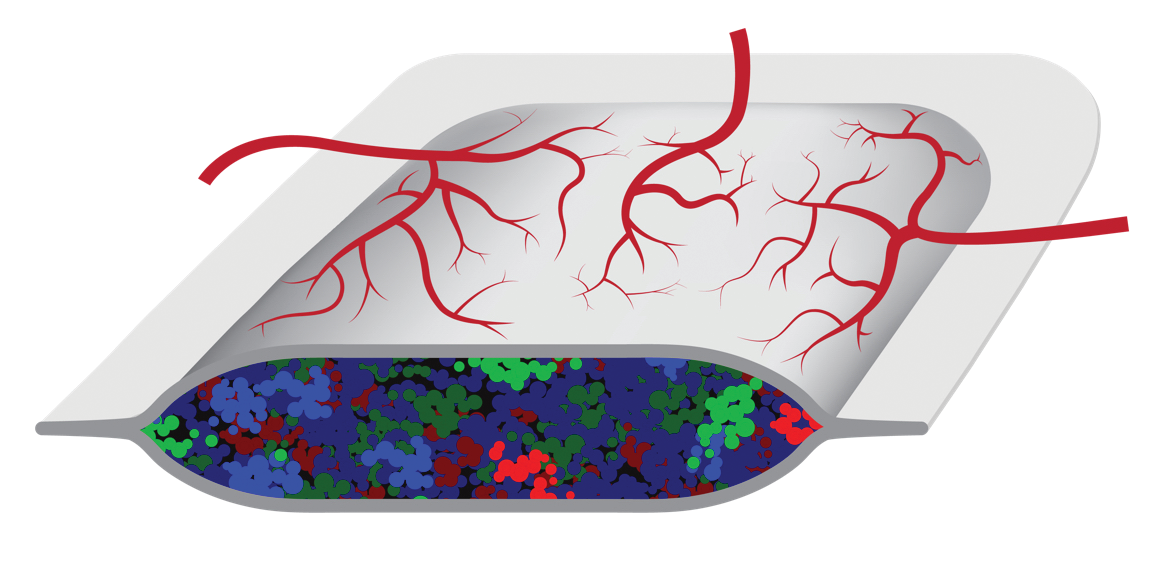
San Diego–based ViaCyte has developed a Band Aid–sized device called PEC-Encap that packages partially differentiated
islet cells derived from embryonic stem cells to be implanted under the skin, where blood vessels form around it.


Regardless of starting cell type, the companies say they are ready to churn out their cells in large numbers. "Semma, for example, can make more islet cells in a month than can be isolated from donors in a year in the United States," Sanna says, "and the company’s “pristine” cells should perform better than donor islets, which are battered by the aggressive techniques required for their isolation."

As these products, some of which have already entered clinical trials, move toward commercialization, regulatory agencies such as the US Food and Drug Administration (FDA) and the European Medicines Agency have expressed concern about the plasticity of the reprogrammed cells. All three firms subject their cells to rigorous safety testing to ensure that they don’t turn tumorigenic. Before successful trials, companies won’t know the dose of beta cells required for a functional cure, or how long such “cures” will last before needing to be boosted. There’ll be commercial challenges, too: while the companies are investing heavily to develop suitable industrial processes, all acknowledge that no organization has yet manufactured cell therapies in commercial volumes.

Nevertheless, there’s growing confidence throughout the field that these problems will be solved, and soon. “We have the islet cells now,” says Alice Tomei, a biomedical engineer at the University of Miami who directs DRI’s Islet Immunoengineering Laboratory.

“These stem cell companies are working really hard to try to get FDA clearance on the cells.”

Protecting stem cell therapies from the immune system

Whatever the type of cell being used, another major challenge is delivering cells to the patient in a package that guards against immune attack while keeping cells fully functional. Companies are pursuing two main strategies: microencapsulation, where cells are immobilized, individually or as small clusters, in tiny blobs of a biocompatible gel; and macroencapsulation, in which greater numbers of cells are put into a much larger, implantable device.

ViaCyte, which recently partnered with Johnson & Johnson, launched its first clinical trial in 2014. The trial involved a macroencapsulation approach that packaged up the company’s partially differentiated, ESC-derived cells into a flat device called the PEC-Encap. About the size of a Band-Aid, the device is implanted under the skin, where the body forms blood vessels around it. “It has a semipermeable membrane that allows the free flow of oxygen, nutrients, and glucose,” says ViaCyte’s chief executive officer, Paul Laikind. “And even proteins like insulin and glucagon can move back and forth across that membrane, but cells cannot.”

The trial showed that the device was safe, well tolerated, and protected from the adaptive immune system—and that some cells differentiated into working islet cells. But most cells didn’t engraft effectively because a “foreign body response,” a variant of wound healing, clogged the PEC-Encap’s membrane and prevented vascularization. ViaCyte stopped the trial and partnered with W. L. Gore & Associates, the maker of Gore-Tex, to engineer a new membrane. “With this new membrane,” says Laikind, “we’re not eliminating that foreign body response, but we’re overcoming it in such a way that allows vascularization to take place.” The company expects to resume the trial in the second half of this year, provided it receives the green light from the FDA.

In 2017, ViaCyte moved ahead with a trial of a related device specifically for high-risk patients on waiting lists for donor transplants. The PEC-Direct capsule is similar to the PEC-Encap except that it features ports in the membrane to promote vascularization of the device. This approach requires that patients take immunosuppressive drugs, but fortunately the necessary regimens have become easier and safer in recent years, Laikind says. The device is now being tested in additional high-risk patients. If all continues to go well, ViaCyte will apply for FDA approval.

Semma is also developing macroencapsulation methods, including a very thin device that in prototype form is about the size of a silver dollar coin. The device is “deceptively simple but it allows us to put [in] a fully curative dose of islets,” Sanna says. “It protects the cells from the immune system with a particular type of membrane that keeps the immune system out, allowing for very fast and precise exchange of glucose and insulin in the body.” The company expects to launch a clinical trial of the device in early 2021.

Semma is also investigating microencapsulation alternatives. At the same time, the company is advancing toward clinical trials using established transplantation techniques to administer donated cadaver cells to high-risk patients who find it particularly difficult to control their blood glucose levels. These cells are infused via the portal vein into the liver, and patients take immunosuppressive drugs to prevent rejection.

Sigilon is working on its own microencapsulation technology. Launched in 2016 on the back of work by the labs of Robert Langer and Daniel Anderson at MIT, the company has created 1.5-millimeter gel-based spheres that can hold between 5,000 and 30,000 cells. Each sphere is like a balloon, with the outside chemically modified to provide immunoprotection, says Sigilon chief executive officer Rogerio Vivaldi. “The inside of the balloon is full of a gel that creates almost a kind of a matrix net where the cells reside.”

In 2018, shortly after partnering with Eli Lilly, Sigilon and collaborators published research showing that islet cells that were encapsulated in gel spheres and transplanted into macaques remained functional for four months. "The company hasn’t disclosed a time frame for a type 1 diabetes trial but we’re moving pretty quickly,” says chief scientific officer David Moller.

Eventually, all three firms hope to extend their work to treat some of the 400 million people worldwide with type 2 diabetes, many of whom eventually benefit from insulin injections. "The recent endorsements from big pharma underline the real progress in beta-cell transplants," says Aaron Kowalski, a molecular geneticist and chief executive officer at JDRF, a foundation based in New York that has funded research at ViaCyte and academic labs whose work has been tapped by Semma and Sigilon.

“These companies all realize that if they don’t do it, somebody else will. It’s hard to predict exactly when, but somebody is going to make this work,” said Kowalski.

 
Last edited:
images


CBD oil and diabetes*

Diabetes.co.uk | 15 Jan 2019

Cannabidiol (CBD) oil, derived from the CBD compound found in cannabis, has a number of potential therapeutic uses, including the treatment of diabetes.

Unlike the psychoactive tetrahydrocannabinol (THC) substance which gives marijuana users the “high” feeling, CBD oil contains less than 0.2% THC. CBD is not psychoactive, does not change a user’s state of mind, but it does appear to produce significant changes in the body.https://www.diabetes.co.uk/natural-therapies/cbd-oil.html

The benefits of CBD for treating diabetes-related health problems include reduced inflammation and improved blood glucose control.

In 2015, a study revealed that CBD had anti-inflammatory effects on rats. Given that excess inflammation is known to impact the development of insulin resistance and therefore type 2 diabetes, this could have benefits for humans.

Meanwhile, in 2016, University of Nottingham researchers showed that CBD in combination with another cannabis compound called tetrahydrocannabivarin (THCV), helped lower blood sugar levels and increase insulin production in people with type 2 diabetes.

GW Pharmaceuticals, a UK-based company, has developed a cannabis spray called Sativex which utilises both CBD and THCV to help treat muscle spasms in multiple sclerosis. The company is in the process of developing a similar spray which could aid blood sugar control in type 2 diabetes.

Studies have also shown that CBD oil has benefits for people with epilepsy, mental health disorders such as anxiety and depression, and helping people quit smoking.

How does CBD oil work?

CBD oil is believed to activate a number of receptors in the body, influencing the body to produce naturally-occurring cannabinoids.

The human body has two receptors for cannabinoids: CB1 and CB2. Most CB1 receptors are found in the brain, which deal with coordination, movement and appetite. CB2 receptors are more commonly found in the immune system and affect pain and inflammation.

By activating receptors such as adenosine, serotonin and vanilloid, CBD can affect your body temperature, inflammation and perception of pain.

How to use CBD oil

CBD oil can be used in a number of ways. Most often, instructions will recommend putting a few drops under the tongue 2-3 times a day. Alternatively, some CBD oils can be mixed into different foods or drinks, taken from a pipette or used as a thick paste to be massaged into the skin.

Side effects of CBD oil

A 2015 study of CBD oil effects in humans concluded that CBD is generally well-tolerated and considered safe. However, it can cause certain adverse reactions such as diarrhea and stomach ache.

Additionally, CBD may interact with existing medication. It is therefore important to discuss using CBD oil with your doctor beforehand, to help ensure it is used safely and any harmful effects are avoided.

*From the article here :
 
Last edited:

iStock-1015542022.jpg


Diabetes and CBD oil

Diabetes.co.uk

The benefits of CBD oil include reduced inflammation and improved blood glucose control.

CBD compound which is found in cannabis, and has been associated with having a number of potential therapeutic uses, including for diabetes.

Cannabis oil is legal to buy and consume in the UK, with CBD oil first stocked in UK shops in 2018.

Unlike the psychoactive tetrahydrocannabinol (THC) substance which gives marijuana users the “high” feeling, CBD oil contains less than 0.2% THC. Because CBD is not psychoactive, it does not change a user’s state of mind, but it does appear to produce significant changes in the body.

Cannabis pills containing only CBD and not THC were sold legally for the first time in Europe in 2015.

CBD oil and diabetes

The benefits of CBD for treating diabetes-related health problems include reduced inflammation and improved blood glucose control.

In 2015, a study revealed that CBD had anti-inflammatory effects on rats. Given that excess inflammation is known to impact the development of insulin resistance and therefore type 2 diabetes, this could have benefits for humans.

Meanwhile, in 2016, University of Nottingham researchers showed that CBD in combination with another cannabis compound called tetrahydrocannabivarin (THCV), helped lower blood sugar levels and increase insulin production in people with type 2 diabetes.

GW Pharmaceuticals, a UK-based company, has developed a cannabis spray called Sativex which utilises both CBD and THCV to help treat muscle spasms in multiple sclerosis. The company is in the process of developing a similar spray which could aid blood sugar control in type 2 diabetes.

Studies have also shown that CBD oil has benefits for people with epilepsy, mental health disorders such as anxiety and depression, and helping people quit smoking.

How does CBD oil work?

CBD oil is believed to activate a number of receptors in the body, influencing the body to produce naturally-occurring cannabinoids.

The human body has two receptors for cannabinoids: CB1 and CB2. Most CB1 receptors are found in the brain, which deal with coordination, movement and appetite. CB2 receptors are more commonly found in the immune system and affect pain and inflammation.

By activating receptors such as adenosine, serotonin and vanilloid, CBD can affect your body temperature, inflammation and perception of pain.

CBD oil can be used in a number of ways. Most often, instructions will recommend putting a few drops under the tongue 2-3 times a day. Alternatively, some CBD oils can be mixed into different foods or drinks, taken from a pipette or used as a thick paste to be massaged into the skin.

Side effects of CBD oil

A 2015 study of CBD oil effects in humans concluded that CBD is generally well-tolerated and considered safe. However, it can cause certain adverse reactions such as diarrhea and stomach ache.

Additionally, CBD may interact with existing medication. It is therefore important to discuss using CBD oil with your doctor beforehand, to help ensure it is used safely and any harmful effects are avoided.

 
Last edited:
711ae1d8066259800e3c75d7562c4c611.jpg


Ayahuasca component Harmine found to significantly advance beta cell regeneration in type 2 diabetes*

Lynne Schneider, Andrew Stewart, Lori Sussel | Icahn School of Medicine

Given that the onset and progression of diabetes result from a reduction in the numbers and function of pancreatic beta cells, researchers have been exploring approaches to reestablish natural insulin production.

Researchers from the Icahn School of Medicine at Mount Sinai in New York City, describe their discovery of a novel combination of 2 classes of drugs that induces the highest rate of proliferation of adult human beta cells, as published in Cell Metabolism.

Andrew Stewart, MD, Director of the Mount Sinai Diabetes, Obesity, and Metabolism Institute and lead author of the study, spoke to EndocrineWeb about the findings reported by his research team, which is highlighted in the following video.


Dr. Stewart, Peng Wang PhD, and their research team discovered that combining pharmacologic and genetic inhibition of two types of molecules in beta cells—DYRK1A and SMADs—achieved a remarkable rate of human beta cell proliferation both in vivo and in vitro.

“In fact, the combination of Harmine with any of the drugs that inhibit TGFβSF signaling acted synergistically and led to average replication rates between 5% to 8%—rates that had never before been observed with any class of therapeutic molecules and which ‘far exceed’ those with normal physiological pancreatic beta cell replication in the first year of life,” Dr. Stewart told EndocrineWeb.

The study findings also indicated that there was a “class effect” observed with different DYRK1A inhibitors and different TGFSF inhibitors. The authors reported that in three models: two human, one mouse, this drug combination also led to actual increases in beta cell numbers. "All of these beneficial effects were attributed, in part, to modulation of the chromatin-modifying, epigenetic-modulating enzymes of the Trithorax family," said Dr. Stewart.

Research gains indicate progress towards a cure for type 2 diabetes

Calling on the research team’s two earlier publications, Dr. Stewart said they had originally identified that Harmine analogs were able to induce beta cell proliferation at a rate of about 2% per day as well as increasing islet mass and improving glycemic control in in vivo-based models.

Dr. Stewart said, “We determined that he likely target of Harmine analogs are dual-specificity tyrosine-regulated kinase-1a (DYRK1A) acting upon the nuclear factors of activated T cells (NFAT) family of transcription factors, to mediate human beta cell replication.”

“For patients with type 2 diabetes (T2D), it would be conceivable to reverse the depletion of beta cells in a year or so at that rate; however, patients with type 1 diabetes (T1D) are more challenging,”
he told EndocrineWeb; To explain this, he said that it is believed that drug-induced beta cell regeneration would need to be accompanied by treatments that are able to prevent the autoimmunity associated with T1D, a major current goal of diabetes research.

This is based on earlier research in which this research team had focused on rare, benign insulinomas as potentially holding the “genomic recipe” for beta cell replication. They showed that insulinomas have a genetic defects in SMAD that causes or enables them to make beta cells proliferate.

Dr. Stewart et al then hypothesized that combination treatment with Harmine and drugs that inhibit SMAD might be able to further increase the rate of replication found with Harmine monotherapy, so they focused on transforming growth factor beta superfamily (TGFβSF) receptor inhibitors, which regulate SMADs, in this latest study.

Looking ahead—The need for a viable delivery vehicle

The tremendous strides these researchers have made in a relatively short time provide hope that new treatments will improve treatment for T1D and T2D, helping to restore the body’s ability to produce insulin, according to Dr. Stewart. It is impossible to guess when these findings might translate into a treatment or possible cure as the need to develop a method for accurate targeting of the drugs to pancreatic beta cells remains elusive, and it is also essential that methods are developed to control autoimmunity in T1D.

“All in all, progress is moving rapidly,” Dr. Stewart said. “In only three years, we have moved from having no beta cell regenerative drugs to now having several. Developing methods to deliver these drugs to the beta cells is the next key challenge before clinical trials can begin. The NIH, the JDRF, and the ADA are committed to supporting research in this area.”

*From the article here :
 
Last edited:
CBD_Oil_1200x628-facebook.jpg


Can CBD help diabetes?

WebMD | 31 Oct 2019

You may have heard about using CBD to treat diabetes. CBD comes from the cannabis plant. It doesn’t make you feel high, but research is ongoing to see if it can help control blood sugar, calm inflammation, and ease nerve pain from diabetes.

What the research shows

Most studies of CBD’s effects on diabetes have been in mice. This is a problem because of laboratory conditions, differences between animals and humans, and other things can affect study results. Just because CBD works for them doesn’t mean it will work in humans.

In one study, researchers tested CBD on mice with less blood flow to the brain, a complication of diabetes for some people. They found that CBD:

- Cut down hyperglycemia (high blood sugar)
- Lowered cholesterol and “bad fat” levels
- Increased insulin production

Other studies of CBD in mice or rats found that it:

- Lowers the risk of diabetes. Another study found CBD might ward off the disease.
- Eases swelling and pain from nerve damage. One study showed CBD kept chronic inflammation and neuropathic pain at bay.
- Promotes “good fat.” CBD oil can help the body turn white fat into slimming brown fat. This can boost your body's ability to use glucose.

THC and diabetes

The effects of CBD and THC are different. In one study, CBD didn’t improve blood sugar and lipid levels in people with type 2 diabetes, but a variation of THC did. CBD did lower insulin resistance and boost gut hormone levels.

Use caution

CBD comes in many forms, from liquid drops to capsules to vapes. But the FDA doesn’t regulate most of those products. The only FDA-approved form of CBD oil is Epidiolex, a prescription drug that treats two types of epilepsy. So it’s hard to be sure that other CBD products are what they say they are, even if the label looks official. For instance, THC has been found in some CBD products. There’s also no guarantee the product has as much CBD as the label says. CBD can also have side effects. It may cause:

- Fatigue
- Drowsiness
- Diarrhea
- Dry mouth

CBD can also interact with other medications like blood thinners. So it’s important to talk with your doctor before trying CBD.

 
Last edited:
Drug combo — GLP-1 + Harmine — speeds regeneration of key cells lost in diabetes

by Serena Gordon | MedicineNet | 12 Feb 2020

A new drug combo pairs an already approved class of type 2 diabetes medications — GLP-1 + the psychedelic alkaloid, Harmine.

"In the United States, 30 million people have diabetes. As many as 80 million have prediabetes. Worldwide, there are 400 million people with diabetes. All of those people have inadequate numbers of beta cells," explained senior study author Dr. Andrew Stewart.

Stewart and his team have been working on developing drugs that will make beta cells regenerate. The hope is that if enough beta cells can be created, people won't need any additional diabetes treatment.

In 2015, the researchers found that Harmine could coax the beta cells into regenerating. But only about 2% of cells regenerated in a day. "In someone with type 1 diabetes, they've lost about 90% of their beta cells. Two percent a day isn't fast enough," Stewart explained.

The team found another drug that boosted beta cell regeneration, but that drug might have caused significant side effects.

One graduate student and member of Stewart's team from Mount Sinai's Icahn School of Medicine, Courtney Ackeifi, looked at a number of potential drugs to combine with Harmine, with the hope of boosting its beta cell regeneration power. A popular class of medications used to treat type 2 diabetes, GLP-1 receptor agonists (Trulicity, Ozempic, Victoza and others), turned out to offer a potent combination when added to the psychedelic alkaloid, Harmine.

"If you combine Harmine with any member of the GLP-1s, which are used in millions of people with diabetes, they're converted into beta cell-regenerating drugs that replicate at a rate of 5 to 8% a day," Stewart said.

The study showed that the researchers were able to get normal human beta cells and beta cells from people with type 2 diabetes to regenerate.

The researchers also transplanted human beta cells into mice. When those mice were given the drug combination, the beta cells regenerated. There were no serious short-term side effects in the week long treatment.

But whenever medications can prompt cells to replicate, there's always a concern that other cells might also regenerate -- and that's not always a good thing. Stewart said the research team has received a grant from JDRF to study the long-term safety of this drug combination.

The researchers also don't know how long the beneficial effects of the drug combination will last -- and if the effects wear off, how often the treatment might need to be given.

Another issue to be addressed is for people with type 1 diabetes. The autoimmune attack that destroys beta cells and causes type 1 diabetes in the first place may still be ongoing. That means it's possible that any new beta cells created could be destroyed. Research into suppressing this autoimmune attack is ongoing.

One expert not involved with the study called it a novel approach, but had questions.

"This is a very interesting finding," said Matthias Hebrok, director of the University of California, San Francisco Diabetes Center. "The advance is in seeing that a combination of drugs -- one of which is being used in people with diabetes already -- overrides the internal blocks that exist in beta cells to prevent them from proliferating."

"As with any study, there are many questions still to be answered. The biggest concern is that the researchers may be trying to proliferate cells that might be compromised,"
Hebrok said.

"For someone to get type 2 diabetes, beta cells don't function as they should. Most people who are obese don't get diabetes. Their beta cells can keep up with the demand. In type 2, the beta cells are inadequate. Even if you make more, it might not work because you've just increased inadequate cells," Hebrok explained.

Stewart said he is hopeful. "We've gone from thinking this was impossible and undoable just five years ago to showing that substantial increases in the rates of beta cell regeneration are possible. Things are moving at a rate that is unprecedented," he said.

The study was published Feb. 12 in the journal Science Translational Medicine.

 
Last edited:

ENCLOS_Projects_MountSinaiMedicalCenter_11_3000x1500-scaled.jpg

Mount Sinai Medical Center

Harmine found to regenerate pancreatic cells lost in diabetes

Mount Sinai Medical Center | Science Daily

In a screen of more than 100,000 potential drugs, only one, harmine, drove human insulin-producing beta cells to multiply, scientists report. "Our results provide a large body of evidence demonstrating that the harmine drug class can make human beta cells proliferate at levels that may be relevant for diabetes treatment," said the study's senior author.

In a screen of more than 100,000 potential drugs, only one, harmine, drove human insulin-producing beta cells to multiply, according to a study led by researchers at the Icahn School of Medicine at Mount Sinai, funded by JDRF and the National Institutes of Health, and published online in Nature Medicine.

Diabetes results from too few insulin-producing "beta cells" in the pancreas secreting too little insulin, the hormone required to keep blood sugar levels in the normal range. The disease affects 380 million people worldwide, and leads to major medical complications: heart attack, stroke, kidney failure, blindness and limb amputation.

The Mount Sinai study found that harmine drove the sustained division and multiplication of adult human beta cells in culture, a feat that had eluded the field for years. In addition, harmine treatment tripled the number of beta cells and led to better control of blood sugar in three groups of mice engineered to mimic human diabetes.

"Our results provide a large body of evidence demonstrating that the harmine drug class can make human beta cells proliferate at levels that may be relevant for diabetes treatment," said senior study author Andrew Stewart, MD, Director of the Diabetes, Obesity and Metabolism Institute at the Icahn School of Medicine. "While we still have a lot of work to do in improving the specificity and potency of the harmine and related compounds, we believe these results represent a key step toward more effective future treatment of diabetes."

Loss of insulin-producing beta cells has long been recognized as a cause of Type 1 diabetes, in which the immune system mistakenly attacks and destroys beta cells. In recent years, researchers have concluded that a deficiency of functioning beta cells also contributes importantly to Type 2 diabetes. Thus, developing drugs that can increase the numbers of healthy beta cells is a major priority in diabetes research.

Re-creating a burst

As humans develop, each cell divides into two, leading to many more cells in subsequent generations as organs form. In the case of beta cells in the pancreas, most of this multiplication comes in a burst during the first year of life and then declines during childhood, leaving a limited supply to last a lifetime. During this burst, about two percent of a child's beta cells are dividing at any one time. The current study found that harmine re-creates roughly the same amount of beta cell division, both in cell and animal tests.

While increasing the supply of beta cells seems an obvious approach, past attempts to do so have been met with limited success. Perhaps as a result of their unique genetic program, adult beta cells strongly resist attempts to nudge them into cell division.

Over several years, Dr. Stewart and colleagues unraveled genes and signaling pathways that drive multiplication (proliferation) of beta cells, and then confirmed proposed mechanisms with gene therapy. Based on the current study results, the team believes a particular enzyme, "dual specificity tyrosine-regulated kinase-1a (DYRK1A)," is the likely target of harmine. With this discovery, DYRK1A, known from past studies to drive cell division in other cell types, becomes a drug development target.

"We found that harmine, likely by interacting with DYRK1A, increases levels of other known drivers of cell division," said Peng Wang, PhD, Assistant Professor of Medicine, Endocrinology, Diabetes, and Bone Disease at the Icahn School of Medicine and first author of the paper. "These drivers include the protein c-MYC, the gene for which was the basis of the screen we used to identify harmine as a potential treatment."

Dr. Wang said the team designed a sensor to glow (thanks to a firefly gene) when any compound activated the promoter DNA snippet responsible for turning on the c-MYC gene. Of more than 100,000 compounds analyzed in a high-speed robotic screen, harmine was among 86 that caused the brightest glow, and was the only one of these that caused beta cell proliferation. The c-MYC pathway appeared to some researchers to be an unlikely therapeutic target for beta cell regeneration because past studies had found it to cause beta cell death when activated in high doses. However, the current study found that harmine causes only modest increases in c-MYC levels, and no beta cell death.

The research team will now focus on making changes to the harmine and its relatives (harmalogs) to find drug candidates that target only beta cells.

Harmine is derived from a flowering plant called Harmal (peganum Harmala) found in the Middle East, and from some South American vines. Drug development efforts based on harmine will need to grapple with its known psychoactive effects on the brain, which may explain its traditional use in spiritual ceremonies and as medicine.

"We believe that beta cell regeneration will play a key role in ultimately curing type 1 diabetes, and JDRF is pleased to support Dr. Stewart's research into renewing these cells in humans," said Patricia Kilian, PhD, director of the JDRF Regeneration Research Program. "If successful, this early research could lead to drugs that restore beta cells in people with type 1 diabetes, realizing the vision of a future free from insulin therapy."

 
Last edited:
insulin.jpg


Revolutionary procedure shown to discontinue insulin treatment in type 2 diabetics

by Spink Health | Medical Xpress | 13 Oct 2020

A revolutionary endoscopic therapeutic procedure may lead to the discontinuation of insulin treatment in a significant number of people with type 2 diabetes, new research presented at UEG Week 2020 Virtual has shown.

Researchers from the Netherlands tested a novel, minimally invasive ablation procedure that rejuvenates the lining of the duodenum in combination with daily doses of glucose-lowering drugs called glucagon-like peptide agonists (GLP-1 RAs) and mild lifestyle counseling. The study found that 75 percent of previously insulin-dependent people with type 2 diabetes treated with the ablation technique did not need insulin six months later, with HbA1c (a long-term parameter of glucose control) readings of 8 percent or below. HbA1c readings also fell to 7 percent at 12 months.

Patients who responded to the treatment also saw significant reductions in their body mass index (BMI), which was down from an average of 30 kg/m2 at the beginning of the research to 26 kg/m2 after 12 months. The percentage of fat in their livers also decreased from 8 percent to 5 Percent at six months. Obesity and fatty liver are both important risk factors in the development of metabolic syndrome, a term that encompasses diabetes, high blood pressure (hypertension), obesity, and high triglycerides.

In the non-responder patients, who still needed insulin, the median insulin dose they required fell by more than half (from 35 units per day at study entry to 17 units per day at 12 months).

The minimally invasive technique, called duodenal mucosal resurfacing (DMR), is performed in an outpatient setting and is delivered via an integrated over-the-wire catheter attached to a custom console that performs a synchronized lifting of the duodenal mucosa and then ablation of the treatment area. Although the process is not yet fully understood, mucosal cells are believed to undergo alterations in a response to unhealthy diets that are high in fat and sugar. This leads to changes in the production and signaling of key hormones that impact insulin resistance and diabetes. Resurfacing the lining appears to rejuvenate and reset this process.

The pilot study, undertaken in 16 patients, was led by Dr. Suzanne Meiring, Dr. Annieke van Baar, and Professor Jacques Bergman from the Amsterdam University Medical Center in the Netherlands.

Dr. Meiring said, "This could be a game-changing approach in the treatment of metabolic syndrome. A single endoscopic DMR ablation with GLP-1 drugs and lifestyle counseling can lead to discontinuation of insulin therapy in a subset of patients with type 2 diabetes, while improving their blood glucose control and overall metabolic health. Many patients with type 2 diabetes are very happy to be able to discontinue insulin therapy, since it comes with weight gain and hypoglycaemic events. Our earlier study, (Revita-1) with patients that used only oral medication for their diabetes type 2, showed that the effect of a single DMR was comparable to adding one glucose lowering drug."

There are about 60 million people in Europe with diabetes and the vast majority (around 90 percent) of cases are type 2. As well as age and a family history of the condition, high blood pressure and being overweight are major risk factors for type 2 diabetes.

"Based on the results of this study, a large international randomized controlled trial, called Revita T2Di Pivotal, will soon start to further investigate its effectiveness in greater numbers," added Dr. Meiring.

 
Last edited:

diabetes-1724617_1920.jpg

By regenerating insulin-producing pancreatic beta cells, the combination of DYRK1A
inhibitors and GLP-1 receptor agonists holds promise as a new diabetes treatment.


How a cocktail of existing drugs could regenerate insulin-producing cells in diabetes

by Angus Liu | Feb 13, 2020

A dearth of insulin-producing beta cells in the pancreas is a key feature of diabetes, and the culprit in the failure to control blood glucose levels. While many drugs can help patients successfully manage their diabetes, none of them can tackle this underlying cause of the disease.

Now, scientists at the Icahn School of Medicine at Mount Sinai have found that a combination of two existing classes of drugs can support the regeneration of beta cells at high rates in both lab dishes and mice. The findings could spur new diabetes treatment strategies, they argue.

The two types of drugs are DYRK1A inhibitors and GLP-1 receptor agonists, according to the team’s new study published in Science Translational Medicine. The latter group includes widely prescribed diabetes meds such as Novo Nordisk’s Victoza, Ozempic and newly approved Rybelsus as well as Eli Lilly’s Trulicity and AstraZeneca’s Bydureon, among others.

“We are very excited about this new drug combination because for the first time ever, we are able to see rates of human beta cell replication that are sufficient to replenish beta cell mass in humans with diabetes,” Andrew Stewart, M.D., the study’s lead author, said in a statement.

GLP-1 receptor agonists work by stimulating the secretion of insulin from remaining working beta cells. Previous studies have shown they can induce replication of rodent beta cells but fail to do the same in adult human tissues.

DYRK1A inhibitors have been shown to induce human beta cell proliferation, but only modestly. Stewart and colleagues recently found that the combination of TGF-β superfamily and DYRK1A inhibitors could enhance the effect. However, the idea was abandoned because it also led to the unwanted growth of other cells.

This time, Stewart’s team tried pairing a GLP-1 receptor agonist and the DYRK1A inhibitor harmine. The combo caused 5% to 6% of cells in human pancreatic islets to start proliferating after four days of treatment, translating into an increase in the total population of human beta cells by an average of 40%, the team reported. In comparison, the GLP-1 drug alone had a negligible impacted, and harmine affected about 2% of cells. The harmine-GLP-1 cocktail also boosted beta cells’ response to glucose in Type 2 diabetes.

To determine whether the benefits also work in live animals, the researchers tested the combo in diabetic mice transplanted with human islets. Animals that received Bydureon and harmine together had better beta cell proliferation than those that got either drug alone, and they displayed near-normal glucose levels, according to the scientists.

Developing new ways to regenerate pancreatic beta cells has been a hot area of focus in diabetes research. Harvard-born biotech Semma Therapeutics recently managed to turn undifferentiated pluripotent stem cells into functioning beta cells. Researchers at the University of Geneva dialed up the expression of transcription factors PDX1 and MafA to enable non-insulin-producing alpha and gamma cells to secret insulin. A team at Stanford University replicated beta cells by using zinc to guide a regenerative medicine called CC-401.

The Mount Sinai scientists argue their approach boasts the advantage of rapidly leveraging the popular GLP-1 class of diabetes drugs. They suggest that any DYRK1A inhibitor administered with any GLP-1 receptor agonist currently in use—or by extension with any DPP-4 inhibitor that augments circulating GLP-1—could significantly increase beta cell proliferation.

“The beauty here is that the combination of DYRK1A inhibitors with GLP1R agonists achieves the highest rate of human beta cell replication possible, and does so in a highly specific way,” the study’s first author, Courtney Ackeifi, said in a statement. “This is an important advance in the field of diabetes because we may have found a way to convert a widely used class of diabetes drugs into a potent human beta cell regenerative treatment for all forms of diabetes.”

Next up, the team plans to further validate the method by running long-term studies in animals and to determine whether the combo has any unintended effects on other cells.

 
Last edited:
greentea.jpg


Drinking green tea and coffee daily linked to lower death risk in people with diabetes

by British Medical Journal | Medical Xpress | 20 Oct 2020

Drinking plenty of both green tea and coffee is linked to a lower risk of dying from any cause among people with type 2 diabetes, suggests research published in the online journal BMJ Open Diabetes Research & Care.

Drinking 4 or more daily cups of green tea plus 2 or more of coffee was associated with a 63% lower risk of death over a period of around 5 years, the findings show.

People with type 2 diabetes are more prone to circulatory diseases, dementia, cancer, and bone fractures. And despite an increasing number of effective drugs, lifestyle modifications, such as exercise and diet, remain a cornerstone of treatment.

Previously published research suggests that regularly drinking green tea and coffee may be beneficial for health because of the various bioactive compounds these beverages contain.

But few of these studies have been carried out in people with diabetes. The researchers therefore decided to explore the potential impact of green tea and coffee, separately and combined, on the risk of death among people with the condition.

They tracked the health of 4923 Japanese people (2790 men, 2133 women) with type 2 diabetes (average age 66) for an average of just over 5 years.

All of them had been enrolled in The Fukuoka Diabetes Registry, a multicentre prospective study looking at the effect of drug treatments and lifestyle on the lifespan of patients with type 2 diabetes.

They each filled in a 58-item food and drink questionnaire, which included questions on how much green tea and coffee they drank every day. And they provided background information on lifestyle factors, such as regular exercise, smoking, alcohol consumption and nightly hours of sleep.

Measurements of height, weight and blood pressure were also taken, as were blood and urine samples to check for potential underlying risk factors.

Some 607 of the participants didn't drink green tea; 1143 drank up to a cup a day; 1384 drank 2-3 cups; and 1784 drank 4 or more. Nearly 1000 (994) of the participants didn't drink coffee; 1306 drank up to 1 cup daily; 963 drank a cup every day; while 1660 drank 2 or more cups.

During the monitoring period, 309 people (218 men, 91 women) died. The main causes of death were cancer (114) and cardiovascular disease (76).

Compared with those who drank neither beverage, those who drank one or both had lower odds of dying from any cause, with the lowest odds associated with drinking higher quantities of both green tea and coffee.

Drinking up to 1 cup of green tea every day was associated with 15% lower odds of death; while drinking 2-3 cups was associated with 27% lower odds. Getting through 4 or more daily cups was associated with 40% lower odds.

Among coffee drinkers, up to 1 daily cup was associated with 12% lower odds; while 1 cup a day was associated with 19% lower odds. And 2 or more cups was associated with 41% lower odds.

The risk of death was even lower for those who drank both green tea and coffee every day: 51% lower for 2-3 cups of green tea plus 2 or more of coffee; 58% lower for 4 or more cups of green tea plus 1 cup of coffee every day; and 63% lower for a combination of 4 or more cups of green tea and 2 or more cups of coffee every day.

This is an observational study, and as such, can't establish cause. And the researchers point to several caveats, including the reliance on subjective assessments of the quantities of green tea and coffee drunk.

Nor was any information gathered on other potentially influential factors, such as household income and educational attainment. And the green tea available in Japan may not be the same as that found elsewhere, they add.

The biology behind these observations isn't fully understood, explain the researchers. Green tea contains several antioxidant and anti-inflammatory compounds, including phenols and theanine, as well as caffeine.

Coffee also contains numerous bioactive components, including phenols. As well as its potentially harmful effects on the circulatory system, caffeine is thought to alter insulin production and sensitivity.

"This prospective cohort study demonstrated that greater consumption of green tea and coffee was significantly associated with reduced all-cause mortality: the effects may be additive," the researchers conclude.

 
Last edited:
maxresdefault.jpg


Self-adjusting insulin promises safer blood sugar control of Diabetes

by Rich Haridy | NEW ATLAS | 3 December 2020

An incredible proof-of-concept study from a team of European scientists has demonstrated the development of a novel insulin molecule that can sense blood sugar levels and self-adjust its activity in response to a patient’s needs. The experimental molecule has only been tested in animals so far but the researchers are hopeful further development will offer diabetics a safer and easier insulin therapy in the future.

For most diabetics, maintaining healthy blood sugar levels is akin to constantly balancing on a tightrope. Insulin injections can help lower high blood sugar, but too much insulin or dosing at the wrong time can be dangerous, leading to hypoglycemia.

"The difficult thing with diabetes is that insulin always works the same way,” explains Knud Jensen, an author on the new research from the University of Copenhagen. “It lowers blood sugar, even though that might not be what a patient requires.”

Jensen says he was compelled to develop a safer form of insulin after a colleague told him a story years ago of a type 1 diabetic who passed away after his wife mistakenly gave him insulin at the wrong time. The man was feeling unwell and, thinking it was the result of high blood sugar, insulin was administered. But sadly, the dose of insulin ultimately led to the man’s death.

"That is why we have developed the first step towards a kind of insulin that can self-adjust according to a patient’s blood sugar level,” says Jensen. “This has tremendous potential to vastly improve the lives of people with type 1 diabetes.”

The impressive research presents a novel glucose-responsive insulin molecule that can spontaneously increase, or decrease, its activity in response to circulating blood sugar levels.

"The molecule constantly releases a small amount of insulin, but varies according to need," says Jensen. “It will give type 1 diabetes patients a safer and easier treatment.”

The new study not only describes the development of this novel insulin molecule but demonstrates its efficacy in animal models. The unprecedented experiments show the insulin effectively responding to blood glucose fluctuations in rats.

Jensen is optimistic about his team’s achievement but pragmatically notes there is still years of work ahead before this kind of self-regulating insulin hits the market. The research is still in the preliminary stages and it hasn't yet been demonstrated to be safe or effective in humans. However, this is still a landmark achievement in chemistry, offering the first evidence of a glucose-responsive insulin molecule working in a live organism.

"We've tested the insulin molecule on rats and it has proven itself effective,” says Jensen. “The next step is to develop the molecule so that it works more rapidly and accurately. And finally, to test it in humans – a process that can take many years. But it is certainly worth pinning one’s hopes on.”

The new study was published in Chemistry, A European Journal.

Source: University of Copenhagen

 
Last edited:
Major Depressive Disorder linked to insulin resistance*

by Batya Swift Yasgur, MA, LSW | Medscape | 8 Dec 2020

Individuals experiencing a current episode of major depressive disorder (MDD) are significantly more likely to have insulin resistance (IR), new research shows.

Investigators found patients with MDD were 51% more likely to have IR compared with their counterparts without the depressive disorder. In addition, in individuals experiencing current depression, IR was also associated with depression severity and depression chronicity.

"We learned two things from this study — first, that insulin resistance was associated with being in a depressive episode and with the severity of that episode," Kathleen Watson, PhD, a postdoctoral research fellow in the department of psychiatry, Stanford University, California, told Medscape Medical News. "Second, we learned that we can estimate insulin resistance using a surrogate measure that is clinically accessible — the triglyceride/HDL ratio."


Targeted approach

Many studies have linked MDD and IR. However, said Watson, "We did not have much description of the nature of this relationship." She added that her team wanted to gain a better understanding of how IR relates to depression characteristics, such as remission status, severity, and chronicity.

"Characterizing these associations will represent a critical step at better phenotyping, a prelude to longitudinal studies, and a more targeted approach to the treatment of MDD," the authors note.

For the study, the researchers drew on data from the Netherlands Study of Depression and Anxiety, a longitudinal Dutch study of adults that describes the course and consequences of depressive and anxiety disorders.

Depression was determined based on the Composite International Diagnostic Interview (version 2.1), while depression severity was based on the Inventory of Depression Symptomatology. "Chronicity" was defined as depression during the preceding 4 years and was measured using the life chart review.

In a model adjusted for age, sex, education, partner status, smoking status, and alcohol consumption, IR, as assessed by both measures, was linked to depression severity — but only the triglyceride-HDL ratio yielded an association between IR and depression chronicity.

IR was not associated with depression severity or chronicity in remitted MDD on either measure.

"The findings — specifically the association between current, but not remitted, MDD — suggest that "IR is a state, rather than a trait, biomarker of depression," the authors note.

"There are many plausible mechanisms between IR and MDD," said Watson. "Some hypotheses for the link include inflammations, alterations to the hypothalamic-pituitary-adrenal axis, and changes in health behavior."

"Understanding these nuances helped us to lay the foundation for future research, including asking whether IR can lead to the development of MDD," she added.

Finally, Watson noted that her team is collaborating with neuroscientists to better identify the brain mechanisms at the genetic, molecular, and cellular level that link IR and MDD and how to target them with potential treatments or interventions.

Shared biological mechanisms?

Commenting on the study for Medscape Medical News, Roger McIntyre, MD, professor of psychiatry and pharmacology, University of Toronto, Canada, and head of the Mood Disorders Psychopharmacology Unit, said "the results suggest that a subpopulation of people with depression have what might be referred to as 'metabolic syndrome type II' — the depression is a consequence of abnormal metabolic processes."

"The results also suggest that maybe metabolic markers can be used as biomarkers of disease presence vs absence,"
said McIntyre, who is also the chairman and executive director of the Brain and Cognition Discovery Foundation, Toronto, and was not involved with the study.

Also commenting on the study for Medscape Medical News, Andrea Fagiolini, MD, professor of psychiatry, University of Siena School of Medicine, Italy, said "depression, metabolic, and inflammatory diseases likely share some common biological mechanism, as they share risk factors such as unhealthy diet, unhealthy lifestyles, and frequent exposure to physical and psychological distress."

"It is possible that treatment of depression improves IR; conversely, it is possible that lifestyle programs or medications that are able to improve IR may improve depressive symptoms,"
suggested Fagiolini, who was not involved with the study.

"It remains to be established which symptoms of depression are most involved in this correlation and whether their improvement precedes or follows the improvement in IR," he noted.

*From the article here:
 
Last edited:
iStock-826311872.jpg


Antidepressant use cuts deaths by 1/3 in those with diabetes*

by Miriam Tucker | Medscape | 9 Jul 2019

Most antidepressant classes are associated with reduced mortality risk among people with both diabetes and major depression, new research suggests.

There was an approximate 35% reduction in deaths over the study period for all antidepressant classes except for reversible inhibitors of monoamine oxidase A (RIMA).

"Since the incidence of major depressive disorder among individuals with diabetes is significantly greater than the general population, and diabetes and depression each independently contribute to elevated total mortality, we suggest clinicians need to screen for depression among patients with diabetes," lead researcher Vincent Chin-Hung Chen, MD, PhD, professor of medicine at Chang Gung Medical University and staff psychiatrist at Chiayi Chang Gung Hospital, Taiwan, told Medscape Medical News.

"Clinicians can cooperate with psychiatrists to help those patients, including prescription of antidepressants," Chen added.

However, he also cautioned that this is "an association study and does not represent a causal relationship. Further studies are warranted," to replicate the findings, especially in other countries or areas, he emphasized.

The results are from a retrospective analysis of over 50,000 individuals with comorbid diabetes and major depression or dysthymia from a nationwide Taiwanese database. The study was published online July 2 in the Journal of Clinical Endocrinology & Metabolism by Chen and colleagues.


*From the article here :
 
Last edited:
Finding the Hidden Sugar in the Foods You Eat

by Erin Gager, R.D., L.D.N.

Are you skipping cookies, cake or other sweet treats to reduce your sugar intake? Give yourself an A for effort, but you’re probably still eating more sugar than you realize. The average American eats 22 teaspoons of added sugar per day, according to the American Heart Association. You’re likely not adding that much sugar to food yourself, so could you really be eating that much? Well, yes, says Erin Gager, R.D., L.D.N., a dietitian at The Johns Hopkins Hospital, because sugar is in a lot more foods than you may think.

Health Risks of Excess Sugar

This extra sugar may be adding to your waistline as well as putting your heart at risk. Research shows that excess sugar consumption can be associated with an increased risk of cardiovascular disease. The American Heart Association recommends limiting added sugar consumption to 25 grams (about six teaspoons) per day for women and 36 grams (nine teaspoons) per day for men. Knowing where sugar may be hiding can help you meet these goals and beat added sugar at its game of hide and seek.

Know the Names for Sugar

The nutrition facts label is required to inform you how much sugar is in a food. However, the label does not separate the amounts of naturally occurring sugar from added sugar, Gager explains. Sugar is found naturally in many nutritious foods, such as fruits and vegetables. But, you have to be a bit more savvy with locating foods that contain added sugar. There are more than 60 names for added sugar.

To identify added sugars, look at the ingredients list. Some major clues that an ingredient is an added sugar include:​
  • it has syrup (examples: corn syrup, rice syrup)​
  • the word ends in “ose” (examples: fructose, sucrose, maltose, dextrose)​
  • “sugar” is in the name (examples: raw sugar, cane sugar, brown sugar, confectionary sugar)​
Other examples of added sugar include fruit nectars, concentrates of juices, honey, agave and molasses.

Foods With Hidden Sugar

Most people are able to identify desserts and candy as having added sugar, but what about less obvious sources? Some foods that most people would consider “healthy” may actually have a lot of added sugar in them, such as:​

1. Breakfast cereal

Just because it says “whole grain” or “fortified with vitamins and minerals” doesn’t mean there’s no sugar.

Health tip: Try to choose a cereal with 10–12 grams or less of sugar per serving. Granola and granola bars can be heavy sources of added sugars, so check their labels.

2. Yogurt

If you like flavored yogurt, peek at the nutrition facts label. You may be shocked at the amount of sugar you are eating.

Health tip: Try looking around and experimenting with other, less sugary yogurts. You can always get a plain yogurt and add your own fruit!

3. Condiments

Sometimes your food just needs a little extra kick, but keep in mind that it might cost you in your sugar consumption. Ketchup, barbecue sauce, hoisin sauce, teriyaki sauce, salad dressings and relish all have added sugars that mount up.

4. Beverages

A study conducted at the Johns Hopkins Bloomberg School of Public Health and Johns Hopkins University School of Medicine found that drinking high levels of sugar-sweetened carbonated beverage was associated with a higher risk of coronary artery disease in adults without a history of cardiovascular disease, cancer or diabetes.

 
Last edited:
Psychedelic_Use_Reduced_Risk_Heart_Disease_Diabetes_Psychedelic_Spotlight.jpg


Psychedelic use associated with reduced risk of Heart Disease and Diabetes

by Emily Jarvieon | PSYCHEDELIC SPOTLIGHT | 14 Oct 2021

Researchers say there are several ways classic psychedelics could, directly and indirectly, lead to improved cardiometabolic health.
While the use of psychedelics to treat a wide variety of mental health conditions is gaining widespread attention, new research shows psychedelic use may reduce a person’s odds of experiencing physical illnesses such as heart disease or diabetes.

A recent study published in Scientific Reports found that even if a person has only tried a classic psychedelic once in their lifetime, they demonstrated lower odds of both cardiometabolic diseases.

Using data from the United States National Survey on Drug Use and Health (2005 – 2014), the study investigated if there were associations between heart disease and diabetes and the lifetime use of classic psychedelics. This term broadly refers to psychoactive substances that are serotonin 2A receptor agonists, such as psilocybin, LSD, DMT, and mescaline.

Researchers found that heart disease or diabetes prevalence in the past year among respondents who had never used a classic psychedelic was approximately 51% and 52%, respectively. This was higher than prevalence rates of about 45% and 41%, respectively, for respondents who had used a tryptamine (DMT, ayahuasca, or psilocybin) during their lifetime.

Overall, the study found that lifetime classic psychedelic use was associated with 23% lower odds of heart disease in the past year and 12% lower odds of diabetes in the past year.

Researchers said that there were several ways classic psychedelics could, directly and indirectly, lead to improved cardiometabolic health, specifically:

– Classic psychedelics may facilitate healthy lifestyle changes associated with cardiometabolic risk factors, such as a change in diet, alcohol and tobacco consumption, and exercise

– Classic psychedelics have been shown to improve mental health conditions associated with cardiometabolic diseases, such as depression, bipolar disorder, anxiety disorder, post-traumatic stress disorder (PTSD), and chronic stress

– Classic psychedelics have anti-inflammatory and immunomodulatory properties, which are important for both cardiometabolic and mental health

– Classic psychedelics have a high affinity to the key serotonin receptor subtypes associated with cardiometabolic diseases, such as the serotonin 2A and 2C receptors

To date, no study has investigated the long-term cardiometabolic effects of classic psychedelics. The researchers concluded: “classic psychedelic use might be beneficial for cardiometabolic health, but more research is needed to investigate potential causal pathways of classic psychedelics on cardiometabolic diseases … which could potentially be administered both as a pharmacological treatment and as part of a program to facilitate healthy lifestyle changes.”

It was noted that these findings build on earlier research on the association between lifetime classic psychedelic use and various markers of physical health.

A 2021 study found, “respondents who reported having tried a classic psychedelic at least once in their lifetime had significantly higher odds of greater self-reported overall health and significantly lower odds of being overweight or obese.”

This study also noted a significant association between lifetime classic psychedelic use and having a heart condition or cancer in the past 12 months. Furthermore, another 2021 study found that respondents who reported using a classic psychedelic at least once had significantly lower odds of hypertension in the past year.

https://psychedelicspotlight.com/psychedelic-use-reduced-risk-heart-disease-diabetes/
 
Last edited:
madison-university.jpg

University of Wisconsin, Madison
Psychedelic use linked to lower diabetes risk*

by Robby Berman | Medical News Today | 3 Nov 2021
  • A new study has found that people who have taken a classic psychedelic even once have a lower incidence of heart disease and diabetes.
  • The researchers suspect that if any connection exists, it is that psychedelic use promotes a healthier lifestyle through behavioral changes.
Since ancient timesTrusted Source, practitioners of traditional medicine across the globe have turned to plants and fungi with psychedelic properties in the hopes of healing the mind and spirit. New research suggests a link between psychedelics and a healthy body, as well.

The study finds a strong association between lifetime use of classic psychedelics and lower rates of cardiovascular disease and diabetes.

This observational research does not explore or assert a causal relationship between the compounds and heart health or diabetes. It establishes only a correlation.

“No one should read this paper and think that using psychedelics is a good way to prevent heart disease or diabetes,” Dr. Edo Paz of K Health told Medical News Today in an email. Dr. Paz was not involved in the research.

The study’s lead author, Dr. Otto Simonsson, explained to MNT, “We still know very little about the long-term effects of classic psychedelics on physical health. We are in the early days.”

The study paper has been published in Scientific ReportsTrusted Source.​

Classic psychedelic substances

The psychedelics considered “classic” fall into three classes, each with similar structures and mechanisms of action. All, however, primarily act as serotonin 2A receptorTrusted Source agonists.

The three classes of drugs are:​

A return to psychedelic research

Given the medicinal use of psychedelics throughout human history, scientists in the mid-20th century began testing their potential value in treating mood disorders and addiction, often with encouraging results.

The 21st century has seen renewed psychedelic advocacy, new funding, and the fading of stigma associated with these substances, and scientists have returned to studying them. In 2000, Johns Hopkins University was the first to receive regulatory approval for psychedelic research, which included healthy volunteers.​

Finding associations

The present study was based on data from the 2015–2018 National Survey on Drug Use and Health, which included responses from 171,766 adults in the United States aged at least 18.

Use of psychedelics was associated with a 23% lower chance of heart disease and a 12% lower chance of diabetes.

The authors explain:​
“Respondents who reported having tried a classic psychedelic at least once in their lifetime had lower odds of heart disease in the past year and lower odds of diabetes in the past year.”

The research follows an earlier analysis of the same data by Dr. Simonsson and senior investigator Prof. Peter S. Hendricks. Dr. Simonsson explained that it “found associations between lifetime classic psychedelic use and lower odds of being overweight, as well as lower odds of having hypertension in the past year.”

Of the new study’s closer look, he said, “It was therefore not completely surprising to find that lifetime classic psychedelic use was also associated with lower odds of heart disease and diabetes in the past year.”

Addressing the connection between psychedelics, heart disease, and diabetes, Dr. Simonsson cited another study. “There is an in-depth review paper suggesting that psychedelics — if administered in the proper context — may be conducive to good physical health by promoting positive lifestyle change. This is our working hypothesis, too.”

Dr. Paz told MNT that he suspected that “People who have tried psychedelic medications probably have other characteristics that differentiate them from people who have not tried psychedelics, and it is those characteristics that are associated with a lower risk of heart disease or diabetes.”

“So if you want to reduce your risk of heart disease and diabetes,” explained Dr. Paz, “do not reach for psychedelics. Focus on a healthy diet, get plenty of exercise, and maintain a healthy weight. You should also know your blood pressure and your cholesterol levels, and work to keep those in a healthy range.”

Whatever the causal link, if any, the study authors write that their investigation "demonstrates the need for further research to investigate potential causal pathways of classic psychedelics on cardiometabolic health (i.e., lifestyle changes, mental health benefits, anti-inflammatory and immunomodulatory characteristics, and affinity to specific serotonin receptor subtypes).”

*From the article here :​
 
Last edited:
Top