



Microdosing LSD for Treatment-Resistant Depression
by Sherry Amatenstein LCSW | Third Age
For years Rachel found herself battling a recurrent and noxious depression. She tried Zoloft but it had little effect. Nor did regular psychotherapy. In 2010 the then 45-year-old, a life coach, yoga devotee, and single mother began contemplating hallucinogens. She’d tried an LSD tab decades before at a music festival and found the 20-hour experience “intense but scary.”
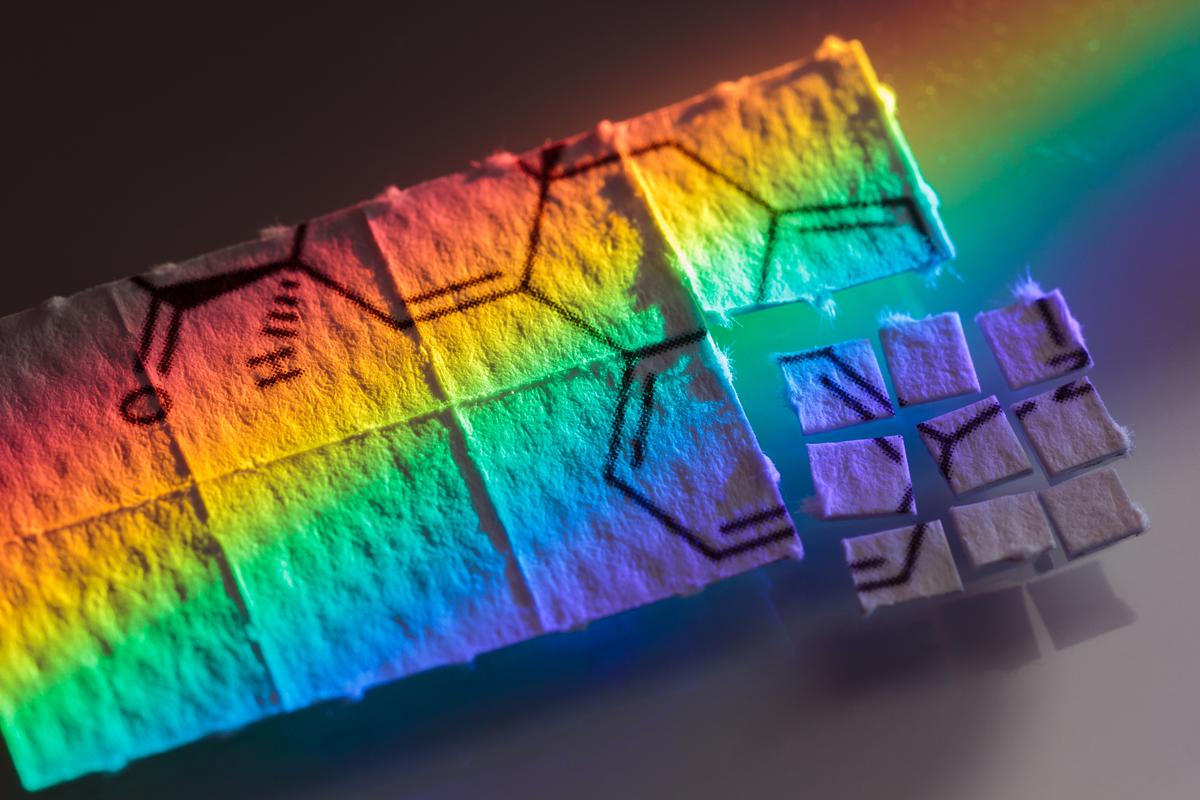
However, her research into the efficacy of microdosing LSD (between 1 and 10 micrograms, below one/tenth of a regular dose) under controlled conditions convinced her to try this unorthodox “treatment.”
“The idea is to produce subtle changes in cognitive function without having to enter that world of hallucinogens where I experienced the walls collapsing in on me. Swallowing a few drops I put on a mint didn’t seem too risky. Yes, this was crude and unscientific but the protocol is very new.”
For five years Rachel microdosed LSD every three days. Afterward she typically did yoga or meditated. “I wasn’t taking it and going to a party or kite-surfing afterward! And I always waited to dose until my daughter left for school.” She finished, “It’s not like drinking alcohol or smoking pot. LSD made me very lucid and very sharp.”
The lucidity helped her combat the “emotionally cancerous mental loops in my head and find more joy.” Three years after stopping she still feels clarity and joy. But, she cautions, “Everyone has to make her own decisions about giving LSD a try.”
Ayelet Waldman’s 2017 article How Microdosing Made a Mega Difference in My Mood, My Marriage and My Life is an eye-and-mind-opening look at this controversial drug as a tool to achieve emotional well-being. And Michael Pollan’s just-released How to Change Your Mind: What the New Science of Psychedelics Teaches Us About Consciousness, Dying, Addiction, Depression, and Transcendence is not just a story of personal experimentation, but also a deep dive into the revolution occurring in the scientific and academic communities about psychedelics as healing agents.
However, caveat emptor. What is billed as the first comprehensive study about the potential effects of LSD microdosing is in the early stages.
In the meantime, Dr. Gladys Frankel, a NYC-based clinical psychologist who has been on the faculty of Weill Cornell College of Medicine, is among the many mental health practitioners urging caution. She says flatly, “Microdosing is a horrible idea. I have had patients who have been fried after one dose. A patient would look at a door and see the wood grain flowing, moving all of the time, years later! For people who have a vulnerability to schizophrenia, this can potentiate it.”
Julie Barron LPC offers an invaluable perspective on this issue. Founder of the Michigan Psychedelic Society, Barron, who has a Masters in Transpersonal Counseling Psychology explains, “When I was much younger I was very interested in psychedelics and studied at Naropa University where I was taught how to do therapy while in an altered state of consciousness.” Years later, she was in the midst of a depression for which she was both in talk therapy and on a cocktail of drugs – sleeping meds, pills for anxiety and depression. This regimen was having a detrimental effect on her life. So she began to microdose. “It had and has a huge positive impact. I was able to stop the pharmaceuticals.”
Clients come to her for advice on microdosing. “I can’t supply the drug but I’ll do therapy with them and share education and safety advice. Over all, I’m the feedback person. They’ll report, ‘I tried this, and such was my experience. What should I try next?’” says Julie. “I am very clear, it’s a personalized process. There is no one size fits all microdose strategy.” Indeed, sometimes Julie microdoses every day for weeks on end. Other times her protocol is every other day; sometimes once a month.
“Someone who hasn’t tried psychedelics can’t really help others. We are not a society that understands this from normal experience. I help people learn how to integrate microdosing into everyday life,” Julie says.
https://thirdage.com/considering-mic...ad-this-first/
Last edited: