Pain and psychedelics – Drug interactions with analgesics
SPIRIT PHARMACIST | 10 Dec 2019
This is the second of two installments on pain and psychedelics. In the
first installment or Part I (above), I cover mechanisms of psychedelic action in the context of pain, suffering and philosophy. In this installment I cover drug interactions with different classes of analgesics.
Pain and analgesics: Psychedelic healing, set, and setting
There are many different types of analgesics and pain medications available, each of which has different mechanisms, effects, risks, and interactions with psychedelics. Therefore, we’ll take a class by class approach in this guide. Generally speaking, psychedelic healing works via the heightening of senses, expression or feeling of emotion, and (hopefully) resolution of repressed emotions. Pain relievers or analgesics are drugs that act to suppress pain signals or modulate emotions in a way that suffering is decreased. From this perspective, there is a possibility for counterproductive effects between analgesics and psychedelic-assisted psychotherapy. Counterproductive effects may be further increased by agents that have strong effects in the Central Nervous System (CNS) such as opioids. On the flip side, analgesic agents may increase physical comfort and reduce sympathetic nervous system (fight or flight) arousal due to painful conditions. This could confer beneficial effects on user ‘set’ and the depth of their experience.
When pain conditions are present, the psychedelic user should inquire into and reflect upon any drug or non-drug based modifications that would preserve user ‘set’ or improve user ‘setting’. Adjustments can be made to the physical setting, such as allowing an individual with orthopedic hip and knee injuries to use a comfortable chair to sit in opposed to having them sit on the ground. Many pain medications have the tendency to cause physical or psychological dependence. Discontinuing pain medication may be so damaging to user ‘set’ that they aren’t able to actively participate in their experience. For example, if the user has advanced illness or severe chronic pain (e.g. cancer) it may not be reasonable (due to physical and psychological dependence as well as medical necessity) to discontinue opioid or other pain medication. For others, use of pain medication may be problematic or unwanted. They may be approaching psychedelics in hopes of using less or stopping the use of pain medications. In these cases substance use treatment mind sets may improve outcomes and stopping use of pain medication may be intentional. In most cases (with the exception of ibogaine and ayahuasca which harbor severe physical risks in combination with analgesics), use of pain medication is primarily a risk vs. benefit decision the user can assess based upon their pain condition and goals of analgesic use. A comprehensive assessment of pain conditions as well as their treatments is an essential part of preparing for a therapeutic psychedelic experience.
Over the counter (OTC) analgesics
There are a few different classes of pain relievers that are sold over the counter (OTC) in the United States including acetaminophen/paracetamol (Tylenol), ibuprofen (Motrin, Advil), naproxen (Aleve), and Aspirin. Generally, these medications do not pose any risk of physiological danger in combination with psychedelics, including psychedelics that contain MAOIs such as ayahuasca.
Acetaminophen (Tylenol, paracetamol)
Interestingly, there is an emerging body of research, particularly with acetaminophen (Tylenol) demonstrating that OTC pain relievers can have effects on emotional processing and behavior. It was demonstrated that acetaminophen (Tylenol) has the ability to blunt emotional processing to both positive and negative stimuli. It can also reduce effects of pain secondary to things like social rejection. It appears that it can interfere with our judgement of errors and make us more apathetic to mistakes. The site of interference in error evaluation appears to be in the cortex, which is a site in the brain targeted by psychedelics via their stimulation of 5HT2A receptors. Evidence for an effect on emotional processing is less well established with other OTC analgesics, although ibuprofen has also been shown to have a sex specific effect on emotional processing. How strong these effects on the interference of emotional processing are and whether they could influence psychedelic healing processes in a clinically significant manner is unknown. OTC analgesics have been permitted to be used in protocols of clinical trials utilizing psychedelics to date.
Non-steroidal anti-inflammatory drugs (NSAIDS)
Another more theoretical area of drug interaction involves effect on the immune system and inflammatory responses. Non-steroidal Anti-Inflammatory Drugs (NSAIDS) such as ibuprofen, naproxen (and several other prescription agents such as meloxicam, diclofenac etc.) work by blocking the production of pro-inflammatory mediators termed prostaglandins. Psychedelics are known to have immunomodulatory and anti-inflammatory effects, thus there could be an immune system mediated interaction. The significance of this interaction, if any, is unknown.
Aspirin
Aspirin has a similar mechanism of action to NSAIDS, although low daily doses are often used for advanced cardiovascular conditions. Therefore, when use of low-dose or daily aspirin is reported, a contraindicated condition to psychedelic use may be present.
Due to the benign nature of OTC analgesics from a physical perspective when used with psychedelics and lack of perceptual psychoactive effects, their benefits still likely outweigh risks of interference with emotional processing for minor aches and pains before or after psychedelic experiences. For example, OTC analgesic use prior to psychedelics to relieve menstrual cramps may improve ‘set’ of the user enough to be worth the risk of blunted emotional processing. Similarly, a mild-moderate tension headache is a common side effect the day after psilocybin use and if adequately relieved by an OTC analgesic, it may allow for a less distracted period of reflection in the immediate post-use period, creating a compelling benefit. Conversely, for a new pain or a pain that becomes exacerbated by psychedelic use without an explanatory provocation, it may be preferable to attempt working through pain using psychosomatic processing or other non-drug related methods rather than taking analgesics.
Neuropathic analgesics
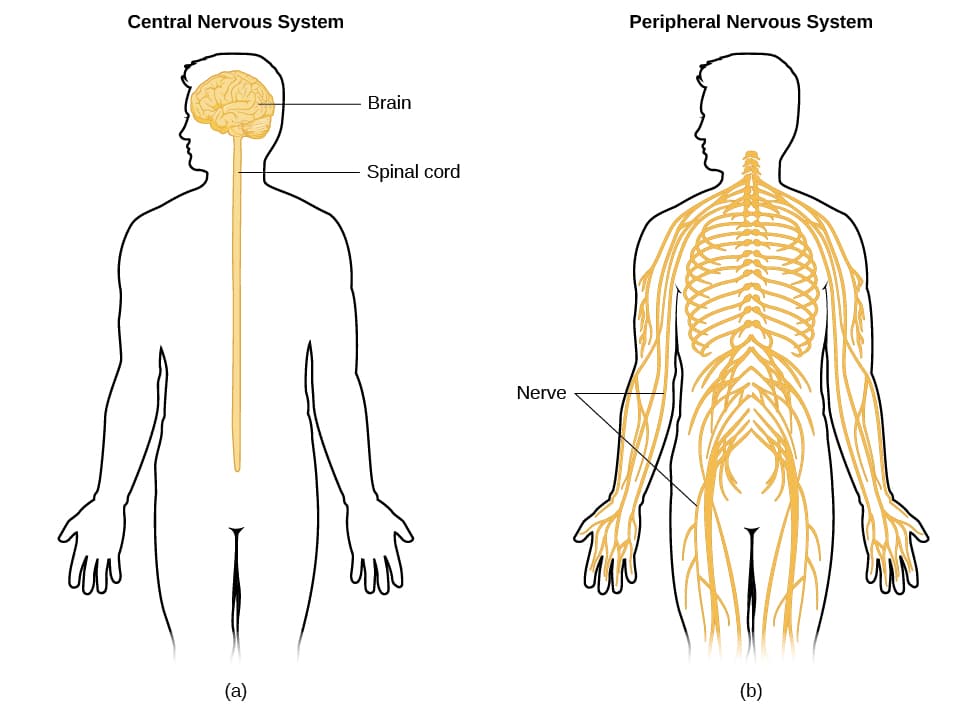
Nerve pains are often described as stabbing, shooting, tingling, or burning types of pains and are treated with a variety of analgesics. These analgesics are almost universally active in the CNS and many share therapeutic overlap with other psychiatric or neurologic illnesses including depression, anxiety, and seizure disorders. The only neuropathic agents that are not CNS active involve topical remedies.
Antidepressants
I discuss
interactions with antidepressants used for nerve pain such as duloxetine (Cymbalta) and amitriptyline (Elavil) elsewhere. Psychedelics, either in macro or micro doses, may be effective agents in pain conditions. It’s a logical hypothesis to test: if antidepressants work for depression, anxiety nerve pain, or fibromyalgaia and psychedelics also work for depression, anxiety, and have anti-inflammatory effects, that they may have potential to impact nerve pain too.
Gabapentinoids
The gabapentinoids include the agents gabapentin (Neurontin) and pregabalin (Lyrica). They are used for neuropathic pain and anxiety disorders primarily, although gabapentin is also an antiepileptic agent. There is likely some mild interaction potential between gabapentin, pregabalin and psychedelics that may blunt the experience, although user anecdotes don’t support a strong interaction and in a clinical study of MDMA for PTSD, they allowed users to remain on gabapentin when used for pain. There is no rationale to believe that gabapentin or pregabalin would have a high risk of serotonin syndrome or other severe adverse reactions if combined with ayahuasca. Speculatively, they may diminish effects of ibogaine or ketamine due to GABAergic activity.
Both gabapentin and pregabalin have dependence when taken for extended periods of time and can cause withdrawal syndromes if not tapered appropriately. Therefore, in persons with neuropathic pain that are getting a beneficial effect from these agents, it is reasonable to simply continue them. For persons using lower doses for anxiety disorders, tapering the medication over a period of a few weeks may be considered instead.
Opioids
Opioids is an umbrella term that encompasses drugs that produce an analgesic effect by binding with μ-opioid receptors. It includes both naturally derived drugs such as codeine, morphine, and heroin (opiates) as well as synthetics such as oxycodone, methadone, buprenorphine, tramadol, and others. Opioids are notorious for leading to dependence, tolerance, and substance use disorders (addiction) and harms associated with opioids are currently epidemic in the US. They are regulated as controlled substances and produce sedative effects on the CNS, which can lead to fatal respiratory depression in overdose. Drugs that depress CNS activity, tend to generally have blunting effects on psychedelics, although how significant this effect is may depend on individual factors such as tolerance, dose, or the agent(s) used. If an underlying opioid use disorder is present, then the psychedelic ibogaine would likely be of most benefit, although is limited by potential for fatal arrhythmia.
Opioids are oftentimes used for the short-term management of severe pains associated with post-surgical pain, acute physical trauma, or pain flares associated with various medical conditions. For these indications they may be offered ‘as needed’ and taken for such a short period of time or so sparingly that physical dependence does not occur. For the opioid user that doesn’t have a physical dependence on opioids, it is likely best and relatively easy to avoid them for at least 72 hours prior to psychedelic use, which is the timeframe that it could be expected that most opioids used on an as needed basis are eliminated from the body. If persons are experiencing an acute pain flare requiring as needed opioids, it may be best for user set and setting to simply postpone the psychedelic session until the individual is no longer in high amounts of pain and using opioids.
In users of opioids for the treatment of chronic pain in which a substance use disorder is not present, then the choice of psychedelic and management approach is important. Some opioids are contraindicated with ayahuasca or ibogaine. For life-threatening illness or illness in which opioids are medically necessary, continuation of long-acting opioids may be necessary for comfort in user ‘set’.
Which opioids can you combine with Ayahuasca?
While opioids all share their activity at μ-opioid receptors, some of them have additional pharmacology at serotonin and norepinephrine reuptake pumps that could introduce serious drug interaction potential with MAOI containing psychedelics such as ayahuasca. The opioids methadone (Dolophine), meperidine (Pethidine), tapentadol (Nucynta), and tramadol (Ultram) and dextromethorphan all have some weak affinity for the serotonin reuptake pump and have been implicated in cases of serotonin syndrome when combined with MAOIs. Therefore, these agents should be either avoided or discontinued at least 5 half-lives ahead of ayahuasca use. The opioids hydrocodone, oxycodone, buprenorphine, morphine, hydromorphone, oxymorphone, heroin and codeine do not have activity at the serotonin reuptake pump and have not been implicated in cases of serotonin syndrome.
Have opioids and psychedelics ever been combined in clinical trials with other psychedelics?
It is relatively common for opioids to be prescribed for pain associated with illnesses such as late stage cancers. In clinical trials of psilocybin assisted psychotherapy for life-threatening illness in which many participants had late stage cancer, the use of long-acting opioid medications (e.g. sustained release morphine or oxycodone) administered every 12 hours were permitted to be used concurrently per the clinical trial protocol. The protocol stipulated that psilocybin administration would be timed 6 hours after the ingestion of their opioid and 6 hours prior to their next dose of opioid. Therefore, it appears their strategy was to time the dose of psychedelic the farthest possible from the previous opioid dose, while still allowing time for the psilocybin experience to unfold prior to the next opioid dose. For serotonergic psychedelics that do not contain an MAOI, such as MDMA, psilocybin, or short-acting inhaled tryptamines (5-MeO-DMT), this strategy would seem to be adaptable. For other serotonergic psychedelics such as LSD or mescaline, the length of the psychedelic effect may present challenges for use of this strategy. Notably, while the trial protocol permitted long-acting opioids, it’s unclear how many trial participants were actually taking them or if their results differed from others in the trial.
How are opioids used with ibogaine?
When ibogaine is used in a person that uses opioids, it is typically with the intention of managing opioid use disorder (OUD) rather than helping mood or having an analgesic effect in a person with chronic pain. Ibogaine is contraindicated to be used in conjunction with long-acting or extended-release formulations as well as the Medication Assisted Treatment (MAT) drugs methadone and buprenorphine. This is because ibogaine is known to sensitize the user to opioids back to pre-opioid use levels, thus opioid use while on ibogaine can be dangerous and increase risks for overdose. Another risk is arrhythmias and cardiotoxicity, which is worsened considerably by methadone. Therefore, ibogaine use should be attempted only in the opioid user that wants to stop using opioids completely and is on a short-acting opioid prior to ibogaine use.
Ketamine
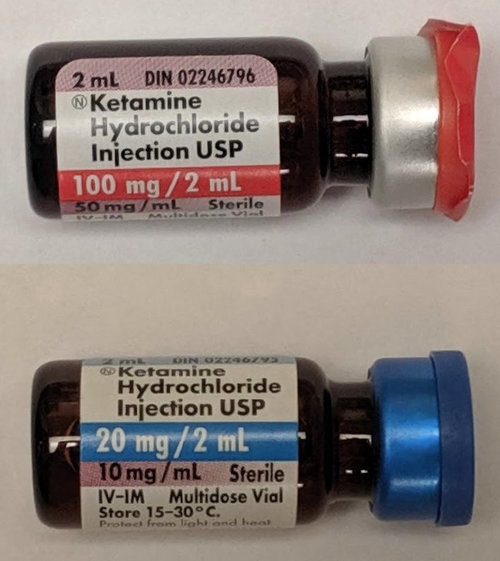
Ketamine is more accurately classified as a dissociative anesthetic rather than a psychedelic. Given anesthetics have sedative properties, there could be additive risks of sedation or respiratory depression when ketamine or opioids are combined. This can become excessively dangerous with high doses, unmonitored environments, or use of other sedatives like GHB, alcohol, or benzodiazepines. Serotonergic psychedelics are likely lower risk psychedelics to use in combination with opioids when it comes to ketamine. Other pain medications such as OTC analgesics possess minimal risk in combination. There may be some theoretical interactions between drugs that interfere with GABA such as the gabapentinoids (gabapentin, pregabalin), although these interactions are not well documented if they are real.
Conclusions
OTC analgesics are low risk with many psychedelics and can be used to help with minor aches and pains that come up around the time of psychedelic use. Prescription agents to manage pain taken on a chronic basis are more complex and should be assessed in the context of user ‘set & setting’ to optimize potential for healing psychedelic experiences. Ketamine has some additional risk with sedative analgesics like opioids, although is combined in clinical practice for opioid-sparing effects. Ayahuasca and ibogaine are special cases in which scrutiny for drug interaction that has physical risks should be assessed, particularly with opioids.
Part II This is the second of two installments in a blog series on pain and psychedelics. In the first installment or Part I I covered mechanisms of psychedelic action in the context of pain, suffering and philosophy. In this installment I cover drug interactions with different classes of analg

www.spiritpharmacist.com







 psychedelictimes.com