• Psychedelic Medicine
  • Psychedelic Medicine Moderator: mr peabody

CANCER | +80 articles

Centerpiece.PsychedelicsPart2.Final.jpg


One man's psychedelic journey to confront his cancer

by Paul Frysh | WebMD | 4 Jan 2022

Pradeep Bansal considered the five capsules he was about to swallow. Together they made up a 25 milligram dose of a substance that, in another setting, could have landed him in federal prison.

The substance was psilocybin, the active ingredient in magic mushrooms. To be more exact, it was a synthetic form of psilocybin called COMP360, made to pharmaceutical standards by a company called COMPASS Pathways. He was taking it as part of an FDA-approved clinical study on mental health therapy for people with cancer.
280x340_pradeep_bansal_headshot.jpg

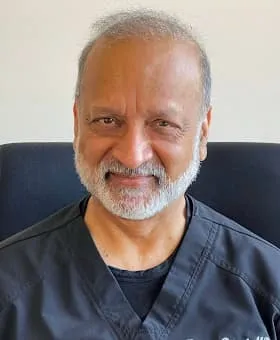
Pradeep Bansal, MD

Bansal, a New York gastroenterologist, was far more comfortable giving medical treatment than receiving it. But he was getting used to it.

He had already been through surgery and a number of other treatments to address the physical aspects of his cancer. The psilocybin was to address the mental aspects -- the crushing anxiety and depression that had stuck with him after his diagnosis.

Bansal did not arrive at this moment lightly.

"I was extremely skeptical going into this process," says Bansal, who during a long medical career had looked with distrust and even disdain at alternative therapies.

"I don't have much patience for holistic medicine, homeopathy, acupuncture, or alternative medicines with claims of spiritual upliftment or altered states of mind."

But Bansal had done his homework on psilocybin and was impressed.

People with late-stage cancer and other serious health conditions who got psilocybin-assisted psychotherapy had "significant decreases" in anxiety and depression as long as 12 months after the treatment, according to studies published in 2011, 2014, and 2016.

One study from Johns Hopkins University tracked the effects of a single guided dose of psilocybin in terminal cancer patients with anxiety and depression. More than 80% had a "significant decrease" in symptoms -- even 6 months after treatment -- with more than 60% of the group remaining in the normal mood range.

For the study Bansal joined, there had been weeks of screening and consultation and preparation in a strictly controlled scientific trial.

And yet even with all that he had learned, even with his psychiatrist-guide by his side, he was afraid. Afraid of what he might experience under the powerful effects of psilocybin. And afraid that this was all a misguided waste of time -- that his mental angst would still be there when it was all over.

He knew that psilocybin, like other psychedelic substances, could take you on a "trip" -- could remove you, at least for a time, from normal conscious experience.

Maybe he would feel "funny," he thought. Maybe he would have some hallucinations. But how would that change the reality of his cancer?

How would it lift the black dread and anxiety he felt about his future?

Stuck in a dark place

Bansal had first noticed blood in his urine -- a lot of it -- in September 2019.

Two months later, doctors diagnosed cancer in his right kidney. He would need surgery to remove the kidney and surrounding lymph nodes (an operation called radical nephrectomy).

It was a shock, says Bansal. But the diagnosis and the surgery happened so quickly that he hardly had time to think. And treatment results seemed good. The cancer was only in stage I and the CT scans showed no signs of cancer after surgery.

"We were so relieved. Everyone was so happy," Bansal says. "They didn't even give me chemotherapy after surgery because it seemed so early."

But a routine scan in June 2020 revealed more cancer in his lung. Within a couple of months, it was in his bladder too.

"It was devastating," Bansal says. "I went from thinking I was healthy again to stage IV cancer."

As doctors scheduled surgery to remove part of his lung, Bansal started on painful immunotherapy (BCG therapy) for his bladder.

At this point, from a psychological standpoint, Bansal was reeling. As a doctor, he knew all too well the meaning of stage IV cancer.

With two adult children and a grandchild on the way, Bansal had been looking forward to retirement with his wife of almost 40 years. "Suddenly, I wasn't sure I was going to last that long," Bansal recalls.

"I was in a very dark place. I was very anxious, very depressed from lack of sleep."

He saw a therapist about his cancer diagnosis and maintained his regular meditation practice at home. He hired a personal trainer and tried to focus on any good news that he got about his treatment.

Those things helped, but not enough.

The basic facts were inescapable. His cancer might end everything. He couldn't stop thinking about it. And then he couldn't stop thinking about how he couldn't stop thinking about it.

If the worst happened, he didn't want to spend his last days in a state of such relentless existential angst. And it wasn't just for himself. He wanted to be strong and mentally present for his family and his loved ones and his patients.

As he searched for something to ease his mental anguish, Bansal recalled some psychedelic research on end-of-life anxiety and depression that he'd read about in Michael Pollan's 2018 book on psychedelics, How to Change Your Mind.

The studies were small and the research was new, but Bansal was impressed enough with the results to take a chance. He called a lead researcher of one of the studies, a fellow New York doctor, and eventually found himself accepted into a new study.

Starting the journey

By the time Bansal arrived at the Bill Richards Center for Healing at the Aquilino Cancer Center in Rockville, MD, he had already been through weeks of screening.

The main requirements for the study were a cancer diagnosis and a measurable level of depression. But study participants also had to be physically fit enough to handle the medication, and psychologically free from a personal or family history of psychosis or schizophrenia. (The study also required participants to slowly wean themselves from medications like SSRIs for depression or anti-anxiety medications under the strict supervision of a qualified doctor.)

Bansal's week of treatment began almost immediately on arrival at Aquilino. Everything was carefully choreographed but not rushed. From Monday through Wednesday, doctors followed his physical health with exams, ECGs, and blood work. And most importantly, they began to prepare him for the "dosing session" on Thursday when he would take the psilocybin.

This is the careful crafting of "set and setting" stressed in so many psychedelic therapies. "Set" refers to your mindset going into the drug experience. "Setting" is the space and people around you when the drug sends you into an altered state of consciousness.

Bansal met several times with at least three therapists in the days leading up to his dosing. He attended 4-plus hours of therapist-led group sessions with other people who would get a dosing on the same day. Together, they talked about what to expect during the experience and what to do in the face of fear or panic.

He connected with a therapist who would be his personal guide. Bansal's therapist was a military psychiatrist with over 30 years' experience.

"He was there with me from day 1, and so we established a relationship," Bansal says.

"He asked me a lot of personal background history -- you know, my religious convictions, aspirations, all those things."

"Trust and let go," was a kind of mantra for the treatment repeated by his guide and other doctors.

For Bansal, a doctor and scientist accustomed to using hard facts rather than touchy-feely slogans to navigate the care of patients, it was an adjustment, to say the least.

But he did his best to set aside his doubts and embrace the journey he was about to take.

The day of the trip

Thursday morning finally arrived. The setting of the dosing room was warm and welcoming, more like a cozy home study than a hospital room.

This matters more than you might think. First, because it's important that you feel safe, open, and comfortable enough to let go and enter into a therapeutic process. But also because though rare, it's possible -- especially with psilocybin -- for people to lose track of where they are and what they're doing and put themselves or others in danger.

The dose, 25 milligrams, had been carefully calibrated to induce a psychedelic experience sufficient for therapy. Much less than that, say 10 milligrams, isn't enough for most people to enter this state. A double dose, 50 milligrams, though not physically unsafe, may leave you too incoherent to have the useful insights key to therapeutic value.

A doctor, the lead investigator of the study, brought the five capsules into the room in an intricately carved crucible with a small ceremonial cup that held the water with which to take it.

"It was very solemn," Bansal says. "He sat down with me in a very calming way."

The doctor said: "Don't worry about it. Just trust and let go."

And that's just what he did.

Bansal swallowed the capsules and lay down. The doctor quietly left the room so that Bansal and his psychiatrist guide could begin their session together.

Special eye shades kept him in the pitch dark whether his eyes were open or closed. Headphones streamed a curated musical playlist - much of it Western classical like Strauss, Bach, Mozart, and Beethoven -- but also modern electronica and other music from cultures around the globe.

Bansal would remain here, with his therapist-guide by his side, in largely this same position, for the next 7-and-a-half hours.

It took about 45 minutes for the medication to kick in.
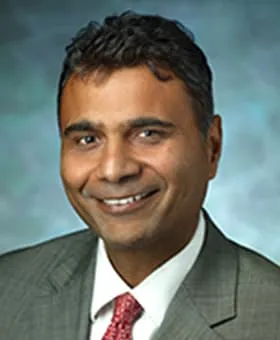
280x340_agrawal.jpg

Manish Agrawal, MD

The investigator

The doctor who brought the capsules into the dosing room was Manish Agrawal, MD, co-director of clinical research at the Aquilino Cancer Center and lead investigator of the study.

Agrawal trained at the National Cancer Institute and practiced for many years as an oncologist before developing an interest in psychedelic therapies. It was his work with cancer patients that drew him to psychedelics in the first place.

He had seen too many of his patients mentally wrecked by a cancer diagnosis, and he often felt helpless to comfort them.

"You take care of the physical aspects of the cancer, right? You talk about side effects and recommend another scan to look for recurrence."

"But what about the psychological effects?"


They can be very serious and too often go ignored, says Agrawal. Your plans for the future suddenly become moot. You may be concerned about your ability to work or worried about the pain and suffering and financial strain that might be ahead for both you and your family. And to top it all off, you're staring into the face of your own mortality.

So it's no wonder, says Agrawal, that many people develop clinical levels of anxiety and depression after a cancer diagnosis.

Like Bansal, Agrawal had been impressed by early studies on psilocybin-assisted therapies for end-of-life anxiety and depression. He had tried other approaches -- support groups, one-on-one therapy, religious counselors, psychiatrist-prescribed medication -- but he was never really happy with the results.

To Agrawal, psilocybin-assisted therapy was the first thing that looked like it could really make a difference.

And so after his psychedelic certification at the California Institute of Integral Studies (CIIS), Agrawal was determined to change his approach.

Pre-publication results for Agrawal's study show half of all participants no longer had clinical depression 8 weeks after a single dose of psilocybin and accompanying therapy. And about 80% of the people studied had their depression scores drop by at least 50%. (The trial measured depression with the Montgomery-Asberg Depression Rating Scale, or MADRS.

The result was The Bill Richards Center for Healing at Aquilino Cancer Center, built specifically to study psychedelic-assisted therapies for psychological distress in people with cancer. The mission of the center is to help develop safe, FDA-approved psychedelic therapies for the mental health of cancer patients, and, once approved, provide a state-of-the-art facility and staff to administer those treatments.

A trip into the unknown

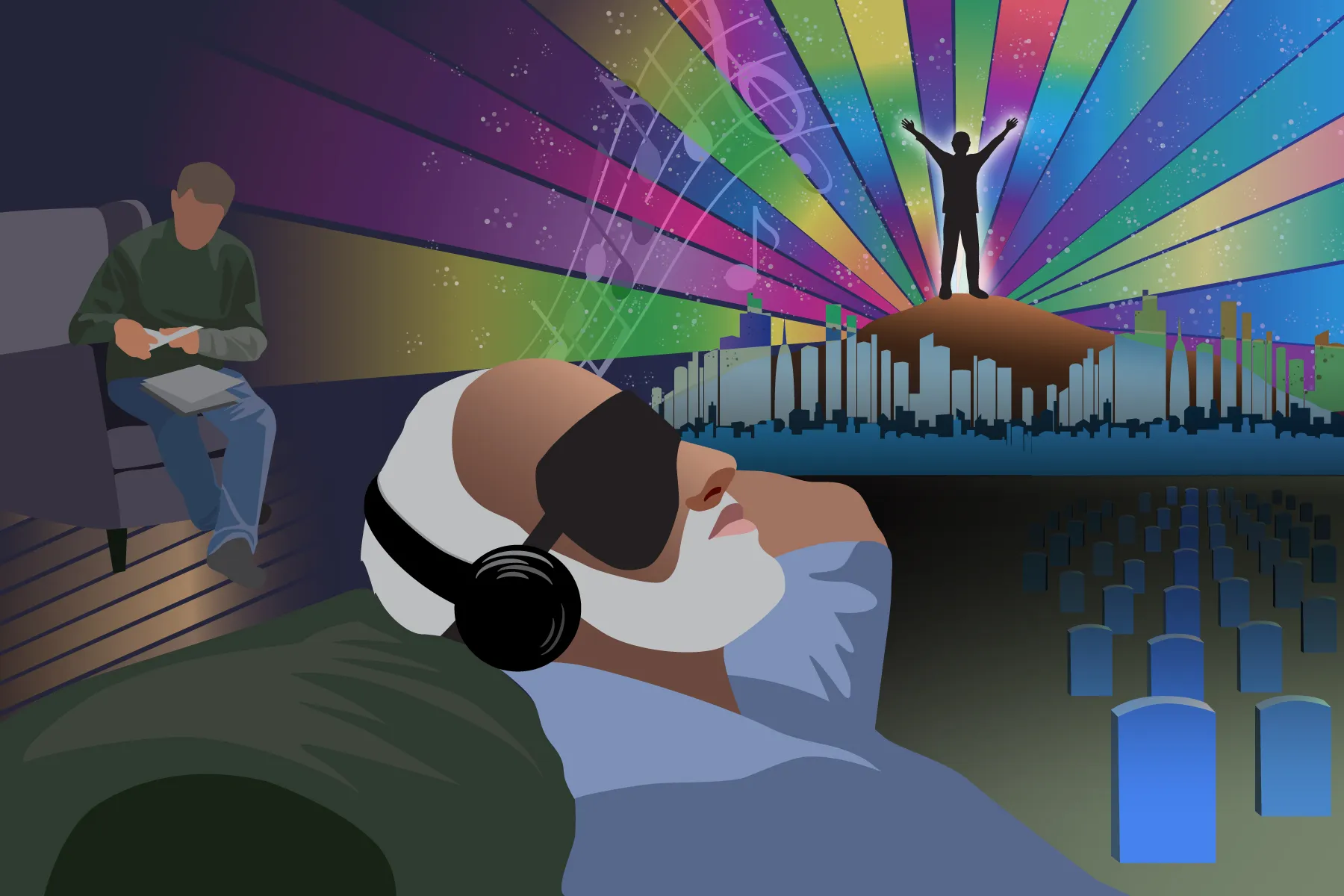
Back in the dosing room, Bansal was starting to feel the effects of the medication. As the psilocybin kicked in, spectacular images swirled.

"It was as if a million stained glass windows had suddenly come to life and were dancing in front of my vision," Bansal says.

There were moving landscapes and intricate swirling patterns and massive stages in the sky where he saw orchestras playing the music he was hearing.

Bansal saw himself being crushed by a huge machine and buried, dead, in the Earth. He died and returned to life several times, glided over the top of New York City with the skyscrapers just below him, and took in the vision of the entire universe.

"I saw this expanse of the sky that was limitless. And there was this prehistoric reptile creature that spanned galaxies in the sky ahead of me who was dying. I said, 'My God, the universe is dying,' but then after a few moments, the universe came to life again in a burst of stars exploding."

All the while, Bansal says, he was well aware that it was simply his mind creating these images, thoughts, and ideas. He knew he was in a safe room wearing eyeshades and headphones.

And yet, he says, it felt true. "The images and feelings are so powerful that you cannot help but believe they are in some way a part of reality."

"At one point, I saw this giant Ferris wheel coming towards me and it was full of giant crabs, clicking and clacking their pincers. And my brain told me, 'That's my cancer!'"


Bansal was terrified. But he and his therapist had arranged a system of signals before the session. "If I was feeling afraid, I would hold his hand and if I had other issues, I would raise my hand. If I was feeling good, I would give him a thumbs up."

Bansal reached out to his therapist and grasped his hand. "I said, 'My cancer is coming at me!'"

His therapist was clear about what to do: Stand firm and walk toward it.

"That's what they tell you: If you see anything frightening, you face it. And that's the whole point of this exercise. And so, I stood and walked forward, and it just blew off in a puff of smoke."

A state of peace

Around 3 hours into the experience, Bansal started to feel an immense sense of peace, happiness, and even comfort.

"I felt like I was watching a movie or a multidimensional slideshow. I was also a part of the movie. I felt like I could tell my mind what I wanted to see, and it would show it to me. It's almost like you can mold your own visions. It was mystical."

After about 8 hours, as the effects of the drug wore off, Bansal removed his eyeshades and headphones. He was completely drained.

"Even though I was lying down on my back for 7 hours, I felt like I had been run over by a truck. I was exhausted beyond belief physically and mentally."

This was partly due to the fact that he hadn't eaten much during the session. But mostly, says Bansal, it was due to the searing emotional intensity of the experience.

After the journey

It's hard to put into words, says Bansal, what this treatment has done for his life. He feels as if he has stumbled onto something very precious that had been right in front of him all along. He wrote of his change in perspective almost obsessively in his journal in the days and weeks after treatment. One passage reads:

"It seems that as time is passing on, I'm becoming more relaxed and hopeful, more calm, and at peace. Family has become even more important to me now. Money, politics, material gains, alcohol, seem less important."

And yet there was nothing "easy" about the experience. In fact, in some ways the experience demanded more from him.

"I feel I need to be more compassionate and considerate -- less irritable and angry, more understanding of others' needs. I feel I need to be a better human being, a better patient, a better father, and a better doctor for my patients."

The experience, he says, gave him something far more important than mere ease. It gave him a sense of meaning.

"How many sorrows in the universe? My cancer is nothing. Life does not end with the end of life. What was will be again. Eternally."

From his journal:

"I died, and I was reborn. If I survived this, then I can face anything and anybody in the cosmic scheme. I can become part of it."

"How many sorrows in the universe? My cancer is nothing. Life does not end with the end of life. What was will be again. Eternally."


That's not an unusual response, according to the namesake of The Bill Richards Center for Healing. Richards, PhD, has worked in the world of psychedelic-assisted psychotherapy since 1963.

A psychologist with decades of experience, Richards and his colleagues figure that, with few possible exceptions, he has helped treat more people with psychedelic therapies than anyone alive in Western medicine today. At Aquilino, he works directly with patients and oversees the therapy protocol that goes along with the psilocybin dosing sessions.

"It's inspiring," Richards says.

"You meet someone who's very depressed and scared and isolating from family and having all kinds of physical complaints. And a few days later, you talk to the same person and they have a whole new lease on life."

"And the positive effects can extend deep into the family system,"
he says.

After psilocybin treatment, says Richards, the person with cancer can become a kind of social worker for the family. They're often far better able to talk about death and loss and even money and family issues than their loved ones. It's not uncommon after treatment to see the resolution of years-old resentments or grievances that have dogged a family for many years.

Plus, says Richards, the cancer patient often ends up as a kind model to other family members for how to approach death. "They can demonstrate how to live fully -- right to the last breath -- which is a real gift because those relatives and loved ones have to die someday too, you know."

At 80 years old, Richards is still in active practice and hopes to spend the rest of his days working with people in end-of-life care.

After the experience

Psychedelic-assisted therapy does not end with the dosing session. Integration sessions, where you discuss what happened during the dosing session, are a key part of most treatments.

The goal is to help participants absorb and "integrate" their experience. It typically happens over two or more sessions of 60 to 90 minutes with a therapist. In some cases, the therapist may invite a significant other to join in the integration process.

Agrawal's trial at the Bill Richards center added something new: group therapy. Not only did Bansal meet with his therapist, he also met with a group of three other people in the trial who had their dosing the same day.

The point, says Agrawal, is to try and determine the effect of the group on the therapy. After their private dosing sessions, they come back together to discuss their experiences.

"After the psilocybin, they feel like they've been to war together," Agrawal says. "There is this profound openness and connection. They feel able to share things with each other that they wouldn't with other people."

It will take some time to figure out how the group affects the overall outcome, but Bansal thinks it was integral to the success of his treatment.

In fact, he continues to meet regularly with his therapy group, even though it's long since past the requirements of the study.

Pradeep 2.0

Bansal still has tough days with his cancer. Recently, immunotherapy treatment for his bladder caused side effects -- pain, bleeding, fever, and chills -- for most of the night. He felt like he was "passing razor blades" when he peed.

"And yet it was somehow OK," he says. "It was only pain."

"It's as if there is a part of me that is watching myself objectively, going through the painful process of treatments saying, 'It's all right. I will be with you through this journey, through this experience. Don't worry.'"


Months after taking that one dose, Bansal still calls it as "the single most powerful experience of my life."

The change in his mental outlook, Bansal says, was profound, particularly in regard to his cancer.

"I understood that I still had cancer and that it could kill me in a few weeks, or months, or years. But my perspective had shifted."

Bansal was as surprised as anyone.

"Had somebody told me going into this that I would come out a transformed being or a person with a completely different perspective on life, I would never have believed it."

He even named his new outlook. "I call it Pradeep 2.0."

 
Last edited:
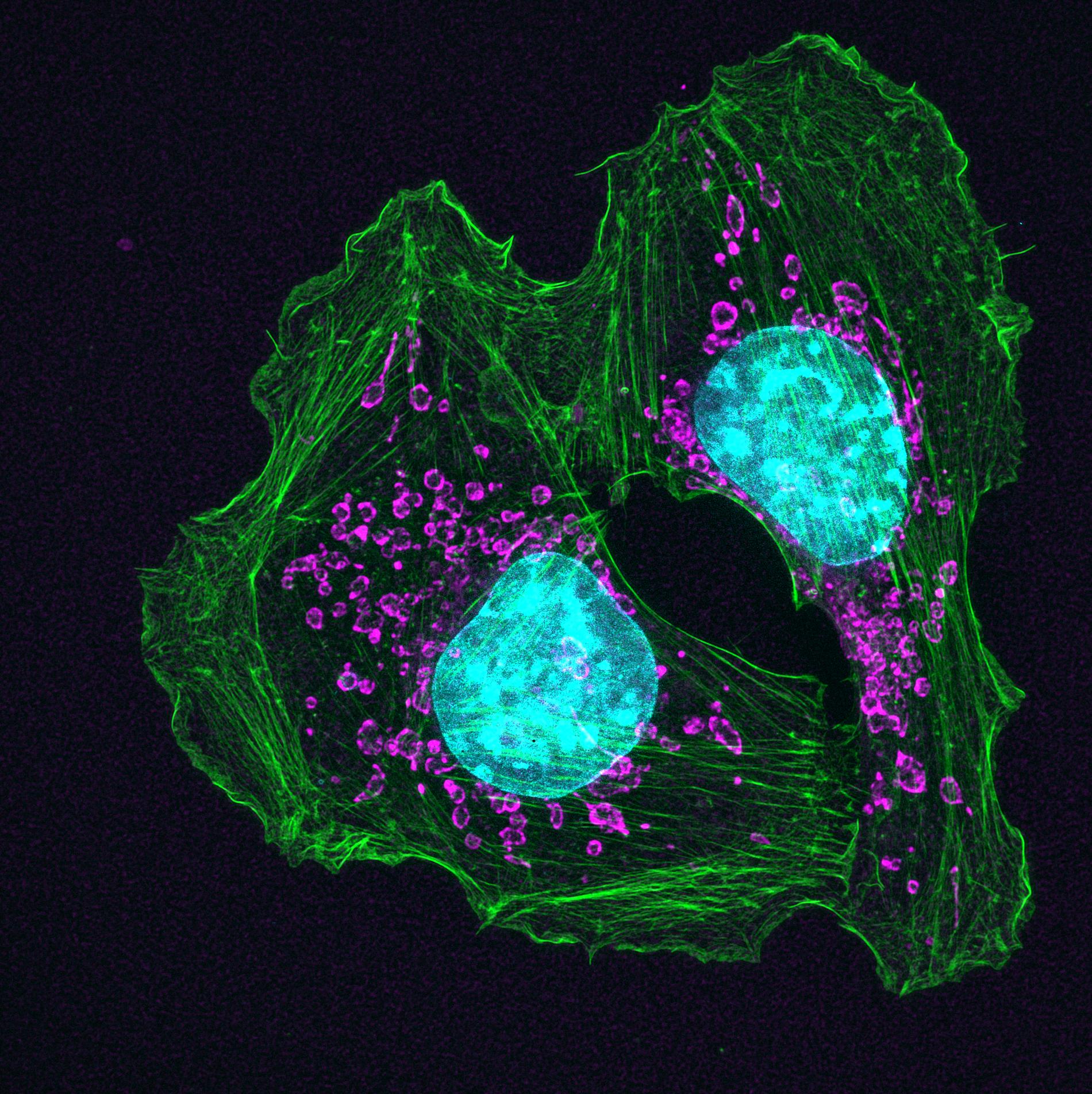
Cancer_skin_credit_flickr-Zeiss.jpg


Cannabinoids as a potential cancer treatment

Beckley Foundation | 19 Mar 2022

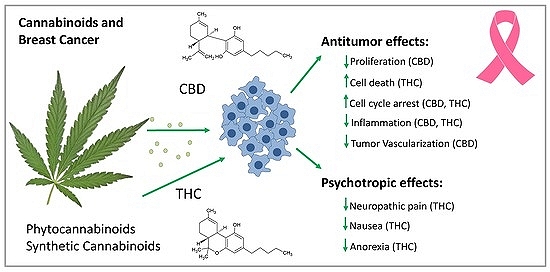
In collaboration with Profs Manuel Guzman and Guillermo Velasco at Madrid Complutense University, we plan to investigate the anti-cancer properties of cannabis and its individual cannabinoids, with the aim of establishing the most effective combination of cannabinoids. Together with the Spanish Group of Neurooncology (GEINO), Profs Guzman and Velasco will conduct a clinical trial in 4 centres in Spain. In this study, patients with newly diagnosed glioblastoma (brain tumour) will receive cannabinoids in combination with traditional anticancer drugs and radiation therapy. Results will help clarify the question of whether cannabinoids can be used to fight cancer.

This programme is investigating the anti-cancer properties of cannabis and individual cannabinoids, such as THC and CBD, that have been found to exhibit anti-tumour effects in a wide array of animal models and in vitro studies of cancer. Together with the Spanish Neurooncology Group GEINO, we are now preparing to conduct a clinical trial to test whether cannabinoids can help fight tumour growth in cancer patients.

CANCER.jpg


How cannabinoids may help cure cancer

1. They are Anti-proliferative, meaning they prevent cancer cells from reproducing. Cannabinoids have been shown to possess anti-proliferative effects in vitro as well as in vivo in different cancer models.

2. They are Anti-angiogenic, meaning they prevent formation of new blood vessels needed by tumors to grow. Cannabinoids inhibit tumor growth in laboratory animals by inducing apoptosis (programmed cell death) of tumor cells and impairing tumor angiogenesis.

3. They are Anti-metastatic, meaning they prevent cancer from spreading to other organs. Cannabinoids decrease cancer cell migration. Cannabinoids decrease matastasis in various tumor types in laboratory animals.

4. They are Apoptotic, meaning they induce cancer cells to seek their own death. Treatment with a cannabis compound reduced the viability and invasiveness of treated tumor cells in vitro and induced apoptosis.

http://beckleyfoundation.org/science...ctions/cancer/
 
Last edited:
Could psychedelics be the next breakthrough treatment for cancer patients' mental health?

by Erin Marie | Health Digest | 5 Apr 2022

Up to 35% of cancer patients experience mental health difficulties in conjunction with a cancer diagnosis, according to 2020 research published in Epidemiology and Psychiatric Sciences. While not formally recognized as a mental health disorder, an additional 15% to 20% of cancer patients experience existential distress, such as a loss of meaning or spiritual morale.

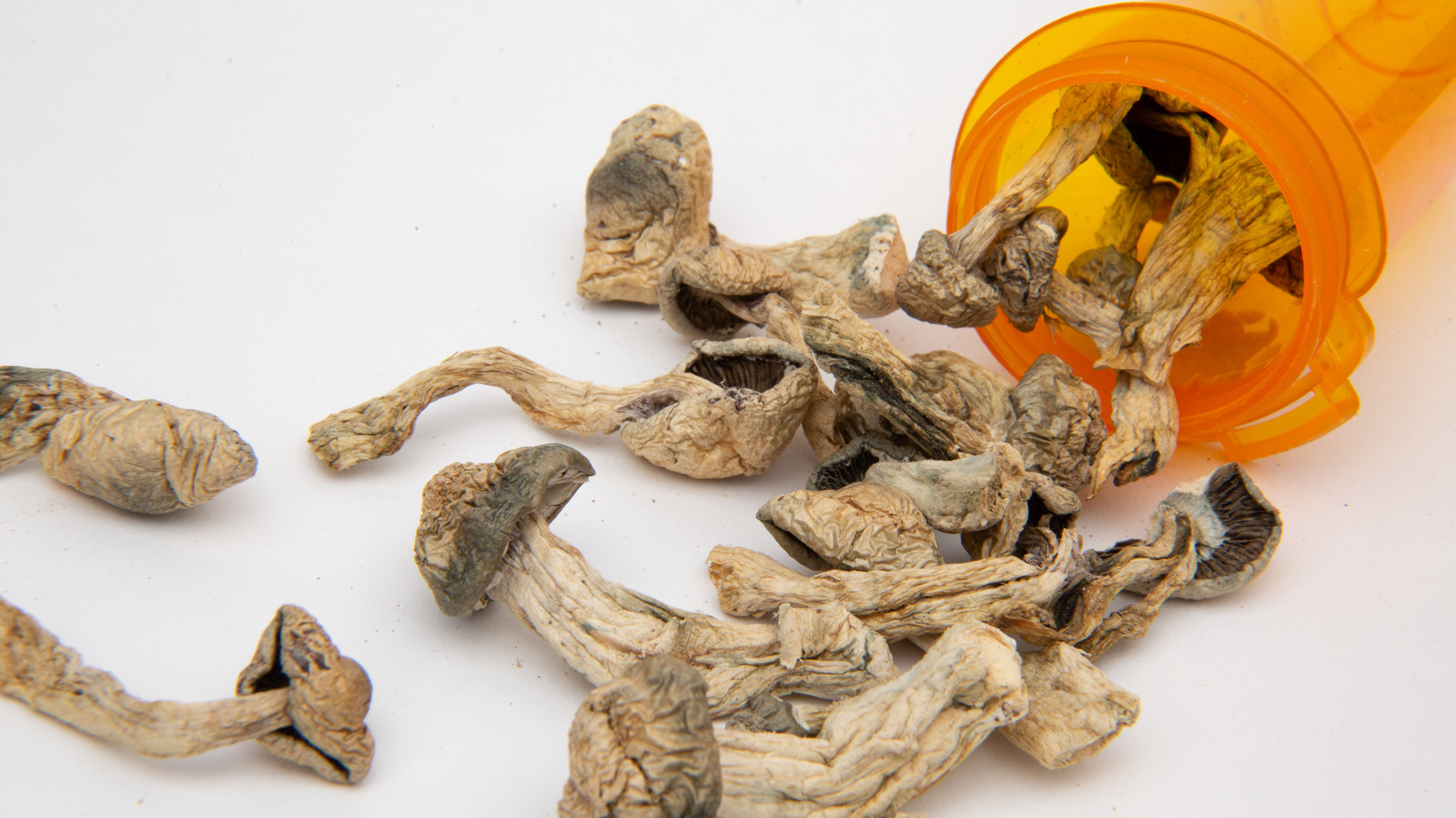
Psilocybin, a chemical derived from a type of mushroom native to areas of the U.S., Mexico, and Central America, is known for its hallucinatory effects in humans when ingested (via the Drug Enforcement Administration). While psilocybin, or magic mushrooms, is legal in the U.S., it is classified as a Schedule I substance under the Controlled Substances Act and, therefore, is not approved for accepted medical use.

Over the years, the number of scientific studies looking at the clinical potential of psilocybin and other psychedelics to relieve mental health-related stress has grown. Although the study is still underway, a new series of clinical trials show promise in the use of psilocybin as a potential treatment method for major depressive disorder in cancer patients. Oncologist Manish Agrawal, principal investigator on one of the clinical trials, shares via The Washington Post how doses of psilocybin appear to affect cancer patients experiencing anxiety or depression related to their cancer diagnosis.

Psilocybin shown to reduce death anxiety in cancer patients

Agrawal explains how two patients in the clinical trial experienced a mindset shift around mortality while using the psychedelic that resulted in decreases in mental and emotional distress (via The Washington Post). Overall, in 15 out of 30 patients, clinical depression symptoms were gone after a period of eight weeks following treatment with a single dose of psilocybin in combination with therapy.

Such evidence appears to be in alignment with alternate studies, such as a long-term follow-up study conducted by researchers at the NYU Grossman School of Medicine. Researchers found that more than four years after a one-time dose of psilocybin, cancer patients experienced decreases in death anxiety, hopelessness, and depression.

Experts believe the mental health-boosting effects of psychedelics may be due to their potential to rewire the brain. According to 2021 research cited in the World Journal of Psychiatry, " ... psychedelic agents may induce rapid synaptic plasticity, and this plasticity may be a key mechanism by which they can exert long-term antidepressant effects." Some scientists believe approval for the use of psychedelics in the treatment of clinical depression in cancer patients is not far off (via KUER). Dr. Anna Beck, director of the Huntsman Cancer Institute, states via KUER, "Psychedelic medicine is the only thing that has been shown to make a difference in terms of alleviating some of the existential distress."

 
Last edited:
'Tumors just vanished'

UNHEARD OF: Cancer drug trial shows full remission


Experimental treatment made rectal cancer tumors disappear in small trial group

by Sacha Pfeiffer | NPR | 27 Jun 2022

Treatment with the immunotherapy dostarlimab showed promising results in a small trial of more than a dozen rectal cancer patients, according to new research, but further study is needed and it is too early to call it a cure. CNN's Erin Burnett speaks to Dr. Andrea Cercek, an oncologist at Memorial Sloan Kettering Cancer Center.

A tiny group of people with rectal cancer just experienced something of a miracle - their cancer simply vanished after an experimental treatment. In a very small trial, these patients took a drug called dostarlimab for six months, and in the end, every one of them saw their tumors disappear. Now, this trial was small - just 18 people - and there's still more to be learned about how the treatment worked. But some scientists say these kinds of results have never been seen in the history of cancer research.

So to talk more about this is Dr. Hanna Sanoff of the University of North Carolina's Lineberger Comprehensive Cancer Center. She's not involved with the study. That was done by doctors with New York's Memorial Sloan Kettering Cancer Center. But Dr. Sanoff has written about the results. Welcome to the program.

HANNA SANOFF: Thank you.

PFEIFFER: Now, we are typically very cautious about focusing on studies that are so tiny, but there has been so much cautious enthusiasm about this that we wanted to talk about it. Could you tell us your reaction when you heard about the results?

SANOFF: Absolutely. I mean, I am incredibly optimistic. Like you said in the introduction, we have never seen anything work in 100% of people in cancer medicine.

PFEIFFER: We should note, I believe, that with rectal cancer, some cases can involve chemo, radiation, surgery, maybe a combination of all of those. How does this drug work?

SANOFF: This drug is one of a class of drugs called immune checkpoint inhibitors. And these are immunotherapy medicines that work not by directly attacking the cancer itself but actually getting a person's immune system to essentially do the work. And these are drugs that have been around in melanoma and other cancers for quite a while but really have not been part of the routine care of colorectal cancers until fairly recently.

PFEIFFER: And typically, drugs have side effects. What kinds of side effects were there with this one?

SANOFF: Very, very few in this study - in fact, surprisingly few. Most people had no severe adverse effects at all.

PFEIFFER: You've said before that this clinical trial is practice-changing for the field. In what way do you view it as practice-changing?

SANOFF: Well, our hope would be that for this subgroup of people - which is, I think we should point out, only about 5% to 10% of people who have rectal cancer - if they can go on and just get six months of immunotherapy and not have any of the rest of this - I don't even know the word to use. Paradigm shift is often used, but this really absolutely is paradigm-shifting.

PFEIFFER: I do want to emphasize that we often cheer for people when we hear that they have kicked cancer. But the aftermath of what they can deal with physically and side effects can still be life-changing, which is why the idea of being able to skip surgery is so revolutionary.

SANOFF: Yes. In rectal cancer, this is part of the conversation we have with someone when they're diagnosed - is, you know, we are very hopeful for being able to cure you, but unfortunately, we know our treatments are going to leave you with consequences that may, in fact, be life-changing. I mean, I have had patients who, after their rectal cancer, have barely left the house for years - and in a couple of cases, even decades - because of the consequences of incontinence and the shame that's associated with this.

PFEIFFER: Have you ever had patients that said they've regretted getting the treatment?

SANOFF: You bet.

PFEIFFER: Really?

SANOFF: Yeah.

PFEIFFER: So if this drug ends up being as good as it preliminarily seems to be, what's the next step?

SANOFF: What I'd really like us to do is get a bigger trial where this drug is used in a much more diverse setting to understand what the real, true response rate's going to be. It's not going to end up being 100%. I hope I bite my tongue on that in the future, but I can't imagine it will be 100%. And so when we see what the true response rate is, that's when I think we can really do this all the time.

PFEIFFER: That's Dr. Hanna Sanoff of the University of North Carolina's Lineberger Comprehensive Cancer Center. Thank you very much.

SANOFF: Thank you.
 
Last edited:
Therapeutic potential of 5-MeO for cancer "very promising"

by Dr. Attila Szabo | Frontiers In Imunology

Research on the therapeutic potential of 5-MeO for cancer is still in the early stages, but the few studies that have been done are very promising. It has been shown to exert powerful anti-cancer and anti-inflammatory effects through the modulation of innate and adaptive immune processes. Its regulatory effect on the sigma-1 receptor, which plays a significant role in cancer, is especially interesting.

Classical psychedelics are psychoactive substances, which, besides their psychopharmacological activity, have also been shown to exert significant modulatory effects on immune responses by altering signaling pathways involved in inflammation, cellular proliferation, and cell survival via activating NF-kB and mitogen-activated protein kinases. Recently, several neurotransmitter receptors involved in the pharmacology of psychedelics, such as serotonin and sigma-1 receptors, have also been shown to play crucial roles in numerous immunological processes.

This emerging field also offers promising treatment modalities in the therapy of various diseases including autoimmune and chronic inflammatory conditions, infections, and cancer. However, the scarcity of available review literature renders the topic unclear and obscure, mostly posing psychedelics as drugs of abuse and not as physiologically relevant molecules or as possible agents of future pharmacotherapies.

In this paper, the immunomodulatory potential of classical serotonergic psychedelics, including N,N-dimethyltryptamine (DMT), 5-methoxy-N,N-dimethyltryptamine (5-MeO-DMT), lysergic acid diethylamide (LSD), 2,5-dimethoxy-4-iodoamphetamine, and 3,4-methylenedioxy-methamphetamine will be discussed from a perspective of molecular immunology and pharmacology.

Special attention is given to the functional interaction of serotonin and sigma-1 receptors and their cross-talk with toll-like and RIG-I-like pattern-recognition receptor-mediated signaling. Furthermore, novel approaches will be suggested feasible for the treatment of diseases with chronic inflammatory etiology and pathology, such as atherosclerosis, rheumatoid arthritis, multiple sclerosis, schizophrenia, depression, and Alzheimer’s disease.

Since both NF-kB and type I IFN signaling contribute to the transcriptional regulation of genes that are involved in cellular proliferation and survival, and many psychedelics exhibit in vitro anti-cancer potential through 5-HTRs, these compounds could be promising candidates in novel therapies of cancer.

Thus, as a target for future pharmacological investigations, DMT emerges as a potent and promising candidate in novel therapies of peripheral and CNS autoimmune diseases (such as Multiple Sclerosis or Amyotrophic Lateral Sclerosis) and cancer.

Here we demonstrate for the first time the immunomodulatory potential of NN-DMT and 5-MeO-DMT on human moDC functions via sigmar-1 that could be harnessed for the pharmacological treatment of autoimmune diseases and chronic inflammatory conditions of the CNS or peripheral tissues. Our findings also point out a new biological role for dimethyltryptamines, which may act as systemic endogenous regulators of inflammation and immune homeostasis through the sigma-1 receptor.

https://www.ncbi.nlm.nih.gov/pmc/articles/PMC4500993/
 
Last edited:
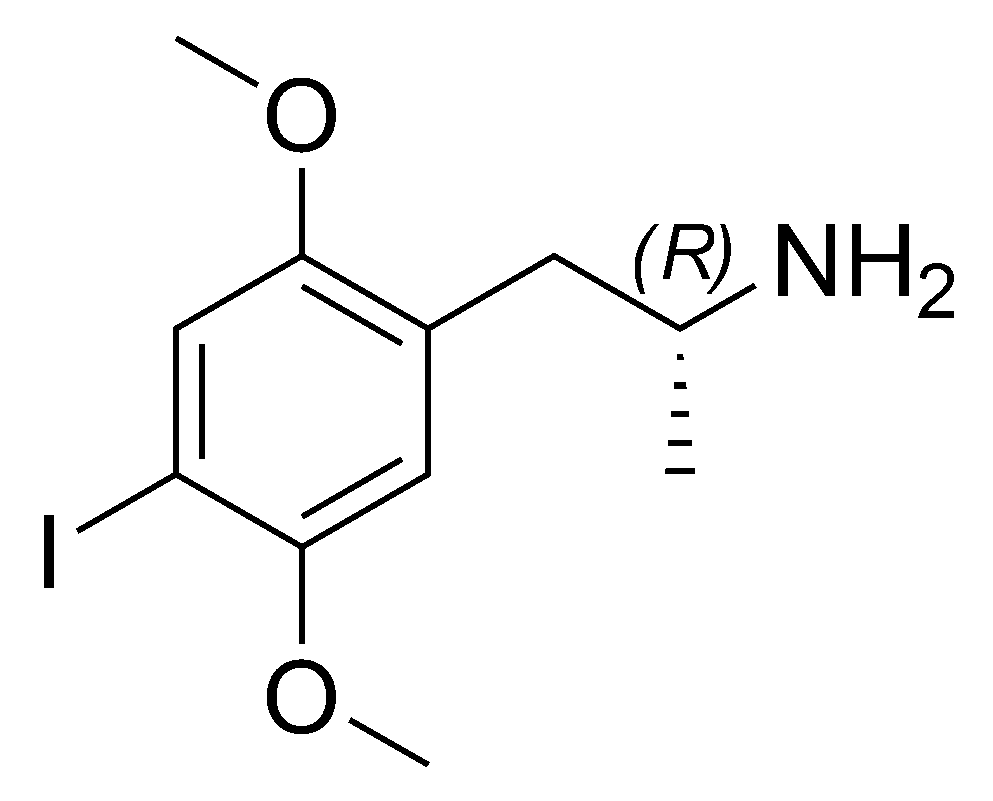
R-DOI_chemical_structure.png


Is (R)-DOI a super-potent anti-cancer medicine?*

(R)-DOI (2,5-Dimethoxy-4-iodoamphetamine) is a psychedelic first synthesized by Alexander Shulgin. It is a potent inhibitor of Tumor Necrosis Factor-a inflammation, which exerts strong anti-cancer and anti-inflammatory effects through the modulation of innate and adaptive immune processes. (R)-DOI seems to be a superpower in regulating the 5HT2a receptor to inhibit TNF-α-mediated inflammation in the body. Activation of the 5-HT2A receptor represents a novel and extraordinarily potent therapeutic avenue for treating chronic inflammatory conditions, infections and cancer.

(R)-DOI is a psychedelic and mixed 5-HT2A/5-HT2C receptor agonist which acts via 5-HT2A receptors to inhibit the inflammatory effects of tumor necrosis factor (TNF)-α. Tumor necrosis factor-alpha (TNF)-α plays a key role in inflammation, and its production and signaling contribute to many inflammatory related diseases. Recently, we discovered that selective activation of serotonin 5-HT2A receptors with the agonist (R)-DOI produces a super-potent blockade of pro-inflammatory markers. Here we demonstrate that systemic administration of (R)-DOI can block the systemic effects of (TNF)-α in whole animal. Importantly, the mechanism underlying the systemic anti-inflammatory effects of (R)-DOI is activation of serotonin 5-HT2A receptors. Our results highlight a powerful new role for the serotonin 5-HT2A receptor in inflammatory processes, and indicate that agonism of serotonin receptors may represent an effective and novel approach to develop powerful small molecule therapeutics for inflammatory diseases.

*From the article here: http://pharmrev.aspetjournals.org/co...2/264.full.pdf
 
ella-byworth-mushrooms-for-anxiety-36cb.png


Cervical pre-cancer can be detected in self-collected urine or vaginal samples

by National Cancer Research Institute

Researchers have developed a non-invasive test to detect cervical pre-cancer by analysing urine and vaginal samples collected by the women themselves.

In a presentation at the 2019 NCRI Cancer Conference today (Monday), Dr. Belinda Nedjai said that self-sampling test had proved popular with women taking part in the study and this meant that it was likely to improve participation in cervical cancer screening programmes.

"The initial use of self-sampling is likely to be for women who do not attend clinic after a screening invitation and countries without a cervical cancer screening programme. In the longer term, self-sampling could become the standard method for all screening tests. The study indicated that women much preferred doing a test at home than attending a doctor's surgery," said Dr. Nedjai, who is Senior Research Fellow and Director of the Molecular Epidemiology Lab at Queen Mary University of London, UK.

"To the best of our knowledge, this study is the largest to test a methylation classifier, called S5, in urine and self-collected cervical samples to detect pre-cancer lesions in women who have been referred for further investigation. We expect the self-sampling test to improve acceptance rates for cervical cancer screening, as well as reducing costs to health services and improving the performance of screening programmes."

The current gold-standard pap smear test is taken in the clinic and often follows a positive test for the human papilloma virus (HPV).

Dr. Nedjai said: "HPV testing is rapidly becoming the primary screening method for cervical cancer worldwide. It is a very sensitive method, very good at detecting true positives, but lacks specificity—in other words, a second test is needed to exclude HPV positive women that are not at increased risk of developing cancer. The choice of an appropriate strategy for high-risk HPV positive women is a key issue."

The S5 test developed by Dr. Nedjai and her colleagues at Queen Mary, measures DNA methylation—a chemical change to one of the four DNA base letters that make up the human genetic code. S5 looks at DNA methylation of four HPV types most strongly associated with cancer—HPV16, HPV18, HPV31 and HPV33—and the human gene EPB41L3 to produce a score that indicates the level of risk. If the score is above a selected cut-off it indicates an increased risk of a pre-cancer lesion, and the higher the score the higher the risk of cancer. They had discovered in earlier research that when S5 was used on cervical samples, it was 100% accurate at detecting invasive cervical cancer, and 93% accurate at detecting pre-cancer in women who had an HPV positive test.

Cervical cancer is preceded by the abnormal growth of precursor cells on the surface of the cervix—so called cervical intraepithelial neoplasia (CIN) or pre-cancer—that can develop into cervical cancer. It is divided into three stages (CIN1, CIN2 and CIN3), with the likelihood of the cells developing into cancer increasing at each stage.

"We decided to assess whether S5 could identify women who had CIN3 pre-cancer lesions using urine and vaginal samples," said Dr. Nedjai.

Women attending the colposcopy clinic at the Royal London Hospital as a consequence of an abnormal smear test or positive HPV result were asked to take part in a study led by Professor Jack Cuzick, Director of the Wolfson Institute of Preventive Medicine at Queen Mary. A total of 620 women provided vaginal samples, collected themselves using vaginal swabs, and 503 of these women also provided a urine sample. The researchers extracted and analysed the DNA in the lab and generated S5 scores.

"We found that S5 classifier with or without HPV testing worked well in both urine and vaginal samples," said Dr. Nedjai. "It distinguished between women who had no pre-cancerous lesions and those who had CIN3 or higher lesions. We evaluated two distinct ways that S5 could be used. We first tested S5 as a secondary test on HPV positive women to limit the number of patients sent to colposcopy. In urine, S5 was better at correctly identifying women who did have pre-cancer lesions than testing for the presence of HPV16 or 18; 96% of true CIN3 were identified with S5 compared to 73% with an HPV16 or 18 test. Secondly, we evaluated S5 as a standalone test, without first doing HPV testing. We adjusted the cut-offs to identify at least 85% of true positives. Urine performed as well as self-collected vaginal samples.

"We are currently working on new markers to try to improve the accuracy of the classifier even further, but these findings represent an advance in cervical cancer screening, especially for women who do not attend the clinic, such as older women, or women who find the smear test too painful or who do not have access to a screening programme in their country. We think it's promising."

In the future, Dr. Nedjai said the samples could be collected at home for both HPV and methylation analysis without the need to go to the clinic.

Dr. Manuel Rodriguez-Justo is a consultant pathologist at University College London (UK) and a member of the NCRI's sub-committee on early detection and prevention. He was not involved with the research. He commented: "This is exciting research that shows it's possible to detect cervical pre-cancer that is at high risk of developing into invasive cancer in urine and vaginal samples collected by women in the comfort and privacy of their own homes. This has the potential to revolutionise the way a positive HPV test is followed up, as well as making it easier for women in countries with no cervical cancer screening programme to be tested.

"The cervical screening programme in the UK has been very successful but there has been also a decline in its uptake, particularly in some areas in the UK and specific ethnic groups. If the results of this study are validated by other groups, the implementation of urine-based testing and self-sampled vaginal samples will, potentially, increase uptake and reduce costs for the screening programmes whilst achieving high sensitivity to detect pre-malignant lesions

Cervical cancer is the fourth most frequently occurring cancer in women in the world. In 2018, there were an estimated 570,000 new cases of cervical cancer and 310,000 women died from the disease. Infection with HPV is almost the main cause of cervical cancer. More than 25 different types of HPV are transmitted through sexual contact and 12 of them carry a high risk of triggering the development of cancer cells by inactivating tumour suppressor proteins (HPV types 16, 18, 31, 33, 35, 39, 45, 51, 52, 56, 58, and 68).

 
Last edited:
Beating prostate cancer with cannabis oil

by Dennis Hill, Biochemist

3 years ago, after a prostate biopsy, I received the diagnosis of aggressive Stage III adenocarcinoma. I didn't know what to do. The urologist made appointments for me to start radiation, and maybe chemo. Then a friend told me cannabis cures cancer. It just so happened that the first human trials of cannabis treatment of astrocytomas (inoperable brain cancer), were published with encouraging results. So I decided; rather than die from the medical treatment, I would do the cannabis cure. Now, where to get some. There was no dispensary in the area, but a friend made me cannabis butter, so I took that, up to tolerance. In 3 months the primary cancer was gone, only minor metastatic lesions were left. After that I found a supplier for Rick Simpson oil and killed off the metastases in the next 3 months. Now I just take a maintenance dose of locally produced hash oil that is 1:1 THC:CBD with about a 30% potency. This will certainly keep me clear of cancer, anywhere, forever.

My point in telling this story is that in the face of advanced aggressive cancer, all I had was very weak cannabutter, but it was enough to eliminate the primary tumor. Now there are strains of 95% THC. But is this necessary? If you have cancer and want to pursue the cannabis treatment, any at all will be good. More important than extreme potency, is balance between THC and CBD. If you can get high potency, great. If not, common potencies will work perfectly.

Finally, if you choose cannabinoid treatment, start small, then increase dosage as rapidly as tolerable. To kill cancer you have to hit it hard, be conscientious about your treatment. Cannabis does no harm to the body, it is a metabolic support for the immune system.

The alternative

As the body, its organs and tissues, fall out of balance or become diseased, cannabinoids have a restorative effect wherever the tissues are damaged, bringing optimal health in all structures and functions. To illustrate this, one particular cannabinoid detects proliferation of tumor cells, binds to the appropriate receptor site (CB2), and causes cancer cell death, leaving normal cells untouched. This effect is shown easily in the lab, but is this scalable to the human condition? We shall see.

In my high school physiology course, the first important concept I learned was homeostasis, the persistent tendency of the body to maintain metabolic balance. It does this through several related systems; so we see that the body likes to be healthy and happy. That is its nature.

Why does the body allow these foreign cannabinoids to come in and take control of such essential physiological processes, without some kind of reaction? It is simply because this modulation system is already set up, and has been functional for millions of years; it's in the DNA of all living creatures. Only it's called the endocannabinoid system. Let's look and see what this system is all about. In the Journal of Neuroimmunology we find a succinct summary:

The endocannabinoid system consists of cannabinoid receptors, their endogenous ligands and enzymes for synthesis and degradation of endocannabinoids and represents a local messenger system within and between the nervous and immune system. Apparently, the endocannabinoid system is involved in immune control and neuroprotection.

This is amazing. Our own endocannabinoid system covers all cells and nerves; it is the messenger of information flowing between our immune system and the central nervous system (CNS). It is responsible for neuroprotection, and micro-manages the immune system. This is the primary control system that maintains homeostasis; our well being.

Just out of curiosity, how does the work get done at the cellular level, and where does the body make the endocannabinoids? Here is a quick look:

In standard neurotransmission, the pre-synaptic neuron releases neurotransmitter into the synaptic cleft which binds to cognate receptors expressed on the post-synaptic neuron. Upon binding, the neuron depolarizes. This depolarization facilitates the influx of calcium into the neuron; this increase in calcium activates an enzyme called transacylase which catalyzes the first step of endocannabinoid biosynthesis.

Here we see that endocannabinoids have their origin in nerve cells right at the synapse. When the body is compromised through illness or injury it calls insistently to the endocannabinoid system to direct the immune system to bring healing. If these homeostatic systems are weakened, it should be no surprise that hemp cannabinoids are therapeutic. It helps the body in the most natural way possible.

The endocannabinoid system

To see how this works we visualize the cannabinoid as a 3-dimensional molecule, where one part of the molecule is configured to fit the nerve or immune cell receptor site just like a key in a lock. There are at least two types of cannabinoid receptor sites, CB1 (CNS) and CB2 (immune). In general CB1 gives us the buzz, and CB2 activates the immune system, but it's much more complex than this. Both THC and anandamide activate both receptor sites. Other cannabinoids activate one or the other receptor sites. Among the strains of Cannabis, C. sativa tends toward the CB1 receptor, and C. indica tends toward CB2. So sativa is better for buzz, and indica is better for healing. Another factor here is that sativa is dominated by THC cannabinoids, and indica is predominately CBD (cannabidiol).

It is known that THC and CBD are biomimetic to anandamide, that is, the body can use both interchangeably. Thus, when stress, injury, or illness demand more from endogenous anandamide than can be produced by the body, its mimetic exocannabinoids can be administered. If the stress is transitory, then the treatment can be transitory. If the demand is sustained, such as in cancer, then treatment needs to provide sustained pressure of the modulating agent on the homeostatic systems. This is why Rick Simpson recommends twice daily doses of hemp oil extract (C. indica), for three months, in the case of cancer.

Typically CBD gravitates to the densely packed CB2 receptors in the spleen, home to the body's immune system. From there, immune cells seek out and destroy cancer cells. Interestingly, it has been shown that CBD cannabinoids have the ability to kill cancer cells directly without going through immune intermediaries. CBD hijacks the lipoxygenase pathway to directly inhibit tumor growth. As a side note, it has been discovered that CBD inhibits anandamide reuptake. This means that cannabidiol helps the body preserve its own natural endocannabinoid by inhibiting the enzyme that breaks down anandamide.

Coincidentally, it is not only CBD that is specifically cytotoxic to cancer cells, THC takes a different approach the task:

THC achieves this wizardry by binding to protein receptors on a cancerous cell?s surface. Once attached, the THC induces the cell to make a fatty substance called ceramide, which prompts the cell to start devouring itself. We see programmed cell death. What's more, noncancerous cells don't make ceramide when they come into contact with THC. The healthy cells don't die.

Just for clarity, endogenous ceramide (a signaling sphingolipid) disrupts the mitochondrial function of making ATP (adenosine triphosphate), thus the cancer cell becomes energy starved. ATP is the energy donor for all essential cell functions. Once the mitochondria shut down, the cell dies.

Endogenous ceramide's day job is to speed destruction of already stressed or senescent cells. We seen now that in the presence of THC, ceramide senses cancer cells as stressed or senescent, thus speeding their death.

Before leaving this topic it is important that we differentiate between plant based ceramide (phytosphingosine) and mammalian ceramide (endogenous sphignosine). Plant ceramide has a slightly different molecular structure but very different bioactivity. Ingested, it is a moisturizing lipid that supports the skin (stratum corneum) enhancing the moisture barrier that keeps epidermis from drying out. This is good, you should get some. I tried it and liked it.

How cannabis oil works

First let's look at what keeps cancer cells alive, then we will come back and examine how the cannabinoids CBD (cannabidiol) and THC (tetrahydrocannabinol) unravels cancer?s aliveness.

In every cell there is a family of interconvertible sphingolipids that specifically manage the life and death of that cell. This profile of factors is called the "Sphingolipid Rheostat." If endogenous ceramide (a signaling metabolite of sphingosine-1-phosphate) is high, then cell death (apoptosis) is imminent. If ceramide is low, the cell is strong in its vitality.

Very simply, when THC connects to the CB1 or CB2 cannabinoid receptor site on the cancer cell, it causes an increase in ceramide synthesis which drives cell death. A normal healthy cell does not produce ceramide in the presence of THC, thus is not affected by the cannabinoid.

The cancer cell dies, not because of cytotoxic chemicals, but because of a tiny little shift in the mitochondria. Within most cells there is a cell nucleus, numerous mitochondria (hundreds to thousands), and various other organelles in the cytoplasm. The purpose of the mitochondria is to produce energy (ATP) for cell use. As ceramide starts to accumulate, turning up the Sphingolipid Rheostat, it increases the mitochondrial membrane pore permeability to cytochrome c, a critical protein in energy synthesis. Cytochrome c is pushed out of the mitochondria, killing the source of energy for the cell.

Ceramide also causes genotoxic stress in the cancer cell nucleus generating a protein called p53, whose job it is to disrupt calcium metabolism in the mitochondria. If this weren't enough, ceramide disrupts the cellular lysosome, the cell's digestive system that provides nutrients for all cell functions. Ceramide, and other sphingolipids, actively inhibit pro-survival pathways in the cell leaving no possibility at all of cancer cell survival.

The key to this process is the accumulation of ceramide in the system. This means taking therapeutic amounts of CBD and THC, steadily, over a period of time, keeping metabolic pressure on this cancer cell death pathway.

How did this pathway come to be? Why is it that the body can take a simple plant enzyme and use it for profound healing in many different physiological systems? This endocannabinoid system exists in all animal life, just waiting for its matched exocannabinoid activator.

This is interesting. Our own endocannabinoid system covers all cells and nerves; it is the messenger of information flowing between our immune system and the central nervous system (CNS). It is responsible for neuroprotection, and micro-manages the immune system. This is the primary control system that maintains homeostasis; our well being.

How does the work get done at the cellular level, and where does the body make the endocannabinoids? Here we see that endocannabinoids have their origin in nerve cells right at the synapse. When the body is compromised through illness or injury it calls insistently to the endocannabinoid system and directs the immune system to bring healing. If these homeostatic systems are weakened, it should be no surprise that exocannabinoids are therapeutic. It helps the body in the most natural way possible.

To see how this works we visualize the cannabinoid as a three dimensional molecule, where one part of the molecule is configured to fit the nerve or immune cell receptor site just like a key in a lock. There are at least two types of cannabinoid receptor sites, CB1 (CNS) and CB2 (immune). In general CB1 activates the CNS messaging system, and CB2 activates the immune system, but it's much more complex than this. Both THC and anandamide activate both receptor sites. Other cannabinoids activate one or the other receptor sites. Among the strains of Cannabis, C. sativa tends toward the CB1 receptor, and C. indica tends toward CB2. So sativa is more neuroactive, and indica is more immunoactive. Another factor here is that sativa is dominated by THC cannabinoids, and indica is predominately CBD (cannabidiol).

It is known that THC and CBD are biomimetic to anandamide, that is, the body can use both interchangeably. Thus, when stress, injury, or illness demand more from endogenous anandamide than can be produced by the body, its mimetic exocannabinoids are activated. If the stress is transitory, then the treatment can be transitory. If the demand is sustained, such as in cancer, then treatment needs to provide sustained pressure of the modulating agent on the homeostatic systems.

Typically, CBD gravitates to the densely packed CB2 receptors in the spleen, home to the body's immune system. From there, immune cells seek out and destroy cancer cells. Interestingly, it has been shown that THC and CBD cannabinoids have the ability to kill cancer cells directly without going through immune intermediaries. THC and CBD hijack the lipoxygenase pathway to directly inhibit tumor growth. As a side note, it has been discovered that CBD inhibits anandamide reuptake. Here we see that cannabidiol helps the body preserve its own natural endocannabinoid by inhibiting the enzyme that breaks down anandamide.

This brief survey touches lightly on a few essential concepts. Mostly I would like to leave you with an appreciation that nature has designed the perfect medicine that fits exactly with our own immune system of receptors and signaling metabolites to provide rapid and complete immune response for systemic integrity and metabolic homeostasis.

Biochemist Dennis Hill graduated from the University of Houston and did his Graduate Work at Baylor Medical School. Dennis worked as a Cancer Researcher at the MD Anderson Cancer Center in Houston.

www.cureyourowncancer.org
 
Last edited:
51tJDX4eyEL.jpg


Scientists unlock the potential of Kambo to treat cancer

Scientists at Queen's University Belfast have discovered the potential of proteins found in the secretion of the skins of the Waxy Monkey Frog and Giant Firebellied Toad to treat cancer by regulating blood vessel growth. The secretion, Kambo, a psychedelic long used by indigenous tribes for traditional rituals, is administered directly into the body through application onto freshly inflicted burn wounds, and is said to generate an altered state of reality, clear inner sight and a resurgence of long forgotten memories.

The research, led by Professor Chris Shaw, has identified two proteins, or 'peptides', which can be used in a controlled and targeted way to regulate 'angiogenesis' - the process by which blood vessels grow in the body. The discovery holds the potential to develop new treatments for cancer.

The proteins are found in secretions on the skin of the frogs. Scientists capture the frogs and gently extract the secretions, before releasing them back in to the wild. The animals are not harmed in any way during this process.

"These proteins have the ability to either stimulate or inhibit the growth of blood vessels. By 'switching off' angiogenesis and inhibiting blood vessel growth, a protein from the Waxy Monkey Frog has the potential to kill cancer tumors. Most cancer tumors can only grow to a certain size before they need blood vessels to grow into the tumor to supply it with vital oxygen and nutrients. Stopping the blood vessels from growing will make the tumor less likely to spread and may eventually kill it. This has the potential to transform cancer from a terminal illness into a chronic condition," Shaw said.

"A protein from the Giant Firebellied Toad has been found to 'switch on' angiogenesis and stimulate blood vessel growth. This has the potential to treat an array of diseases and conditions that require blood vessels to repair quickly, such as wound healing, organ transplants, diabetic ulcers, and damage caused by strokes or heart conditions."

"Because of its huge potential, angiogenesis has been a prime target for drugs development research over the past 40 years. But despite an investment of around $4-5 billion by scientists and drugs companies around the world, they have yet to develop a drug that can effectively target, control and regulate the growth of blood vessels,"
Shaw said.

"The aim of our work at Queen's is to unlock the potential of the natural world -- in this case the secretions found on frog and toad skins -- to alleviate human suffering. We are absolutely convinced that the natural world holds the solutions to many of our problems, we just need to pose the right questions to find them.

"It would be a great shame to have something in nature that is potentially the wonder drug to treat cancer and not aim to do everything in our power to harness that."


https://www.sciencedaily.com/release...0606181137.htm
 
OCD.jpg


How I beat cancer with cannabis oil

by Kelly Hauf

My name is Kelly, I’m 52 years old, and I would like to share my amazing story with you.

In January 2000, after a severe headache prompted a CAT scan, a 3cm tumor was discovered in the left frontal lobe of my brain. I was 38 years old. My two daughters were ages 15 and 12. Immediate brain surgery was recommended by my surgeon. However, after further discussion, due to slow growth and no adjacent edema, he felt it would not be negligent to postpone surgery and monitor the tumor every 3 months with an MRI. The tumor remained stable for a little over three years then suddenly grew 25%.

On September 4, 2003, when I was 41, on my husband’s 42nd birthday, I had surgery at Cedars Sinai in Los Angeles. I spent the next day, our 19th wedding anniversary in ICU. The pathology report came back an Oligodendroglioma grade 2. The surgery was an apparent success and neither radiation nor chemotherapy were recommended. However, since it’s unlikely every cancer cell can be detected and removed, and the nature of gliomas are to grow back over time, it was necessary to continue MRI monitoring every 3 months. Living from MRI to MRI had become our “normal”.

All MRI reports remained stable until November 2013 when my quarterly MRI came back showing regrowth of the tumor. My brain surgeon in Los Angeles recommended 4-6 months of chemotherapy, and if that didn't work, another brain surgery to go in and clean up the regrowth would be considered. He also gave me anti-seizure medication for auras that had started to manifest as strong unexplainable odors. My doctor described this experience as an olfactory seizure. While researching Charlotte’s Web cannabis oil as an alternative to the prescribed seizure medicine I also found out that cannabis oil was also showing promise as a cancer treatment and could be an alternative to chemotherapy. I was living in a state that did not have legal access to cannabis but my youngest daughter, Jillian, was living in San Francisco where medical marijuana was legal.

When Jillian came home for Christmas she and my husband, Rick, decided it was time for me to make a decision to do something. I wasn't ready to decide anything just yet. I wanted to have Christmas with my family. The day after Christmas I made up my mind to drive out to California to investigate cannabis oil as a treatment. My husband took an emergency leave of absence from his job. We then put away the Christmas tree ornaments, cleaned the house, loaded up the car, and headed to California. We talked with doctors, met with support groups taking the oil, read articles about successful brain tumor results in Spain and Amsterdam and gathered information wherever we could. We decided to give the cannabis oil a try, especially after we read a paper on a study about the chemotherapy my doctor had recommended. That study suggested patients with tumors like mine appeared to get better at first with the chemo but then the left over tumor cells would mutate and turn aggressive over time.

After many conversations with my husband we decided to commit to a 90-day cannabis treatment protocol. My San Francisco neuro oncologist felt like my situation was not a dire emergency and felt like I could be allowed the 90 days to try this unorthodox treatment, however if that didn't work, another surgery would be likely. After we had chosen this path incredible healers came forward to help support me through this unknown territory. These healers included one of the best neurological teams in the world. I know I have been incredibly fortunate. I am so very grateful to each person who came forward with his or her special expertise and other gifts to make this treatment possible for me.

After establishing residency in San Francisco, I was able to get a medical marijuana card. The card was for cancer treatment but, amazingly, the cannabis oil has helped me with my fibromyalgia pain, joint pain, and chronic headaches. I had this pain for many years and it was getting worse. I literally have no pain now. My blood pressure had been creeping up over the years and was consistently pre-hypertensive, now it’s consistently on the low side of normal. I have not taken any other medication except the cannabis oil, supplements, and good clean healthy food over the last 8 months.

When we arrived in San Francisco, my husband, Rick, became my Angel from Heaven. He took on my full time care, and I made him my legal caregiver so he could pick up my medicine at the dispensary if I was not able. He bought a good juicer and began juicing all organic non-GMO veggies every day. He prepared almost all of my organic gluten free meals and took me out for a walk and fresh air daily. Our temporary home was across the street from the Golden Gate Park so we walked through the park down to the beach daily during my treatment. I began calling the park Grandmother GG, because I felt so nurtured in her abundance, and this daily ritual in the beauty of nature was, I believe, a major contributor to my healing. We got a machine to create pure alkaline drinking water. I had an arsenal of cancer fighting supplements, foods, and daily practices to work on my physical, spiritual and emotional health.

The plan was to do the Rick Simpson cancer treatment protocol of 60 grams of highly concentrated cannabis oil over a 90 day period, the higher the THC the better for killing tumors. My 90 day MRI was scheduled for April. I had not reached a gram a day by that time and was concerned that the MRI results wouldn't be what we were hoping for. Indeed the report showed no change in the main tumor’s regrowth; however, there was a smaller inoperable tumor, in the cingular gyrus that we had been monitoring since my first tumor surgery ten years prior that was completely gone. We were amazed and it gave us the encouragement we needed to continue the cannabis protocol. To get to the amount of a gram of oil a day took months of building up my tolerance. I had very physical challenges and setbacks during this process such as seizures, middle of the night walks, tremors, convulsions, nausea, frustration, lack of appetite, and many tears. I finally reached a gram a day and eventually up to two grams a day on the final two weeks before my second MRI at the end of August.

In August, eight months after beginning the cannabis treatment, my MRI was reviewed by a leading Radiologist, my Neuro Oncologist, and my world renowned Brain Surgeon, and it was concluded that all that was remaining of the tumor regrowth was scar tissue. I will have another MRI in December. Because these tumors are chronic and tend to grow back, I will always be living MRI to MRI, but the key word here is that I am living …and in great health with a great immune system. I was not left with my immune system compromised by chemo and radiation, which is the standard protocol for these types of tumors as well as other cancers.​
 
celebrating-pacita-abad-6753651837108476.2-l.png


Beating anal and skin cancer with cannabis oil

by Corrie Yelland

My name's Corrie Yelland. I'm 55 years old. In 2007, I had a heart attack and subsequently had a double bypass. As a result of the heart surgery, for 4 plus years, I have been plagued with chronic debilitating pain from a maligned sternum and post sternotomy neuralgia/syndrome. I was ingesting copious amounts of various pain killers 24/7. They barely touched the pain. I spent my days in agony, waiting for evening so I could try to sleep. I took sleeping pills nightly in a futile attempt to escape the hell I was going through and failed miserably. Within 2 hours of taking the pills, I would awake in agony.

Fast forward to July of 2011. Already coping with 2 spots of skin cancer on my collar bone, I was stunned when I was diagnosed with Anal Canal Cancer. Following 2 surgeries, the doctor told me they did not get all the cancer and I would have to endure a regime of radiation treatments. I started researching what this would entail, and attended a intake meeting at the Cancer Clinic. They said "This is the worst area of of the body to radiate." The radiation beam might hit both my coccyx and pubic bone potentially causing permanent damage.

Additionally, I would suffer 2nd and 3rd degree burns vaginally, rectally, across my buttocks, as well as my entire "nether regions", and there was a "good possibility" both my vagina and rectum would fuse shut from the burns and subsequent scaring.

The list of both short and long term side effects was endless and horrendous, but you get the gist. I told the doctor, I needed time to think about it. His response was hostile, as he told me I had 2-4 months, possibly 6. He murmured something abut a "death wish" and walked out. One day someone sent me Rick Simpson's video, Run From The Cure. It took me days to get around to watching it, but when I did I was blown away. Here was this man, a seemingly super straight small town Nova Scotian, talking about these amazing results he had seen with in himself and other people taking Cannabis and curing themselves of a myriad of diseases including end stage cancers.

After hearing what Rick had to say, and watching the testimonials in the video, I was feeling some hope for the first time. For 2 weeks I did nothing but research cannabis as a medicine. I was stunned by the sheer number of studies on Pub Med indicating that cannabis indeed has the capacity to heal. I started using cannabis 2 months ago as per Rick Simpson's protocol from his video. (He recommends starting out small, and slowly upping the dose so ones' body becomes accustomed to it, without being high constantly. As a person who hasn't smoked pot since my late teens, early 20's, the non high aspect appealed to me). I had huge hopes to cure my cancer, and embarked on my fight to live.

As well as ingesting the cannabis oil, I topically applied it to 2 spots of skin cancer on my collar bone. Within 48 hours, there were visible changes. In just over a week, the 2 spots were completely gone. Elated, I continued ingesting the oil, in hopes it would work on the other cancer attacking my body. Nothing prepared me for what happened next. About 2 weeks into my regime, the pain in my sternum, as well as the nerve pain had become almost non existent.

You have to understand, I had resigned myself to a life sentence of pain and agony. It had been 4 years of pain that was with me 24/7 and never, in my wildest dreams, did I imagine I would be pain free ever again. I was able to stand up straight, the jolting pain so intense that it would cause me to cry out, ceased completely. I started to sleep through the night and stopped taking sleeping pills. I saw one of my doctors a couple of weeks ago and was thrilled to hear he believes there is a decrease in both the size and number of tumors. I know in my heart it is only a matter of time before I will be completely cured. Even the most skeptical of my friends comment on the visible changes in me. I have evolved from a pain wracked, hunched over, shuffling along individual, to a vibrant, high energy person. Even my complexion has improved.

Before I started using cannabis, I typically took 10-15 Tylenol 3 a day, along with a smorgasbord of other drugs. Now, in a 24 hour period, a half a Tylenol 3 is all I need. I think it's understandable when I say I get very emotional when I think of how far I've come. Not only has cannabis changed my life, it is SAVING my life.

When researching, I met a woman in Texas diagnosed with the same cancer that I have. Diagnosed at the same time, we felt fortunate to have found each other, as we were identical in every aspect. I. E. same age, same diagnostic procedure, same stage of the cancer with radiation recommended as treatment. She chose to have the radiation. I'm very sad to tell you she died 2 weeks ago, as a result of infection from radiation burns. She left behind a husband and 12 year old daughter.

I continued ingesting the oil on a daily basis, and slowly, ever so slowly increasing the amount I was taking. I also began filling gelatin capsules with a mixture of the cannabis oil and olive oil and inserting them rectally (Here are instructions for making cannabis oil suppositories). I thought to myself, if the oil worked being applied directly to skin cancers, wounds etc. why wouldn't it work there? Get it closer to the source, get it closer to the problem area. At the end of May, I saw the doctor who first discovered my cancer. I was in the operating room for a non related problem. At the time, I was told he could no longer manually or visually detect any cancer. Elated, for the first time I dared to hope, that maybe, just MAYBE the cannabis oil was working.

Because the cancer was not this particular doctor's area of expertise, I was hesitant to become too excited. I was no longer taking any pain killers and found myself thinking that if all the cannabis did was to hold it at bay, I would consider myself lucky. On September 20, 2012, I saw my specialist/surgeon, whom I had not seen for approximately 6 months. He examined me once, then a second time, and then a third time. My heart was pounding so loudly I could hear the whooshing in my ears. And then the news I had only dared to hope for. "It's gone! I can't find anything at all. If it wasn't for the scar tissue I would never have known you had ever had cancer." I was shaking, looking at him in disbelief. Tears streaming down my face, I hugged him mumbling, "thank you, thank you." He looked at me, "No, Thank YOU! You're the one that did this. You DID it Corrie! You pulled it off, you pulled it off!" No doctor, CANNABIS OIL and I pulled it off! I have subsequently received confirmation that the cancer is well and truly 100% confirmed to be gone.​

https://www.cureyourowncancer.org/c...g-anal-and-skin-cancer-with-cannabis-oil.html
 
DoubleBlind-what-is-ayahuasca-4.jpg


Ayahuasca's effects on cancer, and the role of endogenous DMT

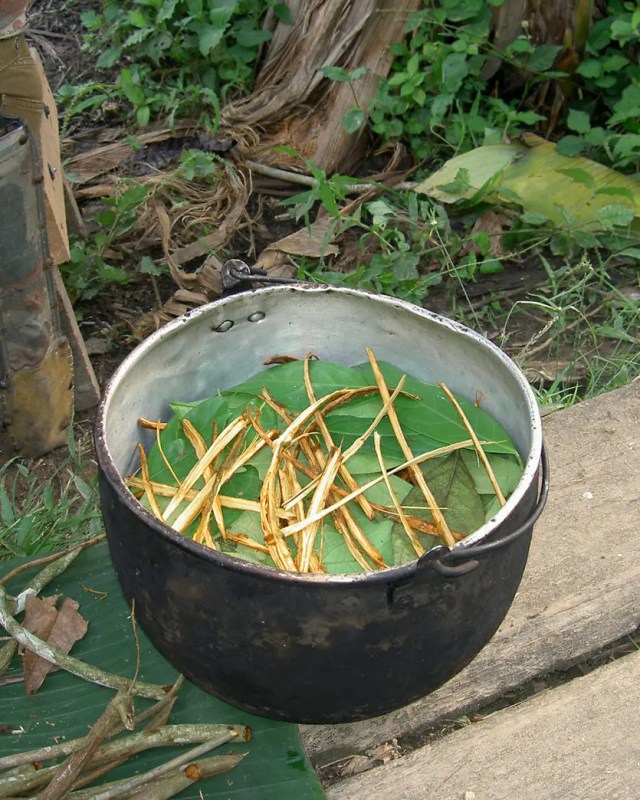
B. caapi, locally called ayahuasca, added to Psychotria viridis, locally called chakruna, together make up "ayahuasca," a brew thought to have been used for over 5,400 years in the Amazon river basin. The caapi vine contains a monoamine oxidase inhibitor (MAOI) which allows the dimethyltriptamine (DMT) containing chakruna to be released into the blood stream, and cross the blood-brain barrier. Without the MAOI, the affects of the DMT would not be felt. The alkaloids found in the vine are both neurogenic and anti-carcinogenic. The following is a detailed functional scientific analysis of ayahuasca's anti-carcinogenic activity: “DMT binds to the sigma-1 receptor, which provides new opportunities for understanding how ayahuasca may produce its marked effects on the body and mind and what might be the role of endogenous DMT and how ayahuasca may have effects on cancer. The human sigma-1 receptor has been cloned and shows no homology with other mammalian proteins.

Single-photon emission tomography (SPET) analysis in humans revealed that these receptors are present in organs such as the lung and liver, and most concentrated in the brain. Sigma-1 receptor activity has been implicated in a variety of diseases, including cancer. Sigma-1 receptors are found in high densities in many human cancer cell lines, including lung, prostate, colon, ovaries, breast, and brain; thus, sigma ligands are regarded as potential novel anti-neoplastic tools. For these effects to help explain the available case reports of ayahuasca on cancer treatment, DMT’s physiological degradation by enteric monoamine oxidase (primarily MAO-A) after oral consumption should be inhibited, thus allowing the DMT to pass into circulation. The pharmacological activity of β-carbolines (primarily harmine) in ayahuasca inhibits MAO, with a high affinity for MAO-A. Therefore, the specific effects of ayahuasca on the different types of cancer could also vary depending on the predominant MAO subtype, given that the ratio of MAO-A to MAO-B varies, for example, from 1:3 in the brain to 4:1 in the intestine, and the placenta has only MAO-A and blood platelets have only MAO-B. Another consequence of inhibiting MAO in different tissues is interference with apoptotic pathways, thus strengthening the synergistic action of β-carbolines and DMT.

In summary, it is hypothesized that the combined actions of β-carbolines and DMT present in ayahuasca may diminish tumor blood supply, activate apoptotic pathways, diminish cell proliferation, and change the energetic metabolic imbalance of cancer cells, which is known as the Warburg effect. Therefore, ayahuasca may act on cancer hallmarks such as angiogenesis, apoptosis, and cell metabolism.”

https://www.munaymedicine.com/pages/the-science.aspx
 
mountain-sunset-over-sunflower-fields-teri-virbickis.jpg


Curing cancer with cannabis oil

by I. Daniel | Sociedelic

Here is an interesting interview with Rick Simpson where he claims using high quality cannabis oil with THC, Not CBD, is the key to cancer treatment.

Alright. Rick, it’s a pleasure to meet you, I’m Curt at Cannabis.net, and you’re kinda one of my Michael Jordan heroes. So, thanks for taking the time with us today.

Well, the real hero in all of this is actually the extracts, I’m just the messenger.

So, just to update people, there’s a lot of things on the internet about your oil, I don’t wanna go too far in the beginning of the story, but… How about you tell us… A lot of people think you live in the US or Canada, can you explain where you’re at right now in life and why, living?

I’m living in Croatia, I’m in Europe. I gave up on Canada a couple of years ago. Actually, for the last… Well, since 2009 I’ve been spending most of my time in Europe, but I don’t… People are under the misconception that I live in the US and all of this, and I can’t even travel into the US. The Canadian government gave me a criminal record for saving people’s lives and that prohibits me from even traveling into the United States. So, I haven’t been in the US since… What was that?

Do you feel if you entered the US you would be arrested? Say if you flew into New York or LA?

Oh, they would probably… They’d likely toss me in Guantanamo Bay for God’s sakes, I’m a medical terrorist.

[laughter]

Honestly, I don’t know what’s wrong with the the American people, or for that matter people everywhere. Why do they take this nonsense from their governments? It’s a God given plant that we all have the right to use, and yet people cower and are afraid of their stupid governments and their police forces. And I have to laugh at these people in a way because these police officers themselves, they have family members that these extracts would be a great benefit for. But I treated many police officers myself and their families, and believe me, when one of them are dying, well then they started singing a whole different tune in regards to this medication. It’s just sickening, the simple truth is the American government.. nobody anywhere ever had the right to outlaw this plant’s use in the first place. We used it for thousands of years all through history. It was basically man’s best fiend. But the big money didn’t want it that way, the same big money that controls our governments in the shadows, they wanted sell their own… Do the things their own way so they could make big profits, so the first thing you do, prohibit cannabis. Cannabis doesn’t present a danger to the public, but it does present a great danger to these big money types.

Gotcha. Well, they say that people have changed due to inspiration or desperation and it feels like we’re at desperate times now for some of these medical researchers and people who are dying in-sick. Could you just tell our viewers a little bit what’s the difference who people that are neophytes and just beginning between Rick Simpson Oil and say temp oil or CBD type oil? Give us a background.

Well, the oils that I produced were all from the indica strains, they heavy sedative indica strains, and the more powerful the better. And that really, that’s the real what they call now, the Rick Simpson Oil, that’s the real oil, but thanks to Sanjay Gupta and fools like that, they get on CNN and they start spurting off about about CBD. Now, my oils or the extracts that I produced did contain a certain amount of CBD, there’s no question, maybe 2%, maybe even up to 6%, but the THC levels in the oils that I produced were very very high. So, and if you look at things, like the American Cancer Institute itself openly admits that THC is very effective in the treatment of several different forms of cancer. I’ll tell you one thing brother, if you’ve got cancer, you better be looking for THC. Having a small CBD content could be beneficial, no question, but it’s the THC that to me it’s the main cancer killer.

And I would also like to tell people out there that I do not sell this oil, I’m not in the position to supply the extract even to myself, but there’s all kinds of people out there making claims that they’re selling the real Rick Simpson Oil, and they’re… They’re using my name to sell their products. And in many cases people order these extracts and what they get has little or no healing value at all. So, it really is one big scam and I’m disgusted about it all.

I mean, it really disgusts me that this type of thing is going on. And of course the governments, they’re happy to see this taking place, because they wanna see these extracts discredited, and what better way to do that than to let all these criminals scam the public with these extracts that have, like I said, no healing values. It discredits the use of this medication. But the real extracts themselves, if they’re properly made, they really do have the healing powers that I’ve always told the public, so this is what people have to understand. I’m not in this for the money, I simply… We put up the phoenixtears.ca website back in 2004, and we told the whole world how to heal themselves, for nothing. The information’s all there. I sold… I have two books on this subject which are available on my website too, and we brought up the… And actually the first book, Phoenix Tears: The Rick Simpson Story, that’s available in print.

And if we… We just started a publishing firm here in Europe called simpsonramadur.com and you can order the Spanish translations and the English books through that website as well. But the idea was is to give people the knowledge so they could make their own extracts and become self-sufficient. But so many people they just, “No, where do I buy it?” I get these emails all the time, “Where can I go to get the extracts?” Well, how would I know? I have no idea about the medical qualities of extracts produced by others. So, it’s impossible for me to answer such questions and like I said, my goal was to have people produce their own. And they always come back, “Well, it’s against the law where I live.” Damn, it was against the law practically everywhere until just recently, but if you have a sick or dying loved one, damn the laws. Roll the cannabis you need and produce the extract to heal them. These governments, and the whole thing is nothing but a fraud, and I think it’s just about time for the human race to grow up.

That sounds like it’s happening worldwide. You’re actually right at the beginning of the legal tipping point and tidal wave for this subject. In our lifetime, in 2016. Look what’s going on in the US and Europe, and what’s gonna happen when the US goes federally. You’ll be one of the guys on the Mount Rushmore of this movement.

Well, I don’t really care about that, it’s like I said, the oil is really the hero in all of this… It’s just that I got put in the circumstances where I had to use the oil to deal with my own medical problems. And believe me, when I started discovering the real healing powers of this substance, I was just blown away.

I had cancer patients coming to me, people dying with terminal cancer, they were also diabetics, they had arthritis, and all kinds of problems. They would get on these extracts and everything that was wrong with them would just disappear over a short period of time. I had arthritis and things myself, it all disappeared. The oil brought me back to a healthy weight, and then it cured my cancer. People get up there and they say, “Oh, how dare you say that cannabis cures cancer.” Well, I have the pathology reports and everything to prove that it had. And I had a huge amount of evidence to back me up.

I went through the corrupted legal system in Canada. And these judges and the rest of them, they’re all involved in this right up to their necks. Because again, like I said, no one ever had the right to outlaw this plant in the first place. And really, what’s been going on in Canada, 1923, they outlawed it in Canada. 1937 they used the tax act in the US to basically outlaw it. And since that time, both the Canadian government and the American government have been committing genocide against their own people. Harry Anslinger went to United Nations, I think it was in 1954, and he had cannabis declared to be a non medicinal plant. Look at this plant’s history. It’s used in medicine.

How dare anybody say that cannabis is non medicinal. And then the single convention tree in 1961 and then some treaties afterwards… Basically if you wanted to be a member of the esteemed United Nations, which is also controlled by the rich elite, then you had to make sure that your public did not have access to cannabis. The whole thing is a fraud and it disturbs me that so many people worldwide are suffering and dying, for no other reason than greed. And this is what this is all about because in reality our world is being run by… You can only call them what they are, they’re a pack of psychopaths. And all they want is money and power, and they don’t care who they have to hurt or harm to get what they want. And that’s whats going on.

Let me ask you... as far as having as much history and knowledge about the oil, if I had a time machine and could look three years in the future, when there’s a lot of research on this and you’ll be vindicated or validated; what are the three things that the oil you’re recommending are gonna show us. What are the three that I don’t know right now. Is it gonna cure x cancer… What do you know that that we’re all gonna find out say, three years from now?

Well, see, the problem is the proper research has always been held back.

Yep.

This has been my goal, to get a big facility, a big firm, grow the proper strains, produce the extracts, and then evolve them to even higher healing levels, which would be quite easy to do. But when people caught on to all this and they all started running off in different directions. To me, what I see happening in the US makes absolutely no sense. Even the cannabis movement itself, you look at organizations like NORML, and they’re going along with the government. Please tax and regulate it. We don’t need… We grew this plant for thousands of years with no regulations at all, so why do we need to regulate it? Nobody dies from cannabis. This is ridiculous. But, what I see happening right now, the governments are all trying to keep a lid on this because they want their friends in the pharmaceutical industry to control this. But the simple truth is, most of us really don’t have much money. And are we gonna go out, and are we going to pay the pharmaceutical industry tens of thousands of dollars for a treatment that we can grow right in our own backyards and produce ourselves? By now people should realize the pharmaceutical industry, they’re nothing but a pack of gangsters. And if they supplied extracts, they would never supply you with the real thing, because they don’t want you to heal.

They want you to keep coming back and buying more. So this is what I see happening. The governments are playing this control game right now, but I think in a short time within the next couple years, that people will just say, “Get lost.” They’ll go out and grow their own cannabis. They can’t put everybody in jail. And I really think that what’s happening now is going to allow the cannabis plant to set itself free. And when we set the cannabis plant free, we also set ourselves free from all this domination from these mega rich individuals.

And here’s what people have to understand. These big-money types they control our governments, our governments in turn control the medical system, the legal system and practically everything else in our lives. And they’re all bought and paid for. They’re not working for the people, and I don’t think they ever have.​

https://www.sociedelic.com/cure-cancer-with-cannabis-thc-not-cbd-says-rick-simpson/
 
OCD.jpg


Beating prostate cancer with cannabis oil

by Dennis Hill, Biochemist

3 years ago, after a prostate biopsy, I received the diagnosis of aggressive Stage III adenocarcinoma. I didn't know what to do. The urologist made appointments for me to start radiation, and maybe chemo. Then a friend told me cannabis cures cancer. It just so happened that the first human trials of cannabis treatment of astrocytomas (inoperable brain cancer), were published with encouraging results. So I decided; rather than die from the medical treatment, I would do the cannabis cure. Now, where to get some. There was no dispensary in the area, but a friend made me cannabis butter, so I took that, up to tolerance. In 3 months the primary cancer was gone, only minor metastatic lesions were left. After that I found a supplier for Rick Simpson oil and killed off the metastases in the next 3 months. Now I just take a maintenance dose of locally produced hash oil that is 1:1 THC:CBD with about a 30% potency. This will certainly keep me clear of cancer, anywhere, forever.

My point in telling this story is that in the face of advanced aggressive cancer, all I had was very weak cannabutter, but it was enough to eliminate the primary tumor. Now there are strains of 95% THC. But is this necessary? If you have cancer and want to pursue the cannabis treatment, any at all will be good. More important than extreme potency, is balance between THC and CBD. If you can get high potency, great. If not, common potencies will work perfectly.

Finally, if you choose cannabinoid treatment, start small, then increase dosage as rapidly as tolerable. To kill cancer you have to hit it hard, be conscientious about your treatment. Cannabis does no harm to the body, it is a metabolic support for the immune system.

The alternative

As the body, its organs and tissues, fall out of balance or become diseased, cannabinoids have a restorative effect wherever the tissues are damaged, bringing optimal health in all structures and functions. To illustrate this, one particular cannabinoid detects proliferation of tumor cells, binds to the appropriate receptor site (CB2), and causes cancer cell death, leaving normal cells untouched. This effect is shown easily in the lab, but is this scalable to the human condition? We shall see.

In my high school physiology course, the first important concept I learned was homeostasis, the persistent tendency of the body to maintain metabolic balance. It does this through several related systems; so we see that the body likes to be healthy and happy. That is its nature.

Why does the body allow these foreign cannabinoids to come in and take control of such essential physiological processes, without some kind of reaction? It is simply because this modulation system is already set up, and has been functional for millions of years; it's in the DNA of all living creatures. Only it's called the endocannabinoid system. Let's look and see what this system is all about. In the Journal of Neuroimmunology we find a succinct summary:

The endocannabinoid system consists of cannabinoid receptors, their endogenous ligands and enzymes for synthesis and degradation of endocannabinoids and represents a local messenger system within and between the nervous and immune system. Apparently, the endocannabinoid system is involved in immune control and neuroprotection.

This is amazing. Our own endocannabinoid system covers all cells and nerves; it is the messenger of information flowing between our immune system and the central nervous system (CNS). It is responsible for neuroprotection, and micro-manages the immune system. This is the primary control system that maintains homeostasis; our well being.

Just out of curiosity, how does the work get done at the cellular level, and where does the body make the endocannabinoids? Here is a quick look:

In standard neurotransmission, the pre-synaptic neuron releases neurotransmitter into the synaptic cleft which binds to cognate receptors expressed on the post-synaptic neuron. Upon binding, the neuron depolarizes. This depolarization facilitates the influx of calcium into the neuron; this increase in calcium activates an enzyme called transacylase which catalyzes the first step of endocannabinoid biosynthesis.

Here we see that endocannabinoids have their origin in nerve cells right at the synapse. When the body is compromised through illness or injury it calls insistently to the endocannabinoid system to direct the immune system to bring healing. If these homeostatic systems are weakened, it should be no surprise that hemp cannabinoids are therapeutic. It helps the body in the most natural way possible.

The endocannabinoid system

To see how this works we visualize the cannabinoid as a 3-dimensional molecule, where one part of the molecule is configured to fit the nerve or immune cell receptor site just like a key in a lock. There are at least two types of cannabinoid receptor sites, CB1 (CNS) and CB2 (immune). In general CB1 gives us the buzz, and CB2 activates the immune system, but it's much more complex than this. Both THC and anandamide activate both receptor sites. Other cannabinoids activate one or the other receptor sites. Among the strains of Cannabis, C. sativa tends toward the CB1 receptor, and C. indica tends toward CB2. So sativa is better for buzz, and indica is better for healing. Another factor here is that sativa is dominated by THC cannabinoids, and indica is predominately CBD (cannabidiol).

It is known that THC and CBD are biomimetic to anandamide, that is, the body can use both interchangeably. Thus, when stress, injury, or illness demand more from endogenous anandamide than can be produced by the body, its mimetic exocannabinoids can be administered. If the stress is transitory, then the treatment can be transitory. If the demand is sustained, such as in cancer, then treatment needs to provide sustained pressure of the modulating agent on the homeostatic systems. This is why Rick Simpson recommends twice daily doses of hemp oil extract (C. indica), for three months, in the case of cancer.

Typically CBD gravitates to the densely packed CB2 receptors in the spleen, home to the body's immune system. From there, immune cells seek out and destroy cancer cells. Interestingly, it has been shown that CBD cannabinoids have the ability to kill cancer cells directly without going through immune intermediaries. CBD hijacks the lipoxygenase pathway to directly inhibit tumor growth. As a side note, it has been discovered that CBD inhibits anandamide reuptake. This means that cannabidiol helps the body preserve its own natural endocannabinoid by inhibiting the enzyme that breaks down anandamide.

Coincidentally, it is not only CBD that is specifically cytotoxic to cancer cells, THC takes a different approach the task:

THC achieves this wizardry by binding to protein receptors on a cancerous cell?s surface. Once attached, the THC induces the cell to make a fatty substance called ceramide, which prompts the cell to start devouring itself. We see programmed cell death. What's more, noncancerous cells don't make ceramide when they come into contact with THC. The healthy cells don't die.

Just for clarity, endogenous ceramide (a signaling sphingolipid) disrupts the mitochondrial function of making ATP (adenosine triphosphate), thus the cancer cell becomes energy starved. ATP is the energy donor for all essential cell functions. Once the mitochondria shut down, the cell dies.

Endogenous ceramide's day job is to speed destruction of already stressed or senescent cells. We seen now that in the presence of THC, ceramide senses cancer cells as stressed or senescent, thus speeding their death.

Before leaving this topic it is important that we differentiate between plant based ceramide (phytosphingosine) and mammalian ceramide (endogenous sphignosine). Plant ceramide has a slightly different molecular structure but very different bioactivity. Ingested, it is a moisturizing lipid that supports the skin (stratum corneum) enhancing the moisture barrier that keeps epidermis from drying out. This is good, you should get some. I tried it and liked it.

How cannabis oil works

First let's look at what keeps cancer cells alive, then we will come back and examine how the cannabinoids CBD (cannabidiol) and THC (tetrahydrocannabinol) unravels cancer?s aliveness.

In every cell there is a family of interconvertible sphingolipids that specifically manage the life and death of that cell. This profile of factors is called the "Sphingolipid Rheostat." If endogenous ceramide (a signaling metabolite of sphingosine-1-phosphate) is high, then cell death (apoptosis) is imminent. If ceramide is low, the cell is strong in its vitality.

Very simply, when THC connects to the CB1 or CB2 cannabinoid receptor site on the cancer cell, it causes an increase in ceramide synthesis which drives cell death. A normal healthy cell does not produce ceramide in the presence of THC, thus is not affected by the cannabinoid.

The cancer cell dies, not because of cytotoxic chemicals, but because of a tiny little shift in the mitochondria. Within most cells there is a cell nucleus, numerous mitochondria (hundreds to thousands), and various other organelles in the cytoplasm. The purpose of the mitochondria is to produce energy (ATP) for cell use. As ceramide starts to accumulate, turning up the Sphingolipid Rheostat, it increases the mitochondrial membrane pore permeability to cytochrome c, a critical protein in energy synthesis. Cytochrome c is pushed out of the mitochondria, killing the source of energy for the cell.

Ceramide also causes genotoxic stress in the cancer cell nucleus generating a protein called p53, whose job it is to disrupt calcium metabolism in the mitochondria. If this weren't enough, ceramide disrupts the cellular lysosome, the cell's digestive system that provides nutrients for all cell functions. Ceramide, and other sphingolipids, actively inhibit pro-survival pathways in the cell leaving no possibility at all of cancer cell survival.

The key to this process is the accumulation of ceramide in the system. This means taking therapeutic amounts of CBD and THC, steadily, over a period of time, keeping metabolic pressure on this cancer cell death pathway.

How did this pathway come to be? Why is it that the body can take a simple plant enzyme and use it for profound healing in many different physiological systems? This endocannabinoid system exists in all animal life, just waiting for its matched exocannabinoid activator.

This is interesting. Our own endocannabinoid system covers all cells and nerves; it is the messenger of information flowing between our immune system and the central nervous system (CNS). It is responsible for neuroprotection, and micro-manages the immune system. This is the primary control system that maintains homeostasis; our well being.

How does the work get done at the cellular level, and where does the body make the endocannabinoids? Here we see that endocannabinoids have their origin in nerve cells right at the synapse. When the body is compromised through illness or injury it calls insistently to the endocannabinoid system and directs the immune system to bring healing. If these homeostatic systems are weakened, it should be no surprise that exocannabinoids are therapeutic. It helps the body in the most natural way possible.

To see how this works we visualize the cannabinoid as a three dimensional molecule, where one part of the molecule is configured to fit the nerve or immune cell receptor site just like a key in a lock. There are at least two types of cannabinoid receptor sites, CB1 (CNS) and CB2 (immune). In general CB1 activates the CNS messaging system, and CB2 activates the immune system, but it's much more complex than this. Both THC and anandamide activate both receptor sites. Other cannabinoids activate one or the other receptor sites. Among the strains of Cannabis, C. sativa tends toward the CB1 receptor, and C. indica tends toward CB2. So sativa is more neuroactive, and indica is more immunoactive. Another factor here is that sativa is dominated by THC cannabinoids, and indica is predominately CBD (cannabidiol).

It is known that THC and CBD are biomimetic to anandamide, that is, the body can use both interchangeably. Thus, when stress, injury, or illness demand more from endogenous anandamide than can be produced by the body, its mimetic exocannabinoids are activated. If the stress is transitory, then the treatment can be transitory. If the demand is sustained, such as in cancer, then treatment needs to provide sustained pressure of the modulating agent on the homeostatic systems.

Typically, CBD gravitates to the densely packed CB2 receptors in the spleen, home to the body's immune system. From there, immune cells seek out and destroy cancer cells. Interestingly, it has been shown that THC and CBD cannabinoids have the ability to kill cancer cells directly without going through immune intermediaries. THC and CBD hijack the lipoxygenase pathway to directly inhibit tumor growth. As a side note, it has been discovered that CBD inhibits anandamide reuptake. Here we see that cannabidiol helps the body preserve its own natural endocannabinoid by inhibiting the enzyme that breaks down anandamide.

This brief survey touches lightly on a few essential concepts. Mostly I would like to leave you with an appreciation that nature has designed the perfect medicine that fits exactly with our own immune system of receptors and signaling metabolites to provide rapid and complete immune response for systemic integrity and metabolic homeostasis.

Biochemist Dennis Hill graduated from the University of Houston and did his Graduate Work at Baylor Medical School. Dennis worked as a Cancer Researcher at the MD Anderson Cancer Center in Houston.

www.cureyourowncancer.org
 
780.jpg


Rick Simpson and the cure for cancer

by Lincoln Horsley | 20 Apr 2012

In 2003 Rick Simpson was diagnosed with basal cell carcinoma skin cancer. He had 3 spots of cancer, two on his face and one on his neck. Rick's decision on how to handle this diagnosis would be world changing.

After not having much luck with surgery Rick decided to try something different. Rick had been extracting cannabis oil and ingesting it orally. He had been taking the oil for other health reasons but the cancer diagnosis reminded him of something and gave him an idea. He remembered a radio headline he heard almost 30 years earlier, that the University of Virginia had found the cannabinoid in cannabis THC could kill cancer in mice. He figured that if it kills cancer in mice it would kill his cancer too.

Rick's decision was to apply cannabis oil to his skin cancer. He applied his cannabis oil to some bandages and put them on the skin cancer. After 4 days of waiting he decided it was time to see if anything had happened under the bandages. To Ricks surprise the cancer was gone. His cannabis oil had cured his cancer.

Rick tried to tell his doctor, but they wouldn't listen. He even went to the cancer organizations and tried to get their help, but nobody wanted anything to do with his discovery. At that point Rick took matters into his own hands. He started growing cannabis on his own land and producing his own cannabis oil. He gave the oil away for free to anyone who needed it. Even after having his home raided multiple times and having over 2600 cannabis plants cut down and taken by the RCMP he still continued to produce the oil and help others.

In 2008 Rick put out a free documentary on YouTube called "Run From the Cure". If you haven't watched it you should. This documentary has been viewed millions of times worldwide and has helped millions of people. If not for Rick and "Run From the Cure" who knows where cannabis medicine would be today.

Its now been over 10 years since Rick began his journey to tell others that cannabis oil can cure cancer. Rick has healed over 5000 people personally with this amazing oil not to mention the countless others all over the world who have heard his story and have been healed. Rick was the inspiration for me to start CureYourOwnCancer and start helping others. The world owes this great man a thank you for his bravery and persistence in making sure that everyone everywhere knows about cannabis oil and what it can do.

https://www.cureyourowncancer.org/testimonials.html
 
Top