Peganum harmala and cancer*
Lamchouri, Zemzami, Jossang, Settaf, Israili, Lyoussi
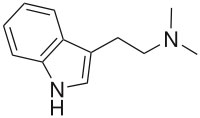
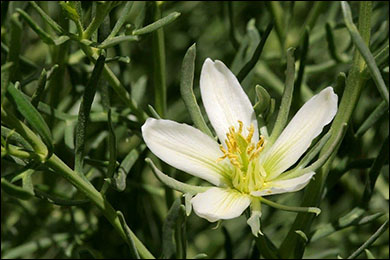
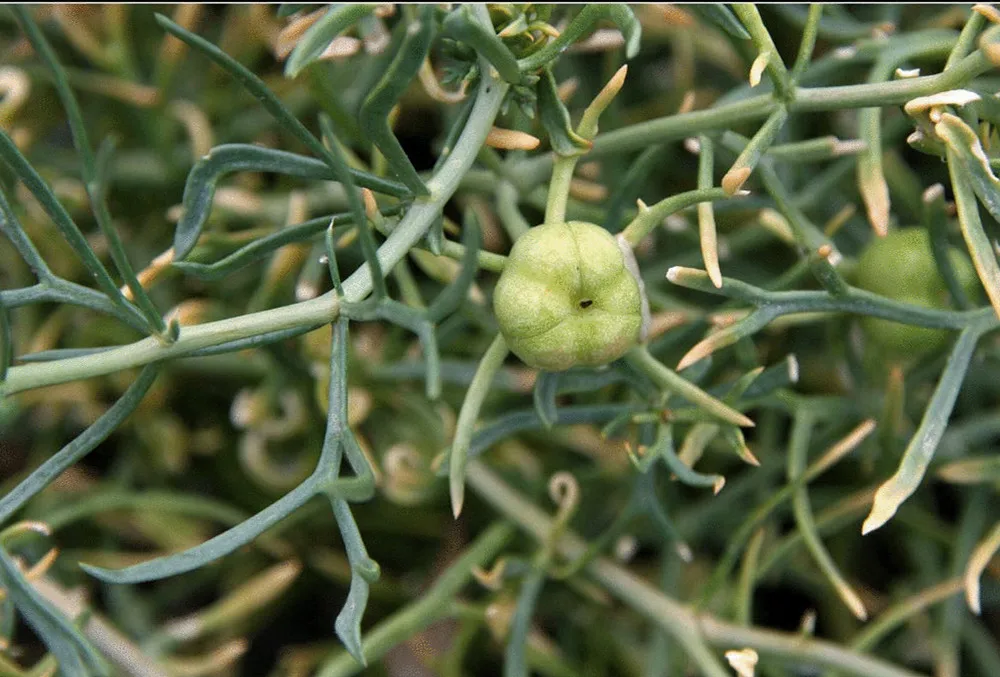
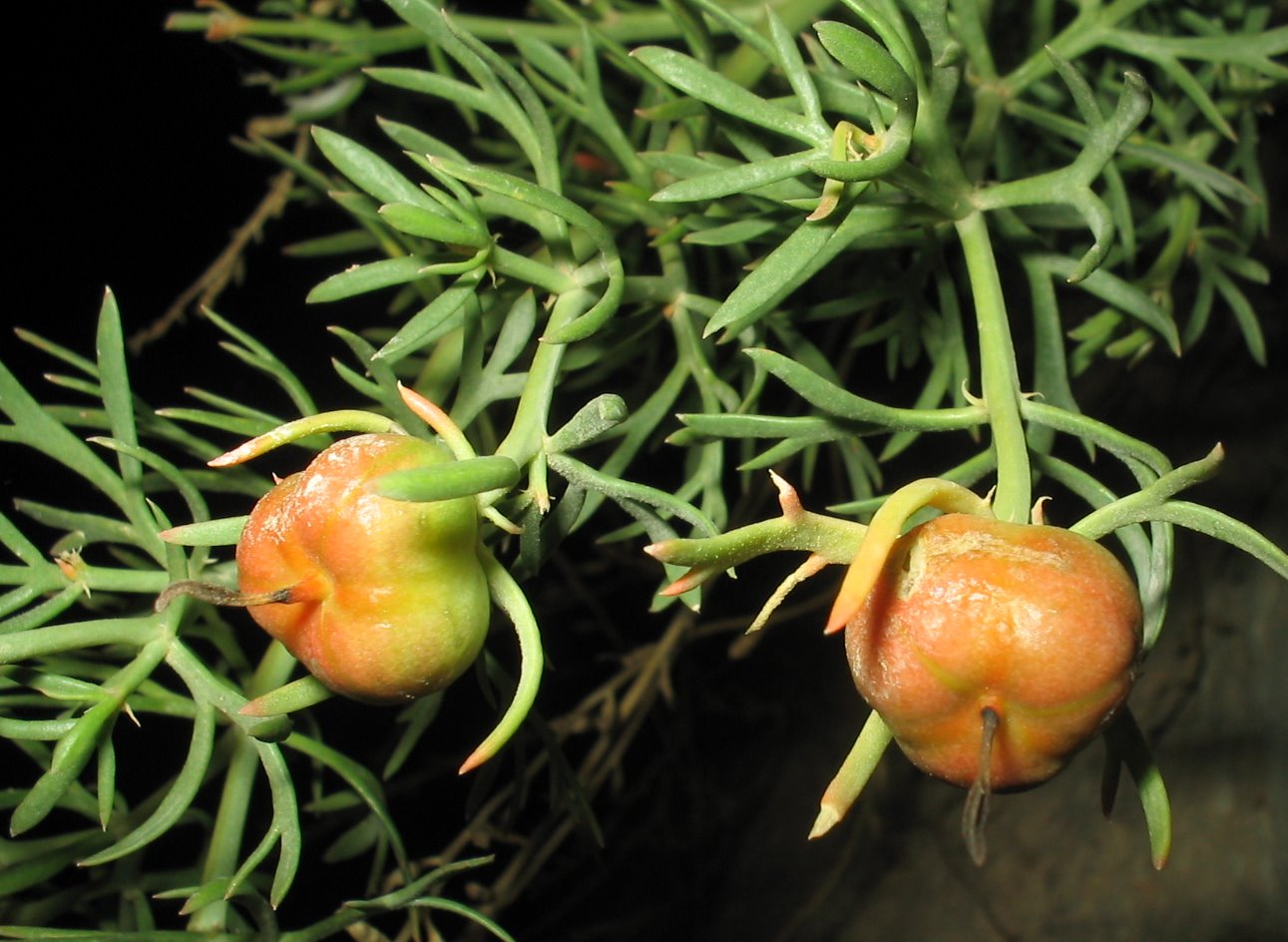
P. harmala is a dense, bright green blooming succulent that grows from a perennial woody root in semi-arid environments. It is a psychedelic with origins dating back to Central Asia, where it frequently grows among the ruins of ancient cities in the Middle East. B-carbolines, harmaline and harmine, are the major alkaloids present in P. harmala. These alkaloids are known as herbal active principals with potential use in pharmaceutical and medicine.
P. harmala has been used in traditional medicine to treat various diseases including cancer. Our preliminary studies show that the alkaloidal extract of PH seed is cytotoxic to several tumor cell lines in vitro and has antitumor effect in a tumor model in vivo. The present investigation was aimed at extending our previous studies in identifying the components in P. harmala seed-extract responsible for the cytotoxic effects, and study the cytotoxic and antiproliferative activity of isolated alkaloids and total alkaloidal fraction (TAF) in several tumor cell lines.
The present study of the cytotoxic and antiproliferative effects in experimental models of cancer show that the TAF and three of the four alkaloids (harmine, harmalacidine and vasicinone) isolated from the seed extract of P. harmala have significant in vitro cytotoxic activity in tumor cell lines, and antiproliferative activity on Jurkat line, E6-1 clone. The results of the present investigation and previous studies suggest that P. harmala seed alkaloids have significant antitumor activity, and the B-carboline structure could be an important basis for the design and synthesis of new antitumor drugs.
P. harmala has been used in traditional medicine to treat various diseases including cancer. Our preliminary studies show that the alkaloidal extract of PH seed is cytotoxic to several tumor cell lines in vitro and has antitumor effect in a tumor model in vivo. The present investigation was aimed at extending our previous studies in identifying the components in P. harmala seed-extract responsible for the cytotoxic effects, and study the cytotoxic and antiproliferative activity of isolated alkaloids and total alkaloidal fraction (TAF) in several tumor cell lines.
The present study of the cytotoxic and antiproliferative effects in experimental models of cancer show that the TAF and three of the four alkaloids (harmine, harmalacidine and vasicinone) isolated from the seed extract of P. harmala have significant in vitro cytotoxic activity in tumor cell lines, and antiproliferative activity on Jurkat line, E6-1 clone. The results of the present investigation and previous studies suggest that P. harmala seed alkaloids have significant antitumor activity, and the B-carboline structure could be an important basis for the design and synthesis of new antitumor drugs.
*From the study here: https://pdfs.semanticscholar.org/d10c/fcde0104d3ee49488356addab38788a83959.pdf
Last edited: