• Psychedelic Medicine
  • Psychedelic Medicine Moderator: mr peabody

AYAHUASCA

mr peabody

Moderator: PM
Staff member
Joined
Aug 31, 2016
Messages
6,074
Location
Frostbite Falls, MN

AYAHUASCA Documentary | Vine of the Soul


Can a sacred plant medicine from the Amazon heal our minds and spirits? In the heart of the jungle, a naturopathic doctor and an accountant experience life-altering epiphanies when they drink the psychoactive brew ayahuasca, the ‘Vine of the Soul’. This award-winning documentary explores the mystery of ayahuasca shamanism, offering insights into the nature of spirituality, mystical experience and self-healing discovered through an expanded state of consciousness.

Featuring:
Kenneth Tupper
Dennis McKenna
Gabor Maté
Guillermo Arévalo​
 
Last edited:
AYAHUASCA Documentary | The Nature of Ayahuasca


Ayahausca is a traditional plant medicine from the Amazon used to treat a variety of physical and psychology illnesses and conditions. This film explores the use of the Ayahausca as a holistic medicine, challenging stigmas around its use and helping people become more conscious and ethical consumers of the plant if that's the path they choose.​
 
Last edited:
AYAHUASCA Documentary | Stepping Into The Fire


A documentary that follows the journey through an ayahuasca ceremony in Peru.
 
Last edited:
I had a friend who tried to make this or some kind of tea and afterwards whatever he did he wasn't the same dude couldn't even smoke a cig without getting over stimualized by let alone weed. I guess the nicotine that made him all jumpy and anxious and this was a guy who used to smoke weed all the time.
 
CURANDERA | Award Winning Ayahuasca Documentary (2026)


A documentary film about one woman's incredible life journey and overcoming childhood trauma through a relationship with Ayahuasca and plant medicine. Her name is Tatiana Aya Tupinambá and she chose the path of an Ayahuasca curandera. Winner of 6 Film Festival awards.

Travel into the jungle with us near Pucallpa, Peru to meet Tatiana's Ashaninka teacher, Juan Flores. Experience the magical boiling river of the Amazon, the largest boiling river on the planet, where Tatiana's journey of self-discovery, spiritual awakening, and healing blossomed. Walk the jungle with us, be by the waterfall, and sense just a little of the magic of an Ayahuasca ceremony with this beautiful and informative film.Learn about plant 'dietas', see the process of making Ayahuasca, and witness the fascinating practice that is 'Curanderismo', the way of healing in the Amazon rainforest. An invitation to get closer to nature, closer to self, and witness the peace that is possible for all beings.Understand how the Ayahuasca songs, Icaros, are learned from the plants and connect to force that these vibrational medicines carry. May you also be inspired by beauty and wonder in order that your eyes may begin to see the world in a new light, one filled with hope, optimism, and understanding.​
 
Blog_8.webp


Ayahuasca could be a breakthrough treatment for eating disorders

by Marie Hasty, RN - November 8, 2022

Eating disorders are some of the most physically dangerous mental health problems. Their rates of morbidity and mortality remain high despite traditional treatment methods. Research has shown that the ayahuasca plant could change the tide for ED treatment. In a new study, ceremony leaders lend their vital perspective on ayahuasca for eating disorders. Let’s dive in.

Many people think of the typical person with an eating disorder as female, white, young, and underweight. In reality, eating disorders affect people of every age, race, gender, and weight. And they’re remarkably deadly, with morbidity rates from eating disorders second only to opioid overdoses. Of people who suffer from an eating disorder, 26% attempt suicide.

Despite clinical innovations and research, eating disorders remain difficult to treat. Patients tend to relapse after progress, further damaging their physical and mental health. But EDs and other treatment-resistant mental health conditions have shown promising outcomes from psychedelic treatment. Ayahuasca, an Amazonian psychedelic, has helped people reduce or terminate their eating disorders.

Psychedelic Support is a leading educator in psychedelic therapy. We help therapists grow their client base by offering psychedelic integration. We also help connect people with licensed providers, build their network, and grow their knowledge. By following our newsletter, you can get updates on our speaker series, articles, and course right in your inbox.

The field of psychedelic medicine is constantly growing and changing. New research helps us provide better care and develop guidelines for practice. This week, we’re exploring a fascinating recent article from the Journal of Psychoactive Drugs. It’s called “Getting to the Root:” Ayahuasca Ceremony Leaders’ Perspectives on Eating Disorders.

Research like this is vital to the growing field of psychedelic therapy. Historically, indigenous leaders have not been given a voice in the discourse of entheogenic medicines. We owe indigenous people for lending their wisdom on psilocybin, ayahuasca, and ibogaine. Understanding traditional use of ayahuasca in ceremonies is one way to pay Indigenous peoples the respect they deserve and contributes to growing qualitative evidence on their cultures.

This study sought perspectives from 15 ceremony leaders with varying experience delivering ayahuasca ceremonies. Nine had a personal history of disordered eating, and one had received a clinical diagnosis in the past. Their unique theories of eating disorders and ayahuasca therapy for ED were discussed. Let’s get into the findings.​

Theories of Eating Disorders

From their shamanic perspectives, leaders described their theories on why EDs happen and how they affect a person’s whole health. Three main theories emerged:

1. Eating Disorders are Symptomatic of an Underlying Problem

Most leaders concluded there’s no universal “root” for eating disorders. For someone to resolve their ED, they need to resolve their unique “root.” Here are leaders’ theories on where these roots originate:​
  • Two-thirds of leaders believe the root of EDs comes from trauma or emotional pain. Some root causes may not be personal experiences. They could come from generational trauma manifesting in family messaging and behavior around food.​
  • One-third of leaders believe EDs are rooted in a lack of self-love and self-worth. Under this theory, disordered eating is a way for people to express these feelings. Social norms around appearance may reinforce these behaviors as well.​
  • Other leaders believed that eating disorders come from a problem with a spiritual connection. Disordered eating may help these people “fill the void” when they’ve lost a connection with their higher power. Leaders pointed out that bio-medical approaches neglect this root cause.​
Leaders have varying theories on where eating disorders come from. Now let’s explore their ideas about why they continue.​

2. Eating Disorders Serve a Function

Check out leaders’ theories on how EDs are functional for people who experience them:​
  • Two-Thirds of leaders believe eating disorders help people avoid, control, or manage their overwhelming emotions.
  • One-Third of leaders add that EDs may serve as a person’s attempt to heal themselves.
  • Another leader had a different take. They believed people have disordered eating because they’re “striving for a better life.” They misunderstand what they’re doing and end up harming themselves.​
According to these leaders, eating disorders aren’t just symptoms of a problem. They may serve as a means to an end, helping people as they try to heal and control their emotions. But what do these leaders think about the effect of eating disorders on health?​

3. Eating Disorders Affect Several Aspects of Health

These ceremony leaders believe that eating disorders affect several aspects of personal health. Physical, mental, emotional, and spiritual health are all at play. One-third of leaders believed that treatment for EDs should be all-encompassing, addressing all of these health aspects. Some leaders also believed that western ED management focuses too much on behavioral aspects.

Now that we’ve explored the theoretical origins, functions, and effects of EDs, let’s talk about treatment. What is ayahuasca’s mechanism of action for treating eating disorders?

Perspectives on Ayahuasca for Eating Disorders

Preliminary research into ayahuasca for eating disorders is promising. The mechanism of action for ayahuasca and other psychedelics remains unclear. But these leaders have theories about its mechanism of action and why it could be an effective treatment for eating disorders. Let’s talk about their ideas.
  • Ayahuasca Helps Facilitate “Energetic Healing:” One-third of leaders believe ayahuasca helps people via “moving energy,” “cleaning” away the pain, and “energetic healing.” They believe this is why it’s effective for EDs and other mental health problems.​
  • Ayahuasca Helps People Identify, Process, and Integrate the “Root” of Their Eating Disorder: Two-thirds of leaders believe that ayahuasca helps people access the root of their ED. It allows them to access a state of “healing intelligence” by getting past people’s defense mechanisms. In this healing state, people can reintegrate trauma and release themselves from needing their eating disorder.​
  • Ayahuasca Promotes Holistic Healing: Half of the leaders see the ayahuasca experience as a treatment for the “whole person.” They believe it helps people by “bringing harmony” to different parts of the self, including spiritual, emotional, mental, and physical aspects. In addition, leaders believe that ayahuasca helps people by challenging their emotions and helping them have more calming thoughts.​
  • Ayahuasca Enhances and Reorganizes Relationships: Two-thirds of leaders believe ayahuasca helps people to rebuild and reorganize internal relationships. These include dynamics between the self, community, a higher power, and the ED itself.​
Some leaders theorize that ayahuasca helps pull people away from self-blame and push them towards self-love and compassion. Leaders noticed that after an ayahuasca experience, people tend to have a new perspective on their illness and take up more self-care behaviors.

Ceremony leaders view ayahuasca as a helpful treatment for eating disorders. People come away from their ayahuasca experience with new ways of healing, integrating, and recovering from their ED. But how do these findings contribute to the broader scope of ayahuasca research?

Treating Eating Disorders with Ayahuasca

This is the first study of its kind to explore ceremony leaders’ perspectives on ayahuasca treatment for eating disorders. Its results parallel some research findings while conflicting with other ideas in western ED treatment.

The writers of this article point out that the best treatment methods for patients may combine a biological and spiritual approach. By seeking opinions and expertise from ceremony leaders, psychedelic practitioners can take advantage of the historical use of ayahuasca as a treatment for EDs. This rising tide of knowledge can help raise all of our boats and help patients get better treatment outcomes.

Some discrepancies remain. Western medicine sees eating disorders as multifactorial mental illnesses. They may arise from genetic, environmental, and behavioral predispositions. This conflicts with ceremony leaders’ perceptions of the “root” causes of eating disorders. However, both theories agree that trauma contributes to risk factors for disordered eating. See the full article discussion in the Journal of Psychoactive Drugs.

 
Last edited:
psychedelic-face-750x375.jpg

Ayahuasca use associated with greatly improved anxiety and depression symptoms

PsyPost - by Christian Rigg - June 29, 2021
Despite their illegality and a tendency among the media and politicians to demonize their use, psychedelics have been shown to have transformative effects on individuals suffering from mental health problems, including depression and anxiety. At the same time, drug use more generally is a powerful predictor of mental health issues and the line between recreational and medicinal use is often thin.

Ayahuasca is a psychoactive Amazonian brew which holds a central place in healing rituals and popular syncretic religions, especially in South America. Despite its widespread use in these contexts and growing interest globally, however, large-scale studies were lacking until very recently.

The Global Ayahuasca Project was conducted from 2017 to 2020 and is the largest cross-sectional study on Ayahuasca use to date, taking the form of an online self-reported questionnaire. A portion of its results are published in the Journal of Affective Disorders Reports, and tell the story of a significant connection between Ayahuasca use and improvements in affective disorders.

The study included more than 11,000 respondents, 7,785 of whom reported suffering from symptoms of depression or anxiety at the time of consumption. The authors made use of a variety of measures to assess mental health outcomes among Ayahuasca users, as well as their subjective experience both during and following consumption.

The results of the study show an impressive amelioration in depression and anxiety symptoms nearly across the board. 94% of respondents experienced some (“a bit”), great (“very much”) or complete resolution of depression symptoms; the same was true in 90% of cases for anxiety symptoms.

The large sample size allowed for the authors to draw a number of significant conclusions about the kinds of Ayahuasca experiences that correlated most strongly with important improvements. Those who reported more profound mystical experiences, for example, tended to experience the greatest improvements. A greater number of insights into one’s personal relationships also correlated strongly with improvements, suggesting one cognitive pathway by which the drug may reduce anxiety and depression symptoms.

Not all respondents were so lucky, however. A small minority of individuals reported worsened depression symptoms (2.7%) and worsened anxiety symptoms (4.4%). Of course, depression and anxiety symptoms evolve over time and it may be that the Ayahuasca use was unrelated to these changes, but there is at least some evidence of its implication. For example, feeling disconnected or alone; nervous, anxious or on edge; or depressed or hopeless in the weeks immediately following consumption were all predictors of worsened symptoms.

One major limitation of the study is its cross-sectional nature, meaning that we can’t reliably confirm a causal relationship. It’s also worth mentioning that self-reporting, and especially historical, affective self-reporting can be unreliable. Finally, delivery of the questionnaire via Ayahuasca groups and forums, where individuals with positive reactions are more likely to be active, may have translated to some significant selection bias.

Overall, the study suggests an important relation between Ayahuasca use and improved affect among individuals suffering from depression or anxiety, and very little evidence of negative mental health effects. Understanding the cognitive, emotional and even social pathways by which Ayahuasca and other psychedelics work is an important next step.

The study, “Ayahuasca use and reported effects on depression and anxiety symptoms: An international cross-sectional study of 11,912 consumers,” was published in April 2021.

 
ayahuasca-safety-neurosciences-.jpg.webp


Music and Ayahuasca’s Role in Treating Substance Use Disorders in Men

Neuroscience News - December 23, 2022

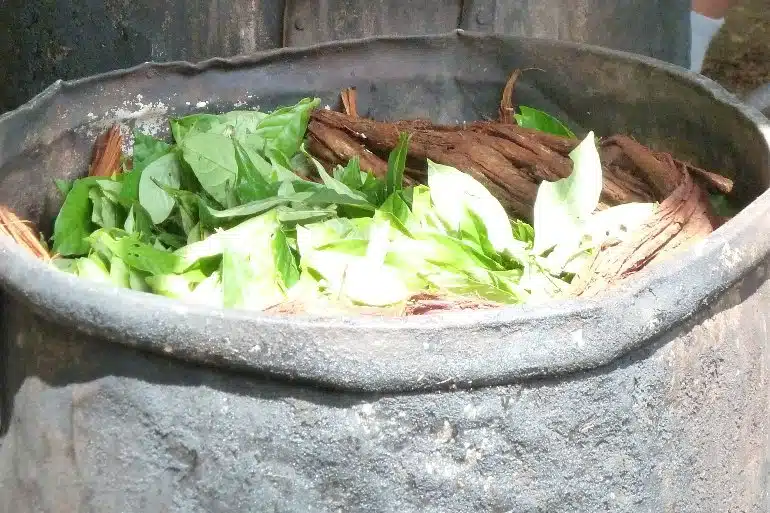
Summary: Researchers study the positive effects of icaros, a type of traditional Peruvian music, in combination with psychotherapy and the psychedelic drug Ayahuasca has on treating addiction.

Source: UCR
In Perú, music heals more than the soul.

Traditional songs, known as icaros, are part of a treatment process for men rehabilitating from drug and alcohol addictions. Combined with traditional Amazonian medicine and psychotherapy, these icaros are used during ayahuasca healing ceremonies at the Takiwasi Center for Drug Addiction Rehabilitation and Research on Traditional Medicines in Tarapoto, Perú.

For the first time in the center’s 30-year history, a University of California, Riverside music researcher has captured the positive impact icaros play in men’s recovery. Ayahuasca, a plant-based psychedelic, means “vine of the dead” in Quechua, Perú’s primary Indigenous language.

The findings of the study, led by UCR doctoral ethnomusicology student Owain J. Graham, were published in the journal Anthropology of Consciousness. Graham said the topic of his research needs to be further explored and the role of music as a therapeutic tool better understood so that music can be more effectively integrated in healing treatment options for patients in the United States, and potentially globally, suffering from addictions and other illnesses.

About 67% of participants who completed a nine-to-12-month program at Takiwasi Center, did not return to substance abuse, according to previous research cited by Graham and his colleagues. About 86% of patients showed statistically significant improvements on the Addictions Severity Index, an assessment tool used to evaluate substance abuse treatment.

An analysis from 2017–19 assessed 180 responses. All patients reported that icaros changed their psycho-emotional state and that icaros effected healing related to “unblocking,” a process also known as “cleansing” and “removing,” referring to reports of ayahuasca’s purgative effects, both physical and psycho-emotional.

“Ethnomusicologists and medical anthropologists understand the role that music plays in healing among many cultures,” said Graham, whose research interests include indigeneity and ritual music in South America.

“While Western biomedicine’s foundation in science is strong, it has also neglected to explain the connection of mind-body and how music can effect healing.”

The Takiwasi Center only hosts men in its on-site residential program. It focuses on men’s health because in Perú and around the world most substance addicts are men, not women.

Respecting the guidance of Amazonian healers, the program also requires complete focus, including sexual abstinence, which is why it does not allow women to live within the community of rehabilitation patients. Women do receive treatment and are allowed to participate in the center’s healing ceremonies.

Over decades, the use of ayahuasca has garnered greater global attention, but in the upper Peruvian Amazon region, this has been an ancient cultural practice, Graham said. At the Takiwasi Center, the combination of monitored psychedelic-assisted psychotherapy—along with icaros sung in Spanish, Quechua, other Amazonian Indigenous languages, and sometimes French—help men shift away from drugs. Through his research, Graham understood that illnesses are not just physical ailments, but also derive from social and spiritual issues.

For more than a decade Graham had been interested in understanding the relationship between music and altered states of consciousness, focusing on cultures who have long-standing traditions of using the two together. He soon realized that recent clinical studies on psychedelics had a major component missing from their reports: sufficient focus on the use of music in their protocols.

“I got to thinking, ‘Maybe I can add something to this conversation. Maybe I can help add some context and hopefully amplify the perspectives of traditional healers using these medicines/substances.’ The healers inherited practices going back hundreds of years to their ancestors,” Graham said.

Patients at the Takiwasi Center—a space Graham visited during several months at a time in 2019 and 2022—partake in six-hour ayahuasca ceremonies guided by traditional healers. The healers guide participants with icaros, the music emotionally and mentally transitioning them from one stage to another.

Responses and experiences did not vary when it came to a participant’s culture and demographic background. Graham’s sample included 58% South American and 42% Western European men.

Are icaros and ayahuasca healing ceremonies enough to completely change a person’s substance abuse? Graham warns against literal interpretations and unrealistic expectations. Traditional healing takes time, which is why Takiwasi’s program is nine to 12 months long. Also, during this period participants have time to integrate lessons and process the trauma that is brought up by ayahuasca ceremonies, Graham said.

“I would caution people in both directions. A lot of people have been hearing more about ayahuasca in the past 10–15 years. Some claim they were reborn, with some major trauma healed after one ayahuasca session. That can happen, but that is not the normal case,” Graham said.

Author: Sandra Baltazar Martínez
Source: UCR
Contact: Sandra Baltazar Martínez – UCR

 
Top