




poledriver
Bluelighter
- Joined
- Jul 21, 2005
- Messages
- 11,543
Sale: The country town being overtaken by ice
A SMALL Victorian town is riddled with ice addicts disguised as business professionals, tradies, university students and even 13-year-old kids.
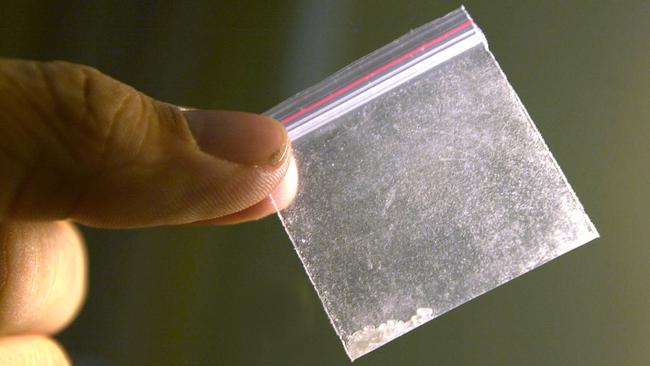
And all anybody needs is $20 in their pocket to get their next hit of crystal meth from dealers on the streets.
Sale is a town in Gippsland with a population of around 12,000 people and the Police Association of Victoria recently discovered eight out of 10 people police dealt with in the area were affected by ice.
But that statistic is not surprising to those who live around the area, who say people are making it in the back of their cars and selling it on the street.
They say those who fall into the ice trap then resort to stealing from their loved ones and people in the community.
Ice has rapidly become an epidemic across the state and is seeping from Sale into Heyfield, a town with a population of around 2000, just 33 kilometres away.
Ray Akers owns the general store in Heyfield and has seen “good kids” fall foul of the drug and believes society will lose a generation to ice.
“I’ve seen the devastation that surrounds families when somebody is on ice and the parents feel hopeless and feel shame,” he said.
“They just wonder what they have done wrong and it just brings a family to its knees.”
Mr Akers had products valued at $500 stolen from his store and resold for $100, just enough for an addict to secure another stash. People have even stolen charity tins from his counter.
“These are the kids down the street from good families who you would see quite regularly,” he said.
“Ice doesn’t discriminate and it might not get everyone addicted the first time but you only need a couple of hits.”
Mr Akers believes people are getting more exposed to the drug at parties and said curiosity and peer pressure were a big part of why people tried it in the first place.
“Once upon a time at parties there would be three or four people on the corner doing drugs,” he said.
“Now there are three or four people on the corner who are not doing drugs.”
Mr Akers said people needed to speak more about the ice epidemic and has actively organised information sessions in the town.
“We can bury our head in the sand or we can stand up and do something,” he said.
Assistant secretary at the Police Association of Victoria, Inspector Bruce McKenzie, said those doing ice were business people, tradies, students and 13-year-olds.
He said it was a major problem but believed it could have been prevented.
“As we go around and talk to our police members, they say ice wasn’t even an issue five years ago,” he said.
“We are convinced that if this issue was taken on board when we were warned by overseas authorities, we would have been able to deal with it.
“We’ve sat on our hands and allowed this hideous drug to take over and it has.”
Inspector McKenzie said there was also a major ice problem around Warrnambool.
“We’ve been told that 99 per cent of people appearing before courts in Warrnambool, Portland and Hamilton will use the drug ice as a mitigating factor,” he said.
Inspector McKenzie said the main issues police were dealing with were ice, family violence and mental health.
“We believe it’s all intertwined,” he said.
Cont -
http://www.news.com.au/lifestyle/he...overtaken-by-ice/story-fneuzlbd-1227535358963
A SMALL Victorian town is riddled with ice addicts disguised as business professionals, tradies, university students and even 13-year-old kids.
And all anybody needs is $20 in their pocket to get their next hit of crystal meth from dealers on the streets.
Sale is a town in Gippsland with a population of around 12,000 people and the Police Association of Victoria recently discovered eight out of 10 people police dealt with in the area were affected by ice.
But that statistic is not surprising to those who live around the area, who say people are making it in the back of their cars and selling it on the street.
They say those who fall into the ice trap then resort to stealing from their loved ones and people in the community.
Ice has rapidly become an epidemic across the state and is seeping from Sale into Heyfield, a town with a population of around 2000, just 33 kilometres away.
Ray Akers owns the general store in Heyfield and has seen “good kids” fall foul of the drug and believes society will lose a generation to ice.
“I’ve seen the devastation that surrounds families when somebody is on ice and the parents feel hopeless and feel shame,” he said.
“They just wonder what they have done wrong and it just brings a family to its knees.”
Mr Akers had products valued at $500 stolen from his store and resold for $100, just enough for an addict to secure another stash. People have even stolen charity tins from his counter.
“These are the kids down the street from good families who you would see quite regularly,” he said.
“Ice doesn’t discriminate and it might not get everyone addicted the first time but you only need a couple of hits.”
Mr Akers believes people are getting more exposed to the drug at parties and said curiosity and peer pressure were a big part of why people tried it in the first place.
“Once upon a time at parties there would be three or four people on the corner doing drugs,” he said.
“Now there are three or four people on the corner who are not doing drugs.”
Mr Akers said people needed to speak more about the ice epidemic and has actively organised information sessions in the town.
“We can bury our head in the sand or we can stand up and do something,” he said.
Assistant secretary at the Police Association of Victoria, Inspector Bruce McKenzie, said those doing ice were business people, tradies, students and 13-year-olds.
He said it was a major problem but believed it could have been prevented.
“As we go around and talk to our police members, they say ice wasn’t even an issue five years ago,” he said.
“We are convinced that if this issue was taken on board when we were warned by overseas authorities, we would have been able to deal with it.
“We’ve sat on our hands and allowed this hideous drug to take over and it has.”
Inspector McKenzie said there was also a major ice problem around Warrnambool.
“We’ve been told that 99 per cent of people appearing before courts in Warrnambool, Portland and Hamilton will use the drug ice as a mitigating factor,” he said.
Inspector McKenzie said the main issues police were dealing with were ice, family violence and mental health.
“We believe it’s all intertwined,” he said.
Cont -
http://www.news.com.au/lifestyle/he...overtaken-by-ice/story-fneuzlbd-1227535358963




