So i and others have been on this for over a decade…
This is just an outline.. for something specific..
Fentonal Webinar Outline
Short Introduction to BL
Mission Statement
Concept of “works to connect researchers with Bluelight's community of drug users to learn from their habits, techniques, and experiences.”
Personal introduction
Drug experiences focusing on opiate use dependency and recovery focusing on the early phase of the opiate crisis.
Work with Bluelight
Personal research into addiction (brief tied into personal experience)
Brief introduction to the opiate crisis
Overprescribing, the legal requirement to treat pain and briefly how this was created by Purdue Pharma, Smiley faces pain scale, and the scope of oxycontin that was produced and distributed and the money it generated.
Fact that Dr Sackler was a psychiatrist and that purdue only really produced one drug.
\The fact that Physicians and other medical professionals in the US are grossly undertrained in Substance use disorder and this created the dynamic that lead to the origins of the crisis and the terrible way the medical community chose to deal with it.
21 million Americans suffering from substance use disorders only around 3000 doctors trained in treatment
Concept of how professionals prescribing medications with high potentials for abuse have no training about substance use disorders or addiction.
Oxycontin was the third time medical professionals were fooled into believing opiate medication was less or not addicting. Go through the other occurrences and provide quote from last century when another wave of strong opiate use was clearly concerning people and medical professionals of that time.
Look at how they were fooled by Purdue Pharma into believing that Oxycontin was not or less addictive. Tie this into lack of education and training necessary to understand and safely prescribe medications with high instances of abuse.
Once the opiate crisis hit there were clear mistakes made by both medical professionals and regulators on how to deal with the crisis.
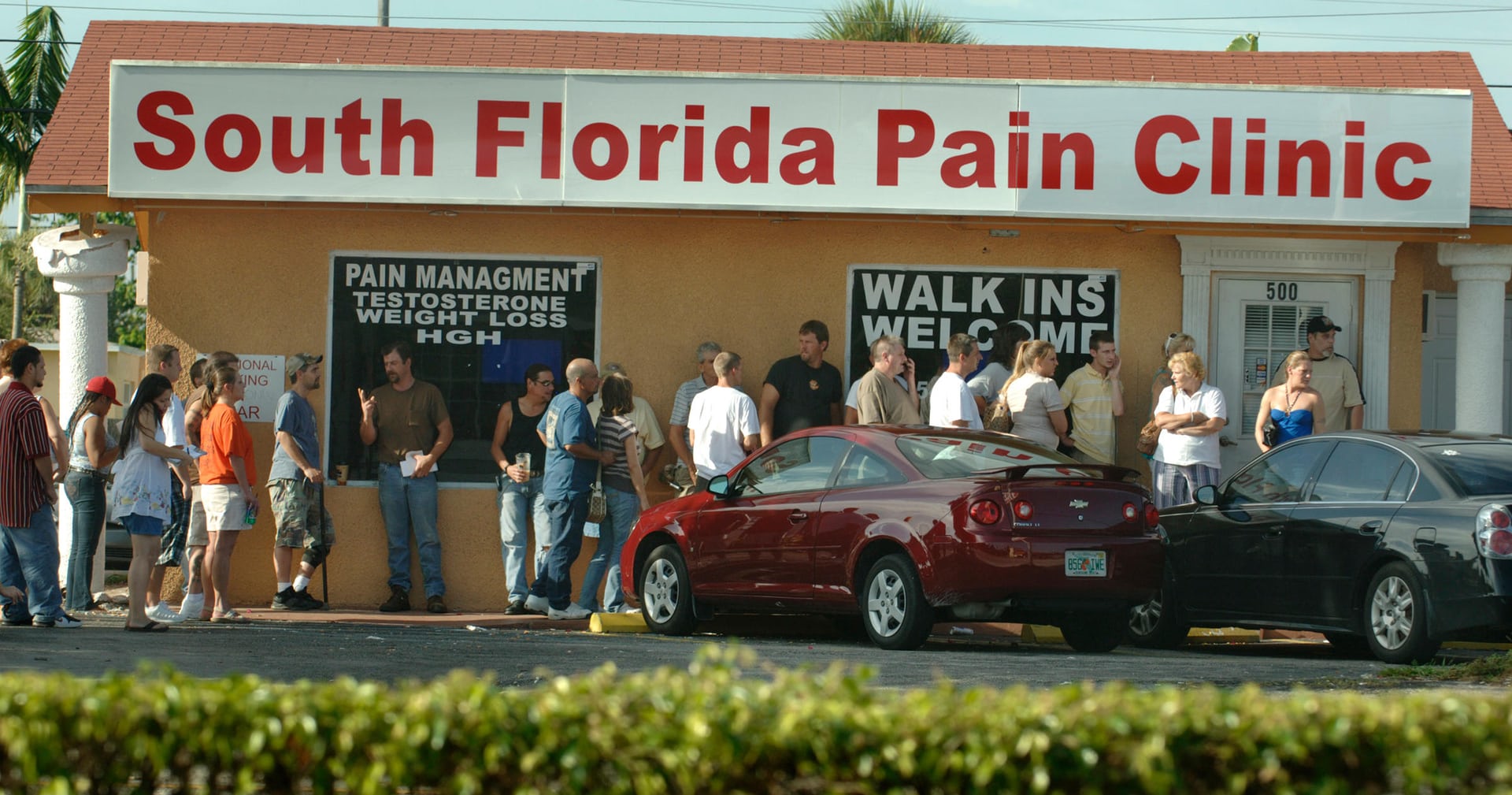
They treated both existing and new patients under the same plan. This caused them to try and reduce the current patient's amount of medication. Idea of tolerance, opiate induced analgesia. This leads to people running out early and seeking prescriptions early. This in turn caused them to be deemed high risk patients with an Opiate problem, drug seekers and they were unceremoniously dismissed from care and their medication refills were immediately stopped. Oftentimes they were placed on a State Controlled substances database as a drug seeker etc. Being placed in this system could get a patient black listed from obtaining any scheduled medication to treat their pain or alleviate their withdrawals. This caused a huge amount of people to go to the street to find their medication. Initially it was likely pills they were buying off the street, but the huge price of street pills and likelihood they were not always available led many to alternatives like heroin. The dealers were like I don’t have any pills, but I do have this. Addiction and physical dependence is a slippery slope and snorting and smoking leads to injecting for many people.
Physicians in the US often used the excuse that they are not trained to deal with substance use disorder or problems commonly associated with chronic opiate therapy. This is why they claimed it was appropriate to abruptly stop prescribing medications and often severed ties with their patients completely. Why aren’t physicians and other prescribers required to be properly trained in dealing with possible effects of the medications they prescribe and be held responsible to a reasonable extent to deal with the negative effects of medications they prescribe their patients? Why are they allowed to just bail when a patient shows signs of problems due to medications that have a high potential for abuse? In the US not only do they still do this but they are required to by law or risk their licenses to practice medicine.
The legal aspect of prescribing controlled substances in the US is flawed. Instead of prohibiting prescribers from issuing prescriptions to patients that have developed problems due to medications they have been prescribed. The prescribers should be held reasonably responsible for facilitating treatment for the issues their care has generated.
A two pronged approach should have been undertaken. Regulatory pressure and personal fear likely played a major part in this. New guidelines and practices should have been implemented for new patients being prescribed opiates while patients already on chronic opiate therapy should have been treated under a separate protocol. Instead the medical community under regulatory pressure implemented changes to current patients that resulted in many of them being weaned down, getting into trouble and being cut off from their medications and often ghosted by their providers. The street drug dealers welcomed them and their money with open pockets.
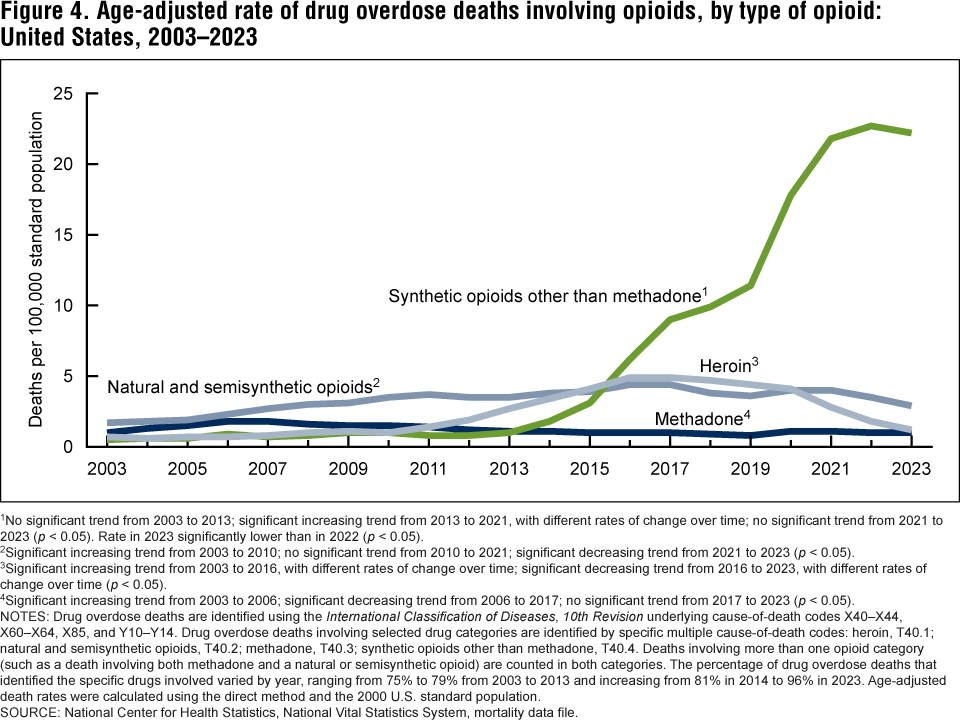
Influx of Fentonol and why it is here to stay
Price to produce kilo of fentanyl vs kilo of heroin and the amount of doses in each and the profit margins. Ease of production in a lab as opposed to cultivation.
“One kilogram costs $1,000 to produce--and just one kilogram of fentanyl has the potential to kill 500,000 people. It is sold for about $1,300 per ounce. Pills are commonly sold for $5-$10 each. “: 1300 x 35=45,500 on still on the wholesale side.
https://www.portlandoregon.gov/police/news/read.cfm?id=412335
Heroin is much more expensive per dose and the price is skyrocketing in areas.
https://news.un.org/en/story/2025/0...fghanistan,crime%20groups%2C”%20UNODC%20noted.
And dropping in others
“Available data from eight EU Member States that consistently report wholesale price data to the EMCDDA show that the price has fallen over time. While there is variation among the reporting countries, between 2017 and 2021, the wholesale price of heroin fell by 18 %, from 29 213 to 24 099 EUR/kilogram (see Figure Wholesale average heroin price in eight EU countries, 2017-2021). This is of concern, as price reductions could lead to increased use, in terms of both the number of users and the amounts used by existing users. For a more comprehensive analysis, consistent purity data at wholesale level are needed.”
Cartels luring Chemistry students to produce fentanyl
https://www.nytimes.com/2024/12/01/world/americas/mexico-fentanyl-chemistry-students.html
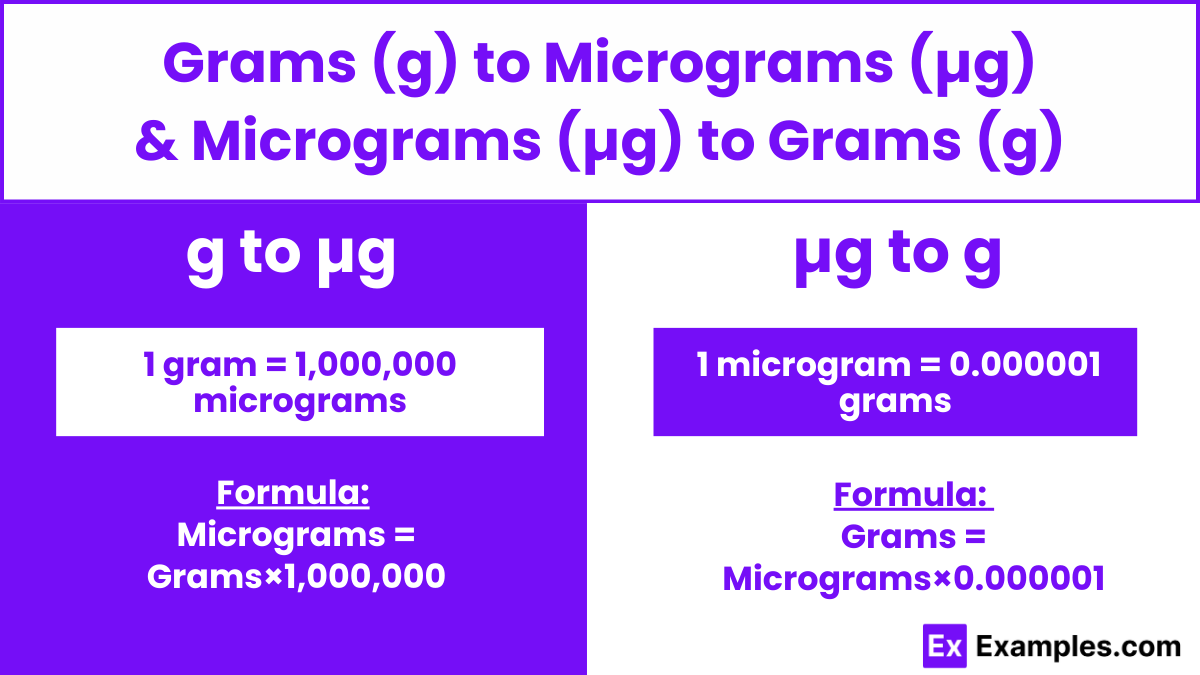
Explanation of micrograms and the ease at which an overdose can happen.
Easily switch between grams to micrograms and vice versa using Examples.com. Input your measurements for fast and precise conversions.
www.examples.com
NHS medicines information on dosage for fentanyl, how to take or use it and what to do if you miss a dose or take or use too much.

www.nhs.uk
Interlude into the danger of LE and First Responders responding to fentanyl crises.
Sub interlude into substance abuse potential and rates in LE.. trauma in LE and the need for fellow officers to keep an eye on each other.
Only part of this is appropriate as the caster has an unhealthy take on drug use.. But the audio of the Officer ODing and the story may be considered for use. Still on the fence if i’m going to include this.
Cartels, pathonogenic violence
I
nflated value of contraband, pathogenic criminality and demand including dependency, substance use disorder almost assures that illicit drug use and the drug trade are hear for the foreseeable future. The cheap cost and ease of production means fentanyl is also here to stay.
How to address the Fentanyl Crises: Use every avenue we have available.
Harm reduction what are its principals and goals?
In order for someone to successfully recover from opiate addiction they need to still be alive.
Law enforcement, first responders, drug users themselves and people regularly in contact with them need to be trained and supplied with narcan
Background. Opioids contribute to more than 60 000 deaths annually in North America. While the expansion of overdose education and naloxone distribution (OEND) programs has been recommended in response to the opioid crisis, their effectiveness ...

pmc.ncbi.nlm.nih.gov
Supervised use sites. Supervised use sites reduce fatal overdoses, significantly improve health practices of users, provide a sustained line of communication to users, let someone who is struggling with addiction that people care and they are important and people still care for them, are a gateway for people to seek treatment and do not increase crime in the areas they are found.
Supervised injection facilities are harm reduction interventions that allow people who inject drugs to use previously obtained substances under the supervision of health professionals. Though currently considered illegal under U.S. federal law, ...
pmc.ncbi.nlm.nih.gov
Phone in use lines. These are hotlines where a user can call in when they use and if they OD the person on the line sends EMS or LE responders. This is a great podcast that actually has the entire call of an overdose crisis recorded. It shows clearly how it works and Is from a very popular and respected American OG podcast, This American Life.
One call to a very unusual hotline and everything that followed.

www.thisamericanlife.org
iii. Good Samaritan Laws. These laws allow people to call for help if an overdose happens without fear of being charged for minor drug offenses.
As of July 2018, 45 United States (US) states and the District of Columbia have enacted an overdose Good Samaritan law (GSL). These laws, which provide limited criminal immunity to individuals who request assistance during an overdose, may be of ...
pmc.ncbi.nlm.nih.gov
,,,,,,,,,,,,,,,,,,,,,,
That’s off the top of my head less then four hours to comprise the outline.