How to explore San Pedro without a guide
by Jerry Toth
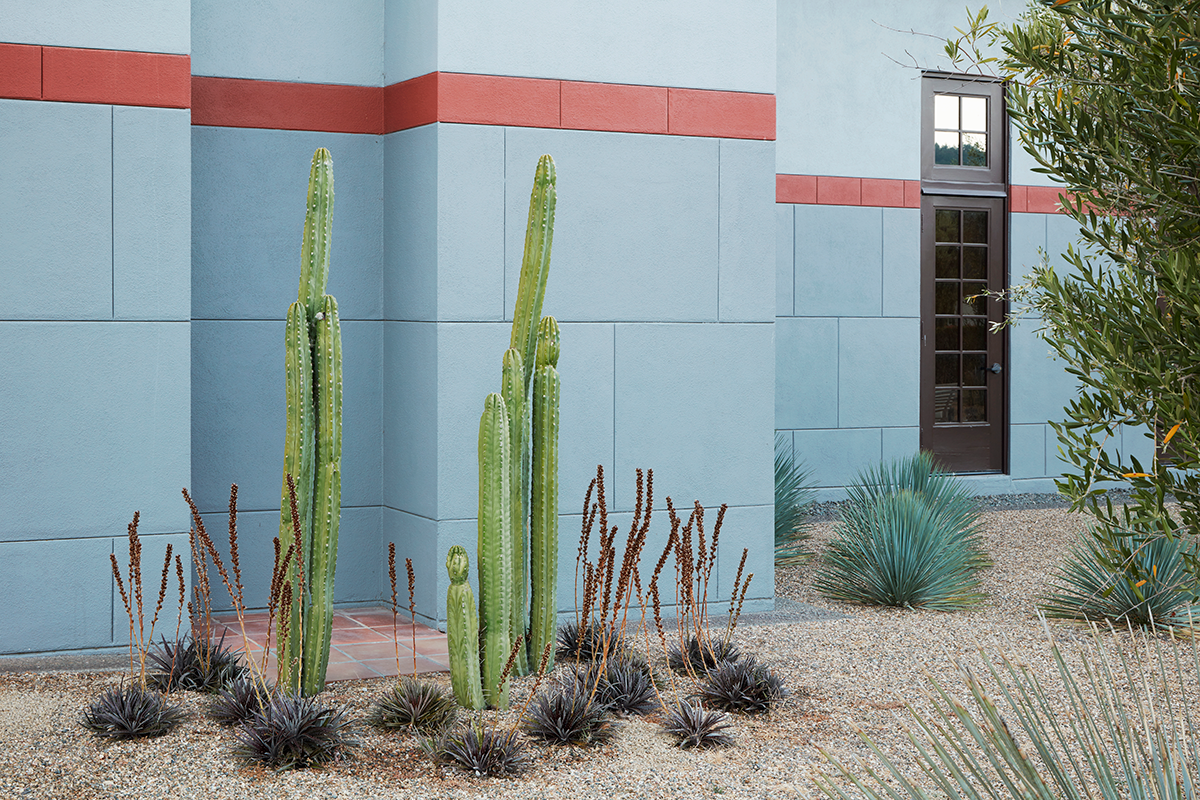
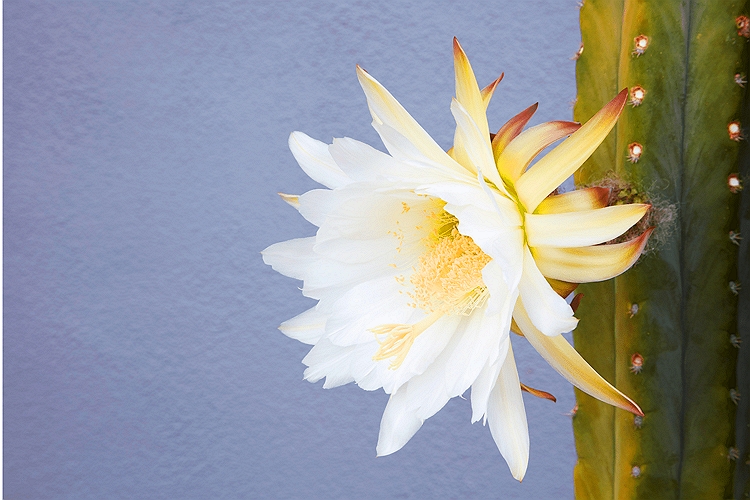
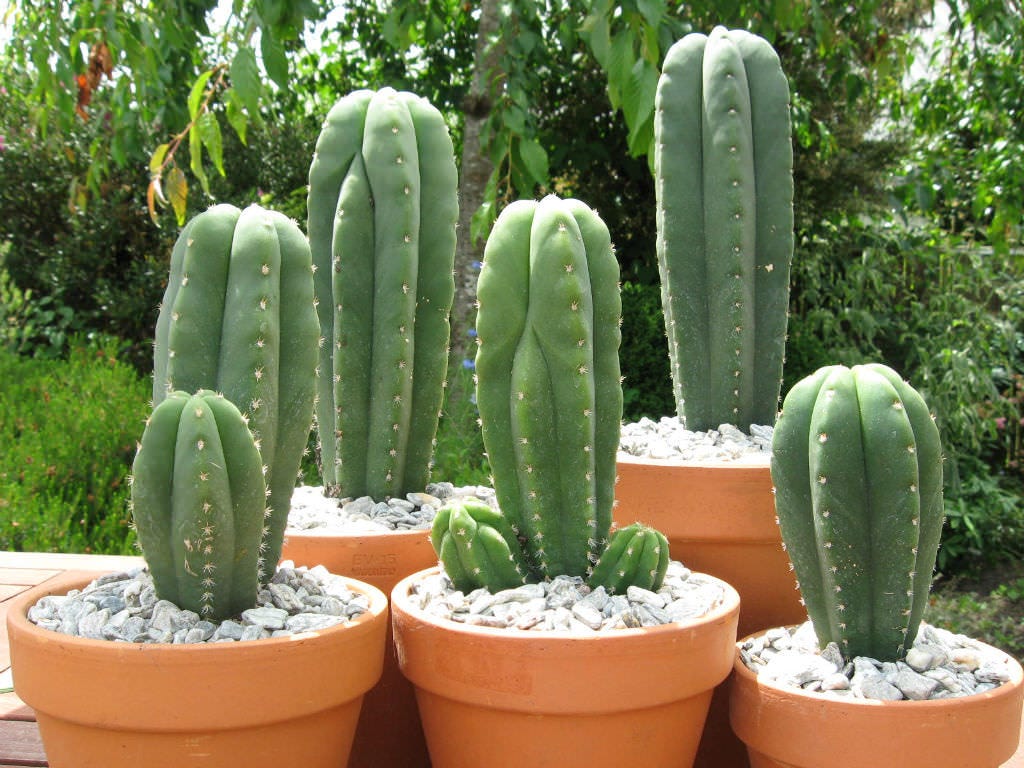
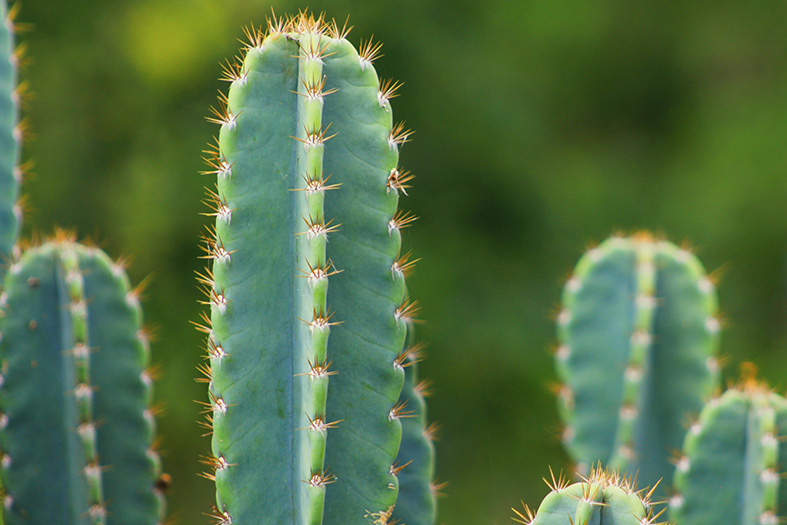
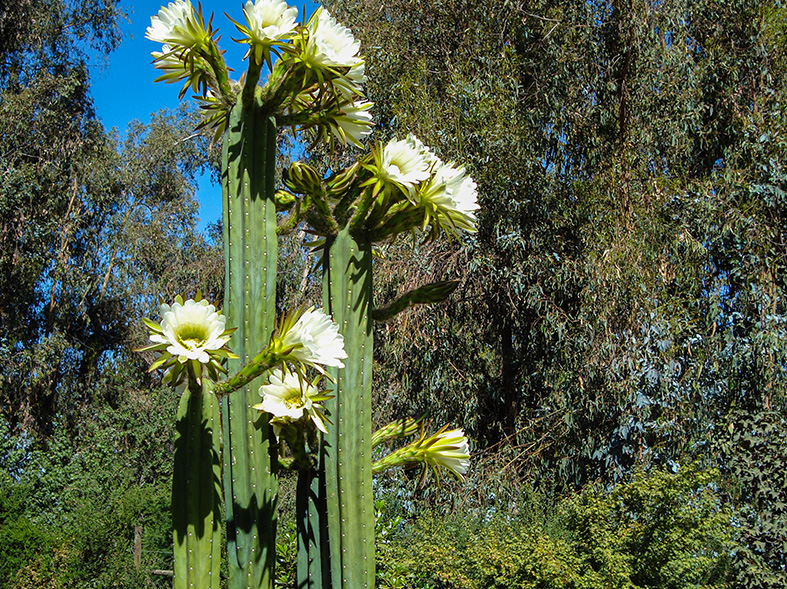
San Pedro (Trichocereus pachanoi) is a cactus native to the Andean slopes of Ecuador and Peru. It is the South American cousin to peyote, and most notably contains the psychoactive alkaloid known as mescaline. It’s a plant I’ve been working with for over sixteen years by now, strictly in-situ in Ecuador and always wild-harvested. No, I do not claim to be a shaman. I’m just someone who knows a very reliable way to prepare this cactus for consumption and who has a few insights to share about its usage.
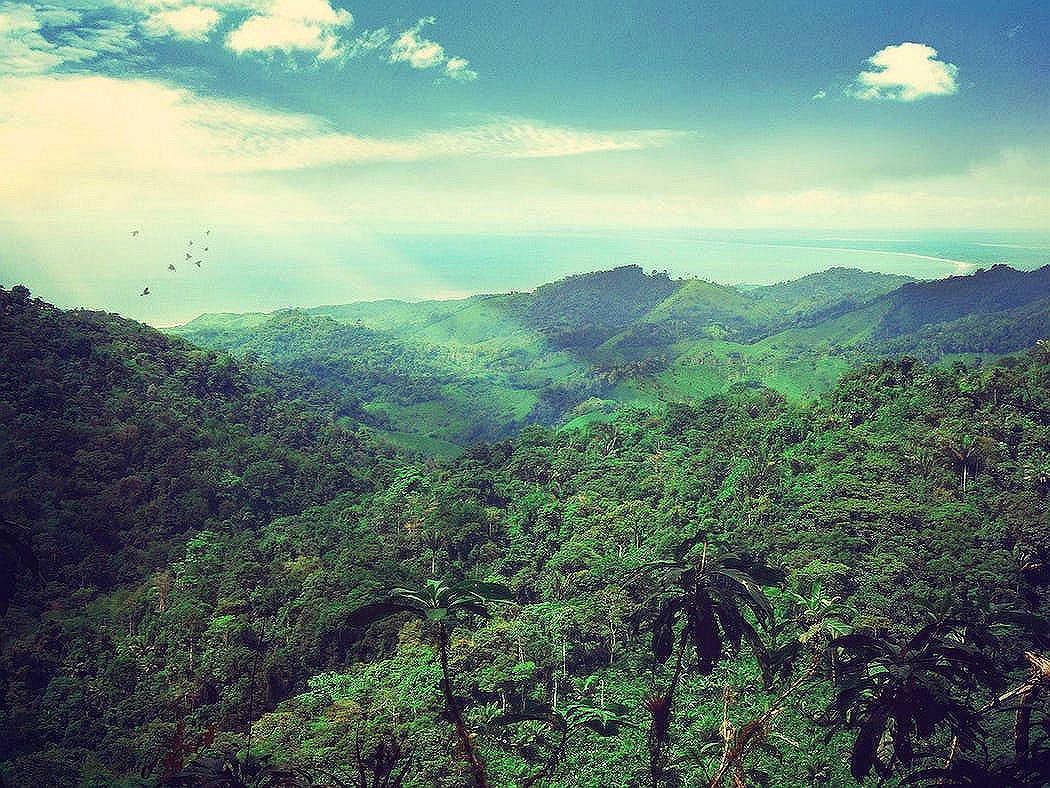
In recent years, there has seen an explosion of interest in Ayahuasca and, to a lesser extent, San Pedro. Both of these plant medicines are found in Ecuador. In fact, wild San Pedro cactus grows only a few hundred kilometers from the native range of the Ayahuasca vine and its various DMT-containing companion plants such as Chakruna. Whereas Ayahuasca and Chakruna are lowland Amazon species, San Pedro prefers the mid-elevational valleys and slopes on both sides of the Andes. In Quechua, it’s called Huachuma or occasionally Wachuma.
Like Ayahausca, San Pedro has been used for healing purposes and to open doors in the minds of people for thousands of years. Only recently have these plants found their way to a broader audience in distant countries. As of a few years ago, I was the only person I knew who had consumed San Pedro, and now I know a few dozen people who’ve tried it. However, all of these people have only tried it as part of a collective ceremony, usually administered by a guide in a land far outside of San Pedro’s native range. I have nothing to say against that way of doing it, because I’ve never done it that way. I’ve only done it my own way, from wild cacti that I harvested and prepared myself and consumed by myself. For those of you interested in exploring San Pedro in this way, here’s what I can tell you.
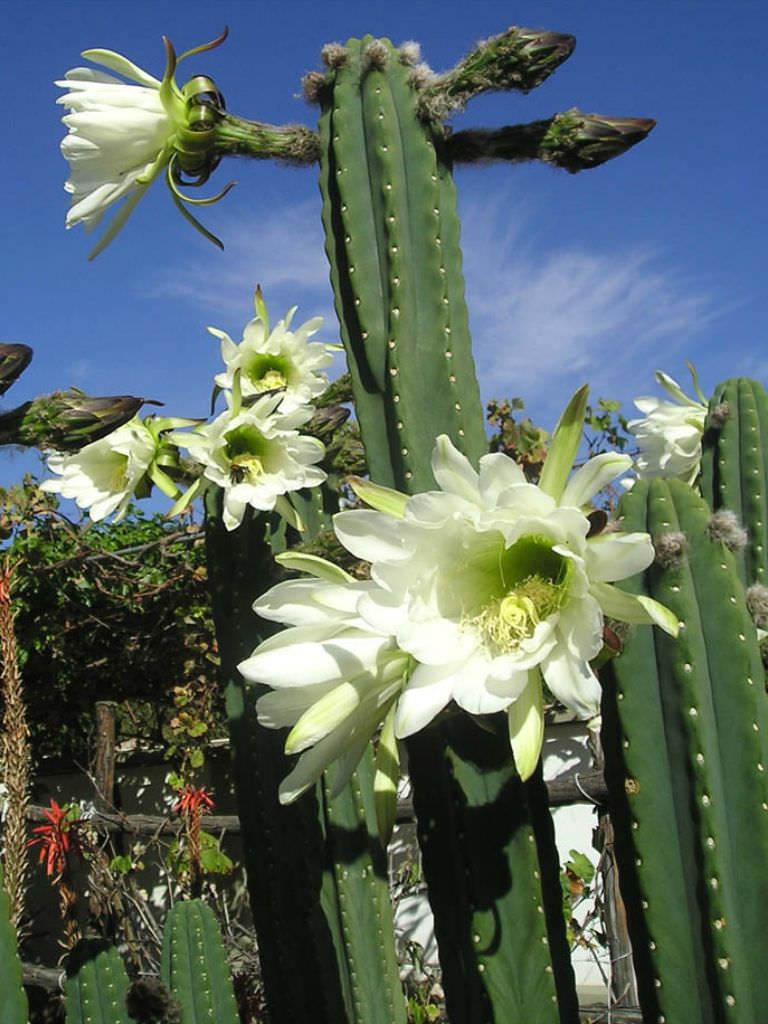
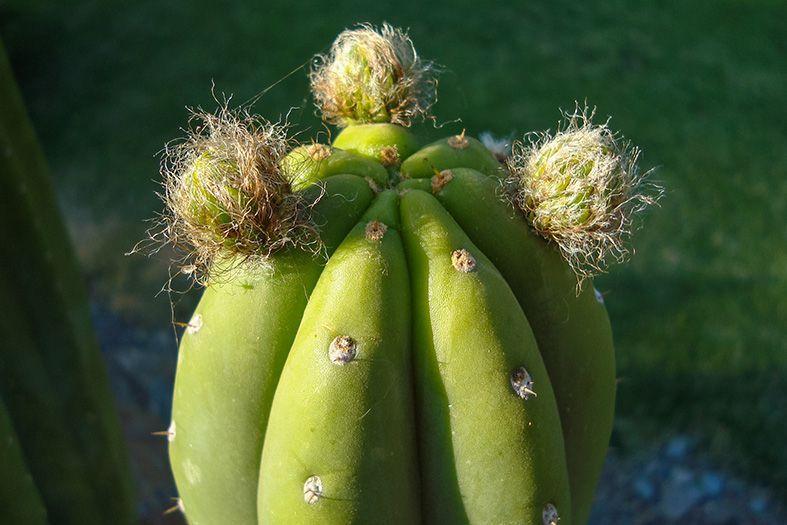
If you wish to find San Pedro growing in the wild in Ecuador and Peru, there are plenty of places to do it, but it does take some searching. Your best bet is the eastern slope of the Andes, within the elevational range of 1,800 to 3,000 meters above sea level. Fortunately it’s not like trying to distinguish psilocybe mushrooms from poisonous look-alikes. To the untrained eye, there are a few other species of cacti that vaguely resemble San Pedro, but once you’ve trained your eye, it’s a fairly easy cactus to distinguish. Pictures and detailed descriptions of San Pedro are readily available on Wikipedia, Erowid, and other online resources.
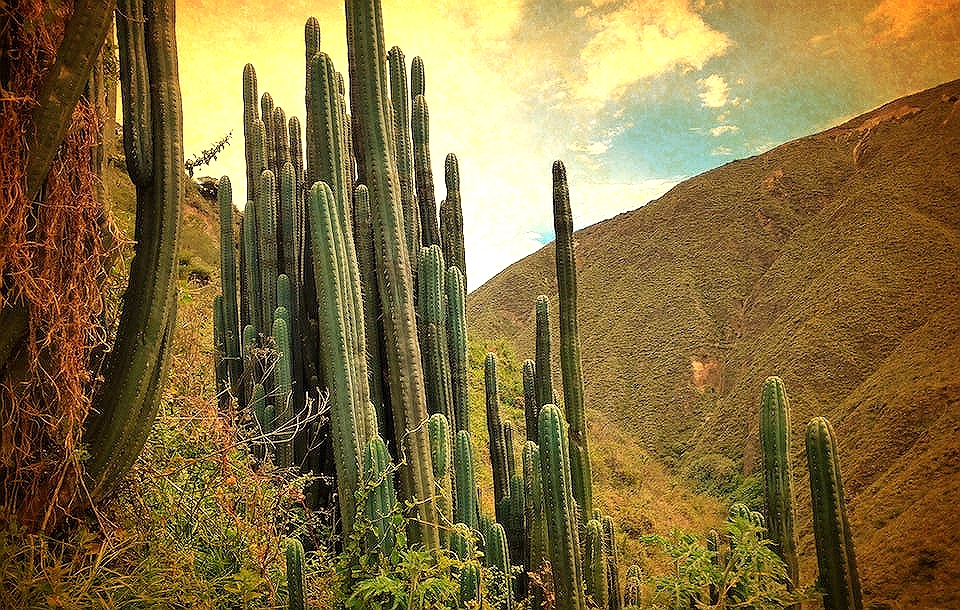
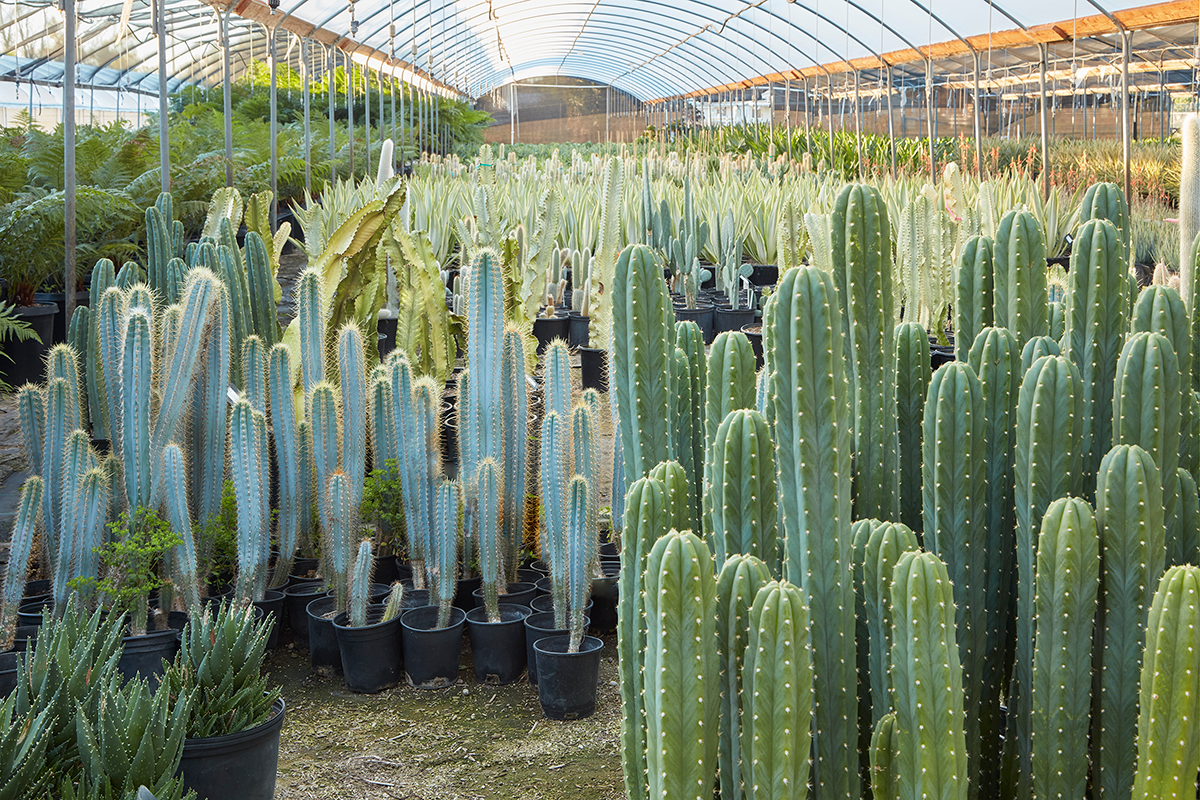
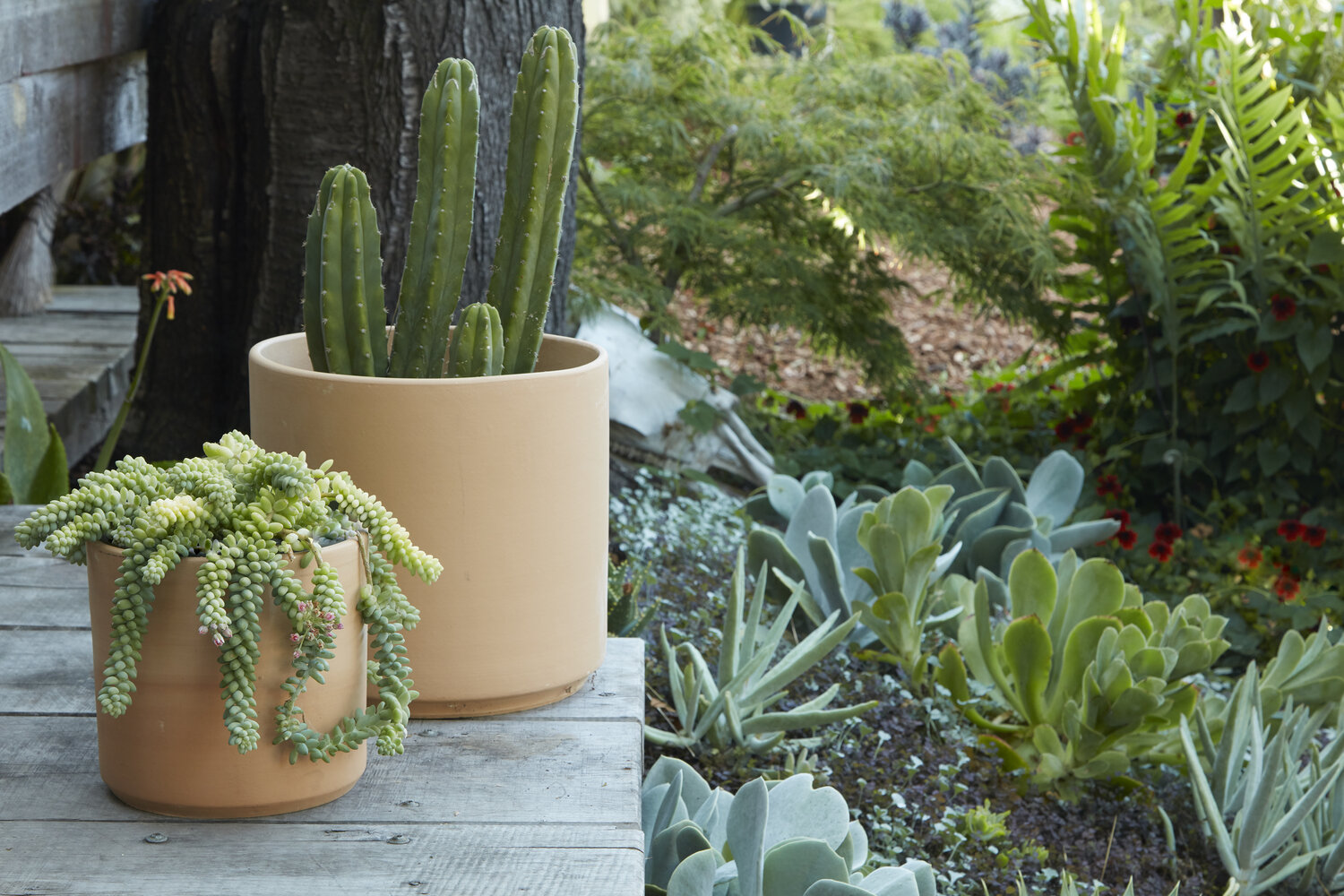
It bears mentioning that you don’t have to venture to Ecuador or Peru to find this cactus. San Pedro is cultivated and sold as an ornamental cactus in many parts of the US, particularly in the southwest and western states. The cactus itself can be legally purchased in florist shops and tree nurseries in these regions, and it is widely grown in gardens in the Ecuadorian cities of Quito and Cuenca and the Peruvian city of Cusco, to name just a few.
I know of a few people who have prepared and consumed garden-grown San Pedro. The domesticated cultivars are also well-endowed with mescaline — supposedly representing 1% of it’s dried weight, the same as wild San Pedro — although I wonder if the experience would be different. My sense is that it would be different, to some extent, but I really don’t know. If anyone has any information on this, I’d be interested to hear from you.
I first traveled to Ecuador in 2002 and I’ve been living there, for the most part, since 2006. All of my experiences with San Pedro have come from cacti harvested from a single valley in this country. The first time I did it, in 2002, I really didn’t know what I was doing. I was staying at a beach in Ecuador and I randomly met a Peace Corp volunteer who told me about San Pedro. She told me that someone explained to her the entire process, and she followed the instructions and did it by herself and it was the single greatest experience of her life. She verbally passed on these instructions to me, and a few days later I left the beach and headed east across the Andes and went to the exact same place she told me to go and I did everything more or less the same way she explained to me. And everything she said was true.
My entire relationship with this woman was limited to this conversation. I didn’t write down her name or her contact information and we never stayed in touch, so I have no way of thanking her. All I have is the knowledge that was passed down to her and that I am now passing down to you. The only detail I won’t share is the name of the specific valley. But you’ll be able to figure it out if you investigate the matter further.
Once you get there, or wherever you find it growing wild, give yourself an entire day for harvesting and preparation. Start by hiking up into hills in the morning, and bring a knife and backpack. Wild San Pedro cacti can grow to great heights for a cactus — more than twice the height of a tall man, with as many arms as a small tribe of people. Once you find a cactus that feels right, it is customary to first ask permission to harvest one of its arms. It’s a cactus, so it won’t answer you in human language. But I feel like the asking is important.
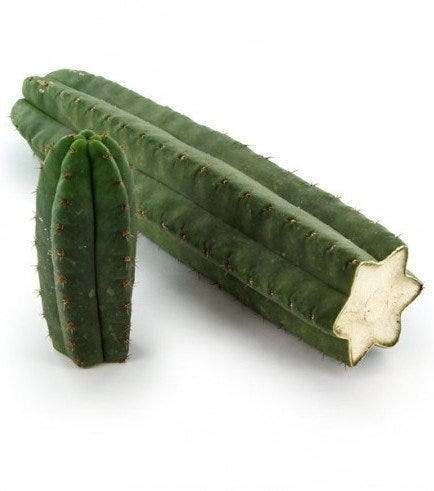
Choose an arm that is the size of your own forearm, as measured from your elbow to the end of your balled-up fist, and roughly the same girth. I personally err on the side of slightly larger than this, but not much larger.
Put the arm-length segment of cactus in your backpack and hike back down to wherever you’re lodging. Ideally, you’ll want to lodge in a place where you have free reign of the kitchen for about seven hours. That’s the time it will take you to prepare the cactus and boil it down. The only equipment you need is a knife, a stove, a pot, water, and a strainer. Anyone can do it.
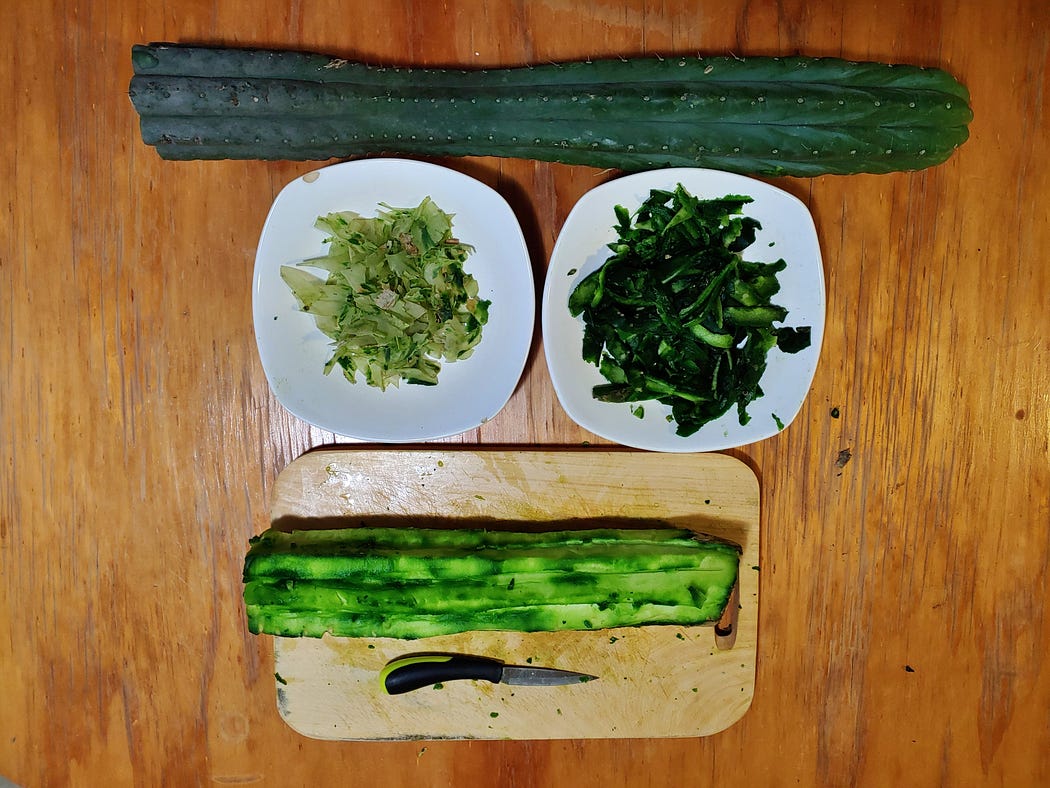
The first step is to remove the spines from the cactus. Use the tip of a small knife for this. Remove each spine, one by one, and discard them. The second step is to remove the thin, semi-translucent waxen layer of skin that encases the cactus. It’s almost like removing dead skin that’s starting to peel after a sunburn — which I say only to illustrate how thin this layer is and also how it is best removed. Use a knife to get under this thin waxen layer and peel it off, and then discard it.
Once the waxen skin is removed, a layer of wet green pulp will be fully exposed — and this is what you want. This layer of green pulp only extends a few millimeters deep. Below the green pulp is a layer of white pulp. Use a knife to remove the green layer, but not the white layer. Inevitably, some of your green cuttings will include some of the white layer, and this is okay. The white layer won’t hurt you — it just doesn’t taste very good and it’s not rich in mescaline. Most of the mescaline is stored in the green layer, so this is what you want to focus on. Try not to miss any of the green — you want all of it.
By the end of this process, you will have a bowl full of green shavings of cactus. Imagine if you were shaving the external part of a carrot, but instead of using a vegetable peeler, you use a knife, and thus your shavings are slightly thicker. That’s pretty much what the green shavings will look like, in terms of their size and width.
Put these shavings into a big pot with about one liter of water, and put this pot over a medium flame for three hours, stirring occasionally. After three hours, you will have about one cup of green liquid. Pour this concoction through a strainer and let the liquid cool.
But you’re not done yet! Put the cactus shavings back into the pot and add another liter of water, and do a second boiling. For the second boiling, I always only do it for two hours, and this has always worked, so that’s what I recommend. Once the two hours are up, pour the liquid through a strainer and mix it with the first batch of liquid. After a combined five hours of boiling it down, I usually end up with approximately 0.5 liters of green liquid in total. If you end up with a little bit more or a little bit less, I wouldn’t worry about it. The important thing is to reduce the liquid for several hours over a fire, because this is what you’re going to drink.
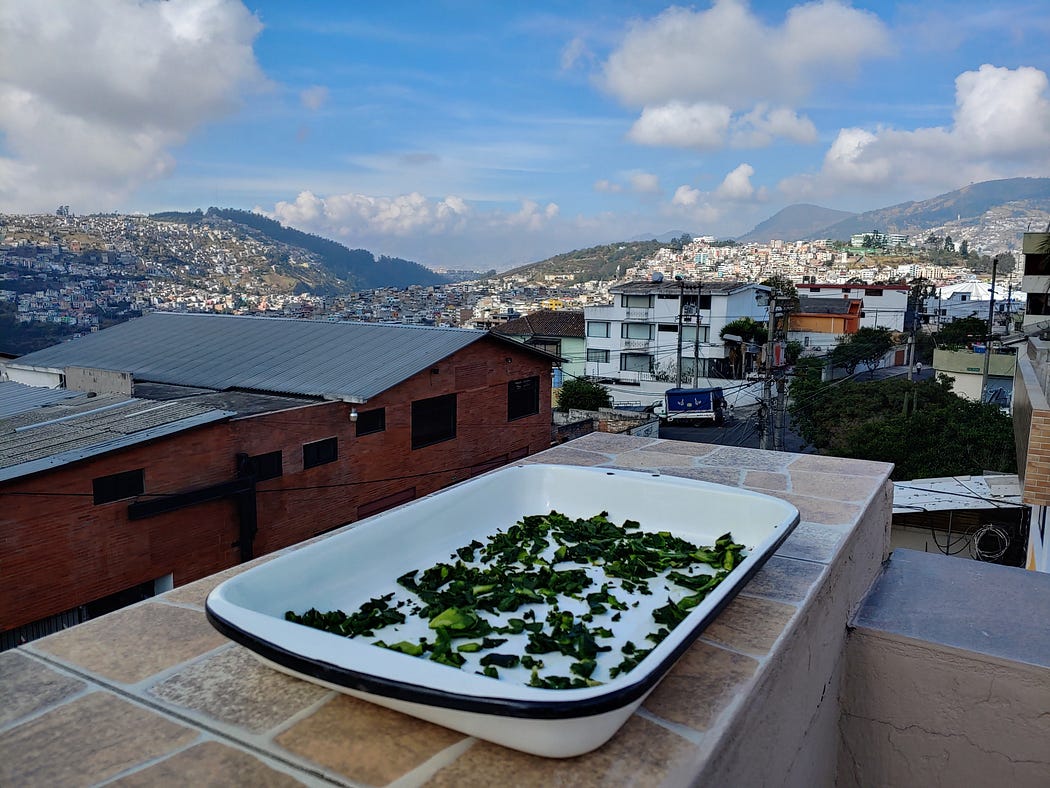
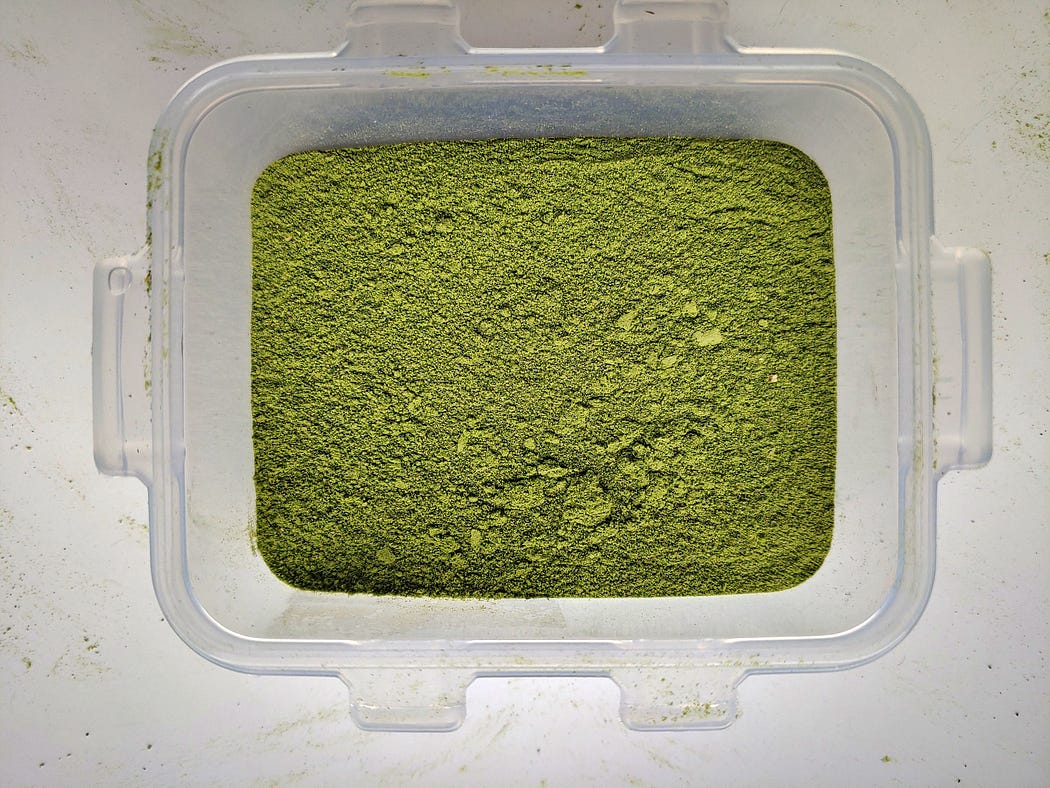
Note: this is not the only way to prepare San Pedro cactus. I know of one technique that employs a blender and another technique that involves drying the pulp and grinding it into a powder. All of the above work, but the method I use has worked so perfectly for me, every single time, that I see no need to deviate from it even to the slightest degree.
Once I’ve finished boiling down the potion, I let this sit overnight. I eat a light, healthy dinner and get a good night’s sleep. The journey will begin the following morning.
This brings us to the matter of set and setting. It is absolutely imperative to choose a beautiful, peaceful, and secluded place outside. You’re basically going to spend the entire day making love with the natural world, so choose this place very wisely. You want it to be a place where it’s comfortable to do things like lie down on the ground and kiss flowers and stuff (seriously). It’s okay to have a house or hut or tent nearby, to serve as home-base during the more reflective second half of the experience. But even your shelter should feel open and connected to the outside. In my opinion, consuming San Pedro in an urban and/or indoor environment is a terrible idea and I very strongly advise against this.
I would also advise against doing it in a public park. You’ll want to choose a place where you’ll be alone or in the company of only those people who you intend to do this with. You will not want to interact with any random “outside” people during the entire process, nor will you want them to be looking at you while you’re staring at tree bark, etc.
I’ve done most of my San Pedro experiences by myself, which was ideal. One time I did it with one other person, and this was also a very special experience. However, I’ve never done it with a group or with a guide/shaman. A couple of times I’ve been invited to do it with a guide, but I always end up turning it down. I’m sure it would still be a remarkably positive experience, and for some people a guide is probably the better way to do it. So I’m certainly not recommending against the use of guide. Over the years I’ve just developed my own process and it’s always worked so perfectly well that I just don’t see any need to change it. It’s a personal decision.
The subject of ceremonies is an interesting one. Although I’ve never participated in a San Pedro ceremony, I have participated in numerous Ayahuasca ceremonies. In the case of Ayahuasca, I do believe that a group setting and a proper guide is important. I think that ceremony, in its most fundamental sense, is also important. But I question the orthodoxy of group-based ceremonies that I’ve begun to see in the plant medicine community. It brings to mind the difference between Church and spirituality. Can spirituality be experienced inside the interior of Church, while a man sings to you from the pulpit? Yes, for some people it can. But spirituality is certainly not limited to Church, and for some people it is more easily accessed alone.
I’ve also never observed a strict dietas before consuming San Pedro. It’s probably not a bad idea, and if you are inclined toward dietas, I would recommend it, but I don’t believe it’s necessary. At the very least, be mindful of what you eat the day beforehand. Be sure to properly hydrate yourself the day before. During the trip itself, you don’t want a stomach full of water, especially in the morning, but don’t dehydrate yourself either.
This brings us to another another important point. I was surprised to learn that many orthodox San Pedro ceremonies begin at nighttime, similar to an ayahuasca ceremony. I’m sure there is some value to this, but I’m a strong believer in drinking San Pedro in the morning. It’s a 16-hour experience, and you will want to spend much of that time communing with the natural world.
On the morning of the trip, I typically wake up around 7am and eat an extremely light breakfast, mostly of fruit. About an hour later, at around 8am, I drink the first installment of the liquid. San Pedro does not taste nearly as disagreeable as Ayahuasca, but it definitely does not taste good. To help it go down, you can try mixing it with some honey or home-squeezed orange juice or simply chug it. I also don’t drink it all at once. I usually break it up into three installments. At 8am, I drink one third of it, and then give my stomach about a half hour to adapt. Then I drink another third, and wait.
It takes a long time for mescaline to come on. There is a funny line in “Fear and Loathing in Las Vegas” about this, although I assume Hunter S. Thompson was referring to synthetic or powdered mescaline. He certainly wasn’t drinking a wild-harvested San Pedro potion. But the comment rings true.
In any event, don’t worry — it will definitely work. Just be patient. For the first hour or two, you will feel the machinations of a strong medicine in your stomach and throughout your body. I’ve never purged from San Pedro, but it certainly has been known to happen. I always feel some light nausea and something of the restlessness that can be felt shortly after consuming psilocybin mushrooms. But also there is this very interesting sensation that something truly amazing is about to happen. Try to focus on that side of it, rather than the light nausea. It’s not that bad.
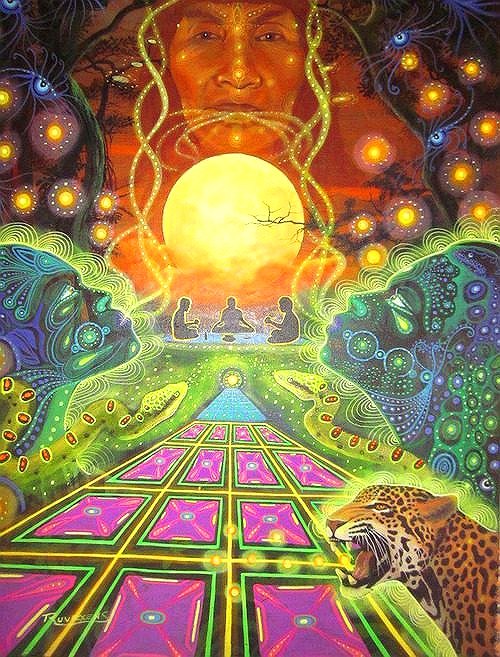
After almost two hours, it starts to come on, and this is a glorious feeling. Once it has started and I feel confident that it’s going well, this is when I usually drink the last third of the potion. I have never declined to drink the entire potion — I always end up drinking all of the liquid that I’ve prepared. I’ve also never felt like I didn’t have enough. The dosage has always been perfectly spot-on, without exception — which is somewhat rare, in the annals of psychedelic exploration.
For the next four or five hours, you will be “peaking.” Even at the peak, I have always found it to be a very manageable and wonderfully positive experience. This is not the case with some guided San Pedro ceremonies that I’ve heard about. I’ve spoken with a few people who felt that San Pedro was too intense for them. Using the method of preparation I outlined above, I’ve never had a negative or even an overly-intense experience with San Pedro. I have had a few unnervingly intense moments with Ayahuasca, but never with San Pedro.
The shamanic/plant medicine community likes to refer to Ayahuasca as the grandmother, whereas San Pedro is said to have more of a masculine energy. I don’t entirely agree with this conception of San Pedro. If San Pedro is meant to represent the masculine side of the energy spectrum, I would describe it as a very gentle grandfather, compared to the tough-love grandmother that is Ayahuasca. But this is just me (and all of us) trying to put an extremely complex process into a tidy little box. I feel like a day spent with San Pedro is like a day spent in the arms of Mother Earth, pressed closely to her bosom…or something like that. Obviously these are all imperfect analogies aimed at describing something ineffable.
My point is that there is no need to fear the San Pedro experience, which distinguishes it from the Ayahuasca experience. Ayahuasca has employed a wide range of methods to teach me what I’m supposed to be taught, and some of those methods were sweet and some of them were forceful. In fact, one of the greatest lessons that Ayahuasca can offer is precisely on the subject of Fear itself and how to overcome it. It does this by simulating Fear while simultaneously giving you the tools to go inside Fear and demystify it — a therapeutically genius tactic, in many ways.
San Pedro does not work this way. It will infuse you with some of the most important messages you will ever receive during your time in this life, but it does so with an infinitely soft and gentle voice. San Pedro prefers to communicate truth through beauty. Beauty and the laws of the natural world comprise its language, and these are infused with an indescribable sense of joy that persists throughout the entire day.
The San Pedro joy is not merely a frivolous feel-good joy — although it certainly does feel good. Rather, it is a deeply-penetrating joy with connective power. For a few hours particularly during the peak, you will probably feel pulled towards the ground. You will want to lie down on the earth and look up at the clouds and at the veins in your hands and at rocks and bugs and any other manifestation of the physical universe, and all of these elements will impress upon you the same understanding. You will feel things just as much as you see them, and everything seems to be the bearer of essential truths that you’ve forgotten and needed to be reminded of.
I’ve never covered my eyes with eye-shades during the San Pedro experience, and frankly I can’t imagine wanting to do that for any great length of time. Once again, I am biased in favor of my own personal methods, and I’m sure the eye-shades-on-a-couch-with-music approach also has its virtues. It just seems to me a squandered opportunity. Your powers of vision are never so acute as they are with San Pedro, and I think it would be a shame to deprive yourself of this element of the experience. (Note to ophthalmology and vision researchers: the short-term enhancement of visual acuity caused by mescaline may be something worth exploring).
By the time mid-afternoon very slowly rolls around (although of course time will have an entirely different meaning), you will probably want to sit up and maybe even walk around and explore the woods and streams a bit, or you’ll be content to mosey around the garden. Then a few hours later, when the sun starts to get low, you’ll enter into the very long and productive backend of the trip, whereupon your task now is to assimilate the flood of sensations and revelations that you just experienced and are continuing to experience.
Even when night comes, the trip will still not be over. For me, this is usually the phase in which I feel a burst of forward-looking wisdom. It is an opportunity to refine your direction in life, to set a new course or simply to fine-tune it. If ever there is a time to establish intentions for the coming year or for your entire life, this is it.
If you’re wise, you have chosen a night with a good moon, and if you’re lucky, the sky is clear. For some reason around midnight I always end up going for a walk in the moonlight. What I do on these walks, more than anything, is bask in a sense of gratitude for not only this blessed day that I have just lived, but for the opportunity to exist as a part of this whole thing.
I’ve noticed that bedtime usually comes around 2am. This is a full 16 hours after the moment that the cactus is first taken into the body, but the experience never feels too long. There is an arc to the experience, which rises and hangs in the heights and then very gradually and peacefully falls. The next morning you wake up and begin the rest of your life.
I only do this about once every five years. I don’t feel the need to do it more frequently than that. I would also say that the most important trip was the very first one. Once you have spent a day with San Pedro, all the power of it never really leaves you. For example, I credit San Pedro with convincing me to make rainforest conservation part of my life’s work, which I am still carrying on to this day. There is currently a 1,600-acre rainforest preserve in Ecuador that was born from my second San Pedro experience. Likewise San Pedro is the reason that I’m not particularly scared of dying, and it’s also one of the reasons that I’m happy to be alive.
San Pedro is probably not for everyone, and anyone who follows these instructions will surely have an experience that is different from the experiences that I’ve had. This is just one person’s account of a human being’s relationship with a legitimately magical cactus and the mystical experience that it has the capacity to unlock. I hope there is someone out there who finds this useful.