Colloidal magnesium, monatomic magnesium, and autonomous magnesium. There is a company that is making all three of these, but Bluelight has a very strict rule about providing sources to substances, so I can't name the company, but here is a summary of their literature from
Grok.
Colloidal Elements
Description: Colloidal elements are suspensions of microscopic particles of an element (e.g., gold, silver) in a liquid medium, typically double-distilled water or plant-based oil. These are produced using a proton resonance process, which excites the source material to create particles of consistent size and charge. The products are highly pure (99.995% for gold), available in concentrations like 55 ppm (parts per million) in water or 1,000 ppm in oil, and are packaged in blue glass bottles to protect from light. They are described as highly bioavailable, working primarily on the physical body to support overall health and vitality. The production emphasizes ethical standards, alignment with nature, and high energetic quality.
Key Features:
•
Production: Proton resonance (not electrolysis) ensures stable particle size and charge.
•
Medium: Double-distilled water or native sunflower oil.
•
Purpose: Supports physical health and vitality through direct interaction with the body.
•
Storage: Store at room temperature, away from microwaves, magnetic fields, and light.
Monatomic Elements
Description: monatomic elements are created from colloidal elements through a specialized process, transforming them into a unique state where atoms exist individually, described as being both light and matter. Produced via proton resonance, these elements are high-frequency and focus on the energetic, mental, and spiritual realms rather than the physical body. They are said to enhance energy flow, support emotional cleansing, and promote spiritual development by interacting with the body’s energy field, meridians, and chakras. The products are noted for their transformative potential, requiring users to be energetically prepared to handle their potent effects.
Key Features:
•
Production: Derived from colloidal elements using proton resonance, creating a monatomic state.
•
Medium: Typically in water-based solutions (e.g., 55 ppm for gold).
•
Purpose: Enhances mental clarity, emotional balance, and spiritual growth by acting on the energetic and formless realms.
•
Storage: Store at room temperature, away from microwaves, magnetic fields, and light, out of reach of children.
Autonomous Elements
Description: Autonomous elements represent an advanced form of elemental supplements, produced through a proton resonance process that creates a bipolar, dynamically charged structure. Unlike colloidal or monatomic forms, autonomous elements do not require physical ingestion, as they operate via quantum entanglement, interacting directly with the user’s energy field. They aim to balance body, mind, and emotions, promoting inner calm, mental clarity, and emotional stability. The product is described as highly potent, requiring only 1–3 drops per application, and is noted for its ability to adapt to individual needs due to its bipolar nature.
Key Features:
•
Production: Proton resonance creates a bipolar, neutral structure.
•
Medium: Pure element in double-distilled water (e.g., 10 ml for gold).
•
Purpose: Regulates energetic balance, supports emotional stability, and enhances mental clarity on a subtle, energetic level.
•
Application: Applied via quantum entanglement (e.g., drops on a personal item or biological sample like hair or saliva); not for ingestion.
•
Storage: Store at room temperature, away from electromagnetic fields and light, out of reach of children.
Comparison and Contrast
| Aspect | Colloidal Elements | Monatomic Elements | Autonomous Elements |
| State | Microscopic particles in suspension | Individual atoms in a light-matter state | Bipolar, dynamically charged structure |
| Production | Proton resonance, consistent particle size/charge | Proton resonance, derived from colloidal form | Proton resonance, bipolar and neutral |
| Primary Focus | Physical body and vitality | Energetic, mental, and spiritual realms | Emotional and mental balance via energy field |
| Interaction | Direct physical interaction | Energetic resonance in quantum field | Quantum entanglement, no physical intake needed |
| Application | External use or technical purposes | Energetic application, not ingested | Quantum-based, applied via personal items/sample |
| Potency | High bioavailability, 55–1,000 ppm | High-frequency, transformative energy | Highly potent, 1–3 drops sufficient |
| Medium | Water or oil-based | Water-based | Water-based |
| User Readiness | No specific preparation mentioned | Requires energetic readiness for high frequencies | Adapts to individual needs, no readiness noted |
| Effects | Supports physical health | Enhances mental clarity, spiritual growth | Promotes emotional stability, mental clarity |
Similarities:
• All three are produced using proton resonance, ensuring high purity and energetic quality.
• All emphasize ethical production, alignment with nature, and high energetic standards.
• Storage requirements are identical: room temperature, away from electromagnetic fields and light.
Differences:
•
State and Mechanism: Colloidal elements are particle-based and act physically; monatomic elements are atomically unique, focusing on energetic and spiritual effects; autonomous elements are bipolar and work through quantum entanglement without physical contact.
•
Focus: Colloidal targets the physical body, monatomic the energetic/spiritual, and autonomous the emotional/mental balance.
•
Application: Colloidal is for external or technical use, monatomic works energetically, and autonomous uses quantum entanglement for subtle effects.
•
Potency and Preparation: monatomic elements require user readiness due to their high-frequency nature, while autonomous elements adapt to the user, and colloidal elements have no such prerequisite.
Overview of Proton Resonance
Proton resonance is described as an innovative, electro-physical process used to create colloidal, monatomic, and autonomous elements. Unlike electrolysis (a common method for producing colloidal solutions), proton resonance is highlighted for its ability to generate particles with
consistent size and charge, which is deemed critical for the products’ quality and energetic potency. The process is said to involve exciting the source material (e.g., gold) through its
eigenresonanz (natural resonance frequency), allowing precise control over the resulting particles or atomic states. This method is portrayed as aligning with high ethical and energetic standards, infusing the products with a pure, high-vibrational energy that supports their intended effects on the user’s energy field, aura, meridians, or chakras.
Key Claims About Proton Resonance
1. Superior to Electrolysis
• The documents explicitly state that colloidal elements are “produced exclusively by proton resonance and not by electrolysis”. Electrolysis is described as less reliable, producing colloids with inconsistent particle size and charge, which impacts their quality. In contrast, proton resonance ensures “colloids in the desired particle size and the desired charge”, making it a more precise and energetically superior method.
• This precision is emphasized as “incredibly important” for the efficacy of colloidal solutions, suggesting that stable particle characteristics enhance bioavailability and energetic impact.
2. Versatility Across Elements
• Proton resonance is versatile, allowing “very many substances, not just silver or gold, to be brought into a colloidal form”. This flexibility extends to the creation of monatomic and autonomous elements, where the process transforms colloidal material into higher-frequency states (monatomic) or bipolar, neutral structures (autonomous).
3. Energetic and Consciousness-Driven Process
• The production process is described as requiring a “certain degree of consciousness” and “connection to the heart”. The energy and intention of the manufacturer are said to influence the final product’s vibrational quality, measured in
Bovis units (a non-standard metric of life force energy). Proton resonance is portrayed as a method that preserves and enhances this high-vibrational energy, aligning with the current “consciousness shift”.
• The process is said to create products that are “high-vibrating” and “conscious,” distinguishing them from other monatomic or colloidal products that may lack this energetic purity.
4. Application to Different Forms
•
Colloidal Elements: Proton resonance excites the source material to produce microscopic particles suspended in water or oil, ensuring high purity (99.995%) and consistent particle characteristics. This results in highly bioavailable colloids for physical vitality.
•
Monatomic Elements: Starting from colloidal elements, proton resonance transforms the material into a monatomic state, where atoms exist individually, described as both “light and matter”. This state is high-frequency and works on the energetic, mental, and spiritual levels.
•
Autonomous Elements: The process creates a “bipolar, neutral structure” that is independent of positive or negative charges, allowing the element to adapt to the user’s individual energetic needs. This is achieved through a “multi-stage electro-physical process” that leverages quantum entanglement for non-physical application.
5. Energetic Effects and Quantum Principles
• The documents stress that the effects of these products are energetic, not physical, and are not recognized by conventional scientific standards. They operate on principles like
quantum entanglement, where the products interact with the user’s energy field without requiring ingestion. Proton resonance is key to creating products that can function in this “formless” quantum field, influencing aura, meridians, and chakras.
• For autonomous elements, proton resonance enables a dynamic, bipolar structure that regulates the energy field, promoting emotional and mental balance. This is described as a “revolution in energy work,” distinct from the substitutive (nutrient-replacing) effects of conventional supplements.
6. Scientific and Traditional Validation
• While the documents acknowledge that the effects of these products lack conventional scientific proof, they reference
quantenverschränkung (quantum entanglement) as a scientifically validated phenomenon.* This is used to support claims about non-physical interactions.
• The texts also draw on “ancient scriptures” and “experience reports” to validate the energetic potential of elements like gold, suggesting proton resonance aligns modern technology with traditional wisdom.
Why the "Hype"?
The emphasis on proton resonance reflects its role as a cornerstone of the products’ identity, differentiating them from other elemental supplements. Here’s why it’s highlighted:
•
Precision and Quality: The ability to control particle size and charge is presented as a game-changer, ensuring consistent, high-quality products that are more effective than those produced by electrolysis. This precision is said to enhance both physical (for colloids) and energetic (for monatomic and autonomous) effects.
•
Energetic Purity: The process is framed as infusing products with high-vibrational energy, aligning with the manufacturer’s philosophy of consciousness, ethics, and harmony with nature. This appeals to users seeking spiritual or energetic benefits.
•
Versatility and Innovation: Proton resonance is portrayed as a cutting-edge method that enables the creation of diverse forms (colloidal, monatomic, autonomous) with tailored applications, from physical health to spiritual growth.
•
Quantum Connection: By linking proton resonance to quantum entanglement, the manufacturer positions the products as advanced tools for energy work, appealing to those interested in alternative or holistic practices.
•
Differentiation: The repeated emphasis on proton resonance over electrolysis and the focus on “conscious” production sets these products apart in a competitive market, suggesting superior quality and efficacy.
Comparison Across Product Types
The role of proton resonance varies slightly across the three product types, amplifying their distinct purposes:
•
Colloidal Elements: Proton resonance ensures stable, bioavailable particles for physical health benefits. The focus is on material consistency and purity.
•
Monatomic Elements: The process transforms colloidal material into a high-frequency, monatomic state, emphasizing energetic and spiritual effects. It requires user readiness due to its potent vibrational impact.
•
Autonomous Elements: Proton resonance creates a bipolar, adaptive structure that works via quantum entanglement, focusing on emotional and mental balance without physical intake. Its dynamic charge is a unique feature.
In all cases, proton resonance is the enabling technology that ensures the products’ energetic potency and alignment with the manufacturer’s holistic philosophy.
Conclusion
Proton resonance is celebrated as a precise, energetically superior method that produces high-quality colloidal, monatomic, and autonomous elements. It ensures consistent particle characteristics, infuses products with high-vibrational energy, and supports their application in the quantum field, aligning with principles like quantum entanglement. The “hype” stems from its role in creating products that are not only physically pure but also energetically potent, tailored to support physical vitality (colloids), spiritual growth (monatomics), or emotional balance (autonomous elements). The manufacturer’s focus on consciousness and ethics further elevates proton resonance as a hallmark of their innovative, high-vibrational approach to elemental supplements.
*
Trio who proved quantum mechanics is really weird—and useful—honored. Adrian Cho. 2022-10-04. ScienceAdviser.







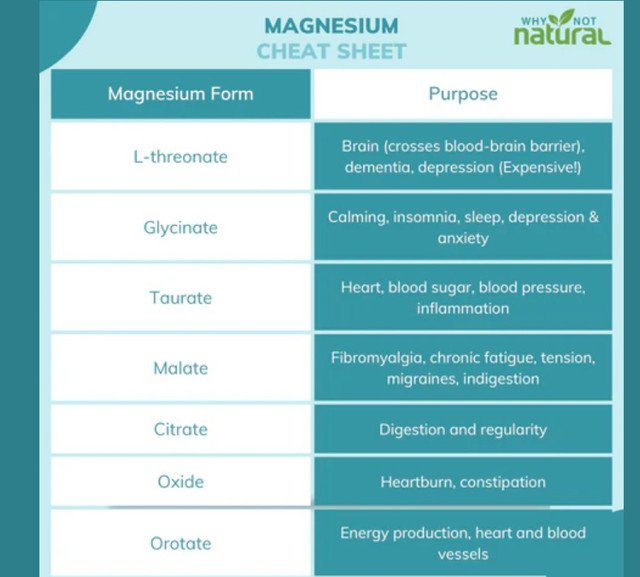


 it might help summarize things.
 In short: Magnesium acetyl taurate is a magnesium–taurine complex, specifically the magnesium salt of N-acetyltaurine. It’s essentially a way to pair taurine’s neuromodulatory and membrane-stabilizing effects with magnesium’s widespread enzymatic and excitability-regulating roles.