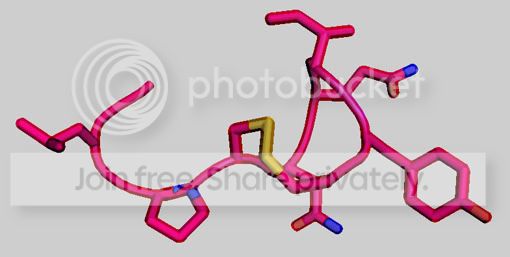
Selective amnesic effects of oxytocinnext term on human memory
Abstract
The neuropeptide previous termoxytocinnext term is essential for mammalian parturition and lactation. Recent animal studies suggest that previous termoxytocinnext term is also implicated in the central nervous control of behavior including learning and memory. There has been little investigation, however, of the impact of previous termoxytocinnext term on human memory. The purpose of this study was to investigate the effect of a single dose of intranasal previous termoxytocinnext term on implicit and explicit memory in humans. In a placebo-controlled, double-blind study, 38 healthy men were randomly assigned to receive intranasal previous termoxytocinnext term (24 IU) or placebo 50 min before the study phase (incidental learning). Memory was measured using three different memory tests: an implicit perceptual test (word stem completion), an implicit conceptual test (category-cued semantic association), and an explicit test (cued recall). Due to the reproductive-biological role of previous termoxytocinnext term and the impact of adequate environmental conditions for the stimulation of behavioral effects of previous termoxytocinnext term known from animal research, we used semantic word stimuli with reproduction-related vs. neutral meaning. previous termOxytocinnext term significantly impaired recall performance as compared with placebo treatment irrespective of the meaning of words in the cued recall test. In the implicit conceptual test, characterized by a deepened information processing, compared with placebo, previous termoxytocinnext term significantly impaired only the overall generation of associated target words with reproduction relevant meaning, whereas no significant difference between previous termoxytocinnext term and placebo was obtained for neutral words. These findings concur with data from animal research suggesting that central previous termoxytocinnext term selectively influences memory performance depending on the kind of memory test used and, more importantly, the psychobiological relevance of stimuli.
The trial had to be aborted after 90 minutes due to two of the subjects starting to copulate in the research facilities' bathroom while the other thirty-six participants were laying on the floor stroking one another in what they referred to as a "cuddle puddle".^^
Physiol Behav. 2004 Oct 30;83(1):31-8.
Markus Heinrichsa, b, Corresponding Author Contact Information, E-mail The Corresponding Author, Gunther Meinlschmidtb, Werner Wippichc, Ulrike Ehlerta and Dirk H. Hellhammerb
aDepartment of Clinical Psychology and Psychotherapy, University of Zürich, Zürichbergstrasse 43, CH-8044 Zürich, Switzerland
bDepartment of Psychobiology, University of Trier, Trier, Germany
cDepartment of Psychology, University of Trier, Trier, Germany
Received 28 April 2004;
accepted 26 July 2004.
Available online 20 October 2004.






 .
.