BLreturn11
Greenlighter
- Joined
- Oct 21, 2011
- Messages
- 21
First of all I would like to iterate this RC is one of the more recent concerning research chemicals to come to market. Extremely little is known, metabolites are just not known or even guessed easily? Coupled with what are potentially highly reinforcing dopamine/stimulant effects (leading to large doses potential being consumed) is concerning. BZP, desoxypipradol, mdpv to some extent were either included in *some* clinical trials or minor extensions (shared by other similar compounds) from well established drugs. I don't advocate the haphazard research with this one and would advice extremem caution. Still who am I to judge my knowledge is far from complete and some people still mess up on the most well understood chemicals.
Anyway! Repeat: Pharmacology completely unknown for this compound [categorically not suggesting it is]. However I would like to ponder whether this compound might effect histamine receptors to anyt varying degree (particuarly h3 antagonism which would potentially cause stimulant type effects). Friends unfortunate enough to have tried it insist it is different from normal stimulants and for example can happily eat whilst on it. A number of reports are also highlighting the "studying" or concentration beneficial effects from it. Reported sleep: although sometimes a problem particularly with binges, is less effected that other traditional stimulants at low dose. [I Might add a few had some concerning side effects]
http://en.wikipedia.org/wiki/Betahistine [Sorry can't post nice comparison images yet]
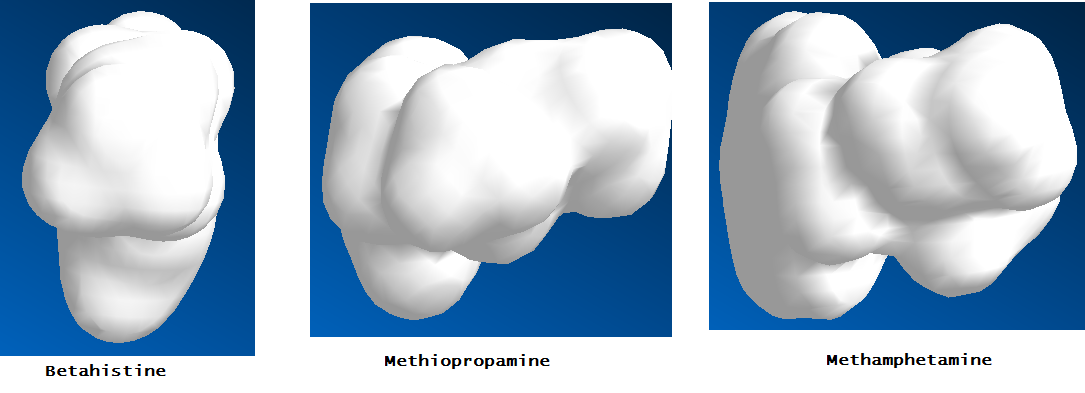
If you look at the structure of betahistine (which is a well established h3-antagonist amongst other things) there are stricking similarities. Yes thiophene technically takes up the space of a benzene (rather than smaller histamine type ring) but that correlates with betahistine. The main differences is the alpha-methyl (which is famed for blocking degradation amongst other well established metabolic effects) and replacing nitrogen with sulfur.
I hesitated publishing this as I don't particularly want to promote this chemical (one with even less theoretical or established effects) and one which I look at and think **some kind of toxicity, hepatic, neuro** but the similarity was so intriguing I was wondering what others thought.
Anyway! Repeat: Pharmacology completely unknown for this compound [categorically not suggesting it is]. However I would like to ponder whether this compound might effect histamine receptors to anyt varying degree (particuarly h3 antagonism which would potentially cause stimulant type effects). Friends unfortunate enough to have tried it insist it is different from normal stimulants and for example can happily eat whilst on it. A number of reports are also highlighting the "studying" or concentration beneficial effects from it. Reported sleep: although sometimes a problem particularly with binges, is less effected that other traditional stimulants at low dose. [I Might add a few had some concerning side effects]
http://en.wikipedia.org/wiki/Betahistine [Sorry can't post nice comparison images yet]
If you look at the structure of betahistine (which is a well established h3-antagonist amongst other things) there are stricking similarities. Yes thiophene technically takes up the space of a benzene (rather than smaller histamine type ring) but that correlates with betahistine. The main differences is the alpha-methyl (which is famed for blocking degradation amongst other well established metabolic effects) and replacing nitrogen with sulfur.
I hesitated publishing this as I don't particularly want to promote this chemical (one with even less theoretical or established effects) and one which I look at and think **some kind of toxicity, hepatic, neuro** but the similarity was so intriguing I was wondering what others thought.