• Psychedelic Medicine
  • Psychedelic Medicine Moderator: mr peabody

PSYCHIATRY | +40 articles

Grant funds Training for Psychiatrists in Psychedelic Medicine*

by Christopher Gardner | Yale School of Medicine | 7 Mar 2022

Physician-scientists at three major U.S. medical schools will collaborate to develop a curriculum to train psychiatrists in the practice of psychedelic medicine.

The project, a collaboration between Yale School of Medicine, Johns Hopkins University School of Medicine, and NYU Grossman School of Medicine, will be funded by a $1 million grant provided by a group of generous donors.

The researchers say there will soon be a need for psychiatrists to prescribe psychedelic-assisted treatment in the United States and internationally. As psychedelic-assisted therapies advance toward approval by the U.S. Food and Drug Administration, the need to train psychiatrists in these new treatment modalities has become increasingly urgent.

"Ensuring that patients receive high-quality care, delivered safely and equitably, is fundamental to the future success of psychedelic medicine," said Carey Turnbull, president of Heffter Research Institute, which collected donations for the grant. "The development of this curriculum will lay the foundation for the training of medical professionals equipped to offer such care."

Research into the use of psilocybin, MDMA, and other psychedelic-assisted therapies has shown remarkable promise for the treatment of a range of mental health conditions, including major depressive disorder, post-traumatic stress disorder, treatment resistant depression, alcohol use, and other substance abuse disorders.

Positive results from clinical trials suggest that the landscape for mental health treatment is set to shift dramatically over the coming years as psychedelic-assisted therapies gain FDA approval for use in the treatment of patients.

Psychiatrists are poised to play a leading role in this emerging field of treatment. However, psychiatry residency programs currently offer no systematic training in psychedelic medicine or psychedelic therapy.

To address this need, this grant will provide funding to the researchers from Yale, Johns Hopkins, and NYU to develop and pilot a cutting-edge curriculum for training in psychedelic psychiatry, as well as educational materials for medical professionals at all levels of training.

The proposed curriculum will be developed in consultation with Dr. Janis Phelps, founder of the Center for Psychedelic Therapy & Research at the California Institute for Integral Studies.

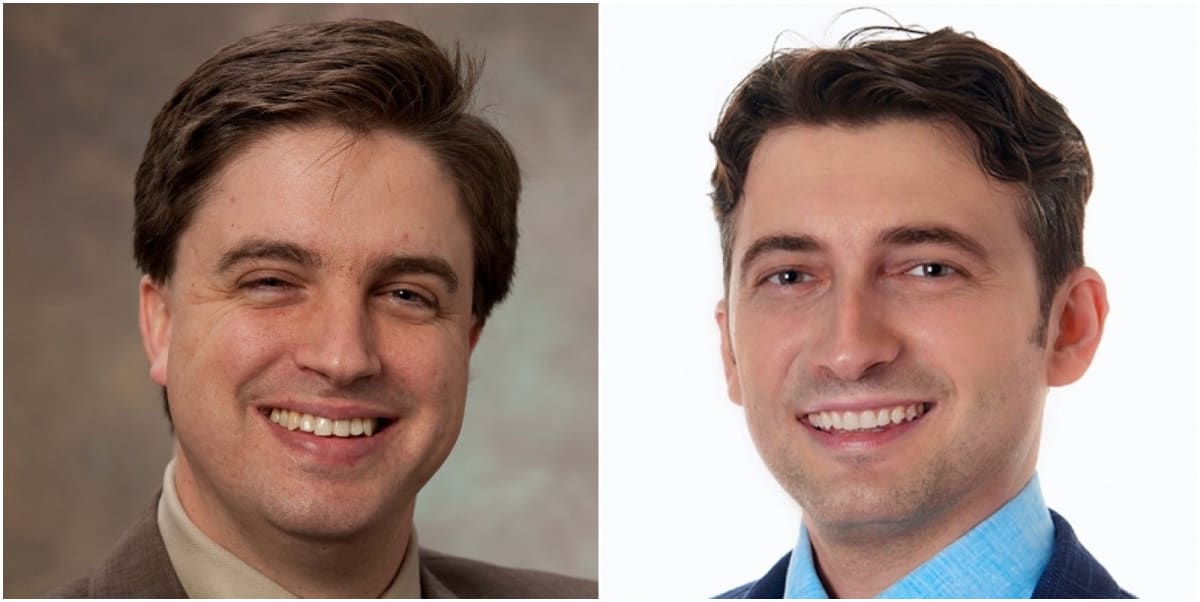
"This is an exciting initiative at an exciting time," said Yale's Benjamin Kelmendi, MD, and Christopher Pittenger, MD, PhD, in a joint statement. "With this generous support, we and our colleagues at Hopkins and NYU will be able to produce a training program for future leaders in psychedelic medicine, firmly grounded within the medical community."
Ensuring that patients receive high-quality care, delivered safely and equitably, is fundamental to the future success of psychedelic medicine. - Carey Turnbull, president of Heffter Research Institute

Kelmendi and Pittenger are co-directors of the Yale Program for Psychedelic Science, which supports the researchers who are investigating the effects of psychedelic agents on the mind and brain, their therapeutic potential, and their place in society.

"In addition to receiving formal training, including supervised clinical practice in psychedelic-assisted treatment, graduates will be well equipped to generate and integrate new knowledge in this growing field, and to be an essential community resource for expertise in psychedelic medicine," said Stephen Ross, MD, associate director for the NYU Langone Center for Psychedelic Medicine and director of its Research and Training Program.

By adhering to ADGME Common Program Requirements for one-year medical specialty fellowships, this curriculum will pave the way for ACGME accreditation in the future. Completion of this advanced curriculum would equip trainees with the knowledge, skills, and experience necessary to be leaders in the emergent field of psychedelic-assisted treatment.

The work is made possible by generous contributions from Carey and Claudia Turnbull, Tim Ferriss's Saisei Foundation, Bill Linton, Michael and Lisa Cotton, the Evolve Foundation, Alan Fournier, and Kevin Ryan.

About Heffter Research Institute

The Heffter Research Institute promotes research of the highest scientific quality with the classic psychedelics to contribute to a greater understanding of the mind leading to the improvement of the human condition, and to alleviate suffering. Since the founding of Heffter in 1993, Heffter affiliated researchers account for 63% of top-cited articles on classic psychedelics.

Yale Program for Psychedelic Science

The Johns Hopkins Center for Psychedelic and Consciousness Research

NYU Center for Psychedelic Medicine

*From the article here :
 
Last edited:
shutterstock_2113673585-1536x1025.jpg


Tackling Trauma with Pharmahuasca and DMT

by Nathan White, PhD | Psychedelic Science Review | 31 May 2022

Post-traumatic stress disorder (PTSD) typically develops in response to an extremely threatening or distressing experience (or a series of experiences), with symptoms presenting as re-experiencing the trauma through dreams and vivid intrusive thoughts, avoidant behaviour, anxiety, and a persisting state of hypervigilance. People afflicted with PTSD have been shown to present with prolonged inflammation due to an increased level of pro-inflammatory molecules, such as interleukin-1 beta (IL-1β).

In addition, the levels of reactive oxygen species (ROS), which are typically generated through normal cellular processes, are also found in excess. In this scenario, the ROS are implicated in premature cell ageing and induce mutagenesis, i.e., they can modify DNA. Sustained inflammation and ROS delays healing, resulting in altered cell behaviour or even cell death, and eventually leading to disease. The mechanisms underlying inflammation and ROS are interconnected, which makes them an attractive potential target for future PTSD therapies.

Dimethyltryptamine (DMT) is a compound capable of inducing potent psychedelic experiences that are typically much shorter than other “classical” psychedelics such as psilocybin or LSD. Despite its discovery in western medicine in the late 50’s by Dr. Stephen Szara, indigenous tribes of the Amazon rainforest have been using DMT ritualistically for hundreds of years in the form of a brewed tea, commonly known as ayahuasca.

Ayahuasca is a complex mixture containing DMT, the monoamine oxidase inhibitors harmine and harmaline (which prevent the body from breaking down DMT when ingested orally), as well as various other compounds that may have clinical relevance. However, these mixtures vary in their composition from batch to batch. To ensure treatments are replicable, the complexity of the mixture can be standardized and reduced to a combination of DMT and a monoamine oxidase inhibitor such as harmine or harmaline, known as “pharmahuasca.”

Study Aims

Psychedelics have shown promising efficacy in treating mental health disorders, with potential mechanisms including the promotion of neural plasticity, reducing inflammation, or even stimulating positive emotional processes. Exposure to a single dose of a psychedelic is enough to sustainably ablate the fear response in animal models of anxiety, however the potential of DMT (or ayahuasca) to treat PTSD has not been extensively investigated. In a recently published paper, Dr. Kelley and colleagues sought to bring new light to this matter by exploring the mechanisms through which DMT and pharmahuasca could help treat PTSD.

Study Overview

To study how DMT and pharmahuasca affect the expression of genes associated with PTSD, a previously developed PTSD model induced in rats (henceforth referred to as PTSD rats) was used. Although the behavioural and biochemical profiles of the PTSD rats were previously established, it is unclear which genes are differentially expressed (DEGs) when compared to a control (i.e., rat models without PTSD) and to what extent they overlap with DEGs in humans affected by PTSD.

The researchers identified around 200 genes expressed in PTSD rats to be differently regulated in contrast to controls. This compares to around 400 DEGs in the brains of humans affected with PTSD relative to healthy individuals. When comparing the DEGs identified in both human and rat datasets, they found an overlap of 20 DEGs (henceforth referred to as ‘PTSD genes’) that are involved in processes including inflammation, cell growth, and cell signalling between neurons (GABA signalling – a pathway found to be affected in PTSD patients).

Rescue of differentially expressed genes

When PTSD rats were administered DMT, harmaline, or pharmahuasca, around 4000, 5000, and 3000 genes were found to be differently regulated, respectively, compared to controls. Out of the 20 overlapping ‘PTSD genes’ between PTSD rats and PTSD afflicted humans, the expression of 9, 12, and 14 genes was restored closer to that of the controls after DMT, harmaline, or pharmahuasca treatment, respectively. DMT treatment also downregulated genes involved in the production of ROS and upregulated those associated with neurotransmission and neural plasticity. Harmaline does not only inhibit the enzymes that prevent DMT from being degraded, but it also plays an active role in both reducing the levels of ROS products and promoting neuroplasticity.

Unlike harmaline or DMT alone, pharmahuasca did not rescue the expression of the gene encoding somatostatin, a molecule involved in neurotransmission and found to be downregulated in both this rat PTSD model and in PTSD sufferers. Nevertheless, pharmahuasca increased the expression of genes encoding the receptors to which somatostatin binds to. In addition, pharmahuasca was shown to downregulate the expression of a major factor (NFKB2) involved in regulating the inflammatory response and to upregulate the expression of genes implicated in pathways which allow neurons to form connections to other neurons (synaptogenesis). Interestingly, pharmahuasca reduced the expression of an enzyme involved in the production of endogenous DMT, which is expressed in the brains of both humans and rats.

ROS Production Reversed

It was previously shown that PTSD rats have an increased level of ROS products in their brain and other tissues. The study conducted by Dr. Kelley and colleagues not only corroborated these findings, but also demonstrated that both DMT and pharmahuasca treatment can reduce the levels of ROS closer to those found in a non-PTSD control group.

Conclusion

The results presented in the study carried out by Dr. Kelley and colleagues advanced our knowledge regarding the validation of an animal model of PTSD and the expression of genes after psychedelic exposure. They also showed a decrease in the actual levels of ROS following psychedelic treatment, emphasizing the validity of their gene expression data. This study expands our understanding of PTSD and opens an avenue of developing effective psychedelic based treatment regimens for this disorder.

*From the article (including references) here :
 
Last edited:
BUS.jpg


Do Psychedelics Need Psychiatrists?
As psychedelic drugs are poised to join the mainstream, what is the role of the prescriber?

by Robin Donovan

"The pharmaceutical industry is constantly cutting research into psychiatric medicines, and the drug development pipeline for psychiatric drugs is almost empty,” French psychiatrist Florence Thibaut lamented in 2019, pointing to just 40 new drugs for psychiatric conditions launched since 1980.

Meanwhile, the FDA approved 50 new drugs for a variety of medical conditions in 2021 alone and averages 40 new approvals per year. With the coming “precision medicine” revolution, the future looks even more promising because those drugs are being designed with genetic insight to be more effective, less toxic, and better for the individual. Mental health has largely been left out of this revolution, though there are signs that may be changing.

If there is one bright spot on the horizon for psychopharmacology, then it is this: Psychedelic drugs are breaking through into mainstream psychiatry. A phase 2 clinical trial of LSD for adult attention-deficit/hyperactivity disorder (ADHD) was launched four months ago in Europe. MAPS has completed phase 3 clinical trials showing that MDMA is effective for post-traumatic stress disorder (PTSD) when combined with psychotherapy.

The state of Oregon has promised to begin licensing guides—who don’t need to be medical providers—to offer in-office psychedelic sessions starting January 2023, and municipalities in California and Colorado have also decriminalized certain Schedule I substances (the U.S. Drug Enforcement Agency designation for drugs with a high potential for abuse that have no currently accepted medical use). Denver, for instance, has decriminalized psilocybin.

In a 2021 webinar on psychedelics, Oregon Health & Science University psychiatrist Chris Stauffer described an inbox crammed with requests from potential patients to join his next research trial. Letters written to psychiatric journals alternately disparage consumers’ desire for a quick fix and excitedly discuss the therapeutic possibility of that very thing.

Yet, some psychiatrists are cautious about the basic legitimacy of psychedelics, and few current practitioners have experience prescribing them. And while experts agree psychedelics are set to change psychiatry, they disagree about how it will happen. Some think they will become part of the doctor-patient interaction, with psychedelics prescribed by a psychiatrist taken solely in the presence of a mental health therapist or a trained guide. Others hope psychedelics could encourage a new, more holistic way of practicing psychiatry, one that gets back to the profession’s roots and away from 15-minute medication visits.

The role of psychiatrists in a future in which psychedelics are not only legalized as pharmaceuticals, but potentially as substances decriminalized for everyday use shows the potential for a small but specialized role for psychiatrists.

“Perhaps psychedelics are a bridge between psychopharmacology and psychotherapy,” said North Carolina psychiatrist Michael Mithoefer at a presentation during the 2021 American Psychiatric Association meeting. Mithoefer is a senior medical director for the MAPS Public Benefit Corporation, a subsidiary of MAPS, and he has been treating psychological trauma for more than three decades. In his presentation, he beamed as he described successful trials of MDMA coupled with psychotherapy for PTSD. It was one of the studies he’s conducted with MAPS, and he says the effectiveness of MDMA is not due to the drug alone. “Psychotherapy is a very important component of it,” he said in the same presentation.

“People are always asking, if this works, why does it work?” Mithoefer said. “Of course, we don’t know the answer to that for any psychiatric drugs in a complete way, but we do know a lot about what MDMA does.” As an empathy-booster, or empathogenic psychedelic, MDMA decreases activity in the amygdala, and boosts prefrontal cortex activity, helping people avoid becoming flooded by fear and anxiety when processing trauma.

Trickle-down enzymatics

But even if we can better understand the mechanism behind, say, MDMA as a trauma treatment compared to current, FDA-approved anti-anxiety and antidepressant drugs, we’re still a long way from understanding who these medications can best help—and how. Even the spate of clinical trials currently underway has yet to broadly test psychedelics for a range of conditions; most are necessarily aimed at proving the effectiveness of one medicine for one condition, not testing the best drug for the job.

The question of why some drugs work for some people but not for others—or why some people can tolerate their side effects while others can’t—comes down, in part, to genetics. DNA variations in one gene or another change the way people metabolize any drug and experience its side effects. About half of people with major depressive disorder don’t respond, or show a limited response, to their first medication. That’s where psychiatrists typically come in, helping people with various mental illnesses sift through available treatment options.

Early genetic testing for antidepressants studied genes that govern cytochrome P450 enzymes, a primary human protein that metabolizes and clears many drugs from your system, including some common SSRI antidepressants. More recent studies have explored genes related to pharmacodynamics and pharmacokinetics, the mechanisms behind and movement of drugs within the body, and their uptake into the brain. The recent psychedelic boom—and demand for research that could back up psychedelics as effective psychopharmaceuticals—has brought research attention to the pharmacogenetics of substances like LSD, too.

Researchers led by Matthias Liechti have shown genetic differences account for variance in the way LSD and MDMA are metabolized—due largely to the same cytochrome P450 enzymes that make some antidepressants less effective. It comes down to metabolism. Genetic variants of these enzymes mean some people will metabolize LSD more slowly, even at the same dose, leading to greater mental shifts that last longer than a person who metabolizes LSD quickly. Understanding these genes could help future clinicians prescribe an appropriate dose to each individual, Liechti says, though a cheaper alternative is simply to start everyone on the lowest effective dose.

“Genetic testing does not have to be used generally. It is of value in specific situations if there is no response or an increased response,” Liechti says. And genetics are just one predictor; tests like measuring LSD (or antidepressant) levels in the blood after a predetermined dose are a lower-cost option.

Even if genetic testing advances and becomes the norm, it’s not clear there will be a role for psychiatrists. One specialized genetic test, GeneSight, is marketed as a test for how people will respond to select medications for depression, anxiety, and ADHD to patients who are struggling to identify the best medication, who aren’t responding as predicted to current medication, or who experience harmful side effects—or even elderly people with liver problems.

The company’s website boasts 1.5 million tests sold so far, and advertises them to clinicians as a pharmacogenetic answer to a question that has long plagued psychiatrists: Which medication to choose, and at what dose? Patients take the test, a simple cheek swab, at home, but results are released only to the clinician who has ordered the test. Still, Liechti says it doesn’t have to be a psychiatrist. Liechti recommends a primary care provider, paired with a clinical pharmacologist. GeneSight allows prescribers from any specialty, but has pharmacologists and other clinicians on staff for consultation. A GeneSight spokesperson, Sarah DeDiemar, relayed that company leaders are following psychedelic research advances too, including potential psychiatric applications of psilocybin and MDMA.

“There is no need to do genetic testing either for antidepressants and even less for psychedelics,” Liechti says. “Genetics may help [with] dosing, but only in special situations and I do not think such testing is cost-effective in most situations.”

Do psychedelics even need prescribers?

For the psychedelics startups hoping to profit from promising clinical trials, psychiatrists play a key role, not only as current researchers but potential future prescribers. It’s a role that not everyone finds comforting—or necessary.

Ismail Ali (he/they), MAPS’ director of policy and advocacy, believes there’s a place for psychiatrists for a subset of people for whom a physician’s prescription is the only palatable means of accessing psychedelics. That’s hardly the majority of users. But they and others share a concern that over-medicalizing psychedelics as psychopharmaceuticals could strip these medicines of cultural, spiritual, and other inherent values.

“There are plenty of cases in which a psychiatrist is absolutely not needed,” Ali says. “But I wouldn’t say that there’s no role for them.” Shifting psychedelics into a strict medical model can also be confusing to consumers, they add.

While pharmaceuticals require a high standard (a physician consultation and diagnosis) for a prescription, decriminalization efforts establish a kind of floor, allowing a wide swath of people to participate. But sometimes, legalization causes confusion, too. “I’m worried about people thinking they’re getting medical care when they’re getting totally legitimate, awesome psilocybin services that aren’t actually medical care,” Ali says.

Katie Hendy, a medical anthropologist who researched the development of psychedelics as prescription medications in collaboration with MAPS, says that shifting psychedelics into the U.S. medical model also threatens to cut off access to marginalized groups, including people without access to health insurance or a psychiatrist, or even people who are simply undiagnosed.

“Many people who use psychedelics are not necessarily doing it for the treatment of a specific indication,” Ali says, adding that the therapeutic benefits those users report, whether symptom management or otherwise, are secondary effects. And despite potential benefits from psychiatric use for people with specific diagnoses, they also remain concerned about access for the broader population.

Psychiatrists are curious, but cautious

Psychiatrist Rakesh Jain researches the link between psychedelic use and wellness and has led presentations for mental health clinicians and psychiatrists who are cautious about their role in a psychedelic-legal world post-FDA approval, which Jain expects to happen in only 16 to 24 months. “The studies are almost finished—phase 3 studies. They’re all breakthrough status and they all have rapid review by the FDA,” he says.

Like Ali, Jain believes the best use of psychedelics is parallel—and legal—paths for clinical and social, cultural, or recreational use. He doesn’t agree with characterizing the field of psychiatry as being anti-psychedelic. “It is hesitant,” he says, “which is not the same thing.” He believes the fallout of anti-drug marketing campaigns and subsequent research shut-downs are still impacting psychiatrists’ attitudes.

“Most psychiatrists today, including myself, came of age when we were told that psychedelics are drugs. ‘This is your brain—this is your brain on drugs,’” Jain says, recalling the infamous 1980s anti-narcotic ad campaign from the Partnership for a Drug-Free America. But he also says that psychiatrists, patients, and insurers alike are more than ready for more effective psychiatric drugs.

“PTSD, especially when it’s refractory, is very expensive to the insurance plan,” Jain says. He believes that health insurance companies will want to cover psychedelic therapy once the research shows it can be effective. “This actually would be for humanistic reasons, but also for all the right cost-saving reasons,” he says.

Prescribers and patients dream big

“I have a feeling there’ll be a lot of people in psychiatry that are going to really wait until, if psilocybin or MDMA are approved, they’ve been out for a while,” says Hendy. She points to the controversy over esketamine, a pricey nasal spray containing a synthetic form of ketamine. It was approved by the FDA for treatment-resistant depression in 2019, though some psychiatrists have raised concerns about the deaths of six patients (including three by suicide) during trials and lackluster data on the spray’s effectiveness. Jain says suicidal ideation is something to watch with psychedelics but believes esketamine has been unfairly sensationalized after meeting stringent FDA criteria, and is already saving lives.

More recent trials have shown safe and effective uses for psychedelics; the more likely negative outcomes, it seems, are that a particular psychedelic simply might not work for a given ailment. Could psychiatrists become mere prescription writers in a psychedelic future? “All psychiatry treatments work better with psychotherapy,” says Dan Karlin, chief medical officer of MindMed, a New York-based psychedelic startup that has collaborated with Liechti. This is backed up by MAPS’ clinical trials. And Jain has a quicker response: “No chance.” Karlin dreams that psychedelics might bring new energy for depth psychotherapy, a long-term psychoanalytic therapy (think Freud but with a groovy soundtrack) provided by psychiatrists, as psychedelics usher in a new era of psychiatric care—one that demands a holistic approach. But it’s a model insurance companies rarely support, in part due to its high cost.

Currently, for psychiatrists, “the only way they can make a living being supported by insurance is to do short med management visits,” Karlin says. “So some of our strongest tools have been relegated to some of our least trained providers, while our highest rated providers are prescribing SSRIs,” that are sometimes barely more effective than placebos and all too often do not work at all. And while Jain says psychiatrists are still more likely to partner with mental health therapists, counselors, and psychologists for cost-effective therapy, he too hopes psychedelics can broaden psychiatry’s scope.

In the meantime, psychiatrists, who are the de facto prescribers of medication for mental health, wait watchfully for the latest data and the promise of FDA approval, sifting through an ever-increasing pile of marketing claims from psychedelic entrepreneurs.

“There are a lot of companies out there making claims about the mechanism by which psychedelics create change and healing. We don’t know any of that to be true,” Karlin says.

But what we do know is that some specific functions of psychedelics, like MDMA for PTSD, appear in clinical trials to work not only substantially better than standard therapies but potentially transformationally. In one study, a participant left the trial, but not due to side effects. The participant said their PTSD had been cured and decided not to return for additional therapy sessions.

“I do think psychedelics may be bigger than medicine,” Jain says, referring to the potential for wellness-based applications of psychedelics, and a continuation of centuries-old Indigenous practices. “And I’m glad.”

 
PAIN.jpg


Will Psychedelics Transform Psychiatry?*

Psychedelics have come a long way since their hippy heyday. Research shows that they could alleviate PTSD, depression and addiction. So will we all soon be treated with magic mushrooms and MDMA?

by Mattha Busby | The Guardian

Imagine a medicine that could help people process disturbing memories, sparking behavioural changes rather than merely burying and suppressing symptoms and trauma. For the millions suffering with post-traumatic stress disorder (PTSD) and depression, such remedies for their daily struggles could be on the horizon. Psychiatry is rapidly heading towards a new frontier – and it’s all thanks to psychedelics.

In an advanced phase trial published in Nature in May, patients in the US, Israel and Canada who received doses of the psychedelic stimulant MDMA, alongside care from a therapist, were more than twice as likely than the placebo group to no longer have PTSD, for which there is currently no effective treatment, months later. The researchers concluded that the findings, which reflected those of six earlier-stage trials, cemented the treatment as a startlingly successful potential breakthrough therapy. There are now hopes that MDMA therapy could receive approval for certain treatments from US regulators by 2023, or perhaps even earlier – with psilocybin, the active ingredient of magic mushrooms, not far behind in the process. (A small study at Johns Hopkins University, published last year, suggested it could be four times more effective than traditional antidepressants.)

You could say interest in psychedelics is mushrooming. Last month, in a first for psychedelics since the war on drugs was launched in the 1970s, US federal funding was granted for a psilocybin study, to treat tobacco addiction, following pressure by lawmakers, including Alexandria Ocasio-Cortez. This marks a jaw-dropping turnaround for hallucinogenic drugs. Even 10 years ago, they were effectively taboo in many academic fields and halls of power. But as the intellectual rationale behind the war on drugs has become increasingly untenable, hundreds of millions of dollars have been pumped into psychedelic pharmaceutical research. “Psychedelics are the most extraordinary tools for studying the mind and brain,” says Dr David Luke, co-founding director of the psychedelic consciousness conference, Breaking Convention. “It’s a hot-button topic with around a dozen dedicated research centres at top-level universities around the world.”

Academic and scientific enthusiasm around psychedelics has been increasing amid exasperation over the lack of advancement in psychiatry. “It has not progressed as a field of medicine relative to others for decades, and many psychiatrists have been deeply frustrated,” Luke claims. Yet there appears to be a set of long-ignored tools to treat causes rather than simply addressing symptoms, and psychedelics could do for psychiatry what the microscope did for biology, he says. “They work to treat the underlying commonalities of a range of mental illnesses and potentially prevent their occurrence, too.”

Unfounded claims that psychedelic drugs have no medical uses, as the US Congress once declared, and are fundamentally dangerous, kept research endeavours in a straitjacket. Possibly more accurately, there were concerns that the drugs prod people into becoming more rebellious. “It’s not that psychedelics are dangerous, it’s that they give you dangerous ideas,” says Dennis McKenna, ethnopharmacologist and author. “That was the basic reason why there was such an overreaction and clampdown, because it was such a turbulent time with the Vietnam war.” Politicians rather than scientists or clinicians were in the driving seat behind systematically suppressing research, and usage.

This was all part of psychedelics’ mind-bending ride. Their use has increased under the radar, spurred on by cultural shifts in the west. Over the past decade, the recreational and spiritual use of hallucinogens has shed its taboos, following thousands of years of continued use in the Amazon, Mexico, Siberia and elsewhere.

“I realise for the first time this is the only genuine, religious experience I’ve ever had,” pop icon Sting recently said. “For me, the meaning of the universe cracked open.” He was followed more recently by Miley Cyrus and Lindsay Lohan, who have both told of their experiences attending plant medicine ceremonies. Not long ago, UK fitness icon Joe Wicks outlined his plans to visit the Amazon to drink the hallucinogenic healing medicine ayahuasca, after his lockdown workout sessions went viral. Coldplay frontman Chris Martin has told of his “really wonderful” experience with magic mushrooms, which provided “the confirmation I needed about how I feel about the universe”. It increasingly seems that public declarations of psychedelic use are in vogue.

Former Texas governor Rick Perry, a self-described “historically very anti-drug person”, is convinced psychedelics can transform the lives of war veterans suffering from severe PTSD, who are always on guard for danger, unable to sleep and behave self-destructively. “All of that properly done in the right type of clinical setting will save a multitude of lives,” he told local media earlier this year, referring to people he knows who have been abroad from the US for psychedelic treatment. With his public support, a state bill to expedite the study of psychedelics was passed in May.

“Psychedelic medicine has the potential to completely change society’s approach to mental health treatment, and research is the first step to realising that transformation,” said representative Alex Dominguez, a Democrat who sponsored the bill, in a statement at the time. “It’s said that ‘As goes Texas, so goes the nation.’ While states across the country consider how best to address the mental health crisis facing our nation, I hope they once again look to Texas for leadership.”

How did the mood music change so quickly for hallucinogens? Researchers were steadily unshackled – after groundbreaking research into the so-called “God molecule” DMT forced the door open – and promising data emerged as paradigm shifts solidified.

Ceremonies with ayahuasca are known to increasingly take place from London to Sydney. In the US, the União de Vegetal church and some Santo Daime congregations have in the past 15 years gained the legal right to use the DMT-containing brew for religious purposes because it is central to their beliefs. The Native American Church, which has some 250,000 members, gained the right to use mescaline-containing cactus peyote as a sacrament in the US – where it grows naturally in the southwestern desert – back in 1994. Meanwhile, Decriminalize Nature, which argues humans have an unalienable right to develop their own relationship with natural plants, persuaded US authorities in half a dozen municipalities, including Washington DC, to decriminalise all plant medicines, also in May. Earlier this year, the Californian senate passed a bill to legalise the possession and social sharing of psychedelics. Oregon has already voted to decriminalise the possession of personal amounts of all drugs, while psilocybin therapy has been licensed and the state’s health department has been tasked with licensing magic-mushroom growers and training people to administer them.Denver is even training emergency first responders in psychedelic harm reduction, a US first.

Increasing numbers of trials have reported steady doses of dazzlingly promising results for people with a risk of psychological issues. A study in the Lancet last year found that a high dose of psilocybin significantly reduces depressive syndromes and markedly improves anxiety for sustained periods. This appears to be due to the fostering of stronger communication between usually disconnected parts of the brain, engendering a higher state of consciousness as people are less constrained and more able to process emotions.

“The fact that a drug given once can have such an effect for so long is an unprecedented finding,” New York University psychiatrist Stephen Ross told the New Yorker of a 2016 study that laid the groundwork for further research. “We have never had anything like it in the psychiatric field.” One of the key mooted advantages of psychedelics over existing drugs is that they work holistically to make the neuroplastic brain more malleable, therefore freeing people from long-held beliefs and memories – opening them evermore to new concepts and states of mind. Thus, they allow the brain to reset and rewire itself, rather than simply dampening down symptoms and even causing serious side-effects. This positions psychedelic therapies as revolutionary for addiction and OCD treatment, and a host of other treatment-resistant conditions, too. A large trial by scientists at the University of São Paulo also shows ayahuasca – a mixture of Amazonian shrubs – significantly reduces the severity of patients’ depression.

Extinction Rebellion co-founder Gail Bradbrook credited her use of ayahuasca and iboga, the psychedelic African shrub used in coming-of-age ceremonies and to combat addiction, with inspiring her campaign strategy, which has helped force environmental issues to the forefront of the debate in the UK.

“There’s a growing body of research indicating that psychedelics tend to greatly increase our connection to nature, even if you take them in a sterile research environment,” says Luke. Attitudes and ecological behaviours also change positively. In one survey, he found that the majority of people who used psychedelics stated that taking them had made them more concerned for the natural environment, had changed their diet and increased the amount of gardening they did. Users were also found to become more involved in environmental activism as feelings of compassion deepened. “Given that we are in the grip of an extremely fast, manmade, mass extinction event, the largest in millions of years, then we need every tool at our disposal, including psychedelics, or we might not even make it as a species ourselves,” he says.

As with renewable energies, markets are responding to the gargantuan potential profits to be made amid the new consciousness and the wheels of capitalism are now in full motion. The multi-billion-pound alcohol, pharmaceutical and wellness markets are facing serious disruption thanks to the ascendance of psychedelics. Magic mushrooms are even being legally imported into the US for the first time, for research, after a maiden delivery earlier this year. On the recreational side, high-street psychedelic dispensaries have been popping up in Canada despite their sale remaining illegal. Brazen vendors say there is already enough research to prove the drugs are safe.Naturally, there is a clamour among the disrupters to consolidate their companies’ positions at the forefront of the pharmaceutical psychedelics market.

Mental health company Compass was the first to be granted a patent for synthetic psilocybin in early 2020. It was subsequently granted another two in March for an oral psilocybin depression treatment, but faces criticism for an alleged intellectual property land grab that may hinder scientific research by limiting competition. Another 37 patents are being considered by US authorities, with 66 already granted, according to a patent tracker. One company even patented LSD for eating disorders before they had begun investigating whether it was effective.

Françoise Bourzat, a trainer of psychedelic guides in the Mazatec tradition and co-author of Consciousness Medicine, takes a dim view of how big capital is attempting to monopolise treatments rooted in thousands of years of wisdom traditions and discovered by indigenous people. “Money talks. We can’t stop this tsunami. But we need to emphasise the importance of reciprocity, social justice, accessibility and the sacredness of the work,” she implores. Companies should support education and healthcare provision in indigenous communities, given the profit they stand to make, she argues, since the medicines more belong to them – “they just didn’t patent.”

She also has concerns over the manner in which treatment with psilocybin, and other psychedelics, could be delivered. “This work is rooted not in medical treatment but in the sacred practice of connecting with traditions that are both indigenous in nature and spiritual in practice,” says Bourzat, who is advising in Oregon on the state’s development of facilitator training. “The Mazatec community in Mexico use the mushroom for connection with the divine and curing tensions and physical ailments that for them are connected to a spiritual blockage or absence of energy circulating in the body and the heart. They connect sickness with unprocessed emotion, which is probably a sound conclusion.”

Many of the medicines (though not magic mushrooms, which are simple to grow and relatively ubiquitous) are finite resources, and already face serious pressure.

The manner of patenting and overharvesting carries a dark paradox given that psychedelics are supposed to engender more enlightened and selfless states. “The purpose of medicine is to create a bigger, deeper, more thorough experience of our inner functioning, our physical functioning, our emotional functioning, our energetic functioning, our spiritual functioning, our relational functioning, how we are with the land,” Bourzat told podcast Berkeley Talks. “Mushrooms bring it to your face, like, ‘This is your illness.’ By knowing your illness, you resolve your illness, you deal with it, you treat it from within yourself. The mushroom helps you see the truth.”

The fear among psychedelic advocates is that a potential deprioritisation of the human aspect of care – whether through sterile environments or through prescriptions where patients chart their development through apps without human contact – could be detrimental to the benefits of the treatment. “The mainstream medicalised approach that is emerging is minimising the value of human support. This work is supposed to be done within relationships,” Bourzat says.

McKenna agrees that it would be foolish for the pharmaceutical industry to ignore the culture and historical context of psychedelic usage, particularly if only those who are ill are allowed access. He believes everyone should have access to them, and not just in private clinical settings as appears the case with recently approved ketamine. The icon among psychonauts declares: “Any future regulatory frameworks should not set up situations where you have to be sick in order to take a psychedelic legally.”

*From the article here:

 
Top