• N&PD Moderators: Skorpio

Pharmacology Psychedelic Pharmacology

This thread contains discussion about a Pharmacology-related topic

mr peabody

Bluelight Crew
Joined
Aug 31, 2016
Messages
6,005
Location
Frostbite Falls, MN
shutterstock_186044744-1536x1028.jpg


The Compounds in Psychedelic Cacti

Mescaline is the best-known phenethylamine in psychedelic cacti; but what about the other “minor” compounds in those cacti?

by Barbara E. Bauer, MS | Psychedelic Science Review

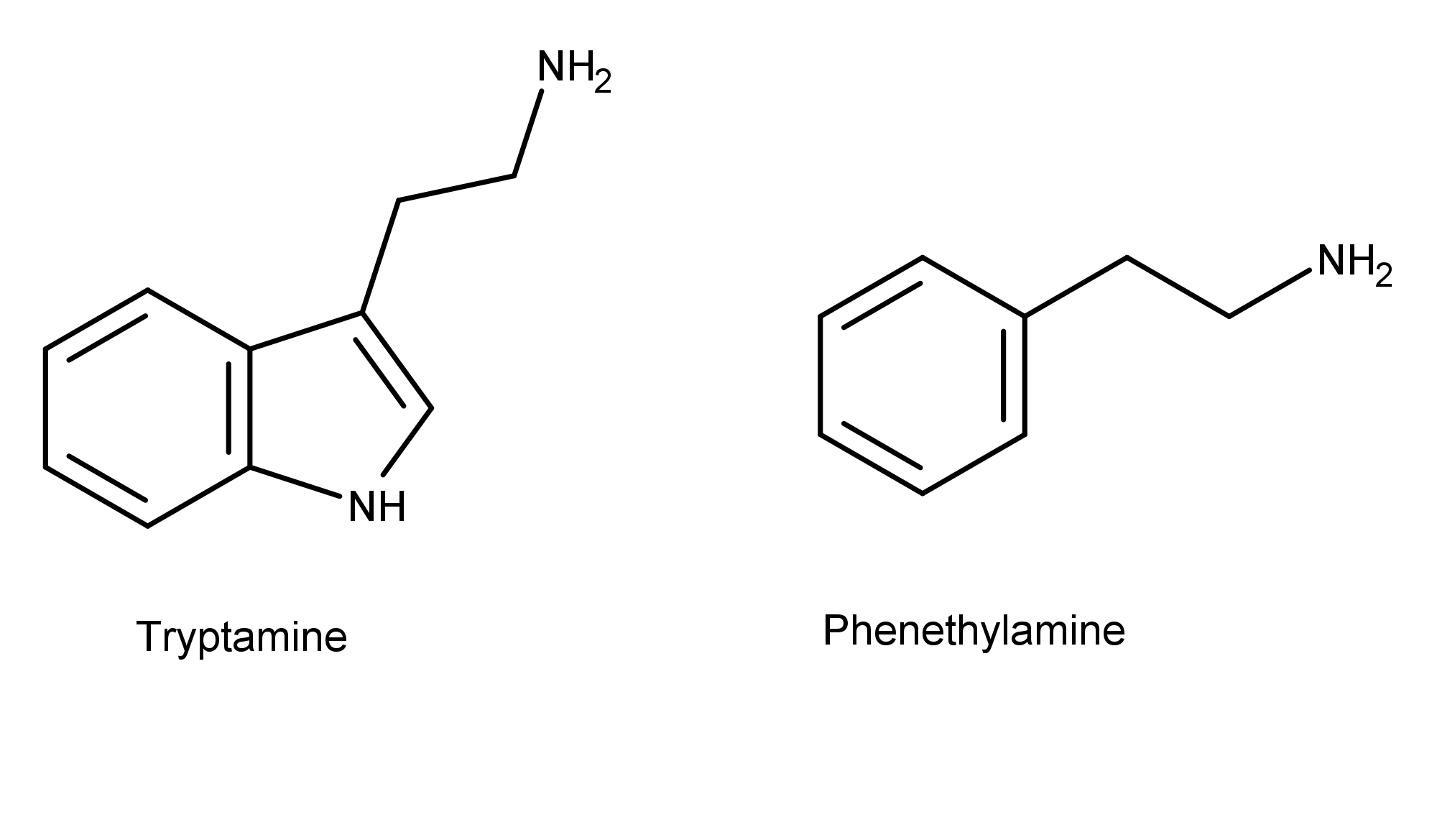
Scientists are learning that psychedelic compounds abound in nature. In addition to tryptamine compounds found in magic mushrooms and toad venom, psychedelic cacti provide a source of naturally occurring psychoactive phenethylamine compounds. The image below illustrates the difference in the chemical structures of tryptamine and phenethylamine.


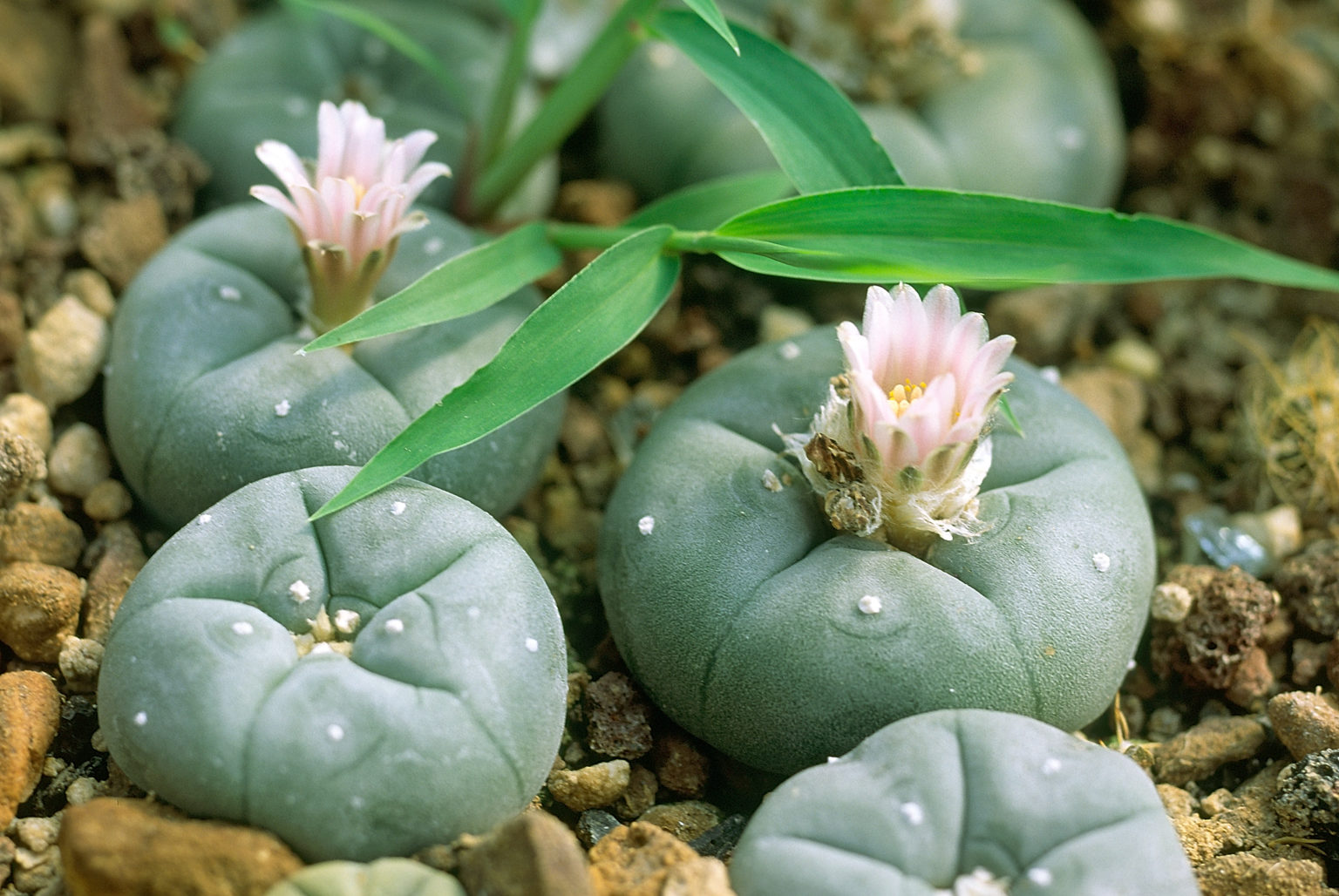
Mescaline is probably the most well-known compound in psychedelic cacti. Species that contain it include the San Pedro cactus (Echinopsis pachanoi), Peyote cactus (Lophophora williamsii), and the Peruvian Torch cactus (Echinopsis peruviana). Peyote, in particular, is unique because archaeologists have found evidence of its use by Native Americans as far back as 5,700 years ago, making it the oldest known plant containing a bioactive drug compound. Mescaline was first synthesized by Ernst Späth in 1918.

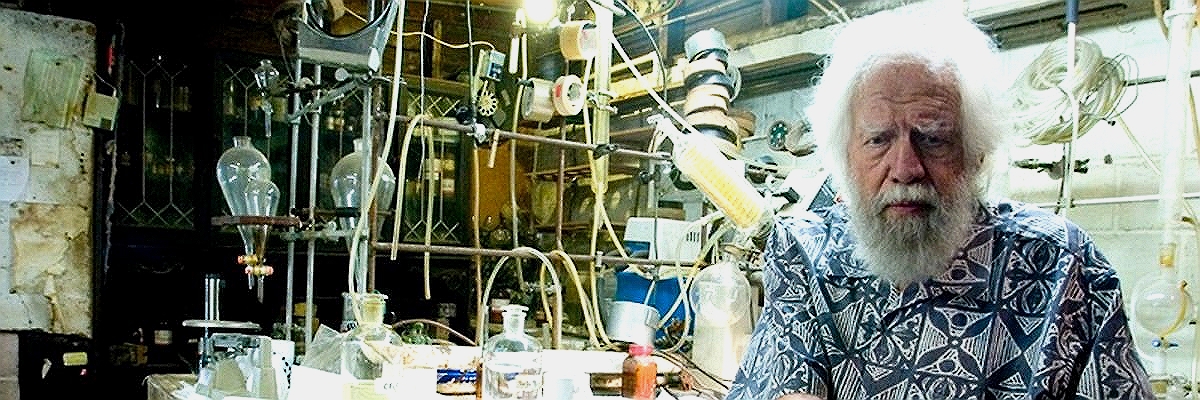
In their classic book “PiHKAL: A Chemical Love Story,” Alexander and Ann Shulgin called mescaline one of the “Magical Half Dozen” compounds that they considered the most important out of all those they synthesized and studied.

Other compounds in Psychedelic Cacti

In addition to mescaline, psychedelic cacti contain other psychoactive compounds. Many of those compounds remain untested (and probably many still undiscovered) so researchers don’t have a clear picture of which ones may have psychedelic/therapeutic effects and may be involved in entourage effects and/or allosteric modulation.

In 1969, Richard Evans Schultes stated in a paper in Science that, “Peyote contains at least 15 ß-phenethylamine and isoquinoline alkaloids.” He went on to say,
The intoxications induced by mescaline and by Peyote itself are very different, but they have unfortunately been confused in the literature.​

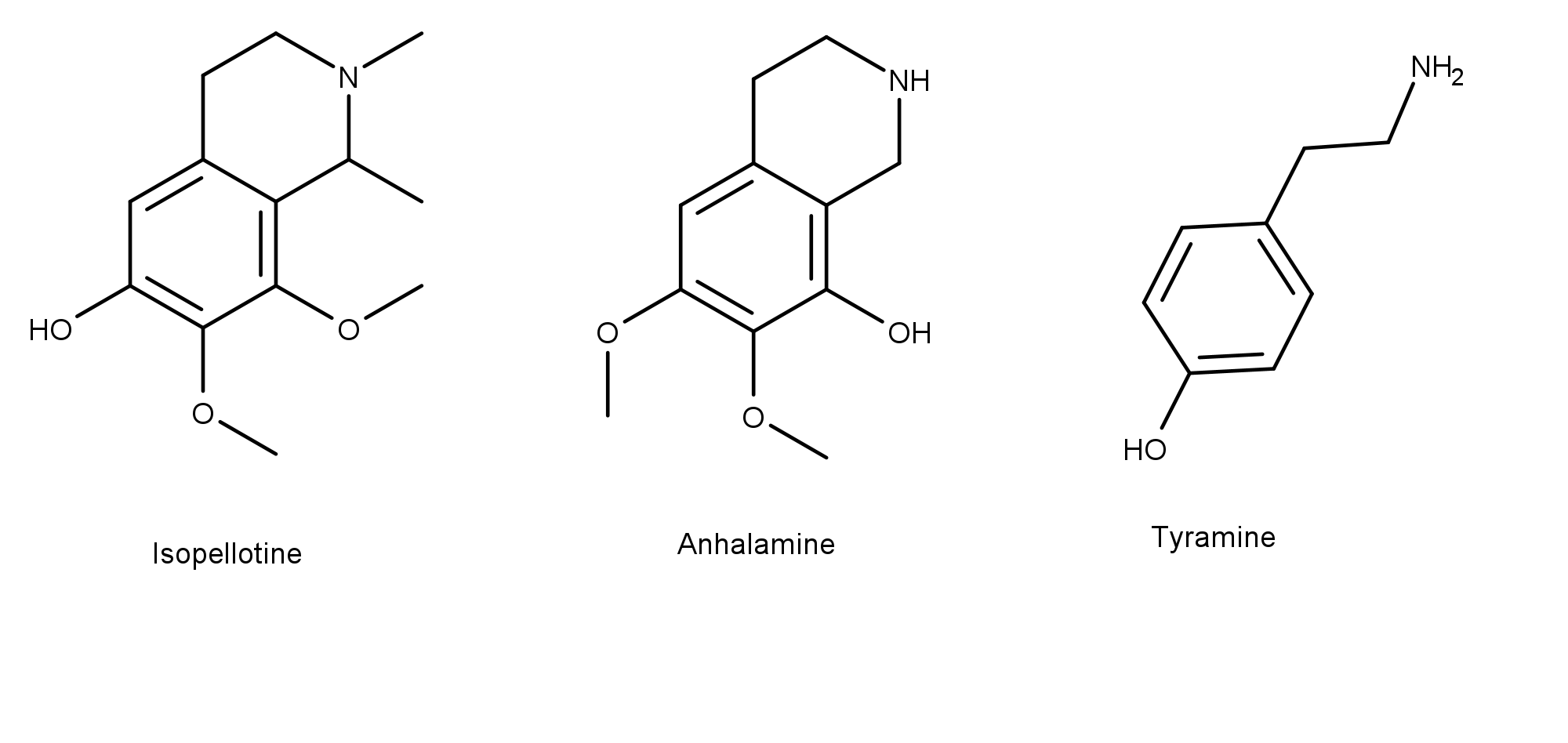
Research done in the 1970s identified compounds in the Peyote cactus including isopellotine, anhalamine, and tyramine.


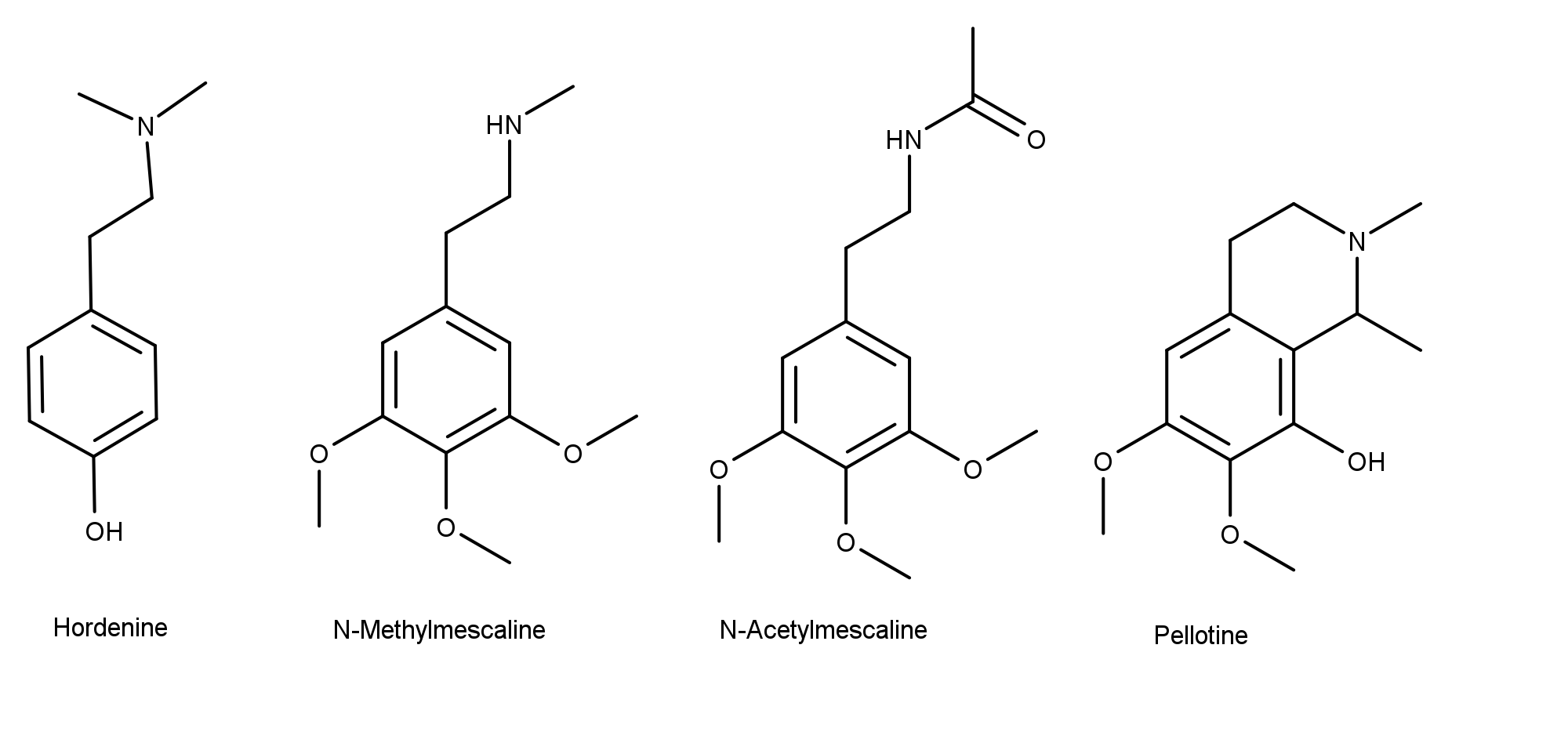
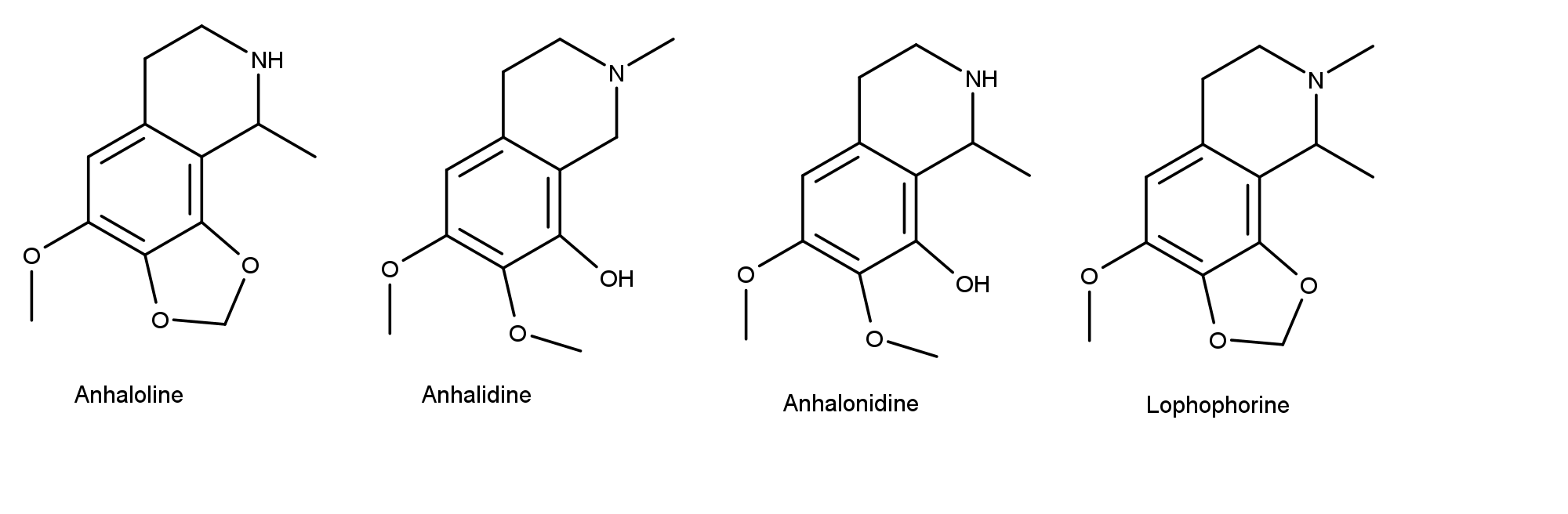
In 2015, Ibarra-Laclette et al. detected the following compounds in Peyote (and others identified previously) using GC-MS (gas chromatography-mass spectrometry):​
  • Mescaline​
  • Hordenine​
  • N-Methylmescaline​
  • N-Acetylmescaline​
  • Pellotine​
  • Anhalonine​
  • Anhalidine​
  • Anhalonidine​
  • Lophophorine​


Interestingly, the authors found that, while abundant in the “buttons,” mescaline was “barely present” in extracts obtained from Peyote roots, while hordenine (which has antibacterial properties) was found only in the roots.

Further, based on their literature review, Ibarra-Laclette et al. stated, “Not all of these substances exhibit psychopharmacological activity when administered singly, but in combination, they apparently potentiate the effects of the mescaline and definitely alter some characteristics for the experience.”

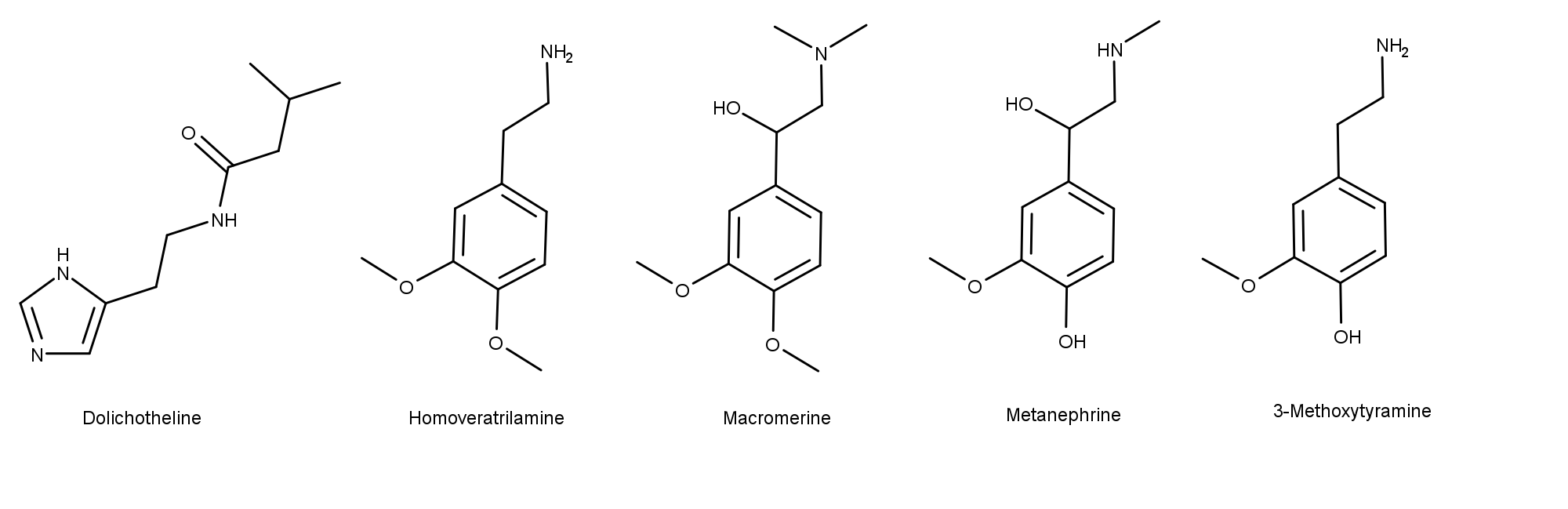
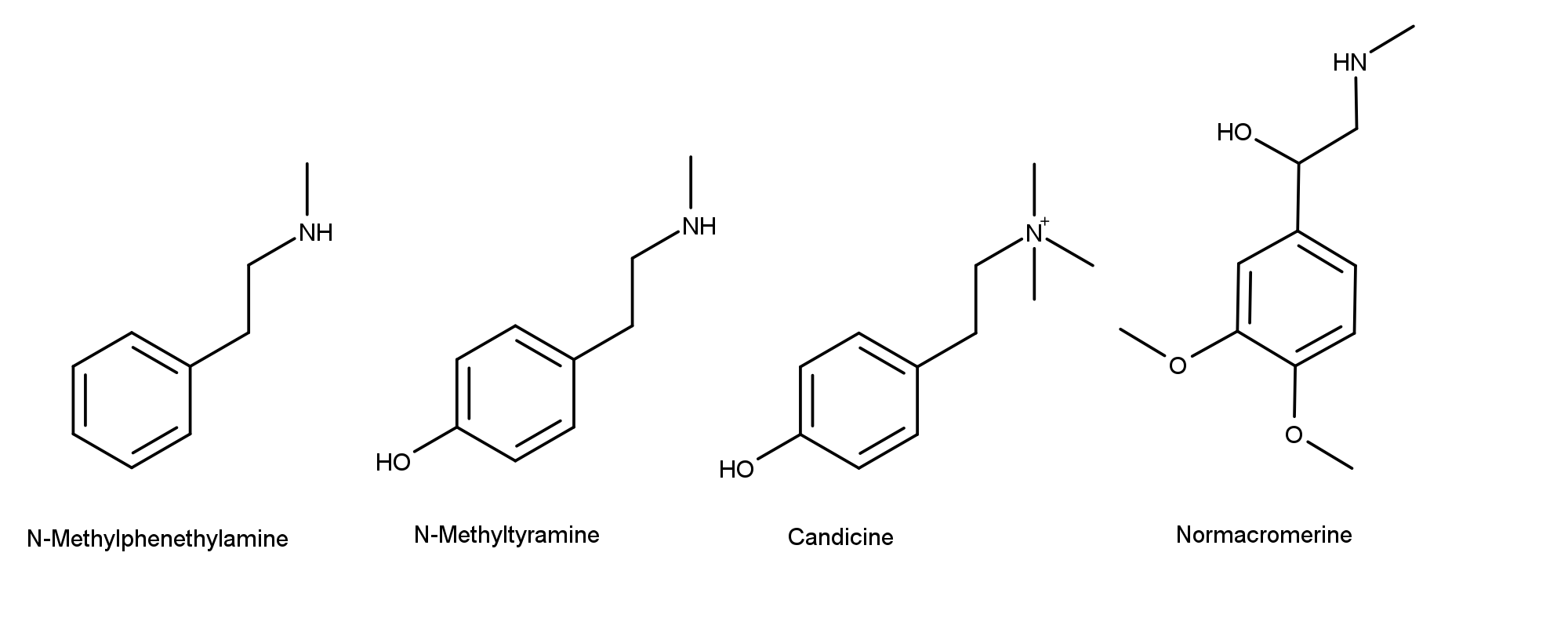
In addition to those listed so far, in the 1977 book “Peyote and Other Psychoactive Cacti,” Adam Gottlieb listed the following compounds in his ‘Dictionary of Cactus Alkaloids.’​
  • Dolichotheline​
  • Homoveratrilamine​
  • Macromerine​
  • Metanephrine​
  • 3-Methoxytyramine​
  • N-Methylphenethylamine​
  • N-Methyltyramine​
  • Candicine​
  • Normacromerine​


Here, the compound candicine is particularly interesting because it is a quaternary ammonium compound. The magic mushroom compounds aeruginascin and 4-HO-TMT also have this functional group.

Like magic mushrooms, the chemical composition of naturally occurring cacti appears to be highly variable. In 2010, Ogunbodede et al. analyzed the mescaline levels in the cortical stem from several San Pedro cactus samples. They observed that “The range of mescaline concentrations across the 14 taxa/cultivars spanned two orders of magnitude, from 0.053% to 4.7% by dry weight.” These data may bring to mind how much the levels of a single compound can vary in magic mushrooms and toad venom, and likely in other organisms.

Continuing research on Psychedelic Cacti

Clearly, there is much mystery still surrounding the chemical composition of psychoactive cacti– including the identity of all the active compounds and the concentrations of those compounds. Just like magic mushrooms and toad venom, it is feasible that these compounds have synergistic effects on the body. But it’s all speculation until scientists identify all the compounds in these cacti, elucidate their pharmacology, and understand how they work together to produce certain effects.
 
Last edited:
Cybin_Manhattan_Psychedelic_Clinic_Underserved_Minority_Communities_Psychedelic_Spotlight.jpg


New biosynthesis of psilocybin and related tryptamines

by Barb Bauer | Psychedelic Science Review

Researchers took the psilocybin-making genes from P. cubensis and put them into S. cerevisiae allowing them to produce psilocybin, several of its analogs, and a “new to nature” compound.

Psychedelic research is experiencing many scientific advances for producing psychedelic compounds. This is because trying to get meaningful and usable amounts of psilocybin and psilocin from magic mushroom flesh, for example, is not practical. The levels of these compounds in dried mushrooms are only 0.2% – 1.0% of their dry weight. Having ways to make meaningful amounts of these compounds at a reasonable cost is essential for conducting scientific studies from receptor assays to clinical trials in humans.

The Novo Nordisk Foundation Center for Biosustainability in Denmark recently published a study in the journal Metabolic Engineering describing how they bioengineered Saccharomyces cerevisiae to produce psilocybin and other related tryptamine derivatives.

PSR previously reported on several papers describing both synthetic and bioengineering methods for producing psychedelic compounds and derivatives. Both the new techniques (like the one described herein) and improvements on existing methods are critical for the advancement of psychedelic science. Two of these articles are Scientists Engineer E. Coli to Produce Psilocybin and Scientists Synthesize and Test the Magic Mushroom Compounds Baeocystin, Norbaeocystin, Norpsilocin, and Aeruginascin.

What is S. cerevisiae and why use it?

S. cerevisiae is a type of yeast. Milne et al. chose to work with it “due to its long use in industrial production as well as the fact that it naturally produces very few secondary metabolites or other tryptophan derivates, thereby facilitating simple downstream processing and purification.”

They also chose this yeast species because it naturally expresses cytochrome P450 enzymes that convert tryptamine to 4-hydroxytryptamine (read more about this in the section below, Optimizing the Synthesis of Psilocybin). The presence of the enzyme is a significant cost-savings, according to the authors. It eliminates an extra synthesis step used by other yeasts, which require an expensive substrate during production.

Modifying yeast to produce psilocybin analogs

The research team inserted genetic material from magic mushrooms into S. cerevisiae. Specifically, they cut out certain psilocybin-making genes from the magic mushroom Psilocybe cubensis and put them into S. cerevisiae. They did this by using plasmids as vectors for transporting the genes into the target yeast cells. Once inside, the plasmid incorporates the new genes into the yeast’s DNA (the plasmids are “programmed” to know where to insert them). The modified yeast then starts making psilocybin according to the instructions encoded in the magic mushroom’s DNA.

The yeast also makes psilocybin derivatives

Notably, the researchers also detected several psilocybin derivatives being produced by their bioengineered yeast. The observed psilocybin analogs included psilocin, norpsilocin, baeocystin, norbaeocystin, 4-hydroxytrimethyltryptammonium (i.e., dephosphorylated aeruginascin), and the “new to nature” N-acetyl-4-hydroxytryptamine.

Why was only the dephosphorylated version found and not aeruginascin itself? The researchers noticed that the amount of psilocybin that S. cerevisiae made “was accompanied by a concomitant production of psilocin.” They theorized that the same phosphatase enzymes (of which there are several in S. cerevisiae) acting on psilocybin to produce psilocin were doing the same thing to aeruginascin. The action of these enzymes may also explain the presence of norpsilocin, which is dephosphorylated baeocystin.

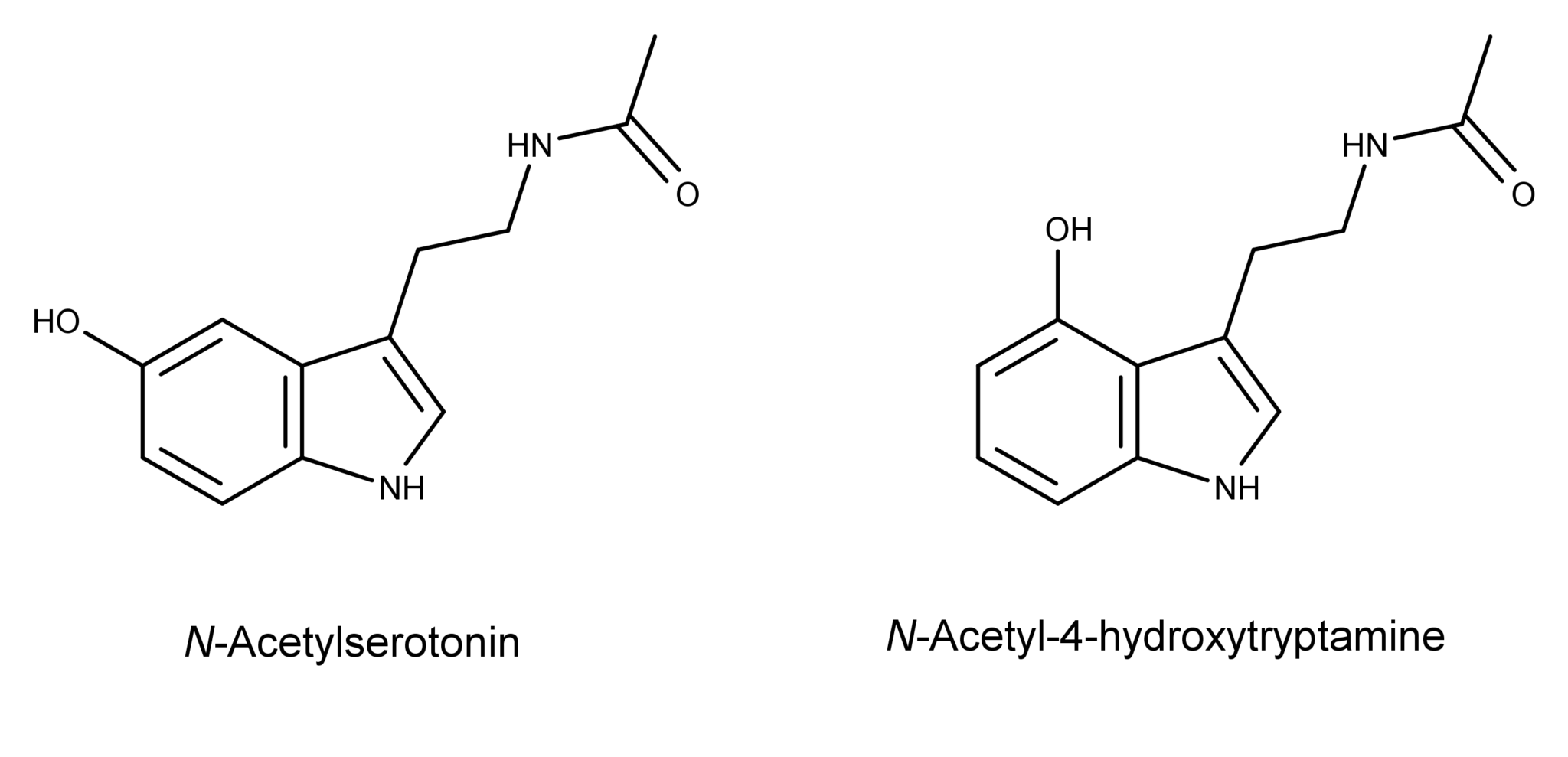
Another result of this study was the creation of a biosynthetic method for producing a “new-to-nature” tryptamine derivative, N-acetyl-4-hydroxytryptamine.

The researchers made the new compound by adding the gene for the enzyme serotonin N-acetyltransferase into the DNA of a different strain of S. cerevisiae that produces 4-hydroxytryptamine. The compound is structurally similar to the neurotransmitter N-acetylserotonin (normelatonin), differing only in the position of the hydroxyl group in the 4-position instead of the 5-position.

According to the authors, this was,

"…the successful production of a novel molecule structurally similar to both psilocin and normelatonin with potentially novel pharmacological activity."

3000-N-acetylserotonin-and-N-acetyl-4-hydroxytryptamine2-2048x989.png


Optimizing the synthesis of psilocybin

Initially, the amount of psilocybin produced by the genetically engineered S. cerevisiae was low. The researchers noticed that as the yeast was making psilocybin, there was an increase in extracellular tryptamine. The accumulation of tryptamine suggested to them that its conversion to 4-hydroxytryptamine inside the yeast was not very efficient.

The researchers improved the conversion of tryptamine to 4-hydroxytryptamine by giving the yeast a more efficient gene from P. cubensis. The gene, known as cytochrome P450 reductase, catalyzes the conversion of tryptamine to 4-hydroxytryptamine. After this gene was added to the DNA of S. cerevisiae, the data showed a 29-fold increase in the production of psilocybin and psilocin and significantly reduced levels of extracellular tryptamine.

Continuing research on magic mushroom compounds is needed

This research provides another method for producing meaningful amounts of psilocybin analogs for scientific study and downstream applications. Also, synthesis of the novel compounds N-acetyl-4-hydroxytryptamine and unphosphorylated aeruginascin by strains of S. cerevisiae provides more opportunities for research into their chemistry and pharmacology.

Taking genes from one organism and splicing them into another are well-known techniques. Nevertheless, the application of this technology to create psychedelic compounds represents an exciting new area of research. Other scientists have recently noted that supply problems have limited research into the “minor” tryptamines in magic mushrooms. They also hypothesize that these compounds could have substantial therapeutic value alone or when combined with psilocybin. This recent work discussed above could offer new possibilities for supplying minor tryptamines for further research and development.

psychedelicreview.com​
 
Last edited:
Enhanced-MRI-scan-of-the-brain-by-Wellcome-Images-Creative-Commons.jpg


The pharmacology of psilocybin and psilocin

by Barb Bauer | Psychedelic Science Review

Psilocybin and psilocin are two psychedelic compounds found in magic mushrooms. Calling these and other magic mushrooms compounds hallucinogens is an incorrect generalization. A hallucinogenic effect is not always present in users. Therefore, the terms psychedelics or psychotomimetics are the preferred designations put forth by experts in the field.

Several genera of magic mushrooms contain psilocybin and psilocin including Inocybe, Conocybe, Panaeolus, Gymnopilus, and Pluteus. However, psilocin is not the only psilocybin derivative in magic mushrooms. Others include norpsilocin, baeocystin, norbaeocystin, and aeruginascin. The derivatives and amounts present vary in different parts of the mushroom. They also vary in between species and even within batches of the same species.

This article examines the chemical structure of these psychedelics, discusses how the body transforms them, and how they interact with receptors in the brain.

Chemical structures of psilocybin and psilocin

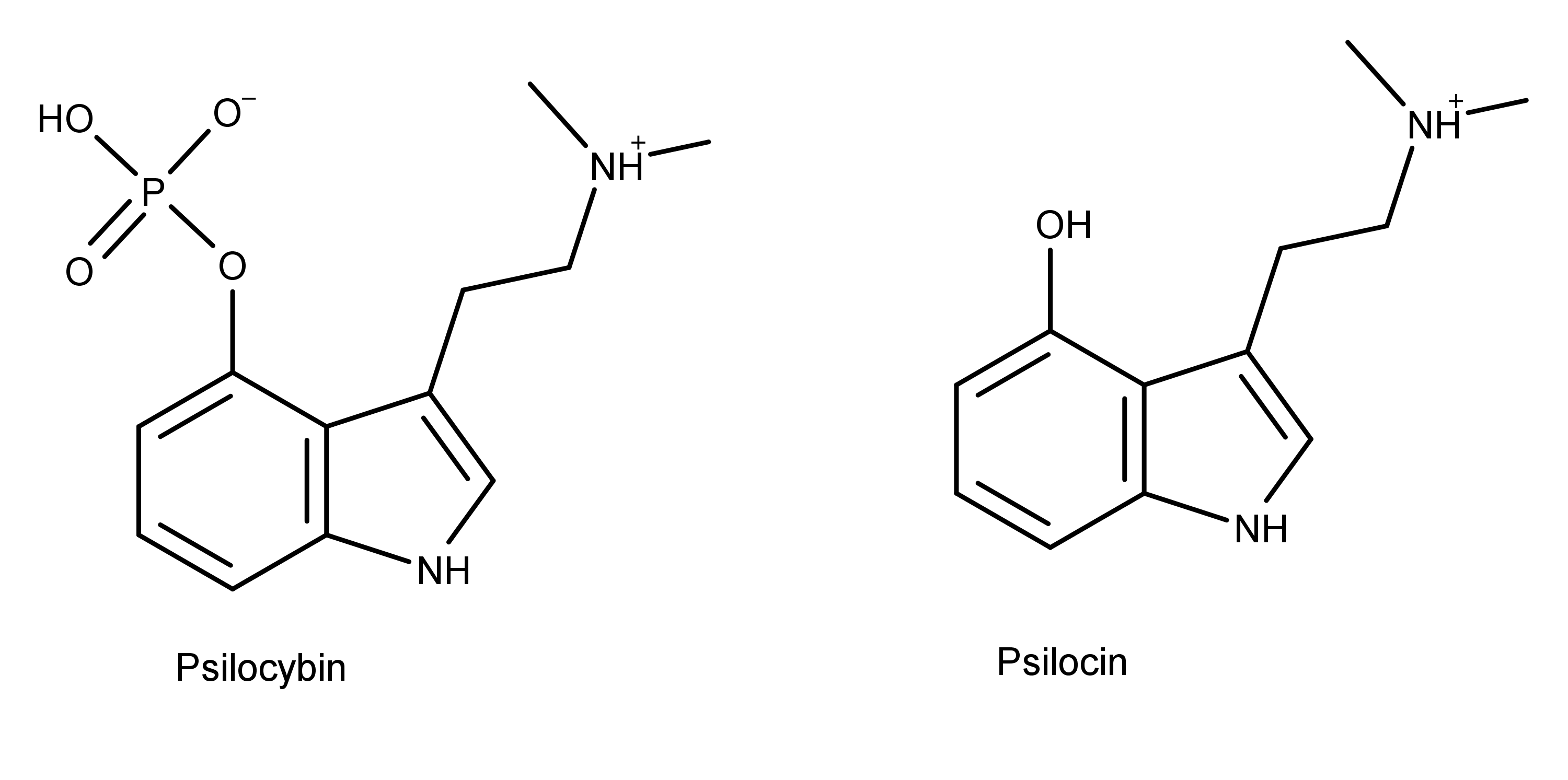
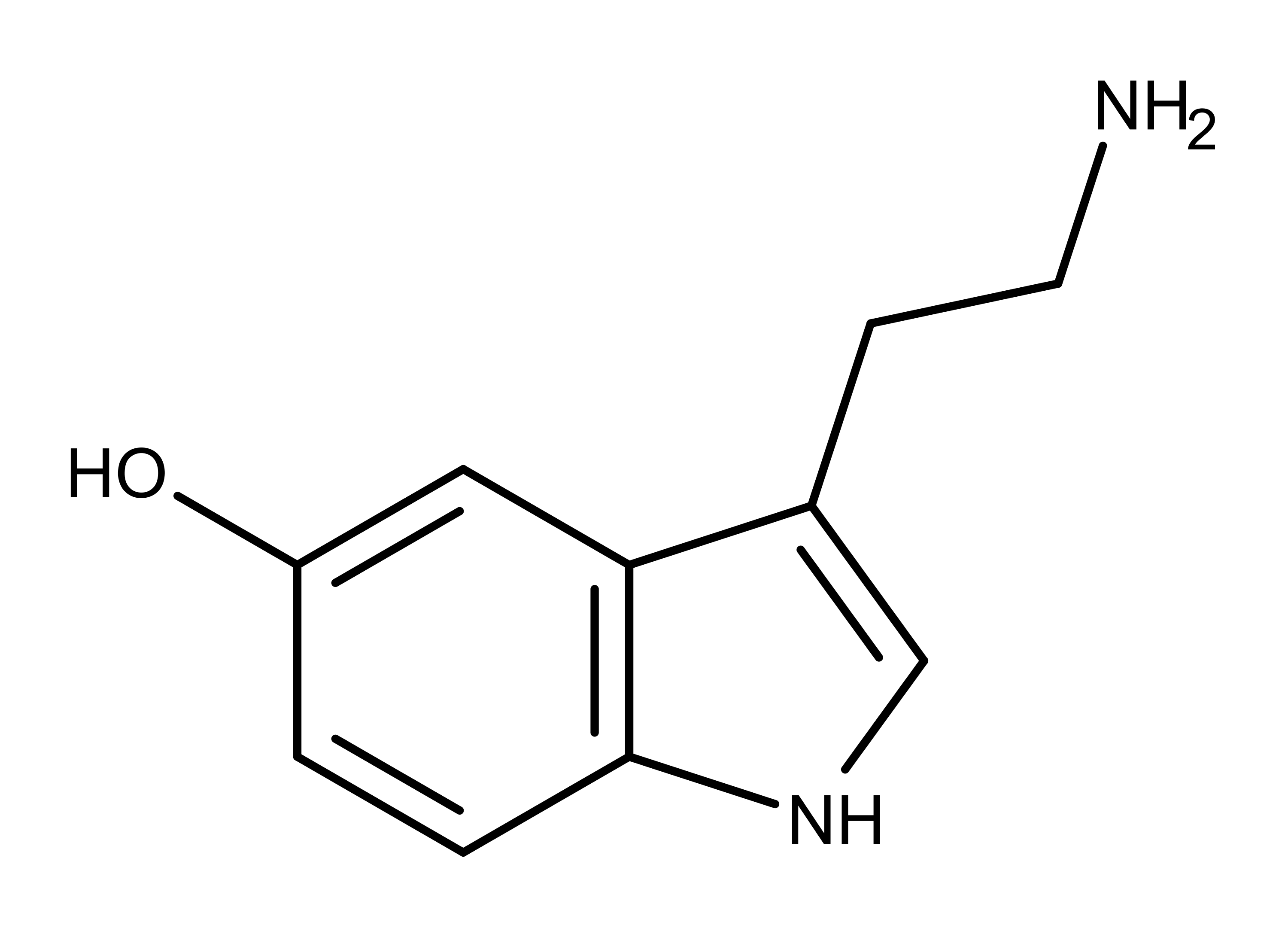
Psilocybin and psilocin (Figure 1) are tryptamine alkaloids and structural analogs of the neurotransmitter serotonin (Figure 2). Psilocybin and psilocin differ from each other at position 4, having a phosphate and hydroxyl group, respectively. As structural analogs of serotonin, both compounds differ from serotonin by having two methyl groups on the amine group on carbon 3. Also, the substituent groups on the benzyl ring of psilocybin and psilocin are in position 4, while the hydroxyl group on serotonin is in position 5.

3000-psilocybin-and-psilocin.png

Figure 1: The chemical structure of psilocybin and psilocin, two compounds found in magic mushrooms.


3000-serotonin.png

Figure 2: The chemical structure of the neurotransmitter serotonin.

The similarities and differences between the chemical structures of these compounds is key to understanding the effects of psilocybin and psilocin.

Absorption, metabolism, and excretion in mammals

Psilocybin is a prodrug of psilocin. This means the prodrug psilocybin undergoes changes in the body which convert it into the active form, psilocin. Specifically, a chemical process called dephosphorylation removes the phosphate group on psilocybin, creating psilocin.

The dephosphorylation of psilocybin occurs in two ways in different areas of the body.

- The acidic environment in the stomach is a favorable environment for the rapid dephosphorylation of psilocybin.

- Enzymes such as alkaline phosphatase and other non-specific esterases dephosphorylate psilocybin in the intestines, kidneys, and the blood.

The phosphate group on psilocybin in Figure 1 is highly polar. This polarity along with the positively charged amine group makes the molecule zwitterionic and more soluble in water than psilocin. Without the phosphate group, psilocin becomes more lipid soluble than psilocybin, making it metabolically available in the body and more easily absorbed in the intestines.

At this point, psilocin is distributed all over the body via the bloodstream. Being lipid soluble allows psilocin to cross the blood-brain barrier and elicit its effects (see the Biological Interactions section below). Researchers can detect psilocybin and psilocin in human blood plasma 20-40 minutes after oral administration of psilocybin. They find maximum levels in the blood 80-105 minutes after administration.

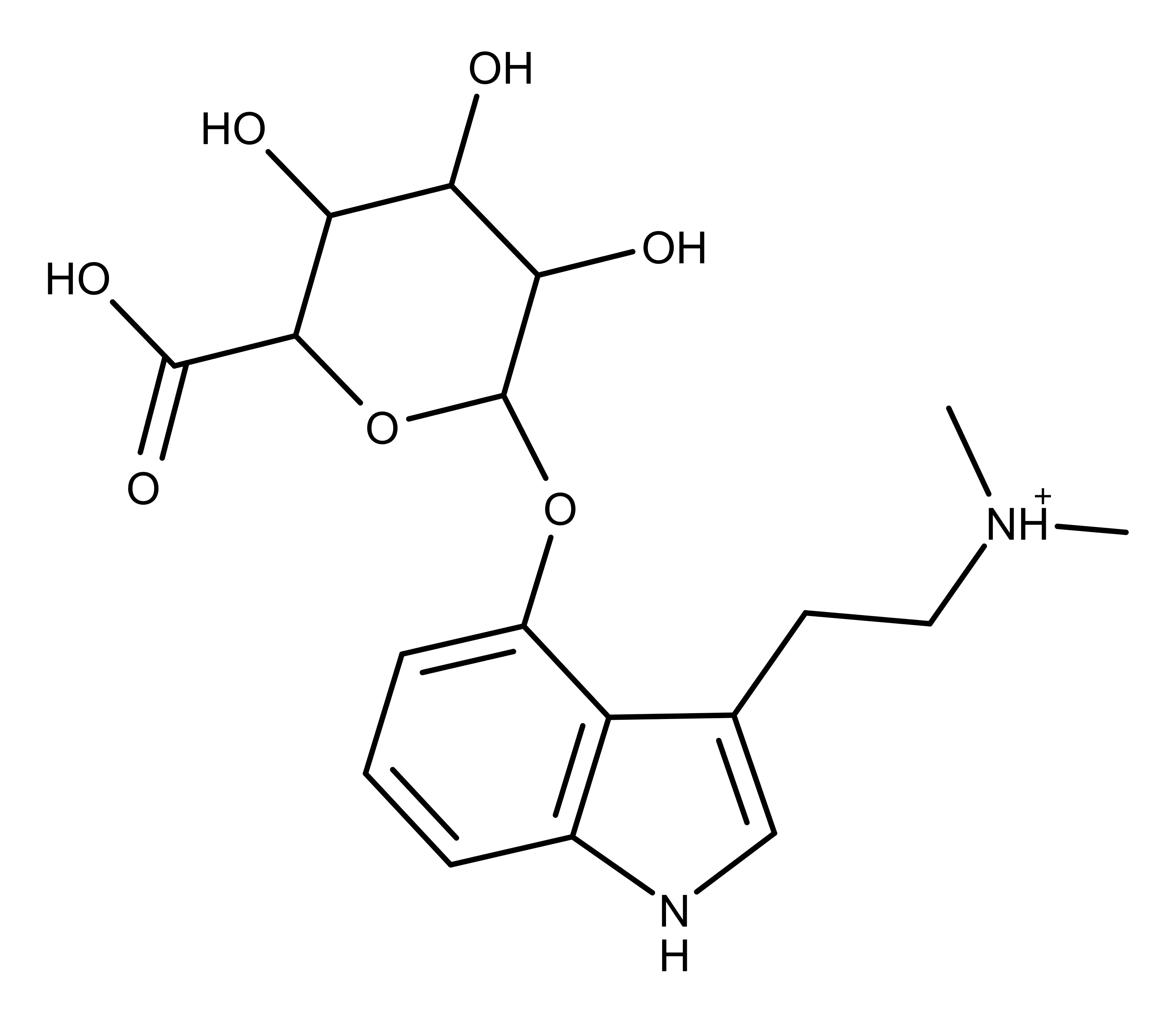
About 80% of metabolized psilocybin gets excreted in the urine as a compound called psilocin-O-glucuronide (Figure 3). Some psilocin and psilocybin (only 3-10 percent are excreted in the urine, mostly in a conjugated form with glucoronic acid.


psilocybin-O-glucuronide.png

The chemical structure of psilocin-O-glucuronide, a urinary metabolite of psilocybin.

Biological receptor interactions

At last count, there are seven main classes of serotonin receptors containing 14 subtypes. Of these, the 5-HT2A is the serotonin receptor (5-HT is an abbreviation for serotonin, 5-hydroxytryptamine) is studied the most in relation to psychedelic effects. It is important to keep in mind that scientists are not currently studying how the interactions of psilocybin and psilocin with other receptors impacts the psychedelic effect of these compounds.

Psilocybin has a low binding affinity as an agonist for the 5-HT2A receptor compared to the active form of the molecule, psilocin. The difference in the binding affinities of psilocybin and psilocin on the human 5-HT2A receptor is striking. The Ki (disassociation constant) for psilocybin is >10,000 nM, while for psilocin, Ki = 102.7 nM. The lower the Ki value, the less likely the molecule is to dissociate from the receptor. Therefore, these data clearly show that psilocin has a greater agonistic affinity for the 5-HT2A than psilocybin. This clarifies that psilocin is primarily responsible for the psychedelic effect of magic mushrooms, not psilocybin.

Other studies confirm the role of the 5-HT2A receptor in the psychedelic experience. For example, in 1998, Vollenweider, et al., found the 5-HT2A receptor antagonist ketanserin blocks the effects of psilocybin and psilocin. More recently, a study used PET (positron emission tomography) scans and monitored the levels of psilocin in the blood plasma of volunteers after they took psilocybin. The researchers found the subjective experiences of the volunteers were directly related to the levels of psilocin in their blood plasma and the number of occupied (with psilocin) 5-HT2A receptors in their brains.

Signal transduction pathways

Signal transduction is a scientific term for the biochemical reactions that occur when a molecule binds to a receptor on a cell. Different molecules have different signal pathways inside cells that use different types of receptors. Scientists who study psychedelics such as psilocybin and psilocin are interested in serotonin receptors. Understanding these receptors is crucial because psilocybin and especially psilocin, use these same serotonin receptors to bring about their effects in users.

When it comes to the exact cell signal transduction pathway(s) used by psilocin to elicit its psychedelic effects, researchers have an understanding of several aspects of 5-HT2A. Several serotonin receptors including 5-HT2A belong to a family called G-protein coupled receptors (GPCRs). GPCRs are one of the largest and most diverse families of proteins in mammals. These receptors have a unique structure consisting of seven protein helices that span the cell membrane. When a compound binds to the 5-HT2A receptor on a cell, it stimulates an enzyme called phospholipase C. This, in turn, activates another enzyme called protein kinase and also stimulates the release of calcium ions from storage areas in the cell. This enzymatic and biochemical activity culminates in cellular changes that result in the overall perceived effect.

This pathway is only a small piece of the big picture showing how psychedelic drugs work. At a higher level, Baumeister et al. reviewed the pharmacodynamics of classical hallucinogens and summarized three mechanisms by which they are known to work, or may work, in the brain:

- Hallucinogens may disrupt normal serotonin pathways in the brain in several ways. One way may be by binding to presynaptic 5-HT1A receptors in the Raphe nuclei that project into the prefrontal cortex and subcortical structures. This disruption would alter the serotonergic output to the rest of the brain.

- When hallucinogens bind with postsynaptic 5-HT2A receptors in cortical neurons, this changes cellular signaling and functioning via the excitatory amino acid glutamine. The effect is what the authors describe as “complex manifestations in consciousness.”

- Normally, neurons in the reticular nucleus of the prefrontal cortex regulate sensory input into the brain. Hallucinogens disrupt this process by binding with reticular postsynaptic 5-HT2A receptors. The binding causes another cascade of events, altering the sensory information received by the cortex. The result is the disruption of the normal activity of the sensory cortices.

The need for more research

It is interesting to note from this receptor binding data that psilocin binds well to several other serotonin receptors besides 5-HT2A. For example, notice the Ki values for psilocin compared to psilocybin for 5-HT1A and 5-HT1B. How is this impacting the subjective effects the user is experiencing? Also, what is the effect of the low Ki values both compounds have for 5-HT2B? It is clear that more research is needed in this area to understand these psychedelics and their receptor interactions. Compounding this whole mystery is psilocybin and psilocin being just two of many potentially active compounds in magic mushrooms.

Conclusion

The pharmacology of psilocybin and psilocin is fascinating and complicated. The chemistry of these compounds dictates how the body metabolizes them and how they interact with receptors. Research has made great strides in understanding how psychedelics work with the 5-HT2A receptor, but endless avenues of exploration still exist for the curious researcher.

psychedelicreview.com​
 
SS.jpg


Psychedelic Pharmacology

by James Kent

Most psychedelic molecules are structurally similar to neurotransmitters that modulate signal flow in the brain. If we take a close look at the structure of common neurotransmitters, the transmitters most closely related to the classic psychedelics are serotonin (5-HT), adrenaline (epinephrine), norepinephrine, and dopamine (DA), and all of these chemicals are classified as amines, meaning that they have a nitrogen (N+) containing amino group hanging off a root carbon ring. This nitrogen structure is the key element in any amino acid, carrying the energy needed for metabolic processes which do work. Since these transmitter chemicals have only one nitrogen group they are called monoamines, and they are the essential messengers of the aminergic neuromodulatory system.

Monoamines entering the bloodstream are normally kept out of the brain by the blood-brain-barrier, but psychedelic molecules have a neutral charge so they are able to pass. When these amine crystals pass through the blood-brain barrier, they brush against neural receptor sites; if the receptors are a good fit, the crystals get stuck for a short period of time. The bonding of amine ligands to serotonin and dopamine receptors is where psychedelic action begins.

Serotonin and the Tryptamines

Because of depressive mood disorders and pharmaceuticals like Prozac, the most well known neuromodulator is serotonin, or 5-HT (5-hydroxytryptamine). 5-HT is essential to many basic brain functions, linked to mood, depression, contentment, anxiety, sleep, appetite, and the regulation of involuntary smooth muscles that control blood pressure and digestive functions. Serotonin is an indoleamine and a variant of tryptamine, which is the most basic of all the indoleamines and the structural starting point for DMT (N,N-dimethyltryptamine), 5-MeO-DMT, psilocin, psilocybin, DPT, AMT, and most psychedelic drugs with acronyms ending in T (which stands for Tryptamine). LSD is also a tryptamine, but it is larger and more complex than the other tryptamines, and is in many ways structurally unique.

Dopamine and the Phenethylamines

Working in concert with serotonin is the neuromodulator dopamine (3-hydroxytyramine). Dopamine is synthesized from L-DOPA and is instrumental in modulating salient attention, motivational response, and fine motor control. Dopamine is central to the reward system, and dopamine release is stimulated by recreational drugs, food, gambling, sex, and physical risk taking. Dopamine imbalances are linked Parkinsons disease, ADD, compulsive risk behavior, and psychosis. The role of dopamine interruption is relevant to psychedelic activity in many aspects; psychedelics may affect sensuality and motor control, and may facilitate psychosis, mania, and compulsive behaviors.

Amphetamines and the phenethylamine group of psychedelics (mescaline, 2-CB, MDA, MDMA, and so on) are more structurally similar to dopamine, epinephrine, and norepinephrine, which are also monoamines but sometimes referred to as catecholamines since they are based on the single catechol ring structure. Epinephrine and norepinephrine are referred to as stress hormones because they prime the bodys energy production in response to stress and danger. The phenethylamines and catecholamines all have the six-carbon benzene ring backbone, simpler than the dual-ring tryptamine structure, with at least one amine group. The simplest form of this molecule is called phenethylamine, and is structurally similar to amphetamine.

In very general terms, the phenethylamine psychedelics are said to be more energetic, sensual, empathogenic, or entactogenic, while tryptamine psychedelics are thought to be more hallucinogenic, disorienting, and somatically heavy. These descriptions are very broad, but this is the popular distinction made between the two major classes of psychedelics.

Neuromodulators and Global Brain States

Serotonin, dopamine, and the other monoamines dont cause neurons to fire, they instead tune the spiking rate of neurons, which means they adjust global network polarity over time to make neural assemblies more or less responsive to stimulus. Serotonin and dopamine are projected into higher areas of the brain from nuclei in the brainstem and middle brain, meaning they are primal signaling mechanisms for modulating many areas of the brain simultaneously. The axons from these aminergic clusters reach upward to many areas of the cortex, affecting the thalamus (sensory filter), amygdala (fear and survival), hypothalamus (homeostatic regulator), hippocampus (memory and learning), and neocortex (sensory and logic processing). Neuromodulators synchronize the neural response to incoming stimulus and keep local competing brain circuits functioning smoothly and in unison. These neuromodulators produce a one-way bottom-up effect, which means they are switched on and off reflexively and unconsciously by glands in the brainstem and basal forebrain in direct response to internal conditions or external stimulus. Using neuromodulators the brainstem can exert global homeostatic control over organism mood and behavior. The effect of the aminergic modulators projected upward by the brainstem are tonic, which means their signaling effects are sticky and persist over the duration of many incoming spike trains.

Generally serotonin is thought to have a polarizing effect on neurons, making them less likely to fire and thus having an overall relaxing effect on the brain. This is why many depression and anxiety remedies focus on increasing the supply of serotonin; to decrease anxiety and increase satisfaction. If we assume psychedelics are mimics for neurotransmitters and apply this analogy to DMT, we would expect DMT to have a calming effect on the brain because it looks similar to serotonin. But a flood of DMT does not calm the brain, it makes it hallucinate. Psychedelics act on the same receptors as serotonin and dopamine, but as partial agonists. Since DMT binds to the same receptor sites as serotonin but does not produce a relaxing effect, it would be logical to assume that DMT is a 5-HT antagonist, meaning it blocks serotonin and depolarizes neurons, making them more excitable. This is not the case. There are many different types of 5-HT receptors, some inhibit neural activity and some promote neural activity. Like most psychedelics, DMT is classified as a selective 5-HT2A partial or full agonist; also active at other 5-HT subtypes, at adrenal receptors, at Sigma-1 receptors, and at tertiary amine receptors. This means that DMT is active at many 5-HT sites and can mimic some of the agonistic functions of serotonin with varying frequency and efficacy.

5-HT partial agonism can be described as a subtle form of aminergic modulatory signal interference. In the most general case it can be assumed that psychedelic activity is due to interference at 5-HT receptor subtypes. In more specific cases we can assume that visual hallucinogenic effect is associated with 5-HT2A and 5-HT2C receptor interaction. Somatic heaviness and dreaminess is associated with broader aminergic interaction; and more sensual, entactogenic, or compulsive effects are associated with DA and adrenergic receptor interaction. Psychedelics can have a wide affinity and interact as partial or full agonists at multiple receptor subtypes to produce a wide range of effects. Because psychedelics are full or partial agonists acting on the same modulatory pathways as 5-HT, the synergistic interaction between these competing agonists can be described in terms of a modulatory wave interference pattern. Agonistic interference at 5-HT subtypes promotes disinhibition and extreme excitability between feedback-coupled autonomic neural assemblies in the cortex, midbrain, and brainstem. Excitation in the autonomic neural assemblies which process sensation and memory lead to spontaneous hallucination; excitation in autonomic assemblies which process thought and self-awareness lead to expanded states of psychedelic consciousness.

Molecular Shape and Receptor Affinity

The strength and duration of the bond a ligand forms with a receptor is referred to as receptor affinity or potency, and is described in terms of pharmacodynamics. The higher the affinity the stronger and longer the ligand bonds with a receptor and influences charge moving across the neural membrane. Research has shown that 5-HT2A receptor affinity is an accurate measure of the potency of any psychedelic compound; the higher the affinity the higher the potency and psychedelic effect. Another thing we know is that the conformational shape of the amine determines how long the molecule takes to metabolize and how sticky it will be at 5-HT receptor types. For instance, the amine tail of LSD is different from other tryptamines; it is long, complex, and connects back to the benzene ring, keeping it rigid instead of flexible like most amino groups or substitutions. Designer amines with a similarly rigid molecular structure have also shown a marked increase in psychedelic potency.

Using this information it can be assumed that the unique structure of LSD is what makes it so potent; giving it a high affinity across a wider range of receptor types; making it more difficult to metabolize; and giving it a broader range of effect over a longer duration. DMT also binds to a wide variety of 5-HT receptor types, but it is smaller and metabolizes very quickly. When DMT is taken with a monoamine-oxidase inhibitor (MAOi) in an ayahuasca mixture, the enzymes which metabolize DMT are blocked making the hallucinogenic effects of DMT orally active and longer lasting. Adding an MAOi to any tryptamine psychedelic will make it nearly twice as hallucinogenic. These few pieces of pharmacology tell us that the efficacy of modulatory interruption, or psychedelic potency, can be somewhat predicted by molecular shape, the rigidity of the molecular structure, and speed of metabolic pathways.

Breadth of psychedelic receptor binding
Mol/Target​
5ht1a​
5ht1b​
5ht1d​
5ht1e​
5ht2a​
5ht2b​
5ht2c​
5ht5a​
5ht6​
5ht7​
D1​
A-2A​
A-2B​
A-2C​
2C-E​
2.91​
3​
3.54​
2.6​
3.76​
4​
3.38​
0​
1.93​
2.77​
0​
2.71​
2.91​
3.44​
2C-B​
2.75​
3.11​
3.71​
3.05​
3.69​
4​
3.18​
0​
2.63​
2.81​
0​
2.64​
2.31​
3.12​
LSD​
3.73​
4​
3.7​
2.62​
3.54​
3.11​
3.11​
3.64​
3.75​
3.77​
2.34​
2.93​
0​
0​
DOI​
0​
2.31​
3​
2.66​
3.44​
3.13​
4​
0​
2.34​
1.9​
1.67​
3.79​
3.13​
2.88​
DMT​
0​
0​
3.91​
3.28​
2.58​
0​
3.42​
3.16​
3.35​
4​
3.51​
2.75​
3.53​
3.53​
Psilocin​
2.88​
2.19​
3.4​
3.03​
2.14​
4​
2.52​
2.83​
2.82​
2.82​
3.37​
1.36​
1.57​
1.03​
5-MeO-DMT​
4​
2.41​
3.48​
1.72​
0.98​
0.69​
1.55​
1.84​
2.73​
3.69​
2.38​
0​
0.86​
1.57​
DiPT​
4​
0​
2.51​
0​
0​
3.48​
0​
0​
0​
0​
0​
0​
2.62​
2.68​
Mescaline​
3.61​
0​
0​
3.16​
0​
3.97​
0​
0​
0​
0​
0​
2.92​
0​
4​
MDMA​
0​
0​
0​
0​
0​
3.64​
0​
0​
0​
0​
0​
2.94​
3.09​
3.21​
6-F-DMT​
2.81​
3.07​
3.66​
2.74​
2.47​
3.93​
2.58​
2.43​
4​
3.8​
2.67​
0​
2.99​
3.24​
Lisuride​
4​
2.27​
0​
0​
2.74​
3.01​
0​
2.99​
2.61​
2.64​
0​
3.22​
3.78​
3.88​
4C-T-2​
2.04​
0​
0​
1.77​
3.33​
4​
3.09​
2.56​
0​
2.18​
0​
0​
0​
0​
Table 1 lists the binding strength of popular psychedelic drugs at many 5-HT receptor sites listed in order of 5-HT2A affinity. This table should be an accurate representation of hallucinogenic potency in descending order. From subjective reports all substances at the top of this list are very hallucinogenic, but DMT, which is often considered to be the most hallucinogenic, actually falls somewhere in the middle. If we look at 5-HT2C affinity, which is also implicated in hallucination, we can see that all substances at the top of the list also have high 5-HT2C affinity, with DMT and DOI having slightly higher affinity than the rest. 5-HT7 receptor affinity, which stimulates cAMP activity and the reward system, also seems to be implicated in overall transcendent psychedelic action, with the mystically popular DMT, 5-MeO-DMT, and LSD topping the affinity list. In contrast, there are four non-visual psychedelics at the bottom of the list, 5-MeO-DMT, DiPT, Mescaline, and MDMA. These substances have very poor 5-HT2A,C affinity but oddly the bottom three all have a high 5-HT2B and adrenal affinity; this indicates they are effective at stimulating serotonin production, cardiovascular activity, and acute sensuality. It is interesting to note that DiPT, Mescaline, and 5-MeO-DMT all have a high 5-HT1A affinity, which is generally thought to work in contrast to 5-HT2A agonism. DiPT is unusual because is produces distinct audio hallucinations and little or no visual hallucinations, and predictably does not bond with targets associated with visual hallucination. By analyzing this affinity table it seems possible to predict the relative potency of any hallucinogen based solely on binding profiles, though the three control molecules at the bottom of the list (6-F-DMT, Lisuride, 4C-T-2) are reportedly non-hallucinogenic despite high 5-HT receptor promiscuity; this is likely because they are not active as agonists, they are antagonists, or their binding profiles somehow cancel each other out.

Dissociatives, anticholinergics, and other hallucinogens

Psychedelic tryptamines and phenethylamines are not the only hallucinogens, but all hallucinogens work by interrupting sensory binding pathways. Hallucinogenic dissociatives like ketamine (special K), phencyclidine (PCP), and dextromethorphan (DXM) interrupt NMDA glutamate sensory signaling pathways; these pathways mediate fast sensory signal projection through the brain. Anticholinergic deliriants like scopolamine and atropine interrupt cholinergic modulation of memory, recall, and dreaming; these pathways mediate the smooth input and output of memory from the hippocampus. Salvia divinorum interrupts Kappa-opioid tactile sensory pathways; these pathways mediate pain, gravity awareness, and feedback for determining physical orientation in space. Depressants like GHB and alcohol interrupt sensory binding via inhibitory GABA pathways, pathways which dampen and slow smooth sensory throughput. Nitrous Oxide (N20) is the simplest and perhaps the most promiscuous of hallucinogens, worming its way in between a number of rudimentary signaling channels to produce novel feelings of dissociation and out-of-body emergence. Although the pharmacological targets of hallucinogens differ, in all cases perceptual distortion is linked directly to interruption of seamless multisensory signaling and binding across the cortex. Any drug which interrupts pathways of multisensory signaling or binding will be considered psychedelic at high enough doses, this is why so many different types of plants and chemicals can be uniquely hallucinogenic across many different receptor targets.

http://psychedelic-information-theor...c-Pharmacology
 
Last edited:
Top