Optimal sports performance and musculoskeletal development

JohnBoy2000

Bluelighter
Joined
May 11, 2016
Messages
2,650
First off, my long term aim is to write an academic paper on this (as well as the topic of my other blog, optimal emotional state).

However, to do so I first must outline all ideas comprehensively, then reduce or boil that down until the material addresses all core concepts in a manner concisely enough suitable for a paper.

Where to start.....

1) emotional performance = establishing energy

2) physical/sports performance = how to optimally apply that energy.
 
Last edited:

Muscle development - posture:

flexext.jpg


1A = spinal hyper flexion
2A = spinal hyper extension

mckenzie-progress-to-elbows.png


This is the McKenzie protocol, typically used to treat back pain, herniated discs etc.

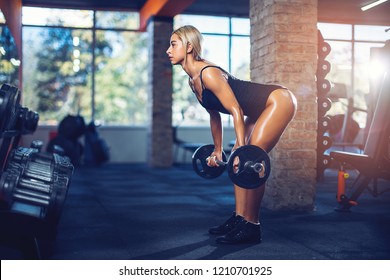
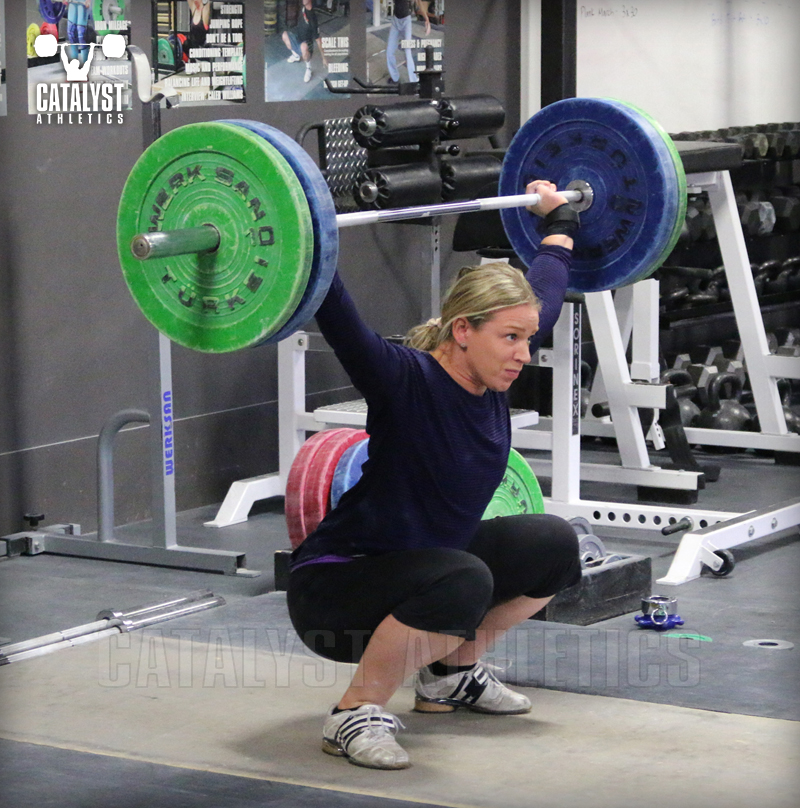
Contracting the muscles along the length of the spinal column reinforces the spine optimally.

Therefore, all weight baring activity is conducted optimally when taking this posture:

womandeadlift5.jpg
sexy-athletic-girl-working-out-260nw-1210701925.jpg


Extension - not hyper extension

= maximum power generation and muscle development

181_How_to_keep_the_bar_close_in_the_snatch.jpg
 
Last edited:
Arm swing:

P2iSCaE.gif


WhimsicalMajesticIridescentshark-max-1mb.gif


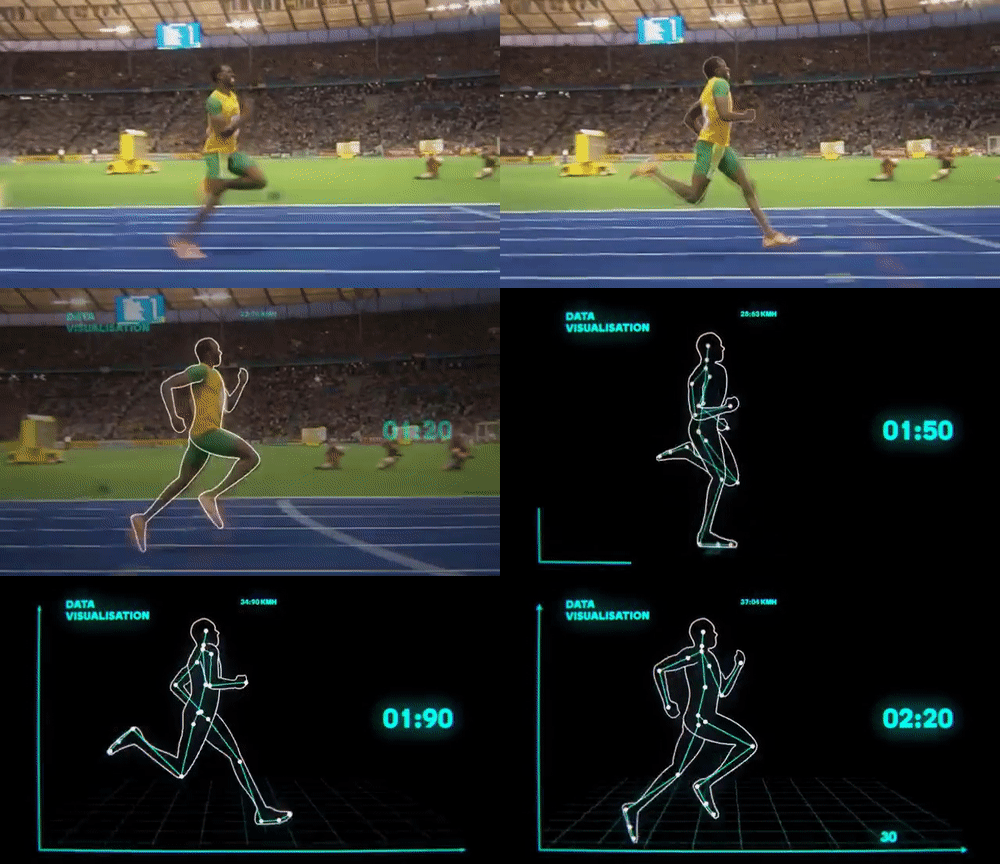
For free standing disciplines that require generation of momentum, sprinting, flipping, gymnastics etc., that moment will be upper body generated.

The lower body will follow.

Therefore momentum is generated wit specific focus on sufficient and complete arm swing.

.......

The above gif should show full arm-stretch over the head = complete momentum.
 
Last edited:
Punching power:

Fs2.gif


The majority of boxers throw punches whilst their core is "loose", not flexed.

This generates power from the arm exclusively, and is known as an "arm punch".

More effective power punchers like Mike Tyson, generated their power by consolidating their power into one collective body movement.

This was done by tensing their abdominal muscle group, doing a "stomach crunch" effectively and maintaining that posture, such that the body forms a concave curvature, a "fighters hunch" as it were.

This ensures all major muscle groups in the body contribute to generating the power for the punch, not just the arm muscles.
 
Last edited:
Angles:

A concept pertaining to almost everything form of combat sport - attack is never conducted in a straight on direction; but always cutting an angle to the opponents center line or direct line of attack.


On balls of feet:

No athletic discipline is conducted flat on ones feet.
This slows dramatically reaction times and speed in general, as well as balance etc.

Directing the majority of our weight through the balls of our feet = the athletic approach = optimal power generation, speed and reaction times.
 
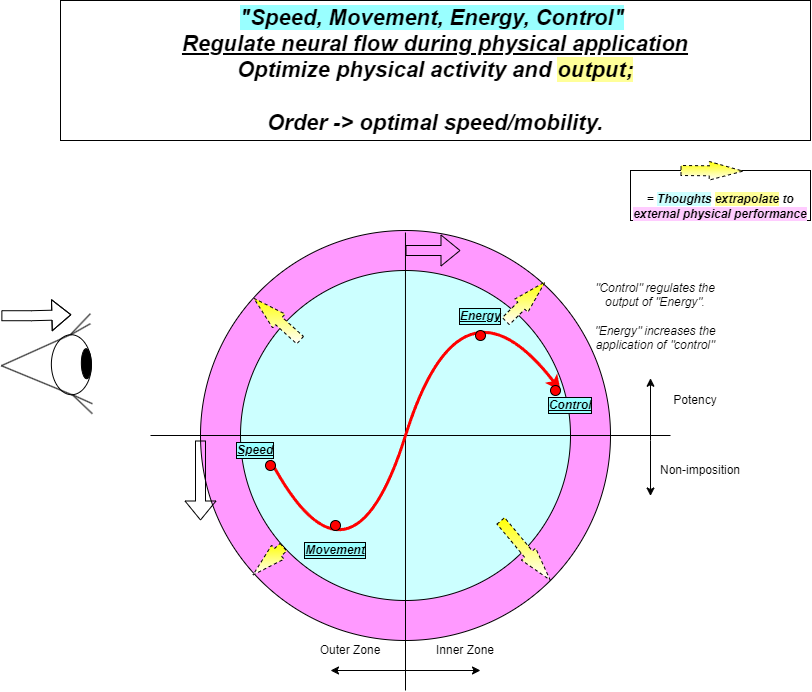
And the cues/self-dialogue for psychological flow behind the applications:

9gS1g1R.png


These allude to physical waves.

.....

Where the personality/emotional setup = electromagnetic waves.
 
Last edited:
- “Speed, movement, energy, control” = optimal physical (exercise based) expression.

All about optimizing speed.

Therefore most mobile, progressing to least mobile.
 
Last edited:
- Combat sports: I believe may have one of the most thorough levels of technical application necessary to become proficient, of any sport.

MMA, learning stand up movement, wrestling, ground-work etc.

- Understanding technicality = contributes to the development of good cognitive function.

**
For this reason, historically engagement in combat sports such as boxing/wrestling etc., may well be optimal to those with high output potential, but poor cognitive/rationalization ability;

As it focuses so thoroughly on development of this way of thinking.
 
- When you have neural fire power = when you dance, and move = it’s hot, attractive.

= good cognitive setup = personality/character = dynamic social application.

........

Therefore, good emotional setup = the precursor to effective application of physicality.

**
- In relation to attractiveness of movement and physical presentation re neural fire power (via cognition/character);

I find this particularly evident watching dance-music events:

 
- "Speed, movement, energy, control".

The setup starts with the fastest, most mobile cues.

- Progressing into less mobility, culminating on the least mobile/slowest.

= physical application - mobility, high to low.

i.e. it prioritizes speed.

**
- As does the emotional-setup - optimal neural fire power = optimal render of speed.
 
Last edited:
Emotional setup - "jealous force, union love".

Athletic setup - "speed, movement, energy, control".

**
- Emotional setup = creates the speed (high neural potency).
- Athletic setup = applies the speed.
 
- "Control" = slows everything down

= as a cue, can only be implemented in 4th/final position.
 
- Physical cues = more external, therefore more turbulent than emotional setup, as they must be.
 
- The physical cues do not generate flow ("speed, movement, energy, control").

They regulate and optimize physical flow when applied.

**
- The emotional cues = generate flow = generate energy, strength, ability.
This generates optimal social function.

Optimal social function = feel optimally (analogous to optimal emotional function).

- Optimal social function = generates, ultimately, optimal intimacy.

i.e. all emotional based intervention ultimate revolves around optimal intimacy management, be that on an expanded 1) social level, 2) actual intimate engagement, or 3) ability to disconnect from intimacy and 4) simply go on "intimacy stand-by" (for relaxation, switch-off mode).

**
- In a sense, for optimized physical performance = we require optimal self awareness.

Optimal self awareness = optimal awareness of the AFFECT we have on others (emotional impact).
 
Last edited:
Emotional management:

Intrinsic part of sports performance:


3:40 of this documentary clip, what actually drove Conor McGregor to combat sports = learn how to manage those emotions, "nerves".

4:13 - now competing on the highest possible level, management of nerves is optimized, no "nervousness" = optimal emotional management.

Also emphasizes, "internal dialogue", "self instruction" is the core aspect of motivation, energy, performance.

**
- It's important to put this in perspective of the convention school of thought re "toughness" and development of ability:


Which is "tough background = tough person".

The opposite could not be more true.

The point being made is, ability = optimal neural function = optimal EMOTIONAL FUNCTION.

All focus on emotional development, as per the above McGregor clip

(being the most successful combat-sport athlete of our time, emphasizes this).
 
Last edited:
Top