• Psychedelic Medicine
  • Psychedelic Medicine Moderator: mr peabody

⫸STICKY⫷ NEUROSCIENCE NEWS

mr peabody

Moderator: PM
Staff member
Joined
Aug 31, 2016
Messages
6,057
Location
Frostbite Falls, MN
101.jpg


Psilocybin Therapy Drives 75% PTSD Remission

Summary: The first U.S. clinical trial evaluating psilocybin-assisted therapy in military veterans with treatment-resistant post-traumatic stress disorder (PTSD) has demonstrated significant safety and clinical efficacy.

The 11-week pilot trial combined 14 to 16 hours of preparation and integration psychotherapy with two synthetic psilocybin dosing sessions (15 mg and 25 mg). One month post-treatment, 75% of participants (9 of 12) achieved full PTSD remission, with an average clinician-rated symptom score reduction of 27.5 points.

The protocol produced no serious adverse events, no increase in suicidal ideation, and demonstrated that non-drug psychotherapy acts as an essential substrate that psilocybin catalyzes to achieve durable therapeutic breakthroughs.

Summary: The first U.S. clinical trial evaluating psilocybin-assisted therapy in military veterans with treatment-resistant post-traumatic stress disorder (PTSD) has demonstrated significant safety and clinical efficacy.

The 11-week pilot trial combined 14 to 16 hours of preparation and integration psychotherapy with two synthetic psilocybin dosing sessions (15 mg and 25 mg). One month post-treatment, 75% of participants (9 of 12) achieved full PTSD remission.

KEY FACTS​
  • High Remission Efficacy: 75% of trial participants (9 out of 12 veterans with severe treatment-resistant PTSD) no longer met diagnostic criteria for PTSD one month after treatment completion.​
  • Symptom Reduction Magnitude: Clinician-administered assessment scales revealed a mean decrease of 27.5 points in overall PTSD symptom severity from baseline to one month post-treatment.​
  • Favorable Safety Profile: No serious adverse events or significant increases in suicidal ideation were observed; the most common transient side effect was mild post-dosing headache.​
  • Structured Dosing & Therapy Protocol: The 11-week trial framework integrated 8 hours of preparatory psychotherapy, two synthetic psilocybin administration sessions (15 mg followed by 25 mg), and 6 to 8 hours of post-dosing integration therapy.​
  • Synergistic Catalyst Mechanism: Quantitative tracking revealed measurable symptom reductions during prep therapy alone, with massive acceleration following psilocybin administration, supporting the model that psilocybin acts as a pharmacological catalyst for deep psychotherapeutic processing.​
Source: Ohio State University

The first U.S. clinical trial of psilocybin-assisted therapy in veterans with PTSD who got no relief from conventional treatments has established that the protocol is safe, causing no serious adverse events or increases in suicidal thinking or behavior.

But the preliminary clinical results exceeded researchers’ expectations: In the pilot trial with 12 veterans, 75% of participants were in remission one month after the study’s end. Their symptoms no longer met the criteria for post-traumatic stress disorder.

“For a population with severe treatment-resistant PTSD, these results are striking,” said Stacey Armstrong, first author of the new study, published today (July 30, 2026) in Communications Medicine.

“While treatments do work for some veterans with PTSD, they’re falling short for many, leaving veterans to continue to search for solutions, which can lead to treatment dropout, long-term disability and elevated suicide risk,” said Armstrong, senior researcher and associate director of the Center for Psychedelic Drug Research and Education (CPDRE) in The Ohio State University College of Social Work.

“It’s this unmet need that inspires us.”

The 11-week trial period combined eight hours of psychotherapy followed by two doses, 15 milligrams and 25 milligrams, of synthetic psilocybin, the active ingredient in magic mushrooms. Six to eight more hours of integrative therapy followed the drug treatment.

From baseline to one month after treatment was finished, there was an overall average drop of 27.5 points in clinician-rated PTSD symptoms among the group. Nine participants had a clinical response to treatment and were in remission. No severe adverse events occurred, with the most common side effect being a mild headache after taking psilocybin. Suicidal ideation scores did not significantly change from baseline to one month post-treatment.

Future papers from this study will assess the treatment’s effectiveness up to six months after the trial, as well as biological changes and effects on other PTSD-related problems like sleep disorders and substance use, said Alan Davis, senior author of the study, director of the CPDRE and associate professor of social work at Ohio State.

Anecdotal observations, and previous research showing that depression remission endured for five years after an earlier psilocybin trial that Davis co-led, suggest the combined therapies could have staying power for many people whose symptoms are not eased by traditional therapies.

“It’s been an incredible honor to work with veterans in this study, many of whom have been suffering with PTSD for decades or longer,” said Davis, who also holds faculty appointments in psychology and internal medicine at Ohio State.

“Some experiences we’ve seen in actual treatment sessions are extremely profound and meaningful. The ability for them to go back and to revisit really difficult events that happened to them and to find a new way of understanding them and a new way of moving forward in their life has really been exciting.”

One participant’s experience

To be eligible for the trial, veterans had to have severe PTSD that was considered treatment-resistant. The need for help in this population became quite evident as participant recruitment began: Over 3,600 applicants reached out to partake in online prescreening and 668 were assessed for eligibility. Though the initial goal was 15 participants, the final number was 12 – nine men and three women.

Zachariah Collett, a U.S. Army veteran from Washington Court House, Ohio, considers himself one of the lucky ones who was selected to participate.

Collett joined the Army in 2002 as an enlisted soldier and later became a military police corps paratrooper, serving a 28-month combat tour in Iraq. By age 25 he was medically retired. Among the diagnoses and service-connected disabilities that led to retirement was post-traumatic stress disorder.

His symptoms included nightmares, a short temper, feeling constantly on guard and being angry virtually all the time – leading to behavior that had a negative effect on his family.

“I was just absolutely tortured by the internal struggle, the internal dialogue, the noise inside my head and the inability even to just be still,” Collett said. Years of trying counseling and medications didn’t help.

It was an intensive 41-day self-discovery experience combining a healthful diet with a series of integrative therapies that first put Collett on the path to healing. When he later learned about the psilocybin trial, he saw it as the perfect opportunity – and medicine – to take a “deeper dive.”

Now three years out from the treatment, he said the psilocybin-assisted therapy had a profound effect on him, his family and his marriage.

“For the first six months to a year, I felt like I had this fantastic set of training wheels while I’m relearning the way to act in situations,” he said. “That’s the great thing about this medicine. It’s gentle and it allowed me the space to rediscover, or discover, things I didn’t know I was capable of doing.

“It allowed me the opportunity to create peace, and stillness, and acceptance, and forgiveness and grace – all those things opposite of resentment and anger and hatred. It’s rather beautiful.”

Where the magic happens

A rigorous psychotherapy schedule is a key part of the process, with evidence from the trial suggesting that PTSD symptoms were lowered even before the drug was administered.

“There is this big question in the psychedelic therapy field right now about how much of this is a drug effect, how much of this is a therapy effect, and how much is a combination of the two,” Davis said.

This study, the first to try to answer the question, found a drop in PTSD symptoms from baseline to the end of preparation therapy, with a much larger reduction after the psilocybin doses.

“This treatment is more than just a drug,” Davis said. “The drug itself is a catalyst for the deep work that opens a window for people to perhaps access things they wouldn’t be able to access emotionally otherwise, and what that does is catalyze the therapeutic process after.

“That’s where the magic actually happens. It happens in the therapy, and in the changes that people start to make in their lives after the treatment’s concluded.”

The research team acknowledges that pilot studies with no control group tend to produce larger effect sizes than standard clinical trials. They hope to secure funding to follow up with a larger randomized, controlled clinical trial.

“Recognizing the tools that we have don’t work so well and recognizing the significant burden of PTSD in the United States carried by our servicemen and women and veterans, this seemed like the right direction to go,” Armstrong said. “Too many veterans right now are suffering despite the treatments that we have, and that’s why we feel that this research is important.”

Davis, who has been studying psychedelics as a component of mental health treatment for the past 16 years, said, “This is a very exciting time for psychedelic-assisted therapy research. These treatments are generally safe, well tolerated and showing a strong signal of efficacy.”​

Key Questions Answered:

Q: How severe was the PTSD among veterans enrolled in this pilot trial?
A: Enrolled veterans suffered from severe, service-connected PTSD that was explicitly categorized as treatment-resistant, meaning years of conventional counseling and psychiatric medications had failed to provide meaningful clinical relief.​
Q: What is the relative contribution of the drug versus the therapy in psilocybin-assisted treatment?
A: Trial data showed that while preparatory psychotherapy produced measurable initial symptom reductions, psilocybin administration caused a dramatically larger reduction. The drug serves as a biological catalyst that temporarily opens an emotional window, enabling veterans to process traumatic memories during subsequent integration therapy.​
Q: What are the next research steps planned for this treatment protocol?
A: The research team is conducting longitudinal follow-ups to evaluate symptom durability up to six months post-trial, alongside biomarker analyses assessing sleep and substance use. Funding is also being pursued for a larger randomized, double-blind, placebo-controlled clinical trial.
Author: Emily Caldwell
Source: Ohio State University
Contact: Emily Caldwell – Ohio State University

Additional co-authors were Adam Levin, Nathan Sepeda, Hillary Shaub, Taweh Hunter, Angela Douglas and Rafaelle Lancelotta, all of Ohio State.
 
Last edited:
102.jpg


Summary: An extraordinary clinical case report tracking an octogenarian managing advanced Alzheimer’s disease has prompted neuroscientists to re-evaluate the boundaries of latent cognitive function within the aging human brain. The report details a Japanese-American woman in her 80s, who had experienced severe progressive dementia for a decade and largely communicated in single words.

Following the supervised consumption of 5 grams of psilocybin-containing mushrooms, she transitioned through a heavy sweating and sleep-like state into an unexpected, prolonged window of spontaneous speech and coherent memory recall. Over the subsequent weeks, she demonstrated increased alertness, recognized family members, walked more independently, and regained urinary continence.

While this isolated event draws historic comparisons to the rapid neuro-awakenings observed in neurologist Oliver Sacks’s 1973 L-dopa trials, researchers emphasize that this single-patient observation does not represent a cure for Alzheimer’s disease, but rather acts as an compelling prompt for rigorous, controlled clinical testing.

Key Facts
  • The Awakenings Comparison: The dramatic, temporary return of lost cognitive and motor abilities in this patient has drawn direct comparisons to the landmark 1973 book Awakenings. In those historic trials, neurologist Oliver Sacks documented paralyzed Parkinson’s patients who suddenly regained fluid movement after receiving the dopamine precursor L-dopa.​
  • Quantifying the Baseline Deficit: Prior to the psilocybin intervention, the patient had been trapped in a state of severe, decade-long cognitive decline. For five consecutive years, she was entirely dependent on caregivers for daily living, unable to dress herself, suffering from chronic urinary incontinence, and limited to single-word utterances.​
  • The Post-Psychedelic Re-Emergence: Approximately 19 hours after consuming a 5-gram dose of psilocybin-containing mushrooms, the patient spontaneously began speaking in full sentences and recalling distant personal memories. This cognitive lucidity persisted for weeks, allowing her to dress herself, navigate rooms unassisted, and regain full bladder control.​
  • The 5-HT2A Serotonergic Loop: Psilocybin bypasses traditional cognitive pathways by binding directly to the serotonin 5-HT2A receptor. In animal models, activating this specific receptor encourages the rapid growth of dendritic spines, which are the vital microscopic protrusions that allow damaged nerve cells to rebuild connections.​
  • Dismantling Rigorous Network Borders: Brain-imaging research suggests that psilocybin temporarily breaks down the rigid, segregated boundaries that isolate large-scale brain networks from one another. By forcing surviving, under-utilized neural clusters to communicate in entirely new ways, the drug may make buried abilities accessible for a limited time.​
  • The BDNF and Anti-Inflammatory Track: Beyond direct network rewiring, laboratory models indicate that psychedelic compounds stimulate brain-derived neurotrophic factor (BDNF). This vital protein is responsible for maintaining existing nerve connections and combating the chronic brain inflammation that drives Alzheimer’s tissue death.​
  • A Severe Warning Against Self-Medication: Senior biologists stress that this report represents a single un-controlled observation, not a verified clinical trial. Psychedelic experiences can be intensely disorienting and frightening for dementia patients, and older adults face severe risks of falls, cardiovascular stress, and dangerous drug interactions.​
Source: The Conversation

Magic mushrooms are better known for producing hallucinations and altering people’s sense of reality than for treating brain diseases. Most people associate them with tripping, rather than Alzheimer’s disease.

But a report on an individual patient has prompted scientists to ask whether psilocybin, the psychedelic compound in magic mushrooms, could have unexpected effects on the ageing brain.

The report describes changes observed in a Japanese-American woman in her 80s with advanced Alzheimer’s disease after she received psilocybin-containing mushrooms. Dementia is a broad term for symptoms that affect memory, thinking and everyday independence. Alzheimer’s disease is its most common cause.

The woman had experienced progressive decline for a decade. For the previous five years, she had largely communicated using single words and relied heavily on others for everyday care. She also had difficulty walking and dressing herself and experienced chronic urinary incontinence.

She received 5g of psilocybin-containing mushrooms. The exact amount of psilocybin is unclear because mushroom potency varies. During the experience, she sweated heavily and entered a prolonged sleep-like state. Around 19 hours later, she began speaking spontaneously and recalling memories from her own life.

Over the following days and weeks, caregivers reported that she seemed more alert, recognised family members, walked more independently, began dressing herself and regained urinary continence. One month later, she received a second supervised session involving 3g of mushrooms and again appeared more expressive and agile.

The case has drawn comparisons with neurologist Oliver Sacks’s 1973 book Awakenings, which described patients who unexpectedly regained lost abilities after treatment with the Parkinson’s drug L-dopa, also known as levodopa. The diseases and drugs are entirely different. Both raise questions about how much function may remain hidden within a damaged brain.

However, the report does not show that psychedelics reverse Alzheimer’s disease.

It involved one person, rather than a controlled clinical trial. Her diagnosis was based on her clinical history, rather than confirmed using biomarkers: biological signs of Alzheimer’s disease that can be detected using tests such as brain scans or analysis of spinal fluid. There was no comparison group and no standardised testing of memory and thinking before and after treatment. Observations were largely based on reports from caregivers and family members.

Alzheimer’s disease involves abnormal proteins, inflammation, damage to connections between brain cells and, ultimately, the death of neurons, or nerve cells. There is no evidence that psilocybin reversed these underlying disease processes.

The authors suggest that psilocybin may temporarily have altered communication between surviving brain networks: groups of brain regions that work together. This could have made some abilities more accessible for a limited period. Because the report did not include brain scans, this remains an untested hypothesis.

Scientists are interested in this possibility partly because of the brain’s ability to adapt.

For much of the 20th century, scientists believed that the adult brain was relatively fixed. It is now known that the brain can reorganise itself throughout life. New connections can form and networks can change in response to experience.

This process, known as neuroplasticity, supports learning, memory and recovery from injury. It generally becomes less efficient with ageing and dementia.

Psilocybin acts mainly through a serotonin receptor called 5-HT2A. Serotonin is a chemical messenger involved in mood, perception and other functions. Receptors are proteins that allow cells to respond to chemical signals.

Studies in animals suggest that psilocybin can encourage the formation of dendritic spines: tiny protrusions on nerve cells that help them communicate. Psychedelics may also affect signalling pathways involving brain-derived neurotrophic factor, or BDNF, a protein involved in maintaining nerve-cell connections.

Brain-imaging studies suggest that psilocybin temporarily changes communication between large-scale brain networks. Some networks become less rigidly separated, while familiar patterns of activity are disrupted.

Over the past decade, clinical trials have produced promising results in depression. Smaller studies have also examined psilocybin-assisted therapy for anxiety and some forms of addiction.

Other research has explored possible anti-inflammatory effects. This is relevant because chronic inflammation is thought to contribute to Alzheimer’s disease and other neurodegenerative disorders: conditions in which nerve cells gradually become damaged or die.

Laboratory and animal research therefore suggests that psychedelics may influence nerve-cell growth, inflammation and brain-network activity. Whether these effects occur in people with Alzheimer’s disease remains unknown.

Separate research at the University of California, Berkeley, is examining how psilocybin affects cognitively healthy adults aged 60 to 85. The study is not testing a dementia treatment. Participants will receive synthetic psilocybin and undergo brain scans and tests of memory and thinking.

There are important reasons for caution.

Psilocybin is not risk-free. Psychedelic experiences can be frightening and disorienting, particularly for vulnerable people. Older adults may face increased risks of falls, heart and circulation problems and interactions with medications.

The woman experienced heavy sweating, suspected high body temperature and a prolonged sleep-like state. The absence of lasting complications does not establish that the approach is safe.

It would be dangerous to interpret the report as a reason to experiment with psychedelic mushrooms outside a closely supervised research or clinical setting.

The case raises a possibility: even after years of severe cognitive decline, some abilities may remain temporarily accessible. Whether psilocybin played a direct role, how it might have done so and whether similar effects could be reproduced in other people remain unknown. Answering those questions will require controlled research.

Key Questions Answered:

Q: Does this case report prove that magic mushrooms can reverse or cure advanced Alzheimer’s disease?
A
: Absolutely not. Alzheimer’s disease is a devastating condition marked by the accumulation of toxic proteins, chronic inflammation, and the physical death of vital brain cells. There is zero medical evidence showing that psilocybin repaired this structural damage or brought dead neurons back to life. Instead, scientists believe the drug temporarily altered how the patient’s surviving brain networks communicated, allowing her to access hidden, deeply buried abilities for a limited window of time.
Q: How can a psychedelic drug cause a person with advanced dementia to suddenly speak fluently and walk independently?
A
: The breakthrough likely comes down to a process called neuroplasticity, which is the brain’s natural ability to reorganize its wiring. Psilocybin targets a specific serotonin receptor in the brain called 5-HT2A. In laboratory studies, activating this receptor triggers a surge of a growth protein called BDNF and forces the brain to sprout new dendritic spines, the tiny connectors cells use to talk to each other. This process temporarily breaks down the rigid walls between damaged brain regions, creating alternative detours for signals to travel through.
Q: Can families managing Alzheimer’s replicate this at home using natural mushrooms?
A
: No, doing so is incredibly dangerous and highly discouraged by the medical community. This case involved a single individual, and because mushroom potency varies wildly, the exact dosing was completely un-regulated. During the experience, the elderly patient suffered from heavy sweating, suspected dangerously high body temperatures, and a prolonged, comatose-like sleep state. In unsupervised settings, older adults face catastrophic risks of severe falls, heart failure, and terrifying, hallucinatory panic attacks that can permanently worsen their condition.
Author: Emily Caldwell
Source: Ohio State University
Contact: Emily Caldwell – Ohio State University

 
Last edited:
103.jpg


Summary: A Phase 2 randomized clinical trial demonstrates that a single 25 mg dose of psilocybin, combined with psychotherapeutic support, provides rapid, statistically significant, and clinically meaningful reduction in symptoms of common, recurrent depression.

The study showed that an antidepressant effect was noticeable as early as day two, with 53% of the psilocybin group reaching remission at six weeks. While the treatment was generally well-tolerated, researchers noted long-term efficacy challenges and highlighted the ongoing methodological hurdle of patient blinding in psychedelic research.​

Source: Karolinska Institute

Depression is a public health problem that causes great suffering. SSRI drugs are the most common treatment, but many patients do not benefit from them. Their effect can also take several weeks to kick in and side effects are common.

Psilocybin, found in so-called magic mushrooms, has shown antidepressant effects in previous studies. However, most studies have focused on cancer-related or treatment-resistant depression. In the current phase 2 study, published in JAMA Network Open, the researchers investigated whether psilocybin can also alleviate common depression.

A total of 35 people aged 20 to 65 with moderate to severe recurrent depression took part. Participants were randomly assigned to receive either a single dose of 25 mg of psilocybin or an active placebo in the form of niacin, a vitamin that causes a noticeable physical reaction.

Both groups received psychotherapeutic support on five occasions: before, during and after treatment. On the day of dosing, participants were asked to lie down and focus inwardly whilst wearing an eye mask and listening to music via headphones.

The effect of the treatment was measured using the MADRS (Montgomery–Åsberg Depression Rating Scale). The measurements were taken by doctors who were blinded to the treatment on days 8, 15, 42 and 365 following dosing.

To be included in the study, participants were required to have a total score of at least 22 points. The primary outcome of the study was the change in depressive symptoms eight days after treatment. At this point, the MADRS score had decreased by an average of 9.7 points in the psilocybin group, compared with 2.4 points in the placebo group.

This represents a group difference of 7.3 points in favor of psilocybin. The difference was statistically significant and is considered clinically meaningful. The effect persisted even after 15 and 42 days.

Participants also completed a self-report version of the MADRS. Their own assessments showed an antidepressant effect as early as day two, which persisted for just over three months compared to the placebo group.

After six weeks, 53 per cent of participants in the psilocybin group were in remission, compared with six per cent in the placebo group. After one year, the same proportion of the psilocybin group remained in remission, but by then no confirmed difference between the groups was observed, as many of those who had received the placebo had also recovered.

”Our results suggest that psilocybin can provide rapid, clinically meaningful improvement in depression and may serve as an alternative to standard treatment when fast symptom reduction is important.”, says the study’s lead author Hampus Yngwe, consultant psychiatrist and PhD student at the Department of Clinical Neuroscience, Karolinska Institutet. He continues:

”However, the long-term effects are uncertain. Repeated treatments may be needed to prevent relapse. This needs to be investigated in larger studies.”

The treatment was generally well tolerated. Most side effects were mild or moderate and transient. However, two participants who received psilocybin reported severe and persistent anxiety that required medical attention.

“It is important to emphasise that the treatment is not risk-free and that some patients may need extra support,” says Johan Lundberg, professor at the Department of Clinical Neuroscience and the Centre for Psychiatry Research, Karolinska Institutet, who led the study.

Research into psychedelic treatments faces methodological challenges because the substances produce strong and easily recognisable experiences. If participants and researchers can tell whether psilocybin or placebo was given, it becomes harder to separate the effect of the treatment from that of expectations.

In the current study, almost all participants were able to guess which treatment they had received, which may have influenced the outcomes, the researchers suggest.

“We want to understand how factors such as treatment expectations and lack of blinding affect the results, as previous studies may have exaggerated the treatment effects,” says Hampus Yngwe.

The next step in the research is to analyse data from the PET scans, as well as blood and cerebrospinal fluid samples collected before and after dosing.

”Research suggests that the interaction between parts of the brain is impaired in depression and that this may be linked to changes in the connections between nerve cells, known as synapses.

“In preclinical studies, psychedelics have been shown to stimulate synaptic growth. We therefore want to investigate whether psilocybin alters synaptic density in the brain”, concludes Hampus Yngwe.

The study was conducted in collaboration between Karolinska Institutet and the Brain Stimulation Clinic within Northern Stockholm Psychiatry, Stockholm Region.

Facts about the MADRS:

The MADRS (Montgomery–Åsberg Depression Rating Scale) is used to assess the severity of depressive symptoms. The scale ranges from 0 to 60 points, with higher scores indicating more severe depression:

* 0–12 points: no depression or very mild depression

* 13–19 points: mild depression

* 20–34 points: moderate depression

* 35–60 points: severe depression
Key Questions Answered
  • Rapid and Lasting Impact: On day 8 post-dosing (the primary outcome target), the psilocybin group’s depression rating score dropped by an average of 9.7 points compared to just 2.4 points in the placebo group, a clinically meaningful difference that persisted through day 42.​
  • High Remission Rates: At the six-week mark, 53% of participants who received the single psilocybin dose achieved full clinical remission, compared to only 6% of those in the active placebo group.​
  • Uncertain One-Year Outlook: By day 365, the same 53% of the psilocybin group remained in remission, but no significant group difference remained because a large portion of the placebo group had naturally recovered over the year.​
  • The Blinding Problem: Despite using niacin as an active physical placebo, almost all participants correctly guessed their assigned group, highlighting a methodological challenge where expectations might partially inflate treatment scores.​
Author: Press Office
Source: Karolinska Institute
Contact: Press Office – Karolinska Institute

Original Research: Open access.
Acute and Late Effects of Psilocybin on Symptoms in Major Depression: a randomised clinical trial” by Hampus Yngwe, Pontus Plavén-Sigray, Carl Johan Ekman, Eva Henje, Anders Berglund, Mikael Tiger, Maria Beckman, and Johan

 
104.jpg


Summary: While psychedelic research often focuses on hours-long “trips” with psilocybin or LSD, a landmark Phase IIa trial has proven that a much shorter experience can be just as potent. Using DMT, the primary psychoactive compound in ayahuasca, researchers found that a single intravenous dose lasting only about 25 minutes produced significant and rapid antidepressant effects in patients with moderate-to-severe treatment-resistant depression.

Most importantly, these benefits weren’t fleeting; participants experienced substantial reductions in symptoms for up to six months. This “fast-acting” profile could revolutionize psychedelic therapy by making sessions more resource-efficient and accessible within traditional healthcare systems.

Key Facts
  • The “Fast” Advantage: The acute psychedelic experience from DMT lasts only 20–30 minutes, compared to the 6–8 hours required for psilocybin or LSD.​
  • Significant Symptom Drop: One week after dosing, the DMT group showed a 10.8-point larger drop in depression scores (MADRS) compared to the placebo group.​
  • Long-Term Durability: Antidepressant effects remained significant at three months, with some participants maintaining improvements for the full six-month follow-up.​
  • Intensity Matters: The study noted that the efficacy of the treatment was closely tied to the intensity of the “peak” psychedelic experience.​
  • Scalability: Because sessions are significantly shorter, DMT therapy could be more cost-effective and easier to implement in clinics than longer-acting psychedelics.​
Source: Imperial College London

People with major depressive disorder saw significant and lasting reductions in their symptoms from a single dose of the psychedelic compound DMT in a small study.
In the Phase IIa randomised clinical trial, led by researchers at Imperial College London and Cybin UK (now trading as Helus), the team found that participants with depression had greater reductions in depression severity when treated with dimethyltryptamine (DMT), compared to a placebo.

In a group of 34 people they found that those treated with DMT had a greater average reduction in scores of a clinical questionnaire for depression, compared to placebo, with effects lasting up to six months for some.

The results are published in Nature Medicine.

The researchers say that while these are early-stage findings, they suggest that DMT could potentially provide similar therapeutic benefits seen with other psychedelics (such as psilocybin or ketamine).

They explain that as the DMT psychedelic experience is far shorter – lasting minutes rather than hours – it could offer similar benefits at reduced cost and with a similar safety profile, but that further work is now needed to assess the treatment in larger groups of patients.

Dr David Erritzoe, from Imperial’s Department of Brain Sciences, and lead investigator of the trial, said: “We have shown that a single DMT experience of just around 25 minutes duration is safe, effective and durable, with effects comparable to other promising psychedelic treatments often requiring much longer treatment sessions.”

“Although such early trial results should always be interpreted with some caution, they hold great promise for DMT therapy as a potential treatment for clinical depression. It is also likely to be more cost-effective than longer-acting psychedelics due to the shorter dosing sessions.”

DMT is a naturally occurring psychedelic, similar in structure to both psilocybin (found in ‘magic’ mushrooms) and the neurotransmitter serotonin. It is the major psychoactive compound in ayahuasca. But unlike many other psychedelics, DMT breaks down quickly in the body, allowing for shorter therapeutic sessions.

In the last decade, several studies have shown initial evidence for the potential of DMT as a therapy for depression. But to date there have been very few placebo controlled clinical trials.

The latest trial looked at 34 participants, all with moderate-to-severe depression, and a history of at least two previously unsuccessful treatments, either conventional medicine or psychotherapy.

Initially, half of the patients received a single 21.5mg dose of DMT infused into a vein over 10 minutes, whilst the other half received a placebo (same dose, same delivery method, but without the psychoactive compound). All participants received the same psychotherapeutic support, including pre-dose consultations, visualisation practices, and in-person support during the dosing period.

Before and after DMT/placebo treatment, the severity of the symptoms were measured with a standardised questionnaire – the Montgomery–Åsberg Depression Rating Scale (MADRS). Differences in scores was used as the primary measure of change in depressive symptoms.

Two weeks after dosing, the DMT group showed a greater reduction in average scores compared to the placebo group (mean change of 7.4 points from baseline).

The DMT group also showed significantly larger reductions just one week after the dosing, with an average of 10.8 points larger drop in MADRS scores. The antidepressant effects were still present 3 months later, and up to 6 months in some participants.

The treatment regimen was generally well tolerated and safe. No serious adverse events occurred related to the treatment and there were no concerning changes in suicidal thoughts.

The researchers noted that DMT’s efficacy appears to be dependent on the intensity of the acute psychedelic experience it generates, with it seeming most effective for people who reported the most intense experiences.

In a subsequent trial phase, the DMT and placebo groups received a dose of DMT. Secondary analyses found no significant differences in clinical outcomes between participants who received one dose of DMT versus those who received two, suggesting that a single dose may suffice for long-lasting benefits.

The researchers highlight that the study had several limitations, including a lack of ethnic diversity in the participant group and that participants with a history of serious suicide attempts were excluded.

They say that longer and larger trials are now needed to further evaluate the efficacy, safety, and cost-effectiveness of DMT-assisted therapy compared with existing standard treatments.

The trial was conducted at Hammersmith Medicines Research Ltd (HMR; London, UK), MAC Clinical Research (MAC; Liverpool, UK) and with follow-up undertaken by Imperial College London Hammersmith Campus (London, UK).

Key Questions Answered

Q: Is DMT just a “short version” of magic mushrooms?
A:
Chemically, they are similar, but the experience is very different. DMT provides a much more rapid, intense “blast-off” that is over in minutes rather than hours. This study proves that the brain doesn’t need a long session to achieve the “reset” effect seen in other psychedelic therapies.
Q: Does this mean I can treat depression with ayahuasca at home?
A:
No. This study used medical-grade DMT (SPL026) delivered intravenously in a highly controlled clinical setting with professional psychological support. The “integration” sessions with therapists are considered a vital part of why the results lasted for six months.
Q: Is DMT safe for the heart?
A:
The trial reported that the treatment was generally well-tolerated and safe. No serious adverse events were related to the drug, and there were no concerning changes in suicidal thoughts or cardiovascular health during the sessions.

Author: Samantha Rey
Source: Imperial College London
Contact: Samantha Rey – Imperial College London
Original Research: Open access.
A short-acting psychedelic intervention for major depressive disorder: a phase IIa randomized placebo-controlled trial” by David Erritzoe, Tommaso Barba, Tiffanie Benway, Zelah Joel, Meghan Good, Marie Layzell, Michelle Baker Jones, Graham Campbell, Ashleigh Murphy-Beiner, Peter Rands, Malcolm Boyce, Helen Topping, Brandon Weiss, Christopher Timmermann, David Nutt, Robin Carhart-Harris, Carol Routledge & Ellen James . Nature Medicine

 
105.jpg


Summary: A single dose of psilocybin, the active compound found in psychedelic magic mushrooms, can significantly reduce chronic nerve pain and dramatically boost the performance of conventional painkillers.

The research demonstrates that psilocybin physically restructures the brain’s pain-processing networks rather than merely blocking pain signals. This structural reset provides sustained relief for up to a month and causes gabapentin, a widely prescribed but frequently ineffective nerve medication, to work with vastly superior efficacy long after the psilocybin has cleared from the body.

Key Facts
  • The Persistent Reset: A single injection of psilocybin delivered long-lasting pain relief to mice with nerve damage, with effects appearing roughly two hours post-dose and persisting for several weeks. Because the relief outlasts the physical presence of the compound, researchers conclude that psilocybin fundamentally restructures how the brain processes pain networks.​
  • The Gabapentin Catalyst: The study’s most remarkable milestone centered on a powerful drug synergy. When gabapentin was administered weeks later—after the psilocybin’s standalone pain relief had completely worn off—it produced an extended wave of relief lasting up to four days. In control models with no prior psilocybin exposure, gabapentin’s effects were drastically weaker.​
  • The Clinical Care Gap: Chronic nerve pain is notoriously difficult to manage, leaving between 30% and 50% of human patients completely unable to find adequate relief using gabapentin alone.​
  • Bypassing Addiction Risks: Senior author Dr. Maria Maiarú noted that current high-tier pain medications frequently carry severe side effects or high risks of addiction. By resetting the brain’s internal network to make existing non-addictive treatments work better, this therapy offers a transformative alternative for patients who have run out of clinical options.​
  • Cross-Sex Validation: Unlike early historical pain research that suffered from a heavy male bias, this study explicitly confirmed equal pain-relieving efficacy across both male and female animal models.​
  • Ethical Execution: In strict alignment with UK Home Office regulations and the 3Rs principles (Replacement, Reduction, and Refinement), the study design minimized distress and captured multiple data outcomes from a small, optimized cohort of animals.​
A single dose of psilocybin — the active compound in magic mushrooms — reduces nerve pain for up to a month and makes a widely used painkiller work more effectively, University of Reading research has found.
The study, published in Communications Biology, tested psilocybin in mice with nerve damage that causes long-lasting pain.

Researchers found that psilocybin’s pain-relieving effect appeared around two hours after injection, with relief lasting several weeks. Rather than simply blocking pain signals, psilocybin appears to restructure the way the brain’s pain-processing networks operate, which may explain why its effects persist long after the drug itself has left the body.

The most significant finding was how psilocybin interacted with gabapentin, a drug widely prescribed for nerve pain. When gabapentin was given to mice weeks after a single psilocybin dose, after psilocybin’s own pain-relieving effect had worn off, it produced pain relief lasting up to four days. In mice that had not received psilocybin, gabapentin’s effect was much weaker.

Between 30 and 50 percent of people with nerve pain do not get adequate relief from gabapentin alone.

Dr Maria Maiarú, senior author from the University of Reading, said: “Millions of people live with nerve pain that their medication simply does not control well enough, and the medicines we do have can cause serious side effects or lead to addiction.

“What is exciting here is that psilocybin does not just reduce pain on its own. It appears to reset the brain’s pain networks in a way that makes existing treatments significantly more effective. For patients who have run out of options, that could be genuinely transformative.”

The pain-relieving effect was confirmed in both male and female mice, which is significant given that much early pain research was conducted in male animals only.

The study used a small number of mice in line with UK Home Office regulations and the 3Rs principles of Replacement, Reduction and Refinement. Procedures were designed to minimise distress, and where possible multiple outcomes were measured from the same animals to keep numbers down.​

Key questions answered

Q: How can a single dose of magic mushrooms relieve physical nerve pain for an entire month?
A: Psilocybin doesn’t just act like a chemical band-aid that temporarily blocks a pain signal from traveling up your spine. Instead, the University of Reading discovered that it actually steps into the brain and physically rewires and restructures the entire pain-processing network. Because it alters the baseline architecture of how the brain interprets these signals, the pain-relieving effects lock in and persist long after the drug has left your system.​
Q: If gabapentin normally doesn’t work well for half the population, how does psilocybin fix it?
A: It essentially primes the canvas. When researchers gave gabapentin to subjects weeks after their psilocybin dose, at a point where the psilocybin’s own pain relief had completely faded, the gabapentin suddenly worked like a miracle drug, knocking out pain for up to four days straight. By resetting the brain’s internal network, the psychedelic makes the brain hyper-receptive to existing medications, unlocking a near-doubling of therapeutic power.​
Q: Does this mean patients will have to trip or experience psychedelic hallucinations constantly to manage their pain?
A: No, and that is what makes this synergy so clinically beautiful. Because the psilocybin functions as a long-term network reset, a patient would theoretically only need a single, isolated dose to restructure their pathways. From that point forward, their standard, non-psychedelic daily medications could do the heavy lifting with flawless efficiency, eliminating the need for chronic psychedelic use or heavy, addictive painkillers.

Author: Ollie Sirrell
Source: University of Reading
Contact: Ollie Sirrell – University of Reading​
 
106.jpg


Summary: While psychedelic research often focuses on hours-long “trips” with psilocybin or LSD, a landmark Phase IIa trial has proven that a much shorter experience can be just as potent. Using DMT, the primary psychoactive compound in ayahuasca, researchers found that a single intravenous dose lasting only about 25 minutes produced significant and rapid antidepressant effects in patients with moderate-to-severe treatment-resistant depression.

Most importantly, these benefits weren’t fleeting; participants experienced substantial reductions in symptoms for up to six months. This “fast-acting” profile could revolutionize psychedelic therapy by making sessions more resource-efficient and accessible within traditional healthcare systems.

Key Facts
  • The “Fast” Advantage: The acute psychedelic experience from DMT lasts only 20–30 minutes, compared to the 6–8 hours required for psilocybin or LSD.​
  • Significant Symptom Drop: One week after dosing, the DMT group showed a 10.8-point larger drop in depression scores (MADRS) compared to the placebo group.​
  • Long-Term Durability: Antidepressant effects remained significant at three months, with some participants maintaining improvements for the full six-month follow-up.​
  • Intensity Matters: The study noted that the efficacy of the treatment was closely tied to the intensity of the “peak” psychedelic experience.​
  • Scalability: Because sessions are significantly shorter, DMT therapy could be more cost-effective and easier to implement in clinics than longer-acting psychedelics.​
Source: Imperial College London

People with major depressive disorder saw significant and lasting reductions in their symptoms from a single dose of the psychedelic compound DMT in a small study.

In the Phase IIa randomised clinical trial, led by researchers at Imperial College London and Cybin UK (now trading as Helus), the team found that participants with depression had greater reductions in depression severity when treated with dimethyltryptamine (DMT), compared to a placebo.

In a group of 34 people they found that those treated with DMT had a greater average reduction in scores of a clinical questionnaire for depression, compared to placebo, with effects lasting up to six months for some.

The results are published in Nature Medicine.

The researchers say that while these are early-stage findings, they suggest that DMT could potentially provide similar therapeutic benefits seen with other psychedelics (such as psilocybin or ketamine).

They explain that as the DMT psychedelic experience is far shorter – lasting minutes rather than hours – it could offer similar benefits at reduced cost and with a similar safety profile, but that further work is now needed to assess the treatment in larger groups of patients.

Dr David Erritzoe, from Imperial’s Department of Brain Sciences, and lead investigator of the trial, said: “We have shown that a single DMT experience of just around 25 minutes duration is safe, effective and durable, with effects comparable to other promising psychedelic treatments often requiring much longer treatment sessions.”

“Although such early trial results should always be interpreted with some caution, they hold great promise for DMT therapy as a potential treatment for clinical depression. It is also likely to be more cost-effective than longer-acting psychedelics due to the shorter dosing sessions.”

DMT is a naturally occurring psychedelic, similar in structure to both psilocybin (found in ‘magic’ mushrooms) and the neurotransmitter serotonin. It is the major psychoactive compound in ayahuasca. But unlike many other psychedelics, DMT breaks down quickly in the body, allowing for shorter therapeutic sessions.

In the last decade, several studies have shown initial evidence for the potential of DMT as a therapy for depression. But to date there have been very few placebo controlled clinical trials.

The latest trial looked at 34 participants, all with moderate-to-severe depression, and a history of at least two previously unsuccessful treatments, either conventional medicine or psychotherapy.

Initially, half of the patients received a single 21.5mg dose of DMT infused into a vein over 10 minutes, whilst the other half received a placebo (same dose, same delivery method, but without the psychoactive compound). All participants received the same psychotherapeutic support, including pre-dose consultations, visualisation practices, and in-person support during the dosing period.

Before and after DMT/placebo treatment, the severity of the symptoms were measured with a standardised questionnaire – the Montgomery–Åsberg Depression Rating Scale (MADRS). Differences in scores was used as the primary measure of change in depressive symptoms.

Two weeks after dosing, the DMT group showed a greater reduction in average scores compared to the placebo group (mean change of 7.4 points from baseline).

The DMT group also showed significantly larger reductions just one week after the dosing, with an average of 10.8 points larger drop in MADRS scores. The antidepressant effects were still present 3 months later, and up to 6 months in some participants.

The treatment regimen was generally well tolerated and safe. No serious adverse events occurred related to the treatment and there were no concerning changes in suicidal thoughts.

The researchers noted that DMT’s efficacy appears to be dependent on the intensity of the acute psychedelic experience it generates, with it seeming most effective for people who reported the most intense experiences.

In a subsequent trial phase, the DMT and placebo groups received a dose of DMT. Secondary analyses found no significant differences in clinical outcomes between participants who received one dose of DMT versus those who received two, suggesting that a single dose may suffice for long-lasting benefits.

The researchers highlight that the study had several limitations, including a lack of ethnic diversity in the participant group and that participants with a history of serious suicide attempts were excluded.

They say that longer and larger trials are now needed to further evaluate the efficacy, safety, and cost-effectiveness of DMT-assisted therapy compared with existing standard treatments.

Key questions answered
Q: Is DMT just a “short version” of magic mushrooms?
A: Chemically, they are similar, but the experience is very different. DMT provides a much more rapid, intense “blast-off” that is over in minutes rather than hours. This study proves that the brain doesn’t need a long session to achieve the “reset” effect seen in other psychedelic therapies.​
Q: Does this mean I can treat depression with ayahuasca at home?
A: No. This study used medical-grade DMT (SPL026) delivered intravenously in a highly controlled clinical setting with professional psychological support. The “integration” sessions with therapists are considered a vital part of why the results lasted for six months.​
Q: Is DMT safe for the heart?
A: The trial reported that the treatment was generally well-tolerated and safe. No serious adverse events were related to the drug, and there were no concerning changes in suicidal thoughts or cardiovascular health during the sessions.

Author: Samantha Rey
Source: Imperial College London
Contact: Samantha Rey – Imperial College London

 
107.jpg


Summary: Traumatic brain injuries, including concussions, affect nearly 69 million people worldwide each year, yet treatments remain scarce. A new review highlights the potential of psychedelics such as psilocybin and 5-MeO-DMT to reduce harmful inflammation and enhance neuroplasticity after brain injury.

These compounds may help the brain rebuild connections and lower the risk of psychiatric conditions like depression and PTSD. While more research is needed, psychedelics could open the door to innovative therapies for patients with brain trauma.

Key Facts:
  • Global Impact: 69 million people experience traumatic brain injuries each year.​
  • Psychedelic Potential: Psilocybin and 5-MeO-DMT may reduce inflammation and boost neuroplasticity.​
  • Psychiatric Benefits: These compounds could also help prevent depression, anxiety, and PTSD after injury.​
Source: University of Victoria

Concussion and other traumatic brain injuries impact an estimated 69 million people every year, as a result of sport collisions, falls, road accidents and interpersonal violence. There are few treatments, and no approved and effective pharmacotherapies.

New research from the Christie Lab at the University of Victoria (UVic) reveals the promise of two psychedelic compounds—psilocybin and 5-methoxy-N,N-dimethyltryptamine (5-MeO-DMT)—for healing these injuries, by enhancing neuroplasticity and reducing inflammation within the brain.

Psilocybin is a naturally occurring compound found in certain mushrooms. 5-MeO-DMT is found in toad venom and select plant species. Over the past decade, clinical research has shown the safety and effectiveness of psilocybin, and the promise of 5-MeO-DMT, for treating depression, anxiety, end-of-life distress, substance-use disorders, and obsessive-compulsive disorder.

The team at UVic (Zoe Plummer, Josh Allen, Justin Brand and Brian Christie) reviewed the growing evidence that these compounds also offer potential for treating brain injuries.

Their review, published in Progress in Neuro-Psychopharmacology and Biological Psychiatry, in collaboration with Leah Mayo from the University of Calgary, and Sandy Shultz from Vancouver Island University, drew from preclinical and clinical studies.

“When someone receives a blow to the head, this sets off a cascade of events in the brain,” says Allen, one of the authors of the review and a UVic postdoctoral fellow in neuroscience.

“One of these is inflammation, which can initially help brain tissue to repair.”

However, when this inflammation is prolonged, it can lead to long term problems such as learning and memory deficits, depression and anxiety disorders, and post-traumatic stress disorder.

“These conditions share features such as impaired neuroplasticity that keep patients trapped in rigid loops of thought and behavior,” says Allen.

This can occur even with mild traumatic brain injuries—what we call concussion. And many people who play sports or serve in the military experience concussions repeatedly.

“Our review concluded that classical psychedelics have the potential to reduce inflammation in an injured brain, while also increasing neuroplasticity and helping the brain to reorganize, creating new neural pathways to compensate for lost or damaged connections,” says Christie, director of the UVic’s Concussion Lab.

“By reopening windows of plasticity and inducing mind-expanding experiences, psychedelics also help prevent the development of depression, anxiety, and other psychiatric disorders associated with brain injury, and offer pathways to recovery.”

More research is needed to understand how psychedelics work on traumatic brain injury, and how age, sex, and other health conditions impact their safety and effectiveness. With further research, these compounds offer great promise to both patients and over-stretched health-care systems.

Examining the potential of psilocybin and 5-MeO-DMT as therapeutics for traumatic brain injury

Traumatic brain injury (TBI) is a significant global health challenge, with limited effective treatments for its acute and chronic consequences.

TBI is characterized by neuroinflammation, oxidative stress, impaired neuroplasticity, imbalances in neurotransmission, and cell death – factors that contribute to the development of neurological and psychiatric disorders.

Emerging evidence suggests that serotonergic psychedelics psilocybin and 5-methoxy-N,N-dimethyltryptamine (5-MeO-DMT) may hold promise as treatments for TBI.

These compounds promote neuroplasticity, exert anti-inflammatory and neuroprotective effects, and have shown efficacy in treating psychiatric conditions that share pathophysiological features with TBI.

5-HT1A and 5-HT2A receptors are implicated in their effects, but psilocybin also targets neurotrophic TrkB receptors, whereas 5-MeO-DMT targets sigma-1 receptors, known to have neuroprotective properties.

This review integrates current preclinical and clinical research, highlighting both the shared and distinct mechanistic pathways through which psilocybin and 5-MeO-DMT may alleviate TBI-related impairments, such as cognitive and affective dysfunction and neuroinflammation.

Additionally, the safety profiles, dosing paradigms, and clinical challenges of these psychedelics are critically examined.

By bridging insights from psychedelic science and neurotrauma research, this review underscores the innovative potential of psilocybin and 5-MeO-DMT as adjunctive treatments for TBI, paving the way for novel interventions in neurorehabilitation.

Author: Heather Walmsley
Source: University of Victoria
Contact: Heather Walmsley – University of Victoria


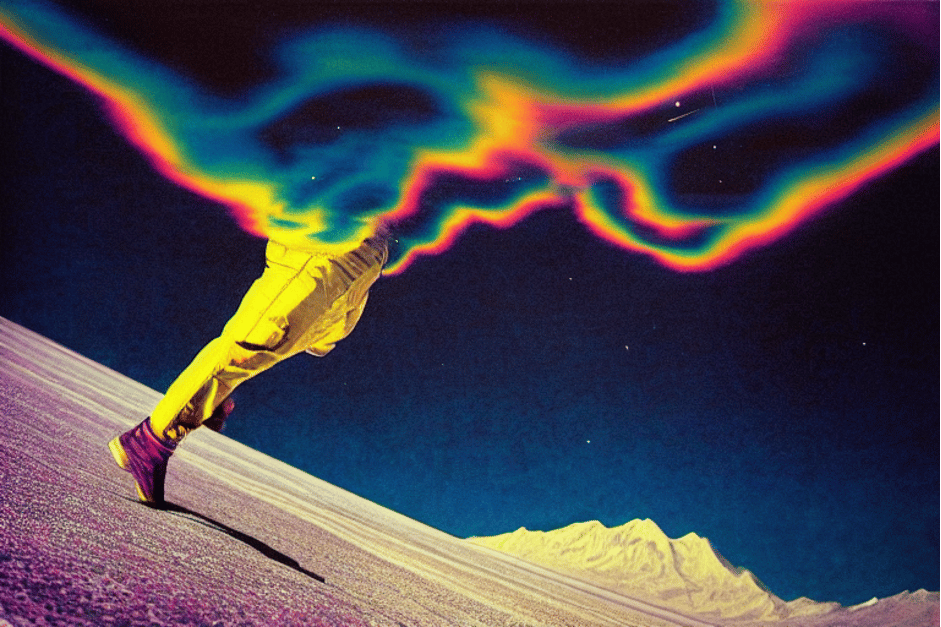
Two legs attached to an absent torso in the middle of rainbow clouds, being lifted off the ground, with white mountains in the background.

How to stop a psychedelic trip: The Promise of Ketanserin​

by Floris Wolswijk

Psychedelic trips often unfold without issues, but what if a trip needs to be stopped? Drugs such as benzodiazepines and antipsychotics are recommended as rescue medications and have been around for decades. Can ketanserin be used as a more targeted trip stopper?

Psychedelic Science Review - November 24, 2022 - By Floris Wolswijk

A trip, as a direct cause of ingesting psychedelics, can be both healing and exhilarating. Giddy feelings, melting walls, and merging of yourself with everything in the universe are but some of the experiences people have on psychedelics.

But it’s not all fun and games. Confusion, paranoia, intrusive hallucinations, and losing your sense of self can also manifest during a trip. In those cases, do you ride it out, or is there another solution?

So-called trip stoppers are substances that promise to get someone back to the reality they were familiar with. Coincidentally, it could offer drug companies a way to shorten the duration of a trip, but at what cost?​

How trips were stopped before

Vitamin B3 (niacin)

Theories on how to stop a trip were first conceived 68 years ago by Abram Hoffer.1,2 He hypothesised that high doses of vitamin B3, also known as niacin, could help treat various illnesses, including schizophrenia. Similarly, he hypothesised that it could stop the effects of an ongoing LSD trip.

Reports from that period note the use of niacin to stop a trip,2 but no modern research has been done to replicate these findings. The only use of niacin in contemporary psychedelic research has been as an attempted active control for psilocybin.3 At high doses (250 mg), niacin can lead to skin flushing and dizziness, a far cry from typical psychedelic effects.

Benzodiazepines

Benzodiazepines, colloquially known as benzos, were invented the year after Hoffer conducted his experiments.4 They work by enhancing the action of GABA, a neurotransmitter that generally has an inhibitory effect on our nervous system. This leads to feelings of relaxation and sedation.

Benzos don’t directly stop the psychedelic effects as they don’t interact with the 5-HT2A receptor, primarily responsible for the effects of classical psychedelics. Instead, they provide relief during a trip by making a person feel less anxious, and can do so rapidly within 10 to 15 minutes. This relaxation can also manifest as drowsiness, dizziness, and decreased alertness.

Valerian

The same mechanism of action – the enhancement of GABA – is thought to underlie Valerian’s potential to stop an ongoing trip.5 Valerian is a flowering plant that people have used to treat insomnia and anxiety for centuries. However, research on its efficacy is mixed, with a comprehensive review finding no effects on anxiety.

Online shops that sell psychedelic-related materials tout Valerian as a trip stopper, though they also point out that having a “trip killer” at the ready might be doing most of the work here. In other words, knowing that there is something to stop a trip may help prevent a bad trip in the first place.

Antipsychotics

Atypical antipsychotics such as quetiapine and olanzapine are partial antagonists of the 5-HT2A receptor.8 They also act as antagonists for dopamine, histamine, and adrenergic receptors. As a result, their use is associated with dizziness, sedation, and dry mouth, among other side effects. Though antipsychotics are the first group of trip stoppers to abort a psychedelic trip by directly competing for 5-HT2A binding, their lack of specificity presents tolerability issues and the potential for serious side effects.​

Hello old friend; ketanserin finds another use case

Ketanserin is an antihypertensive drug that acts as an antagonist of the 5-HT2A receptor.9 The selective antagonism of the 5-HT2A receptor has made ketanserin a useful molecule for researching the effects of psychedelics.

In a seminal paper by Vollenweider and colleagues, ketanserin was used to elucidate that psilocybin’s psychedelic effects are modulated through the 5-HT2A receptor.10 Pretreatment with ketanserin (40 mg) prevented the acute effects of psilocybin. Half this dose (20 mg) reduced subjective psychedelic effects by 50-70%. In the same trial, the atypical antipsychotic risperidone (1 mg) also effectively blocked the psychedelic effects. The typical antipsychotic haloperidol, which acts primarily as a dopamine antagonist rather than targeting 5-HT2A, reduced scores on the subscale of oceanic boundlessness but not other psychedelic effects.

It was long understood that ketanserin could thus prevent the onset of psychedelic effects. Experiments with LSD, psilocybin, and ayahuasca showed that pretreatment with ketanserin would prevent the manifestation of typical psychedelic effects.

Nonetheless, not all of the effects of psychedelics are blocked by ketanserin. A study where participants received up to 200 µg of LSD found that ketanserin didn’t prevent the increased emotional empathy experienced by participants.14 Nor did ketanserin affect the reduced attentional tracking (a computer-based measure of attention) induced by psilocybin.15 In both instances, the authors argue that these effects are not mediated by the 5-HT2A receptor and are thus not influenced by pretreatment with ketanserin.

In all these experiments, ketanserin was given before a psychedelic was administered. If a psychedelic molecule was already activating its target receptor, would it still be possible to stop the trip? Evidence from atypical antipsychotics would suggest yes, but until recently, this hadn’t been tested with ketanserin.

What about ketanserin

A study by Anna Becker and colleagues confirmed that giving ketanserin (40 mg) after LSD administration (100 µg) can stop a trip.
Ketanserin was given one hour after LSD and reduced the total length of the trip from 8.5 hours to 3.5 hours, a 60% reduction.

For most participants, the psychedelic effects started declining after one hour, and within 2.5 hours after ketanserin administration, nearly all of them were back to baseline.

Though not as rapidly acting as benzos and atypical antipsychotics, ketanserin was well tolerated by the participants and even significantly reduced tiredness associated with LSD. The authors posited that ketanserin could be given anytime during a trip, winding down the psychedelic effects within 2 to 2.5 hours.

The study, conducted at the University of Basel, was started in 2020. Around this time, MindMed bought the commercialization rights to the research and spoke extensively about a Trip Neutralizer technology. The company attempted to patent this intervention to stop an ongoing trip in 2021, but has since toned down claims related to the technology due to questions around its patentability.

The value of stopping a trip

Stopping a trip that has devolved into experiencing endless suffering has value. Acutely, it can help someone feel grounded again. Knowing that something is available to stop a trip also may help people feel safer and prevent a bad trip from occurring in the first place.

Ketanserin is another tool that makes this possible, though not as quickly as with benzos or atypical antipsychotics. The value for drug developers may lie in shortening a psychedelic trip, without reinventing the molecules to do so. However, whether shortening a trip will dampen potential therapeutic effects – that is a question we will likely only have the answer to in years to come.​
 
Last edited:
CAMBS.jpg

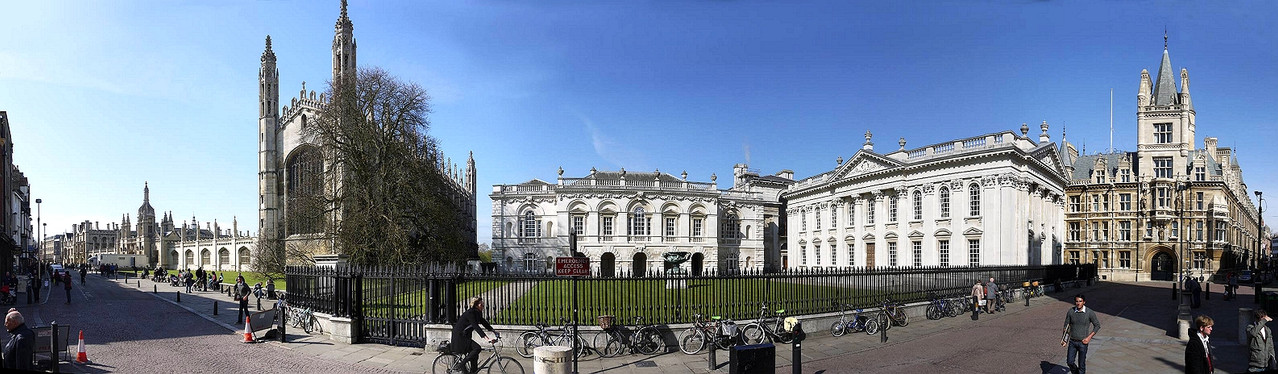
Cambridge

The Fast and Lasting Anxiolytic Effects of LSD

Psychedelic drugs like psilocybin and LSD have been investigated for their anti-anxiety (anxiolytic) potential in people with end-of-life anxiety associated with severe illness, but the anxiolytic effects of LSD-assisted therapy had not yet been assessed in patients with anxiety disorders without life-threatening illness.

Psychedelic Science Rview - October 14, 2022 - By Daniel Lustberg, PhD

Anxiety Disorders: Symptoms, Subtypes, and Treatments

Anxiety disorders are a family of psychiatric disorders characterized by excessive fear or worry, and are among the leading causes of disability worldwide.1,2 Subtypes of anxiety disorders, including generalized anxiety disorder, social phobia, and panic disorder, share some overlapping features but are distinguished by contextual triggers as well as duration and severity of anxiety symptoms.1,2 The first-line treatments for anxiety disorders are serotonergic antidepressants and benzodiazepines, but both classes of drugs are associated with adverse side effects and can be ineffective for many patients.1,2 Although classically distinguished from anxiety disorders, end-of-life anxiety in patients with terminal illnesses presents with many of the same symptoms, including irritability, restlessness, generalized dread, and panic attacks.3 Thus, there is an urgent need to develop better interventions for the management of anxiety disorders and related conditions like end-of-life anxiety in patients with fatal diseases.

LSD in Psychiatry: A Trip Down Memory Lane

LSD’s psychoactive effects were discovered by accident in 1943 by Albert Hofmann, a Swiss chemist working at the Sandoz pharmaceutical company.5,6 After Hofmann accidentally exposed himself to the drug, in a planned self-experiment three days later, he noticed its profound psychedelic effects during a now famous bicycle ride back home from the lab.5,6 The cultural history of LSD in America is troubled, beginning in the 1950s with sinister military experiments investigating the potential of LSD as a “mind-control” or incapacitating agent.5-7 In the 1960s, LSD had become widely used by psychiatrists in the experimental treatment of a range of disorders, including alcoholism, depression, and anxiety.5-11 The results of these early experiments were promising, but after LSD consumption became popular with the counterculture the drug was banned by the federal government by 1970.5-8 The classification of LSD and related psychedelic compounds like psilocybin as Schedule I compounds in the Controlled Substances Act effectively killed most research on psychedelics for treating psychiatric disorders for several decades, and new regulations on clinical research made human trials with psychedelics virtually impossible.5-9 Recently, in light of Breakthrough Therapy Designations from the FDA for psilocybin and MDMA for the treatment of depression and PTSD, respectively, researchers have turned (back) to other classical psychedelics like LSD as potentially powerful tools for treating psychiatric disorders through psychedelic-assisted psychotherapy.

Framing the Question: Experimental Rationale, Design, and Approach

The pharmacology of LSD is complex, but the subjective psychedelic effect of LSD requires activation of the 5-HT2A receptor.15,16 Modern psychedelic-assisted psychotherapy has explored psilocybin more than LSD for treating psychiatric disorders,17-19 but a recent comparative study indicated that LSD and psilocybin produce broadly similar subjective effects in healthy participants but with a longer duration of action, while “trip reports” often note other subtle differences in the phenomenological experiences between the two psychedelic drugs.

In a new study, Holze and colleagues set out to investigate whether LSD-assisted psychotherapy could provide symptomatic relief for patients with anxiety disorders in the presence or absence of a life-threatening secondary diagnosis.22 Previous studies on the efficacy of LSD-assisted therapy had focused specifically on people with end-of-life anxiety.23-25 Participants received either LSD (200 µg) or inactive placebo in two 12-hour treatment sessions spaced apart by 6 weeks (during week 2 and week 8 of the study) with five 1-hour therapy sessions, and due to the crossover design of the study, all participants received both drug and placebo in a random order. Though the study was intended to be double-blind, meaning that neither participants nor investigators were aware of which treatment the participant had been assigned to, in practice blinding patients was not possible due to the potent subjective effects of LSD. Of the 42 participants, about half had anxiety disorders with a life-threatening illness while the other half only had an anxiety disorder.22 The primary outcome measure was reduction in anxiety symptoms as assessed in the first treatment period, 16 weeks after the second LSD session (week 24) and before the crossover between treatment groups occurred.​

Dropping the Major Findings

  1. LSD produced rapid and enduring anxiolytic effects in participants with anxiety disorders both with and without a life-threatening illness, as assessed by the Spielberger’s State-Trait Anxiety Inventory–Global (STAI-G) index, compared to placebo. Anxiolytic effects were most pronounced 2 weeks after the second dose of LSD and persisted to at least 16 weeks after the second dose.​
  2. LSD produced rapid and enduring antidepressant effects in participants with anxiety disorders both with and without a life-threatening illness, as assessed by the Beck Depression Inventory index. These effects followed a similar time course to the anxiolytic effects.​
  3. As expected, LSD differed from placebo as assessed by physiological measures such as heart rate as well as measures of subjective psychedelic effects, including the Mystical Experience Questionnaire (MEQ30) and other indices like Oceanic Boundlessness. Interestingly, higher MEQ30 and Oceanic Boundlessness scores correlated with more robust anxiolytic effects in patients with anxiety disorders.​
  4. LSD treatment caused adverse effects like transient increases in anxiety in fewer than 20% of participants, and a serious adverse psychological event was reported for one participant but was managed with medication and counseling. No serious physiological side effects were observed.​

Doses and Prognosis: Future Directions for LSD-Assisted Therapy

The results of this exciting, well-designed study indicate that LSD-assisted psychotherapy produces dramatic, rapid, and prolonged anxiolytic effects in people with anxiety disorders either with or without a terminal illness.22 Importantly, the doses of LSD administered in this study were somewhat large, well above the threshold for detection of psychedelic effects, resulting in 7% of patients halving the LSD dose in the second treatment session.22-26 The high doses of LSD used by Holze and colleagues may have contributed to the mild and serious adverse events experienced by a minority of subjects. Despite carryover effects observed in this study for participants who received LSD first, the crossover design is a strength of the experimental design, enabling all subjects to be compared to themselves (with placebo or with LSD) after crossing from one treatment arm to the other.22,27 Another advantage of the crossover design, especially when therapeutic effects of the experimental intervention are so promising, is that all participants enrolled in the trial eventually receive the therapy rather than only getting placebo.22,27 That said, the study struggled with issues of blinding patients to the treatment group; the selection of appropriate controls for psychedelic trials continues to be a contentious issue in the field.

Further investigation of the anxiolytic and antidepressant potential of LSD-assisted psychotherapy are certainly warranted, but should include a greater number of participants and would likely benefit from a more careful consideration of the LSD dose, which could be adjusted to reflect individual differences in sensitivity to LSD.28 Finally, the finding from Holze and colleagues that the magnitude of the subjective effects correlated with the magnitude of the therapeutic effects is very intriguing, as the role of the “trip” experience in the beneficial effects of psychedelics on psychiatric symptoms remains an open question and topic of great research interest.29,30 Here, Holze and colleagues have convincingly demonstrated that LSD-assisted psychotherapy has promising therapeutic potential for treating anxiety disorders.​
 
Top