• Psychedelic Medicine
  • Psychedelic Medicine Moderator: mr peabody

INFECTION | +50 articles

CANCER.jpg


Increased rate of infections may indicate a future cancer diagnosis

by American Association for Cancer Research | Medical Xpress

Patients experienced a greater occurrence of infections in the years preceding a cancer diagnosis, according to results from a study published in Cancer Immunology Research, a journal of the American Association for Cancer Research.

"Cancer can develop in an inflammatory environment caused by infections, immunity disruption, exposure to chemical carcinogens, or chronic or genetic conditions,"
said Shinako Inaida, PhD, a visiting researcher at the Graduate School of Medicine at Kyoto University in Japan. "An individual's immunity is thought to be a factor in the development of cancer, but additional research is needed to understand the relationship among precancerous immunity, infections, and cancer development," added Inaida. "This information may contribute to efforts to prevent or detect cancer."

Studies have suggested an increase in infections prior to the development of non-solid tumors, such as lymphoma, chronic lymphocytic leukemia, and myeloma, explained Inaida. However, fewer studies have examined infection prior to the development of solid tumors.

In this retrospective case-control study, Inaida, along with Shigeo Matsuno, PhD, examined a medical claims database in Japan to determine the annual rate of infections in adults from 2005 to 2012. Individuals 30 years of age and older without any recorded immunodeficiencies were included in the study. The case group was composed of 2,354 individuals who were diagnosed with any malignant cancer between July 2010 and June 2011, and the control group was composed of 48,000 individuals who were not diagnosed with cancer between January 2005 and December 2012. The annual prevalence rates for influenza, gastroenteritis, hepatitis, and pneumonia infections were calculated for each group.

The case group included 1,843 men and 511 women; the control group had 38,000 men and 11,000 women. The average age of individuals in the case group was 45 years, while the average age of those in the control group was 44 years. The most common cancers diagnosed in the case group were digestive and gastrointestinal, head and neck, and stomach cancers. Other cancer types diagnosed in the case group fell into the following categories: respiratory and thoracic; germ cell; genitourinary; liver; female breast; hematologic, blood, bone, and bone marrow; endocrine; and unknown or other cancers.

The authors found that individuals in the case group had experienced higher rates of infection over the six years prior to their cancer diagnoses than those in the control group over the same time period. The largest differences in annual infection prevalence rates occurred in the sixth year, which was one year prior to cancer diagnosis. During this year, the infection prevalence rates for the case group were higher than the control group by 18 percent for influenza, 46 percent for gastroenteritis, 232 percent for hepatitis, and 136 percent for pneumonia.

For individuals in the case group, the age-adjusted odds of infection increased each year. During the first year, those in the case group had a 16 percent higher likelihood of infection than the control group, compared with a 55 percent greater risk in the sixth year. During the sixth year, the highest age-adjusted odds ratio was observed for hepatitis infection, with those in the case group having had a 238 percent higher likelihood of hepatitis infection than those in the control group.

The authors also found that certain infections appeared to have a greater association with certain cancer types. The odds of influenza infection just before cancer detection, for example, were highest for those who developed male germ cell cancers. Additionally, the odds of pneumonia were highest in those who went on to develop stomach cancer, and the odds of hepatitis infection were highest in those who developed hematologic, blood, bone, or bone marrow cancers. "Interestingly, we found that infection afflicting a specific organ did not necessarily correlate with increased risk of cancer in the same organ," noted Inaida.​

 
Last edited:
1200x801.jpg


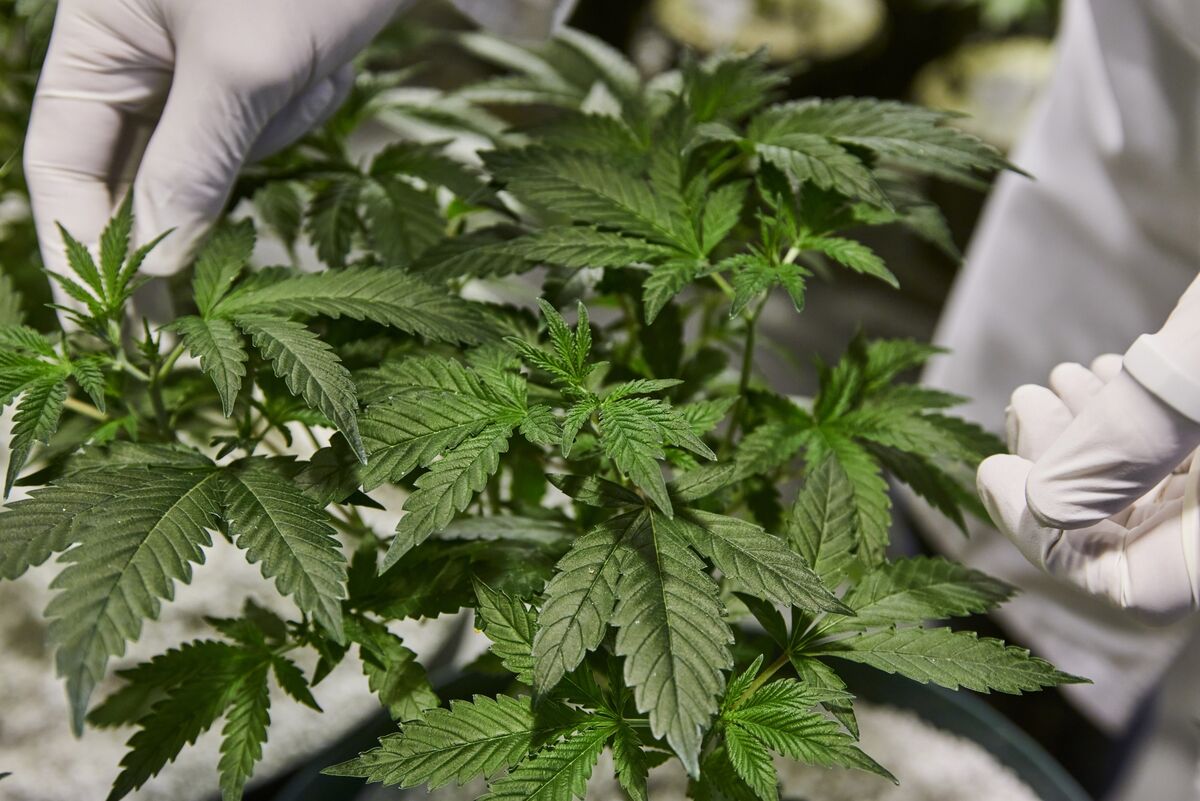
Hemp compounds found to prevent coronavirus from entering human cells*

by Steve Lundeberg | OREGON STATE | 10 Jan 2022

Hemp compounds identified by Oregon State University research via a chemical screening technique invented at OSU show the ability to prevent the virus that causes COVID-19 from entering human cells.

Findings of the study led by Richard van Breemen, a researcher with Oregon State’s Global Hemp Innovation Center, College of Pharmacy and Linus Pauling Institute, were published today in the Journal of Natural Products.

Hemp, known scientifically as Cannabis sativa, is a source of fiber, food and animal feed, and multiple hemp extracts and compounds are added to cosmetics, body lotions, dietary supplements and food, van Breemen said.

Van Breemen and collaborators, including scientists at Oregon Health & Science University, found that a pair of cannabinoid acids bind to the SARS-CoV-2 spike protein, blocking a critical step in the process the virus uses to infect people.

The compounds are cannabigerolic acid, or CBGA, and cannabidiolic acid, CBDA, and the spike protein is the same drug target used in COVID-19 vaccines and antibody therapy. A drug target is any molecule critical to the process a disease follows, meaning its disruption can thwart infection or disease progression.

“These cannabinoid acids are abundant in hemp and in many hemp extracts,” van Breemen said. “They are not controlled substances like THC, the psychoactive ingredient in marijuana, and have a good safety profile in humans. And our research showed the hemp compounds were equally effective against variants of SARS-CoV-2, including variant B.1.1.7, which was first detected in the United Kingdom, and variant B.1.351, first detected in South Africa.”

Those two variants are also known the alpha and beta variant, respectively.

Characterized by crown-like protrusions on its outer surface, SARS-CoV-2 features RNA strands that encode its four main structural proteins – spike, envelope, membrane and nucleocapsid – as well as 16 nonstructural proteins and several “accessory” proteins, van Breemen said.

“Any part of the infection and replication cycle is a potential target for antiviral intervention, and the connection of the spike protein’s receptor binding domain to the human cell surface receptor ACE2 is a critical step in that cycle,” he said. “That means cell entry inhibitors, like the acids from hemp, could be used to prevent SARS-CoV-2 infection and also to shorten infections by preventing virus particles from infecting human cells. They bind to the spike proteins so those proteins can’t bind to the ACE2 enzyme, which is abundant on the outer membrane of endothelial cells in the lungs and other organs.”

Using compounds that block virus-receptor interaction has been helpful for patients with other viral infections, he notes, including HIV-1 and hepatitis.

Van Breemen, Ruth Muchiri of the College of Pharmacy and Linus Pauling Institute and five scientists from OHSU identified the two cannabinoid acids via a mass spectrometry-based screening technique invented in van Breemen’s laboratory. Van Breemen’s team screened a range of botanicals used as dietary supplements including red clover, wild yam, hops and three species of licorice.

An earlier paper in the Journal of the American Society for Mass Spectrometry described tailoring the novel method, affinity selection mass spectrometry, to finding drugs that would target the SARS-CoV-2 spike protein.

In the later research, lab tests showed that cannabigerolic acid and cannabidiolic acid prevented infection of human epithelial cells by the coronavirus spike protein and prevented entry of SARS-CoV-2 into cells.

“These compounds can be taken orally and have a long history of safe use in humans,” van Breemen said. “They have the potential to prevent as well as treat infection by SARS-CoV-2. CBDA and CBGA are produced by the hemp plant as precursors to CBD and CBG, which are familiar to many consumers. However, they are different from the acids and are not contained in hemp products.”

Van Breemen explains that affinity selection mass spectrometery, which he abbreviates to AS-MS, involves incubating a drug target like the SARS-CoV-2 spike protein with a mixture of possible ligands – things that might bind to it – such as a botanical extract, in this case hemp extract.

The ligand-receptor complexes are then filtered from the non-binding molecules using one of several methods.

“We identified several cannabinoid ligands and ranked them by affinity to the spike protein,” van Breemen said. “The two cannabinoids with the highest affinities for the spike protein were CBDA and CGBA, and they were confirmed to block infection."

“One of the primary concerns in the pandemic is the spread of variants, of which there are many, and B.1.1.7 and B.1.351 are among the most widespread and concerning,”
he added. “These variants are well known for evading antibodies against early lineage SARS-CoV-2, which is obviously concerning given that current vaccination strategies rely on the early lineage spike protein as an antigen. Our data show CBDA and CBGA are effective against the two variants we looked at, and we hope that trend will extend to other existing and future variants.”

Van Breemen said resistant variants could still arise amid widespread use of cannabinoids but that the combination of vaccination and CBDA/CBGA treatment should make for a much more challenging environment for SARS-CoV-2.

“Our earlier research reported on the discovery of another compound, one from licorice, that binds to the spike protein too,” he said. “However, we did not test that compound, licochalcone A, for activity against the live virus yet. We need new funding for that.”
*From the article here :
 
1.18067711.1366386605.jpg

Albert Hofmann

Anti-viral effects of Ibogaine

Dr. Vic Hernandez

Ibogaine in its administered forms has typically been applied to persons seeking a chemical dependence addiction treatment. The target population not only has had to contend with chemical dependence issues but issues concerning other infections, most notably HIV and/or HCV or co-infection. As antidotal and preliminary scientific information is noted concerning Ibogaine treatments, trends suggest potential applications to these pathogens. Medical science has not rigorously pursued investigation into the potential applications of Iboga alkaloids in in vitro work, animal and human studies.

I am a public health wonk. I have had the luxury of doing what interests me in what I call Public-Health. I get off on effecting and affecting the public's health. My work in HIV has concerned oxidative stress and HIV and its contribution to the understanding of pathogenesis and pathophysiology. I've been involved in developing guidelines for physicians treating HIV, trial design and methodology. I have worked on developing practitioner education forums to support understanding and treatment for isolated populations infected with HIV, notably active users. My unique relationship to communities affected by HIV, activism and passion for my work has brought me to unique understandings and relationships that I have brought to other public health work. I received a congressional citation for this work. Working with Lynn Mofenson at the NIH we moved to look at micro-nutrient intervention in HIV non-progressors to affect HIV progression and delay ARV intervention without compromising patient health by allowing HIV to run unabated. The fruits of this work have been born out in the African studies noted in US papers recently. Working with Lynn, Fauzi at Harvard and others, we established a treatment approach that was frowned upon when we started back in 1993 into accepted and respected reality.

Noted work included the resurrection of Alfa Lipoic Acid as a micronutrient effecting Liver toxicity. It would later be applied to HCV cases. In recent years, needing and wanting a break from HIV, I've worked in the realm of cancer, looking at the role of genetics in identifying trends in non-progressors utilizing non-conventional therapies or no therapeutic interventions. This work has allowed me to look at orthomolecular medicine (effect of micro-nutrients on the biochemistry of the body, pathogen infection, self cells run amuck and wellness and quality of life). Working with colleagues and mentors as Lynn Margulis at U Mass Amherst and Walter Willet at Harvard, I began to understand as Lynn puts it: the symbiosis of medicine, and as Walter puts it, as the effect of the basic building blocks of body systems and their abilities to stay healthy. Why mention this blather? You need to know where I am going with this information, so we can understand where we headed, now and in the future.

HIV. Where we are, and what it means

HIV research and treatment approaches have been checkered and somewhat baffling in approach and far too complex to delve into at this meeting or in this short of time. From a conventional medicine perspective, there are three steps required for HIV to enter cells: Attachment, Binding to a co-receptor, and Fusion of HIV into CD-4 cell. The currently available classes of drugs work to prevent the process of HIV reproducing itself and infecting new cells after HIV enters the CD-4 cell: They are Nucleoside Analogues, Non-nucleoside Analogues and Protease Inhibitors. These drugs have been administered in combination, at varied intervals, and in varying doses to tease out efficacy for the particular viral strain(s) expressed by the patient. Toxicities to body systems and healthy cells require strict and watchful management.

There is a new class of drugs called Entry Inhibitors which block HIV from entering CD-4 cells. They work by blocking the HIVs ability to enter and infect a cell. Essentially there are two steps to entry of HIV into the CD-4 cell. HIV attaches to the CD-4 cell and then fuses with it. After fusing with the cell, HIV can dump its genetic material into the CD-4 cell, the material it needs to reproduce itself in the CD-4 cell. There are two steps to attachment: attaching to the CD-4 receptor and then to a co-receptor, either CCR5 or CXCR4.

Basically, how Entry Inhibitors work is first by:

- Attachment
- Co-receptor binding
- Fusion

Currently available HIV drugs other than Fuzeon, prevent HIV from reproducing once HIV in the cell.

HIV Super-infection and HIV Drug Resistance. Let's start with HIV super-infection. Studies over the past two years suggest this is a real problem. Super-infection is when a person who has HIV gets infected with a second viral strain of HIV. Super-infection, based on study, occurs 5 to 13 months after estimated date of initial infection. The super-infection strain can be associated with ARV susceptibility and adherence. In some cases, a person can be infected with a drug resistant strain and then become infected with a super-infection wild-type or visa-versa. Initial co-infection cannot be ruled be ruled out. Molecular investigation determines evidence of super-infection coupled with progression and ARV response. The rate of the super-infection based on study hovers somewhere around 6.5% annually. Harm reduction counseling is recommended by the researchers.

There are some in the medical science community that are trying to link the super-infection to a patient zero that originated from New York. Nonsense! This was tried at the beginning of the HIV/AIDS pandemic by saying that HIV started in North America with a Canadian airline steward. It is impossible to narrow down such a claim. By the way, in that case, it was refuted by the testing of IDU blood samples from the early seventies that had been banked at Beth Israel. HIV was found in those cohorts, long before the Canadian air-steward stuff. At a recent conference, Paul Volberding MD from UCSF noted that the super-infection business hinged on one reliable case and that the bally-who was uncalled for. This should not minimize sound and reliable public health interventions such as safer sex practices.

Unfortunately, we are learning about HIV pathophysiology and pathogenesis as we go along instead of developing the understanding first. This may deal a blow to 18-MC, if applied to HIV or not.

As for HIV drug resistance, it was not until ICAAC in October of 2004 did the rates found seem alarmingly worrisome. Soon after, the media has grabbed a hold on this information. Studies are finding an escalation of HIV drug resistance during primary infection period (shortly after infection). And the resistances vary among drug classes. Drug resistant HIV acquired at time of infection can establish itself as the dominant virus population and become archived in the latent cellular reservoir. This may result in sub-optimal response to ARV interventions and promote the accumulation of mutations and jeopardize already limited treatment options. In further study, HIV drug resistance has been found in 1 of 7 treated in the US of a cohort of 317 in 40 US cities. The prominent resistance was found in the non-nukes class of drugs. Ethnic differences were noted. Latinos and Asian patients had a lower prevalence of reduced susceptibility (6 percent, with Caucasians at 27 percent, and Blacks at 23 percent. There were no gender differentiations or comparisons done. These were among male cohorts.

HCV and co-infection

HCV therapeutic interventions are limited in pharmaceutical application (interferon and pegalated interferon [riboviron and interferon]) are limited. There are surfacing reports indicating significant efficacy with TCM. In the co-infected individual, treatment options reduce due to the environment of the liver.

When Howard approached me with this paper, I read it and got excited. I like new ideas and approaches especially if the science is tight and is respectful of change. No one has the ace card and false hope, especially for patients, is highly unethical. Ask David Ho MD at Rockefeller's Aaron Diamond Center regarding the premature delivery of HIV cure based on invitro data. After reading the paper Howard shared, the questions flooded through my head and as we talked, he suggested I say a few words. Reluctantly, I accepted. I have been trying to avoid public gigs (especially those that risk pissing contests). The paper (above) by Silva et al from Brazil entitled: Anti-HIV-1 Activity of Iboga Alkaloid Congener 18-MC is a significant piece of work. It was an in vitro (in lab) study using human cells. The Iboga alkaloid 18-MC was introduced to human Peripheral Blood Mononuclear cells (PBMCs) and monocyte-derived macrophages. The result was the significant inhibition of isolates of HIV-1 in a dose dependent manner.

The approach of this anti HIV-1 inhibitory activity study went something like this: An in vitro study of donor PBMCs cells from healthy donors was executed with monocyte-derived human macrophages isolated from the PBMCs. This was not a formal clinical trial with subjects. Materials and methods seemed valid and reliable. Then HIV-1 primary isolates (3) were used. AZT, a nucleoside analogue was used as a control probably because the mechanism of action of 18-MC is as reverse transcriptase inhibitor and AZT is a nucleoside analogue used to affect reverse transcriptase. PBMCs were exposed to viral suspensions of HIV-1 P-24 antigen. Viral replication was assessed by measuring P-24 antigen. Dose ranges from 12.5 to 50 micromolers significantly effected HIV proliferation. Time durations varied from 3, 10, 14 and 21 days. A variety of doses, durations were done to observe safety, and effect. Compared to the control (AZT) which was rigorous as expected, 18-MC faired very well. It should be noted that the infection assays were performed with primary cells (acutely infected PBMCs and macrophages) to avoid the genotypic and phenotypic changes that might occur during viral changes that might occur during viral passages in tumor cell lines. They also used primary isolates, which are phenotypically closer to the viral population present in HIV-1 infected patients. Additionally, they looked at the naturally occurring COR and its anti HIV-1 effect and found significant results, but the data was not reported. They did report the indole alkaloid congener 18-MC molecule of the natural COR, presenting little to none of the adverse effects associated with the original molecule in this antiviral study reported. These study design considerations contributed to a tight study with valid and reliable outcomes.

Basically, 18-MC inhibits HIV-1 replication in human PBMCs and in monocyte-derived macrophages. This antiviral effect of the alkaloids may be due to their action on different steps of viral replication, such as inhibition of syncytium formation and reducing the activity of HIV-1 enzyme reverse transcriptase. So how this applies to the HIV treatment intervention picture is up for grabs. Certainly, further study needs to be done on the mechanisms by which 18-MC decreases HIV replication in vitro, in addition to inhibition of HIV reverse transcriptase. It is worth doing for a number of potential reasons:

1. 18-MC has a lower toxicity profile compared to the drugs in the study control class (nucleoside analogues). And I would venture to say in the other three classes that prevent the process of HIV from reproducing itself and perhaps infecting new cells after HIV enters the CD-4 cell.

2. 18-MC provides a potentially safe ARV therapeutic intervention in less virulent strains of HIV and minimizing toxicities.

3. Co-therapeutic intervention can be matched with micro-nutrient regimens which have been shown in study to delay ARV therapeutic intervention for up to 5 years, notably in women and infected infants.

4. 18-MC, based on its mechanism of action against HIV in comparable drug classes, could be applied to HIV infected pregnant women to affect mother to fetus transmission rates. The studies among these populations used AZT, the control for the 18-MC. I believe 18-MC has a less toxic profile than AZT even thought AZT showed significant interruption of mother to fetus HIV transmission.

5. Given the pharmacodynamics of Iboga alkaloids in the brain, the potential for crossing the blood brain barrier is significant.

6. As mentioned earlier in Dr. Onaivis presentation, the potential of Ibogaine to regulate inflammation (genetically) is significant for persons living with HIV/AIDS where inflammatory states are hallmark.

7. I believe it would be cost effective in poorer nations struggling with HIV infection.

There are issues here, too.

1. Since this 18-MC affects HIV-1 at reverse transcriptase, such as other classes of drugs, perhaps there is a chance for drug resistance as found in other drugs in that class or a shorter duration to it?

2. Perhaps it can be used in initial therapy in super-infections or drug-resistant strains until it succumbs to those viral expressions.

3. In combination with other drug classes such as nukes, non-nukes and protease, there is a strong potential for side effects. But given their toxicity to body systems and healthy cell lines that the nukes, non-nukes and protease inhibitors have, pairing them up with this group may not be wise. This is dependent on dose levels and state of the patient.

4. Perhaps it can be paired up with the new Entry Inhibitors to provide a well-rounded combination to thwart HIV. This I see as the most promising combination.

5. In the case of co-infection, particularly for those with HIV/HCV infection and dicey livers, this may prove to be questionable. I believe the verdict is not in, and further research is needed.

6. Regarding potential psychedelic effects, it should be noted that Sustiva reports similar side effects (like hypnogocic hallucinations) and has been controlled through a variety of provider and patient interventions.

What medical science needs to do

Simple, more study, but the politics of what gets studied and how it gets funded are sad realities. But history has shown us that vigilant activism can effect epistemology, study approach even study design and recruitment. For example, a medical treatment support group comprised of non-active injection drugs users (IDUs) based in the Bronx found the Hypericin study at Bellevue Medical Center in NYC to be of interest. But they found the route of administration (subcutaneous) a bit unwelcoming since it brought up potential triggers to use again. They met with the principal investigator (PI) Fred Valentine MD and persuaded him to add an arm that was orally administered. He agreed and they (the patients) help recruit for the study.

Since the study was done in Brazil and not in the US, the chances for further investigation are probably more promising. Based on this limited work, an Investigational New Drug (IND) designation can be developed, funding lined up, bring it up with Community Review Boards (CRBs), cultivate interested researchers are among the many avenues medical science must go with this. Working with the Institutional Review Boards (IRBs), who wheel a lot of political power to support pursuit of an Iboga-alkaloid as an anti-viral. This is most effective if you have a PI lined up with a clear focus, good science under his/her belt coupled with sufficient funding source(s).

What can patients and advocates do?

I believe there are many things that can be done here, to name a few:

1. Brainstorm with constituencies of patients in effected populations. Dr. Ken Alper and others have mentioned the comradery of the group having been treated with Ibogaine. These people serve as a constituency who can affect the fast tracking of treatments.

2. Develop proactive treatment support groups that can be involved in trial design, methodology, trial recruitment, trial implementation, and adherence. For example, I have started HIV/AIDS treatment support groups called AMEN (Attitude, Medications, Exercise, Nutrition). These groups encourage patients to be their own primary healthcare advocate. They are involved in all aspects of patient treatment intervention(s), advocacy, and often times drug development.

3. Treatment support group can not only promote such objects as patients being their own primary healthcare advocate but also informal researchers. For example, setting up simple databases that encourage the observation of trends of persons taking Ibogaine and the effect on say HCV or HIV. Blood work-up can be a point measure to observe trends.

4. Cultivate active and fruitful relationships between the treatment support group members and their healthcare providers, especially when it comes to understanding the population of active and non-active users, their medical conditions and predispositions, and above all the dynamic of behavior notably addiction.

Remember, some of the most profound discoveries and epistemology in medical science have come from non-medical and/or science trained patients and their advocates.

https://ibogainedossier.com/v_hernandez.html

 
Leishmaniasis/HIV co-infection

The Iboga alkaloid congener 18-MC inhibits HIV-1 and may be uniquely useful for treating patients co-infected with Leishmaniasis and HIV.

A major threat to the control of visceral leishmaniasis (VL) is its interaction with HIV infection. VL has emerged as an important opportunistic infection associated with HIV. In areas endemic for VL, many people have asymptomatic infection. A concomitant HIV infection increases the risk of developing active visceral leishmaniasis by 100 to 2320 times. In southern Europe, up to 70% of cases of visceral leishmaniasis in adults are associated with HIV infection.

VL/HIV co-infection has important clinical, diagnostic and epidemiological implications. The two diseases are mutually reinforcing: HIV-infected people are particularly vulnerable to VL, while VL accelerates HIV replication and progression to AIDS. The risk of treatment failure for VL is high, regardless of the drug used, and all co-infected patients will relapse – and eventually die – unless they are given anti-retroviral therapy. Indirect methods of diagnosis such as serological tests for VL frequently fail; direct methods such as aspirations (bone marrow, lymph node or splenic) are reliable but are invasive, require skilled microscopy, and have less value in treated and relapsing patients. Further, co-infected patients can serve as human reservoirs, harboring numerous parasites in their blood and becoming a source of infection for the insect vector.

To date, as many as 35 countries throughout the world have reported cases of VL/HIV co-infection, although most of the published literature concerns the countries of southern Europe. Under-reporting in most endemic areas is due to a lack of facilities to diagnose one or both of the diseases and to poor reporting systems. The fact that VL is not included in the CDC list of opportunistic infections further undermines reporting. In a particularly ominous trend, the spread of HIV infection is bringing the severe visceral form of leishmaniasis to new geographical areas and changing the epidemiology of the disease in dangerous ways.

Leishmaniasis-HIV co-infected people have a significantly higher chance of developing the full-blown clinical disease

Where leishmaniasis occurs in urban areas, conditions often favour explosive epidemics, thus transforming the disease from a sporadic to an epidemic threat. In persons infected with HIV, leishmaniasis accelerates the onset of AIDS by cumulative immunosuppression and by stimulating replication of the virus. The epidemiological significance of asymptomatic carriers of the parasite has also been amplified by the advent of HIV, as co-infection rapidly activates infection to disease in asymptomatic parasite carriers. Sharing of needles by intravenous drug users contributes to the spread of leishmaniasis in Europe, as well as that of HIV.

In 1991, WHO established a global surveillance network of 28 institutions, named Leishnet, to document the extent of the problem of co-infection and monitor trends. Initially, the sites involved in the network were predominantly European, reflecting the epidemiological situation at the time. A standardized case report form was developed to collect information on demographic, clinical and diagnostic features of the disease. In recent years, the network has expanded to all endemic areas and now includes institutions from Africa, South America and Asia. The network aims not only to monitor epidemiological trends but also to develop guidelines for disease management.

The number of reported co-infection cases increased rapidly during the 1990s with the spread of the HIV pandemic, increased awareness among reporting institutions, and the growing geographical overlap between the two diseases. By 2001, a total of 1911 co-infection cases had been reported, with more than 50% (1099) coming from Spain. Analysis using geographical information systems (GIS) showed that most cases were in coastal urban areas with high population densities. The spatial pattern suggested a progressive ruralization of co-infection cases, as HIV infection spread into rural areas and VL became increasingly periurban. The number of reported cases in southern Europe peaked between January 1996 and June 1998, then decreased steadily until 2001, remaining stable at a low level thereafter. The decrease is attributed to the routine use of ART since 1997.

In Ethiopia, 535 cases (>90 percent) were reported by the Medecins sans Frontieres VL treatment centre in Kafta Humera district, in the northwestern region of Tigray. They correspond to all co-infection cases treated between 2003 and 2008. In this highly endemic area for VL, the rate of HIV co-infection among VL patients is 15–30%. The position of the area near the Eritrean and Sudanese borders, and its high agricultural activity, attract a high influx of seasonal male migrant workers each year and make it an important transit point for cross-border trade and traffic. The increase in the male population also attracts a high annual influx of commercial sex workers, which probably contributes to the increasing rates of HIV transmission. As in Europe, most of the co-infection cases reported in Africa were in men (94.8 percent).

http://www.who.int/leishmaniasis/burden/hiv_coinfection/burden_hiv_coinfection/en/
 
Last edited:
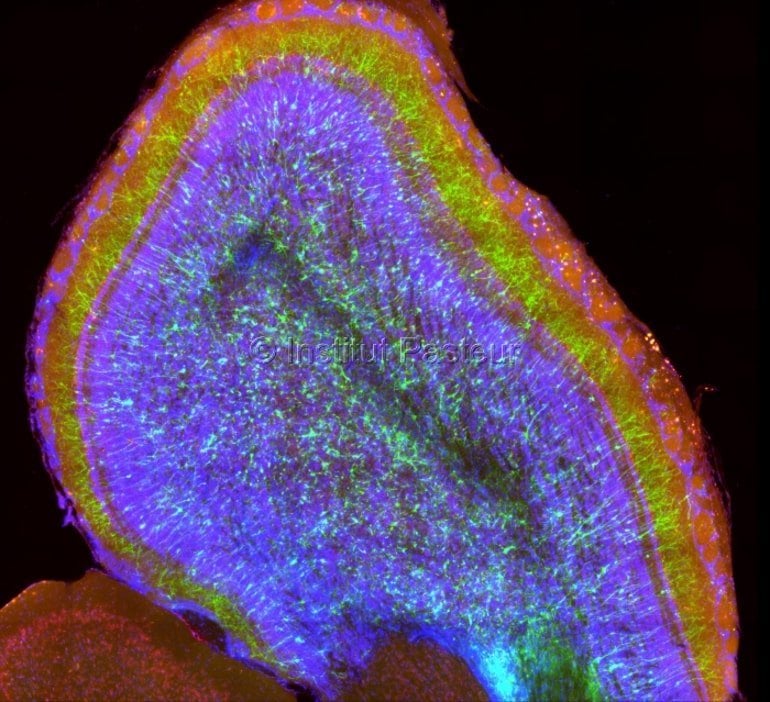
This shows a brain slice from a mouse

Section of a mouse brain observed using a fluorescence microscope.

When severe infection causes long-term mood disorders

by Anne Burlet-Parendel | Intitute Pastuer | Neuroscience News | 20 Apr 2022

The activation of a neural circuit comprising of the central nucleus of the amygdala and the bed nucleus of the stria terminalis in the first hours following sepsis infection induced anxiety behaviors in mice two weeks after the infection cleared. The behaviors mimicked the PTSD symptoms patients experience following sepsis infection.

The brain is able to detect and regulate localized or systemic inflammation by using two communication pathways. The first, humoral, makes use of specific brain structures that enable circulating inflammatory mediators to enter the brain. The second, neural, involves nerves whose sensory afferents transmit the inflammatory signal detected at local level.

The vagus nerve therefore uses identified receptors to detect a digestive or lung inflammation. Specific brain structures and networks perceive and integrate these humoral and neural messages and orchestrate a regulatory response involving neuroendocrine, neurovegetative and behavioral elements. These corrective interventions are controlled respectively by the hypothalamus and the hypophysis – the autonomic nervous system and the limbic system.

Neuroendocrine activation is characterized by the release of cortisol, the main stress hormone. The autonomic response involves the combined activation of the sympathetic and vagal systems, with the latter believed to induce a local anti-inflammatory response.

Behavioral changes affect mood, attention, sleep and appetite.

The aim of the overall response is to control inflammation so as to preserve bodily integrity, or homeostasis. But in some circumstances, it can be ill adapted and can lead to immunological and/or psychological disorders.

A severe infection known as sepsis is the most common condition capable of inducing this defense strategy against inflammatory stress. Sepsis is the leading cause of death worldwide and represents a major public health challenge.

What makes the situation worse is that sepsis is also associated with chronic psychological disorders such as anxiety, depression and post-traumatic stress disorder.

These conditions significantly increase suicide risk and have a lasting impact on the personal, social and professional lives of patients.

“No preventive treatments have so far been demonstrated to be effective, probably because of a lack of understanding of the pathophysiology of these disorders, especially the neural networks implicated in their onset,” explains Professor Tarek Sharshar, Head of the Sainte-Anne Neurology Department.

In an experimental study published in the journal Brain, a team of scientists from the Institut Pasteur (Perception and Memory laboratory) and clinicians from the Paris Psychiatry and Neurosciences University Hospital Group (GHU) (Neurological Resuscitation Department) used pharmacogenetic techniques to identify a dedicated neural circuit comprising the central nucleus of the amygdala and the bed nucleus of the stria terminalis.​

The activation of this circuit in the first few hours of sepsis induces anxious behavior two weeks after the infection has cleared. This behavior observed in mice mimics the post-traumatic stress disorder observed in patients recovering from sepsis.

“This discovery paves the way for new therapeutic strategies for sepsis: we observed that administering an agent capable of preventing the hyperactivation of this circuit reduces the risks of developing anxiety disorders,” explains Professor Pierre-Marie Lledo, Institut Pasteur and CNRS. This effect is thought to be partly linked with reduced activation of the vagal afferent integration center.

This study is of particular interest because it identifies both a dedicated circuit for post-sepsis anxiety and a potential pharmacological treatment. The latter will soon be tested in a multicenter randomized therapeutic trial. By revealing the link between neuroinflammation and psychiatric disorders, this research resonates with the current context of the COVID-19 pandemic and long COVID.

 
tingri-everest-base-camp-trek.jpg


Cannabis kills MRSA, disrupts Prion Diseases*

by David Downs

Cannabis is a potent antibiotic that can kill Methicillin-Resistant Staphylococcus Aureus (MRSA) and disrupt the progression of prion diseases such as Mad Cow and Creutzfeld-Jakob disease - a medical information resource for doctors sponsored by The Massachusetts Medical Society, publisher of the New England Journal of Medicine.

Scientists from Italy and the United Kingdom reported in the Journal of Natural Products that the main active ingredient in Cannabis, THC, as well as four other Cannabis molecules “showed potent antibacterial activity against six different strains of MRSA of clinical relevance."

Cannabis also stops prions, a type of protein that can cause neurodegenerative diseases that are invariably fatal. Once prions get into a brain they replicate rapidly and shred brain tissue “resulting in a ‘spongiform’ appearance on post-mortem histological examination of neural tissue."

In 2007, American and French researchers reported that the molecule Cannabidiol “prevents prion accumulation and protects neurons against prion toxicity” in the Journal of Neuroscience.

Cannabidiol inhibited prion accumulation in mouse and sheep prion disease cell cultures and inhibited prion formation in the brain of infected mice given injections of CBD. “The authors conclude that CBD likely represents a new class of anti-prion drugs.”

“These findings are encouraging, as prions are very difficult to kill. According to the National Institute of Neurological Disorders and Stroke, presently there is no FDA-approved treatment that can cure or even control Prion disease.”


MRSA kills about 18,000 Americans each year and sickens about 94,000.

*From the article here :
https://www.eastbayexpress.com/Legal...prion-diseases
 
Last edited:
HEPC.jpg


Ibogaine and Hepatitis C

The hepatitis C virus (HCV), common among drug users, was first identified in 1989 by genetic engineering of the hereditary material. In Europe, most people are now vaccinated against the hepatitis A virus and the hepatitis B virus, but there is currently no available immunisation against HCV.

Symptoms of hepatitis C include an inflamed liver, pain in the liver and increased production of liver enzymes. There are different treatment options for HCV. The standard treatment option combines interferon with ribavirin. However, this treatment option has no guaranteed success. In addition, the long treatment period of 24-72 weeks is unpleasant due to the numerous side effects.

In 1990, the antiviral effect of Ibogaine was reported for the first time. Since then, there have been reports of cures and documented reductions in HCV concentration after Ibogaine treatment. In 2005, Howard Lotsof filed a patent application for the use of Ibogaine and other Iboga alkaloids to treat hepatitis C and related symptoms.

The results of Ibogaine-assisted HCV therapy are promising. Repeated administration of small doses of Ibogaine HCL lowers the viral load slightly but continuously. A single staggered treatment of a high dose of Ibogaine HCl, significantly reduces the viral load of the hepatitis C genotype 3, comparable with the interferon-ribavirin therapy. The reduction in viral load continues even after the end of the Ibogaine treatment.

Ibogaine HCL is significantly less toxic than the conventional therapy.
 However, within the pharmaceutical industry and doctors, there seems to be no particular interest in alternative methods of treatment. Meanwhile, Ibogaine therapy is far more cost effective than monthly treatment with interferon-ribavirin. Unfortunately, there are no other clinical studies, only anecdotal reports.

http://iboga.info/hepatitis-c-2/

-----

Ibogaine in the treatment of Hepatitis C

The hepatitis C virus (HCV), which is common among drug users, was first described as non-hepatitis A and non-hepatitis B virus in 1973, until it was finally identified in 1989 by genetic engineering of the hereditary material. In Central Europe, most people are now vaccinated against the hepatitis A virus and the hepatitis B virus, but there is currently no available immunisation against HCV.

Symptoms of hepatitis C include an inflammed liver, pain in the liver and increased production of liver enzymes. There are different treatment options for HCV. The standard treatment option combines interferon with ribavirin. However, this treatment option has no guaranteed success. In addition, the long treatment period of 24 to 72 weeks is unpleasant due to the numerous side effects.

In 1990, the antiviral effect of Ibogaine was reported for the first time. Since then, there have been reports of cures and documented reductions in HCV concentration after Ibogaine treatment. In 2005, Howard Lotsof filed a patent application for the use of Ibogaine and other Iboga alkaloids to treat hepatitis C and related symptoms.

The results of Ibogaine-assisted HCV therapy are promising. Repeated administration of small doses of Ibogaine HCL lowers the viral load slightly but continuously. A single staggered treatment of a high dose of Ibogaine HCl, significantly reduces the viral load of the hepatitis C genotype 3 and is favourably comparable with the interferon-ribavirin therapy. The reduction in viral load continues even after the end of the Ibogaine treatment.

In addition, Ibogaine HCL is significantly less toxic than the conventional therapy.
 However, within the pharmaceutical industry and many Western doctors, there seems to be no particular interest in alternative methods of treatment. Meanwhile, Ibogaine therapy is far more cost effective than monthly treatment with interferon-ribavirin. Unfortunately, there are no other clinical studies, only anecdotal reports.

HEPC2.jpg

 
2B25EC4700000578-3370542-image-a-22_1450800312717.jpg


Pilot study of psilocybin-assisted group therapy in older AIDS survivors

by Michael Haichin, PharmD | Psychedelic Science Review

Feasibility, safety, and potential efficacy of psilocybin-assisted group therapy was demonstrated in treating demoralization in this marginalized population.

Evidence for psilocybin-assisted psychotherapy (PcbAP) continues to accumulate for treating a number of psychiatric conditions. However, the majority of modern trials studying this treatment have been time-, staff-, and resource-intensive. A significant amount of two therapists’ time is required as part of pre-drug preparatory sessions, supervision during, and post-drug integration sessions. As a result, concerns about high costs and limited access have loomed over the potential translation to real-world clinical practice settings if it is approved. PcbAP administered in a group setting is regarded as a potential solution, though until recently, no modern trials examined whether it is feasible, safe, or effective.

Why psychedelic group therapy

Traditionally, plant-based psychedelics like psilocybin, ayahuasca, and peyote were used in group settings by various Indigenous groups for healing and religious purposes. This group framework was replicated in earlier clinical studies of psychedelics in the 1960s-70s, which found promising evidence in treating alcohol use disorder and neuroses, predominantly with LSD. However, those studies were not up to present-day clinical trial standards, thus limiting what conclusions could be drawn about the safety and efficacy of psychedelic group therapy.

In an open-label trial of individual PcbAP for treatment-resistant depression, social connectedness was identified as a possible underlying mechanism of therapeutic change.4 Other contemporary trials’ participants have requested to meet other trial subjects, as well as corroborating the importance of connecting with those who have undergone the challenging-to-describe psychedelic experience. These results suggested that psychedelic group therapy may improve therapeutic outcomes and participant satisfaction.

The historical use, previous research, and more recent findings, combined with the cost-saving potential, pointed to the need to explore the psychedelic group therapy model more rigorously. A research team led by Brian Anderson, MD from the University of California San Francisco, therefore, conducted a pilot study to explore the feasibility, safety, and potential efficacy of psilocybin-assisted group therapy.


Older, long-term AIDS survivors and demoralization

This trial examined a marginalized population unique to psychedelic therapy: older, long-term AIDS survivors (OTLAS) suffering from demoralization. Demoralization, a prevalent response to serious medical illness, is a form of existential distress characterized by poor coping and feeling hopeless, helpless, and without meaning or purpose.5 These individuals were diagnosed with HIV/AIDS when it was considered a terminal diagnosis and lived through the overwhelming loss of loved ones, resulting in demoralization. The average age of participants included in the study was 59 years. This population also has complex past medical and psychiatric histories, reflected in 50% of the trial participants meeting criteria for a comorbid mental health condition (e.g., anxiety disorder, panic disorder, and borderline personality disorder).

Study design

In this single-arm, open-label trial, 18 self-identified gay men suffering from moderate to severe demoralization were enrolled into three cohorts of six. Participants met as a group on four occasions led by two therapists, before receiving a single, individual psilocybin (0.3-0.36 mg/kg) session. Four to six more group therapy sessions occurred after the psilocybin administration to integrate their experiences.

The feasibility was determined by rates of recruitment and retention of enrolled participants. Safety was evaluated with multiple measures and categorized by the severity and rate of any adverse events. The primary clinical outcome was the change in demoralization, assessed by the self-reported Demoralization Scale-II (DS-II), from baseline to end-of-treatment and at a 3-month follow-up. Various secondary clinical outcomes were measured due to the complex psychiatric needs of OLTAS, most notably related to trauma and unresolved grief.

Study findings

Rates of recruitment were high, and attendance to group therapy was 95%, attesting to the feasibility. It is important to note the participants were highly motivated, either on disability or retired, and had flexible schedules to attend group meetings. If the 18 participants received their therapy in the standard 1:2 subject to therapist ratio used in other psilocybin studies, a total of 954 therapist hours would be required. Because of the group therapy format, that time was reduced almost in half, down to 472 hours.

Despite a study population with greater psychiatric comorbidity than any other modern psilocybin trial, the treatment was found to be relatively safe. No psilocybin-related serious adverse events occurred, and two unexpected adverse reactions were detected during post-medication visits (post-traumatic stress flashback and methamphetamine relapse). Fourteen of 18 participants experienced moderate-to-severe expected psilocybin-related adverse reactions that resolved by the end of the administration session. While this is a relatively high adverse event rate, the researchers suspect it is partly related to the clinical complexity of the study population. The most common of those were high blood pressure (67 percent), anxiety (44 percent), and nausea (33 percent).

Demoralization scores were reduced from baseline at both end-of-treatment and at the 3-month follow-up, by an average of 6.67 (SD=6.51) and 5.78 points (SD=6.01), respectively. To put those results in context, the demoralization scale totals 32 points and a 2-point improvement is considered clinically meaningful. A >50% reduction in demoralization compared to baseline was found in 50% of participants at end-of-treatment and 33.3% at 3-month follow-up. Secondary measures related to trauma and grief also showed significant reductions over that time period.


Future research directions

While this pilot study demonstrated the feasibility, safety, and potential efficacy of psilocybin-assisted group therapy in treating demoralization among OTLAS, the results cannot be considered conclusive due to its small sample size and single arm, unblinded design. Larger, randomized, placebo-controlled trials are needed to confirm these promising results. An accompanying qualitative paper with the patients’ perspectives on the group therapy process is expected and can potentially corroborate the value of a group framework.

The results open the door to future studies assessing psilocybin-assisted group therapy in other populations where demoralization is present, such as those with substance use disorders, chronic pain, obesity, and the elderly. The social isolation, shame, and stigma associated with a variety of mental health conditions can be uniquely addressed with group therapy. The trailblazing pilot trial by Brian Anderson and colleagues lays the groundwork for combining that unique capability and the social connectedness brought on by psilocybin and may prove useful to improve access and lower costs should it become an approved treatment.

 
This so fucked. My urethra tip of penis are is painful! I wish I had something to kill it off! Hopefully Ill be seen tomorrow or leave a urine sample or something!

THANKS FOR THIS AMAZING INFO!!!
 
This so fucked. My urethra tip of penis are is painful! I wish I had something to kill it off! Hopefully Ill be seen tomorrow or leave a urine sample or something!

THANKS FOR THIS AMAZING INFO!!!
Sorry to hear that. When you know what's causing it, maybe let me know. Sounds like you need some sort of antibiotic cream. 🙏
 
In the clinic currently, will let you know!
Well guys, I was found to have blood in my urine. I see there was also low red blood count as well as white blood count and a couple other abnormal items.

Since I was sure I hadn't contracted some std I was given doxycycline so hopefully that does the trick.

I think perhaps some bacteria got in there by way of my stupid f'n bidet. Either that or maybe my two long baths a day led to bacteria getting in there, or maybe the long soaks disrupted the normal environment?

My final guess is that my exema is showing up in yet another odd place as it is prone to do
 
Well guys, I was found to have blood in my urine. I see there was also low red blood count as well as white blood count and a couple other abnormal items.

Since I was sure I hadn't contracted some std I was given doxycycline so hopefully that does the trick.

I think perhaps some bacteria got in there by way of my stupid f'n bidet. Either that or maybe my two long baths a day led to bacteria getting in there, or maybe the long soaks disrupted the normal environment?

My final guess is that my exema is showing up in yet another odd place as it is prone to do
Sounds systemic. I would say take the doxy for a few days, and see if that helps. If not, let your care provider know. Are you diabetic? Any pain on urination?
 
Sounds systemic. I would say take the doxy for a few days, and see if that helps. If not, let your care provider know. Are you diabetic? Any pain on urination?
Hi Mr. Peabody!
Well it turns out I have a 4mm kidney stone. Today the pain in my kidney became excruciating and I got a ride to the ER. As I went through the ER process, I tried to position my body to lessen the pain and I found there was no such position! They gave me a CT scan and hit me with good old Toradol and finally a Norco and a script for more.

I learned that my sub dose does nothing for pain which is that acute, though perhaps if I was only used to .3mg doses it would have? I was surprised that 1 norco made the pain vanish, but that may be the IM toradol doing its thing?

On a side note, the first lady drew my blood on one poke despite being a totally unprofessional bitch in every other way! However, when it came time for whatever a male nurse to administer IV meds (prob morphine), I once again pointed to the vein I had suggested the B use, but I was so messed up from pain that I didnt see he was literally poking into the SAME HOLE the nasty lady had left! Lol, wtf! Of course he couldnt do it right, then tried a crook of the right arm area that I warned him was not going to work! Soon I was covered in blood and that's how I ended up just getting IM Toradol.

Thanks,
CfZrx
 
Hi Mr. Peabody!
Well it turns out I have a 4mm kidney stone. Today the pain in my kidney became excruciating and I got a ride to the ER. As I went through the ER process, I tried to position my body to lessen the pain and I found there was no such position! They gave me a CT scan and hit me with good old Toradol and finally a Norco and a script for more.

I learned that my sub dose does nothing for pain which is that acute, though perhaps if I was only used to .3mg doses it would have? I was surprised that 1 norco made the pain vanish, but that may be the IM toradol doing its thing?

On a side note, the first lady drew my blood on one poke despite being a totally unprofessional bitch in every other way! However, when it came time for whatever a male nurse to administer IV meds (prob morphine), I once again pointed to the vein I had suggested the B use, but I was so messed up from pain that I didnt see he was literally poking into the SAME HOLE the nasty lady had left! Lol, wtf! Of course he couldnt do it right, then tried a crook of the right arm area that I warned him was not going to work! Soon I was covered in blood and that's how I ended up just getting IM Toradol.

Thanks,
CfZrx
hey CfZrx,
Thank you for the update! I was a bit thinking it was kidney-related... So what's next? Did they get they stone out, or what? 🙏
All the best,
pb
 
Last edited:
hey CfZrx,
Thank you for the update! I was a bit thinking it was kidney-related... So what's next? Did they get they stone out, or what? 🙏
All the best,
pb
Hi Mr. Peabody!
Thanks for the support! They just wrote me a script for acetominophen, ibuprofen, flomax, and Zofran. Well, Norco too but the pharmacist dropped the ball so that despite telling me on the phone to come in, everything is A-OK, when my gf went to pick it up they said they must speak w/ my Sub providing doctor and the ER doc. Next the ER said good luck, get your pain meds from your sub doctor (who is my family practice type of doc). I messaged her and we'll see how that goes!

However, I am feeling waaaay better here at home, having taken the norco and a toradol shot like 8 hours ago. Fingers crossed I already passed the little 4mm fucker!
peace,
CfZrx
 
Hi Mr. Peabody!
Thanks for the support! They just wrote me a script for acetominophen, ibuprofen, flomax, and Zofran. Well, Norco too but the pharmacist dropped the ball so that despite telling me on the phone to come in, everything is A-OK, when my gf went to pick it up they said they must speak w/ my Sub providing doctor and the ER doc. Next the ER said good luck, get your pain meds from your sub doctor (who is my family practice type of doc). I messaged her and we'll see how that goes!

However, I am feeling waaaay better here at home, having taken the norco and a toradol shot like 8 hours ago. Fingers crossed I already passed the little 4mm fucker!
peace,
CfZrx
hey CfZrx,
WOW! That's so great. Thrilled to hear you're through the worst of it. Careful going forward. Gently does it! 🙏
Best wishes always,
pb
 
Top