• Psychedelic Medicine
  • Psychedelic Medicine Moderator: mr peabody

EPILEPSY | +50 articles

Cannabis-based drug for childhood epilepsy approved for use in the UK

by Julia Kollewe | The Guardian | 23 Sep 2019

Plant-derived Epidyolex is first medicine of its kind to be given green light by regulators.

The first cannabis-based medicine for childhood epilepsy is expected to be available soon in the UK and the rest of Europe after its UK manufacturer, GW Pharmaceuticals, received the green light from European authorities.

Cambridge-based GW said the European Medicines Agency (EMA) and the European commission had approved Epidyolex for seizures associated with two rare and severe forms of epilepsy, Lennox-Gastaut syndrome (LGS) and Dravet syndrome for patients aged two years and older.

The approval means the medicine – a plant-derived, strawberry-flavoured cannabidiol oral solution that is taken twice a day and lacks the “high” associated with cannabis – can be launched across Europe. Up to 50,000 children and young adults in Europe have one of the two syndromes, including about 10,000 in the UK.

GW’s chief operating officer, Chris Tovey, said the company was in discussions with the UK’s National Institute for Health and Care Excellence (Nice) about making the drug available on the NHS. GW is in parallel discussions in other European countries. The drug is already on the market in the US, where about 15,000 young people have been treated.

Tovey said: “The feedback [in the US] has been incredibly positive.” He said he was very optimistic that Nice would agree to fund Epidyolex on the NHS. “We are hoping for a relatively rapid decision from Nice and we are hoping to make it available for UK patients in the next couple of months.”

However, Nice has turned down Sativex, GW’s cannabis-based medicine for multiple sclerosis, on the grounds of its high price, to the dismay of patients and campaigners.

Justin Gover, GW’s chief executive, said: “The approval of Epidyolex marks a significant milestone, offering patients and their families the first in a new class of epilepsy medicines and the first and only EMA-approved CBD [cannabidiol] medicine to treat two severe and life-threatening forms of childhood-onset epilepsy.”

Many patients with LGS or Dravet suffer multiple seizures a day and do not respond to many of the other available treatments. The two syndromes have high mortality rates and many patients die before they reach their early 20s.

When combined with other anti-epileptic therapies, Epidyolex significantly reduced the frequency of seizures in patients with LGS and Dravet syndrome. The most common side effects include sleepiness, decreased appetite, diarrhoea, pyrexia (fever), fatigue and vomiting.

More than 150 patients have already been treated with the medicine in the UK under compassionate use or as part of an early access programme. “We know the families are desperate,” Tovey said.

A change in UK law last year meant medicinal cannabis can be prescribed legally. The change was made after the mother of Billy Caldwell, who has treatment-resistant epilepsy, publicly defied the authorities to bring cannabis oil into the UK.

Doctors have been reluctant to prescribe cannabis-based medicines in the UK, however, because of the lack of clinical trial evidence of its benefits and safety. This could change after the European approval of Epidyolex.

Isabella Brambilla, the chair of the Dravet Syndrome European Federation, said: “We are very happy that patients will now have access to a much-needed new treatment option, and one routed through a rigorous clinical trials programme and licensed by the EMA.”

Elinor Ben-Menachem, professor of neurology and epilepsy at the University of Gothenburg’s Sahlgren Academy, said: “LGS and Dravet syndrome are two of the most severe and difficult-to-treat forms of childhood-onset epilepsy, with few patients achieving adequate seizure control. The EMA approval of Epidyolex will bring hope to patients and families, with the potential to better control seizures and improve quality of life.”

GW has also filed the drug for approval in Switzerland and Israel. It is conducting further clinical trials on the treatment of other forms of epilepsy with the medicine.

 
Last edited:
New research could help predict seizures before they happen

Neuroscience News | June 10, 2019

A new study has found a pattern of molecules that appear in the blood before a seizure happens. This discovery may lead to the development of an early warning system, which would enable people with epilepsy to know when they are at risk of having a seizure.

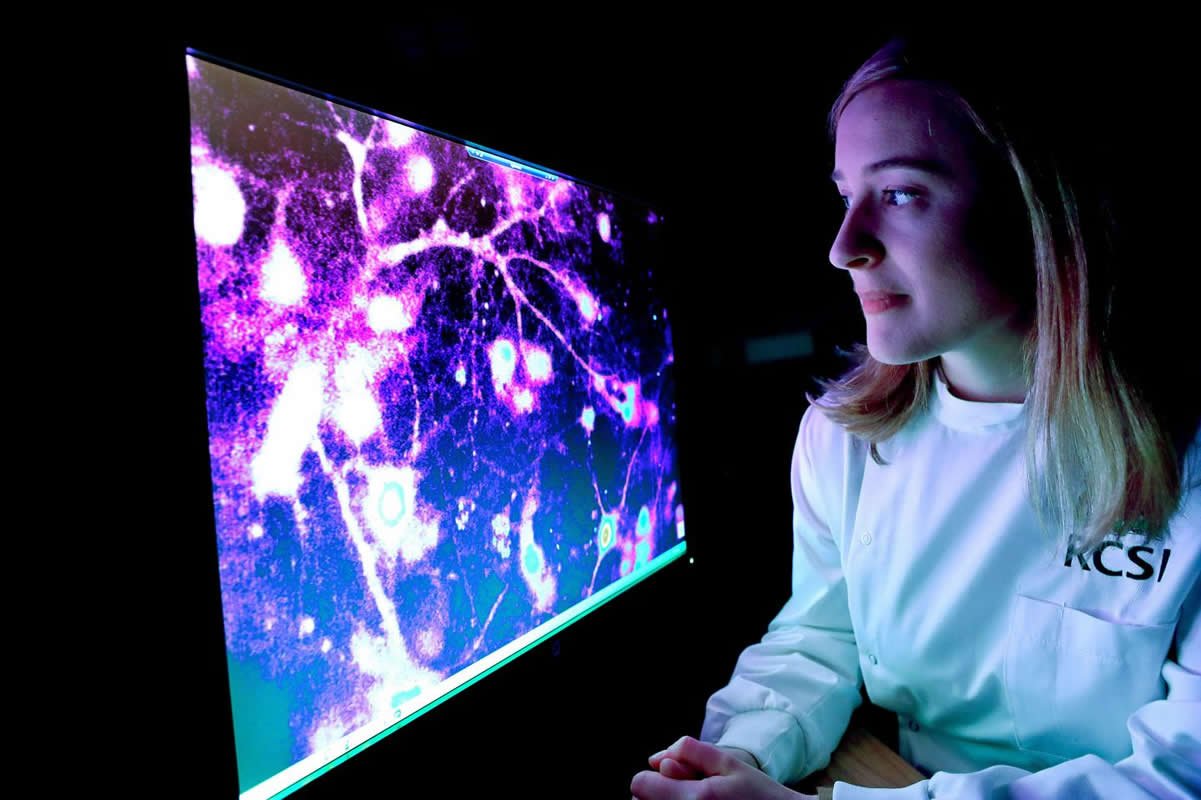
Researchers at FutureNeuro, the SFI Research Centre for Chronic and Rare Neurological Diseases, hosted at RCSI (Royal College of Surgeons in Ireland) led the study, which is published in the current edition of the Journal of Clinical Investigation (JCI).

FutureNeuro and RCSI researchers have discovered molecules in the blood that are higher in people with epilepsy before a seizure happens. These molecules are fragments of transfer RNAs (tRNAs), a chemical closely related to DNA that performs an important role in building proteins within the cell. When cells are stressed, tRNAs are cut into fragments. Higher levels of the fragments in the blood could reflect that brain cells are under stress in the build up to a seizure event.

Using blood samples from people with epilepsy at the Epilepsy Monitoring Unit in Beaumont Hospital, Dublin and in a similar specialist centre in Marburg, Germany, the group found that fragment levels of three tRNAs “spike” in the blood many hours before a seizure.

“People with epilepsy often report that one of the most difficult aspects of living with the disease is never knowing when a seizure will occur,” said Dr Marion Hogg, FutureNeuro investigator, Honorary Lecturer at RCSI, and the study’s lead author.

“The results of this study are very promising. We hope that our tRNA research will be a key first step toward developing an early warning system.”

Approximately 40,000 people in Ireland have epilepsy and one third of those do not respond to current treatments, meaning they continue to experience seizures. The World Health Organisation estimates that more than 50 million people worldwide have epilepsy.

"New technologies to remove the unpredictability of uncontrolled seizures for people with epilepsy are a very real possibility,” said Professor David Henshall, Director of FutureNeuro and Professor of Molecular Physiology and Neuroscience at RCSI who was a co-author on the paper.

“Building on this research we in FutureNeuro hope to develop a test prototype, similar to a blood sugar monitor that can potentially predict when a seizure might occur.”

 
Last edited:

650x350_epilepsy_increases_migraines_01082013xml.jpg


Neuroscientists find they can 'switch off' epileptic seizures*

by Georgetown University | Medical Xpress | Dec 16 2019

A team of neuroscientists at Georgetown University Medical Center have found, in animal models, that they can 'switch off' epileptic seizures. The findings, published online in Proceedings of the National Academy of Sciences (PNAS), provide the first evidence that while different types of seizures start in varied areas of the brain, they all can be controlled by targeting a very small set of neurons in the brain or their tendril-like neuronal axons.

Zeroing in on specific neurons suggests that treatment for epilepsy can be improved, researchers say. For example, "the deep brain stimulation used today could be minutely targeted at the cell body of these neurons or at the areas their axons touch, depending on the type of seizure," says the study's senior investigator, Patrick A. Forcelli, Ph.D., an assistant professor in neuroscience and in pharmacology and physiology at Georgetown.

"We have found a major choke point in epilepsy circuits in rat brains that we believe can be harnessed to disrupt the onset of seizures or to stop their propagation within the brain," he says. "Circuit-based therapy for people will help offset the known side effects that come with drug therapy and other techniques."

According to the CDC, in the U.S., about 3 million adults and almost 500,000 children have epilepsy, making the incidence about 1% of the population, and the fourth most common brain disorder. (Epilepsy is diagnosed when a person has had more than one seizure.)

Seizures occur when nerve cells in the brain misfire. While there are about 30 specific types of seizures, there are two main categories: focal, which start in particular areas of the brain, and generalized, which occur when nerve cells on both sides of the brain misfire. Within this category are tonic-clonic (formerly known as grand mal) convulsive seizure and absence (formerly known as petit mal).

Researchers have known for about 30 years that while inhibiting a certain area of the brain, the substantia nigra pars recticulata (SNpr) can help stop a seizure, the circuits by which the SNpr controls a seizure have remained unclear. The SNpr is a small area deep within the brain. "It is usually thought to be involved in movement and movement disorders," says Forcelli. "We knew targeting SNpr can stop a seizure, but we didn't know how. Neurons in this area have axonal projections that go to many different parts in the brain."

"This study," he says, "is built upon the pioneering work done at GUMC in the 1980s when researchers, led by Karen Gale, Ph.D., built a metaphorical Rand McNally-type atlas of neuronal pathways involved in seizures and epilepsy—these maps have moved forward both basic biology and for pharmacological treatment of epilepsy." The aim of his research is "to make a "Google maps" version with higher resolution and the ability to zoom in on each address, to improve brain stimulation therapy," says Forcelli.

With his team, Forcelli used four models of experimental epilepsy in seizure-prone rats, designed to reflect a different type of seizure (absence, forebrain tonic-clonic, brainstem tonic-clonic, and limbic) seen in human epilepsies.

They were able to stop these seizures by placing light-sensitive ion channels into neurons in the SNpr; when exposed to light, the neurons can be turned on or off. They found that seizures could be turned off by either silencing activity of the SNpr cell bodies or, in some cases, the areas that these neurons project to.

"We can't target therapy if we don't know how the circuits work. Discovering that silencing one area that a SNpr projects to can turn off specific seizures suggests a much more targetable therapy. For example, deep brain stimulation could be aimed at that area," Forcelli said.

"These findings clarify a long-standing question in the field: the role these individual SNpr neural pathways play in the control of seizures."

*From the article here :
 
Last edited:
Magnolia bark compound could help treat drug-resistant epilepsy

by American Chemical Society | Medical Xpress | 11 Mar 2020

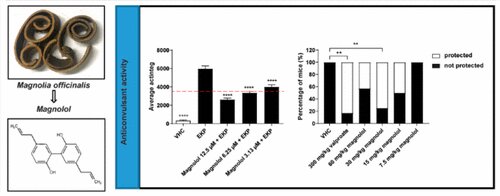
In patients with epilepsy, normal neurological activity becomes disrupted, causing debilitating seizures. Now, researchers report in ACS Chemical Neuroscience that they have found a potential new treatment for this disorder by turning to traditional Chinese medicine. Tests of extracts from plants used in these ancient remedies led the team to one compound, derived from a magnolia tree, that could quell drug-resistant seizures in both fish and mice.

Epilepsy is one of the most common neurological diseases worldwide, and the World Health Organization estimates that about 50 million people have the disorder. Medications are available, but they don't help everyone. Research suggests that about 70% of patients with epilepsy can control it well with medication, leaving many patients without effective treatment. But even when they work, the drugs can cause a range of side effects, from dizziness to mood disruptions. To look for new drug leads that could help even those patients who don't respond to conventional anti-seizure medications, Peter de Witte and colleagues set their sights on plants used in traditional Chinese medicine.

The team collected 14 plants used in traditional Chinese medicine anti-seizure remedies. They then tested the plants' extracts in two types of zebrafish with epileptic-like seizures, one of which could respond to conventional anti-seizure medications, whereas the other type could not. Only extracts from the bark of Magnolia officinalis, a tree native to China, reduced seizure-like behavior in both types of fish. In tests with mice, the researchers found that the magnolia bark's most potent anti-seizure compound, magnolol, reduced the rodents' otherwise drug-resistant seizures. It and similar compounds in magnolia bark could provide a starting point for the development of treatments for resistant epilepsy, according to the researchers.

 
Last edited:

shutterstock_590081462-1000x480.jpg


High dose CBD found to alleviate epilepsy by exerting an anticonvulsive effect*

Ke Mao, Chao You, Ding Lei, Heng Zhang

The study was designed to investigate the effect of various concentrations of cannabidiol (CBD) in rats with chronic epilepsy. The chronic epilepsy rat model was prepared by intraperitoneally injecting pentylenetetrazole to the rats pre-treated with CBD for 28 consecutive days. Behavioral measurements of convulsion following pentylenetetrazole treatment and morphological changes of the hippocampal neurons with hematoxylin and eosin staining were used to observe the epileptic behaviour. Immunohistochemistry was used to detect the expression levels of glial fibrillary acidic protein and inducible nitric oxide synthase (iNOS) in the hippocampus. The mRNA expression of N-methyl-D-aspartic acid (NMDA) receptor subunits was detected by reverse transcription polymerase chain reaction. The results revealed a significant decrease in the daily average grade of epileptic seizures on treatment with CBD. CBD administration decreased neuronal damage in the hippocampus caused by seizures, resulting in an anticonvulsive effect in the rats with chronic epilepsy.

Our study clearly demonstrates that CBD administration protects against pentylenetetrazole-induced chronic seizures in rats. In addition, the CBD-treated rats exhibited significantly lower astrocytic hyperplasia and neurological defects in the hippocampal area compared with rats in the model control group. The expression of the NMDA1 receptor was selectively suppressed in CBD-treated rats. The rats treated with a high dose of CBD (20 and 50 mg/kg/d) showed a clear inhibitory effects. This is believed to be due to the rapid metabolism of CBD in the peripheral tissues. The blood-brain barrier may also restrict the penetration of CBD into the brain. Therefore, an adequate peripheral dose is required to produce apparent protective effects.

*From the study here:

 
Last edited:

Breakthrough for drug-resistant epilepsy

HEALTH EUROPA | 6 Jan 2020

30% of epilepsy cases are classified as drug-resistant but new research from the University of Alabama suggests there may be new ways to manage drug-resistant epilepsy.

Research surrounding epilepsy is beginning to move away from just targeting the seizures and is beginning to actually focus on their cause. Progress in gene sequencing and animal models are helping scientists and doctors study and sometimes treat the disease.

One of these doctors is Sandipan Pati, M.D. who leads an epilepsy neuromodulation clinic at the University of Alabama, USA. Pati and his colleagues found that people with drug resistant epilepsy also struggle with deleterious neuropsychiatric systems like anxiety, depression, psychosis, and impaired memory.

Pati explained: “Treating these patients can be challenging, and one reason for this is that sometimes seizures can mimic anxiety and panic attacks, or psychosis. Seizure-induced anxiety or psychosis is treated with anti-seizure medications, while ‘pure’ psychosis is treated with antipsychotic medications.:

“This study will be attractive for patients, as anxiety and depression are common problems in epilepsy, and patients get frustrated as they think we are always focused on treating seizures and not depression.”


Study and results

Patients had implanted neurostimulators placed on their brains to control and monitor their epileptic seizures. When a patient felt the onset of a neuropsychiatric episode, they used a magnet that initiates brain recording. The data recorded was then sent to a password protected laptop so physicians could review and help guide treatment and therapies.

The data Pati and his team collected showed whether the neuropsychiatric comorbidity began before, during or after epileptic seizures. Out of the 21 patients in the study, five patients showed significant neurobehavioural comorbidities which overlapped with their seizures, meaning their treatment could be properly adjusted.

The patients in the study all saw their symptoms improve from changes in drug treatment and cognitive therapy to help reduce panic attacks, psychosis and non-epileptic seizures.

Pati highlighted: “The availability of ambulatory electrocorticography provides the opportunity to manage comorbidities in epilepsy that can mimic seizures and contribute to the overall poor quality of life.”

*From the article here :
 
Last edited:

Lamictal+fractal.jpg


Lamotrigine and psychedelics

SPIRIT PHARAMACIST | 2 Sep 2020

Lamotrigine is a pharmaceutical psychotropic that is classified as both a mood stabilizer and antiepileptic drug. This means that it is primarily indicated in the treatment of bipolar disorder as well as seizures or epilepsy. It works differently than other antidepressants or mood stabilizers and is thought to inhibit the release of the excitatory neurotransmitter glutamate as well as stabilizing neuronal membranes via inhibition of voltage sensitive sodium channels.

Are Lamotrigine users contraindicated from using psychedelics?

Lamotrigine is indicated for bipolar disorder and seizures, which are both conditions that are typically considered to be relatively or absolutely contraindicated when it comes to psychedelic use. However, Lamotrigine is somewhat different than other mood stabilizers for bipolar disorders. While Lamotrigine is categorically classified as a mood stabilizer, it lacks efficacy in the treatment of manic mood states and is primarily used as a niche mood stabilizer for the treatment of depression in persons that have bipolar II disorder. It is also used ‘off label’ at times as an atypical antidepressant (e.g. cyclothymia) or as an adjunct to standard antidepressants.

Bipolar II disorder is predominantly characterized by depression and manic episodes are typically short-lived and relatively mild (hypomania). There is little data to inform if psychedelics could be helpful in persons suffering from depression associated with bipolar II disorder, although there is at least one trial of psilocybin-assisted psychotherapy planned for the population. It is also known at this point that ketamine is helpful in both treatment resistant depression as well as depression associated with bipolar disorder.

Therefore, Lamotrigine use should not automatically disqualify candidacy to undergo a psychedelic therapy and a careful review of the individual’s signs, symptoms, and diagnoses both contemporarily and historically may help in decision-making or identifying contraindications.


How does Lamotrigine interact with psychedelics?

There is little in the way of formal data or information to guide a nuanced understanding of drug interaction between Lamotrigine and psychedelics. However, given Lamotrigine does not strongly interact with serotonergic systems, it is not predicted to interfere with mechanisms of serotonin-based psychedelics (MDMA, psilocybin, LSD, DMT). Furthermore, there is no interaction with monoamine oxidase inhibitors (MAOIs) such as those found in the ayahuasca vine that could plausibly lead to serotonin-related toxicities. Since Lamotrigine does decreases release of glutamate, there is a possibility that it could interfere and diminish the therapeutic effects of ketamine, however this interaction is not well established.

Can I temporarily stop taking Lamotrigine to use psychedelics?

Abrupt discontinuation and temporary suspension of Lamotrigine use is likely a poor idea. This is because Lamotrigine carries special warnings and precautions when it comes to starting and stopping the medication. Lamotrigine is notorious for being able to cause a rare but very severe type of rash called Steven Johnson’s Syndrome or SJS (manifests like a severe burn victim with eyes, mouth, and large body surface area affected). The risk of severe rash seems primarily linked to starting high doses without a slow and careful step up titration procedure as well as starting/stopping high doses of Lamotrigine temporarily. Guidance for prescribers typically recommends restarting from the beginning dose (25mg day) if therapy is interrupted for more than 5 days and considering a lower dose to re-start for treatment interruptions less than 5 days. Concomitant medications may also need factored in and could modify dosing recommendations. In summary, given the complications and risks of interrupting Lamotrigine therapy and the relatively minor interaction potential predicted with serotonergic psychedelics, it is not preferable or necessary to hold Lamotrigine around the time of a psychedelic experience.

How can Lamotrigine be dscontinued safely?

While perhaps not necessary for successful psychedelic therapy, the user may wish to discontinue Lamotrigine as part of their individual therapeutic goals. The prescribing provider should be consulted and in agreement with a plan to taper Lamotrigine before an attempt is made. Various rates of taper have been recommended for Lamotrigine. The most aggressive (excluding emergency discontinuation) of which advocate decreasing the dose by 50% weekly and stopping over a period of at least 2 weeks. Other sources recommend much slower taper schedules and withdrawal of medication over a period of 2-6 months. A longer taper is generally more appropriate when the user has a known sensitivity to dose decreases or there is high concern for mood decompensation or return of seizure activity.

High notes

Lamotrigine is often used for conditions that may present additional risk or are considered to be contraindicated with psychedelics. It likely has little problematic drug interaction with serotonergic psychedelics, although may plausibly interfere with ketamine’s mechanism of action. Due to risks of severe rash when starting or with interruption of Lamotrigine therapy, temporary suspension around the time of psychedelic use is a poor idea. Discontinuation of Lamotrigine in preparation for psychedelic work is generally not necessary yet may be desirable in some persons.

 
Last edited:

mozart-effect-epilepsy-neuroscienews-public.jpg


New analysis indicates that music can help Epilepsy

European College of Neuropsychopharmacology | Neuroscience News | 12·Sep 2020

Listening to Mozart can reduce the frequency of seizures in those with epilepsy, and also reduces abnormal brain activity associated with epilepsy.

A new comprehensive analysis on the effect of Mozart’s music on epilepsy has confirmed that listening to his piano music can reduce the frequency of epilepsy attacks. The results of this comprehensive meta-analysis (a study of studies), which may overturn current scepticism about the effect, are presented at the ECNP congress after recent publication in a peer-reviewed journal.

The idea that listening to Mozart may have beneficial effects on mental health arose from early findings in the 1990s. There have been several studies since, but many involved small numbers of people, or have been of variable quality, leading to mixed evidence overall. This has meant that the “Mozart Effect” has been treated with some scepticism by many clinicians. Now two Italian Researchers, Dr Gianluca Sesso and Dr Federico Sicca from the University of Pisa have conducted a systematic review of works related to the effect of Mozart’s music on epilepsy.

Working according to accepted standard methods for analysing clinical treatment, they looked at 147 published research articles, which they then evaluated according to such things are relevance and quality of the research. This allowed them to select 12 pieces of research which they gathered into 9 separate groups, representing the best available science on the effect of Mozart’s music on epilepsy.

They found that listening to Mozart, especially on a daily basis, led to a significant reduction in epileptic seizures, and also to a reduced frequency of abnormal brain activities in epileptic patients (called interictal epileptiform discharges, which are commonly seen in epileptic patients). These effects occurred after a single listening session and were maintained after a prolonged period of treatment.

Gianluca Sesso said “This isn’t the first such review of the effect of Mozart’s music on epilepsy, but there has been a flow of new research in the last few years, so it was time to stand back and look at the overall picture. The design of the studies varies, for example some people look at a single listening session, others at daily listening sessions, so it’s not easy to form a conclusion."

"Epilepsy is surprisingly common, affecting just under 1 person in a hundred worldwide. This means that it has significant social and personal costs. Mostly it’s treated by drugs, but these drugs don’t work in around 30% of patients, so we need to be open to other therapies: the important thing is that these therapies can be tested and shown to work, and this is what we have shown here.”


The meta-analysis indicates that a period of listening to Mozart can give an average reduction in epileptic seizures ranging from between 31% to 66%, but this varies from person to person and according to the music stimulus used. The original studies on the Mozart Effect used the sonata for 2 pianos, K448, and this has remained the music most used in studies. The K545 piano sonata has also been shown to have an effect.

Dr Sesso said “All cultures have music, so it obviously fulfils some psychological need. The mechanisms of the Mozart Effect are poorly understood. Obviously other music may have similar effects, but it may be that Mozart’s sonatas have distinctive rhythmic structures which are particularly suited to working on epilepsy. This may involve several brain systems, but this would need to be proven."

"This is a review of research, and not original research. One thing it shows is that we need more consistent studies into the effect of music on the mind”


Commenting, Dr Vesta Steibliene, Lithuanian University of Health Sciences, and member of the ECNP Abstract and Poster Committee said:

“There is growing interest in non-invasive brain stimulation techniques in the treatment of neuropsychiatric disorders. This review revealed that Mozart music could be an effective non-invasive method of neurostimulation, reducing the frequency of epileptic seizures, even in hard to treat patients. However, in order to use this method in clinical settings, the exact mechanism of the Mozart music effect on the brain regions should be better understood.”

 
Last edited:

238-researchersd.jpg


Researchers develop wearable device for predicting epileptic seizures

by American Associates, Ben-Gurion University of the Negev | Medical Xpress | 30 Sep 2020

Ben-Gurion University researchers have developed Epiness, a new, first of its kind device for detecting and predicting epileptic seizures based on proprietary machine-learning algorithms. The wearable device can generate an advanced warning about an upcoming seizure that will be sent to a smartphone up to an hour prior to its onset. The system was out-licensed for further development and commercialization to NeuroHelp, a startup company that was recently founded by BGN Technologies, the technology transfer company of BGU and Dr. Oren Shriki, of BGU's Department of Cognitive and Brain Sciences and NeuroHelp's scientific founder.

Epilepsy is a highly pervasive, and at times debilitating neural disease. Up to 30% of patients do not adequately respond to anti-epileptic drugs and live under constant fear of impending seizures. For such patients, a viable seizure prediction device could offer a substantial improvement in quality of life, enabling them to avoid seizure-related injuries. Current seizure alarm devices can detect a seizure in real time but are unable to provide advanced warnings of impending seizures.

Epiness is a seizure prediction and detection device that is based on a new, ground-breaking combination of EEG-based monitoring of brain activity together with proprietary machine-learning algorithms. The device combines a wearable EEG device with state-of-the-art software that minimizes the number of necessary EEG electrodes and optimizes electrode placement on the scalp. The sophisticated machine-learning algorithms are designed to filter noise that is not related to brain activity, extract informative measures of the underlying brain dynamics, and distinguish between brain activity before an expected epileptic seizure and brain activity when a seizure is not expected to occur.

"Epileptic seizures expose epilepsy patients to various preventable hazards, including falls, burns and other injuries," said Dr. Oren Shriki. "Unfortunately, currently there are no seizure-predicting devices that can alert patients and allow them to prepare for upcoming seizures. We are therefore very excited that the machine-learning algorithms that we developed enable accurate prediction of impending seizures up to one hour prior to their occurrence. Since we have also shown that our algorithms enable a significant reduction in the number of necessary EEG electrodes, the device we are developing is both accurate and user friendly. We are currently developing a prototype that will be assessed in clinical trials later this year."

"Epilepsy that is not adequately controlled by medication is prevalent, amounting up to 30% of epilepsy cases, and therefore, an accurate, easy to use seizure predicting device is a highly necessary unmet medical need,"
said Dr. Hadar Ron, Chairperson of NeuroHelp. "Current seizure alert devices can detect seizures while they are happening, and most of them depend on changes in movement, such as muscle spasms or falls. Epiness is unique in that it can predict an upcoming seizure and allow the patients and their caretakers to take precautionary actions and prevent injuries. It is also the only device that is based on brain activity rather than muscle movements or heart rate. We are confident that Epiness will be a valuable tool in the management of drug-resistant epilepsy."

Josh Peleg, CEO of BGN Technologies, the technology transfer company of BGU, added, "NeuroHelp, a spin-off of BGN Technologies, was recently founded as part of BGU's Oazis accelerator, formed by BGU's Yazamut360 Entrepreneurship Center, to further develop and commercialize their innovative solution for the benefit of people suffering from epilepsy. Earlier this month, NeuroHelp won first prize in the SiliconNegev startup competition, an important recognition of the outstanding potential of this technology, which is based on a unique combination of brain research and artificial intelligence knowhow developed at Dr. Shriki's laboratory."

The new algorithm was developed and tested using EEG data from a large dataset of people with epilepsy that were monitored for several days prior to surgery. The patient data were divided into short segments that were either preictal (pre-seizure) or inter-ictal. Several machine learning algorithms with differing complexities were trained on pre-allocated training data (comprising 80% of the initial EEG data), and their prediction performance as well as electrode-dependent performance was assessed on the remaining 20% of the data. The algorithm with the best prediction performance reached a 97% level of accuracy, with near optimal performance maintained (95 percent) even with relatively few electrodes.

 
Last edited:
Feb15_2019_Getty_928327944_SadChild-2136x1424.jpg


Antiepileptic drug VPA linked with increased risk of neurodevelopmental disorders in offspring

Genetic Engineering & Biotechnology News | 24 Oct 2020

The results of a study headed by researchers at the French National Agency for Medicines and Health Products Safety (ANSM), indicate that children born to mothers who took the antiepileptic drug sodium valproate (VPA) during pregnancy may have a four- to fivefold increased risk of developing neurodevelopmental disorders in early childhood. Rosemary Dray-Spira, PhD, and colleagues used anonymized medical records from more than 1.5 million children born in France, to investigate the incidence of neurodevelopmental disorders (NDs) in young children exposed to antiepileptic drugs (AEDs). Their results suggested that the highest risks were associated with VPA, and that the risk of neurodevelopmental disorders were much lower in children whose mothers took other types of AED.

Reporting on their findings in Scientific Reports, “Risk of early neurodevelopmental disorders associated with in utero exposure to valproate and other antiepileptic drugs: a nationwide cohort study in France,” the authors concluded. “The results for VPA confirm published data concerning both the level of increased risk NDs associated with exposure during pregnancy, the nature of these disorders and the dose-dependent nature of this risk.”

Epilepsy is one of the most common conditions affecting women of reproductive age, and most need antiepileptic drugs to avoid the harmful effects of uncontrolled seizures on themselves and on their children, the authors wrote. However, in utero AED exposure has been linked with congenital malformations of varying degrees of severity, and with neurodevelopmental disorders, they continued. In utero exposure to VAP, in particular, is associated with poorer educational attainment, poorer cognitive skills, and various neurodevelopmental disorders, including motor disorders, attention-deficit/hyperactivity disorder and autism spectrum disorders.

“These disorders may affect 30 to 40% of exposed children, and their frequency increases with the dose of VPA administered to the mother,” the scientists wrote. Information on the risks is limited, however. “Although a number of studies have been conducted on this topic, it is difficult to draw firm conclusions given the variety of methods and outcomes considered, related to cognitive skills (e.g. IQ or language skills), NDs (e.g. autism spectrum disorders, or attention-deficit/hyperactivity disorder) or school performance … previous studies have failed to determine whether the risk differs according to the period of exposure during pregnancy. Data concerning other AEDs are heterogeneous and insufficient to allow any definitive conclusions concerning the risk of NDs.”

For their studies, the team turned to the French National Health Data System, and followed infants who were born between January 2011 and December 2014, from birth up until December 2016. Mean follow-up was 4 years. The cohort included 1,721,990 children. Of their mothers, 11,549 had been treated with one of several common antiepileptic drugs during pregnancy, and 15,458 (1 percent) of children were identified as having neurodevelopmental disorders by the end of 2016. Of those AED-exposed children, 50 of the 991 (5 percent) who were exposed to VPA in utero were diagnosed with neurodevelopmental disorders in their first five years, compared with 15,270 of 1,710,441 children (1 percent) who hadn’t been exposed to any antiepileptic drugs.

Overall, children exposed to sodium valproate before birth had a 5 times higher likelihood of intellectual disability, a 5 times higher likelihood of language, learning and motor disorders and a 4.6 times higher risk of autism spectrum disorders, than children who hadn’t been exposed to AEDs. Increased risk was not observed in children exposed to sodium valproate during the first trimester only, and the risk was lower among children exposed to lower doses of the drug, than it was among those exposed to higher VPA doses.

Children born to mothers treated with the antiepileptic drugs lamotrigine, carbamazepine and pregabalin were 2 times more at risk of developing neurodevelopmental disorders, respectively. No increased risk of neurodevelopmental disorders was observed in children born to mothers treated with the antiepileptic drugs clonazepam, gabapentin, levetiracetam or oxcarbazepine.

The scientists suggested that their results provide new information on the risks of early NDs associated with in utero exposure to VPA and to other AEDs. “ … it shows a four to fivefold higher risk of early NDs following exposure to VPA, more specifically concerning pervasive developmental disorders, mental retardation and disorders of psychological development,” they wrote. “Exposure to VPA, which was found to have a dose–response relationship with occurrence of NDs, also had a different impact according to the period of exposure: children exposed during the second and/or third trimesters of pregnancy had a markedly increased risk of early NDs, unlike children exposed to VPA only during the first trimester.”

The study also provides new insights into the ND risks to offspring of in utero exposure to other AEDs. “Almost no data concerning the risks of NDs associated with the other AEDs considered in our study are available in the literature,” the team noted. “The results of the present study do not suggest an increased risk of a diagnosis of NDs associated with exposure to clonazepam, gabapentin, levetiracetam or oxcarbazepine during pregnancy. However, our finding of an increased risk of mental retardation and utilization of orthoptic services among children exposed to pregabalin constitutes a signal that needs to be further investigated.”

 
Last edited:
D-serine could protect against epileptic seizures

by Hannah Balfour | Drug Target Review | 15 Oct 2020

A team of researchers has found that an amino acid produced by the brain, called D-serine, could play a crucial role in preventing temporal lobe epileptic seizures.

Scientist identified the mechanism through which temporal lobe epileptic seizures are sparked and that D-serine can interfere with this process, preventing seizures.

The temporal lobe processes sensory information, creates memories, comprehends language and controls emotion. Temporal lobe epilepsy (TLE) is the most common form of epilepsy in adults, often occurring as the result of a head trauma such as a concussion and cannot be improved with currently available anti-epileptic medications. Temporal lobe epileptic seizures can cause neuronal loss of function and neuronal death, resulting in lasting damage.

In their research, Sanjay Kumar, an associate professor in the Florida State University College of Medicine’s Department of Biomedical Sciences, and his team are attempting to find effective therapies for TLE. In their latest study they found that a mechanism responsible for triggering epileptic seizures could be inhibited by an amino acid known as D-serine. As a result, it can also prevent the death of neural cells that accompanies seizures.

“A hallmark of TLE is the loss of a vulnerable population of neurons in a particular brain region called the entorhinal area,” Kumar said. “We are trying to understand why neurons die in this brain region in the first place. From there, is there anything that we can do to stop these neurons from dying? It is a very fundamental question.”

To understand TLE pathophysiology the Kumar lab studies receptors located in the junctions between two or more communicating neurons, which enable neurons to pass signals between them. They discovered in their study a new type of receptor, dubbed the “FSU receptor”, in the entorhinal cortex of the brain. The FSU receptor is a potential target for TLE therapies.

“What is striking about this receptor is that it is highly calcium-permeable, which is what we believe underlies the hyperexcitability and the damage to neurons in this region,” Kumar said.

According to the researchers, when FSU receptors allow too much calcium to enter neurons, TLE patients experience epileptic seizures as neurons become overstimulated by the influx. This hyperexcitability is what causes neurons to die, a process known as excitotoxicity.

The research team also found that the amino acid D-serine blocks these receptors, preventing the calcium influx and the resulting seizure activity and excitotoxicity. Kumar commented: “What is unique about D-serine, unlike any other drugs that are out there, is that D-serine is made in the brain itself, so it is well-tolerated… Many medications that deal with treating TLE are not well-tolerated, but given that this is made in the brain, it works very well.”

With assistance from Michael Roper’s lab in the FSU Department of Chemistry and Biochemistry, the research team found that D-serine levels were depleted in epileptic animals, indicating that TLE patients may not produce sufficient amounts of D-serine. Kumar explained: “The loss of D-serine essentially removes the brakes on these neurons, making them hyperexcitable. Then, the calcium comes in and causes excitotoxicity, which is the reason why neurons die. So, if we provide the brakes – if we provide D-serine – then you do not get that loss of neurons.”

According to their research, neuroinflammation is the cause for diminished D-serine levels in the entorhinal cortex of epileptics. D-serine is typically produced by glial cells, but neuroinflammation experienced as part of TLE causes cellular and molecular changes in the brain that can prevent it from being produced.

The team said their next step is to explore potential administration techniques for D-serine. Kumar explained: “We have to find creative ways to administer D-serine to that particular region of the human brain. Getting it to that right place is the challenge. We have to look at what effect it has when administered locally to that region of the brain compared to systemically through an IV, for example.”

Kumar concluded: “There are some very interesting questions to ask and solve. The important thing is that we have outlined the basic bread-and-butter mechanisms of why D-serine works. What we have established is the discovery of the receptors, discovery of the antagonist for these receptors (D-serine), how it works and how to prevent the emergence of TLE. The mechanisms and pathophysiology are as relevant to the animal model as they are to human beings and that is where the excitement lies.”

 
Last edited:
CBD does not appear to cause adverse cognitive changes in children with treatment-resistant epilepsy

by Eric Dolan | PsyPost | 17 Jan 2021

Cannabidiol (CBD), a compound derived from the cannabis plant, does not impair cognitive functioning when used in the treatment of children with intractable epilepsy, according to new research published in the journal Epilepsy & Behavior.

Previous research has found that CBD can reduce the number of seizures in patients with epilepsy. But the potential cognitive side-effects of long-term CBD use had not been examined in pediatric populations.

“This topic was interesting to me because it provided me with an opportunity to participate in a project that potentially offered some hope to children who had seizures who had not previously responded to multiple other medications,” said researcher Matthew Thompson, a clinical neuropsychologist at Children’s of Alabama hospital.

“Also, most of these children were not good candidates for surgical intervention, so CBD had the potential to offer some relief in terms of seizure control for many children. But we wanted to make sure there were no adverse cognitive consequences of this new medication.”

The study examined 38 participants between the ages of 3 and 19 years with treatment-resistant epilepsy who were enrolled in an open-label study of a pharmaceutical CBD formulation.

“The CBD product we used (Epidiolex) was a pharmaceutical-grade product that is available only by prescription. It is important for readers to know that this wasn’t the product you might purchase over the counter; instead, it is produced by a regulated pharmaceutical company, such that we know the precise concentration of CBD,” Thompson explained.

Prior to initiating CBD and one year later, 14 participants completed a computerized test of cognitive abilities that assessed attention/working memory, executive function, episodic memory, and language. A primary caregiver completed a behavior assessment instrument for the other 24 participants, who were not capable of completing computerized testing because of the magnitude of their impairment.

After one year of continuous CBD use, the researchers observed no significant changes in the cognitive performance or functional adaptive status of the participants.

“I believe the most important take away from this study is that CBD does not appear to cause any adverse cognitive changes in most children who have this medication prescribed for intractable epilepsy,” Thompson told PsyPost.

“We still need more information on a larger group of higher functioning children. Many of the children in this study were very impaired from a cognitive perspective, and this level of impairment made it difficult to detect changes in cognitive function; thus we had to rely on parent report of daily functioning, which has limitations.”

The study, “Cognitive function and adaptive skills after a one-year trial of cannabidiol (CBD) in a pediatric sample with treatment-resistant epilepsy,“ was authored by Matthew D. Thompson, Roy C. Martin, Leslie P. Grayson, Steve B. Ampah, Gary Cutter, Jerzy P. Szaflarski, and E. Martina Bebin.

 
Last edited:
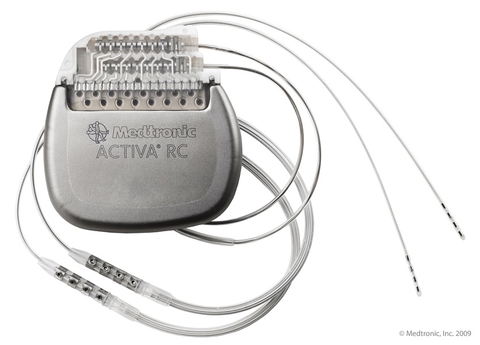
activa-large_0.jpg

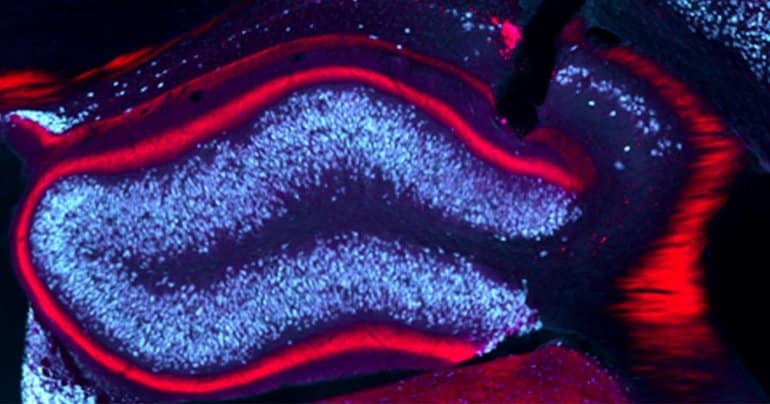
When the hippocampus was stimulated, epileptic seizures failed to occur.

Deep Brain Stimulation prevents epileptic seizures

University of Freiburg | Neuroscience News | 19 Feb 2021

Epileptic activity originating from one or more diseased brain regions in the temporal lobe is difficult to contain. Many patients with so-called temporal lobe epilepsy often do not respond to treatment with anti-epileptic drugs, and the affected brain areas must therefore be surgically removed. Unfortunately, this procedure only gives seizure freedom to about one third of patients, so the development of alternative therapeutic approaches is of great importance.

Scientists led by neurobiologist Dr. Carola Haas, head of the research group at the Department of Neurosurgery at Medical Center – University of Freiburg and the BrainLinks-BrainTools research center, have investigated a new therapeutic approach to prevent epileptic seizures in temporal lobe epilepsy.

They showed in mice that low-frequency stimulation of specific brain areas could completely stop epileptic activity. Instead of using electric current, the researchers stimulated the cells with light. To do this, they had previously introduced a light-sensitive molecule into the cells that allows particularly precise stimulation.

They published the results in December 2020 in the scientific journal elife.

“As soon as we stimulated the brain region with a frequency of one hertz, the epileptic seizures disappeared. This effect was stable over several weeks,” Haas says. Habituation, which can occur with drug therapy, did not take place. The brain region was stimulated for one hour daily.

Circuits and cells identified

In temporal lobe epilepsy, the hippocampus is often pathologically altered and usually represents the so-called focus of epileptic activity. Previous studies have used precise genetic labeling techniques to map the fiber system and its synaptic contacts between the temporal lobe and hippocampus, which are typically preserved in temporal lobe epilepsy.

The researchers used this fiber system to manipulate hippocampal activity in a specific and temporally precise manner using light-dependent proteins. Measuring brain waves showed that rhythmic activation of the diseased hippocampus at a low frequency of one hertz suppressed epileptic activity and prevented it from spreading.

Haas and her colleagues demonstrated that the anti-epileptic effect is largely due to the repeated activation of surviving granule cells in the seizure focus. Single cell studies confirmed the assumption that the granule cells are less excitable due to the stimulation, making the epileptic seizure less likely to spread.

“It’s also possible that we have a widespread network effect because the stimulation can spread through the hippocampal circuitry,” Haas said.

In the future, the team, along with the medical physics department at the Medical Center – University of Freiburg, would like to use magnetic resonance imaging to observe the entire brain during stimulation. This technique could be used to identify additional brain regions that are affected by the stimulation. Corresponding findings on these could provide information on how they are connected and what further consequences stimulation has.

 
Last edited:
epilepsy-early-warning-neurosciences.jpeg

The new model is able to accurately predict whether a seizure may happen
within one hour, allowing the patient to take the necessary intervention.


Early-warning for seizures could be a game-changer for those with epilepsy*

Viterbi School of Engineering & Keck Medicine of USC | Neuroscience News | 26 Feb 26 2021

A new mathematical algorithm examines data from EEG and brain implants to learn each epilepsy patient’s unique brain pattern signatures. The system can predict the onset of a seizure within an hour, allowing the patient to take necessary interventions.

Epilepsy is one of the most common neurological conditions, affecting more than 65 million worldwide. For those dealing with epilepsy, the advent of a seizure can feel like a ticking time bomb. It could happen at any time or any place, potentially posing a fatal risk when a seizure strikes during risky situations, such as while driving.

A research team at USC Viterbi School of Engineering and Keck Medicine of USC is tackling this dangerous problem with a powerful new seizure predicting mathematical model that will give epilepsy patients an accurate warning five minutes to one hour before they are likely to experience a seizure, offering enhanced freedom for the patient and cutting the need for medical intervention.

The research, published in the Journal of Neural Engineering, is led by corresponding authors Dong Song, research associate professor of biomedical engineering at USC Viterbi School of Engineering and Pen-Ning Yu, former PhD researcher in Song’s lab, in collaboration with Charles Liu, professor of clinical neurological surgery and director of the USC Neurorestoration Center. The other authors are David Packard Chair in Engineering and professor of biomedical engineering, Ted Berger, and medical director of the USC Comprehensive Epilepsy Program at the Keck Medical Center, Christianne Heck.

The mathematical model works by learning from large amounts of brain signal data collected from an electrical implant in the patient. Liu and his team have already been working with epilepsy patients with implantable devices, which are able to offer ongoing real-time monitoring of the brain’s electrical signals in the same way that an electroencephalogram (EEG) uses external electrodes to measure signals. The new mathematical model can take this data and learn each patient’s unique brain signals, looking out for precursors, or patterns of brain activity that show a “pre-ictal” state, in which a patient is at risk of seizure onset.

Song said the new model is able to accurately predict whether a seizure may happen within one hour, allowing the patient to take the necessary intervention.

“For example, it could be as simple as just alerting the patient their seizure is coming the next hour, so they shouldn’t drive their car right now, or they should take their medicine, or they should go and sit down” Song said. “Or ideally in future we can detect seizure signals and then send electrical stimulation through an implantable device to the brain to prevent the seizure from happening. The discovery would have major positive implications for public health, given epilepsy treatment had been severely impacted in the past year by the pandemic."

“This is hopefully, going to change the way we deal with epilepsy going forward and it’s driven by the needs that have been in place for a long time, but have been highlighted and accelerated by COVID,”
said Charles Liu.

"Currently, patients with medically intractable epilepsy-epilepsy that cannot be controlled with medication-are admitted electively to the hospital for video EEG monitoring. With the advent of COVID, these elective admissions completely halted and epilepsy programs across the country ground to a halt over the past year. This highlights the need for a new workflow by which EEG recordings from scalp or intradural electrodes can be acquired at home and analyzed computationally."

“So we need to create a new workflow by which, instead of bringing patients to the ICU, we take the recordings from their home and use the computation models to do everything they would have done in the hospital,”
Liu said. “Not only can you manage patients using physical distancing, you can also scale in a way that only technology allows. Computation can analyze thousands of pages of data at once, whereas a single neurologist cannot.”

How the seizure prediction model works

Song said the new model was different to previous seizure prediction models in that it extracts both linear and non-linear information from the patient’s brain signals.

“Linear is the simple feature. If you understand the parts, you can understand the whole,” Song said. “Whereas the non-linear feature means that even if you understand the parts, when you scale up it has some emergent properties that cannot be explained.”

“For some patients, linear features are more important and for other patients, non-linear features are more important,”
Song said.

Song said that while other models predict brain activity over a short time scale, a matter of milliseconds, his team’s model examined an extended time scale.

“The brain is a multi-temporal scale device so we need to understand what happens not just in the short term, but many more steps in the future. The model is also unique in that it is patient-specific-it extracts the information that is significant for each individual patient. Because every brain is very different in terms of the signals that indicate a 'pre-ictal' state,” Song said.

He said that "the model is also unique in that it is patient-specific-it extracts the information that is significant for each individual patient. Because every brain is very different in terms of the signals that indicate a 'pre-ictal' state."

“Patients are all different from each other, so in order to accurately predict seizures, we need to record signals, we need to look at a lot of different features and we need to have an algorithm to select the most important feature for prediction,”
Song said.

“I can’t tell you how exciting, this is. At USC we’ve been very interested in trying to create tools that enhance the public health dimension of these diseases that we’re treating, and it’s really difficult,” Liu said

“Epileptologists are still relatively few in number in many parts of our country and world. While they can identify many subtle features on EEG, the kinds of models that Song can create can identify additional features at a massive scale necessary to help the millions of patients affected by epilepsy in our region and worldwide,” Liu said.

Heck, who is also co-director for the USC Neurorestoration Center, said that there are two important issues to the clinical relevance of this technology.

“One is that a majority of patients who suffer from epilepsy live with fear and anxiety about their next seizure which may strike like lightening in the most inopportune moment, perhaps while driving, or just walking in public. An ample warning provides a critical ‘get safe’ opportunity,” Heck said. “The second relevant issue clinically is that we have brain implants, smart devices, that this engineered technology can enhance, giving greater hope for efficacy of our existing therapies.”

*From the article here :
 
Last edited:
dreamstime_xxl_162739067.jpg


CBD treatment for epilepsy does not adversely effect memory*

by Eric Dolan | PsyPost | 20 Feb 2021

Treatment with highly purified cannabidiol among epilepsy patients is associated with increases in neural activity in prefrontal brain regions related to verbal memory and attention, according to new research published in Epilepsy & Behavior. But the treatment does not appear to significantly impact working memory performance.

“We were interested in better understanding highly purified CBD’s effects on working memory for several reasons,” said study author Tyler Gaston of the University of Alabama at Birmingham.

“First and foremost, with the FDA approval of Epidiolex, neurologists who may prescribe this medication for their epilepsy patients need to know if there are any untoward effects on memory that could be attributed to the medication. This is important because people with epilepsy already can suffer from memory difficulties.”

“Further, there have been some documented negative effects of other cannabis products on cognition,
" Gaston said. “We wanted to determine if purified CBD had any effects such as this.”

In the study, the researchers examined the brain activity of 20 patients with treatment-resistant epilepsy prior to initiation of CBD treatment and after reaching a stable dosage. Gaston and his colleagues also recruited 23 healthy volunteers, who served as a control group.

“Our study used a tool called functional MRI (fMRI) to look at changes in brain activity as a result of starting treatment with CBD. The participants did a working memory task while they were being scanned, and this is how we can determine any changes or differences in neural activity for working memory,” Gaston explained.

As expected, working memory performance tended to be worse among the epilepsy patients compared to the control group. The researchers also found no evidence that CBD treatment resulted in significant changes in working memory performance. But they did observe increases in activation of the inferior frontal gyrus and insula after CBD treatment.

The findings provide some preliminary evidence that may CBD can help to “normalize” attentional and memory processing.

“Purified CBD does not have a significant effect either positively or negatively on working memory performance in people with epilepsy. We did, however, note that after CBD treatment that there some increases in brain activity in regions of the brain important for verbal memory and attention,” Gaston told PsyPost.

The study — like all research — includes some limitations.

“There were several things we could not control for in our study, including type of epilepsy, number and type of other seizure medications taken, and some variability in the dose of CBD taken by participants at the time of their follow up fMRI,” Gaston explained. “Therefore, we cannot comment on whether any of these specific aspects may influence the effects of CBD on working memory and fMRI activity. Our study also just investigated adult patients, it will be helpful in the future to investigate if there are differences in brain activity in adolescents and children.”

“It is important to note that these data/results can only be applied to the FDA-approved product which is highly purified CBD, and cannot be extrapolated to other cannabis products,”
he added.

*From the article here :
 
Last edited:
rwc-pavilion-d.jpg


Specific set of nerve cells found to control seizures' spread through the brain*

Stanford Medicine | Science News | 15 Feb 2018

Experimental activation of a small set of nerve cells in the brain prevents convulsive seizures in a mouse model of temporal lobe epilepsy, the most common form of epilepsy among human adults.

Experimental activation of a small set of nerve cells in the brain prevents convulsive seizures in a mouse model of temporal lobe epilepsy, the most common form of epilepsy among human adults, according to a study by researchers at the Stanford University School of Medicine.

In contrast, inactivating these cells, known to neuroscientists as mossy cells, facilitates the spread throughout the brain of the electrical hyperactivity initially localized at a seizure's onset, causing the full-blown behavioral symptoms of temporal lobe epilepsy.

Inactivating this nerve-cell population also induces the same cognitive losses that characterize chronic, drug-resistant temporal lobe epilepsy in humans, the scientists found.

Epilepsy affects 65 million people worldwide, with 150,000 new cases diagnosed annually in the United States alone. Three out of five of those affected suffer from temporal lobe epilepsy. Progressive loss of mossy cells is a hallmark of this disorder.

Mossy cells are known to be damaged easily as a result of head trauma and decreased blood supply. Such brain injuries, in turn, increase the risk for temporal lobe epilepsy.

The role of mossy cells in epilepsy has perplexed neuroscientists for a couple of decades. The new Stanford study, which will be published Feb. 16 in Science, offers an explanation. And it points to an entirely new entry point for developing drugs that could bring therapeutic relief to people with chronic, drug-resistant epilepsy, a debilitating condition that not only circumscribes patients' lifestyles and occupational options but predisposes them to depression, anxiety and early death.

"It should, in principle, be possible to develop targeted therapies directed at mossy cells to control both seizures and the resulting cognitive deficits," said Ivan Soltesz, PhD, professor and vice chair of neurosurgery and the senior author of the study. "This would be great, because the 20 or more compounds now approved for treating patients fail 30 to 40 percent of the time."

The study's lead author is Soltesz's former graduate student, Anh Bui, PhD, now a medical student at the University of California-Irvine.

An electrical storm in the brain

Epileptic seizures are sometimes described as an electrical storm in the brain. These storms typically begin at a single spot in the brain, called the focus, where nerve cells -- for reasons that remain unclear -- begin repeatedly firing in synchrony. All too often they spread from the focus to widespread areas throughout the brain, a process called generalization. It's this brainwide hyperactivity that causes the classic behavioral symptoms of epileptic seizures, such as loss of consciousness, convulsions and disordered thinking.

The exact location of the epileptic focus in the brain varies from individual to individual. In the great majority of patients with temporal lobe epilepsy, the focus lies in the hippocampus, a much-studied, seahorse-shaped midbrain structure that's crucial to spatial navigation and to encoding new experiences into long-term memory.

Mossy cells, found exclusively in one section of the hippocampus, are few in number, but each connects with tens of thousands of other hippocampal nerve cells. Via these connections, mossy cells can stimulate a multitude of excitatory hippocampal nerve cells, whose output extends to other sections of the hippocampus. But they can also stimulate an opposing class of cells that inhibit these excitatory cells. Whether the net effect of mossy-cell activity is to promote or counter overall output of the excitatory nerve cells has, until now, been an open question.

To answer the question, Soltesz, who holds the James Doty Professorship of Neurosurgery and Neurosciences, and his colleagues turned to a mouse model of temporal lobe epilepsy.

The mice the Stanford investigators used were bioengineered so that their mossy cells responded to pulses of light, conveyed to those cells via an implanted optical fiber. Blue light caused mossy cells to fire, while amber light caused them to resist firing. So, by flipping a laser switch, the scientists could activate or inhibit the mice's mossy cells at will. (This increasingly widespread experimental technique, called optogenetics, is noteworthy for its capacity to target specific sets of nerve cells in order to reveal their function.) The scientists also recorded activity in the hippocampal region where mossy cells reside.

Effects of inhibiting, exciting mossy cells

Soltesz, Bui and their colleagues showed that inhibiting mossy cells, while not increasing the frequency of spontaneous episodes of hyperactivity in the focus of the chronically epileptic mice, did lead to a substantial increase in the number of seizures that spread from the focus to larger areas of the brain. Conversely, excitation of mossy cells in these mice diminished the number of generalized, outwardly visible seizures while having no effect, or merely a minor one, on the frequency of purely focal seizures.

In a memory test that gauges a mouse's recognition of unfamiliar objects, the epileptic mice, despite having lost more than half of their mossy cells, did fine. But they failed another test that assesses their ability to notice when a familiar object has been moved -- a gauge of spatial memory, which suffers a decline in chronic temporal lobe epilepsy. When the Stanford scientists also subjected optogenetically engineered but otherwise normal mice to these tests, they did great -- until the researchers inhibited their mossy cells, at which point these animals' spatial recall headed south, too.

"We've shown that mossy cells' role is protective in preventing the spread to other brain regions of seizures that originate in the hippocampus, the dominant focal site for seizures associated with temporal lobe epilepsy," said Soltesz. "Drugs targeting mossy cells in patients with chronic, drug-resistant cases may someday be able to reduce the incidence of convulsive seizures enough to give patients' back some of their lost lifestyles."

"Such interventions might serve as an alternative to demanding surgical procedures now employed to excise the seizure focus from patients' brains,"
Soltesz said.

*From the article here :
 
epilepsy-1.jpg


‘Life-changing’ impact of medical cannabis in epilepsy patients revealed

by Sarah Sinclair | Cannabis Health News | 15 Dec 2020

A new report has revealed the ‘remarkable’ and ‘life-changing’ impact of medical cannabis on ten patients with severe epilepsy.

The study, published by Drug Science, followed ten patients, aged two to 48-years-old, with intractable, childhood onset epilepsies. It found that patients saw an average 97 percent reduction in seizures following treatment with cannabis medicines.

Four patients, who were prescribed Epidiolex, a licensed cannabis medicine in the UK, did not see any improvement in their condition until they were given the whole plant extract – suggesting a combination of CBD and THC based products was crucial in effectively managing the condition.

The carers of patients provided details of their age, diagnosis, previous and current antiepileptic drugs and number of seizures before and after taking cannabis based medicines, through the campaign group End our Pain. This data was then analysed by researchers at Drug Science.

As well as the clear improvement in their condition, the report also highlights the staggering financial barriers facing patients, with the average monthly cost of cannabis medicines more than £1,800.

Those families included in the study spend more than £20,000 a year on their children’s medicines – almost five times the price of the same medication in the Netherlands.

Lead author Rayyan Zafar told Cannabis Health: “The aim was to provide a scientific platform to convey the impact that medical cannabis treatment has had on children suffering from various forms of severe epilepsies. We wanted to assess primarily what the effects were on their seizure frequency as well as highlighting the extremely high costs of private prescriptions.”

He continued: “We saw a dramatic 97 percent average reduction across the cohort in seizure frequency following treatment with medical cannabis. These effects were seen using whole-plant extracts which combine THC and CBD therapy, which is not currently a National Institute for Health and Care Excellence (NICE) recommended treatment."

“Surprisingly the four patients that had the NICE recommended Epidiolex did not improve on this longer term and only saw beneficial effects once whole plant extracts were taken.”


Researchers conclude that the impact of cannabis medicines on these patients was ‘remarkable’ and often ‘life-changing’ and argue that the paper provides important evidence that should be taken into account, in addition to RCTs.

Dr Anne Katrin Schlag, head of research at Drug Science, said: “We think our findings make a very strong case for prescribing these medicines to this group of children and young adults who have been clearly shown to benefit from it."

“We are currently following up with a subsection of patients who for cost reasons, had to discontinue their medications, leading to their seizures returning, adding further validity to the current findings."

“We hope our report will contribute to make access to these medicines easier, and to allow for medicinal cannabis to become accessible on the NHS for these patients who are shown to benefit from it.”


Although randomised controlled trials (RTCs) are recommended to provide clinical evidence on the efficacy of unlicensed cannabis medicines, it would be ‘extremely difficult’ to conduct these in very ill patients, according to the report.

Those already taking cannabis medicines would be required to undergo a ‘wash out’ period to come off their current medication and run the risk of being given a placebo, which parents have warned could put their lives at risk.

“Whilst the paper has been received with great interest, we expect responses will also call for greater sample sizes, which we are in the process of doing, and the application of RCTs,” added Zafar and Dr Schlag.

“However, RCTs in these children suffering from severe epilepsies would be unethical and highly costly.”

Campaigner Hannah Deacon, whose son Alfie Dingley is one of a handful of patients to have an NHS prescription for medical cannabis – and who continues to support others to get access – welcomed the report, saying it must be accepted as evidence.

“It is clear from this study that whilst some doctors may believe medical cannabis is something to be frightened of, it is quite the contrary. These patients are having reduced seizures – sometimes none for days on end – and a hugely improved quality of life. This is evidence and must be accepted as such,” she said.

“The families who spend every day raising money to keep their children safe are in fact saving the NHS huge sums of money every day by keeping their children safe at home. I am tired of seeing this medicine blocked every day by different people who should be putting patients and their wellbeing at the centre of everything they do."

“It is time that we see safe access for these families and the many millions more in the UK.”


Professor Mike Barnes, who obtained the first license to prescribe medical cannabis in the UK, added that it was time others in the profession ‘embraced’ cannabis as a medicine.

He commented: “This paper shows the real efficacy of cannabis for children with epilepsy. Isn’t it now time for the paediatric neurology community to embrace this medicine and start to prescribe rather than hounding those that do.”

 
seizureriskf.jpg

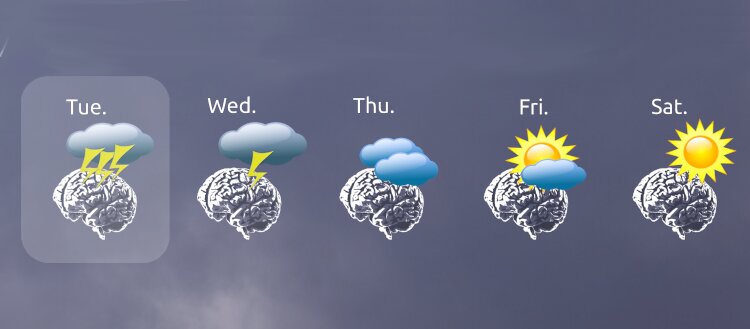
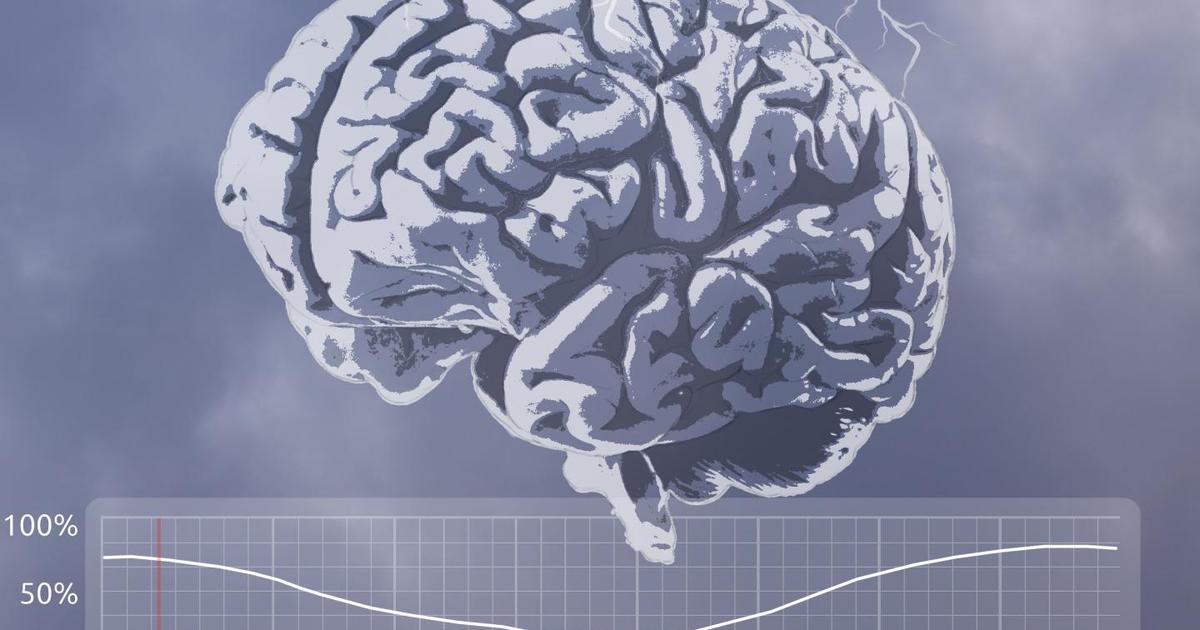
Researchers propose system that delivers seizure forecasts, similar to weather forecasts,
offering predictions of when a person is a greater risk of seizure.


Brain implant forecasts seizures days in advance

by Rich Haridy | New Scientist | 20 Dec 2020

An international study is showing, for the first time, that it may be possible to predict the onset of epileptic seizures several days in advance. By analyzing data from a clinically approved brain implant designed to monitor and prevent seizures, the new research hopes to develop a model offering patients with epilepsy a seizure forecasting tool to predict the likelihood of upcoming episodes.

The research looked at data from a responsive brain stimulation implant called NeuroPace. The device was approved for clinical uses back in 2013 and it works to prevent seizures by delivering imperceptible pulses of electrical stimulation to certain parts of the brain upon detecting abnormal brain activity.

Scientists have been working on a variety of seizure prediction tools for decades. But despite some incredible advances, such as the NeuroPace device, no innovation to date has successfully shown it possible to predict seizures more than a few minutes in advance, at best.

The NeuroPace innovation offers researchers the first chance to study the relationship between seizures and brain activity using years of EEG data. The new study initially analyzed long-term data from 18 patients with the brain implant who were closely tracked for several years. From this data the researchers developed predictive algorithms to forecast seizures. These predictive algorithms were then tested on long-term data gathered from the more than 150 people who participated in the decade-long clinical trials testing the brain implant system.

Vikram Rao, co-senior author on the new study, says the data shows seizure risk could be effectively forecasted three days ahead in nearly 40 percent of subjects and one day ahead in 66 percent of subjects.

"For forty years, efforts to predict seizures have focused on developing early warning systems, which at best could give patients warnings just a few seconds or minutes in advance of a seizure,” says Rao. “This is the first time anyone has been able to forecast seizures reliably several days in advance, which could really allow people to start planning their lives around when they're at high or low risk.”

Rao does stress the current algorithm can only predict when one is at higher risk of seizure, and not specifically when a seizure will take place. A number of other unaccounted environmental triggers, from stress to erratic sleep, can play a role in the onset of a seizure. So the system currently developed is more like a weather forecast, offering probabilities designed to help guide a person’s future activities.

"I don't think I'm ever going to be able to tell a patient that she is going to have a seizure at precisely 3:17 pm tomorrow—that's like predicting when lightning will strike," explains Rao. "But our findings in this study give me hope that I may someday be able to tell her that, based on her brain activity, she has a 90 percent chance of a seizure tomorrow, so she should consider avoiding triggers like alcohol and refrain from high-risk activities like driving."

Much more work is needed before the system is ready for clinical use. This preliminary study uncovered a significant amount of variability from person to person. It is unclear why reliable forecasting could not be generated from some patient’s brain activity data. Future investigations to optimize the algorithm and perhaps incorporate multimodal physiological data may enhance the algorithm’s predictive capacity.

Plus, currently the system requires data gathered from a device requiring surgical implantation. This would limit the use of the device to only those with the most severe forms of epilepsy. More superficial subscalp EEG devices could offer a less invasive way of capturing this brain activity data over long periods of time.

"It is worth remembering that, currently, patients have absolutely no information about the future—which is like having no idea what the weather tomorrow might be—and we think our results could help significantly reduce that uncertainty for many people," adds Rao. "Truly determining the utility of these forecasts, and which patients will benefit most, will require a prospective trial, which is the next step."

The new study was published in the journal The Lancet Neurology.

 
epilepsy-diet-supplement-neurosicences.jpg


New dietary treatment for Epilepsy reduced seizures

UCL | Neuroscience News | 24 Jul 2021

K.Vita, a new oral dietary substance based on the ketogenic diet, reduced seizures by up to 50% in children and adults with drug-resistant epilepsy.

The first clinical trial of a new dietary treatment for children and adults with severe forms of epilepsy, co-developed by UCL researchers and based on the ketogenic diet, has been successfully completed.

For the study, published in Brain Communications, clinicians evaluated the use of K.Vita®, (also known as Betashot), an oral liquid dietary supplement developed by UCL in collaboration with Royal Holloway, University of London, and Vitaflo International Ltd.

The ketogenic diet (KD) consists of high-fat, low-carbohydrate and adequate protein consumption and mimics the fasting state, altering the metabolism to use body fat as the primary fuel source. This switch from carbohydrates to fat for body fuel is known as ketosis.

It is widely used to treat drug resistant epilepsies. However, the highly restrictive diet, which can cause constipation, low blood sugar, and stomach problems, can have poor compliance and is not suitable for everyone. Some KD supplements are also known to be unappetising.

K.Vita is based on novel findings by UCL researchers*, who discovered a different underlying mechanism to explain why the KD is effective against epilepsy; in developing a new treatment, researchers also sought to reduce the adverse side effects caused by KD.

Corresponding author Professor Matthew Walker (UCL Queen Square Institute of Neurology) said: “The ketogenic diet has been used for 100 years to treat epilepsy, helping reduce seizures in both children and adults."

“It has long been thought the diet was effective due to its production of ketones,
however we now believe the increase in levels of the fatty acid, decanoic acid, also produced by the diet, may provide the powerful antiseizure effects.

“In this study we evaluated a newly developed medium chain triglyceride (type of dietary fat) supplement, designed to increase levels of decanoic acid, while also reducing the adverse side effects, and to be more palatable.”

For the feasibility trial, researchers wanted to establish participants’ tolerance (side effects such as bloating or cramps) to the treatment, acceptability (flavour, texture, taste) and compliance (how easy it is to use K.Vita at the advised quantity, as part of their daily diet).

As secondary outcomes, they also monitored the frequency of epileptic seizures or paroxysmal events (fits, attacks, convulsions) and whether ketone production was decreased.

In total, 35 children aged 3 to 18 with genetically caused epilepsy and known to be unresponsive to drugs, and 26 adults with drug-resistant epilepsy (DRE), were given K.Vita liquid supplements (a drink), to be taken with meals. They were also asked to limit high-refined sugary food and beverages from their diets.

The trial lasted 12 weeks with K.Vita treatments increasing incrementally over time, taking into account individuals’ tolerance to the treatment.

In total, 23/35 (66 percent) of children, and 18/26 (69 percent) of adults completed the trial i.e they were continuing to take K.Vita at 12 weeks. Gastrointestinal disturbances were the primary reason for discontinuation, and their incidence decreased over time

Over three-quarters of participants/caregivers reported favourably on sensory attributes, such as taste, texture and appearance, and ease of use.

In regards to the secondary outcomes, there was a mean 50% reduction in seizures or paroxysmal events, and fewer than 10% of people on the diet produced significant ketones.

Commenting on the findings, Professor Walker, who is also a consultant neurologist at the National Hospital for Neurology and Neurosurgery, said: “Our study provides early evidence of the tolerability and effectiveness of a new dietary supplement in severe drug-resistant epilepsies in adults and children and provides a further treatment option in these devastating conditions."

“It also offers an alternative, more liberal, diet for those who cannot tolerate or do not have access to ketogenic diets.”


He added: “While this study was not designed to include enough patients to fully assess the supplement’s effects on seizures, it is exciting to report that there was a statistically significant reduction in the number of seizures in the group overall after three months of treatment."

“Furthermore, high ketone levels were not observed in over 90% of the participants. This indicates that the effect of the diet was independent from ketosis; this is important because high ketone levels in the ketogenic diets contribute to both short- and longer-term side effects.”


First author, Dr Natasha Schoeler, Research Dietitian at UCL Great Ormond Street Institute of Child Health, commented: “This novel dietary approach for epilepsy management involves following the principles of a healthy balanced diet alongside use of K.Vita, allowing greater dietary freedom compared to ketogenic diets. Our approach also requires much less input from a specialist dietician than is required by traditional ketogenic diets, and so may allow more widespread access to people with drug-resistant epilepsy.”

Researchers say larger, controlled studies of K.Vita are now needed to determine the precise epilepsies and conditions in which the supplement is most effective.

Patients were recruited from Great Ormond Street Hospital, Chalfont Centre for Epilepsy and The National Hospital for Neurology and Neurosurgery, part of UCLH.

*From the article here :
 
Last edited:
589b414f6e09a897008b5f71


Psilocybin and Epilepsy

by Haley Ritter

I'm currently 41 years old, and I've lived with epilepsy literally my whole life, since my mom first noticed my uncontrollable giggling as a 2-year-old (Gelastic/Simple Partial seizures-SPs). My pediatrician at the time (1979) dismissed these episodes as "anxiety attacks" (my mom rolled her eyes and simply continued to watch carefully whenever I had these giggle spells as I progressed through elementary school). Then, as my hormones kicked in during adolescence (age 11 or 12) my seizures matured into Complex Partials (CPs) and I was finally diagnosed with Epilepsy. We still had neurologists that claimed I was making them up to get attention because all my EEGs were "normal" (this was back ~1989/'90 and technology was barely starting: i.e. CT/CAT scans, MRIs came a little later, and those tests were all "normal" too).

Meanwhile, new anti-convulsants were coming out like crazy at the time, and I was being tested like a guinea pig: one med after another proved to have zero control on my weekly, and daily, seizures (CPs and SPs, respectively). They kept getting worse, more frequent, and became Myoclonic in High School, despite all the meds they were feeding me like candy, and one that almost killed me my senior year (Felbamate/Felbatol) due to severe depression and thoughts of suicide.

I started college in Fall of 1995, and my H.S. sweetheart and I were still together, but had a nice, solid, long-distance relationship during which we saw each other 2-3x/year, and did regular magic mushroom trips together. I quit having seizures COMPLETELY for 2 ENTIRE YEARS during that period of my life and even got my drivers' license when I was 20 years old!!! <---(That was something I never learned how to do when I was 15-16 years old because I had so many seizures and it wasn't a safe or legal option for me).

After we broke up in '98, mushrooms were not an option for me anymore and sure enough, I started having seizures again! Those progressed into Tonic Clonics (TCs or "Grand Mals") very quickly, and in the Fall of 2003 I started having 3-5 of those PER DAY! I was just beginning my career as an ASL Interpreter for the Deaf/Hard-of-Hearing and had my first job, but couldn't handle working full time at a Middle School, interpreting for a hyperactive, aggressive 14 year-old Deaf kid who couldn't control himself, and freaked out every time I dropped on the floor convulsing like crazy 2-3 times a day. I was 26 years old, and finally went ahead with my neurologist's suggestion to have a Right Temporal Lobectomy because I was desperate. I was still having TCs SPs like crazy. Then I had another brain surgery in 2012 when technology was improved and they finally found a "cause" for my seizure activity.

As it turns out, I have a very rare brain tumor on the right side of my hypothalamus: "Hypothalamic Hamartoma (HH)" that I was born with, so my seizures were coming from this benign bundle of abnormal nerve tissue that behaves like a pacemaker would act on the heart- constantly stimulating that vital area of my brain with electrical impulses that spread into seizures. During this 4th (and FINAL, mind you) surgery, they radiated my tumor with "Gamma Knife" technology by drilling a huge metal frame onto my skull and sticking my head in a tube for 4 hours. Nothing changed, I still have 5-15 SPs everyday, 2-3 TCs per month, and now they want to do yet ANOTHER brain surgery on me (HECK NO!!! I'm DONE). About a year ago, I began experimenting with daily micro-doses of mushrooms, and finally have had 2 months where I've been completely seizure-FREE!! This has been the ONLY successful treatment for my seizures!

https://www.epilepsy.com/connect/forums/epilepsy-and-college/shrooms-and-epilepsy
 
Top