• Psychedelic Medicine
  • Psychedelic Medicine Moderator: mr peabody

CHRONIC PAIN | +80 articles

306aaed7076cec9b372e97784bd1bbe4.jpg


Kambo and chronic pain

Psychedelic Times | 21 Dec 2016

Kambo is the poison of the giant leaf frog 'Phyllomedusa bicolor', which it excretes through its skin. The secretion is said to generate an altered state of reality, clear inner sight and a resurgence of long forgotten memories.

Kambo is known as the vaccine of the forest; in Portuguese, due to its use as a treatment for a spectrum of diseases including migraines, depression, blood circulation, organ diseases, fertility problems, and cancer. Most notably, though, it is used to treat pain. Research conducted since 1979 has shown that kambos powerful peptide content makes it a natural and holistic painkiller. Of the nine peptides in kambo, some of the most notable include phyllomedusin, which contributes to deep purging and detoxification; caerulein and sauvagine, which heighten sensory perception and stamina and have powerful pain-relieving properties; and dermorphin and deltorphin, which provide an opioid-like effect, 400 times more powerful than morphine.

In addition to its analgesic qualities, Kambo is a powerful anti-inflammatory and anti-microbial. While research has yet to confirm its potential, traditional kambo treatment administered over a series of sessions could prove to be a powerful tool in the fight against many diseases.

While decreasing pain is obviously an important effect of Kambo, it also works to attack the modern plague of addiction. Simply put, the less pain you have, the less likely you will feel the need to seek out opioids or other pain medications that are addictive. For those suffering from addiction, Kambo can provide an alternative method of pain management while they work to kick the addiction. Essentially, Kambo has a one-two punch effect; it treats pain and, in doing so, helps individuals decrease dependence on more addictive pain management medications.

https://psychedelictimes.com/kambo/h...eat-addiction/
 
PSYT.jpg


Psilocybin calms hyperactive brain cells linked to chronic pain*

by Karina Petrova - PsyPost - August 16, 2026

A single dose of the psychedelic compound psilocybin can rapidly relieve both chronic pain and the symptoms of anxiety and depression that often accompany it. The drug achieves this dual effect by calming hyperactive brain circuits associated with these linked conditions. The research was published in Nature Neuroscience.

Chronic pain rarely exists in isolation. People who suffer from persistent physical pain often develop mood disorders like anxiety and depression. These conditions can feed into one another, making the pain feel worse and making the depression harder to treat. Standard medical treatments usually address the physical pain and the mood symptoms separately, often with limited success.

Researchers suspect these conditions share an underlying physical root in the brain. Brain scans of individuals with chronic pain and depression often show abnormal activity in the anterior cingulate cortex. This region of the brain helps process emotions and the unpleasantness of pain.

Psilocybin is the primary psychoactive ingredient found in magic mushrooms. Once ingested, the body converts it into an active molecule called psilocin. Psilocin binds to serotonin receptors in the brain, which are the same receptors targeted by many standard antidepressant medications.

Recent clinical trials have shown that psilocybin can provide lasting relief for severe depression. Separate observations suggest it might also help with chronic nerve pain. University of Pennsylvania researchers Joseph Cichon, Ahmad Hammo, and Stephen Wisser wanted to see if a single treatment could target the shared brain circuits of both conditions at the same time.

To study this, the research team first established chronic pain in laboratory mice using two different methods. One group of mice received a minor surgical nerve injury to simulate long-lasting nerve pain. Another group received a specialized injection in their paw to create persistent inflammatory pain.

After a few weeks, both groups of mice displayed severe sensitivity to a light physical touch. They also began to show behaviors that researchers use to gauge anxiety and depression in rodents. For example, they spent less time exploring open, exposed areas, and they showed less motivation to keep moving when placed in water.

The researchers then gave the mice a single systemic injection of psilocybin. The next day, the mice showed a complete reversal of their physical pain sensitivity. Their mood-related behaviors also returned to normal baseline levels. This restorative effect lasted for at least twelve days, which was the end of the testing period.

To verify that the psilocybin was actually relieving the negative experience of pain, the team used a behavioral test involving two connected rooms. The mice were given psilocybin in one specific room and a plain saline solution in the other.

When given the freedom to choose, the mice with chronic pain strongly preferred to spend time in the room where they had received psilocybin. Healthy mice without pain did not show this preference. This indicates that the mice associated the environment with the relief of their discomfort.

Pain signals travel from the body, up the spinal cord, and into the brain. The researchers needed to find out exactly where the drug was acting to provide relief. They injected psilocin directly into the lower spinal cords of a group of mice with nerve pain. This local spinal treatment did not improve the animals’ pain or mood behaviors.

Next, they injected the psilocin directly into the anterior cingulate cortex of the brain. This direct brain application rapidly reversed both the physical pain sensitivity and the signs of depressed mood. This result suggests that the drug works by altering networks in the higher brain centers rather than blocking pain signals at the spinal level.

To observe this brain activity in real time, the team used a technique called two-photon calcium imaging. This allowed them to look at individual brain cells in the anterior cingulate cortex of awake mice.

They found that mice with chronic pain had abnormally high levels of spontaneous cellular activity in this brain region. When the researchers applied psilocin to the area, it rapidly suppressed this erratic hyperactivity. The overactive cells quieted down to match the activity levels seen in healthy mice.

Psilocin interacts with several types of serotonin receptors, specifically ones known as 5-HT2A and 5-HT1A. To figure out which receptors were responsible for the healing effect, the team gave the mice drugs that block these specific receptors before administering the psilocybin.

Blocking either the 5-HT2A receptor or the 5-HT1A receptor completely stopped the psilocybin from working. The mice remained in pain and continued to show depressed behaviors. This demonstrates that psilocybin requires access to both of these serotonin receptor types simultaneously to initiate its healing effects.

In pharmacology, a full agonist is a drug that turns a receptor on completely. A partial agonist, like psilocin, only turns it on partially. The researchers tested what would happen if they used different drugs to fully activate the 5-HT2A and 5-HT1A receptors in the mice.

Activating these receptors fully, even at the same time, failed to replicate the broad therapeutic effects of psilocybin. The mice did not experience the same comprehensive relief from pain and mood issues. The researchers suspect that the partial activation provided by psilocin creates a specific, balanced modulation of brain cells that full activation cannot achieve.

While these animal studies offer a detailed look at brain circuitry, mice are not humans. Brain structures and the subjective experience of pain differ between species. It is not yet known if the specific dosage that provided relief in mice will translate safely and effectively to human patients.

The researchers tracked the mice for twelve days after the single dose. It remains unseen exactly how long the pain relief might last beyond that window.

In pharmacology, a full agonist is a drug that turns a receptor on completely. A partial agonist, like psilocin, only turns it on partially. The researchers tested what would happen if they used different drugs to fully activate the 5-HT2A and 5-HT1A receptors in the mice.

Activating these receptors fully, even at the same time, failed to replicate the broad therapeutic effects of psilocybin. The mice did not experience the same comprehensive relief from pain and mood issues. The researchers suspect that the partial activation provided by psilocin creates a specific, balanced modulation of brain cells that full activation cannot achieve.

While these animal studies offer a detailed look at brain circuitry, mice are not humans. Brain structures and the subjective experience of pain differ between species. It is not yet known if the specific dosage that provided relief in mice will translate safely and effectively to human patients.

The researchers tracked the mice for twelve days after the single dose. It remains unseen exactly how long the pain relief might last beyond that window.

*From the article here :

 
Last edited:
I wonder how micro dosing would work in comparison? By following one of those multi week very low micro dose regimens I mean.
I I've been having pain, anxiety, depression issues in recent years and recently decided that drinking one beer a day for 10 years in order to relax (occasionally a second one, occasionally none at all) was probably making my symptoms worse. Likewise, it seemed like taking kratom and hydrocodone at low doses a couple times a week for a couple years was contributing to the problem. Immediate reduction of symptoms but stimulating worse afterwards.
I have decided to take a break from both, though hopefully be able to go back to them on a much less frequent basis ( in particular I think daily alcohol , even at a low level, creates more anxiety and pain by virtue of that consistency. Alcohol is nasty stuff, must be why I like it).
I'm very curious about using psilocybin in this way but I think maybe I should wait a month or more until my neurotransmitters are better reset from the alcohol. Anyhow, that's my plan! 9 days zero alcohol for the first time in who knows how many years.
 
tingri-everest-base-camp-trek.jpg


Ibogaine for Chronic Pain*

by Patrick Kroupa & Hattie Wells

For some, abstinence from narcotic analgesics is not a reality-based goal. Many chronic pain patients are really not going to cast off their crutches, light up some medical marijuana and dance in the meadow, after ibogaine. In addition to chronic-pain patients, there are many people who are using narcotic analgesics to self-medicate a variety of comorbid conditions. In some cases a “successful” detox from opiates means that somebody can look forward to a lifetime’s worth of maintenance on neuroleptics.

Given the choice between opiates and neuroleptics, there is no simple answer, but the side-effects of current anti-psychotic medications can be devastating. When you compare the quality of someone’s life when they are controlling schizophrenia, for example, through the use of opiates (which tend to have extremely mild side effects) vs. the qualify of life attained using sanctioned medicines (usually neuroleptics, with Cogentin to alleviate some of the side-effects anti-psychotics produce), it is entirely possible, even probable, that the person is happier with the opiates.

Ibogaine is remarkably effective in addressing one of the primary problems in any sort of opiate or opioid maintenance: tolerance. Over time, individuals find they must do extremely high doses of their medications in order to achieve any effect whatsoever.

Individual 1:
Male, mid-30’s, in good health, who has experienced full-blown resets using ibogaine HCl in the past. His average daily intake was 20Mgs oxycodone and 4-6Mgs hydromorphone (Dilaudid), which he is prescribed for pain management.

By using a very low-dose regimen of 25-50Mgs of ibogaine HCl on a daily basis, he was able to taper down to a point at which 3.75Mg of oxycodone is subjectively providing him with identical pain relief. He began by taking 25Mg ibogaine HCl per day, and was able to immediately halve his intake of narcotic analgesics with no withdrawal symptoms or discomfort whatsoever. After 6 days he increased the ibogaine HCl to 40Mg, and at week two, he went up to 50Mg a day of ibogaine HCl. After 22 days of ibogaine maintenance, he took a ten day break, before returning to 50Mg which he presently takes every other day. His intake of oxycodone has remained consistent at 3.75Mg/day.
In his own words,

“The goal with adding ibogaine to the oxycodone is to minimize if not end the need for it [oxycodone] for pain management. The HCl seems to help with the pain, or at least gives me awareness to take better care of my body by stretching, drinking more water and to get outside for exercise and sunshine. Most importantly the HCl has given me a feeling of well being, allowing me to process through a depression I have been suffering from. I feel GREAT. The darkness has lifted, the impending doom is cast away! The low dose regimen has also been extremely helpful in musical inspiration; songs I had half-written are coming to completion and new songs are being created. There is a distinct connection between ibo and rhythm/melody, and further underscores for me the important aspect of music in the Bwiti ceremonies.”

Individual 2
Female, early 40s, overall good health but suffering from anorexia, has been physically dependent on narcotic analgesics for 19 years. Her use started with heroin and eventually shifted to methadone maintenance and finally hydromorphone (Dilaudid). She has extreme fear and dislike of “tripping” and has repeatedly refused to take a full-blown ibogaine reset.

Her average daily intake was 28Mg of hydromorphone which she “cold-shakes” (breaks down the pills in a cooker so they can be injected) and IVs. She began by doing 35Mg of ibogaine HCl and was immediately able to stop injecting the hydromorphone and obtained similar analgesia from 24Mg of Dilaudid. Over a period of five days she maintained on 35Mg of ibogaine HCl while continuously decreasing the hydromorphone, which she was taking orally, as prescribed. After five days she was on 16Mg of hydromorphone. At the start of day 8 she began attending psychotherapy. Over the next two weeks she gradually increased her intake of ibogaine HCl to 50Mg/day, and decreased hydromorphone to 6Mg. On day 19, she took a 10 day break from ibogaine HCl, and her hydromorphone intake rose back to 12Mg/daily (oral), before tapering back down to 6Mg/day within hours of restarting ibogaine maintenance at 35Mg. At six months out, this cycle appears to be consistent. She takes a break from ibogaine maintenance every 20 days. Slowly drifts from 6Mg/day of hydromorphone, up to 12Mg, before restarting ibogaine at 35Mg/day, at which point she drops back to 6Mg — which appears to be her comfort zone — while gradually increasing ibogaine HCl to 50Mg/day. She has plans to try a 500Mg dose of ibogaine HCl, and attempt complete cessation of narcotic analgesics.

Ibogaine maintenance

Whether an individual is doing ibogaine maintenance while clean, or with narcotic analgesics — utilizing daily maintenance, or skipping days — there seems to be a point of diminishing returns somewhere between day 20 and 25. At this point people discover that for all intent and purposes they’re “speeding”. There is a general feeling of being wired, jittery, and severe sleep disturbances begin manifesting themselves.

Taking a break from ibogaine for a week or two at this point appears to be sufficient time to allow roughly another three-week cycle of ibogaine before once again hitting the wall. Three weeks “on” followed by ten days to two weeks “off” has been a cycle people have maintained without any particular side effects.

Conclusion

Drug-dependent individuals have a variety of obstacles to surmount. One of the largest tends to be years — or decades — of being at the receiving end of what passes for drug treatment in Western society. This includes years of being categorized as disease-afflicted criminals. Ibogaine is akin to the peeling away of a veil, the removal of the soft focus glasses. After the noribogaine disappears (the so-called window of opportunity) the harsh reality of life is often unbearably uncomfortable. Ibogaine doesn’t eradicate the underlying causes of addiction, which for many people may take years to understand and come to terms with. Ibogaine is more than a detox, but it’s a catalyst, not a “cure.”

*From the article here: http://ibogaine.mindvox.com/article...ry-boosters-tune-ups-maintenance-microdosing/
 
legalcannabi.jpg


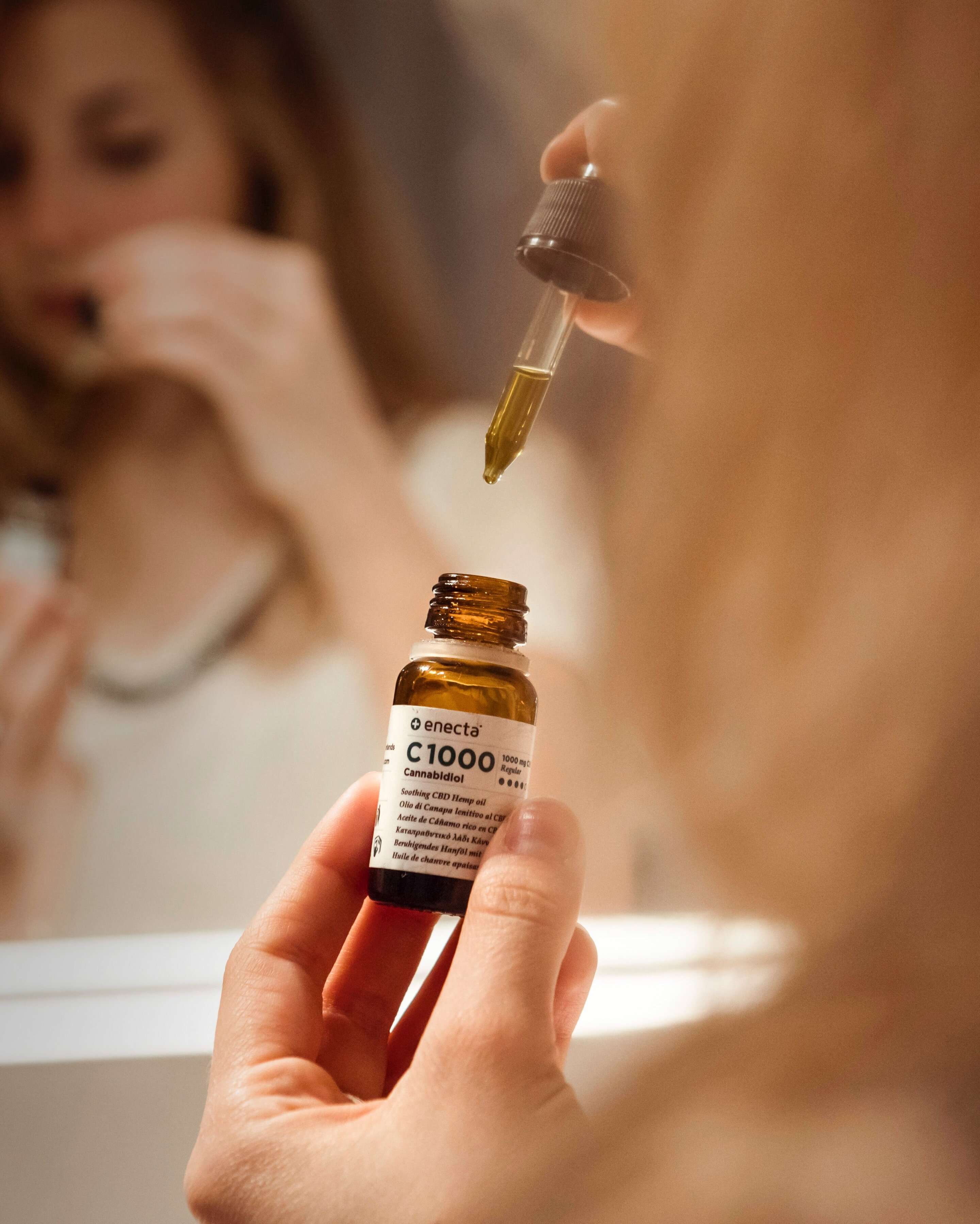
Hemp oil effectively treats chronic neuropathic pain: study

by University of New Mexico | Medical Xpress

Researchers examine the effectiveness of consuming hemp oil extracted from the whole Cannabis plant using a chronic neuropathic pain animal model. Researchers at The University of New Mexico (UNM) showed that legal Cannabis hemp oil reduced mechanical pain sensitivity 10-fold for several hours in mice with chronic post-operative neuropathic pain.

Distinguished from its still largely criminally prohibited cousin, "hemp" refers to Cannabis plants with less than 0.3 percent tetrahydrocannabinol (THC) per mass. Hemp is now federally legal to produce and consume in most regions throughout the United States (U.S) as a result of the Hemp Farming Act, proposed by the U.S. Congress and signed into law by President Donald Trump in 2018.

This major breakthrough in cannabis prohibition now enables millions of Americans the ability to access a natural, effective, and relatively safe alternative option for treating chronic pain. Conventional pharmacological drugs, namely opioids, are driving the leading form of preventable deaths and conventional medical errors are the third leading cause of death in the U.S.

The University of New Mexico has conducted a series of recent studies testing the effectiveness and safety of consuming the Cannabis plant, but this is the first study measuring the therapeutic potential of legal hemp oil with low THC levels.

"Cannabis plants with low THC are still psychoactive, but tend to result in less psychedelic experiences, while still offering profound and often immediate relief from symptoms such as pain, anxiety, and depression," says co-researcher, Dr. Jacob Miguel Vigil, associate professor in the UNM Psychology Department.

Using a chronic neuropathic pain model that exposes mice to post-operative neuropathic pain equivalent to several years of chronic pain in human clinical patients, the researchers were able to examine how hemp oil influences momentary pain sensitivity to the affected region. For several hours after Cannabis consumption the mice demonstrated effective pain relief, approaching the mechanical pain sensitivity of naïve control mice that did not undergo the surgical operation.

"Our lab utilizes a unique nerve injury model mimicking human neuropathic pain that has allowed demonstration of hemp's reversal of the pain related behavior" said one of the lead investigators, Dr. Karin N. Westlund, Department of Anesthesiology, their article titled "The Therapeutic Effectiveness of Full Spectrum Hemp Oil Using a Chronic Neuropathic Pain Model," published in the journal Life.

Studies in animals can be superior to clinical trials because they circumvent human biases and expectancy effects, or perceptual and cognitive reactions to enrollment in cannabis-themed experiments. Several studies measuring the effects of cannabis in humans observe patients reporting psychedelic experiences, whether or not they received the active cannabis agent, otherwise referred to as the 'placebo effect.'

The study examined the effectiveness of "LyFeBaak" hemp oil, produced by Organic-Energetic Solutions, which has been available for legal purchase in New Mexico since 2019. "We grow hemp that is optimized to potentiate the plants utmost health and vitality through hypermineralization techniques, rather than merely plants that are grown in a state of fight-or-flight, which unfortunately is common in the cannabis industry. These techniques have enabled us to produce hemp products that patients swear are effective for treating dozens of mental and physical health conditions. The new changes in hemp laws are now allowing us to test these claims," adds co-author and hemp grower, Anthony L. Ortiz.

"Hemp plants contain numerous therapeutic constituents that likely contribute to analgesic responses, including terpenes and flavonoids, which in theory, work together like members of a symphony, often described as the entourage effect," says fellow researcher, Jegason P. Diviant. Several clinical investigations have shown that medications based on synthetic cannabis analogues and isolated compounds tend to offer lower reported symptom relief and a greater number of negative side effects as compared to whole plant, or "full-spectrum" Cannabis flower and plant-based extracts.

The authors do caution that few studies exist on the long-term use of hemp oil, due mostly to historical federal prohibition laws in the U.S. "However, this is an extremely exciting time in modern medical discovery, because the average citizen now has legal access to a completely natural and effective medication that can be easily and cheaply produced, simply by sticking a seed in the ground and caring for it as you would any other important part of your life," says Vigil.
 
737f63883c6f1550e89e1a184f343ff4.jpg


Nabilone for chronic pain

Nabilone is a synthetic cannabinoid with therapeutic use as an antiemetic and as an adjunct analgesic for neuropathic pain. It mimics tetrahydrocannabinol (THC), the primary psychoactive compound found naturally occurring in cannabis.

The FDA has indicated nabilone for chemo-induced nausea/vomiting. In countries such as Canada, it is widely used as an adjunct therapy for chronic pain management. Numerous trials and case studies have demonstrated effectiveness for relieving fibromyalgia and multiple sclerosis. The conditions that have seen published clinical trials of nabilone include parkinsonism, chronic pain, dystonia and spasticity neurological disorders, multiple sclerosis, and the nausea of cancer chemotherapy.

Nabilone was approved in Austria to treat chemo-induced nausea in 2013; it was already approved in Spain for the same indication, and also in Belgium to treat glaucoma, spasticity in Multiple Sclerosis, wasting from AIDS, and chronic pain.

https://en.wikipedia.org/wiki/Nabilone

-----

Managing chronic pain with low dose nabilone

Low dose nabilone was found to reduce clinical pain in Motor Vehicle Accident patients despite an increase in their general daily activities, work tolerance and socialization. The degree of pain and time to return to work following intervention has been evident. Improvement of sleep was consistent, with fewer awakenings and more refreshing mornings. Patients were less anxious and irritable, and their appetite increased.

https://www.jpain.org/article/S1526-5900(000129-6/pdf
 
90

Researchers report 20 micrograms of LSD delivers similar analgesic results
to opioids such as oxycodone and morphine in an acute pain test.

LSD microdosing trial for acute pain relief reports remarkable results*

by Rich Haridy | NEW ATLAS

An incredible, first-of-its-kind trial testing the pain-killing properties of LSD microdoses has delivered the compelling suggestion that tiny, non-psychedelic doses of this infamous drug could serve as an effective analgesic.

Back in the 1960s, during the original heyday of psychedelic science, one of the more fascinating research areas for LSD was its unexpected efficacy as an analgesic. Researcher Eric Kast was one of the pioneer investigators on the topic, publishing over a dozen key papers exploring the ways pain perception is influenced by LSD.

Kast’s work was primarily with active psychedelic doses of LSD, and he consistently found the drug produced effective, and protracted, analgesic effects. Unfortunately, Kast’s work with LSD ended, as most psychedelic research did, when access to the drug was restricted in the late 1960s.

Decades later, as the freeze on psychedelic research begins to thaw, the idea of LSD as a pain-reliever still sits on the fringes of psychedelic science. No modern clinical researcher has returned to Kast’s ideas, however, anecdotal cases have begun to emerge highlighting some people self-medicating with LSD microdoses to treat chronic pain.

This new study, led by researchers from Maastricht University with assistance from the Beckley Foundation, is the first clinical trial to revisit this topic in more than 50 years. Unlike Kast’s prior work, this new research focused on microdoses of LSD rather than larger, actively psychedelic doses.

“From a medical point of view, controlled research on the efficacy of LSD in pain management should focus on non-hallucinogenic, low doses of LSD, which are more manageable and thus preferable over treatment with high doses of LSD that produce full-blown psychedelic effects,” the researchers explain in their paper.

The double-blind, placebo-controlled trial recruited 24 healthy subjects, each of whom took part in four separate experimental sessions, separated by at least five days. Three different LSD microdoses were tested (five, 10, and 20 micrograms) alongside a placebo.

During each experimental session, the subjects completed a Cold Pressor Test (CBT) at two time points following dosing: 90 minutes after and five hours after. The test basically involves plunging one’s hand into a tank of water at 3 °C (37.4 °F). Pain tolerance is measured by combining the amount of time one can hold their hand in the cold water, with a series of subjective ratings regarding painfulness.

The researchers described the results of the study as “remarkable”, with the 20-µg-dose group revealing prolonged improvements to pain tolerance compared to both lower doses and placebo. The results were sustained across both time points suggesting the analgesic effect is just as prominent five hours later as it is within the first 90 minutes.

“The current data consistently indicated that LSD 20 µg significantly reduced pain perception as compared with placebo, whereas lower doses of LSD did not,” the researchers write. “LSD 20 µg significantly increased pain tolerance (i.e. immersion time) by about 20%, while decreasing the subjective levels of experienced painfulness and unpleasantness.”

So what exactly is going on here? Is LSD just distracting people from the acute pain, or is it actually inhibiting pain signaling through a more direct pharmacological mechanism?

Kast hypothesized 50 year ago these analgesic effects were the result of LSD reorienting attention away from pain sensations to a more encompassing psychedelic experience. While that hypothesis certainly is reasonable when high LSD doses are administered, it doesn’t really explain the results seen in this new microdose trial.

The researchers do note a small correlation between increasing levels of psychedelic disassociation and greater pain relief in their results, but the association was weak. They estimate it accounting for no more than six percent of the variance in analgesic results.

A variety of possible alternate hypotheses are presented in the new study, from pharmacologically influencing specific brain receptors known to mediate pain sensation, to triggering a condition called hypertension-associated hypoalgesia whereby blood pressure rises can lead to a diminished perception of pain.

“… an extended dose-finding study is needed to determine the dose at which analgesic effects of LSD are optimal, i.e. when efficacy is maximal and mental interference is minimal,” propose the researchers. “Such a study could potentially explore the trade-off between increments in treatment efficacy and psychedelic symptoms in a low to medium dose range (i.e. 20–50 µg LSD).”

Perhaps the most intriguing finding in the study is the observation that the analgesic effect seen in the 20-µg LSD group is comparable to what prior studies have seen with in the same cold water pain test for opioids such as oxycodone and morphine.

Needless to say, a great deal more research is needed before these results can be extrapolated into any real-world clinical treatment. Will these LSD microdose results translate into pain relief for chronic pain sufferers? Or is this kind of analgesic best for certain types of acute pain? What are the safety issues surrounding long-term use?
Does a tolerance eventually build to low-dose LSD?

At the very least these promising results suggest further clinical trials are necessary as modern researchers slowly catch up with where the science was half a century ago.

The new study was published in the Journal of Psychopharmacology.

*From the article here :
 
03e10bcb0efe0015b1b8ea65faac7d1f--fiction-movies-science-fiction.jpg


Psychedelic plant Salvia found to target pain receptors

by Leslie Lang-UNC

The discovery of how the psychedelic Salvia affects the brain could lead to new avenues for treating chronic pain.

At the molecular level, drugs like salvinorin A (the active ingredient of the psychedelic plant Salvia divinorum) work by activating specific proteins, known as receptors, in the brain and body.

Salvinorin A, a potent naturally occurring psychedelic, is unusual in that it interacts with only one receptor in the human brain—the kappa opioid receptor (KOR). Scientists know of 4 distinct types of opioid receptors, but until now the structure of the ‘salvia receptor’, and the details about how salvinorin A and other drugs interact with it, was a mystery.

In a research paper published in the journal Nature, scientists from the University of North Carolina at Chapel Hill, Scripps Research Foundation, and 2 other institutions revealed the first-ever glimpse of the complete structure of the KOR.

“Once we see the structure of the KOR receptor, it becomes easier for us to develop drugs that target the receptor in ways that might be beneficial for medical therapy,” says Bryan Roth, professor of pharmacology and one of the paper’s authors. “Drugs that block the receptor are potentially useful for treating a number of serious illnesses including chronic pain, cocaine addiction, and other diseases.”

The KOR is responsible for the action of drugs that affect human consciousness, awareness of pain, and mood. KOR is the only receptor that binds salvinorin A—the active ingredient of the psychedelic plant Salvia divinorum. Salvia use has surged among teenagers and young adults with more than 5 percent reporting usage in the past year, according to the National Institute on Drug Abuse. Knowing KOR’s structure offers insights about how salvia and other drugs work. The finding also could help scientists design medicines that either activate or block KOR to benefit patients.

The research team crystallized KOR using JDTic, a drug currently in early-stage human trials; JDTic keeps KOR in an inactive state and blocks the actions of salvinorin A. In studies using animal models, JDTic has shown promise for treating addiction, depression, and anxiety.

The downside of JDTic and similar drugs targeting KOR is that they can exert their actions for weeks whereas most prescribed medicines are cleared within 18-24 hours. “Now that we have the [KOR] structure, it opens up the possibility for us to make drugs that have the same action as JDTic but have better pharmaceutical properties,” says Roth.

The research also resolves longstanding scientific debates about how drugs bind to KOR. The study found that compared to other receptors the binding site on KOR is enormous, allowing drugs to bind to it in more than one way.

"In addition," Roth says, "the research could help scientists develop drugs that activate KOR in the body without affecting the brain, which could be useful for treating chronic pain, kidney problems, and many other disorders."

https://www.futurity.org/hallucinoge...pain-receptor/
 
Top