• Psychedelic Medicine
  • Psychedelic Medicine Moderator: mr peabody

CHRONIC PAIN | +80 articles

medical-marijuana-cancer-pain-neuroscinences-public.jpg

📸: Image credit to Julia at Hinterland
Medicinal cannabis shown to reduce pain and the need for opiate painkillers among cancer patients

Frontiers | 20 May 2022

Most cancer patients who used medical cannabis reported a significant improvement in pain measures and a decrease in some other cancer-related symptoms. Additionally, medical cannabis use reduced the consumption of traditional, opioid-based pain killers for those with cancer.

A comprehensive assessment of the benefits of medical cannabis for cancer-related pain found that for most oncology patients, pain measures improved significantly, other cancer-related symptoms also decreased, the consumption of painkillers was reduced, and the side effects were minimal.

Published in Frontiers in Pain Research, these findings suggest that medicinal cannabis can be carefully considered as an alternative to the pain relief medicines that are usually prescribed to cancer patients.

Pain, along with depression, anxiety, and insomnia, are some of the most fundamental causes of oncology patient’s disability and suffering while undergoing treatment therapies, and may even lead to worsened prognosis.

“Traditionally, cancer-related pain is mainly treated by opioid analgesics, but most oncologists perceive opioid treatment as hazardous, so alternative therapies are required,” explained author David Meiri, assistant professor at the Technion Israel Institute of Technology.

“Our study is the first to assess the possible benefits of medical cannabis for cancer-related pain in oncology patients; gathering information from the start of treatment, and with repeated follow-ups for an extended period of time, to get a thorough analysis of its effectiveness.”

Need for alternative treatment

After talking to several cancer patients, who were looking for alternative options for pain and symptom relief, the researchers were keen to thoroughly test the potential benefits of medicinal cannabis.

“We encountered numerous cancer patients who asked us whether medical cannabis treatment can benefit their health,” said co-author Gil Bar-Sela, associate professor at the Ha’Emek Medical Center Afula. “Our initial review of existing research revealed that actually not much was known regarding its effectiveness, particularly for the treatment of cancer-related pain, and of what was known, most findings were inconclusive.”

The researchers recruited certified oncologists who were able to issue a medical cannabis license to their cancer patients. These oncologists referred interested patients to the study and reported on their disease characteristics.

“Patients completed anonymous questionnaires before starting treatment, and again at several time points during the following six months. We gathered data on a number of factors, including pain measures, analgesics consumption, cancer symptom burden, sexual problems, and side effects,” said Bar-Sela.

Improved symptoms

An analysis of the data revealed that many of the outcome measures improved, with less pain and cancer symptoms. Importantly, the use of opioid and other pain analgesics reduced. In fact, almost half of the patients studied stopped all analgesic medications following six months of medicinal cannabis treatment.

“Medical cannabis has been suggested as a possible remedy for appetite loss, however, most patients in this study still lost weight. As a substantial portion were diagnosed with progressive cancer, a weight decline is expected with disease progression,” reported Meiri.

He continued: "Interestingly, we found that sexual function improved for most men, but worsened for most women.”

Meiri would like future studies to dig deeper and look at the effectiveness of medicinal cannabis in in different groups of cancer patients.

“Although our study was very comprehensive and presented additional perspectives on medical cannabis, the sex, age, and ethnicity, as well as cancer types and the stage of the cancer meant the variety of patients in our study was wide-ranging. Therefore, future studies should investigate the level of effectiveness of medicinal cannabis in specific subgroups of cancer patients with more shared characteristics.”

Effectiveness and safety of medical cannabis in treating cancer-related symptoms
The use of medical cannabis (MC) to treat cancer-related symptoms is rising. However, there is a lack of long-term trials to assess the benefits and safety of MC treatment in this population.

In this work, we followed up prospectively and longitudinally on the effectiveness and safety of MC treatment. Oncology patients reported on multiple symptoms before and after MC treatment initiation at one-, three-, and 6-month follow-ups.

Oncologists reported on the patients’ disease characteristics. Intention-to-treat models were used to assess changes in outcomes from baseline. MC treatment was initiated by 324 patients and 212, 158 and 126 reported at follow-ups.

Most outcome measures improved significantly during MC treatment for most patients. Specifically, at 6 months, total cancer symptoms burden declined from baseline by a median of 18%. Reported adverse effects were common but mostly non-serious and remained stable during MC treatment.

The results of this study suggest that MC treatment is generally safe for oncology patients and can potentially reduce the burden of associated symptoms with no serious MC-related adverse effects.

Original Research: Open access.
“The Effectiveness and Safety of Medical Cannabis for Treating Cancer Related Symptoms in Oncology Patients” by Joshua Aviram et al. Frontiers in Pain Research
 
Last edited by a moderator:
1626275023572-vice-gabapentin-illo-1.jpeg


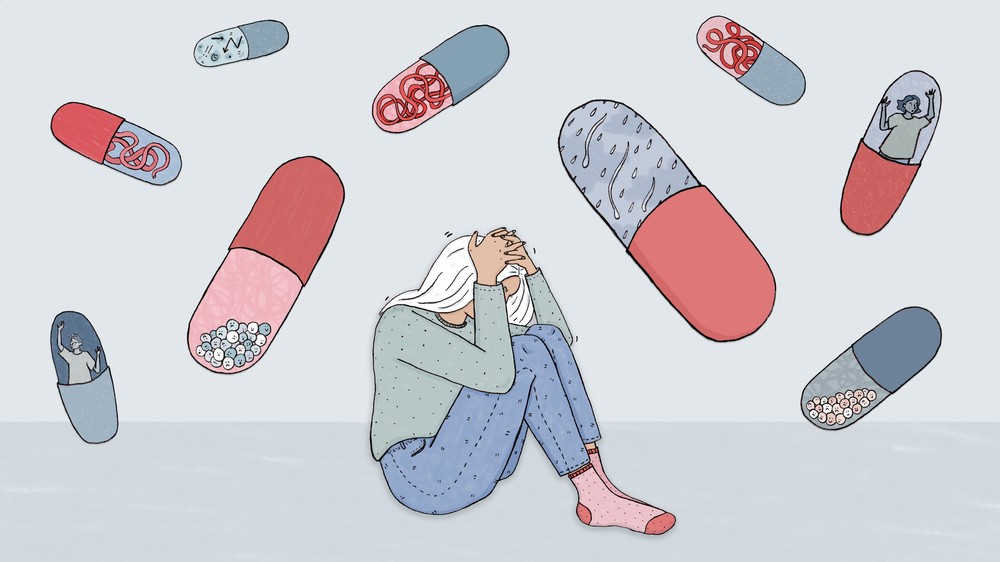
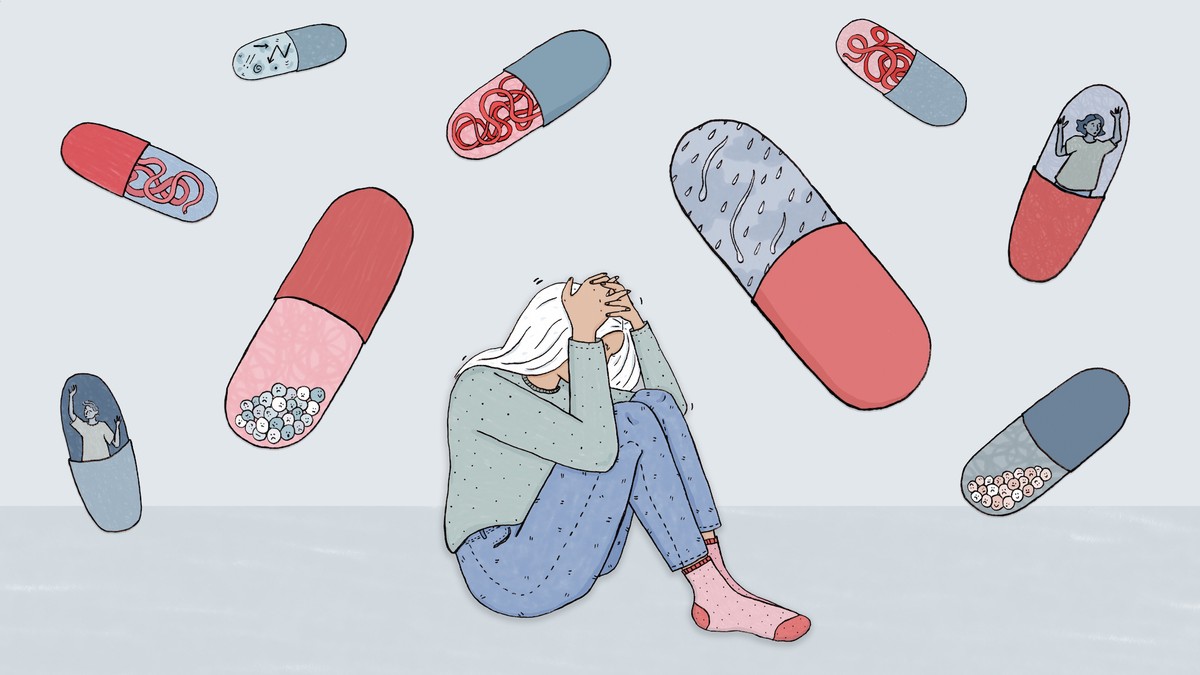
Gabapentin helped my chronic pain – but it's also killing people*

by Abi Palmer | Vice | 1 Apr 2022

At the end of my first week using gabapentin, I awoke butt naked, face down, in a diamanté choker. The night before, I’d been celebrating a friend’s birthday in the secret lounge above a wood-panelled strip club in east London. The party was full of ladies holding apples and wrapped in live snakes. “It feels like a party one of the Kennedys would have been photographed at,” I texted my boyfriend.

While a lot was unusual about the evening, strangest of all was the fact I had been in attendance. For the entire year before, I’d barely been able to function, crashing into out-of-body experience and paralysis with so much pain and fatigue that I had to drop out of university to attend a physical rehabilitation programme. The entire act of attending a party, and casually falling asleep afterwards, was alien to me.

I was prescribed gabapentin in 2013, as an inpatient at a sleep clinic. My consultant observed that I was waking 17 times an hour and diagnosed neuropathic pain, a side effect of my many other musculoskeletal conditions. Apparently the hallucinations and paralysis I was experiencing are common side effects of extreme sleep deprivation. The consultant told me that the medication was usually used to treat epilepsy and that I was being offered an off-label usage, emphasising that it might not work – and if it did, we wouldn’t know why.

Within weeks of taking gabapentin, my hallucinations and paralysis had settled down. A strange side effect was that I stopped having to stretch my legs excessively before bed. Previously, I’d required between one to three hours of physiotherapy to ease the cramping.

Beyond partying, by the end of 2013 my newfound energy allowed me to return to university for two more years. But I also learned that gabapentin was not a drug to be messed with. The first time I missed a dose, I woke at 4AM, sweating profusely, hallucinating little spiders running over my skin. To avoid withdrawal, I made sure I always had several additional months’ worth of prescription in my cupboard. During uni, when I found my fatigue increasing, I wondered if it might be the old restless legs playing up again. A doctor gave the OK for me to increase my gabapentin dosage to 900mg from 600mg. After all, I’d initially been told it was harmless.

Shayla Love’s 2019 VICE article about the gabapentinoid scandal sent ripples of shock through the sick and disabled community. “GABAPENTIN IS A PLACEBO AND IT’S DANGEROUS,” one of my friends posted on Facebook. “Be careful out there.”

The article details the manner in which gabapentinoids – anticonvulsant medications such as pregabalin and gabapentin – had been aggressively marketed as an off-label treatment for multiple hard-to-treat and poorly researched conditions, including chronic pain, anxiety and phantom limb syndrome. In most cases, there was little clinical evidence to suggest that the drugs provided any medical advantage. In some trials, they were less effective than placebo. Worse still, they had been connected to higher risk of death, suicidality and opioid misuse (gabapentinoids proved popular among heroin users, due to their ability to increase highs and make the lows more manageable).

Meanwhile, deaths in the UK attributed to gabapentinoids had increased dramatically – particularly among prison populations – jumping from tens to hundreds in the six years between 2012 and 2018. Just a few months before I was aware of any potential harm, they had been urgently upgraded to a controlled class 3 substance in the UK, meaning tighter prescription regulations. NHS guidance stated in bold: “It is not helpful or appropriate for anyone to stockpile these medications.”

In the wake of this news, I found myself questioning my use of gabapentin. Was my initial energy due to finally sleeping through the night, or was it simply the drug’s euphoric side effects? It was possible, but my late-night googling also suggested that gabapentinoids might have a positive impact on my particular brand of nerve pain, and that alternative treatment options were limited. It seemed to have helped – it had changed my life – and I didn’t know what else to do.

The medical community was also reacting to the drug’s updated profile. A new GP approached my prescription with an unexpected hostility. “If you want to keep on taking this medication, we’re not the surgery for you,” she said. When I explained the basis for my gabapentin use, she rolled her eyes. “It’s a prison drug. For all I know, you could be selling your medication to prisons.”

Rather than address the issue I was there to discuss, I ended up spending the best part of my appointment attempting to persuade her that I was a responsible patient, followed by two panicked weeks where I was unsure whether my repeat prescriptions would continue. Eventually, I was able to return to the surgery and discuss my situation with a more empathetic doctor, who honoured my prescription immediately and helped me consider a longer-term pain management strategy.

The gabapentinoid scandal is fuelled by a history of chronic pain patients being underserved. A 2017 New England Journal of Medicine article suggests that the increased prescription of gabapentinoids is a direct response to the opioid epidemic, with practitioners looking for a fast and effective alternative solution to chronic pain conditions, which can be complex and need time to manage. Chronic pain patients are often reminded that there’s no magic pill to completely cure a chronic pain condition, but it doesn’t feel like the medical system has caught up with this fact, or really addressed how it might change its procedures.

Recently, new NICE guidelines were issued to propose that doctors offer absolutely no pain relief medication to patients with chronic pain, instead advising treatments such as exercise, CBT and acupuncture. The guidance focuses on the risk of addiction, even with medications such as paracetamol and aspirin. Whilst these guidelines primarily focus on chronic pain without an “underlying condition,” it’s worth acknowledging how long it takes for pain to be taken seriously by a medical professional, how little funding or research there is into chronic pain, and how ill-equipped medical services are to deal with ongoing conditions.

Navigating pain is becoming an increasingly traumatic minefield, with doctors “correcting” their colleagues’ prescription choices in ways that punish the patient. In the US, 70 percent of respondents to a survey by Pain News Network reported that doctors had reduced or simply cut off their prescriptions, with reports of no withdrawal plan being offered. In response to the UK’s new NICE guidelines, a statement issued by the Faculty of Pain Medicine lists the risk of “the potential withdrawal of useful medications from patients by GPs” as one of their primary concerns.

Within a decade, gabapentinoid users like myself have had to adjust from having cupboards overflowing with too much medication, to being treated with suspicion and threat. No symptoms are improved by this experience of panic, stress and stigma.

The constant fear of having our bodies policed by medical professionals under constantly changing guidelines leads to so much mistrust in the patient/doctor relationship that we are more likely to end up making risky or unsafe decisions for ourselves with little oversight. Although gabapentinoids require a prescription, patients who are frantic and at risk of withdrawal are more likely to turn to fake and illegal versions, which are easily accessed online.

For my part, I’m well aware that gabapentin is far from a perfect drug. My brain is often very foggy, and it’s unclear if this is due to my strange body or the well-charted side effects of the medication. I am uncomfortable with my dependency and terrified of the consequences of stopping. The GP who threatened to turn me away from her surgery did not have a positive impact on my gabapentin usage, but requesting my prescription each month now provokes a spiral of anxiety, guilt and shame. I also still don’t really understand my alternative options.

Instead of the substantial medical research and funding we deserve, we are faced with a reality where every medical interaction we have is at the mercy of the crimes that came before us: a marketing scandal, overprescription, pills in lieu of adequate trauma therapy, all the way back to the still-too-common accusation that pain is a symptom of hysteria.

If medical practitioners want to help their chronic patients, and avoid becoming part of the next wave of scandal and repercussions, it is important to attempt to remove their biases: to offer patients a space where they are able to speak honestly about their present needs and experiences, time to review medication, ask questions and explore alternatives. In the long run, better funding for research and long-term treatment options is essential, but right now, the best way for doctors to support their chronically ill patients is through collaboration and dialogue: to offer them trust, and seek to earn it.

*From the article here :
 
306aaed7076cec9b372e97784bd1bbe4.jpg


Kambo and chronic pain

Psychedelic Times | 21 Dec 2016

Kambo is the poison of the giant leaf frog 'Phyllomedusa bicolor', which it excretes through its skin. The secretion is said to generate an altered state of reality, clear inner sight and a resurgence of long forgotten memories.

Kambo is known as the vaccine of the forest; in Portuguese, due to its use as a treatment for a spectrum of diseases including migraines, depression, blood circulation, organ diseases, fertility problems, and cancer. Most notably, though, it is used to treat pain. Research conducted since 1979 has shown that kambos powerful peptide content makes it a natural and holistic painkiller. Of the nine peptides in kambo, some of the most notable include phyllomedusin, which contributes to deep purging and detoxification; caerulein and sauvagine, which heighten sensory perception and stamina and have powerful pain-relieving properties; and dermorphin and deltorphin, which provide an opioid-like effect, 400 times more powerful than morphine.

In addition to its analgesic qualities, Kambo is a powerful anti-inflammatory and anti-microbial. While research has yet to confirm its potential, traditional kambo treatment administered over a series of sessions could prove to be a powerful tool in the fight against many diseases.

While decreasing pain is obviously an important effect of Kambo, it also works to attack the modern plague of addiction. Simply put, the less pain you have, the less likely you will feel the need to seek out opioids or other pain medications that are addictive. For those suffering from addiction, Kambo can provide an alternative method of pain management while they work to kick the addiction. Essentially, Kambo has a one-two punch effect; it treats pain and, in doing so, helps individuals decrease dependence on more addictive pain management medications.

https://psychedelictimes.com/kambo/h...eat-addiction/
 
PSYT.jpg


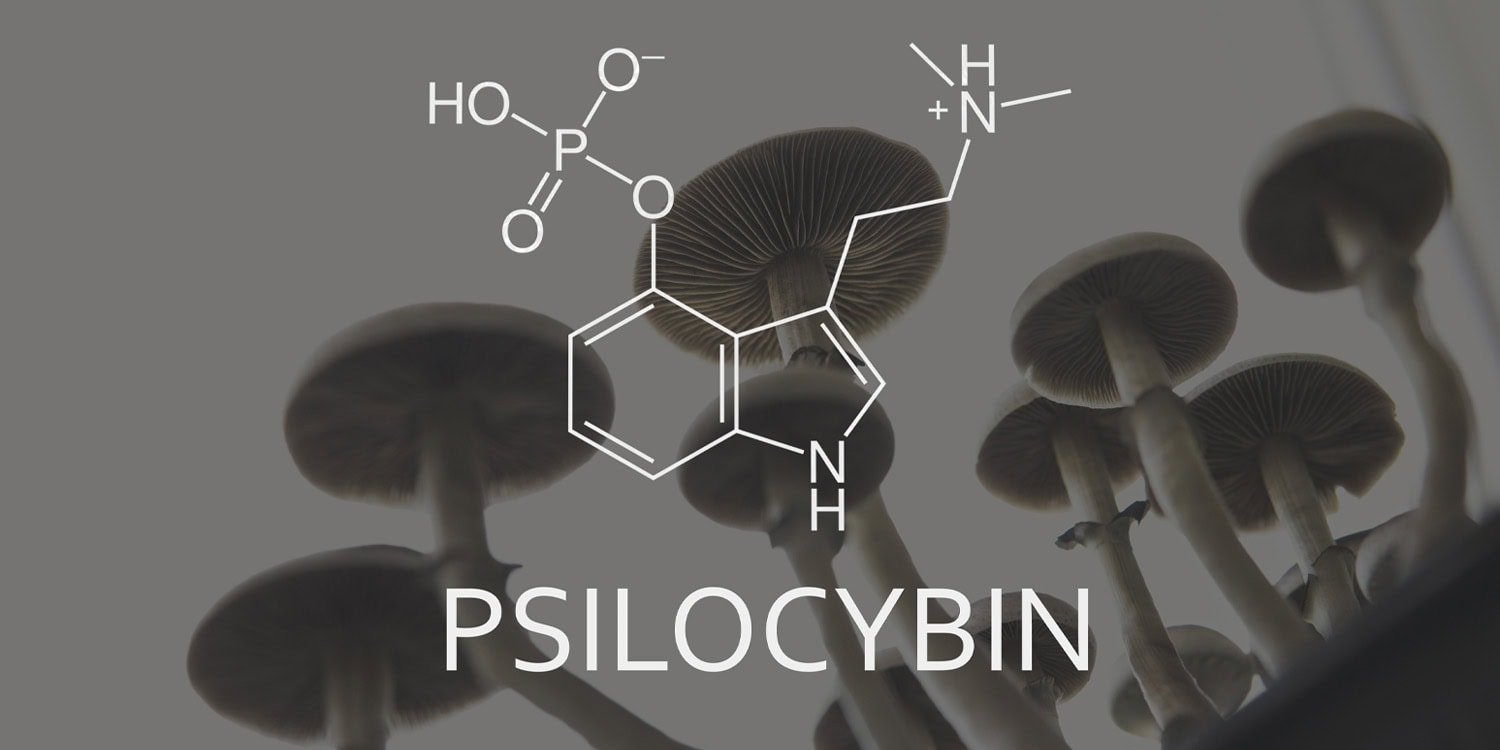
Psilocybin calms hyperactive brain cells linked to chronic pain*

by Karina Petrova - PsyPost - August 16, 2026

A single dose of the psychedelic compound psilocybin can rapidly relieve both chronic pain and the symptoms of anxiety and depression that often accompany it. The drug achieves this dual effect by calming hyperactive brain circuits associated with these linked conditions. The research was published in Nature Neuroscience.

Chronic pain rarely exists in isolation. People who suffer from persistent physical pain often develop mood disorders like anxiety and depression. These conditions can feed into one another, making the pain feel worse and making the depression harder to treat. Standard medical treatments usually address the physical pain and the mood symptoms separately, often with limited success.

Researchers suspect these conditions share an underlying physical root in the brain. Brain scans of individuals with chronic pain and depression often show abnormal activity in the anterior cingulate cortex. This region of the brain helps process emotions and the unpleasantness of pain.

Psilocybin is the primary psychoactive ingredient found in magic mushrooms. Once ingested, the body converts it into an active molecule called psilocin. Psilocin binds to serotonin receptors in the brain, which are the same receptors targeted by many standard antidepressant medications.

Recent clinical trials have shown that psilocybin can provide lasting relief for severe depression. Separate observations suggest it might also help with chronic nerve pain. University of Pennsylvania researchers Joseph Cichon, Ahmad Hammo, and Stephen Wisser wanted to see if a single treatment could target the shared brain circuits of both conditions at the same time.

To study this, the research team first established chronic pain in laboratory mice using two different methods. One group of mice received a minor surgical nerve injury to simulate long-lasting nerve pain. Another group received a specialized injection in their paw to create persistent inflammatory pain.

After a few weeks, both groups of mice displayed severe sensitivity to a light physical touch. They also began to show behaviors that researchers use to gauge anxiety and depression in rodents. For example, they spent less time exploring open, exposed areas, and they showed less motivation to keep moving when placed in water.

The researchers then gave the mice a single systemic injection of psilocybin. The next day, the mice showed a complete reversal of their physical pain sensitivity. Their mood-related behaviors also returned to normal baseline levels. This restorative effect lasted for at least twelve days, which was the end of the testing period.

To verify that the psilocybin was actually relieving the negative experience of pain, the team used a behavioral test involving two connected rooms. The mice were given psilocybin in one specific room and a plain saline solution in the other.

When given the freedom to choose, the mice with chronic pain strongly preferred to spend time in the room where they had received psilocybin. Healthy mice without pain did not show this preference. This indicates that the mice associated the environment with the relief of their discomfort.

Pain signals travel from the body, up the spinal cord, and into the brain. The researchers needed to find out exactly where the drug was acting to provide relief. They injected psilocin directly into the lower spinal cords of a group of mice with nerve pain. This local spinal treatment did not improve the animals’ pain or mood behaviors.

Next, they injected the psilocin directly into the anterior cingulate cortex of the brain. This direct brain application rapidly reversed both the physical pain sensitivity and the signs of depressed mood. This result suggests that the drug works by altering networks in the higher brain centers rather than blocking pain signals at the spinal level.

To observe this brain activity in real time, the team used a technique called two-photon calcium imaging. This allowed them to look at individual brain cells in the anterior cingulate cortex of awake mice.

They found that mice with chronic pain had abnormally high levels of spontaneous cellular activity in this brain region. When the researchers applied psilocin to the area, it rapidly suppressed this erratic hyperactivity. The overactive cells quieted down to match the activity levels seen in healthy mice.

Psilocin interacts with several types of serotonin receptors, specifically ones known as 5-HT2A and 5-HT1A. To figure out which receptors were responsible for the healing effect, the team gave the mice drugs that block these specific receptors before administering the psilocybin.

Blocking either the 5-HT2A receptor or the 5-HT1A receptor completely stopped the psilocybin from working. The mice remained in pain and continued to show depressed behaviors. This demonstrates that psilocybin requires access to both of these serotonin receptor types simultaneously to initiate its healing effects.

In pharmacology, a full agonist is a drug that turns a receptor on completely. A partial agonist, like psilocin, only turns it on partially. The researchers tested what would happen if they used different drugs to fully activate the 5-HT2A and 5-HT1A receptors in the mice.

Activating these receptors fully, even at the same time, failed to replicate the broad therapeutic effects of psilocybin. The mice did not experience the same comprehensive relief from pain and mood issues. The researchers suspect that the partial activation provided by psilocin creates a specific, balanced modulation of brain cells that full activation cannot achieve.

While these animal studies offer a detailed look at brain circuitry, mice are not humans. Brain structures and the subjective experience of pain differ between species. It is not yet known if the specific dosage that provided relief in mice will translate safely and effectively to human patients.

The researchers tracked the mice for twelve days after the single dose. It remains unseen exactly how long the pain relief might last beyond that window.

In pharmacology, a full agonist is a drug that turns a receptor on completely. A partial agonist, like psilocin, only turns it on partially. The researchers tested what would happen if they used different drugs to fully activate the 5-HT2A and 5-HT1A receptors in the mice.

Activating these receptors fully, even at the same time, failed to replicate the broad therapeutic effects of psilocybin. The mice did not experience the same comprehensive relief from pain and mood issues. The researchers suspect that the partial activation provided by psilocin creates a specific, balanced modulation of brain cells that full activation cannot achieve.

While these animal studies offer a detailed look at brain circuitry, mice are not humans. Brain structures and the subjective experience of pain differ between species. It is not yet known if the specific dosage that provided relief in mice will translate safely and effectively to human patients.

The researchers tracked the mice for twelve days after the single dose. It remains unseen exactly how long the pain relief might last beyond that window.

*From the article here :

 
Last edited:
I wonder how micro dosing would work in comparison? By following one of those multi week very low micro dose regimens I mean.
I I've been having pain, anxiety, depression issues in recent years and recently decided that drinking one beer a day for 10 years in order to relax (occasionally a second one, occasionally none at all) was probably making my symptoms worse. Likewise, it seemed like taking kratom and hydrocodone at low doses a couple times a week for a couple years was contributing to the problem. Immediate reduction of symptoms but stimulating worse afterwards.
I have decided to take a break from both, though hopefully be able to go back to them on a much less frequent basis ( in particular I think daily alcohol , even at a low level, creates more anxiety and pain by virtue of that consistency. Alcohol is nasty stuff, must be why I like it).
I'm very curious about using psilocybin in this way but I think maybe I should wait a month or more until my neurotransmitters are better reset from the alcohol. Anyhow, that's my plan! 9 days zero alcohol for the first time in who knows how many years.
 
90

Researchers report 20 micrograms of LSD delivers similar analgesic results
to opioids such as oxycodone and morphine in an acute pain test.

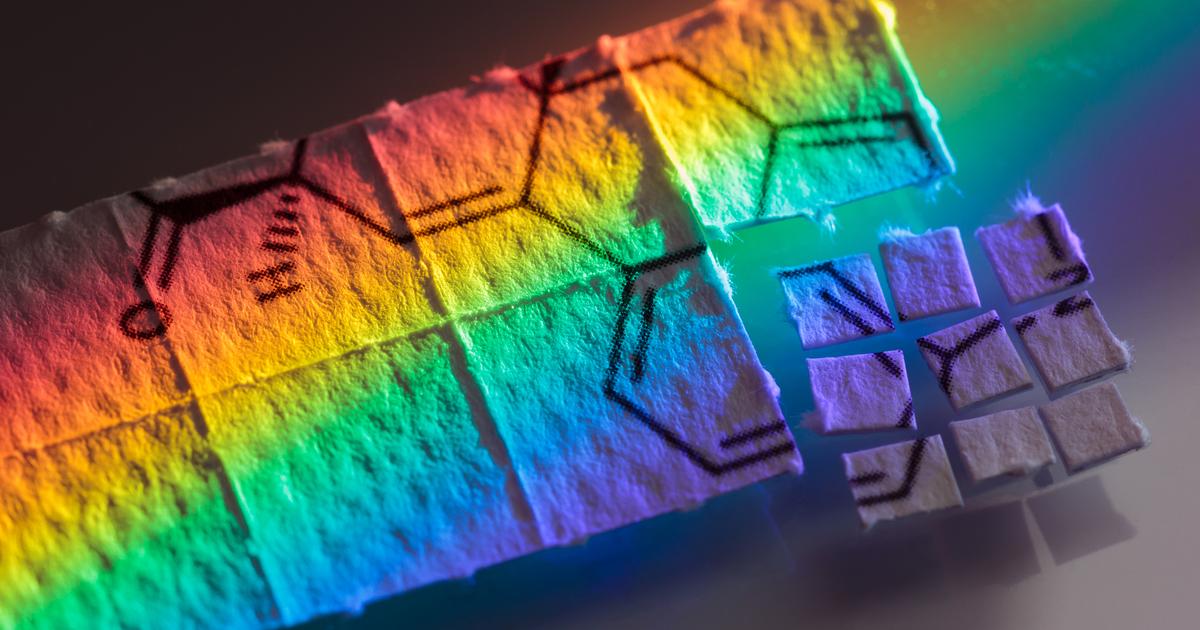
LSD microdosing trial for acute pain relief reports remarkable results*

by Rich Haridy | NEW ATLAS | 26 Aug 2020

An incredible, first-of-its-kind trial testing the pain-killing properties of LSD microdoses has delivered the compelling suggestion that tiny, non-psychedelic doses of this infamous drug could serve as an effective analgesic.

Back in the 1960s, during the original heyday of psychedelic science, one of the more fascinating research areas for LSD was its unexpected efficacy as an analgesic. Researcher Eric Kast was one of the pioneer investigators on the topic, publishing over a dozen key papers exploring the ways pain perception is influenced by LSD.

Kast’s work was primarily with active psychedelic doses of LSD, and he consistently found the drug produced effective, and protracted, analgesic effects. Unfortunately, Kast’s work with LSD ended, as most psychedelic research did, when access to the drug was restricted in the late 1960s.

Decades later, as the freeze on psychedelic research begins to thaw, the idea of LSD as a pain-reliever still sits on the fringes of psychedelic science. No modern clinical researcher has returned to Kast’s ideas, however, anecdotal cases have begun to emerge highlighting some people self-medicating with LSD microdoses to treat chronic pain.

This new study, led by researchers from Maastricht University with assistance from the Beckley Foundation, is the first clinical trial to revisit this topic in more than 50 years. Unlike Kast’s prior work, this new research focused on microdoses of LSD rather than larger, actively psychedelic doses.

“From a medical point of view, controlled research on the efficacy of LSD in pain management should focus on non-hallucinogenic, low doses of LSD, which are more manageable and thus preferable over treatment with high doses of LSD that produce full-blown psychedelic effects,” the researchers explain in their paper.

The double-blind, placebo-controlled trial recruited 24 healthy subjects, each of whom took part in four separate experimental sessions, separated by at least five days. Three different LSD microdoses were tested (five, 10, and 20 micrograms) alongside a placebo.

During each experimental session, the subjects completed a Cold Pressor Test (CBT) at two time points following dosing: 90 minutes after and five hours after. The test basically involves plunging one’s hand into a tank of water at 3 °C (37.4 °F). Pain tolerance is measured by combining the amount of time one can hold their hand in the cold water, with a series of subjective ratings regarding painfulness.

The researchers described the results of the study as “remarkable”, with the 20-µg-dose group revealing prolonged improvements to pain tolerance compared to both lower doses and placebo. The results were sustained across both time points suggesting the analgesic effect is just as prominent five hours later as it is within the first 90 minutes.

“The current data consistently indicated that LSD 20 µg significantly reduced pain perception as compared with placebo, whereas lower doses of LSD did not,” the researchers write. “LSD 20 µg significantly increased pain tolerance (i.e. immersion time) by about 20%, while decreasing the subjective levels of experienced painfulness and unpleasantness.”

So what exactly is going on here? Is LSD just distracting people from the acute pain, or is it actually inhibiting pain signaling through a more direct pharmacological mechanism?

Kast hypothesized 50 year ago these analgesic effects were the result of LSD reorienting attention away from pain sensations to a more encompassing psychedelic experience. While that hypothesis certainly is reasonable when high LSD doses are administered, it doesn’t really explain the results seen in this new microdose trial.

The researchers do note a small correlation between increasing levels of psychedelic disassociation and greater pain relief in their results, but the association was weak. They estimate it accounting for no more than six percent of the variance in analgesic results.

A variety of possible alternate hypotheses are presented in the new study, from pharmacologically influencing specific brain receptors known to mediate pain sensation, to triggering a condition called hypertension-associated hypoalgesia whereby blood pressure rises can lead to a diminished perception of pain.

“… an extended dose-finding study is needed to determine the dose at which analgesic effects of LSD are optimal, i.e. when efficacy is maximal and mental interference is minimal,” propose the researchers. “Such a study could potentially explore the trade-off between increments in treatment efficacy and psychedelic symptoms in a low to medium dose range (i.e. 20–50 µg LSD).”

Perhaps the most intriguing finding in the study is the observation that the analgesic effect seen in the 20-µg LSD group is comparable to what prior studies have seen with in the same cold water pain test for opioids such as oxycodone and morphine.

Needless to say, a great deal more research is needed before these results can be extrapolated into any real-world clinical treatment. Will these LSD microdose results translate into pain relief for chronic pain sufferers? Or is this kind of analgesic best for certain types of acute pain? What are the safety issues surrounding long-term use?
Does a tolerance eventually build to low-dose LSD?

At the very least these promising results suggest further clinical trials are necessary as modern researchers slowly catch up with where the science was half a century ago.

The new study was published in the Journal of Psychopharmacology.

*From the article here :
 
Top