• Psychedelic Medicine
  • Psychedelic Medicine Moderator: mr peabody

CHRONIC PAIN | +80 articles

tingri-everest-base-camp-trek.jpg


Psychedelics and Chronic Pain*

by Roger Chriss | PNN | 16 May 2019

The recent news that Denver has decriminalized “magic” mushrooms is the latest sign of growing interest in the use of psychedelics. Whether it’s microdosing mushrooms to stimulate the mind or using them to treat depression and chronic pain, psychedelic drugs are having a moment.

Magic mushrooms are any of roughly 200 different types of fungi that produce psilocybin, a hallucinogenic substance. Other psychedelics include LSD, DMT, ayahuasca and ibogaine. For reasons of chemistry and cultural baggage, DMT is generally avoided, LSD is used with extra caution and psilocybin is getting the most attention in clinical studies.

Preliminary research has found positive outcomes for psychedelic therapy in smoking cessation, anxiety, post-traumatic stress disorder and refractory depression. And there are promising findings on psychedelics for cluster headaches and phantom limb pain.

A 2015 review in the Journal of Psychoactive Drugs reported that for patients with cluster headaches, psilocybin and other hallucinogens “were comparable to or more efficacious than most conventional medications.”

In a 2006 Neurology review, researchers interviewed 53 cluster headache patients who used LSD or psilocybin. Most reported success in stopping cluster attacks and extending periods of remission.

And a 2018 Neurocase report described positive results for one patient with intractable phantom pain who combined psilocybin with mirror visual-feedback.

Obviously, these studies are very preliminary. Patient self-reports on drug use outside of clinical settings have limited value as evidence of efficacy. And case reports are by definition too small-scale to generalize from.

Fortunately, more clinical trials are underway for psilocybin and LSD. Last year the FDA approved a “landmark” psilocybin trial for treatment-resistant depression. And the Multidisciplinary Association for Psychedelic Studies is also working to promote robust clinical research.

Of course, psychedelics are not without risks. As described in detail in the book DMT: The Spirit Molecule, patients need to be screened and monitored before, during and after psychedelic therapy.

Michael Pollan, author of “How to Change Your Mind”, told The New York Times that psilocybin has risks “both practical and psychological, and these can be serious.”

There are also risks of conflating the pop culture phenomenon of microdosing to clinical benefits obtained under medical supervision.

The “betterment of healthy people” through microdosing is enthusiastically endorsed in books like “A Really Good Day” by Ayelet Waldman. But a 2018 placebo-controlled study on LSD microdosing found no “robust changes” in perception, mental acitivty or concentration.

The microdosing trend could stymie serious research and bias public opinion about psychedelics — just as it did in the 1960’s.

The potential for psychedelic therapy in the management of chronic pain disorders is two-fold. First, psychedelics may represent a safe and effective way to manage otherwise intractable disorders like cluster headaches and phantom limb pain. Second, psychedelics may help address the depression, PTSD and anxiety that often contribute to or accompany such disorders.

It is to be hoped that more research on psychedelics comes quickly.

*From the article here :
 
Last edited:
CBD-oil-Can-the-cannabis-based-product-help-with-fibromyalgia-related-pain-1085501.jpg


How cannabis legalization may help Canadians manage chronic pain

by Ellinore Doroshenko | IMPRESS

Increasingly, people are consuming cannabis for chronic pain relief. While cannabis has been a legalized treatment option in Canada for certain medical conditions since 2001, medical cannabis use among Canadians has soared over the last five years. As of September 2017, there were more than 235,000 registered pot users in Canada, up from 7,900 in June of 2014.

Yet, this upsurge in medicinal cannabis use among Canadians has not staggered the use of other pain-relieving drugs in the country, namely opiates. This past year saw the most opiate-related deaths on record nationally, a number estimated to be greater than 4,000 by the Public Health Agency of Canada. Undoubtedly, the opioid overdose epidemic has roots in the illicit drug supply, but the crisis also stems from the over-prescription of high potency painkillers. The slated legalization of cannabis in Canada this fall has thrust the plant firmly into the spotlight, sparking up debate as to whether it can serve as a viable solution to the opioid crisis raging the nation.

cannabis is the dried form of the cannabis sativa plant and is a natural and powerful drug. Cannabis is made up of over 560 different substances, more than 100 of which have active properties. These constituents are collectively known as cannabinoids. The human body naturally produces its own repertoire of cannabinoids, and these molecules bind to cannabinoid receptors found widely throughout the brain. This entire natural complex of cannabinoids and their receptors has been dubbed the endocannabinoid system (ECS), pointing to the endogenous nature of the signalling network. Although not identified until 1988, the ECS has been proven crucial to regulating and maintaining proper brain health.

Exogenous cannabinoids, like those found in cannabis, interfere with the proper workings of the ECS. Two of the best-studied ones are THC and CBD. THC is the main active ingredient in cannabis – the more THC found within the strain of cannabis, the stronger the psychoactive effect. THC announces itself in the brain by disrupting the ECS, snugly fitting within a cannabinoid receptor and overtaking the site. CBD, on the other hand, is non-euphoric. Like THC, CBD iss a psychoactive constituent of cannabis because it crosses the blood-brain barrier but does not affect the same receptors as its cannabinol cousin. How CBD exerts its function in the brain is still a matter of scientific investigation, but the compound can be administered at relatively high doses without the unwanted psychological side effects.

Inquiry into the medicinal properties of cannabis has been the subject of much research in Canada. Dr. Mark Ware, a world-renowned pain specialist and medical cannabis researcher, has been embedded in the field for over twenty years. Most recently, he pioneered the largest national, multicentre study examining the safety of cannabis use among sufferers of chronic pain to date, Cannabis for the Management of Pain: Assessment of Safety Study (COMPASS). This year-long study followed 431 adult patients with chronic, non-cancer pain, 215 of whom used cannabis for chronic pain management. All subjects were put through testing throughout the study, including cognitive assessments, blood tests, and self-reported questionnaires related to pain. The results demonstrated that cannabis did not impact cognitive function nor immune cell subsets among its users, but it did positively affect pain management and overall quality of life. Dr. Ware is transparent regarding the study’s overall limitations, saying “patients were self-selected, not randomized, and most were experienced users. So what we are seeing is that it appears to be a relatively safe drug when used by people who have already determined that it helps them. We cannot draw conclusions about safety issues of new cannabis users.”

Implicit in Dr. Ware’s reaction to the success of the COMPASS trial is that indeed, many chronic pain sufferers are gravitating towards cannabis to manage their symptoms. Canadian seniors, for instance, are readily consuming CBD-based products in place of pharmaceutical drugs to mitigate chronic pain. While confronting their own personal “stereotypes about grizzled hippie stoners”, patients like 80-year old Hope Bobowski are finding pain-free solace using CBD oils, and are electing “to use cannabis ahead of opioids” to combat their pain.

Studies of the US Medicare system are confirming this profound switch in pain management among its citizens. Two separate papers recently published in Journal of American Medical Association Internal Medicine examine medical cannabis use and its correlation with opiate use from Medicare D subscribers. Medicare D is an optional prescription drug plan that covers more than 42 million Americans, including seniors. The first study found that when a state had a medical cannabis law in place, its daily rate of opiate prescriptions filled decreased from 23.08 million doses to 20.97 million doses, an 8.5% decrease, relative to states without medical cannabis laws. Interestingly, reductions were even more profound for states that allow cannabis dispensaries, amounting to nearly 15%. The second study investigated both medical and adult recreational use of cannabis in Medicare D participants, finding that passing recreational cannabis laws saw an overall reduction in opiate prescriptions by close to 7%. These authors conclude, “Cannabis liberalization may serve as a component of a comprehensive package to tackle the opioid epidemic.”

Not all researchers, however, are convinced of cannabis’s absolute potential to alleviate opiate addiction. Senior scientist at Toronto’s Centre for Addiction and Mental Health (CAMH) Dr. Benedikt Fischer cautions that while both Canada and the US are enduring similar opiate crises, the US-based studies cannot directly inform the Canadian healthcare system, saying “a lot of the effects that are being observed in the US over the last years may already have been materializing in Canada because we have that sort of broad legal availability for quite some time. For us to even begin to think that those kinds of effects might be happening here in Canada as well, we need Canadian data for this.” Phillipe Lucas, head of the Canadian Medical Cannabis Council, adds: “I’d be the last person to suggest that cannabis was entirely safe or entirely appropriate for every individual.” Sean Mackey, pain specialist at Stanford University, offers medical cannabis as one of many non-opiate treatments to manage pain, saying, “there’s over 200 medications I can prescribe, and 90 percent of them are non-opioids.”

It’s hard to deny the growing body of evidence that points to cannabis having a role in treating chronic pain. But before reefer madness begins, it’s important to note that the data highlighting cannabis’s role in managing pain has been largely anecdotal and correlative. There is a paucity of long-term randomized clinical trial data monitoring how medical cannabis stacks up against opiates to manage pain. Hopefully, the imminent legalization of cannabis in Canada eases the manner in which cannabis-based clinical trials can be conducted, and also brings with it standards for dosing, THC:CBD ratios, and routes of administration to mitigate pain. And if along the way, cannabis outperforms opiates in pain management, that would be pretty dope.

 
Last edited:

iu


Recommended CBD regimen for pain management

When formulating a CBD regimen for a specific disease or illness (like chronic or neurological pain), it's important to understand that CBD should be used regularly for maximum relief, meaning it is used as a preventative first. It can also be used to manage acute flair ups, but preventative maintenance is the key. As with any other dietary supplement, you want to establish a baseline concentration in your system.

Daily Maintenance

In order to manage pain, it is recommended to ingest full spectrum CBD oil daily in the form of tinctures or gel capsules. The ingredients in the two products are the same; the only difference between the two is the form factor and dosage, pills vs. sublingual tinctures. Those suffering from any kind of pain start with 5-10mg per day of CBD. If relief is not felt at this dosage, it is suggested to increase that by 5-10mg until the desired effects are achieved. The gel capsules contain 25mg of CBD per pill. There is no harm in starting at 25mg CBD daily as you cannot overdose on CBD, nor are there any serious side effects. CBD provides sustained relief for several hours, many people find it provides relief for the whole day! The one thing to keep in mind with ingestible CBD products is the delayed onset time, it can take up to 90 minutes for the full effects of the tinctures or capsules to be felt.

For pain located in the skin, bones, muscle, ligaments, tendons, or myofascial tissue, we also recommend supplementing with a topical CBD salve, to penetrate deep beneath the skin layer to reduce inflammation and pain. Relief can be felt within 15 minutes and lasts several hours. Simply re-apply as necessary.

Managing acute flairups

In addition to the daily pain management program outlined above, many people find they still need a safe way to manage acute flairups. Whether it's caused by a recent injury, cold weather, or general aggravation, vaporizing CBD isolate is recommended to combat these acute pain flairups. The benefit of vaporizing CBD isolate is that the relief can be felt almost instantaneously. CBD isolate is 99% pure CBD and provides a wave of relief that can be felt throughout the whole body.

You can also ingest more CBD in the form of tinctures or pills to combat these flairups, just keep in mind that the onset time will be significantly longer than vaporizing. CBD topical salves can also be used to manage acute pain flairups.

https://keytocannabis.com/blogs/cann...ain-management
 
Last edited:
ccfa6a8efb743ffdb5131f1ec8a15a6a.jpg


Magic mushrooms, psychedelics and chronic pain

by Roger Chriss | PNN | May 16, 2019

The recent news that Denver has decriminalized “magic” mushrooms is the latest sign of growing interest in the use of psychedelics. Whether it’s microdosing mushrooms to stimulate the mind or using them to treat depression and chronic pain, psychedelic drugs are having a moment.

Magic mushrooms are any of roughly 200 different types of fungi that produce psilocybin. Other psychedelics include LSD, DMT, ayahuasca and ibogaine. For reasons of chemistry and cultural baggage, DMT is generally avoided, LSD is used with extra caution and psilocybin is getting the most attention in clinical studies.

Preliminary research has found positive outcomes for psychedelic therapy in smoking cessation, anxiety, post-traumatic stress disorder and refractory depression. And there are promising findings on psychedelics for cluster headaches and phantom limb pain.

A 2015 review in the Journal of Psychoactive Drugs reported that "for patients with cluster headaches, psilocybin and other psychedelics were comparable to or more efficacious than most conventional medications.”

In a 2006 Neurology review, researchers interviewed 53 cluster headache patients who used LSD or psilocybin. Most reported success in stopping cluster attacks and extending periods of remission.

And a 2018 Neurocase report described positive results for one patient with intractable phantom pain who combined psilocybin with mirror visual-feedback.

Obviously, these studies are very preliminary. Patient self-reports on drug use outside of clinical settings have limited value as evidence of efficacy. And case reports are by definition too small-scale to generalize from.

Fortunately, more clinical trials are underway for psilocybin and LSD. Last year the FDA approved a “landmark” psilocybin trial for treatment-resistant depression. And the Multidisciplinary Association for Psychedelic Studies is also working to promote robust clinical research.

Of course, psychedelics are not without risks. As described in detail in the book DMT: The Spirit Molecule, patients need to be screened and monitored before, during and after psychedelic therapy.

Michael Pollan, author of “How to Change Your Mind”, told The New York Times that "psilocybin has risks both practical and psychological, and these can be serious.”

There are also risks of conflating the pop culture phenomenon of microdosing to clinical benefits obtained under medical supervision.

The “betterment of healthy people” through microdosing is enthusiastically endorsed in books like “A Really Good Day” by Ayelet Waldman. But a 2018 placebo-controlled study on LSD microdosing found no “robust changes” in perception, mental acitivty or concentration.

The microdosing trend could stymie serious research and bias public opinion about psychedelics — just as it did in the 1960’s.

The potential for psychedelic therapy in the management of chronic pain disorders is two-fold. First, psychedelics may represent a safe and effective way to manage otherwise intractable disorders like cluster headaches and phantom limb pain. Second, psychedelics may help address the depression, PTSD and anxiety that often contribute to or accompany such disorders.

It is to be hoped that more research on psychedelics comes quickly.

https://www.painnewsnetwork.org/stories/2019/5/16/magic-mushrooms-psychedelics-and-chronic-pain
 
Last edited:
medical-marijuana-fibromyalgia-treatment.jpg


Cannabis effective in treating Fibromyalgia

by Paul Armentano | 18 Jun 2019

The administration of herbal cannabis is safe and effective in patients diagnosed with Fibromyalgia, according to clinical data published this month in the Journal of Clinical Medicine.

Israeli investigators assessed the use of cannabis over a six-month period in 211 patients with the disease. Eight-one percent of subjects reported “at least moderate improvement in their condition … without experiencing serious adverse events.” Patients were most likely to report overall reductions in pain and overall improvements in their quality of life following cannabis therapy.

Twenty-two percent of subjects “stopped or reduced their dosage of opioids,” and 20 percent reduced their use of benzodiazepines – findings that are consistent with those of other studies.

“In the present study, we demonstrated that medical cannabis is an effective and safe option for the treatment of fibromyalgia patients’ symptoms,” authors concluded. “Considering the low rates of addiction and serious adverse effects (especially compared to opioids), cannabis therapy should be considered to ease the symptom burden among those fibromyalgia patients who are not responding to standard care. … Future studies should aim to compare medical cannabis to the standard therapy of fibromyalgia, to establish the proper place of cannabis in fibromyalgia therapeutic arsenal.”

 
Last edited:
bladerunner+BR3.jpg


I can live again!

by Tim Riley | LDN Science | 1 mar 2017

Low Dose Naltrexone dramatically reduced my severe chronic back pain, making opiates obsolete.

Q: Please tell us a little about your health condition.

A: In 1998 I had 2 back operations that failed and left me in a lot more pain than ever. We're talking constant pain. Every 3-6 months, I would be told to see yet another doctor and do another procedure (epidurals, burning of the nerves, steroid injections). They did over 30 procedures on my lower back, but nothing seemed to work. I was in an incredible amount of pain.

Q: What was your pain like before LDN?

A: It was constant and crippling. Id wake up in the morning and think, Where is my medication? Id have to pop a pill and wait 20 minutes for it to take effect in order just to get up out of bed. I had to hang onto things, like the countertop, in order to walk. It took me an hour to get going in the morning. Im only 63 now but I felt like a very old man.

Q: How did your doctors treat your pain?

A: The doctors put me on high doses of long-acting morphine, and short-acting and extended-release oxycodone. At one point, I would take 60 mg of long-acting morphine in the morning, another 60 mg again at night, and every 4 hours during the day I would take an oxycodone. Here I was taking all those heavy duty drugs, and my body was depending on them. 3 to 4 four hours after taking oxycodone, the pain would flare up again and Id feel like I needed to take it again.

Q: Why did you want to get off opiate-based medications?

A: I was on those medications for 12 years. I was able to get off of them, but then eventually had to go back on them for another 5 years. A couple times the pain got so bad, I took more than my usual amount. But if you run out of your medication early and you need more (because you cant do without it), you are looked at like a criminal. It was so depressing. If you do one thing wrong, doctors will throw you out of their practice. First they tell you that you need morphine, and then, a year later, they are locking doors behind you. They are treating you like a criminal, requiring urine tests, and scrutinizing your every move. At one point, I couldnt stand it any longer. I was going to commit suicide. I wanted off those other medications.

Q: How did you come to take LDN?

A: About 16 months ago, after telling my doctor I wanted to get off all opiates, he told me to go to a detoxification center that deals specifically with people with chronic pain. By giving me various other medications for different periods of time, they were able to help me get off all the opiates. As part of their treatment, they gave me shots of Vivitrol, and I started to feel much better. After a year, though, insurance no longer covered those treatments. So, I needed to find something else. I had been reading about low dose naltrexone and decided to pursue it. I found a doctor willing to prescribe 50 mg naltrexone pills to me that I dissolved in water, and I dosed myself with 4.5 mg of LDN each morning. Ive been on LDN for about 3 months. I havent felt this kind of pain relief in over 20 years.

Q: How successful has LDN been in reducing your pain?

A: I have 75-80% less pain than when I was taking opiates. LDN is affordable and has virtually no side effects. Even with all that, its infuriating that most doctors arent interested in it. I asked my doctors about LDN every now and then over the years, and they dismissed it, saying that it didnt work. But it does. Yesterday I forgot to take my LDN, and I started to feel the pain return. I took it this morning, and now the pain is gone.

Q: Has LDN affected you in any other way?

A: I also have COPD, which is a lung disorder. I usually have 2-3 bouts with it during the wintertime, but this winter (since Ive been on LDN) I havent had any exacerbations. Also, my mood is better. When I was on all those opiates, although I never allowed myself to get really depressed, I had to really fight becoming depressed. Now, because Im in so much less pain, I dont have to struggle to stay positive.

Q: You mentioned that you take LDN in the morning. Why?

A: I tried taking it at night, but I couldn't sleep well. So, I started taking it in the morning instead, and it worked just as well without any side effects at all. I could probably try taking it at night again and see if my body has adjusted to it already.

Q: Whats been the biggest change for you since starting LDN?

A: I can walk freely. I just step out of the bed, and Im walking right away. Like normal. Its incredible. I could walk right across the street. My spine is like a disaster area, so thats really saying something. Im not 100% pain free, but I can do a lot more than before. LDN has been amazing for me. I am now doing better than I ever was when taking all those heavy duty opiates. Theres a radio commercial that says, When youre living on pain meds, youre not really living. I can live again! I feel that way about LDN.

Q: What would you like to tell people in the same position as you once were?

A: If youre in chronic pain and you want to get off opiates, but youre afraid to, Id recommend finding a detox program that deals with chronic pain patients. After you get off the opiates,

I recommend you try LDN. Hopefully youll get better pain relief than you ever had before. It might set you free.


https://www.ldnscience.org/resources...onic-back-pain
 
Last edited:
Increasing the efficacy of Kambo for chronic pain relief

Psychedelic Times Staff | 17 Mar 2017

Kambo, the poison of the giant leaf frog 'Phyllomedusa bicolor,' is excreted through its skin. The secretion, long used by indigenous tribes for traditional rituals, is administered by applying it onto freshly inflicted burn wounds. Kambo is said to generate an altered state of reality, clear inner sight and a resurgence of long forgotten memories.

For hopeful chronic pain sufferers, Kambo may seem like a magic bullet with the potential to completely stop the pain you have felt for too long. But it's important to realize that Kambo is not necessarily a cure but rather a tool that can maximize the good days. Educating yourself and approaching Kambo with a thorough, realistic understanding of how it treats chronic pain will allow you to make the most of its healing qualities.

Kambo is safe for most people, but there is a possibility that kambo may interact poorly with the underlying cause of your pain or the current medication you are using to manage it. Kambo causes a brief period of increased heart rate, which can be problematic if you have circulatory or heart problems such as low blood pressure or a history of heart attacks. If you suffer from chronic pain due to Addison's disease, the physical stress of a kambo ceremony could cause adrenal crisis. Kambo stimulates your immune system, so if your pain is caused by an immune system disorder such as MS or ALS, you should be cautious about taking this substance.

Understanding the potential risks

To make sure it is safe for you to take kambo, you should discuss the medicine with your treating physician. Because kambo is not a Western medicine, it is possible your doctor will not be familiar with it, so be prepared to discuss common contraindications and whether you expect any problems. You should also be honest with your kambo practitioner about any medications you are currently taking as well as any chronic illnesses you suffer from. Your practitioner may suggest urge adjustments to the traditional ceremony or your daily behaviors to accommodate your needs. For instance, you may be asked to not take pain medications on the day of your kambo ceremony or your practitioner may start you with a lower dose than normal to better gauge your reaction to the medicine. Ideally, you want to find a practitioner who has experience working with your specific illness or issue.

Exploring the mind-body connection

All pain is complicated by psychological and social expectations, but chronic pain is more complicated than acute pain. Over time, pain behaviors, grimacing, limping, being angry or stoic, may become habits which can actually magnify your discomfort. The depression and anxiety many people develop after years of chronic pain can cause you to anticipate pain you have not yet felt, making your body produce more stress hormones that exacerbate the situation. Working with a psychologist or therapist can help you reduce your current pain levels or manage your pain better.

Although kambo creates a more physical experience compared to classic psychedelics, it does produce a heightened state of awareness that can be useful in therapy. The purging process of kambo is a purifying experience which allows you to release negative emotions connected to your pain. After the ceremony, you may feel lighter, euphoric, and pain-free for several days. This is an excellent time to talk with a therapist and reframe the way you think about your pain.

Taking fewer pain relievers and muscle relaxers

Many chronic pain sufferers take pain relievers as a preventative measure. If this is your approach, prepare to switch to taking your medication only as needed after your ceremony. This shouldn't be difficult, as you will likely find that your need for medication is greatly reduced for 1-2 weeks after their kambo ceremony, and you may notice a dramatic reduction for a longer period of time. But you will only be aware of these benefits if you are prepared to lower the amount of medication you are taking.

This can be unnerving if you have developed a fear of your pain or are dependent on pain relievers to complete everyday tasks, so you may want to discuss your plan with a therapist before the ceremony. It's also a good idea to clear as much of your schedule as possible for the week after your kambo ceremony to concentrate on adjusting your medication to a reduced level of pain.

Combining Kambo with other forms of traditional medicine

Not only is kambo a powerful pain reliever, but it also increases blood flow, reduces inflammation, and improves digestion. This physical stimulation can help cure the deeper causes behind your pain, especially if your suffering is related to the reproductive system, spinal area, renal function, or digestion. For some people, a single kambo ceremony is enough to cure the underlying cause of their chronic pain. But for complex issues, kambo creates an ideal time to use other curative approaches. For instance, the increased blood flow and decreased inflammation can allow a chiropractor to make more efficient, helpful adjustments than they could otherwise make. It may also increase the efficiency of massage, acupuncture, or ayurvedic techniques of healing.

Creating a dosing schedule

While some individuals chronic pain may completely disappear, others may experience only a slight reduction, or their pain may return over time. Because of this, you may want to repeat your kambo experience. Some practitioners offer kambo cycles, such as three ceremonies within 24 hours, or 3 ceremonies within 28 days. These provide a more thorough cleansing of your system and longer pain relief. Alternatively, some people have found that monthly treatments or bi-weekly treatments at lower doses work best for them. After your first ceremony, you will have a better idea of how kambo affects your pain. You should then discuss setting a treatment schedule with your kambo practitioner.

Kambo is a powerful tool for managing chronic pain, but to get the most out of it, you need to have realistic expectations and work with professionals who have experience using kambo as a method for pain management. When you approach kambo with the intention of maximizing its pain relieving benefits through a multidisciplinary approach, you are much more likely to notice long-term, lasting pain relief from your practice.

https://psychedelictimes.com/kambo/i...-chronic-pain/
 
Last edited:
image.axd


Researchers unlock the profound pain relief potential of cannabis*

Neuroscience News | Jul 24 2019

University of Guelph researchers have uncovered how cannabis creates pain-relieving molecules that are 30 times more powerful at reducing inflammation than Aspirin. The discovery unlocks the potential to create a naturally derived pain treatment that would offer potent relief without the risk of addiction of other painkillers.

“There’s clearly a need to develop alternatives for relief of acute and chronic pain that go beyond opioids,” said Prof. Tariq Akhtar, Department of Molecular and Cellular Biology, who worked on the study with MCB professor Steven Rothstein. “These molecules are non-psychoactive and they target the inflammation at the source, making them ideal painkillers.”

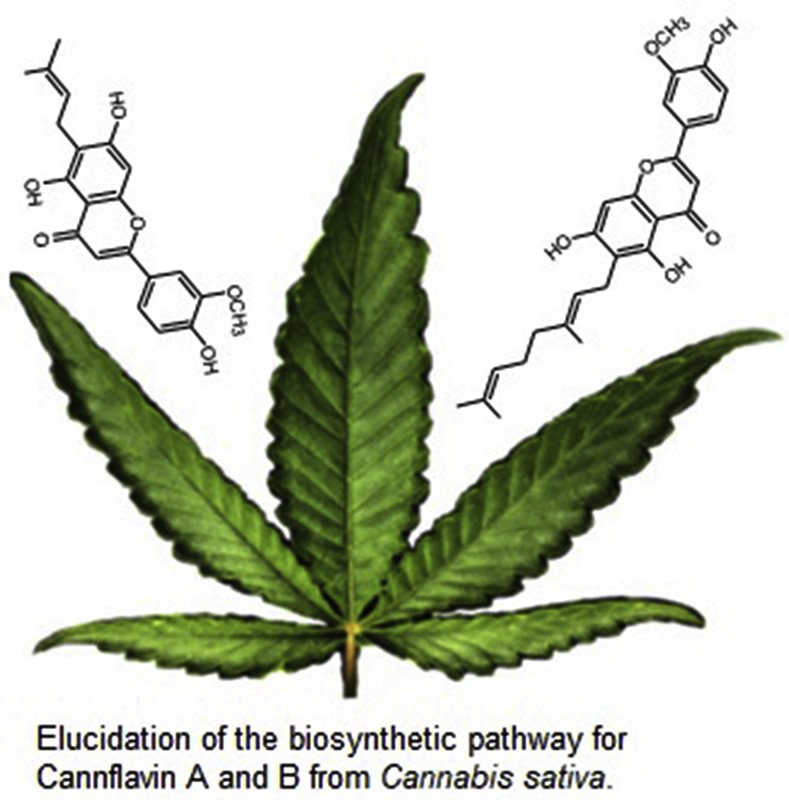
Using a combination of biochemistry and genomics, the researchers were able to determine how cannabis makes two important molecules called cannflavin A and cannflavin B.

Known as “flavonoids,” cannflavins A and B were first identified in 1985, when research verified they provide anti-inflammatory benefits that were nearly 30 times more effective gram-for-gram than acetylsalicylic acid (sold as Aspirin).

However, further investigation into the molecules stalled for decades in part because research on cannabis was highly regulated. With cannabis now legal in Canada and genomics research greatly advanced, Akhtar and Rothstein decided to analyze cannabis to understand how Cannabis sativa biosynthesizes cannflavins.

“Our objective was to better understand how these molecules are made, which is a relatively straightforward exercise these days,” said Akhtar. “There are many sequenced genomes that are publicly available, including the genome of Cannabis sativa, which can be mined for information. If you know what you’re looking for, one can bring genes to life, so to speak, and piece together how molecules like cannflavins A and B are assembled.”

With the genomic information at hand, they applied classical biochemistry techniques to verify which cannabis genes were required to create cannflavins A and B. Their full findings were recently published in the journal Phytochemistry.

These findings provide the opportunity to create natural health products containing these important molecules.

“Being able to offer a new pain relief option is exciting, and we are proud that our work has the potential to become a new tool in the pain relief arsenal,” said Rothstein.

Currently, chronic pain sufferers often need to use opioids, which work by blocking the brain’s pain receptors but carry the risk of significant side effects and addiction. Cannflavins would target pain with a different approach, by reducing inflammation.

“The problem with these molecules is they are present in cannabis at such low levels, it’s not feasible to try to engineer the cannabis plant to create more of these substances,” said Rothstein. “We are now working to develop a biological system to create these molecules, which would give us the opportunity to engineer large quantities.”

The research team has partnered with a Toronto-based company, Anahit International Corp., which has licensed a patent from the University of Guelph to biosynthesize cannflavin A and B outside of the cannabis plant.

“Anahit looks forward to working closely with University of Guelph researchers to develop effective and safe anti-inflammatory medicines from cannabis phytochemicals that would provide an alternative to non-steroidal anti-inflammatory drugs,” said Anahit chief operating officer Darren Carrigan.

“Anahit will commercialize the application of cannflavin A and B to be accessible to consumers through a variety of medical and athletic products such as creams, pills, sports drinks, transdermal patches and other innovative options.”

*From the article here :
 
Last edited:
newstudyoffe.jpg


Using CBD as an effective treatment for chronic pain

Psychedelic Times | Jul 24 2019

One of the many reasons people are incorporating the cannabis-derived compound cannabidiol (CBD) into their lifestyle is because of its potential to combat chronic pain.

CBD is a natural component of cannabis, but unlike THC, it does not cause intoxication. Instead, it targets the body’s own cannabinoid receptors in different ways resulting in therapeutic effects that do not impair users.

With its rising popularity, many are wondering if CBD is really an effective treatment for chronic pain. There’s a lot of promising anecdotal evidence from users who have found relief with CBD, but it’s important to dig deeper than this to understand if CBD is truly helpful.

CBD and the endocannabinoid system

We all have an endocannabinoid system (ECS) that is responsible for numerous bodily processes from memory to motor control, mood, and appetite.

The system is composed of endocannabinoids, little molecules that can activate cannabinoid receptors found throughout the body. External cannabinoids like THC and CBD can also activate these receptors.

When THC binds with cannabinoid receptors, it intoxicates users. When CBD binds, it influences receptors differently and promotes balance throughout the body.

When the ECS is in balance and working well, the body is at homeostasis. Many things can throw this system off and cause problems, and incorporating CBD can help restore balance necessary for relieving symptoms.

CBD is a powerful anti-inflammatory

CBD possesses anti-inflammatory effects that can help reduce chronic pain. Since the root of most pain is a form of inflammation, CBD can help target receptors to reduce it.

Studies have shown CBD to have strong anti-inflammatory effects, including one report which found “CBD reduced acute inflammation in a murine model of collagen-induced arthritis.“

Moreover, researchers have found that CBD’s anti-inflammatory effects are linked to its impact on the cannabinoid receptor called CB2. This receptor has been shown to regulate immune cell function and suggested as a target for treating conditions rooted in inflammation.

CBD’s impact on the Bliss Molecule

CBD may also provide relief for chronic pain by increasing the production of anti-inflammatory endocannabinoids.

Cannabidiol has been shown to reduce the production of proinflammatory cytokines and reduce fatty acid amidohydrolase activity (FAAH), which causes more production of the neurotransmitter anandamide.

With its name derived from the Sanskrit word for “bliss,” anandamide is a special endocannabinoid with powerful effects. Anandamide is anti-inflammatory, but our bodies break it down quickly without allowing it to reduce inflammation when necessary.

Studies have shown CBD can help preserve anandamide in the body for longer periods of time, allowing it to produce anti-inflammatory effects for longer. CBD preserves anandamide by binding to its proteins, preventing it from breaking down quickly and in turn, lengthening its time spent regulating inflammation.

CBD and chronic pain: The bottom line

While access to comprehensive cannabis-related research has been difficult in the United States, many are recognizing the therapeutic effects of CBD for several conditions including chronic pain.

There are plenty of animal-based studies showing CBD’s potential to treat chronic pain. From CBD reducing joint inflammation in rats to protecting model subjects from the deleterious effects of multiple sclerosis-related inflammations, there’s no denying CBD may help. We need more research on human subjects to really solidify this, though.

Many people use CBD as a more natural alternative to effectively treat their chronic pain. Since CBD is well-tolerated and has minimal side effects, this is a positive thing for lots of people.

Of course, the type of CBD used and the dosage will also have a dramatic effect on the relief users find. It’s important to seek out high-quality CBD and find the right dose that works to provide relief for each individual.

 
Last edited:
peyote.jpg


Using cannabinoids to treat acute pain

Mary Ann Liebert Inc | Neuroscience News | 23 Mar 2020

Meta-analysis of previous studies reveals cannabinoid treatments produce a small, but significant reduction in subjective pain scores for sufferers of chronic pain.

A new systematic review and meta-analysis showed a small but significant reduction in subjective pain scores for cannabinoid treatment compared to placebo in patients experiencing acute pain. No increase in serious adverse events suggested the safety of using cannabinoids to treat acute pain, according to the study published in Cannabis and Cannabinoid Research.

The article entitled “Cannabinoids in the Management of Acute Pain: A Systematic Review and Meta-analysis” was coauthored by Herman Johal, MD, MPH, PhD, McMaster University, Hamilton, Canada and colleagues from McMaster University and Northern Ontario School of Medicine, Thunder Bay. The researchers included six trials in their study, five using oral cannabinoids, and one using intramuscular cannabinoids. They reported a significant difference in effect size between the oral and nonoral routes of administration, with intramuscular cannabinoids yielding a significant reduction in pain relative to placebo. There was no difference in effect between oral cannabinoids and placebo.

Editor-in-Chief Daniele Piomelli, PhD University of California-Irvine, School of Medicine, states: “The usefulness of cannabis-derived medicines in the treatment of pain, both acute and chronic, is still vigorously debated. The meta-analysis conducted in this study reinforces the need for more rigorous studies to assess whether cannabis might be effective in the treatment of acute pain conditions.”

 
Last edited:
Suppositories could be the future of medical cannabis

by Lukas Hurt | LEAFLY

Until about five years ago, the vast majority of Europeans who treated their ailments with cannabis either smoked or vaporized the plant. But thanks largely to Rick Simpson, a Canadian who treated his cancer with cannabis oil and lived in exile in Eastern Europe between 2009 and 2013, more and more people started to discover the amazing properties of extracts. There was one big problem: Consuming extracts that had a high THC percentage—up to 90 percent in some cases—was overwhelming for many patients, especially those without previous experience with cannabis.

“Some six years ago, after meeting with Rick Simpson, I started to produce extracts and provide them to many sick people. Illegally, of course,” said a producer in the Czech Republic who asked to go by Martin T. “But lots of them could not bear the psychoactive effects of THC.”

This prompted some patients and their caregivers to look for another way of ingesting the medicine. “I tried to infuse cocoa butter—with a little bit of shea butter and coconut oil—with the extract and made rectal suppositories,” Martin said. “Patients immediately loved them, especially those with digestive and urinary issues.”

Rectal suppositories seemed promising for at least two reasons. First, they go to work quickly. Suppositories exert systemic effects when they enter the rectal mucosa, spreading healing compounds quickly through nearby organs and into the bloodstream. Second, it’s an effective way of diminishing the “head-high” psychoactive effects of THC.

The benefits of suppositories—combined with how easy it is to make them at home—has made them quite popular, especially in Central Europe.

Despite the emergence of vaginal suppositories in the U.S., the suppositories Martin makes are for rectal use only. “The vagina has a very sensitive and specific environment, requiring a special gel carrier, which is pretty hard to get,” he explained. "About 90 percent of his patients are now using only suppositories," he said, "and the results have been amazing."

One notable case is that of Václav Novák, 67, who suffers from prostate issues. In 2013, doctors found signs of cancer, measuring a prostate-specific antigen (PSA) level of more than 10. They scheduled him to begin chemotherapy three months later.

Immediately after the diagnosis, Novák began using 1-gram suppositories, each containing one-tenth of a gram of cannabis extract with more than 70 percent THC and around 5 percent CBD. “I did not feel any high, which was a big difference from oral consumption, when 0.1 gram would get me couch-locked for half a day,” he said.

“I just felt pretty relaxed and slept much better. And the best thing was, when I went to the hospital after three months, there was no need for chemotherapy or any other treatment. Much to my doctor’s surprise, my PSA was back to zero.”

 
Last edited:
Ketamine in acute and chronic pain management*

Orhurhu, Roberts, Cohen | NCBI | April 5, 2019

Originally used and approved for general anesthesia, ketamine is now commonly recognized for its sub-anesthetic use in cases of severe depression, and acute and chronic pain. Though sub-anesthetic ketamine has proven effective for both acute and chronic pain indications, differing rationales direct the use of ketamine in these pain types.

For chronic pain, ketamine is thought to reverse central sensitization and enhance descending modulatory pathways. Evidence supports ketamine use for chronic pain, though the guidelines vary by the condition treated and dose range. Higher dosages are associated with greater and longer pain relief, a finding consistent with the dose-response effect associated with most analgesic medications. Intravenous ketamine infusions are effective for a wide array of chronic pain conditions.

Sub-anesthetic ketamine has been identified as an effective therapeutic for both acute and chronic pain indications and has been demonstrated to reduce opioid intake following acute pain episodes, and holds promise for chronic pain. In light of the surge in use and lack of standards regarding indications, monitoring and treatment protocols, consensus guidelines for the use of ketamine infusions for acute and chronic pain were developed by the American Society of Regional Anesthesia and Pain Medicine (ASRA), the American Academy of Pain Medicine (AAPM), and the American Society of Anesthesiologists (ASA) to guide practitioners.

Since individuals may respond with significant variability to treatment, specific concerns regarding the monitoring of ketamine administration include airway protection, cardiovascular stimulation, and detecting potential interactions of ketamine with concomitantly administered medications. All drugs, including ketamine, should be therapeutically monitored continuously for safety and efficacy, weighing the risk-benefit ratio throughout treatment. With careful patient monitoring, ketamine may be used safely for both acute and chronic pain.

In summary, ketamine has proven efficacy for acute pain, particularly in the context of major surgical procedures and in individuals with opioid tolerance, and for chronic pain. Among the various chronic pain conditions, CRPS is the best studied, and there is mixed evidence that it may respond better than some other chronic pain conditions. In patients who are candidates for ketamine treatment, a frank discussion outlining the potential risks, benefits, follow-up plans, and expectations should take place, and proper monitoring employed during treatment.

*From the article here :
Ketamine In Acute and Chronic Pain Management - StatPearls - NCBI Bookshelf
 
Last edited:
woman-with-chronic-pain.jpg


In tiny doses, Naltrexone is effective for managing chronic pain*

by by Alex Smith | Medical Xpress | Sep 30 2019

Lori Pinkley, a 50-year-old from Kansas City, Mo., has struggled with puzzling chronic pain since she was 15.

She has had countless disappointing visits with doctors. Some said they couldn't help her. Others diagnosed her with everything from fibromyalgia to lipedema to the rare Ehlers-Danlos syndrome.

Pinkley has taken opioids a few times after surgeries, but they never helped her underlying pain, she said.

"I hate opioids with a passion," Pinkley said. "An absolute passion."

Recently she joined a growing group of patients using an outside-the-box remedy: naltrexone. It is typically used to treat addiction to opioids or alcohol, in pill form or as a monthly shot.

As the medical establishment attempts a huge U-turn after two disastrous decades of pushing long-term opioid use for chronic pain, scientists have been struggling to develop safe, effective alternatives.

When naltrexone is used to treat addiction in pill form, it's prescribed at 50 milligrams. But chronic pain patients say it helps their pain at doses of less than a tenth of that.

Low-dose naltrexone has lurked for years on the fringes of medicine, and its zealous advocates worry it may be stuck there. Naltrexone, which can be produced generically, is not even manufactured at the low doses that seem best for pain patients.

Instead, patients go to compounding pharmacies or resort to DIY methods—YouTube videos and online support groups show people how to turn 50 mg pills into a low-dose liquid.

Some doctors prescribe it off label even though it's not FDA-approved for pain.

University of Kansas pain specialist Dr. Andrea Nicol recently started prescribing it to her patients, including Pinkley. Nicol explained that for addiction patients it works by blocking opioid receptors—some of the brain's most important feel-good regions. So it prevents patients from feeling high and can help patients resist cravings.

At low doses of about 4.5 mg, however, naltrexone seems to work differently.

"What it's felt to do is not shut down the system, but restore some balance to the opioid system," Nicol said.

Some of the hype over low-dose naltrexone has included some pretty extreme claims with limited research to back them, like using it to treat multiple sclerosis and neuropathic pain or even using it as a weight-loss drug.

In the past two years, however, there's been a significant increase in new studies published on low-dose naltrexone, many strengthening claims of its effectiveness as a treatment for chronic pain, though most of these were small pilot studies.

Dr. Bruce Vrooman, an associate professor at Dartmouth's Geisel School of Medicine, authored a recent review of low-dose naltrexone research.

"When it comes to treating some patients with complex chronic pain, low-dose naltrexone appears to be more effective and well-tolerated than the big-name opioids that dominated pain management for decades," said Vrooman.

"Those patients may report that this is indeed a game changer," Vrooman said. "It may truly help them with their activities, help them feel better."

So how does it work? Scientists think that for many chronic pain patients the central nervous system gets overworked and agitated. Pain signals fire in an out-of-control feedback loop that drowns out the body's natural pain-relieving systems.

They suspect that low doses of naltrexone dampen that inflammation and kick-start the body's production of pain-killing endorphins—all with relatively minor side effects.

Despite the promise of low-dose naltrexone, its advocates say, few doctors know about it.

The low-dose version is generally not covered by insurance, so patients typically have to pay out-of-pocket to have it specially made at compounding pharmacies.

Advocates worry that the treatment is doomed to be stuck on the periphery of medicine because, as a 50-year-old drug, naltrexone can be made generically.

Patricia Danzon, a professor of health care management at the Wharton School at the University of Pennsylvania, explains that drug companies don't have much interest in producing a new drug unless they can be the only maker of it.

"Bringing a new drug to market requires getting FDA approval, and that requires doing clinical trials," Danzon said. "That's a significant investment, and companies—unsurprisingly—are not willing to do that unless they can get a patent and be the sole supplier of that drug for at least some period of time."

And without a drug company's backing, a treatment like low-dose naltrexone is unlikely to get the promotional push out to doctors and TV advertisements that has made household names of drugs like Humira and Chantix.

"It's absolutely true that once a product becomes generic, you don't see promotion happening, because it never pays a generic company to promote something if there are multiple versions of it available, and they can't be sure that they'll capture the reward on that promotion," Danzon said.

The drugmaker Alkermes has had huge success with its exclusive rights to the extended-release version of naltrexone, called Vivitrol. In a statement for this story, the company said it "hasn't seen enough evidence to support the use of low-dose naltrexone to treat chronic pain and therefore is remaining focused on opioid addiction treatment."

"It's frustrating that there are so many missing pieces in the puzzle of understanding and treating chronic pain, but she, too, has become a believer in naltrexone,"
said Lori Pinkley.

She's been taking it for about a year now, at first paying $50 a month out-of-pocket to have the prescription filled at a compounding pharmacy. In July, her insurance started covering it.

"I can go from having days that I really don't want to get out of bed because I hurt so bad," she said, "to within a half-hour of taking it, I'm up and running, moving around, on the computer, able to do stuff."

*From the article here :
 
Last edited:
1571378904785.png


Low-dose ketamine emerges as an effective opioid alternative

Reid Smith, MD; Anne Messman, MD, FACEP; and John Wilburn, MD, FACEP

Amid the national opioid epidemic, there is a search for other effective analgesics in the emergency department, both to avoid providing a “fix” as well as to avoid the dangerous side effects of opioids. Recently, ketamine has begun to answer this need. When used at doses greater than 1 mg/kg IV, ketamine has amnestic, sedative, and profound analgesic properties. However, recent research indicates that ketamine’s analgesic properties remain at significantly lower doses. In fact, one review of combat analgesia in the US military characterized ketamine as “an almost ideal analgesic because of its profound pain relief, its potentiation of opioids, its role in preventing opioid hyperalgesia, and its large margin of safety.”

LDK has been shown to decrease pain scores, both in conjunction with morphine and as a stand-alone treatment. It is non-inferior to morphine when used alone at doses of 0.15 or 0.3 mg/kg. Effective analgesia occurs within minutes and lasts roughly 90 minutes. LDK potentiates the effects of morphine and has been uniformly shown to reduce required doses of morphine when administered together. Two studies found that 67 percent and 85 percent of patients receiving LDK would like to receive it again for similar pain.

Given the markedly different effects between ketamine dosed at dissociative and analgesic doses, attention to dosing is crucial. LDK has been studied using a uniform 10 mg or 15 mg dose. Most controlled studies dose ketamine at 0.15 or 0.3 mg/kg as these doses are well-studied in the postoperative anesthesia literature, and this dose range is appropriate for ED use.

http://www.acepnow.com/article/low-d...print-friendly

-----

Low-dose ketamine analgesia in the ED

John Richards MD, Rachel Rockford MD
Department of Emergency Medicine, U.C. Davis Medical Center, Sacramento, CA

Low-dose ketamine (LDK) may be useful for treatment for opioid-tolerant patients. We conducted a survey of patients and their treating clinicians regarding LDK for analgesia.

Twenty-four patients were enrolled: Sixteen (67 percent) of patients would prefer LDK again, and 23 (96 percent) of physicians would use LDK again for analgesia. Physician reasons for using LDK included opioid failure (88 percent), concern for respiratory depression (17 percent), concern for multiple opioid allergies (13 percent), and concern for hypotension (8 percent). Most (96 percent) physicians believed that LDK is underused.

Ketamine is successfully used for analgesia by prehospital providers in Europe and Australia. Low-dose ketamine has been successfully used to treat adult depression and suicidal ideation. We believe that as emergency physicians become more informed about the safety of LDK, it may be accepted as an alternative to repeated high doses of opioid analgesics in otherwise tolerant patients. Most patients and physicians are satisfied with ketamine for this purpose and would use it again. Physicians believe that ketamine is generally underused in adult patients.

http://rsds.org/wp-content/uploads/2...-analgesia.pdf
 
Last edited:
migraine.jpg


Low Dose Naltrexone (LDN)

There are two powerful opioid antagonists:

1) Naloxone (Narcan) given as an injection or nasal spray in the case of narcotic overdose, and

2) Naltrexone administered orally in the treatment of alcohol dependence, and to block opioid activity in the brain

There is a growing interest in low dose naltrexone, at doses ranging from 3-4.5 mg instead of the standard 50mg dose. At this low dose, there are reports that the drug can help treat a range of health problems with minimal side effects. These are off-label uses not approved by the FDA. They include chronic pain as well as the pain and inflammation of fibromyalgia, Crohns disease and multiple sclerosis. Here is one report.

Chronic pain

I have dealt with body pain for many years. My pain increased gradually over the years and I just dealt with it. I wasnt using meds because I seem to have so many side effects from them. This summer my doctor put me on LDN, which has definitely helped me with my pain. I have not noticed any side effects.

Medical oversight is essential for people switching from opioids to LDN. Not all doctors know about Low Dose Naltrexone, so it is essential to find a doctor who is experienced in prescribing this medicine.

Far from being an opioid, Naltrexone blocks opioid receptors. You may have heard of a similar drug, Naloxone (Narcan), which is used to save persons who have overdosed on a narcotic.

How LDN works

There are several proposed mechanisms of action for this drug. The leading hypothesis is that LDN blocks opioid receptors. The body then compensates by manufacturing its own natural (endogenous) opioids. LDN may also have anti-inflammatory activity. Both Naloxone and Naltrexone appear to protect nerve cells and may have direct pain-relieving activity of their own.

LDN downsides

The FDA has approved a 50 mg pill of Naltrexone. To our knowledge, there are no Low Dose Naltrexone (LDN) pills available in drug stores. As a result, they must be specially prepared by a compounding pharmacy.

Although LDN is being prescribed by many physicians, long-term safety studies for chronic pain patients have not been carried out. Vivid dreams are common. Some people may find this an acceptable trade off rather than a disturbing complication.

Given the drug is off patent, we doubt that any pharmaceutical company will spend the money to prove safety and efficacy for chronic pain. That means the FDA is not likely to approve it for anything other than alcohol abuse or to block narcotic drugs, which is a shame because in doses of 3 to 4.5 mg it seems safer than many current pain meds.

LDN upsides

The drug should be relatively inexpensive compared to most other treatments for chronic pain. Normal dose naltrexone (50 mg tablets) cost under $40 for a months supply. A compounding pharmacy should not charge an outrageous amount for making LDN.

Naltrexone was first synthesized in the early 1960s. The FDA approved it in 1984 at doses of 50-100 mg to help treat opioid addiction.

https://www.peoplespharmacy.com/2017/11/16/low-dose-naltrexone-ldn-provides-surprising-pain-relief/
 
Last edited:

Vapen-Clear-Inhaler.jpg


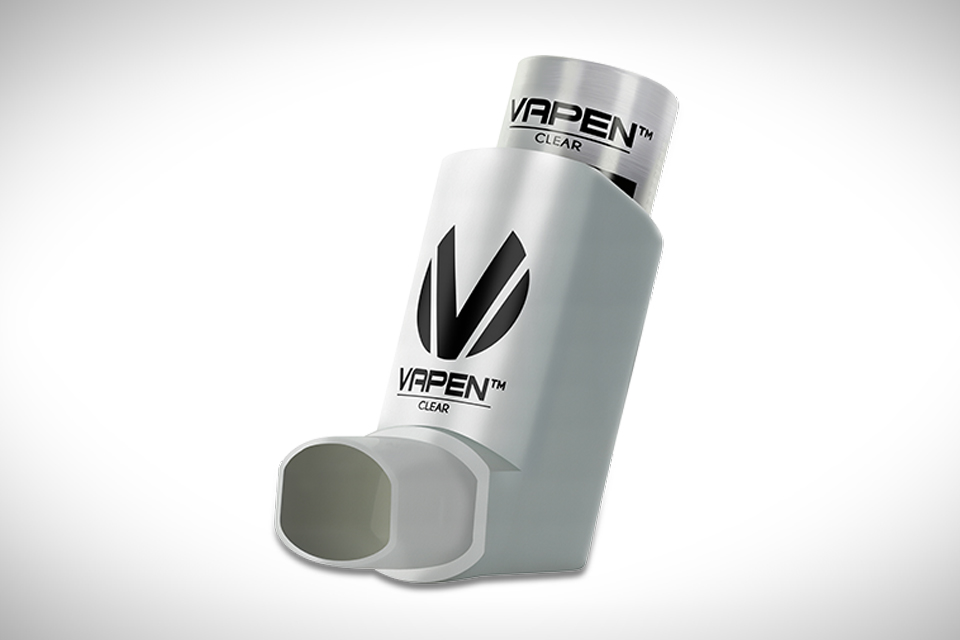
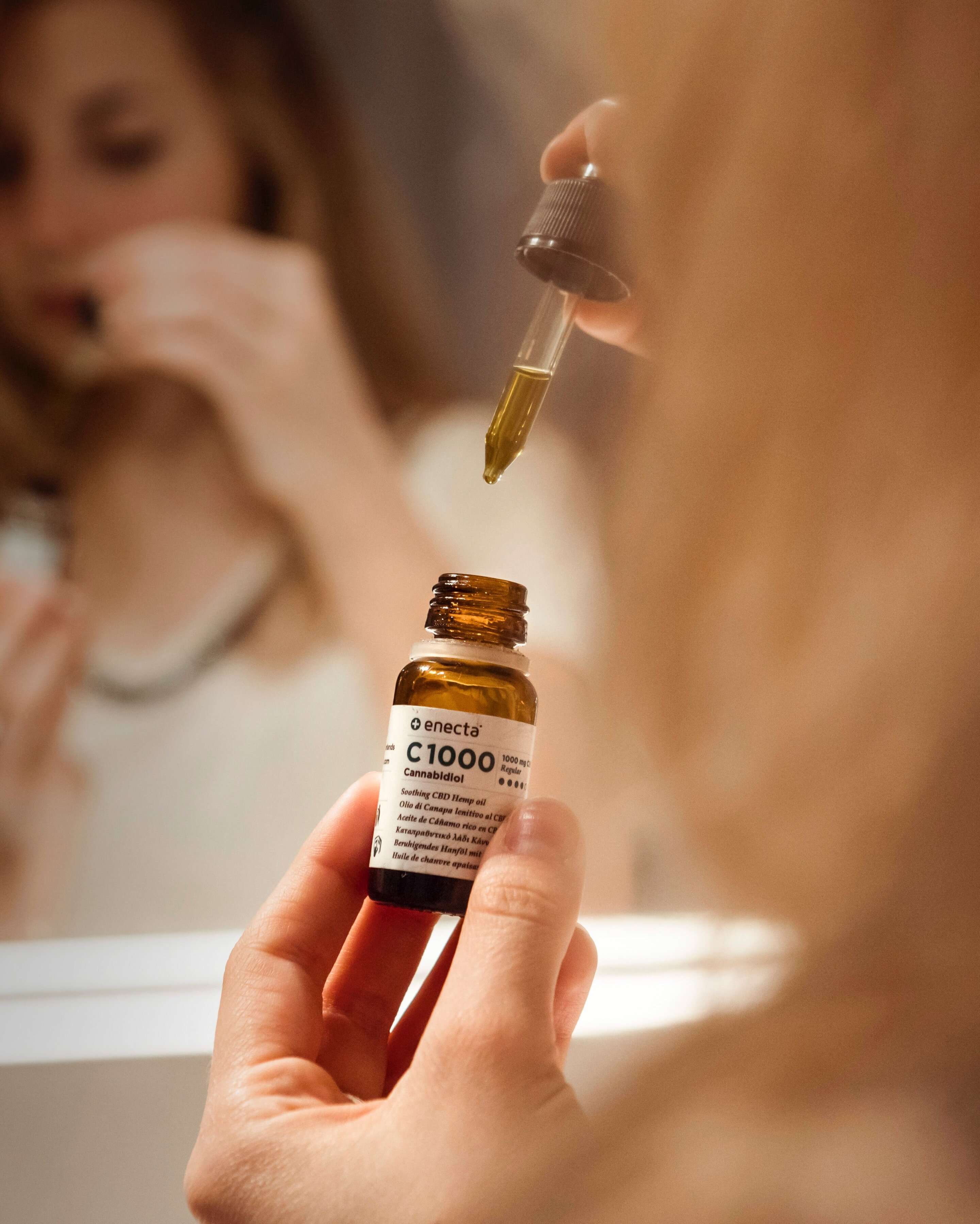
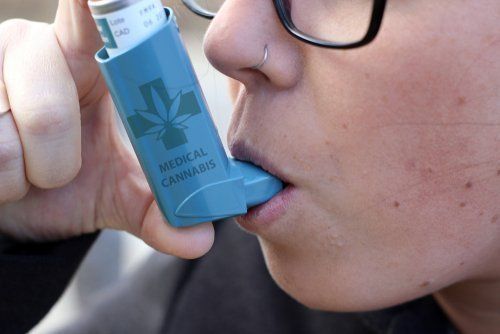
Cannabis inhaler could be a viable alternative for those who don’t smoke*

by Erik Gibbs | Mar 11 2019

Cannabis has already been recognized for its ability to control pain, and for many who suffer from severe or chronic pain, the cannabis inhaler could be a viable alternative.

Scientists in Israel have begun studying whether or not inhalers would be a viable alternative to smoking. As Dr. Itay Gur-Aryeh, the director of the Pain Unit at Sheba Hospital, explains, “Every piece of clinical research that helps manage treatment using medical cannabis is important. Delivering treatment via inhalation is characterized by a quicker response time than oral or sublingual tablets.”

The inhaler includes a vaporizer to which a measured dose of cannabis extract can be added. That extract includes a dose of active ingredients and this metered dosage is key to providing the best relief to pain sufferers.

Gur-Aryeh adds, “Through access to cannabis inhalers, and subject to a medical specialist’s recommendation, we strive to help more patients suffering from acute pain. The inhaler will provide patients that are unable or unwilling to smoke, the right to be treated consistently and precisely.”

*From the article here :
 
Last edited:
Most-people-are-still-relatively-aware-under-anesthesia.jpg


Ketamine a useful alternative for pain relief in hospitals*

by Adam Sturts, MSIV | HPC Live | 18 Feb 2020

Results of a new study indicate continuous infusion ketamine could increase time spent in goal pain and sedation score range and decrease the need for opioids, benzodiazepines, and other analgesics—indicating it could be a reliable alternative for intensive care unit (ICU) patients.

Presented at the Society of Critical Care Medicine’s 49th Annual Critical Care Congress in Orlando, the Effects of Ketamine on Pain, Sedation, and Delirium in the Intensive Care Unit (Ketamine-ICU Study) was designed to address the lack of guidance as to how to use ketamine in the ICU.

“We feel ketamine is a reasonable option especially in those failing traditional sedative and analgesia regimens,” said Christine Groth, PharmD, Clinical Pharmacy Coordinator of the University of Rochester Medical Center.

The Ketamine-ICU study was designed by Groth and the Ketamine-ICU study members as a multicenter, retrospective study evaluating a cohort of 390 adult ICU patients from 25 institutions from 2014-2017. The mean age of the study participants was 52 years, and the length of stay in ICU was 9 days.

Investigators hypothesized a continuous infusion of ketamine would lead to an increased proportion of time spent in goal pain and sedation score range, reduced exposure to other sedatives, and variable effects on delirium.

For the purpose of the analysis, pain and sedation scores and delirium screenings in the 24 hours prior to ketamine were compared to scores and screenings in the first 24 hours and 25 to 48 hours following ketamine administration.

Investigators pointed out there was no difference in median time spent delirious after ketamine initiation. Additionally, results suggest ketamine associated with a significant reduction in opioid, benzodiazepine, propofol and dexmedetomidine requirements.

“Eighty percent of patients were mechanically ventilated and in a fair amount of these patients ketamine was continued through the extubation period, which we thought was interesting,” Groth said.

Of note, 6 percent of participants discontinued participation due to adverse effects. Adverse effects observed in participants included increased secretions, which occurred in 10 percent of patients, and resulted in increased anticholinergic use. Additionally, psychotropic effects were recorded in just 5 percent of patients—however, this study was retrospective and, because of this, these effects may have been underrepresented.

“We definitely need prospective randomized comparative data to really determine its place in therapy as well as the overall safety of this medication,” Groth added.

 
Last edited:
shutterstock_1036394275.jpg


Psychedelics may relieve chronic pain via changes in brain neuroplasticity

by Barb Bauer | Psychedelic Science Review | 21 May 2020

Using psychedelics to treat chronic pain understudied yet full of potential.

In the journal Regional Anesthesia and Pain Medicine, researchers from the University of California San Diego have reviewed the psychedelic literature and proposed a mechanism by which psychedelics may be used to relieve chronic pain.

The literature review discusses studies using psychedelics to treat conditions like cluster headaches, migraines, cancer pain, and phantom limb pain. The compounds involved in the studies were psilocybin, LSD, and the LSD analog 2-bromolysergic acid diethylamide.

The authors cover the history of psychedelics, studies on their efficacy, tolerability, and safety, and the chemical classes. In proposing their hypothesis for how psychedelics act as analgesics, the authors reviewed three concepts:

1) The mechanism of action of psychedelics at serotonin receptors (primarily 5-HT2A).

2) The downstream effects of psychedelics in the body leading to modulation of gene expression and inflammation.

3) Changes in brain functional connectivity (FC) brought on by psychedelics.

Psychedelics for chronic pain – making the case

According to the authors, several mechanisms might contribute to the antinociceptive (detection of pain) effects of psychedelics.

Based on the literature, they observed that activating the 5-HT2A receptor (as the classic psychedelics do) causes upregulation (becoming more active) of the genes that are associated with neuroplasticity. The genes that suppress inflammation via tumor necrosis factor alpha (TNF-α) also experience upregulation when the receptor is activated. Therefore, 5-HT2A receptor activation by psychedelics may lead to rewiring in the brain + reduced inflammation = reduced nociception.

The authors explain that studies have shown that over time, acute pain transforms into chronic pain via neuroplasticity. Also, other changes in the structure and function of the nervous system in areas like the spinal cord and the cortex of the brain are involved. It is in this evidence that they find the primary driver of their hypothesis:

"Given the accumulating evidence of altered brain FC in chronic pain states, the ability of psychedelics to disrupt established brain connection patterns is perhaps the most intriguing potential analgesic mechanism for psychedelics."

Based on the scientific evidence overall, the researchers made the following recommendation:

"Given the current state of the opioid epidemic and limited efficacy of non-opioid analgesics, it is time to consider further research on psychedelics as analgesics in order to improve the lives of patients with chronic pain conditions."

What’s next for psychedelics in treating chronic pain?

The authors note that of the 200+ clinical trials examining the effects of psychedelic drugs on health conditions, none are studying how psychedelics impact chronic pain. To fill this gap, they propose two main areas for further investigation: 1) identifying the mechanisms that support psychedelic-induced analgesia and 2) placebo-controlled trials to quantify the effective doses of psychedelics that provide predictable and reliable pain relief.

 
Last edited:

PTSD-4.jpg


Kratom compound Mitragynine reduces neuropathic pain, study

by Barb Bauer | Psychedelic Science Review | 3 April 2020

Pain was inhibited by an α2-adrenoceptor antagonist and reduced by an α1-adrenoceptor antagonist. Opioid receptors may also be involved in the effects.

Kratom is a species of tree known scientifically as Mitragynia speciosa that grows in Southeast Asia and Africa. There are over 40 compounds in kratom leaves. Some are biologically active, some are not, and the activity of dozens of them is unknown.

Mitragynine (MG) is the primary indole alkaloid in kratom. Studies have shown that it may alleviate pain and aid in reducing alcohol and opioid dependence. The mechanisms for these actions are thought to be mediated through the mu, delta, and kappa opioid receptors. MG also has an affinity for several other receptor types that may be involved in its effects. These include dopamine D2, 5-HT2C, and 5-HT7.

A 2020 study by Foss et al. published in Drug and Alcohol Dependence examined the effects of MG on chemotherapy-induced neuropathic pain in rats. The authors noted that drugs targeting and enhancing adrenergic receptor transmission are often prescribed first for patients with neuropathic pain. From this, they tested whether MG reduced neuropathic pain via activation of α-adrenoceptors (a category of adrenergic receptors).

Study design

To study the effects of MG doses on pain, male rats were divided into groups of eight individuals. They were injected with the cancer medication oxaliplatin, which causes a condition called allodynia. Twenty-four hours later, the rats then received a fixed intraperitoneal (IP) dose of MG at 0, 1, 5, or 10 mg/kg for five days. The allodynia each rat experienced was quantified on days 2 and 5 by measuring their paw withdrawal threshold using Von Frey filaments.

Three antagonists were employed to understand the receptor mechanisms involved in pain relief. Additional groups of 12-16 rats received the following fixed IP doses for six days:

- 5 mg/kg MG + 5 mg/kg yohimbine, an α2-adrenoceptor antagonist
- 5 mg/kg MG + 5 mg/kg prazosin, an α1-adrenoceptor antagonist
- 5 mg/kg MG + 5 mg/kg naltrexone, an opioid antagonist

The mechanical sensitivity of the rats was tested on days 2 and 5 using the Von Frey filaments. An additional test was done on the day after cessation of treatment, day 7.

Finally, the researchers tested the effect of MG on the locomotor activity of rats using an activity chamber. Groups of seven individuals were given 0, 1, 5, 10, or 30 mg/kg IP, and their activity measured for 30 minutes.

Effects of treatment with MG

Effects on pain relief

The data showed that MG reduced the chemotherapy-induced pain in the rats in a dose-dependent manner. Compared to the controls, 10 mg/kg MG reduced the allodynia on days 2 and 5. On day 5, the 5 mg/kg dose of MG also reduced the oxaliplatin-induced allodynia. The 1 mg/kg dose produced a minimal effect on days 2 and 5 compared to the control.

Receptor mechanisms

The allodynia produced by oxaliplatin was reduced by MG. The addition of the antagonists Yohimbe, prazosin, and naltrexone caused significant suppression of MG’s ability to relieve the oxaliplatin-induced pain. These results indicate that MG works to reduce neuropathic pain via activation of α-adrenoreceptors. The authors also suggest that the pain relief was “at least partially dependent on opioid receptor activity,” which is consistent with the published literature.

Effects on locomotor activity

The doses of 1-10 mg/kg of MG did not produce a change in the rat’s locomotor activity. However, the highest 30 mg/kg dose produced a modest but significant increase in activity 10 and 15 minutes after injection. The authors stated that these data did not agree with previous studies published in the literature. They hypothesized this could be because they only recorded the locomotor activity for 30 minutes.

Summary

Overall, the results of this study indicate that MG was effective in relieving chemotherapy-induced neuropathic pain. This effect was inhibited by an α2-adrenoceptor antagonist and reduced by an α1-adrenoceptor antagonist. However, the underlying mechanisms causing these effects remain unclear. The authors hypothesized some possible mechanisms by saying,

"For effects observed here with MG, multiple mechanisms are possible, including direct activation of α-adrenoceptors, as well as indirect activation, through processes such as inhibition of norepinephrine reuptake or catabolism (e.g. blockade of monoamine oxidase or catechol-O-methyltransferase)."

 
Last edited:
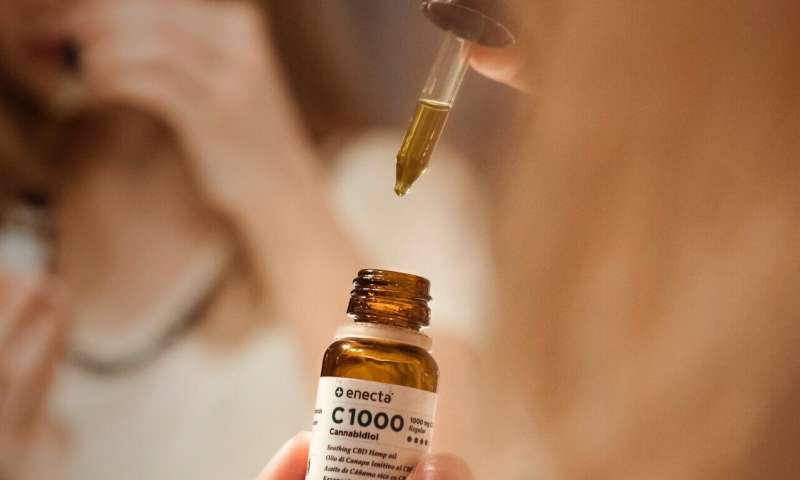
legalcannabi.jpg


Hemp oil effectively treats chronic neuropathic pain: study

by University of New Mexico | Medical Xpress | 20 May 2020

Researchers examine the effectiveness of consuming hemp oil extracted from the whole Cannabis plant using a chronic neuropathic pain animal model. Researchers at The University of New Mexico (UNM) showed that legal Cannabis hemp oil reduced mechanical pain sensitivity 10-fold for several hours in mice with chronic post-operative neuropathic pain.

Distinguished from its still largely criminally prohibited cousin, "hemp" refers to Cannabis plants with less than 0.3 percent tetrahydrocannabinol (THC) per mass. Hemp is now federally legal to produce and consume in most regions throughout the United States (U.S) as a result of the Hemp Farming Act, proposed by the U.S. Congress and signed into law by President Donald Trump in 2018.

This major breakthrough in cannabis prohibition now enables millions of Americans the ability to access a natural, effective, and relatively safe alternative option for treating chronic pain. Conventional pharmacological drugs, namely opioids, are driving the leading form of preventable deaths and conventional medical errors are the third leading cause of death in the U.S.

The University of New Mexico has conducted a series of recent studies testing the effectiveness and safety of consuming the Cannabis plant, but this is the first study measuring the therapeutic potential of legal hemp oil with low THC levels.

"Cannabis plants with low THC are still psychoactive, but tend to result in less psychedelic experiences, while still offering profound and often immediate relief from symptoms such as pain, anxiety, and depression," says co-researcher, Dr. Jacob Miguel Vigil, associate professor in the UNM Psychology Department.

Using a chronic neuropathic pain model that exposes mice to post-operative neuropathic pain equivalent to several years of chronic pain in human clinical patients, the researchers were able to examine how hemp oil influences momentary pain sensitivity to the affected region. For several hours after Cannabis consumption the mice demonstrated effective pain relief, approaching the mechanical pain sensitivity of naïve control mice that did not undergo the surgical operation.

"Our lab utilizes a unique nerve injury model mimicking human neuropathic pain that has allowed demonstration of hemp's reversal of the pain related behavior" said one of the lead investigators, Dr. Karin N. Westlund, Department of Anesthesiology, their article titled "The Therapeutic Effectiveness of Full Spectrum Hemp Oil Using a Chronic Neuropathic Pain Model," published in the journal Life.

Studies in animals can be superior to clinical trials because they circumvent human biases and expectancy effects, or perceptual and cognitive reactions to enrollment in cannabis-themed experiments. Several studies measuring the effects of cannabis in humans observe patients reporting psychedelic experiences, whether or not they received the active cannabis agent, otherwise referred to as the 'placebo effect.'

The study examined the effectiveness of "LyFeBaak" hemp oil, produced by Organic-Energetic Solutions, which has been available for legal purchase in New Mexico since 2019. "We grow hemp that is optimized to potentiate the plants utmost health and vitality through hypermineralization techniques, rather than merely plants that are grown in a state of fight-or-flight, which unfortunately is common in the cannabis industry. These techniques have enabled us to produce hemp products that patients swear are effective for treating dozens of mental and physical health conditions. The new changes in hemp laws are now allowing us to test these claims," adds co-author and hemp grower, Anthony L. Ortiz.

"Hemp plants contain numerous therapeutic constituents that likely contribute to analgesic responses, including terpenes and flavonoids, which in theory, work together like members of a symphony, often described as the entourage effect," says fellow researcher, Jegason P. Diviant. Several clinical investigations have shown that medications based on synthetic cannabis analogues and isolated compounds tend to offer lower reported symptom relief and a greater number of negative side effects as compared to whole plant, or "full-spectrum" Cannabis flower and plant-based extracts.

The authors do caution that few studies exist on the long-term use of hemp oil, due mostly to historical federal prohibition laws in the U.S. "However, this is an extremely exciting time in modern medical discovery, because the average citizen now has legal access to a completely natural and effective medication that can be easily and cheaply produced, simply by sticking a seed in the ground and caring for it as you would any other important part of your life," says Vigil.

 
Last edited:
Top