




poledriver
Bluelighter
- Joined
- Jul 21, 2005
- Messages
- 11,543
How one man overcame his ice addiction
STEVE said he never felt more alive — he thought he was conquering the world.
Being on ice felt like a million endorphins pumping through his body, triggering intense satisfaction and self-confidence.
There weren’t any words that he could find to describe the insatiable high it had offered him.
But to other people who looked on, it was a completely different story.
He was somebody trapped in a world of psychosis, someone who stole pens and light globes to create ice pipes.
This is the hold crystal meth had on his life just over 12 months ago.
Steve, who did not reveal his last name, was 28 when he had his first hit. At the time he held a stable job as a tradesman and had friends and family.
But it was one fleeting decision at a party that ended up being a slippery slope to a four-year addiction and a life made of the stuff of his worst nightmares.
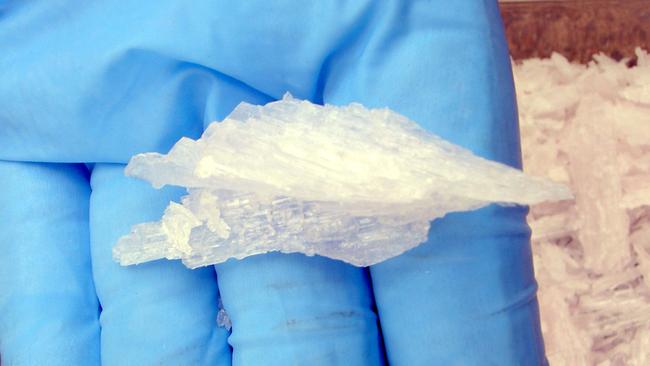
Now 32, he claimed he didn’t like the feeling when he first got high on ice.
“It’s overwhelming,” he said.
“But I kept doing it because it was all that was available and in a short period I was heavily addicted.”
In the beginning his habit was contained to the weekend.
He would ‘drop $300’ and party non-stop from Friday to Sunday.
“You don’t get a wink of sleep and imagine staying awake for 48 hours and then trying to get to work on Monday,” he says.
That’s when the drug really started to drag him under.
Steve would wake up for work after the weekend and have a hit just to get him started for a busy working week.
But when the come down from the drug hit and his body was in agonising pain, he thought ice was the only thing that would rescue him.
Before long he was spending $1500 a week on the drug.
“I think there are a number of reasons why ice is so addictive but for me it was because the come down was so extreme,” he said.
“The high is fantastic but it’s quite short.
“At first the high lasts for about 20 hours but once you’re really immune you don’t stay high for long.
“The come down is terrible — you don’t want to go out in public and if you need to hold a job you need the drug to function, and that’s how addiction creeps in.”
He said coming down, his body ached, his brain struggled to function and chronic fatigue made him paranoid and unbalanced.
“It is a lot worse than coming down from something like ecstasy,” he says.
“At my worst my organs started to shut down and I would lie on the couch and be in agony and my body was basically screaming for me to get back on the drug.”
Steve said his life felt pretty much over when he looked to the Ice Meltdown Project for help.
He’d lost his job, his daughter and his self-control.
He was one of the first clients of the Ice Meltdown Project, a rehabilitation group in Drouin Victoria.
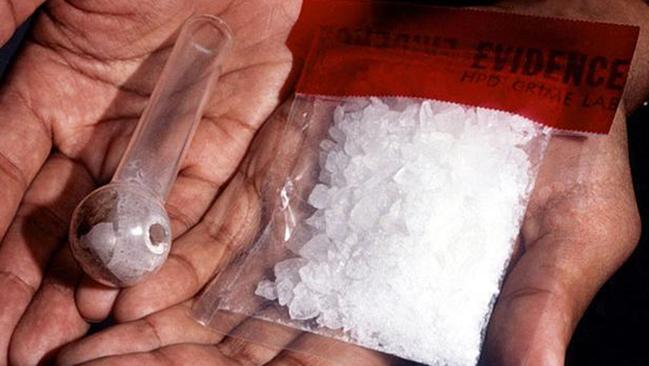
Founder Janice Ablett took Steve into her home to help him on the road to recovery.
But it wasn’t easy for Ms Ablett to cut Steve off from the drug. He relapsed three times under her care and would jump the back fence in search of his next hit.
Ms Ablett persisted as she could see Steve wanted to reclaim his life.
“He would have psychotic episodes and do things that weren’t rational,” she said
“He would clean up in the backyard and make a footpath to nowhere.”
Ms Ablett said living with Steve gave her an understanding of the drug and the skills to help others addicted to ice.
She began to understand why he felt the way he did but still had to set boundaries.
“He wasn’t allowed to go anywhere without me or a member of my family and if he wanted to go to the gym we would take him there.
“He wasn’t allowed to have a phone or any contact with anyone outside and there was a curfew for when he had to go to bed,” she said.
The Ice Meltdown Project has been running for a year and Ms Ablett said she helped about 160 people detox.
“When we started we were having meetings at my house and only five people came.
“Within three months there were about 19 to 20 people coming and we moved the meetings to the church.”
Cont -
http://www.news.com.au/lifestyle/he...is-ice-addiction/story-fneuzlbd-1227540938829
STEVE said he never felt more alive — he thought he was conquering the world.
Being on ice felt like a million endorphins pumping through his body, triggering intense satisfaction and self-confidence.
There weren’t any words that he could find to describe the insatiable high it had offered him.
But to other people who looked on, it was a completely different story.
He was somebody trapped in a world of psychosis, someone who stole pens and light globes to create ice pipes.
This is the hold crystal meth had on his life just over 12 months ago.
Steve, who did not reveal his last name, was 28 when he had his first hit. At the time he held a stable job as a tradesman and had friends and family.
But it was one fleeting decision at a party that ended up being a slippery slope to a four-year addiction and a life made of the stuff of his worst nightmares.
Now 32, he claimed he didn’t like the feeling when he first got high on ice.
“It’s overwhelming,” he said.
“But I kept doing it because it was all that was available and in a short period I was heavily addicted.”
In the beginning his habit was contained to the weekend.
He would ‘drop $300’ and party non-stop from Friday to Sunday.
“You don’t get a wink of sleep and imagine staying awake for 48 hours and then trying to get to work on Monday,” he says.
That’s when the drug really started to drag him under.
Steve would wake up for work after the weekend and have a hit just to get him started for a busy working week.
But when the come down from the drug hit and his body was in agonising pain, he thought ice was the only thing that would rescue him.
Before long he was spending $1500 a week on the drug.
“I think there are a number of reasons why ice is so addictive but for me it was because the come down was so extreme,” he said.
“The high is fantastic but it’s quite short.
“At first the high lasts for about 20 hours but once you’re really immune you don’t stay high for long.
“The come down is terrible — you don’t want to go out in public and if you need to hold a job you need the drug to function, and that’s how addiction creeps in.”
He said coming down, his body ached, his brain struggled to function and chronic fatigue made him paranoid and unbalanced.
“It is a lot worse than coming down from something like ecstasy,” he says.
“At my worst my organs started to shut down and I would lie on the couch and be in agony and my body was basically screaming for me to get back on the drug.”
Steve said his life felt pretty much over when he looked to the Ice Meltdown Project for help.
He’d lost his job, his daughter and his self-control.
He was one of the first clients of the Ice Meltdown Project, a rehabilitation group in Drouin Victoria.
Founder Janice Ablett took Steve into her home to help him on the road to recovery.
But it wasn’t easy for Ms Ablett to cut Steve off from the drug. He relapsed three times under her care and would jump the back fence in search of his next hit.
Ms Ablett persisted as she could see Steve wanted to reclaim his life.
“He would have psychotic episodes and do things that weren’t rational,” she said
“He would clean up in the backyard and make a footpath to nowhere.”
Ms Ablett said living with Steve gave her an understanding of the drug and the skills to help others addicted to ice.
She began to understand why he felt the way he did but still had to set boundaries.
“He wasn’t allowed to go anywhere without me or a member of my family and if he wanted to go to the gym we would take him there.
“He wasn’t allowed to have a phone or any contact with anyone outside and there was a curfew for when he had to go to bed,” she said.
The Ice Meltdown Project has been running for a year and Ms Ablett said she helped about 160 people detox.
“When we started we were having meetings at my house and only five people came.
“Within three months there were about 19 to 20 people coming and we moved the meetings to the church.”
Cont -
http://www.news.com.au/lifestyle/he...is-ice-addiction/story-fneuzlbd-1227540938829




