How LSD Originated
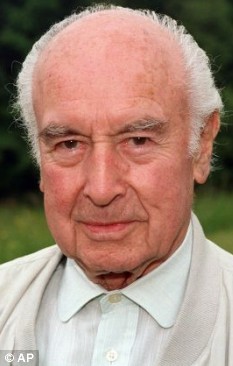
by Albert Hofmann
There are experiences that most of us are hesitant to speak about, because they do not conform to everyday reality and defy rational explanation. These are not particular external occurrences, but rather events of our inner lives, which are generally dismissed as figments of the imagination and barred from our memory. Suddenly, the familiar view of our surroundings is transformed in a strange, delightful, or alarming way: it appears to us in a new light, takes on a special meaning. Such an experience can be as light and fleeting as a breath of air, or it can imprint itself deeply upon our minds.
One enchantment of that kind, which I experienced in childhood, has remained remarkably vivid in my memory ever since. It happened on a May morning—I have forgotten the year—but I can still point to the exact spot where it occurred, on a forest path on Martinsberg above Baden, Switzerland. As I strolled through the freshly greened woods filled with bird song and lit up by the morning sun, all at once everything appeared in an uncommonly clear light. Was this something I had simply failed to notice before? Was I suddenly discovering the spring forest as it actually looked? It shone with the most beautiful radiance, speaking to the heart, as though it wanted to encompass me in its majesty. I was filled with an indescribable sensation of joy, oneness, and blissful security.
I have no idea how long I stood there spellbound. But I recall the anxious concern I felt as the radiance slowly dissolved and I hiked on: how could a vision that was so real and convincing, so directly and deeply felt—how could it end so soon? And how could I tell anyone about it, as my overflowing joy compelled me to do, since I knew there were no words to describe what I had seen? It seemed strange that I, as a child, had seen something so marvelous, something that adults obviously did not perceive - for I had never heard them mention it.
While still a child, I experienced several more of these deeply euphoric moments on my rambles through forest and meadow. It was these experiences that shaped the main outlines of my world view and convinced me of the existence of a miraculous, powerful, unfathomable reality that was hidden from everyday sight.
I was often troubled in those days, wondering if I would ever, as an adult, be able to communicate these experiences; whether I would have the chance to depict my visions in poetry or paintings. But knowing that I was not cut out to be a poet or artist, I assumed I would have to keep these experiences to myself, important as they were to me.
Unexpectedly—though scarcely by chance—much later, in middle age, a link was established between my profession and these visionary experiences from childhood.
Because I wanted to gain insight into the structure and essence of matter, I became a research chemist. Intrigued by the plant world since early childhood, I chose to specialize in research on the constituents of medicinal plants. In the course of this career I was led to the psychoactive, hallucination-causing substances, which under certain conditions can evoke visionary states similar to the spontaneous experiences just described. The most important of these hallucinogenic substances has come to be known as LSD.
Hallucinogens, as active compounds of considerable scientific interest, have gained entry into medicinal research, biology, and psychiatry, and later—especially LSD also obtained wide diffusion in the drug culture.
In studying the literature connected with my work, I became aware of the great universal significance of visionary experience. It plays a dominant role, not only in mysticism and the history of religion, but also in the creative process in art, literature, and science. More recent investigations have shown that many persons also have visionary experiences in daily life, though most of us fail to recognize their meaning and value. Mystical experiences, like those that marked my childhood, are apparently far from rare.
There is today a widespread striving for mystical experience, for visionary breakthroughs to a deeper, more comprehensive reality than that perceived by our rational, everyday consciousness. Efforts to transcend our materialistic world view are being made in various ways, not only by the adherents to Eastern religious movements, but also by professional psychiatrists, who are adopting such profound spiritual experiences as a basic therapeutic principle.
I share the belief of many of my contemporaries that the spiritual crisis pervading all spheres of Western industrial society can be remedied only by a change in our world view. We shall have to shift from the materialistic, dualistic belief that people and their environment are separate, toward a new consciousness of an all-encompassing reality, which embraces the experiencing ego, a reality in which people feel their oneness with animate nature and all of creation.
Everything that can contribute to such a fundamental alteration in our perception of reality must therefore command earnest attention. Foremost among such approaches are the various methods of meditation, either in a religious or a secular context, which aim to deepen the consciousness of reality by way of a total mystical experience. Another important, but still controversial, path to the same goal is the use of the consciousness-altering properties of hallucinogenic psychopharmaceuticals. LSD finds such anapplication in medicine, by helping patients in psychoanalysis and psychotherapy to perceive their problems in their true significance.
Deliberate provocation of mystical experience, particularly by LSD and related hallucinogens, in contrast to spontaneous visionary experiences, entails dangers that must not be underestimated. Practitioners must take into account the peculiar effects of these substances, namely their ability to influence our consciousness, the innermost essence of our being. The history of LSD to date amply demonstrates the catastrophic consequences that can ensue when its profound effect is misjudged and the substance is mistaken for a pleasure drug. Special internal and external advance preparations are required; with them, an LSD experiment can become a meaningful experience. Wrong and inappropriate use has caused LSD to become my problem child.
It is my desire in this book to give a comprehensive picture of LSD, its origin, its effects, and its dangers, in order to guard against increasing abuse of this extraordinary drug. I hope thereby to emphasize possible uses of LSD that are compatible with its characteristic action. I believe that if people would learn to use LSD's vision-inducing capability more wisely, under suitable conditions, in medical practice and in conjunction with meditation, then in the future this problem child could become a wonder child.
-----
Time and again I hear or read that LSD was discovered by accident. This is only partly true. LSD came into being within a systematic research program, and the "accident" did not occur until much later: when LSD was already five years old, I happened to experience its unforeseeable effects in my own body—or rather, in my own mind.
Looking back over my professional career to trace the influential events and decisions that eventually steered my work toward the synthesis of LSD, I realize that the most decisive step was my choice of employment upon completion of my chemistry studies. If that decision had been different, then this substance, which has become known the world over, might never have been created. In order to tell the story of the origin of LSD, then, I must also touch briefly on my career as a chemist, since the two developments are inextricably interrelated.
In the spring of 1929, on concluding my chemistry studies at the University of Zurich, I joined the Sandoz Company's pharmaceutical-chemical research laboratory in Basel, as a co-worker with Professor Arthur Stoll, founder and director of the pharmaceutical department. I chose this position because it afforded me the opportunity to work on natural products, whereas two other job offers from chemical firms in Basel had involved work in the field of synthetic chemistry.
First Chemical Explorations
My doctoral work at Zurich under Professor Paul Karrer had already given me one chance to pursue my interest in plant and animal chemistry. Making use of the gastrointestinal juice of the vineyard snail, I accomplished the enzymatic degradation of chitin, the structural material of which the shells, wings, and claws of insects, crustaceans, and other lower animals are composed. I was able to derive the chemical structure of chitin from the cleavage product, a nitrogen-containing sugar, obtained by this degradation. Chitin turned out to be an analogue of cellulose, the structural material of plants. This important result, obtained after only three months of research, led to a doctoral thesis rated "with distinction."
When I joined the Sandoz firm, the staff of the pharmaceutical-chemical department was still rather modest in number. Four chemists with doctoral degrees worked in research, three in production.
In Stoll's laboratory I found employment that completely agreed with me as a research chemist. The objective that Professor Stoll had set for his pharmaceutical-chemical research laboratories was to isolate the active principles (i.e., the effective constituents) of known medicinal plants to produce pure specimens of these substances. This is particularly important in the case of medicinal plants whose active principles are unstable, or whose potency is subject to great variation, which makes an exact dosage difficult. But if the active principle is available in pure form, it becomes possible to manufacture a stable pharmaceutical preparation, exactly quantifiable by weight. With this in mind, Professor Stoll had elected to study plant substances of recognized value such as the substances from foxglove (Digitalis), Mediterranean squill (Scilla maritima), and ergot of rye (Claviceps purpurea or Secale cornutum), which, owning to their instability and uncertain dosage, nevertheless, had been little used in medicine.
My first years in the Sandoz laboratories were devoted almost exclusively to studying the active principles of Mediterranean squill. Dr. Walter Kreis, one of Professor Stoll's earliest associates, launched me in this field of research. The most important constituents of Mediterranean squill already existed in pure form. Their active agents, as well as those of woolly foxglove (Digitalis lanata), had been isolated and purified, chiefly by Dr. Kreis, with extraordinary skill.
The active principles of Mediterranean squill belong to the group of cardioactive glycosides (glycoside = sugar-containing substance) and serve, as do those of foxglove, in the treatment of cardiac insufficiency. The cardiac glycosides are extremely active substances. Because the therapeutic and the toxic doses differ so little, it becomes especially important here to have an exact dosage, based on pure compounds.
At the beginning of my investigations, a pharmaceutical preparation with Scilla glycosides had already been introduced into therapeutics by Sandoz; however, the chemical structure of these active compounds, with the exception of the sugar portion, remained largely unknown.
My main contribution to the Scilla research, in which I participated with enthusiasm, was to elucidate the chemical structure of the common nucleus of Scilla glycosides, showing on the one hand their differences from the Digitalis glycosides, and on the other hand their close structural relationship with the toxic principles isolated from skin glands of toads. In 1935, these studies were temporarily concluded.
Looking for a new field of research, I asked Professor Stoll to let me continue the investigations on the alkaloids of ergot, which he had begun in 1917 and which had led directly to the isolation of ergotamine in 1918. Ergotamine, discovered by Stoll, was the first ergot alkaloid obtained in pure chemical form. Although ergotamine quickly took a significant place in therapeutics (under the trade name Gynergen) as a hemostatic remedy in obstetrics and as a medicament in the treatment of migraine, chemical research on ergot in the Sandoz laboratories was abandoned after the isolation of ergotamine and the determination of its empirical formula. Meanwhile, at the beginning of the thirties, English and American laboratories had begun to determine the chemical structure of ergot alkaloids. They had also discovered a new, water-soluble ergot alkaloid, which could likewise be isolated from the mother liquor of ergotamine production. So I thought it was high time that Sandoz resumed chemical research on ergot alkaloids, unless we wanted to risk losing our leading role in a field of medicinal research, which was already becoming so important.
Professor Stoll granted my request, with some misgivings: "I must warn you of the difficulties you face in working with ergot alkaloids. These are-exceedingly sensitive, easily decomposed substances, less stable than any of the compounds you have investigated in the cardiac glycoside field. But you are welcome to try."
And so the switches were thrown, and I found myself engaged in a field of study that would become the main theme of my professional career. I have never forgotten the creative joy, the eager anticipation I felt in embarking on the study of ergot alkaloids, at that time a relatively uncharted field of research.
Ergot
It may be helpful here to give some background information about ergot itself. [For further information on ergot, readers should refer to the monographs of G. Berger, Ergot and Ergotism (Gurney and Jackson, London, 1931 ) and A. Hofmann, Die Mutterkornalkaloide (F. Enke Verlag, Stuttgart, 1964). The former is a classical presentation of the history of the drug, while the latter emphasizes the chemical aspects.]
It is produced by a lower fungus (Claviceps purpurea) that grows parasitically on rye and, to a lesser extent, on other species of grain and on wild grasses. Kernels infested with this fungus develop into light-brown to violet-brown curved pegs (sclerotia) that push forth from the husk in place of normal grains. Ergot is described botanically as a sclerotium, the form that the ergot fungus takes in winter. Ergot of rye (Secale cornutum) is the variety used medicinally.
Ergot, more than any other drug, has a fascinating history, in the course of which its role and meaning have been reversed: once dreaded as a poison, in the course of time it has changed to a rich storehouse of valuable remedies. Ergot first appeared on the stage of history in the early Middle Ages, as the cause of outbreaks of mass poisonings affecting thousands of persons at a time. The illness, whose connection with ergot was for a long time obscure, appeared in two characteristic forms, one gangrenous (ergotismus gangraenosus) and the other convulsive (ergotismus convulsivus). Popular names for ergotism—such as "mal des ardents," "ignis sacer," "heiliges Feuer," or "St. Anthony's fire"—refer to the gangrenous form of the disease. The patron saint of ergotism victims was St. Anthony, and it was primarily the Order of St. Anthony that treated these patients.
Until recent times, epidemic-like outbreaks of ergot poisoning have been recorded in most European countries including certain areas of Russia. With progress in agriculture, and since the realization, in the seventeenth century, that ergot-containing bread was the cause, the frequency and extent of ergotism epidemics diminished considerably. The last great epidemic occurred in certain areas of southern Russia in the years 1926-27. [The mass poisoning in the southern French city of Pont-St. Esprit in the year 1951, which many writers have attributed to ergot-containing bread, actually had nothing to do with ergotism. It rather involved poisoning by an organic mercury compound that was utilized for disinfecting seed.]
The first mention of a medicinal use of ergot, namely as an ecbolic (a medicament to precipitate childbirth), is found in the herbal of the Frankfurt city physician Adam Lonitzer (Lonicerus) in the year 1582. Although ergot, as Lonitzer stated, had been used since olden times by midwives, it was not until 1808 that this drug gained entry into academic medicine, on the strength of a work by the American physician John Stearns entitled Account of the Putvis Parturiens, a Remedy for Quickening Childbirth. The use of ergot as an ecbolic did not, however, endure. Practitioners became aware quite early of the great danger to the child, owing primarily to the uncertainty of dosage, which when too high led to uterine spasms. From then on, the use of ergot in obstetrics was confined to stopping postpartum hemorrhage (bleeding after childbirth).
It was not until ergot's recognition in various pharmacopoeias during the first half of the nineteenth century that the first steps were taken toward isolating the active principles of the drug. However, of all the researchers who assayed this problem during the first hundred years, not one succeeded in identifying the actual substances responsible for the therapeutic activity. In 1907, the Englishmen G. Barger and F. H. Carr were the first to isolate an active alkaloidal preparation, which they named ergotoxine because it produced more of the toxic than therapeutic properties of ergot. (This preparation was not homogeneous, but rather a mixture of several alkaloids, as I was able to show thirty-five years later.) Nevertheless, the pharmacologist H. H. Dale discovered that ergotoxine, besides the uterotonic effect, also had an antagonistic activity on adrenaline in the autonomic nervous system that could lead to the therapeutic use of ergot alkaloids. Only with the isolation of ergotamine by A. Stoll (as mentioned previously) did an ergot alkaloid find entry and widespread use in therapeutics.
The early 1930s brought a new era in ergot research, beginning with the determination of the chemical structure of ergot alkaloids, as mentioned, in English and American laboratories. By chemical cleavage, W. A. Jacobs and L. C. Craig of the Rockefeller Institute of New York succeeded in isolating and characterizing the nucleus common to all ergot alkaloids. They named it lysergic acid. Then came a major development, both for chemistry and for medicine: the isolation of the specifically uterotonic, hemostatic principle of ergot, which was published simultaneously and quite independently by four institutions, including the Sandoz laboratories. The substance, an alkaloid of comparatively simple structure, was named ergobasine (syn. ergometrine, ergonovine) by A. Stoll and E. Burckhardt. By the chemical degradation of ergobasine, W. A. Jacobs and L. C. Craig obtained lysergic acid and the amino alcohol propanolamine as cleavage products.
I set as my first goal the problem of preparing this alkaloid synthetically, through chemical linking of the two components of ergobasine, lysergic acid and propanolamine (see structural formulas in the appendix).
The lysergic acid necessary for these studies had to be obtained by chemical cleavage of some other ergot alkaloid. Since only ergotamine was available as a pure alkaloid, and was already being produced in kilogram quantities in the pharmaceutical production department, I chose this alkaloid as the starting material for my work. I set about obtaining 0.5 gm of ergotamine from the ergot production people. When I sent the internal requisition form to Professor Stoll for his countersignature, he appeared in my laboratory and reproved me: "If you want to work with ergot alkaloids, you will have to familiarize yourself with the techniques of microchemistry. I can't have you consuming such a large amount of my expensive ergotamine for your experiments."
The ergot production department, besides using ergot of Swiss origin to obtain ergotamine, also dealt with Portuguese ergot, which yielded an amorphous alkaloidal preparation that corresponded to the aforementioned ergotoxine first produced by Barger and Carr. I decided to use this less expensive material for the preparation of lysergic acid.
The alkaloid obtained from the production department had to be purified further, before it would be suitable for cleavage to lysergic acid. Observations made during the purification process led me to think that ergotoxine could be a mixture of several alkaloids, rather than one homogeneous alkaloid. I will speak later of the far-reaching sequelae of these observations.
Here I must digress briefly to describe the working conditions and techniques that prevailed in those days. These remarks may be of interest to the present generation of research chemists in industry, who are accustomed to far better conditions.
We were very frugal. Individual laboratories were considered a rare extravagance. During the first six years of my employment with Sandoz, I shared a laboratory with two colleagues. We three chemists, plus an assistant each, worked in the same room on three different fields: Dr. Kreiss on cardiac glycosides; Dr. Wiedemann, who joined Sandoz around the same time as I, on the leaf pigment chlorophyll; and I ultimately on ergot alkaloids. The laboratory was equipped with two fume hoods (compartments supplied with outlets), providing less than effective ventilation by gas flames. When we requested that these hoods be equipped with ventilators, our chief refused on the ground that ventilation by gas flame had sufficed in Willstatter's laboratory.
During the last years of World War I, Professor Stoll had been an assistant in Berlin and Munich to the world-famous chemist and Nobel laureate Professor Richard Willstatter, and with him had conducted the fundamental investigations on chlorophyll and the assimilation of carbon dioxide. There was scarcely a scientific discussion with Professor Stoll in which he did not mention his revered teacher Professor Willstatter and his work in Willstatter's laboratory.
The working techniques available to chemists in the field of organic chemistry at that time (the beginning of the thirties) were essentially the same as those employed by Justus von Liebig a hundred years earlier. The most important development achieved since then was the introduction of microanalysis by B. Pregl, which made it possible to ascertain the elemental composition of a compound with only a few milligrams of specimen, whereas earlier a few centigrams were needed. Of the other physical-chemical techniques at the disposal of the chemist today—techniques which have changed his way of working, making it faster and more effective, and created entirely new possibilities, above all for the elucidation of structure - none yet existed in those days.
For the investigations of Scilla glycosides and the first studies in the ergot field, I still used the old separation and purification techniques from Liebig's day: fractional extraction, fractional precipitation, fractional crystallization, and the like. The introduction of column chromatography, the first important step in modern laboratory technique, was of great value to me only in later investigations. For structure determination, which today can be conducted rapidly and elegantly with the help of spectroscopic methods (UV, IR, NMR) and X-ray crystallography, we had to rely, in the first fundamental ergot studies, entirely on the old laborious methods of chemical degradation and derivatization.
Lysergic Acid and its Derivatives
Lysergic acid proved to be a rather unstable substance, and its rebonding with basic radicals posed difficulties. In the technique known as Curtius' Synthesis, I ultimately found a process that proved useful for combining lysergic acid with amines. With this method I produced a great number of lysergic acid compounds. By combining lysergic acid with the amino alcohol propanolamine, I obtained a compound that was identical to the natural ergot alkaloid ergobasine. With that, the first synthesis—that is, artificial production—of an ergot alkaloid was accomplished. This was not only of scientific interest, as confirmation of the chemical structure of ergobasine, but also of practical significance, because ergobasine, the specifically uterotonic, hemostatic principle, is present in ergot only in very trifling quantities. With this synthesis, the other alkaloids existing abundantly in ergot could now be converted to ergobasine, which was valuable in obstetrics.
After this first success in the ergot field, my investigations went forward on two fronts. First, I attempted to improve the pharmacological properties of ergobasine by variations of its amino alcohol radical. My colleague Dr. J. Peyer and I developed a process for the economical production of propanolamine and other amino alcohols. Indeed, by substitution of the propanolamine contained in ergobasine with the amino alcohol butanolamine, an active principle was obtained that even surpassed the natural alkaloid in its therapeutic properties. This improved ergobasine has found worldwide application as a dependable uterotonic, hemostatic remedy under the trade name Methergine, and is today the leading medicament for this indication in obstetrics.
I further employed my synthetic procedure to produce new lysergic acid compounds for which uterotonic activity was not prominent, but from which, on the basis of their chemical structure, other types of interesting pharmacological properties could be expected. In 1938, I produced the twenty-fifth substance in this series of lysergic acid derivatives: lysergic acid diethylamide, abbreviated LSD-25 (Lyserg-säure-diäthylamid) for laboratory usage.
I had planned the synthesis of this compound with the intention of obtaining a circulatory and respiratory stimulant (an analeptic). Such stimulating properties could be expected for lysergic acid diethylamide, because it shows similarity in chemical structure to the analeptic already known at that time, namely nicotinic acid diethylamide (Coramine). During the testing of LSD-25 in the pharmacological department of Sandoz, whose director at the time was Professor Ernst Rothlin, a strong effect on the uterus was established. It amounted to some 70 percent of the activity of ergobasine. The research report also noted, in passing, that the experimental animals became restless during the narcosis. The new substance, however, aroused no special interest in our pharmacologists and physicians; testing was therefore discontinued.
For the next five years, nothing more was heard of the substance LSD-25. Meanwhile, my work in the ergot field advanced further in other areas. Through the purification of ergotoxine, the starting material for lysergic acid, I obtained, as already mentioned, the impression that this alkaloidal preparation was not homogeneous, but was rather a mixture of different substances. This doubt as to the homogeneity of ergotoxine was reinforced when in its hydrogenation two distinctly different hydrogenation products were obtained, whereas the homogeneous alkaloid ergotamine under the same condition yielded only a single hydrogenation product (hydrogenation = introduction of hydrogen). Extended, systematic analytical investigations of the supposed ergotoxine mixture led ultimately to the separation of this alkaloidal preparation into three homogeneous components. One of the three chemically homogeneous ergotoxine alkaloids proved to be identical with an alkaloid isolated shortly before in the production department, which A. Stoll and E. Burckhardt had named ergocristine. The other two alkaloids were both new. The first I named ergocornine; and for the second, the last to be isolated, which had long remained hidden in the mother liquor, I chose the name ergokryptine (kryptos = hidden). Later it was found that ergokryptine occurs in two isomeric forms, which were differentiated as alfa- and beta-ergokryptine.
The solution of the ergotoxine problem was not merely scientifically interesting, but also had great practical significance. A valuable remedy arose from it. The three hydrogenated ergotoxine alkaloids that I produced in the course of these investigations, dihydroergocristine, dihydroergokryptine, and dihydroergocornine, displayed medicinally useful properties during testing by Professor Rothlin in the pharmacological department. From these three substances, the pharmaceutical preparation Hydergine was developed, a medicament for improvement of peripheral circulation and cerebral function in the control of geriatric disorders. Hydergine has proven to be an effective remedy in geriatrics for these indications. Today it is Sandoz's most important pharmaceutical product.
Dihydroergotamine, which I likewise produced in the course of these investigations, has also found application in therapeutics as a circulation- and blood-pressure-stabilizing medicament, under the trade name Dihydergot.
While today research on important projects is almost exclusively carried out as teamwork, the investigations on ergot alkaloids described above were conducted by myself alone. Even the further chemical steps in the evolution of commercial preparations remained in my hands—that is, the preparation of larger specimens for the clinical trials, and finally the perfection of the first procedures for mass production of Methergine, Hydergine, and Dihydergot. This even included the analytical controls for the development of the first galenical forms of these three preparations: the ampoules, liquid solutions, and tablets. My aides at that time included a laboratory assistant, a laboratory helper, and later in addition a second laboratory assistant and a chemical technician.
Discovery of the Psychic Effects of LSD
The solution of the ergotoxine problem had led to fruitful results, described here only briefly, and had opened up further avenues of research. And yet I could not forget the relatively uninteresting LSD-25. A peculiar presentiment—the feeling that this substance could possess properties other than those established in the first investigations—induced me, five years after the first synthesis, to produce LSD-25 once again so that a sample could be given to the pharmacological department for further tests. This was quite unusual; experimental substances, as a rule, were definitely stricken from the research program if once found to be lacking in pharmacological interest.
Nevertheless, in the spring of 1943, I repeated the synthesis of LSD-25. As in the first synthesis, this involved the production of only a few centigrams of the compound.
In the final step of the synthesis, during the purification and crystallization of lysergic acid diethylamide in the form of a tartrate (tartaric acid salt), I was interrupted in my work by unusual sensations. The following description of this incident comes from the report that I sent at the time to Professor Stoll:
Last Friday, April 16,1943, I was forced to interrupt my work in the laboratory in the middle of the afternoon and proceed home, being affected by a remarkable restlessness, combined with a slight dizziness. At home I lay down and sank into a not unpleasant intoxicated-like condition, characterized by an extremely stimulated imagination. In a dreamlike state, with eyes closed (I found the daylight to be unpleasantly glaring), I perceived an uninterrupted stream of fantastic pictures, extraordinary shapes with intense, kaleidoscopic play of colors. After some two hours this condition faded away.
This was, altogether, a remarkable experience—both in its sudden onset and its extraordinary course. It seemed to have resulted from some external toxic influence; I surmised a connection with the substance I had been working with at the time, lysergic acid diethylamide tartrate. But this led to another question: how had I managed to absorb this material? Because of the known toxicity of ergot substances, I always maintained meticulously neat work habits. Possibly a bit of the LSD solution had contacted my fingertips during crystallization, and a trace of the substance was absorbed through the skin. If LSD-25 had indeed been the cause of this bizarre experience, then it must be a substance of extraordinary potency. There seemed to be only one way of getting to the bottom of this. I decided on a self-experiment.
Exercising extreme caution, I began the planned series of experiments with the smallest quantity that could be expected to produce some effect, considering the activity of the ergot alkaloids known at the time: namely, 0.25 mg (mg = milligram = one thousandth of a gram) of lysergic acid diethylamide tartrate. Quoted below is the entry for this experiment in my laboratory journal of April 19, 1943.
-----
Self-Experiments
4/19/43 16:20:
0.5 cc of 1/2 promil aqueous solution of diethylamide tartrate orally = 0.25 mg tartrate. Taken diluted with about 10 cc water. Tasteless.
17:00: Beginning dizziness, feeling of anxiety, visual distortions, symptoms of paralysis, desire to laugh. Home by bicycle.
From 18:00- ca.20:00 most severe crisis.
Here the notes in my laboratory journal cease. I was able to write the last words only with great effort. By now it was already clear to me that LSD had been the cause of the remarkable experience of the previous Friday, for the altered perceptions were of the same type as before, only much more intense. I had to struggle to speak intelligibly. I asked my laboratory assistant, who was informed of the self-experiment, to escort me home. We went by bicycle, no automobile being available because of wartime restrictions on their use. On the way home, my condition began to assume threatening forms.
Everything in my field of vision wavered and was distorted as if seen in a curved mirror. I also had the sensation of being unable to move from the spot. Nevertheless, my assistant later told me that we had traveled very rapidly. Finally, we arrived at home safe and sound, and I was just barely capable of asking my companion to summon our family doctor and request milk from the neighbors.
In spite of my delirious, bewildered condition, I had brief periods of clear and effective thinking—and chose milk as a nonspecific antidote for poisoning.
The dizziness and sensation of fainting became so strong at times that I could no longer hold myself erect, and had to lie down on a sofa. My surroundings had now transformed themselves in more terrifying ways. Everything in the room spun around, and the familiar objects and pieces of furniture assumed grotesque, threatening forms. They were in continuous motion, animated, as if driven by an inner restlessness. The lady next door, whom I scarcely recognized, brought me milk—in the course of the evening I drank more than two liters. She was no longer Mrs. R., but rather a malevolent, insidious witch with a colored mask.
Even worse than these demonic transformations of the outer world, were the alterations that I perceived in myself, in my inner being. Every exertion of my will, every attempt to put an end to the disintegration of the outer world and the dissolution of my ego, seemed to be wasted effort. A demon had invaded me, had taken possession of my body, mind, and soul. I jumped up and screamed, trying to free myself from him, but then sank down again and lay helpless on the sofa. The substance, with which I had wanted to experiment, had vanquished me. It was the demon that scornfully triumphed over my will. I was seized by the dreadful fear of going insane. I was taken to another world, another place, another time. My body seemed to be without sensation, lifeless, strange.
Was I dying? Was this the transition? At times I believed myself to be outside my body, and then perceived clearly, as an outside observer, the complete tragedy of my situation. I had not even taken leave of my family (my wife, with our three children had traveled that day to visit her parents, in Lucerne). Would they ever understand that I had not experimented thoughtlessly, irresponsibly, but rather with the utmost caution, and that such a result was in no way foreseeable? My fear and despair intensified, not only because a young family should lose its father, but also because I dreaded leaving my chemical research work, which meant so much to me, unfinished in the midst of fruitful, promising development. Another reflection took shape, an idea full of bitter irony: if I was now forced to leave this world prematurely, it was because of this Iysergic acid diethylamide that I myself had brought forth into the world.
By the time the doctor arrived, the climax of my despondent condition had already passed. My laboratory assistant informed him about my self-experiment, as I myself was not yet able to formulate a coherent sentence. He shook his head in perplexity, after my attempts to describe the mortal danger that threatened my body. He could detect no abnormal symptoms other than extremely dilated pupils. Pulse, blood pressure, breathing were all normal. He saw no reason to prescribe any medication. Instead he conveyed me to my bed and stood watch over me. Slowly I came back from a weird, unfamiliar world to reassuring everyday reality. The horror softened and gave way to a feeling of good fortune and gratitude, the more normal perceptions and thoughts returned, and I became more confident that the danger of insanity was conclusively past.
Now, little by little I could begin to enjoy the unprecedented colors and plays of shapes that persisted behind my closed eyes. Kaleidoscopic, fantastic images surged in on me, alternating, variegated, opening and then closing themselves in circles and spirals, exploding in colored fountains, rearranging and hybridizing themselves in constant flux. It was particularly remarkable how every acoustic perception, such as the sound of a door handle or a passing automobile, became transformed into optical perceptions. Every sound generated a vividly changing image, with its own consistent form and color.
Late in the evening my wife returned from Lucerne. Someone had informed her by telephone that I was suffering a mysterious breakdown. She had returned home at once, leaving the children behind with her parents. By now, I had recovered myself sufficiently to tell her what had happened.
Exhausted, I then slept, to awake next morning refreshed, with a clear head, though still somewhat tired physically. A sensation of well-being and renewed life flowed through me. Breakfast tasted delicious and gave me extraordinary pleasure. When I later walked out into the garden, in which the sun shone now after a spring rain, everything glistened and sparkled in a fresh light. The world was as if newly created. All my senses vibrated in a condition of highest sensitivity, which persisted for the entire day.
This self-experiment showed that LSD-25 behaved as a psychoactive substance with extraordinary properties and potency. There was to my knowledge no other known substance that evoked such profound psychic effects in such extremely low doses, that caused such dramatic changes in human consciousness and our experience of the inner and outer world.
What seemed even more significant was that I could remember the experience of LSD inebriation in every detail. This could only mean that the conscious recording function was not interrupted, even in the climax of the LSD experience, despite the profound breakdown of the normal world view. For the entire duration of the experiment, I had even been aware of participating in an experiment, but despite this recognition of my condition, I could not, with every exertion of my will, shake off the LSD world. Everything was experienced as completely real, as alarming reality; alarming, because the picture of the other, familiar everyday reality was still fully preserved in the memory for comparison. Another surprising aspect of LSD was its ability to produce such a far-reaching, powerful state of inebriation without leaving a hangover. Quite the contrary, on the day after the LSD experiment I felt myself to be, as already described, in excellent physical and mental condition.
I was aware that LSD, a new active compound with such properties, would have to be of use in pharmacology, in neurology, and especially in psychiatry, and that it would attract the interest of concerned specialists. But at that time I had no inkling that the new substance would also come to be used beyond medical science, as an inebriant in the drug scene. Since my self-experiment had revealed LSD in its terrifying, demonic aspect, the last thing I could have expected was that this substance could ever find application as anything approaching a pleasure drug. I failed, moreover, to recognize the meaningful connection between LSD inebriation and spontaneous visionary experience until much later, after further experiments, which were carried out with far lower doses and under different conditions.
The next day I wrote to Professor Stoll the above-mentioned report about my extraordinary experience with LSD-25 and sent a copy to the director of the pharmacological department, Professor Rothlin.
As expected, the first reaction was incredulous astonishment. Instantly a telephone call came from the management; Professor Stoll asked: "Are you certain you made no mistake in the weighing? Is the stated dose really correct?" Professor Rothlin also called, asking the same question. I was certain of this point, for I had executed the weighing and dosage with my own hands. Yet their doubts were justified to some extent, for until then no known substance had displayed even the slightest psychic effect in fraction-of-a-milligram doses. An active compound of such potency seemed almost unbelievable.
Professor Rothlin himself and two of his colleagues were the first to repeat my experiment, with only one-third of the dose I had utilized. But even at that level, the effects were still extremely impressive, and quite fantastic. All doubts about the statements in my report were eliminated.
https://maps.org/images/pdf/books/lsdmyproblemchild.pdf