• 🇳🇿 🇲🇲 🇯🇵 🇨🇳 🇦🇺 🇦🇶 🇮🇳
    Australian & Asian
    Drug Discussion


    Welcome Guest!
    Posting Rules Bluelight Rules
  • AADD Moderators: Tronica

Agmatine sulfate for opiate/opioid withdrawal

Halif2

Bluelight Crew
Joined
Jul 3, 2016
Messages
367
Hi everyone. I am a semi-longterm opiate addict. Around 15 years off and on (mostly on).

I'm always trying to fight the good fight. Detoxed more times than I can count but can't quite seem to let it go.

Anyhow, I'm curious if anyone else has had any experience with the amino acid (?) mentioned in the subject line. I think it actually helps with the progress of jumping off. Please understand that if you're in deep you need to set your expectations to... low. But this, loperamide, and magnesium are the only things I've ever found to make any difference. When I jump from a few years of daily use it doesn't exactly make the biggest difference, but honestly I don't think anything will.

However, if you've relapsed and you want off again, this may help. Just trying to provide something useful in the way of harm reduction.

Be well, all of you.

 
https://www.nature.com/articles/npp200956 this one has something about meantime, another nmda antagonist
https://www.ncbi.nlm.nih.gov/pmc/articles/PMC7541583/ dxm mentioned in here
It makes sense that it would help with wds because of nmda antagonism, but I can't find a study (with a few seconds of looking) mentioning agmatine specifically.

Thanks for that info. There is very little in the way of information directly related to agmatine out there. Even anecdotal accounts are sparse.

I gave it a go because it seemed benign and because I'll try anything to help WDs. What I found was a decrease in the hot/cold temperature madness and, most notably, less despair than usual. That latter one was the reason I made this post, because I have found that aspect more challenging than any of the physical ones (yes, even more than RLS).

I'm cautiously optimistic about its potential as part of a detox toolkit. However, I really want to stress that this is just a personal experience and also that it did not in any way remove the symptoms. Sweats, RLS, insomnia, anxiety, and all the rest were still there, but crucially some of those things were lessened.

If you're in a situation where, despite having all the best intentions and motivation in the world, you just cannot see it through to the end, this little push may help some of you.
 
Glad it helped you some. What are you detoxing from and what dose? I have never minded RLS as a symptom too much, unless its when im trying to sleep, but I have a friend who has it constantly because he's on antipsychotics and has tarditive diskinesea (spelling?).
 
Thanks for that info. There is very little in the way of information directly related to agmatine out there. Even anecdotal accounts are sparse.

I gave it a go because it seemed benign and because I'll try anything to help WDs. What I found was a decrease in the hot/cold temperature madness and, most notably, less despair than usual. That latter one was the reason I made this post, because I have found that aspect more challenging than any of the physical ones (yes, even more than RLS).

I'm cautiously optimistic about its potential as part of a detox toolkit. However, I really want to stress that this is just a personal experience and also that it did not in any way remove the symptoms. Sweats, RLS, insomnia, anxiety, and all the rest were still there, but crucially some of those things were lessened.

If you're in a situation where, despite having all the best intentions and motivation in the world, you just cannot see it through to the end, this little push may help some of you.
Just going to pop in and say that I've added agmatine to my detox toolkit. Currently on day 7 from a 4 year fent run. I have all the normal Rx PRN meds, but I've added a few crucial OTCs to my war chest that have made what SHOULD have been my worst detox, honestly, not too terrible. My log is in my script if anyone wants more info, but heres what I added:

Other Meds/Supplements I acquired on my Own:
-Imodium-
(used as needed. Which was a lot)... buy a big bottle. The Vitamin C can make diarrhea worse.
-Sodium Ascorbate (Vitamin C) (taken in 2g doses)---I mix with Gatorlyte and drink every ~2 hours.
-Black Seed Oil (200mg pill @ 5% extract strength)---I took one AM and PM, but have ramped up to 4 split throughout the day
-Passionflower Extract (375mg pill at 4:1 extract strength)---I took one AM and PM but have ramped up to 2 am and 2pm
-Agmatine Sulfate (1g dose)--- taken 2-3 times a day
-L-Tyrosine (500mg pill)---I take 2 upon waking, and 2 in the mid afternoon)
-Multivitamin---Taken with morning meal and night meal
-Good Ole Weed (one hit in the morning for appetite, several hits at night to help sleep).

I take the OTC Supps first in the AM with my first dose of Vitamin C (sodium Ascorbate). 20 Mins later, I take my med doses. I take that cocktail of Rx meds 3 times a day... morning, afternoon, and slightly before bed. I dose the OTC supplements throughout the day as I see fit.
*I absolutely feel the vitamin C was the key player here in this detox being easier. I'm sure its a combo of everything, but there's nearly overwhelming evidence out there that it works!

I'm kind of beyond myself as to how much easier this detox was, so gotta throw this out there while agmatine is being brought up. I cant identify which supps did what, but for the cost, why not just get them all and not even worry about it. Something or all the things made a difference.
 
There is very little in the way of information directly related to agmatine out there. Even anecdotal accounts are sparse.
There are many papers on agmatine helping with drug (inc opioid) withdrawals and tolerance.

To add to the previous post;
Here is a list of OTC things that support opioid WD/detox.
  • Theanine
  • Agmatine
  • magnolol & honokiol - use a 90%+ standardised extract
Agmatine is used to reduce withdrawals and prevent tolerance build-up for stimulant, opioids, benzos and alcohol. It is anti-stress & anti-adrenaline.
Theanine and magnolol/honokiol are potent GABAergics = anti-stress, anti-adrenaline, anti-anxiety, anti-insomnia
  • Thymoquinone extract (reduces opioid withdrawals)
  • Sodium ascorbate (reduces heroin withdrawals)
  • Curcumin (attenuates opioid tolerance, dependence, and morphine withdrawal)
  • Clove (facilitates the de-addiction of opiates) - probably due to eugenol & caryophyllene
  • Linalool (morphine tolerance and dependence)
  • Creatine (reduces withdrawals)
Opioid-sparing items that don't activate the mu-opioid receptor.
  • Caryophyllene
  • Cannabigerol
  • Myrrh oil
  • Menthol
  • Vanillin
  • Myrcene
  • Pinene
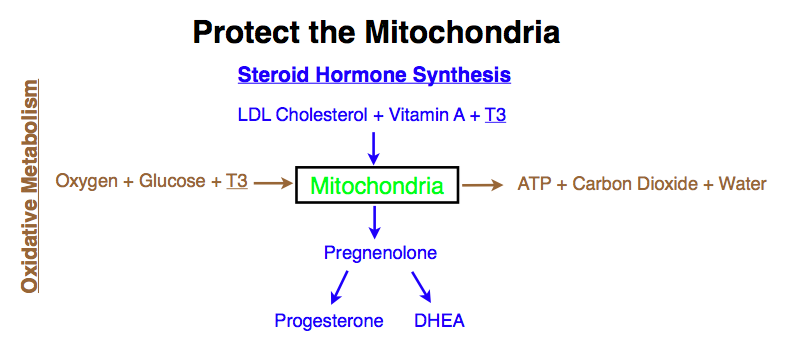
The other side to this appoach is restoring the body's natural ability to regulate stress, make energy and produce dopamine.
This is achieved by restoring proper thyroid function and mitochondria (see this post on what they are and why they're worth repairing)
  • Vitamin B1 (via B-complex)
  • Niacinamide (50-100mg, with meals)
  • Low dose aspirin (81-100mg max per day, why aspirin?)
  • L-Phenylalanine (300-500mg, daily)
  • Creatine (1g daily)
  • CoQ10
  • Ribose
  • Inosine
  • Rhodiola rosea (adaptogen)
  • Coffee (+ honey + theanine) - why honey? this post explains how to use it sustainably to avoid negative-reactions (shakes, jitters, anxiety)
    The caffeine in coffee is powerful and can act like thyroid to increase your metabolic rate and the oxidation of sugar, making it a health-protective food.
    Symptoms to expect when you do coffee right are calmness, focus, motivation, warmth, and stable energy.
Repairing mitochondria improves the production of energy and the production of protective steroid hormones.
Both energy and steroids are needed to handle stress adaptively.

image.png
 
Last edited:
I've never taken Agmatine but Memantine definitely helped me. The Dopamine D2 agonism helps me with energy, it seems to potentiate Pregabalin which also helps with mental anguish and RLS.
DXM also helped me in cold turkey from Tramadol, They're SNRI and practically eliminates SNRI part of Tramadol WD. though the uncomfortable skin sensation during withdrawal makes larger dose feel dirtier, I've taken sub 1st plat dose daily coming off 750mg daily habit.
 
Memantine's D2 agonism is very theraputic/beneficial. Whilst it does overlap with agmatine (eg NMDA antagonism) agmatine offers other unique benefits. It's potentially more like ketamine than memantine is!
 
Thanks for sharing these experiences and supplement lists. It's useful to hear about different approaches to managing withdrawal symptoms. Everyone's body is different, so it's great to explore and find what works, while also consulting healthcare professionals. Wishing you all strength and recovery.
 
Memantine's D2 agonism is very theraputic/beneficial. Whilst it does overlap with agmatine (eg NMDA antagonism) agmatine offers other unique benefits. It's potentially more like ketamine than memantine is!
Really? In terms of subjective effects or it just correlates with k's binding profile (with much less efficacy) better? Thats interesting to me because I was pretty sure agmatine had a super low binding affinity to nmda, or at least it wasn't very efficient at activating it. Certainly has a lesser overall dissociative potential imo
 
Really? In terms of subjective effects or it just correlates with k's binding profile (with much less efficacy) better? Thats interesting to me because I was pretty sure agmatine had a super low binding affinity to nmda, or at least it wasn't very efficient at activating it. Certainly has a lesser overall dissociative potential imo
As in ketamines general MOA. Agmatine shares (S)-ketamine's key AMPA/BDNF/mTOR properties with NMDA antagonism in the mix also (GluN2B-containing NMDAr's), although not as strongly as S-ketamine for sure. Agmatine is also an endogenous alpha-2 adrenergic & imidazoline agonist like clonidine which is also used for opiate detox. It interacts with 5-HT2A as well.

The activation of AMPA receptors and mTOR signaling has been reported as mechanisms underlying the antidepressant effects of fast-acting agents, specially the NMDA receptor antagonist ketamine.
...
These results indicate that the antidepressant-like effect of agmatine in the TST may be dependent on the activation of AMPA and TrkB receptors, PI3K and mTOR signaling as well as inhibition of GSK-3β, and increase in synaptic proteins. The results contribute to elucidate the complex signaling pathways involved in the antidepressant effect of agmatine and reinforce the pivotal role of these molecular targets for antidepressant responses.

Certainly has a lesser overall dissociative potential imo
Have a read of this guys agmatine experience - /r/Nootropics/comments/7t5779/agmatine_metamorphosis/
 
Last edited:
Top