• Psychedelic Medicine
  • Psychedelic Medicine Moderator: mr peabody

INFLAMMATION | +50 articles

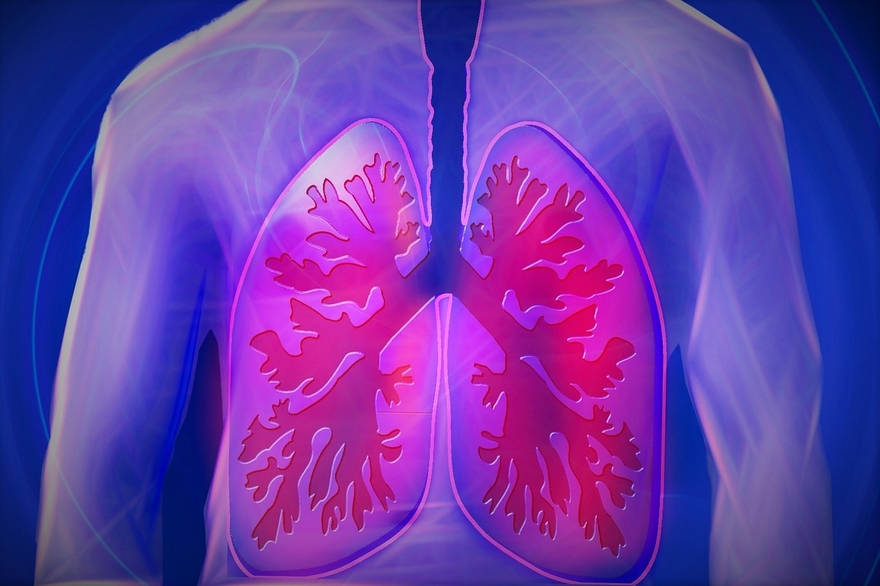
(R)-DOI found to prevent asthma development in mice

Louisiana State University Health Sciences Center | Technology Networks

Research led by Charles Nichols, PhD, Associate Professor of Pharmacology and Experimental Therapeutics at the Louisiana State University (LSU) Health New Orleans School of Medicine, has found that a psychedelic drug, (R)-DOI, prevents the development of allergic asthma in a mouse model. The effects are potent and effective at a concentration 50-100 times less than would influence behavior. The research is published in the American Journal of Physiology - Lung Cellular and Molecular Physiology.

"These drugs are known only for their effects in the brain," notes Dr. Nichols. "What we have demonstrated for the first time is that they are also effective in treating physiological diseases outside of the brain, a completely new and exciting role for this class of drug. Not only is this a significant breakthrough in the field of study of serotonin and psychiatric drugs, but it is a breakthrough in the field of asthma as well. We have identified an entirely new anti-inflammatory mechanism for the treatment of asthma in the clinic that could someday be administered in an inhaler or a daily pill."

Previously, Dr. Nichols' lab found that activation of the serotonin receptor 5-HT2A with psychedelics produces powerful anti-inflammatory activity in tissues of the blood vessels and gut. Building on that, the researchers identified a drug they believed would be effective against the inflammatory disease asthma. They found that administration of (R)-DOI blocked pulmonary inflammation, mucus hyperproduction, airways hyperresponsiveness and turned off certain key genes in the lung involved in immune response that together blocked the development of allergic asthma in their mouse model.

According to the National Heart, Lung, and Blood Institute, asthma is a chronic lung disease that inflames and narrows the airways. Asthma causes recurring periods of wheezing, chest tightness, shortness of breath, and coughing. Asthma affects people of all ages, but it most often starts during childhood. In the United States, more than 25 million people are known to have asthma.

"Overall, given the recent interest and success using these drugs for psychiatric therapies in the clinic, our research at LSU Health New Orleans is the first to show that they have potential to heal the body as well as the mind," concludes Dr. Nichols.​

Publication

Felix Nau, Justin Miller, Jordy Saravia, Terry Ahlert, Bangning Yu, Kyle I. Happel, Stephania A. Cormier, Charles D. Nichols. Serotonin 5-HT2receptor activation prevents allergic asthma in a mouse model. American Journal of Physiology - Lung Cellular and Molecular Physiology, Published January 15 2015.
doi: 10.1152/ajplung.00138.2013

 
Last edited:
1140-inflammation-black-bg.imgcache.revfc93cdcdd0a93ce938f6b34c2a072891.jpg


Psychedelics’ anti-inflammatory effects*

by Diana Kwon | The Scientist

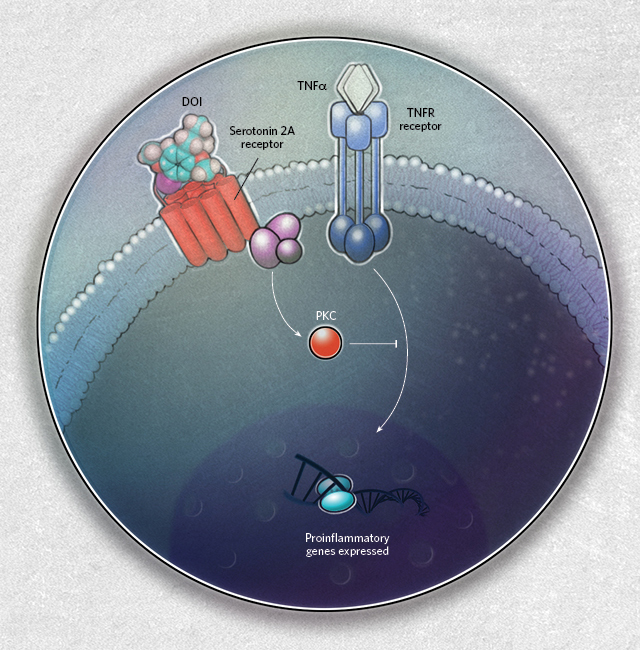
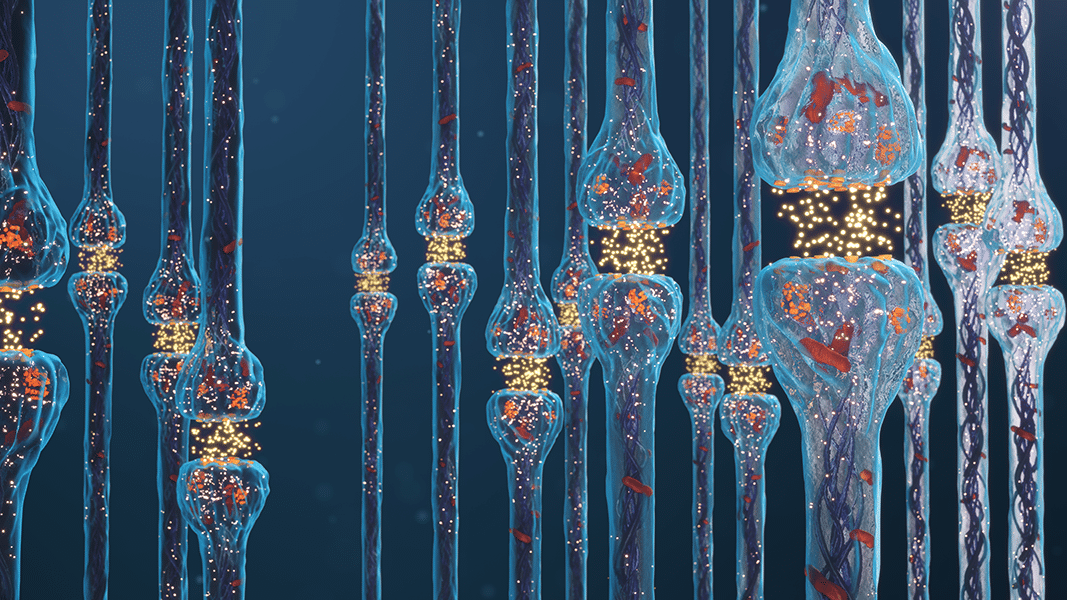
Scientists have discovered that a number of psychedelics can reduce inflammation throughout the body. Animal studies with one of these drugs, DOI, which is an especially potent anti-inflammatory compound, are starting to reveal the mechanism behind these effects. According to one hypothesis, DOI binds to and activates the serotonin 2A (5-HT2A) receptor to recruit protein kinase C (PKC). This is thought to block the downstream effects of the binding of tumor necrosis factor-alpha (TNF-α) to its receptor (TNFR), which is known to initiate a signaling cascade that promotes the transcription of proinflammatory genes.

All the classic psychedelic drugs—psilocybin, LSD, and N,N-dimethyltryptamine (DMT), the active component in ayahuasca—activate serotonin 2A (5-HT2A) receptors, which are distributed throughout the brain. In all likelihood, this receptor plays a key role in the drugs’ effects. Krahenmann and his colleagues in Zurich have discovered that ketanserin, a 5-HT2A receptor antagonist, blocks LSD’s hallucinogenic properties and prevents individuals from entering a dreamlike state or attributing personal relevance to the experience.

Other research groups have found that, in rodent brains, 2,5-dimethoxy-4-iodoamphetamine (DOI), a highly potent and selective 5-HT2A receptor agonist, can modify the expression of brain-derived neurotrophic factor (BDNF)—a protein that, among other things, regulates neuronal survival, differentiation, and synaptic plasticity. This has led some scientists to hypothesize that, through this pathway, psychedelics may enhance neuroplasticity, the ability to form new neuronal connections in the brain. “We’re still working on that and trying to figure out what is so special about the receptor and where it is involved,” says Katrin Preller, a postdoc studying psychedelics at the University of Zurich. “But it seems like this combination of serotonin 2A receptors and BDNF leads to a kind of different organizational state in the brain that leads to what people experience under the influence of psychedelics.”

This serotonin receptor isn’t limited to the central nervous system. Work by Charles Nichols, a pharmacology professor at Louisiana State University, has revealed that 5-HT2A receptor agonists can reduce inflammation throughout the body. Nichols and his former postdoc Bangning Yu stumbled upon this discovery by accident, while testing the effects of DOI on smooth muscle cells from rat aortas. When they added this drug to the rodent cells in culture, it blocked the effects of tumor necrosis factor-alpha (TNF-α), a key inflammatory cytokine.

“It was completely unexpected,” Nichols recalls. "The effects were so bewildering," he says, "that they repeated the experiment twice to convince themselves that the results were correct." Before publishing the findings in 2008, they tested a few other 5-HT2A receptor agonists, including LSD, and found consistent anti-inflammatory effects, though none of the drugs’ effects were as strong as DOI’s. “Most of the psychedelics I have tested are about as potent as a corticosteroid at their target, but there’s something very unique about DOI that makes it much more potent,” Nichols says.

After seeing the effect these drugs could have in cells, Nichols and his team moved on to whole animals. When they treated mouse models of system-wide inflammation with DOI, they found potent anti-inflammatory effects throughout the rodents’ bodies, with the strongest effects in the small intestine and a section of the main cardiac artery known as the aortic arch. “I think that’s really when it felt that we were onto something big, when we saw it in the whole animal,” Nichols says.

The group is now focused on testing DOI as a potential therapeutic for inflammatory diseases. In a 2015 study, they reported that DOI could block the development of asthma in a mouse model of the condition, and last December, the team received a patent to use DOI for four indications: asthma, Crohn’s disease, rheumatoid arthritis, and irritable bowel syndrome. They are now working to move the treatment into clinical trials. "The benefit of using DOI for these conditions," Nichols says, "is that because of its potency, only small amounts will be required—far below the amounts required to produce psychedelic effects."

"In addition to opening the door to a new class of diseases that could benefit from psychedelics-inspired therapy, Nichols’s work suggests that there may be some enduring changes that are mediated through anti-inflammatory effects,”
Griffiths says. Recent studies suggest that inflammation may play a role in a number of psychological disorders, including depression and addiction.

“If somebody has neuroinflammation and that’s causing depression, and something like psilocybin makes it better through the subjective experience but the brain is still inflamed, it’s going to fall back into the depressed rut,” Nichols says. "But if psilocybin is also treating the inflammation," he adds, “it won’t have that rut to fall back into.”


8be3c865-690a-4d5f-a092-78d79e616e88-psychc-640px.jpg


Scientists have discovered that a number of psychedelics can reduce inflammation throughout the body. Animal studies with one of these drugs, DOI, which is an especially potent anti-inflammatory compound, are starting to reveal the mechanism behind these effects. According to one hypothesis, DOI binds to and activates the serotonin 2A (5-HT2A) receptor to recruit protein kinase C (PKC). This is thought to block the downstream effects of the binding of tumor necrosis factor-alpha (TNF-α) to its receptor (TNFR), which is known to initiate a signaling cascade that promotes the transcription of proinflammatory genes.

If psychedelics do have anti-inflammatory effects in the brain, the drugs’ therapeutic uses could be even broader than scientists now envision. “In terms of neurodegenerative disease, every one of these disorders is mediated by inflammatory cytokines,” says Juan Sanchez-Ramos, a neuroscientist at the University of South Florida who in 2013 reported that small doses of psilocybin could promote neurogenesis in the mouse hippocampus. “That’s why I think, with Alzheimer’s, for example, if you attenuate the inflammation, it could help slow the progression of the disease.”

*From the article here :
https://www.the-scientist.com/features/decoding-the-tripping-brain-30240
 
51b6698c1a33b4907e8be4cb5c6bf262.jpg


Anti-inflammatory properties of the Amanita Muscaria mushroom*

Psilocybin Alpha | 26 Jan 2022

Psyched Wellness, a life sciences company focused on the production and distribution of artisanal functional mushrooms, is pleased to announce that the preliminary data from its study with the National Research Council of Canada (NRC) indicates that AME-1, the Company’s key proprietary extract, holds anti-inflammatory properties.

The study is examining the anti-inflammatory properties of the AME-1 extract from the Amanita Muscaria mushroom by studying the effects of the extract on mast cells, which are important inflammatory cells present in the skin, gut, brain, and lungs. Prior research performed by the NRC had already shown that AME-1 inhibited mast cell activation of histamine release. The continued research has verified that pre-treatment of human mast cells with AME-1 results in the decrease of the release of pro-inflammatory mediators such as inflammatory cytokines.

“The preliminary evidence of the study reveals key nutritional systematic and functional properties of the AME-1 extract that may have the potential to provide anti-inflammatory health and wellness benefits,” said Brian Tancowny, Scientific Advisor to Psyched. “We will continue to investigate and seek to further understand the properties of the Amanita Muscaria mushroom and its anti-inflammatory properties.”

“The anti-inflammatory properties and potential benefits of AME-1 as a natural product in reducing chronic inflammation are unique and novel,”
added Jeff Stevens, CEO of the Company. “We are excited about these findings and the potential they may have to help sufferers of conditions such as arthritis. We look forward to sharing more updates as additional studies are undertaken to further examine the mechanisms of the anti-inflammatory properties of the Amanita Muscaria mushroom.”

*From the article here :​
 
Last edited:
DMT: Biochemical swiss army knife in neuroinflammation and neuroprotection?*

Attila Szabo, Ede Frecska

The inflammatory theory of many neuropsychiatric illnesses has become an emerging trend in modern medicine. Various immune mechanisms – mainly via the activity of microglia – may contribute to the etiology and symptomatology of diseases, such as schizophrenia, bipolar disorder, depression, or Alzheimer's disease. Unwanted and excess inflammation is most typically the result of dysregulated innate immune responses. Recognition of self-derived damage-associated molecular patterns (DAMPs) or pathogen-associated molecular pattern molecules (PAMPs) is usually leading to the activation of tissue resident immune cells including macrophages (microglia) and dendritic cells. They act as ‘gatekeepers’ continuously monitoring the tissue microenvironment for potential ‘danger signals’ by means of their pattern recognition receptors, such as Toll-like receptors or RIG-I-like receptors.

Once a DAMP or PAMP has been recognized by a pattern recognition receptor various downstream signaling pathways are initiated, which eventually leads to the secretion of inflammatory cytokines and many other soluble factors important in the elimination of invading microbes. Pattern recognition receptors couple to nuclear factor kappaB (NF-kB), the master transcription regulator of inflammatory cytokines and chemokines. Macrophages and dendritic cells are also capable of antigen-presentation so they can initiate adaptive immune responses by priming naive T-cells. During inflammation of the central nervous system, polarization towards the T helper 1 and 17 subsets is especially important as these T cells play a major role in the development of chronic inflammation and brain tissue damage in infectious diseases and autoimmunity.

It has been known for decades that immunomodulation through serotonin/5-hydroxytryptamine receptors (5-HTRs) has the potential to regulate inflammation and prevent damage of the nervous tissue. Recently another receptor has been added to the greater picture: the orphan receptor sigma-1 (Sig-1R). 5-HTRs and Sig-1R have been shown to be expressed ubiquitously in higher vertebrate tissues and mediate various processes, including the regulation of cognition and behavior, body temperature, as well as immune functions. Both 5-HTRs and the Sig-1R use G protein-coupled (GPCR) pathways thereby modulating a plethora of cellular functions, such as cytokine/neurotransmitter release, proliferation, differentiation, and apoptosis.

The molecular chaperone Sig-1R is located at the endoplasmic reticulum-mitochondrion interface and has an important role in the fine-tuning of cellular metabolism and energetics under stressful conditions. At the MAM, Sig-1Rs are involved in the regulation and mobilization of calcium from endoplasmic reticulum stores. Neuroprotection by Sig-1R activation can be attained by preventing elevations of intracellular calcium-mediated cell death signaling. Based on its central localization and function, pivotal physiological activities of the Sig-1R have been described such as indispensable role in neuronal differentiation, neuronal signaling, cellular survival in hypoxia, resistance against oxidative stress, and mitigating unfolded protein response.

Tryptaminergic trace amines (e.g. DMT) as well as neurosteroids are endogenous ligands of the Sig-1R. Tryptamines are naturally occurring monoamine alkaloids sharing a common biochemical – tryptamine – backbone. DMT was shown to be endogenously present in the human brain and in other tissues of the body, however the exact physiological role of this tryptamine has not been identified yet. It has been shown that, besides its affinity for the Sig-1R, DMT also acts as an agonist at numerous serotonin receptors, such as 5-HT1A, 5-HT2A, and 5-HT2C. This wide-spectrum agonist activity may allow DMT to modulate several physiological processes and regulate inflammation through the Sig-1R and 5-HTRs.

Indeed, DMT has been found to modulate immune responses through the Sig-1R under various conditions. These include the suppression of inflammation by blocking inflammatory cytokine and chemokine release of dendritic cells, as well as inhibiting the activation of Th1 and Th17 subsets. The biochemical background of this extensive ability lies in the possible cross-talk of the GPCR-coupled downstream signaling of 5-HTRs/Sig-1R and other inflammatory pathways in immune cells, as well as the fine-tuning of cytokine feedback loops in peripheral tissues. Thus, in neuroinflammation, two major scenarios are possible:

i) The modulation of cytokine production by brain resident microglia that implies a negative feedback regulation of inflammation via the induction of the release of anti-inflammatory IL-10 and TGFB occurring subsequent of both 5-HTR and Sig-1R activation;

ii) The direct/indirect control of NF-kB signaling and possibly other pathways involved in inflammation through intracellular kinases, adaptor proteins, etc. This way, the activation of 5-HTRs and Sig-1R may also interfere with the chemokine, inflammatory cytokine signaling of immune cells through intracellular mechanisms.

Most of the receptors that are involved in psychedelic effects belong to the GPCR family or interact with GPCRs. The role of 5-HTR/Sig-1R GPCR-coupled signals in the intracellular regulation and orchestration of NF-kB and MAPK pathways may be of particular importance regarding the complex neuroimmunological effects of DMT.

The above outlined picture suggests a direct control of NF-kB transcriptional regulation of chemokines, pro-inflammatory and anti-inflammatory cytokines, which may render DMT as a potentially useful therapeutic tool in a broad range of chronic inflammatory and autoimmune diseases, and pathological conditions connected to increased unfolded protein responseincluding but not restricted torheumatoid arthritis, multiple sclerosis, amyotrophic lateral sclerosis (ALS), Alzheimer's and Parkinson's disease, etc. However, the powerful sychedelic property of DMT poses an important problem that must be addressed in future drug design.

Protective and neuroregenerative effects of Sig-1R agonists have been reported in several in vitro and in vivo studies. The selective Sig-1R agonists 2-1 phenylcyclohexanecarboxylate and cutamesine have been shown to strongly promote neuroprotective mechanisms and significantly increase neuronal cell survival and regeneration under various conditions, such as traumas, autoimmunity, and neurodegenerative disorders. Specific Sig-1R stimulation has also been found to greatly increase the levels of the glial cell-derived neurotrophic factor GDNF that promotes neuronal cell survival and differentiation.

The neuroregenerative potential of DMT through the Sig-1R has been suggested earlier as multiple biochemical and physiological mechanisms exist, which facilitate the transportation and binding of DMT to the Sig-1R in the mammalian brain. Thus DMT, as a natural, endogenous agonist at both the Sig-1R and 5-HTRs, is hypothesized to be an unique, many-faced pharmacological entity, which has many important roles in the immunoregulatory processes of peripheral and brain tissues, as well as involved in the promotion and induction of neuroregeneration in the mammalian nervous system.

*From the article here :
https://www.ncbi.nlm.nih.gov/pmc/articles/PMC4828992/
 
Last edited:
Panorama_of_Kings_Parade_in_Cambridge%2C_UK%2C_at_St._Mary%27s.jpg

Cambridge

Psychedelics as a novel approach to treating autoimmune conditions

CaitlinThompson, Attila Szabo | December 2020

With a rise in the incidence of autoimmune diseases (AiD), health care providers continue to seek out more efficacious treatment approaches for the AiD patient population. Classic serotonergic psychedelics have recently been gaining public and professional interest as novel interventions to a number of mental health afflictions. Psychedelics have also been shown to be able to modulate immune functions, however, while there has been great interest to researching into their psychotherapeutic applications, there has so far been very little exploration into the potential to treat inflammatory and immune-related diseases with these compounds. A handful of studies from a variety of fields suggest that psychedelics do indeed have effects in the body that may attenuate the outcome of AiD. This literature review explores existing evidence that psychedelic compounds may offer a potential novel application in the treatment of pathologies related to autoimmunity. We propose that psychedelics hold the potential to attenuate or even resolve autoimmunity by targeting psychosomatic origins, maladaptive chronic stress responses, inflammatory pathways, immune modulation and enteric microbiome populations.
Inflammation and immune modulation

In autoimune diseases (AiD), rampant chronic inflammation is a keystone feature. Elevated levels of cytokines and their dysfunctional regulation involving interleukin(IL)-6, IL-1β, IL-17, tumor necrosis factor-α (TNF)-α, IL-12, interferon(IFN)-γ and others are a shared feature observed in many AiDs including Rheumatoid Arthritis (RA), Systemic Lupus Erythematosus (SLE), systemic sclerosis, and Sjögren's syndrome. Lipopolysaccharide (LPS) is an inflammatory component of the cell wall of Gram-negative bacteria that can induce inflammation and excessive oxidative stress that may play a role in elevated inflammatory biomarkers seen in those with AiD diseases. Those with AiD display auto-antibodies and yet also display immunodeficiency. Immune modulation appears to be a feasible target in approaching the treatment of AiD.

While the area of research is quite underdeveloped, there is some evidence that psychedelic compounds have anti-inflammatory and immune-modulating effects. For instance, LSD displays the ability to suppress the proliferation of B-lymphocytes, as well as the production of the pro-inflammatory cytokines IL-2, IL-4, and IL-6 in in vitro splenic lymphocytes derived from 6−8 year old female B6C3F1 rats at concentrations of LSD between 1–100 μM. The same study observed that administered doses of LSD between 0.001−0.1 μM in rat lymphocytes increased the number of Natural Killer (NK) cells, while concentrations of 100 μM suppressed NK cell production. In another study, the substituted amphetamine DOI was shown to reduce TNF-α levels in 10 week old adult male C57BL/6 J mice via agonism of the 5-HT2A receptor in doses ranging from 0.01 μM/kg to 10μM/kg. Furthermore, in a recent study the same group expanded the previously observed anti-inflammatory effects of 5-HT2A agonism to additional psychedelics in a rat model of lung inflammation.

There is substantial literature on the 5-HT system and its complex inflammation and immune-regulating abilities in tissue specific manners. Functional studies showed that 5-HT modulates the release of IL-1beta, IL-6, IL-8/CXCL8, IL-12p40 and TNF-α, while it has no effect on the production of IL-18 and IFN-gamma in LPS-stimulated human blood monocytes. 5-HT can also modulate human macrophage polarization and dendritic cell functions, and can contribute to the maintenance of an anti-inflammatory state via 5-HT2B and 5-HT7 receptor binding. Given the role of the 5-HT system in immune-modulation and inflammatory properties, it is highly likely that there are undiscovered immune and inflammatory effects from exposure to psychedelic compounds due to their serotonergic activity. In the previously mentioned study where DOI was observed to reduce TNF-α in mice, in groups where the 5-HT2A antagonist drug M100907 was administered, the reduction in TNF-α was not observed supporting the theory that the 5-HT2A receptor and the 5-HT system as a whole may be fundamental to creating downstream immunological and inflammatory-regulating effects.

In addition to the 5-HT receptors, DMT and 5-MeO-DMT also have high binding affinity for the Sig1R. The Sig1R plays a fundamental role in the regulation of different cellular mechanisms such as mitochondrial function, apoptosis, proliferation, and neuroprotection. Sig1R also modulates inflammatory and immune responses by regulating the activation of the transcription factors nuclear factor kappa B (NF-кB) and several mitogen-activated protein kinases (MAPKs). Both NF-кB and MAPKs are important regulators of gene transcription involving immune responses and the production of inflammatory cytokines.

Serotonergic psychedelics may emerge as potential candidates in the treatment of autoinflammatory and autoimmune conditions. Since pharmaceutical grade DMT and other tryptamine analogs designed for human clinical trials are already available or will soon enter the market, testing the in vivo physiological effects of serotonergic psychedelics in humans is now closer than ever before.

Discussion and perspectives

There is vast opportunity to explore the effects of psychedelics on the immune system, in particular, autoimmunity. Systematic screening for various autoantibodies, inflammatory biomarkers, and for the expression of autoimmune-related genes in response to psychedelic treatments could provide intriguing observations and lead to more focused investigations.

The effects of psychedelic compounds on enteric bacterial behavior is of particular interest. Studies could be conducted examining the effects on bacterial growth and metabolism as a result of exposure to psychedelic compounds. In vitro and in vivo studies may hold many answers and even more questions about if and how serotonergic psychedelic compounds may be transported into bacterial cells and influence microbiome colonization and species composition. Studies could examine the effect of administration of psychedelics on enteric epithelial tissue integrity in the gut, or effects on LPS-induced cytotoxicity, etc.

Although results from preclinical studies on the immunomodulatory and anti-inflammatory effects are promising, the field of psychedelic research in biomedicine is still in its infancy. Current hypotheses regarding signaling mechanisms and systemic immune effects of psychedelics are based on a very limited amount of factual data. Only until we better understand the genetic and pathophysiological bases for AiD can there be appropriately and rigorously designed human clinical studies that consider psychedelics as potential therapeutic agents.

While there is a need for deeper investigation, there appears to be enough evidence of direct and indirect effects from psychedelic compounds that may benefit those with AiD to merit further exploration on the topic. Given the complexity of factors that contribute to AiD, a multi-facetted approach may be appropriate to address the multiple features and causes of AiD simultaneously. Unlike many current conventional treatment methods, it appears that psychedelics may potentially offer an efficacious strategy for relieving and perhaps even resolving autoimmunity by targeting psychospiritual origins, maladaptive chronic stress responses, inflammatory pathways, immune modulation and enteric microbiome populations. The evidence presented in this paper provides support to the idea that there is untapped potential of exploring the use of psychedelics within this specific disease category. Given the limitation of efficacious treatment options for AiDs, and the physiological safety of psychedelic substances, it is likely a research topic worth pursuing. There is hope that the collection of this evidence may guide or inspire others to pioneer such studies. Overall, this direction of research is virtually unexplored and underdeveloped, providing a wealth of opportunities to discover novel applications for psychedelics in the field of immunology.

*From the article (including references) here :
 
Last edited:
Inflammation and Depression*

by Luana Steffen | Intelligent Living | 18 Nov 2021

For several decades scientists have seen a distinct association between inflammation and depression. Various autoimmune conditions, including inflammatory bowel disease, have been steadily linked with higher rates of mood disorders, while chronic, low-grade inflammation has been linked with lower dopamine levels and motivation. However, there is still significant debate over what kind of causal mechanism could directly connect inflammation with depression.

Histamine

A new robust study conducted by an international team of scientists has discovered one possible missing link clarifying how inflammation leads to depression. Through a series of mouse experiments, the team found evidence that inflammation-induced histamine activity can inhibit the release of serotonin in the brain. Thus, the findings suggest histamine may play a significant role in triggering depression.

The scientists started by making a new kind of microelectrode that can be implanted in the hippocampus of mice to measure serotonin levels, a critical mood-regulating neurotransmitter, in real-time. Serotonin is often focused on as a therapeutic target for depression.

Next, the team injected the mice with a toxin that triggers inflammatory responses to investigate how inflammation impacts serotonin activity. Within only minutes, serotonin levels were seen plummeting in the animals’ hippocampus. Since the toxin used in the experiment cannot cross the blood-brain barrier, the researchers were confident that inflammation was responsible for the serotonin reduction.

Further investigations led to the researchers discovering that increased histamine levels in the brain, produced as part of the animals’ inflammatory response, caused the reduction in serotonin levels by “acting on inhibitory histamine H3 heteroreceptors on serotonin terminals.”

The next phase of the experiment involved administering the animals’ escitalopram, a common anti-depressant drug belonging to a family known as selective serotonin reuptake inhibitors (SSRIs). However, serotonin levels did not increase in the animals treated with the inflammatory toxin SSRI administration. Instead, the anti-depressant’s effect was blunted since it hindered the brain’s ability to clear histamine, interfering with the regulation of serotonin levels.

Finally, the researchers treated the animals with histamine-reducing drugs alongside the anti-depressant to confirm this potential mechanism. And sure enough, this combination of drugs saw serotonin levels increase in the inflammation-induced mice.

Parastoo Hashemi, the study’s lead author, said:
Our work shines a spotlight on histamine as a potential key player in depression. This, and its interactions with the ‘feel-good molecule’ serotonin, may thus be a crucial new avenue in improving serotonin-based treatments for depression.

People who have or know someone with allergies and hay fever are familiar with histamines. These molecules play a significant role in the body’s immune response to foreign pathogens and influence sleep cycles, sexual function, and blood pressure.

Standard anti-histamines that are available over-the-counter for allergies work by hindering the ability of histamine molecules to bind with specific histamine receptors. Therefore, it is essential to note that these common anti-histamines for allergies do not affect this newly discovered mechanism.

Instead, in this study, the scientists used drugs that completely stifle histamine levels across an entire body. Therefore, since histamine is vital for various bodily functions, it is not feasible to translate these findings to humans just yet.

In addition, this research, published in the journal JNeurosci, was only conducted on animals. That said, more work is needed to confirm whether the exact mechanism is at play in humans. Nevertheless, the team suggests that it is possible this inflammation-induced histamine mechanism could help shed light on some of the inconsistencies in SSRI anti-depressant effectiveness from patient to patient.

However, suppose it can be validated in humans, and a pharmacological target is identified. In that case, new depression treatments can be developed, including ones that boost the efficacy of currently available SSRI drugs by preventing histamine from disrupting serotonin levels.
Inflammation is a whole-body response and is therefore hugely complex. Depression is similarly complex, and the chemicals involved are affected in myriad ways by both genetic and environmental factors. Thus, we need to look at more complex models of depression behaviors in both mice and humans to get a fuller picture of both histamine and serotonin’s roles in depression.

Gut microbiota

Unhealthy gut microbiota can lead to several conditions, including inflammation and depression. For example, a 2019 study found that two different gut bacteria are depleted in people with depression, regardless of anti-depressant treatments. They discovered this from the first population-level study on the link between gut bacteria and mental health, precisely quality of life and depression.

Therefore, what you eat is significant. A good diet full of fiber and varied fruits and vegetables is vital for a healthy gut microbiome. Aside from fighting depression, making the right food choices can also help control histamine levels and combat inflammation.

Foods to control histamine levels

A healthy diet comprises moderate histamine levels. However, some foods that are high in histamine can trigger inflammatory reactions and other negative symptoms.

Histamine-rich foods to avoid:​
  • Alcohol and other fermented beverages;​
  • Fermented foods and dairy products, like yogurt and sauerkraut;​
  • Dried fruits;​
  • Avocados;​
  • Eggplant;​
  • Spinach;​
  • Processed or smoked meats;​
  • Shellfish;​
  • Aged cheese​

Foods that activate histamine release in the body:​

  • Alcohol;​
  • Bananas;​
  • Tomatoes;​
  • Wheat germ;​
  • Beans;​
  • Papaya;​
  • Citrus fruits;​
  • Nuts, specifically walnuts, cashews, and peanuts;​
  • Food dyes and other additives.​
People who have histamine intolerance should incorporate low-histamine foods into their diet to help reduce negative symptoms. However, keep in mind that a histamine-free diet does not exist.​

Some of the best foods to eat that are low in histamine:​

  • Fresh meat and freshly caught fish;​
  • Non-citrus fruits;​
  • Eggs;​
  • Gluten-free grains, like rice and quinoa;​
  • Dairy substitutes, such as almond milk and coconut milk;​
  • Fresh vegetables except for spinach, avocados, tomatoes, and eggplant;​
  • Cooking oils, like olive oil.​
Foods to fight inflammation

Aside from depression, inflammation can result in many harmful health conditions, like cancer, heart disease, and obesity. What you eat plays a big part – it can either reduce inflammation or cause it.

A minor inflammation is natural because it’s part of the body’s immune response necessary for healing. However, when it’s out of control, that’s when serious health issues occur. So, here are some tips and a list of the best things to eat that will keep your inflammation levels to a minimum.

First: Eliminate foods and beverages that cause inflammation, including high-sugar, processed, and fatty foods (like doughnuts, fried chicken, and soda, for example).

Second: Incorporate foods that curb inflammation. These include:​
  • Oily fish- such as anchovies, herring, mackerel, salmon, sardines, and tuna.​
  • Whole grains- Avoid refined white bread, rice, cereal, and pasta. Instead, consume whole grains.​
  • Dark leafy greens- such as broccoli, brussels sprouts, kale, spinach, and swiss chard.​
  • Avocados.​
  • Nuts.​
  • Peppers.​
  • Tomatoes.​
  • Beets.​
  • Turmeric.​
  • Garlic and onions.​
  • Extra virgin olive oil.​
  • Parsley.​
  • Berries.​
  • Green tea and Matcha.​
  • Dark chocolate and cocoa.​
Some foods help relieve tension more than others, while the lack of some stress-fighting foods can make you feel worse (like anxiety, depression, and panic attacks).

Of course, occasional bouts of stress are usual. But chronic stress isn’t, and it can lead to severe health problems not only mentally but physically too (like heart disease). So, to help, here’s a list of some of the best things to eat that will keep your stress levels to a minimum.

Green Leafy Vegetables: Spinach and other leafy vegetables contain a vitamin called folate (also known as folic acid or Vitamin B9) that reduces the risk of depression symptoms.

Sweet Potatoes: Sweet potatoes are a great source of whole, nutrient-rich carbs, vitamin C, and potassium, helping lower stress hormone cortisol levels. Chronic stress can lead to cortisol dysfunction, resulting in pain, inflammation, and other adverse effects.

Artichokes: Artichokes are high in magnesium, potassium, vitamins C, and vitamin K, all of which are essential for a healthy stress response. On top of that, they’re especially rich in prebiotics, a type of fiber that feeds the good bacteria in your gut.

Artichokes contain a concentrated amount of prebiotics like fructooligosaccharides (FOSs), which have been shown to reduce stress levels in animal studies. Another study demonstrated that people who consumed five or more grams of prebiotics daily experienced improved depression and anxiety symptoms.

Broccoli: Eating broccoli or other cruciferous vegetables can reduce your risk of mental health disorders as well as certain cancers and heart disease. Broccoli can be considered a superfood with concentrated nutrients, including stress-fighting magnesium, folate, and vitamin C.

Another excellent thing broccoli provides is a high amount of sulforaphane – a sulfur compound with neuroprotective properties. In addition, it may offer anti-depressant and calming effects – and vitamin B6, which is linked to a lower risk of depression and anxiety in women if taken in higher amounts. One cup (184 grams) of the vegetable (cooked) has more than 20% of the daily value for vitamin B6.

Blueberries: Blueberries are high in flavonoid antioxidants, which provide powerful neuroprotective and anti-inflammatory effects. Eating flavonoid-rich foods may protect against depression and improve your mood.

Organ Meats: The heart, liver, and kidneys of animals are an excellent source of B vitamins – especially B6, B12, folate, and riboflavin. These vitamins are essential for stress control because they produce neurotransmitters like serotonin and dopamine that regulate mood.

Turkey Breast: Turkey breast contains the amino acid tryptophan, which helps produce serotonin – the chemical that regulates feelings of well-being, happiness, and hunger. Other foods high in tryptophan include beans, lentils, nuts, seeds, oats, tofu, fish, and eggs.

Fatty Fish: Fatty fish like herring, mackerel, salmon, and sardines are high in mood-enhancing omega-3 fats and vitamin D. Omega-3s are so essential for brain health that low omega-3 intake may cause increased anxiety and depression. Similarly, low levels of Vitamin D can result in an increased risk of anxiety and depression.

Dark Chocolate– small indulgence of dark chocolate (70% cocoa or more) may have the power to regulate your stress levels because it can reduce stress hormones like cortisol.

Chamomile Tea– The medicinal herb Chamomile has been used as a natural stress reducer since ancient times. It can be consumed to promote restful sleep and reduce depression and anxiety symptoms.

Psychedelics

In 2019, Johns Hopkins researchers surveyed the anti-depressant qualities of DMT – a short-acting psychedelic. They reported that it resulted in extraordinarily positive improvements in self-reported depression and anxiety when given in a ceremonial group setting.

Another study, conducted last year, revealed preliminary evidence that psychedelic drugs can improve mental health by forcing individuals to confront their issues and become more accepting of distressing experiences. The research adds to a growing body of work that suggests using psilocybin substances can result in long-term improvements in depressive symptoms.

According to the study’s author Richard Zeifman, a Ph.D. student at Ryerson University, psychedelic therapy is promising as a novel treatment for a variety of mental health conditions, including:​
  • Anguish, associated with a life-threatening illness.​
  • Major depressive disorder.​
  • Substance use disorders.​
Zeifman added:
Our results provide further support for the negative mental health effects associated with avoidance. This can be summed up with a saying that is often used in the context of psychedelic therapy, that ‘The only way out is through.’

Besides confronting your problems, other simple ways to avoid depression include:​
  • Reducing alcohol and drug use.​
  • Quitting nicotine.​
  • Exercising regularly.​
  • Cutting back on social media.​
  • Staying away from toxic people.​
  • Reducing stress.​
  • Minimizing your daily chores.​
  • Getting plenty of rest.​

*From the article here :
 
Last edited:
upper-body-944557_1280.jpg


Psychedelics in the treatment of asthma*

by Arlene Weintraub | FIERCE BIIOTECH

Psychedelic drugs like LSD have long been of interest in the medical community because of their anti-inflammatory properties. But efforts to transform them into therapeutics have been hampered by laws restricting the use of psychedelics, not to mention the stigma associated with them.

Eleusis was founded in 2014 with the mission of turning psychedelics into anti-inflammatories, and now it has data from preclinical study that it will use to guide the development of its first drug candidates to treat inflammatory conditions.

The company’s researchers screened 21 psychedelics that target the serotonin receptor 5-HT2A. Activating the receptor is known to have anti-inflammatory effects in asthma. The team discovered that the structural characteristics of one class of psychedelics known as 2,5-dimethoxyphenethylamine (2C-H) allow them to control inflammation without producing the behavioral effects of LSD and related drugs. They published their observations in the journal ACS Pharmacology & Translational Science.

“Seratonin actually activates inflammation, but we found that in contrary to that, these psychedelics are potent anti-inflammatories,” said Charles D. Nichols, Ph.D., professor of pharmacology at Louisiana State University and chair of Eleusis’ scientific advisory board, in an interview.

"Psychedelics in the 2C-H class are are not known to have any behavioral effects,” Nichols said. “It’s really the core structure of these mescaline-type analog drugs that can produce a full anti-inflammatory response.”

"Eleusis will use the insights it gained from the study to inform the development of anti-inflammatory drugs, including its current lead candidate, an eye drop that targets 5-HT2A for the treatment of retinal disorders,"
Nichols added.

The Eleusis team started by creating a rat-based model of allergic asthma, rather than using the mouse models that researchers typically rely on in studying the disease. The problem with mice is that they metabolize some psychedelic compounds so quickly that they often don't provide an accurate prediction of how a psychedelic-like drug might work in people with inflammatory conditions, the authors explained in the study.

The 21 drugs they tested activated the 5-HT2A receptor but differed in their ability to prevent the airway constriction that is the hallmark of allergic asthma. LSD, for example, wasn’t effective in the rat models—a surprising finding, Nichols said.

“One main takeaway was that the potency of a given psychedelic wasn’t predicted by its psychoactive properties,” Nichols said. “LSD, which is a super-potent psychedelic that produces behavioral effects at very low doses, is a relatively weak anti-inflammatory. So the cellular effects that mediate anti-inflammatory responses are very different from those that are underlying the behavioral effects.”

Several academic groups are studying psychedelics as treatments for a wide variety of diseases. Last year, Johns Hopkins pulled in $17 million in funding to open the new Center for Psychedelic and Consciousness Research, which is studying the effect of the drugs on brain function, memory, learning and mood. The center’s scientists are also researching the potential of psilocybin, the key ingredient in magic mushrooms, for treating Alzheimer’s, opioid addiction and other neurological conditions.

"Eleusis is starting by developing ocular drugs to target 5-HT2A partly because delivering drugs directly to the eye further minimizes the risk of mental side effects from psychedelic compounds," Nichols said. The company hopes to expand its pipeline in the future. “This study will inform us on how we can engineer new chemical entities with potent anti-inflammatory effects in other diseases, like asthma and rheumatoid arthritis,” he said.

*From the article here :
 
R-DOI_chemical_structure.png


Is (R)-DOI a super-potent anti-cancer medicine?*

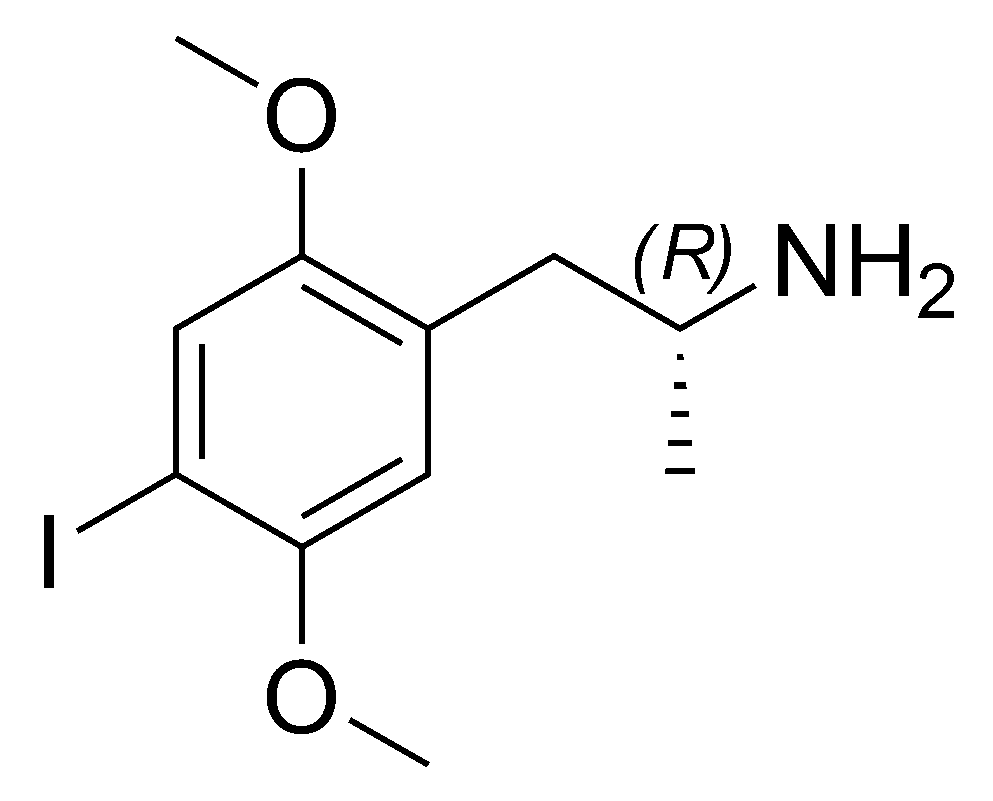
(R)-DOI (2,5-Dimethoxy-4-iodoamphetamine) is a psychedelic first synthesized by Alexander Shulgin. It is a potent inhibitor of Tumor Necrosis Factor-a inflammation, which exerts strong anti-cancer and anti-inflammatory effects through the modulation of innate and adaptive immune processes. (R)-DOI seems to be a superpower in regulating the 5HT2a receptor to inhibit TNF-α-mediated inflammation in the body. Activation of the 5-HT2A receptor represents a novel and extraordinarily potent therapeutic avenue for treating chronic inflammatory conditions, infections and cancer.

(R)-DOI is a psychedelic and mixed 5-HT2A/5-HT2C receptor agonist which acts via 5-HT2A receptors to inhibit the inflammatory effects of tumor necrosis factor (TNF)-α. Tumor necrosis factor-alpha (TNF)-α plays a key role in inflammation, and its production and signaling contribute to many inflammatory related diseases. Recently, we discovered that selective activation of serotonin 5-HT2A receptors with the agonist (R)-DOI produces a super-potent blockade of pro-inflammatory markers. Here we demonstrate that systemic administration of (R)-DOI can block the systemic effects of (TNF)-α in whole animal. Importantly, the mechanism underlying the systemic anti-inflammatory effects of (R)-DOI is activation of serotonin 5-HT2A receptors. Our results highlight a powerful new role for the serotonin 5-HT2A receptor in inflammatory processes, and indicate that agonism of serotonin receptors may represent an effective and novel approach to develop powerful small molecule therapeutics for inflammatory diseases.

*From the article here: http://pharmrev.aspetjournals.org/co...2/264.full.pdf
 
Vaping alters inflammatory state of brain, heart, lungs, and colon

by Nicole Mlynaryk | University of California San Diego School of Medicine | Neuroscience News | 18 Apr 2022

Daily vaping of pod-based e-cigarettes alters inflammatory states across multiple organs, including the brain. The effects vary depending upon the vape flavors and influence how the body responds to infections. Mint vapes, for example, leave people more sensitive to the effects of bacterial pneumonia than mango flavoring.

Researchers at UC San Diego School of Medicine report that daily use of pod-based e-cigarettes alters the inflammatory state across multiple organ systems including the brain, heart, lungs and colon. Effects also vary depending on the e-cigarette flavor, and can influence how organs respond to infections, such as SARS-CoV-2.

The study, published April 12, 2022 in the journal eLife, is the first to assess JUUL devices and their flavorants in a multi-organ fashion.

“These pod-based e-cigarettes have only become popular in the last five or so years, so we don’t know much about their long-term effects on health,” said senior study author Laura Crotty Alexander, MD, associate professor of medicine at UC San Diego School of Medicine and section chief of Pulmonary Critical Care at Veterans Affairs San Diego Healthcare System.

More than 12 million adults in the United States currently use e-cigarettes, with the highest rates of use among those aged 18-24. Despite their popularity, research on e-cigarettes has been largely limited to studies of short-term use, older devices, such as vape pens or box mods, and e-liquids with significantly lower nicotine concentrations than the modern rechargeable pod-based systems.

Crotty Alexander’s team focused on the current most prominent e-cigarette brand, JUUL, and its most popular flavors: mint and mango. To model chronic e-cigarette use, young adult mice were exposed to flavored JUUL aerosols three times a day for three months. Researchers then looked for signs of inflammation across the body.

Authors saw the most striking effects in the brain, where several inflammatory markers were elevated. Additional changes in neuroinflammatory gene expression were noted in the nucleus accumbens, a brain region critical for motivation and reward-processing.

The findings raise major concerns, they said, as neuroinflammation in this region has been linked to anxiety, depression and addictive behaviors, which could further exacerbate substance use and addiction.

“Many JUUL users are adolescents or young adults whose brains are still developing, so it’s pretty terrifying to learn what may be happening in their brains considering how this could affect their mental health and behavior down the line,” said Crotty Alexander.

Inflammatory gene expression also increased in the colon, particularly after one month of e-cigarette exposure, which could increase risk of gastrointestinal disease. In contrast, the heart showed decreased levels of inflammatory markers. The authors said this state of immunosuppression could make cardiac tissue more vulnerable to infection.

This shows a woman exhaling vape smoke

Chronic JUUL use leads to inflammatory changes across the body.

While lungs did not show tissue-level signs of inflammation, numerous gene expression changes were observed in the samples, calling for further study of the long-term effects of pod-based e-cigarettes on pulmonary health.

The researchers also found that the inflammatory response of each organ varied depending on which JUUL flavor was used. For example, the hearts of mice that inhaled mint aerosols were much more sensitive to the effects of bacterial pneumonia compared to those that inhaled mango aerosols.

“This was a real surprise to us,” said Crotty Alexander. “This shows us that the flavor chemicals themselves are also causing pathological changes. If someone who frequently uses menthol-flavored JUUL e-cigarettes was infected with COVID-19, it’s possible their body would respond differently to the infection.”

Every organ has its own finely tuned immune environment, so disturbing that balance through e-cigarette use could lead to many long-term health effects, the authors wrote.

“It’s clear that every e-cigarette device and flavor has to be studied to determine how it affects health across the body,” said Crotty Alexander.

Effects of mango and mint pod-based e-cigarette aerosol inhalation on inflammatory states of the brain, lung, heart, and colon in mice

While health effects of conventional tobacco are well defined, data on vaping devices, including one of the most popular e-cigarettes which have high nicotine levels, are less established.

Prior acute e-cigarette studies have demonstrated inflammatory and cardiopulmonary physiology changes while chronic studies have demonstrated extra-pulmonary effects, including neurotransmitter alterations in reward pathways.

"In this study we investigated the impact of inhalation of aerosols produced from pod-based, flavored e-cigarettes (JUUL) aerosols three times daily for 3 months on inflammatory markers in the brain, lung, heart, and colon."

"JUUL aerosol exposure induced upregulation of cytokine and chemokine gene expression and increased HMGB1 and RAGE in the nucleus accumbens in the central nervous system."

"Inflammatory gene expression increased in the colon, while gene expression was more broadly altered by e-cigarette aerosol inhalation in the lung. Cardiopulmonary inflammatory responses to acute lung injury with lipopolysaccharide were exacerbated in the heart."

"Flavor-specific findings were detected across these studies. Our findings suggest that daily e-cigarette use may cause neuroinflammation, which may contribute to behavioral changes and mood disorders."


In addition, e-cigarette use may cause gut inflammation, which has been tied to poor systemic health, and cardiac inflammation, which leads to cardiovascular disease.

 
Last edited:
25937084-25937084.jpg


Psychedelics found to exert ‘extraordinarily potent’ anti-inflammatory effects*
by Shlomi Raz | STAT

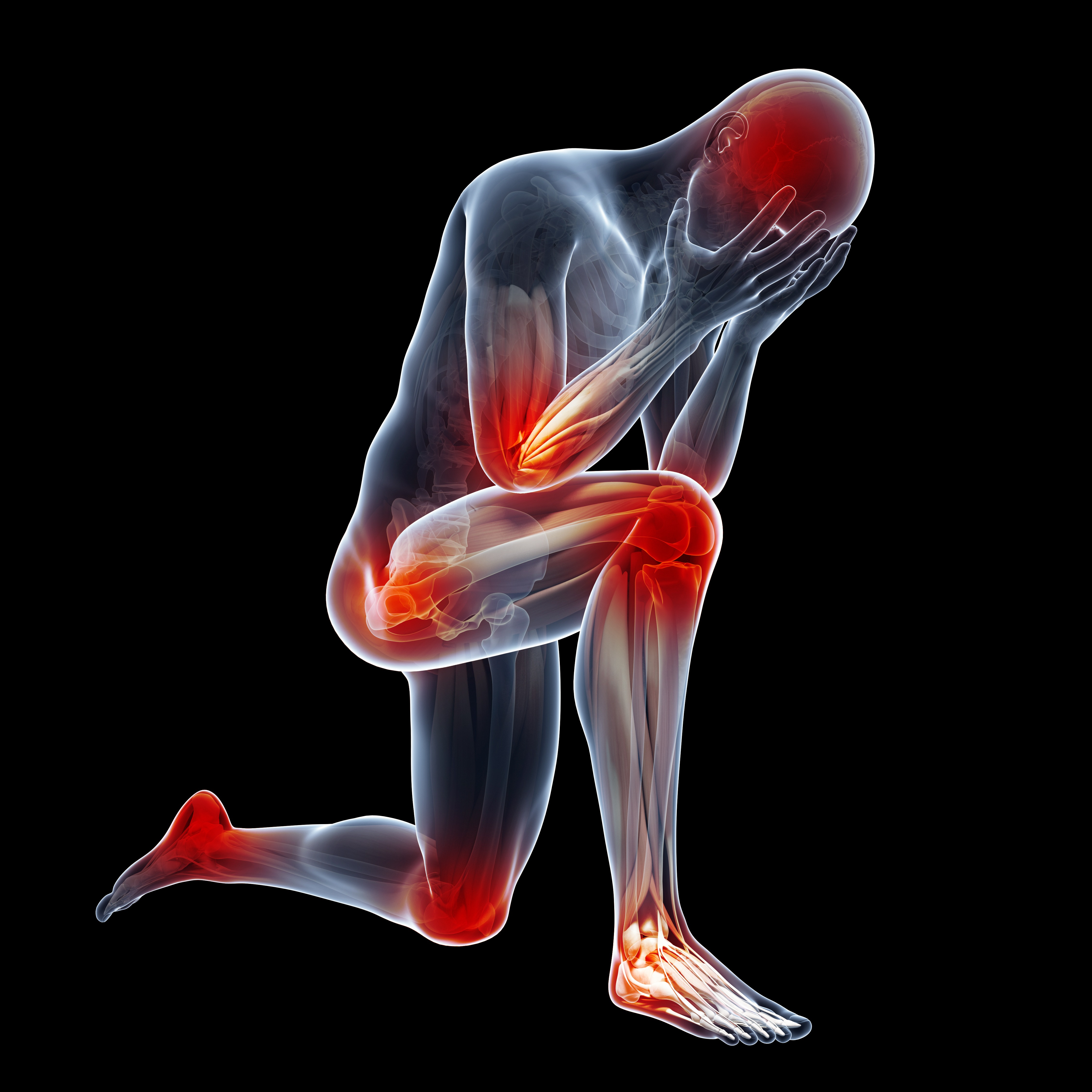
In 2008, a psychedelic compound related to the primary psychoactive alkaloid in peyote was discovered to exert “extraordinarily potent” anti-inflammatory effects at very low drug concentrations in vitro and in vivo. Additional studies have confirmed the capacity of psychedelics to modulate processes that perpetuate chronic low-grade inflammation and thus exert significant therapeutic effects in a diverse array of preclinical disease models, including asthma, atherosclerosis, inflammatory bowel disease, and retinal disease.

Psilocybin and LSD are now being evaluated in Phase 2 clinical trials for the treatment of depression. Research conducted at Johns Hopkins University has confirmed in clinical trials that high-dose psychedelics such as psilocybin, LSD, and ayahuasca exert rapid, significant, and enduring antidepressive effects. However, these high-profile research findings have obscured the primary traditional use of these medicines — as imperceptible anti-inflammatory agents.

Of note, some psychedelics can act as anti-inflammatory agents at concentrations unlikely to induce changes in brain function that alter perception, mood, thinking ability, or behavior. This suggests they are capable of being transformed into so-called subperceptual medicines.

Eleusis, the company I founded in 2014, is focused on unlocking the therapeutic potential of serotonin 2A receptor agonists, commonly referred to as psychedelics, by reducing or managing their perceptual effects. The primary neuroreceptor that mediates psychedelics’ psychoactivity, the serotonin 2A receptor, is also known to play a key role in regulating immune function. Our research has revealed that some psychedelics that activate the serotonin 2A receptor are potently anti-inflammatory at doses unlikely to result in psychoactivity.

Chronic low-grade inflammation is at the root of aging and age-related disease. Termed “inflammaging,” this insidious dysregulation of the immune system contributes to the disease burden in older adults and accelerates the aging process. In fact, healthy centenarians are distinguished primarily by low levels of chronic inflammation.

Alzheimer’s disease is an exemplar of inflammaging. It is distinguished by a complex and multifactorial pathobiology that appears resistant to single-target “precision medicines,” each of which is designed to modulate just one of the many dysregulated processes giving rise to neurodegeneration.

The unique pharmacology of LSD enhances its capacity to simultaneously modulate multiple therapeutic targets in the brain associated with inflammaging that are implicated in the progression of mild cognitive impairment to Alzheimer’s, including amyloid precursor protein processing, cognition and memory function, neuroplasticity, neuroinflammatory processes, neuronal viral infection, insulin resistance, oxidative stress, neuroendocrine function, metabolic function, and epigenetic expression.

We have also recently published results of a Phase 1 clinical trial showing the safety and tolerability of low-dose LSD among older volunteers, who generally couldn’t distinguish the low doses from placebo. This trial was a prelude to a definitive long-term evaluation of LSD in patients at risk of developing Alzheimer’s disease.

*From the articles here :
 
Psychedelic research targets systemic inflammation

by Nate Seltenrich | PROJECT CBD

Can scientists convert a super-hallucinogen into a wonder drug?

Medical scientists have caught on to the fact that cannabinoids help fight unwanted inflammation that contributes to many diseases. But the next anti-inflammatory wonder drug could come from an even more unexpected source: psychedelics.

A team at the LSU Health Sciences Center in New Orleans is now working to refine one of the most potent anti-inflammatory molecules known to science, a synthetic psychedelic similar to LSD called DOI (2,5-Dimethoxy-4-iodoamphetamine) that’s widely used for the study of serotonin receptors in the brain.

LSU researchers have shown that DOI is highly effective at preventing and treating widespread inflammation in mice.

Led by professor of pharmacology Charles Nichols in concert with life science company Eleusis, where Nichols is scientific founder and director of molecular pharmacology, the team’s current work revolves around reducing the behavioral effects of DOI, which are reported by recreational users to include an even longer trip than LSD of up to 30 hours, with aftereffects that can last for days.

Nichols said he has fashioned a variant of DOI, code-named ELE-02 by the company, that produces the same anti-inflammatory effect but two-thirds less behavioral effect. ELE-02 should be entering clinical trials in the form of an eyedropper for treating ocular inflammation within the next year, he said.

“Even though we don’t expect the amounts of drug to have any behavioral effects, giving it to the eye is going to reduce the exposure to the brain, so that will further minimize any risk of somebody tripping if they are giving themselves some eyedrop with our drug in it,” Nichols said.

5-HT2A Receptor Activation

Nichols and Eleusis are in the process of developing third- and fourth-generation psychedelic-derived anti-inflammatories with even less behavioral effect than ELE-02 that could eventually be sold, likely in pill form, for the treatment of systemic inflammation and conditions like arthritis and asthma.

Such molecules would be considered standard pharmaceuticals rather than psychedelics, even though they are derived from DOI and target the same cell receptor in the brain – Serotonin 5-HT2A – that produces hallucinogenic effects.

Interestingly, the behavioral, neuroplastogenic, and anti-inflammatory properties of psychedelic drugs all appear to stem from this single receptor, a subject of growing interest within the neuroscience field. The difference is that slightly different molecules, perhaps by as little as a single atom, can exert unique downstream effects by recruiting different enzymes to the cell.

“When you activate [5-HT2A], it signals to the inside of the cell that it’s been activated with a ligand, and that recruits probably a dozen or so, if not more, different enzymes, to do different things to the cell to change its physiology,” he explained. “And what we’ve shown is that the two major pathways that have been linked to behavioral changes do not correlate with the anti-inflammatory ability.”

For example, DOI has both strong behavioral and anti-inflammatory effects. ELE-02 has strong anti-inflammatory but modest behavioral effects. LSD is an extremely potent psychedelic but only partially effective as an anti-inflammatory, at least compared to DOI and psilocin, a byproduct of psilocybin.

Meanwhile, the endogenous hallucinogen N, N-dimethyltryptamine (DMT), another “classic” psychedelic that activates the 5-HT2A receptor, produces profound subjective effects yet appears to have no efficacy as an anti-inflammatory.

And the neurotransmitter serotonin, which binds to 15 different 5-HT receptor subtypes, produces no hallucinogenic effects and actually promotes inflammation.

In their search for the perfect anti-inflammatory drug, Nichols and his colleagues are working to continue isolating anti-inflammatory pathways from behavioral pathways, then tune the latter down or all the way out by further modifying the composition and configuration of the original DOI molecule.

“The goal is to have a non-psychedelic drug that somebody could take that would activate the 5-HT2A receptor to treat something like arthritis,” Nichols said. “Right now it’s really in the early stages of that, we’re just trying to understand mechanisms. Once we identify what the enzyme is that we’re recruiting to the receptor, that’s going to help us better design drugs.”

LSD for Alzheimer’s

Nichols and Eleusis are also engaged in other research projects involving classic psychedelics. One is centered on using psilocybin to treat depression, a condition that (like addiction and post-traumatic stress disorder) is associated with inflammation.

Additionally, the company is investigating the use of low doses of LSD to treat Alzheimer’s Disease. It recently completed a successful Phase 1 trial of safety and tolerability in 48 older healthy volunteers.

Scientists believe that neuroinflammation plays a role in Alzheimer’s.

"But LSD holds promise as a treatment for the disease because of much more than just its anti-inflammatory effect," Nichols said.

“LSD targets nearly all serotonin receptors, and dopamine receptors, among others, for activation,” he said. “Activation of several of these receptors have been shown by us and others using different chemicals individually to have benefits such as enhancing memory, maintaining cell health … and reducing stress-related markers. We think that these multiple positive effects from several different receptors may act synergistically together to be able to slow the neurodegeneration and cognitive symptoms of Alzheimer’s Disease.”

Although LSD would be administered at sub-hallucinogenic doses to Alzheimer’s patients, its potential psychoactivity could be construed as a safety risk by the FDA, Nichols acknowledged. That’s less of a concern with ELE-02, and shouldn’t be an issue with subsequent generations of 5-HT2A anti-inflammatories possessing low or no behavioral activity that are now being developed in Nichols’ lab.

“With anti-inflammatories…it’s much more of a traditional pathway,” Nichols said. “We could go to the FDA and show that there’s no adverse behavioral effects, we have efficacy, we have safety. For the new molecules that we’re making, they’re not scheduled [by the Drug Enforcement Administration]. At that point the FDA will decide, well then what do we do with it? Let’s just make it Schedule 4, and now you’ve got a new anti-inflammatory on the market.”

 
Last edited:
Inflammation-shutterstock.jpg


Psychedelics as anti-inflammatory agents

by Shane O'Connor | Psychedelic Science Review

A look into the less discussed therapeutic aspect of psychedelics: the anti-inflammatory effect.

In recent years, compounds that act as agonists (aka activators) at the serotonin 2A receptor (5-HT2A) have emerged as a prominent therapy for several disorders including depression, obsessive-compulsive disorder (OCD), anxiety, and addiction. The recently discovered therapeutic effect of psychedelic agonists has led to a reevaluation in the way these compounds are perceived in the medical sphere and amongst the general population at large.

One recently identified therapeutic characteristic of psychedelics that holds notable promise is their anti-inflammatory effect. This article explores the anti-inflammatory effect of psychedelics – thought to be mediated through 5-HT2A activation – and how this effect pertains to disorders of the central nervous system (CNS) and other, more recently identified indications.

Inflammation and depression

Inflammation is generally defined as an endogenous repair or host defense mechanism in response to a biological or physical insult. The inflammatory response aims to eliminate invading agents and facilitate healing. This response not only initiates an acute defense against damaging agents but also contributes to the renewal of normal tissue functioning following a harmful occurrence. Within minutes to hours of a biological insult, the body initiates an innate immune response. This response acts by recruiting immune cells to injury sites and promotes inflammation through cytokine release. Some of these cytokines include Tumour Necrosis Factor – Alpha (TNF-α) and Interleukin 6 (IL-6).

Researchers have established that inflammation plays a vital role in the pathophysiology underlying psychiatric disorders such as depression. For example, the introduction of the pro-inflammatory cytokines TNF-α and IL-1β into healthy animal subjects generates behaviors similar to social withdrawal. A meta-analysis examining the connection between inflammation and response to depression treatment found that antidepressants lower IL-6 levels, regardless of treatment outcome. Furthermore, the same analysis found that increased TNF-α levels are associated with treatment resistance and that treatment non-responders display higher baseline inflammation levels.

Psychedelics and the 5-HT2A receptor

Where do psychedelics fit into this inflammation scenario? Several psychedelic compounds such as psilocybin, initiate the psychedelic state through the activation of 5-HT2A. Activation of this receptor is thought to acutely reset resting-state functional connectivity (RFSC) to healthy networks to rapidly alleviate depression.

However, some research groups posit that the long-lasting effects of psychedelic-assisted therapy are a result of reduced neuroinflammation. 5-HT2A activation is thought to mediate this reduction in neuroinflammation. However, to build a case for this claim, the focus must shift from the CNS to more peripheral locals.

Peripheral Insights

While HT2A is found in high densities extensively throughout the CNS, it is also present in peripheral tissues. These include but are not limited to, endothelial, muscle, endocrine, and immune tissues. The selective 5-HT2A agonist and psychedelic compound (R)-2,4-dimethoxy-4-iodoamphetamine ((R)-DOI) demonstrated a potent anti-inflammatory effect when administered on rat aortic smooth muscle cells. Several 5-HT2A agonists have demonstrated significant anti-inflammatory characteristics, including lysergic acid diethylamide (LSD). However, (R)-DOI was effective at levels in the low picomolar range (IC50 concentrations 10–20 pM).

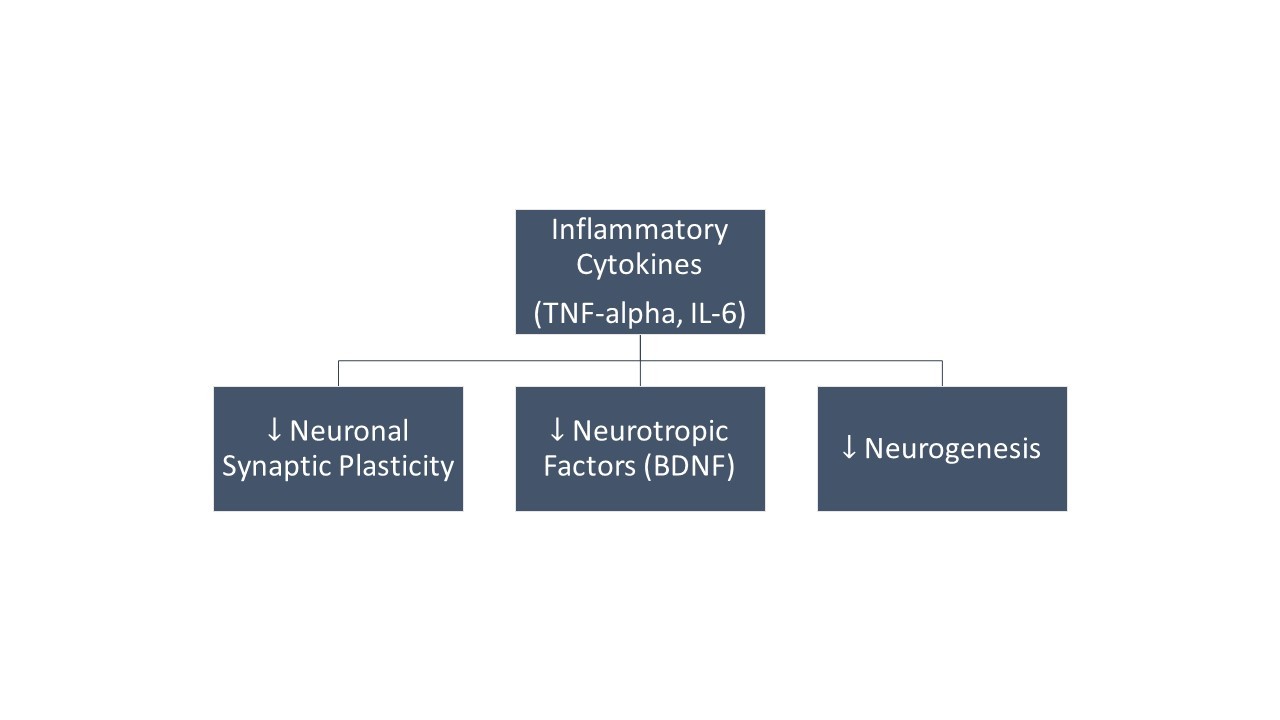
This low IC50 means that (R)-DOI has an anti-inflammatory effect at doses far below that needed to produce behavioral effects. Furthermore, (R)-DOI was effective in significantly attenuating TNF-α induced inflammation and reduced levels of inflammatory cytokine IL-6. These results may provide an insight into the long-lasting antidepressant effects observed in psychedelic-assisted therapy, as dysregulated TNF-α and IL-6 are associated with the onset and symptomatology of depression (Figure 1).

Article.jpg

Figure 1 - Studies have shown that increased levels of inflammatory cytokines contribute to the development
of depression. These effects are due to disturbed neuronal synaptic plasticity and disturbances in the levels of
different neurotrophic factors, in particular, BDNF.


Other indications for psychedelics and inflammation

Interestingly, one biotech company has identified a potential therapeutic effect of (R)-DOI for indications outside of the realm of neuropsychiatric disorders, but still involving inflammatory mechanisms.

Eleusis, a clinical-stage life science company, recently funded a study that examined the effect of (R)-DOI in treating cardiovascular disease. Leading the study was Dr. Charles Nichols, son of professor emeritus of pharmacology at Purdue University, David Nichols. Using (R)-DOI, Nichols and his team observed a reduction in aorta inflammation and a decrease in overall and HDL cholesterol levels. The vascular study showed physiological without any psychological effects (this is important because mice given a psychedelic can sometimes show behavior consistent with psychosis).

Nichols told Endpoints news in a recent interview, “Translated into the clinic in humans, it would be as if someone was obese, had diabetes, had high cholesterol, and was able to take a low dose of this drug at a sub-behavioral level and really treat several different aspects of the complications of being obese.” He went on to add that the study was translatable to a clinical trial, and was optimistic of drug development within 10 to 20 years.

Eleusis has also begun examining the potential therapeutic benefits of (R)-DOI in the treatment of asthma. Early studies demonstrated the prevention of inflammation associated with acute allergic asthma in a mouse model. Treatment with (R)-DOI significantly reduced pulmonary inflammation and improved airway function.

Summary of psychedelics and inflammation

Science has only relatively recently begun understanding the significance of inflammation in the pathophysiology of neuropsychiatric disorders. The same is true for the role of 5-HT2A agonists in treating the same class of disorders. Much of the current research concerning the therapeutic action of 5HT2A agonists centers around disorders of the CNS (e.g., depression), with short-term amelioration of symptoms thought to stem from changes in the functional connectivity between specific brain regions.

The recent literature outlined in this article posits that the long-term changes observed following psychedelic-assisted therapy may be a result of the anti-inflammatory actions of the compounds. Moreover, this anti-inflammatory effect may be exploited to treat entirely new indications, such as asthma and cardiovascular diseases. However, the reader must recognize that much of the data presented here are still in very early preclinical stages. Nevertheless, it is not unreasonable to think that in 10-20 years, the anti-inflammatory potential of psychedelics will be unlocked, allowing for their use in a multitude of age-related diseases.

 
Hemp oil for pain, inflammation*

by Debra Rose Wilson, Ph.D. | MedicalNewsToday

Many people use hemp or CBD oil as a form of natural pain relief, especially if the pain is a result of inflammation.

Those who do not want to take over-the-counter or prescription pain medications may turn to a high-quality hemp oil for relief.

A 2018 review notes that CBD, one of the main compounds in full-spectrum hemp oil, and other cannabinoids show promise for the treatment of many types of pain.

There is very little risk of intoxication from hemp oil as all forms of hemp oil come from food-grain strains of hemp. The authors of a study in the journal Cannabis and Cannabinoid Research note that food-grain strains of hemp must contain less than 0.3 percent tetrahydrocannabinol (THC). THC is the compound that causes the so-called “high” of marijuana.

Hemp oil is not the same as cannabidiol (CBD) oil. The production of CBD oil uses the stalks, leaves, and flowers of the hemp plant, which contain a higher concentration of CBD, another potentially beneficial compound in the plant.

Hemp seed oil comes from the small seeds of the Cannabis sativa plant. The seeds do not contain the same levels of compounds as the plant itself, but they still have a rich profile of nutrients, fatty acids, and useful bioactive compounds.

Full-spectrum hemp oil that also contains plant matter may add other effective compounds, which may help with certain health issues, such as inflammation.

Takeaway and future research

The research on hemp oil is still relatively new, particularly in the United States and other places where restrictive laws have prevented researchers from fully exploring the potential of cannabis plants until recently.

As CBD comes into more common use in an increasing number of areas, research into the potential benefits of full-spectrum hemp oil may expand. As a result, scientists may find more evidence to support the potential benefits of the plant or even reveal new benefits. In any case, the future of research on hemp oil looks promising.

There is also still a small risk of THC getting into the system, even from hemp seeds, which normally contain no THC. The THC could be present as a result of contamination with other plant matter. The results of a 2017 study show that some commercial brands of food-grade hemp seeds can have a THC concentration that is as much as 1,250 percent higher than the legal limit.

It is essential to ensure that hemp seed oil comes from a reliable manufacturer. The seeds and oil should be free of plant matter that may add additional compounds, such as THC.​
 
Last edited:
BUS.jpg


Scientists identify a powerful anti-inflammatory compound in psychedelic drugs

by Milena Marinković | Massive Science

The compound, called 2 C-H, reduces inflammation without mind-altering effects.

People have long believed that using psychedelic drugs such as LSD, DMT, and psilocybin (from ″magic mushrooms”) can help the body fight inflammation. Scientific support for this idea has emerged in the past couple decades, and newly published research goes further to show exactly which structural parts of these molecules are responsible for the anti-inflammatory effect.

Psychedelic drugs exert their profound effects on the mind by interacting with a serotonin receptor in the brain called 5HT-2A. This receptor can also be found in almost all other parts of the body, including immune-related structures like the spleen and white blood cells. The effects of serotonin made in immune cells are mainly pro-inflammatory, and its secretion can influence the progression of disorders like asthma and rheumatoid arthritis.

Like serotonin, psychedelic drugs can also activate the 5HT-2A receptor and reduce inflammation. This new study, which was published in ACS Pharmacology & Translational Science, shows what molecular structure is responsible for this effect. The researchers looked at rats with asthmatic symptoms to test 21 different compounds that activate the 5HT-2A receptor, and found that many of them were able to prevent and reverse inflammation in the lungs. They also discovered that the compound called 2C-H has the molecular structure that yields the fullest anti-inflammatory effects of the compounds they tested.

2C-H is structurally very similar to the popular psychedelic drug 2C-B (which is similar to ecstasy and MDMA), but it does not itself have any psychoactive effects. As such, 2C-H might open an exciting new venue in anti-inflammatory drug design: it is a powerful anti-inflammatory agent that won’t get you high.

 
Last edited:
Inflammation-shutterstock-1024x1024.jpg


Psychedelics as anti-inflammatory agents

A look into the less discussed therapeutic aspect of psychedelics: the anti-inflammatory effect.

by Shane O'Connor, MS | Psychedelic Science Review | 14 Nov 2019

In recent years, compounds that act as agonists (aka activators) at the serotonin 2A receptor (5-HT2A) have emerged as a prominent therapy for several disorders including depression, obsessive-compulsive disorder (OCD), anxiety, and addiction.¹⁻³ The recently discovered therapeutic effect of psychedelic agonists has led to a reevaluation in the way these compounds are perceived in the medical sphere and amongst the general population at large.

One recently identified therapeutic characteristic of psychedelics that holds notable promise is their anti-inflammatory effect.⁴ This article explores the anti-inflammatory effect of psychedelics – thought to be mediated through 5-HT2A activation – and how this effect pertains to disorders of the central nervous system (CNS) and other, more recently identified indications.

Inflammation and depression

Inflammation is generally defined as an endogenous repair or host defense mechanism in response to a biological or physical insult. The inflammatory response aims to eliminate invading agents and facilitate healing. This response not only initiates an acute defense against damaging agents but also contributes to the renewal of normal tissue functioning following a harmful occurrence. Within minutes to hours of a biological insult, the body initiates an innate immune response. This response acts by recruiting immune cells to injury sites and promotes inflammation through cytokine release. Some of these cytokines include Tumour Necrosis Factor – Alpha (TNF-α) and Interleukin 6 (IL-6).

Researchers have established that inflammation plays a vital role in the pathophysiology underlying psychiatric disorders such as depression. For example, the introduction of the pro-inflammatory cytokines TNF-α and IL-1β into healthy animal subjects generates behaviors similar to social withdrawal. A meta-analysis examining the connection between inflammation and response to depression treatment found that antidepressants lower IL-6 levels, regardless of treatment outcome. Furthermore, the same analysis found that increased TNF-α levels are associated with treatment resistance and that treatment non-responders display higher baseline inflammation levels.

Psychedelics and the 5-HT2A receptor

Where do psychedelics fit into this inflammation scenario? Several psychedelic compounds such as psilocybin, initiate the psychedelic state through the activation of 5-HT2A. Activation of this receptor is thought to acutely reset resting-state functional connectivity (RFSC) to healthy networks to rapidly alleviate depression.

However, some research groups posit that the long-lasting effects of psychedelic-assisted therapy are a result of reduced neuroinflammation. 5-HT2A activation is thought to mediate this reduction in neuroinflammation. However, to build a case for this claim, the focus must shift from the CNS to more peripheral locals.

Peripheral insights

While HT2A is found in high densities extensively throughout the CNS, it is also present in peripheral tissues. These include but are not limited to, endothelial, muscle, endocrine, and immune tissues. The selective 5-HT2A agonist and psychedelic compound (R)-2,4-dimethoxy-4-iodoamphetamine ((R)-DOI) demonstrated a potent anti-inflammatory effect when administered on rat aortic smooth muscle cells. Several 5-HT2A agonists have demonstrated significant anti-inflammatory characteristics, including lysergic acid diethylamide (LSD). However, (R)-DOI was effective at levels in the low picomolar range (IC50 concentrations 10–20 pM).

This low IC50 means that (R)-DOI has an anti-inflammatory effect at doses far below that needed to produce behavioral effects. Furthermore, (R)-DOI was effective in significantly attenuating TNF-α induced inflammation and reduced levels of inflammatory cytokine IL-6. These results may provide an insight into the long-lasting antidepressant effects observed in psychedelic-assisted therapy, as dysregulated TNF-α and IL-6 are associated with the onset and symptomatology of depression.

Other indications for psychedelics and inflammation

Interestingly, one biotech company has identified a potential therapeutic effect of (R)-DOI for indications outside of the realm of neuropsychiatric disorders, but still involving inflammatory mechanisms.

Eleusis, a clinical-stage life science company, recently funded a study that examined the effect of (R)-DOI in treating cardiovascular disease. Leading the study was Dr. Charles Nichols, son of professor emeritus of pharmacology at Purdue University, David Nichols. Using (R)-DOI, Nichols and his team observed a reduction in aorta inflammation and a decrease in overall and HDL cholesterol levels. The vascular study showed physiological without any psychological effects (this is important because mice given a psychedelic can sometimes show behavior consistent with psychosis).

Nichols told Endpoints news in a recent interview, “Translated into the clinic in humans, it would be as if someone was obese, had diabetes, had high cholesterol, and was able to take a low dose of this drug at a sub-behavioral level and really treat several different aspects of the complications of being obese.” He went on to add that the study was translatable to a clinical trial, and was optimistic of drug development within 10 to 20 years.

Eleusis has also begun examining the potential therapeutic benefits of (R)-DOI in the treatment of asthma. Early studies demonstrated the prevention of inflammation associated with acute allergic asthma in a mouse model. Treatment with (R)-DOI significantly reduced pulmonary inflammation and improved airway function.¹²

Summary of psychedelics and inflammation

Science has only relatively recently begun understanding the significance of inflammation in the pathophysiology of neuropsychiatric disorders. The same is true for the role of 5-HT2A agonists in treating the same class of disorders. Much of the current research concerning the therapeutic action of 5HT2A agonists centers around disorders of the CNS (e.g., depression), with short-term amelioration of symptoms thought to stem from changes in the functional connectivity between specific brain regions.

The recent literature outlined in this article posits that the long-term changes observed following psychedelic-assisted therapy may be a result of the anti-inflammatory actions of the compounds. Moreover, this anti-inflammatory effect may be exploited to treat entirely new indications, such as asthma and cardiovascular diseases. However, the reader must recognize that much of the data presented here are still in very early preclinical stages. Nevertheless, it is not unreasonable to think that in 10-20 years, the anti-inflammatory potential of psychedelics will be unlocked, allowing for their use in a multitude of age-related diseases.

 
Top