The Classical thread

VW.jpg


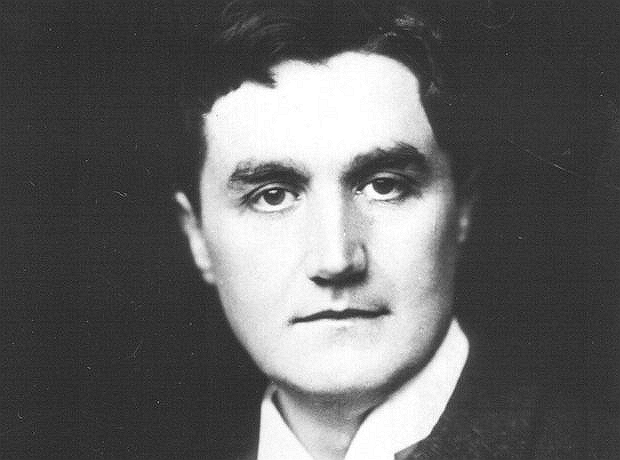
Ralph Vaughan Williams [1910] - Fantasia on a Theme by Thomas Tallis


The fabled performance by
Conductor - Barry Wordsworth [1994]
Orchestra - The New Queen's Hall Orchestra

Fantasia on a Theme by Thomas Tallis is a work for string orchestra by the British composer Ralph Vaughan Williams. The work takes its name from the original composer of the melody, Thomas Tallis (c. 1505 – 1​
 
Gaudete (anon c1582)

performed by Steeleye Span


Translation :

Rejoice, Rejoice, Christ is born
of the Virgin Mary, Rejoice!

The hour of grace which we seek is here.
We offer with devotion our songs of gladness.

Rejoice, Rejoice, Christ is born
of the Virgin Mary, Rejoice!

God is made man, a thing of wonder.
The world is renewed by Christ's reign.

Rejoice, Rejoice, Christ is born
of the Virgin Mary, Rejoice!

Light has arisen. Salvation is come,
Bursting the gates of death.

Rejoice, Rejoice, Christ is born
of the Virgin Mary, Rejoice!

Our congregation lustily rejoices now,
Giving blessing to God, our Saviour and King.

Rejoice, Rejoice, Christ is born
of the Virgin Mary, Rejoice!

Gaudete is a sacred Christmas carol, thought to have been composed in the 16th century. It was included in Piae Cantiones, a collection of Finnish/Swedish sacred songs published in 1581. From the Bohemian song, "Ezecheelis Porta", which Finnish clerical students would have encountered in Prague and which shared a tune with a Czech vernacular Christmas song that still survives. Finno, the editor of "Piae Cantiones", was probably responsible for the refrain. It adapts the words of one of the medieval verses to the music which, in various forms, was sung throughout Lutheran Germany to Luther's single-stanza grace before meals, "Danket dem Herren".​
 
Kolbeinn Tumason - Hear, Smith of Heavens


Poem by: Kolbeinn Tumason (1173–1207)

Music by: Þorkell Sigurbjörnsson (1938–2013)

Performed by: VOCES8

Kolbeinn Tumason was a member of the Ásbirningar family clan, and was one of the most powerful chieftains in Iceland around the turn of the 13th century. His power was probably at its height around 1200 AD. Kolbeinn used his influence to ensure that men in his favour received positions of power within the clergy, amongst them bishop Guðmundur Arason. Guðmundur, unbeknownst to Kolbeinn, proved to be an advocate of clerical independence and resented interference from the secular chieftains. The two were soon at odds. In 1208, Kolbeinn and his followers attacked Guðmundur and his supporters in Hjaltadalur by Víðines. The ensuing battle is known as the Battle of Víðines. Tumason is best known for composing the hymn Heyr himna smiður ("Hear, Smith of heavens") on his deathbed. It is now a classic and often-sung Icelandic hymn.​
 
Top