

heres ya common anestheticsProcaine is a good shout, seems to be a fair bit of it about in europe looking at the last report from drugs pro, 33.9% of cocaine samples contained it....
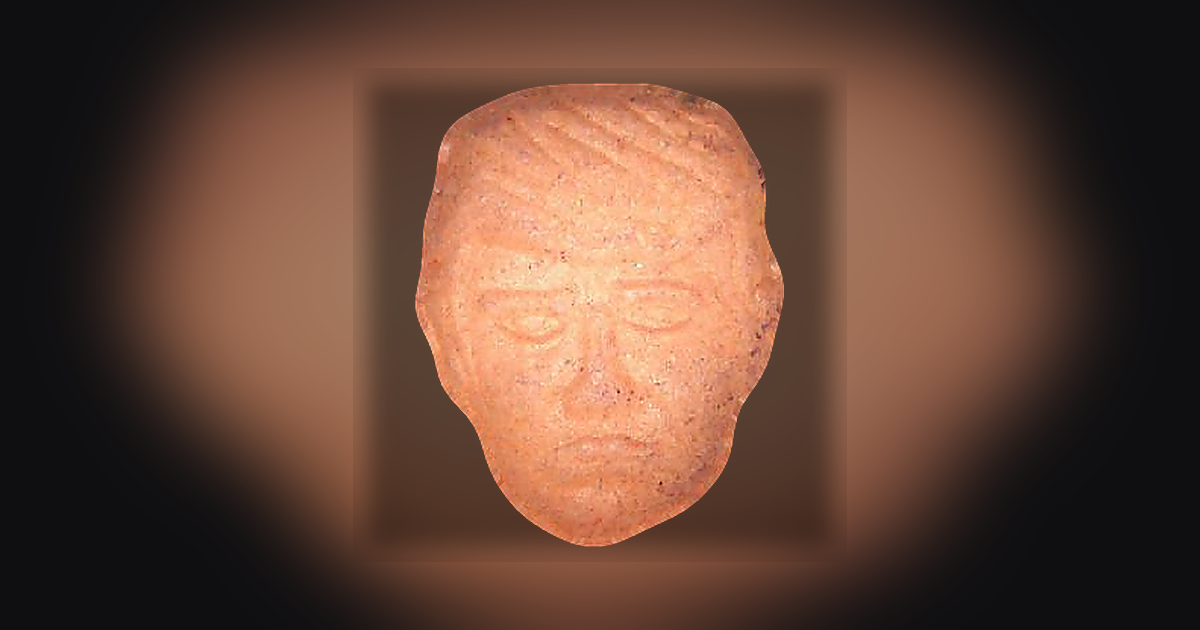
Drug Purity Report: Week 37, 2026
Drug Purity Report #37/26. Welcome to “last week on drugs”, the series by PRO Test that brings you fresh drug purity news from the clandestine market. This week we are introducing new “Scam of the…protestkit.eu
Benzocaine HCl salt: Insoluble to Slightly Soluble
Benzocaine Free base: Soluble
Lidocaine Free base: Very soluble
Lidocaine HCl salt: Slightly soluble
Procaine Free base: Soluble
Procaine HCl salt: Moderate / limited solubility
Ill break it down (helps me learn and get my orgchem masters degree later AND PLEASE CORRECT ME IF YALL KNOW CERTAIN CHEM FACTS THAT I MISS)
Free Bases: Generally less polar than their salt forms due to the absence of an ionic charge. They tend to be more soluble in organic solvents (non-polar to moderately polar) and less soluble in water.
Hydrochloride Salts: Ionic compounds formed by protonating the amine group. Highly polar due to the charge. They are typically very soluble in water and other highly polar solvents, but poorly soluble in non-polar or moderately polar organic solvents (NOT HARD SET CHEM FACT FOR ALL HCl salts BUT GENERALLY.)
Acetone: A moderately polar organic solvent. It has a dipole moment and can act as a hydrogen bond acceptor but not a donor. This makes it good at dissolving many organic compounds with mixed polarity.
1. Lidocaine
Lidocaine Free Base
Polarity: Mixed (significant non-polar hydrocarbon parts + polar amide & tertiary amine groups).
Solubility in Acetone: Soluble to Very Soluble. Acetone's moderate polarity and hydrogen bond accepting capability allow it to interact favorably with both polar and non-polar parts of the lidocaine free base.
General Dissolving Capability: Excellent in a wide range of organic solvents (non-polar to moderately polar). Poorly soluble in water.
Lidocaine HCl (Hydrochloride Salt)
Polarity: Highly Polar (ionic).
Solubility in Acetone: Poorly Soluble / Slightly Soluble. Acetone is not polar enough to effectively solvate the charged ions of Lidocaine HCl.
General Dissolving Capability: Very soluble in water and other highly polar solvents (e.g., ethanol, methanol).
2. Benzocaine
Benzocaine Free Base
Polarity: Mixed (non-polar benzene ring & ethyl group + polar ester & primary amine groups).
Solubility in Acetone: Soluble. Similar to Lidocaine free base, acetone can effectively interact with its mixed polar and non-polar features.
General Dissolving Capability: Soluble in many organic solvents (e.g., alcohol, ether, chloroform, acetone). Poorly soluble in water.
Benzocaine HCl (Hydrochloride Salt)
Note: Benzocaine is usually used as the free base due to its low pKa for the amine. Its hydrochloride salt is less common but would follow the general trend.
Polarity: Highly Polar (ionic).
Solubility in Acetone: Poorly Soluble / Slightly Soluble.
General Dissolving Capability: Soluble in water and other highly polar solvents.
3. Procaine
Procaine Free Base
Polarity: Mixed (non-polar benzene ring & ethyl groups + polar ester, primary amine, & tertiary amine groups).
Solubility in Acetone: Soluble. Explicitly mentioned as soluble in organic solvents like acetone.
General Dissolving Capability: Soluble in organic solvents (e.g., alcohol, ether, chloroform, acetone). Poorly soluble in water.
Procaine HCl (Hydrochloride Salt)
Polarity: Highly Polar (ionic).
Solubility in Acetone: Moderate / Limited. Your provided data states "~56.68 g/L at 25°C," which indicates some solubility but is still limited compared to its water solubility. This is better than many salts in acetone, likely due to a slightly better balance of the non-polar parts with the charged functional group, but still far from "very soluble."
General Dissolving Capability: Very soluble in water and other highly polar solvents.
--checked with 3 AI all agree



