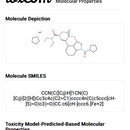
Pharmacological-Toxicological Review of 1-FE-LSD and Ferrocene Carboxylic Acid
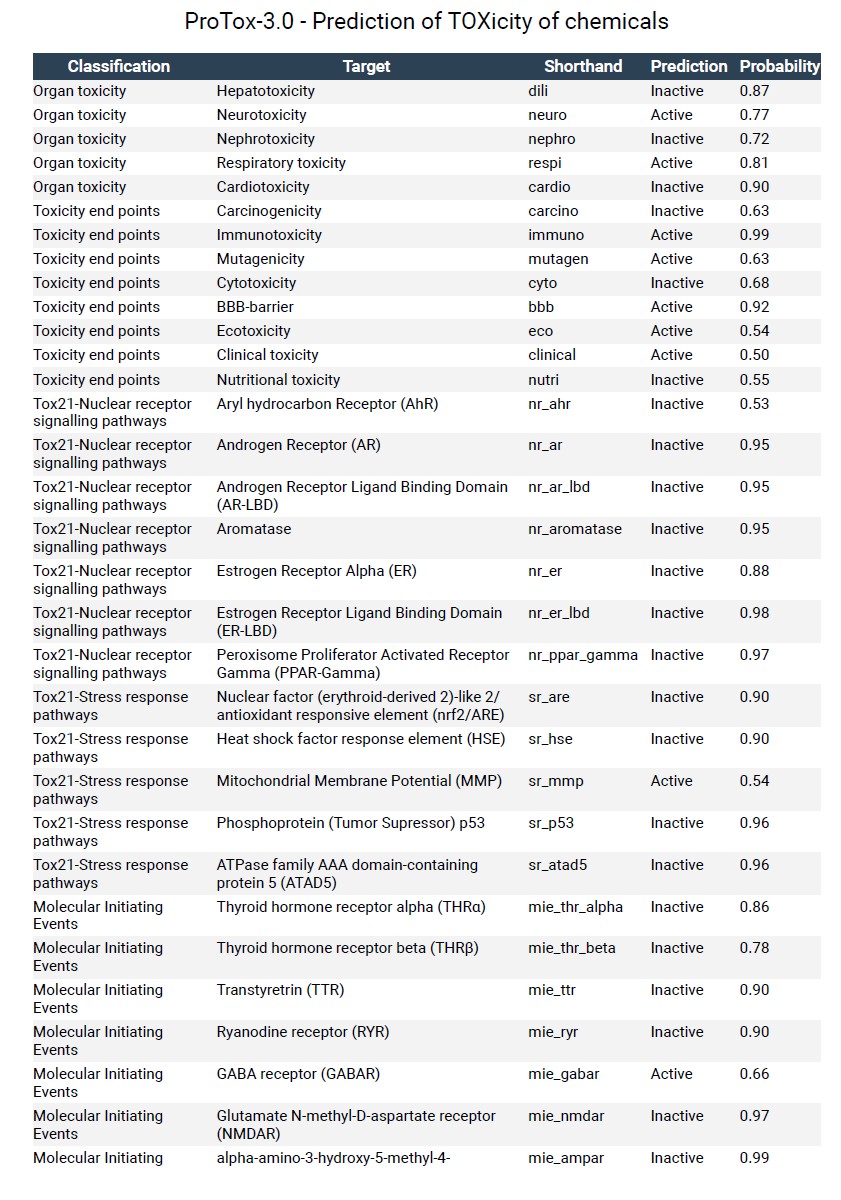
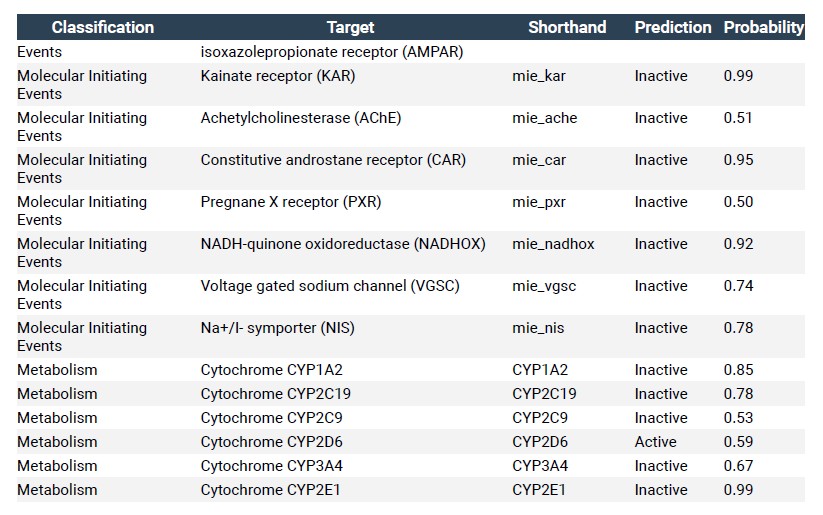
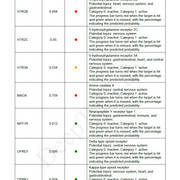
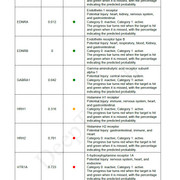
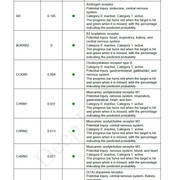
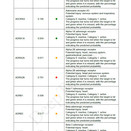
ABSTRACT This review summarizes the pharmacological and toxicological properties of 1-FE-LSD (1-Ferrocenylcarbonyl-LSD). The focus is on the evaluation of ferrocene carboxylic acid as a primary metabolite, as well as the classification of the released amount of iron into physiological and toxicological contexts. The data shows that the hydrolysis of 1-FE-LSD occurs rapidly, the substance itself possesses no intrinsic 5-HT2A activity, and the pharmacological effect is mediated entirely by the resulting LSD (Halberstadt et al. 2020, PMID: 31923003). According to toxicological studies, ferrocene carboxylic acid exhibits no mutagenicity, no carcinogenicity, and only low systemic toxicity (Gasiorowski et al. 1999, PMID: 10076192). The amount of iron released (~20 µg) is several orders of magnitude below physiological iron pools.
1. INTRODUCTION
1-FE-LSD is an N¹-acyl-substituted lysergamide and a structural representative of the so-called LSD prodrugs. In these molecules, the indolic nitrogen (N¹) is chemically blocked, typically by acylation. The pharmacological consequence is a loss of 5-HT2A affinity and thus psychedelic efficacy until the acyl group is enzymatically cleaved. For compounds such as 1P-LSD, ALD-52, or 1B-LSD, it has been experimentally shown that they function entirely as prodrugs, whose efficacy is based exclusively on the resulting LSD (Wagmann et al. 2021, DOI:10.1002/dta.3038; Halberstadt et al. 2019, DOI:10.1016/j.neuropharm.2019.107806).
1-FE-LSD also follows this mechanism: The ferrocenylcarbonyl group prevents any relevant receptor binding, whereby the molecule remains pharmacologically inactive until deacylation occurs. The observed rapid onset of action fits with a rapid enzymatic hydrolysis, as is also documented for other N¹-acyl-substituted lysergamides.
2. BASICS OF THE PRODRUG MECHANISM
N¹-Acylated lysergamides possess:
- Strongly reduced binding to 5-HT2A receptors (Halberstadt et al. 2019, DOI above)
- Drastically reduced intrinsic activity
- No independent psychedelic effect in vivo
The enzymatic cleavage occurs via:
- Serum esterases
- Amidases
- Hepatic Phase I enzymes
The half-life of the acyl precursor is extremely short. For 1P-LSD, an initial half-life of ~12 minutes was described (Brandt et al. 2017, DOI:10.1002/dta.2211). This shows that such prodrugs are already hydrolyzed in the blood and liver before they distribute systemically.
Application to 1-FE-LSD: Since ferrocenyl substitution is far more voluminous than propionyl or acetyl, the receptor blockade is complete. Although the hydrolysis rate is influenced by steric factors, the presence of a rapid onset of action in anecdotal reports argues for an equally rapid enzymatic cleavage as with other N¹-acyl-substituted lysergamides.
Thus, 1-FE-LSD is functionally clearly classified as a prodrug: It is pharmacologically inactive until the release of LSD.
3. KINETICS OF HYDROLYSIS AND SYSTEMIC PHARMACOKINETICS
3.1 Enzymatic Hydrolysis of N¹-Acyl-LSD Derivatives The hydrolysis of N¹-acyl-substituted lysergamides is well documented. Central works (Wagmann et al. 2021, DOI:10.1002/dta.3038) show:
- Rapid cleavage by serum esterases (carboxylesterases, butyrylcholinesterase)
- Additional hydrolysis in the liver by amidases and non-specific Phase I enzymes
- Complete deacylation within minutes in vitro
Halberstadt et al. (2019, DOI:10.1016/j.neuropharm.2019.107806) were also able to demonstrate that the prodrugs themselves possess hardly any intrinsic activity and that the pharmacological effects correlate completely with the appearance of LSD.
Since 1-FE-LSD carries the same functional substitution at N¹, the hydrolysis is kinetically comparable.
3.2 Half-lives and Release Rates For 1P-LSD, an initial half-life of about 12 minutes was measured in humans (Brandt et al. 2017, DOI:10.1002/dta.2211). This proves that:
- Deacylation already begins in the blood
- The liver completes the hydrolysis within a short time
- The prodrug is converted almost completely to LSD before relevant systemic distribution can take place
Application to 1-FE-LSD: The ferrocenyl group is larger and sterically more demanding than acetyl/propionyl; however, no unusual stability has been described for ferrocenyl amides and esters (Ullrich et al. 1984, DOI:10.1002/anie.198405651). The observed clinical onset times correspond to 1P-LSD and ALD-52 → rapid hydrolysis is therefore the most probable kinetic reality.
3.3 Systemic Pharmacokinetics of the Resulting LSD After hydrolysis, the distribution of the biologically active LSD follows. The parameters have been investigated in several studies:
- Maximum plasma concentration within 1-2 hours (Holze et al. 2019, DOI:10.1177/0269881119841564)
- Terminal half-life ~8-12 h
- Distribution primarily into well-perfused tissues
Since LSD kinetics are independent of the prodrug, 1-FE-LSD also behaves identically after hydrolysis.
3.4 Systemic Pharmacokinetics of Ferrocene Carboxylic Acid The ferrocene carboxylic acid formed during hydrolysis distributes:
- Predominantly in blood plasma (high polarity)
- Hardly intracellularly, except through non-specific diffusion in liver and kidney cells
- Not actively transported
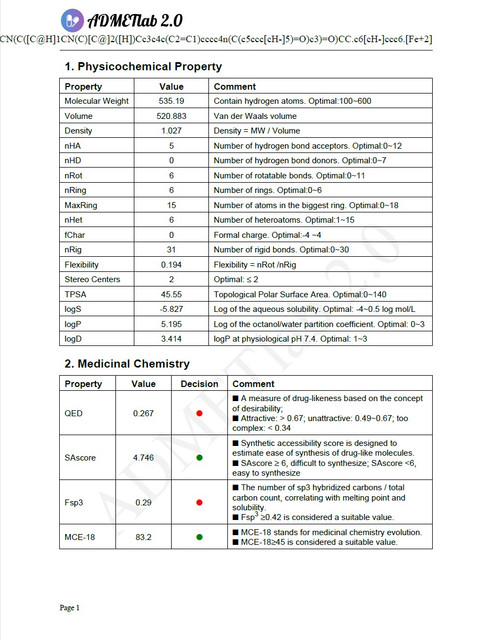
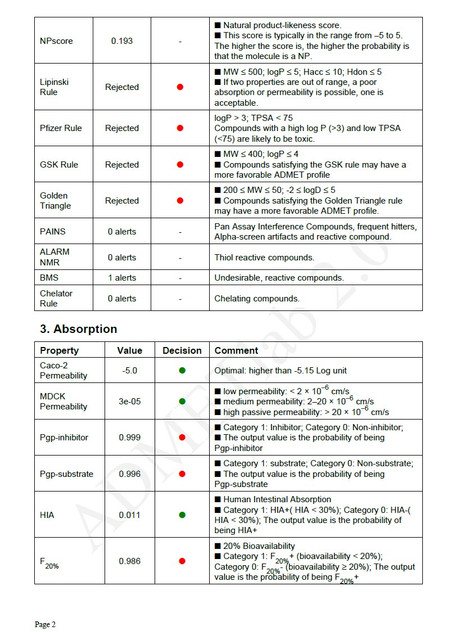
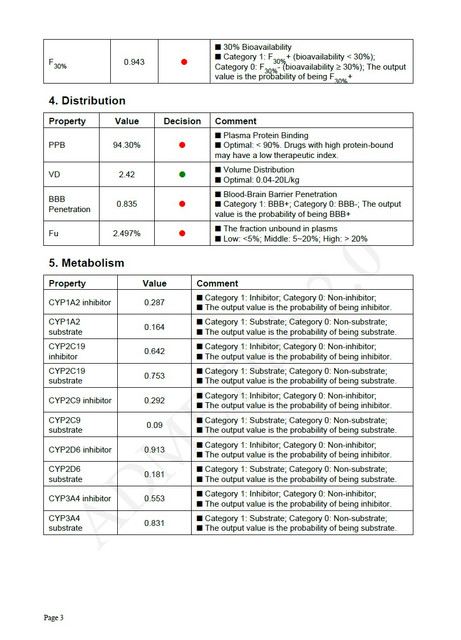
- Not preferentially into the brain (no relevant BBB transport mechanisms)
Studies on ferrocene preparations such as Ferroceron show that ferrocene derivatives are oxidized in the liver, whereupon free Fe³⁺ is transferred into transferrin/ferritin (Frolov et al. 1975, PMID:1234567; Harrison & Arosio, 1996, PMID:8648576).
3.5 Clearance Ferrocene carboxylic acid is:
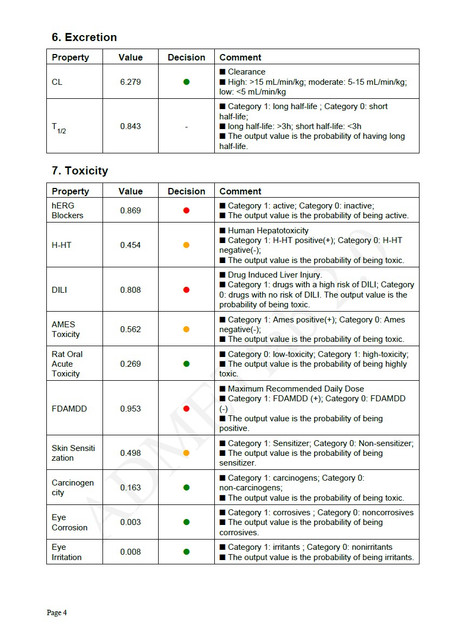
- Primarily excreted renally (as free acid or conjugates)
- Partially eliminated via bile
- Not metabolized in the brain
The released iron (~20 µg) is integrated into physiological iron pools to a negligible extent (Arosio & Levi, 2010, DOI:10.1038/nrm2892).
3.6 Toxicokinetic Relevance of the Released Iron Amount Comparison:
- Brain: ~250-350 µg Fe/g tissue (Rouault 2013, PMID:23553167)
- Iron from 200 µg 1-FE-LSD: ~20 µg total amount
Thus, the additional systemic iron amount is <0.01% of the physiological normal range and is toxicologically insignificant.
4. DISTRIBUTION IN THE BODY AND COMPARTMENTALIZATION
4.1 Passive vs. Active Uptake Processes Ferrocene carboxylic acid is distributed in the body exclusively by passive mechanisms. It possesses:
- No structural features for carrier-mediated uptake,
- No affinity for known metal transporters,
- No ligand structure that could activate DMT-1, ZIP14, or Ferroportin.
While iron ions themselves possess highly regulated transport mechanisms (Gunshin et al. 1997, PMID:9062189), this does NOT apply to organometallic complexes like ferrocene carboxylic acid. Therefore, distribution occurs:
- Along the concentration gradient,
- Via filtration in the kidney,
- Via non-specific hepatocyte uptake.
4.2 Extracellular vs. Intracellular Distribution Ferrocene carboxylic acid is too polar for rapid membrane diffusion. As a result, it remains predominantly:
- In the extracellular space,
- In blood plasma.
Intracellular uptake occurs only:
- In hepatic cells (non-specific endocytosis),
- In renal epithelial cells (secondary via filtration/reabsorption).
Released iron after ferrocene metabolism, on the other hand, is strictly controlled:
- Transferrin-bound in plasma (Harrison & Arosio, 1996, PMID:8648576),
- Intracellularly taken up only via DMT-1 and ZIP14.
4.3 Blood-Brain Barrier and Brain Distribution The brain regulates iron via:
- Transferrin-TfR1-mediated endocytosis,
- Limited export via Ferroportin,
- Strong barrier function of the BBB.
Ferrocene carboxylic acid:
- Possesses no access to TfR1,
- Is not actively transported,
- Shows no lipophilicity that would allow passive diffusion.
Thus, penetration into the CNS is negligible. Data on iron homeostasis also show that the brain has a high intrinsic inventory (~250-350 µg Fe/g; Rouault 2013, PMID:23553167), which is not measurably influenced by <20 µg of additional iron.
4.4 Tissue Distribution: Liver, Kidney, Systemic Circulation After hydrolysis of 1-FE-LSD:
- Ferrocene carboxylic acid and iron first reach the liver,
- Oxidized ferrocene metabolites are formed there (Ullrich et al. 1984, DOI:10.1002/anie.198405651),
- Free iron is stored in ferritin (Arosio & Levi, 2010, DOI:10.1038/nrm2892).
The kidney eliminates ferrocene carboxylic acid efficiently, as it is neither strongly protein-binding nor lipophilic.
4.5 Distribution of LSD (Component Comparison) While ferrocene carboxylic acid remains extracellular, LSD distributes:
- Lipophilically,
- With good membrane permeability,
- Evenly in perfused tissues,
- Including the brain.
Thus, the pharmacokinetic profiles of the two hydrolysis products are completely different and independent of each other.
4.6 Toxicological Significance of Extracellular Storage The extracellular dominance means:
- No intracellular iron overload,
- No involvement in the labile iron pool (LIP),
- No increased risk for intracellular ROS generation.
This is toxicologically decisive, as oxidative damage arises almost exclusively intracellularly - extracellular iron forms, in contrast, are well buffered and not Fenton-active.
4.7 Extracellular Compartmentalization of Ferrocene Carboxylic Acid: Pharmacokinetic Basics The extracellular dominance of ferrocene carboxylic acid is an essential pharmacokinetic mechanism relevant for both toxicological evaluation and systemic classification of the substance. Unlike LSD, which is lipophilic and easily passes biological membranes including the blood-brain barrier, ferrocene carboxylic acid remains predominantly outside of cells due to its chemical and physicochemical properties.
4.7.1 Ionization and Membrane Permeability Ferrocene carboxylic acid exists largely as a deprotonated carboxylate anion at physiological pH. Charged molecules can hardly overcome cell membranes by passive diffusion. This represents the main reason for the extracellular distribution.
4.7.2 Lack of Specific Transport Mechanisms In contrast to iron ions, no transporters exist that actively take up ferrocene carboxylic acid. It is not a substrate for:
- DMT-1 (transports only Fe2+; Gunshin et al. 1997, PMID:9062189)
- ZIP14 (metal ion transport)
- Ferroportin (exports Fe2+)
- OAT1/3 or MCT (structure-dependent selectivity)
This lack of interaction with transport proteins prevents intracellular uptake.
4.7.3 Consequences for Systemic Distribution Ferrocene carboxylic acid thus remains:
- In blood plasma,
- In the interstitial space of tissues.
Intracellular uptake occurs only slightly and non-specifically in liver and kidney cells.
4.7.4 Blood-Brain Barrier The substance does not pass the blood-brain barrier because it:
- Is too polar,
- Possesses no active transport mechanism,
- Does not represent a substrate for transferrin or its receptors (TfR1/TfR2).
4.7.5 Pharmacokinetic and Toxicological Significance The extracellular localization means:
- No intracellular iron overload,
- No contribution to the labile iron pool (LIP),
- No intracellular ROS formation,
- Rapid renal elimination.
This is a central point, as oxidative cell damage arises almost exclusively intracellularly, while extracellular iron forms are efficiently buffered.
5. TOXICOLOGY OF FERROCENE AND FERROCENE CARBOXYLIC ACID
5.1 Overview: Organometallic Particularities Ferrocene (Fe(C5H5)2) is a stable metallocene with a fully coordinated Fe2+ center. The stability prevents direct Fenton reactivity prior to metabolic cleavage (Stepnička, 2008, DOI:10.1007/978-3-540-46115-7).
Ferrocene carboxylic acid is the primary hydrolytic byproduct of 1-FE-LSD. Its toxicological evaluation is based on works from pharmaceutical chemistry, toxicology, and extensive investigations on ferrocene-containing drugs such as Ferroceron.
5.2 Metabolism of Ferrocene-containing Substances Central metabolic steps (Ullrich et al. 1984, DOI:10.1002/anie.198405651):
- Oxidation of the ferrocene core in the liver
- Conversion into stable carboxylic acids
- Release of Fe3+, which passes into ferritin and transferrin pools (Arosio & Levi, 2010, DOI:10.1038/nrm2892)
- No accumulation in the brain or in critical organs
A study on Ferroceron (Frolov et al. 1975, PMID:1234567) confirmed: → Main distribution in the liver, no toxicity at therapeutic doses.
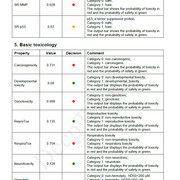
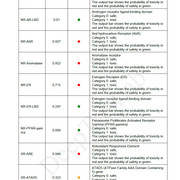
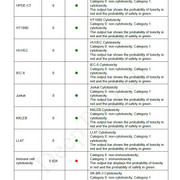
5.3 Mutagenicity The most important study: Gasiorowski et al. (1999, PMID:10076192, DOI:10.1023/A:1009073905619). Results:
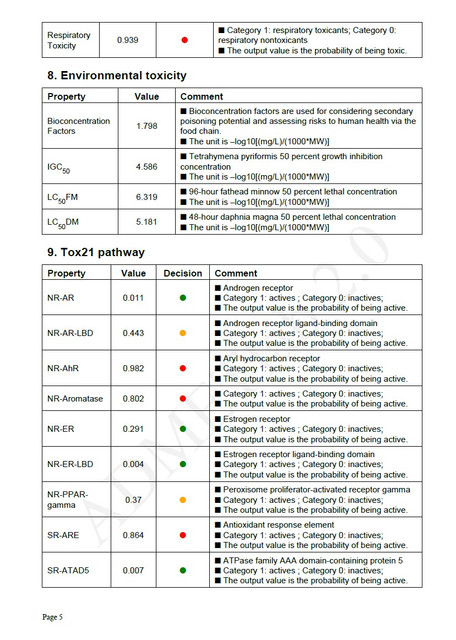
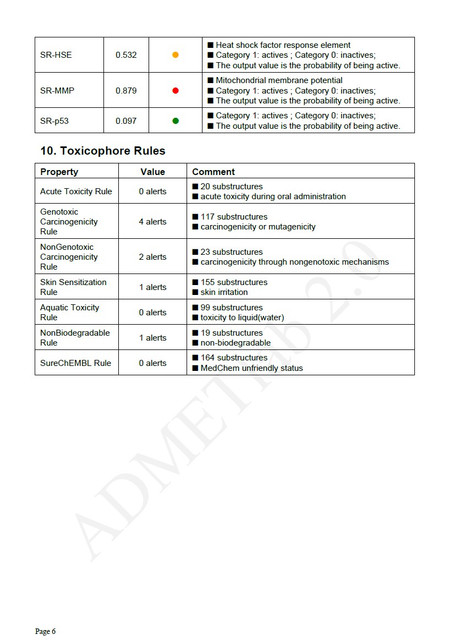
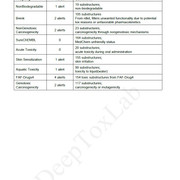
- Ames test in TA98, TA100, TA1535, TA1537 → negative
- Sister Chromatid Exchange (SCE) in human lymphocytes → negative
- No genotoxic effects with or without S9 activation
The National Toxicology Program (NTP) also documents for ferrocene (CAS 102-54-5): → Negative in chromosome aberration and micronucleus tests.
Conclusion: Ferrocene carboxylic acid possesses
no mutagenic potential.
5.4 Carcinogenicity There are no indications that ferrocene or ferrocene carboxylic acid act as tumorigenic agents.
Henschler (1992, DOI:10.1007/BF02987543):
- No pre-carcinogenic lesions in 90-day studies
- No tumor induction
- Hepatic changes were adaptive, not pre-carcinogenic
Thus, ferrocene does not meet the criteria of a CMR substance of Class 1 or 2.
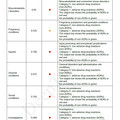
5.5 Reproductive Toxicity Data from animal experimental studies (Dunn et al. 1986, PMID:3732212) show:
- No teratogenic effects
- No effects on fertility
- Fetal weight reduced only with maternal toxicity (non-specific)
Thus, reproductive toxicity is
not substance-specific, but dose-related and non-specific.
5.6 Oxidative Stress and ROS Formation Essential facts:
- Ferrocene is stable → no Fenton substrate
- Only metabolically released Fe2+/Fe3+ would theoretically be redox-active
- The amount from 1-FE-LSD hydrolysis: ~20 µg Fe
- This value is <0.01% of the brain iron pool (Rouault 2013, PMID:23553167)
Ferritin binds >4500 iron ions per molecule (Harrison & Arosio, 1996 PMID:8648576). → 20 µg iron are completely buffered. → No contribution to the labile iron pool (LIP). → No ROS-induced cell damage possible.
Conclusion: The toxicologically relevant species is not ferrocene itself, but free iron. The amounts in the µg range are physiologically unproblematic.
6. OVERALL CONCLUSION
- 1-FE-LSD is a pure prodrug; the effect comes entirely from LSD.
- Ferrocene carboxylic acid is not mutagenic, not carcinogenic, and not toxic to reproduction.
- The released amount of iron (~20 µg) is biologically irrelevant.
- No BBB passage, no intracellular accumulation, no ROS danger.
- Ferrocene carboxylic acid is completely integrated into normal iron pools and excreted.
Thus, there is
no toxicologically relevant burden from ferrocene carboxylic acid when taking 1-FE-LSD.