• N&PD Moderators: Skorpio

Receptor & Hormone impact and recovery for common recreational drugs

placebonaut

Bluelighter
Joined
Feb 7, 2026
Messages
1,360
I would like to understand more about receptor impact and repair time, specifically which drugs interact with which receptors and how, drug class groupings, cross tolerance/interaction info, receptor recovery time once the drug has stopped being used.

I've had a look on the forum and this info does exist but spread across multiple threads requiring a bit of digging to find the info. Also had a quick look and AI suggests there's no single paper covering things which means I need to read through and capture info from multiple papers.

My goal is to create a simple table grouped by receptor to show what drug affects which receptor and how long it takes to repair the receptor once all drugs impacting that receptor have stopped being taken.

Before I burn loads of energy on this if anyone has any suggestions for what to read or has something that already provides the info I'd be really grateful if you could share please.

I'll try and collate things in this thread as I figure things out.

My starter for 10 from ChatGPT is to read the following long list of papers - I've checked the 1st few and the do exist, but no ideal if these are the best & most up to date papers to look at, more work needed to even figure out my approach

There is no single paper that comprehensively summarizes all receptor changes and recovery timelines for every major recreational drug (alcohol, cannabis, nicotine, opioids, cocaine, methamphetamine, MDMA, etc.). Different drugs act on different receptor systems, and the evidence comes from different fields (PET imaging, molecular neuroscience, clinical addiction research).


However, there is a strong scientific consensus on several broad principles:


  • Repeated drug exposure produces neuroadaptations (changes in receptors, transporters, synaptic strength, and neural circuits).
  • Different drug classes affect different neurotransmitter systems (dopamine, glutamate, GABA, opioid, cannabinoid, serotonin, acetylcholine).
  • Many of these changes are partially or substantially reversible with prolonged abstinence, although recovery can take weeks to years depending on the drug and extent of use.
  • Some changes may persist after heavy, long-term exposure, but persistent imaging changes do not necessarily mean permanent impairment in function.

If you only read one paper, I would recommend this one:


1. Neurobiology of addiction: a neurocircuitry analysis (2016)​


Authors: George F. Koob & Nora D. Volkow (two of the world's leading addiction neuroscientists)


Published in The Lancet Psychiatry


Free full text:


Neurobiology of addiction: a neurocircuitry analysis (PMC)


Why it's recommended:


  • Written as a consensus review by leaders in the field.
  • Summarizes how all major classes of addictive drugs alter brain circuitry.
  • Covers dopamine, opioid peptides, GABA, glutamate, serotonin, stress systems, and executive control.
  • Discusses both neuroadaptation and recovery during abstinence.


The best review papers covering the scientific consensus​


2. The Neurobiology of Addiction: An Overview​


Free:


The Neurobiology of Addiction: An Overview (PMC)


A broad overview explaining:


  • reward pathways
  • receptor adaptation
  • tolerance
  • dependence
  • withdrawal
  • recovery mechanisms

This is an excellent introduction.


3. The neurobiology of addiction​


Free:


The neurobiology of addiction (PMC)


Good clinical review covering:


  • dopamine
  • receptor changes
  • why addiction develops
  • imaging evidence
  • implications for recovery


4. Addiction and the brain: The neurobiology of compulsion and its persistence​


Nature Reviews Neuroscience


Nature Reviews article


A landmark review explaining:


  • why addiction causes lasting brain changes
  • synaptic plasticity
  • molecular mechanisms
  • persistence after drug cessation

Although published in 2001, it remains highly influential.


5. Synaptic plasticity and addiction​


Nature Reviews Neuroscience


Synaptic plasticity and addiction


Focuses on:


  • receptor regulation
  • glutamate
  • dopamine
  • long-term potentiation (LTP)
  • long-term depression (LTD)
  • why recovery takes time


Key papers on recovery of specific receptor systems​


These are the studies most often cited when discussing recovery after abstinence:


Cannabis (CB1 receptors)​


Rapid reversibility of cannabinoid CB1 receptor downregulation in cannabis users


Hirvonen et al., Molecular Psychiatry (2012)


This PET imaging study found widespread reductions in CB1 receptor availability in chronic cannabis users that largely normalized after about four weeks of monitored abstinence.


PubMed:


Hirvonen et al. (2012) PubMed record


Nicotine (nicotinic acetylcholine receptors)​


Brody et al.


PET studies consistently show α4β2 nicotinic receptor upregulation in smokers that gradually returns toward normal over weeks to months after cessation.


Cocaine (dopamine D2 receptors)​


Volkow et al.


PET imaging studies demonstrated reduced striatal dopamine D2 receptor availability in cocaine dependence, with partial recovery during prolonged abstinence.


Representative PubMed page:


Volkow et al. on dopamine D2 receptors and cocaine dependence


Methamphetamine (dopamine transporters)​


Volkow and colleagues, along with Chang and colleagues, reported PET evidence of reduced dopamine transporter availability in chronic methamphetamine users, with substantial—but often incomplete—recovery after extended abstinence.


Representative PubMed page:


Volkow et al. on dopamine transporter recovery after methamphetamine abstinence


Overall scientific consensus​


Across reviews from The Lancet Psychiatry, Nature Reviews Neuroscience, and NIH-affiliated authors, there is broad agreement that:


  • Repeated use of addictive drugs induces neuroplastic changes in receptors, transporters, and neural circuits.
  • The specific neurotransmitter systems affected differ by drug class (for example, CB1 for cannabis, nicotinic receptors for nicotine, μ-opioid receptors for opioids, dopamine and glutamate systems across many substances).
  • Recovery begins after abstinence and often continues over weeks, months, or years.
  • Functional recovery is common, but the rate and completeness vary with the substance, duration and intensity of use, and individual factors.
  • Lasting neurobiological changes can remain in some people with prolonged heavy use, but these do not necessarily imply irreversible cognitive or behavioral deficits.

These reviews and studies represent the mainstream view reflected in leading neuroscience journals and are widely cited within the addiction research community.
 
Last edited:

My goal is to create a simple table grouped by receptor to show what drug affects which receptor and how long it takes to repair the receptor once all drugs impacting that receptor have stopped being taken.

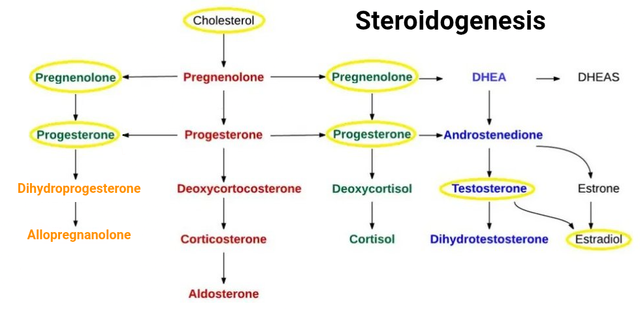
You'll also have to account for (and consider) the hormonal system and it's myriad pharmacological downstream effects and influences. These affect receptors directly and indirectly.

2026-06-20-0o7-Kleki.png
 
Last edited:
You'll also have to account for (and consider) the hormonal system and it's myriad pharmacological downstream effects and influences. These affect receptors directly and indirectly.

2026-06-20-0o7-Kleki.png
I'm learning every day, didn't even know about this, but it makes sense.

another thing to add to my to read list, thanks for flagging it
 
AI view on receptor and hormone recovery - had to split over 2 posts as it's too much for 1 post.

Primary receptor / targetDrugExposure assumptionDrug elimination rangeElimination average daysReceptor adaptation recovery after elimination rangeReceptor recovery average days after eliminationTotal receptor recovery from last dose rangeTotal receptor recovery average daysHormone/endocrine effectsHormone recovery after elimination rangeHormone recovery average daysTotal hormone recovery from last dose rangeTotal hormone recovery average daysEvidence confidenceEvidence typeNotes / supporting papersRecovery index score (0-100)Receptor adaptation severity score (0-100)Neuroadaptation typeConfidence weighted recovery estimate (days)
GABA-AEthanolSingle intoxication dose12-24 hours
0.75​
Minimal adaptation to 1 week
3​
1-7 days
3.75​
Reduced vasopressin; transient cortisol increase1-3 days
2​
2-4 days
2.5​
HighHuman pharmacology and endocrine studiesAcute alcohol effects resolve faster than chronic GABA-A adaptations
10​
15​
Receptor modulation
4​
GABA-ADiazepamSingle dose2-5 days
3.5​
Minimal adaptation to several days
2​
3-7 days
5.5​
Minimal direct hormonal effect1-3 days
2​
3-7 days
5.5​
MediumHuman benzodiazepine pharmacokinetic studiesLong half-life contributes to total recovery time
15​
20​
Receptor modulation
4​
GABA-AAlprazolamSingle dose1-3 days
2​
Minimal adaptation to several days
2​
2-5 days
4​
Minimal direct hormonal effect1-3 days
2​
2-5 days
4​
MediumHuman benzodiazepine studiesShort acting benzodiazepine with rapid clearance
15​
25​
Receptor modulation
3​
GABA-AClonazepamSingle dose3-6 days
4.5​
Minimal adaptation to several days
2​
5-10 days
6.5​
Minimal direct hormonal effect1-3 days
2​
5-10 days
6.5​
MediumHuman pharmacokinetic studiesLong half-life delays clearance
15​
20​
Receptor modulation
5​
GABA-ACarisoprodolSingle dose1-3 days
2​
Minimal adaptation to several days
2​
3-7 days
4​
Minimal endocrine effects1-3 days
2​
3-7 days
4​
Low-MediumPharmacology studiesEffects largely through meprobamate metabolite
15​
25​
Receptor modulation
3​
GABA-AMeprobamateSingle dose2-4 days
3​
Minimal adaptation to several days
2​
4-10 days
6​
Minimal endocrine effects1-3 days
2​
4-10 days
6​
MediumSedative studiesOlder GABAergic sedative
15​
25​
Receptor modulation
6​
GABA-BGHBSingle dose6-24 hours
0.6​
Minimal adaptation to several days
2​
1-5 days
2.5​
Transient growth hormone increase; possible prolactin effects1-3 days
2​
1-5 days
2.5​
MediumHuman endocrine studiesRapid tolerance possible with repeated use
10​
20​
Receptor modulation
2​
GABA-BGBLSingle dose2-8 hours
0.2​
Minimal adaptation to several days
2​
1-5 days
2.2​
Similar to GHB1-3 days
2​
1-5 days
2.2​
MediumPharmacokinetic studiesConverted rapidly to GHB
10​
20​
Receptor modulation
2​
Alpha-2-delta calcium channelPregabalinSingle dose1-3 days
2​
Minimal adaptation
2​
2-5 days
4​
Minimal endocrine effectsNo significant change expected
0​
2-5 days
4​
MediumClinical pharmacology studiesActs through calcium channels rather than GABA receptors
10​
15​
Excitatory signalling reduction
4​
Alpha-2-delta calcium channelGabapentinSingle dose1-2 days
1.5​
Minimal adaptation
2​
2-5 days
3.5​
Minimal endocrine effectsNo significant change expected
0​
2-5 days
3.5​
MediumClinical pharmacology studiesReduces excitatory neurotransmitter release
10​
15​
Excitatory signalling reduction
4​
Mu opioid receptorHeroinSingle exposure1-3 days
2​
Several days
3​
3-7 days
5​
Transient reproductive hormone suppression possible1-2 weeks
7​
1-3 weeks
9​
MediumHuman opioid endocrine studiesSingle exposure usually produces short receptor adaptation
20​
35​
Receptor desensitization
7​
Mu opioid receptorMorphineSingle exposure1-3 days
2​
Several days
3​
3-7 days
5​
Transient prolactin increase and endocrine effects1-2 weeks
7​
1-3 weeks
9​
MediumHuman opioid studiesAcute MOR activation affects pituitary hormones
20​
35​
Receptor desensitization
7​
Mu opioid receptorFentanylSingle exposure1-3 days
2​
Several days
3​
3-7 days
5​
Transient reproductive axis suppression1-2 weeks
7​
1-3 weeks
9​
MediumClinical opioid studiesHigh potency opioid receptor activation
25​
40​
Receptor desensitization
7​
CB1 cannabinoid receptorTHCSingle exposureDays-weeks
3.5​
Days to 2 weeks
5​
1-3 weeks
8.5​
Transient cortisol and appetite hormone changes1-7 days
4​
1-3 weeks
8.5​
HighHuman CB1 PET studiesSingle exposure causes limited CB1 downregulation
20​
25​
Receptor internalization
9​
CB1 cannabinoid receptorSynthetic cannabinoidsSingle exposureHours-days
1​
Days to weeks
7​
1-3 weeks
8​
Possible cortisol changesDays-weeks
7​
1-3 weeks
8​
Low-MediumMechanistic studiesFull CB1 agonism may produce stronger signalling effects
25​
40​
Receptor internalization
12​
Dopamine transporter (DAT)CocaineSingle recreational doseHours-2 days
0.75​
Minimal adaptation to several days
3​
3-5 days
3.75​
Increased cortisol; increased adrenaline; sympathetic activation1-3 days
2​
2-5 days
2.75​
HighHuman pharmacology studiesDAT blockade resolves rapidly after elimination
20​
25​
Transporter modulation
4​
Dopamine transporter and norepinephrine transporterAmphetamineSingle recreational dose1-3 days
2​
Several days
3​
3-7 days
5​
Increased cortisol and catecholamines1-3 days
2​
3-7 days
5​
HighHuman stimulant studiesSingle exposure produces temporary monoamine changes
25​
30​
Transporter modulation
5​
Dopamine transporter (DAT)MethamphetamineSingle recreational dose2-5 days
3.5​
Days-weeks
10​
2-4 weeks
13.5​
Increased cortisol; catecholamine activationDays-weeks
10​
2-4 weeks
13.5​
Medium-HighPET and SPECT studiesHigh doses can produce longer dopamine disruption than amphetamine
35​
45​
Transporter modulation and circuit adaptation
15​
Serotonin transporter (SERT)MDMASingle recreational dose1-3 days
2​
Several days to weeks
14​
2-4 weeks
16​
Increased oxytocin; increased prolactin; increased cortisol1-3 weeks
14​
2-4 weeks
16​
HighHuman PET transporter studiesTemporary SERT changes documented after exposure
40​
45​
Transporter modulation and neurotransmitter depletion
16​
DAT SERT NETMephedroneSingle recreational dose1-3 days
2​
Days-weeks
10​
2-3 weeks
12​
Increased cortisol; catecholamine activation1-2 weeks
10​
2-3 weeks
12​
MediumHuman and animal monoamine studiesMechanism overlaps stimulant and empathogen effects
35​
40​
Transporter modulation
12​
5-HT2A serotonin receptorLSDSingle psychedelic exposure1-3 days
1.5​
Days to 2 weeks
5​
5-14 days
6.5​
Transient cortisol increaseDays
2​
3-14 days
4​
HighHuman psychedelic tolerance studiesRapid receptor tolerance develops
20​
30​
Receptor desensitization
7​
5-HT2A serotonin receptorPsilocybinSingle psychedelic exposureLess than 1 day
0.5​
Days to 2 weeks
5​
3-14 days
5.5​
Transient cortisol increase; possible growth hormone effectsDays
2​
2-14 days
2.5​
HighHuman psychedelic studiesShort lived 5-HT2A adaptation
20​
30​
Receptor desensitization
6​
5-HT2A serotonin receptor2C-BSingle psychedelic exposure1-2 days
1​
Days to 2 weeks
5​
3-14 days
6​
Possible cortisol changesDays
2​
3-14 days
3​
MediumPhenethylamine pharmacology studiesRecovery estimates based on related serotonergic psychedelics
25​
35​
Receptor desensitization
6​
NMDA glutamate receptorKetamineSingle recreational dose1-3 days
2​
Days-weeks
7​
1-3 weeks
9​
Increased cortisol; increased catecholamines1-7 days
4​
1-3 weeks
6​
HighHuman ketamine studiesDownstream glutamate adaptation resolves faster after isolated exposure
30​
35​
Glutamate signalling adaptation
9​
NMDA glutamate receptorDextromethorphanSingle recreational dose1-3 days
2​
Days-weeks
7​
1-3 weeks
9​
Possible serotonin related endocrine effects1-2 weeks
7​
1-3 weeks
9​
MediumPharmacology studiesMultiple mechanisms including NMDA, sigma-1, and serotonin effects
30​
35​
Glutamate signalling adaptation
11​
NMDA glutamate receptorNitrous oxideSingle exposureMinutes-hours
0.1​
Hours-days
1​
1-3 days
1.1​
Transient stress responseLess than 1 week
2​
1-3 days
1.5​
MediumClinical anesthesia studiesShort exposure produces limited receptor adaptation
5​
10​
Glutamate receptor modulation
1​
Nicotinic acetylcholine receptorNicotineSingle exposureHours-3 days
1​
Several days
3​
3-7 days
4​
Increased adrenaline; increased cortisol; insulin effects1-3 days
2​
3-7 days
3​
HighHuman nicotinic receptor studiesAcute activation differs from chronic receptor upregulation
15​
25​
Receptor activation
4​
Kappa opioid receptorSalvinorin ASingle exposureHours
0.25​
Hours-days
1​
1-3 days
1.25​
Limited endocrine dataUnknown
0​
1-3 days
1.25​
Low-MediumReceptor binding studiesVery short acting KOR agonist
5​
15​
Receptor activation
1​

Primary receptor / targetDrugExposure assumptionDrug elimination rangeElimination average daysReceptor adaptation recovery after elimination rangeReceptor recovery average days after eliminationTotal receptor recovery from last dose rangeTotal receptor recovery average daysHormone/endocrine effectsHormone recovery after elimination rangeHormone recovery average daysTotal hormone recovery from last dose rangeTotal hormone recovery average daysEvidence confidenceEvidence typeNotes / supporting papersRecovery index score (0-100)Receptor adaptation severity score (0-100)Neuroadaptation typeConfidence weighted recovery estimate (days)
GABA-AEthanolWeekly recreational use12-24 hours
0.75​
1-4 weeks
17.5​
1-4 weeks
18​
Reduced GABA-A sensitivity; increased glutamate activity; altered cortisol regulationWeeks
21​
Weeks-months
60​
HighHuman withdrawal and receptor studiesChronic alcohol studies demonstrate GABA-A adaptation and NMDA upregulation
45​
55​
Receptor downregulation and excitatory rebound
18​
GABA-ADiazepamWeekly use3-10 days
6.5​
2-6 weeks
28​
3-8 weeks
42​
Possible HPA axis changesWeeks
21​
Weeks
42​
MediumHuman benzodiazepine tolerance studiesRepeated exposure causes GABA-A adaptation and tolerance
40​
50​
Receptor desensitization
32​
GABA-AAlprazolamWeekly use1-3 days
2​
2-6 weeks
28​
2-8 weeks
35​
Possible cortisol regulation changesWeeks
21​
Weeks
35​
MediumHuman benzodiazepine studiesShort acting benzodiazepines can produce strong tolerance
45​
60​
Receptor desensitization
26​
GABA-AClonazepamWeekly use3-6 days
4.5​
2-8 weeks
35​
3-10 weeks
50​
Minimal direct endocrine effects; possible stress axis changesWeeks
21​
Weeks
50​
MediumHuman benzodiazepine studiesLong duration may delay subjective recovery
40​
50​
Receptor desensitization
38​
GABA-ACarisoprodolWeekly use1-3 days plus metabolite
2​
1-4 weeks
17.5​
2-5 weeks
24​
Minimal endocrine effectsMinimal
7​
2-5 weeks
24​
Low-MediumPharmacology studiesAdaptation mainly through meprobamate metabolite
35​
45​
Receptor modulation
24​
GABA-AMeprobamateWeekly use2-5 days
3.5​
2-6 weeks
28​
3-8 weeks
42​
Minimal endocrine effectsMinimal
7​
3-8 weeks
42​
MediumSedative-hypnotic studiesOlder sedative with tolerance development
40​
50​
Receptor desensitization
32​
GABA-BGHBWeekly use6-24 hours
0.6​
1-3 weeks
14​
1-4 weeks
17​
Altered growth hormone and prolactin signalling1-3 weeks
14​
1-4 weeks
17​
MediumHuman endocrine studiesRapid tolerance develops with repeated use
35​
50​
Receptor desensitization
13​
GABA-BGBLWeekly use2-8 hours
0.2​
1-3 weeks
14​
1-4 weeks
14​
Similar to GHB1-3 weeks
14​
1-4 weeks
14​
MediumClinical pharmacology studiesConversion to GHB produces similar adaptation
35​
50​
Receptor desensitization
11​
Alpha-2-delta calcium channelPregabalinWeekly use1-3 days
2​
1-3 weeks
14​
1-4 weeks
16​
Minimal direct endocrine effectsMinimal
0​
1-4 weeks
16​
MediumClinical studiesCalcium channel adaptation rather than GABA receptor adaptation
25​
30​
Excitatory signalling reduction
16​
Alpha-2-delta calcium channelGabapentinWeekly use1-2 days
1.5​
1-3 weeks
14​
1-4 weeks
15.5​
Minimal endocrine effectsMinimal
0​
1-4 weeks
15.5​
MediumClinical studiesLower adaptation than sedative drugs
25​
30​
Excitatory signalling reduction
16​
Mu opioid receptorHeroinWeekly use1-3 days
2​
2-6 weeks
28​
3-8 weeks
38​
Reduced GnRH; reduced LH and testosterone signallingWeeks-months
60​
1-3 months
90​
MediumHuman opioid endocrine studiesRepeated opioid exposure causes MOR desensitization and hormonal suppression
65​
75​
Receptor desensitization and endocrine adaptation
38​
Mu opioid receptorMorphineWeekly use1-3 days
2​
2-6 weeks
28​
3-8 weeks
38​
Reduced LH and testosterone possibleWeeks-months
60​
1-3 months
90​
MediumOpioid endocrine studiesMOR adaptation persists beyond drug clearance
65​
75​
Receptor desensitization and endocrine adaptation
38​
Mu opioid receptorFentanylWeekly use1-3 days
2​
3-8 weeks
42​
4-10 weeks
52​
Opioid induced hypogonadism riskMonths
90​
2-4 months
120​
MediumClinical opioid studiesHigh potency may accelerate tolerance
75​
85​
Receptor desensitization and endocrine adaptation
52​
CB1 cannabinoid receptorTHCWeekly useDays-weeks
14​
2-6 weeks
28​
3-8 weeks
45​
Possible reduced GnRH and sex hormone signallingWeeks-months
60​
1-3 months
75​
HighHuman PET imagingHirvonen et al. demonstrated CB1 receptor downregulation and recovery after abstinence
60​
70​
Receptor internalization and signalling adaptation
45​
CB1 cannabinoid receptorSynthetic cannabinoidsWeekly useHours-days
1​
2-8 weeks
35​
3-10 weeks
45​
Possible cortisol changesWeeks
30​
Weeks-months
60​
Low-MediumMechanistic studiesFull CB1 agonism may produce stronger adaptation than THC
70​
80​
Receptor internalization and signalling adaptation
34​
Dopamine transporter (DAT)CocaineWeekly recreational useHours-2 days
0.75​
2-8 weeks
35​
2-10 weeks
36​
Repeated cortisol elevation; increased sympathetic activityWeeks
30​
1-3 months
60​
HighHuman PET studies and clinical studiesDAT availability and dopamine signalling adapt with repeated exposure
60​
70​
Transporter regulation and reward circuit adaptation
36​
Dopamine transporter and norepinephrine transporterAmphetamineWeekly recreational use1-3 days
2​
2-8 weeks
35​
3-10 weeks
50​
Increased cortisol and catecholaminesWeeks-months
60​
2-3 months
90​
Medium-HighHuman stimulant studiesRepeated exposure alters dopamine release and transporter regulation
65​
70​
Transporter regulation and neurotransmitter adaptation
50​
Dopamine transporter (DAT)MethamphetamineWeekly recreational use2-5 days
3.5​
1-3 months
60​
2-4 months
90​
Cortisol dysregulation; stress axis activation; possible reproductive effectsMonths
90​
3-6 months
150​
HighHuman PET and SPECT imagingDopamine transporter recovery occurs over months in many users
80​
90​
Transporter loss, neurotransmitter depletion, circuit adaptation
90​
Serotonin transporter (SERT)MDMAWeekly recreational use1-3 days
2​
1-3 months
60​
2-4 months
90​
Increased prolactin; increased oxytocin; cortisol changes; possible ADH disruption1-3 months
60​
2-6 months
120​
HighHuman PET transporter imaging studiesReduced serotonin transporter availability observed in frequent users
80​
85​
Transporter regulation and serotonin depletion
90​
DAT SERT NETMephedroneWeekly recreational use1-3 days
2​
2-8 weeks
35​
3-10 weeks
50​
Cortisol elevation; catecholamine activation; possible prolactin changesWeeks-months
60​
2-3 months
90​
MediumHuman and animal monoamine studiesOverlaps mechanistically with cocaine and MDMA
65​
75​
Transporter regulation
50​
5-HT2A serotonin receptorLSDWeekly recreational use1-3 days
1.5​
1-3 weeks
14​
2-4 weeks
16​
Transient cortisol elevation1-3 weeks
14​
2-4 weeks
16​
HighHuman psychedelic tolerance studiesRapid 5-HT2A downregulation and recovery
35​
45​
Receptor desensitization
16​
5-HT2A serotonin receptorPsilocybinWeekly recreational useLess than 1 day
0.5​
1-3 weeks
14​
1-3 weeks
14​
Transient cortisol elevation; possible growth hormone effects1-3 weeks
14​
1-3 weeks
14​
HighHuman psychedelic studiesTolerance prevents continuous effect with frequent use
35​
45​
Receptor desensitization
14​
5-HT2A serotonin receptor2C-BWeekly recreational use1-2 days
1​
1-3 weeks
14​
2-4 weeks
15​
Possible cortisol changes1-3 weeks
14​
2-4 weeks
15​
MediumPhenethylamine pharmacology studiesRecovery estimated from related serotonergic psychedelics
40​
50​
Receptor desensitization
15​
NMDA glutamate receptorKetamineWeekly recreational use1-3 days
2​
2-6 weeks
28​
3-8 weeks
42​
Increased cortisol and catecholaminesWeeks
21​
1-2 months
45​
HighHuman ketamine studiesRepeated exposure alters glutamate plasticity pathways
55​
60​
Glutamate signalling adaptation
42​
NMDA glutamate receptorDextromethorphanWeekly recreational use1-3 days
2​
2-6 weeks
28​
3-8 weeks
42​
Possible serotonergic endocrine effectsWeeks
21​
1-2 months
45​
MediumPharmacology studiesMultiple targets complicate recovery estimates
50​
55​
Glutamate and serotonin adaptation
42​
NMDA glutamate receptorNitrous oxideWeekly recreational useHours-days
0.5​
Days-weeks
7​
1-3 weeks
8​
Stress response activation; possible B12-related effectsWeeks
21​
1-2 months
30​
MediumToxicology studiesRepeated use creates risks beyond receptor adaptation
40​
45​
Glutamate modulation and metabolic adaptation
8​
Nicotinic acetylcholine receptorNicotineWeekly recreational use1-3 days
1​
2-8 weeks
35​
3-10 weeks
45​
Increased adrenaline; cortisol changes; insulin effectsWeeks-months
60​
2-3 months
90​
HighHuman PET receptor studiesRepeated nicotine causes receptor upregulation
70​
80​
Receptor upregulation and signalling adaptation
45​
Kappa opioid receptorSalvinorin AWeekly recreational useHours
0.25​
Days-weeks
7​
1-3 weeks
7​
Minimal endocrine dataUnknown
0​
1-3 weeks
7​
Low-MediumReceptor binding studiesLimited evidence for long-term adaptation
20​
30​
Receptor adaptation
7​
 
Primary receptor / targetDrugExposure assumptionDrug elimination rangeElimination average daysReceptor adaptation recovery after elimination rangeReceptor recovery average days after eliminationTotal receptor recovery from last dose rangeTotal receptor recovery average daysHormone/endocrine effectsHormone recovery after elimination rangeHormone recovery average daysTotal hormone recovery from last dose rangeTotal hormone recovery average daysEvidence confidenceEvidence typeNotes / supporting papersRecovery index score (0-100)Receptor adaptation severity score (0-100)Neuroadaptation typeConfidence weighted recovery estimate (days)
GABA-AEthanolWeekly recreational use12-24 hours
0.75​
1-4 weeks
17.5​
1-4 weeks
18​
Reduced GABA-A sensitivity; increased glutamate activity; altered cortisol regulationWeeks
21​
Weeks-months
60​
HighHuman withdrawal and receptor studiesChronic alcohol studies demonstrate GABA-A adaptation and NMDA upregulation
45​
55​
Receptor downregulation and excitatory rebound
18​
GABA-ADiazepamWeekly use3-10 days
6.5​
2-6 weeks
28​
3-8 weeks
42​
Possible HPA axis changesWeeks
21​
Weeks
42​
MediumHuman benzodiazepine tolerance studiesRepeated exposure causes GABA-A adaptation and tolerance
40​
50​
Receptor desensitization
32​
GABA-AAlprazolamWeekly use1-3 days
2​
2-6 weeks
28​
2-8 weeks
35​
Possible cortisol regulation changesWeeks
21​
Weeks
35​
MediumHuman benzodiazepine studiesShort acting benzodiazepines can produce strong tolerance
45​
60​
Receptor desensitization
26​
GABA-AClonazepamWeekly use3-6 days
4.5​
2-8 weeks
35​
3-10 weeks
50​
Minimal direct endocrine effects; possible stress axis changesWeeks
21​
Weeks
50​
MediumHuman benzodiazepine studiesLong duration may delay subjective recovery
40​
50​
Receptor desensitization
38​
GABA-ACarisoprodolWeekly use1-3 days plus metabolite
2​
1-4 weeks
17.5​
2-5 weeks
24​
Minimal endocrine effectsMinimal
7​
2-5 weeks
24​
Low-MediumPharmacology studiesAdaptation mainly through meprobamate metabolite
35​
45​
Receptor modulation
24​
GABA-AMeprobamateWeekly use2-5 days
3.5​
2-6 weeks
28​
3-8 weeks
42​
Minimal endocrine effectsMinimal
7​
3-8 weeks
42​
MediumSedative-hypnotic studiesOlder sedative with tolerance development
40​
50​
Receptor desensitization
32​
GABA-BGHBWeekly use6-24 hours
0.6​
1-3 weeks
14​
1-4 weeks
17​
Altered growth hormone and prolactin signalling1-3 weeks
14​
1-4 weeks
17​
MediumHuman endocrine studiesRapid tolerance develops with repeated use
35​
50​
Receptor desensitization
13​
GABA-BGBLWeekly use2-8 hours
0.2​
1-3 weeks
14​
1-4 weeks
14​
Similar to GHB1-3 weeks
14​
1-4 weeks
14​
MediumClinical pharmacology studiesConversion to GHB produces similar adaptation
35​
50​
Receptor desensitization
11​
Alpha-2-delta calcium channelPregabalinWeekly use1-3 days
2​
1-3 weeks
14​
1-4 weeks
16​
Minimal direct endocrine effectsMinimal
0​
1-4 weeks
16​
MediumClinical studiesCalcium channel adaptation rather than GABA receptor adaptation
25​
30​
Excitatory signalling reduction
16​
Alpha-2-delta calcium channelGabapentinWeekly use1-2 days
1.5​
1-3 weeks
14​
1-4 weeks
15.5​
Minimal endocrine effectsMinimal
0​
1-4 weeks
15.5​
MediumClinical studiesLower adaptation than sedative drugs
25​
30​
Excitatory signalling reduction
16​
Mu opioid receptorHeroinWeekly use1-3 days
2​
2-6 weeks
28​
3-8 weeks
38​
Reduced GnRH; reduced LH and testosterone signallingWeeks-months
60​
1-3 months
90​
MediumHuman opioid endocrine studiesRepeated opioid exposure causes MOR desensitization and hormonal suppression
65​
75​
Receptor desensitization and endocrine adaptation
38​
Mu opioid receptorMorphineWeekly use1-3 days
2​
2-6 weeks
28​
3-8 weeks
38​
Reduced LH and testosterone possibleWeeks-months
60​
1-3 months
90​
MediumOpioid endocrine studiesMOR adaptation persists beyond drug clearance
65​
75​
Receptor desensitization and endocrine adaptation
38​
Mu opioid receptorFentanylWeekly use1-3 days
2​
3-8 weeks
42​
4-10 weeks
52​
Opioid induced hypogonadism riskMonths
90​
2-4 months
120​
MediumClinical opioid studiesHigh potency may accelerate tolerance
75​
85​
Receptor desensitization and endocrine adaptation
52​
CB1 cannabinoid receptorTHCWeekly useDays-weeks
14​
2-6 weeks
28​
3-8 weeks
45​
Possible reduced GnRH and sex hormone signallingWeeks-months
60​
1-3 months
75​
HighHuman PET imagingHirvonen et al. demonstrated CB1 receptor downregulation and recovery after abstinence
60​
70​
Receptor internalization and signalling adaptation
45​
CB1 cannabinoid receptorSynthetic cannabinoidsWeekly useHours-days
1​
2-8 weeks
35​
3-10 weeks
45​
Possible cortisol changesWeeks
30​
Weeks-months
60​
Low-MediumMechanistic studiesFull CB1 agonism may produce stronger adaptation than THC
70​
80​
Receptor internalization and signalling adaptation
34​
Dopamine transporter (DAT)CocaineWeekly recreational useHours-2 days
0.75​
2-8 weeks
35​
2-10 weeks
36​
Repeated cortisol elevation; increased sympathetic activityWeeks
30​
1-3 months
60​
HighHuman PET studies and clinical studiesDAT availability and dopamine signalling adapt with repeated exposure
60​
70​
Transporter regulation and reward circuit adaptation
36​
Dopamine transporter and norepinephrine transporterAmphetamineWeekly recreational use1-3 days
2​
2-8 weeks
35​
3-10 weeks
50​
Increased cortisol and catecholaminesWeeks-months
60​
2-3 months
90​
Medium-HighHuman stimulant studiesRepeated exposure alters dopamine release and transporter regulation
65​
70​
Transporter regulation and neurotransmitter adaptation
50​
Dopamine transporter (DAT)MethamphetamineWeekly recreational use2-5 days
3.5​
1-3 months
60​
2-4 months
90​
Cortisol dysregulation; stress axis activation; possible reproductive effectsMonths
90​
3-6 months
150​
HighHuman PET and SPECT imagingDopamine transporter recovery occurs over months in many users
80​
90​
Transporter loss, neurotransmitter depletion, circuit adaptation
90​
Serotonin transporter (SERT)MDMAWeekly recreational use1-3 days
2​
1-3 months
60​
2-4 months
90​
Increased prolactin; increased oxytocin; cortisol changes; possible ADH disruption1-3 months
60​
2-6 months
120​
HighHuman PET transporter imaging studiesReduced serotonin transporter availability observed in frequent users
80​
85​
Transporter regulation and serotonin depletion
90​
DAT SERT NETMephedroneWeekly recreational use1-3 days
2​
2-8 weeks
35​
3-10 weeks
50​
Cortisol elevation; catecholamine activation; possible prolactin changesWeeks-months
60​
2-3 months
90​
MediumHuman and animal monoamine studiesOverlaps mechanistically with cocaine and MDMA
65​
75​
Transporter regulation
50​
5-HT2A serotonin receptorLSDWeekly recreational use1-3 days
1.5​
1-3 weeks
14​
2-4 weeks
16​
Transient cortisol elevation1-3 weeks
14​
2-4 weeks
16​
HighHuman psychedelic tolerance studiesRapid 5-HT2A downregulation and recovery
35​
45​
Receptor desensitization
16​
5-HT2A serotonin receptorPsilocybinWeekly recreational useLess than 1 day
0.5​
1-3 weeks
14​
1-3 weeks
14​
Transient cortisol elevation; possible growth hormone effects1-3 weeks
14​
1-3 weeks
14​
HighHuman psychedelic studiesTolerance prevents continuous effect with frequent use
35​
45​
Receptor desensitization
14​
5-HT2A serotonin receptor2C-BWeekly recreational use1-2 days
1​
1-3 weeks
14​
2-4 weeks
15​
Possible cortisol changes1-3 weeks
14​
2-4 weeks
15​
MediumPhenethylamine pharmacology studiesRecovery estimated from related serotonergic psychedelics
40​
50​
Receptor desensitization
15​
NMDA glutamate receptorKetamineWeekly recreational use1-3 days
2​
2-6 weeks
28​
3-8 weeks
42​
Increased cortisol and catecholaminesWeeks
21​
1-2 months
45​
HighHuman ketamine studiesRepeated exposure alters glutamate plasticity pathways
55​
60​
Glutamate signalling adaptation
42​
NMDA glutamate receptorDextromethorphanWeekly recreational use1-3 days
2​
2-6 weeks
28​
3-8 weeks
42​
Possible serotonergic endocrine effectsWeeks
21​
1-2 months
45​
MediumPharmacology studiesMultiple targets complicate recovery estimates
50​
55​
Glutamate and serotonin adaptation
42​
NMDA glutamate receptorNitrous oxideWeekly recreational useHours-days
0.5​
Days-weeks
7​
1-3 weeks
8​
Stress response activation; possible B12-related effectsWeeks
21​
1-2 months
30​
MediumToxicology studiesRepeated use creates risks beyond receptor adaptation
40​
45​
Glutamate modulation and metabolic adaptation
8​
Nicotinic acetylcholine receptorNicotineWeekly recreational use1-3 days
1​
2-8 weeks
35​
3-10 weeks
45​
Increased adrenaline; cortisol changes; insulin effectsWeeks-months
60​
2-3 months
90​
HighHuman PET receptor studiesRepeated nicotine causes receptor upregulation
70​
80​
Receptor upregulation and signalling adaptation
45​
Kappa opioid receptorSalvinorin AWeekly recreational useHours
0.25​
Days-weeks
7​
1-3 weeks
7​
Minimal endocrine dataUnknown
0​
1-3 weeks
7​
Low-MediumReceptor binding studiesLimited evidence for long-term adaptation
20​
30​
Receptor adaptation
7​
 
ChatGPT advice on papers:- A small set of highly regarded papers can collectively cover most of your dataset. For a scientific reference backbone, I would use the following.


System covered

Gold-standard paper

What it contributes

General addiction neuroadaptation framework

Probably the best single overview of chronic drug-induced adaptations across dopamine, stress systems, reward circuitry, and withdrawal. Useful as the conceptual framework for your dataset.

Dopamine transporter recovery (methamphetamine)

Volkow et al. Loss of dopamine transporters in methamphetamine abusers recovers with protracted abstinence. Journal of Neuroscience 2001

One of the strongest human demonstrations that a drug-induced transporter change can partially recover over prolonged abstinence. PET-based DAT measurement. (PubMed)

Dopamine recovery nuance

Volkow et al. Recovery of dopamine transporters with methamphetamine detoxification is not linked to changes in dopamine release. NeuroImage 2015

Important because DAT recovery does not necessarily equal complete dopamine system normalization. Separates transporter recovery from functional recovery. (PubMed)

Serotonin transporter recovery (MDMA)

Buchert et al. A voxel-based PET investigation of long-term effects of ecstasy consumption on brain serotonin transporters. Journal of Neuroscience 2004

Strong human PET evidence that SERT reductions in MDMA users can recover with abstinence. (PubMed)

Serotonin transporter and 5-HT2A changes (MDMA)

Kish et al. Quantitative PET studies of the serotonin transporter in MDMA users and controls. Neuropsychopharmacology 2005

Covers SERT changes using validated PET ligands and examines relationships with abstinence duration. (Nature)

CB1 cannabinoid receptor recovery

One of the best human PET studies of receptor downregulation and recovery after cannabis cessation.

GABA-A receptor recovery (alcohol dependence)

Abi-Dargham et al. Cortical GABA-A-benzodiazepine receptors in recovery from alcohol dependence. Archives of General Psychiatry 1998

Directly examines GABA-A benzodiazepine receptor availability during recovery from alcohol dependence. (JAMA Network)

Nicotinic acetylcholine receptor recovery

Cosgrove et al. Brain nicotinic acetylcholine receptor availability and response to smoking cessation treatment. Archives of General Psychiatry 2014

PET evidence for alpha4beta2 nicotinic receptor availability changes in smokers. (PubMed)

I'll go and validate the numbers by looking at the papers but I will prioritise the drugs that I use

AI prompt - which papers provide a summary for the following drugs:- pregablin, GBL, mephedrone, MDMA, amphetamine, Carisoprodol, Meprobamate, cocaine, 2C-B. Provide a table with the papers name, a link to the paper, and a matrix of which drugs & receptors it covers


Paper

Link

Pregabalin

GBL / GHB

Mephedrone

MDMA

Amphetamine

Carisoprodol

Meprobamate

Cocaine

2C-B

Main receptor/transporter coverage

Gajraj. "Pregabalin: its pharmacology and use in pain management" (2007)

Pregabalin: its pharmacology and use in pain management

X

-

-

-

-

-

-

-

-

Alpha-2-delta voltage gated calcium channel subunit; reduced glutamate, noradrenaline, serotonin release

Ben-Menachem. "Pregabalin pharmacology and its relevance to clinical practice" (2004)

Pregabalin pharmacology and its relevance to clinical practice

X

-

-

-

-

-

-

-

-

Alpha-2-delta calcium channels; neuronal excitability

Wong et al. "Sites of action of gamma-hydroxybutyrate (GHB) - a neuroactive drug with abuse potential" (2003)

Sites of action of gamma-hydroxybutyrate (GHB)--a neuroactive drug with abuse potential

-

X

-

-

-

-

-

-

-

GHB receptor, GABA-B receptor, dopamine modulation

Simmler et al. "Pharmacology of MDMA- and Amphetamine-Like New Psychoactive Substances" (2018)

Pharmacology of MDMA- and Amphetamine-Like New Psychoactive Substances

-

-

X

X

X

-

-

P

-

DAT, NET, SERT, monoamine release, receptor interactions

Verrico, Miller and Madras. "MDMA (Ecstasy) and human dopamine, norepinephrine, and serotonin transporters" (2007)

MDMA (Ecstasy) and human dopamine, norepinephrine, and serotonin transporters: implications for MDMA-induced neurotoxicity and treatment

-

-

-

X

P

-

-

-

-

SERT, DAT, NET

Sulzer et al. "New insights into the mechanism of action of amphetamines" (2007)

New insights into the mechanism of action of amphetamines

-

-

P

X

X

-

-

P

-

DAT, VMAT2, monoamine release, transporter reversal

Liechti et al. "Pharmacological profile of mephedrone analogs and related new psychoactive substances" (2017)

Pharmacological profile of mephedrone analogs and related new psychoactive substances

-

-

X

P

P

-

-

-

-

DAT, NET, SERT, monoamine receptors

Kuhar. "Molecular pharmacology of cocaine: a dopamine hypothesis and its implications" (1992)

Molecular pharmacology of cocaine: a dopamine hypothesis and its implications

-

-

-

-

-

-

-

X

-

DAT, dopamine reward pathway

Ritz et al. / PET cocaine transporter literature

Cocaine: PET studies of cocaine pharmacokinetics, dopamine transporter availability and dopamine transporter occupancy

-

-

-

-

-

-

-

X

-

DAT occupancy, SERT, NET binding

Rho et al. / Carisoprodol GABA-A studies

Carisoprodol-mediated modulation of GABAA receptors: in vitro and in vivo studies

-

-

-

-

-

X

X

-

-

GABA-A receptor positive allosteric modulation

Hogenkamp et al. "Assessment of direct gating and allosteric modulatory effects of meprobamate in recombinant GABA-A receptors" (2016)

Assessment of direct gating and allosteric modulatory effects of meprobamate in recombinant GABAA receptors

-

-

-

-

-

X

X

-

-

GABA-A receptor subtypes

Psychedelic 5-HT2A receptor reviews (general psychedelic pharmacology)

5-HT2A mediated plasticity as a target in major depression: a narrative review connecting the dots from neurobiology to cognition and psychology

-

-

-

-

-

-

-

-

X

5-HT2A receptor signalling, glutamate/plasticity pathways

Best "core reading set" if you want the smallest number of papers

If the goal is to support your receptor dataset with the fewest citations, I would use:
  1. Koob and Volkow 2016
    • General addiction neuroadaptation framework
    • Applies across dopamine, stress, reward systems
  2. Simmler & Liechti 2018
    • Covers MDMA, amphetamine-like drugs, mephedrone
    • DAT/NET/SERT framework
  3. Sulzer 2007
    • Amphetamine and monoamine transporter mechanisms
  4. Wong 2003
    • GHB/GBL receptor pharmacology
  5. Rho/Hogenkamp GABA-A papers
    • Carisoprodol/meprobamate
  6. Gajraj 2007
    • Pregabalin
  7. 5-HT2A psychedelic receptor reviews
    • 2C-B class coverage

This set gives a defensible literature foundation for almost every receptor entry in your dataset.


One important gap remains: 2C-B specifically has far less receptor and recovery literature than LSD/psilocybin, so most 2C-B entries are necessarily extrapolated from substituted phenethylamines and 5-HT2A agonist literature rather than direct human receptor recovery studies.

 
I saw in the research paper about the methamphetamine rejenerative qualities that it can be neuroprotective and promote growth when used in small doses and is used in the medical sector to treat aquired brain injury recovery.
 
I saw in the research paper about the methamphetamine rejenerative qualities that it can be neuroprotective and promote growth when used in small doses and is used in the medical sector to treat aquired brain injury recovery.
yes I saw that as well, maybe someone posted about it recently (?? can't remember).

while there might be upside for certain drugs for this exercise I'm not planning on including any, it will just complicate the model - I'm basing much of what I do here on normal "common" doses as well, think that's the easiest way to keep things as consistent and transferable as possible
 
Top