• N&PD Moderators: Skorpio

Neuroscience Psychedelic Neuroscience

This thread contains discussion about a Neuroscience-related topic

mr peabody

Bluelight Crew
Joined
Aug 31, 2016
Messages
6,005
Location
Frostbite Falls, MN
SS.jpg

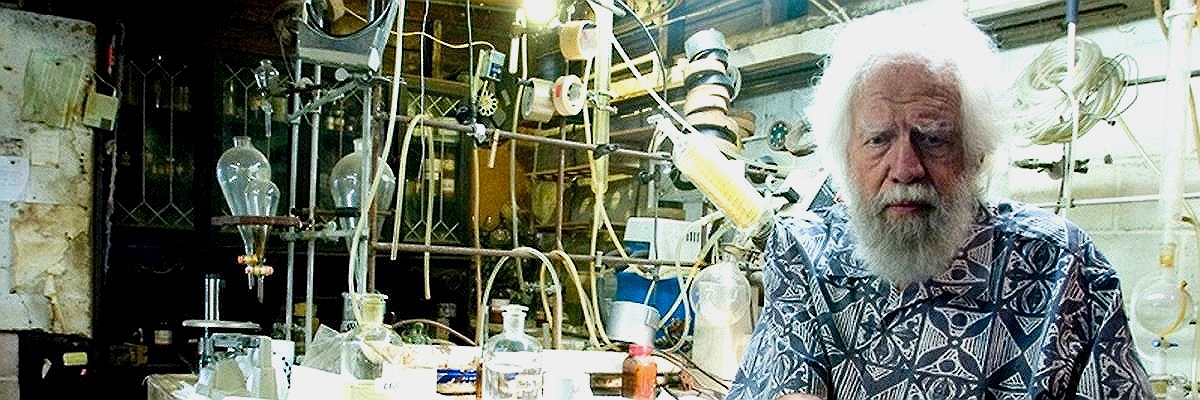
Alexander Shulgin

An Introduction to Psychedelic Neuroscience

Tanya Calvey, Fleur Margaret Howells | ResearchGate

This chapter is an introduction to the volume Psychedelic Neuroscience of Elsevier's Progress in Brain Research addressing the neurobiological mechanisms of psychedelic drugs, the resulting changes in brain activity and integration of traditional viewpoints. As the field is relatively new, there are discrepancies in the literature related to classification, composition and effects of the various psychedelics. Currently, psychedelics are grouped according to their neuro-receptor affinities into classic and atypical psychedelics, each with individual treatment potentials and abilities to elicit potent acute experiences and long-lasting changes in neurobiology through concurrent activation of several neuromodulatory systems. There is disparity in psychedelic brain imaging studies, delineating what is neural activity and hemodynamic needs further investigation for us to understand the brain state changes that are apparent. The psychedelic brain state is often compared to acute psychosis and we review the psychedelic animal models of psychosis and human brain imaging studies and contrast these to psychosis. The term psychedelic means mind-revealing and psychedelics have exceptional anti-amnesic effects and are able to make conscious that which was previously unconscious through changes in brain state, but also there is growing evidence which demonstrates the role of epigenetic mechanisms. This supports traditional therapeutic use of psychedelics to heal ancestral trauma. Details of these mechanisms are provided along with suggestions for further research.

WHAT ARE PSYCHEDELICS?

The field of psychedelic neuroscience has witnessed a recent renaissance following decades of restricted research due to their legal status. As this is a relatively new field, there are incongruences in the literature related to terminology, classification, content and effect of the various psychedelics.

The currently accepted classification of psychedelics includes classic psychedelics and atypical/non-traditional/non-classical psychedelics. Classic psychedelics are the phenethylamines such as mescaline, tryptamines such as 5-MeO-DMT, DMT, psilocybin, and ergolines such as LSD. Atypical psychedelics can be further divided into dissociative psychedelics, e.g., PCP, ketamine and ibogaine, as well as cannabinoid agonists (e.g. THC), muscarinic receptor antagonists (e.g., scopolamine), and entactogens (e.g., MDMA).

Problematic in the field, perhaps more so than in other fields, is the issue of conflicting results, likely due to the limited research. For example, there is conflicting evidence as to whether or not the low 5HT2A affinity of ibogaine has any functional relevance. Ly et al. found that the 5HT2A receptor antagonist, ketanserin, blocked the effect of noribogaine on structural plasticity yet both ibogaine and noribogaine failed to induce head-shake response in rats, a behavior which is seen to be comparable to hallucinations in humans and mediated by 5HT2A activation. Gonzalez et al. suggest that this result supports the subjective experiences in humans, where ibogaine does not produce the typical interferences in thinking, identity distortions, and space-time alteration, which are produced by the classic psychedelics. A second example, where there is confusion is the literature regarding 5-MeO-DMT. 5-MeO-DMT is described as being a constituent of ayahuasca, while it is evidenced that ayahuasca holds a high concentration of DMT, 5-MeO-DMT concentration is either non-existent or negligible in most brews, and the ayahuasca psychedelic experience bears little to no resemblance to an experience with 5-MeO-DMT. Then cannabis research is possibly the best example of conflicting psychedelic research. As reviewed in Colizzi and Bhattacharyya, evidence as to whether cannabis use is associated with adverse effects to mental health or cognition in humans is equivocal. There are also many divergent results in the functional human neuroimaging studies as detailed by Meuller et al. Indeed, this is a new and growing field of research and more research is required to uncover the various psychedelics drugs, their active components and neurobiological effects.

NEUROBIOLOGY OF PSYCHEDELIC THERAPY FOR DEPRESSION AND ADDICTION

Classic psychedelics and dissociative psychedelics are known to have rapid onset antidepressant and anti-addictive effects, unlike any currently available treatment. Randomized clinical control studies have confirmed antidepressant and anxiolytic effects of classic psychedelics in humans. Ketamine also has well established antidepressant and anti-addictive effects in humans mainly through its action as an NMDA antagonist. Ibogaine has demonstrated potent anti-addictive potential in pre-clinical studies and is in the early stages of clinical trials to determine efficacy in robust human studies.

Psychedelics are not only known to have rapid onset but their effects persist long after their acute effects; this includes changes in mood and brain function. These effects are suggested to result from their unique receptor affinities which affect neurotransmission via neuromodulatory systems which then serve to modulate brain activity, i.e., neuro-plasticity. These lasting effects are reported to promote cell survival, be neuroprotective, and modulate neuroimmune systems of the brain. The mechanisms which lead to these long-term neuromodulatory changes have been linked to epigenetic modifications and gene expression changes. These psychedelic drug effects, previously under-researched, may potentially provide the next-generation of neurotherapeutics, where treatment resistant diseases, e.g., depression and addiction, may become treatable with attenuated pharmacological risk profiles.

Classic psychedelics have been shown to stimulate the serotonergic system mainly via 5HT1A, 5HT2A, 5HT2C, and 5HT7 receptors, with the dopaminergic system primarily via D2 receptors, and indirectly with the glutamatergic and GABAergic systems. There is significant cross-talk between these neuromodulatory systems and classic psychedelics, and activation of 5HT1A and 5HT2A receptors modulates glutamatergic and dopaminergic neurotransmission in brain networks associated with depression and addiction. Then activation of 5HT2C receptors localized in dopaminergic and GABAergic neurons in the ventral tegmental area (VTA) regulates motivation by modulating transmissions to the nucleus accumbens (NAc) and altered balance in this 5HT2C receptor-associated network is postulated to cause reward-related disorders, such as schizophrenia, depression, and addiction. Further, it is acknowledged that classic psychedelics have an extremely low potential for abuse, and it is suggested that stimulation of 5HT2C receptors limits their potential for addiction and that their therapeutic effects are mediated by acute 5HT2C receptor stimulation followed by sustained downregulation of 5HT2A and 5HT1A receptors. Investigation into the complex mechanisms of action of classic psychedelics which lead to its anti-depressant and anti-addiction properties via the serotonergic system continues to gain momentum, e.g., minimal research has investigated the role of 5HT7 activation by psychedelics, but has been suggested to play a role in classic psychedelic anti-addiction properties, specifically 5-MeO-DMT in alcohol use disorder.

The classic psychedelics act directly via the serotonergic system whereas certain atypical psychedelics have direct affinity for numerous neuromodulatory systems. A remarkable example, ibogaine, addressed by Corkery and Barsuglia et al., demonstrates novel pharmacological mechanisms of action to be considered in the potential treatment of substance use disorders and depression through simultaneous activation of multiple neuro-transmitter systems. This alkaloid has low micromolar affinity for mu and kappa opioid receptors, SIGMA-1 and SIGMA-2 receptors, serotonin reuptake transporter (SERT) and dopamine transporter (DAT), is an antagonist to NMDA and α3β4 nicotinic acetylcholine (nAChR) receptors and a weak 5HT2A receptor agonist. Drugs with similar NMDA affinity (e.g., ketamine and memantine) or NMDA regulators have shown promise in reducing symptoms of substance use disorders and depression. The mu-opioid receptor has demonstrated a functional role in drug reward as well as craving. Further, ibogaine possesses an opiate replacement mechanism of action as reported for compounds such as methadone. However, neither ibogaine nor its principle psychoactive metabolite, noribogaine, activate G-proteins associated with morphine administration, or produce signs and symptoms of opioid intoxication in opioid naive persons; therefore, it seems that ibogaine is able to produce a neuroadaptive effect on endogenous opioid systems which reverses opi- oid tolerance and may be implicated broadly in its addiction-interrupting effects.

ADDITIONAL THERAPEUTIC MECHANISMS OF ACTION

There is strong evidence suggesting that various psychedelics influence the expres- sion and modulation of genes, which in turn, may lead to long-term neurochemical and neuroplastic changes and modification of epigenetic mechanisms. When administered chronically, LSD has been shown to have effects on dopaminergic neurotransmission at the level of gene expression by decreasing the mRNA expression of the dopamine receptor genes DRD1 and DRD2 in the medial prefrontal cortex (mPFC). Classic and dissociative psychedelics lead to structural and functional changes in cortical neurons, with plasticity-promoting properties that rival brain-derived neurotropic factor (BDNF). LSD has demonstrated to be extremely potent in this regard possibly due to slow off kinetics of the LSD-bound 5HT2B crystal structure. Although the molecular targets of classic and dissociative psychedelics differ, their plasticity promoting properties are similar and are known to activate TrkB, mTOR, and 5HT2A signaling pathways, suggesting that these key signaling hubs may serve as potential targets for the development of psychoplastogens, fast-acting antidepressants, and anxiolytics. The mTOR signaling pathways may also play a role in certain psychedelics' ability to modify epigenetic mechanisms as mTORC1 is thought to be involved in regulating gene expression through epigenetic mechanisms or by directly affecting RNA stability/degradation. Another relevant receptor involved in epigenetic modification is SIGMAR1. DMT and ibogaine both activate SIGMAR1 and recently, SIGMAR1 has been shown to modulate epigenetic processes by creating a dose-dependent interaction between emerin and histone deacetylase (HDAC)1, HDAC2 and HDAC3, affecting chromatin compaction and gene expression. At the nuclear envelope, SIGMAR1 recruits chromatin-remodeling molecules to regulate gene expression and at the synaptic level it interacts with voltage-gated ion channels, which leads to modification and reorganization of several homo- and heteroreceptor complexes which in turn modulates of neurotransmission, reviewed in Inserra.


NEU.jpg


NEUROBIOLOGY OF THE PSYCHEDELIC EXPERIENCE

The psychedelic experience can produce eyes-closed and eyes-open imagery. The imagery can be clear and visual or it can have a dream-like quality with strong emotions and insights. There is also often heightened memory retrieval where long-forgotten memories are retrieved with exceptional clarity and detail. A common experience on ibogaine, for example, is that one's life flashes before their eyes as clear as if they were watching a movie about their life.

The neurophysiological mechanisms that facilitate the psychedelic experience are largely unknown but progress is being made in understanding how the neurochemical profile of psychedelics elicits this effect, bringing that which was previously unconscious to the conscious mind. The differences in the psychedelic state elicited by the various classic and atypical psychedelics hold promise in differentiating the exact neuroreceptor-mind interactions. Neuroreceptors are coded by individual genes and extensive genetic variation exists in the population for these neuromodulatory systems. Variation in the neuroreceptor-mind interactions, thus, holds further promise for psychiatric neurogenomics research as it will uncover how individual genetic variation in the neuromodulatory systems affects different psychedelic states and changes in neurobiology.

The serotonergic system's involvement in the psychedelic state has received the most research attention, and has provided new insights related to the neurochemical mechanisms underlying changes in brain network activity and perfusion. Serotonin is involved in many neurological (e.g., epilepsy) and psychiatric (e.g., depression) diseases. Serotonin receptors may directly or indirectly depolarize or hyperpolarize neurons by changing the ionic conductance and/or concentration within the cells and is able to change excitability within brain networks. For example, pharmacological magnetic resonance imaging (phMRI) in rats indicates that psilocin induces brain signal increases in olfactory and limbic areas and brain signal decreases in somatosensory and motor cortices. 5-MeO-DMT disrupts cortical activity and low frequency cortical oscillations in the frontal cortex of rats with alternating activity in frontal and visual areas associated with psychedelic effects.

In humans, activation of postsynaptic 5HT2A receptors in layer V of the medial prefrontal cortex mPFC is considered to be responsible for the visual hallucinations produced by classic psychedelics. Cortical 5HT2A hyper-activation affects cortico-striatal-thalamo-cortical circuit functioning and triggers a disruption in the thalamic gating of sensory and cognitive information leading to perceptual distortions.

Studies point toward not only brain network activity changes but also significant increases in hemodynamics. Increased cerebral blood flow has been reflected in temperature record of different brain areas with administration of MDMA, increased blood flow to the cortex correlated with increased neuronal activity as expected, however within the thalamus increased blood flow negatively correlated with increased neuronal activity. Then a psilocin study reported decreased local field potentials to sensory stimuli while hemodynamic response was enhanced. These data support a brain state change, but also require us to challenge our knowledge of the nature of this differential activity, neural versus hemodynamic, and their interplay which leads to the psychedelic experience.

Human brain imaging studies are limited, the neurophysiological underpinnings are largely speculative, while the findings are interesting and need to be further investigated. For example, an LSD functional MRI (fMRI) study found increased hemodynamic activity within brain areas rich in 5HT2A receptors and globally, the authors conclude that this reflected increased functional connectivity and that this increased activity led to ego dissolution. Then a psilocybin fMRI study found decreased hemodynamic activity within the thalamus and anterior and posterior cingulate cortices, where the decreased activity in the anterior cingulate correlated with the psychedelic experience. They further report a decrease in resting state connectivity between the medial prefrontal cortex and posterior cingulate cortex; the authors conclude that psilocybin reduced connectivity, and this reduction enabled the psychedelic experience. A different psilocybin resting state fMRI study reported that connectivity increased in higher brain networks such as the default mode, executive control, and dorsal attention networks. Then an arterial spin labelling study found that post MDMA, hemodynamics decreased and this was localized to right medial temporal lobe (MTL), thalamus, inferior visual cortex, and somatosensory cortex. Then a spontaneous magnetoencephalo-graphic (MEG) study investigated Lempel-Ziv (LZ) complexity, more commonly applied in EEG studies, to determine diversity of mixed-signal being recorded. Where they found three psychedelic drugs: psilocybin, LSD, and ketamine, increased signal diversity within occipital cortices, this extended over the parietal cortex with LSD, and even further with ketamine over the full cortex, excluding medial frontal brain areas, they were also able to support a reduction in alpha MEG activity for all three psychedelics tested.

The authors concluded that their findings provide confirmation that psychedelics create a higher level of consciousness which is reflected in MEG LZ complexity. A second psychedelic MEG study, which investigated psilocybin, reported reduction in spontaneous cortical activity in posterior association cortices, and in frontal association cortices. Second, they reported hugely significant reductions within the default mode network. Then a low-resolution electromagnetic tomography (LORETA) study investigated ayahuasca and found reductions in delta, theta, alpha-2, and beta-1 frequency bands, these changes were predominantly evident over the temporo-parietal-occipital junction. Overall, the brain imaging studies, which address hemodynamic activity in humans, support acute increases and decreases in several brain regions. Electro-magnetic studies report reductions in neural activity, most notably evident for alpha band frequency, and not limited to specific brain areas, but potentially reducing frontal activity and increasing parietal activity. Together these findings support the conclusion Lebedev et al. drew in relation to psilocybin; that psychedelics lead to a disintegration of functional connectivity, and this permits ego-dissolution. It is suggested that this disintegration is at least in part due to decreased connectivity between of the parahippocampal and retrosplenial cortex, as was reported in a resting state fMRI LSD study, which may serve to support the change in cortical activity.

Psychedelic electroencephalographic research supports a brain state change, with evidence of reduced neural activity frontally and support increased activity parietally. A quantitative EEG (qEEG) study, investigated the acute effects of DMT and 5-MeO-DMT, finding significant reductions in global absolute alpha activity, while moderate significant increases were seen in theta and beta. Then ayahuasca induced decreases in delta, theta, and alpha frequency activity, the power of alpha activity in parietal and occipital cortex was negatively related with the intensity of visual psychedelic experience. Acute dosing of DMT showed reduction in coherence between anterior and posterior EEG recording sites, where anterior coherence decreased, permitting parietal coherence to drive the EEG activity. Psilocybin was reported to decrease 1.5-20 Hz frequency activity, and using source density EEG the neural networks which showed this decreased connectivity were in the anterior and posterior cingulate cortices and the parahippocampal regions. The authors also report that the psychedelic experience was related to delta activity between the retrosplenial cortex, the parahippocampus, and the lateral orbitofrontal area. These data together support shifts in brain state with changes in cortical control from frontal brain areas to parietal and in part this is related to hippocampal network activity.

Further, EEG studies have investigated and contrasted MDMA, cannabis, and MDMA with cannabis use on EEG frequency where they show that MDMA with or without cannabis use increased delta band frequency, while cannabis use alone was found to increase high alpha band activity. In addition, this study found that MDMA with or without cannabis use showed increased blood flow and diastolic blood velocity. The increased alpha band activity in cannabis-alone users contradicts several papers which support attenuated alpha band activity. Then other cannabis studies report no change in alpha, and only report reductions in delta and beta activity. Cannabis has been shown to increase heart rate when alpha band activity is reduced, CB1 antagonism prevents the increase in heart rate produced by cannabis; however, this study which tested CB1 antagonism in acute cannabis use reported no change in alpha activity. Then an acute study investigated the effects of MDMA with and without ethanol or THC, and MDMA alone was found to decrease theta and alpha power, when a combination of MDMA and THC was taken together their attenuation of theta and lower-1-alpha was less than when given alone, then the combination of MDMA with THC lead to significant reduction in lower-2-alpha, but not when administered alone. Then a study in users of MDMA showed an incremental increase in alpha activity as cumulative doses of ecstasy increased, with no effect on theta activity.

There is an absence of reliable ibogaine EEG studies in humans, a single study in cynomologus monkeys reported no effect, then several rat studies. These studies report increased low-frequency, delta and theta, activity, and found ibogaine pre-treatment lowered cocaine-induced seizure threshold, reflected in alpha1-frequency band activity. These data support changes in brain network activity, but are contradictory, and further investigation is needed. There are significant changes in alpha activity, which may be related to changes in thalamocortical gating activities.

Then event-related potential (ERP) EEG studies, which are few, report some discrete neural circuitry psychedelic effects, and the little evidence which is available suggests that exposure to psychedelic drugs impacts the relevant neural circuitry needed for specific cognitive tasks.

In a randomized, double-blind study, psilocybin, the preferential 5HT2A antagonist ketanserin, or psilocybin with ketanserin was administered acutely, during the completion of a facial recognition task psilocybin enhanced positive mood and attenuated recognition of negative facial expression, which was reflected in P300 wave form amplitude, positive > negative. A second study by the same group which investigated the spatiotemporal dynamics of a modal object completion task found psilocybin to attenuate the N170 amplitude, particularly apparent during the processing of incomplete objects, while slightly enhancing P100 component. The authors found the attenuated N170 over right extrastriate and posterior parietal cortices correlated with intensity of visual hallucinations. The authors suggest this reduction in N170 reflects 5HT1A and 5HT2A receptor-mediated visual hallucinations.

Then ERP cannabis studies report on occasional versus heavy cannabis users which completed a divergent attention task with acute administration of THC, occasional users showed reduced P100 amplitude; while both occasional and heavy users showed decreased P300 amplitudes, no effect on ERP waveforms were reported for their second task, the stop signal task, a task which measures activation of behavioral inhibitory circuitry. A second study, which addressed acute dose-related effects of THC on a three-stimulus oddball paradigm, found that with increasing dose of THC, P300a increased and P300b decreased, latency of P300 and wave-form of the N100 were not affected. The sparse ERP wave form findings suggest neural circuit function, versus state, is dependent on psychedelic exposure and dosing, beyond this further research needs to be conducted to gain better insight to the effects of psychedelics on neural processing during cognition.

THE MYSTERY

Wisdom requires not only the investigation of many things but contemplation of the mystery. -Jeremy Narby

Science is at the early stages of understanding psychedelic molecular mechanisms and even further from understanding the psychedelic state as any scientist who has experienced it is aware. Let us try to imagine how psychedelics are able to make conscious previously subconscious information, which forms part of traditional practitioners' imperative in administering psychedelics for therapeutic purposes over the millennia. This may provide insight to the relevant brain changes needed to promote attenuation of anxiety and promote anti-addictive brain states.

At a 2-month follow-up, approximately 70 of the participants rated the psilocybin experience as among the most personally meaningful of their lives. A subsequent study documented that administration of psilocybin led to increases in the open-ness domain of personality that was stable for at least a year. This was notable because few, if any, previous studies had demonstrated that any discrete experimental manipulation was capable of yielding long-lasting changes in personality. -Murnane

The 5-MeO-DMT state began with images of floating through the universe and being surrounded by the stars. He also described seeing a "universal cosmic matrix" that had a central column of electric light and spiritual beings merging into the light.

"It's just love. Everything. All of it. That is all that exists. Love is it. Upon debriefing from his session several hours afterwards, he believed this experience was the single-most peak transformational experience of his life. He reported he lost all sense of his body and surroundings, and was transformed on a cellular level into infinite energy and pure love, and described, all of [his] stress and difficulties throughout [his] life felt like they occurred for a meaningful purpose, and the traumas of [his] past were washed over by an infinitely loving energy." -Barsuglia et. al.

In individuals with substance use disorders, ibogaine stimulates heightened memory retrieval specifically related to drug abuse, the perception of one's own future with or without drug use, and visions which reveal powerful insights into the nature of the addiction such as personal traumas. -Barsuglia et. al.

Psychedelics are known to have exceptional anti-amnesic effects where memories are retrieved in great detail. In fact, all psychedelics have the ability to make conscious/reveal/retrieve that which was previously unconscious and the term, psychedelic, means mind-revealing.

The neurophysiological mechanisms that facilitate this anti-amnesic effect are largely unknown but progress is being made in identifying the molecular and cellular mechanisms and brain networks involved.

The anti-amnesic effect of psychedelics has also been supported in rodent studies where administration of ibogaine facilitated spatial memory retrieval, and low dose THC has been shown to improve memory in aged rodents, and to enhance synaptic marker proteins and increase hippocampal spine density. The anti-amnesic effect of ibogaine and ayahuasca is, partly, due to the SIGMAR1 affinity of both compounds. SIGMAR1 activation has been shown to reverse experimental-induced amnesia in rodents, via enhancement of the cholinergic and glutamatergic systems. Peak densities of SIGMAR1 are found in brain areas relevant to traumatic memory formation, retrieval and updating, such as the amygdala and the hippocampal formation.

Psychedelics also enhance synaptic plasticity and increase neurogenesis, processes known to be involved in memory reconsolidation and fear extinction. The fear response triggered by the memory can be reprogramed and/or extinguished through synaptic plasticity and changes in gene expression mediated by epigenetic modification via 5HT2A and SIGMAR1 activation.

Subsequently, the memory is reconsolidated and stored with updated significance via cortical mechanisms. As suggested, there is a change in cortical control from frontal brain areas to parietal brain areas and, in part, this is related to hippocampal network activity. For example, varying doses of PCP have been shown to change the functional connectivity (phMRI) between several brain areas, including the fronto-cortical and hippocampal brain regions. Atasoy et al. report that changes in brain activity occur in a frequency-specific manner with LSD and psilocybin, and that these changes in power-law components lead to an expansion of the repertoire of active brain states and the emergence of more complex brain dynamics which heightens information processing capabilities.

Perhaps a similar mechanism may be involved in ancestral communication.

Higher doses of ibogaine generate its psychoactive effects, including hallucinations and the facilitation of communion with the spirits of the ancestors in rites of passage. Ibogaine ingestion in a religious context allows a bonding across time and space between consumers and their ancestors and fellow community members through a shared common experience of a distinctive system of belief and consciousness. -Corkery

Ayahuasca and ibogaine are the psychedelics most commonly associated with ancestor communication. Ayahuasceros and Bwiti tribesman summon the ancestors during ceremony. The Basotho people of southern Africa use Boophone disticha, a psychedelic bulb for ancestor communication as well. This may be culturally-specific interpretation but an alternate hypothesis proposed here is that the same mechanisms that are involved in psychedelics' anti-amnestic properties, i.e., their ability to retrieve and reconsolidate memories via changes in gene expression and brain activity, are the same mechanisms involved in making conscious information in our DNA and inherited epigenetic information. Genetic memory is a field of psychology and epigenetic modification from ancestral experience and/or trauma is now known to be heritable and able to affect offspring for many generations afterward. More research is required but if changes to our mind, memories and personality are due to changes in gene expression and epigenetic mechanisms and if psychedelics are able to make conscious stored neural information that is coded by genes and epigenetics, then it may be possible for information stored in our DNA and in our epigenome to be made conscious and in the case of the epigenome, reconsolidated in the same way as memories are. This is not a new concept in the psychedelic community. Psychedelics are said to heal ancestral trauma. After spending many years researching ayahuasca in South America, Narby concluded that ayahuasca used by shamans in the Western Amazon affords them access to knowledge coded in DNA. As more and more research uncovers the molecular mechanisms of psychedelic neuro-science, this does not seem like an impossible idea. Early psychedelic use in South America and Africa may be the origin of modern ancestor worship.

https://www.researchgate.net/publication/328974974_An_introduction_to_psychedelic_neuroscience
 
Last edited:

plasticity-of-the-brain-vce-u4-psychology-1-728.jpg


Psychedelics found to promote structural and functional neural plasticity

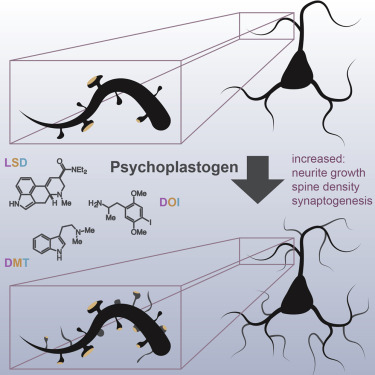
Ly et al. demonstrate that psychedelic compounds such as LSD, DMT, and DOI increase dendritic arbor complexity, promote dendritic spine growth, and stimulate synapse formation. These cellular effects are similar to those produced by the fast-acting antidepressant ketamine and highlight the potential of psychedelics for treating depression and related disorders.

Highlights

- Serotonergic psychedelics increase neuritogenesis, spinogenesis, and synaptogenesis
- Psychedelics promote plasticity via an evolutionarily conserved mechanism
- TrkB, mTOR, and 5-HT2A signaling underlie psychedelic-induced plasticity
- Noribogaine, but not ibogaine, is capable of promoting structural neural plasticity

---

SUMMARY

Atrophy of neurons in the prefrontal cortex (PFC) plays a key role in the pathophysiology of depression and related disorders. The ability to promote both structural and functional plasticity in the PFC has been hypothesized to underlie the fast-acting antidepressant properties of the dissociative anesthetic ketamine. Here, we report that, like ketamine, serotonergic psychedelics are capable of robustly increasing neuritogenesis and/or spinogenesis both in vitro and in vivo. These changes in neuronal structure are accompanied by increased synapse number and function, as measured by fluorescence microscopy and electrophysiology. The structural changes induced by psychedelics appear to result from stimulation of the TrkB, mTOR, and 5-HT2A signaling pathways and could possibly explain the clinical effectiveness of these compounds. Our results underscore the therapeutic potential of psychedelics and, importantly, identify several lead scaffolds for medicinal chemistry efforts focused on developing plasticity-promoting compounds as safe, effective, and fast-acting treatments for depression and related disorders.


1-s2.0-S2211124718307551-fx1.jpg


Neuropsychiatric diseases, including mood and anxiety disorders, are some of the leading causes of disability worldwide and place an enormous economic burden on society. Approximately one-third of patients will not respond to current antidepressant drugs, and those who do will usually require at least 2-4 weeks of treatment before they experience any beneficial effects. Depression, PTSD, and addiction share common neural circuitry and have high comorbidity. A preponderance of evidence from a combination of human imaging, postmortem studies, and animal models suggests that atrophy of neurons in the prefrontal cortex (PFC) plays a key role in the pathophysiology of depression and related disorders and is precipitated and/or exacerbated by stress. These structural changes, such as the retraction of neurites, loss of dendritic spines, and elimination of synapses, can potentially be counteracted by compounds capable of promoting structural and functional neural plasticity in the PFC, providing a general solution to treating all of these related diseases. However, only a relatively small number of compounds capable of promoting plasticity in the PFC have been identified so far, each with significant drawbacks. Of these, the dissociative anesthetic ketamine has shown the most promise, revitalizing the field of molecular psychiatry in recent years.

Ketamine has demonstrated remarkable clinical potential as a fast-acting antidepressant, even exhibiting efficacy in treatment-resistant populations. Additionally, it has shown promise for treating PTSD and heroin addiction. Animal models suggest that its therapeutic effects stem from its ability to promote the growth of dendritic spines, increase the synthesis of synaptic proteins, and strengthen synaptic responses.

Like ketamine, serotonergic psychedelics and entactogens have demonstrated rapid and long-lasting antidepressant and anxiolytic effects in the clinic after a single dose, including in treatment-resistant populations. In fact, there have been numerous clinical trials in the past 30 years examining the therapeutic effects of these drugs, with MDMA recently receiving the breakthrough therapy designation by the Food and Drug Administration for treating PTSD. Furthermore, classical psychedelics and entactogens produce antidepressant and anxiolytic responses in rodent behavioral tests, such as the forced swim test and fear extinction learning, paradigms for which ketamine has also been shown to be effective. Despite the promising antidepressant, anxiolytic, and anti-addictive properties of serotonergic psychedelics, their therapeutic mechanism of action remains poorly understood, and concerns about safety have severely limited their clinical usefulness.

Because of the similarities between classical serotonergic psychedelics and ketamine in both preclinical models and clinical studies, we reasoned that their therapeutic effects might result from a shared ability to promote structural and functional neural plasticity in cortical neurons. Here, we report that serotonergic psychedelics and entactogens from a variety of chemical classes (e.g., amphetamine, tryptamine, and ergoline) display plasticity-promoting properties comparable to or greater than ketamine. Like ketamine, these compounds stimulate structural plasticity by activating the mammalian target of rapamycin (mTOR). To classify the growing number of compounds capable of rapidly promoting induced plasticity, we introduce the term psychoplastogen, from the Greek roots psych- (mind), -plast (molded), and -gen (producing). Our work strengthens the growing body of literature indicating that psychoplastogens capable of promoting plasticity in the PFC might have value as fast-acting antidepressants and anxiolytics with efficacy in treatment-resistant populations and suggests that it may be possible to use classical psychedelics as lead structures for identifying safer alternatives.

Psychedelics promote neuritogenesis

Because atrophy of cortical neurons is believed to be a contributing factor to the development of mood and anxiety disorders, we first treated cultured cortical neurons with psychedelics from a variety of structural classes and measured the resulting changes in various morphological features. Using Sholl analysis, we observed that several psychedelics increased dendritic arbor complexity comparably to ketamine, as measured by the area under the curve of the Sholl plots as well as the maximum number of crossings. This increase in arbor complexity appeared to result from large changes in both the number of dendritic branches and the total length of the arbors. Psychedelics had a limited effect on the number of primary dendrites and did not alter the length of the longest dendrite.

Nearly all psychedelic compounds tested were capable of robustly promoting neuritogenesis, with comparable effects being produced by tryptamines, amphetamines, and ergolines. As a positive control, we treated cells with DHF, a psychoplastogen structurally dissimilar to classical psychedelics, and found that it also increased dendritic arbor complexity. This neurite outgrowth structural phenotype seems to only be induced by select compounds because serotonin and D-amphetamine, molecules that are chemically related to classical psychedelics and entactogens, exerted minimal to no effects on neuritogenesis.

To establish the relative potencies and efficacies of hallucinogens and entactogens for promoting neurite outgrowth, we conducted 8-point dose-response studies. We defined 100% and 0% efficacy as the maximum number of crossings induced by ketamine (10 nM) and vehicle (0.1% DMSO), respectively. We chose the 10 nM concentration of ketamine as the upper limit because this concentration of ketamine is reached in the brain following intra-peritoneal administration of an antidepressant dose in rats. For consistency, we used this same concentration when testing the effects of psychedelics and entactogens, with DMT being the only exception. We used a maximum 90 nM concentration of DMT in our studies to more closely mimic the brain concentration of DMT in rats treated with an antidepressant dose. In this neuritogenesis assay, ketamines half maximal effective concentration (EC50) value was 132 nM. Surprisingly, the majority of the psychedelics and entactogens we tested exhibited significantly greater potency than ketamine, with LSD being particularly potent. In fact, LSD exhibited activity across 8 orders of magnitude into the low picomolar range.

Notably, the anti-addictive alkaloid ibogaine was the only psychedelic tested that had absolutely no effect. This was a surprising result because we hypothesized that ibogaines long-lasting anti-addictive properties might result from its psychoplastogenic properties. Previous work by He et al. clearly demonstrated that ibogaine increases the expression of glial cell line-derived neurotrophic factor (GDNF) and that this plasticity-promoting protein is critical to ibogaines anti-addictive mechanism of action. Because several reports have suggested that noribogaine, a metabolite of ibogaine, might actually be the active compound in vivo, we decided to test its ability to promote neuritogenesis in cultured cortical neurons. Gratifyingly, noribogaine robustly increased dendritic arbor complexity with an EC50 value comparable to ketamine, providing additional evidence suggesting that it may be the active compound in vivo.

To assess the in vivo effects of classical psychedelics on neuritogenesis, we started treating Drosophila larvae during the first instar with LSD and DOI. As observed in rodent cortical cultures, both LSD and DOI significantly increased dendritic branching of class I sensory neurons; however, they did not increase the total length of the dendritic arbors. Because of the striking effects of psychedelics on the structures of immature neurons, we hypothesized that they might influence neuro-development. To test this, we chronically treated zebrafish embryos with compounds for 6 days immediately following dechorionation and assessed gross morphological changes and behavior. We did not observe any differences in head sizes between the treatment groups, nor did we detect any statistically significant differences in activity levels.

Next we assessed the ability of psychedelics to promote neuritogenesis in more mature neurons by starting to treat Drosophila larvae during the late second instar. Again, psychedelics increased the branching of class I neurons, although the effect was less dramatic than that observed when treatment was started during the first instar. Although different developmental stages might be more or less susceptible to the effects of psychedelics, it is also possible that the smaller effect size observed after administering compounds starting at the later time point was simply the result of treating the larvae for a shorter period of time. Regardless, it was quite surprising to observe compound-induced changes in neuronal structure after initiating treatment during the late second instar because class I neurons are stereotyped and typically possess relatively few higher-order branches. Moreover, our results demonstrate that psychedelics can promote changes in neuronal structure across vertebrate (rats) and invertebrate (Drosophila) species, suggesting that they act through an evolutionarily conserved mechanism.

Psychedelics promote spinogenesis and synaptogenesis

In addition to dendritic atrophy, loss of dendritic spines is a hallmark of depression and other neuropsychiatric disorders, so we next assessed the effects of psychedelics on spinogenesis. We treated mature rat cortical cultures for 24 hr with DOI, DMT, and LSD as representative compounds from the amphetamine, tryptamine, and ergoline classes of psychedelics, respectively. All three compounds increased the number of dendritic spines per unit length, as measured by super-resolution structured illumination microscopy (SIM), with LSD nearly doubling the number of spines. Additionally, treatment caused a shift in spine morphology, favoring immature over more mature (mushroom) spine types. Co-localization of pre- and post-synaptic markers following treatment demonstrated that psychedelics promoted synaptogenesis by increasing the density, but not the size of synapses. This increase in synapse density was accompanied by an increase in the density of VGLUT1 puncta, but not PSD-95 puncta, following compound administration.

Encouraged by our in vitro results, we next assessed the effects of a single intraperitoneal dose of DMT on spinogenesis in the PFC of adult rats using Golgi-Cox staining. We chose to administer a 10 mg/kg dose of DMT for three reasons. First, all available data suggested that this dose would produce hallucinogenic effects in rats with minimal safety risks. Second, we have previously shown that a 10 mg/kg dose of DMT produces positive effects in rat behavioral tests relevant to depression and PTSD. Finally, we wanted to directly compare the effects of DMT with ketamine, and seminal studies conducted by Li et al. had previously demonstrated that a 10 mg/kg dose of ketamine produced a robust increase in dendritic spine density in the PFC of rats. We observed a significant increase in the density of dendritic spines on cortical pyramidal neurons 24 hr after dosing with DMT. This effect was comparable with that produced by ketamine at the same dose. Importantly, this DMT-induced increase in dendritic spine density was accompanied by functional effects. Ex vivo slice recordings revealed that both the frequency and amplitude of spontaneous excitatory postsynaptic currents (EPSCs) were increased following DMT treatment. Interestingly, 10 mg/kg and 1 mg/kg doses produced similar responses despite the fact that they are predicted to be hallucinogenic and sub-psychedelic, respectively.

Because the half-life of DMT is exceedingly short (15 min), these results confirm that structural and functional changes induced by DMT persist for hours after the compound has been cleared from the body. Moreover, they demonstrate that DMT produces functional effects on pyramidal neurons of the PFC that mirror those produced by ketamine. Because the PFC is a key brain region involved in extinction learning, and both ketamine and DMT have been shown to facilitate fear extinction, our results suggest a link between the plasticity-promoting and behavioral effects of these drugs. Because fear extinction can be enhanced by increasing levels of brain-derived neurotrophic factor (BDNF) in the PFC, and ketamines behavioral effects have been shown to be BDNF-dependent, we next sought to determine the role of BDNF signaling in the plasticity-promoting effects of classical psychedelics.

Psychedelics promote plasticity through a TrkB- and mTOR-dependent mechanism

The role of BDNF in both neuritogenesis and spinogenesis is well known, and several reports suggest that psychedelics are capable of increasing levels of neurotrophic factors. Therefore, we treated cortical neurons with BDNF, DOI, and a combination of the two to see whether they had any additive or synergistic effects. Dose-response studies using recombinant BDNF revealed that a 50 ng/mL treatment increased neuritogenesis to a comparable extent as DOI. Moreover, a combination of the two did not confer any added benefit, suggesting that they operate through a related mechanism. Next, we treated cortical neurons with DOI, DMT, and LSD for 24 hr before measuring BDNF gene and protein expression using droplet digital PCR and ELISA, respectively. Although psychedelics did not increase the expression of BDNF transcript, they did result in a 2-fold increase in BDNF protein levels, although this effect was not statistically significant. When cortical cultures were co-treated with ANA-12, a selective antagonist of BDNFs high-affinity receptor TrkB, the ability of psychedelics or BDNF to stimulate neuritogenesis and spinogenesis was completely blocked.

Activation of TrkB is known to promote signaling through mTOR, which plays a key role in structural plasticity, the production of proteins necessary for synaptogenesis, and the effects of ketamine. Treatment with rapamycin, an mTOR inhibitor, completely blocked psychedelic-induced neuritogenesis, thus confirming that mTOR activation plays a role in the plasticity-promoting effects of classical serotonergic psychedelics.


brain-neuron-receptor.jpg


The 5-HT2A receptor mediates the effects of psychedelics on structural plasticity

Finally, we sought to determine whether the 5-HT2A receptor played any role in the plasticity-promoting effects of DOI, DMT, and LSD because this receptor is known to be primarily responsible for the hallucinogenic effects of classical psychedelics. Furthermore, the psychoplastogenic potencies of these and related compounds correlate well with their 5-HT2A receptor affinities. Control experiments demonstrated that 5-HT2A receptors were expressed on cultured rat cortical neurons at both 6 days in vitro and DIV19. Next we found that co-treatment with ketanserin, a selective 5-HT2A antagonist, completely abrogated the ability of DMT, LSD, and DOI to promote both neuritogenesis and spinogenesis. Ketanserin was also able to block the effects of psilocin as well as the non-classical psychedelic noribogaine and enactogen MDMA.

These initial experiments were performed using doses of psychoplastogens that produced maximal effects on structural plasticity in combination with a 10-fold excess of ketanserin. At these concentrations, we could not rule out the possibility of other receptors contributing to the antagonistic effects of ketanserin. Therefore, we treated cultured cortical neurons with a significantly lower dose of LSD and attempted to block its ability to promote neurite outgrowth using increasing doses of ketanserin. We found that ketanserin blocks the psychoplastogenic effects of LSD by ~50% when treated at 10 nM. This is consistent with the fact that the binding affinities of ketanserin and LSD for the 5-HT2A receptor are roughly equivalent. Increasing the concentration of ketanserin to 100 nM, 10-fold higher than the concentration of LSD used in this experiment, completely prevented LSD-induced neuritogenesis. At 100 nM, ketanserin is relatively selective for the 5-HT2A receptor, although, at this concentration, we cannot rule out the possible involvement of 5-HT2C, adrenergic, or histamine receptors.

As a final note, the concentration responses of most psychoplastogens had Hill slopes that deviated from 1.0, implying polypharmacology. Because psychedelics have relatively high affinities for 5-HT2A receptors, it is likely that the effects of psychedelics are mediated primarily through 5-HT2A receptors at low concentrations and modulated by other targets at high concentrations. Interestingly, the concentration response of DMT was the only one to exhibit a Hill slope greater than 1.0, indicating some form of cooperativity.

Discussion

Classical serotonergic psychedelics are known to cause changes in mood and brain function that persist long after the acute effects of the drugs have subsided. Moreover, several psychedelics elevate glutamate levels in the cortex and increase gene expression in vivo of the neurotrophin BDNF as well as immediate-early genes associated with plasticity. This indirect evidence has led to the reasonable hypothesis that psychedelics promote structural and functional neural plasticity, although this assumption had never been rigorously tested. The data presented here provide direct evidence for this hypothesis, demonstrating that psychedelics cause both structural and functional changes in cortical neurons.

Prior to this study, two reports suggested that psychedelics might be able to produce changes in neuronal structure. Jones et al. demonstrated that DOI was capable of transiently increasing the size of dendritic spines on cortical neurons, but no change in spine density was observed. The second study showed that DOI promoted neurite extension in a cell line of neuronal lineage. Both of these reports utilized DOI, a psychedelic of the amphetamine class. Here we demonstrate that the ability to change neuronal structure is not a unique property of amphetamines like DOI because psychedelics from the ergoline, tryptamine, and iboga classes of compounds also promote structural plasticity. Additionally, D-amphetamine does not increase the complexity of cortical dendritic arbors in culture, and therefore, these morphological changes cannot be simply attributed to an increase in monoamine neurotransmission.

The identification of psychoplastogens belonging to distinct chemical families is an important aspect of this work because it suggests that ketamine is not unique in its ability to promote structural and functional plasticity. In addition to ketamine, the prototypical psychoplastogen, only a relatively small number of plasticity-promoting small molecules have been identified previously. Importantly, the psychoplastogenic effects of psychedelics in cortical cultures were also observed in vivo using both vertebrate and invertebrate models, demonstrating that they act through an evolutionarily conserved mechanism. Furthermore, the concentrations of psychedelics utilized in our in vitro cell culture assays were consistent with those reached in the brain following systemic administration of therapeutic doses in rodents. This suggests that neuritogenesis, spinogenesis, and/or synaptogenesis assays performed using cortical cultures might have value for identifying psychoplastogens and fast-acting antidepressants. It should be noted that our structural plasticity studies performed in vitro utilized neurons exposed to psychedelics for extended periods of time. Because brain exposure to these compounds is often of short duration due to rapid metabolism, it will be interesting to assess the kinetics of psychedelic-induced plasticity.

A key question in the field of psychedelic medicine has been whether or not psychedelics promote changes in the density of dendritic spines. Using super-resolution SIM, we clearly demonstrate that psychedelics do, in fact, increase the density of dendritic spines on cortical neurons, an effect that is not restricted to a particular structural class of compounds. Using DMT, we verified that cortical neuron spine density increases in vivo and that these changes in structural plasticity are accompanied by functional effects such as increased amplitude and frequency of spontaneous EPSCs. We specifically designed these experiments to mimic previous studies of ketamine so that we might directly compare these two compounds, and, to a first approximation, they appear to be remarkably similar. Not only do they both increase spine density and neuronal excitability in the cortex, they seem to have similar behavioral effects. We have shown previously that, like ketamine, DMT promotes fear extinction learning and has antidepressant effects in the forced swim test. These results, coupled with the fact that ayahuasca, a DMT-containing concoction, has potent antidepressant effects in humans, suggests that classical psychedelics and ketamine might share a related therapeutic mechanism.

Although the molecular targets of ketamine and psychedelics are different, they appear to cause similar downstream effects on structural plasticity by activating mTOR. This finding is significant because ketamine is known to be addictive whereas many classical psychedelics are not. The exact mechanisms by which these compounds stimulate mTOR is still not entirely understood, but our data suggest that, at least for classical psychedelics, TrkB and 5-HT2A receptors are involved. Although most classical psychedelics are not considered to be addictive, there are still significant safety concerns with their use in medicine because they cause profound perceptual disturbances and still have the potential to be abused. Therefore, the identification of non-hallucinogenic analogs capable of promoting plasticity in the PFC could facilitate a paradigm shift in our approach to treating neuropsychiatric diseases. Moreover, such compounds could be critical to resolving the long-standing debate in the field concerning whether the subjective effects of psychedelics are necessary for their therapeutic effects. Although our group is actively investigating the psychoplastogenic properties of non-hallucinogenic analogs of psychedelics, others have reported the therapeutic potential of safer structural and functional analogs of ketamine.

Our data demonstrate that classical psychedelics from several distinct chemical classes are capable of robustly promoting the growth of both neurites and dendritic spines in vitro, in vivo, and across species. Importantly, our studies highlight the similarities between the effects of ketamine and those of classical serotonergic psychedelics, supporting the hypothesis that the clinical antidepressant and anxiolytic effects of these molecules might result from their ability to promote structural and functional plasticity in prefrontal cortical neurons. We have demonstrated that the plasticity-promoting properties of psychedelics require TrkB, mTOR, and 5-HT2A signaling, suggesting that these key signaling hubs may serve as potential targets for the development of psychoplastogens, fast-acting antidepressants, and anxiolytics. Taken together, our results suggest that psychedelics may be used as lead structures to identify next-generation neurotherapeutics with improved efficacy and safety profiles.

https://www.cell.com/cell-reports/pdf/S2211-1247(130755-1.pdf
 
COWS.jpg


Psychedelic drugs change the structure of neurons

by Peter Hess | INVERSE

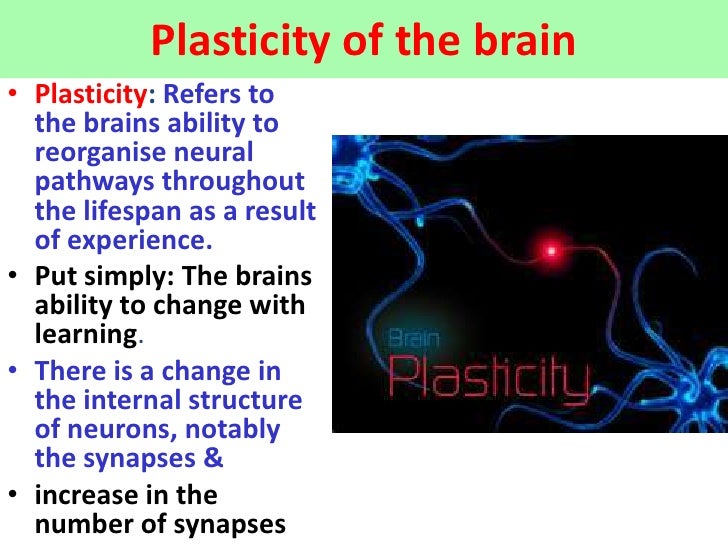
The brain is continually reorganizing itself by forming new neural connections throughout life. This phenomenon is known as Neuroplasticity.

Psychedelic drugs - LSD, DMT, and psilocybin - have shaken off a lot of their stigma and reputation as party drugs in the past few years, as scientists begin to investigate their significant healing potential for people with mental illness. Similarly, the drug ketamine, best known as a rave drug, has also shown promise in rapidly treating medication-resistant depression, and like psychedelics, its effects persist after treatment has ended.

New research shows that the way psychedelics repair the brain is very similar to ketamine’s action, which could pave the way for a future class of fast-acting drugs to treat conditions like depression, post-traumatic stress disorder, and substance use disorders. In a paper published Tuesday in the journal Cell Reports, a team of researchers showed evidence that psychedelic drugs can induce structural changes in nerve cells — a trait called Neuroplasticity — that could, in turn, help repair brain dysfunction in people with mood and anxiety disorders.

“Psychedelics are some of the most powerful compounds known to impact brain function so I was very interested to know what their mechanisms of action are,” David Olson, Ph.D., an assistant professor of biochemistry and molecular medicine at UC Davis and the corresponding author on the study, tells Inverse. "This paper adds to the on growing body of psychedelic neuroscience research by showing some of the changes induced by psychedelics."

Through experiments conducted on cultured rat neurons, as well as the actual brains of fruit flies and rats, Olson and his colleagues found that LSD, DMT, and DOI (2,5-dimethoxy-4-iodoamphetamine, a potent psychedelic amphetamine) increased the number of dendrites (branches) in nerve cells, increased the density of dendritic spines (protrusions on dendrites that help the neurons receive input from other cells), and increased number of synapses (functional connections between neurons). Altogether, these findings suggest that psychedelics induce structural changes to the brain, which Olson says can help treat mental illness.

“The structure of neurons affects their function, and in the case of a lot of neuropsychiatric diseases, particularly mood and anxiety disorders, these are characterized by an atrophy of neurons in the prefrontal cortex, a key brain region that regulates emotion, fear, and reward,” says Olson. “Finding compounds that promote growth of those neurons we might enable us to repair the circuits are damaged in those diseases.”

Since prefrontal cortex helps control other areas of the brain involved in fear, anxiety, and reward, says Olson, it’s a critical region for the treatment of depression, PTSD, and substance use disorders.

But Olson and his co-authors aren’t just interested in using psychedelics to treat patients. They hope to use psychedelic compounds as tools to dig down into the biochemical signaling pathways that lead to the Neuroplasticity observed in this study. By identifying the specific ways in which psychedelics act on the nervous system, Olson and his colleagues hope that they can develop a new generation of drugs that will replicate — or improve upon — the rapid, long-lasting healing effects of ketamine and psychedelics, but without the potential for abuse or challenging experiences.

“That’s the ultimate goal: to use psychedelics as inspiration for better medicine,” Olson says.

Of course, this is just one snapshot of the neuronal changes induced by psychedelics, so further research will be necessary to find out long-term effects on brain function.

“Plasticity is not universally a good thing. We were hoping to induce plasticity in prefrontal cortex, which can be potentially useful for treating mood and anxiety disorders, but promoting plasticity in other parts of the brain, like the amygdala can induce anxiety,” says Olson. “It’s very unclear what the risks are right now.”
 
Last edited:
FSB.jpg


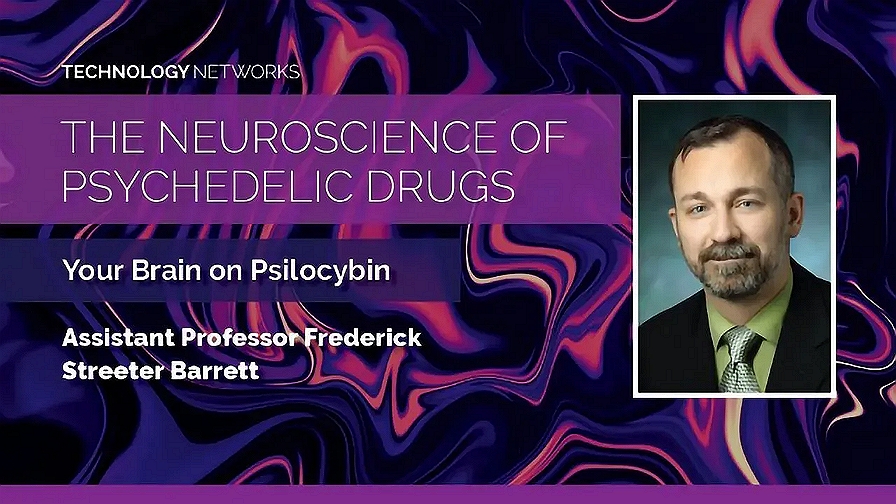
The Neuroscience of Psychedelic Drugs - Your Brain on Psilocybin

by Ruairi J Mackenzie | Technology Networks

Psychedelic drugs have long been exiled to the fringes of medicine, dismissed as recreational drugs with limited therapeutic potential. That all changed with the breakthrough therapy status granted last year to psilocybin, the active compound found in psychedelic mushrooms, for its ability to rapidly reverse treatment-resistant depression. This has led to an explosion of interest in the field, with new institutes opening and new disorders identified as targets for psychedelic therapy. In our latest interview series, we discuss the potential of psychedelics to revolutionize clinical neuroscience with thought leaders in the field.

Fred Barrett is an Assistant Professor of Psychiatry and Behavioral Sciences at Johns Hopkins University in Baltimore. In this interview, we discuss his work with the active component of magic mushrooms, psilocybin. Fred explains how this compound affects the brain, its potential to combat visceral pain, and its links to so-called mystical experiences.

Ruairi Mackenzie (RM): Could you tell us about psilocybin’s mode of action on the brain?

Fred Barrett (FB): This goes back to the very beginning of research for psychedelics, through the ‘70s and then ‘80s and ‘90s as well. People have been thinking about this for decades.

I think there are a couple of interesting hypotheses, but two in particular which are not necessarily independent or mutually exclusive hypotheses. One of the hypotheses was that psilocybin
-related drugs essentially alter thalamic gating. So, what the hell does that mean? Here’s a crash course.

The thalamus is almost like a switchboard for sensory information being transmitted to higher cortical areas. The thalamus acts as a gate if you will in many instances. It’s responsible for routing sensory information and in that duty it’s also responsible for holding back some sensory information. It’s often under the direction of higher prefrontal and executive cortices and so depending on what you need to pay attention to, the routing through the thalamus will change to attend to one or another sensory stimulus or modality. This is what happens in a normal healthy waking conscious brain.

Some of the experiences people have with psychedelics include an almost overwhelming sensorium and the cognition that you’re sensing things with psychedelics that you don’t normally sense. I’m hopefully not getting too scandalous by saying this but I think that if you were to really look for the “reducing valve” that Huxley was talking about, it would be the thalamus. It reduces the sensory information coming through to your cortex. The hypothesis was that psychedelics reduce the gating of the thalamus. They impair the thalamus’s reduction of sensory information and open the valve. That’s an interesting hypothesis; one of the things working against that hypothesis is that there are no serotonin 2A receptors in the thalamus [5-HT2A receptors are central to the action of psilocybin], but that’s okay because the thalamus undergoes top-down control from a number of other cortical regions that do have lots of serotonin 2A receptors.

One of those areas is the prefrontal cortex. Another theory that came up around this time was that psychedelics increase activity in the prefrontal cortices or they somehow inhibit the top-down control of the prefrontal cortices on other sensory and sub-cortical regions.

This is, like I said, not mutually exclusive, it could be that both are working together. It could be that. Evidence has been generated for both hypotheses. Studies back in the mid-'90s found evidence across several different psychedelic substances that there was a relative increase in frontal activity and a decrease in other cortical activity and most recently Katrin Preller, from Franz Vollenweider’s group, has published a couple of papers that have shown a vast alteration of the connectivity of the thalamus to other cortical brain regions. These are two hypotheses that seem reasonable. They’re not likely to explain everything that goes on with psychedelics but they are very likely to explain at least some of the sensory aspects as well as some of the feelings of loss of control that people experience when they’re under the acute effects of psychedelics, and some of the cognitive changes.

RM: Is there evidence that psilocybin could have a role in minimizing pain and suffering in illness?

FB: That’s the story that came out of some cancer studies that were published where the explicit aim to see if we could reduce suffering, emotional pain, psychological pain and suffering. That brings up an interesting additional potential pathway which is for the direct treatment of pain, like physical visceral pain. There are reasons to think that psilocybin and related drugs may have anti-nociceptive properties.

You can think of two obvious hypotheses why that might be, one is that there are some kind of biomechanical anti-nociceptive effects; maybe psilocybin alters ascending nociceptive pathways or alters periaqueductal gray, all the brain stem-mediated pain receptor-type mechanisms, that there’s some effect on these mechanisms that reduce pain. I collaborate with an anesthesiologist at the Bayview Medical Center here at Hopkins. When we first started collaborating and I told him what I was doing with psychedelics, he said, “Have you studied pain, because I’ve seen patients in the ER who say they’ve taken acid and they can’t feel a thing. They’re hitting their heads against the wall, maybe got into a car accident, they don’t feel anything!” Isn’t that fascinating? Frankly if we need people to be under the acute effects of psychedelics to have them not experiencing pain, then that may really limit the potential application of these drugs in pain reduction.

Another hypothesis; a big part of pain can be catastrophizing. To the degree that psychedelic drugs can alter our view of our relationship of the world around us, to the degree that psilocybin can reduce anxiety and put us at ease and allow us to be present and at peace with the state of our lives. That maybe reduce catastrophizing which can have a direct impact on pain and suffering. There are certainly some more psychological theories and hypotheses about what psychedelics are doing, a couple of theories that maybe psychedelics increase psychological flexibility. Maybe psychedelic experiences increase an individual’s insight into their life and their relationships. Maybe psychedelics allow people to identify and then jettison undesirable behaviors in their lives. All of these things can load on to the factor of reducing pain and suffering through lots of different ways. Researchers around the world I think are really piling onto this to see if the way they understand psychology and the way they understand the mind and their theories apply to psychedelics. It seems like all of these things may be at play so I think we have a really interesting future ahead of us in seeing what really shakes out.

RM: Could you briefly outline the relationship between psilocybin and mystical or religious experiences?

FB: Early on in the study of psychedelic experiences there were a number of people who seemed to think that there was a clear relationship between psychedelic experiences and what might be described as mystical experiences. It seems to me that mystical and religious experiences can be two different things. There’s a philosopher of religion, Walter Stace, who scoured all the literature he could find to try and identify examples of what might be a mystical experience. From that he developed a philosophical model of mystical experiences where he identified six or seven factors, depending on how you read it, of mystical experience.

These being:​
  • Deeply felt positive mood​
  • Sacredness​
  • Reverence​
  • Ineffability​
  • Timelessness and spacelessness​
  • Internal or external unity​
External unity being the feeling of oneness with everything around you and internal unity being a bit deeper in that with external unity you may still say, “I am one with everything” and then with internal unity, you say, “There is only one, there’s nothing, there are no differences.”

One of the early researchers in psilocybin was Walter Pahnke who was an investigator here in Maryland, at Spring Grove Psychiatric Centre and Maryland Psychiatric Institute. Walter wanted to understand if he could evoke religious experiences with psilocybin. Are you familiar with the Good Friday experiment? He conducted this experiment at the seminary associated with Harvard University and he recruited a number of seminary students. Before attending this Good Friday Mass, he gave half of the individuals in the study a high dose of psilocybin and the other half a high dose of Niacin and everybody went into church and participated in this Mass. There are lots of amazing features of the study.

There are a lot of completely problematic features of the study too, but after everybody got out of mass and came down from their experience, he had everybody complete a questionnaire to try and quantify in some way the dimensions of the experiences people had. He based this questions on Stace’s work. He asked questions that probed and targeted each of these potential features of mystical experience. His theory being that that’s what psychedelics do, they evoke a mystical experience, so why not put this in a religious context to maximize the potential that we get the experience in seminary students.

RM: Research was… different back then.

FB: Yeah, much different. An interesting point in our history is that one of the investigators at the time, in Spring Grove and Maryland Psychiatric was Bill Richards. There are lots of interesting digressions here we could go down but of course the psychedelic research program eventually closed. Bill went about his life as a therapist and when Roland Griffiths here at Hopkins reignited the psychedelic research, well started his first study he was fortunate enough to get Bill Richards to come and be the clinical director of that first study. Bill basically started, picked up where they left off. And so, since the beginning of our program we’ve been following that thread of using the framework of mystical experiences to describe the unique phenomenology of psychedelics.

It may have been a terrible error in marketing, in that the word mystical itself can bring up all kinds of misconceptions in people, “Oh it’s mystical, you can’t describe it. It’s something that can’t be described while you’re trying to study it, or mystical in a sense that it’s like the initiation of a religion, “Only a few can get to this place.” Or that it’s religious, you have to be a Judeo-Christian or be from a given tradition to understand it.”

It really, at its heart, transcends religious definitions and boundaries. A mystical experience, despite the scary-sounding name, is actually somewhat of an operationally-defined construct [meaning that the way it will be measured can be articulated] . In psychology we’re really excited about operational definitions. What’s your operation definition for attention? People will argue about that. Lots of people might be able to agree on basics. What’s your operational definition of memory? That’s a little bit more concrete. What’s your operational definition of decision making? These are things that you have to operationally define before you experimentally interrogate them.

We don’t ask people did you have a mystical experience? We have a questionnaire that systematically addresses each of the theoretical domains that Stace proposed. The original version of our questionnaire that we started using in 2000 hit all of Stace’s domains. More recently, Catherine McLean from survey data and I from experimental data did some real hardcore psychometric evaluation of the questionnaire and we pared it down at least from the way that the questions and responses behaved. It seems like there really are four factors. People who felt positive mood, ineffability, timelessness and spacelessness and a general what we call mystical factor which includes external, internal and sacredness questions.

We have this study and questionnaire. Every good psychologist has a questionnaire, right? It has good reliability; it has validity and has a nice, well-behaved factor structure. We use this as a heuristic framework for trying to describe the profound, wild experiences that people have with these drugs. We recently completed a [psychedelic dosing] study on individuals who have a long-term meditation practice and by and large these were people who were following Buddhist practices, although many of them wouldn’t self-identify as Buddhist because they didn’t like the idea of self-identifying as something. Certainly not Western Judeo-Christian or people of the book type of religious folk.

They were able to, without using the term mystical – a lot of them bristled at the term mystical – but they were able to complete this questionnaire in such a way that comported quite well and quite beautifully with all of the other responses we’ve got in other studies. So, do you believe in religion, do you believe in mystical experience? That doesn’t matter, fill this questionnaire out. Did your sense of time and space deteriorate. Were you able to orient yourself in space and time? Did you experience joy or peace or love? How well are you able to describe the experience using words? Can you agree with the following statements: I felt at one with everything around me; boundaries between self and other began to erode? Things like that. Yeah to all of them? Mystical experience.

Do we want to call it a religious experience? I mean people can have religious experiences with these drugs but I think at the end of the day what that really is, is an attempt by an individual who may have a religious predisposition to try to make sense of it using whatever language they have available to them, or whatever frameworks they have available to them. The interesting thing with that is that if you ascribe to a certain tradition, that doesn’t mean you’ll see imagery in your [psychedelic] session related to that image and that tradition. Christians have seen Hindu imagery, Hindus have seen Christian imagery, that’s a brief example.

We’ve recently completed a study that I wasn’t involved in with giving psilocybin to religious professionals, with the acknowledgement that many religious professionals experience some pretty deep and profound burnout in their ministry. The question being can psilocybin help people to recover from that burnout, reignite the faith?

There have been studies in this relationship between psilocybin and mystical experience or religious experience, I’d say from the very beginning. What we’ve found is that strength of mystical experiences as we’ve operationally defined it actually seems to mediate the effect of psilocybin on depression and anxiety. The statement really is that the subjective effects are important in realizing the therapeutic outcomes.

Fred Barrett is an Assistant Professor of Psychiatry and Behavioral Sciences at Johns Hopkins University in Baltimore. In this interview, we discuss his work with the active component of magic mushrooms, psilocybin. Fred explains how this compound affects the brain, its potential to combat...

www.technologynetworks.com
 
Last edited:
shutterstock_391979371-scaled-e1605639148596.jpg


Psychedelics may help the brain repair itself, study finds

Calvin Ly, Alexandra Greb, Lindsay Cameron, Kassandra Ori-McKenney, John Gray, David Olson

A new study in Cell Reports has found that psychedelics promote structural and functional neural plasticity.

In recent years, psychedelic party drugs such as LSD and MDMA have been studied by scientists for their potential ability to treat mental health problems like depression and anxiety—often in microdoses much smaller than the what a person would take to trip. But while the research into these drugs is promising, there’s still a lot we don’t understand about how they affect the brain. A new study, published Tuesday in Cell Reports, seems to offer the strongest evidence yet that they can actually help repair the brain’s circuitry and function.

The researchers, primarily from the University of California, Davis, exposed lab-cultured neurons from humans, rats, and other animals to various psychedelics. Drugs from different classes were used, including the amphetamine MDMA, the tryptamine psilocin, and the ergoline LSD. The neurons were taken from the prefrontal cortex, an area of the brain thought to be crucial in the development of certain mental illnesses.

Most of the psychedelics tested, the researchers found, promoted the growth of new dendrites from a neuron cell, which help transmit information from other neurons to the cell, as well as increased the density of small protrusions on these dendrites, known as dendritic spines. They also jumpstarted the growth of new connections, or synapses, between individual neurons. Similar effects were also seen in the brains of living test animals.

The net result of these changes, the authors say, is that they improve the brain’s plasticity, which includes its ability to repair itself from damage caused by things like stress or trauma. These changes, the researchers noted, are the reverse of what seems to happen in the brains of people living with chronic depression, post-traumatic stress disorder, or addiction. And they resemble the changes seen in people who take ketamine, an anesthetic and recreational drug that has been retooled in recent years as a fast-acting, if still experimental, antidepressant that some research has found can quickly tamp down suicidal thoughts.

“People have long assumed that psychedelics are capable of altering neuronal structure, but this is the first study that clearly and unambiguously supports that hypothesis,” said lead author David Olson, an assistant professor in the Departments of Chemistry and of Biochemistry and Molecular Medicine, in a statement. “What is really exciting is that psychedelics seem to mirror the effects produced by ketamine.”

It’s exciting, the authors say, because it means there’s more than one way for drugs to quickly improve a person’s brain plasticity. And the more options available, the better the chances someone can benefit from treatment, especially if other current drugs haven’t worked. Ultimately, it also provides researchers like Olson that many more avenues to pursue in developing more palatable versions of the psychedelic drugs we have available (i.e., versions that don’t cause long, mind-bending trips). The team even wants to rebrand these drugs as “psychoplastogens.”

“Ketamine is no longer our only option,”
Olson said. “Our work demonstrates that there are a number of distinct chemical scaffolds capable of promoting plasticity like ketamine, providing additional opportunities for medicinal chemists to develop safer and more effective alternatives.”

Olson’s team is already studying whether non-hallucinogenic analogs of these psychedelics can still improve brain plasticity, and they note that researchers elsewhere are in the middle of developing safer analogs of ketamine, which has some potential for addiction and abuse.

https://www.cell.com/cell-reports/fulltext/
 
Top